Monthly Archives: December 2023

Christmas in Central Europe

One of the main reasons people visit Europe during November and December are the Christmas markets. Markets that pop up during the Christmas season date back to at least the late Middle Ages, can be found all over Europe, and are so popular that cities across the United States do their best accurately replicate the experience.

Like their American replicas, they are filled with booths that sell food and beverage.
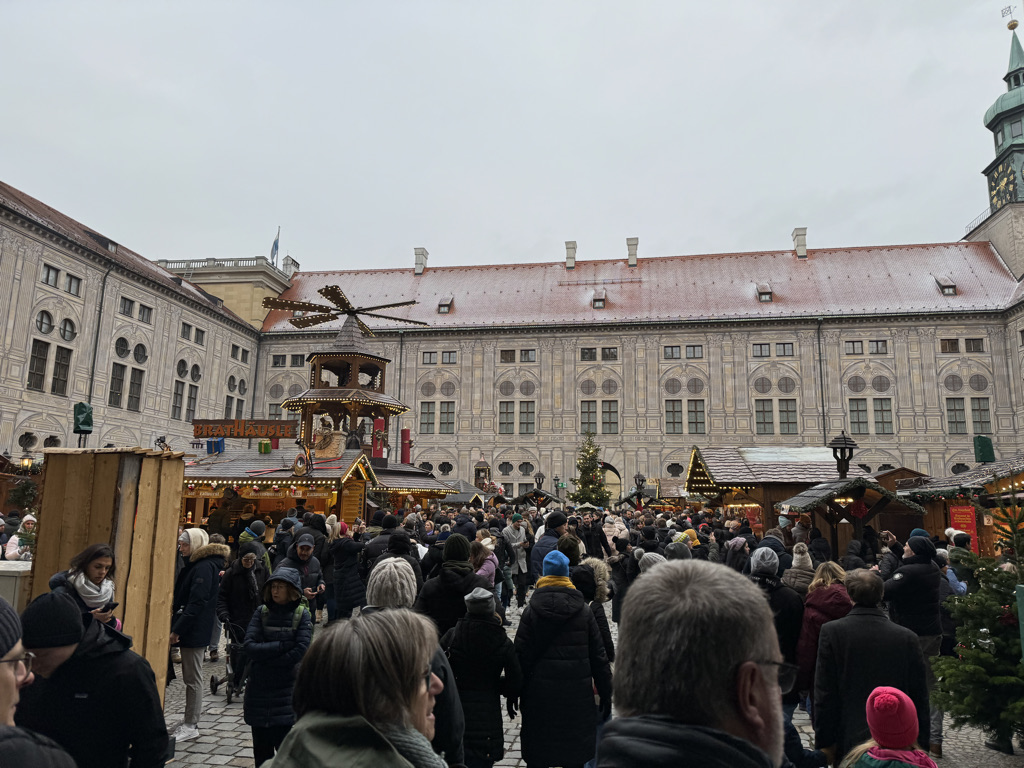
As well as shops that sell decorations, such as ornaments and nativity displays.

They can be fun places to hang out both in daylight and at night.

Actually, with all the lights, they can be all the more magical at night.

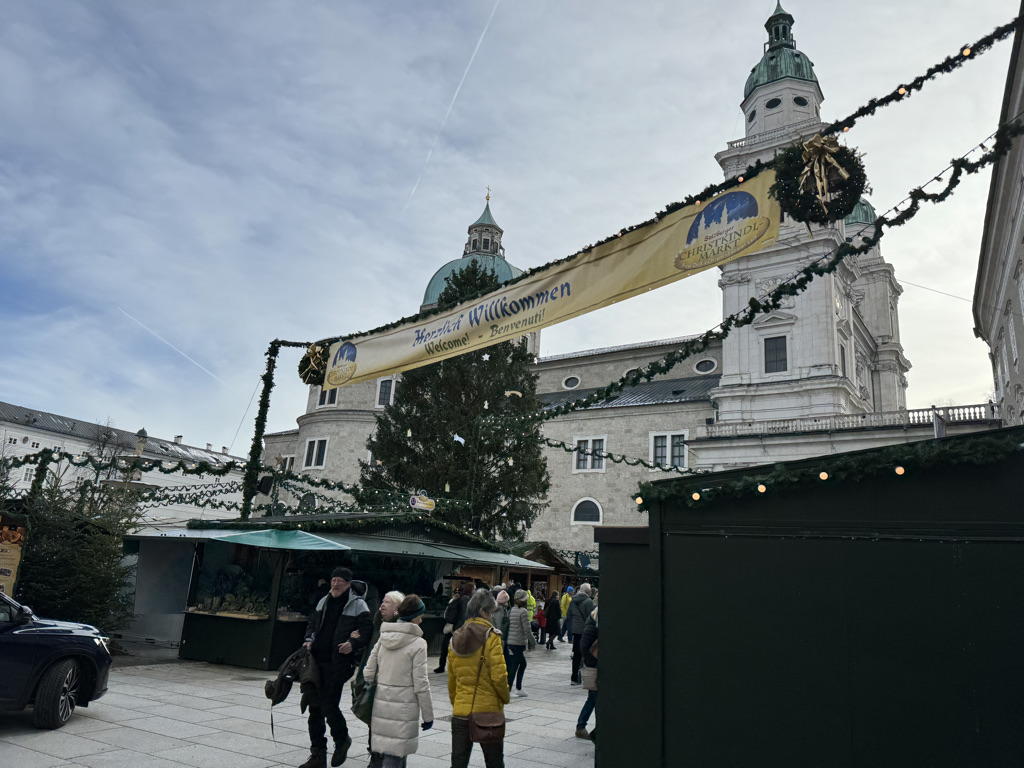
These Christmas markets are pretty sizable, with some being large enough to have multiple sections, like the Salzburg Christkindlmarkt at the Dom and Residenzplatz in Austria.
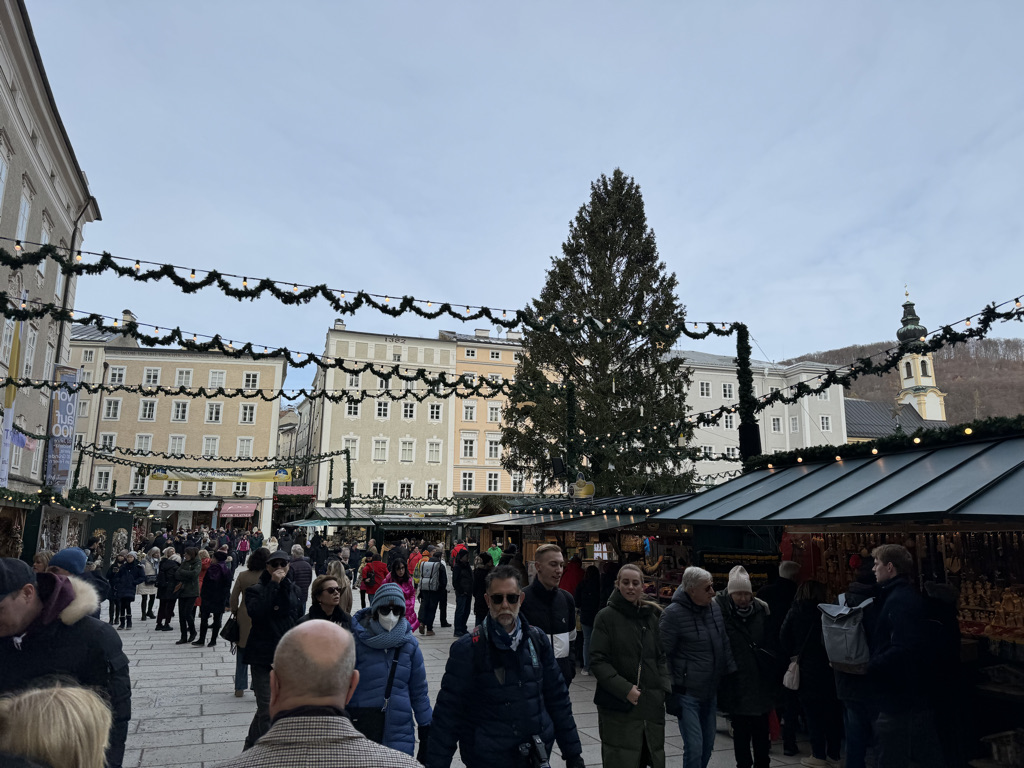
And, while Munich’s main Christmas market is at Marienplatz.

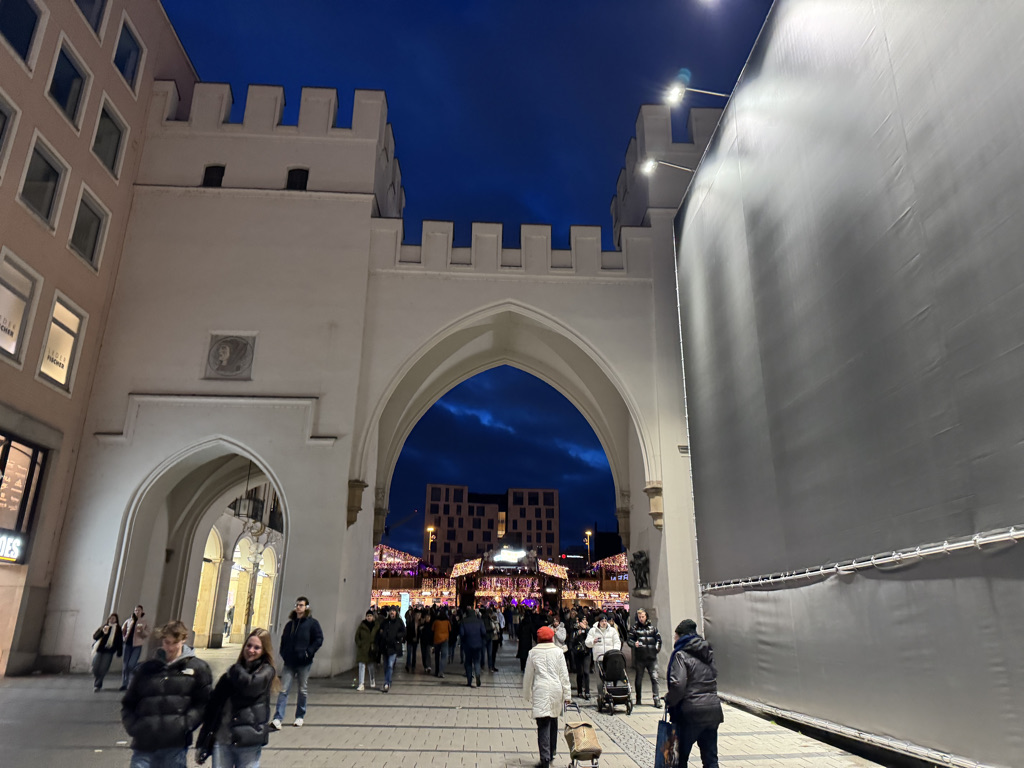
Perhaps their most interesting one is at Odeonsplatz, a mere 500 m (less than half a mile) away. This one was large enough to not only have the usual food, drink and ornaments, but also had a full Christmas children’s display which included my favorite part of this journey: A singing moose that sings “Winter Wonderland” in German.

Seriously, I could not get enough of this video!

Throughout my time in Europe, going to Christmas markets, I did make one observation that was somewhat strange to me. At the surface, Christmas in Europe seemed a bit more religious, with nativity scenes everywhere. At this Christmas market in Prague (Chezchia), the first thing visitors see is a nativity scene in front of a gigantic church.

This seemed odd given that, as a whole Europe is seen as less religious than the United States and the Czech Republic is among the least religious countries in the world!

Yet, somehow, in the more religious United States, the primary symbol of Christmas, that is seen everywhere is Santa, the quintessential symbol of commercial, secular Christmas.
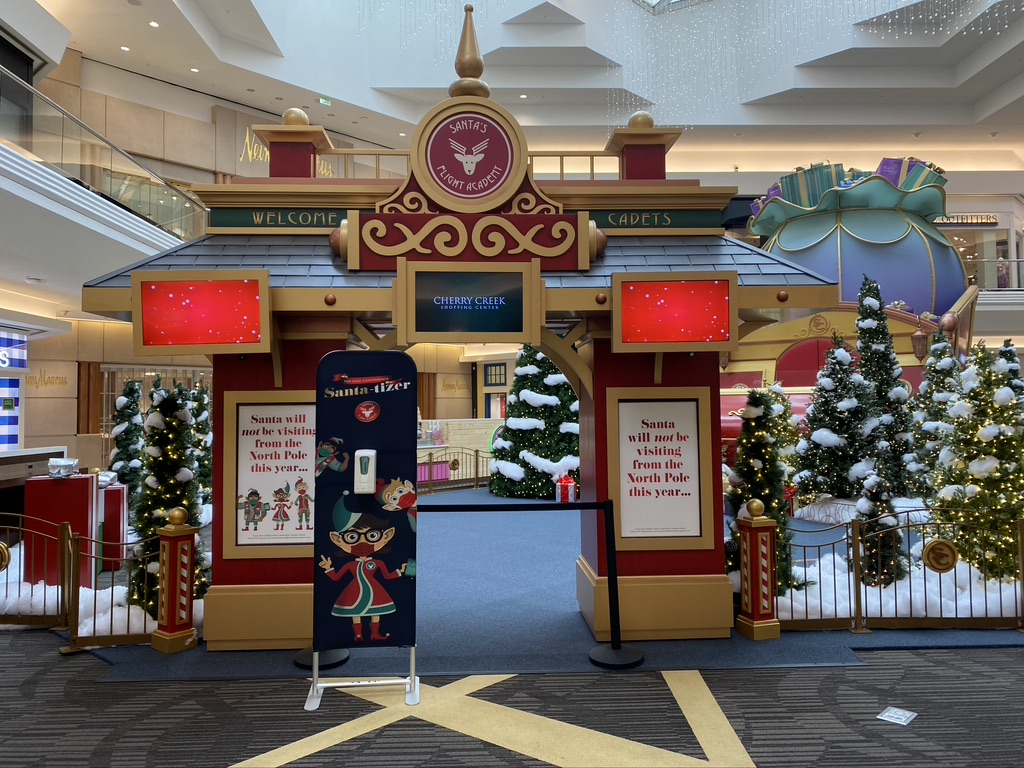
And it’s the post-Christian Europe where one will see nativity scenes, the quintessential symbol of Christian Christmas everywhere!

How does that make sense? Well, the answer is, it doesn’t. Most traditions don’t. Most traditions are some kind of jumbled up combination of the history of a place and the present day sensibilities of the population, combining the here and now with the nearby, both spatially and temporally.
There are reasons behind them, but they are complicated. Sometimes they involve specific, almost random events that would constitute historical minutia. It seems like to try to understand all the history behind every custom or tradition from around the world would be like trying to drill down to the specific reactions involving every sub-atomic structure to explain all the physical wonders of the world, including human behavior.

Maybe, observing anything that seems contradictory like this is a lession for all of us to learn about overthinking things. Overthinking can sometimes seriously rob people of joy. While hanging out in a Christmas market in a light Christmas-y snow, is it better to be fixating on why a less religious continent has more religious imagery than mine, or is it better to just be taking in the experience and the people around me?

Munich in November

It was barely above freezing when these brave individuals bared the cold river and graciously showed off their amazing surfing abilities in Munich’s English Garden. In the summertime, it is likely quite a challenge to get a peak at these amazing local athletes from the bridge over the Eisbachwelle along Prinzregentenstraße. In November, at least before noon, I was able to just walk up to this overlook and get a glimpse of this incredible performance. By the afternoon, however, this bridge would be packed with people doing the typical 2023 thing, taking photos and videos.

Munich in November is not for those who prioritize comfort. Most days are cloudy and chilly. Cold rain and wet snow is quite common.

Also, daylight is quite limited. This photograph of the BMW world headquarters was taken a little after 3:30 P.M. with darkness already starting to encroach upon the city.

The key is maximizing the daylight hours as much as possible.

To take advantage of those rare instances when the sun does come out.

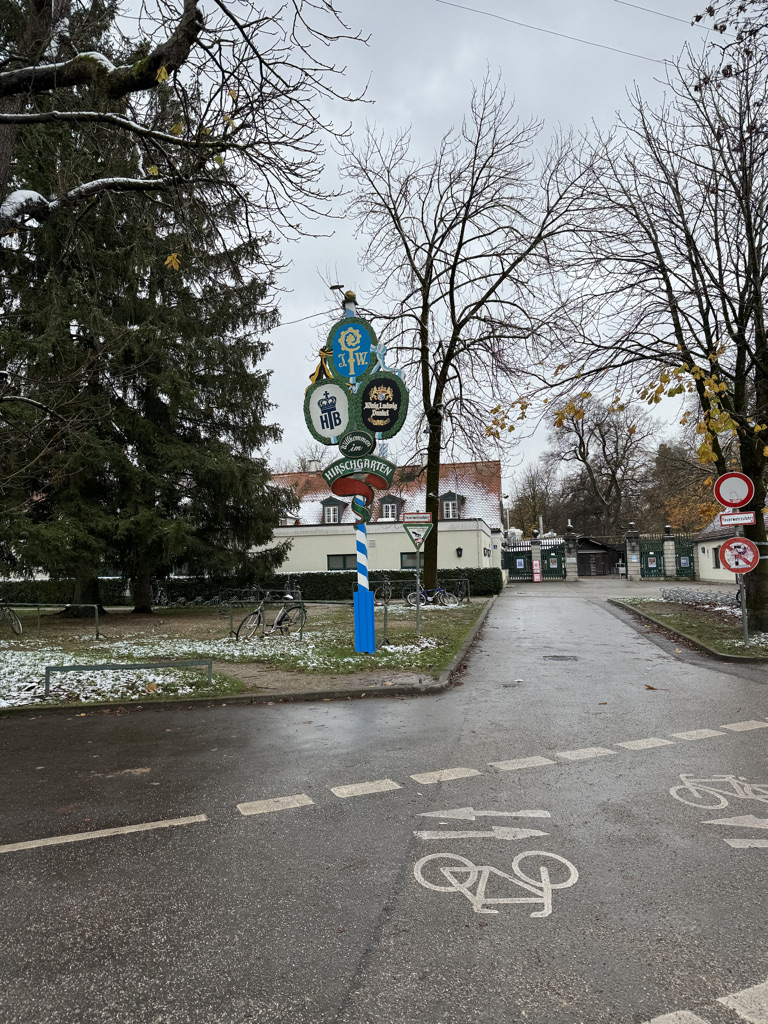
And to find a fair share of indoor activities. Luckily, Munich is home to the world’s largest beer garden.

As well as countless other places people go to eat and drink.

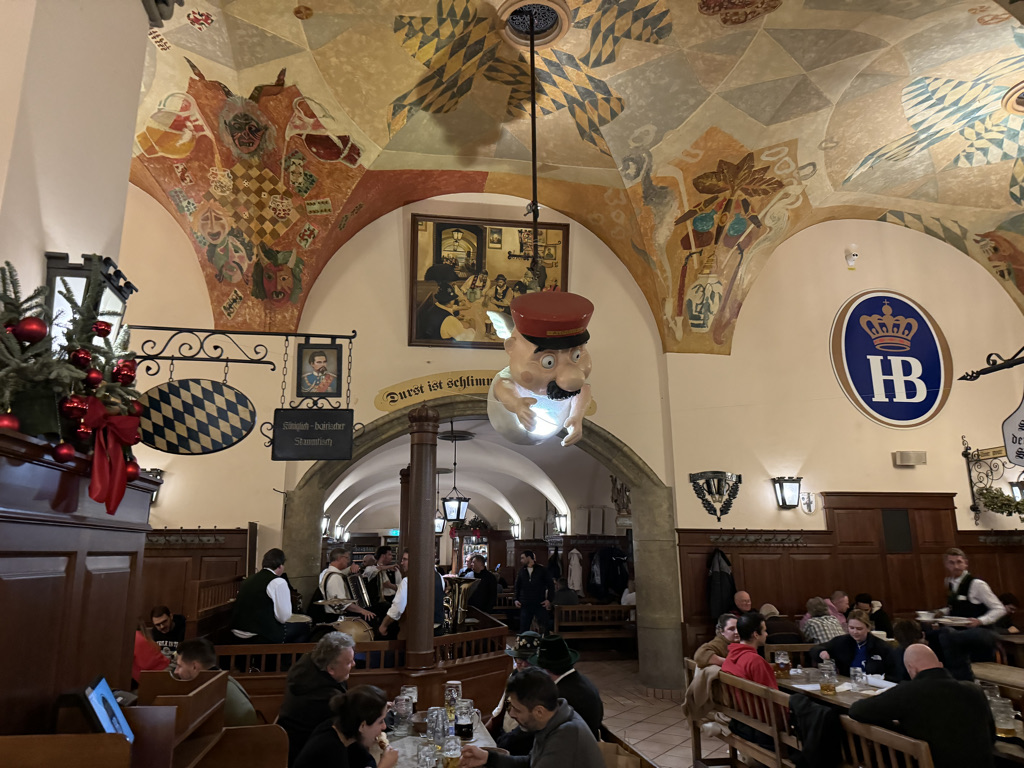
Perhaps the most famous tourist destination is the Hofbräuhaus.

The easiest way to describe this place is that it takes every stereotype you may have about Bavaria and leans into it 100%. Most people are drinking large quantities of beer and there is a band in the middle playing polka or music of a similar variety. During peak tourist season, this place may be so packed it is hard to get a table, making November a pretty good time to visit this place.

Of course, there are activities for those times when you just don’t feel like drinking. On this trip, I visited multiple museums dedicated to showcasing Bavarian history.

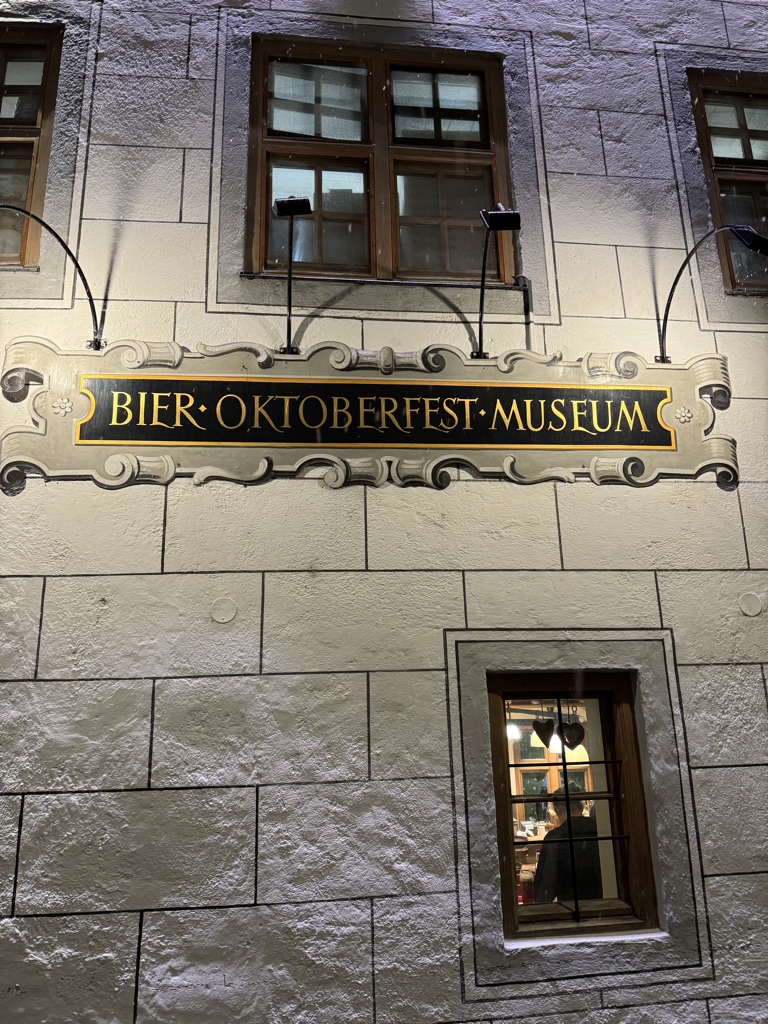
Another place easier to navigate due to the relatively low volume of tourists compared to other parts of the year is the Oktoberfest Museum.

All discussion around town about Oktoberfest defied my expectations. Oktoberfest is a tradition that goes back to a wedding celebration in 1810.

For some reason, I expected the locals to mostly be annoyed by an event that brings a lot of people to town to get drunk, act stupidly and sing songs in a foreign language. However, most people I talked to seemed to be proud of it. Maybe this is just the tourism industry trying to get people to come back, but I was told it is an event I need to experience.

The Oktoberfest Museum covers not only the history of the event, but the history of beer, sometimes in a comical manner.

It also validated both my love of all things bicycles and my instance that inflation is a bigger issue than most people give it credit for. Inflation cancelled this event for two years!

One thing that will be hard to miss in November, pretty much anywhere in Europe, is preparation for Christmas, with trees going up and people getting those amazing German Christmas markets setup.

Of course, Europe is not the United States and they do not have the Thanksgiving holiday. However, they seem to kick off the Christmas season in a similar manner. Most of these markets open up just before or just after Thanksgiving.

And, perhaps unfortunately, they have not only adapted the worst aspect of American Thanksgiving, Black Friday, but managed to turn it into an entire week.

Seriously, I know some people are ashamed of the history of Thanksgiving. However, today the holiday’s primary purposes are to gather people together and express gratitude. If people in other countries started adapting this tradition, as an American, I would wear it with pride. Our consumerism, not so much.

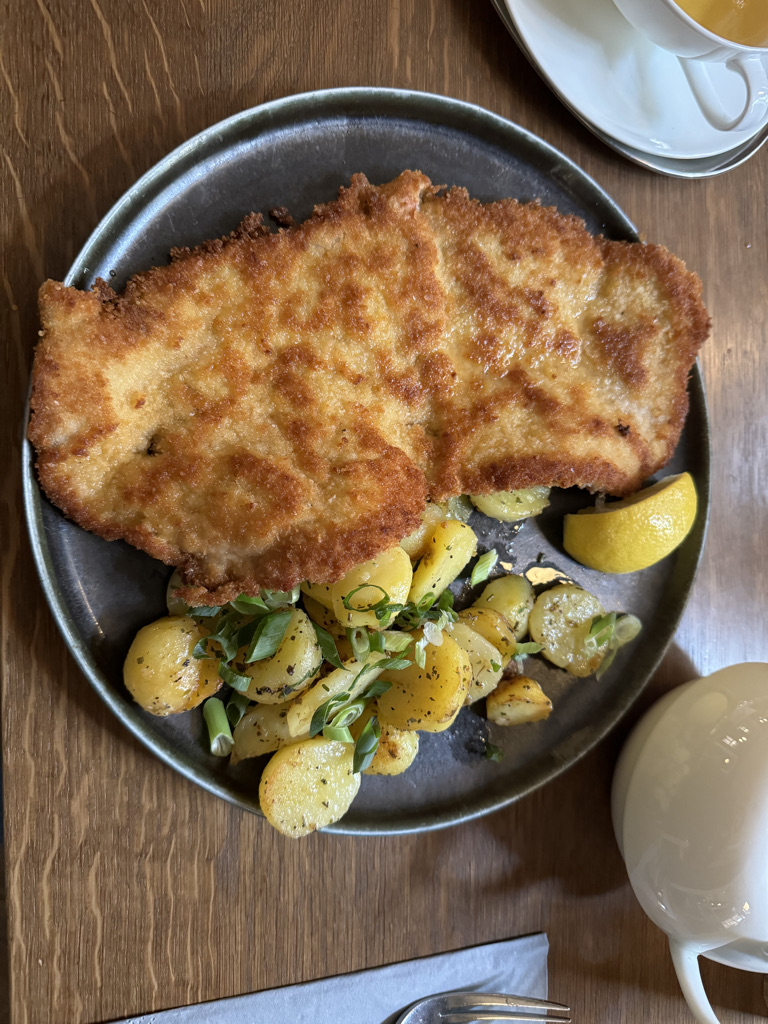
Whenever I travel anywhere, I like to really immerse myself in the food, sometimes even eating things I would not normally eat.

It’s another way of getting a real cultural experience. These traditional German dishes are pretty heavy. Eating them feels far more natural in the wintertime.

To sum it up, there are advantages and disadvantages to visiting places like Munich in November. Munich’s November weather is less than ideal. However, it is great to see people setting up the Christmas markets, and have far less lines and crowds, as well as some cheaper prices for things like airfare and hotels.

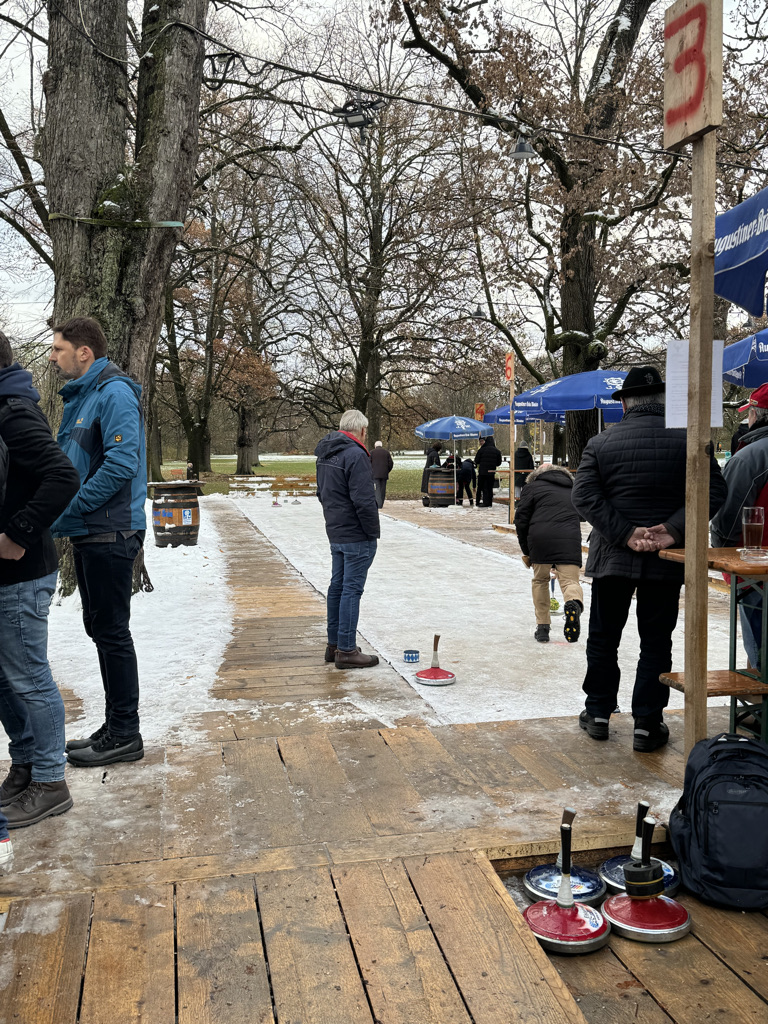
Also, had I not visited in November, I would not have learned about another completely unexpected tradition, this strange combination of curling and bocce ball, played on ice.

Seriously, I have no idea what this sport is called, but it felt like it was everywhere, particularly at beer gardens. This makes sense as I would be hard pressed to think of a better drinking game to be played outside in cold weather.