Category Archives: Czechia

Christmas in Central Europe

One of the main reasons people visit Europe during November and December are the Christmas markets. Markets that pop up during the Christmas season date back to at least the late Middle Ages, can be found all over Europe, and are so popular that cities across the United States do their best accurately replicate the experience.

Like their American replicas, they are filled with booths that sell food and beverage.
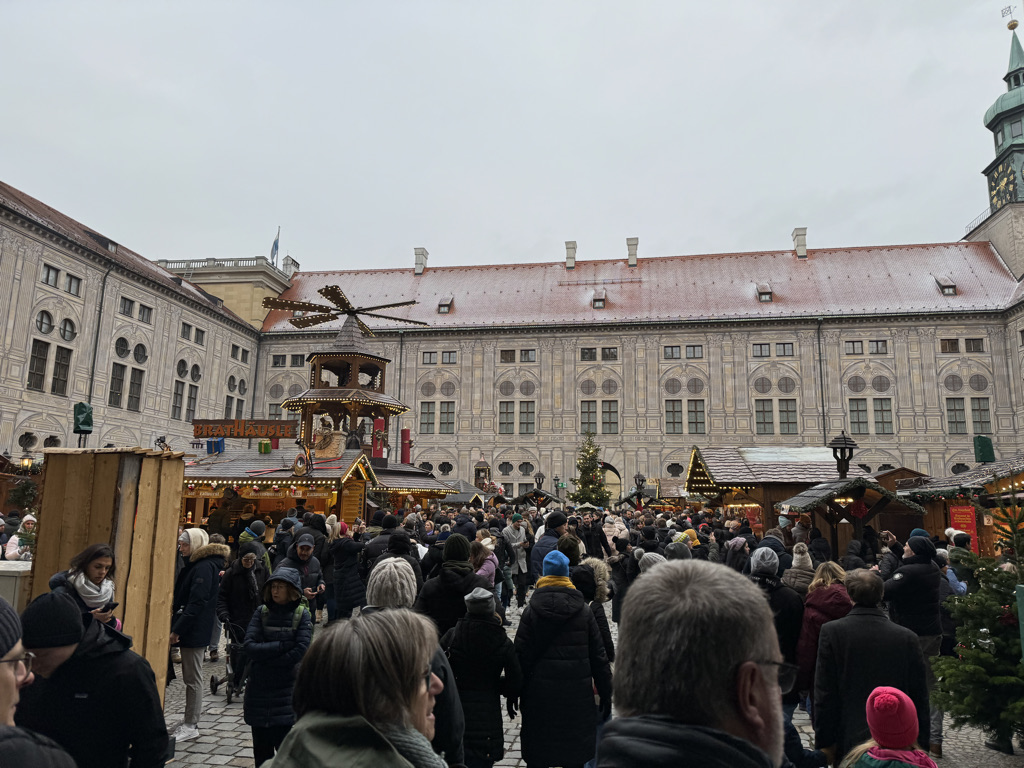
As well as shops that sell decorations, such as ornaments and nativity displays.

They can be fun places to hang out both in daylight and at night.

Actually, with all the lights, they can be all the more magical at night.

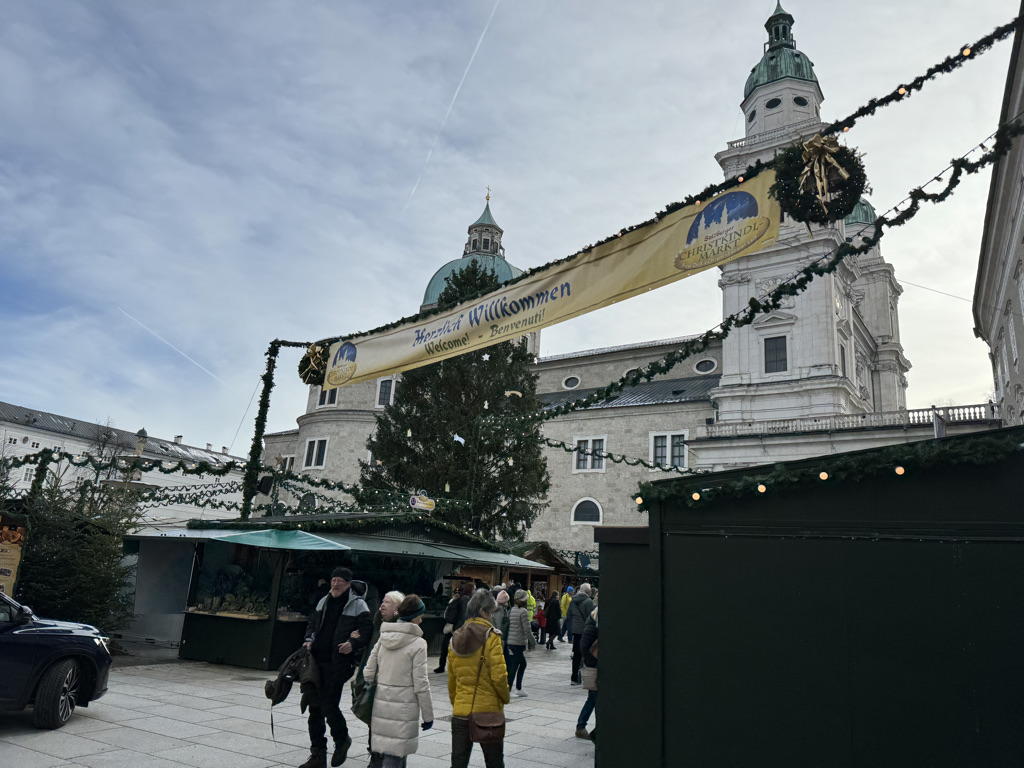
These Christmas markets are pretty sizable, with some being large enough to have multiple sections, like the Salzburg Christkindlmarkt at the Dom and Residenzplatz in Austria.
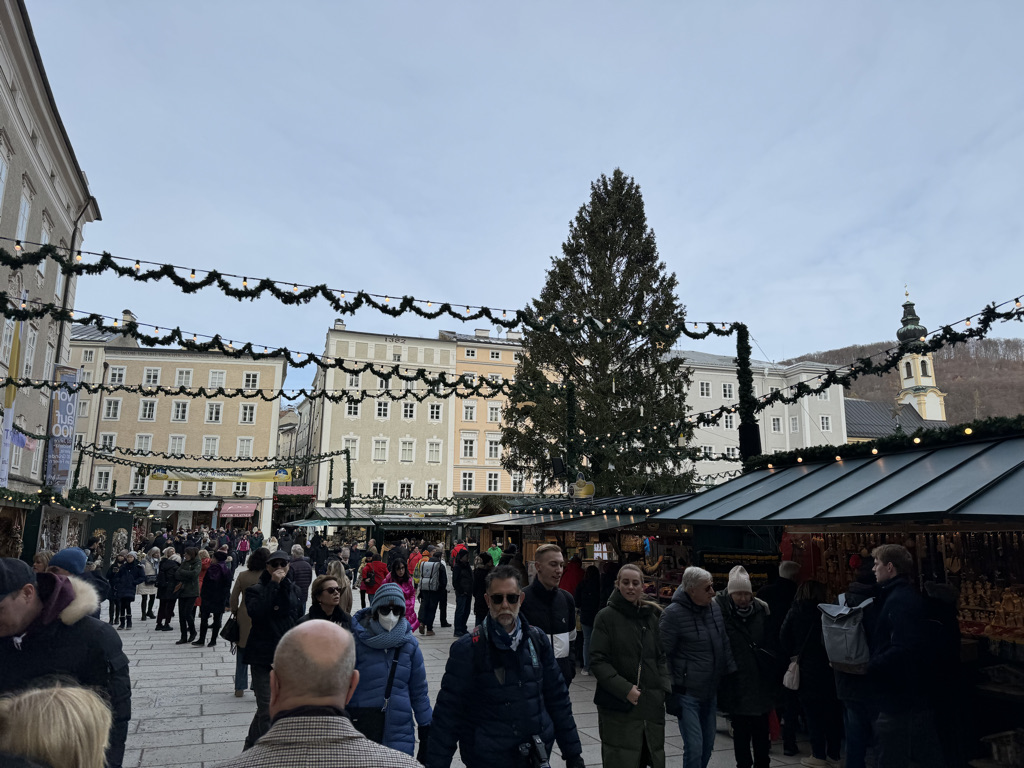
And, while Munich’s main Christmas market is at Marienplatz.

Perhaps their most interesting one is at Odeonsplatz, a mere 500 m (less than half a mile) away. This one was large enough to not only have the usual food, drink and ornaments, but also had a full Christmas children’s display which included my favorite part of this journey: A singing moose that sings “Winter Wonderland” in German.

Seriously, I could not get enough of this video!

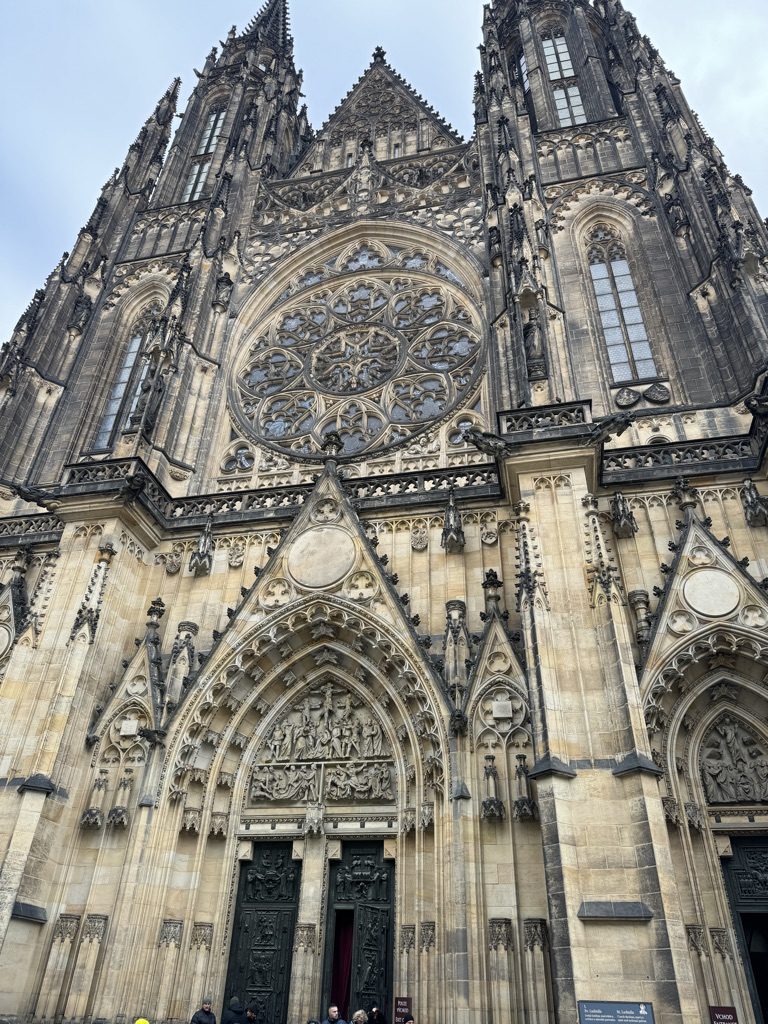
Throughout my time in Europe, going to Christmas markets, I did make one observation that was somewhat strange to me. At the surface, Christmas in Europe seemed a bit more religious, with nativity scenes everywhere. At this Christmas market in Prague (Chezchia), the first thing visitors see is a nativity scene in front of a gigantic church.

This seemed odd given that, as a whole Europe is seen as less religious than the United States and the Czech Republic is among the least religious countries in the world!

Yet, somehow, in the more religious United States, the primary symbol of Christmas, that is seen everywhere is Santa, the quintessential symbol of commercial, secular Christmas.
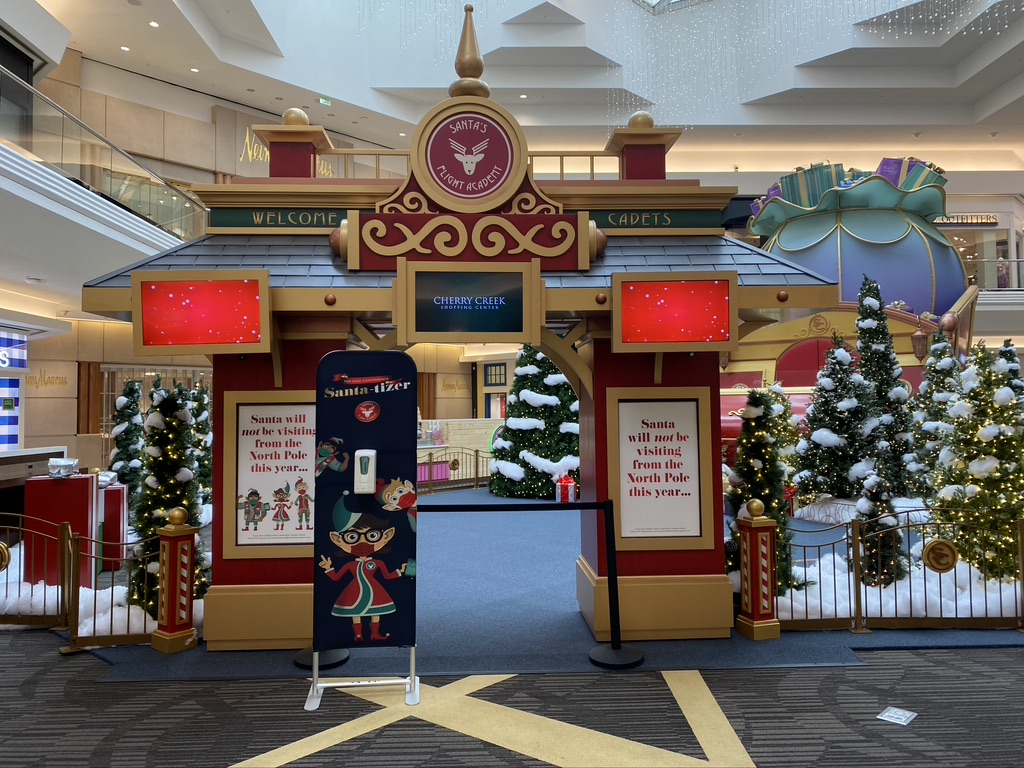
And it’s the post-Christian Europe where one will see nativity scenes, the quintessential symbol of Christian Christmas everywhere!

How does that make sense? Well, the answer is, it doesn’t. Most traditions don’t. Most traditions are some kind of jumbled up combination of the history of a place and the present day sensibilities of the population, combining the here and now with the nearby, both spatially and temporally.
There are reasons behind them, but they are complicated. Sometimes they involve specific, almost random events that would constitute historical minutia. It seems like to try to understand all the history behind every custom or tradition from around the world would be like trying to drill down to the specific reactions involving every sub-atomic structure to explain all the physical wonders of the world, including human behavior.

Maybe, observing anything that seems contradictory like this is a lession for all of us to learn about overthinking things. Overthinking can sometimes seriously rob people of joy. While hanging out in a Christmas market in a light Christmas-y snow, is it better to be fixating on why a less religious continent has more religious imagery than mine, or is it better to just be taking in the experience and the people around me?

Prague: Where the Past Come to Life

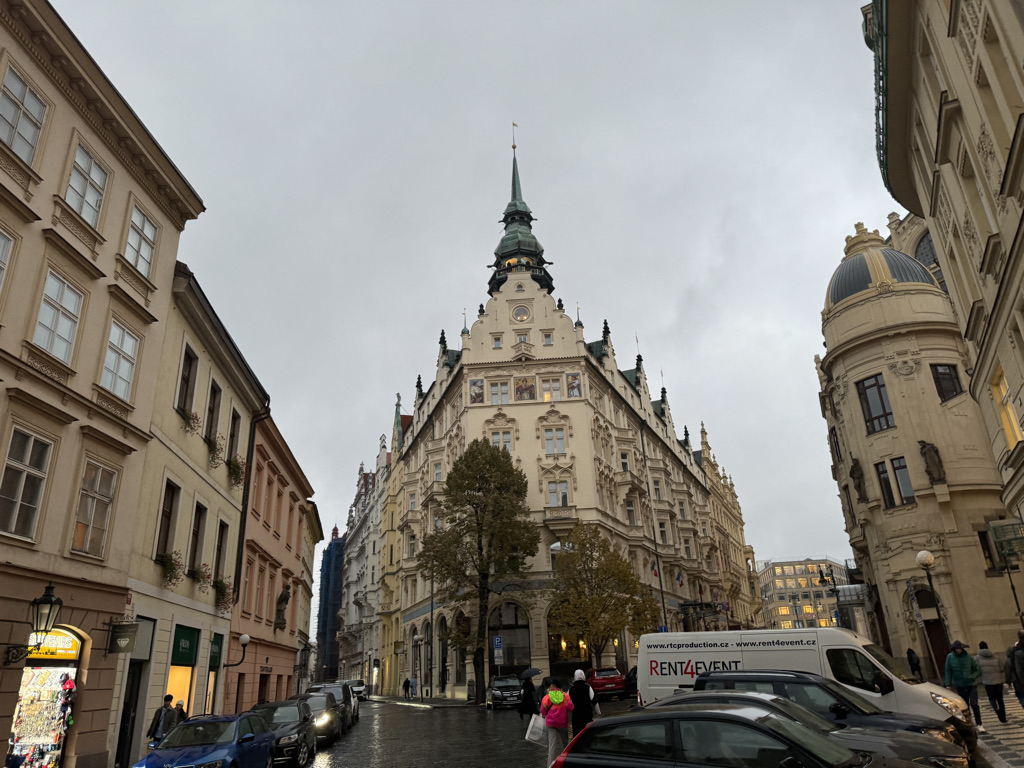
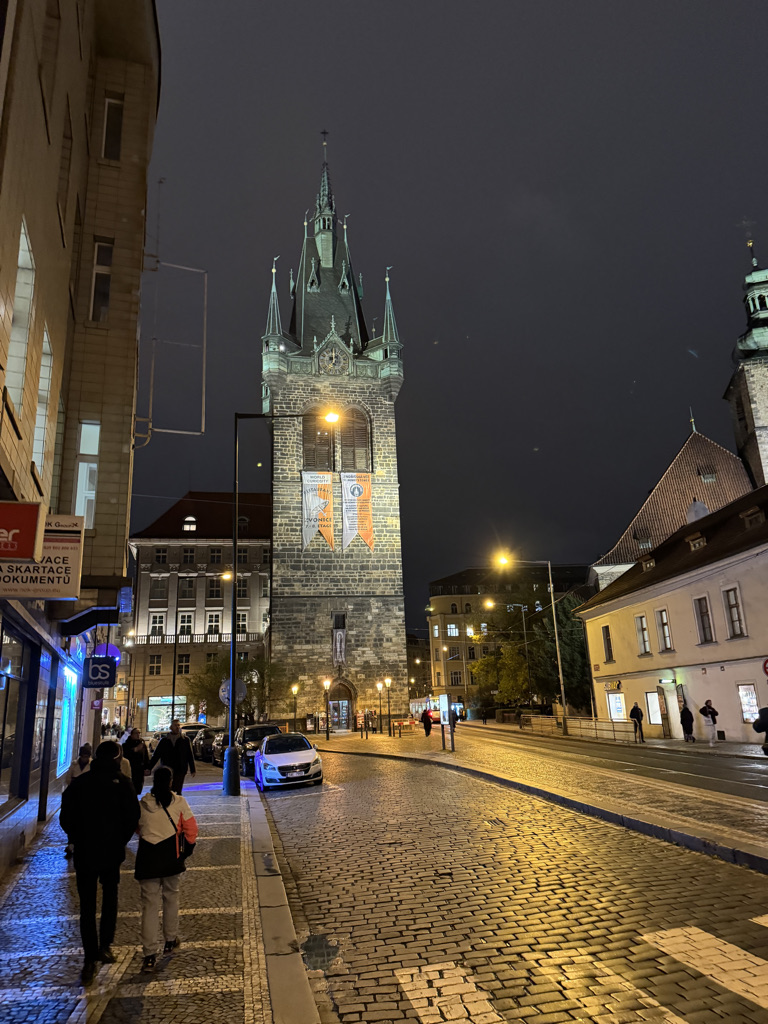
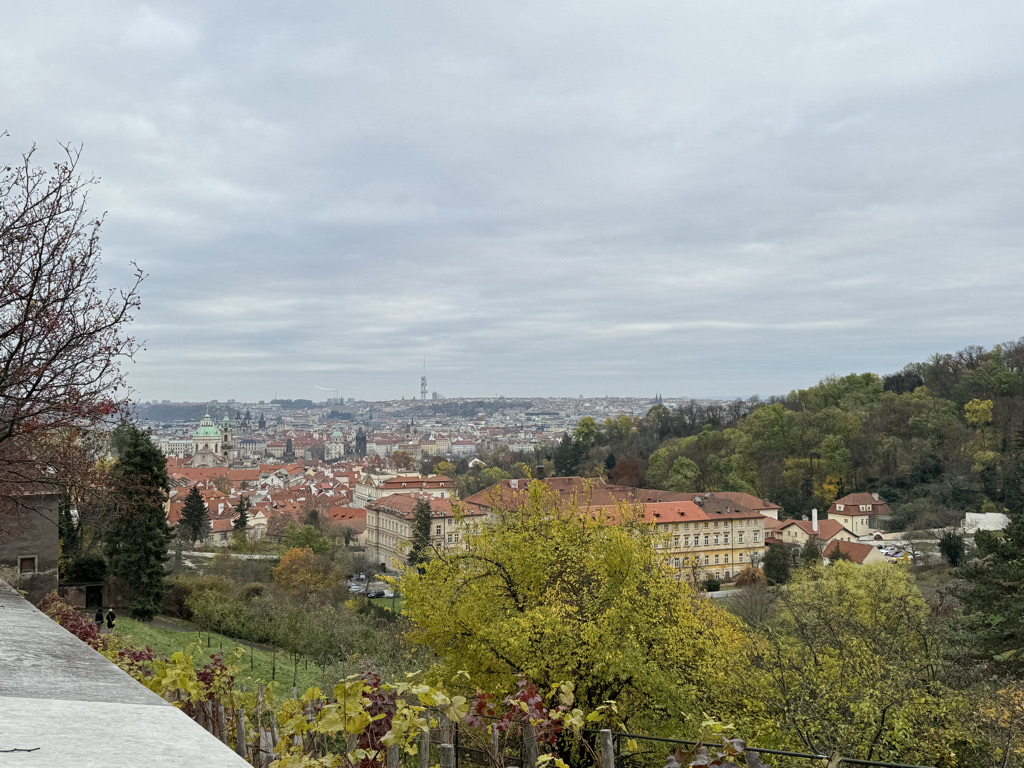
The first thing that stands out to anyone visiting Prague for the first time is the architecture. Navigating the city’s confusing, densely packed roads, visitors encounter one elaborate Medieval or Baroque era building after another.

Many of them show off the centuries of history they embody, as well as what had to have been thousands of hours of attention to detail in design and build.

It is perhaps an even more amazing set of structures to behold at night.

It is no wonder the city tops many lists of the most beautiful cities on earth.

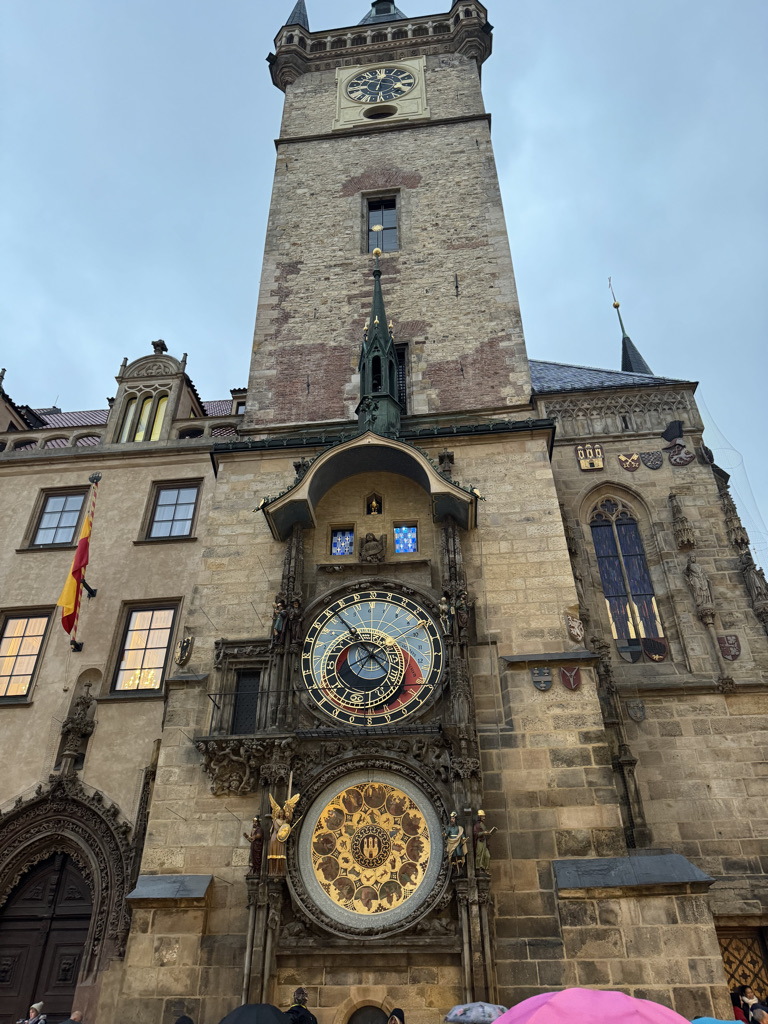
Perhaps the most crowded destination in the city is the now over 600 year old Astronomical Clock, right in the center of Old Town Prague.

For anyone visiting destinations that are “touristy”, it is imperative to find the right time to visit destinations like these where crowds are constantly gathering for things like the hourly show this clock put on. This clock itself is ironically a window into Central Europe’s past, particularly the 15th through 17th centuries when the majority of its individual components were created. Embedded in the structure is an implication of the values of the time. There is religious imagery. The clock shows the positions of the sun, earth, moon and all of the zodiac constellations. It is also hard to ignore the skeleton adjacent to the upper right portion of the clock itself.

There is probably a near infinite number of inferences that can be made about the values of the past from what features were included in the design of this clock. Historians can rely on other sources and, if they can avoid the trap of their own biases, can create a more accurate description of what the Late Medieval and Early Modern people valued. Looking upon a structure like this, the important thing to realize is that their values were different than ours are today and that many of the assumptions we take for granted in 21st century life do not apply to building constructed so long ago.

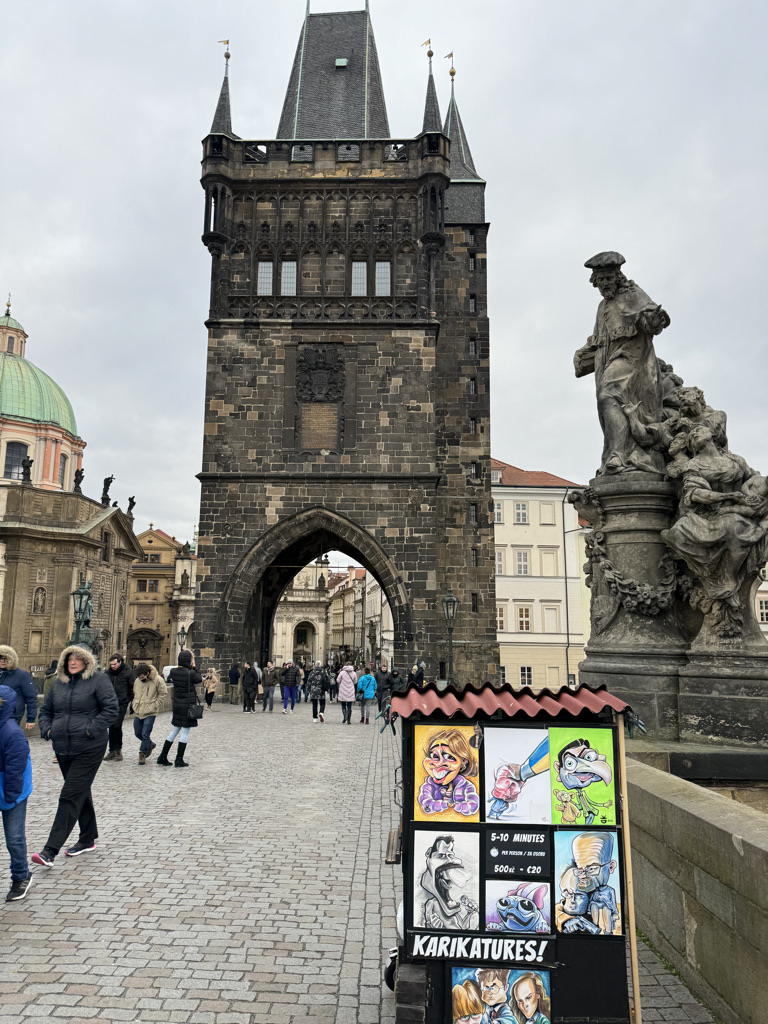
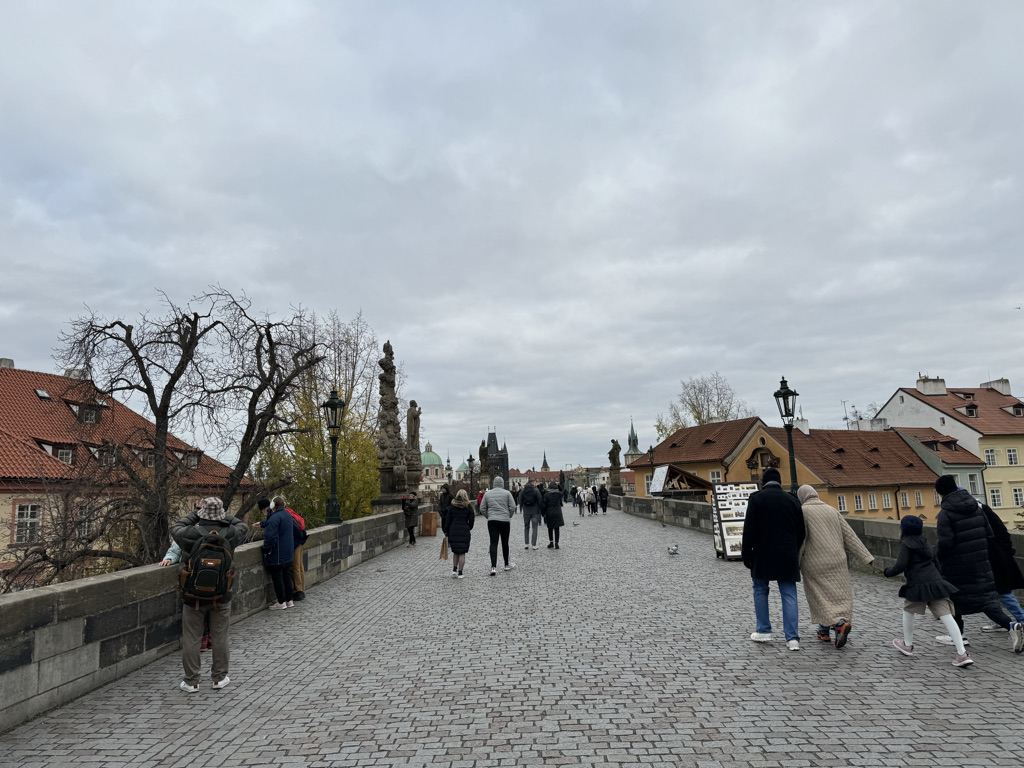
Construction on the famous Charles Bridge started even earlier than the astronomical clock.

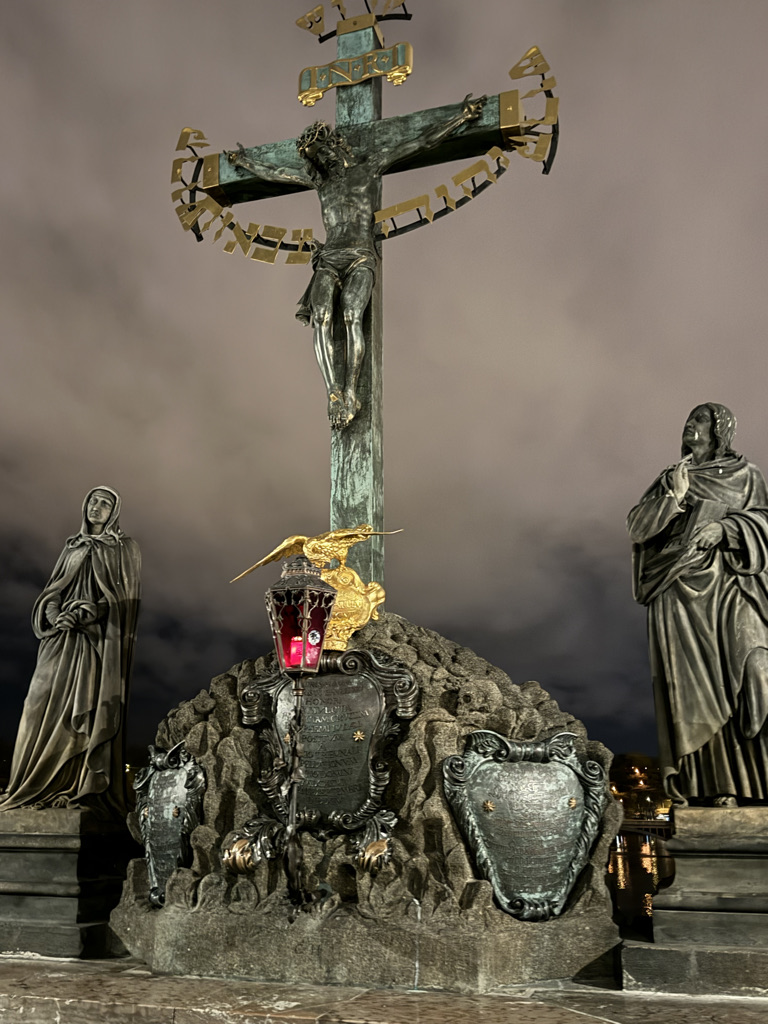
This bridge is beautiful to walk both by day and night. On both ends of the bridge, end there is a monument to pass under.

This bridge is one of many places around Prague where the city’s religious past is right in front of everyone’s faces, ironic for a country that is now one of the world’s least religious.

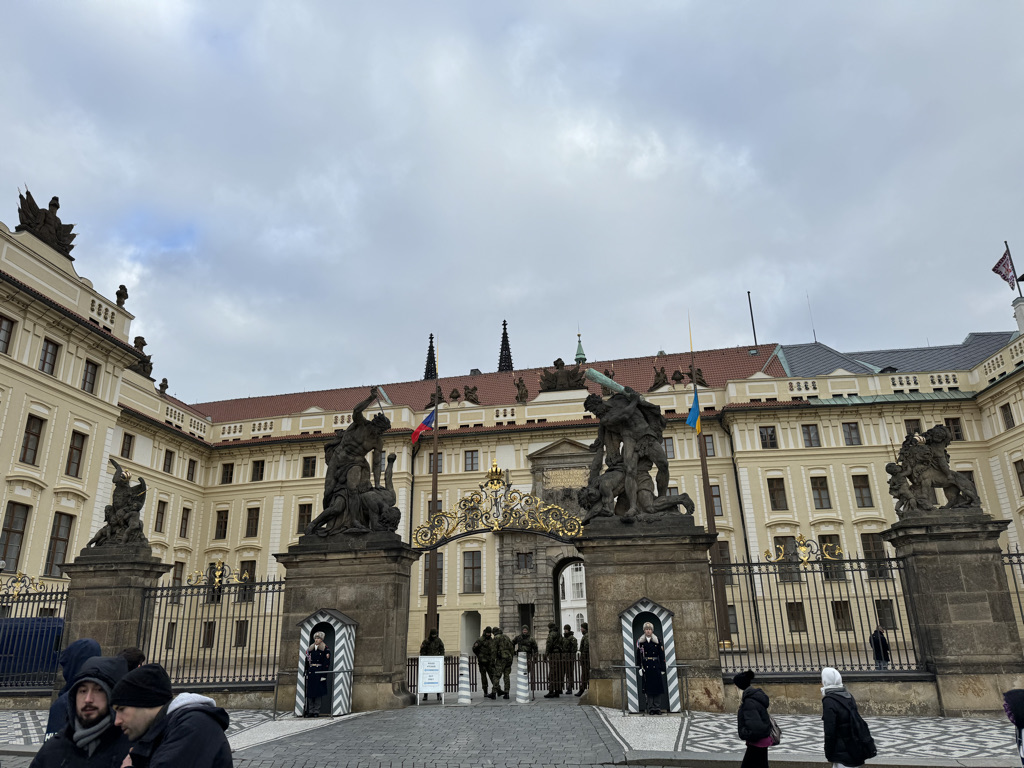
It’s odd because the Prague Castle, which is now the residence of the Czech Republic’s Head of State, is also home to several huge churches.

As an American looking upon this, I cannot help but see, right in front of me, the true reasoning behind one of the founding principles of our nation being the “Separation of Church and State.” There are many Americans today who fear any intrusion of religious based values into our public policy is a threat to this principle, but here in Prague, for centuries upon centuries, the church and the state were not even physically separated! Like many Medieval European governments, the church and the state were intertwined, with Bohemia being part of the Holy Roman Empire and often also imposing policy dictated by the pope.

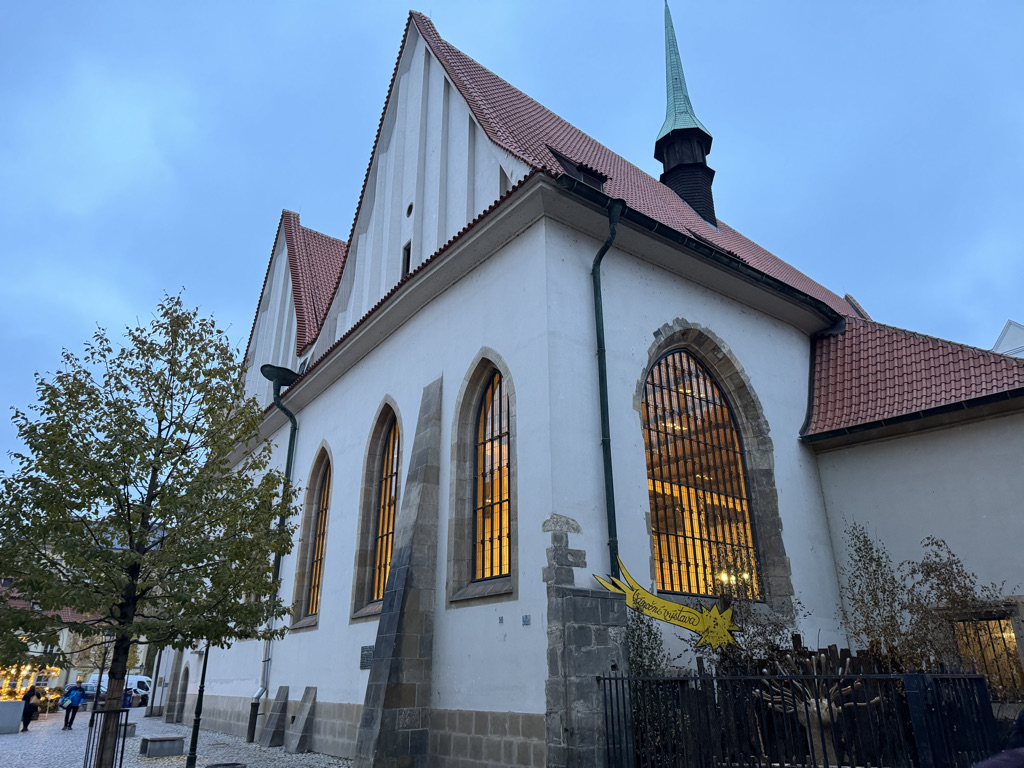
Of course, there were some who questioned it, including Jan Hus, whose Proto-Protestant movement pre-dates Martin Luther by roughly a century. It is here in Prague he preached many of the same principles that would be promoted by Luther, at the Bethlehem Chapel.

Perhaps because the region that is now the Czech Republic did not suffer quite the mortality rate of the rest of Europe from the “black death”, the battle between Catholicism and Protestantism that would take place here would foreshadow what was to come for the rest of Eurpoe.

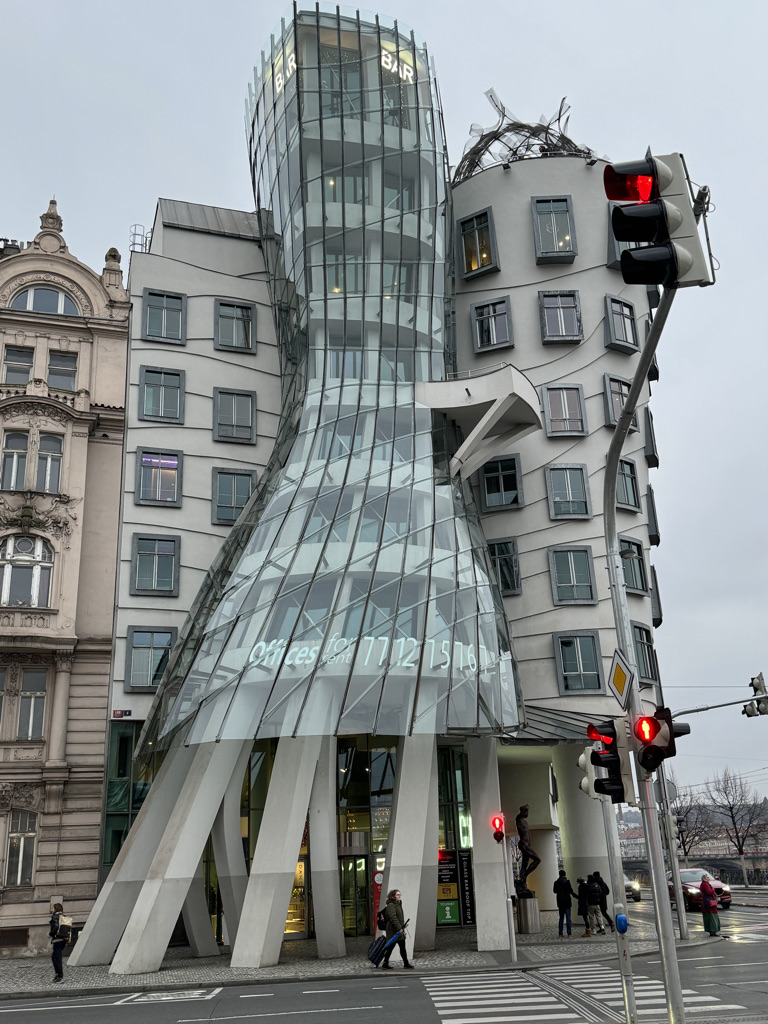
Around Prague, it is not just ancient history that comes to life. The Dancing House was built to on the site of the Prague bombing of 1945.

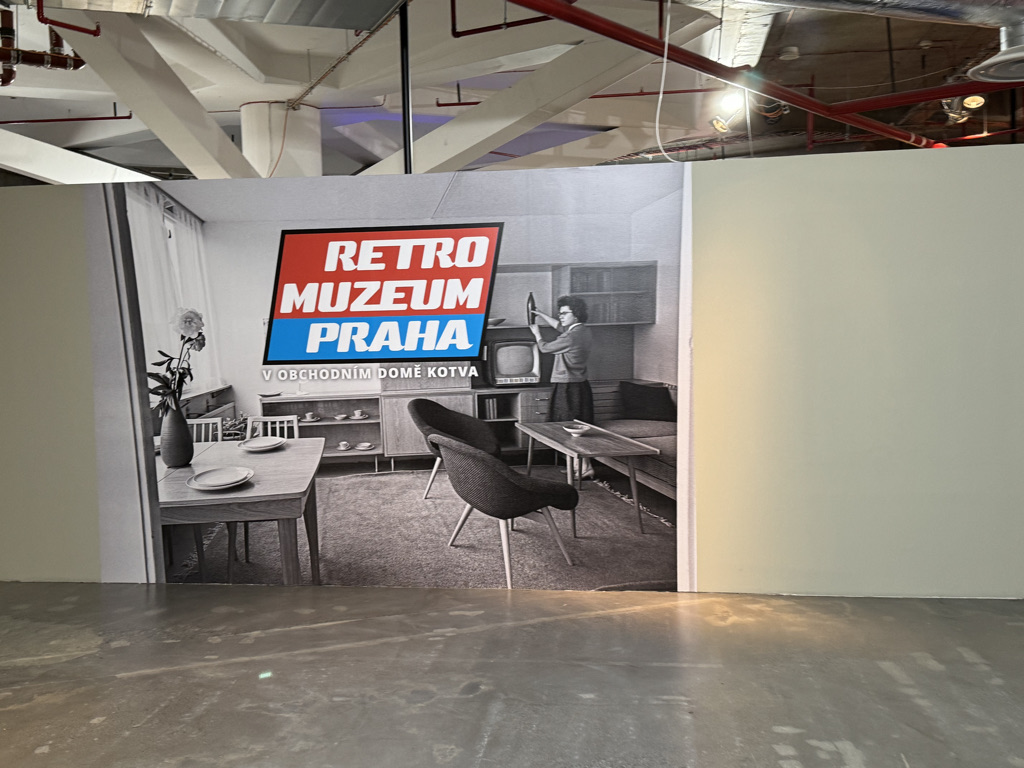
The Retro Museum is one of two museums that depicts life under Communist rule, this one focused on the 1970s and 1980s.

Prague has only been what it currently is for a little over 30 years. So, to experience Prague and its consumer culture and apparently legal marijuana is to be very much in the present day.

The Czech Republic’s per capita GDP is right around the same as Estonia and significantly higher than Poland, making it one of the more successful ex-soviet countries. With an amazing amount of green space and parks, the place seems like an incredible place to be and live.

To be in Prague is to be in the present moment, but constantly surrounded by echoes of the past and be constantly reminded of what series of events made the world what it is today.