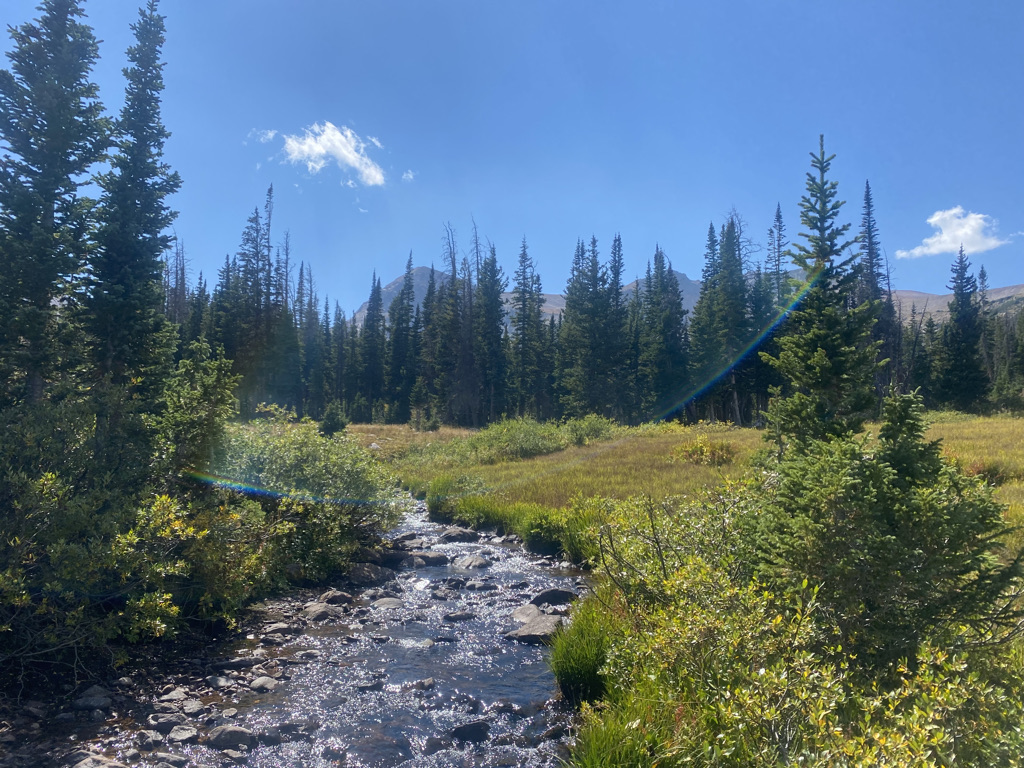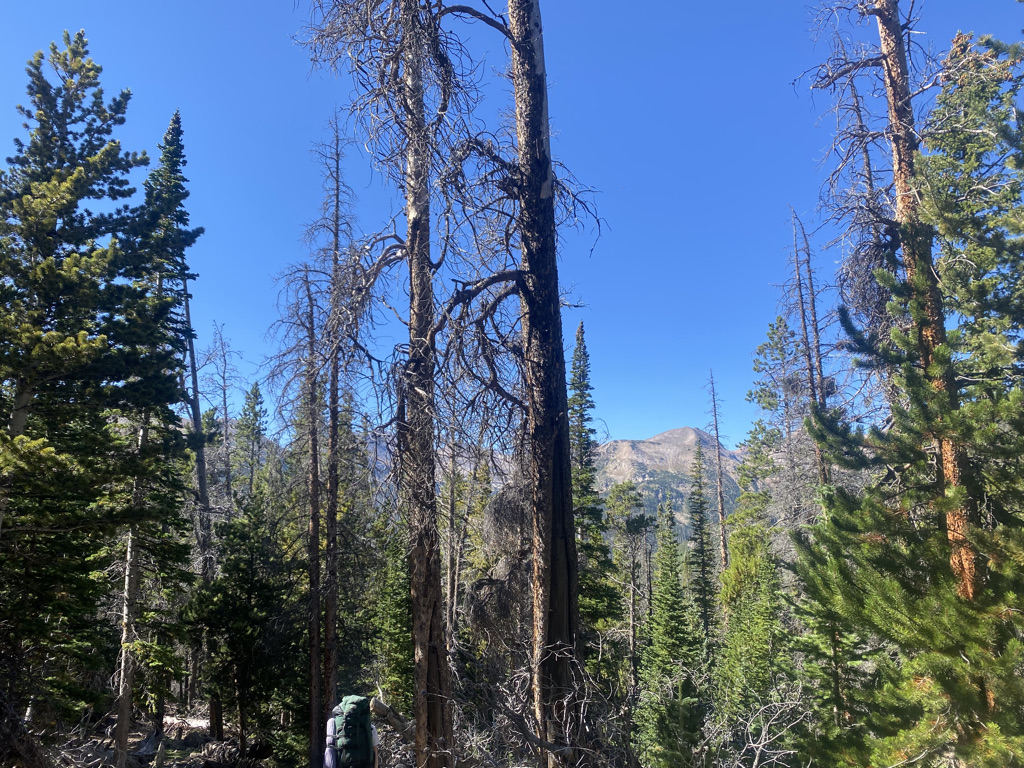
Monthly Archives: September 2022

Backpacking in Northern Colorado’s Rawah Wilderness Day 3: The Depth

It was the morning I had been dreading. I knew it would be cold. Over the summer I had gotten so used to the heat it’s hard not to feel like a morning with temperatures near freezing would be an extremely uncomfortable shock to the body.

On days like this, it is hard not to wish to just stay in the tent until the sun comes out and has a chance to warm things up for a little bit.

Perhaps, had it not been the final day of the trip, with places to be the following day, this could have been a reasonable course of action. After all, while suffering is a part of life, there is no point in suffering just for the sake of suffering. Suffering needs to be done for some kind of reward, whether it be progress in life or the kind of beauty one beholds on a backpacking trip.
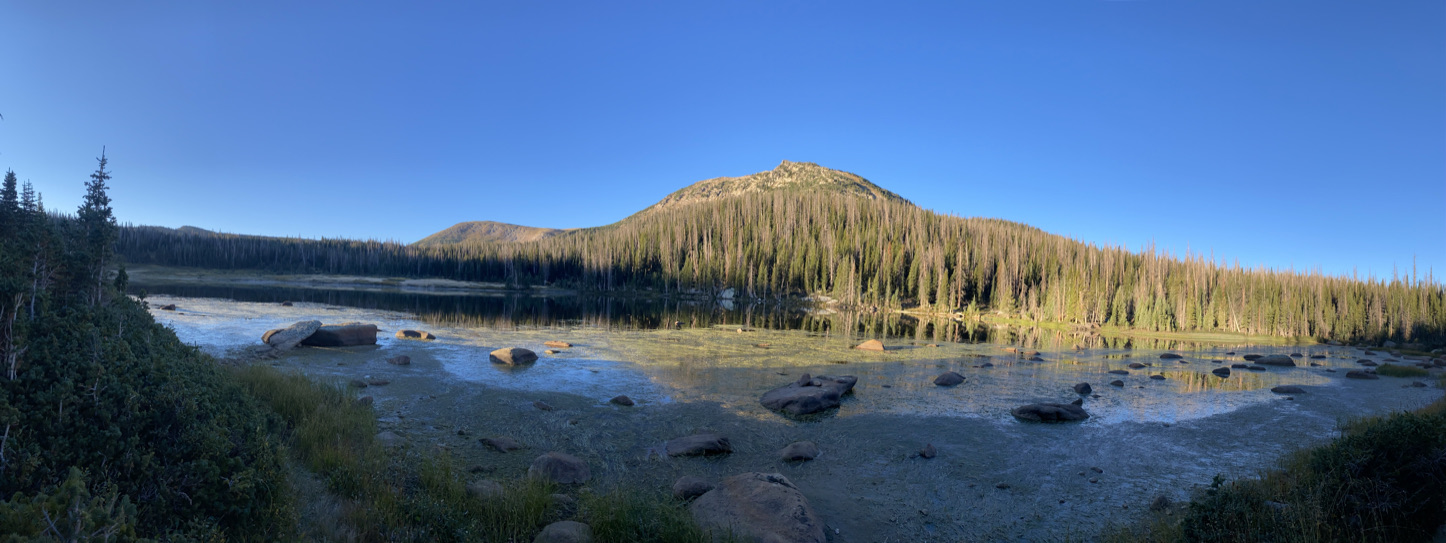
There will perhaps never be a situation in life that better demonstrates the value behind the concept of “layering” than the final downhill day of a backpacking trip. Layering was something I barely experienced growing up on Long Island where it was common to wake up on a winter’s morning with a temperature of 35°F (1°C) knowing the day will have a high temperature of 38°F (3°C). These final days backpacking, where we commonly descend around 1700 feet (500m) tend to follow the same pattern.

A cold start while descending down into dense forest, typically still wearing many layers.

They layers come off one by one, roughly every 45 minutes, followed by a kind of golden hour where the temperatures are ideal.
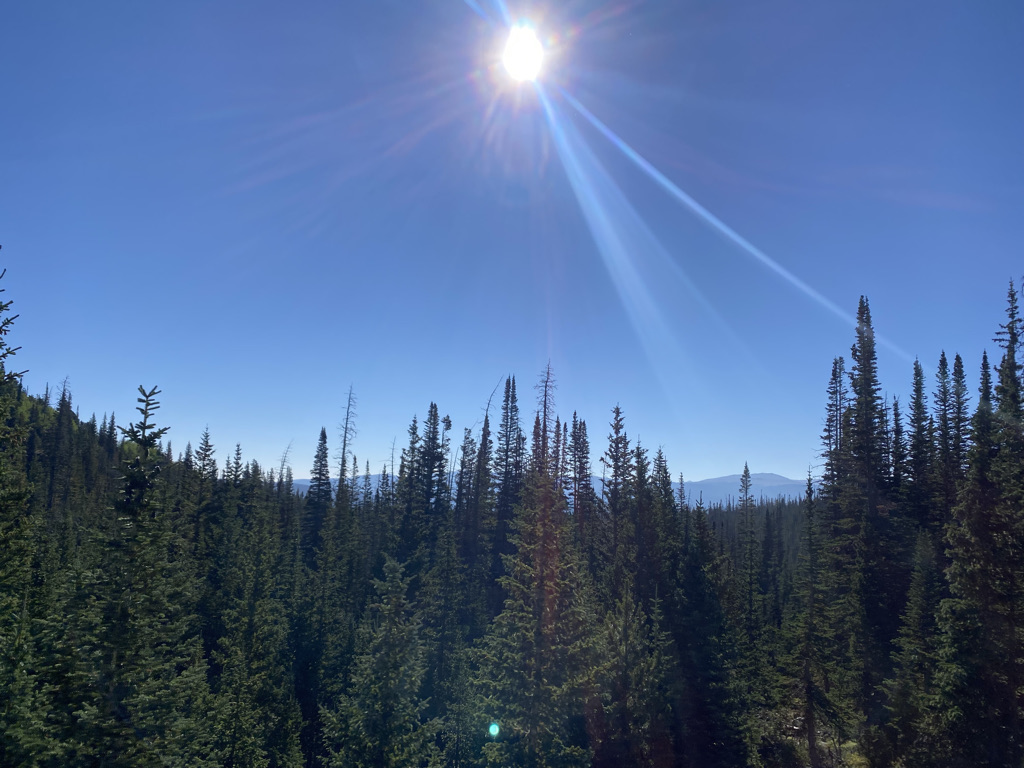
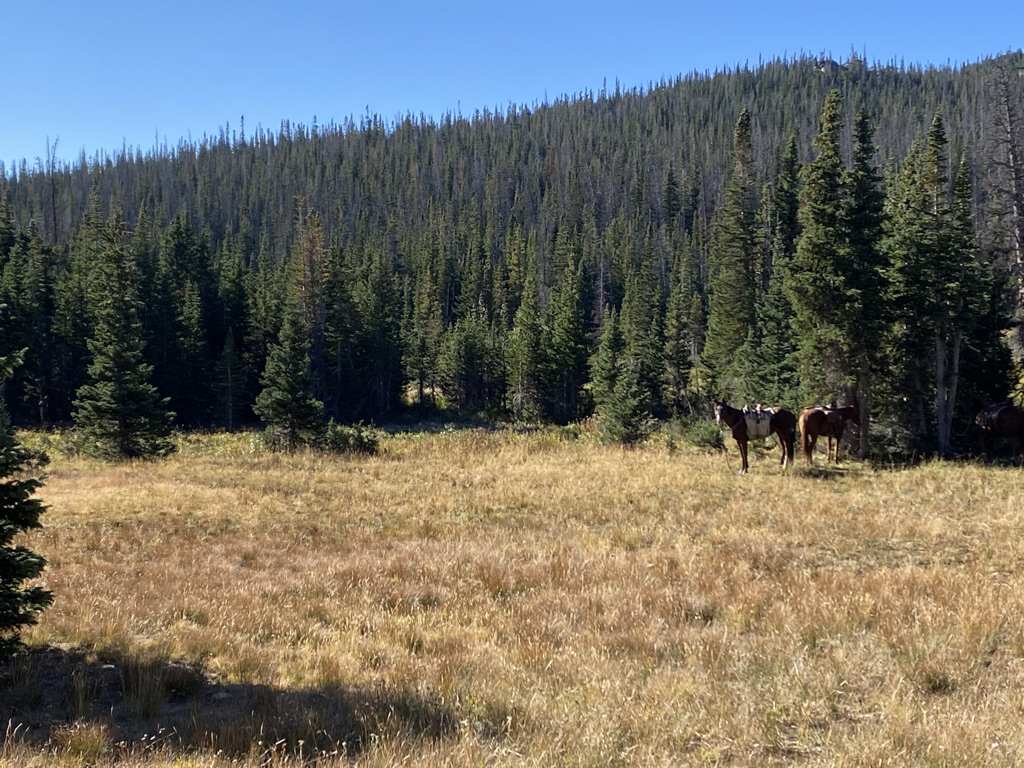
Since the hike is downhill, this is where typically a lot of progress is made. It also can be where we start to encounter other people more after days of solitude.

Then, typically by 11 A.M., it starts to feel a bit too warm.

Somewhere in here is where these experiences get the most introspective. At some point, everything that had previously occupied the mind goes away. All the food needed for the final miles of hiking has been eaten. All the water has been pumped. A further decent takes us away from landmarks such as alpine lakes and vistas of the mountain peaks. Two and a half days in nature had cleared the concerns of day to day life from our minds. All there is to do is walk the final few hours and get to the car.

I reflected on how much I had dreaded the cold morning on this trip. I reflected on how much I used to dread, in general, the thought of being in the wilderness with no option for shelter, not even a car to go to to potentially warm up or hide from wildlife.

In life we have tons of things we dread. People dread putting themselves out there, having difficult conversations, the less exciting work that has to be done and trying new things. Some people even dread leaving behind what they know they need to leave behind. However, in the end, we all get through these things, one way or another. We overcome the awkwardness of talking to new people when it needs to be done. We have that unpleasant conversation. We do that boring task and move on with our lives. Would our lives be better without these experiences? Maybe to a point. Still, it is hard to envision a life where there is nothing to dread… ever. It’s hard not to be doubtful that such a condition is even possible, given human nature. And, if it were to be possible, would this cause all things to lose meaning?

Backpacking in Northern Colorado’s Rawah Wilderness Day 2: Lakes and Moose

Day 2 was the day I was not necessarily looking forward to. Weather predictions indicated a strong possibility that conditions will be cold and rainy for much of the day. When it comes to outdoor activities, conditions matter. What is fun and pleasant one day can be unpleasant another. This is part of the reason it is hard for outdoor enthusiasts not to obsess over the weather.

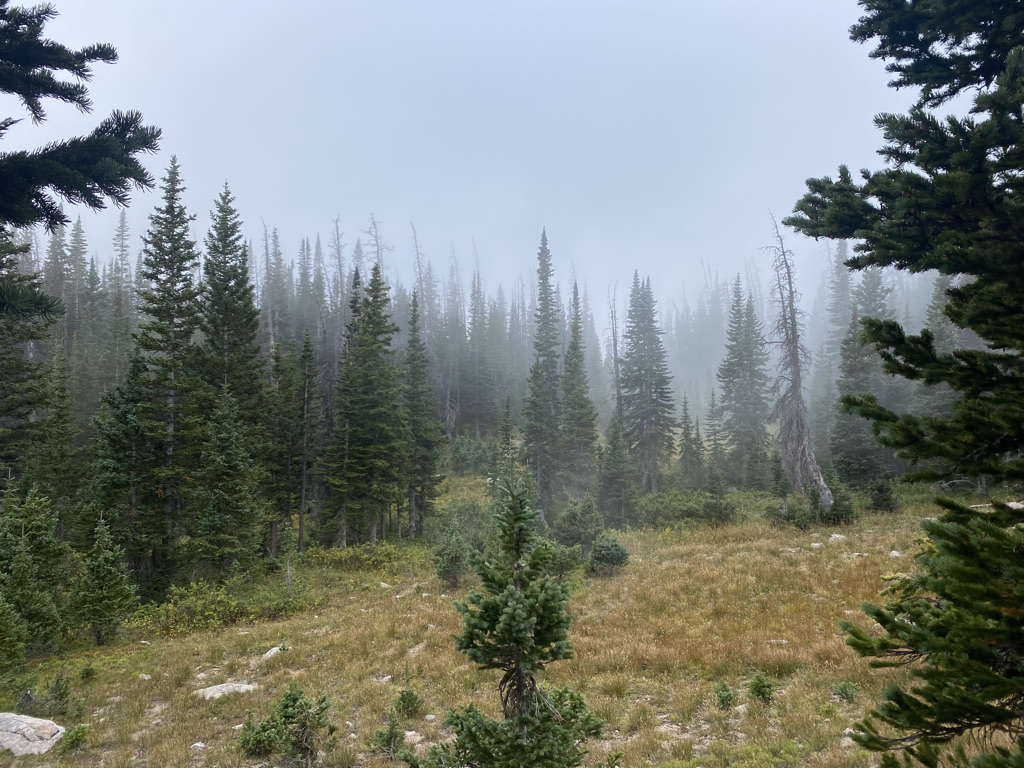
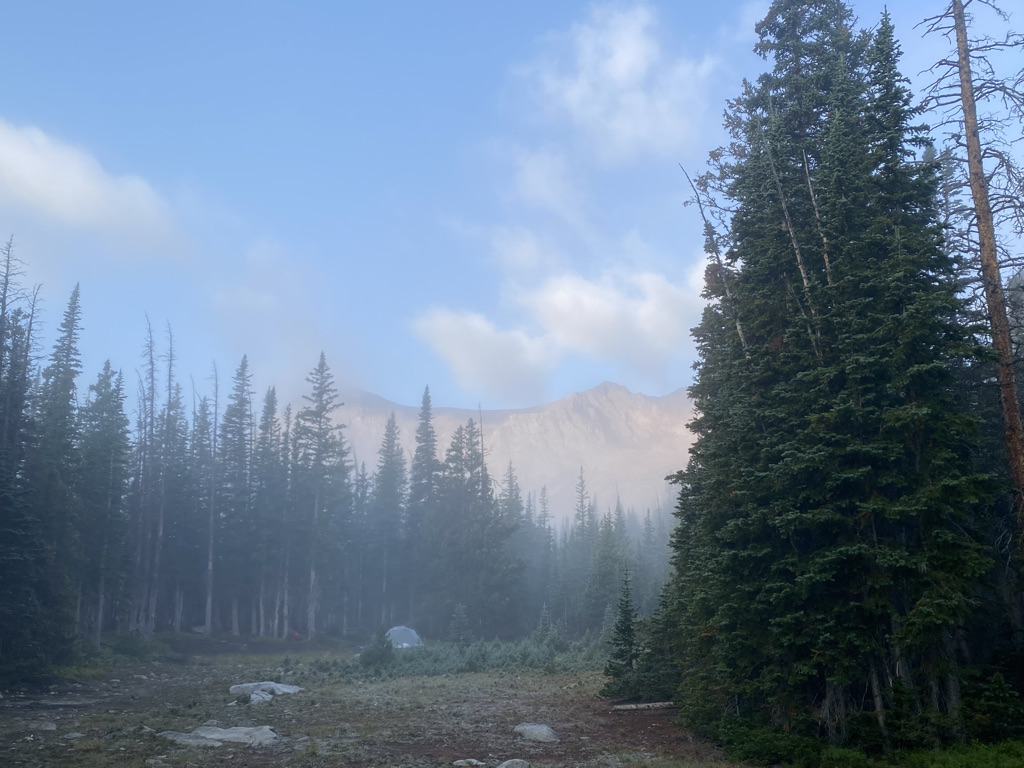
The morning was a tease. About half an hour after the sunrise, the fog that had spread across the area the prior afternoon appeared to be dissipating.

Only for it to return.

Leaving the campsite was like stepping into the unknown. In the wilderness, there is no access to weather reports. With how much the weather can vary from place to place, from minute to minute in areas with this type of terrain, there was no way to know how this day would play out. There’s little choice but to embrace the unknown.

These trips always seem to bring up thoughts of the past. Of a time when it was much harder to know what to expect. Of a time when there was no internet, no television. A time when the morning newspaper, or some other form of transmitted information was the only information anyone would have to go about their days. This was a time when embracing the unknown was the only option.

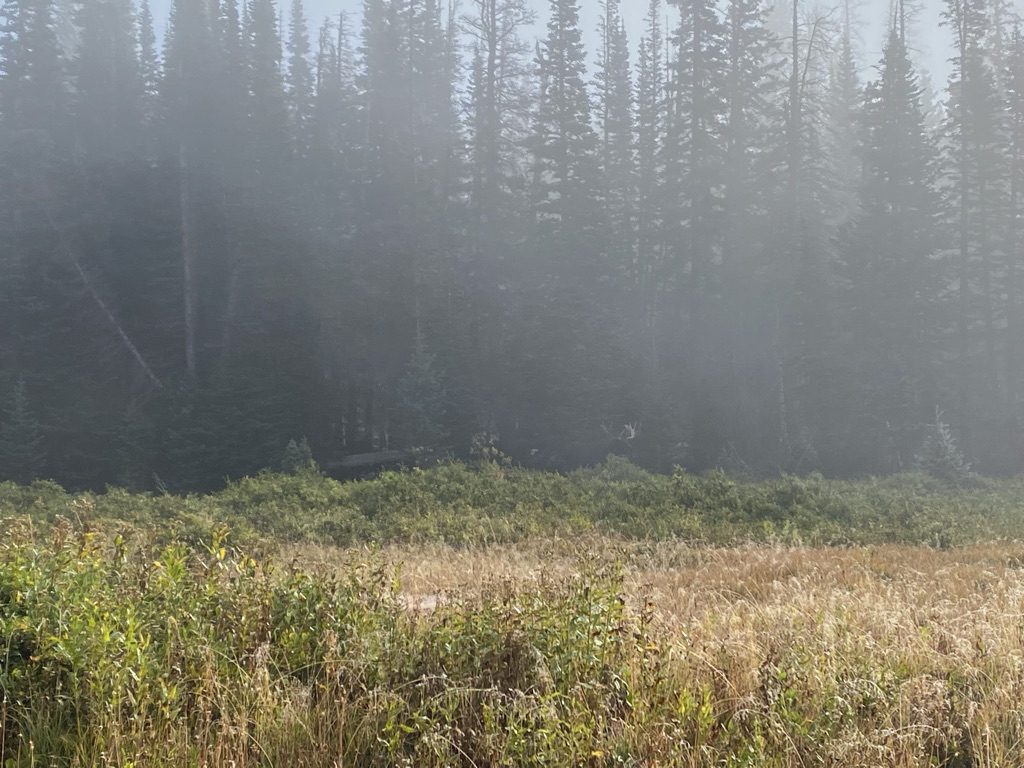
Often, the only way to embrace the unknown safely is to be knowledgable and prepared. We knew not to get too close to the moose we saw only about a mile into the hike, also wandering through the fog.

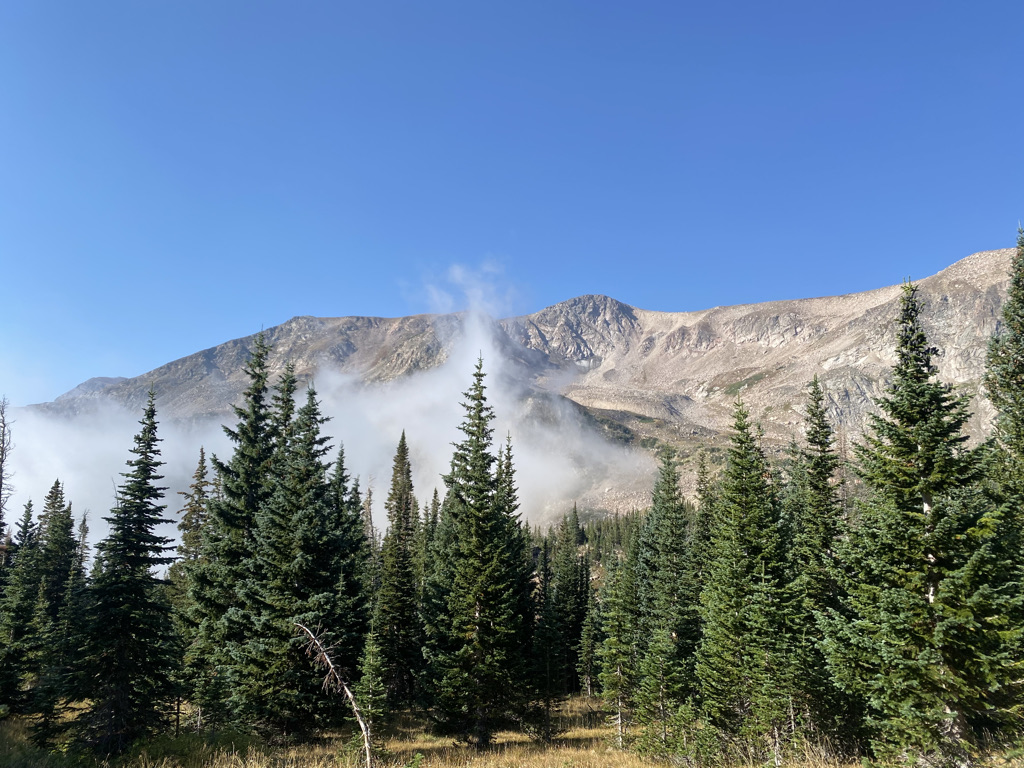
As we climbed, up towards tree line, towards a pass known as Grassy Pass, we actually walked away from the fog.

For the entirety of the morning, it was likely that the valley where we had camped the previous night was still in thick fog.

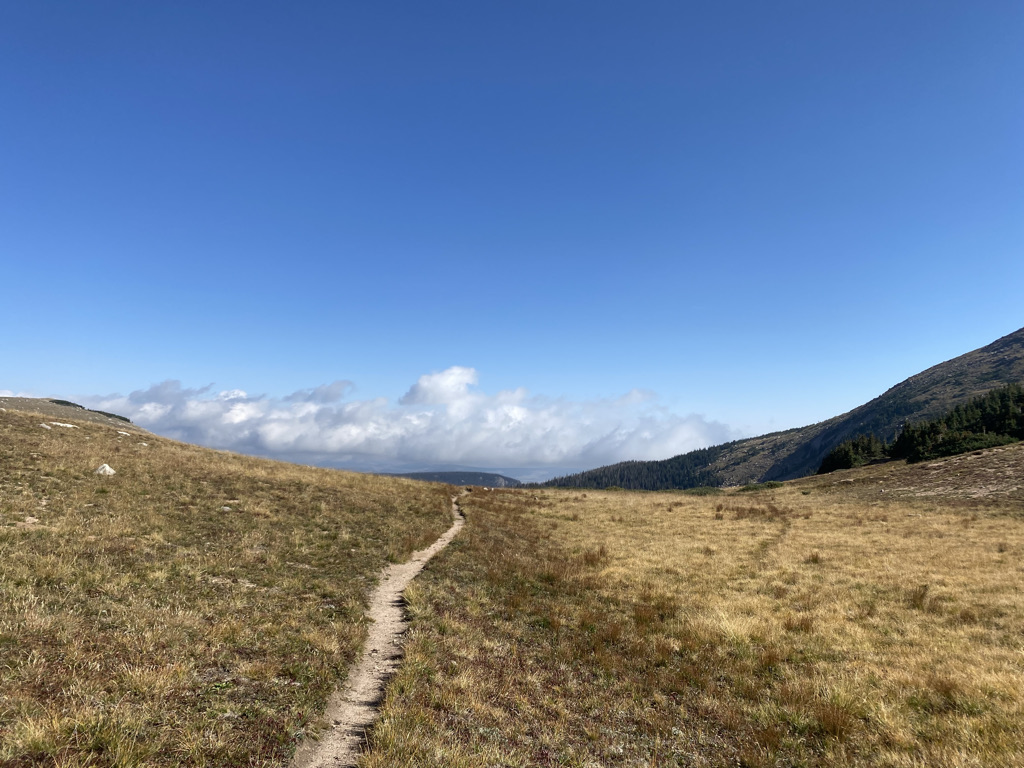
When we reached the pass that whose natural features were consistent with its name around 10 A.M., it suddenly appeared as if our time in the fog was actually done.

Anyone who spends a lot of time in the mountains knows how much the weather can vary from place to place due to the complexities of the terrain. But, how often do we see it right in front of us? One side of this pass was still engulfed in fog while the other was basking in sunshine.

Places like this are some of the last places where we can truly embrace something quite human. Here, there is no way to know exactly what to expect.

To know what is going to happen at a specific spot, given the wind direction and every small-scale geographic and terrain feature is pretty much impossible. Each cloud represents a small scale current of wind, a moisture profile and subtle differences in the land with so many components it becomes more of a headache than it is worth to try to determine how every minute of every hour is to play out.

In a world where so many lives have become orderly and predictable, trips like this force us to embrace variety and surprise. They force us to release control. Perhaps, after decades of chasing after inventions and policies designed to enable us to track every development, predict and control outcomes, this is exactly what the world needs.

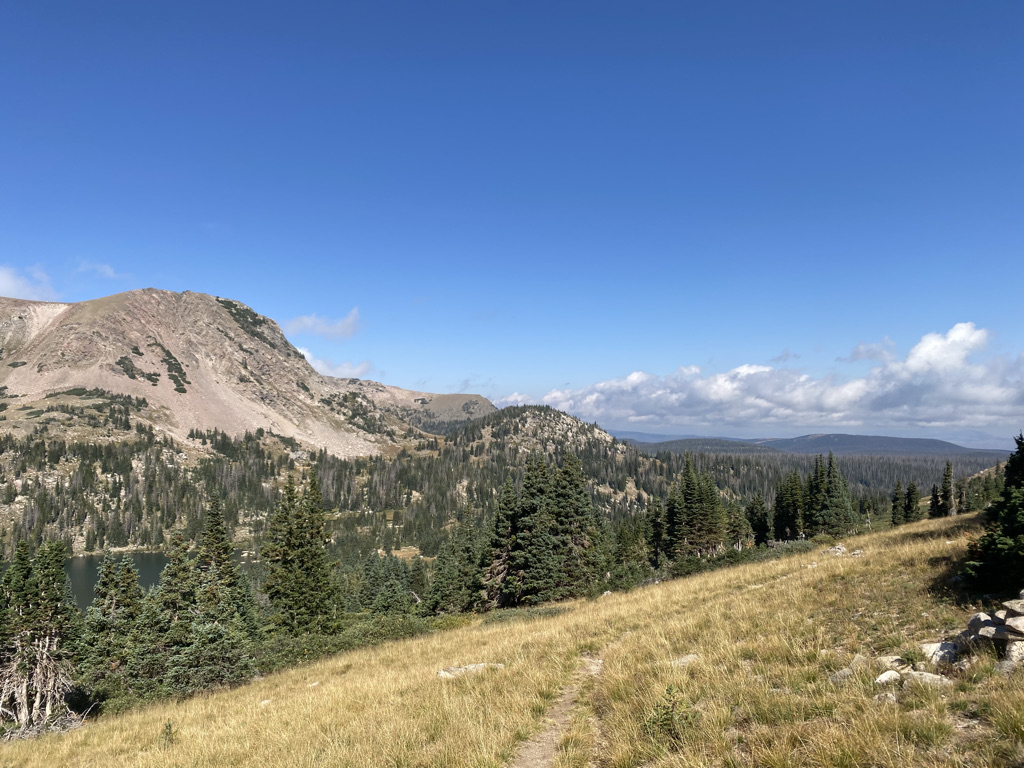
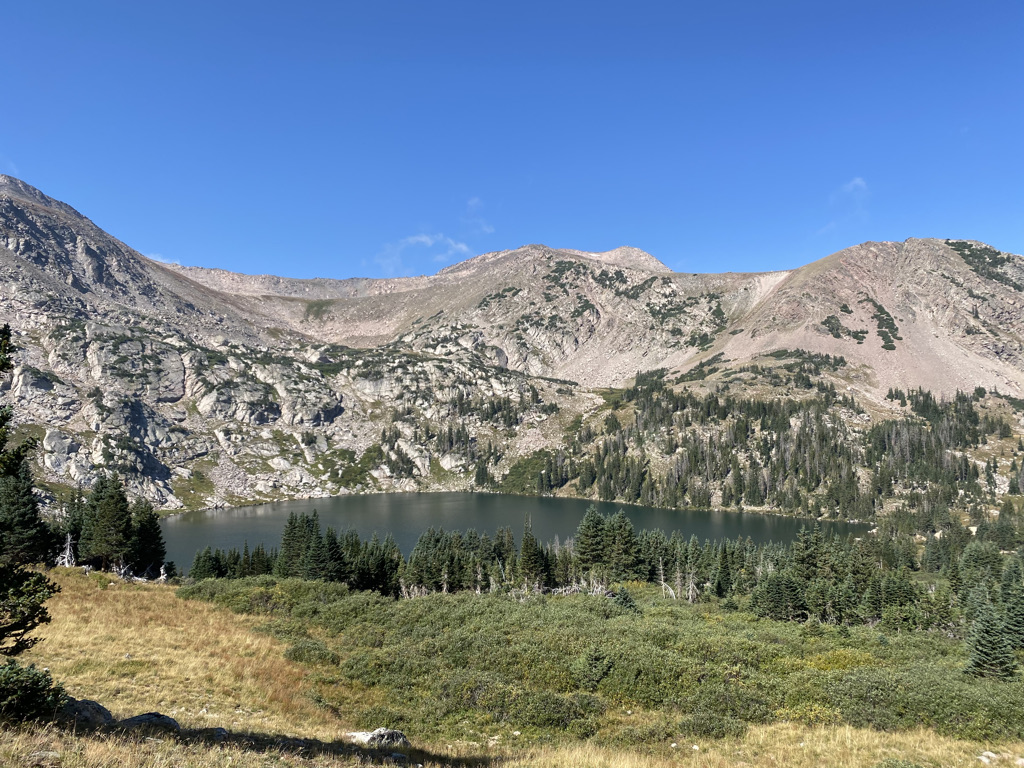
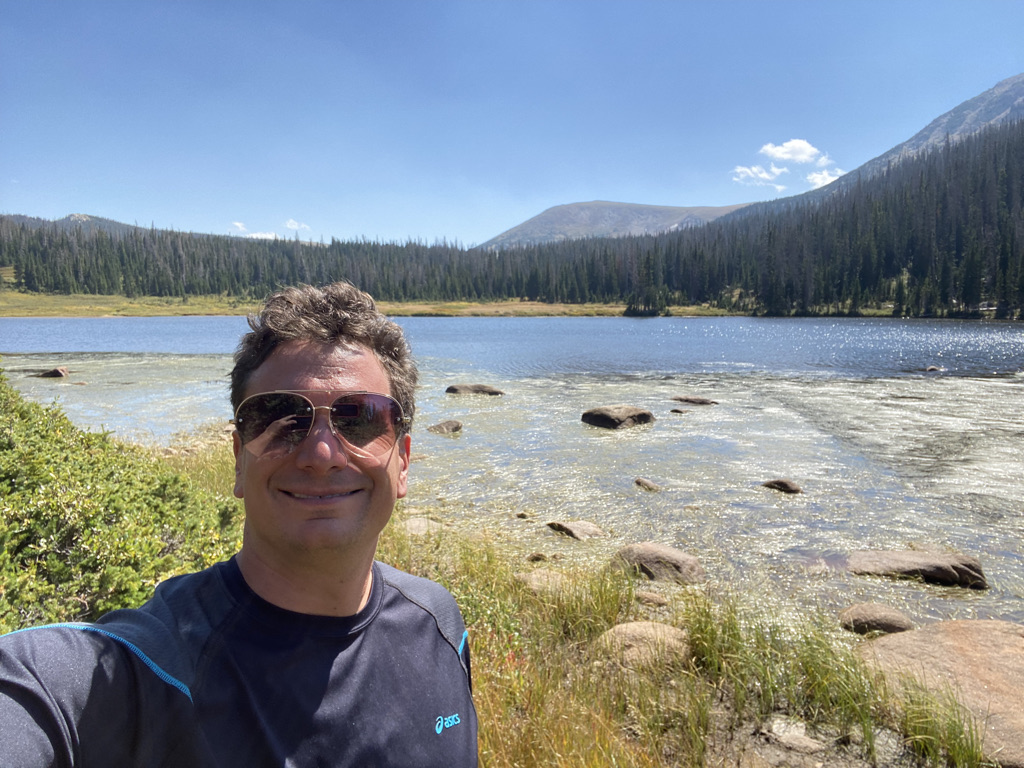
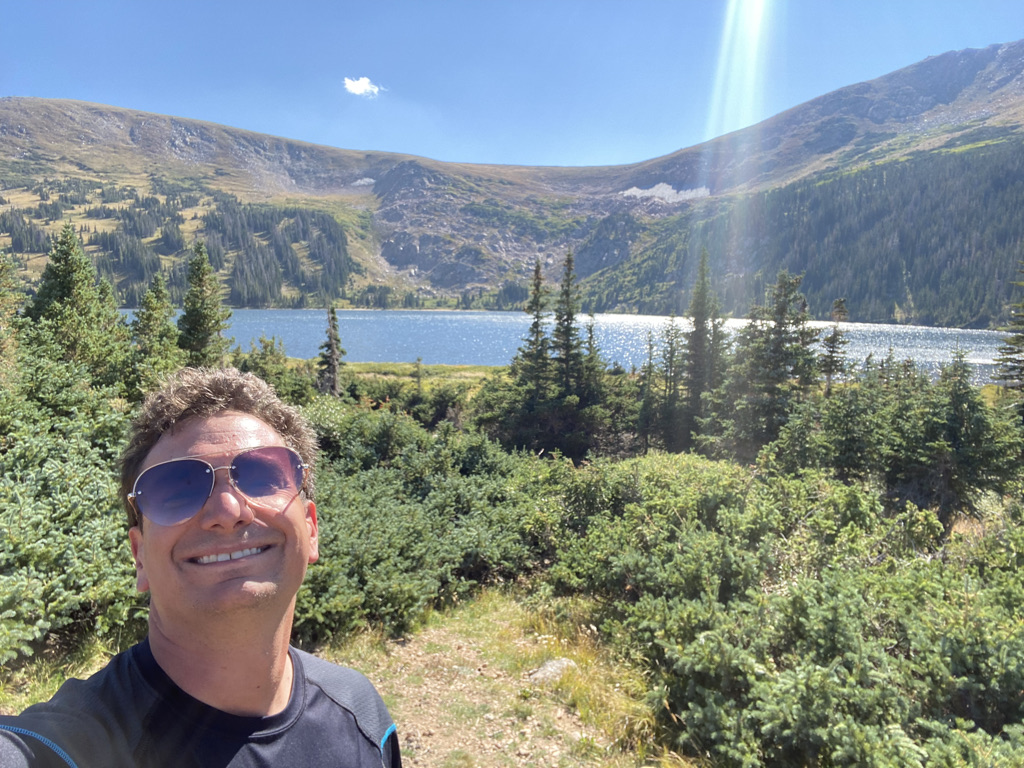
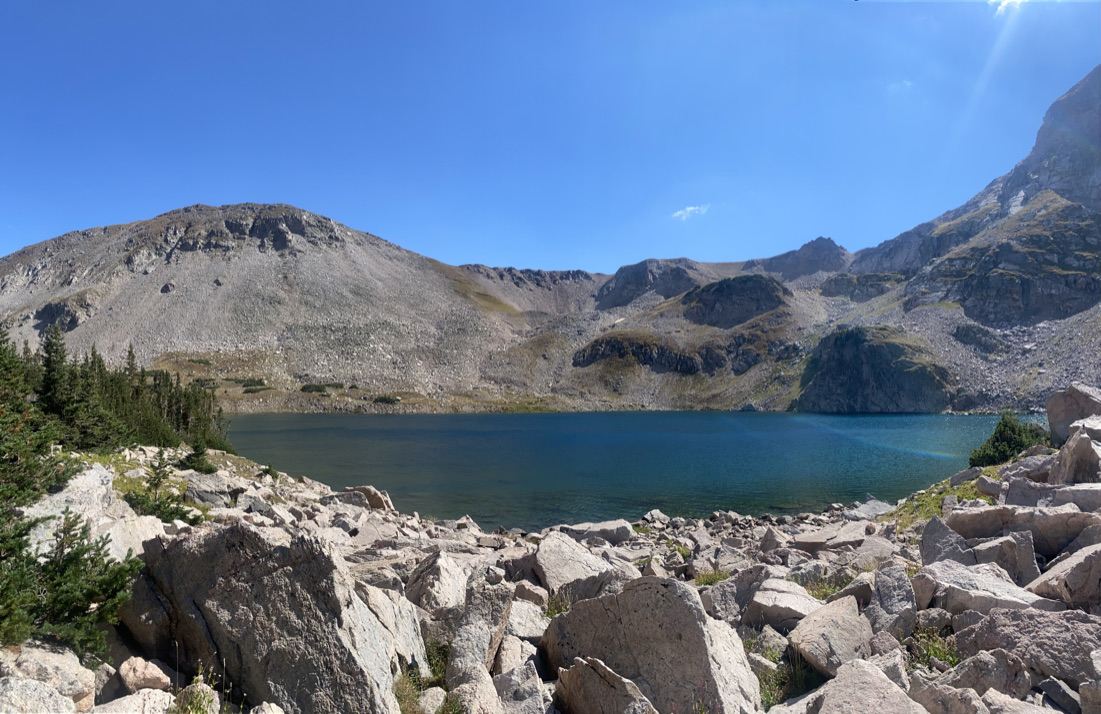
The defining feature of this section of the trip was alpine lakes.

We passed several of them as we descended into another valley, some close, some far away.

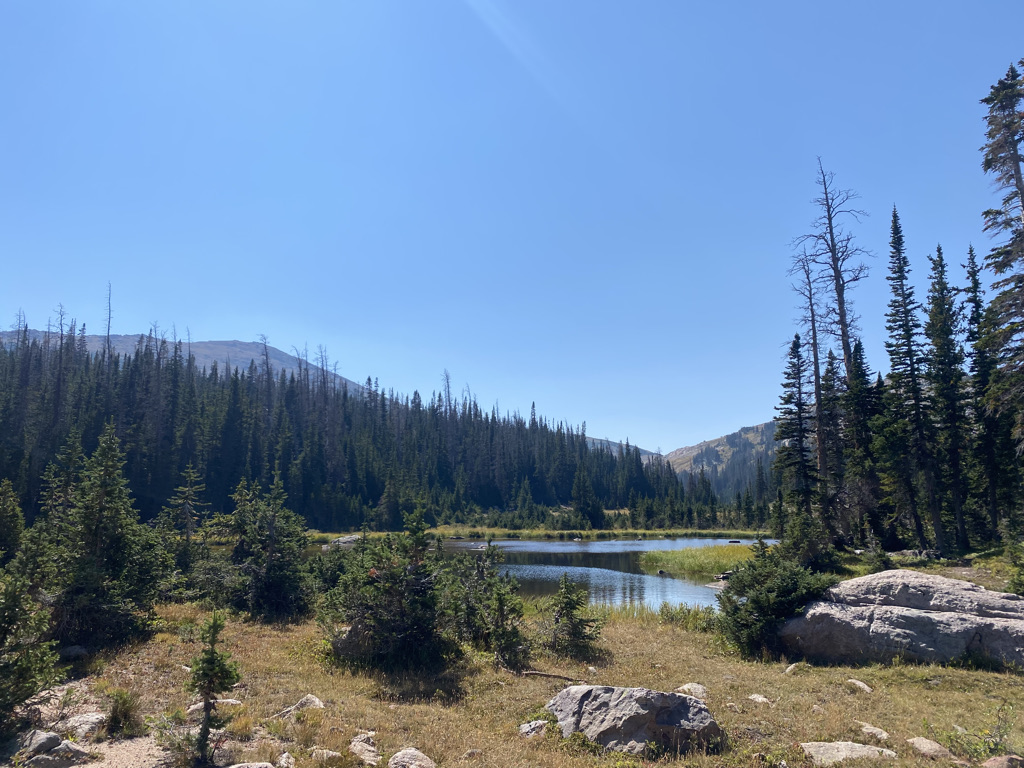
We set up camp at Lower Camp Lake.

And hiked up to Upper Camp Lake.

By the way, when backpacking, one of the greatest feelings is setting down your pack and hiking with nothing on your back. Backpacks weight quite a bit and it is a relief just to walk, or exist in general, without all that additional weight.

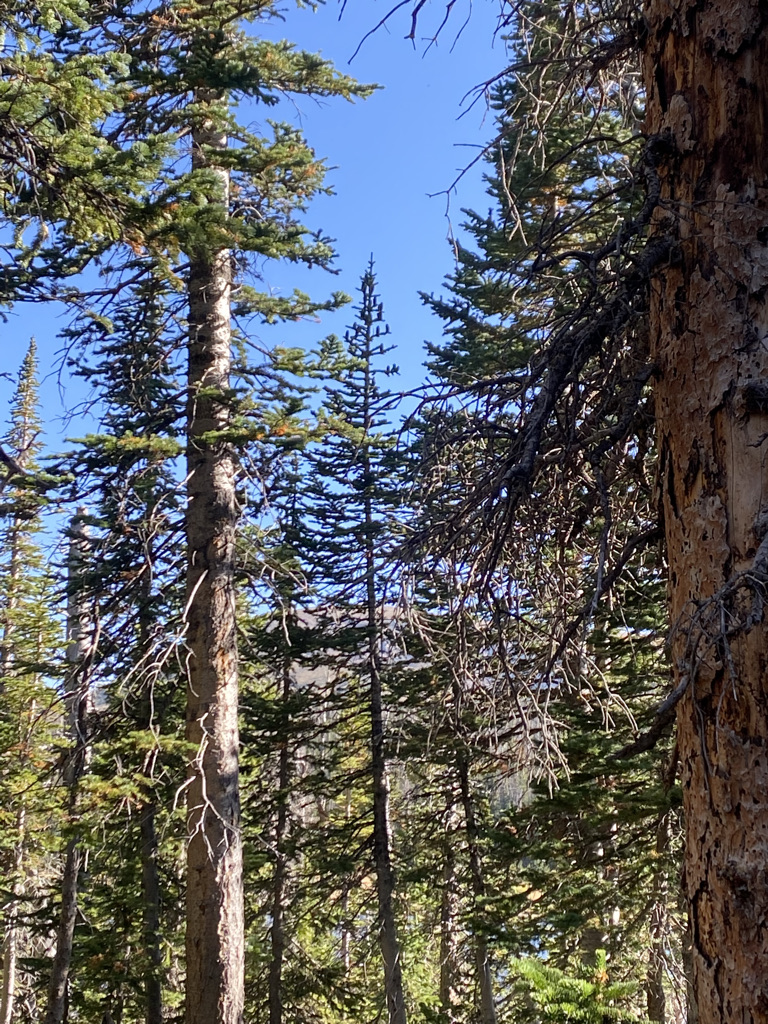
That afternoon I was back at the camp site, looking at trees full of pine cones and incorrectly speculating that there were families of birds in them.

In this moment, it suddenly dawned on me that the weather I had been experiencing all afternoon, along the Rawah and Camp creeks, at elevations of around 10,800 ft. (3300 m), was very likely better than the weather back in Denver. The sun was shining and the temperatures were actually quite pleasant. It felt like it was around 60°F (15°C), likely warmer than what was occurring in Denver. Out of the embrace of uncertainty can come some truly beautiful experiences. Sometimes things can work out for the best even when it feels like they might not.

That evening would end with another moose sighting.

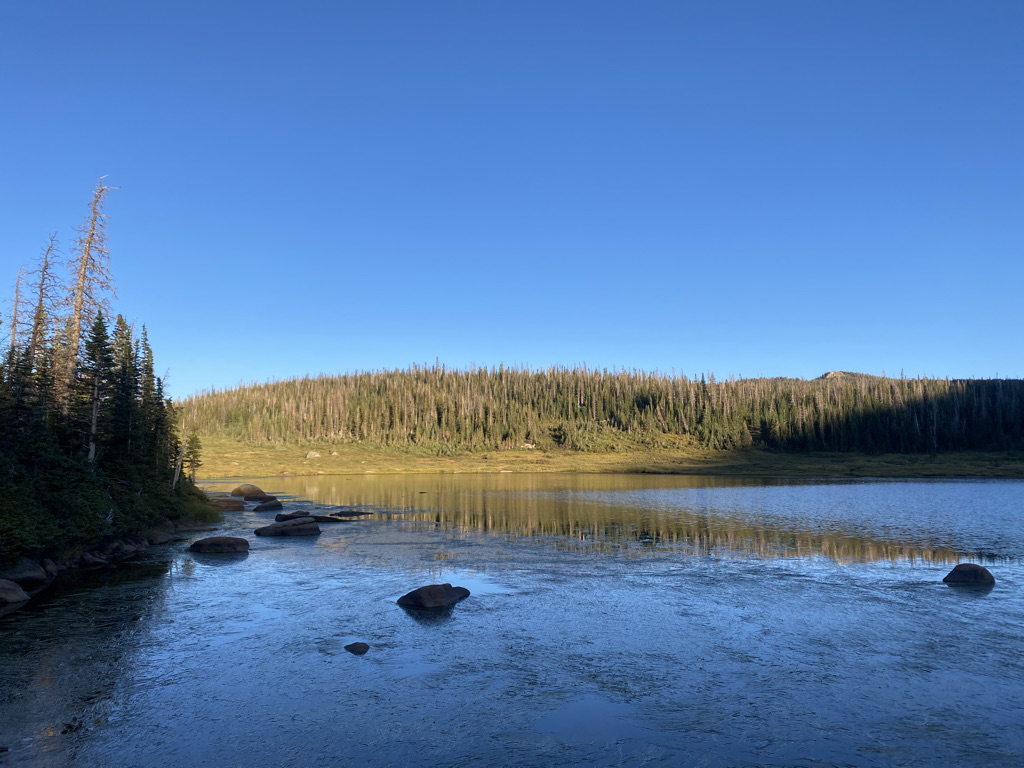
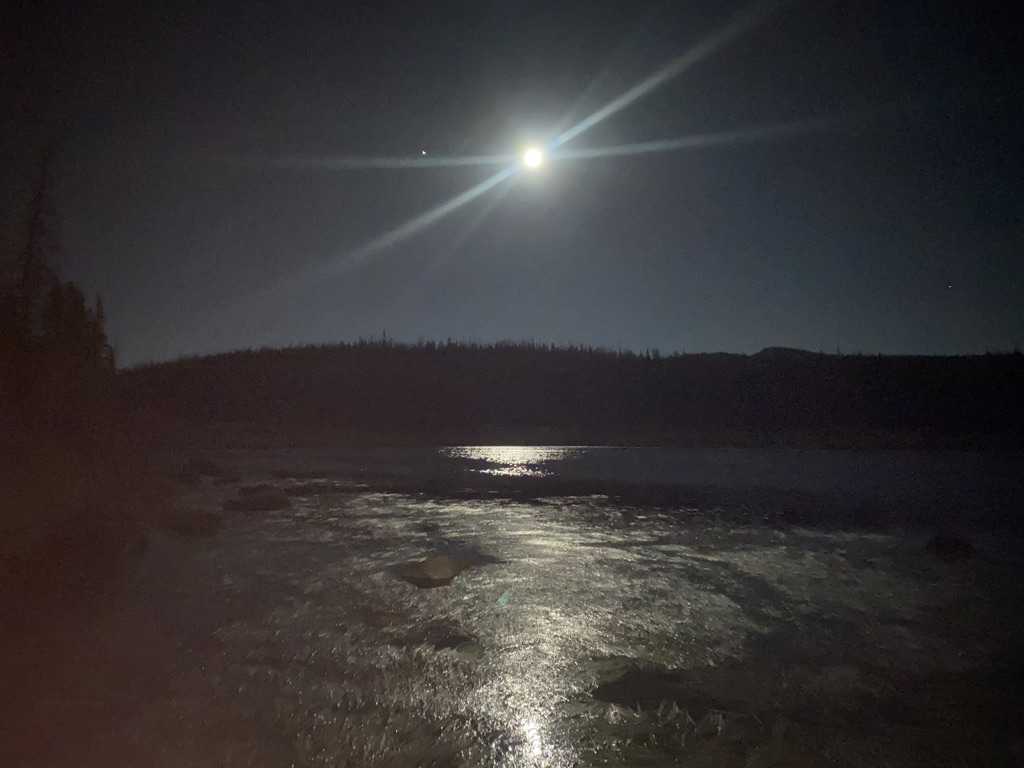
Followed by a full moon whose light reflected along the lake.

A chill came into the air as the sun went down, but we still laughed. Some of the laughter was indeed at my expense for thinking that all those pine cones in that one tree were actually birds. Still, the laughter, shared experiences and embracing uncertainty made this experience truly human.

Backpacking in Northern Colorado’s Rawah Wilderness Day 1: Bracing for the Weather

The weather does not always cooperate. It does not always work out the way we hope it will to optimize our experiences. On the two days prior to this backpacking trip, the temperature reached 99°F (38°C) in Denver. During heat waves like this one, it is desirable to get up into the mountains.

However, the evening before the trip, a cold front came through, cooling temperatures at all elevations, and making the weather conditions a bit more variable in the mountains.

For the best possible combination of weather experiences, it would have been ideal for the heat wave to have lined up with the period of time we had already set aside for the trip, as opposed to the week before it. However, we can’t always get things like this to line up exactly with how we want them to. As long as we live in a world where we keep schedules and plan activities like this one around our other responsibilities (as opposed to just responding to conditions last minute) we will always have to contend with situations where things don’t line up as we had hoped.

The weather conditions were not even hazardous. It was actually pretty nice most of the day.

It was just not the ideal setup for us to have experienced a maximum amount of comfortable temperatures, something not worth getting too upset about. As has been the case with other backpacking trips, we were in a beautiful environment.

On this first day of the trip, while ascending along the West Branch trail, we unexpectedly encountered some large hoofed mammals, traveling alongside the few other hikers we encountered along the journey.

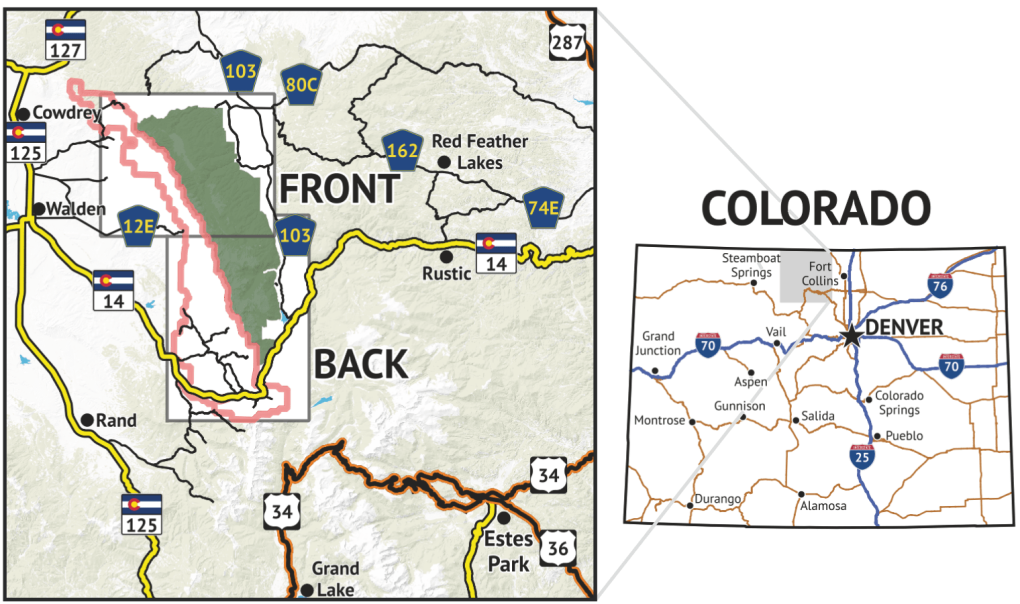
The Rawah wilderness is in the far northern part of Colorado. It’s part of the Southern Unit of the Medicine Bow- Routt National Forest. The northern part of this National Forest is in Wyoming.

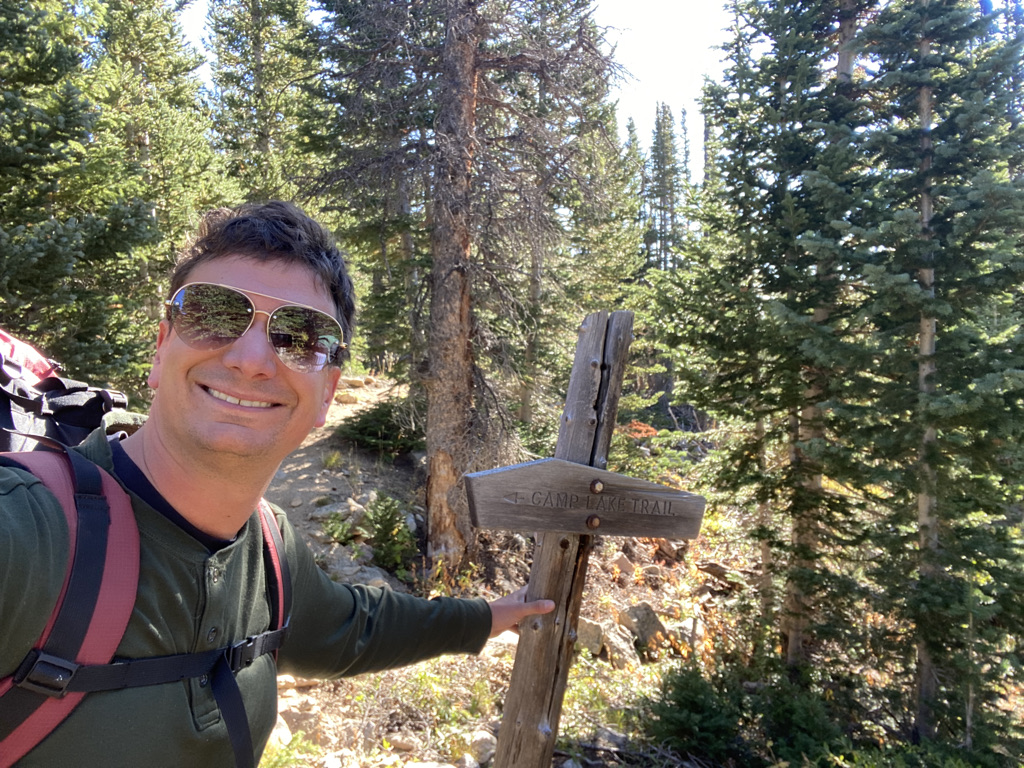
The trail network here is generally well marked, which is reassuring on trips like these where going the wrong way can lead to some bad results.

After several miles on the West Branch Trail, we turned onto the Rawah Trail, to follow our loop. The trail began to ascend even faster.

When backpacking in this general region of the country, it is quite common for the first day to be the most challenging. Through the course of the day, we would climb a total of around 2,500 feet (760m). While climbing, we would first encounter a waterfall.

And finally got to where the surrounding mountain peaks began to appear.

Hikes in this region (Rocky Mountain National Park is actually only about 25 miles away) are generally full of alpine lakes. This one is no exception. Our final destination for the day was Twin Crater Lakes, two amazing alpine lakes tucked away in the mountains.

At this point the weather was actually close to perfect making for a pleasant afternoon.

We set up camp at a beautiful site in the trees about 3/4 of a mile down the creek from the lakes.

Overall, the day was relatively balanced. We hiked a total of about 9 miles (14.3 km), but were able to set up have camp set up by mid afternoon.

This gave us the time we needed to do the typical camping activities like set up a fire, pump water from the stream and cook dinner before dark without having to feel in a hurry in any way. It also balanced out the day a bit, giving us time to just hand out and be in nature.

My thoughts also felt quite balanced, possibly as balanced as they had been for a long time. I am guessing this is due to a combination of being away from the constant distractions of every day life, not being rushed, having the hike be exhausting but not too exhausting and recently reducing my exposure to news and certain topics that were making me unhappy.

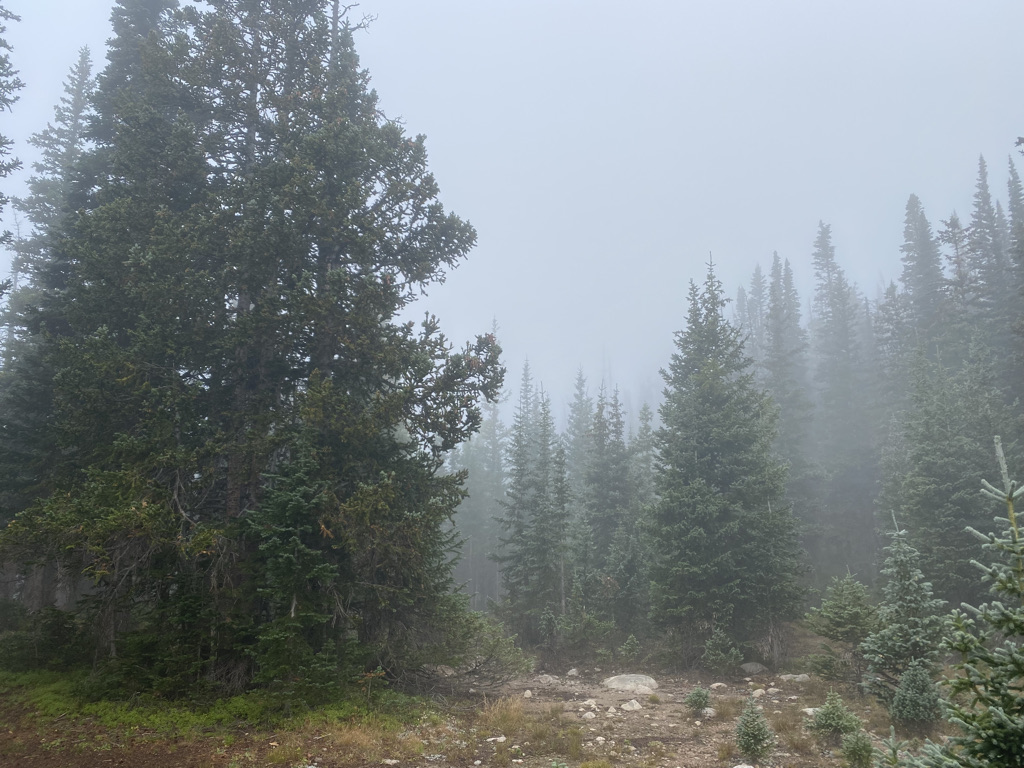
Then, around 4 pm, the weather turned. Suddenly the forest looked like a spooky meadow where anything and everything could emerge from and vanish into the trees, much like the baseball players in A Field of Dreams. This was especially true as day gradually descended into night.

It was damp. None of us knew if it was going to rain. Thinking about the potentially unpleasant conditions brought back a feeling that I tend to get on many of these types of trips. It reminds me to appreciate the shelter we often take for granted, our homes with heating and air conditioning. It’s only relatively recently in the course of human existence we have had this. For almost all of the history of humanity, how comfortable we felt, and how challenging life was depended so much more on things like weather conditions and the cycles of the sun and moon. While it does not sound fun to go back to a world where we have to work harder to meet our basic necessities, sometimes I wish more of us could live our lives in manners that are more connected to these things.