Category Archives: cities

Swing State USA 2014: The Current State of Colorado

IMG_2733 IMG_2741

What is the current state of your location?  What are the trends?  What do people like to do?  What makes your particular location unique?  What are people talking about?  What are people concerned about?  What are the hopes and fears for the future?

These are amongst the questions often answered through travel.  Sometimes, even when a traveler has nothing of this nature on his or her mind, answers to questions like these present themselves.  This is why I have thoroughly enjoyed all of the travel related shows hosted by Anthony Bourdain.  In each and every show he has been involved in, he travels to various locations with the simple goal of getting a comprehensive sample of a particular region’s food.  However, in nearly every show, he strikes up conversations with people local to the area, and learns quite a lot about their culture, history, and expectations.
IMG_2558 IMG_2720

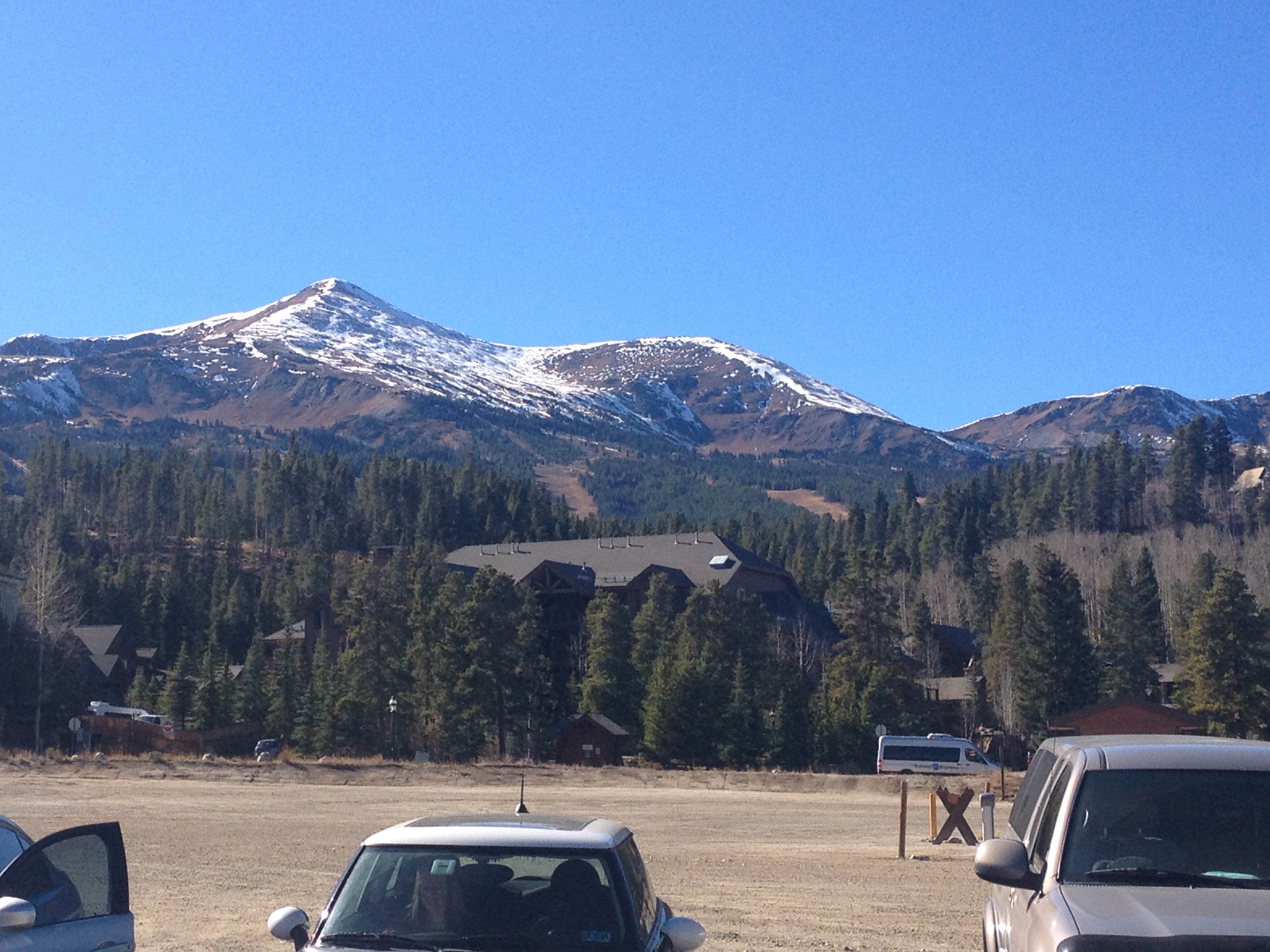
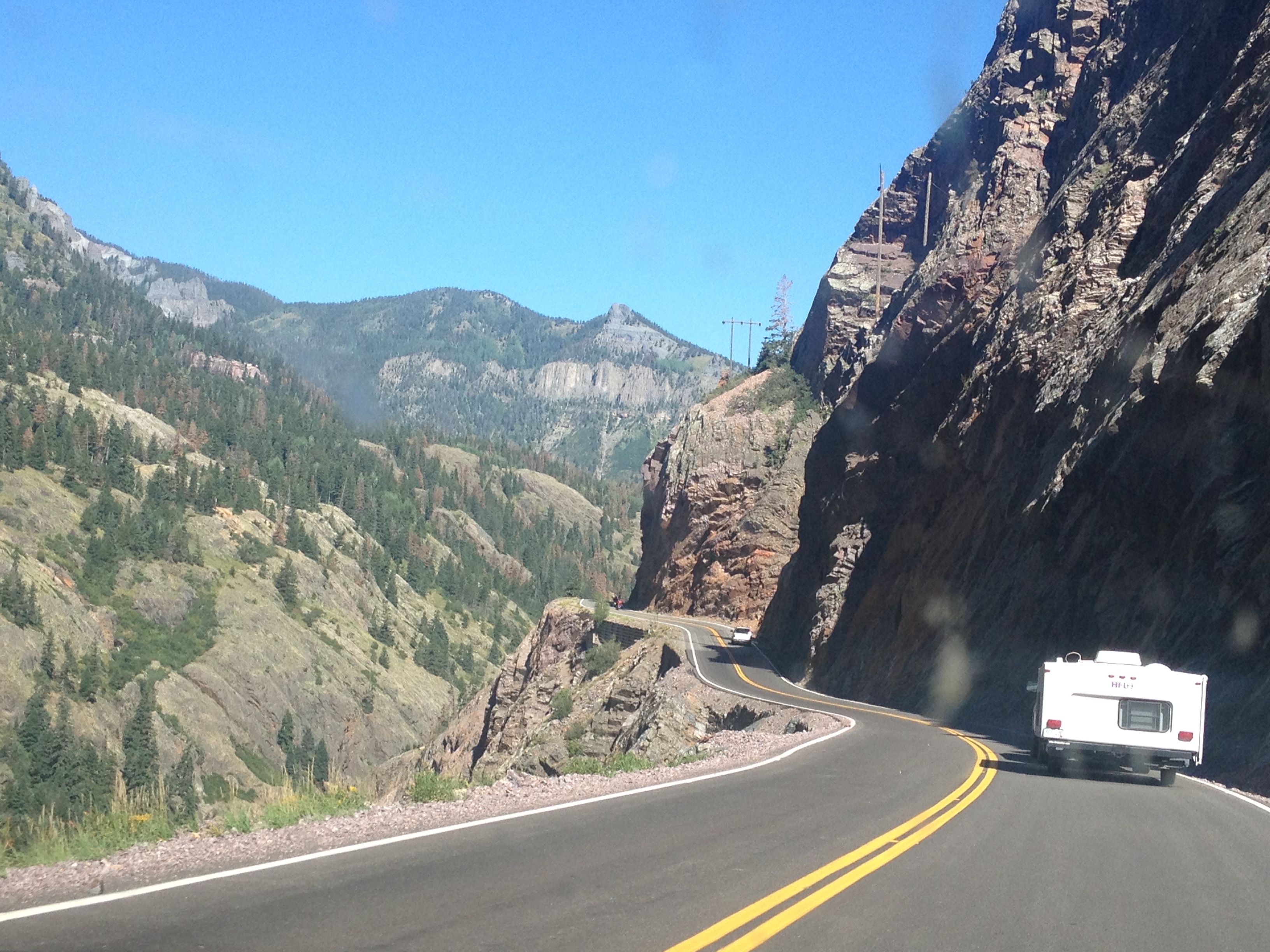
Colorado has been on a lot of people’s minds lately.  Most surveys rank it one of the top 5 (or at the very least in the top 10) fastest growing states in the country.  Most of this population growth has come from migration of people from elsewhere in the country.

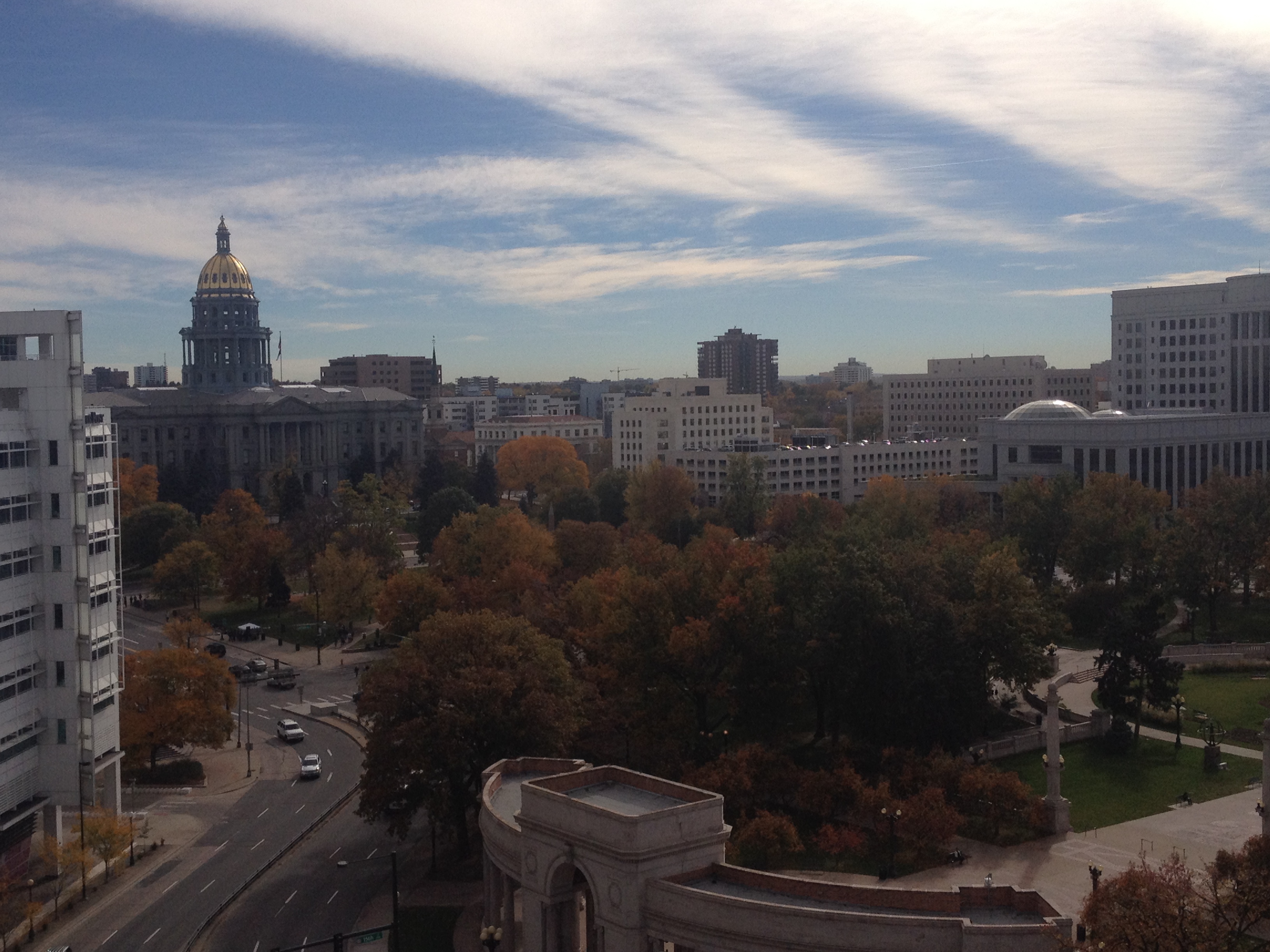
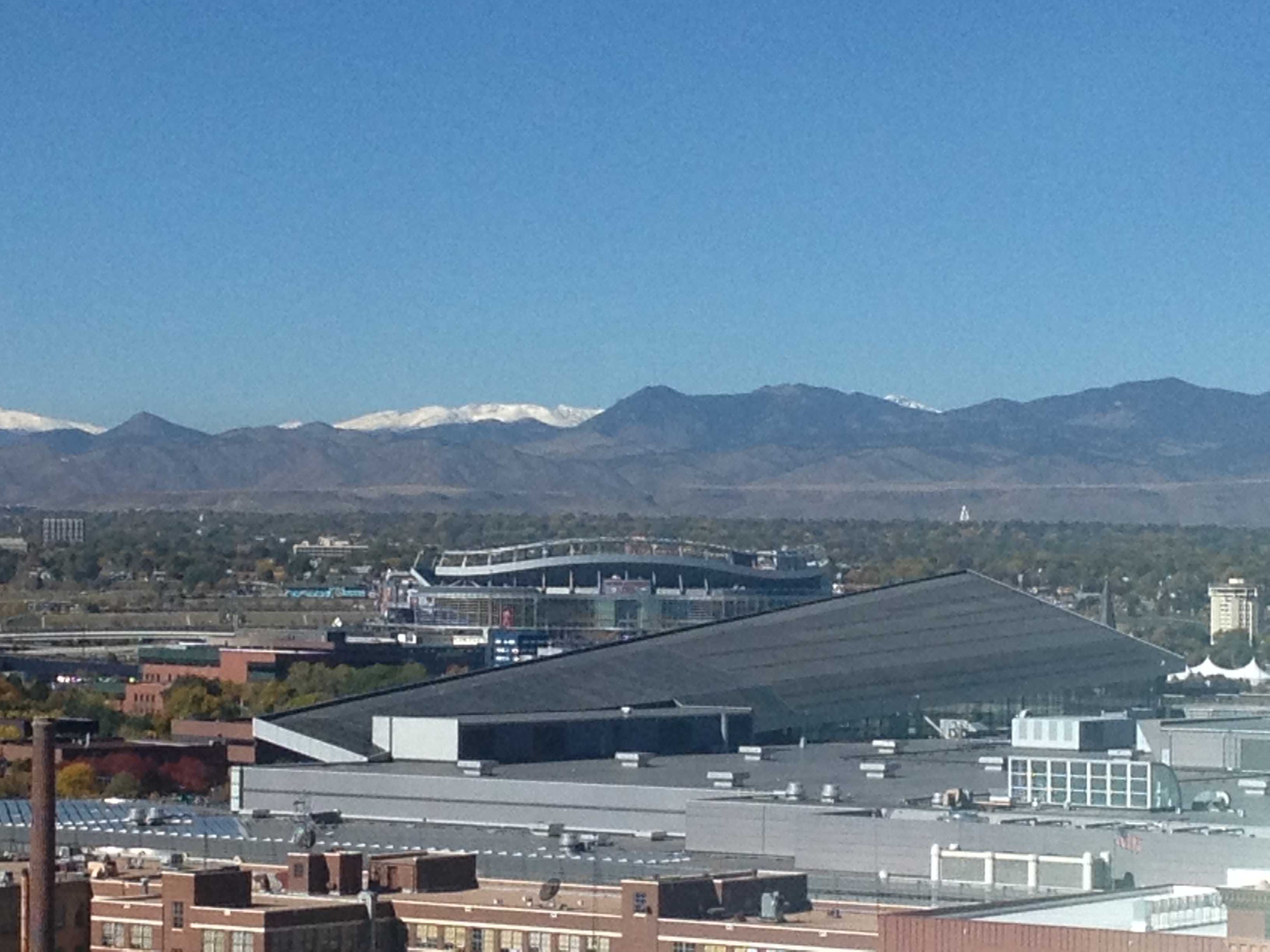
Colorado has also drawn significant national attention for a variety of reasons this year.  Recently, football fans at Sports Authority Field got to witness quarterback Peyton Manning break the all time record for career touchdowns.  This year, Colorado became the first state in the nation legalize the sale of recreational marijuana.  And, the city of Denver was recently ranked the 4th most influential city in the country, according to a survey of mayors.

With this being the autumn of an election year, and Colorado being a closely contested state (a “swing state”), much of the recent national media attention has turned to Colorado, and our two closely contested elections.  As the story goes, in two weeks, two very important elections are about to take place; one that will determine the direction the State of Colorado takes in the coming years (Gubernatorial), and one that may determine the direction the whole nation takes in the coming years (Senatorial).

Living in the Capitol City of such as state, one would expect these two important contests, and the political implications of them to garner a significant amount of intensity and enthusiasm.  However, if I had a dollar for every time someone asked me who I was planning to vote for in either election, I would be not a cent richer than I currently am.  By contrast, if I had a dollar for every time I was inquired about the other all important state question, whether I was getting the Epic Pass or the Rocky Mountain Super Pass, I would probably accumulate enough money for an amazing night out.

While this could be just the people I happened to associate with here in Colorado, or the types of conversations I tend to pursue, a walk through my neighborhood reveals significantly less yard signs than in most election years.
Baker_Denver_Oct2014

What I do see throughout my neighborhood, as well as most areas nearby, including downtown, are fliers like this one everywhere, sometimes multiple fliers per block, attempting to get people to inquire about campaign jobs for the coming election.

IMG_2714

Nearly every one of them appears exactly as this one does ,with close to all of the tabs underneath the flier remaining un-pulled.  In fact, this past Wednesday evening, after a networking event, I returned to my bicycle to find a similar flier had been wedged into my brake lever; something I had never expected to see, but also something that demonstrates to me campaigns are actually having a hard time getting some of these paid positions filled.

All of this tells me that Coloradans have other things on their mind.

IMG_2732

There is a significant of excitement around the Denver Broncos, by far Colorado’s most cherished sports team.
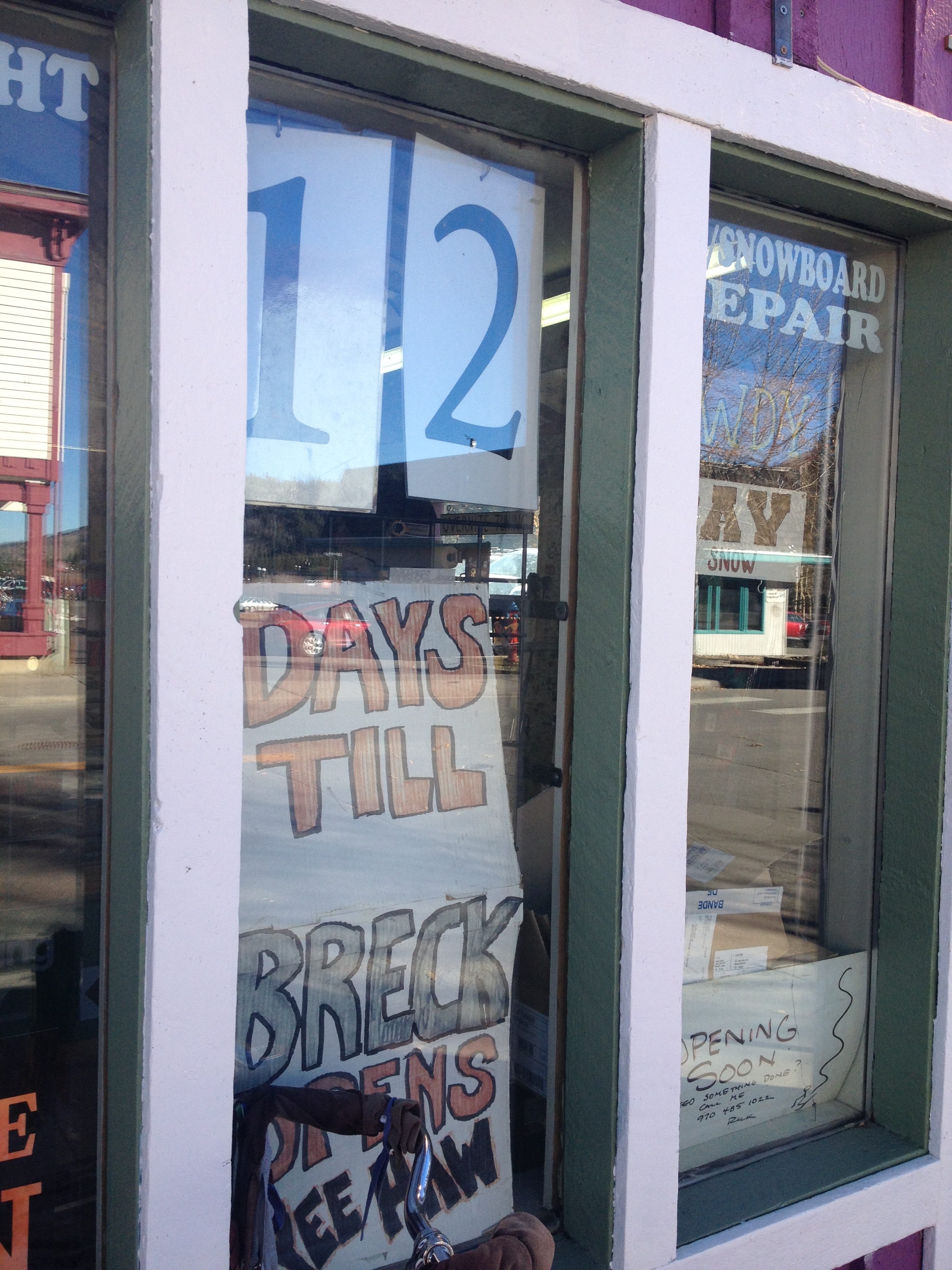
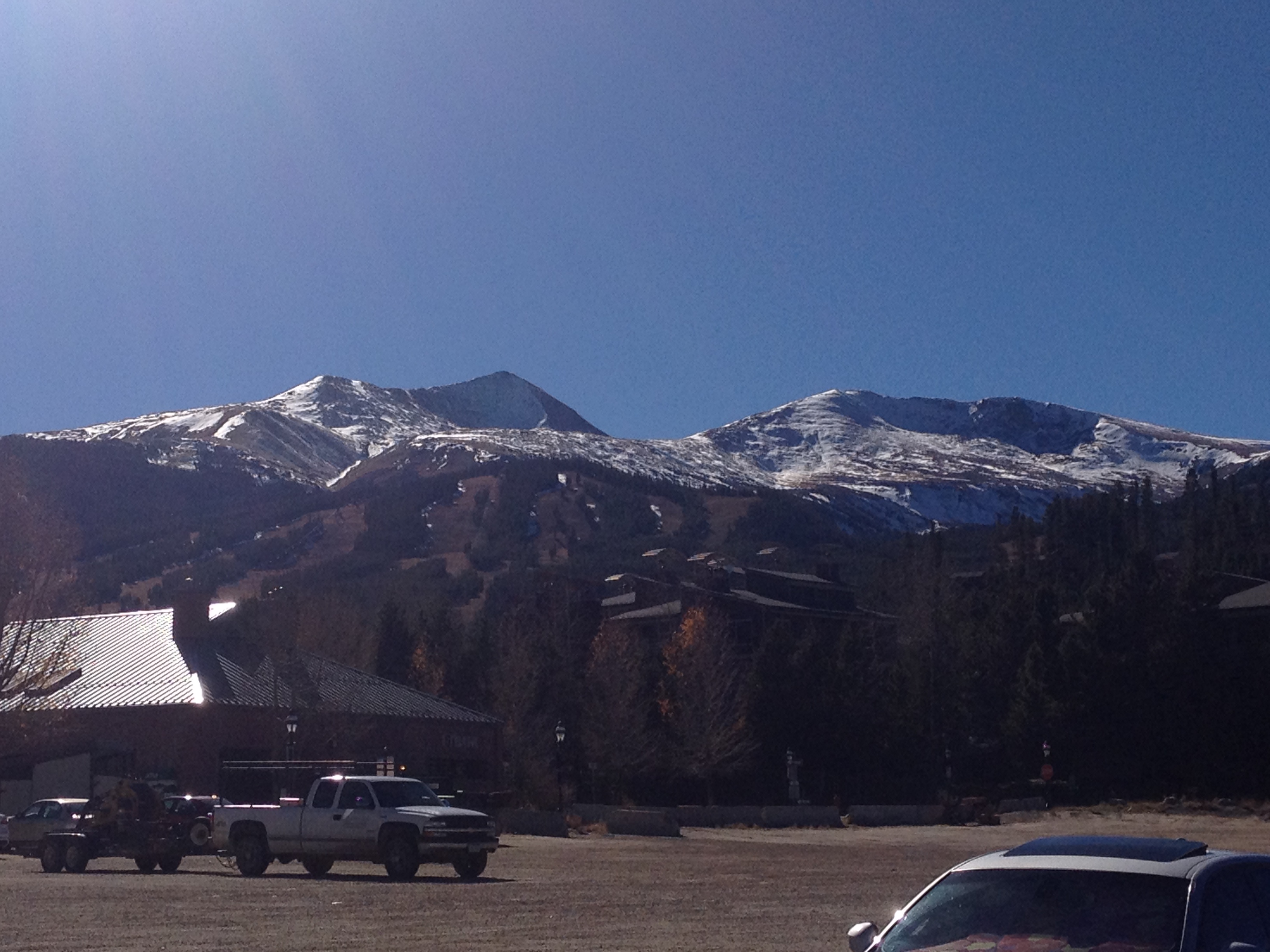
IMG_2745 IMG_2740

And, while this October has featured some beautiful weather, and some amazing fall colors that are atypical of this areas, many are concerned that this may delay the opening of ski season.  Most of the ski trails remain snow-free.

And, of course, people are quite divided regarding the rapid growth of the region.  Some cherish the opportunity to become the next significant and influential mega-region, with all of the privileges and responsibilities that it brings, while others lament the changes that are making the place significantly different than it was just a mere half a decade ago.

So, which is it?  Is Colorado, with its high density of start-ups, leadership in the craft brewing movement, and unique way of life, the place where trail-blazers grab the bull by the horn and reshape the world?

IMG_2730

Or is it still a place largely isolated from the population centers and mega regions, where people go to explore the world on their own, and escape as many outside influences as possible?
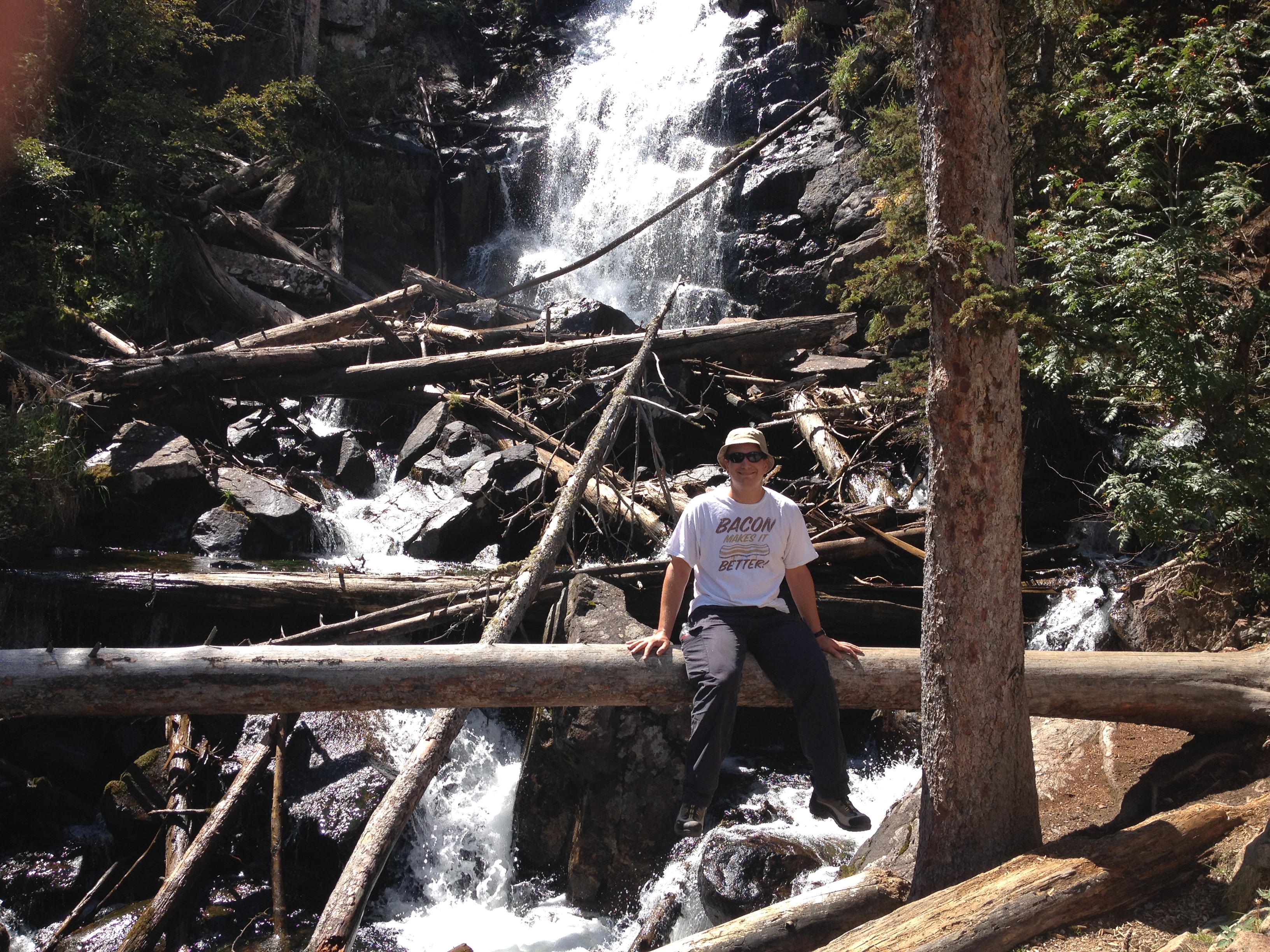
IMG_0034

Or, more importantly for the future, can we find a way to be both?
 

Pacific Beach San Diego

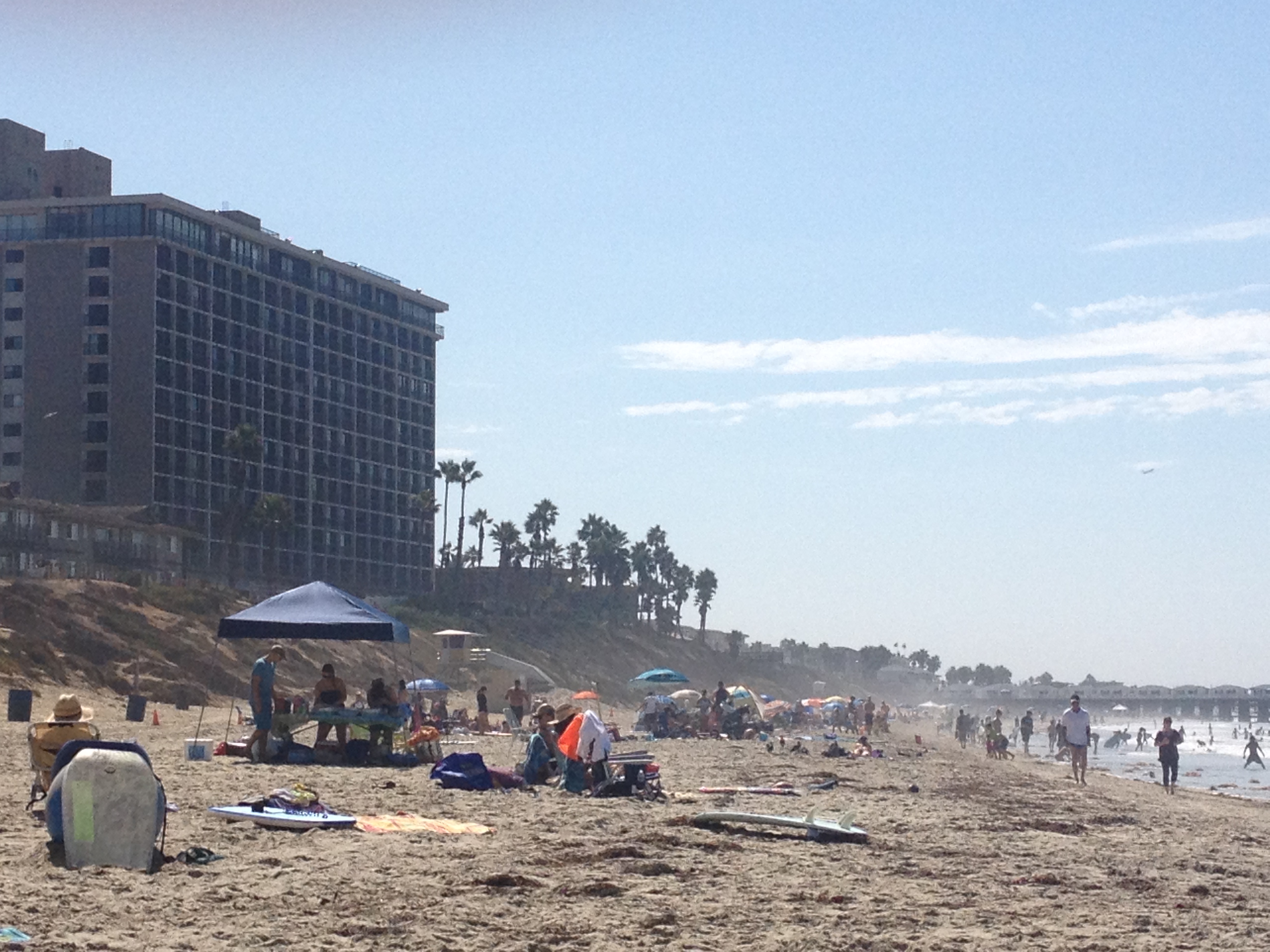
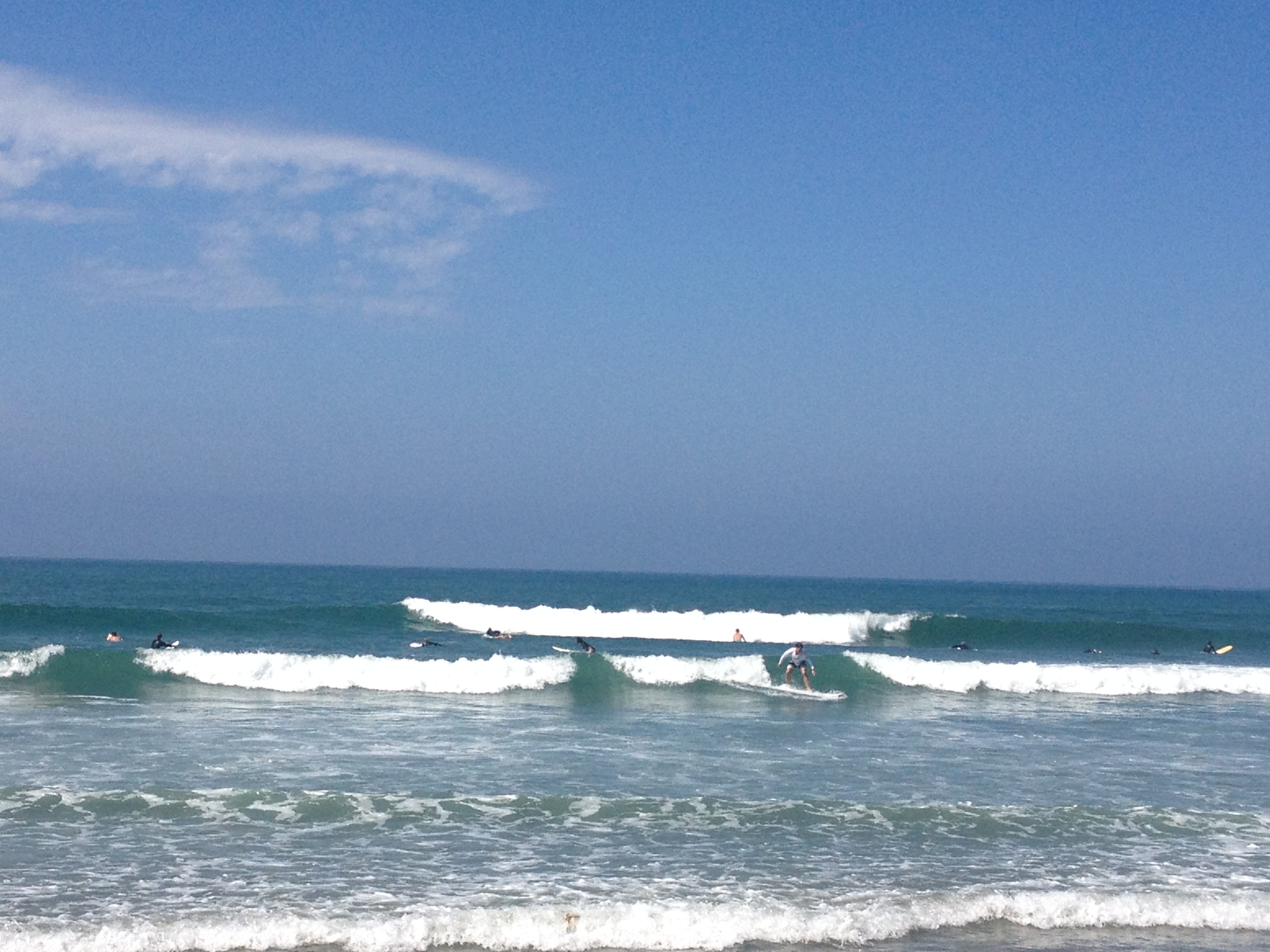
I laid there for over an hour in the hot California sun.  In fact, it was unusually hot for the oceanfront.  While areas further inland regularly get significantly hotter, temperatures well into the 80s with insane humidity is quite rare for the beech.  Despite the unusual conditions, I still captured this California experience.  In fact, the entire time I felt as if I had stepped right into a Red Hot Chili Peppers song.

IMG_2633 IMG_2634

There is the ocean, the palm trees, the waves, and most importantly, the surfers.  Boy were there a lot of surfers.  I had never seen so many surf boards in my life.  Even in my most vivid imagination of a California stereotype, there were not nearly as many surf boards in one place.  On the way to and from the beach, a clear majority of vehicles had surf boards in them.

And I watched, gradually getting a nasty sunburn on my back.  I watched people walk by.  I saw a group of people play football in the water.  I saw about a dozen “wind surfers”, and even got to witness the challenge involved in using the wind, a much more variant force than that of a boat (used for activities like water skiing), to get up onto the water.  The most experienced wind surfers still appeared to require a few attempts to get up onto the water.  By contrast, experienced water skiers seem to always get up on their first attempt.

Mostly, I observed the surfers catch wave after wave.  I wondered if these waves were better or worse than a typical Saturday on Pacific Beach.  I wondered how long it took the better surfers to achieve this level, and whether or not their form was truly as great as it appeared to an outsider like me.

Normally, my attention span would wane much sooner than this.  But I was capturing the moment.  And, also I was quite exhausted.

IMG_2621 IMG_2649

The previous afternoon, I had flown into San Diego and attended my friend’s bachelor party, which was mostly held in Downtown San Diego’s Gas Lamp Quarter.  Similar to the French Quarter in New Orleans, or Midtown Manhattan, this district is touristy and quite expensive, but not overly cheesy.  There are a few chain restaurants and bars, but many of the establishments are unique to San Diego.  The nightlife here is not confined to one or two stretches of a road, as in places like the “Las Vegas Strip”.  The entire square mile was majorly hopping, with restaurants, bars, loud music, dancing, and the sidewalks where quite full with patrons, most of whom likely spent upwards of $100 over the course of the night.

The main thing that set the “Gas Lamp Quarter” apart from similar districts in other large cities was how many times we were solicited, and how aggressively we were solicited, by wait staff at bars and restaurants while walking down the street.  Someone from nearly every restaurant we walked by would talk to us, and tell us about their food and specials and such.  The only other place I remember being solicited walking down the street was along Division Street in Chicago’s Gold Coast, and those conversations were always brief.

IMG_2636 IMG_2638

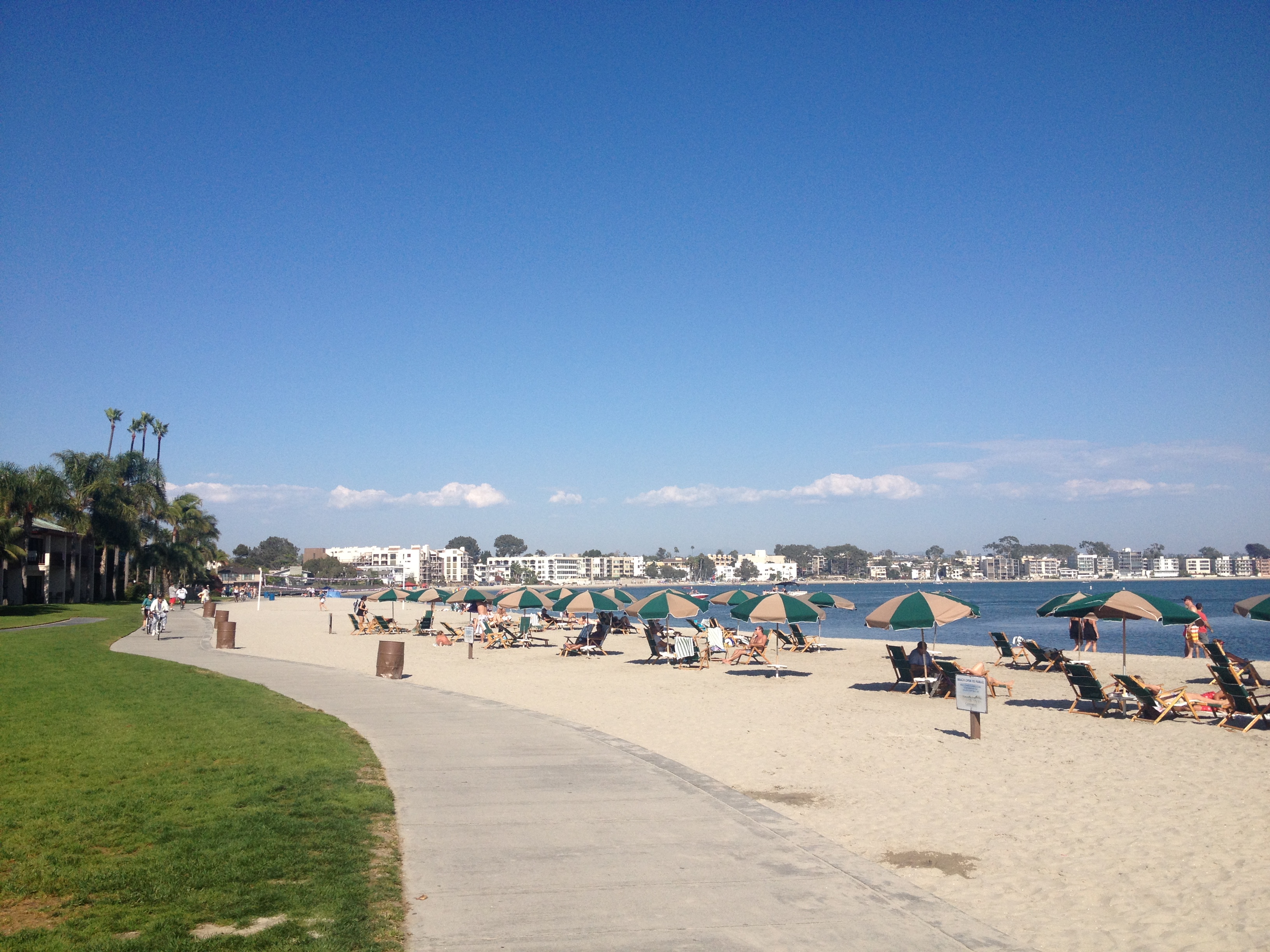
I only spent three days in San Diego, and a good chunk of it was tied up by the bachelor party, rehearsal, and the wedding itself.  So, I did not get a chance to go to Sea World, or any of the standard San Diego tourist places.  However, I did really appreciate where the wedding was held; At a resort called the Catamaran along San Diego’s Sail Bay.

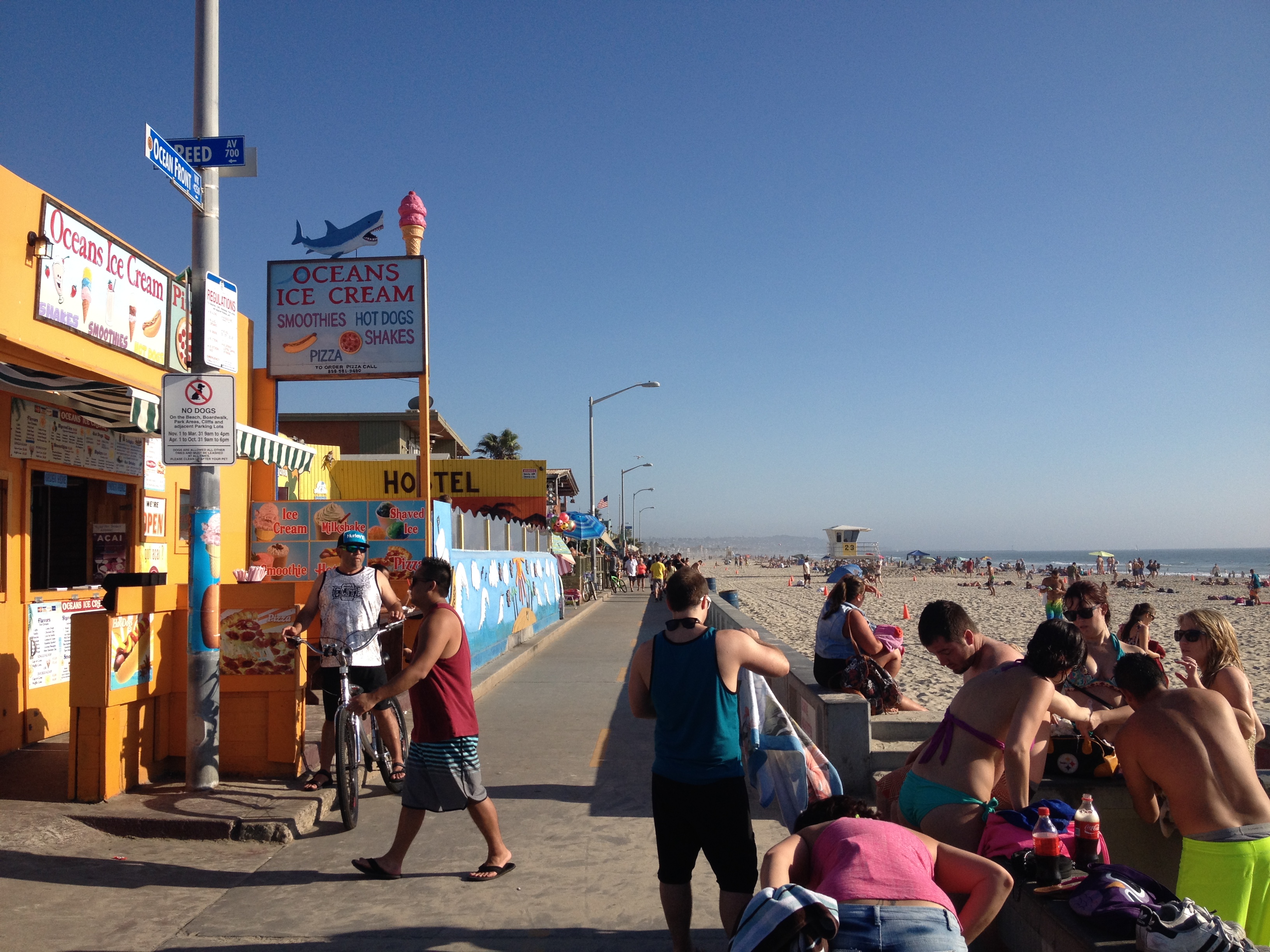
At this location, I spent most of my time in the Pacific Beech (and Mission Beach) area.  Aside from the standard boardwalk, the neighborhood has several active roads with lots of restaurants and bars, and is the kind of place where you can find almost anything within a short walk of each other, as well as the beech.  Both during the day, and in the evening, streets like Mission, Grand, and Garnett were filled with people taking part in many different activities.

California is a unique place with a distinct culture, and although I was only here for three days, I did get to observe a lot of it for myself.  People here really do drive everywhere!  Even though Pacific Beech is a walkable area on a grid system, the type of area you would expect to be more pedestrian/transit oriented in another major city, almost everyone seemed to be arriving here by car.  And this means that parking is hard to find in a lot of places.  As we left the beech that day, we were asked by a car full of surfers coming to the beech where our car was, in hopes that they could take our parking spot.

IMG_2648

While San Diego does have a transit system, almost all of the people I talked to basically did not consider it an option.  I did ride on both a bus and the train.  The bus driver told me there were no “transfers” (i.e. from one bus to another or from bus to train on one fare), making the system seem inconvineint for most.

IMG_2635

The fish tacos here are truly amazing!  And it really is the tortillas that make some fish tacos  more amazing than others.

IMG_2629

There are tons of other foods that are somewhat unique to the area, including a lot of foods with avocado and/or sprouts.  I particularly enjoyed San Diego style fries, which include meat, cheese, avocado, and garlic.

Although Southern California is known to be less obsessed with football than the rest of the U.S., there are still tons of people who get really into football, both college and professional.

Bicycle riders are clearly divided into two types; One that rides hard core and comes out early in the day wearing full bike gear, and one that rides cruisers, goes about 10 mph, and only pedals when absolutely necessary.  The later group does not wear helmets.

People here in general appear healthy- about as healthy as Denver, and far more healthy than the Midwest.

I really wish to return to San Diego, as I still feel there is much more to do that time allotted.  In a future trip, I think it would be neat to actually take a lesson and learn to surf, spend some time in some of the other popular neighborhoods, and I would really like to have some sushi, as there is probably a lot of really good sushi here.  And, I definitely wouldn’t mind seeing more scenes like this one.

IMG_2619

The Future of the West

IMG_2302
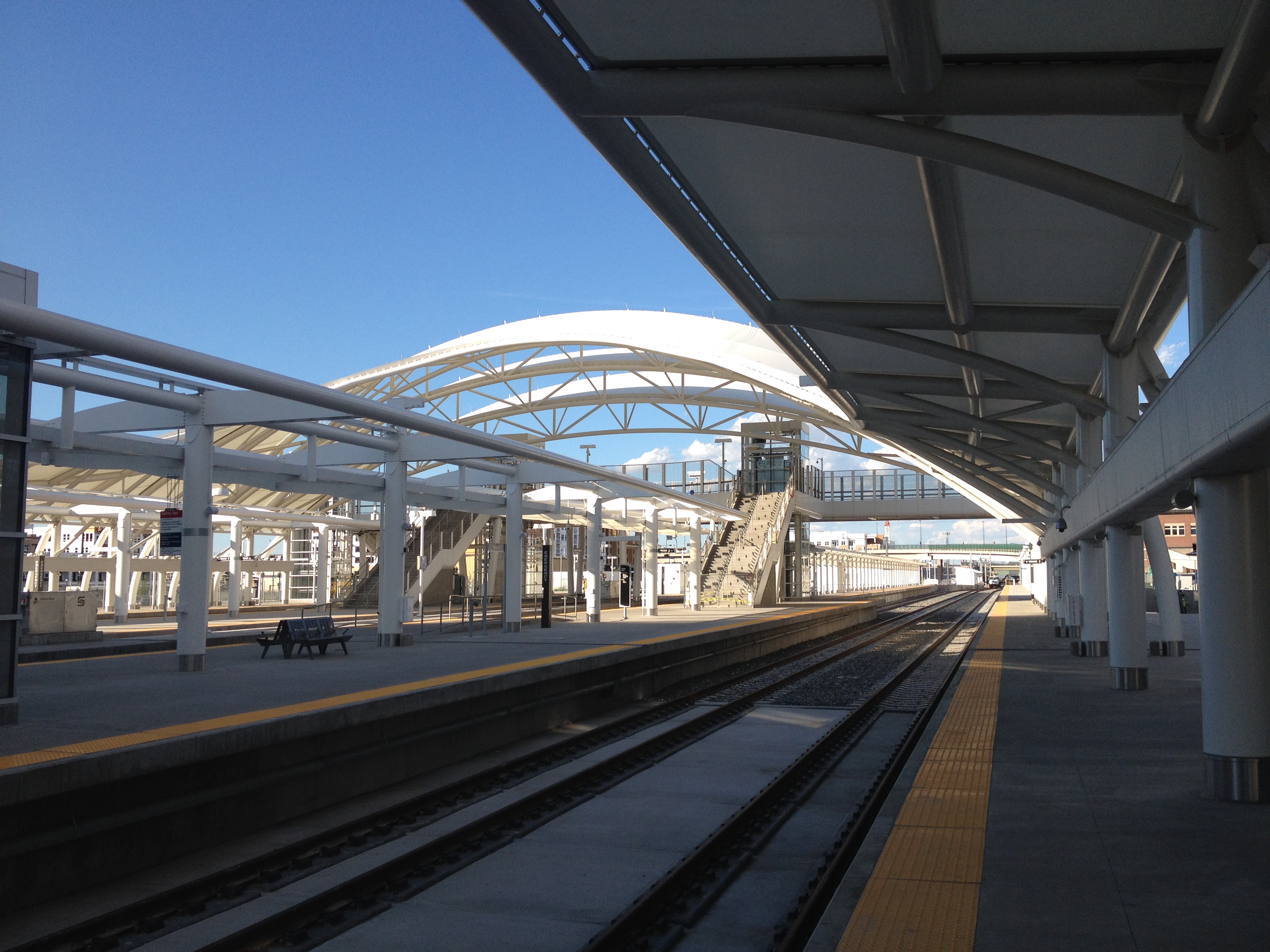
Earlier this summer, the new and improved Union Station opened in downtown Denver.  The station was rebuilt in an effort to accommodate several new train lines that are currently being built in the Denver metro area.  By the time this process, known as FasTracks, is complete, the metropolitan area will finally have an extensive rail system connecting many of the major employment, residential, and cultural institutions in the region.

As not only Denver, but the entire region, grows in population, this facility will serve a significant purpose.  Nearly every major city has one or more central transit hubs.  These transit hubs, such as New York’s Penn Station, often serve as a connecting point between multiple transit systems, making transit in and around the region easier.  Although only one of the new FasTracks lines has officially opened, Union Station is already prepared to serve this purpose.

IMG_2292

The most significant aspect of the construction of this facility, was, of course, the building of new train tracks and platforms.  With multiple tracks, and multiple platforms, Denver’s central train station is, for the first time, looking like the types of train stations I am accustomed to seeing in major cities with advanced transit systems.  In fact, seeing the pedestrian bridge with stairways to each platform actually reminded me of the train station in Jamaica, Queens, where several lines of the Long Island Railroad join, I would frequently transfer trains as a kid.

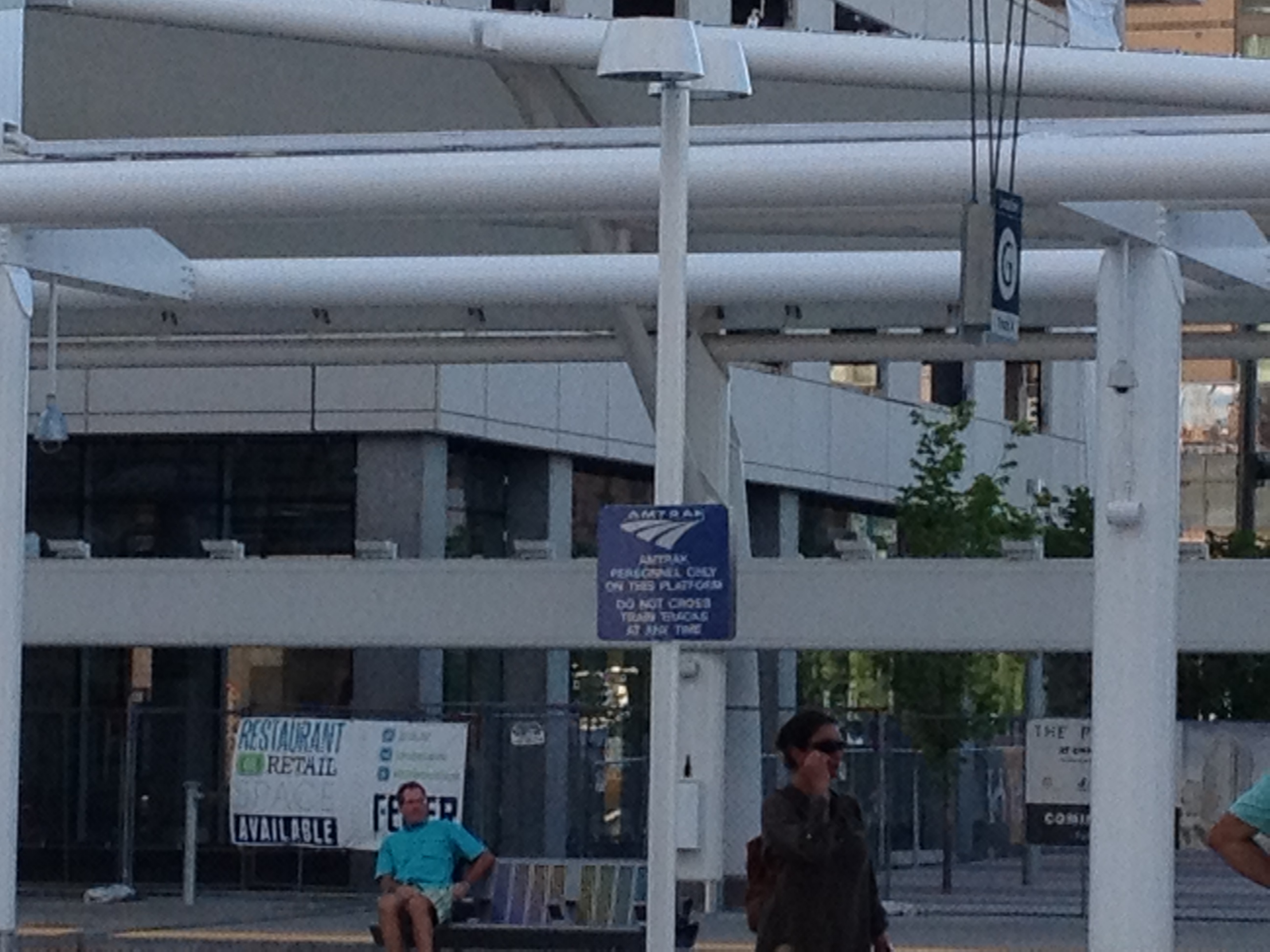
The new train lines in the RTD system, including the all important line to the airport, which will begin operations within the next 24 months, will all board on these tracks.  However, for now, the only train operating on this set is the AMTRAK (the other trains operate on the light rail tracks on another platform a block away).

IMG_2294

Unfortunately AMTRAK operates only one line through Denver, the California Zephyr, which runs from Chicago to Emeryville (near San Francisco).

I seriously doubt that I will ever ride this train.  There is only one train option in each direction per day.  Each morning, a Westbound train is scheduled to arrive at Denver’s Union Station at 7:15 A.M., and depart at 8:05.  Each evening, an Eastbound train is scheduled to arrive at 6:36 P.M. and depart at 7:10 P.M.

In addition to the lack of additional options, according to the schedule, the trip to Glenwood Springs (on the Western Slope, and a major tourist destination) takes just under 6 hours.  The return trip is scheduled to take over 6 hours!  According to Google Maps, the drive from Denver to Glenwood Springs takes 2.5 hours (without traffic).  Even for those without a vehicle, both Greyhound and Colorado Mountain Express offer bus service to Glenwood Springs in under 4 hours.

IMG_2296 IMG_2299

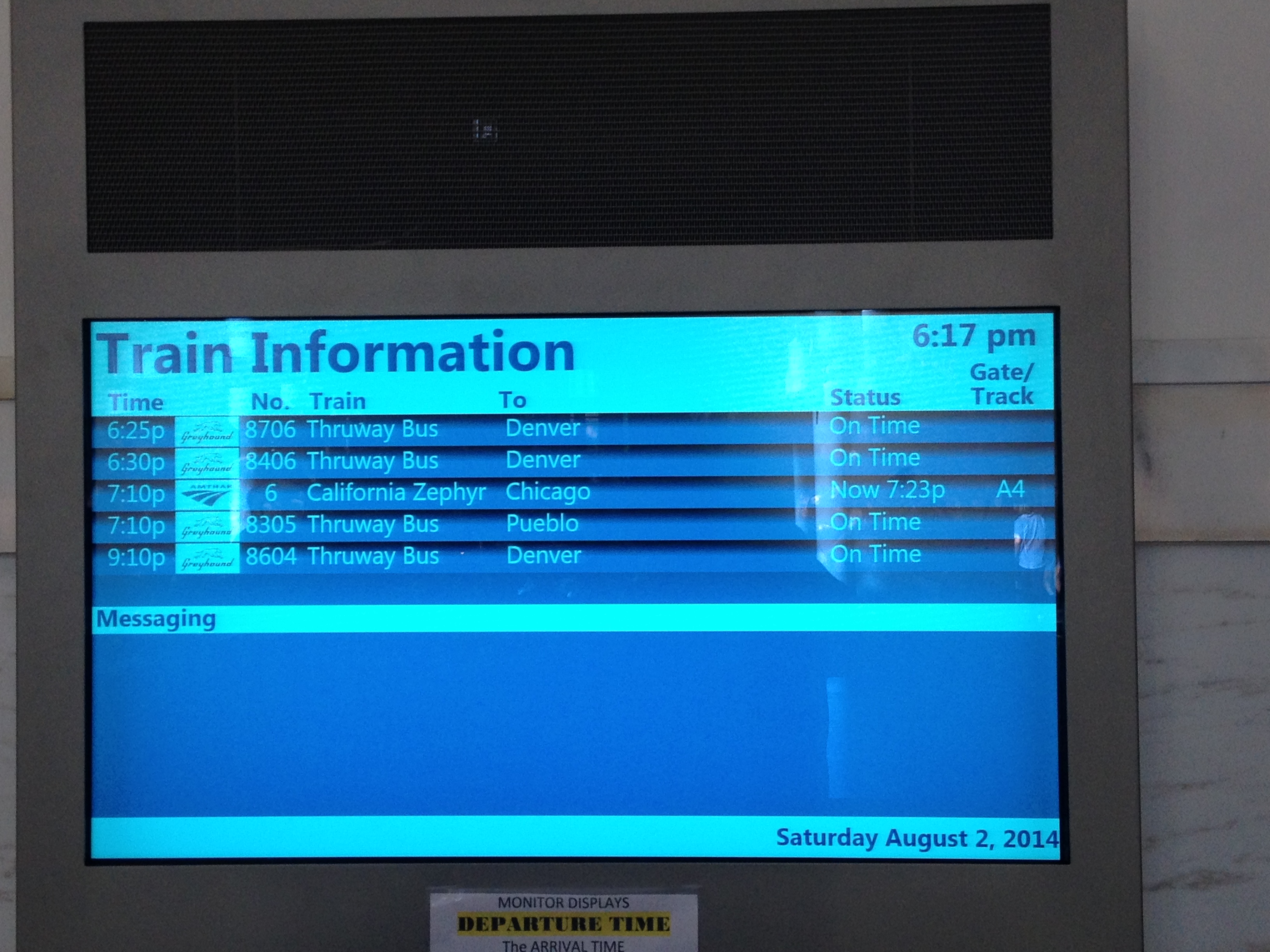
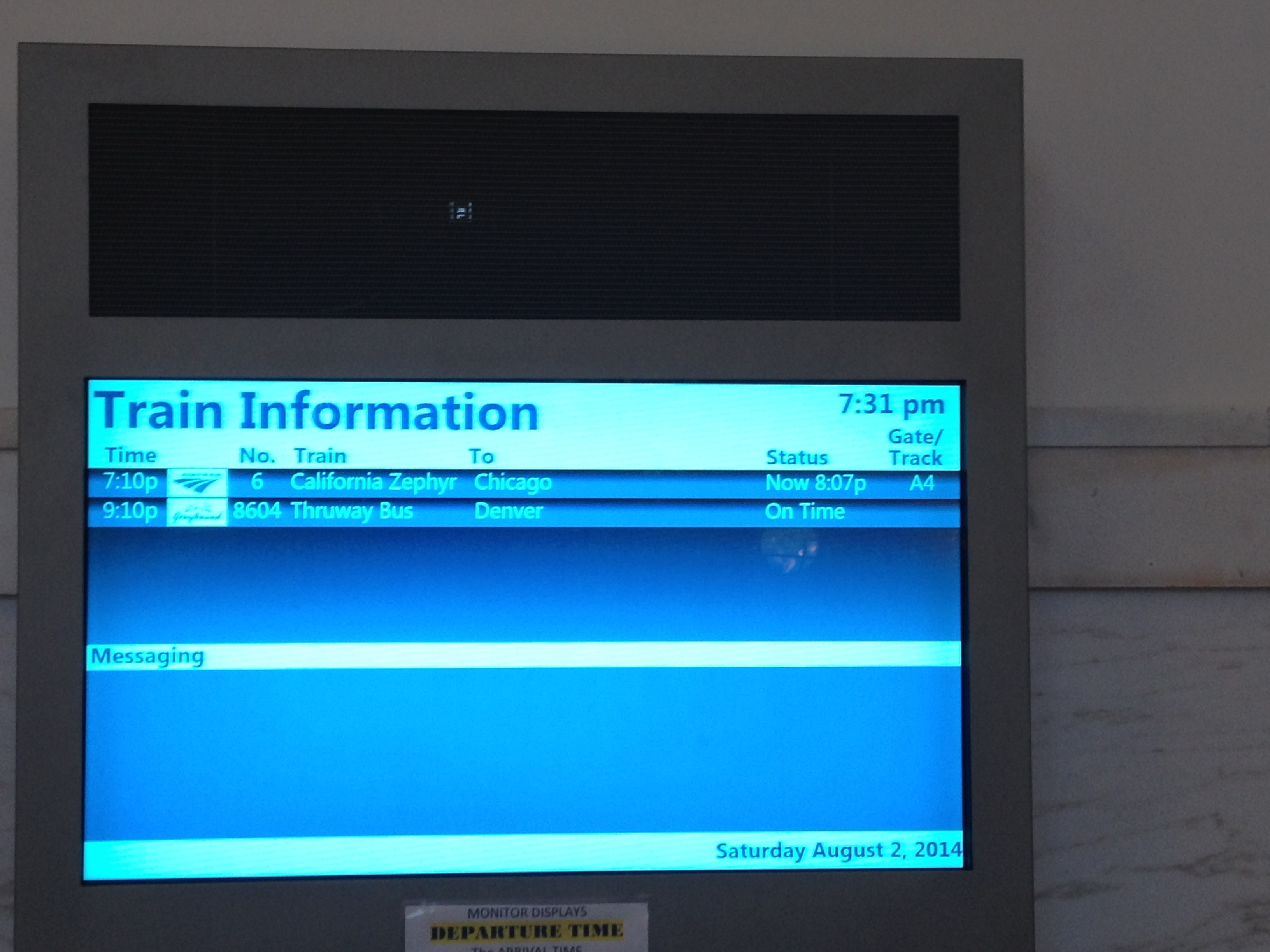
And, of course, AMTRAK’s other issue is its lack of punctuality.  As the day progressed, the station filled with people, not only checking out the new station, but with people arriving to take the Eastbound train scheduled to depart at 7:10.  By quarter after 6, the information board had indicated that the train would arrive at 7:23.  Good thing the schedule builds in that half an hour layover, right?  Well, for AMTRAK, that was not nearly enough.  By 7:30, the train had not arrived yet, with the board now indicating an 8:07 arrival.  That train would eventually arrive at 8:30.

IMG_2290 IMG_2291

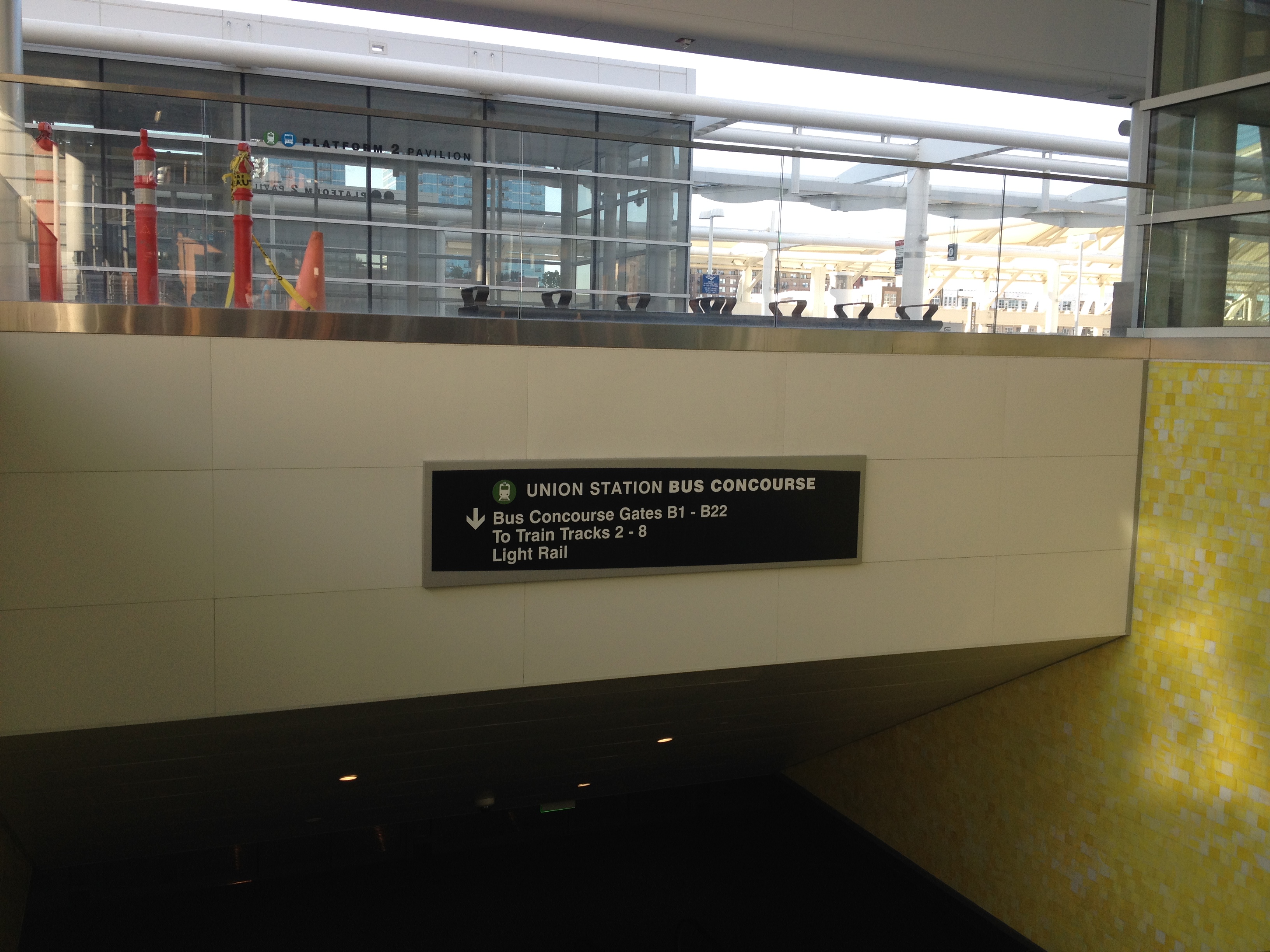
The backbone of Denver’s transit system remains its buses.  In fact, the Rapid Transit District operates three types of buses; local, express, and regional.  The local buses are primarily for transit in and around the immediate area.  Most of these buses stay at street level.  But the express and regional buses, which connect downtown Denver to places father away, such as Boulder, Evergreen, and Longmont, arrive and depart from an underground bus terminal right below the train tracks that were just built.  In addition to these regional buses, longer distance buses, operated by Greyhound, are now arriving and departing at this bus terminal as well.


IMG_2295

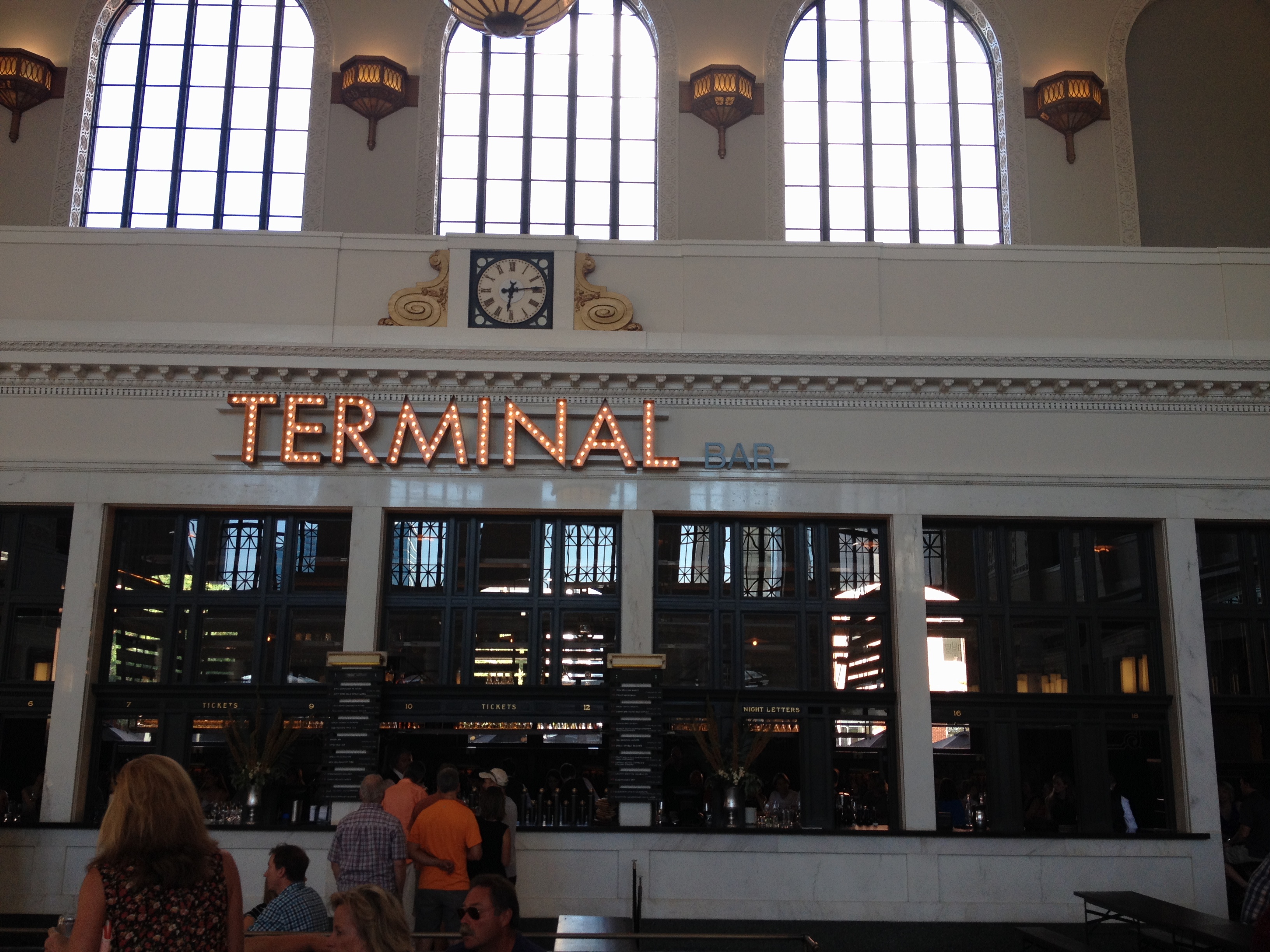
And, of course, if there is time between buses or trains, the new Union Station has a terminal with bars, restaurants, a large waiting area, and even an airport-style newsstand shop.

This new centralized transit hub gives Denver something that nearly all significant cities have; a focal point for its transit system.  Currently, the focus is on connectivity within the metropolitan area.  Service to areas outside of this particular urban corridor is limited, and sometimes unreliable.  However, with the tracks in place, and the additional amenities built, it is not hard to imagine a future state where some kind of efficient transit service between Denver and other parts of the West has been established, and functions out of this very location.

Futurists and urbanists often talk about the emergence of “megaregions“.  This is already clearly occurring in the Northeast, with the corridor of cities from Boston to Washington D.C. becoming highly connected and well traveled.  The de-facto capital of this region is New York City.  Other megaregions expected to emerge include one in the Southeast centered around Atlanta (and expected to include Charlotte), and one in the Midwest centered around Chicago (and certain to include Milwaukee and Madison).

With Colorado’s rapid growth, it is not hard to imagine a megaregion centered around Denver, with frequent travel to Boulder, Colorado Springs, Fort Collins, and possibly even places in the mountains (a train to Vail would be great).  With the building of the new Union Station, with more track, more platforms, a sizable waiting area, restaurants, bars, and many other transit-oriented services, Denver is preparing itself for its role as the de-facto capital of the “New West”.


An Overlook of the City

Starting sometime between the ages of 3 and 7, we are all asked the same question;  What do you want to be when you grow up?  Sometime between the day we are first asked this question and the first time we purchase an alcoholic beverage legally, we all answer this question.  Some of us, inspired by an event, a hero, or something we are really interested in, figure this out at a young age.  Meanwhile, others answer this question later on, after a year or two in college with an “undeclared” major.

Whether we answer this question at the age of 5 or 20, we all determine “what we want to be” believing that we have some kind of final answer to this question.  One of the biggest surprises that we all encounter in the adult world is that “What do you want to be when you grow up?” is a question that we never stop answering.  Sure, some of us may spend up to a few years at a time in a sort of steady-state, remaining in one place.  But, eventually, inevitably, some form of change, or opportunity for a change, will come our way, requiring us to revisit the question.

I actually learned this fact years ago, when I was actually given two different options for where to take my career by a former boss.  So, the fact that I am currently approaching a crossroads that may take me down a different career path, to a different location, or both, does not come as a complete shocker to me.  While not surprised, there is still plenty to think about, and sometimes the best thinking is done in another setting.

A common scene in the movies (and on TV) is for one of the main characters to absorb recent events and ponder what they are to do next while overlooking their city’s skyline.  This is a scene I reenacted somewhat accidentally today when I discovered the best view of the Denver skyline I have seen to date from a place called Mount Galbraith.

IMG_1701 IMG_1694

Mount Galbraith is located just to the west of the town of Golden, Colorado.  With a peak at only 7,260 feet, hiking to the top is not challenging.  The vertical climb from the parking lot probably does not even reach 1,000 feet.  For someone looking to hike in Colorado with no prior hiking experience, this may be a good choice.  Unlike other trails near Golden, there is no mountain biking permitted on these trails, and the trails are significantly less crowded than any of the trails near Boulder.

I do not know why I came to this park today.  I had a lot on my mind today, and needed to get away from the distractions that often disrupt my thought process; in particular YouTube, the internet, and the Olympics.  So, I pretty much just got in the car and started to drive with no plan whatsoever.  Before I knew it, I was approaching Golden, and I had remembered seeing a sign for some kind of hiking trail on the way to Golden Gate Canyon State Park.  Knowing that in the month of February it is always safer to stay at lower elevations (this is due to both wind and snow pack), I decided at the last minute to stop.

IMG_1698

I also made my Siberian Husky come along for the ride, but she seemed to enjoy it.  This is probably the closest I will ever come to getting a picture of my dog overlooking a city skyline, something that I think makes for a neat picture.  In fact, I think Dogs Overlooking Skylines would make for an awesome calender.  12 different cities, 12 different dog breeds.  If someone made it, I would buy one for sure!

Today I followed my instinct, and I did what countless movie and TV characters have done; find a good view of the city skyline and ponder what is going on in my life.  I’m guessing most people feel that when they come to a place like this they are taking a step back from life, and looking at what is going on from above.  It almost feels as if we are taking a big-picture omnipresent view of day-to-day life when we observe from a place like this.  While on a typical day, we are looking at one particular block, one building, or even one desk.  Coming to a place like this, the entire city, as well as many places around it, all come into view.  It is natural for this view to prompt anyone to look at the big picture.

And, it is time to apply this big picture view to that age old question.  What do you want to be when you grow up?  Or, for those of us that are already grown up, we can more simply say, what do you want to be?  Whenever anyone asks or answers this question, it seems like the discussion always revolves 100% around jobs and careers.  But, there is more to who someone is than their career.  Maybe you want to be the person your friends can depend on?  Maybe you want to travel and have some interesting experiences?  Or maybe you just want to have a balanced life?  When it comes to “what you want to be”, ambitions like these are a valid part of the discussion and should not be ignored.

Fort Collins; Another Vibrant Colorado City

IMG_1629 IMG_1630

I have never met anyone that told me they hated Fort Collins.  Not everyone knows a lot about the town.  But of the people who have been there or lived there, I have yet to hear a single overwhelmingly negative impression, the way I have about so many other towns.

Colorado is a state that is very divided both politically and culturally.  The political divide is close to even, thus Colorado’s status as a “swing state”.  Representing the extremes of the spectrum, Boulder and Colorado Springs are both very polarizing.  Many people hate one or both of these towns simply due to what they represent politically.  Not only do Fort Collins and Laramier County sit generally near the middle of the spectrum politically, but they are also not known for being particularly politically active the way Boulder and Colorado Springs are.

Other towns are polarizing or controversial for other reasons.  The casino town of Blackhawk not only leaves a bad impression on those that do not approve of gambling, but also ignited the ire of the bicycling community when it chose to ban bicycles from the entire town in 2010 (this ban was overturned by the State Supreme Court).  I have to admit that as much as I love Vail and Vail ski resort, I am quite disturbed by the town’s decision to close down the only affordable hotel in town to make way for a new extended stay hotel, which will most definitely be fancier and pricier.  Large towns like New York are loved by many, but also hated by many who resent the level of stress they cause, the amount of power they wield, and the amount of attention they receive.

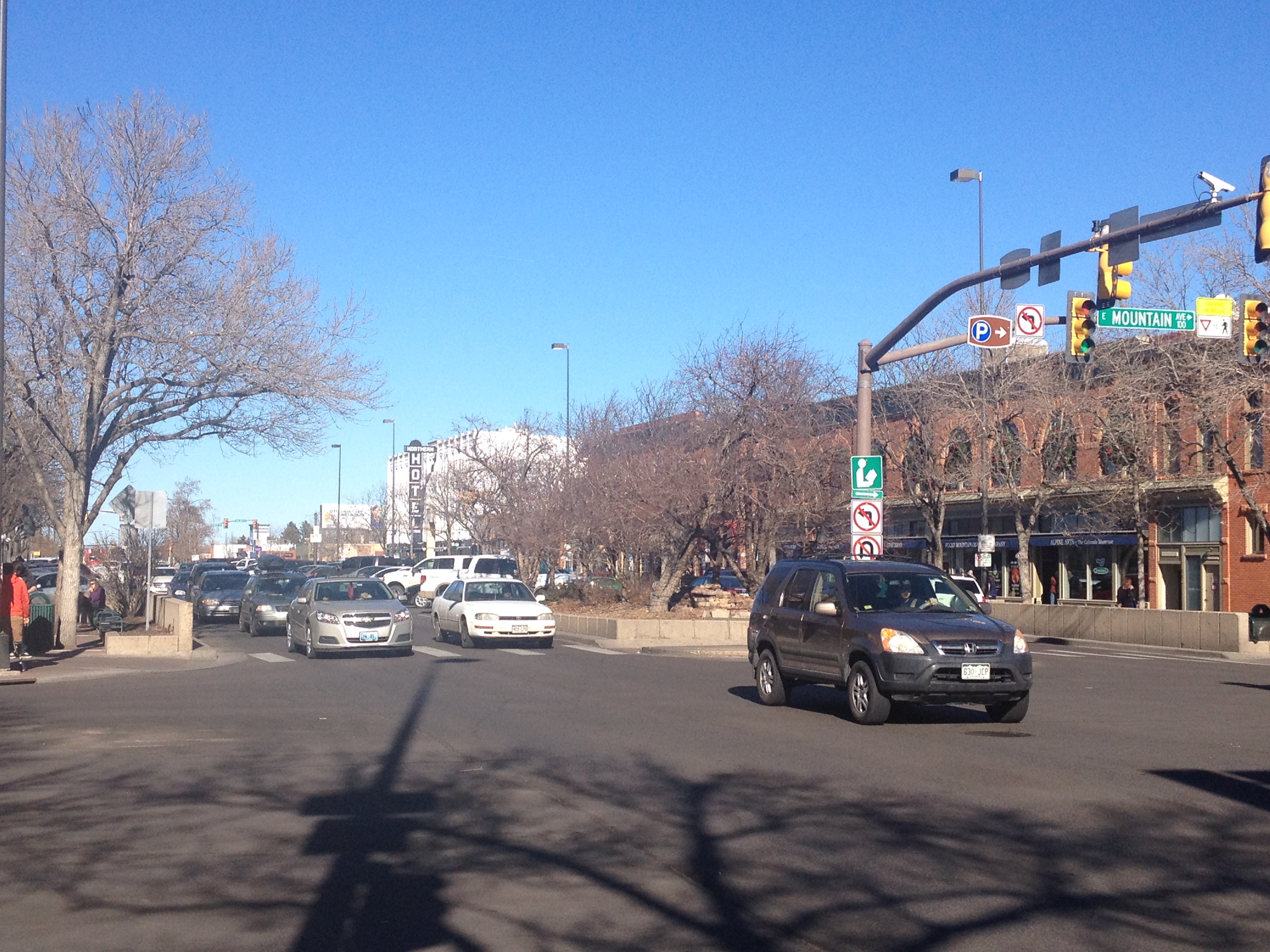
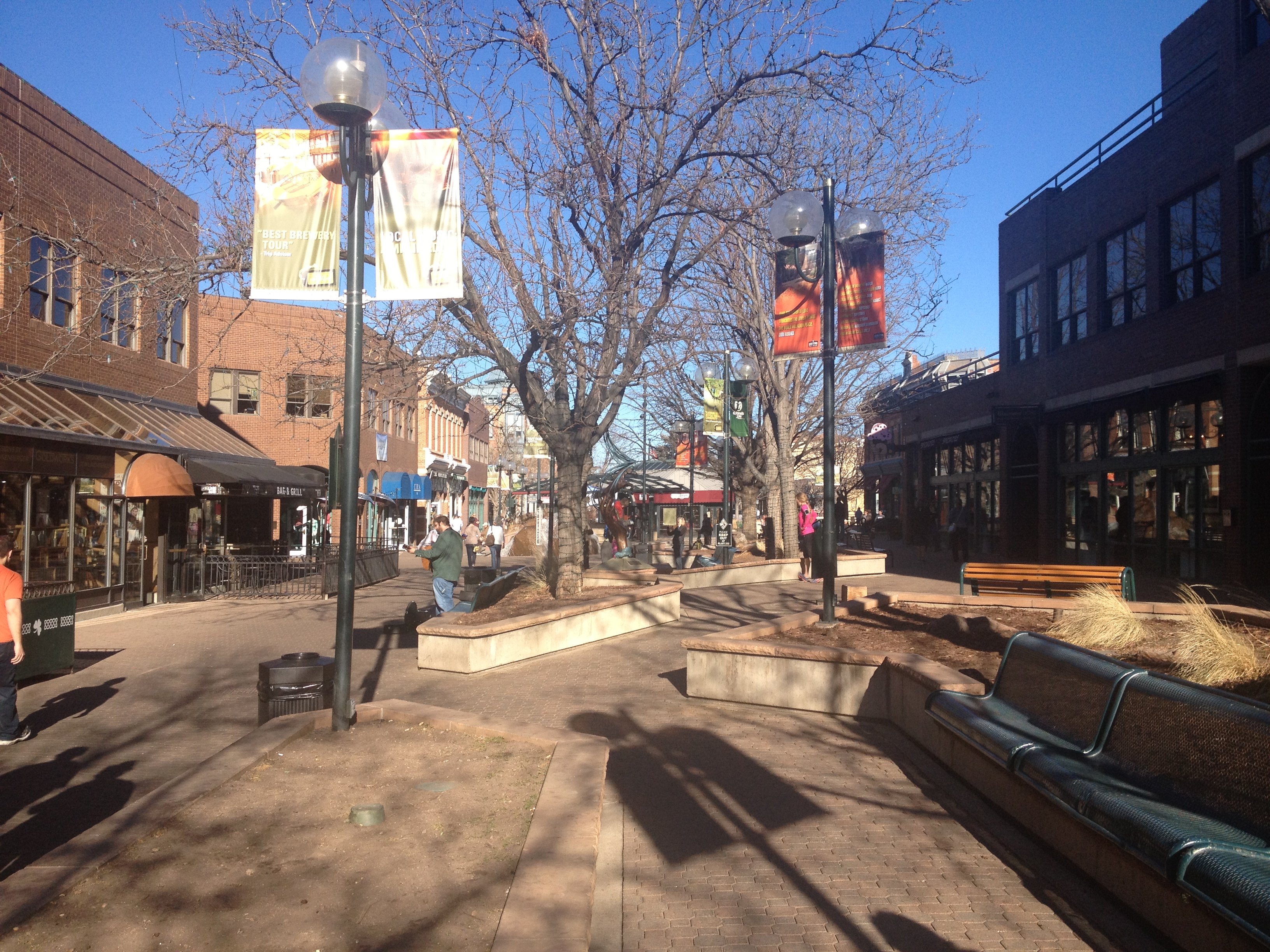
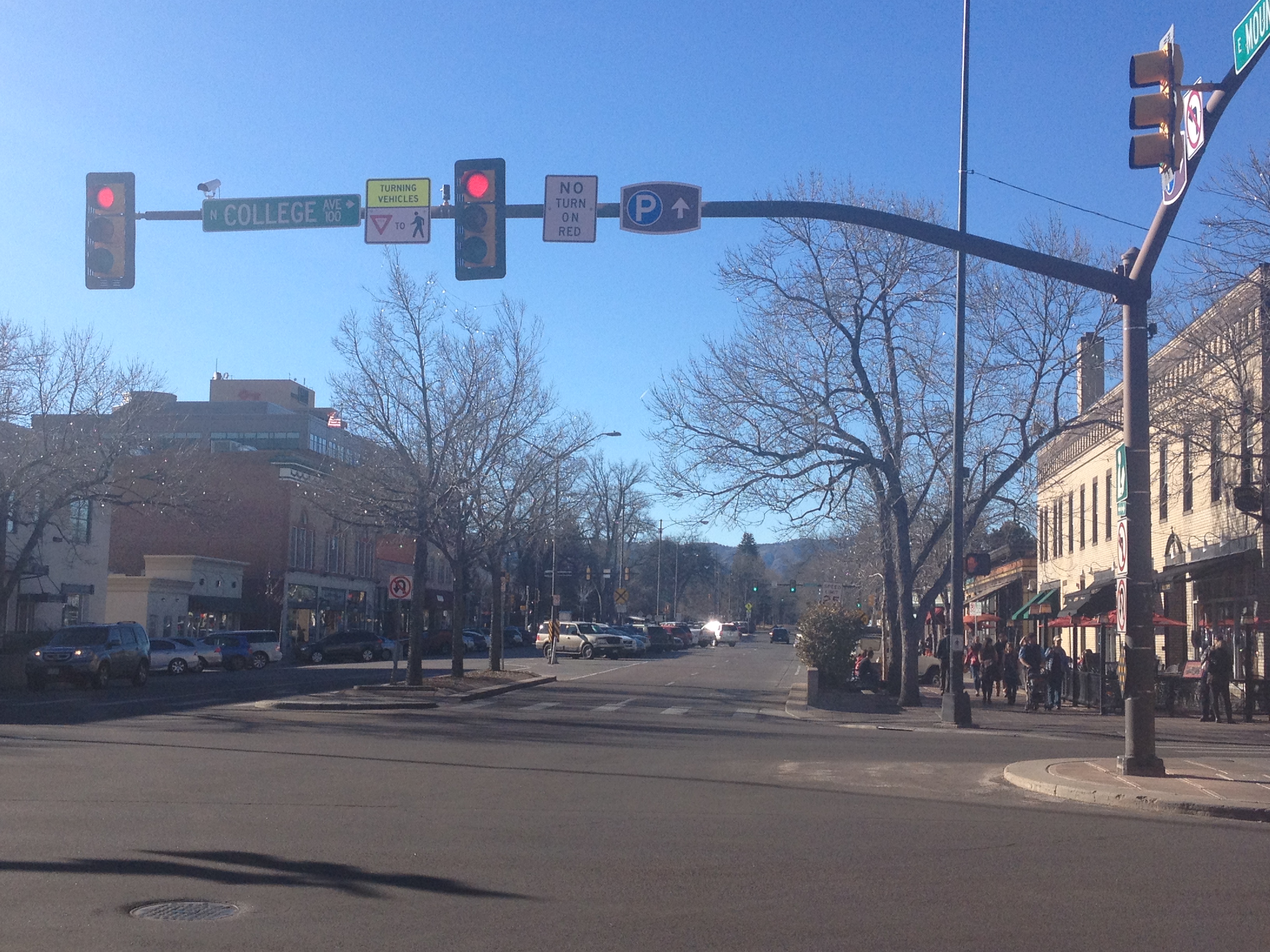
The sun shined bright and the temperatures were quite pleasant this January day.  It was the kind of day when you can really notice the character of a city.  On a cold or rainy day, it may be hard to feel the true energy of a town, as it is often subdued by such conditions.  Walking around Fort Collins’ central area today, the true energy of the city was on full display.

IMG_1632

Over the past decade or so I have become quite accustomed to living in vibrant places like this, where people can be found walking around, conversing, conducting business, and going about their days.  It feel like home, and it feels like the way our society was meant to operate.  If I were to find myself living in a town without this type of energy, it would definitely feel like something is missing.  However, that is just a personal preference.  I am sure a lot of people live satisfying, fulfilling lives in sprawled out suburbs, or even decaying towns with a lot of abandoned storefronts.  They probably do not share my addiction to the energy.  If anything, they are in a better situation than I am, as their choices of places they could live and thrive are much less limited than mine.

IMG_1634

Like Boulder, Fort Collins has a pedestrian mall with a lot of random street performers, particularly on a nice day like today.   The street performances here seem more varied than the ones in the average American city.  I saw the standard guitar performer, but there is also an outdoor public piano, and many more random acts like dance routines and hula-hoppers.  This pedestrian mall, called “Old Town Fort Collins” is significantly shorter than Boulder’s Pearle Street, but is still large enough and offers enough variety for it to be considered interesting.

Walking around here made me realize what makes Fort Collins special.  Not only is it not controversial, the way many other places are, but it still manages to be interesting and unique.  In actuality, there are plenty of places that do not ignite strong negative feelings.  When was the last time anyone fumed at the arrogance of Grand Island, Nebraska?  Or the rude partisans of Peoria, Illinois?  What sets Fort Collins apart is that it is still a fun and unique place to live, while also remaining non-controversial.

IMG_1633

As a town along the Front Range of the Rocky Mountains, many outdoor activities can be found right outside of town, the same way such activities can be found in any of the towns that line the front range from Fort Collins south to Colorado Springs.

IMG_1635

Fort Collins may be best known as the headquarters of New Belgium Brewing, known for it’s signature beer fat tire.  New Belgium employs a unique business model, and has been quite successful.  At New Belgium, every employee is a part owner of the company.  The benefits and beer are great as well, and they are also known for their support of bicycling as a form of transportation.  While I did not visit New Belgium on this particular trip, the values of this company appear to be reflected throughout the town.

IMG_1637

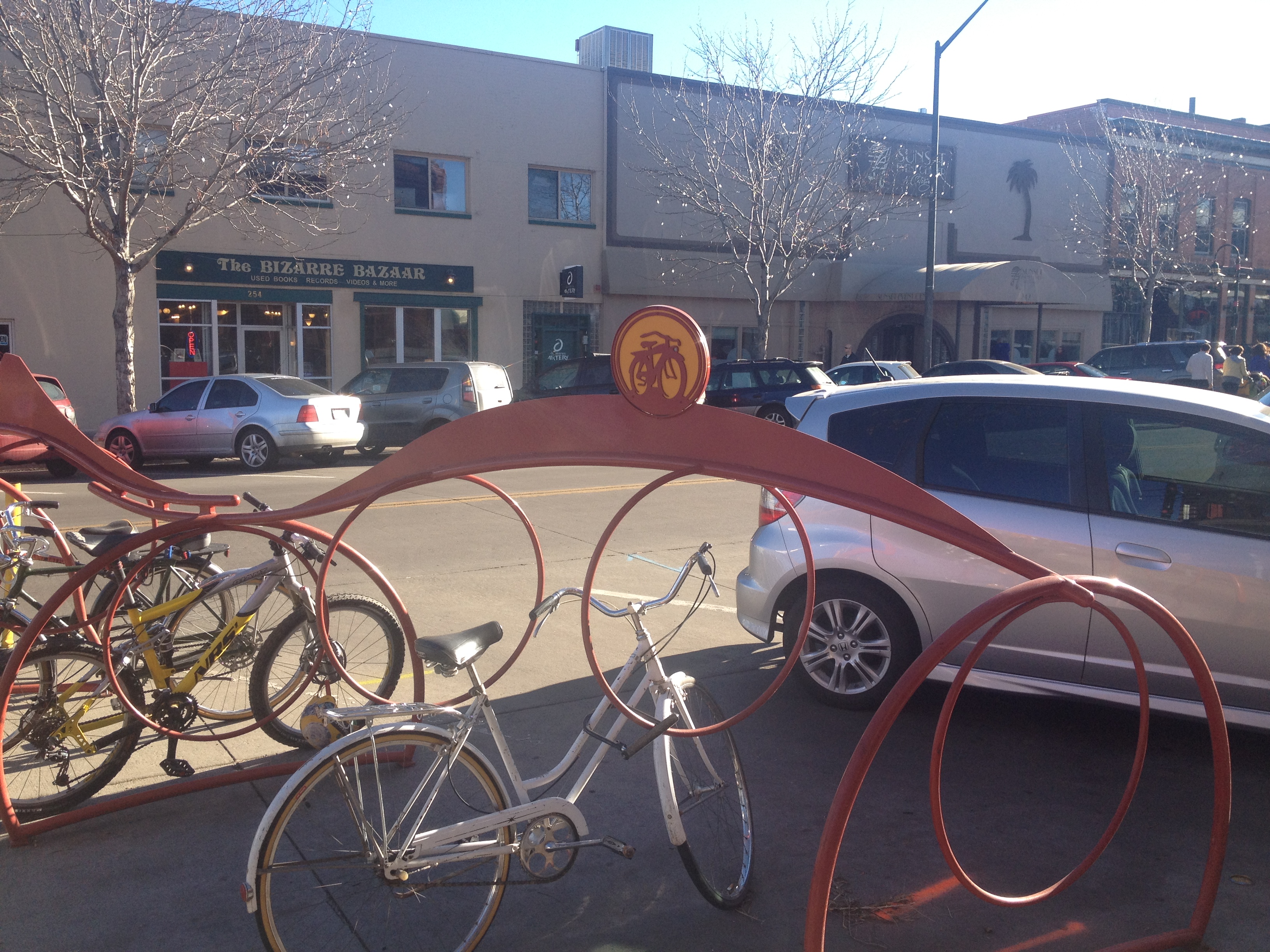
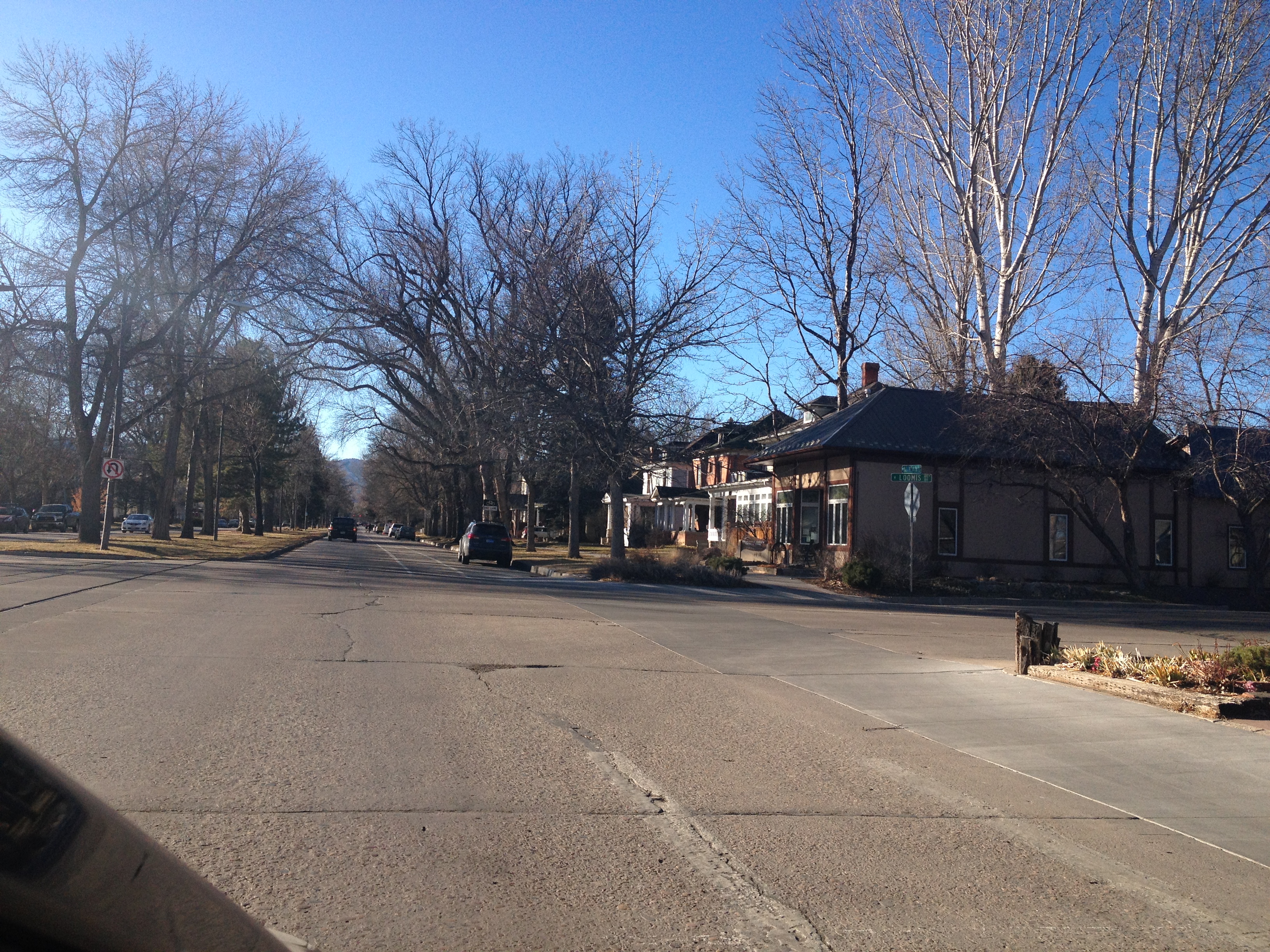
Fort Collins has one of the best networks of bike lanes and trails in the United States.  Even in this well-to-do neighborhood just west of downtown, a wide bike lane can be found.

Fort Collins is the northernmost town along Colorado’s front range.  To the south is a series of population centers that include Colorado’s largest; Denver and Colorado Springs.  To the north, it is quite empty.  Fort Collins is on the edge of our society.  It manages to be an interesting and vibrant place without the controversy and/or polarization that often accompanies this.  Big enough to feel energetic, but small enough not to be overwhelming to many, Fort Collins is truly a unique place worth checking out.

History Colorado Center

It has been unprecedentedly cold across Colorado these past several days!  It’s been so cold that no outdoor activity, not even skiing, sounds even remotely appealing.  So, in order to make the most of my time, I decided that today would be a good day to check out the new exhibit at the History Colorado Center.  As, I do want to check it out, and will likely be skiing or traveling elsewhere the next several weekends.

IMG_1502 IMG_1504

The History Colorado Center is a State history museum in Central Denver, located just south of downtown.  As the name advertizes, the museum covers the history of the State of Colorado.  A similar museum can most likely be found in nearly all state capitol cities.

In my biased opinion, the History Colorado Center is one of the best museums I have ever been to.  The reason I say it is a biased opinion is that I definitely prefer museums that cover topics I am personally interested in.  I tend to be more interested in science and history than art and lifestyle museums.  In addition, I have not been to too terribly many museums, as I tend to spend more time on outdoor activities.  So, my recommendation of this museum can be taken for what it’s worth; based on a strong personal bias and a limited sample set of options.  But, I do feel like this museum is worth the $12 admission. Today we spent just shy of three hours there, but I do feel like I could spend close to an entire day here.

I really enjoy this museum for three reasons:

1.  The museum is highly interactive.

This seems to be a trend in museums of late.  I am not sure what instigated this particular trend, but over the past decade more museums have been moving towards more interactive exhibits.  This particular museum was constructed only a couple of years ago (replacing the previous Colorado History Museum), and thus many of the exhibits at the museum are indicative of this trend.

IMG_1511

Just inside the entryway to the museum is a “time machine” exhibit.  These two “time machines” can be physically moved across a gigantic map of the State of Colorado.  Depending on where these devices are placed, a user can select a year from a list.  Each selection contains a different historical story of Colorado.  These stories come from many different time periods and nearly all portions of the state.  If one were to watch all of the stories available in this exhibit, it would definitely take multiple hours.

Other interactive exhibits at this museum include a silver mining exhibit, a bunch of screen-selecting games, and my personal favorite, the ski jump simulator.  The ski jump simulator not only simulates the building of speed, becoming airborne, and subsequent landing, but also requires that the user mimics the right ski jumping technique.  All this is done in from of a screen that shows the ski jump in progress.  Improper technique will result in a crash in the simulation, and the length of the jump is also dependent on technique.  It is interesting to attempt this ski jump simulation several times to get the best possible result.

2.  The museum presents a fairly complete representation of state history.

By this I mean the all regions of the state, all time periods, and all types of people appear to be represented at this museum.  Many people think of Colorado and think only of the mountains and the activities associated with the mountains.  Some think of Denver and the Front Range cities, but the entire Eastern 1/3 of the state is often ignored.  This museum actually includes several exhibits that cover life in the Great Plains portion of the state.

IMG_1508 IMG_1509

Half of the first floor of the museum is dedicated to the story of a small town named Keota on the plains in Northeastern Colorado.  Like many town in this area, it’s economy was primarily based on farming and ranching.  Although the town did fairly well in the first couple of decades of the 20th century, it did not fare well during the dust bowl and now is basically a ghost town.

Other exhibits about the history of Colorado’s often forgotten Eastern portion include one on Bent’s Old Fort, and one on the Sand Creek Massacre.  With these exhibits, and several others, the History Center Colorado also presents history from the point of view of nearly every ethnic group to ever inhabit the state.  One exhibit describes Colorado’s history as a borderland between the United States and Mexico prior to the Mexican-American war.  Another one describes the Japanese Internment Camps during World War 2.  And, despite the fact that Colorado is only 4% black (as a state), the museum contains an exhibit about a place called Lincoln Hills, a resort in the mountains developed by black people for black people at a time when many places refused to serve them.

In addition to presenting history from all portions of the state, as well as from multiple perspectives, the museum covers times all time periods, as well as both good times and bad times.  The Steamboat Springs Winter Carnival is a celebration of the winter sport activities that make Colorado a destination for many.  However, the new exhibit covers the importance of water resources in the state of Colorado.  This exhibit covers three periods of time where water resources and the management of them made a major difference in life in Colorado.  In the 13th century water resources were depleted from the “Mesa Verde” area, leading to hard times for the once thriving Pueblo Indians in that region.  Their response was to move south to areas where resources appeared more abundant.  Remnants of this civilization can still be viewed at Mesa Verde National Park, the only archeological U.S. National Park.  The dust bowl was one of the hardest times in Colorado.  Many farmers suffered from a combination of low prices and extreme drought.  This began a population decline in the plains, but some remained on the land.  Finally, current concerns about water resources were covered, as reduced snowpack from climate change combined with population increases threaten shortages of water resources.

3.  The museum has character.

IMG_1503

By this I mean there are a lot of little fun things like this Bison topped with a Santa hat.  Throughout the museum there are a lot of other little decorations here and there, such as the Welcome to Colorado sign, that just make the atmosphere a bitmore fun.  They do this without either going over the top, or seeming too cheesy, which I very much appreciate.

Visiting the History Colorado Center today was a good change of pace from my normal activities, and a wonderful way to take advantage of a day with less than ideal weather.  With a fun yet intelligent atmosphere, a complete view of Colorado’s history as a state, and a plethora of interactive exhibits, my visit to the History Colorado Center  was a memorable experience.  It gave me a lot to think about, and a good overview of the state that I now call home.

Chicago- Still My City

IMG_1444

Based on many of the criteria people tend to look at when determining their ideal location, Chicago would not be an ideal place for me. The winters are too cold, and extended periods of consistent cold are frequent. It’s not too uncommon for 2-3 weeks to go by without temperatures rising above freezing. There are also very few good places for outdoor activities near Chicago. Most of the area within a four hour drive of Chicago is flat farmland. The few interesting places in the area, like Starved Rock and the Wisconsin Dells, end up being quite crowded on nice weekend days. Finally, Chicago seems to not only tolerate, but sometimes celebrate its’ corrupt politics. Alderman go to jail on a regular basis, and so do governors. This culture has lead to an offensively high sales tax. When people asked me why Illinois seems obsessed with Abraham Lincoln, I would often joke about the state having to honor its’ last non-corrupt politician.

Preferences on these kinds of issues are amongst the most common questions asked in your standard online “what city is right for you” quiz. Had I decided on where to live based on these online quizes, I probably would have never even considered living in Chicago. But, I really did enjoy my time here. So, as I visited Chicago and saw my friends and such this past weekend, I thought about what it is about Chicago that I really enjoyed, and what keeps people moving here.

One thing I certainly learned is that one’s impression of a place is dependent not only on how good of a fit that place is for them, but also on circumstances. It is quite possible for someone to move to a place that seems ideal for them, but be in a bad situation (bad job, bad economy, bad relationship), and end up with a negative impression. Likewise, some of the flaws a location may have could be overlooked or tolerated by someone who has really satisfying situation. For most of my four years in Chicago, I enjoyed a good job, a functional relationship, and a really great social situation. All of this made that additional sales tax, the cold week in February, and having to drive three hours for a decent hike feel like less of an annoyance.

I also learned that sometimes there are other factors that have a major impact on one’s satisfaction in their hometown that is not considered when choosing a place to relocate to, and also not considered in your standard “what city is right for you” quiz. For example, Chicago has a great energy to it. I really did fit well in the pace of life here; fast, but maybe not quite as fast as the east coast. There are tons of different neighborhoods, with different vibes, allowing people to have a lot of different kinds of experiences on a day-to-day basis without traveling far. Many different kinds of people can find a place that suits them all within Chicago’s city limits. Chicago also has one of the best food scenes in the country, with regionally distinct food that ranges from the traditionally “blue collar” Chicago-style hot dog and italian beef sandwiches to fancy restaurants like Alinea and Girl and Goat.

If I take a step back, and look at a more high-level overview of the situation, I think the main lesion to be taken away is that some situations that sound less than ideal deserve a chance. Because, well, you never know what you will discover and come to love about them. This applied to me in the city of Chicago, but could also apply to a job, a relationship, or involvement in some other kind of organization. When deciding where to live, who to date, what job to take, etc. we often think about, at most 5-10 factors, while our satisfaction with the situation can be even more dependent on factors we typically fail to consider. I did not expect to find the vibrant social scene that I found at the job I had in Chicago, and I hear many people discuss aspects of their significant others that they had originally overlooked, but have come to really enjoy.

For the last couple of decades, Chicago’s population has been somewhat balanced by an influx of people from elsewhere in the midwest that counteracts a loss of people to the south and southwest. Michigan and Ohio seem to produce the most Chicago transplants, as their economies have been weak the last couple of decades. I actually recall a time when I felt like I was unable to go more than a week without somehow setting foot in a Michigan State bar. This has changed the nature of the city significantly, with many neighborhoods on the north and northwest sides gentrifying, and some traditional middle class neighborhoods elsewhere in the city emptying out.

There is not shortage of debate online regarding Chicago’s future. One can find particularly intense debates on websites such as city-data and the urbanophile. Here I have read all kinds of opinions, ranging from imminent decline to Chicago becoming the next world class city. On one hand, there does appear to be a danger that Chicago could experience a decline if the influx of people from other midwestern states, particularly Michigan and Ohio were to dry up, as those states are beginning to show signs of life. However, I find it hard to believe that the young professional community would stop particularly seeking out Chicago for what it has to offer with regards to jobs and lifestyle. Not only does Chicago offer nearly all that New York offers at a fraction of the price, but it also offers a nice compromise with regards to pace of life and work intensity. In New York, work-life is quite stressful, and people end up working extra hours. The West Coast is very casual, and slower in pace. Chicago offers a nice compromise between the two. I have heard a lot of people in Chicago tell me that New York would be “too much” for them. Many of these people could be either frustrated, or unable to find their ideal job in a smaller city. If one can think of of place as offering a specific product, there is still a demand out there for the “product” that Chicago is offering. In that sense, Chicago’s main danger in the future would be another city (perhaps Minneapolis, Denver, or even Omaha) offering that same product at a lower cost.