Tag Archives: social media

MeowWolf is a Reflection of Our Cultural Moment

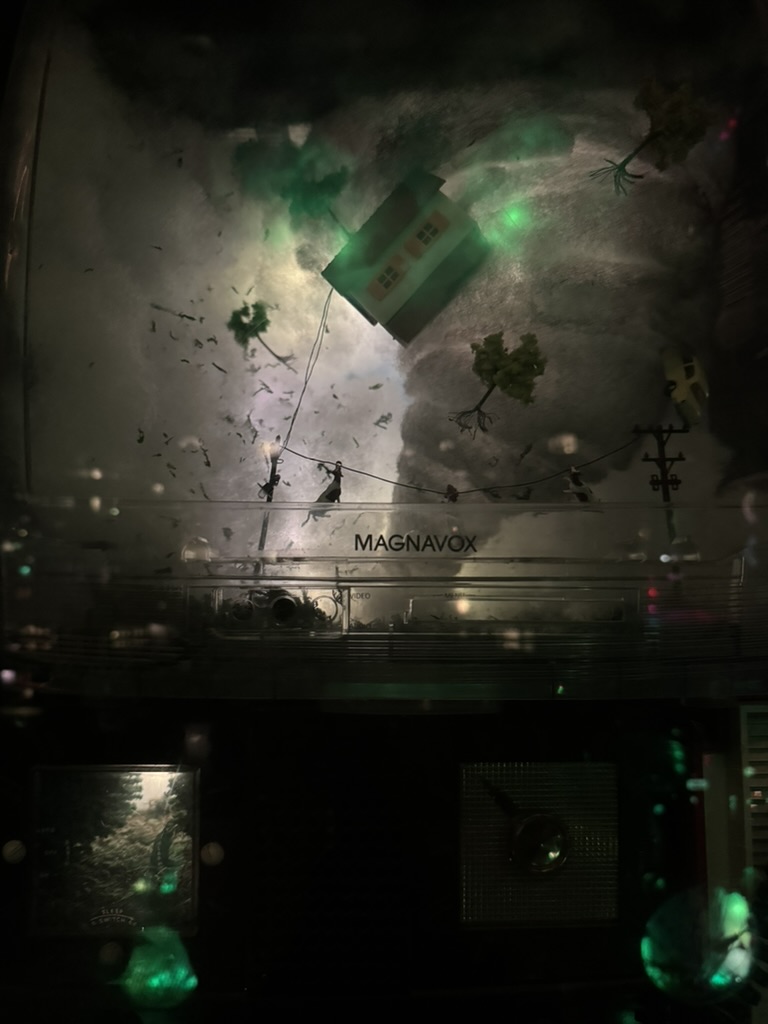
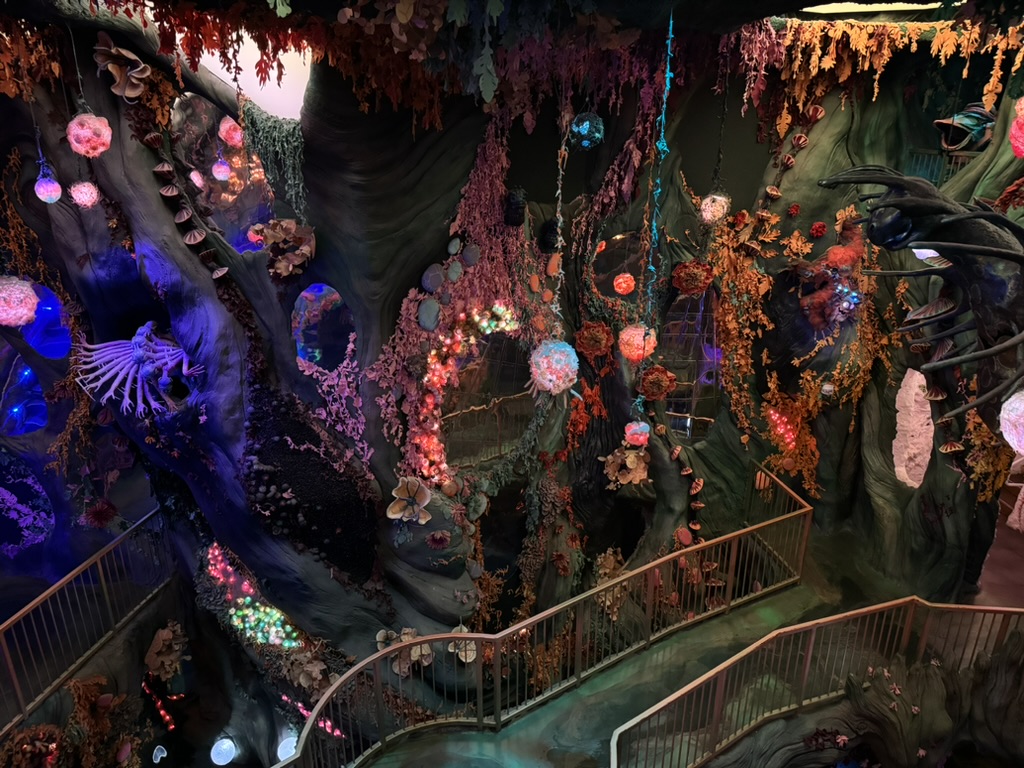
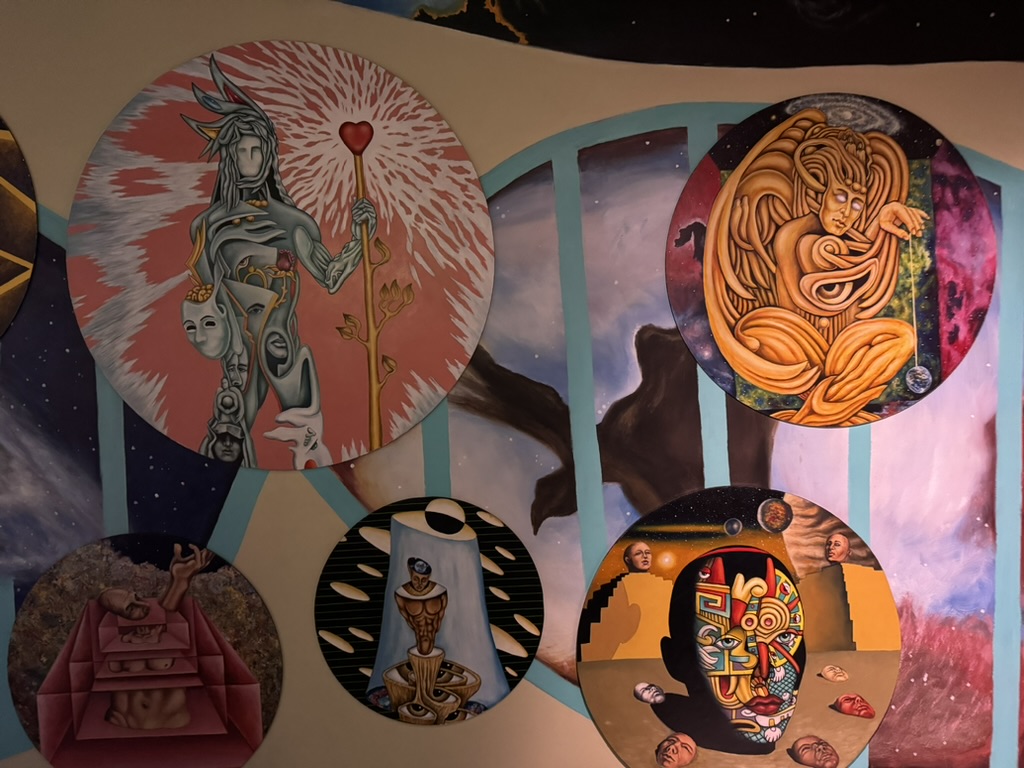
It’s hard to describe what exactly MeowWolf is. Over the past several years, you’ve likely seen some pictures of this place, mostly on social media. MeowWolf describes itself as Immersive Art Experiences and Interactive Exhibits. While this is certainly true, it feels like one of those IYKYK (If You Know You Know) types of places. Pictures like these give you an idea what to expect, but it’s impossible to understand what going to MeowWolf is like without actually going there.
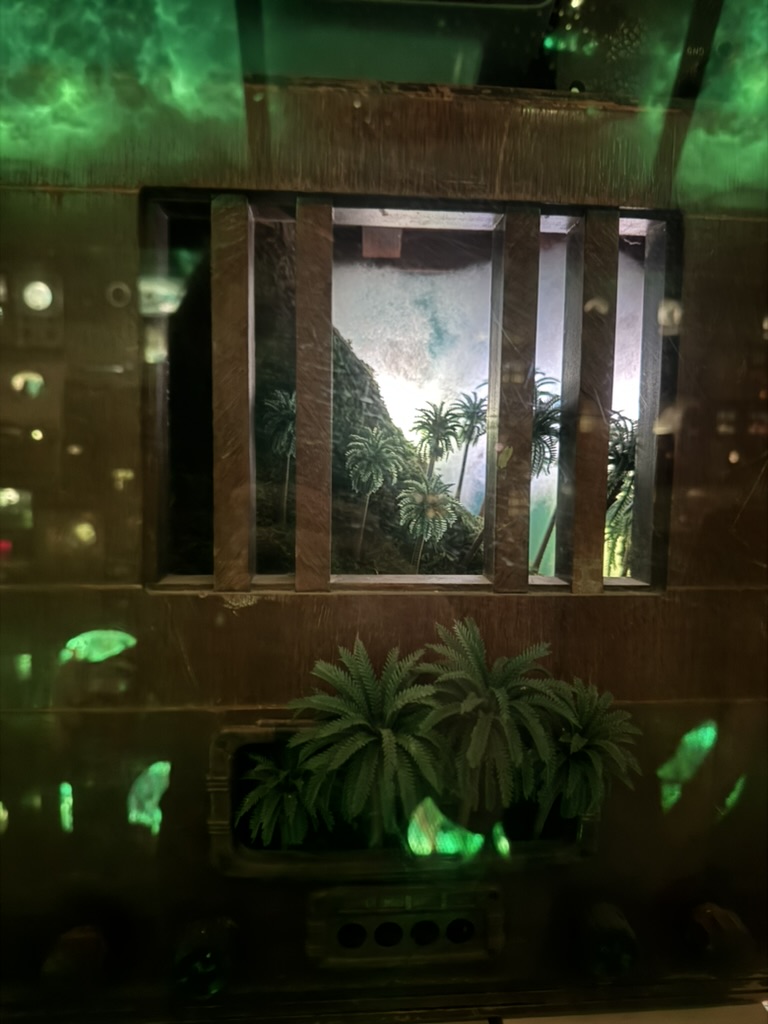
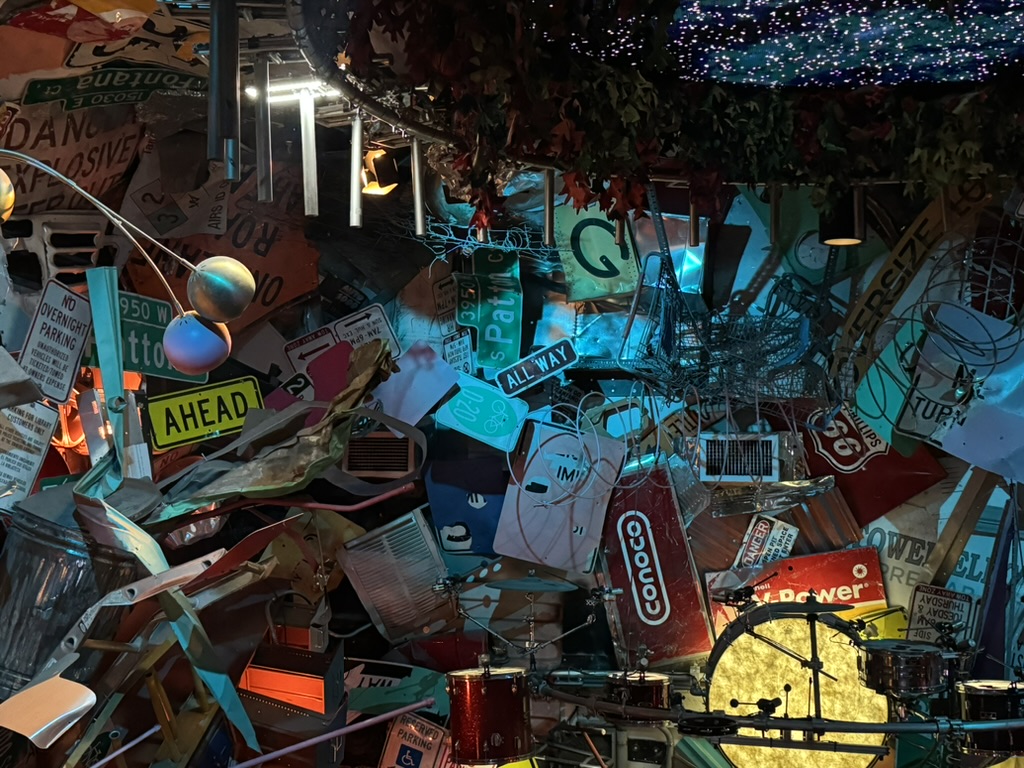
More than anything, the place is extremely artistic, and just random. Around every turn there is a door, another room, or even a crawl space that leads to another completely different exhibit. There’s a lot of it too. Some have spent over five hours in this place.

My favorite part was the Pizza and Pals section, a place where I suddenly found pizza singing at me.

The place also had an optional interactive component, with a story about four worlds that it would take a much deeper dive to understand.
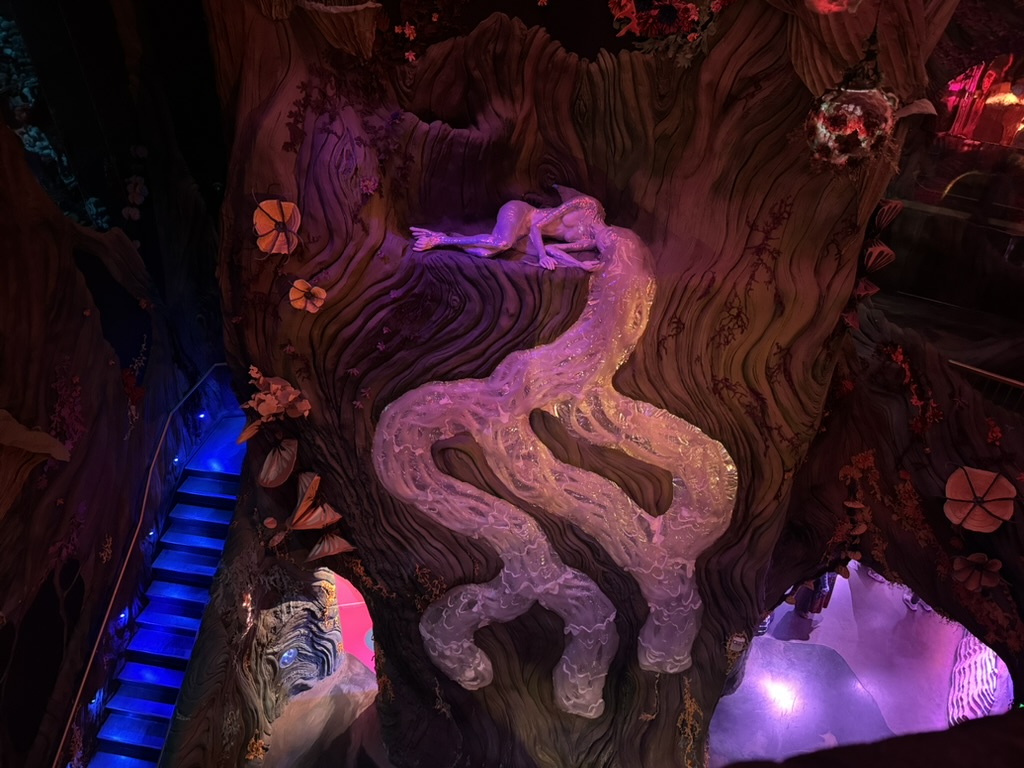
Still, I couldn’t help but reflect on how well this place matches our current cultural moment.

First of all, it certainly caters to an ADD (which seems to be all the rage right now) type of crowd. With all the different immersive art, any visitor can just abruptly change what they are looking at by turning their head or walking through a door.

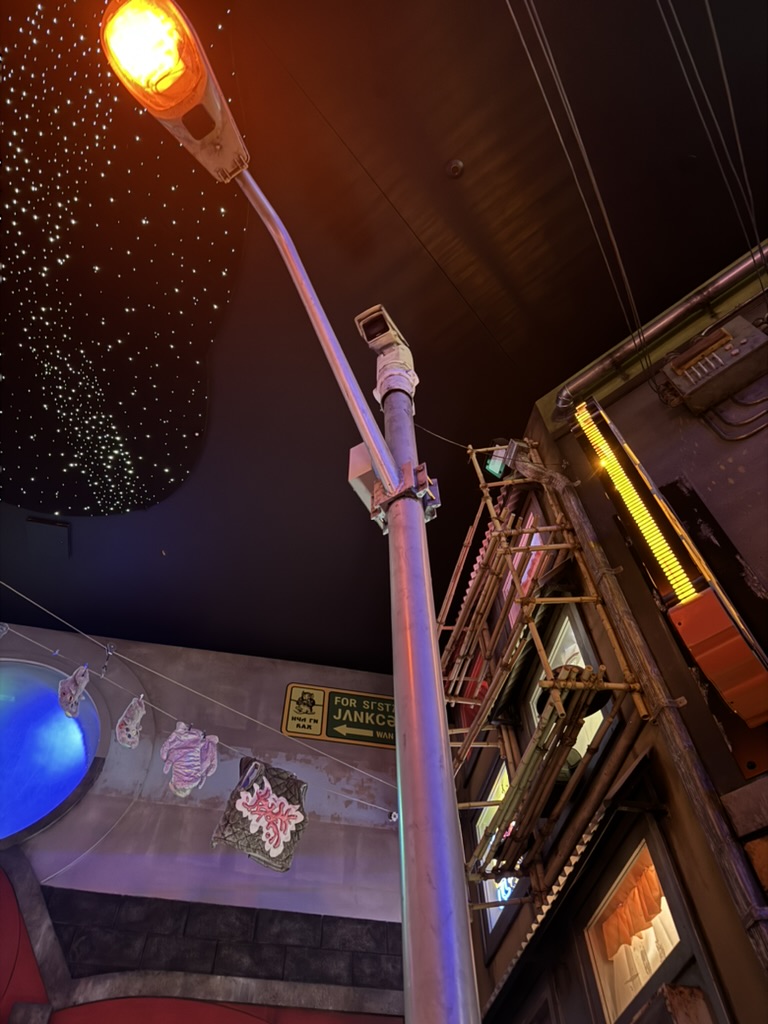
Yet, it seems to match this historical moment on a much deeper level. Sure, it is the perfect place for Instagram, something that people seem to have been looking for for a little over a decade now. However, it seems to speak to an even deeper craving that has developed during the 2020s. After nearly two decades of looking at and sharing pictures on social media, people are now looking for something that is more of an experience.

There is also something to be said about an experience that a person cannot truly wrap their heads around just by looking at pictures or even hearing about the experience. By knowing this place cannot even be remotely understood through social media feeds, it establishes itself as being about more. While this place may be great for social media, it points to a life beyond social media. The emergence and increased popularity of this place appears to be sending a cultural message along the lines of…

“We still want great photos to show our friends and family, but we are craving in real life interactive experiences. We want something unique. Something imaginative. We want something beyond what can just be seen in a photo or a video. We are ready to be done with just passively consuming content. And, we’re tired of the flattened culture where everything is the same!”

This, I believe, culturally, is where we are in 2025.
Four Days Without the Internet

I am starting to grow tired of the internet. Every day feels like the same thing. The same feeling of rejection when I’m reminded of the social experiences people are having that I am not involved in. The same feeling of aggravation and isolation around people’s responses to current events. The same feeling of fear around societal trends and possible future events. And, perhaps most importantly, the same stale feeling around yet another hour in front of a screen, typically sitting down at home, consuming content that is all too similar to the content I had consumed the last hour I spent online.

As you can see, even before this, I spent less time on my phone than most

In the context of most of the world in 2022, going four days without the internet sounds extreme. We do everything online. We’ve spent the last two decades congratulating ourselves for making things more efficient by moving them online. However, I am not so sure this is a good thing. David Byrne famously pointed out five years ago that all of our new technologies have one thing in common. From online shopping to robots and those self-scanners at the grocery store, they all eliminate points where humans would have previously interacted with one another. This is one of the primary factors that lead to a loneliness epidemic being declared even before it the pandemic came and made it far worse.

My theory was that if I spent less time online, and distanced myself particularly from news and social media, I would be a lot happier. After all, I knew that there are people out there that care about me. I know there are people that see things the way I see them. The whole world has not descended into finger pointing and panic, and there are tons of great new experiences to be had if I just look around me. I just had to stop letting the internet tell me what to think about.

The very first thing I noticed was noticing more things.

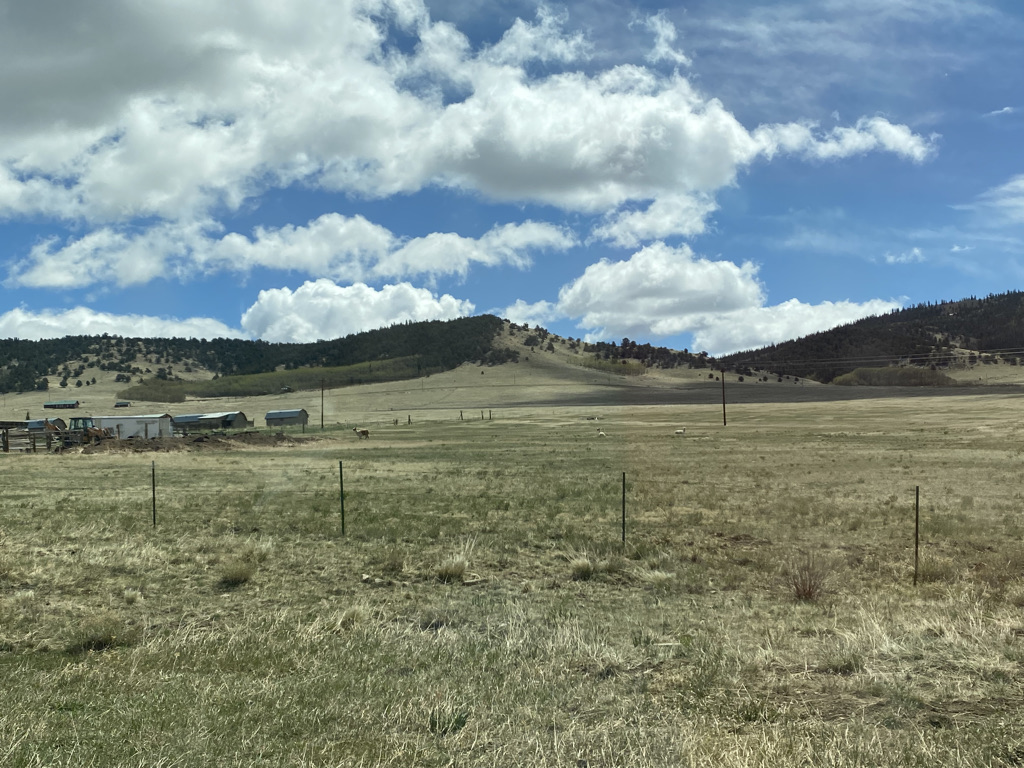
I spent time observing trees, clouds, storms and all the things that we often forget to look at when our minds are occupied.

Soon, I became lost in thought.

Behavior analysts will often point out that if someone wants to move away from an undesirable behavior, like smoking or excessive hand washing, it is far easier to do so if the behavior is replaced with a new behavior. I sincerely believe this to be true, but I removed the internet from my life rather abruptly without selecting alternate activities. There was not always a suitable alternate activity, no matter how much I enjoyed this book!

So, in order to stick to my pledge, I ended up spending time just in my own thought. While at first my thought processes went to all of the things that had been frustrating me, soon I ran out of things to think about on that topic. This is where we all have the potential to tap into our creative sides.

It feels like we were more creative before we became constantly distracted by smart phones. Just the idea of people tapping back into this side of themselves and coming up with all sort of ideas gave me chills.

By the time I returned home, I was happier. But, as is the case any time people go on vacation, I did not know whether I was happier because of my hiatus from the internet, from not reading the news or being on social media, or if I was happier because I had just spent the weekend out of town with friends. This is something it would take all week for me to figure out.

After returning to Denver, I felt like I was still observing more than before.

And I had some pleasant conversations with the people I encountered.

Maybe it’s time for all of us to reconsider what our relationship with the internet should be. From increasingly using LinkedIn to network and find jobs to the use of QR code scanners for menus at restaurants, societal trends seem to pulling us closer to the internet, having it become more and more a central part of our lives. But, is this what we want? Is it what we need right now?

After a week of reflection on this experience I started to ask myself why I’m happier. What am I trying to escape? Am I trying to escape people? Or am I trying to escape a certain behavior pattern that the internet and particularly social media seems to encourage? Am I fed up with the way people interact over social media? Or am I fed up with the way people interact in general? And, is the way we interact in general a reflection of how social media has changed us over the past two decades?

Sometimes an experiment like this one, meant to answer a question, only leads to more questions. But, sometimes, despite what we all learn when we study science, if we experiment with something and it leads to a positive result, like being happier, maybe we need to stop obsessing over the reasons why and just be happy with the result.