Monthly Archives: November 2017

Cultural Observations in Stockholm


20171126-162130-58890905.jpg
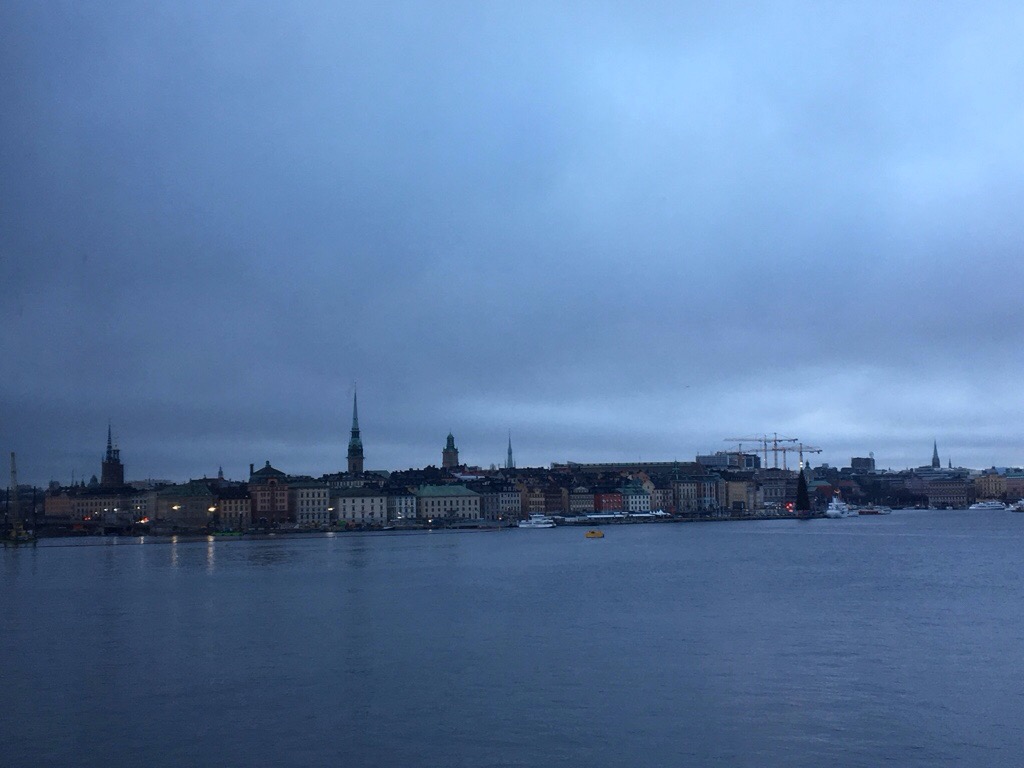
Setting out to observe a 3 P.M. sunset, in all its glory, is actually significantly more challenging than one would ever expect. Spending four days in Stockholm, I came to the realization that anywhere one would go in November or December where the sun sets this early is likely to be quite cloudy. While the sun did slip below the horizon right around 3, and the sky became pitch black before 4, each afternoon the sky pretty much appeared like this.
20171126-163631-59791108.jpg
There was no observation of the sun dipping below the horizon at 3 P.M., just a gray day fading gradually into nighttime.

Not only did 4 P.M. feel different here than anywhere I had ever lived, so did 8 P.M. Rather than feeling like the time the night was just beginning, when people were prepping up for their evening activities, getting ready, texting friends, etc., it felt like a lot later. I am not sure if this was 100% due to the fact that it had already been dark over four hours, or if it is due to cultural differences (when people leave work, etc.). However, at 8 P.M., it definitely felt like the “night”, whatever that entails, had been going on for some time and was approaching maturity.

20171126-164434-60274075.jpg
Stockholm is a city that parties pretty hard on Friday and Saturday evenings. Both evenings, in the area in and around the city center, including the areas around Central Station, and the Islands of Gamla Stan and Södermalm, there were plenty of people who were already quite intoxicated by 8 or 9 in the evening.

20171126-165059-60659634.jpg
This is one of several cultural observations I made while in Stockholm.

Of course there are ways to learn about the culture of a country or a region from afar. Travel books and other essays provide convenient cultural guides to places. Popular culture, music, movies, shows and such, also give people from afar a window into the culture of a place. However, I do notice time and time again, that there is no real substitute for actually going to a place and experiencing it for oneself.

For example, one of the things I noticed about Stockholm, the entire time there, was that people walk fast. It’s almost like the way it is in New York, and other large cities.

This is a prefect example of something needed to be experienced in person. While it is possible for someone to write, in a cultural guide or video, that people walk fast in a certain city, what that means can only be truly understood when experienced. The same can be said for New York.


Also, with the exception of New York, a city that seems to take pride in its high paced walking, it is easy to imagine a quick reference cultural guide which may focus on things like tipping or train etiquette, to not mention something like this. After all, did I really need to know how fast people in Stockholm walk prior to coming here?

I benefited more from reading about how Scandinavians dress. The casual sneakers, jeans and sweaters I wore all week did not stand out.

20171126-171745-62265432.jpg
In fact, I may have fit in too well. Despite the fact that people here are mostly fluent in English, most addressed me in Sweedish before I had to ask them to speak English to me.

Food is a significant component of any cultural experience. There is a reason why food makes a natural topic for travel shows. I couldn’t picture actually trying to experience the culture of a given place without trying the local food. I made sure I got the full Sweedish food experience, including the Skagenröra (shrimp salad), salmon, and various other fish dishes (Stockholm is a bunch of islands after all). However, I was surprised at how good their grilled sandwiches were. Specifically, many places throughout Stockholm serve various types of grilled sandwiches, all with some kind of cheese. Many of these sandwich did not include fish or seafood. Some were even vegetarian. They do an excellent job of melting the cheese on the rye bread, and this serves as a great lunch option for various types of people (as in, not everyone eats meat, seafood, etc.).

image

As an American, traveling abroad to places like this, it is hard for me not to feel at least a little bit guilty. American culture is harder to escape than I ever realized. Stockholm does have fast food as well. Most of it comes in the form of stands, similar to the hot dog stands found on the streets of New York. Given that most of the food in Stockholm is pretty expensive, it is almost necessary to have a couple of meals at one of those stands on any multi-day trip here, so as not to bust a budget. This was, however, the only place I encountered someone who did not speak English.

I also saw McDonalds and Burger King all over town. However, these establishments are at least somewhat different abroad than they are in the United States.

Perhaps my biggest disappointment was that I was unable to escape the tradition known as “Black Friday”. I was hoping, by virtue of not being in America, where thanksgiving is not a holiday, I would also not experience Black Friday. Well, apparently people do that here too. Maybe they don’t in less touristy parts of a country like Sweden. Maybe I needed to go somewhere with less tourists, and, also less people who speak English, to experience the actual culture of Sweden.

image

How much can anyone get to know about the culture of another country by visiting for just a short time? And not venturing outside of the City? I can see how a tourist can come to believe they have learned quite a bit about the culture of Sweden, or any place they chose to visit, by making an set of observations like these.

To me, my set of observations almost feels like how someone from abroad would judge the United States by simply spending several days in New York, our biggest city. The rest of the country i likely significantly different, in terms of pace of life, and how much they embrace ideas like Black Friday. However, just like the foreign tourist in New York, I did experience some things different from what I usually experience at home.

Christmastime in Copenhagen

20171122-003148-1908924.jpg

There is, perhaps, no better way to get into the spirit of Christmas than to find oneself surrounded by the ambience of the holiday, taking part in local traditions. Christmas may mean something different to different groups of people. Some focus more on the religious aspects of the holiday. Others on the secular. Still others celebrate different holidays altogether.

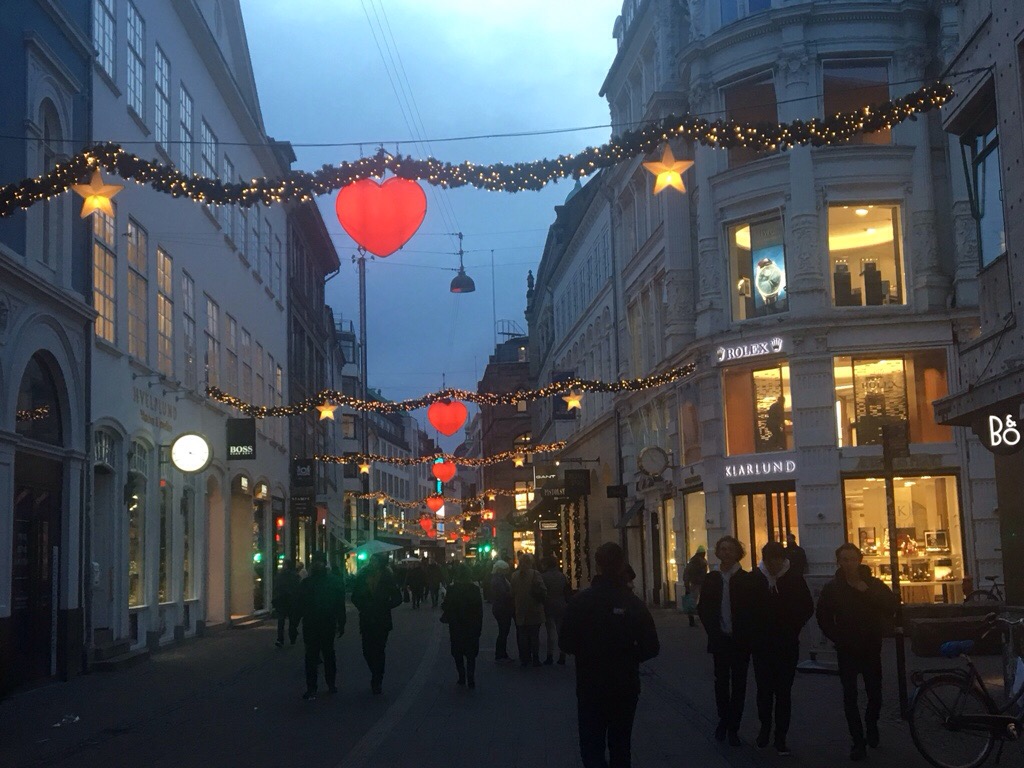
In central Copenhagen, where the spirit of the holiday can be seen all around, with decorations on buildings and streets.

20171122-010104-3664766.jpg20171122-010104-3664345.jpg

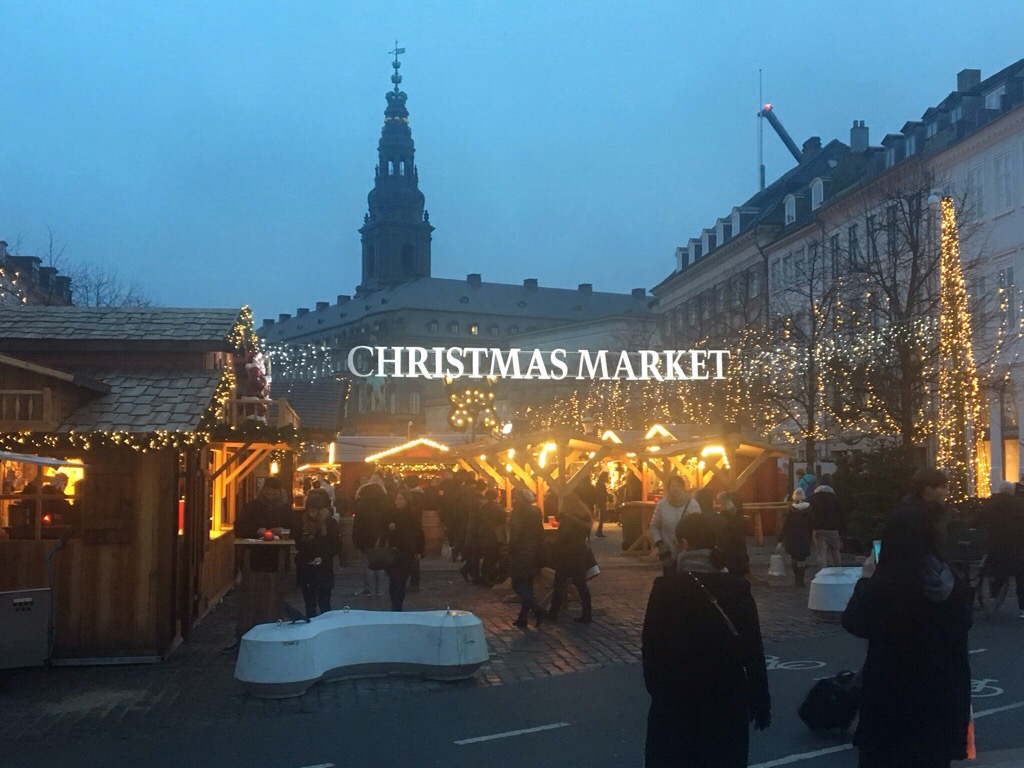
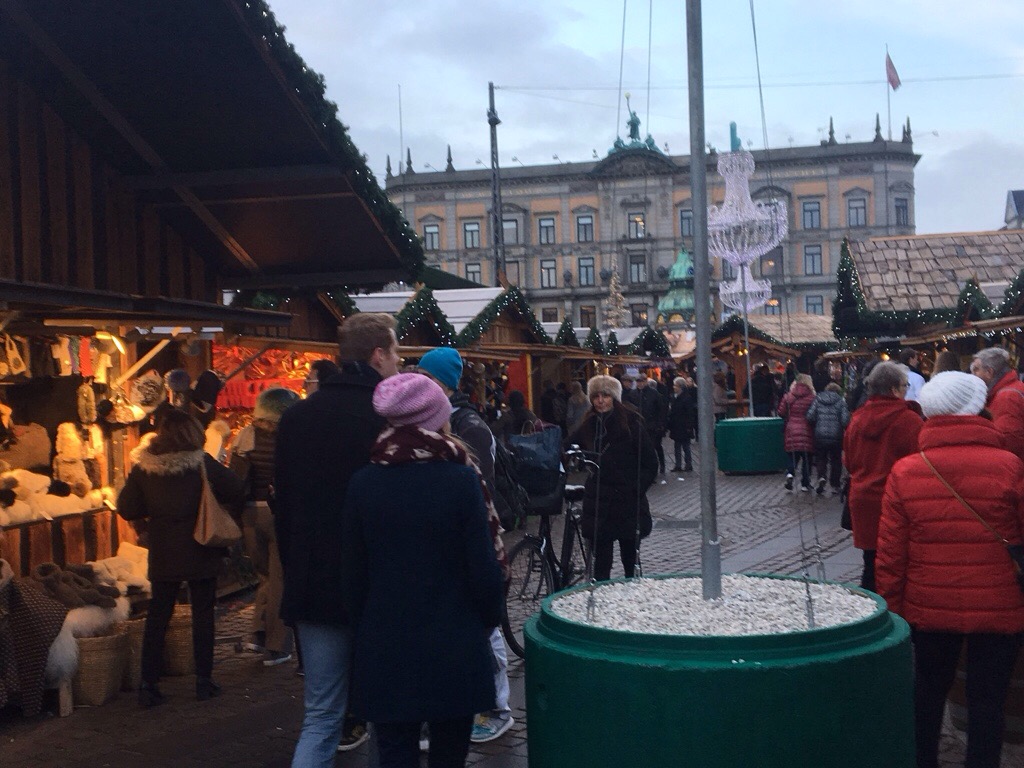
And numerous Christmas markets all over town offering holiday treats.

20171122-010217-3737620.jpg20171122-010217-3737184.jpg20171122-010218-3738052.jpg

The spirit becomes contagious. It is felt in the air. It is hard not to want to join in the traditions of the region. Eating nordic food, both new and old.

20171122-011125-4285759.jpg20171122-011125-4285311.jpg

And, of course, drinking gløgg, a warm spiced Scandinavian wine commonly drank on cold, cloudy winters days; particularly at Christmastime. It would be almost impossible to imagine myself here at this time of year without drinking it.

Denmark is known to be a happy place despite the weather, which is commonly cloudy and rainy, particularly in wintertime. In fact, it may even be because of the weather, as Danish culture has found some unique ways in which to cope.

20171122-011728-4648566.jpg

Hygge (pronounced hoo-ga), is a word we do not have a direct english translation for. It is happiness, in a friendly, slower paced, and cozy sort of way. Upon any reading or discussion of the subject, it becomes quite apparent how the weather has influenced the culture. Winter here means a lot of time spent indoors, in the dark. Spending it among good friends, eating good food, and removing oneself from the pressure of day-to-day life provides some form of rejuvenation.

20171122-013038-5438210.jpg

While Copenhageners spend a lot of time indoors at this time of year, it is apparent that they do not let the weather stop them from cycling. Despite the cloudy, and even rainy weather, and daylight that only lasts from roughly 8:30 A.M. to 3:30 P.M., there are still plenty of people on their bicycles, using them to transport themselves, and sometimes even other people and their cargo, around town.

As a cycling enthusiast, this is actually one of the factors that drove me to want to visit Copenhagen. It is by some measures the most bike friendly city in the world, and boasts one of the highest percentages of bicycle commuters. Perhaps because of the fact that nearly every street I encountered here in Copenhagen had some form of bicycle accommodation, it is a way of life here that cannot be stopped by the combination of darkness, rain, and temperatures in the lower 40s (around 5C).

20171122-014003-6003890.jpg

Besides what appeared to be the expectation of year-round commuting, I noticed several other manners in which the cycling culture here differed from what I see in the United States.

First, the bikes are different. I saw mostly cruisers not necessarily designed to go high speeds.

Second, cyclists here most certainly follow the rules. Nobody ran red lights.

And, finally, I also noticed that it is common practice here to leave bikes unlocked. I guess there is less worry about theft, but the idea of not locking a bike feels foreign to me.

20171122-014503-6303658.jpg

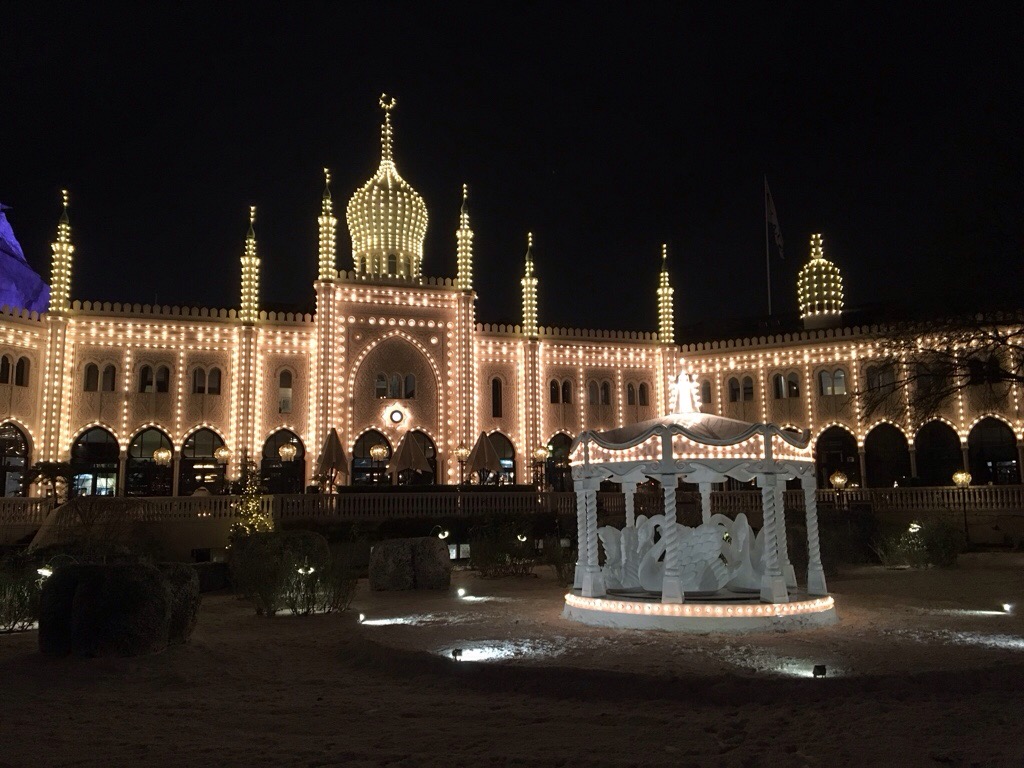
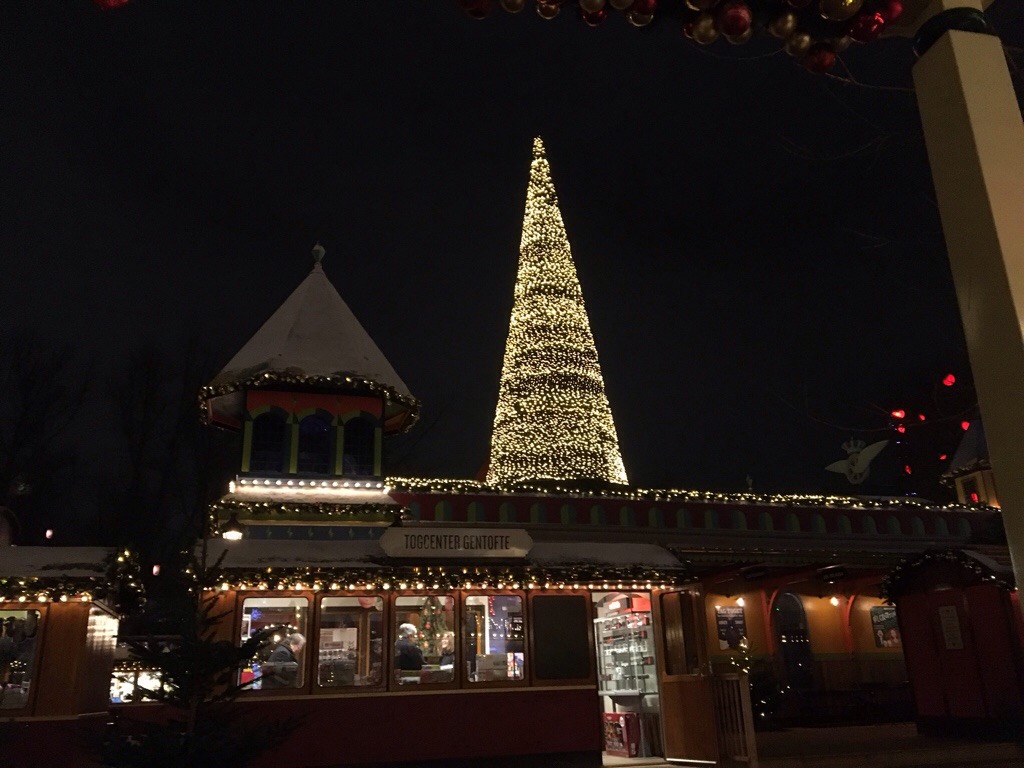
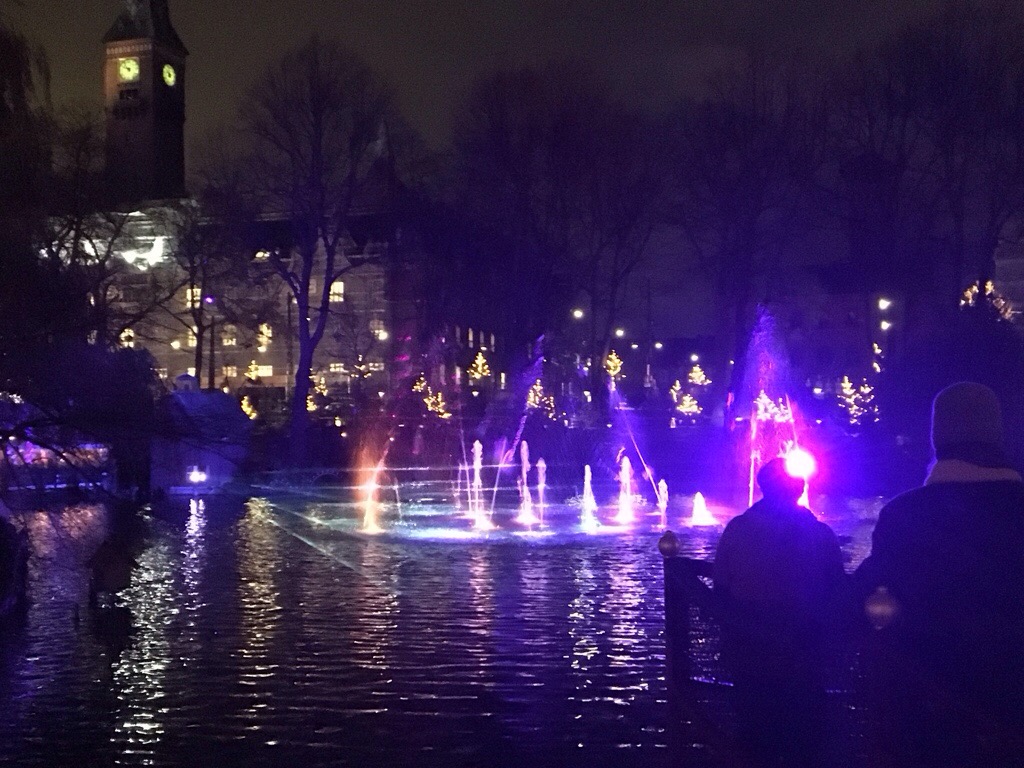
There is perhaps no place more iconic here in Christmastime than Tivoli gardens, one of the world’s oldest amusement parks.

The lights here, at night, are a must see for anyone who comes to Copenhagen at Christmastime, even for those who do not care for roller coasters.

20171122-014741-6461817.jpg20171122-014740-6460960.jpg20171122-014741-6461389.jpg20171122-014742-6462249.jpg

Recent reports have linked the lack of social support to unhappiness, poor health, and other bad life outcomes. The Danish people appear to take pride in their status as one of the happiest countries in the world, and, at least in part, attribute it to this concept of hygge.

According to the Little Book of Hygge, written by Meik Wilkins, the CEO of the Happiness Research Institute (which happens to be located in Copenhagen), hygge, while practiced all year long, is strongly linked with the Christmas season. The idea of taking a break from the stress of everyday life and spending time with loved ones is the core element of Christmas no matter where it is celebrated.

Often times the season for this is cut short. For many, some combination of pressure to complete end of the year tasks at work and holiday shopping keeps stress levels high for much of December. Experiencing Copenhagen in late November, with the spirit of Christmas already in full swing, I am inspired to make this entire season, not just a couple of days at the end of December, about giving, sharing time with those closest to me, and de-stressing.

Colorado Prepares for Winter

IMG_1641 (1)

There is, perhaps, no place on earth that gets more excited about winter than Colorado. While people certainly have differing views about their favorite activities, preferred types of weather, and favorite season, there is no denying that winter means something here in Colorado that it doesn’t in many other parts of the world.

The primary reason is the ski/snowboard industry, which generates excitement among locals and tourists alike. Four of the five most visited ski resorts in America are in Colorado. Statewide, annual attendance now typically tops 7 million. The ski/snowboard industry is also important to Colorado’s economy, with an estimated economic impact close to $5 Billion annually.

It is around this time of year that conversations at social gatherings turn to forthcoming winter activities. People discussing which of Colorado’s multi-mountain ski passes (most commonly the Epic Pass or the Rocky Mountain Super Pass) they had purchased, where their abilities currently stand, what their favorite types of slopes are and what travel plans they have.

In fact, Colorado is so excited about this season, and what it means to the state, that Denver International Airport has an exhibit about snow and ice!

IMG_1639 (1).jpg

This exhibit includes exhibits about many different topics related to Colorado snow, including the Snowsports Hall of Fame in Vail, which I visited two seasons ago.

Colorado’s ski/snowboard industry is quite large. All of the options and all the resorts can be a lot to sort through.

CO_Skiing_map

Each resort is, in its own way unique, both with respect to the terrain itself, crowds, and amenities around it. For example, Breckenride is a thriving town, with everything from fancy restaurants to even night clubs. Other places suck as Monarch, nowhere near any shops, restaurants, etc., offer a much quieter experience.

Luckily, the people at Denver Party Ride produced a guide to all of Colorado’s ski resorts which is perfect for just this purpose. While I could (and have) write at length about each specific resort I’ve skied at, this guide provides a relatively short (half a page or so) description for each resort, making it relatively easy for visitors to chose an experience that is right for them.

I was a bit surprised when informed about this ski guide. I knew Denver Party Ride for providing party limo services for events downtown and concerts at Red Rocks, I had no idea that they also shuttled people to and from ski resorts. As someone who has combined the experience of skiing and partying before, I may have to try this experience out!

IMG_8681.jpg

Every year, sometimes as early as late September, I start receiving calls and texts asking about what to expect, with regards to snowfall, for the upcoming winter season.

img_8403

It is here, as a weather enthusiast, I wish I had better guidance for those anticipating the coming ski season, or a ski trip to Colorado. When anticipating winter, people are most likely to hear about El Nino vs. La Nina. This year, the mainstream news has reported that a La Nina winter is likely.

Unfortunately, the forecast itself does not provide too much insight into what to expect this coming winter for two reasons.

1. La Nina’s impact on Colorado is somewhat inconclusive

According to this diagram from the Climate Prediction Center, Colorado trends to be sandwiched between an area to the north, which receives more precipitation during La Nina years and an area to the south which receives more precipitation during an El Nino.

El_nino_north_american_weather

Some local sources argue that, due to local topography, El Nino years favor snowfall in Denver and along the front range, while La Nina years favor snowfall up in the mountains, where most of the ski resorts are. However, official observations do not necessarily provide enough detail to reach that conclusion.

2. The La Nina is forecasted to be weak

Strong El Nino or La Nina events can be powerful predictors of winter weather. Weaker events are not as strong of predictors.

It is fun to speculate about the upcoming winter. However, after five yeas of living in Colorado, and several more of visiting annually to ski, I can’t help but think it is going to be good no matter what kind of winter we have. One of the main reasons it is safe to plan a trip to one of Colorado’s world class ski resorts is that, regardless of how each winter turns out, there is a period of time from roughly mid-January through mid-March where great snowpack and great conditions are all but guaranteed.

No matter what resort you visit, what pass you get, whether you ski or snowboard, get lost in the trees or stick to wide open groomed trails, get out there and enjoy the season. These resorts offer excellent opportunities to spend some time outside doing something that is both adventurous and gets the body moving. This is a reason to actually get excited about winter, a season many in other parts of the world dread.