Category Archives: Skiing

The End of a Season

IMG_3231

Last November, prior to the start of the 2014-2015 ski season, I attended a screening of Warren Miller’s No Turning Back.  The main part of this film is broken up into eight segments, each one featuring a different location around the world, and each one containing footage of extreme skiing or snowboarding interwoven into a storyline that describes the people and the culture around snow sports in that location.  This film’s primary impact is to get skiers and snowboarders excited about the upcoming season.  However, the introduction to this film actually contained a reminder that every ski season comes to an inevitable end.  A time lapse of a ski resort becoming progressively more green over time (during springtime) is shown while the narrator (of the introduction) compares skiing and ski season to “falling in love with someone you know is going to leave you in four months.”

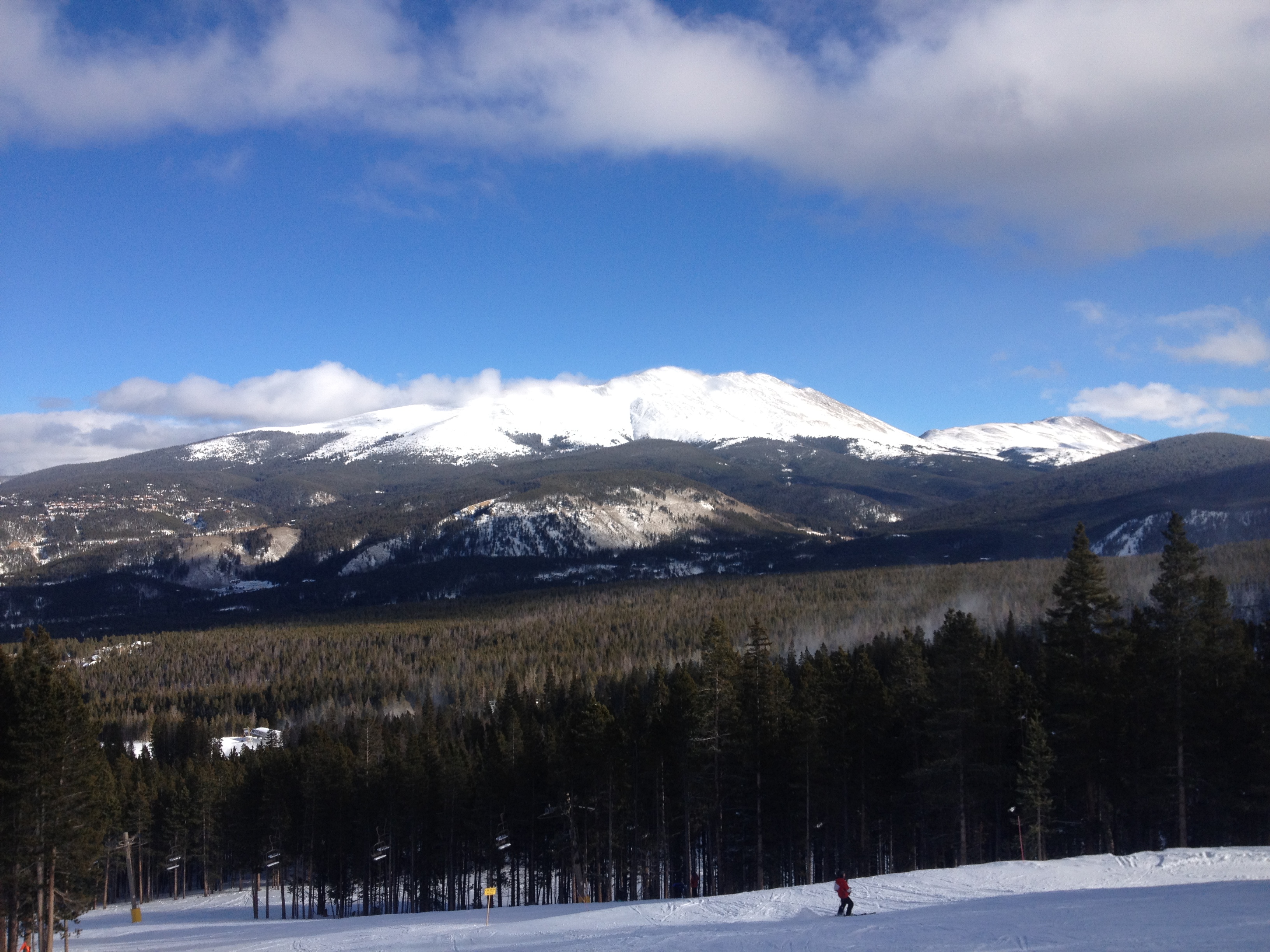
Well, here in Colorado, that four month expiration date appears to be rapidly approaching.  On Friday (3/27), Vail ski resort, the largest in the state, was still being patronized by a significant number of snow sport enthusiasts.  However, signs everywhere are pointing towards the inevitable decline in the quality of the skiing that accompanies the transition from winter into spring.  Not the only recent day to feature temperatures exceeding 50F, sections of bare ground can be seen not only on the horizon, but also on many of the slopes themselves, particularly slopes that feature bumps on Vail’s back side.

IMG_3229

Increasingly, trails are either being signed to caution skiers of this variable terrain, or being closed off altogether.

IMG_3227 IMG_3233

Conditions like these are often labelled “spring conditions”, a label that is both descript and non-discript at the same time.  Labels like “powder” and “groomed” are commonly used to describe the snow conditions on any given slope.  These two labels, amongst the most commonly used, provide a clear indication of what kind of snow a skier or snowboarder can expect to encounter.  When conditions are labeled as “spring conditions”, they are often quite variable.

Over the course of the day on Friday, I encountered all sorts of snow conditions.  There were parts with large clumps of snow, parts with hard packed snow, parts that were quite icy, and, of course parts that were very slushy.  I even managed to find a couple of spots with untouched new snow in the trees (I am not calling it “powder” as the snow is wet in variety, much like the snow one would regularly see in New York City).  I often encountered a significant variety of snow conditions while traversing a single ski trail.  Transitioning, often from hard packed to icy, and then to slushy, would cause sudden shifts in my weight distribution.  Being jerked, both forwards and backwards while skiing down the mountain almost made me feel as if I were at a rodeo.  Only, instead of being jerked around by a bull, angry that his reproductive region had been recently violated, I was being jerked around by what is labeled “spring conditions”.

Regardless of whether we ski, partake in some other form of activity, or just enjoy warmer weather, spring, and the conditions associated with it, do often jerk us around, much in the same way I was at Vail.  Springtime is not a slow and steady transition from winter’s chill to warmer weather.  It is often chaotic with wildly variant weather patterns that people in Oklahoma are unfortunately all too familiar with.

Sometimes, as is the case in the Northeastern U.S. this year, winter just seems to keep on going, maintaining it’s grip far longer than expected.  Those who eagerly anticipate spring’s warmth have a rough time with years like this one, as it almost feels as if nature is trying to torment them.  Other years are far more choppy.  In many parts of the country, this time of year can feature weeks that include both summer-like warmth, and snow, sometimes even within a day or two of each other.  It is not unheard of for an early spring warm period to trigger some to plant outdoors, only to have these plants killed by an unexpected hard freeze later in the year.

IMG_3238

Much like all other aspects of life, at the end of one season comes another one.  And, while the season to play in the snow is coming to an end, spring brings with it a whole new set of opportunities.  For those whose one and only love is skiing or snowboarding, the end of winter can feel very much like the narrator of No Turning Back described it; as having a feeling similar to having lost a love after four months.  However, for those who are fortunate enough to have found an appreciation for all of life’s seasons, the end of winter, and the transition to spring, while an ending in one sort, is also a beginning, with spring bringing with it a new set of opportunities.

The main advantage to living somewhere with seasons, as opposed to somewhere with consistent weather, is the variety that comes along with these cyclical changes.  In places like these, each season is distinct from the last.  At different times of year, we go to different places, and do different things, and even incorporate periods of rest and renewal into the cycle.  It provides life with a clear breaking point that distinguishes one year from another; something that many lack beyond college and graduate school.  I will most likely be back at Vail ski resort, to once again enjoy some of the world’s best skiing, before the end of 2015.  When that occurs, it will certainly have the look and feel of a completely new ski season distinct from the one that just ended.  Until then, the time has come to go and explore different places, maybe chase some storms, take some longer bike rides, or visit some places that are much more easily reached without the threat of a blizzard interrupting travel.  The coming months will certainly feature some amazing experiences that I cannot wait to have, enjoy, and share.
Winter Fun in the Mountains

IMG_1521

Winter fun in the mountains is about more than just skiing and snowboarding.

People who take wintertime vacations are typically drawn to one of two categories of vacations; Vacations people take to escape winter, and vacations people take to enjoy winter.  The former includes tropical resorts and beach towns in places where a 45 degree evening is considered grounds for remaining indoors.  The later, of course, typically involves mountains, with skiing and snowboarding being the most common activities.

In North America, the winter fun season lasts generally from the later part of November through the end of March.  Based on anecdotal evidence (the people I know and have talked to), the peak time to visit the mountains in winter occurs sometime around the middle part of February.  By this particular part of the year, enough snow has generally fallen to produce some of the best snow conditions of the year.  Also, temperatures have recovered a bit from their mid-January lows, and are a bit more pleasant.

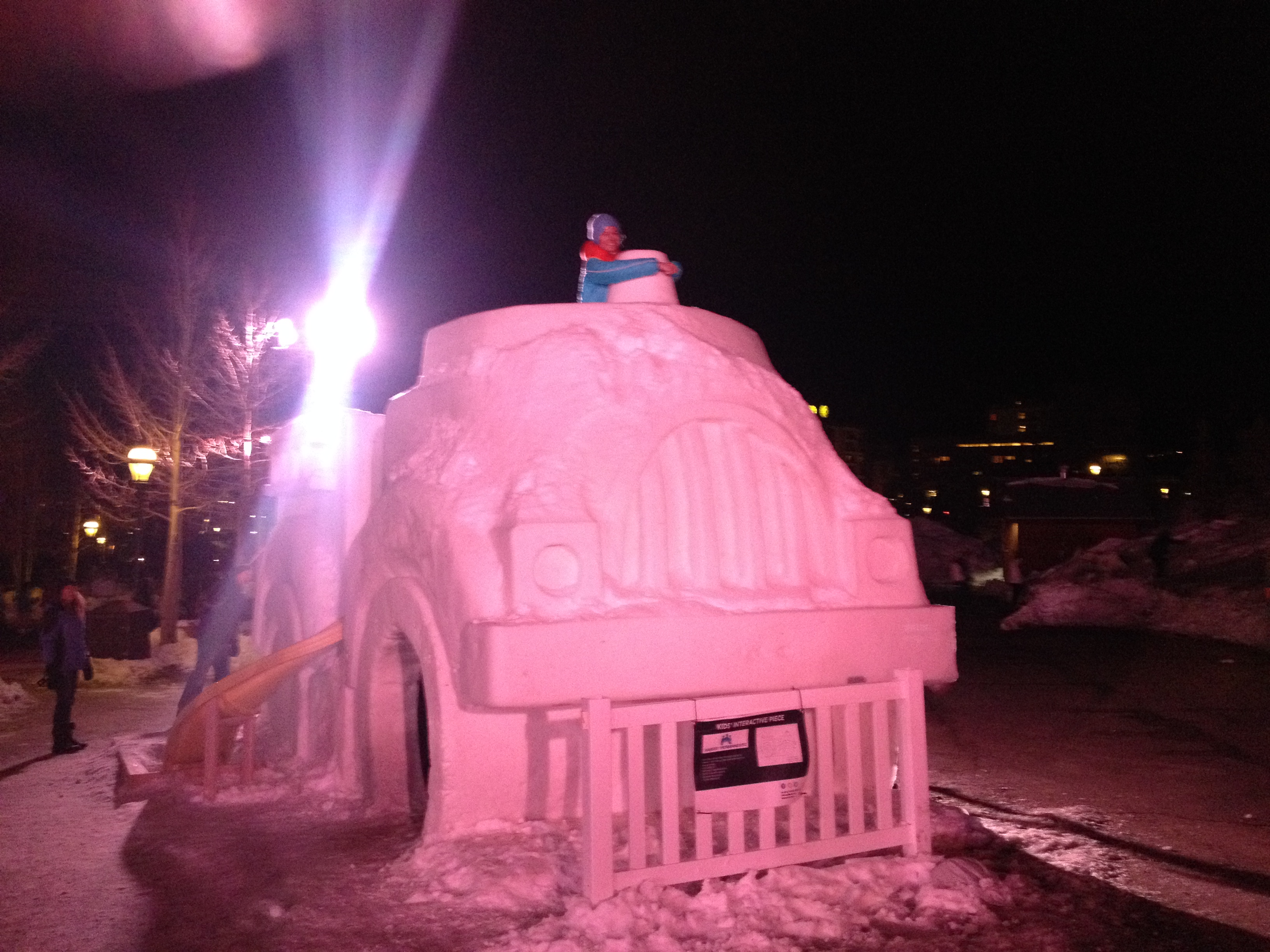
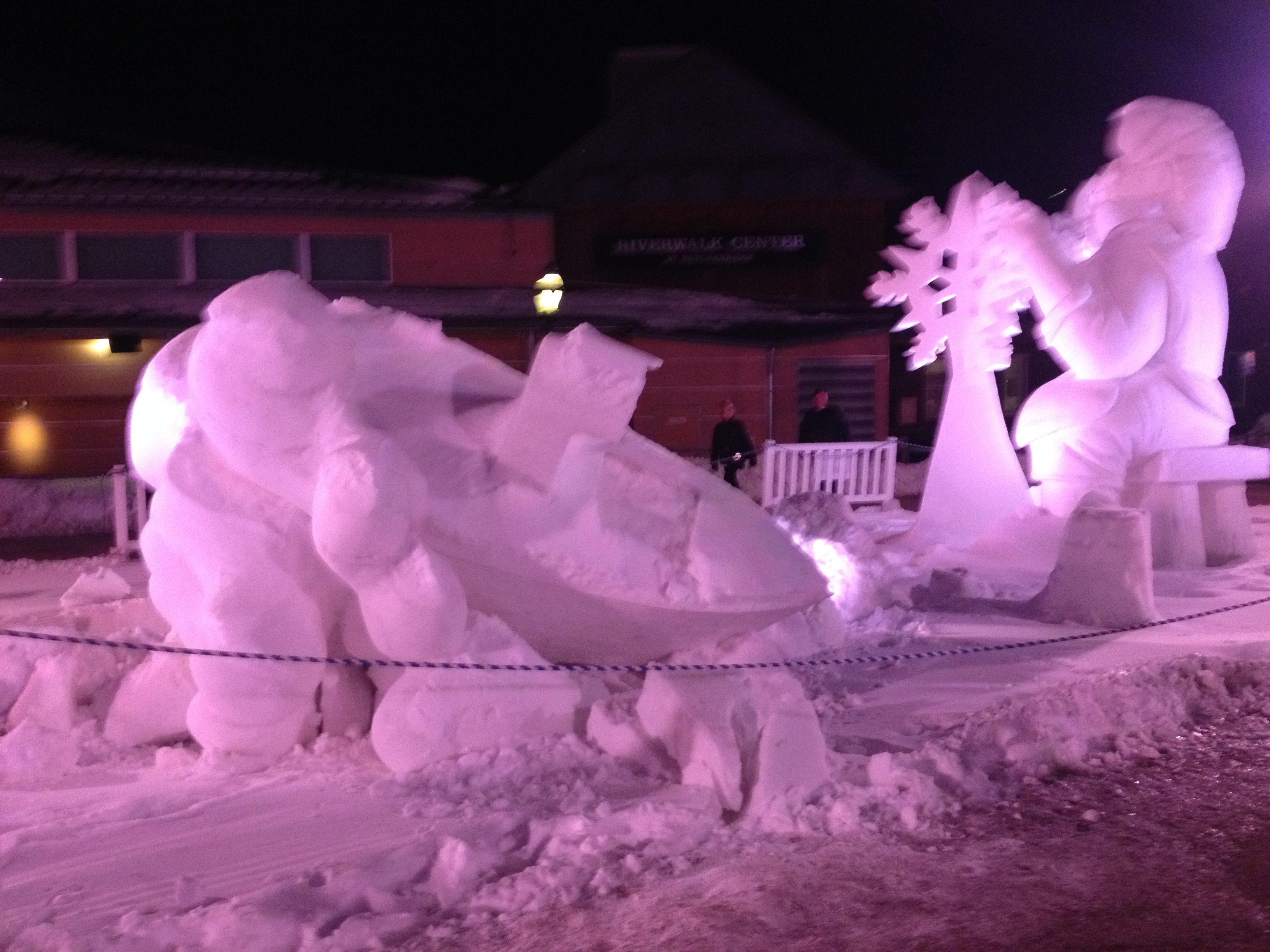
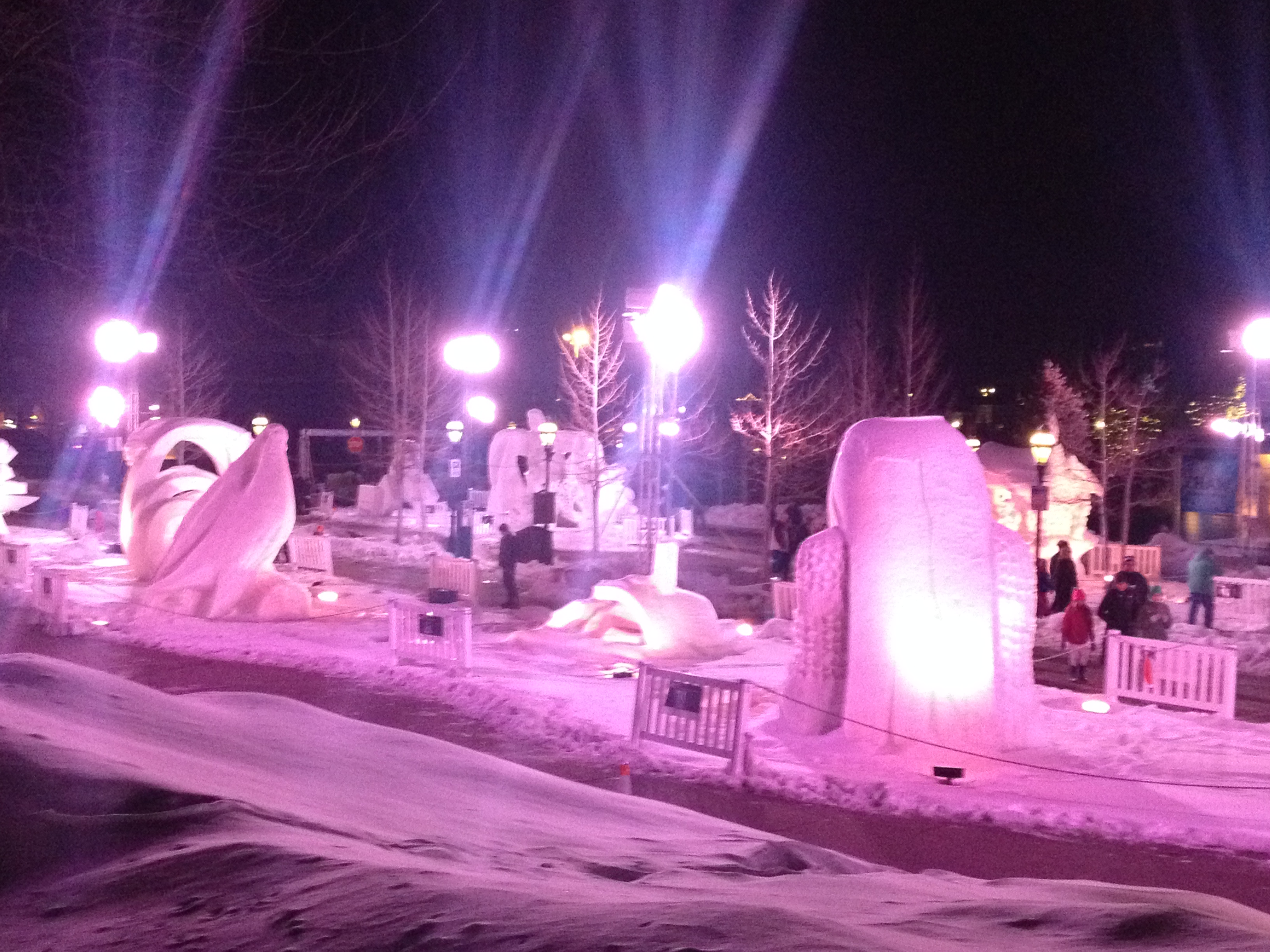
With all of the visitors, not only from all over the country, but from all over the world, other events, and other activities are bound to follow.  In the middle of winter every year, the Village of Breckenridge hosts the International Snow Sculpture Championships, which features snow art from artists from various places around the world (from local artists, to places as far away as Argentina).  These sculptures can commonly be viewed the final week of January through the first week of February.

IMG_3125 IMG_3126 IMG_3127 IMG_3129

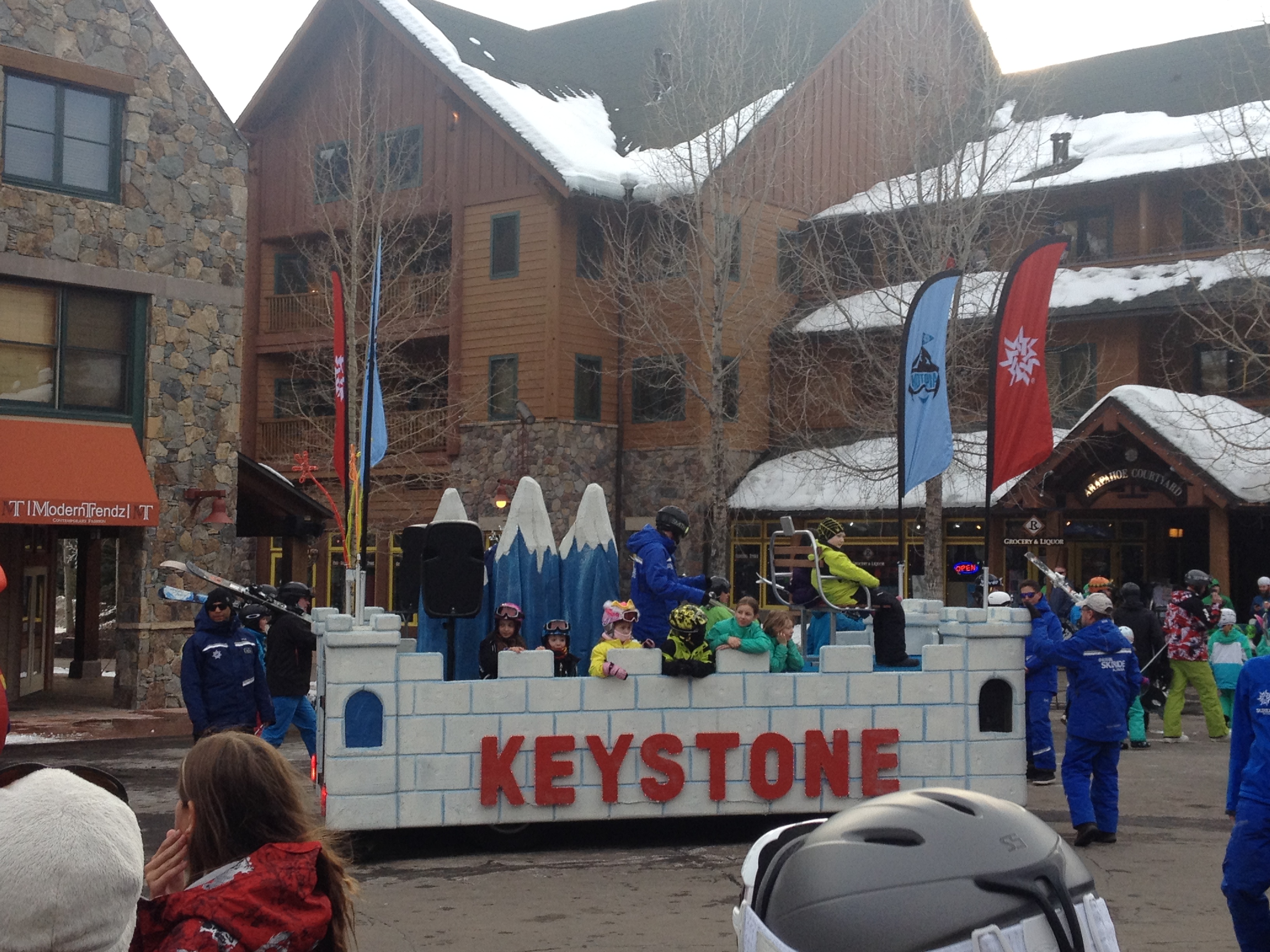
Events in the middle part of the winter also include family activities, Mardi Gras celebrations, and random parades through the village, such as this one at Keystone, which features Riperoo, the mascot for Vail Resorts, which owns eight of the top Western U.S. ski resorts in California, Colorado, and Utah.

IMG_3138 IMG_3139

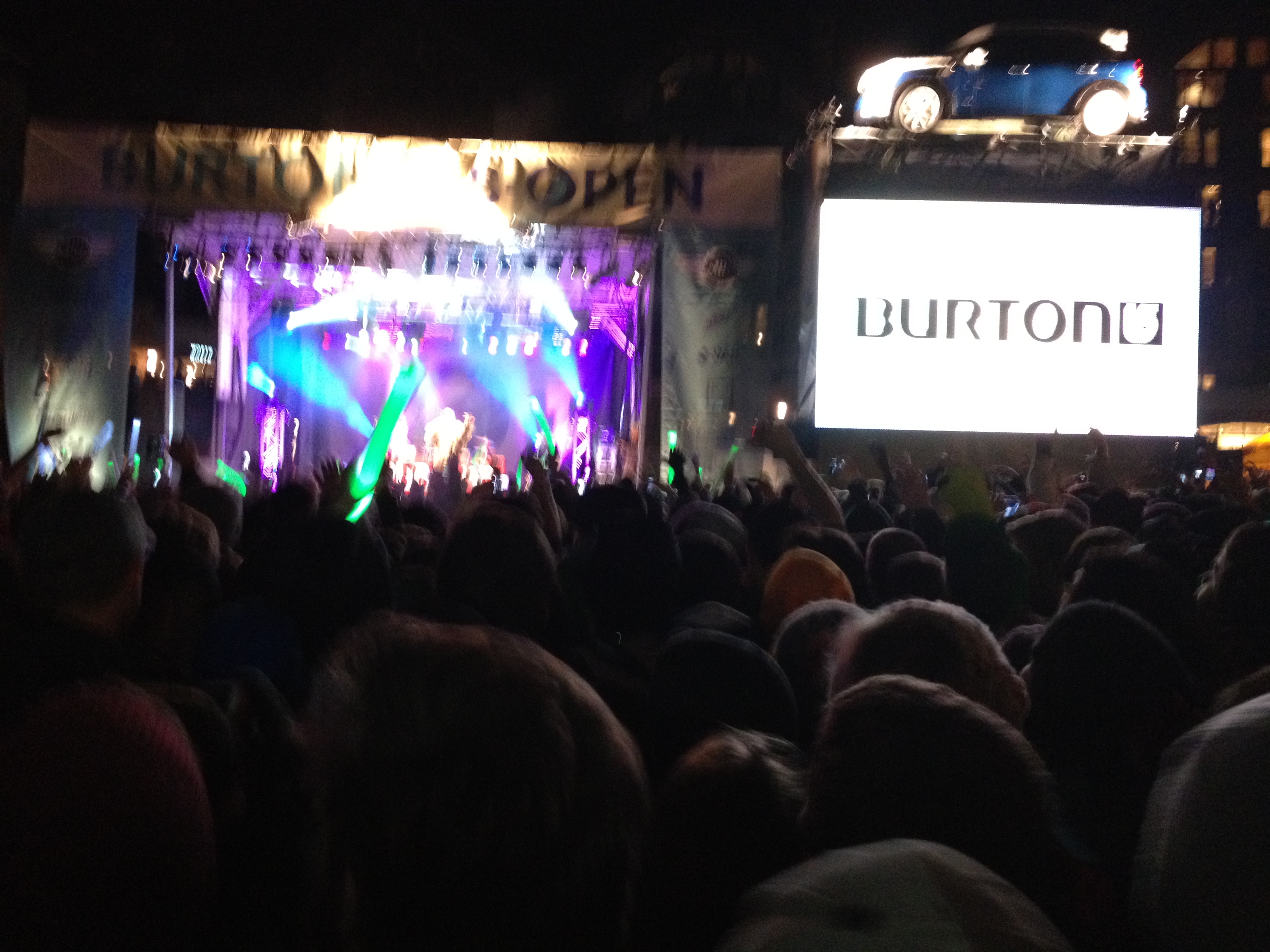
And the events that take place in the ski villages throughout the peak part of the ski season are not just limited to family friendly activities.  With the number of visitors that come to the area, high class villages like Aspen, Jackson, or Vail, are able to draw some fairly well known acts to preform during the evening.

IMG_0256 IMG_0258

Those with enough energy can ski all day long, and party all evening in many of these western villages (although there might be a limit to how drunk you can get in Utah).  There is even a T-shirt commemorating this type of day.

While the ski resorts themselves are the main draw, and the main reason there are as many visitors to the mountains as there are at this time of year, wintertime activities are not limited to only the resorts and the villages that support them.

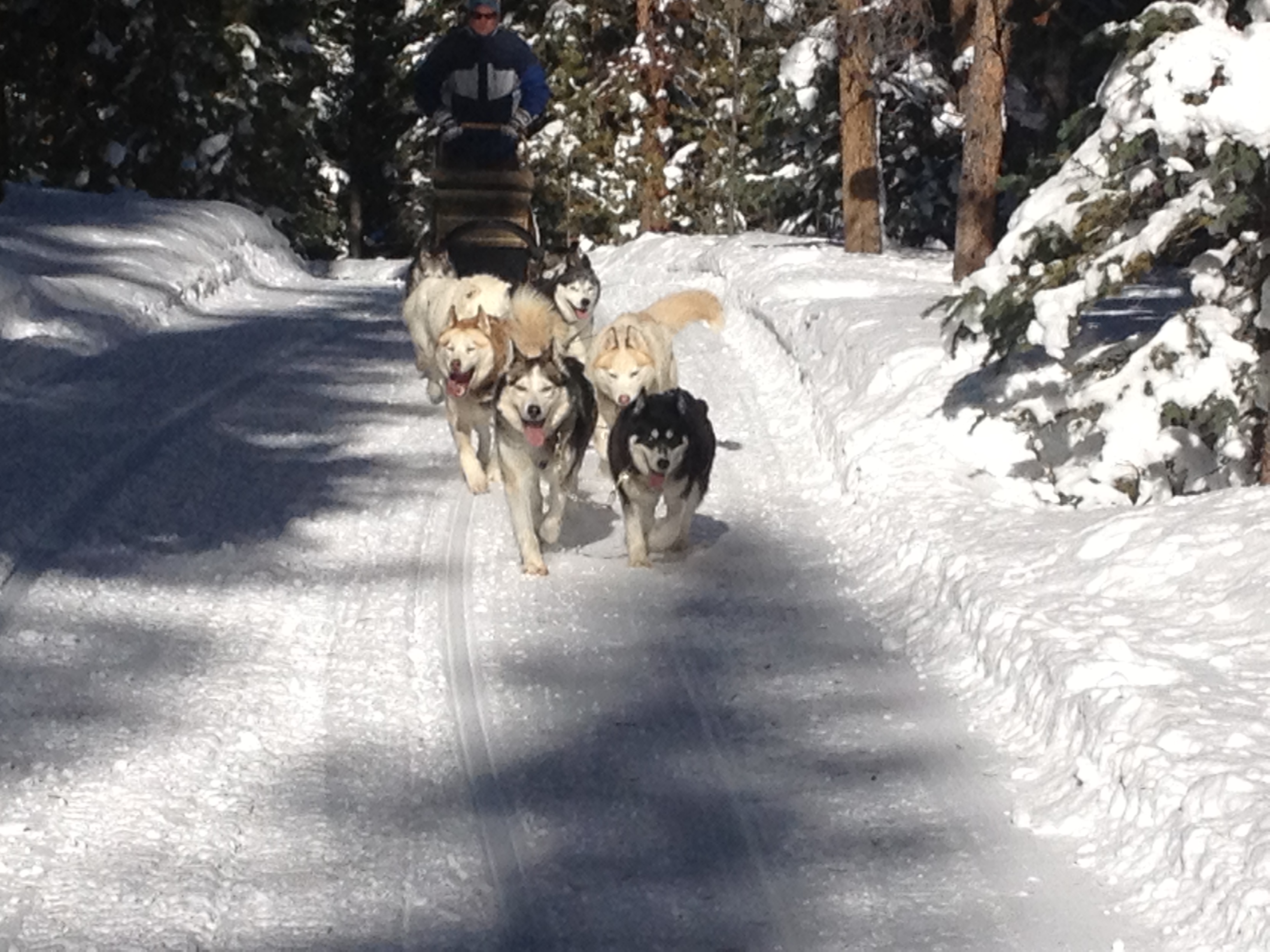
As I wrote about last year, there are plenty of outfitters in the mountains that offer dog sled tours.

IMG_1615

Many of these outfitters also offer snowmobile rentals and tours, and many are quite close to ski resorts and resort villages.

Due to geographical features, it is not hard to find hot spring throughout the West.  One of the most popular hot springs in the country, Strawberry Park, is located in Steamboat Springs, less than 10 minutes from the ski resort.

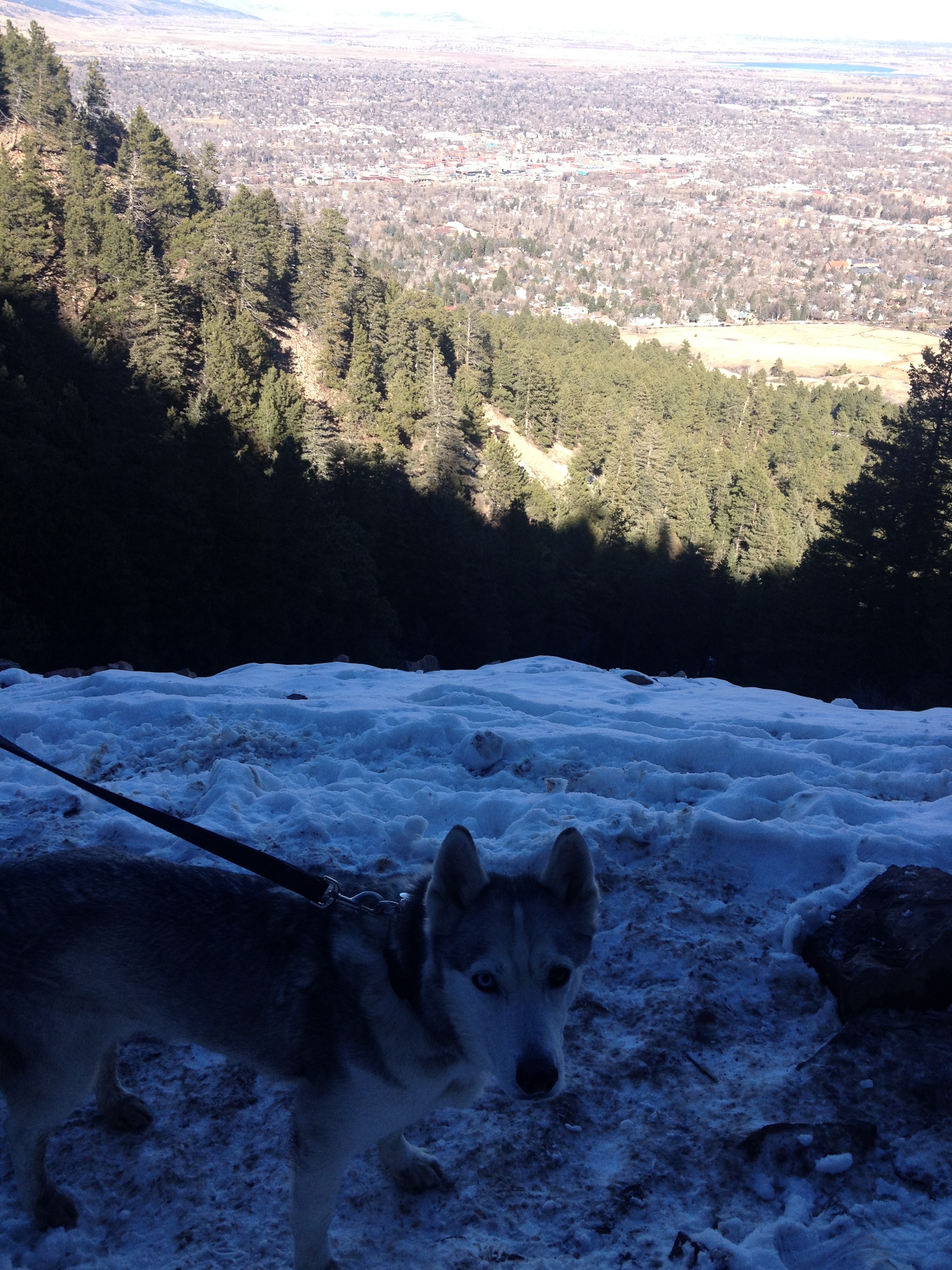
And, with frequent spells of warmer weather, it is quite possible to find a day, even during the peak part of ski season, where it is possible to just take a hike in the woods (that is, if you can handle hiking over a little bit of snow).

IMG_1657

It is a story repeated in many different places throughout the country.  In any place where you have large amounts of visitors, many other activities and events, often catering to all different kinds of people, pop up in response.  This is why we see tons of miniature golf courses, boat tours, and even night clubs pop up in places like Orlando, “Down-East Maine”, and the Wisconsin Dells.  In each case, a primary draw (like water parks, or ocean front) brings people to the region, and then the other amenities follow.  However, in many of these places, the area has become quite congested with people.  Those who have either sat in traffic, or spent a small fortune on strips such as International Drive in Orlando, or the Smoky Mountain Parkway in Pigeon Forge, will refer to places like these as “tourist traps”.

But are these places “tourist traps”?  It is, after all, quite easy to spend a small fortune in Vail right after sitting in major traffic on I-70 to get there.  However, despite the similarities between the “tourist traps” of the East and the mountain resorts of the West, there are still some major differences, with the primary one being the balance between natural and man-made attractions.  Theme parks such as Disney World and Six Flags are completely the creation of humans.  And, although we have lifts to carry us up the mountains, and a nice pool to cover the Hot Springs, the main attractions here are still the natural features that first brought us here.  So, until a roller coaster pops up adjacent to Park City, mini-golf courses start to line South Lake Tahoe, and Dillon Reservoir becomes covered with bumper boats, the mountain west has not become a “tourist trap”, at least not in the same way as the “tourist” traps had developed in these other places.

With that being said, it is still important to remember that there is way more to wintertime in the Rockies than skiing and snowboarding.  And, while there are some visitors who do little else but ski on their visits to the mountains at this time of year (spending most of their remaining time in their condo), there are others that take part in a lot of other activities and attractions in the area.

Vail; Where You Can Have it All?

“Having it all” means something different in different situations. For skiers, “having it all” generally means three things.

Ideal snow conditions…

20150208-195304-71584680.jpg

20150208-221901-80341504.jpg
Comfortable weather…

20150208-195431-71671873.jpg

20150208-195432-71672294.jpg

And, reasonable lift lines…

20150208-195553-71753592.jpg

20150208-195553-71753173.jpg

Of course, there is reason to believe that this kind of ski day is an unrealistic expectation. Comfortable weather conditions do not always produce the best snow conditions, and good snow conditions often bring crowds to a ski resort.

However, last Thursday, I believed that I could find this ideal combination at Vail Ski Resort. The previous day, Wednesday, Vail received several inches of new snow. But Thursday’s weather was warmer across the state. I believed the with combination of the recent new snow, a pleasant weather, and Thursday being a work day, I could “have it all”.

But, it did not quite work that way. Primarily, as the pictures above show, the lift lines were a bit longer than anticipated. This could actually be because of the Alpine World Ski Championships, which drew additional people up to the mountains.

20150208-221140-79900002.jpg

But, the additional people could also have been drawn to the mountain by the new snow, which we had not received too much of in the past few weeks.

There wasn’t too much new snow either, so Thursday’s conditions did not end up being truly ideal.

20150208-221501-80101611.jpg

Wise people will often remind others to keep their expectations within the realm of what is reasonably possible. Statements such as “You can’t have your cake and eat it too.”, are commonly used to keep expectations in check and protect people from a near certain disappointment.

It’s hard not to stop someone dead in their tracks as they begin speaking of things such as finding a 3 bedroom house in a safe neighborhood less than 5 miles from downtown for under $300,000. We know that this is not a realistic expectation and that any person who sincerely has these aspirations will likely be quite disappointed.

The understanding that some expectations are unrealistic comes from experience. Those of us that have experienced the “real world”, have seen countless people disappointed as the “realities of life” get in the way of ambitious desires. And, these desires don’t just include things like wanting to be a movie star or wanting to solve some kind of major world problem. They often include situational things like wanting a reasonable amount of success at their company without having to compromise on any of their principles, or wanting to ensure all of their friends and family are happy.

However, those of us with experience that are not completely jaded do know there are exceptions. After all, movie stars and world changers do exist. They are just a small minority of people who set out to do these things. And, they become successful through some sort of combination of aptitude, drive, and luck.

So, despite the real possibility of disappointment, it is hard for me to completely write off all lofty goals. Some people do achieve them. And, the hope that one will land their ideal job, or will find a way to make a difference, likely has a positive impact on people’s lives that more than offsets the negative impacts that results from the frustrations that occur when expectations of the world are not met.

A Stormy January Weekend in the Mountains

2015 is already off to an adventurous start for me.  This past weekend, the first weekend of the new year, I had the opportunity to accompany some friends on a trip to their cabin in Alma, Colorado.  Alma is the highest incorporated municipality in the United States (with permanent residents).  It is about 15 miles South of Breckenridge Ski Resort along state highway 9.  However, between Alma and Breckenridge lies a mountain pass, called Hoosier Pass, as well as the Continental Divide.

Still, visiting Breckenridge ski resort is significantly easier staying at a place like this than it is driving up there from Denver in the morning.  Not only is the distance much shorter, but there is no need to plan around the traffic patterns along I-70.  On a typical weekend day in Colorado, skiers traveling along I-70 from Denver to the area ski resorts must leave by around 6:00 A.M. to avoid significant delays.  The trek from Alma up to Breckenridge is typically only delayed by weather, and even if delayed will take significantly less time.

IMG_2997 IMG_2998

Unfortunately, this past weekend turned out to be one of those weekends.  Waking up Saturday morning (after driving up from Denver Friday evening), I was amazed by the views from the cabin!  The cabin, which is located in town, and walking distance from the town’s main street, sat on the side of a hill, with forests around it in every direction.  However, I was also startled to see some low clouds appearing to our North, the very direction we needed to travel to get to Breckenridge.

The ski day was kind of a mixed bag.  With a significant amount of recent snowfall, the snow was in really good shape- neither icy nor “skied off”.  However, as the day progressed, the snow began to pick up, and so did the wind.  With temperatures in the mid to upper teens most of the day, and winds picking up to about 15 mph, the wind chills were commonly near 0!  This, along with the sensation of snow hitting me in the face at high speeds (especially on faster trails going 50 mph), made the conditions less than ideal.  In the end, we decided to do slower runs in the trees, and still ended up with a really good day of skiing.

This weekend’s weather caught us by surprise– partially.  I know it is quite dangerous to be in the mountains when a major storm hits.  And, when a major storm is on it’s way, I tend to stay home.  However, this weekend’s storm was quite minor by Colorado standards.  48 hour snowfall totals across most of the region were only a couple of inches, not enough to make me reconsider any plans.  However, an area of heavier snow happened to occur right over Breckenridge.  The map below indicates snowfall totals this weekend.  The one little “bullzeye” of snowfall exceeding 6″ is located right over Breckenridge!  So, we were impacted by the most significant part of fairly minor storm system.

CO_Precip_2015_1_03_04

This made for a treacherous drive back over Hoosier Pass at the end of the day.  However, when we got back to Alma, it was not snowing at all.  In fact, the vehicle left at the cabin did not have any snow on it, and we did not have to shovel snow in front of the cabin.

In many parts of the country, seeing such drastic differences in weather conditions over the stretch of only 15 miles is quite a strange occurrence.  However, up here in the mountains, it is actually quite normal due to the impact the topography has on storms coming through.  Alma is considered part of South Park, a flat region of Central Colorado with elevations near 10,000 ft.  Due to it being surrounded by mountains in all directions, this region is significantly drier than other parts of the state.  The town of Breckenridge, at 9600 ft. in elevation, is actually more than twice as likely to receive significant precipitation in the winter than the South Park area, and receives more precipitation all year round.

co_precip_Breck_Alma

When selecting a home, whether it be a permanent residence, or a second home (vacation home), there are many factors to consider, one of which is location.  This weekend, with it’s kind of moderate snow event, provided a good showcase of both the advantages and disadvantages of choosing a place like Alma to have a cabin.

The major advantage seems to be how much you get for your money.  This place we stayed at is quite nice.

IMG_3006 IMG_3001 IMG_3002

It has three levels, each with it’s own sizable bedroom.  Each one has a different theme appropriate for the mountains.  The middle floor has a large kitchen, dining, and entertaining area.  And, perhaps one of the best features is the water heaters, which provide so much hot water that one can take a lengthy hot shower after a long day in the snow without having to worry about running out of hot water.  Overall, it is way more luxurious than any place I had stayed at closer to the ski resort.  I can imagine a place like this closer to one of the major ski resort being significantly more expensive.

However, the drive over Hoosier Pass in the snow was a clear demonstration of the downside of choosing a location like this.  Those with second homes in town would not have to travel too far to get to the resort, and not have to deal with icy roads and dangerous conditions.

IMG_3009

In addition, from this location it is also significantly less convenient to reach some of the other major ski resorts in the area, particularly Vail, Beaver Creek, and Copper Mountain.

Of course, the entire construct of this tradeoff implies a passion for skiing, because it is this passion for skiing that largely forces the pricing of these second homes in Central Colorado.  For those who prefer other activities, Alma, and the rest of South Park is quite an attractive location.

In the summertime, it is quite easy to reach tons of great hiking trails, including about a dozen “14ers” (peaks of 14,000 feet or higher).  And, a straight shot down an easy to travel highway is Buena Vista, the site of the most popular whitewater rafting river (the Arkansas River) in the country.  Finally, for those who just like solitude, the town’s population is only 270.

Due to the uncomfortable conditions, we decided not to ski again on Sunday.  Rather, we slept late, and made a leisurely journey back to Denver avoiding any traffic delays that could have built in the afternoon.  It was the prudent choice, even if we theoretically could have pushed ourselves a bit more.  Part of life in the mountains is having to accept some last minute changes in plans based on highly variable weather conditions.  So, in a way, changing up the plan for Sunday was part of an authentic mountain experience.


Christmastime in Breckenridge

IMG_2903 IMG_2917

Last winter, I spent around a dozen days in Breckenridge, Colorado, including a week-long stay here in late February.  Only a 90 minute drive from Denver, I feel quite comfortable coming up here on a day trip, without spending money on lodging, on a regular basis.  To wake up, drive to Breckenridge, ski for six hours or so, and then drive back does not make for an overwhelmingly tiring day.

When traveling to a particular destination becomes as regular as this one has become for me, the lines become kind of blurred.  In a physical sense, I am most definitely traveling.  I prepare, I pack, and I get in a vehicle and go to a different location which is a non-trivial distance away.  It is not a run of the mill trip to the grocery store or a neighbor’s house.  However, there are a significant number of people who commute longer than 90 minutes each way to work every day.  For them, a trip that takes at least as long as my trip to Breckenridge (when there isn’t bad traffic), has become routine.  It is certainly not something that any of these commuters would categorize as “travel”.  A trip up to Breckenridge for me is without a doubt more interesting and exciting than a 90 minute drive to work, but it is only slightly less routine.  I know what to pack, I know what to expect, and I know where everything is.  So, a trip like this straddles some kind of middle ground between what most would consider “travel”, and what most would consider just a part of life’s routine.

However, for many, Breckenridge is most definitely a highly sought after travel destination.  In fact, according to a fairly recent Travel + Leisure article, Breckenridge is the second most visited North American ski resort, behind only Vail.  And, since the printing of that particular article, the resort has actually gotten bigger, with the opening of a whole new section of the resort- Peak 6.

Breckenridge_SkiMap_2014

Despite its size, it is actually fairly easy to get around the resort.  Each peak on the resort labelled numerically, and both the ski lifts and trails are labelled quite clearly.

IMG_1643 IMG_2905

A variety of great trails, and panoramic views, already existed before the opening of Peak 6.

IMG_1601 IMG_2907

Peak 6 added something unique; essentially intermediate level skiing in a wide open area above the tree line.

IMG_1707 IMG_1644

Even with Peak 6 rising to 12,300 feet, the highest point on the mountain is still the top of Imperial Express.

IMG_2911 IMG_2914

At 12,840 feet, the very top of the mountain it often gets quite windy.  In fact, this part of the resort gets closed quite frequently due to high winds, even on some perfectly sunny days.  If there are relatively strong winds at any of the other parts of the mountain, I will often have no desire to come up here, and deal with even stronger wind at this elevation.  Luckily for us, Saturday was a relatively calm day, making it an ideal time to head to this part of the mountain.  For anyone that can handle the more challenging terrain up here, I would recommend making a trip to the top of the resort at least once on a calmer day, as there are very few places where you can overlook a ski area from above as you can here.

Town of Breckenridge in the Winter

In addition to the popular ski resort, Breckenridge is a pretty vibrant town, especially during ski season, and one that I greatly appreciate.  Main Street, which is lined with shops, restaurants, and even nightlife, is a mere two blocks from the ski resort’s main Gondola parking.  Numerous condos line the roads that offshoot from Park Avenue, providing many visitors with places to stay within walking distance of both the ski lifts and Main Street!

In addition, the town is fairly unique.  Surrounding nearly every other ski resort I have visited is a ski village that was built primarily to serve the ski resort.  These villages are typically pedestrian-only areas (usually buses can come in) that lie between the main parking lot and the ski resort.  Since these towns were built around the ski resorts, they typically have all of the amenities that anyone on a ski trip would need, often including numerous hotels and ski shops.  However, Breckenridge, having existed long before the ski resort, offers the experience of a ski town that has the layout, and feel, of a normal town.  It feels a bit less like one is visiting a resort village, and more like one is visiting a town that happens to have an incredibly popular ski resort next to it.

With the lighting of the Christmas tree Saturday night, Breckenridge “officially” kicked off the Christmas season.  For many, the Christmas season has already begun.  In fact, some do not even wait until Thanksgiving to begin preparing for Christmas.  However, now, for better or worse, the season has kicked into full gear.

On the drive back Sunday, after another nearly full day of skiing, some lamented that it was time to return to “normal life”.  But, did we ever really leave our “normal lives”?  All of us involved in this trip live in Denver, and ski up in the mountains quite regularly, carrying season passes to multiple resorts.  Having skied 22 days last winter, 18 the year prior, and with the expectation of skiing nearly as frequently this winter, I feel as if last weekend, I was simply enjoying a funner part of my “normal life”.  And, this Christmas, I can be thankful that something as fun and enjoyable as skiing in Breckenridge is not a “vacation” or “travel” from which I will return from, but a part of the cadence that represents my “normal life” in its’ current state.

Early Season Skiing

IMG_2876

Winter is on its way!  And, unlike in many other parts of the country, here in Colorado, the arrival of winter is highly anticipated by those who love snow and snow related sports.  At the highest elevations in the mountains of Central Colorado, snow is possible at any time of year.  However, it is not until November when consistent snowpack can be expected at elevations between 8,000 and 12,000 feet, where most of the major ski resorts reside.

For those who truly love skiing or snowboarding, November often becomes somewhat of a waiting game.  This year, the snow was late to arrive in the mountains of Colorado.  The image below shows the snow pack in the Central Rocky Mountains on November 1st, 10th and 22nd (left, center, and right).  As indicated by this image, the month started with virtually no snow in the mountains, as October was quite warm.  However, a major shift in the weather pattern around Veterans day (Nov. 11) brought with it much colder weather for most of the Nation, and significant snowfalls to the Central Rockies.  The mountain snowpack in Colorado is now closer to the average for this time of year, and the ski resorts have finally been able to open up some of their trails.

http://www.nohrsc.noaa.gov/snow_model/images/full/Central_Rockies/nsm_depth/201411/nsm_depth_2014110105_Central_Rockies.jpghttp://www.nohrsc.noaa.gov/snow_model/images/full/Central_Rockies/nsm_depth/201411/nsm_depth_2014111005_Central_Rockies.jpghttp://www.nohrsc.noaa.gov/snow_model/images/full/Central_Rockies/nsm_depth/201411/nsm_depth_2014112205_Central_Rockies.jpg

It wasn’t 100% my decision to begin my ski season this past Saturday.  When is comes to activities like this, decisions on when and where to go very rarely truly rest in the hands of one individual.  Functionally, the decision to ski, or take part in any kind of activity in the mountains, is always partially dependent on the schedules of all of the people involved, and partially dependent on the weather.

Saturday’s conditions at Keystone were not too terribly uncommon for early season skiing.  As previously mentioned, snowpacks are now close to the typical amounts for mid to late November.  However, more recently, the weather warmed up.  And, as is not too terribly uncommon for those who try to ski prior to Thanksgiving, temperatures were above freezing by mid-morning on all parts of the mountain, and reached well into the 40s at the base.

One of the biggest issues with skiing this early in the year is that typically not all of the trails have opened yet.  On Saturday, most of the trails on the main part of the mountain, Dercum Mountain, were open.  However, most of the rest of the mountain remained closed.  The result was that a higher volume of skiers and boarders were concentrated on the part of the resort that is open.

IMG_2877

The lines for the ski lifts were quite long all day long.  At the start of the day, snow conditions were quite good.  However, they would deteriorate quite quickly.  Despite the fact that the mountain’s overall patronage was just over half what one would expect on a typical weekend day in January or February, by early afternoon much of the opened parts of the resort had become both crowded and “skied off”.

IMG_2879

“Skied off” refers to the conditions that occur after thousands of skiers and boarders have already gone down the trail, and moved the snow around as they make their turns.  On more powdery days, the snow will often clump up at various portions of the mountain.  On a warmer day like Saturday, after this large of a volume of skiers have traversed the mountain, it is pretty common for parts of the mountain to become icy- especially in the steeper areas where more turns are being made and more snow is being pushed down the mountain.

In either circumstance, the conditions become less favorable.  In fact, there is somewhat of a divide amongst skiers in the area, with some electing to wait for more enjoyable conditions, and others still believing the trip up to the mountains to be worthwhile.

It has frequently been pointed out to me that although these conditions are far from optimal compared to what can typically be found in Colorado, many other parts of the country cannot be so choosy.  Those that have skied a significant amount in the Northeast or Mid-Atlantic will often describe a day like Saturday as a “typical day in New England”.  Some have even said that despite the iciness and crowds, these conditions are better than what they typically see in that part of the country.

In the evening, I returned to Denver to see Warren Miller’s film No Turning Back screened at the Paramount Theater.  The film featured extreme skiing and snowboarding adventures in various parts of the world.  They included incredibly steep terrain, major jumps, and tricks that are undoubtedly life threatening.  The people featured in this film were definitely amongst the craziest and most daring in the sport.  These are the skiers that would generally not be able to enjoy skiing at a resort on a day like Saturday.  Their experience and appetite mandates more; better conditions, more challenging terrain, and, much more significantly, more effort to reach their ideal venues.

I can see some parallels in some of the skiers and boarders I have encountered in Colorado.  I have heard people say that they can only truly enjoy skiing if it is a powder day.  And, others that stick to back country skiing and hike-to-terrain, both of which require a much greater effort than simply riding on the ski lift or gondola.  Maybe this just comes with experience, and improving at something.  But, although the moves seem quite bad-ass (for lack of a better way to put it), and I know that the skiing I do will never be something that warrants viewership by an audience, I can’t help but feel like the people in this film are more limited in some ways.  These extremely experienced skiers and boarders have overcome limits regarding challenge, but in turn, have new limits, as they are now limited by finding ideal conditions, and ideal locations.  These are limitations I still live without, and being able to enjoy skiing Keystone on Saturday November 22nd is a clear demonstration.

Stubai Glacier

The main event today was skiing the Stubai Glacier.  This is one of nine ski resorts the City of Innsbruck offers free shuttles to for tourists.  Axamer Lizum, the resort we went to on Saturday is another.  This resort is actually on a glacier.  It peaks to 3.2 km (roughly 2 miles) above sea level.  The ski resort guarantees snow from October through June!  This seems impressive, especially since there are places in Colorado that boast peaks just as high, yet cannot boast snow for this large a part of the year.  In fact, I think most of the resorts there close by mid-April, if not earlier.

It took us a lot longer to get there from Innsbruck (about an hour), but I enjoyed the skiing here a lot more than Axamer Lizum.  First of all, Axamer Lizum is not for beginners.  Abby and I felt like the worst skiers there.  At Stubai Glacier I saw people of all ability levels.  Also, here I was able to do some trails at the intermediate level (Red).  In fact, that is what I mostly did.  So, I felt much more legit.  This was possibly related to the better snow conditions at higher altitudes.  The snow conditions did, however, deteriorate in mid-afternoon, as temperatures were well above freezing on most of the hill.  It got close to 70 in town, and I felt overheated on the ride home.

Overall, the whole experience was fun.  After skiing, we had 45 minutes to spare before the bus came to take us back to town.  We went to a bar to buy some soda, as we were thirsty.  As was the case at the other ski resort, there were people partying, having a good time, and listening to techno.  Then, they played a techno remix of Manfred Man’s hit song For You (from 1984).  It reminded me of Eric Pryd’s Call on Me, from several years back, which was a remix of the Steve Winwood song Valerie.  My trusted sources tell me that that song was quite huge in the London Club scene in the middle 2000s.

I thoroughly enjoyed this remix.  I think the Europeans do a good job of remixing old American music.  They periodically seem to do it with songs you would never think of making into a remix.  I mean, Steve Winwood, Manfred Mann.  Who thought of taking this song and turning it into a techno remix?  I mean, I could ponder a way to throw Metallica and Lady Gaga onto a Yanni track before I could ponder a remix of Steve Winwood or Manfred Mann.  But, they were good, real good, along with most of the other music I heard, both on this ski resort and the other one.

I could definitely see myself coming back here.  There really is no place in America like this.  It’s like the fictitious town in Hot Tub Time Machine.  We have ski resort towns in America, like Vail, Breckenridge, Steamboat, and Park City, but they are not nearly the size of Innsbruck, which has about 120,000 people.  Denver, Fort Collins, and Salt Lake City are bigger, but they are not nearly as close in proximity to the skiing, they are not ski towns.

Thinking of all of this European techno, specifically their producing quality remixed of American songs, naturally leads me to think of Flo-Rida.  A year and change ago (sometime in 2010), he released Sugar, which takes the tune from Eiffel 65’s 1999 hit song Blue (Ba ba di ba ba da).  Flo-Rida managed to spin this whole thing around.  Finally, an American creates a hit from a European track (Eiffel 65 is Italian), and Flo-Rida becomes a National Hero, well, at least to me.

We went out for Indian food tonight.  Abby found a place across the Inn River, meaning we got to see another part of town, kinda.  In the grand scheme of things, German food and Austrian food are similar.  So, it is probably a good idea to get something else as to not get burned out on this food before Munich.  I have no interest in trying Mexican food in Europe.  Maybe there are some places that are decent.  But, with Mexico borders the United States, and the US is currently experiencing a great migration of immigrants from Mexico.  So, I don’t see how the Mexican food here can be as good as it is in the US.  In fact, I imagine it to be a lot worse.  However, India is really nowhere near either county (USA or Austria), so it’s more worth a shot.  I did the Indian food here, but not as much as the Indian food in the U.S.  This could be due to the fact that the Indian food in the United States caters to our tastes.

As the day draws to a close, our last in Innsbruck, tow things are on my mind.

1.   What am I to expect from Munich, our next and final destination?  Tyroleans and Bavarians have to have some major cultural differences.  They fought each other repeatedly in the past, and have been declared part of two different countries fairly consistently throughout history.  What are these differences?  Will I end up experiencing them on this trip, or will I only be visiting places where these differences do not show up?

2.  Why the %&!# do I still have a lot of energy?  The story of my life.

Skiing Aximer Lizum

Today we skied an Olympic ski run, at a resort called Axamer Lizum.  Both the 1964 and 1976 Olympics were held here.  Oddly enough, the 1976 Olympics were moved here from Denver because Colorado voted down a State bond issue referendum, making the financing of the games uncertain.

Skiing here is HARD!  The trails we did were all blue, which is the easiest here (red= medium and black= hard).  However, I was rust form having not skied much lately, and the conditions were kind of bad.  It’s almost April, what do you expect.  The snow is very wet, and got very clumpy, especially on the steeper parts of the hill.  Oh, and I had a screw up with the ski rentals.  They did not fit my boots to my bindings properly, and my right ski fell out every time I turned (left).  We had to trudge up a hill and take the ski lift down to the rental shop to get it fixed.  This wore me out, and wasted the good part of the ski day, morning, before the trails get clumpy from use.

It is hard to imagine, though, that skiing an Olympic course is 29,50 Euro, slightly less than the $45 it costs to ski Devil’s Head in Wisconsin.  They also gave us a free wiener schnitzel!  This was at a restaurant at the top of the mountain, with an amazing view of the town.  So, overall, the ski mountain was a great deal.  The rental company was not.  They did not even give us a discount for the mess up with the rentals.  But, I learned something.  This was the first time I ever saw a ski resort have multiple rental companies.  Usually, in the US, the ski resort just sells the rentals.  Here, there were multiple companies competing for our business.  In this case, we should not have gone to the first rental company we saw.  They have the least need to be good, as they can count on business from tourists that just go to the first place they see.  The others need to have a good reputation to get business, so they are a better bet.

For some reason I feel a bit closer to home here, which feels odd to me given that I am half Italian.  But, it’s just some little things.  Innsbruck has sushi, thai, and other food options that I don’t remember seeing in Italy.  The restaurants are open a bit earlier for dinner (around 6 PM), and it is less out of the ordinary to eat dinner at 7 or 7:30.  I also see pool, bowling, darts, and other activities I am used to seeing around.  I saw young people being rowdy both Friday night and Saturday night.

Tonight we stumbled upon a crazy acrobatics show outside the Golden Roof.  People were on stage in colored body suits, singing, banging on the drums, etc.  And then someone, head to toe in orange, tried to walk a tightrope across the street, from one building top to another.  I still have no idea why this show was happening, but it made the town feel a bit like the town in Hot Tub Time Machine, where people ski and party!

Also, everything is cheaper here.  We got gelato for 1,10 each.  It was never under 2 in Italy.  Beer is 2,10 and most other things are noticeably cheaper.  Most likely this is because Innsbruck is not much of a destination for people from other parts of the world.  But, sometimes I wonder if a cultural difference, or Italy’s current economic standing/ dire need for cash has anything to do with it.  Maybe this helps me explain the US a bit.  Could it be that Italians, in love with the extravagant, made New York expensive and extravagant as an image of their culture, while the Germans and Polish made Chicago and the Midwest cheaper and more practical in their image?