Monthly Archives: July 2018

A Weekend in Nature 90 Minutes from Denver

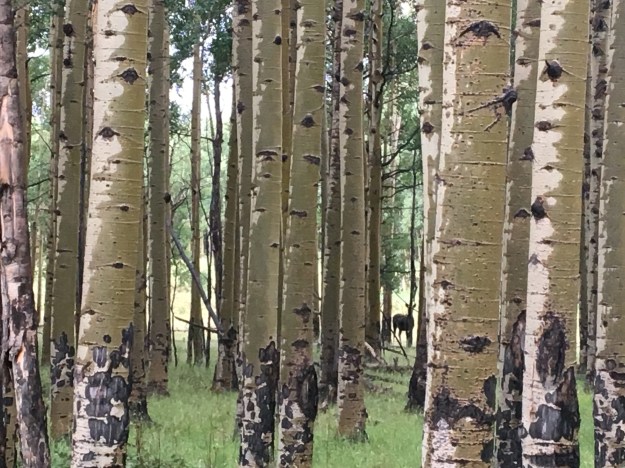
IMG_4190.jpg

One mistake I witness quite often is people constantly turning their getaways into some form of challenge of their own. There is probably nobody more guilty of this than me; always seeking the far away destination, wanting to climb the tallest mountain, cycle over 100 miles a day.

Challenging ourselves is important. We all build character by challenging ourselves, especially outside of work. However, we also all sometimes need a break that is a genuine break, not stressing ourselves to get to a faraway destination with no spare time, exhausting ourselves physically, creating an alternate form of stress- “vacation stress”.
IMG_4179.jpg

Summer in Colorado began with an extreme drought, large wildfires all over the state, and restrictions on fires in nearly every county.

CO_Fire_EndofJuly

Fire restrictions across Colorado July 28, 2018

With some rainfall in the mountains, in the past week, some counties in Central Colorado began to lift these fire bans, permitting fires at campsites.

One of the problems we have here in the United States is limitations related to time. According to Project Time Off, an organization whose mission is to remove the stigma around taking time off from work, the average American takes less than 20 days of vacation per year, and Americans collectively forfeit over 200 million days off due to concern for how they will be perceived at the office. Therefore, it is not all that common for Americans to feel the need to maximize their vacation time, utilizing every precious hour.

This stigma will not go away overnight. Most likely change will be gradual, and considerations related to time limitation will still be a factor in the coming decades. However, given our recent mental health challenges, and recent research pointing to the psychological benefits of being in nature, trips like these are probably more important than ever.
IMG_4193

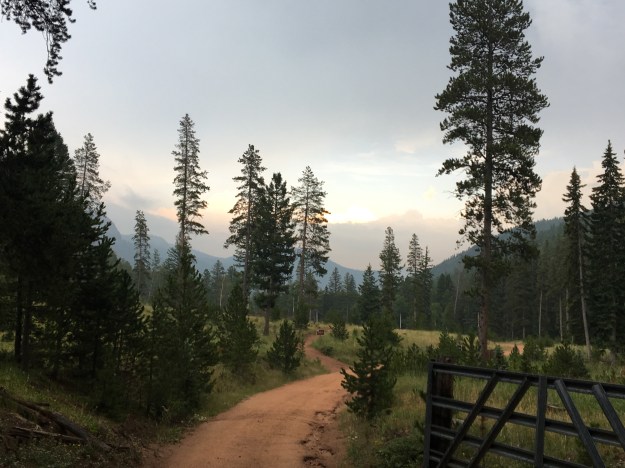
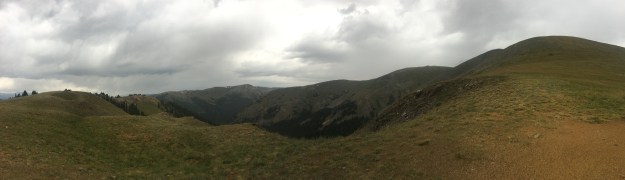
Georgia Pas is one of several areas about a 90 minute drive from Denver, right in the middle of the Rocky Mountains, with dispersed camping, meaning camping without the amenities of a campground.

IMG_4161.jpg

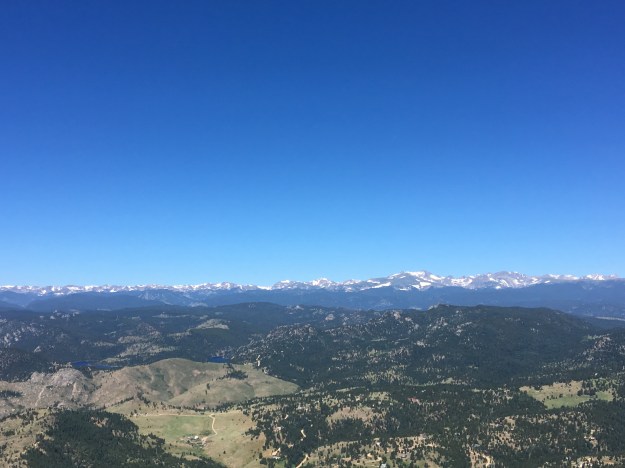
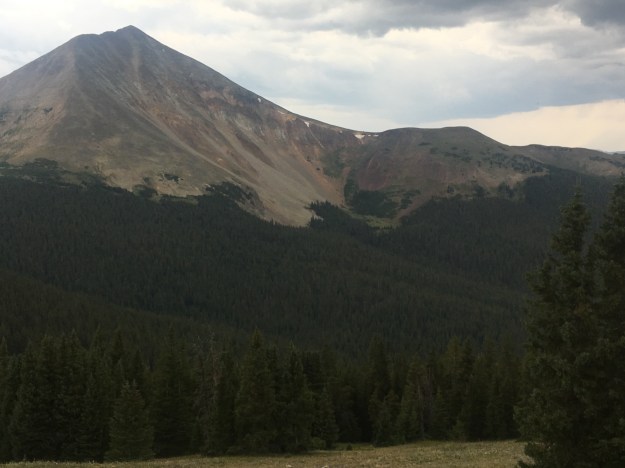
These camping areas are nearly always within a short drive of the kinds of places where the high peaks of the Rocky Mountains can be seen in all of their majesty. Georgia Pass, less traveled than mountain passes along paved roads, like Hoosier Pass and Guanella Pass, offers the same panoramic views but with less people.

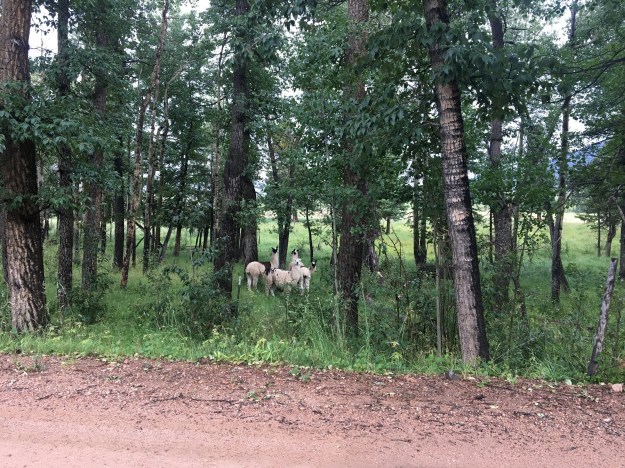
It also, based on this one trip, feels like a place with more wildlife.

IMG_4186IMG_4163IMG_4168

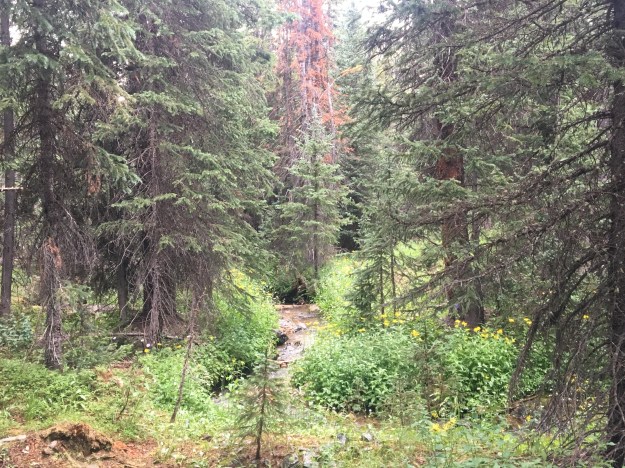
However, sometimes the camping experience is not about the feeling of being on top of the world on a mountain pass, or overlooking a photogenic lake, as is commonly shown on the cover of travel magazines. Sometimes, camping is about being in a strangely calming place like this, with trees, bushes, other random vegetation, and a creek moving fresh mountain water along to a gentle rythm.
IMG_4194.jpg

There is something about this specific scene, deep in the forest, surrounded by nature. It feels in a way, like the exact opposite of stress. There is no hurry here, nobody is causing unnecessary anxiety, and the only abrupt changes in plans occur when a thunderstorm pops up unexpectedly.

There is, however, work. Camping isn’t just sitting around the fire. The fire must be started and maintained. Meals must be cooked. Tents need to be set up, and dishes washed manually. It isn’t a resort vacation. In fact, while camping, far more work goes into filling the basic human needs of food, water, and shelter than it does back in the city, even on the most stressful day.

There are ways to relax that require little to no work. Watching television only requires owning a television and selecting a program. Laying at a beach only requires finding a way to get to the beach. Yet, sitting around a campfire with loved ones, looking at the stars and watching the full moon rise between alpine trees, then waking up to the alpenglow hitting the tops of the trees, somehow actually feels far more relaxing than just laying around at home or nearby.

Or maybe it is about getting away from all of the things that are currently creating anxiety in our lives, which include TV (mostly the news), our phones, work, and, competitiveness in general. This takes work. It takes work to get away from life’s pressures. However, it is good for us, regardless of our situations, to occasionally escape our stress sources, without substituting them with “vacation stress”. Unfortunately, many of us in the United States still find ourselves in situations where we feel our time away is so precious, taking part in activities that create this “vacation stress” is the only way to get meaningful experience out of the limited time we have to vacation.

The Courage to be Radical

IMG_4106.jpg

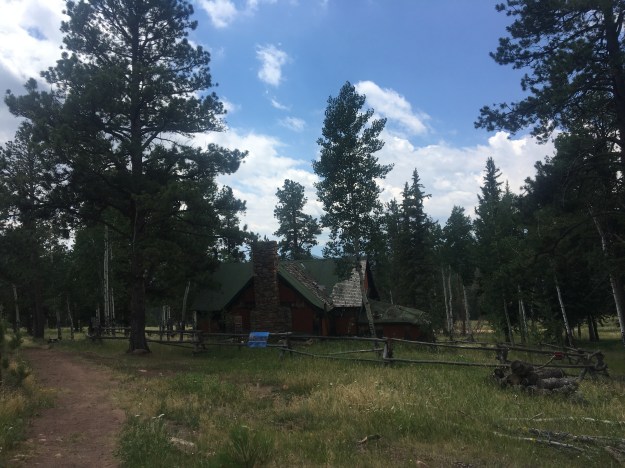
A modest sized cabin in the woods, surrounded by nature- trees, and wildlife. These cabins, often surrounded by a lake, rolling hills, or some other form of natural beauty, represent a lifestyle, a fantasy. Many people dream of this kind of life, but few act on it. Most of the time, like the Staunton Family, who owned this ranch before they willed it to the State of Colorado, these places are used as second homes, for summer and weekends.

Last weekend, the sequel to MAMMA MIA, presented the story of a person who actually acted upon a kind of fantasy life.

Mamma_Mia!_Here_We_Go_Again

Together, this movie and its predecessor present the story of a young woman who, on a whim, decides to travel to a remote island in Greece. She decides to stay there rather do what is expected of her, meaning returning to the city, to what one would assume to mean a more “normal” life. The plot of these films indicates that making a radical decision like this has the potential to be quite fantastic, fulfilling, and impactful. But, it requires both courage, as well as some form of hard work and sacrifice. The main character’s life is not presented as easy.

Nor are the lives of the people in real life who make similar radical choices. Those that actually move to a small cabin in the mountains, a tropical island or a bustling beach, as well as those who start their own businesses, pursue careers in acting, or do whatever their version of being radical is, all toil away for some period of time.

There tends to be a similar general story. First, they have to have the courage to actually pursue their preferred path. This means ignoring the fear inside, as well as advice, and even pressure from others. This advice could even come from people who are genuinely caring and well-meaning, which makes it harder to ignore.

They also had to endure, at least a period of time, where life is harder than it would have been at that standard 40-hour a week job, receiving a steady paycheck. Businesses take time to become successful, artists take time to get noticed, and many ideas are rejected dozens to hundreds of times before they are finally embraced.

This blog should have actually been titled The Courage and Determination to be Radical

Those with the courage (and determination) get to be surrounded, every day, by what inspires them.

The landscape that inspired a successful family of doctors to build a summer home 50 miles outside of Denver can now be visited by the general public, as part of Staunton State Park.

IMG_4095.jpg

Hiking around the park is relatively easy. Most of the trails are not too steep. They are, however, fairly long. They are also astonishingly well marked.

IMG_4141.jpg

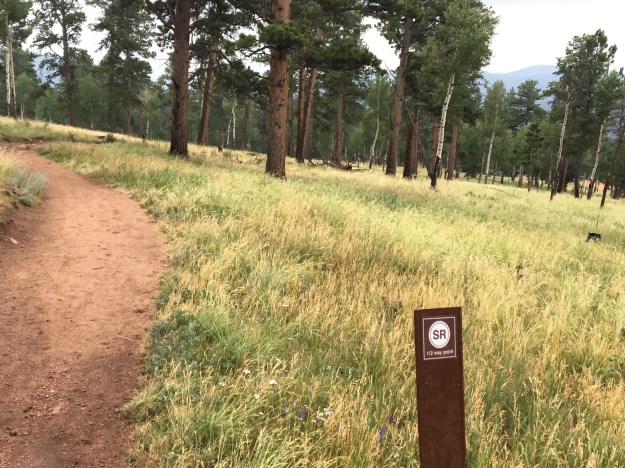
Not only does every trail have a two letter identifier, but each trail has regular markers, including one marking the halfway point on each trail.

IMG_4097.jpg

Hiking from one end of the park to the other is a good amount of anticipation. From the trailhead, rock features, some of which are actually climbed on, appear in the distance, periodically peaking out from behind the trees. This can actually go on for miles, so hiking at Staunton State Park teaches hikers to learn to enjoy the journey.

IMG_4130

In addition to the Staunton Ranch, which resembles the cabin in the woods so many dream of, Elk Falls Pond is one of the top destinations at Staunton State Park. The journey there is about 4.2 miles.

IMG_4134

Monday’s hike turned out to be a chance encounter with a thunderstorm, one that required taking refuge in a relatively safe and relatively dry spot for about 25 minutes.

IMG_4136.jpg

Hiking in the rain actually turned out to be refreshing. This summer in Colorado has been HOT. Of the first 22 days of July, Denver’s official high temperature has reached or exceeded 95°F (35°C) 13 times. Much of the state has been in a drought all summer, and, with the exception of the Northeast, there are fire restrictions in place through much of the State.

DroughtMap_July2018

So, the rain turned out to be a welcome change of pace.

Hiking through the storm, in a small way, felt radical, as it is generally not advised to pursue outdoor activities on days, particularly afternoons, with thunderstorm chances. Storms find everyone in life, regardless of how courageous, resilient, and true a person is being. As the movie indicates, those that have chose to courageously live a radical life may encounter a few more storms. These storm will eventually dissipate. The clouds will gradually disperse, and the sun will emerge, revealing, once again, something beautiful and inspiring, whether that mean a spectacular landscape or a spectacular human being!

IMG_4137


A July 4th Hike Up Mount Evans

IMG_3942.jpgThis Independence Day was a strange one. It was a day with all sorts of mixed feelings. The first is related to the holiday. I love the United States of America, and feel extremely blessed to have been born and live here. However, something just feels a bit off right now. Without getting too into it, as travel and adventure is supposed to be an escape from all of this nonsense, I do not feel that our current political climate is in line with what this country was originally intended to be about. Based on the values of the Enlightenment, we escaped from tyranny and intended to set up a nation where the impact of politics and government on our lives is limited. People feeling that government is important enough that they will de-friend and even act violently towards those that support a different political party just doesn’t feel like America to me.
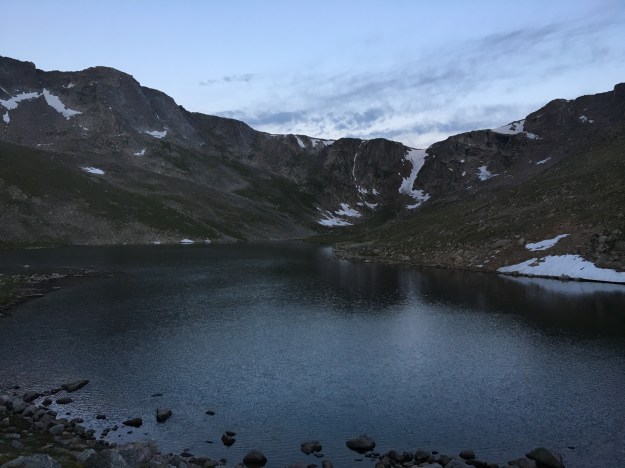
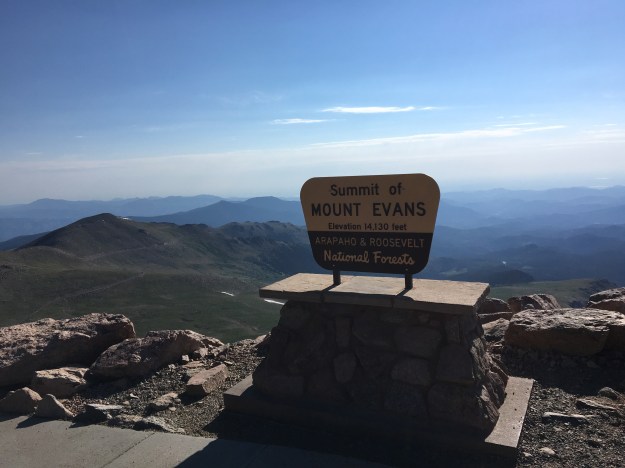
I was also somewhat mixed about the event. Mount Evans is one of two 14ers (peaks over 14,000 feet in elevation) with a paved road to the top, meaning that people can get to the top of this mountain in their cars (or on a bike). In fact, I know someone who drove to the very same peak on the same day.

IMG_3946.jpg

I also wasn’t too crazy about leaving Denver at 4 in the morning to arrive at the Summit Lake parking lot just before sunrise.

IMG_3914.jpg

14ers close to Denver are quite popular, and there was concern about parking availability. In many of my social circles, I find myself among the least cautious. It’s not that I want to go around being reckless, taking risks for the sake of risks. I would just rather deal with things occasionally going wrong than all the missed opportunities and additional stress that comes from being averse to risk.

However, the big picture is that I am hiking to the top of a tall mountain. Waking up two hours earlier than I wanted to guarantee a parking spot at the trailhead is a small compromise, and not one that takes me anywhere near a place where risk avoidance is costing me opportunities. There were also some benefits from starting that early, as each hour of the day is unique in the mountains, and the time around sunrise can be quite magnificent.

IMG_3915

Less than twenty minutes into the hike, the sun emerged from behind both the clouds and mountain peaks on the horizon.

IMG_3918

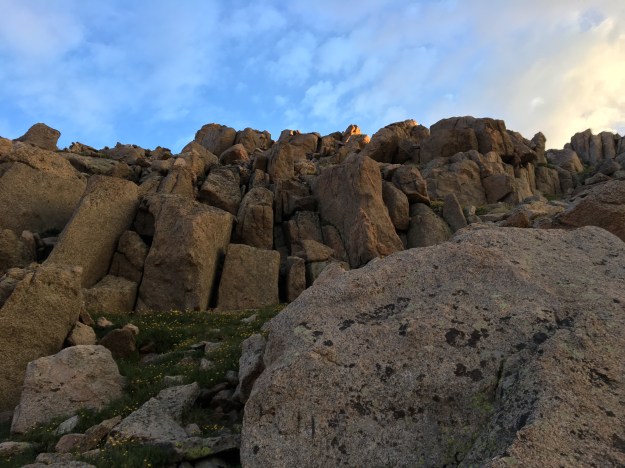
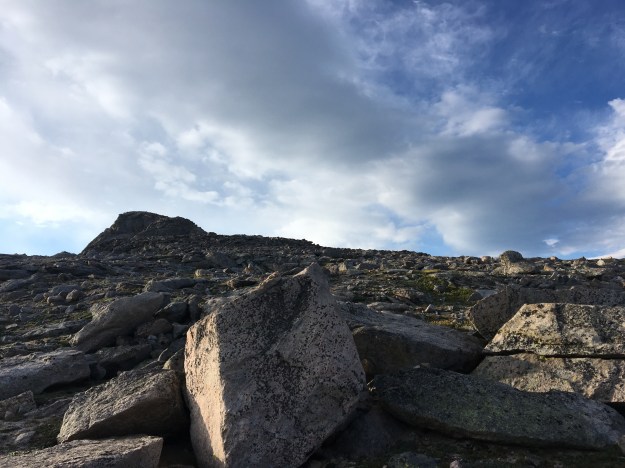
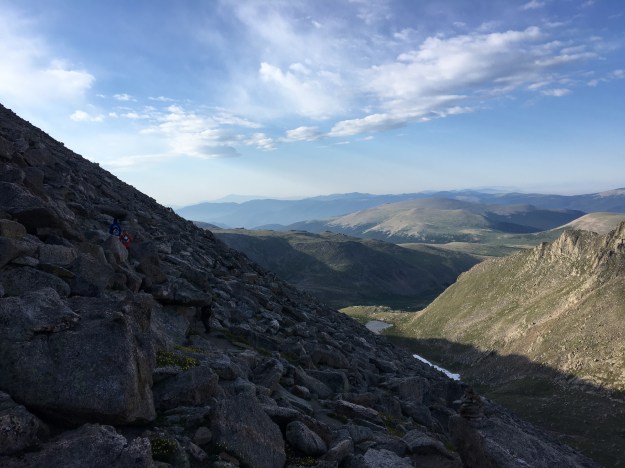
They do not call these mountains the Rocky Mountains for nothing. Many of these high elevation hikes are both steep and rocky.

IMG_3920.jpg

I would definitely recommend some form of hiking boots or trail shoes to traverse terrain like this.

IMG_3925

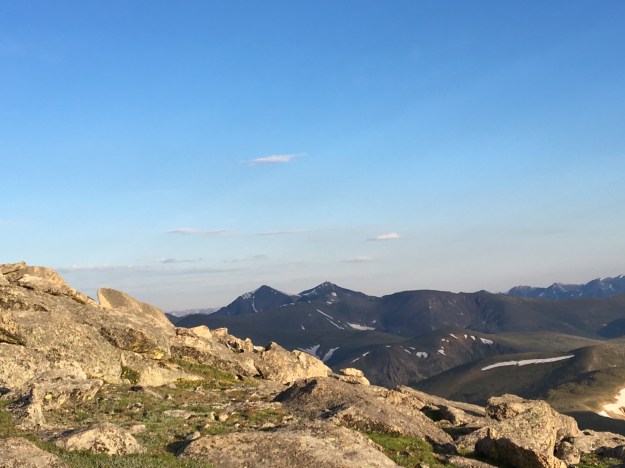
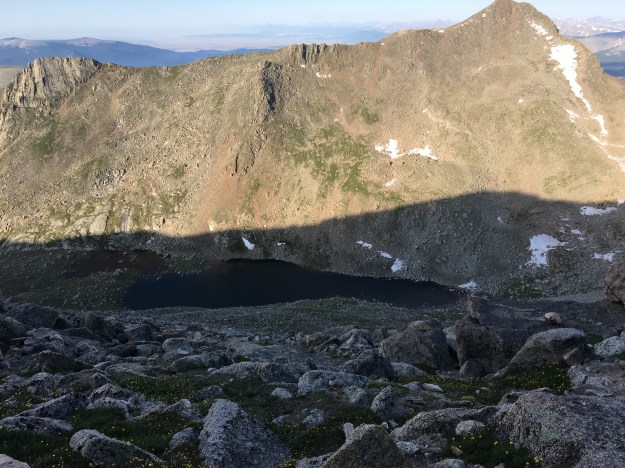
The trail climbs pretty quickly right from the start. Less than an hour into the hike, which is a slow hike, averaging little more than a mile per hour, I began to see Grays and Torreys Peaks, the first 14ers I ever climbed, five years ago.

IMG_3929.jpg

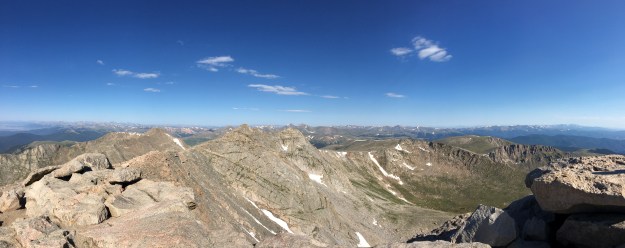
It wouldn’t be long before that top of the world feeling emerged. This is because, the trek up Mount Evans from Summit Lake is actually two peaks. The first one, Mount Spalding, is only 158 feet shy of being a 14er itself, and has its own scramble to the top.

IMG_3930IMG_3931

Like Grays and Torreys, there are many places where hikers conquer two peaks at once. This hike felt very much like this, despite the fact that Mount Spalding does not count as a “14er”.

IMG_3936IMG_3937

Saddling between the two peaks was rocky, shaded, and breathtaking. It may have been my favorite part of the hike.

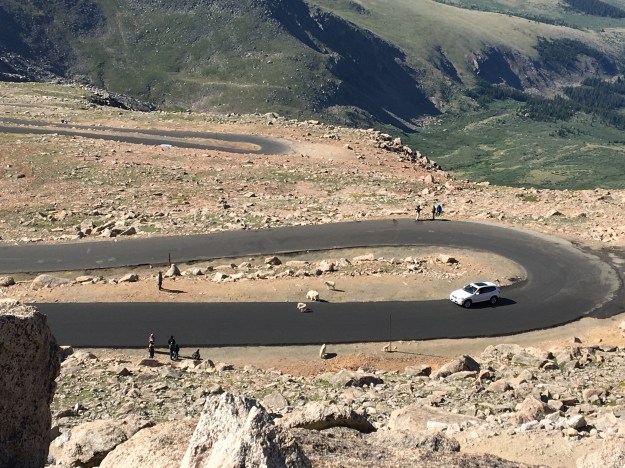
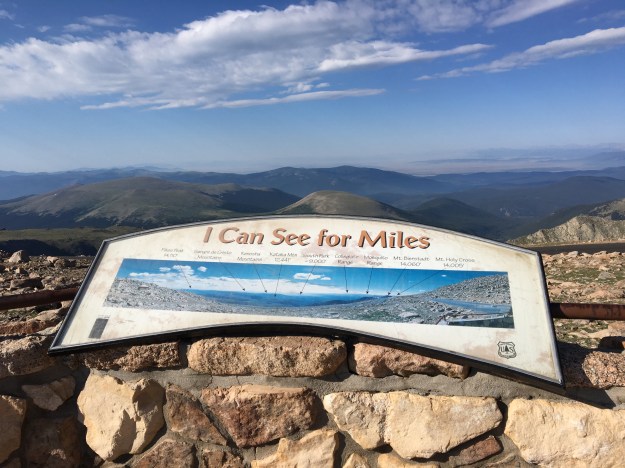
It was kind of strange to reach the summit only to see all the people who had just driven all the way up. We were also able to look down upon the lot where we had parked a couple of hours earlier.

From the top of the road, there is actually an additional 134 feet of climbing to the peak, at 14,264 feet.

IMG_3950.jpg

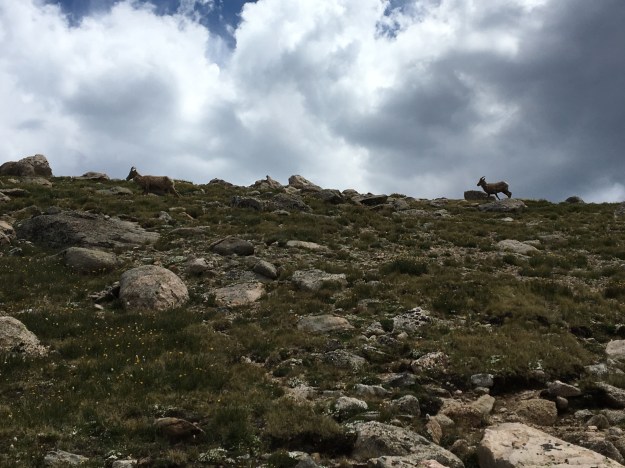
We also got a chance to get up close and personal with the mountain goats, who seemed strangely inclined to hang out relatively close to the road.

IMG_3961IMG_3965

With the steep rocky sections, and the climb back up Mount Spalding, the return hike was only slightly easier than the climb.

We also encountered a crew of trail maintenance volunteers. I cannot overstate how much I appreciate their work. I had not previously seen them working, but I know they work hard on behalf of the Colorado outdoors, and are an important part of the mission to encourage others to get outside, get active, and enjoy nature.

Then, at the bottom of the trail, we encountered more wildlife- sheep.

IMG_3972.jpg

I am somewhat in awe of these animals, both the goats at the top and the sheep near Summit Lake. They live their lives on the steepest of all hills. I wonder if they ever fall over, but it feels like they don’t. I spent half the downward trek grabbing onto rocks with my hands for balance, despite having a good pair of hiking boots. The goats and the sheep, they just walk up and down these steep, slippery, and rocky hills like it’s nothing.

IMG_3939.jpg

We got back to the car before noon. By the end of the hike, I really did not know what to feel. Hiking to the top of a tall mountain is no longer a new experience for me. It’s beautiful but familiar. 2018 so far has been quite emotional for me already, dealing with issues related to our mean spirited and way to identity-driven political climate, as well as drama related to my career, social standing, and even identity. Maybe, at this point in time, I do not need some kind of grand emotional response to my activities. I just need to enjoy them, laugh with friends, and see nature for the majesty that it is. That was good enough for me before I started writing this blog, and some things are indeed true regardless of time, place and culture.

An Intense Hike Outside of Boulder

IMG_3892.jpg


Colorado has some really intense hikes! Places like these, where steep terrain features rise up out of the ground like gigantic walls, are breathtaking beyond belief, but also intimidating for hikers. Most people commonly think of places like these as being tucked away in the densely packed mountains of the Central Rockies, hours away from Denver and Boulder, or even further away, in the canyons of the West. However, there is a hike, a challenging hike, with just this kind of feature just outside of Boulder.

Bear Creek is a hike that, in some way, feels similar to hiking up a 14er (A peak whose elevation is greater than 14,000 feet). Its total elevation gain is right around 2800 feet, and the hike up Bear Peak, along with its neighboring peak, South Boulder Peak, has frequently been described as a great way to train for a 14er. It can be accessed from two points, both just outside of Boulder; the Mesa Lab and Eldorado Canyon State Park. The later has a $5 parking fee, but offers a somewhat more pleasant hike.

IMG_3876.jpg

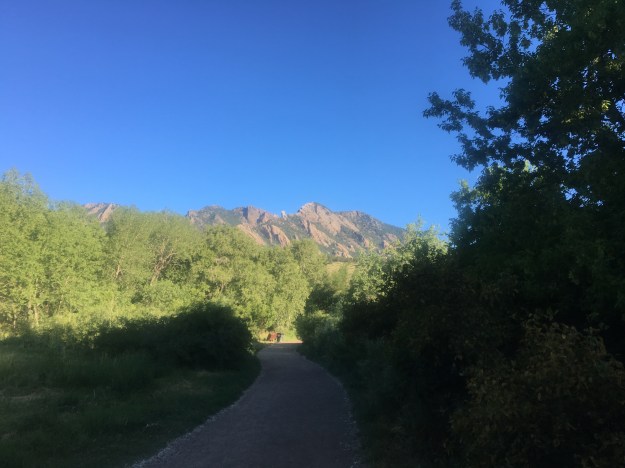
From a distance, the flatirons have some amount of intimidation factor, particularly for those who are relatively inexperienced with respect to hiking. It is, after all, a fairly abrupt transition between the flatness of the Plains to the East and the rugged terrain of the mountains that are a near constant feature for miles to the West.

From Eldorado Canyon, the hike has two parts to it. The first part is relatively easy, and actually persists for a somewhat surprisingly long distance, just over two miles.

Deer run through a gently sloped field jumping in and out of the bushes. Flowers of all colors appear alongside the trail. The mountain features gradually get closer. However, this is all just a set-up, kind of a prelude. It turns out to be a warm up that lasts nearly half the hike. After that the trail runs right into Shadow Canyon, where everything changes quite abruptly.

IMG_3888.jpg

All of a sudden, the wide open trail and wide open spaces all collapse into densely packed trees and rocks, shade, and a tight single-file tail.

It also becomes quite steep!

Over a 1.2 mile stretch, the trail gains 1600 feet in elevation, going pretty much straight up most of the way. Only towards the top are there any switchbacks. In this case, the switchbacks actually make it easier. The slope of the trail becomes far less intense, than the stair-steps that are nearly constant for about a mile. It ends up being a good reminder of why switchbacks are commonly used on roads and trails.

There are two peaks at the top, less than a mile apart, Bear Peak and South Boulder Peak. Getting to both peaks involves a sketchy, rocky scramble.

This is only the last few hundred yards. On both peaks there is reasonable cause to be nervous. The rocks can be both slippery and unstable, and the terrain is steep in all directions.

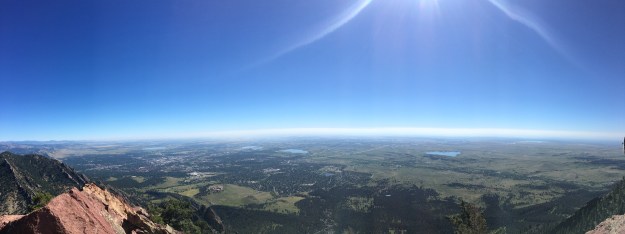
Both peaks also offer views of both the mountains to the West and Boulder and the Plains to the East.

Bear Peak is a little bit closer to town. It may be one of the best places to overlook Boulder and the surrounding area in its entirety. One thing that can almost always be observed when looking at some of these Colorado towns from above is how many trees are planted by people in cities. Just east of the Rocky Mountains, trees do not naturally grow. The distinction between what is natural and what isn’t can be seen quite clearly. It is almost more evident than any of Boulder’s actual features, such as downtown or CU campus.

IMG_3900IMG_3903

The view of the mountains from South Boulder Peak is not all that different from Bear Creek, but still feels like the better view.

IMG_3907.jpg

Looking in the other direction from South Boulder Peak, as the day wares on, a reminder appears, as to unique of a year 2018 has been.

IMG_3909.jpg

According to the Colorado Division of Fire Prevention and Control, several major fires are ravaging the state, leading to fire restrictions in all but some of the northernmost counties and even some prolonged closures on major Colorado highways.

By the start of July, the haze from these fires had become a near permanent feature of the afternoon sky. The appearance of a thick low cloud with an orange tint on an otherwise perfectly clear day serves as a reminder that no two experiences, even if in the same place at the same time of day and year, are exactly the same. The weather, just like many other aspects of our lives and culture, is always changing. There are times that are considered “normal” and other times that are considered “abnormal”. Sometimes what is considered “abnormal” beings to appear more frequently, or persists longer than expected. In these cases, it is natural to speculate, but only the future will truly settle whether what is normal is shifting, or whether the world is destined to shift back to what was previously considered normal.