Monthly Archives: November 2023

Prague: Where the Past Come to Life

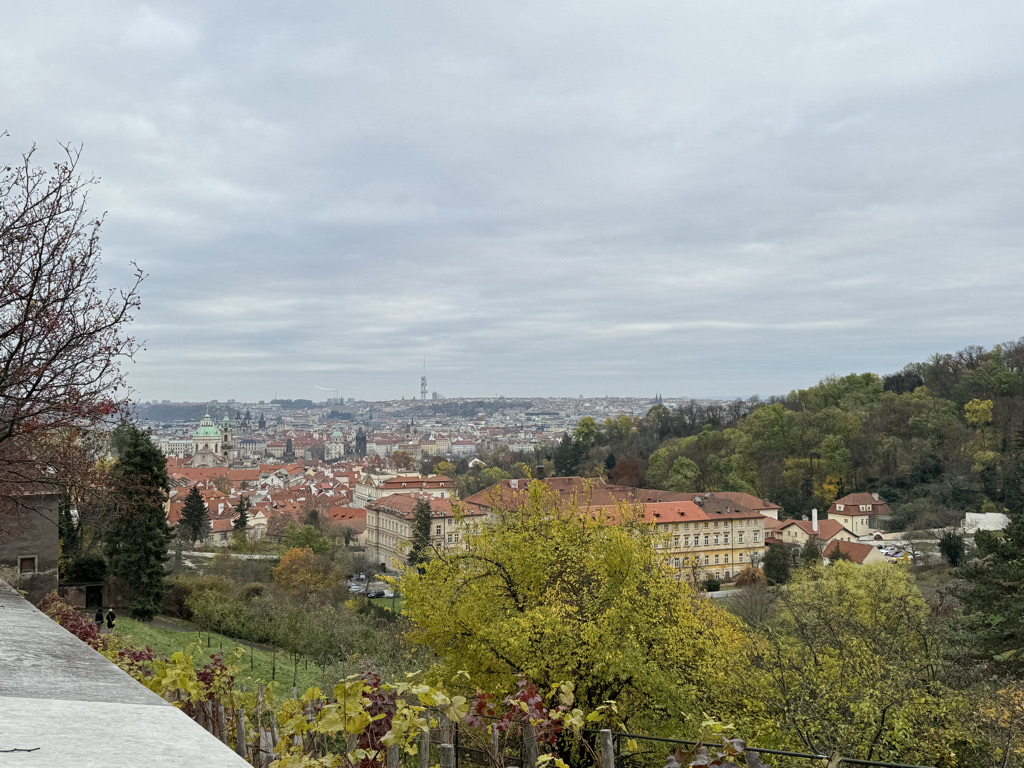
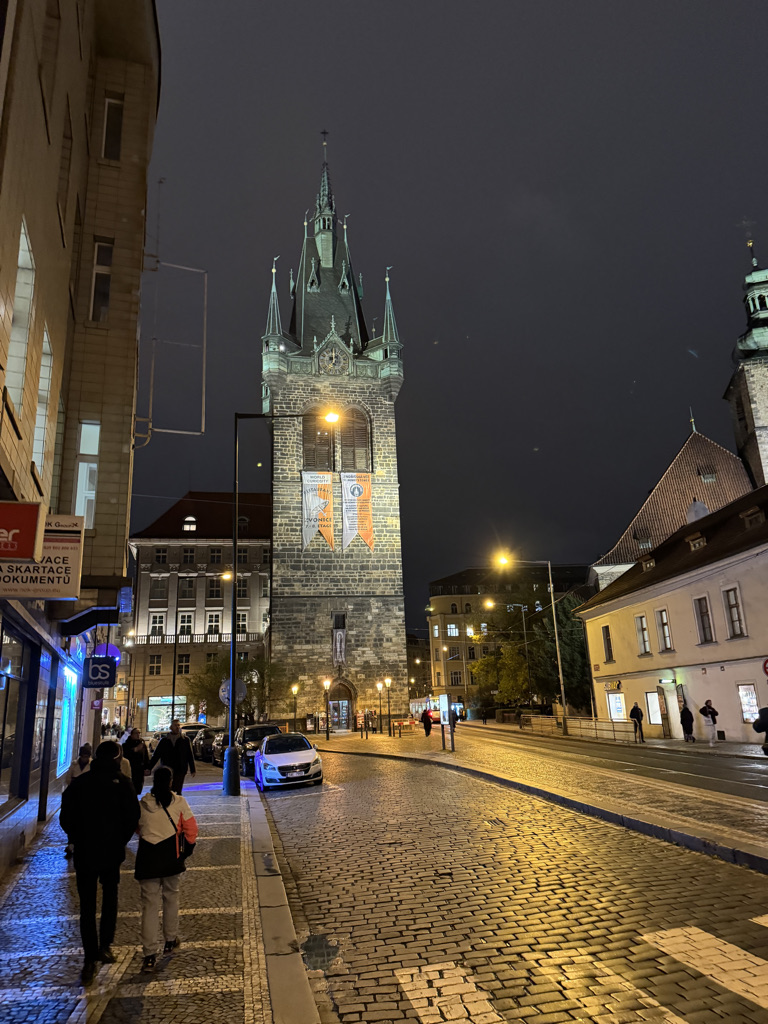
The first thing that stands out to anyone visiting Prague for the first time is the architecture. Navigating the city’s confusing, densely packed roads, visitors encounter one elaborate Medieval or Baroque era building after another.
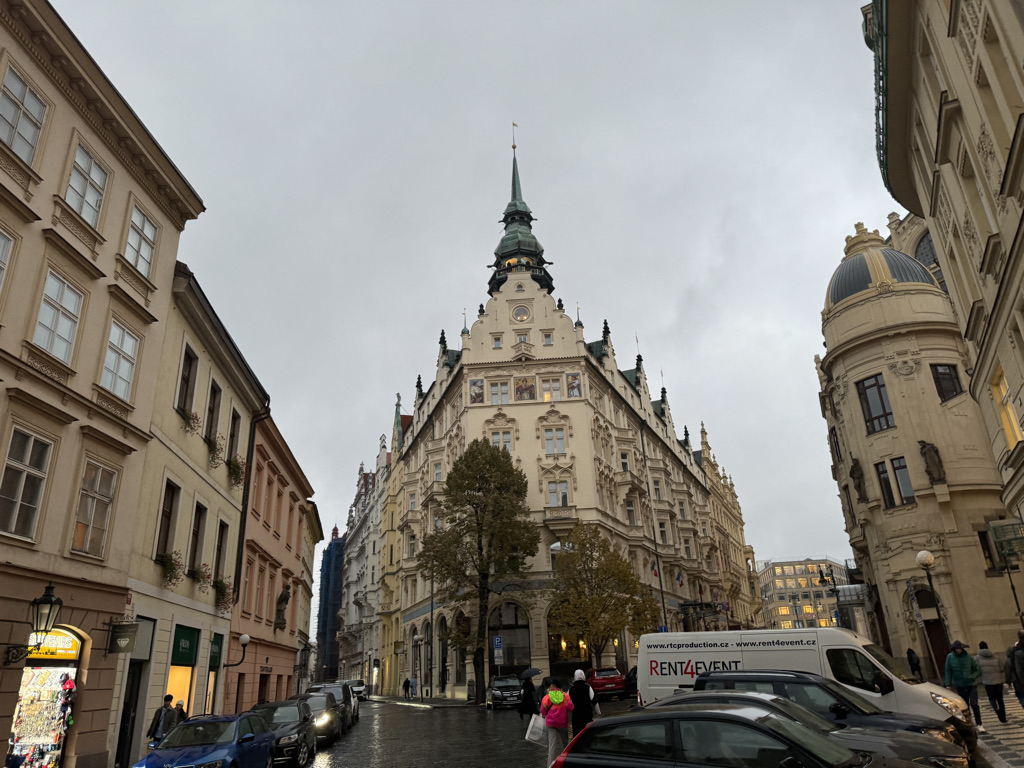
Many of them show off the centuries of history they embody, as well as what had to have been thousands of hours of attention to detail in design and build.
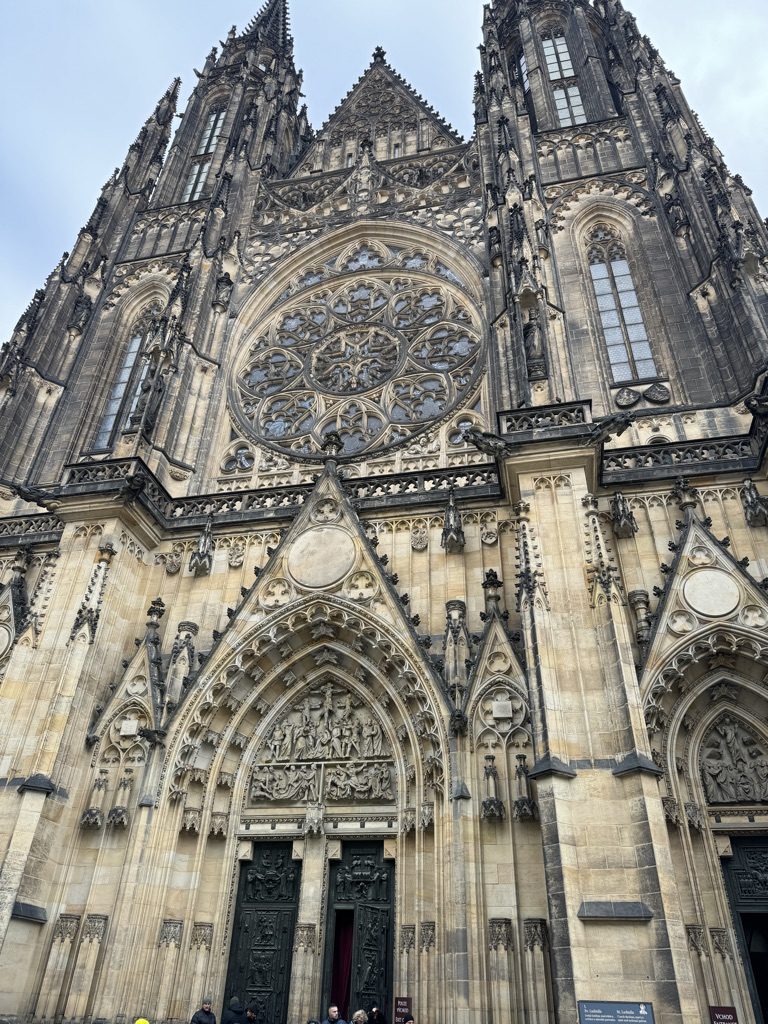
It is perhaps an even more amazing set of structures to behold at night.

It is no wonder the city tops many lists of the most beautiful cities on earth.

Perhaps the most crowded destination in the city is the now over 600 year old Astronomical Clock, right in the center of Old Town Prague.
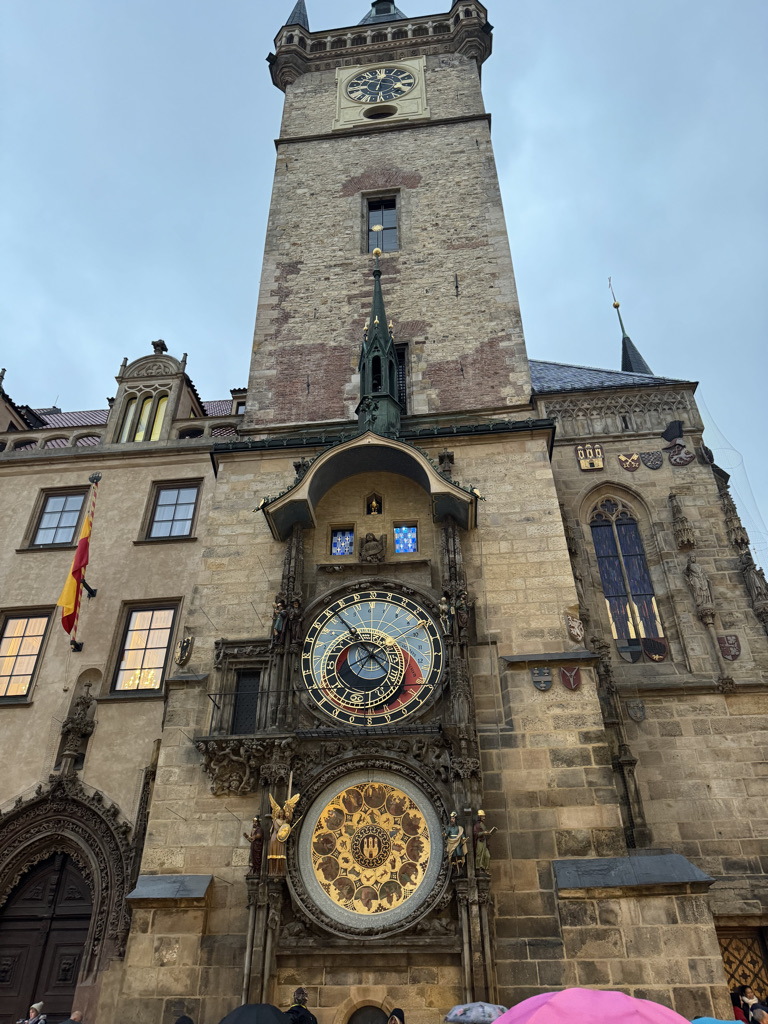
For anyone visiting destinations that are “touristy”, it is imperative to find the right time to visit destinations like these where crowds are constantly gathering for things like the hourly show this clock put on. This clock itself is ironically a window into Central Europe’s past, particularly the 15th through 17th centuries when the majority of its individual components were created. Embedded in the structure is an implication of the values of the time. There is religious imagery. The clock shows the positions of the sun, earth, moon and all of the zodiac constellations. It is also hard to ignore the skeleton adjacent to the upper right portion of the clock itself.

There is probably a near infinite number of inferences that can be made about the values of the past from what features were included in the design of this clock. Historians can rely on other sources and, if they can avoid the trap of their own biases, can create a more accurate description of what the Late Medieval and Early Modern people valued. Looking upon a structure like this, the important thing to realize is that their values were different than ours are today and that many of the assumptions we take for granted in 21st century life do not apply to building constructed so long ago.

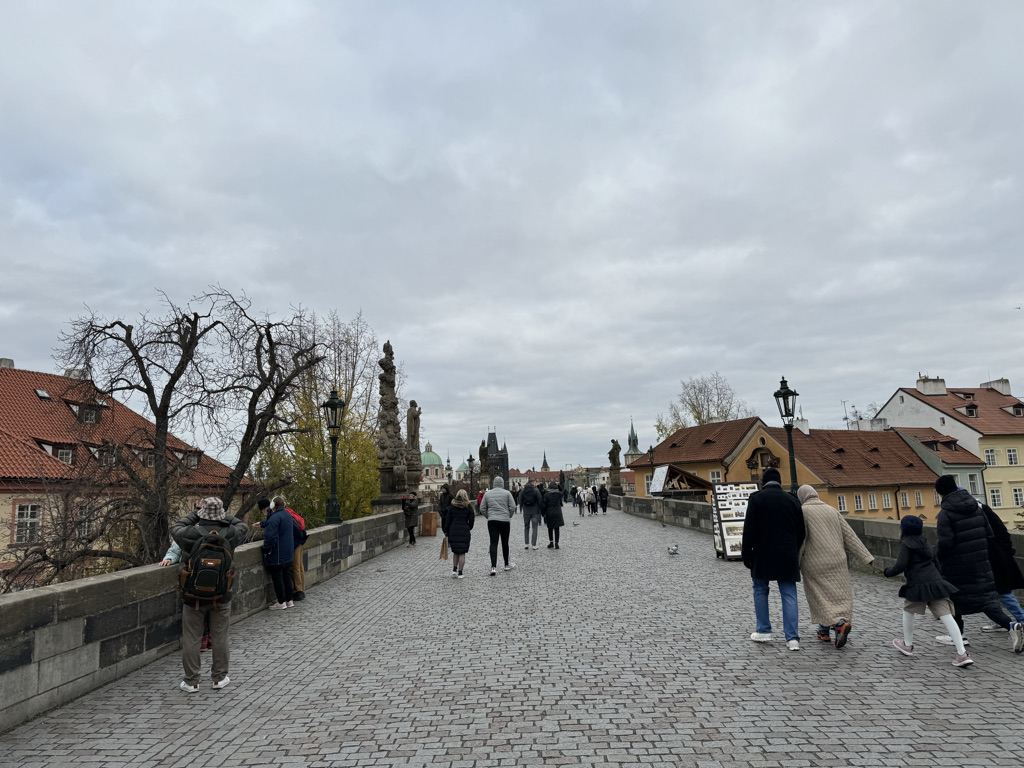
Construction on the famous Charles Bridge started even earlier than the astronomical clock.

This bridge is beautiful to walk both by day and night. On both ends of the bridge, end there is a monument to pass under.
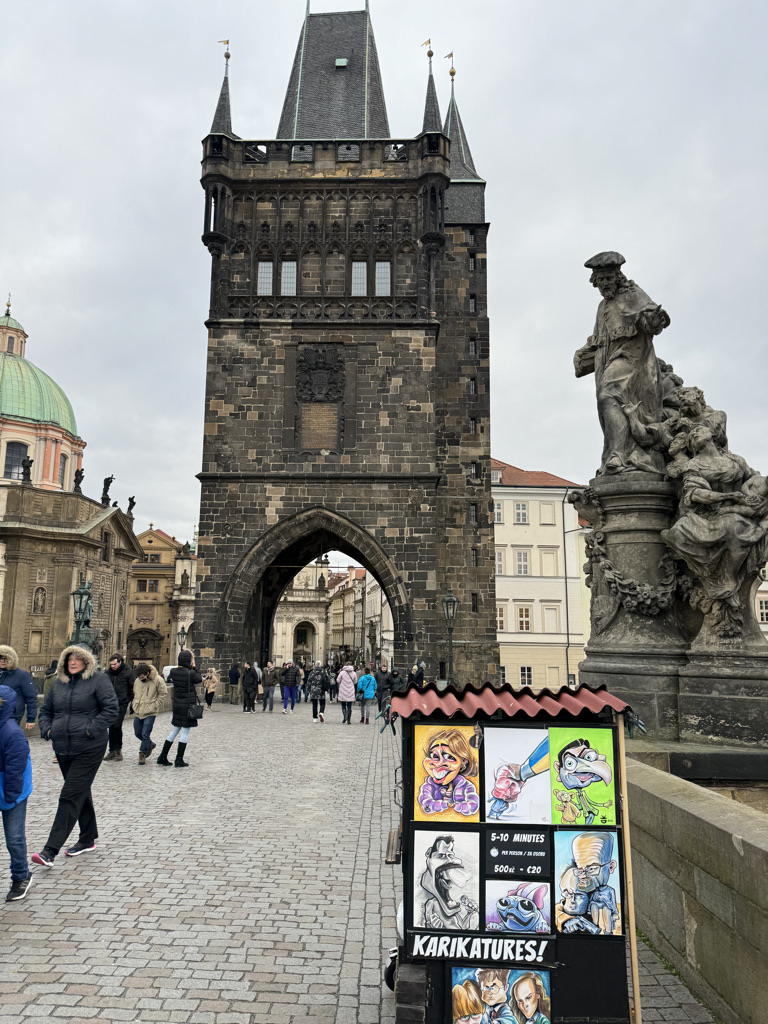
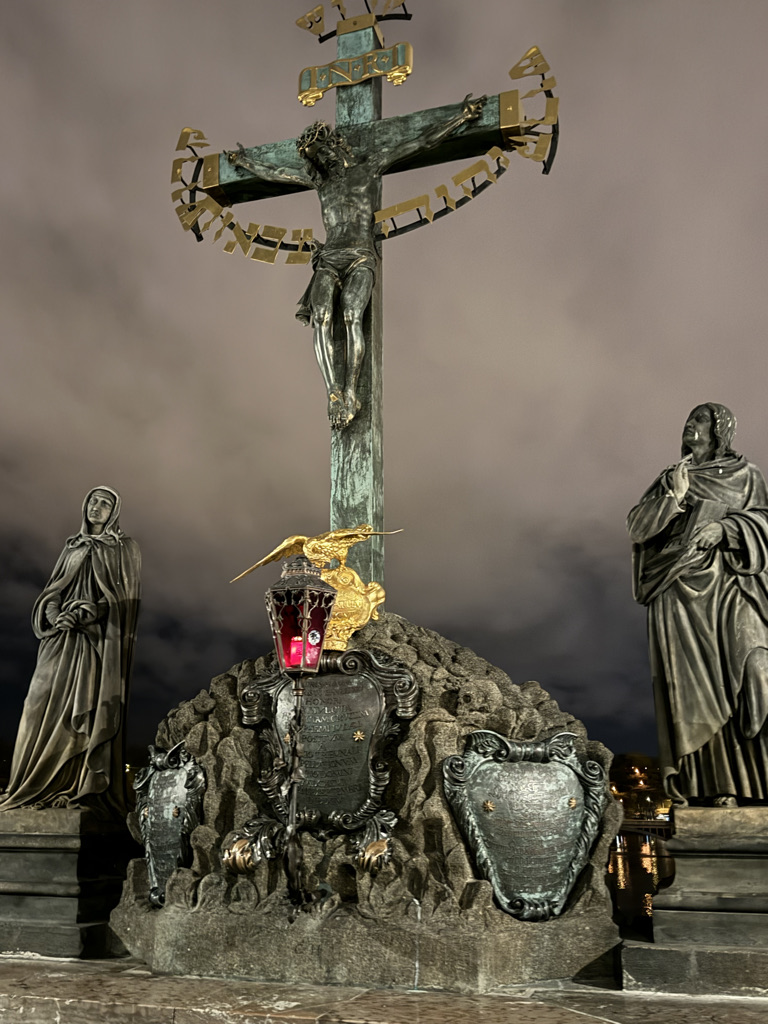
This bridge is one of many places around Prague where the city’s religious past is right in front of everyone’s faces, ironic for a country that is now one of the world’s least religious.
It’s odd because the Prague Castle, which is now the residence of the Czech Republic’s Head of State, is also home to several huge churches.
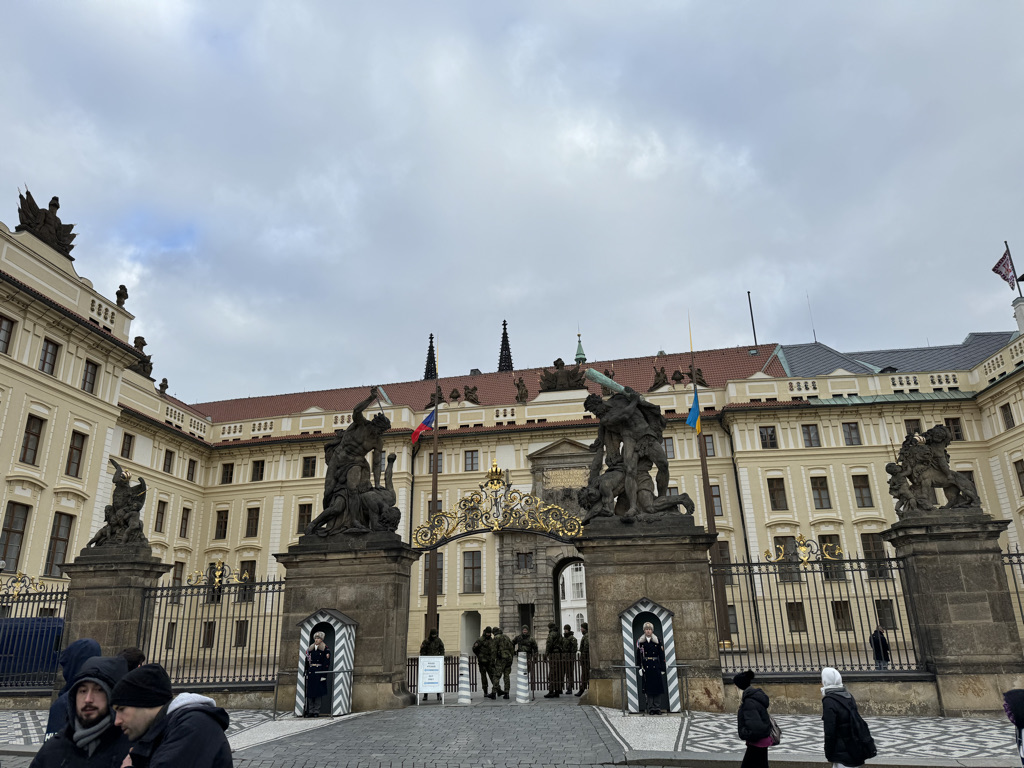
As an American looking upon this, I cannot help but see, right in front of me, the true reasoning behind one of the founding principles of our nation being the “Separation of Church and State.” There are many Americans today who fear any intrusion of religious based values into our public policy is a threat to this principle, but here in Prague, for centuries upon centuries, the church and the state were not even physically separated! Like many Medieval European governments, the church and the state were intertwined, with Bohemia being part of the Holy Roman Empire and often also imposing policy dictated by the pope.

Of course, there were some who questioned it, including Jan Hus, whose Proto-Protestant movement pre-dates Martin Luther by roughly a century. It is here in Prague he preached many of the same principles that would be promoted by Luther, at the Bethlehem Chapel.
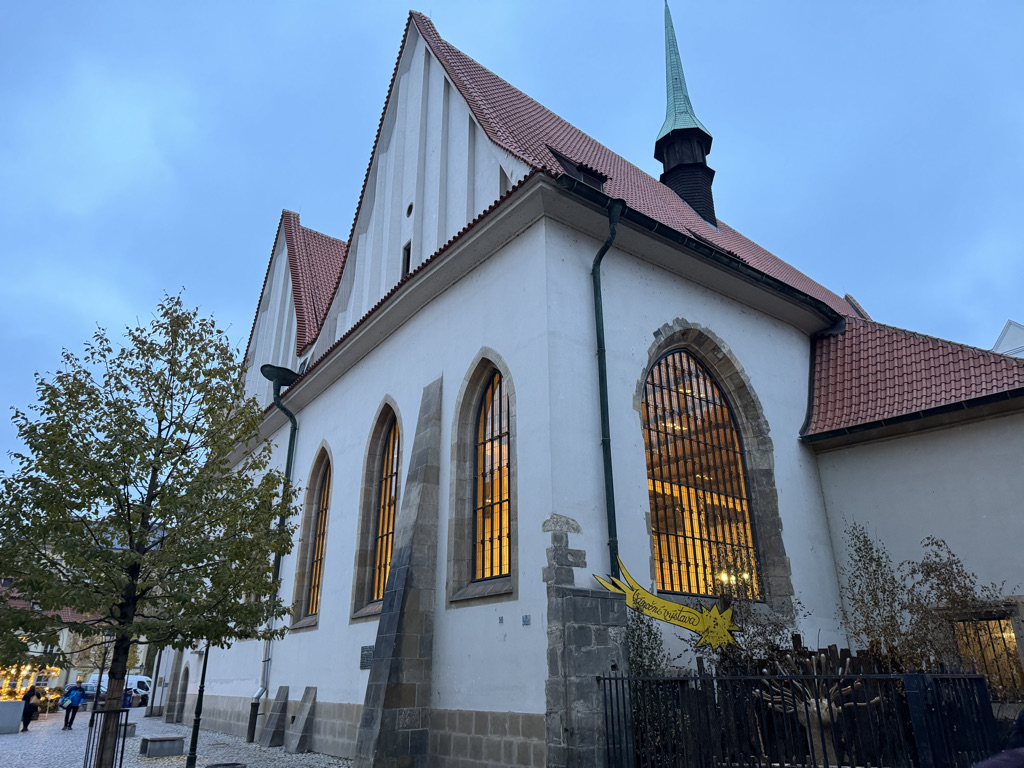
Perhaps because the region that is now the Czech Republic did not suffer quite the mortality rate of the rest of Europe from the “black death”, the battle between Catholicism and Protestantism that would take place here would foreshadow what was to come for the rest of Eurpoe.

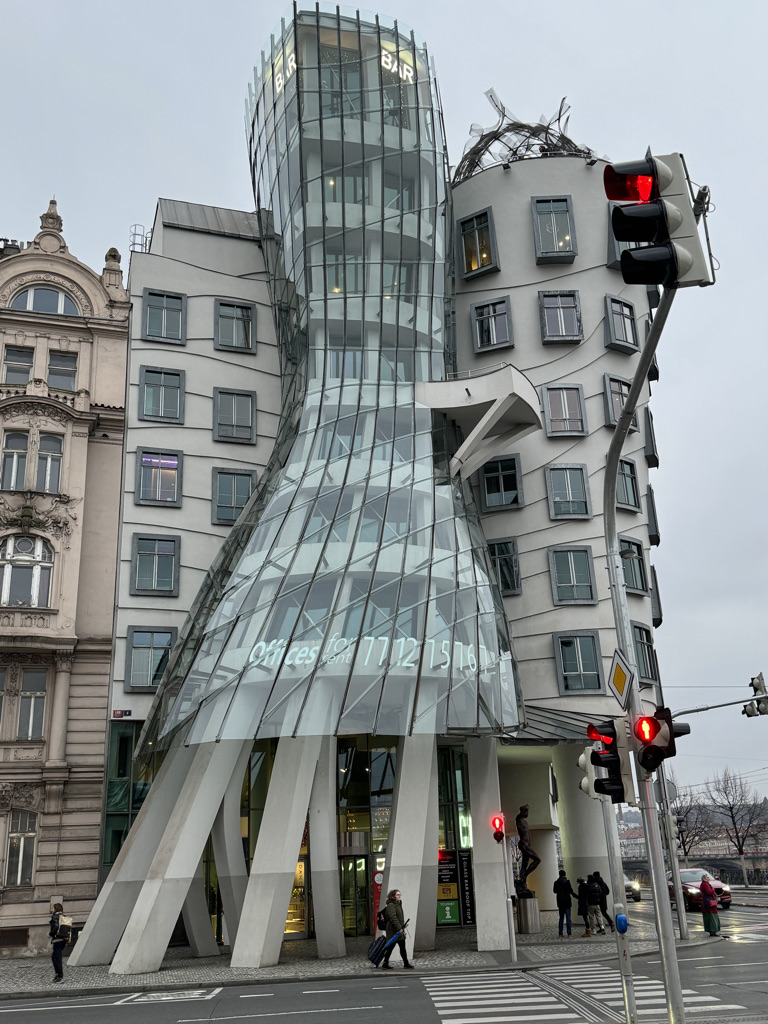
Around Prague, it is not just ancient history that comes to life. The Dancing House was built to on the site of the Prague bombing of 1945.
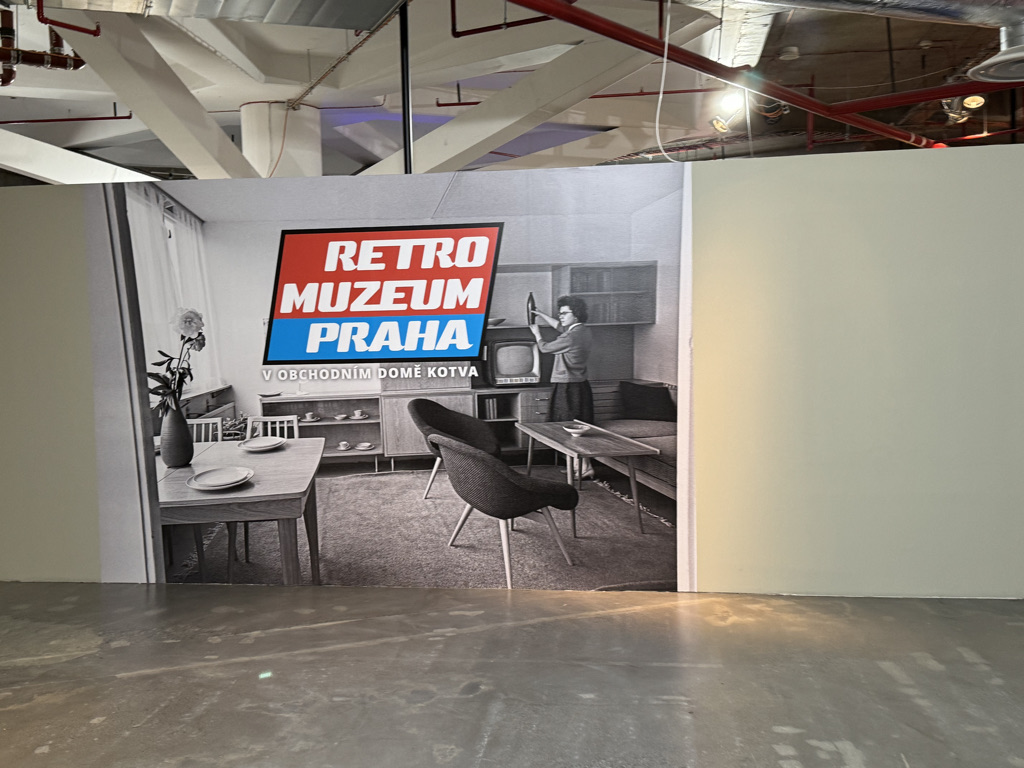
The Retro Museum is one of two museums that depicts life under Communist rule, this one focused on the 1970s and 1980s.
Prague has only been what it currently is for a little over 30 years. So, to experience Prague and its consumer culture and apparently legal marijuana is to be very much in the present day.

The Czech Republic’s per capita GDP is right around the same as Estonia and significantly higher than Poland, making it one of the more successful ex-soviet countries. With an amazing amount of green space and parks, the place seems like an incredible place to be and live.
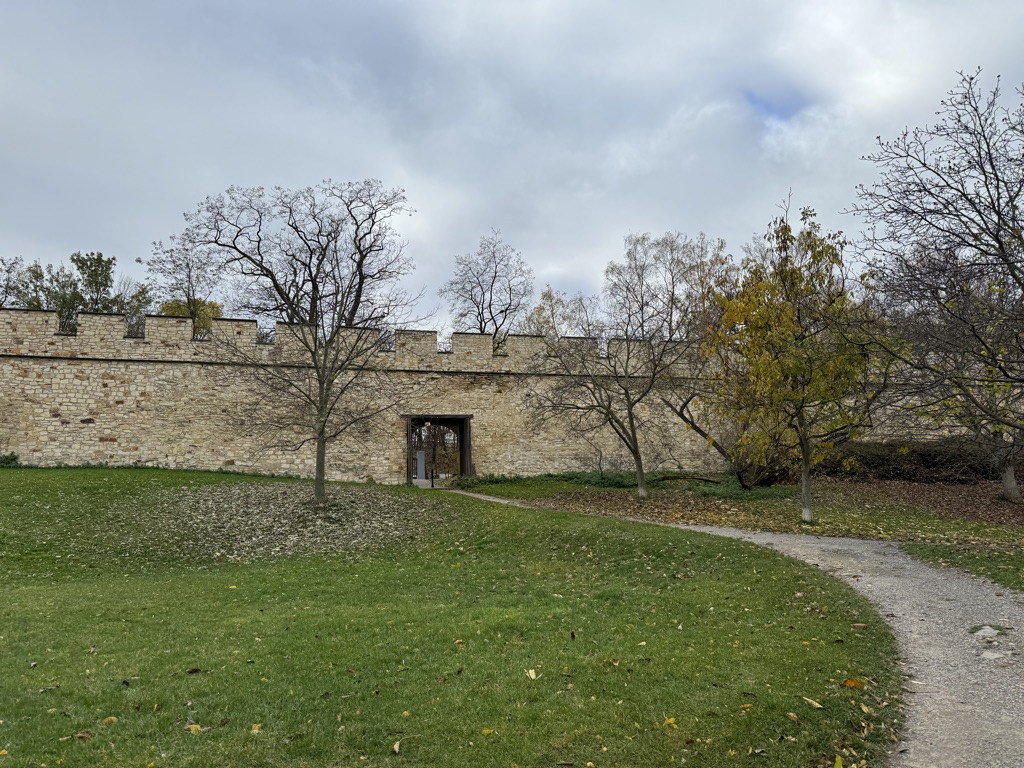
To be in Prague is to be in the present moment, but constantly surrounded by echoes of the past and be constantly reminded of what series of events made the world what it is today.

90 Minute Hikes Outside of Denver

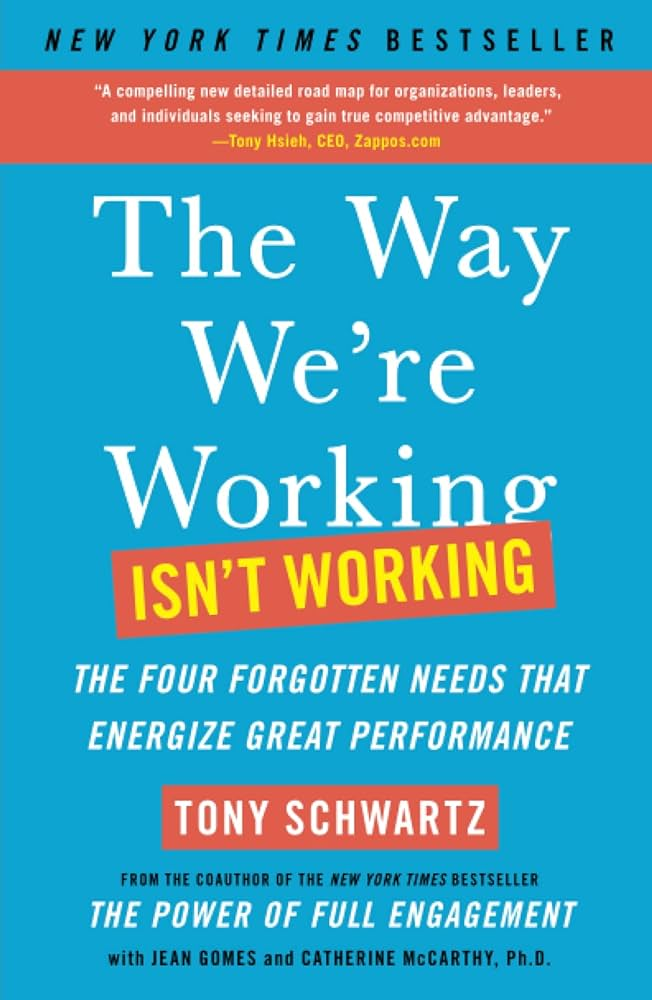
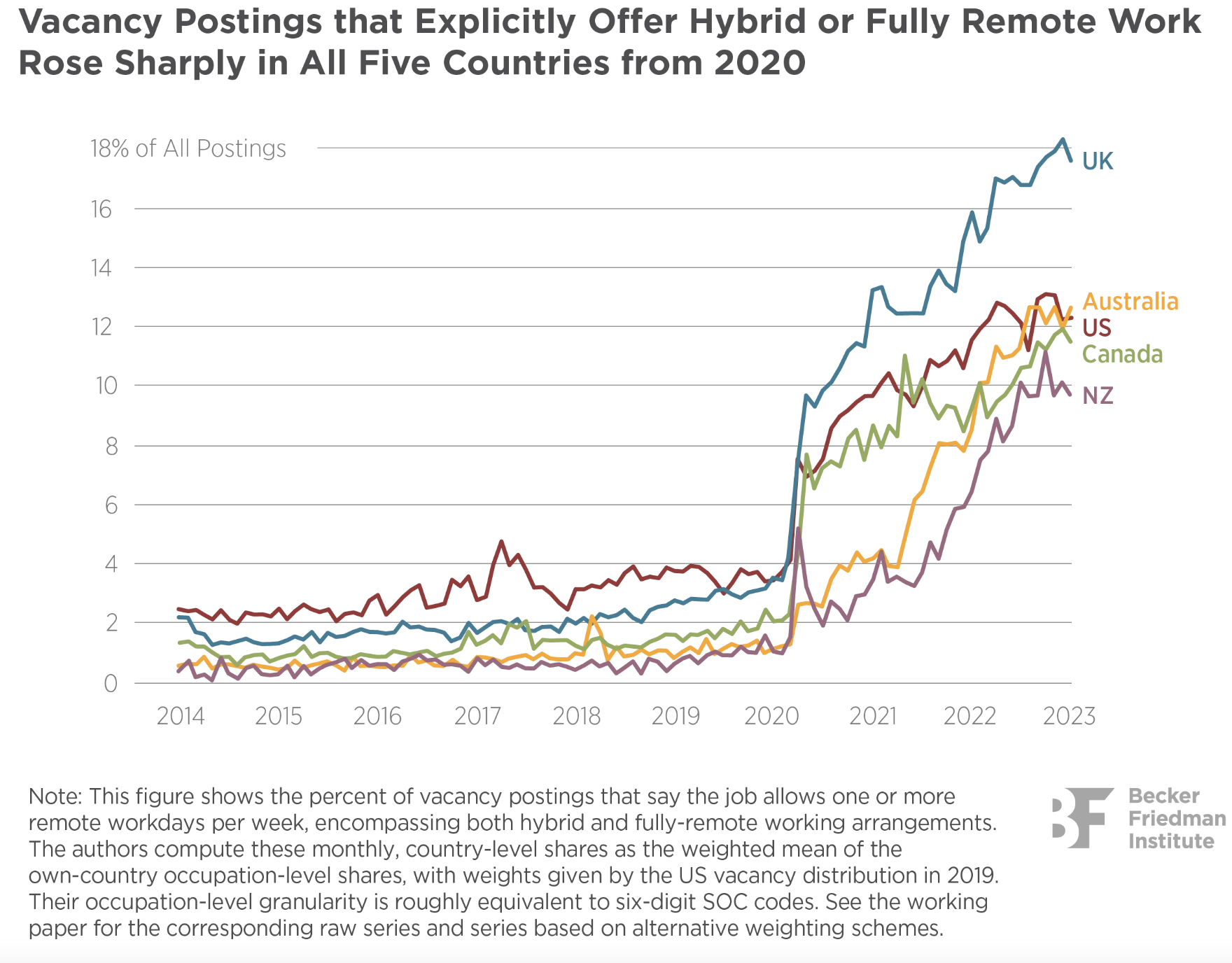
Phenomenon like “quiet quitting“, the “great resignation” and some places experimenting with the four day workweek should make it abundantly clear that there is something less than ideal about the standard work culture of the post industrial world.

Note: This book was published in 2010

Our general work setup is built around a world that no longer exists. It was built around the industrial world of one income families of a hundred years ago. On an assembly line, the amount of value someone brings to a company is directly connected to the number of hours they are present. The eight hour workday represents a compromise of sorts between business owners and labor. It is based on this direct connection between value and hours worked, as well as a world where most laborers were men with women at home tending to childcare and household upkeep. Today’s world is completely different and needs a completely different paradigm.

A silent disco co-working pop-up in Denver, curtsey of Cifernoise Productions

However, realistically, it is going to take a while to get there. We are still in the beginning phases of exploring the new nature of work after the pandemic.

And, there are plenty of powerful interests trying desperately to keep as much of the old, flawed system as possible. This will certainly delay progress towards a new paradigm.

At this time, living a healthy and balanced life will require being innovative and working with what we have available. This is why I have taken an interest in hikes that can be done in roughly 90 minutes close to home. This fall, I tried two.

First was Pence Park, between Evergreen and Indian Hills.

The hike to the top is about a mile and a half (2.4 km) with an elevation gain of 750 feet (230m).

For a short hike, the views here are quite stunning, especially at the top.

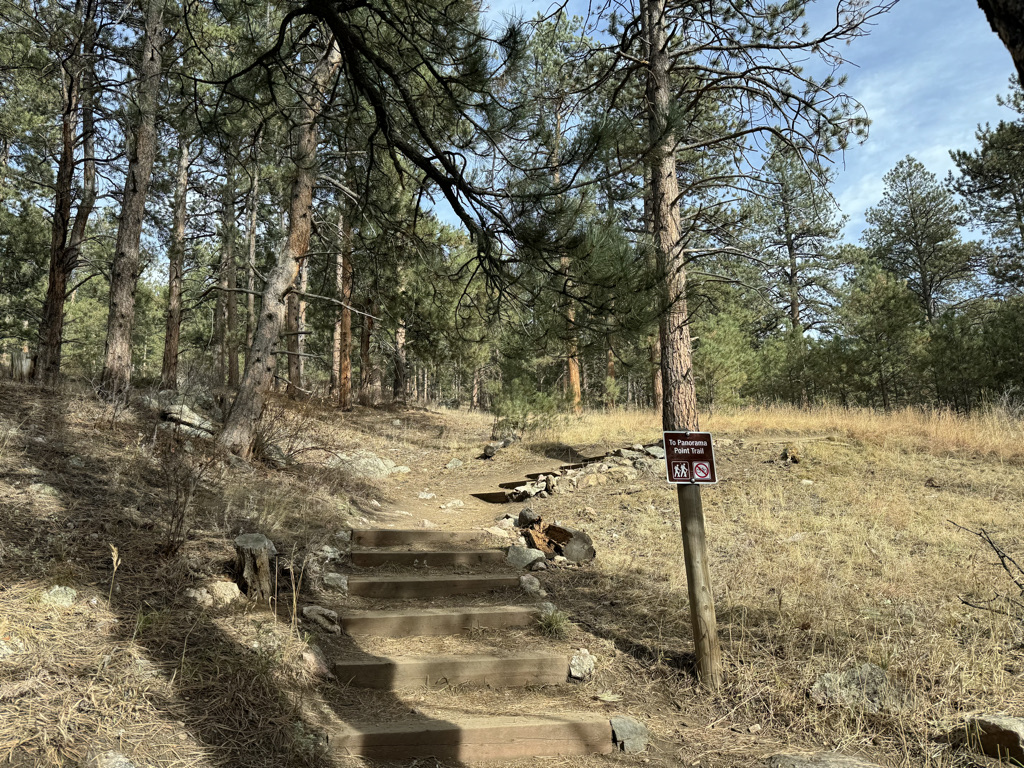
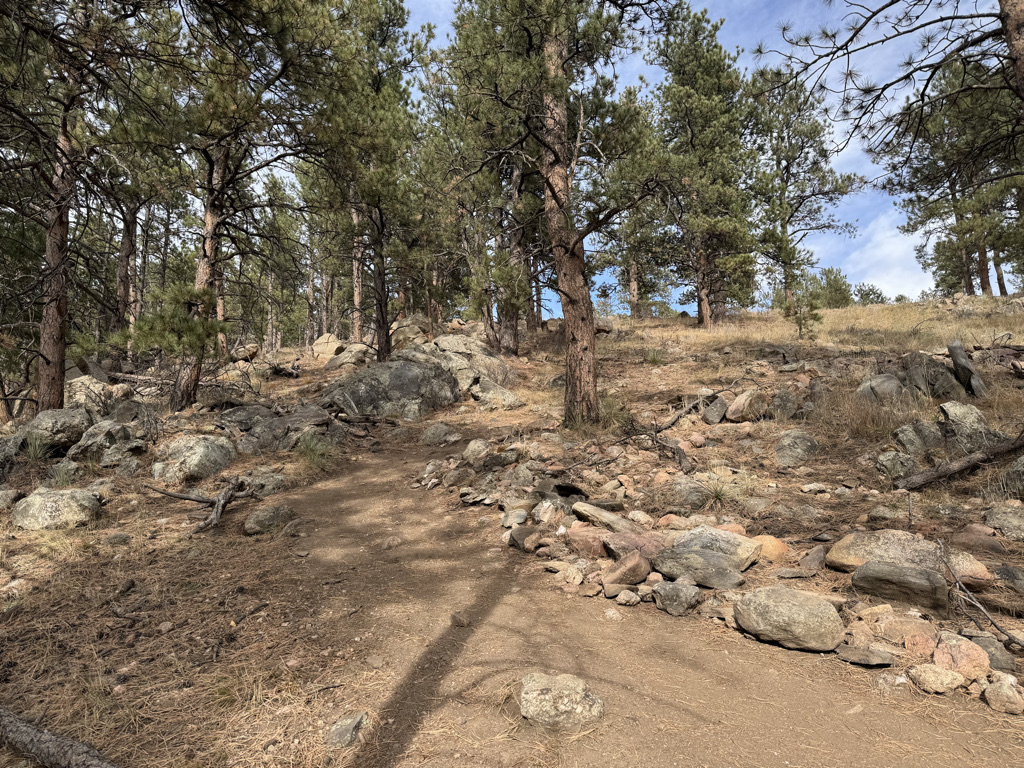
My other 90 minute fall hike was Panorama Point, just outside the small town of Kittridge.

This hike has a round trip distance of just over three miles (≈ 5 km) and an elevation gain of 625 feet (190m). These hiking trails are actually only a few miles apart, so it is not surprising that they feel quite similar.

Panorama Point has an overlook of the town of Evergreen at the top.

So, there are some slight differences, but both hikes take about an hour and a half and are about 45 minutes to drive to from downtown Denver.

This activity address two of the biggest shortcomings of “9-to-5” office jobs. Spending those hours doing work inside, whether it is in an office or remote, can limit one’s exposure to sunlight. Some studies have estimated that well over half of Americans are not getting sufficient vitamin D, which mostly comes from exposure to sunlight. Additionally, most of these jobs are sedentary, involving sitting at a computer all day long, which is certainly not helping with the obesity epidemic.

These 90 minute hikes offer an opportunity to get some sun, exercise, and even be a bit social in the middle of the day on a weekday, particularly in the spring and fall seasons. On hikes like these, there is even the potential to limit the amount of time spent out of contact to under two hours. Eating and working from a nearby restaurant made my time away from my computer, messages, etc. not too much more than a standard lunch hour.

Blackbird Cafe in Kittridge, CO

Of course, not everybody lives in a place with amazing short hikes nearby. The key is to be creative and work with what you do have around you to find habits that help correct the imbalances created by a less than ideal work setup. Hopefully, the time will come sooner rather than later when we’ll determine how a majority of people can be happy, healthy and provide value to the organizations they work for. Until then, I hope you can find your version of the 90 minute hike less than an hour from home.

Small Town Colorado

Travel has the potential to expand one’s point of view beyond the habits, priorities and perspectives that they are typically surrounded by. Visiting another location and being exposed to another culture serves as a reminder that the way things are done in the particular time and place a person lives is not the only way things can be done. However, in order to truly embrace this lesson a traveler must visit a place where they will truly be surrounded by different types of people and actually interact with some of the locals.

A lot of people visit places that are beautiful, but touristy.

Although these trips are fantastic, they usually find themselves surrounded by other tourists.

Many of whom have similar circumstances and outlooks as their own.

Truly getting out there and being exposed to different types of people, with different ways, different priorities, different customs and concerns requires being deliberate, both with respect to where to go and what activities to get involved in. An American could travel all the way to the other side of the world to do something like take an English language tour of the Taj Mahal and not really be outside of their comfort zone.

Luckily, the reverse is also possible. One must not travel far to be in a different place. In big cities like New York, ethnic neighborhoods give people the opportunity to visit a different place right in their hometown.

A state like Colorado gives people the opportunity to visit the other side of the primary cultural and political divide in the United States of America: The urban/ rural divide.

However, this requires going to places like small town churches.

Coffee shops

Or festivals

And talking to people who live that small town life.

Sometimes it even helps to take part in the activities they enjoy.

From an urban standpoint, it is easy to ask questions like…

Who would want to live in a place where the nearest Chipotle is an hour away?

Who would want to live in a town where you go to the same bar every weekend and encounter the same ten people every time?

What do people even do here most of the time?

And of course, the media and many political activists will not hesitate to to exploit those differences. It’s an easy way for them to get ratings, clicks and donations. Perhaps most sinister of them all, if a politician or political party can convince most of their constituents to fear the other, they can count on their support out of fear, disgust or contempt rather than having to actually serve their constituents needs.

Unfortunately, the big loser in this is all of the average person, becoming more isolated, depressed and distrustful of one another.

As is the case with every other cultural divide, on the other side of the urban/rural divide are people who, generally speaking are not all that different. They just live at a different pace.

There are some great ideas here and many take part in activities that are quite healthy from a physical, mental and spiritual point of view. Despite the divide and how its exploited, most people on both sides of it are friendly and accepting.

Travel, like life, has ebbs and flows. Some years offer many travel opportunities with abundant resources to explore exotic places on the other side of the world. Others require the focus to be kept close to home. These times do, however, provide the opportunity to explore what one can learn, see and experience relatively close to where they live.

It would benefit most people to reach across any of these divides. Particularly when a cultural divide is accompanied by a political one, there is a tendency to reduce entire groups of people to caricatures that are often a blatant missrepresentment of who they are. By meeting people and talking to them, it is possible to see who they really are.