Category Archives: sociology

On Wisconsin

After spending a weekend in the Caribbean, I returned to a completely different world than the one I had left.  Prior to my trip, it had been autumn, with the mix of some relatively warm, but also some chillier days that typically marks the middle part of the fall season.  In fact, much of the Western U.S. experienced a warmer than usual October; a pattern which had extended into early November.  As I returned to the mainland United States, a gigantic push of unseasonably frigid air was rapidly descending upon most of the country from Canada.  Between the warmer than normal fall weather I had been experiencing prior to my trip, and the warmth of the Caribbean, I was certainly unprepared for this sudden weather transition, and far from thrilled to be experiencing weather more typical of mid-winter than mid-November.

This frigid weather pattern had firmly established itself by the day of the big game which I had planned to attend; Wisconsin’s home game against the Nebraska Cornhuskers.  And, while I had known that frigid weather was a distinct possibility for a November 15th football game in Wisconsin, I also knew that this would be a critical game, and probably the most ideal weekend for a trip back to Wisconsin to see the Badgers play.

IMG_2860 IMG_2870

While a part of the Midwest, the State of Wisconsin has a culture that is quite unique from all of the states that surround it.

IMG_2855 IMG_2856

While much of the Midwest likes to drink, seemingly more than the rest of the country, Wisconsin takes it to a whole different level, often being reported as the #1 state for “binge drinking”.  During my time living in the Midwest, I observed drinking in the state of Wisconsin at a larger subset of all occasions, and in larger quantities than anywhere else.  In fact, recently Wisconsin Public Radio did an entire series addressing the alcohol culture in Wisconsin.

Another tradition in which Wisconsin takes quite seriously is the Friday Fish Fry.  The extent in which this tradition is observed here highlights Wisconsin’s Catholic and Lutheran heritage, as well as the obsession with fishing here.  Like the consumptions of beer, cheese, and encased meats, the Friday Fish Fry is fairly common in other Midwestern states, but taken to a new obsessive level in Wisconsin.

IMG_2859 IMG_2862

One other thing Wisconsin knows how to do is tailgate.  In downtown Madison, in the vicinity of Camp Randall Stadium, nearly every parking lot with available space is filled with people drinking, grilling, and playing games in preparation for the game.  The tailgating experience here is somewhat different than in most places.  Tailgating at most stadiums generally involves parking in the stadium’s parking lot a few hours prior to the game; with people bringing their coolers, grills, food, and games out of their vehicles.

This past weekend, although we arrived downtown nearly four hours prior to game time, we were forced to park roughly a mile away from the stadium (as well as the tailgate).  At the tailgates here, there is a much higher ratio of people to cars than is typical.  It seemed like only the organizers of the tailgate, who likely arrived quite early in the morning, had vehicles in the lot, with the rest of the lot’s space available for people, tents, games, and a significant number of port-a-pottys to accommodate the excessive drinking that takes place at these events.

I attended a tailgate that I can only be described as “professional tailgating”.  It included a several table long buffet of food, tables for games, a television showing other games in the Big 10 conference, a sound system with multiple speakers, and even a heated lamp!  The organizers even brought in their own port-a-potty and handed out pieces of orange tape to attendees to ensure that those coming from outside their tent did not use it.  I was quite amazed!

IMG_2863 IMG_2866

Despite the chill, it felt good to be back at Camp Randall Stadium, a place where I had watched dozens of Wisconsin football games while attending the University.  Despite many of the changes that have occurred over the years, the stadium itself, and the experience of attending the games, was practically the same as it was back then.  Although, we did not do the crazy set of “waves” (standard, slow, fast, reverse, and then split) that I had recalled.  Well, maybe I just don’t remember it.

The game actually turned out to be a bit of a blowout, with Wisconsin winning 59-24.  Our running back Melvin Gordon set the all-time single game rushing record at 408 yards, and it began to snow halfway through the 3rd Quarter.

IMG_2869

Despite this, we did not leave the game early.  And not too many people did.  Maybe some Nebraska fans did.  But, it is something that Wisconsin fans do not really do.  Surprisingly, my buzz (from the tailgating) did not ware off despite not drinking at all during the game.

Like so many evenings I remember in Madison, the evening involved multiple bars and lasted until bar time … or some time around that.  Just as I remembered, the drinks here are made quite strong!  In fact, even at the places that I had previously thought of as making “weak” drinks, the drinks felt quite strong compared to what I had now become used to.

It was my third consecutive weekend of partying hard.  First, over Halloween, I threw a party at my place.  I was in a setting that consisted of a fairly large number of people, nearly all of whom I was already quite familiar with.  The following weekend, at Saint John Island, I was around almost all people I had not previously met.  This past weekend, I attended the game with a group of six people (including myself), only one of whom I had not met before.  However, out at the bars on State Street, I interacted with a significant number of complete strangers.

The past three weekends I had been in three different settings, both geographically and socially.  I managed to have a great time and be what I consider the best version of me.  It is the version of me that I become when I do not let the anxiety that comes from various life events and situations to get the best of me.  It is the me that is energetic, enthusiastic, confident, and welcoming to all around me.  It is the version of me that seems to make others around me happy, and the way I am when I am having the best times of my life.  It is this version of me that I wish I could be at all times.

Unfortunately, there are times when I do not live up to this standard.  As, sometimes I let some kind of anxiety, frustration, or insecurity prevent me from truly enjoying myself.  Having avoided these pitfalls in three different settings gives me hope that I have overcome some of these anxieties, insecurities, and frustrations.  However, I have no way of being certain of what the future holds.  At this time, all I can do is be happy that I have had the opportunity to have been the places I have been over the past few weeks, and hope for the best for those around me.
Swing State USA 2014: The Current State of Colorado

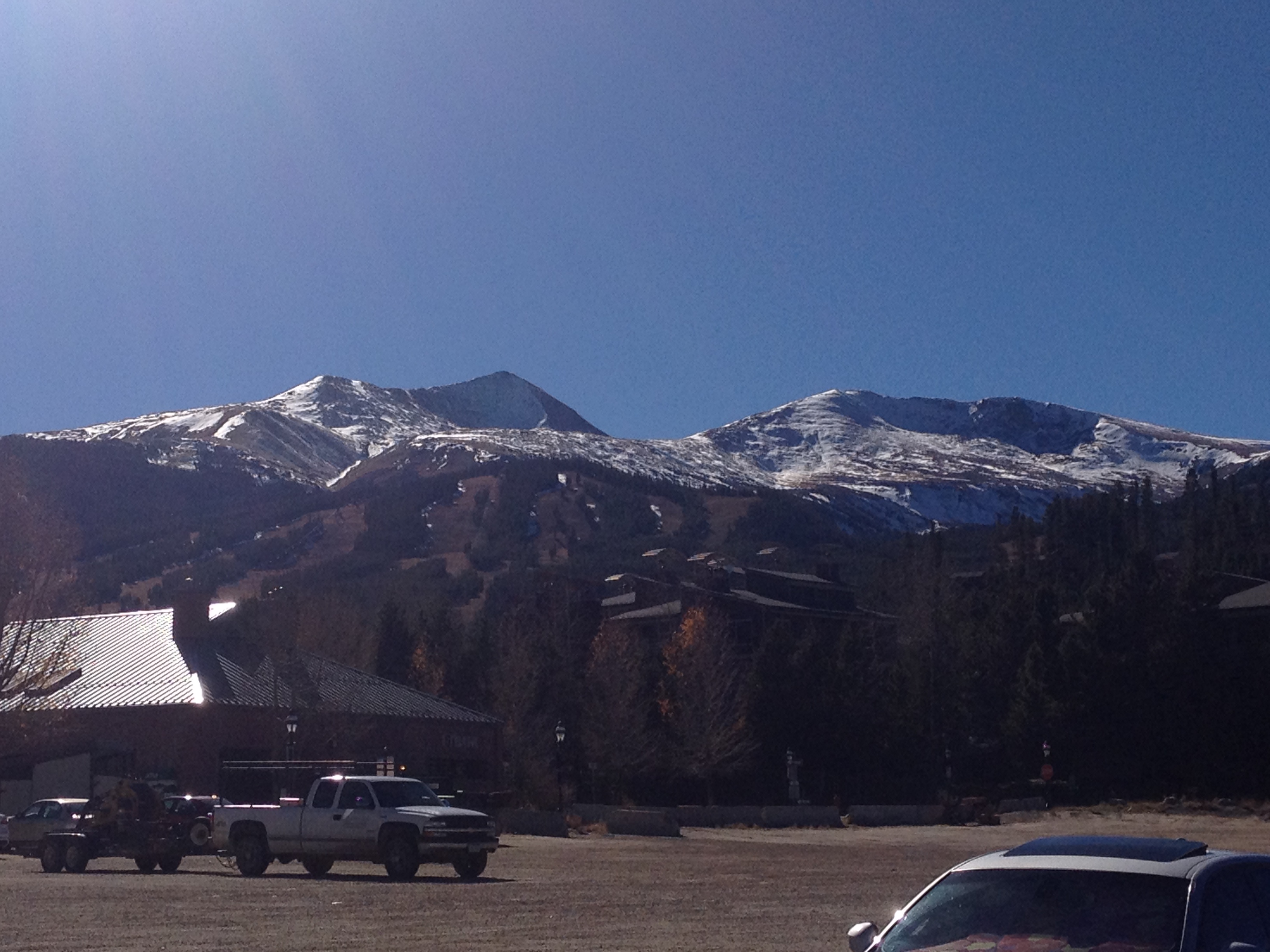
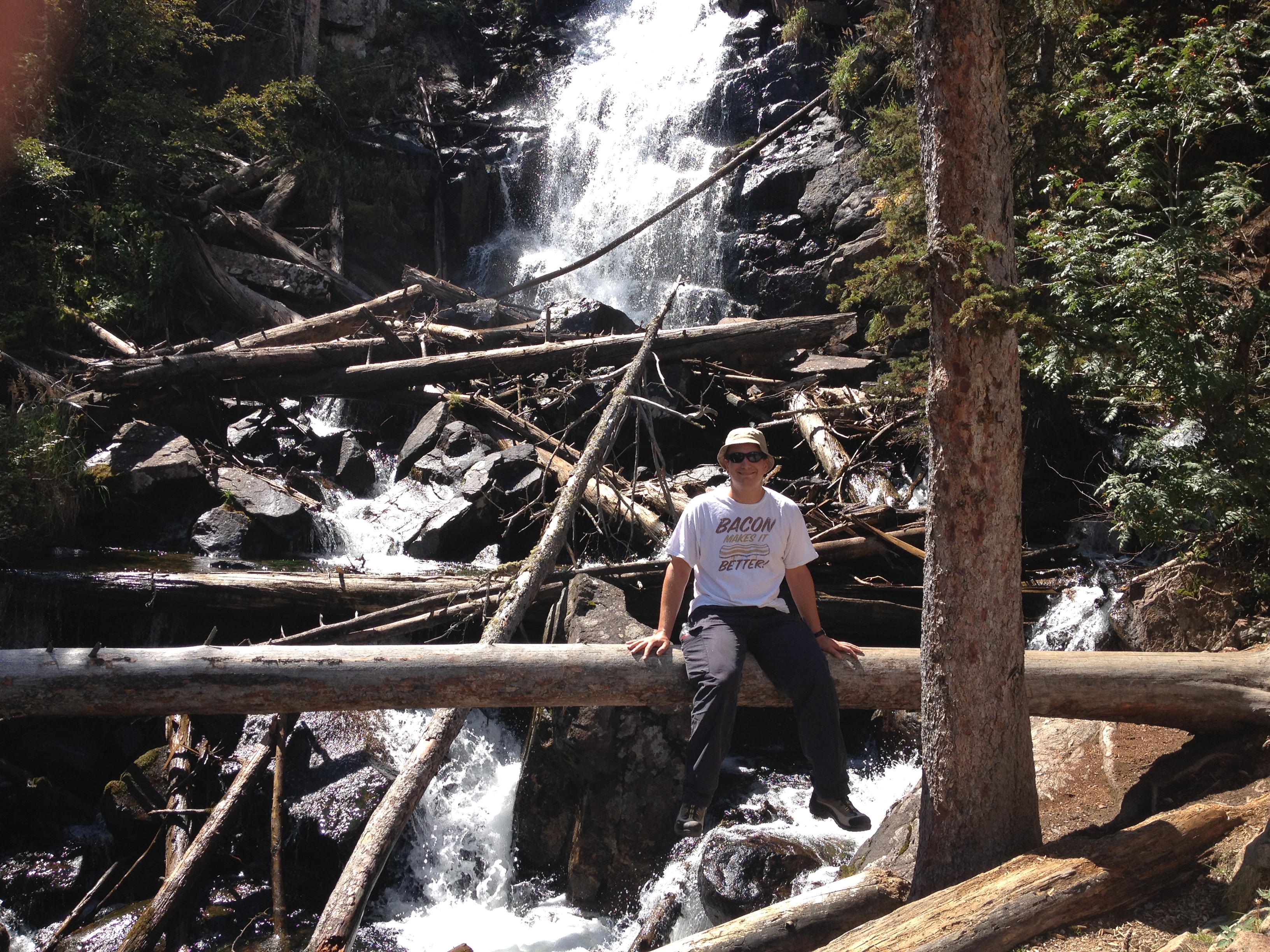
IMG_2733 IMG_2741

What is the current state of your location?  What are the trends?  What do people like to do?  What makes your particular location unique?  What are people talking about?  What are people concerned about?  What are the hopes and fears for the future?

These are amongst the questions often answered through travel.  Sometimes, even when a traveler has nothing of this nature on his or her mind, answers to questions like these present themselves.  This is why I have thoroughly enjoyed all of the travel related shows hosted by Anthony Bourdain.  In each and every show he has been involved in, he travels to various locations with the simple goal of getting a comprehensive sample of a particular region’s food.  However, in nearly every show, he strikes up conversations with people local to the area, and learns quite a lot about their culture, history, and expectations.

IMG_2558 IMG_2720

Colorado has been on a lot of people’s minds lately.  Most surveys rank it one of the top 5 (or at the very least in the top 10) fastest growing states in the country.  Most of this population growth has come from migration of people from elsewhere in the country.

Colorado has also drawn significant national attention for a variety of reasons this year.  Recently, football fans at Sports Authority Field got to witness quarterback Peyton Manning break the all time record for career touchdowns.  This year, Colorado became the first state in the nation legalize the sale of recreational marijuana.  And, the city of Denver was recently ranked the 4th most influential city in the country, according to a survey of mayors.

With this being the autumn of an election year, and Colorado being a closely contested state (a “swing state”), much of the recent national media attention has turned to Colorado, and our two closely contested elections.  As the story goes, in two weeks, two very important elections are about to take place; one that will determine the direction the State of Colorado takes in the coming years (Gubernatorial), and one that may determine the direction the whole nation takes in the coming years (Senatorial).

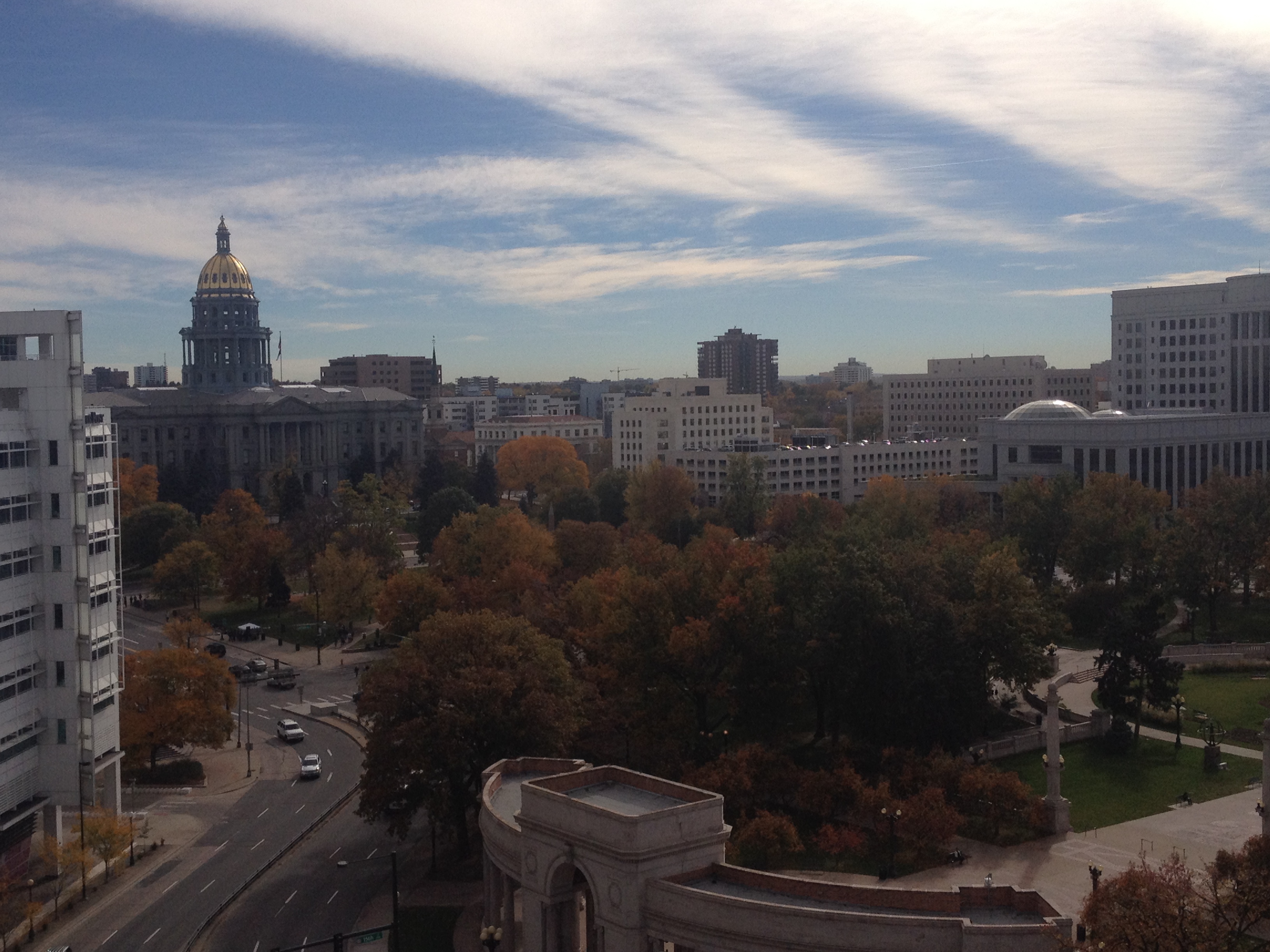
Living in the Capitol City of such as state, one would expect these two important contests, and the political implications of them to garner a significant amount of intensity and enthusiasm.  However, if I had a dollar for every time someone asked me who I was planning to vote for in either election, I would be not a cent richer than I currently am.  By contrast, if I had a dollar for every time I was inquired about the other all important state question, whether I was getting the Epic Pass or the Rocky Mountain Super Pass, I would probably accumulate enough money for an amazing night out.

While this could be just the people I happened to associate with here in Colorado, or the types of conversations I tend to pursue, a walk through my neighborhood reveals significantly less yard signs than in most election years.

Baker_Denver_Oct2014

What I do see throughout my neighborhood, as well as most areas nearby, including downtown, are fliers like this one everywhere, sometimes multiple fliers per block, attempting to get people to inquire about campaign jobs for the coming election.

IMG_2714

Nearly every one of them appears exactly as this one does ,with close to all of the tabs underneath the flier remaining un-pulled.  In fact, this past Wednesday evening, after a networking event, I returned to my bicycle to find a similar flier had been wedged into my brake lever; something I had never expected to see, but also something that demonstrates to me campaigns are actually having a hard time getting some of these paid positions filled.

All of this tells me that Coloradans have other things on their mind.

IMG_2732

There is a significant of excitement around the Denver Broncos, by far Colorado’s most cherished sports team.

IMG_2745 IMG_2740

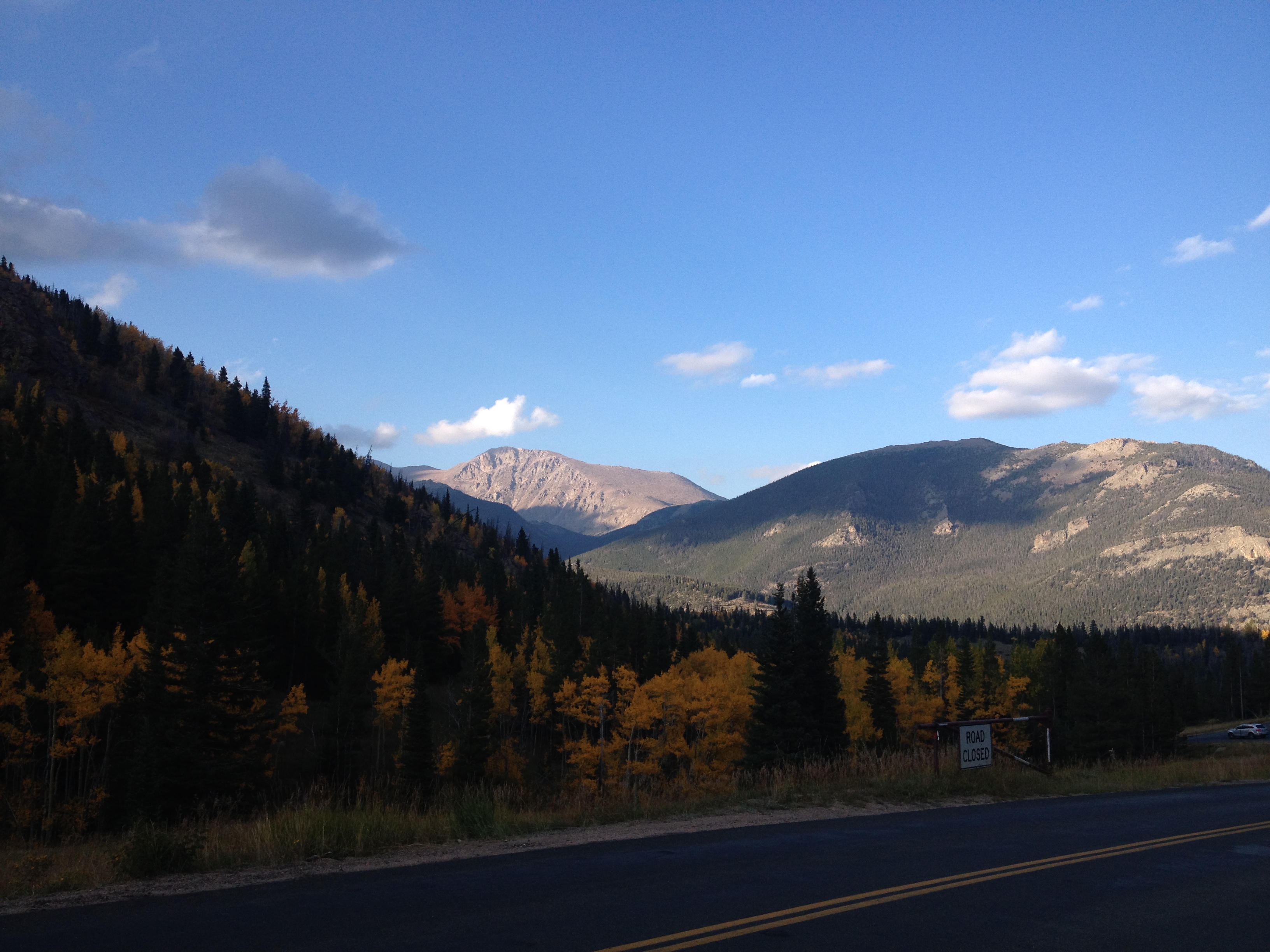
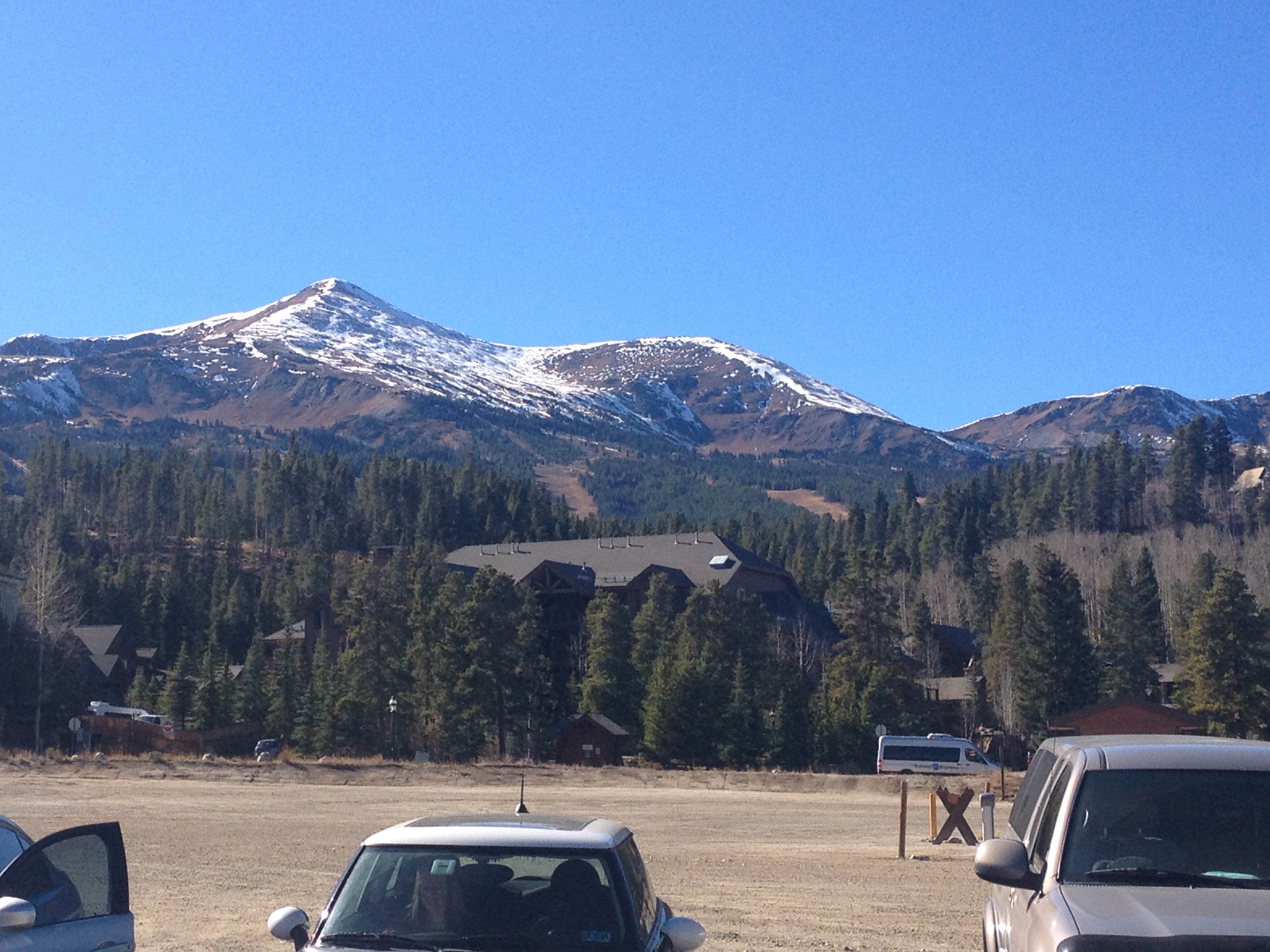
And, while this October has featured some beautiful weather, and some amazing fall colors that are atypical of this areas, many are concerned that this may delay the opening of ski season.  Most of the ski trails remain snow-free.

And, of course, people are quite divided regarding the rapid growth of the region.  Some cherish the opportunity to become the next significant and influential mega-region, with all of the privileges and responsibilities that it brings, while others lament the changes that are making the place significantly different than it was just a mere half a decade ago.

So, which is it?  Is Colorado, with its high density of start-ups, leadership in the craft brewing movement, and unique way of life, the place where trail-blazers grab the bull by the horn and reshape the world?

IMG_2730

Or is it still a place largely isolated from the population centers and mega regions, where people go to explore the world on their own, and escape as many outside influences as possible?

IMG_0034

Or, more importantly for the future, can we find a way to be both?


Welcome to Fall

IMG_2656

Although the weather in many places in the country is still quite warm, the fall season is upon us.  Along with it comes all of the things associated with fall; shorter days, football games, all sorts of stuff made out of pumpkin, and, of course the fall colors.

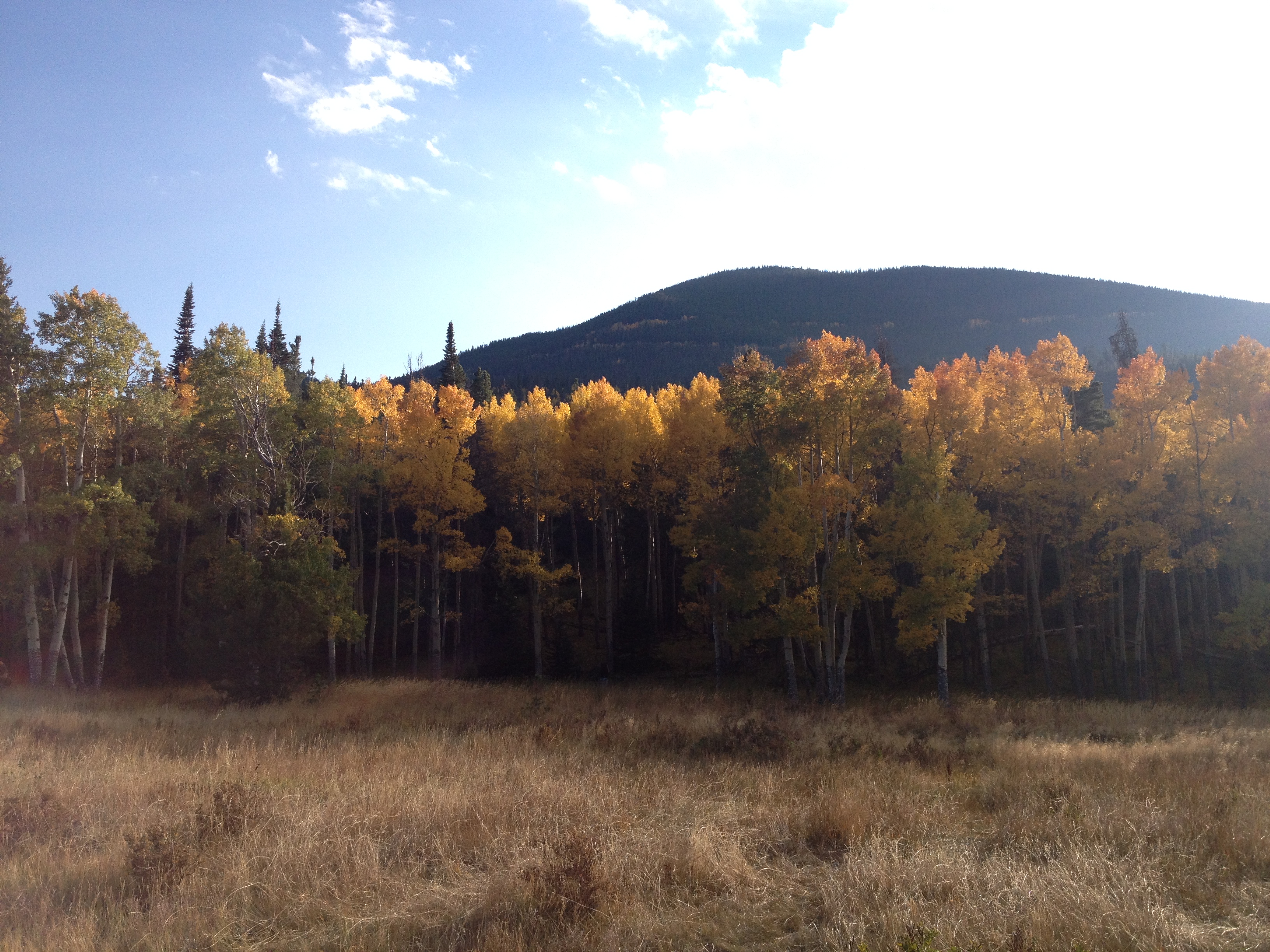
For many, fall’s best feature is the colors that arrive as some species of trees make the necessary preparations for the coming winter season.  The Aspen trees at higher elevations in the Rocky Mountains are amongst the first to change colors.  In fact, at elevations near 10,000′, fall colors can even arrive towards the beginning of September.  In the Eastern States, colors will only begin to appear at the end of September in places like Northern Minnesota and the higher terrain in New England.  Most places will see their peak colors in October or Early November.

To view some of these Aspen trees, I headed to Rocky Mountain National Park, which actually has more of these trees than I had previously remembered seeing.  Of course, I had never been there during the fall before today, and probably did not pay enough attention to the tree types on my summer trips.  Like most places in Colorado, there are still more pine trees (and other “evergreen” varieties) than Aspens.  But, there are enough to make large patches of yellow and orange stand out while viewing the park.

IMG_2660 IMG_2664

Also, the colors themselves appeared more vivid here than they did in the places I had previously gone to view fall colors in Colorado.  I found out that this is one of the most popular places in Colorado for viewing fall colors.  This weekend, Estes Park is holding their annual Autumn Gold Festival, indicating that this is indeed the best time of year to search for fall colors in Rocky Mountain National Park.

IMG_2661 IMG_2665

The arrival of these fall colors, of course, indicates the changing of the seasons.  They remind us (just in case the football and pumpkin flavored everything is not enough) of the transition that is currently occurring, and, of course, of the winter that lies ahead.  They also remind us of the cyclical nature of most things on this planet.  And, they also remind us that all things on this planet, whether they be as periodic and predictable as an ocean tide, or as complicated as the global economy, undergo periodic transformations.

Those among us currently experiencing a rough period can look to the colors on the trees, and take solace in the fact that nothing is permanent, including situation they are currently in.  Just as the season must change, and just as periods of war and peace are inevitable, one’s current situation will eventually transform too, for better or worse.  And, at some point, regardless of how any particular person feels about their life’s situation, it will come time to move on to the next phase, or the next “chapter” of their life.  We did not chose to enter fall- fall just started.  I am sure there are some that would gladly stay in summer for a few more months.

Alongside, each individual’s periodic transformations, society as a whole also undergoes periodic transformations, which often end up intertwined with each person’s individual story.  Here in the United States, the 1950s-1970s was a time of great transition in which our society became more inclusive and individualistic.  More recently, the proliferation of the internet and later social media transformed the way we communicate.

Of course, with every transition, there is some level of predictability, but also some level of uncertainty with regards to the eventual outcome.  Will the coming winter be bitterly cold, or mild?  How much snow will we get?  Will it be a good ski season?

What can I expect from my new job?  Will my marriage work?  Will I like the city I chose to move to?

And, of course, the European philosophers that ignited the Age of Enlightenment had no clue that these ideas would lead to a series of revolutions amongst their colonized land in the “New World”.  Nor did the global political and economic community know what was to come of these newly established countries until several decades into their existence.

I believe our society is currently undergoing a transition, partly in response to the recent economic collapse, but also partly in response to some of the shortcomings of our current societal structure.  Maybe the internet and social media transformation has yet to be completed, and we are still working out how our society is going to incorporate all of these new innovations.  In-person interaction was somewhat degraded by the proliferation of social media and smart phones, and there is much talk about periodically “unplugging” from technology.  The cause of, and lessons to be taken from, the financial collapse is still very much under debate.  But, with the increased competition for both jobs and business, many are taking aim at one of the most destructive aspects of early 21st Century culture; the demand for instant gratification.  As is the case with any other transition, there is a lot of uncertainty, and what our society will look like in 10 years is anyone’s guess.  But, I am cautiously optimistic about these developments.

IMG_2658

For those unable to get up to their favorite fall color viewing spot this weekend, there is still time.  While many trees have already changed colors, there are some that have yet to “turn”.  Those who make it up to Rocky Mountain National Park over the next couple of weeks will still be able to enjoy some fall colors.

Places of Questionable Significance

IMG_2460

In 1983, an incredibly drunk Ozzy Osborne made the mistake of deciding to relieve himself on the Alamo, a building of historical significance.  He was arrested (Isn’t public urination usually just a ticket?), and scorned by many, primarily due to the fact that the Alamo is an important symbol of pride amongst Texans.  However, to Ozzy, a British rock star, the building probably did not mean too terribly much.  While a sober Ozzy (if that existed in 1983) would probably have realized the building is significant due to the presence of tourists, he probably would not have felt the same affinity or pride when standing in front of the Alamo.

With the exception of a few wide eyed hippies that believe that every place is significant, and a few hard core cynics, that fail to see the significance in any place (or anything), the significance of most places is dependent on the person and the culture.  There is no better of an example of a place like this than Four Corners, U.S.A.

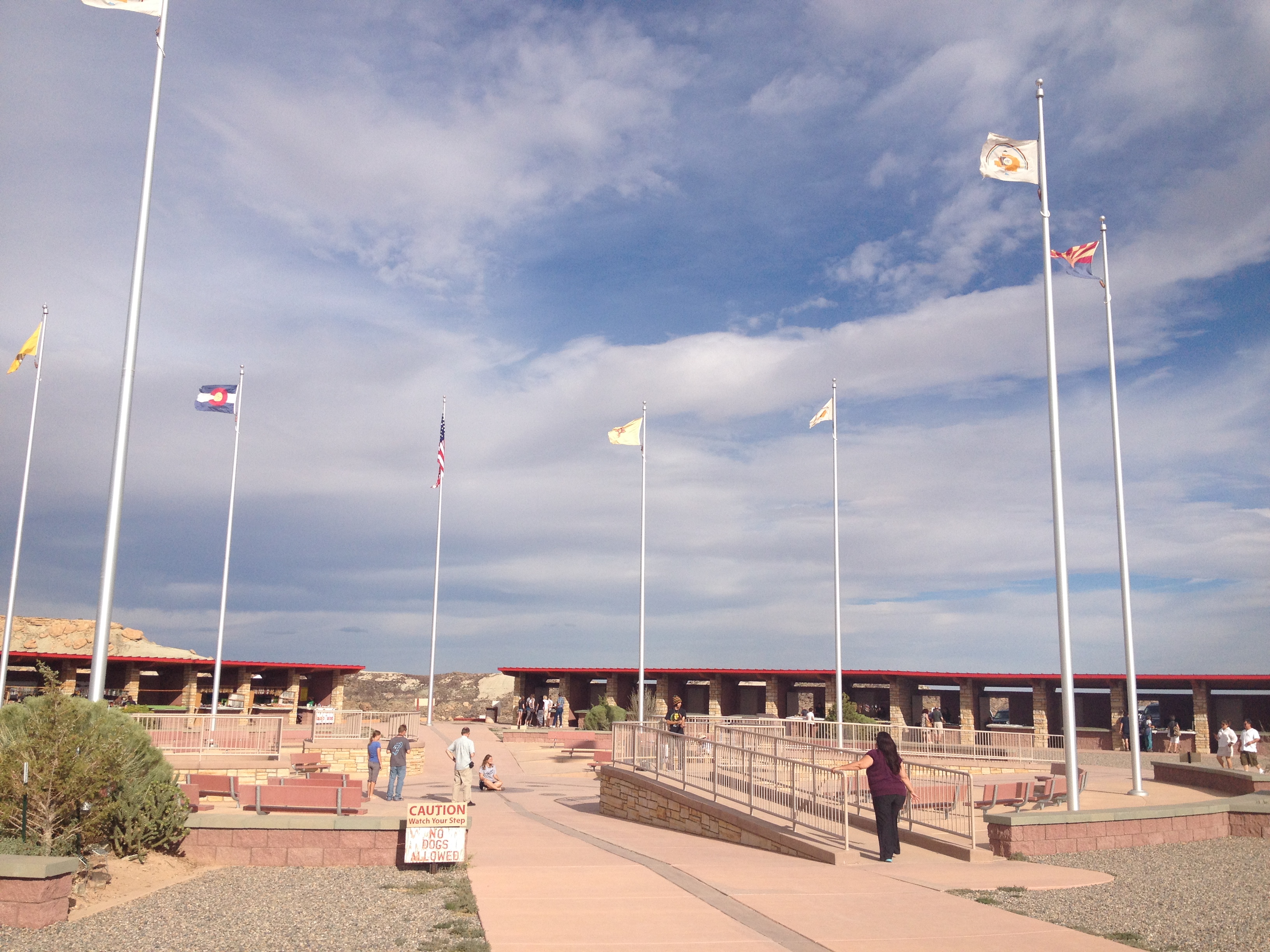
Four Corners is unique due to the fact that it is the only place in the United States where four states all border one another.  If one wanted to stand in five different states at one time, it would not be possible.  If one wanted to stand in four different states at once, there is only one place where it can be done; Four Corners Monument.

IMG_2455 IMG_2456

The primary reason people visit this particular monument is to take silly pictures like this one.  Assuming the location of the four-state border is correctly marked (some question that is in the right place), in this picture I am in four states at once.

IMG_2462 IMG_2468

However, in the absence of state borders, this particular spot would really actually be quite insignificant.  There is no natural demarcation point, or significant change in scenery.  Even on the Colorado side, the wide open landscape, periodic mesas, and sagebrush screams Arizona much more than Colorado.  This Arizona-like feel persists for over thirty miles into Colorado until the San Juan Mountains start to show up on the horizon somewhere east of Cortez.

IMG_2457

The significance of this place is further muddled by the fact that this point is not the border of four different jurisdictions.  The monument is actually on an Indian Reservation.  Thus, you do not even get the standard differences in policies and sales tax that usually accompany state borders.  An equal number of souvenir stands exists on all four sides of the monument.  I am not sure whether or not marijuana is legal on this particular reservation, but the policy is the same on all sides.  I did not observe all of the pot heads clustered in the Colorado quadrant of this monument.

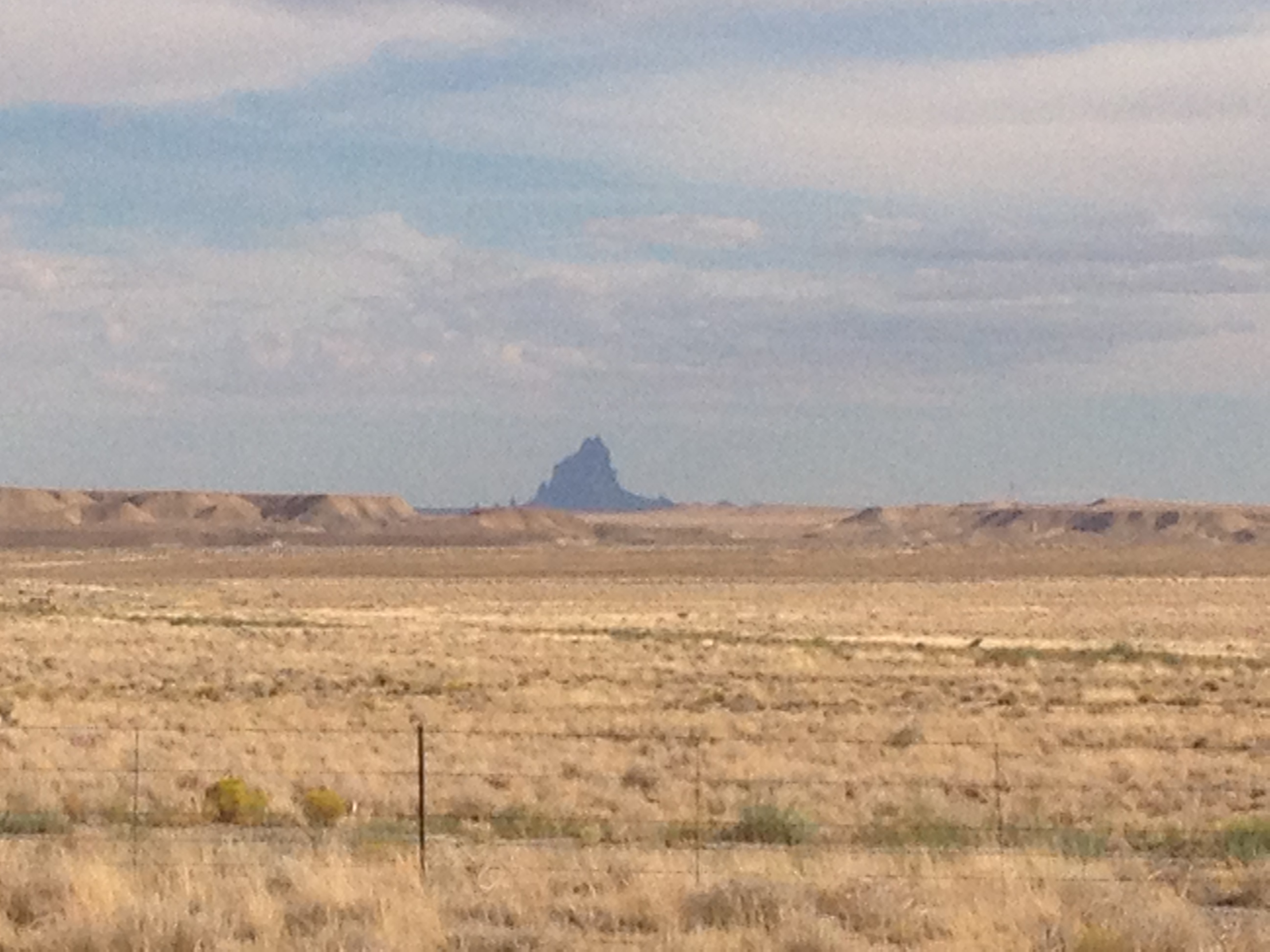
In the absence of state borders (and people obsessed with exact points of latitude and longitude), the most significant site in this region is a rock formation a dozen or so miles away called Shiprock, which has cultural and religious significance to the Navajo people who have inhabited the region since well before the Spanish arrived.

IMG_2467

From a completely neutral standpoint, the rock formation definitely seems to stand out way more than any other feature in the area, which is mainly small mesas and creeks.  But that does not mean the wide open space where the monument should lack significance to all people.

For most likely a variety of neurological, sociological, and historical reasons, Western Culture associates wide open spaces like this one with freedom.  It’s the wild.  It’s the untamed.  It’s the place where you can yell as loud as you want, shoot any kind of weapon you want, and start a fight without anyone to break it up.  There is nobody to tell you where you can (and can’t) hike, climb, tie a rope to an arch or mesa to swing from it, or even try to catapult small rodents.  It’s the last refuge of people seeking to escape every single one of society’s restrictions and limitations.

But the one set of regulations that one can really never escape is the ones that exist only inside their own heads.  I often refer to these as the “invisible chain”.  And by this, I am referring to all of the anxiety, fear, and self-consciousness that often stop us from doing what we feel we should be doing.  It stops us from telling people what we really think.  It stops us from talking to that interesting and attractive stranger on the train.  It stops us from dancing when fun music comes on.  In some ways, it stops us from living.  And, millions of Americans are in the process of destroying their livers trying to reclaim it.  In these pictures of the free, wild, and untamed west, there are typically very few people, or buildings to indicate the presence of people.  There is nobody to judge you, and nobody to make you feel self-conscious about what you chose to wear, say, and do.  The fact that this is where we go to seek freedom indicates where we, as a people, believe most of our restrictions come from.

Therefore, if one could overcome this “invisible chain”, the restrictions placed upon us would be limited only to those officially legislated by some kind of governing body and effectively enforced by law enforcement personnel.  The few lucky individuals that manage this are able to find this greater level of freedom in places like London, Hong Kong, or New York City; places that provide the interaction with other human being that we all crave.

We often see the desire for community and human interaction as pulling us in one direction, while the desire for freedom and individuality pulling us in the opposite direction.  As an extrovert, I often struggle with the fear that asserting my individuality and refusing to conform, will cost me in the social realm.  Reflecting upon all of this in the wide open spaces of the desert southwest, I re-realized that being an individual and reducing that fear actually helps in the social realm.  Negative responses from those that fear non-conformity are more than outweighed by positive responses by those that appreciate authenticity and variety in nearly all circumstances.  The key is to understand that we all have freedom of choice, and not to allow any of the hate to translate into hatred towards others.  This applies even the people that have ridiculed me and caused me hurt.  They have the freedom say what they want.  The only way to truly overcome that ridicule is not to ridicule them back, or “defeat” them in an argument.  It is to not be affected by that ridicule and continue to be the way you are despite anything they say.

This is one of several lessons, I re-learned on this trip.  These re-realizations make this place significant to me, even if the official reason for the significance of any of these places is questionable.  Everyone has a different experience here, and it is completely understandable for someone to come to Four Corners, find out it is on a reservation, buy nothing at the souvenir stands, and leave seeing the place as pointless.  For me, however, this is where I got my mind off some of life’s frustrations, and got back on the path to becoming a better person.

Chicago- Still My City

IMG_1444

Based on many of the criteria people tend to look at when determining their ideal location, Chicago would not be an ideal place for me. The winters are too cold, and extended periods of consistent cold are frequent. It’s not too uncommon for 2-3 weeks to go by without temperatures rising above freezing. There are also very few good places for outdoor activities near Chicago. Most of the area within a four hour drive of Chicago is flat farmland. The few interesting places in the area, like Starved Rock and the Wisconsin Dells, end up being quite crowded on nice weekend days. Finally, Chicago seems to not only tolerate, but sometimes celebrate its’ corrupt politics. Alderman go to jail on a regular basis, and so do governors. This culture has lead to an offensively high sales tax. When people asked me why Illinois seems obsessed with Abraham Lincoln, I would often joke about the state having to honor its’ last non-corrupt politician.

Preferences on these kinds of issues are amongst the most common questions asked in your standard online “what city is right for you” quiz. Had I decided on where to live based on these online quizes, I probably would have never even considered living in Chicago. But, I really did enjoy my time here. So, as I visited Chicago and saw my friends and such this past weekend, I thought about what it is about Chicago that I really enjoyed, and what keeps people moving here.

One thing I certainly learned is that one’s impression of a place is dependent not only on how good of a fit that place is for them, but also on circumstances. It is quite possible for someone to move to a place that seems ideal for them, but be in a bad situation (bad job, bad economy, bad relationship), and end up with a negative impression. Likewise, some of the flaws a location may have could be overlooked or tolerated by someone who has really satisfying situation. For most of my four years in Chicago, I enjoyed a good job, a functional relationship, and a really great social situation. All of this made that additional sales tax, the cold week in February, and having to drive three hours for a decent hike feel like less of an annoyance.

I also learned that sometimes there are other factors that have a major impact on one’s satisfaction in their hometown that is not considered when choosing a place to relocate to, and also not considered in your standard “what city is right for you” quiz. For example, Chicago has a great energy to it. I really did fit well in the pace of life here; fast, but maybe not quite as fast as the east coast. There are tons of different neighborhoods, with different vibes, allowing people to have a lot of different kinds of experiences on a day-to-day basis without traveling far. Many different kinds of people can find a place that suits them all within Chicago’s city limits. Chicago also has one of the best food scenes in the country, with regionally distinct food that ranges from the traditionally “blue collar” Chicago-style hot dog and italian beef sandwiches to fancy restaurants like Alinea and Girl and Goat.

If I take a step back, and look at a more high-level overview of the situation, I think the main lesion to be taken away is that some situations that sound less than ideal deserve a chance. Because, well, you never know what you will discover and come to love about them. This applied to me in the city of Chicago, but could also apply to a job, a relationship, or involvement in some other kind of organization. When deciding where to live, who to date, what job to take, etc. we often think about, at most 5-10 factors, while our satisfaction with the situation can be even more dependent on factors we typically fail to consider. I did not expect to find the vibrant social scene that I found at the job I had in Chicago, and I hear many people discuss aspects of their significant others that they had originally overlooked, but have come to really enjoy.

For the last couple of decades, Chicago’s population has been somewhat balanced by an influx of people from elsewhere in the midwest that counteracts a loss of people to the south and southwest. Michigan and Ohio seem to produce the most Chicago transplants, as their economies have been weak the last couple of decades. I actually recall a time when I felt like I was unable to go more than a week without somehow setting foot in a Michigan State bar. This has changed the nature of the city significantly, with many neighborhoods on the north and northwest sides gentrifying, and some traditional middle class neighborhoods elsewhere in the city emptying out.

There is not shortage of debate online regarding Chicago’s future. One can find particularly intense debates on websites such as city-data and the urbanophile. Here I have read all kinds of opinions, ranging from imminent decline to Chicago becoming the next world class city. On one hand, there does appear to be a danger that Chicago could experience a decline if the influx of people from other midwestern states, particularly Michigan and Ohio were to dry up, as those states are beginning to show signs of life. However, I find it hard to believe that the young professional community would stop particularly seeking out Chicago for what it has to offer with regards to jobs and lifestyle. Not only does Chicago offer nearly all that New York offers at a fraction of the price, but it also offers a nice compromise with regards to pace of life and work intensity. In New York, work-life is quite stressful, and people end up working extra hours. The West Coast is very casual, and slower in pace. Chicago offers a nice compromise between the two. I have heard a lot of people in Chicago tell me that New York would be “too much” for them. Many of these people could be either frustrated, or unable to find their ideal job in a smaller city. If one can think of of place as offering a specific product, there is still a demand out there for the “product” that Chicago is offering. In that sense, Chicago’s main danger in the future would be another city (perhaps Minneapolis, Denver, or even Omaha) offering that same product at a lower cost.

My Fall Road Trip


One Hundred Years ago, it was common for people to live most or all of their lives in one place.  People’s ties would remain with one community throughout their lives.  For a typical American one hundred years ago, this all but guaranteed that certain people would remain in each other’s lives throughout its course.


All that changed as society became more mobile.  While there are still some people out there that remain in their community or metropolitan area of origin throughout their lives, it has also become quite common for people to move to different regions as their lives progress.  This makes each of life’s new chapters increasingly involve new places, new people, or both.  In early 21st century society, even those that are committed to one place for life will experience significant flux with regards to the people they encounter and interact with on a day-to-day basis.


As one’s life turns from one chapter to another, it is all too easy for anyone to lose touch with the people that had grown important to them in any of their lives’ previous chapters.  Life’s new chapter demands attention, and it is a bad idea to constantly live in the past.  It also suddenly requires significantly more effort to remain in touch with people, especially if the next chapter of your life involves a move to another city/region. However, I definitely believe it is worthwhile to keep in touch.  Many people have told me that I am good at keeping in touch with people.  I believe this only to be true for early 21st century standards.  Overall, I still think I could do a much better job of this.

One problem is that our society is still in a restructuring phase.  We are restructuring our communities around increasing mobility, new forms of communication, and our society’s changing needs.  We now have websites like Facebook that help us keep in touch.  But, while Facebook helps us track each other’s lives from remote locations, it is no true substitute for having actual experiences with one another.

RoadTrip_Oct2013

This is why I decided to take some spare time I have to go on a major fall road trip.  My itinerary is summarized above, but there will probably be more to it than what is presented on this map.  My idea behind this trip is to see some people that have been, and still are, important to me, but also develop some new experiences.

With a total of two weeks worth of time, I will not be able to make it to all of the places I would like to, and see all of the people I would like to.  But, I still think I came up with a plan that will allow me to reconnect with a significant number of people with whom I would like to remain connected with, without being too hurried to actually enjoy the experiences.  I have a plan, but I am ready to adjust, and there is some extra time built in.  It is a balanced road trip, a mix of the familiar and the new, a mix of the urban and the wilderness, and a blend of efficiency and flexibility.