Monthly Archives: November 2020

Thanksgiving 2020

I’m tired.

I’m tired of this pandemic. I’m tired of not being able to do many of the things I love doing. I can’t be social and go to many of the places and events I love going to. It hurts to consistently walk away from the people I see in the streets. I miss the small amount of joy I get trading smiles with a stranger.

I’m tired of not being able to travel and experience the world.

I’m tired of spending time alone, but I am also tired of always doing everything over video chat. It’s not the same as being face to face in front of people. I’m just tired of being alone in front of a screen.

I’m tired of everyone, near and far, whose actions made it so this virus would spread and continues to threaten us. But, I am also beyond tired of hearing people complain about people who are not following mask and social distance recommendations.

I’m tired of the expectation that all things begin with a search on a computer or smart phone screen. Want to learn how to do something? In 2020, it always starts with a Google (or DuckDuckGo if you’re privacy inclined) search, not asking a friend or neighbor what they know.

I’m tired of loneliness. I am tired of lack of community.

I’m tired of this extremely divisive political culture and the fact that discussions that do not initially or inherently have to do with politics turn into political discussions.

I’m tired of big data. I’m tired of work environments that treat human beings as resources and encourage us to behave more like machines.

I’m tired of discussions about anything to do with the home. I’m especially tired of the jokes and memes about things like vacationing to the basement, attic or kitchen. All it does is remind me of the 748,291 places I wish I were traveling to.

I’m tired of hearing the same cultural topics discussed, in the same way, from the same point of view. I’m even more tired of those who cannot appreciate that some people are focused on different problems or coming at our current ones from a different perspective.

I’m tired of who I feel like I have become over the past several months. I’m just…well…tired.
Yet, no matter how annoyed I get, I need to understand that most of the things I am tired of are just coping mechanisms. These are some unprecedented times.

Different people have different methods of dealing with things. Some like to try to be optimistic. Some like to try to make changes. Some like to shift their focus to something else. Some need to vent. Others turn to humor. Some still try to use it as an opportunity to get things done, grow personally or take part in other activities they enjoy.

As much as many people’s coping mechanisms have been getting on my nerves, I am sure plenty of people are tired of my coping mechanisms. I’m sure people are sick of hearing me talk about self-improvement, or my speculation about a better future age, where our work culture, institutions and cultural expectations have sufficiently updated themselves to create a happier existence.

This article was written shortly after the pandemic hit and is likely still true today. It is an aspect of our culture that has been especially slow to change.

Thanksgiving is an underrated and important holiday because it is all about gratitude. Like the first half of this blog, many of us spend far too much time focusing on what is wrong, what we don’t have, and what we don’t like about our situation and surroundings. However, many people have found that keeping a gratitude journal or regularly expressing gratitude has improved their lives and their outlook.

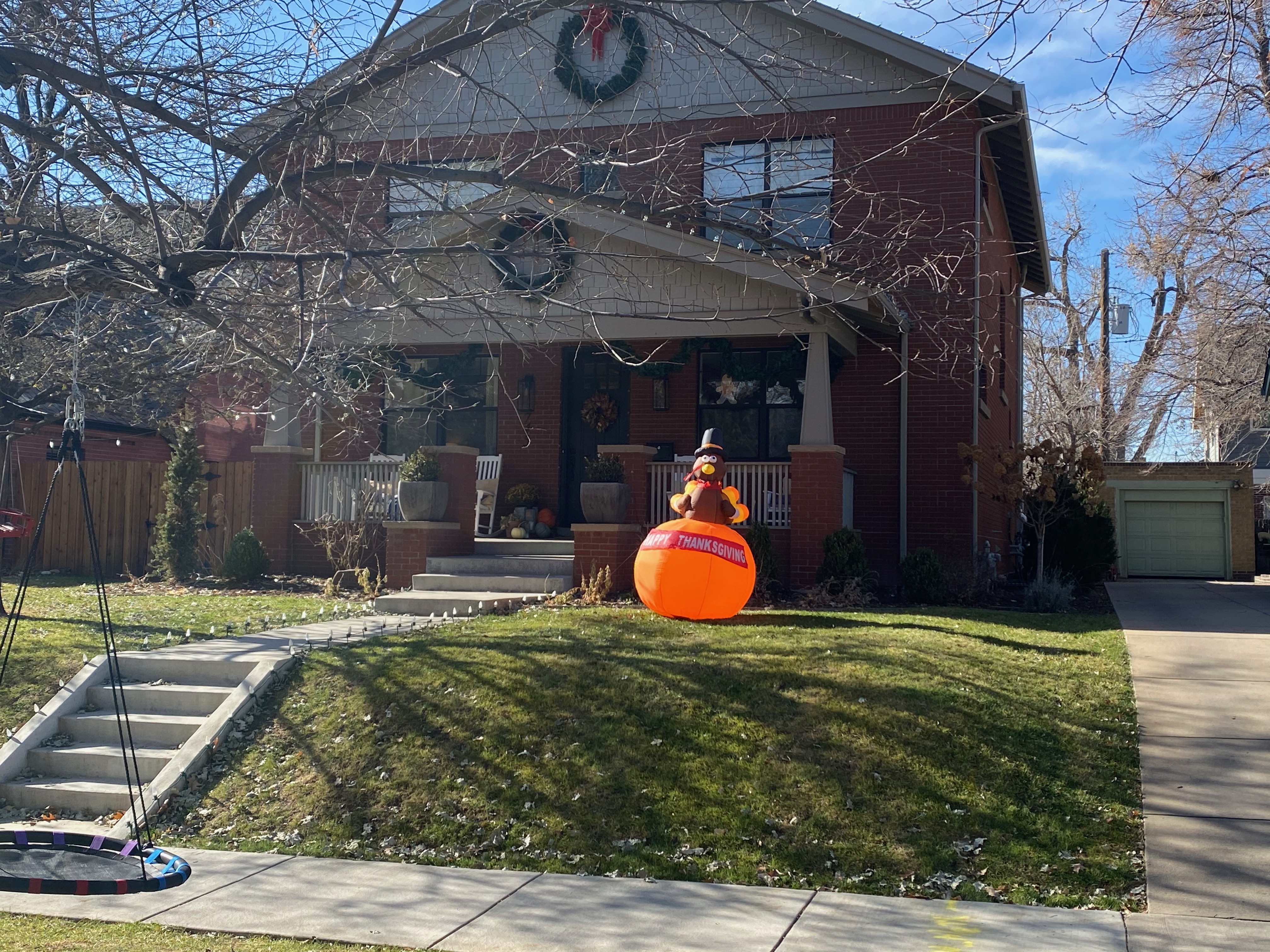
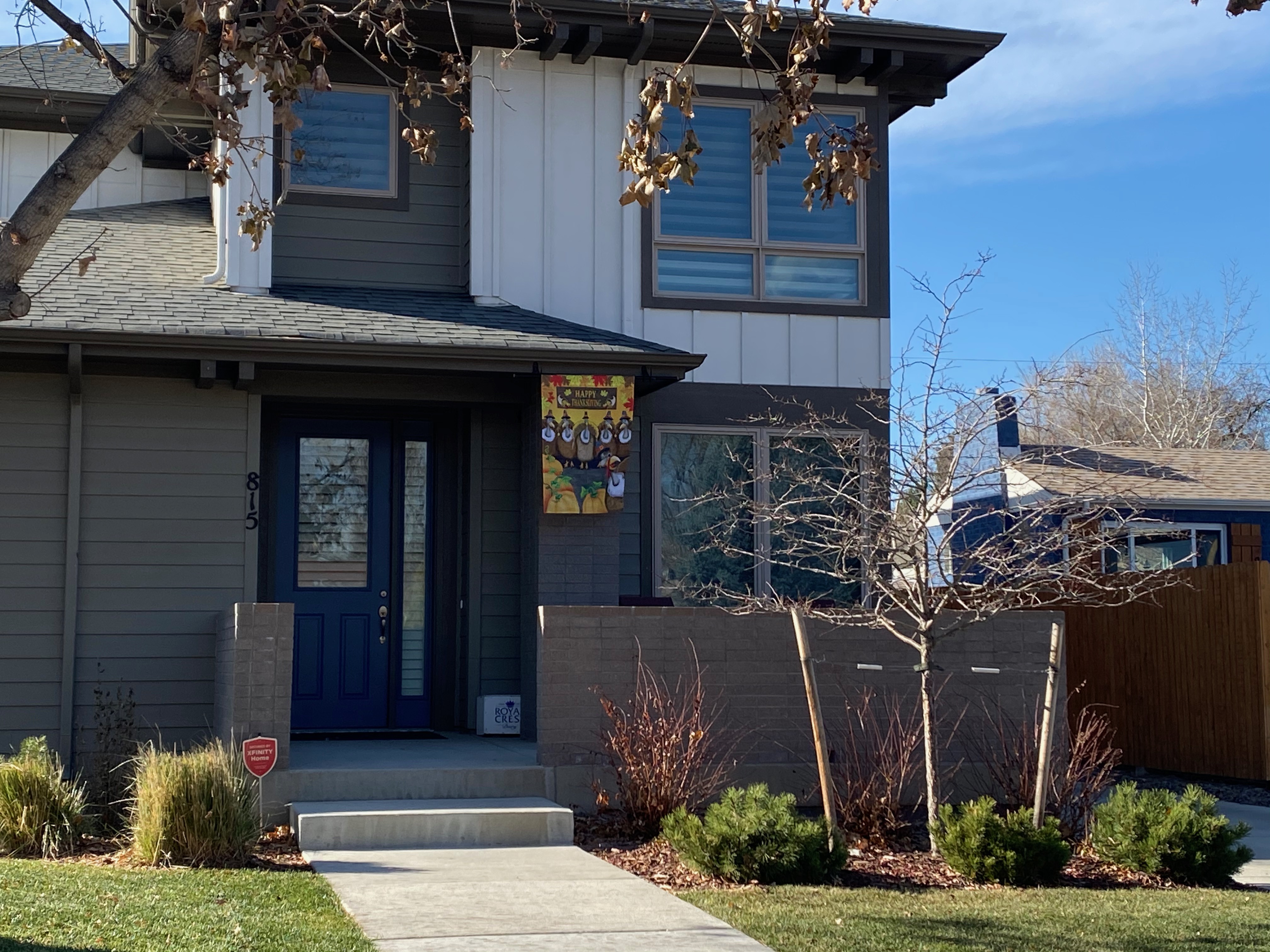
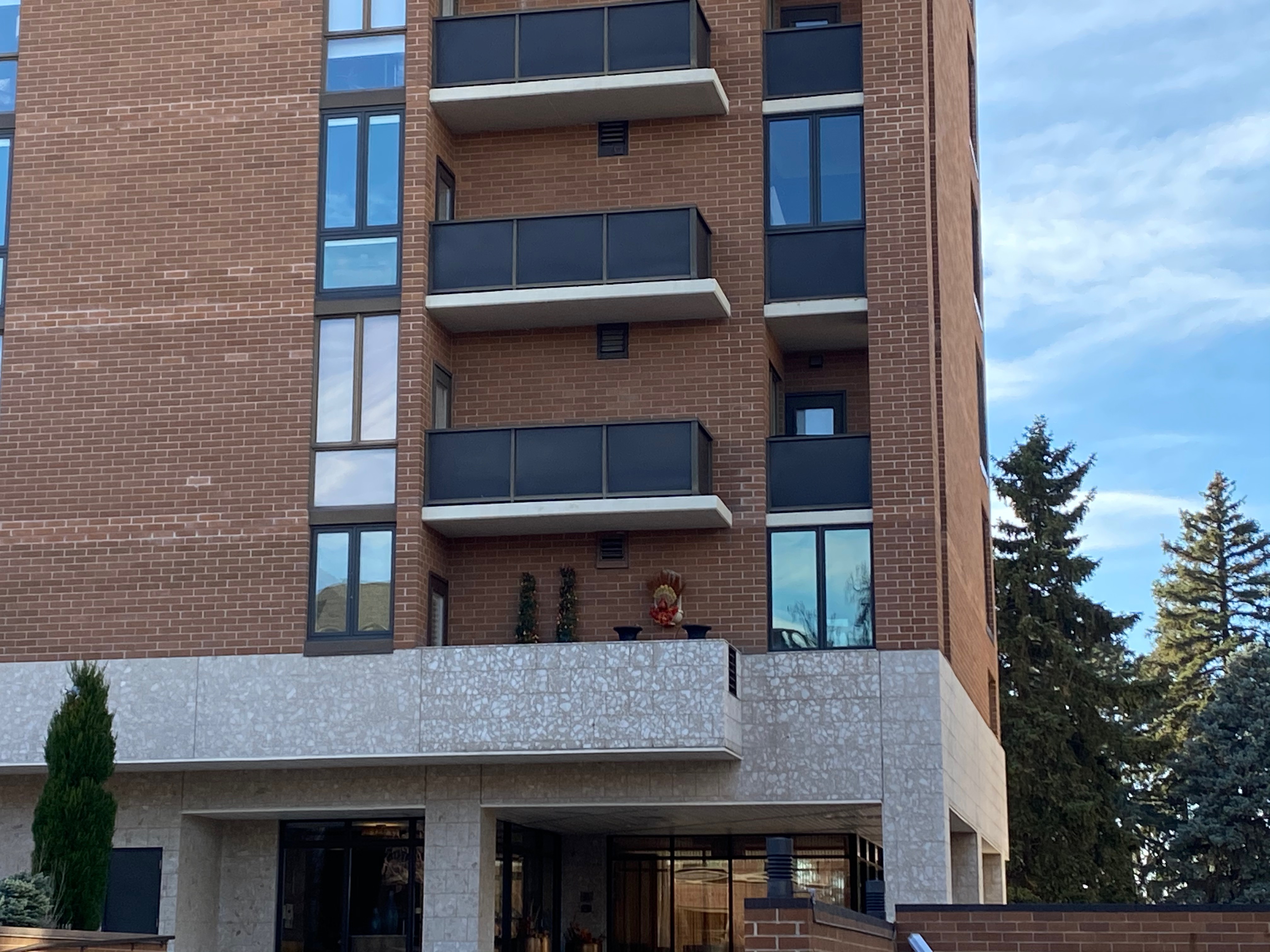
On Monday, I rode my bike around town looking for Thanksgiving decorations. At the first house I stopped at, the owner happened to be in her car. She saw me stop and take a photo of the decorations and offered to turn them on for me.

We talked for a little while about the importance of gratitude and I expressed gratitude for simply being in good enough shape to ride my bicycle. Having experienced debilitating shoulder injuries, she told me to appreciate that. Already I was on a happier vibe.

This Thanksgiving, 2020, it is time to reset our minds, as I am sure we are all annoyed with something. Let it go. First, I plan to forgive myself. I forgive myself for all the ways I have fallen short this year. I let go of the opportunities missed and the progress I feel like I am making far too slowly.

It’s also time to let go of the frustrations I am feeling towards some of the people in my life. At this moment in time, people just need a break. It’s easy to get our minds focused on petty annoyances, especially in times like these. Hopefully this year Thanksgiving reminds us of the good things about where we are in life, the good things about ourselves and the ways in which the people around us enrich our lives.
Going Great; Going Poorly

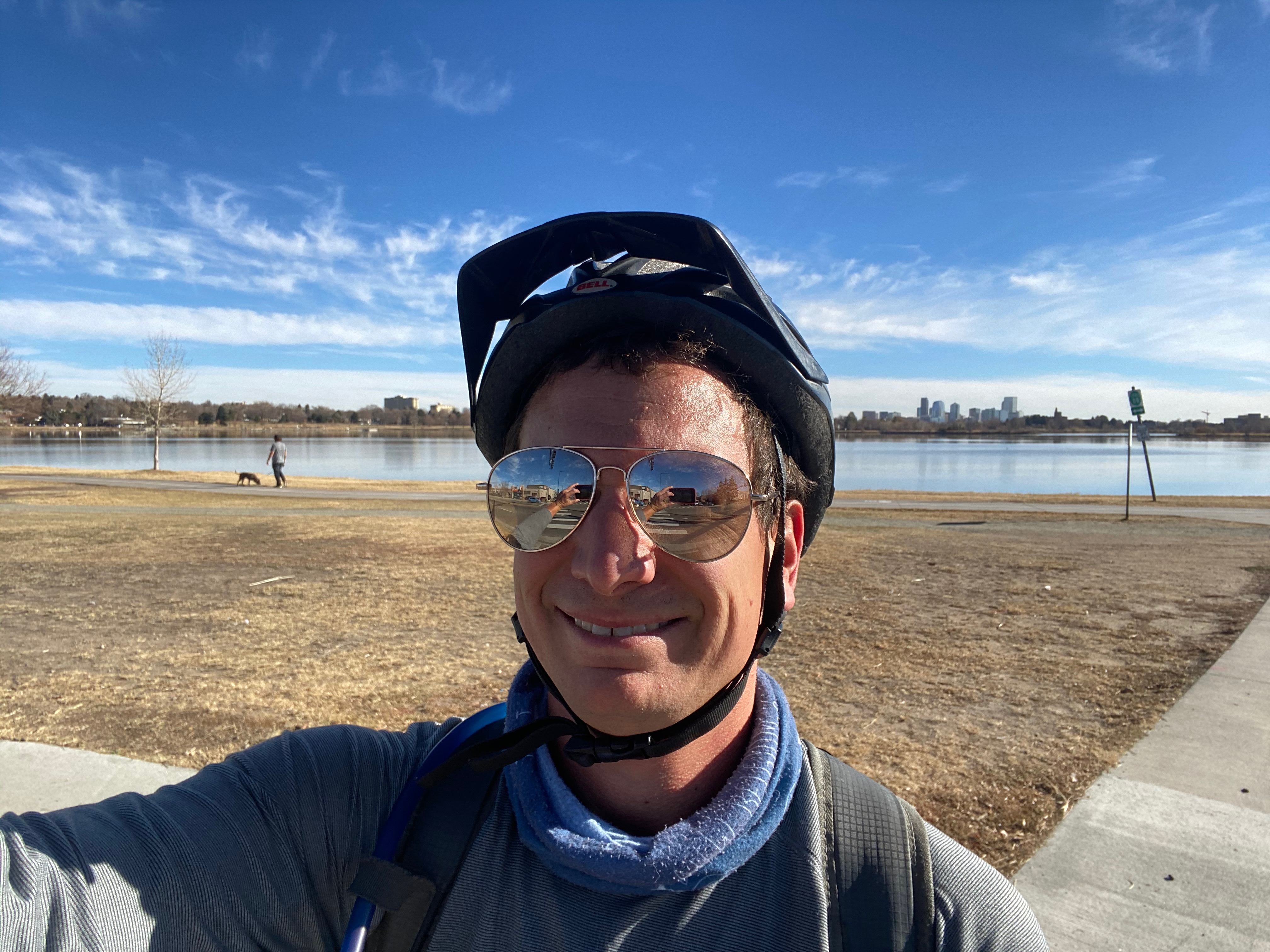
I was riding my bike on a 76 degree (26°C) day in November , a day which tied a previous record high (November 17, 2020).

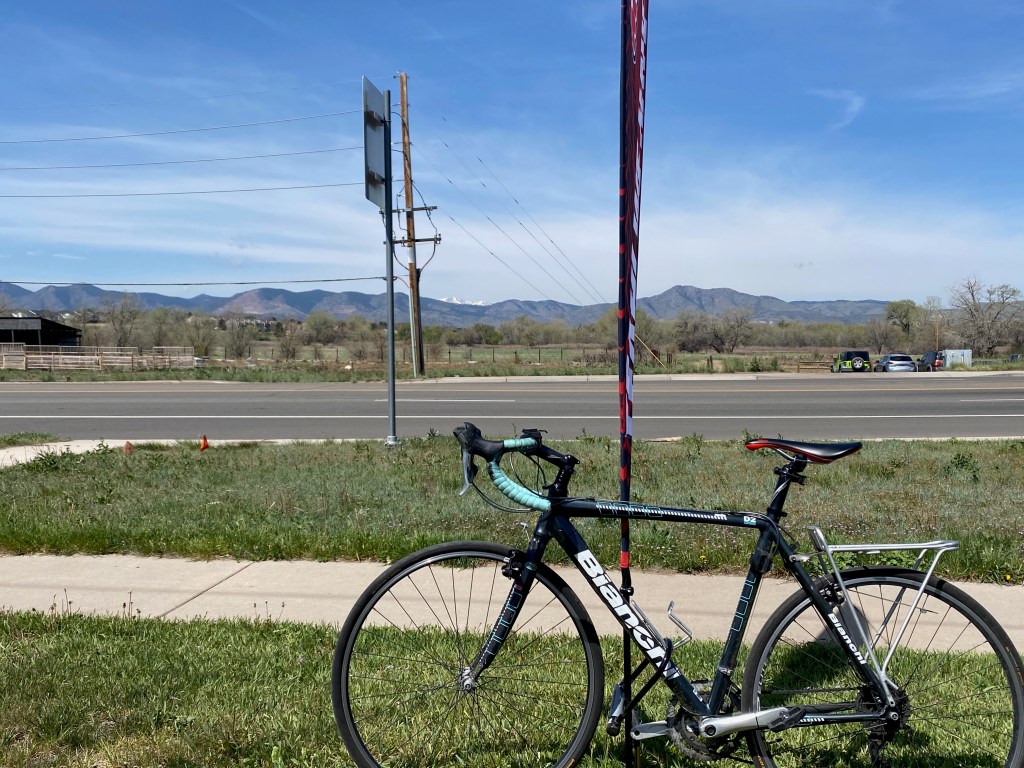
By early afternoon I was riding home but still 20 miles away. All of a sudden I heard the sound of a light piece of metal hit the road. Before I could react, my pedal was no longer attached to my bicycle.

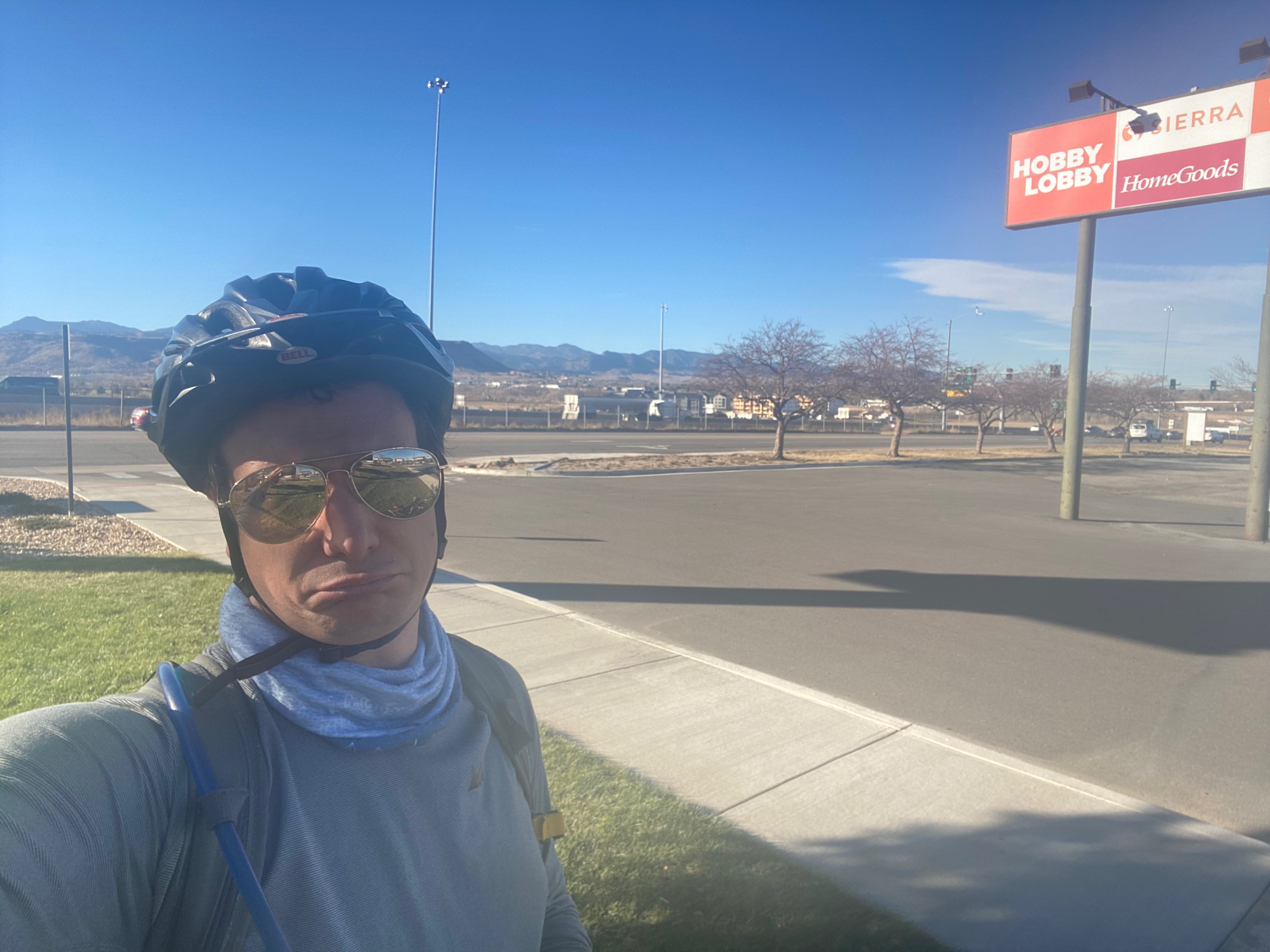
I had to slowly brake without putting myself in danger. I walked 1.8 miles (2.9 km) to what appeared to be the nearest bike shop. The place was empty. Research would show that this was a new business that had yet to fully occupy that address.

What to feel?

When you’re lucky enough to be able to spend a day like this outside, it is hard to feel too sad. Sure, I was sitting in a suburban parking lot waiting to get a ride to another bike shop. The air temperature and the sky were perfect, though. It’s hard to imagine getting better sun in mid-November.

The first 20 days of November has been unprecedentedly warm, almost 8°F (4.5°C) above average. At a time of year when people are typically forced indoors, as it becomes increasingly cold, dark and cloudy, nature has provided the opportunity for abundant adventure!

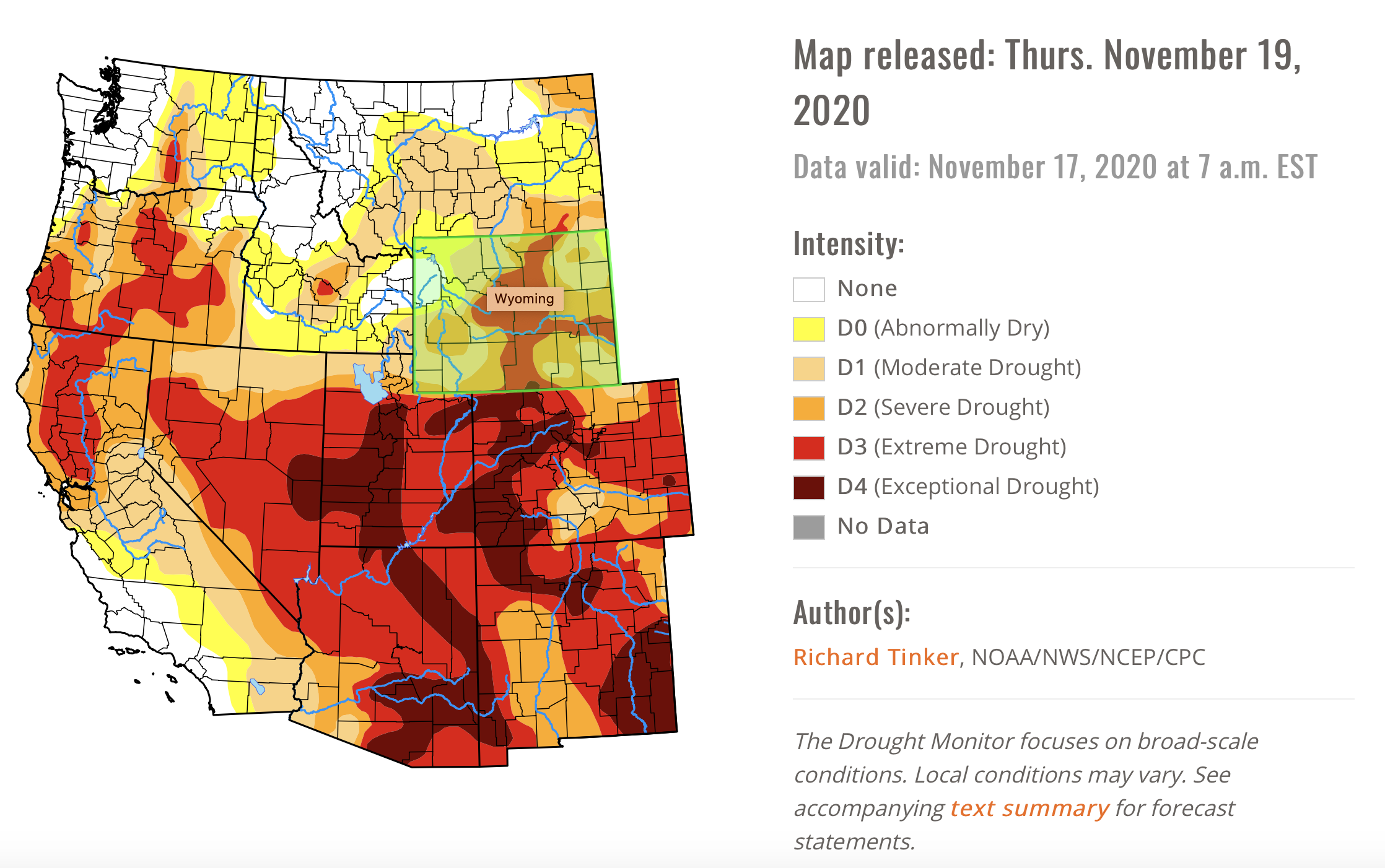
Yet, this very same weather pattern, which has been around for several months, has lead to a drought across much of the western United States.

Each warm dry day in the mountains was a great day for many. Yet, each one of those warm dry days took us one step closer to wildfires so powerful and destructive they could be seen 60 miles (96 km) away!

This particular fire lead to people having to flee their homes in panic!

The very nature of existence seems to always mix the good with the bad. Life has so many components to it, it is hard to look at a specific person or find a specific period of time and not see both positives and negatives. Some of the years when my career was truly going nowhere were also the years I had some of my best travel adventures. This year has featured a lot less travel than I would prefer, but with work I can do remotely, and a recent change in outlook on money, my financial position has improved. Between our homes, careers, social circles, relationships, adventures and hobbies, likely 90% of all people are doing great in some respects and doing poorly in others.

In my home country, November 2020 has become an exaggerated demonstration of this very phenomenon. Every week more progress is reported about the development of vaccines to finally end the COVID crisis.

There is hope it could be distributed in time to make all of our summertime activities possible! Yet, the current situation is dire. The case numbers are spiking, hospitals are running out of beds and staff and people are dying. Many states are reimposing restrictions and lockdowns. We are preparing for a dark kind of winter of despair.

Meanwhile, we are coming off an election whose results gave pretty much everyone, across the spectrum of ideologies, something to love and something to hate.

In truth, almost everything has a component to it that is good and a component that is bad. Tough situations have the potential to lead to personal growth and innovation. Even wars are often credited with scientific and technological progress. Meanwhile, many who had a comfortable and sheltered upbringing are entering the world without the skills to cope with adversity. Maybe one of the lessons 2020 is trying to teach us is that we need to be far less quick to assess things with a broad brushstroke as good or bad. As we realize things like the limitations in using GDP as a measure of success, we accept a more nuanced view of what is in front of us.

Goals and Metrics Put in Context

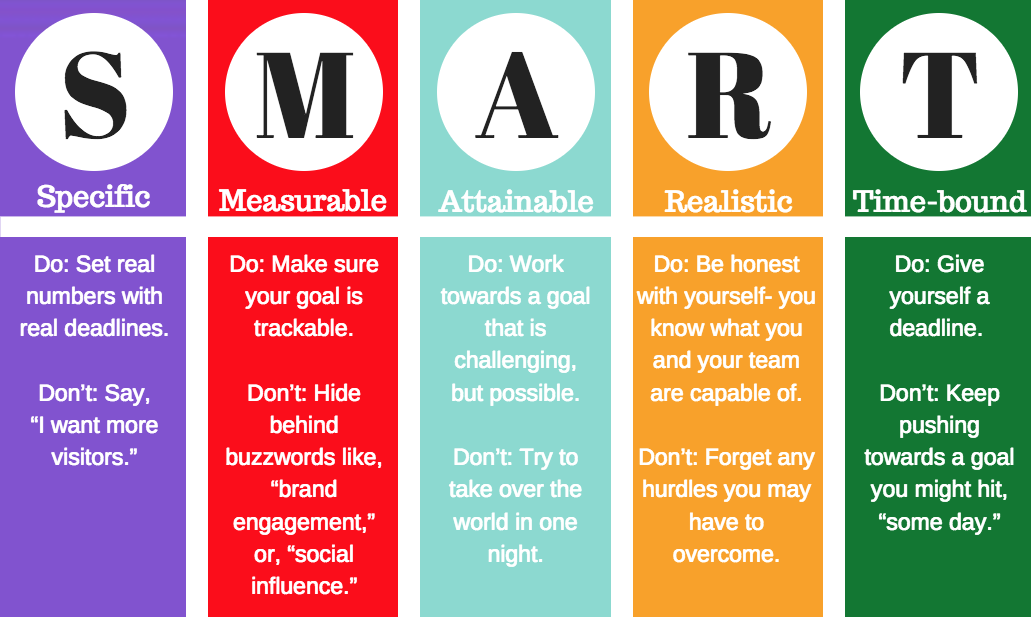
The debate about how to set goals and determine “success” is quite well aligned with the debate over how to approach life itself. On one side, there are those who say “everything can be measured.” In places like the United States, only a fortunate few have never been asked to set SMART Goals.

The SMART Goal system

This goal setting method has plenty of support, especially in the world of business and personal development [1][2][3]. To be fair, setting goals in this manner does prevent them from becoming vague, disorganized, unrealistic pursuits where one can easily lose focus and have no idea when they have been achieved.

This is the path of the left-brained, the detail-oriented, the driven, often the successful, those who build things and guarantee quality.

After all, it is more effective to describe an athlete as someone who can run 100m in 10.4 seconds than to simply say this person is “really fast”, and it is easier to contextualize a video with 100 million views over one that is “really popular”.

However, those more vague terms represent the actual goal. People tend to think of those on the other side as the more artistic types.

However, there are plenty of people in more traditional and even corporate types of leadership critical of the extremely numeric style of goal setting exemplified by the SMART goal system [1][2][3]. They are criticized, and rightfully so, for possibly putting a cap on one’s activities and being too short-term in focus. Once the specific number is reached, what’s next? Is mile number 2,001 pointless?

What about the day after the year ends?

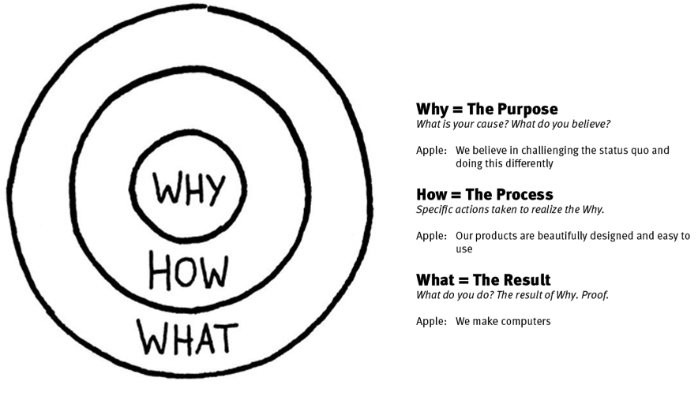
Perhaps more importantly, these goal setting systems are charged with lacking emotion and having no connection to the underlying reasons for the state of our live. Goals like riding 2,000 miles in a year have no connection to the manner in which habits and mentality truly shape a person’s life. In essence, they miss the center of Simon Sinek’s Golden Circle.

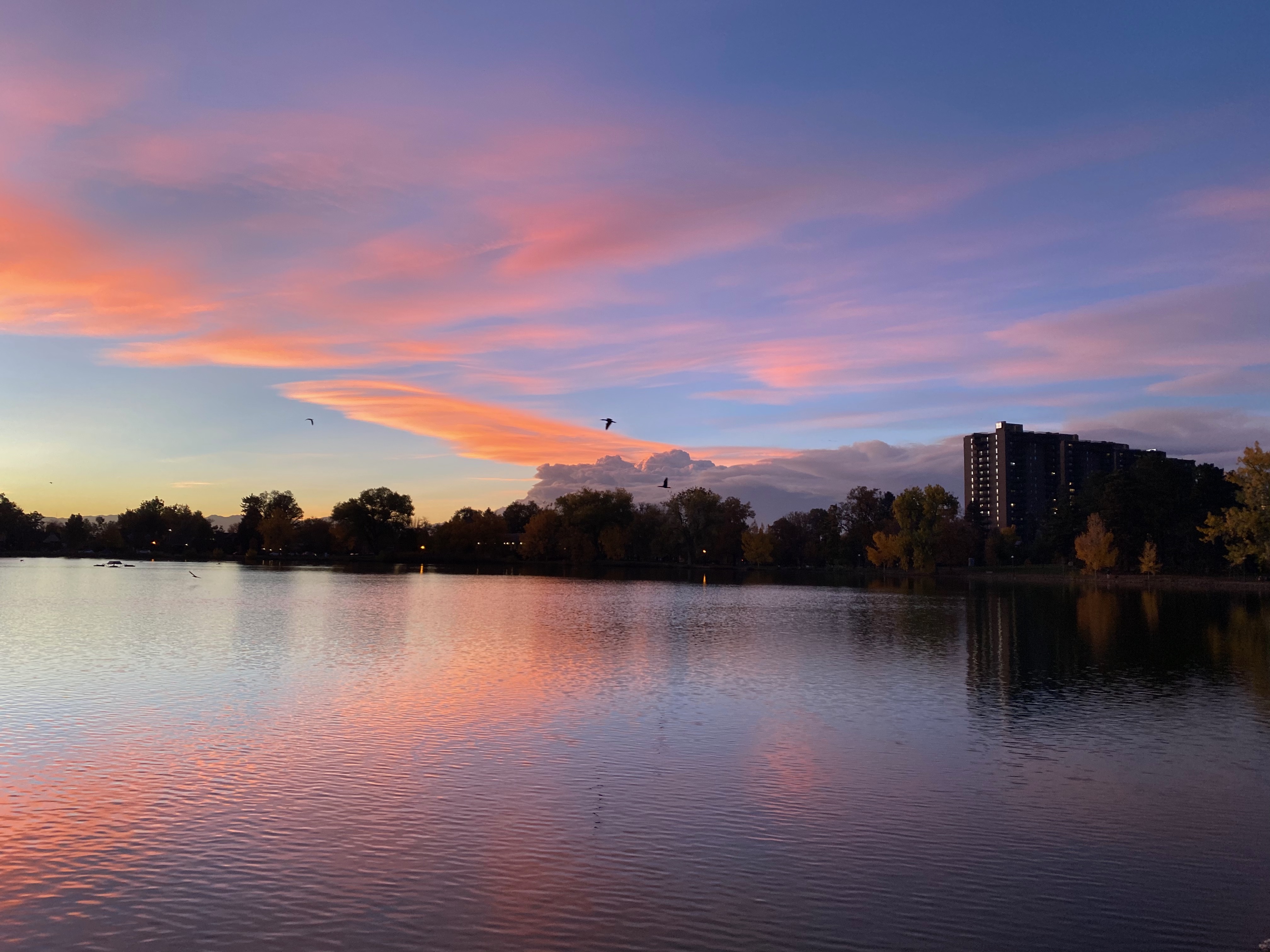
Whether or not one believes that everything (or most things) can and should be measured depends on experience and personality. It’s where the focus is. There is no sensical way to create a quantitative measurement of watching a sunset over a lake while a distant wildfire slowly expands.

Many other areas of life, both professional and fun, ARE all about numbers and only numbers.

Whether or not any individual should set a specific measurable goal depends on their personality and situation. However, not in the manner that most would expect. A person can understand that the ultimate goal in life is to be happy, or fulfilled, but have no idea how to go about finding that happiness or fulfillment. Likewise, one can toil over quarterly numbers and annual targets but one day find themselves completely disconnected from any meaning behind what they are doing. Both these states are recipes for depression.

At any given time in life, what a person needs is the piece of the puzzle they are lacking. Therefore, it is the unfocused creative with a vague idea of wanting to “make the world a better place”, that could benefit from a goal like getting 10,000 people to listen to their podcast. Meanwhile, the highly driven analytically-minded professional on the verge of burnout could benefit from laying off these numeric goals for a while and focusing on their mental state and underlying reason for wanting what they want.

After all, many of these experiences would not have been too much different had the year 2020 ended with only 1,900 logged miles, as opposed to the 2,200-ish it will likely end up at when the year ends.

Doing What You Can

Last night we set our clocks back an hour, pushing the sunset time in Denver back to 4:57 pm. For the next three an a half months, the darkest part of the year, the sun will set before 5 pm.

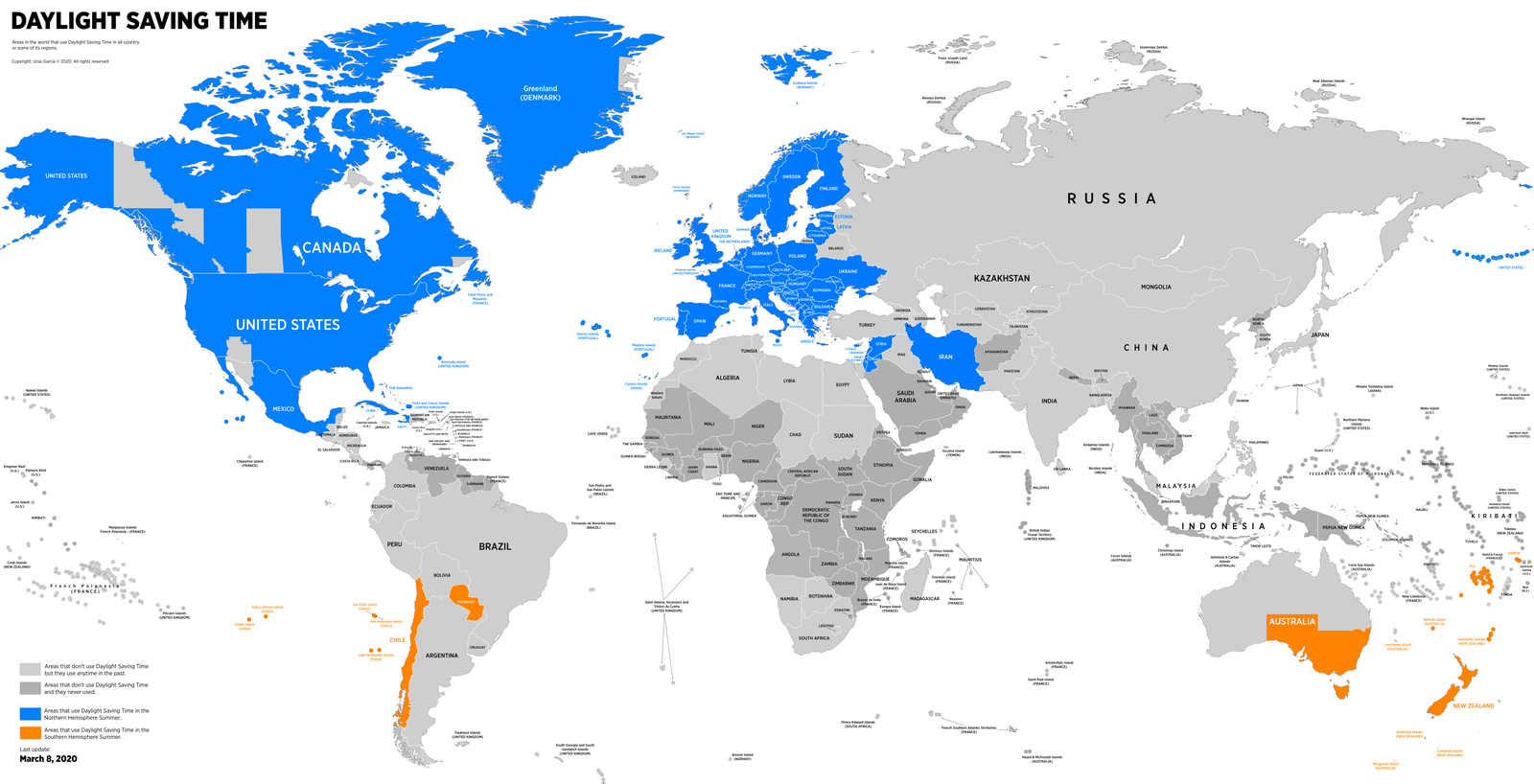
Daylight Savings Time is the practice of making seasonal adjustments to the clock by setting them forward an hour in the spring and back an hour in the fall to try to optimize our use of time. The history and current debate surrounding it is fascinating. Perhaps not too surprisingly, it has only been around a little over 100 years. It’s hard to imagine its utility in a primarily agrarian society.

It is also not practiced worldwide.

Photo of which countries use Daylight Savings Time from Wikipedia

Adjusting clocks would be of little utility near the equator, where there isn’t much variance in the amount of daylight per day.

Shifting our clocks back did not make our days any darker. However, it did serve as a reminder of how much shorter our days have gotten. Factor in the inevitable chilly mornings in Colorado’s dry climate and the amount of time available for activities is relatively scarce, even on nice days like today (temperatures in the area reached approximately 73°F/ 23°C). Today’s 53 mile (85 km) bike ride was a way to do what is possible with the 7-8 hours of warm daylight available on this first day of November.

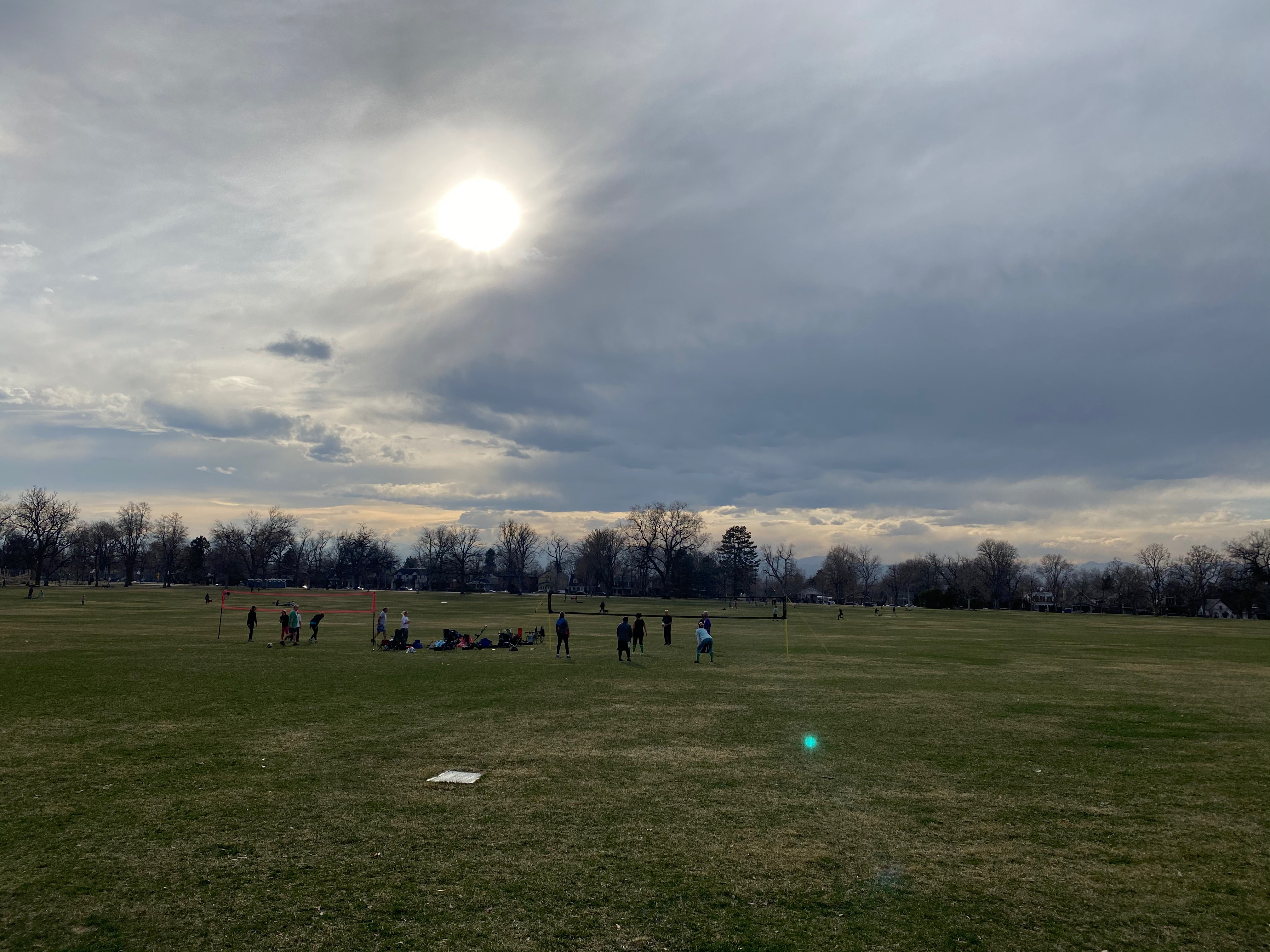
The idea of “doing what you can” given the circumstances is the key to surviving 2020 emotionally. It was first seen in the springtime, when this all began, in people’s front lawns and in parks.

Offices were suddenly closed and so were bars and restaurants. The idea of inviting people into your home suddenly became a dangerous proposition. People still found a way. These creative socially distanced hangouts were a reminder that our spirit had not been suddenly depleted.

Over the course of the year, we found a way to keep the shelves of our grocery stores stocked. Hundreds of millions of people figured out ways to perform their jobs and coordinate with their coworkers remotely. Old friends connected over Zoom. The NBA famously created a “bubble” so that they could play a shortened summer season. And, we found joy in activities closer to home.

The situation most of the world finds itself in feels reminiscent of this 50-60 mile bike ride on the first of November. The possibilities are quite limited and there are a lot of complicated factors. I can’t wave a magic wand and make the pandemic go away, make everyone feel as if their life matters, instantly rearrange our use of smartphones and social media to something that serves our humanity better and make politics less divisive (or less important). All I can do is do my best with what is in front of me right now. Often there is too much focus on those doing terrible things. However, from miracles like saving our global supply chains, to things like virtual concerts or even just simply emotionally supporting one another, there are many more people doing what they can and making 2020 less awful than it otherwise would have been.