Category Archives: social

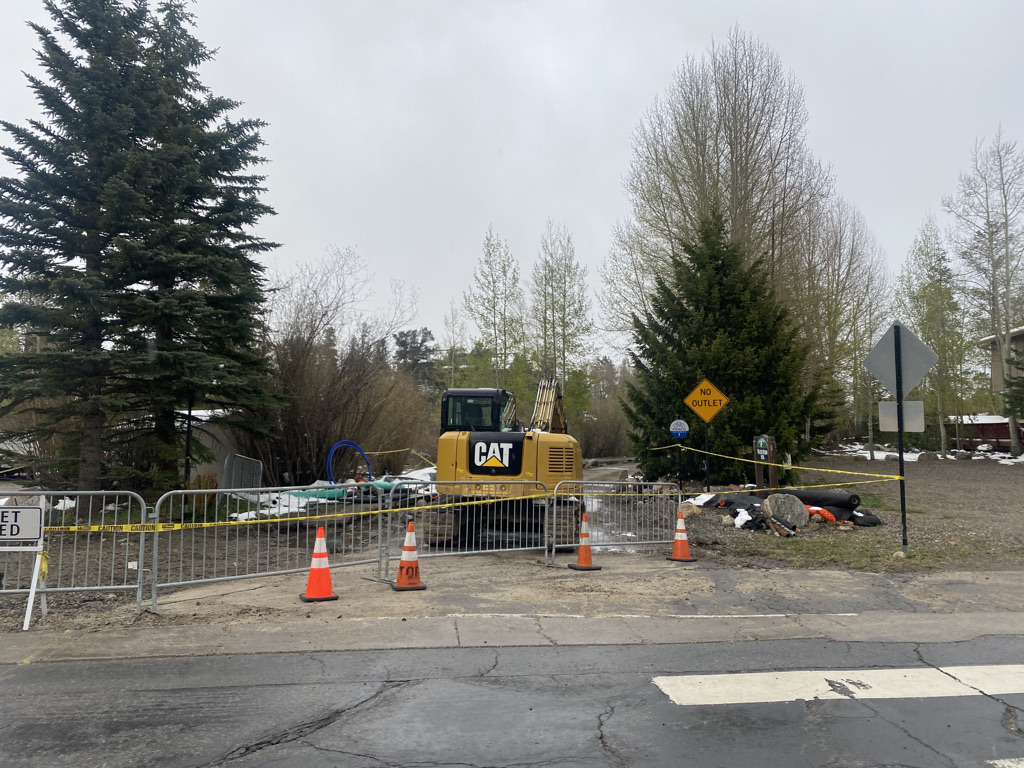
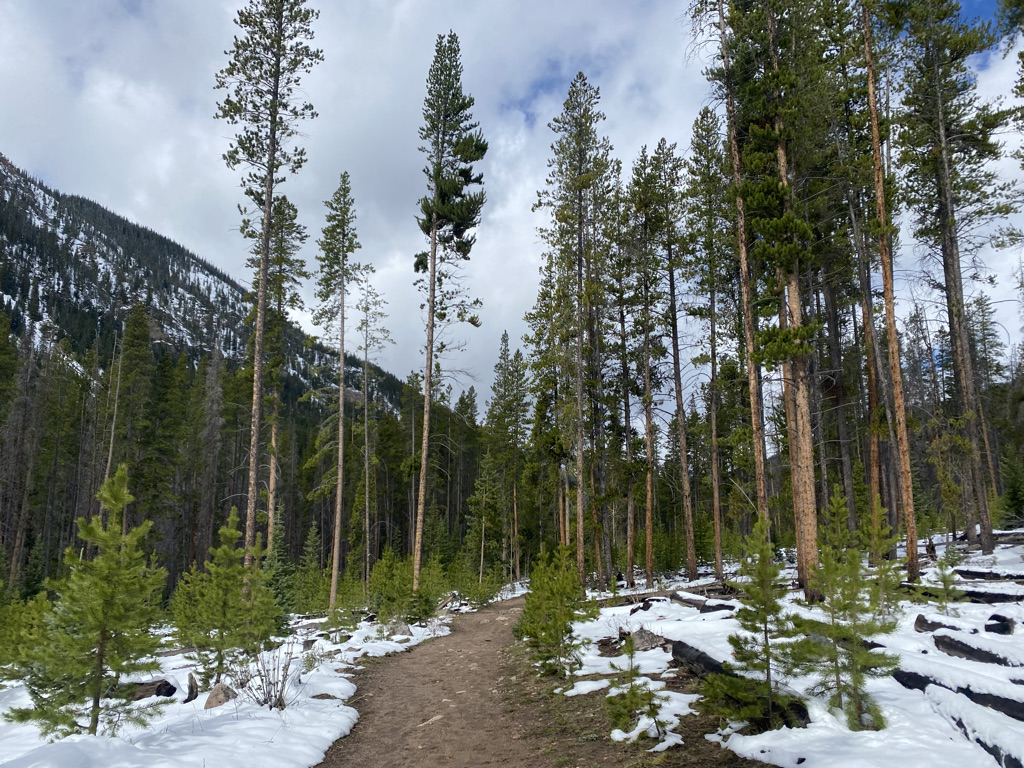
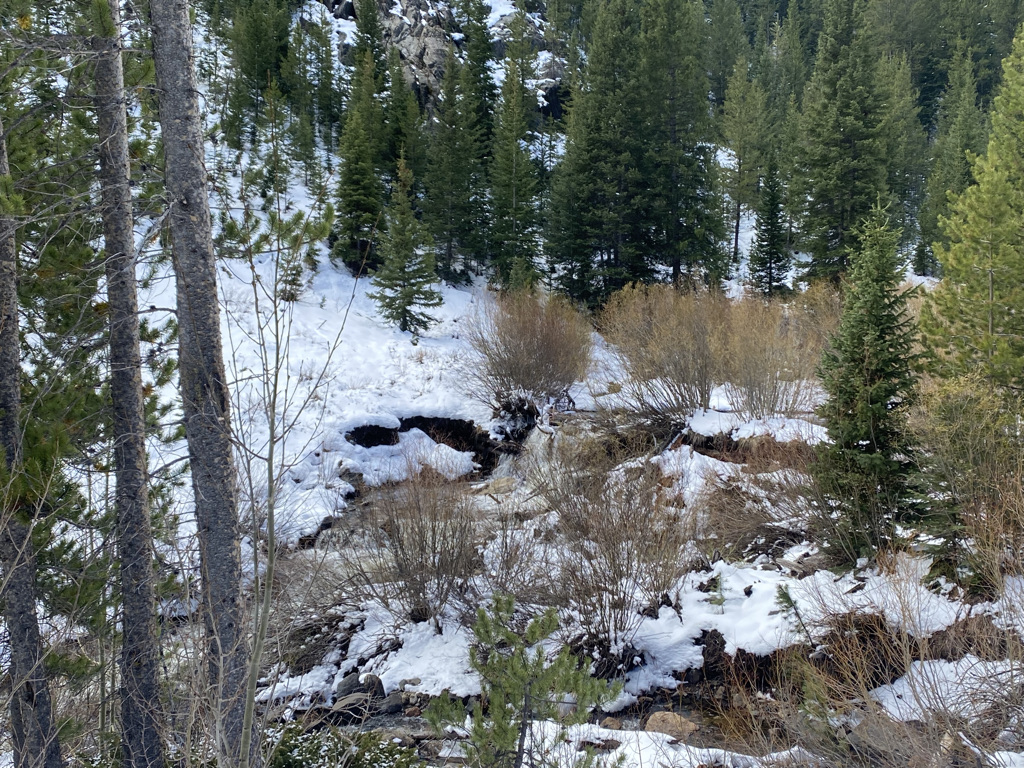
Small Town Colorado

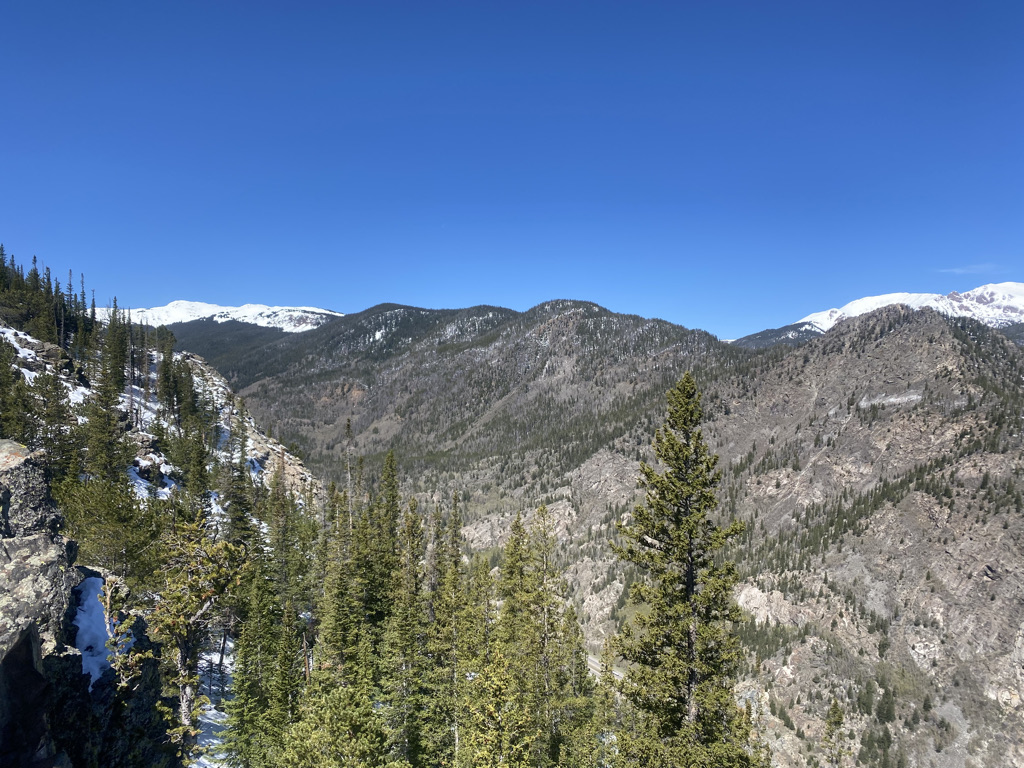
Travel has the potential to expand one’s point of view beyond the habits, priorities and perspectives that they are typically surrounded by. Visiting another location and being exposed to another culture serves as a reminder that the way things are done in the particular time and place a person lives is not the only way things can be done. However, in order to truly embrace this lesson a traveler must visit a place where they will truly be surrounded by different types of people and actually interact with some of the locals.

A lot of people visit places that are beautiful, but touristy.
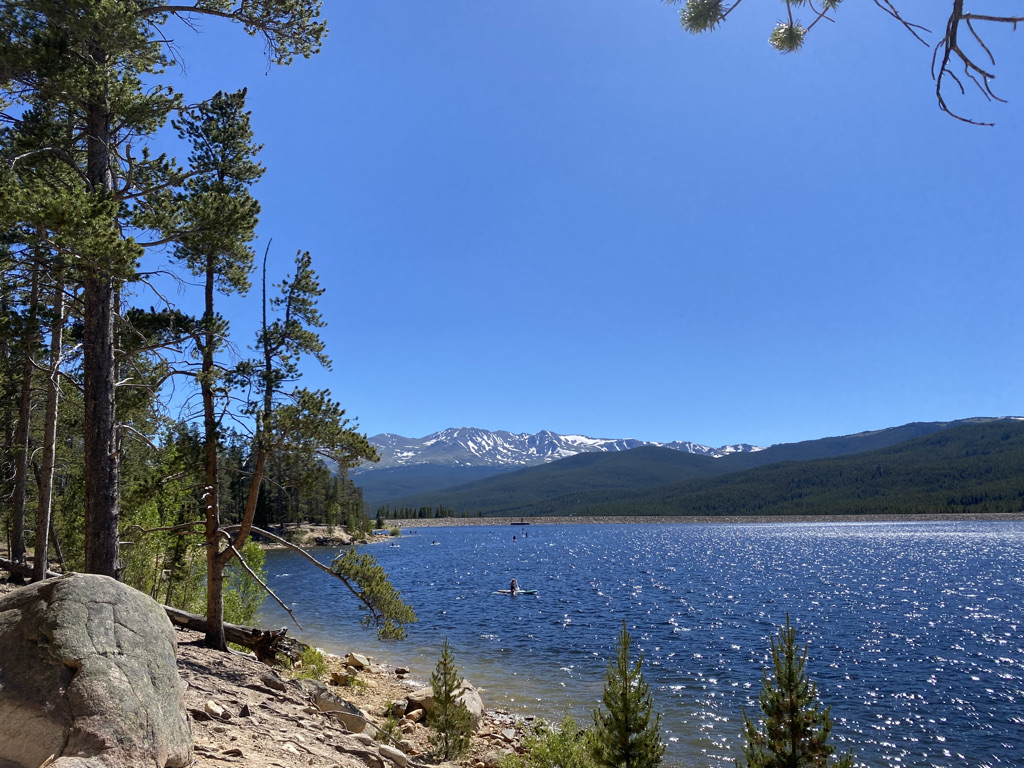
Although these trips are fantastic, they usually find themselves surrounded by other tourists.

Many of whom have similar circumstances and outlooks as their own.
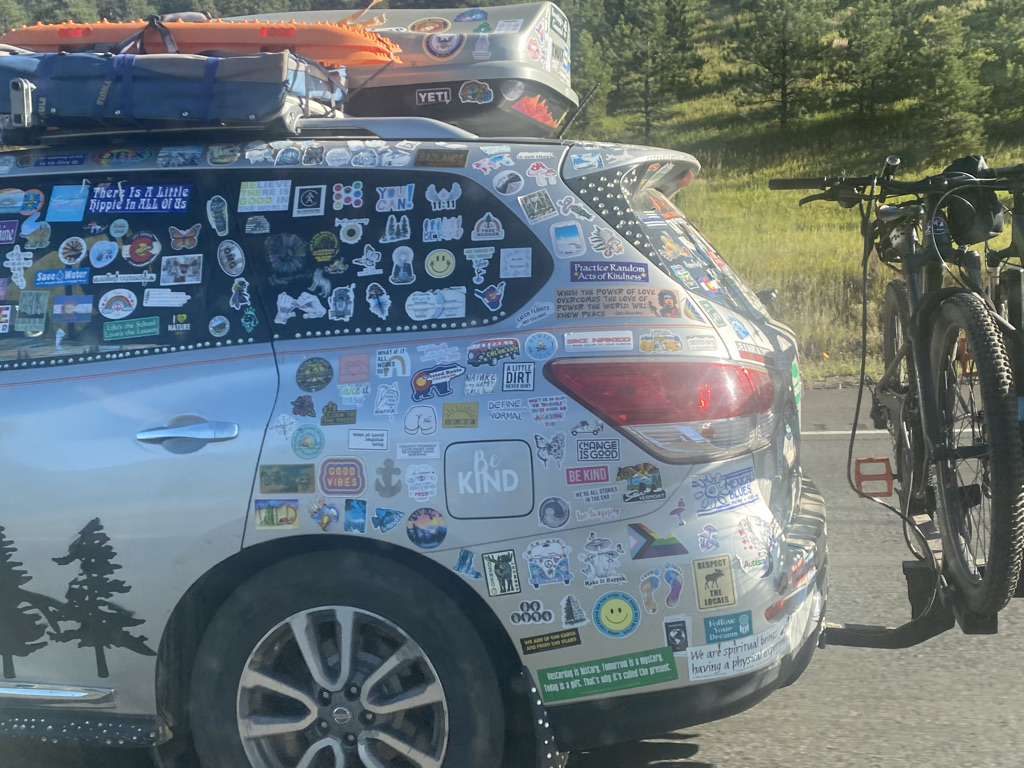
Truly getting out there and being exposed to different types of people, with different ways, different priorities, different customs and concerns requires being deliberate, both with respect to where to go and what activities to get involved in. An American could travel all the way to the other side of the world to do something like take an English language tour of the Taj Mahal and not really be outside of their comfort zone.

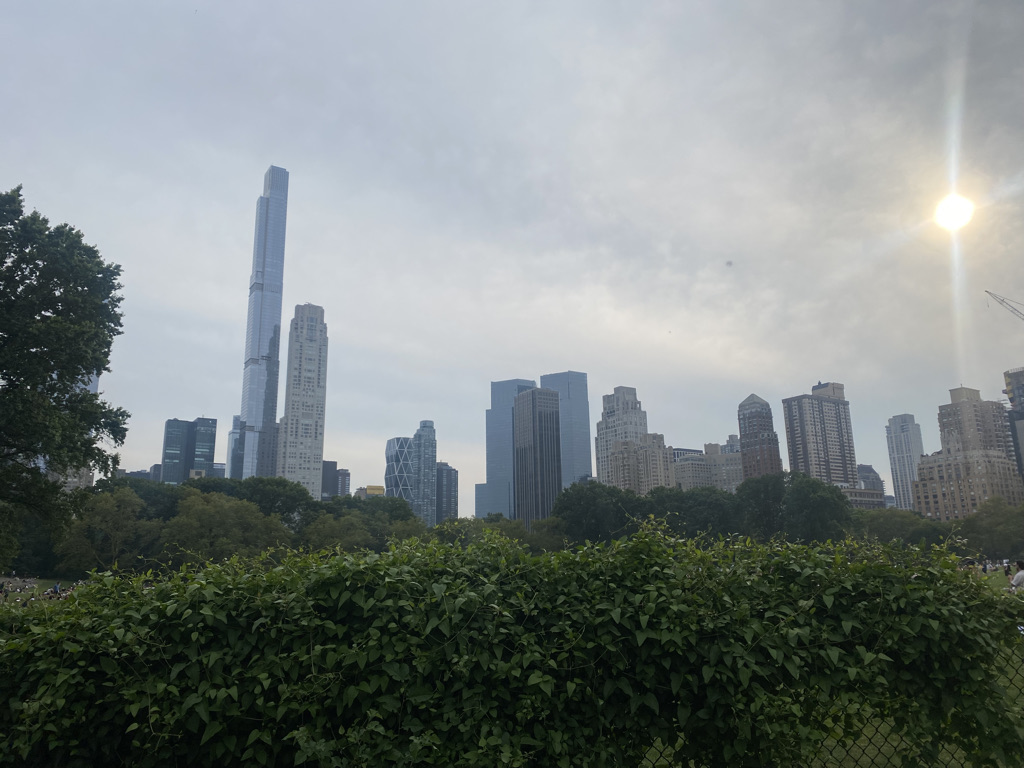
Luckily, the reverse is also possible. One must not travel far to be in a different place. In big cities like New York, ethnic neighborhoods give people the opportunity to visit a different place right in their hometown.
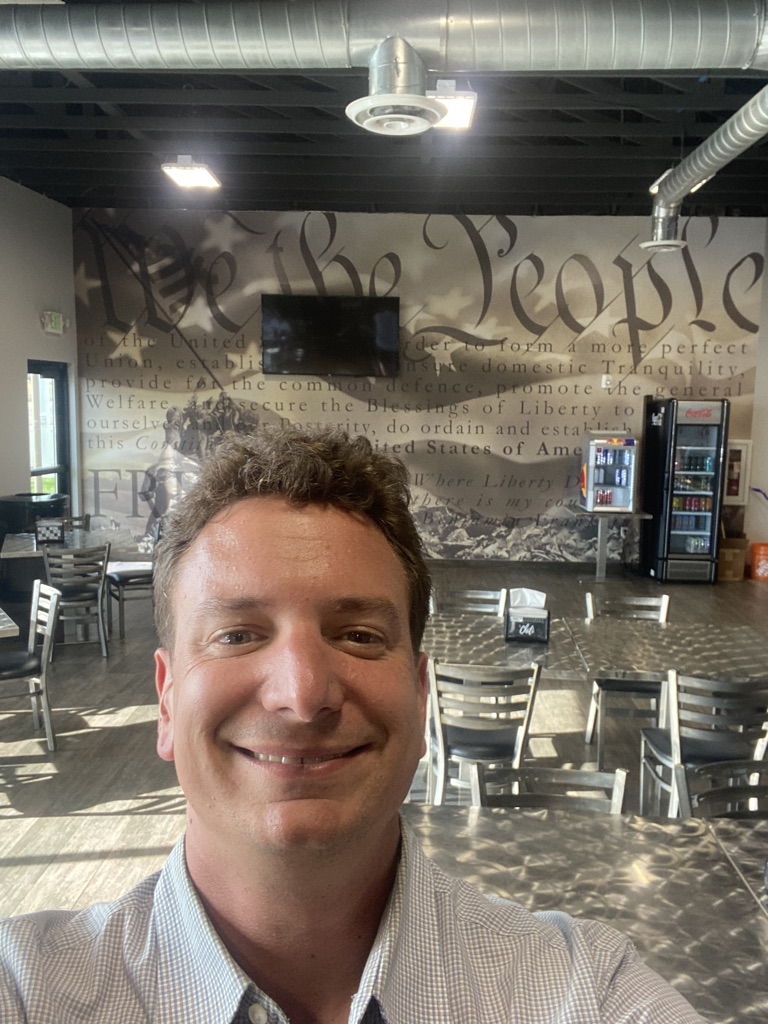
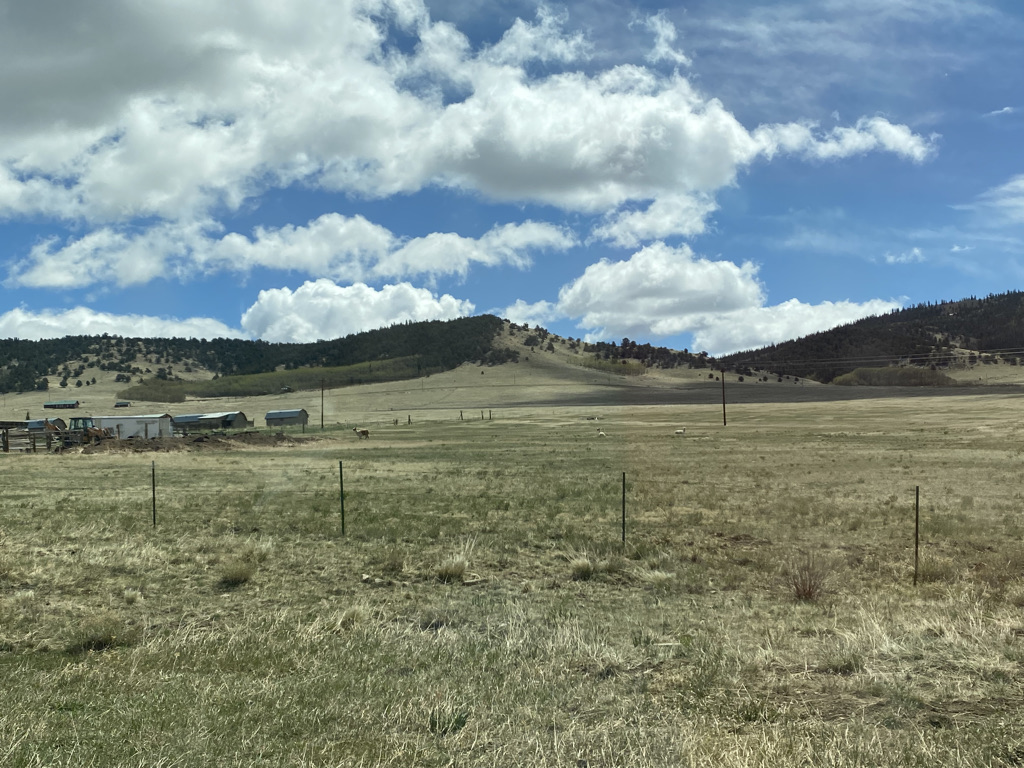
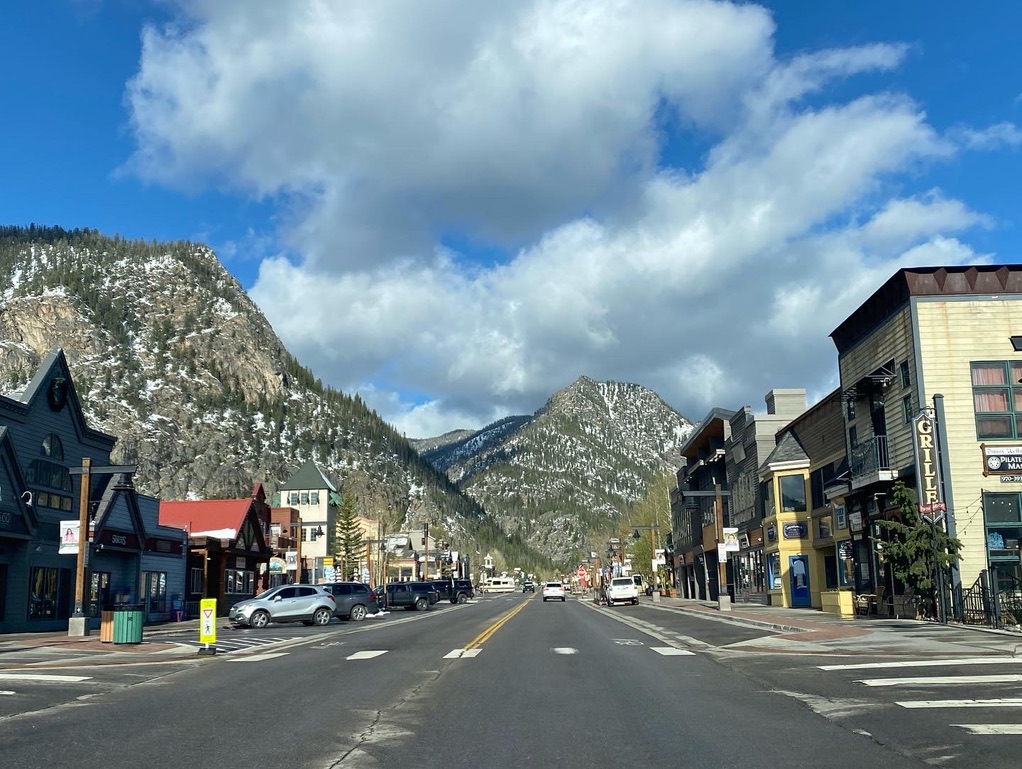
A state like Colorado gives people the opportunity to visit the other side of the primary cultural and political divide in the United States of America: The urban/ rural divide.

However, this requires going to places like small town churches.

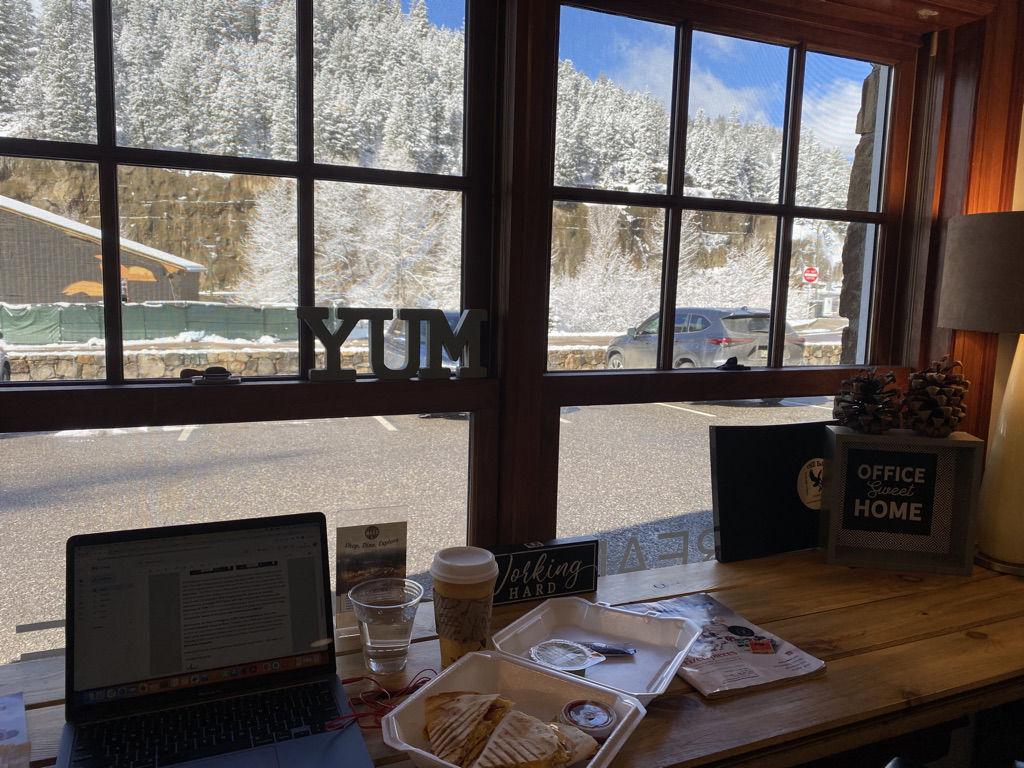
Coffee shops

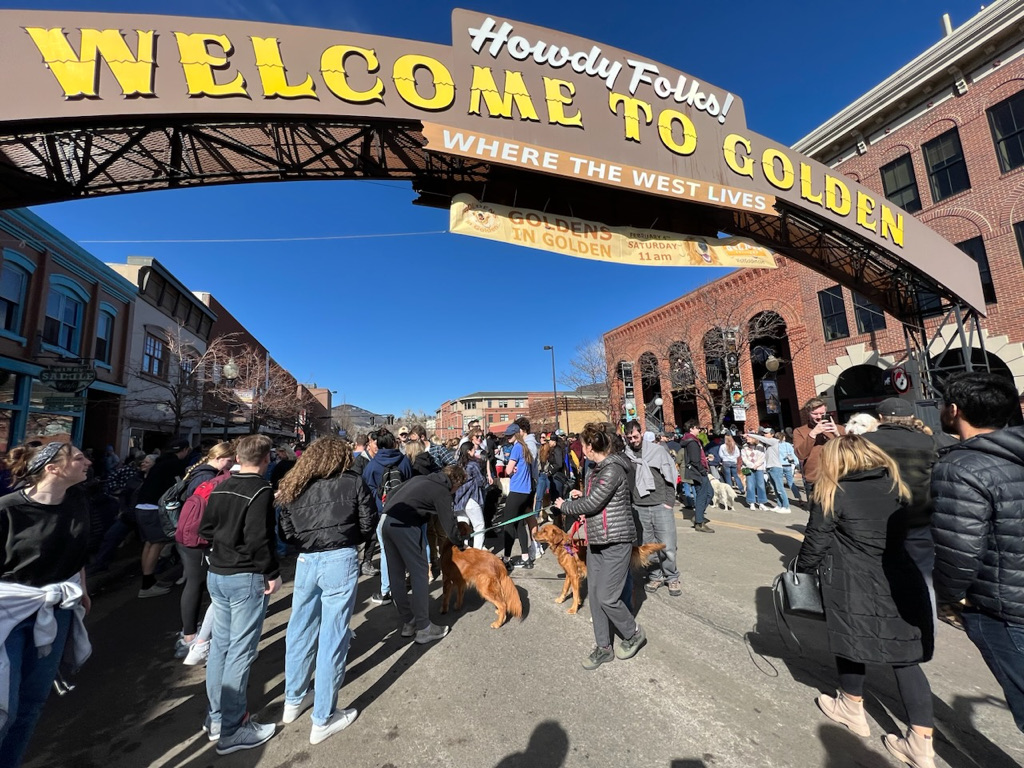
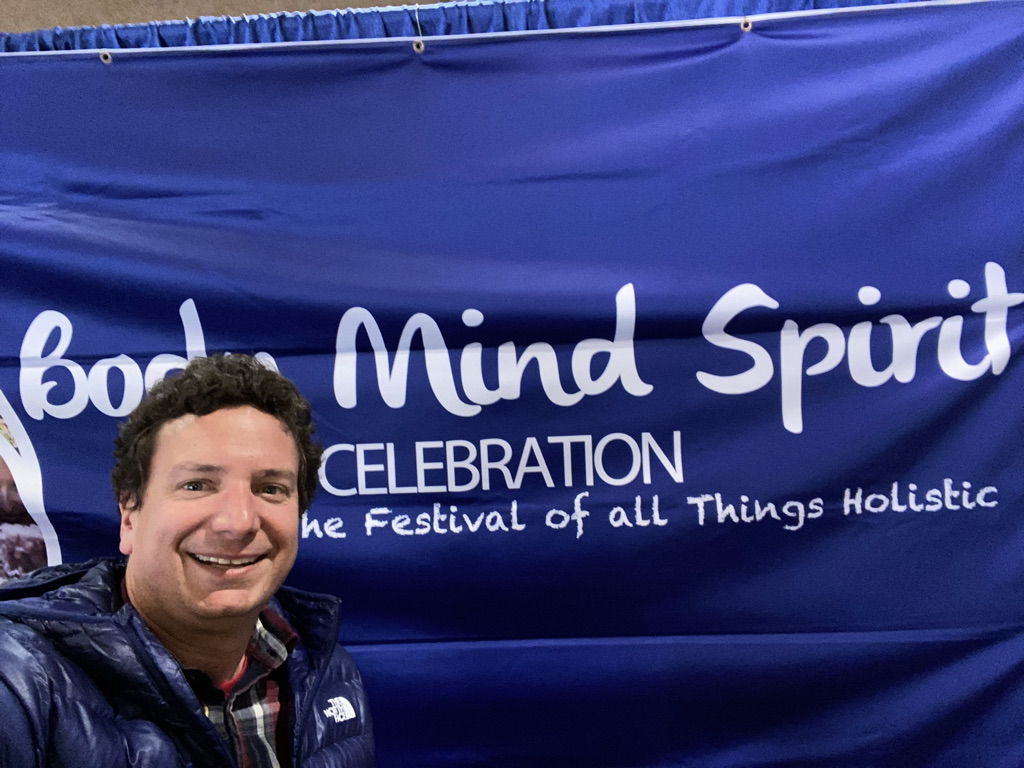
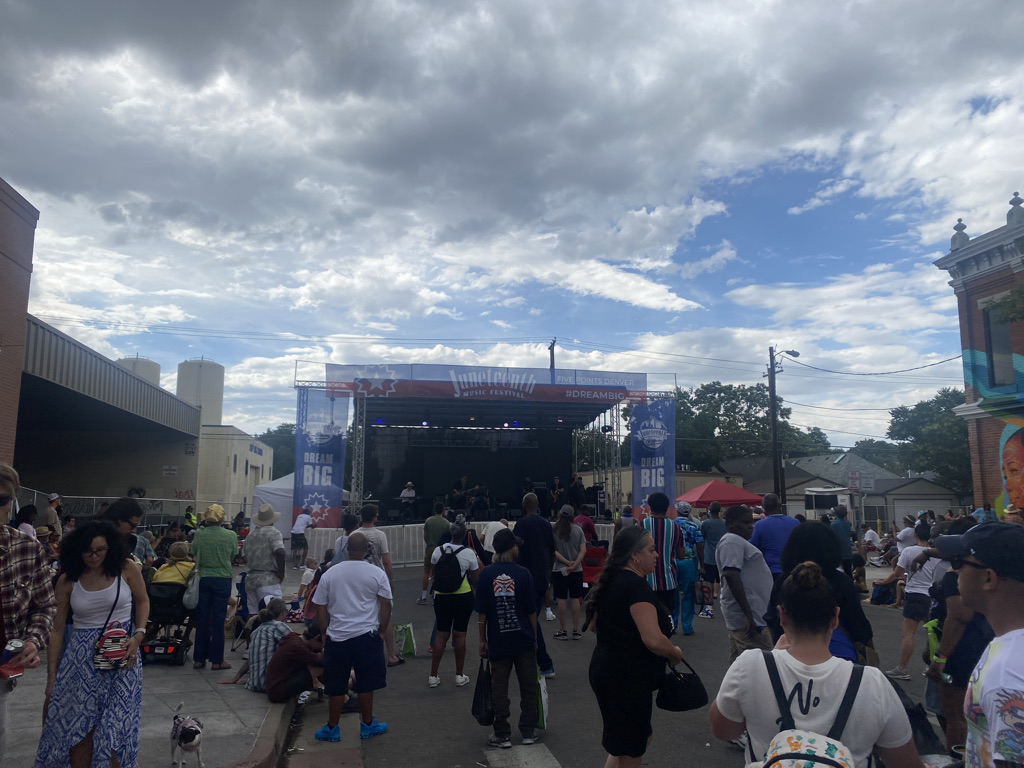
Or festivals

And talking to people who live that small town life.

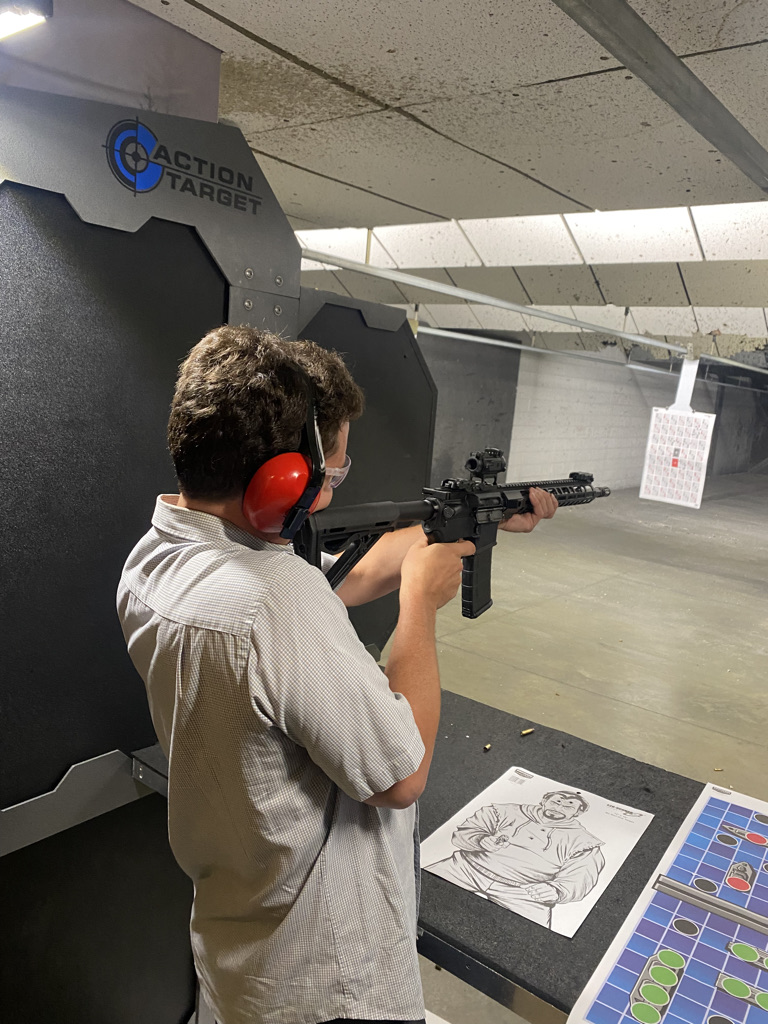
Sometimes it even helps to take part in the activities they enjoy.

From an urban standpoint, it is easy to ask questions like…

Who would want to live in a place where the nearest Chipotle is an hour away?

Who would want to live in a town where you go to the same bar every weekend and encounter the same ten people every time?

What do people even do here most of the time?

And of course, the media and many political activists will not hesitate to to exploit those differences. It’s an easy way for them to get ratings, clicks and donations. Perhaps most sinister of them all, if a politician or political party can convince most of their constituents to fear the other, they can count on their support out of fear, disgust or contempt rather than having to actually serve their constituents needs.

Unfortunately, the big loser in this is all of the average person, becoming more isolated, depressed and distrustful of one another.

As is the case with every other cultural divide, on the other side of the urban/rural divide are people who, generally speaking are not all that different. They just live at a different pace.

There are some great ideas here and many take part in activities that are quite healthy from a physical, mental and spiritual point of view. Despite the divide and how its exploited, most people on both sides of it are friendly and accepting.

Travel, like life, has ebbs and flows. Some years offer many travel opportunities with abundant resources to explore exotic places on the other side of the world. Others require the focus to be kept close to home. These times do, however, provide the opportunity to explore what one can learn, see and experience relatively close to where they live.

It would benefit most people to reach across any of these divides. Particularly when a cultural divide is accompanied by a political one, there is a tendency to reduce entire groups of people to caricatures that are often a blatant missrepresentment of who they are. By meeting people and talking to them, it is possible to see who they really are.

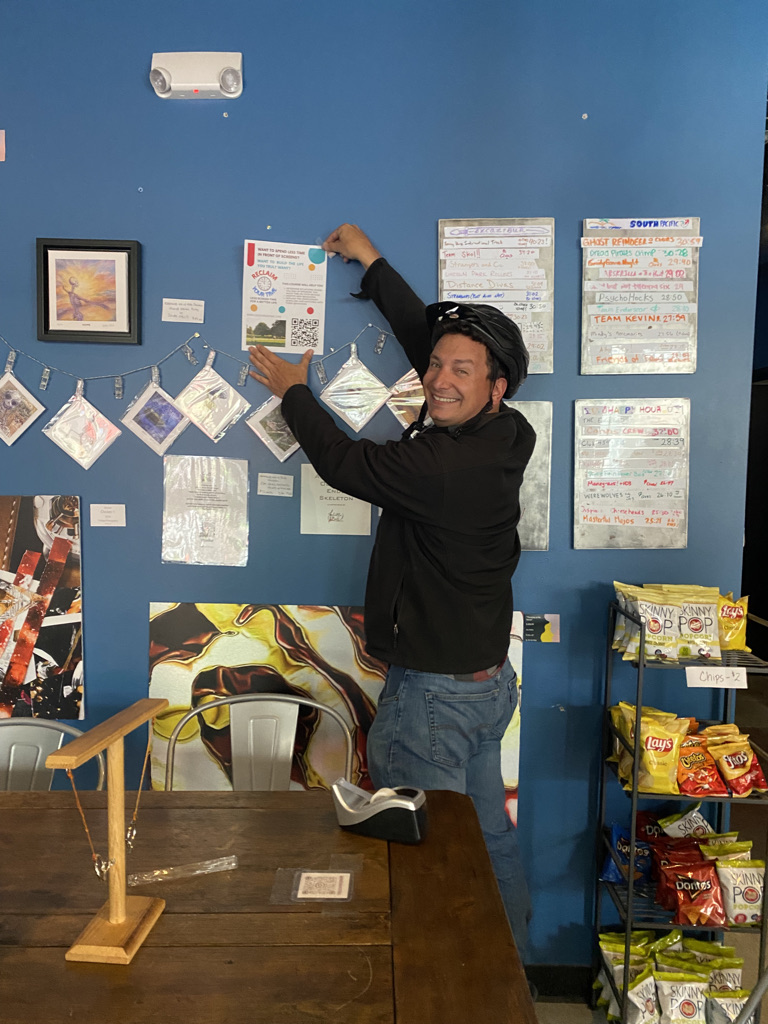
Fifty-Fifty: My Story of 2023

Sorry, this blog post is not about the popular K-Pop group. However, I am a big fan and when I heard about what inspired their name I could not help but resonate.

I have not posted much in 2023. Part of it is because for much of the year I have been primarily visiting places I have already visited.

However, I am also actively encouraging people to spend less time online as part of a broader initiative, meaning I probably don’t want to be putting too much content for people to read online.

However, this does not mean it hasn’t been an interesting year. The world is in an interesting place. Many people have put the pandemic and much of what the year 2020 was all about behind them. Yet, some are trying to hold onto those themes, while there are still others trying to recreate or recover some aspects of the pre-pandemic world. Simultaneously, organizations and professional groups are talking about how to attract and retain top talent while some large companies are enforcing very top-down return to office mandates. One minute I hear a group of people talking about how wonderful it is that we encounter different types of people everywhere they go. The next, someone is making fun of someone for being different, or reprimanding someone for living by a values system different than theirs.

It feels like everywhere I go I suddenly enter a different energy.

Even within the same organization and sometimes from the very same person I will hear messages that hint at both sides of this strange line. If I could sum up what this year’s been like thus far, maybe it is this photo from Gilpin County on a Friday in April.

At that moment in time, it was probably just shy of 60°F (≈15°C) outside. Yet a significant amount of recent snow still occupied the ground. It was also Friday afternoon, a time many consider a prefaces between the workweek and the weekend. In a way, the people in this community were experiencing both winter and spring and both the workweek and the weekend at the same time.

Over the course of the year, I have encountered communities, been involved in discussions and found places where I feel more at home than I had for a long time.

It’s even come from surprising sources; People I did not expect to have any interest in the things I am interested in. Or places I had previously associated with a completely different set of attitudes.

However, I have also experienced my fair share of the opposite. I’m riding high, then all of a sudden, a very backwards-looking message, typically related to politics, judgements of people around race, gender and age, or an excessive focus on conformity emerges in a place where it was not expected. I was just expecting to have a good time and all of a sudden I am once again exposed to this tired set of perspectives about life and who we are.

So, it’s been 50-50. Maybe I should be thankful for the former 50, that I at least get to spend part of my time in the energy of people trying to move on from the fear-based conditioning of the past. However, it appears to me as if it is now a time for choosing. What do we really want? What do we want to be around? Do we want to live our lives afraid of rejection, ostracism or some form of retaliation for saying the wrong thing, wanting to live a bit differently or doing what we need to do to take care of ourselves? Or do we want to take a little bit of time to try to understand one another so that we can all do what we need to do to live happy lives?

I know what side of this 50-50 divide I want to be on. The only questions are…

  1. Is it realistic?
  2. How much do I need to nudge others around me to have this kind of energy be the default in my life?

On Restrictions (What Las Vegas Means to Me)

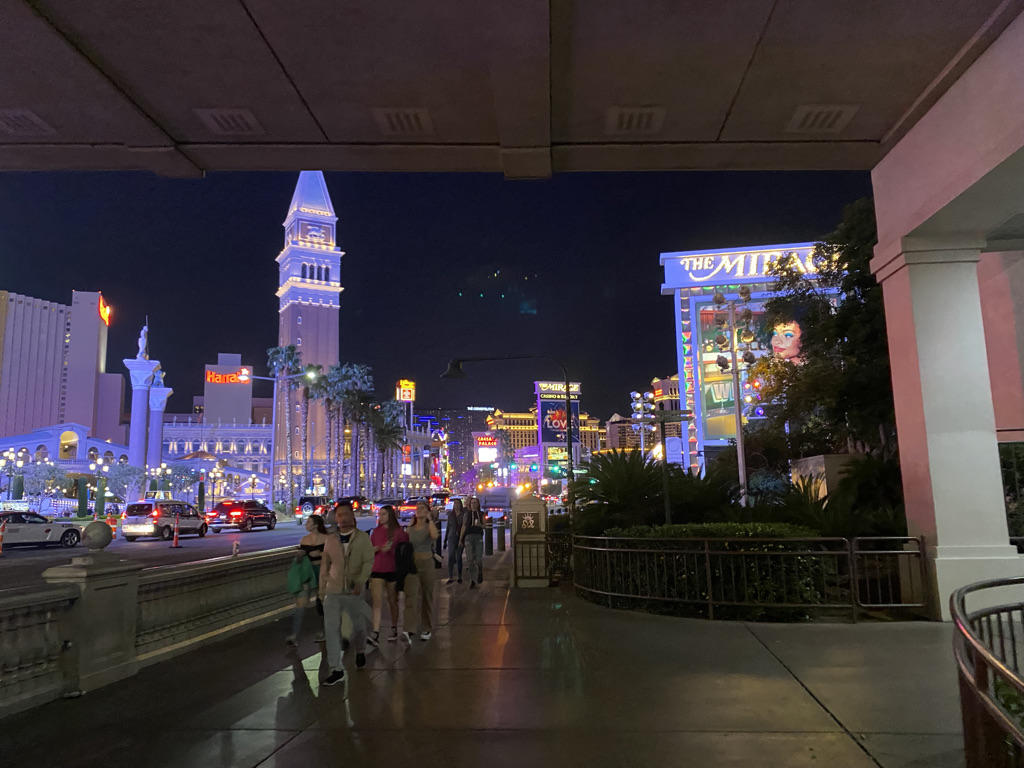
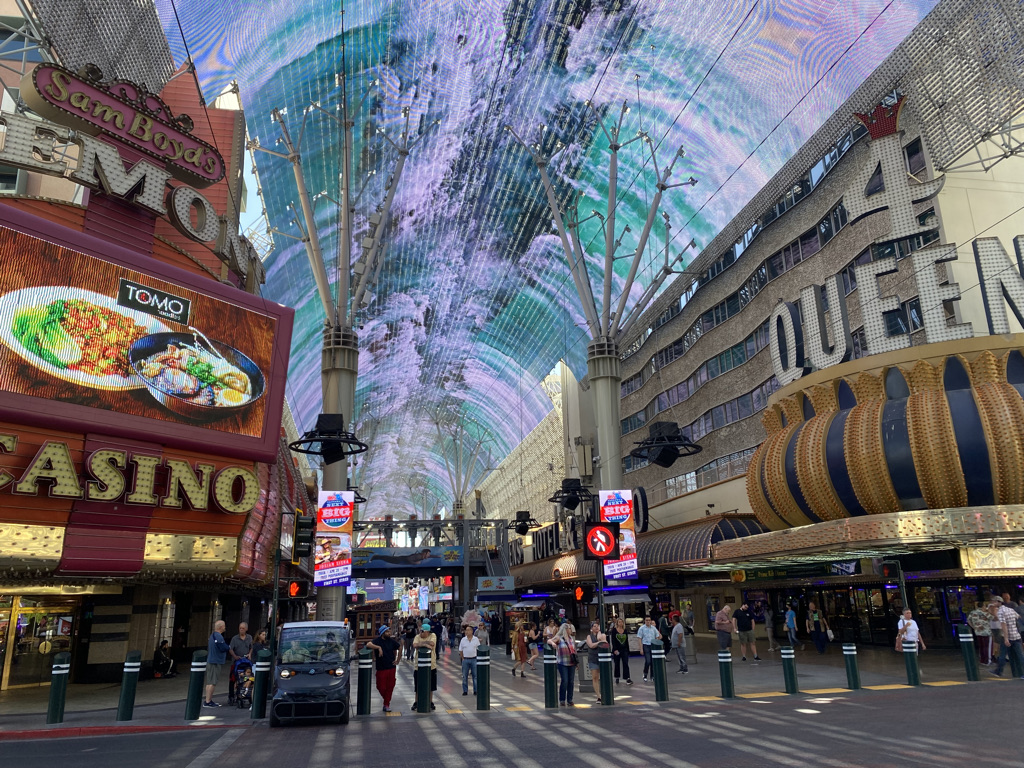
Every time I go to Las Vegas, I think about the grand meaning behind this place. What makes this place the way it is? Why do so many people want to come here? And, what does this tell us about the current human experience?

I come here a lot, and have written several previous entries about Las Vegas. Perhaps the most fitting description of what Las Vegas means to the countless people who frequently visit this place is the title to one of my previous posts, Three Days Without Rules.

Most people spend a vast majority of their time doing things they don’t really have control over. I don’t think any of us who work 40 hours per week were at any of the discussions, over a hundred years ago, where labor activists and corporate owners agreed to that standard. Nor do that many of us have any idea how 9-5 became the standard working hours.

The same can be said for many of the other responsibilities we take on, including maintaining our homes, family and relationship responsibilities and many of the standards around the other things we get involved in and take responsibility for.

For many of us, most days are just seas of to-do lists.

What we chose to do in that small amount of time we have total control over is often quite telling. People like me, with sedentary jobs in front of computers, often opt for active, outdoor pursuits in our spare time.

However, those with active jobs that require physical exertion are often more interested in relaxing, watching T.V. and sports in their spare time.

I remember back when I was in college and graduate school wondering if students balance out the high level of intellectual processing involved in their studies by drinking to sometimes crazy levels of stupidity. Those the live in cold climates are definitely the most anxious to visit places like Cancun. There is also the stereotype of the person who comes across as shy and reserved having some of the wildest and kinkiest sex lives.

In a world has recently abandoned organized religion and become obsessed with numbers and metrics for everything, we now see people looking for something beyond progress and achievement. Dare I say it, beyond this life.

These observations seem to indicate that we are all trying to achieve balance and that what people chose to do with weekends, vacations, etc. provide clues as to how day-to-day life can be out of balance in the current era.

So, why do so many people visit Las Vegas?

The reason so many visit Las Vegas is the same reason so many hate Las Vegas. What goes on here tells us something about how we live our lives in the present-day, specifically what is missing, what people are craving. I recently read a book called The Comfort Crisis, which describes, both through a lived experience and references to research what aspects of the human experiences we’ve lost by prioritizing comfort (and predictability, which is really another form of comfort) in nearly all of our recent pursuits.

In our collective pursuit of comfort, we have placed a lot of restrictions on ourselves and each other. We refuse to pursue our passions to avoid the potential financial, lifestyle and reputation risks. We shy away from pursuing meaningful encounters, friendships and relationships to avoid making ourselves potentially vulnerable to rejection and potentially making others uncomfortable for a variety of reasons, most commonly jealousy or the discomfort of seeing others break social norms. We skip activities to avoid random, often overblown risks. Perhaps most sadly, we limit how present we can be with the people around us, often the people we care about most, out of this strange pressure we put on ourselves to always be available to respond to messages. We fear our bosses, co-workers, or even sometimes causal acquaintances will be disappointed in us if there is any delay in our responses to messages over email, slack and even social media and therefore end up almost chained to our computers or other work stations.

Every time I go to Vegas, what I see is a large subset of society crying out.

They are crying out for some chaos. They are crying out for some unpredictability. They are crying out for some variety in a world where we condition ourselves and each other to follow the same routine, processes and procedures every day.

It is more than likely that we need some restrictions in our lives. At some point, we all need to sober up and get healthy.

But, perhaps, what places like Las Vegas demonstrate is that we may have too many restrictions, at least in certain areas of our lives.

3 Reasons I am More Hopeful at the End of 2022

I generally try to lean into the positive on this blog, because the world is just filled with too much negativity. However, as much as people tend to lean towards and dwell on negative things, we can’t all be positive all the time. Negativity does happen. It does not need to be ignored. We just need to balance out our thoughts by expressing gratitude and appreciation more and maybe reducing the amount of unnecessary negative content we consume.

It is in this vein that I must acknowledge that 2022 is the first time in nearly two decades I am ending the year with a more hopeful view of humanity and our future. So far this century, it has honestly felt like things were getting worse. People feel more divided, isolated and in worse physical, financial and mental health than they were at the turn of the century. 2008, with the financial crisis and smart phones and social media gaining momentum, seems like the pivotal year. I’ve even taken to labelling the period of time since then as the “Little Dark Age.”

Thinking back, two events in particular gave me a preview of the darkness that was to come. First, I saw a whole city collectively “lose their shit” over the results of an election.

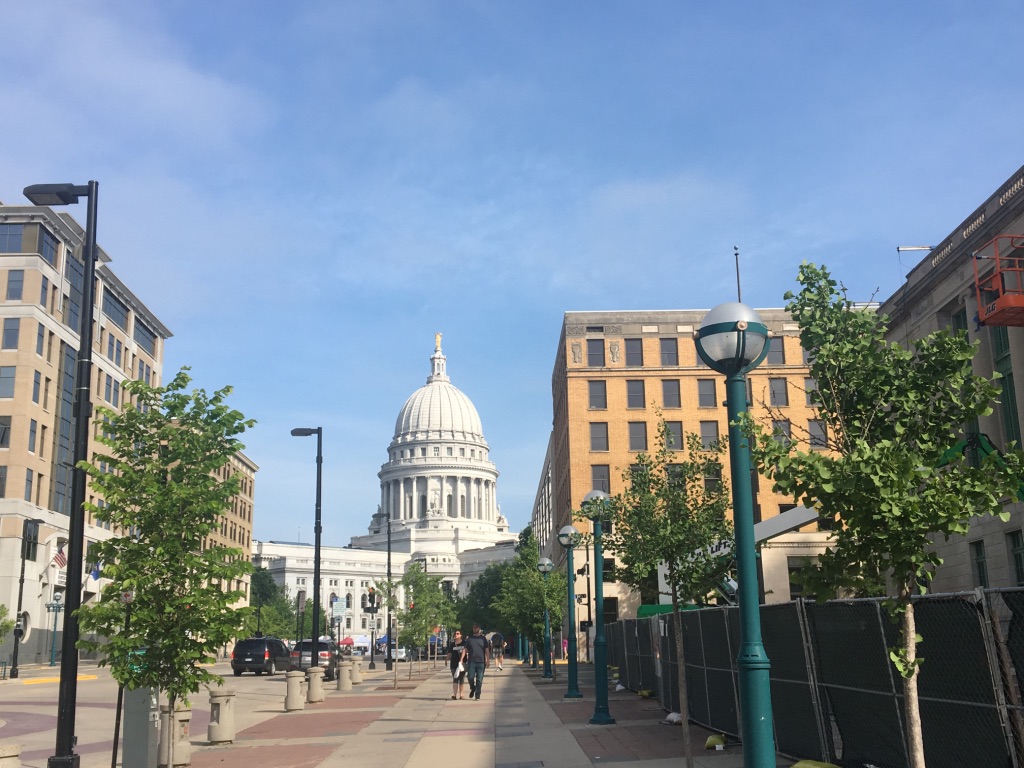
In 2004 I was living in Madison, Wisconsin, a city that is quite beautiful and culturally rich. However, at that time, it felt like they were just a little ahead of the curve in becoming obsessed with partisan politics and being outright mean to anyone who even shows an indication that they are not in 100% agreement on issues that largely split the country 50/50.

Then, my friends started getting smart phones. Normally, it is not a bad thing when someone obtains a new product. However, I began to see more and more people become so obsessed with this device that they would ignore the people that are actually in front of them, just staring at the thing the entire time. I just knew this could not be good for humanity.

The world got darker. But now, I see a coming better era. Three moments from 2022 captivate this sentiment.

1. When I met up with my friend who is a professor

My friend Kevin is a professor at Valparaiso University, where I went to college.

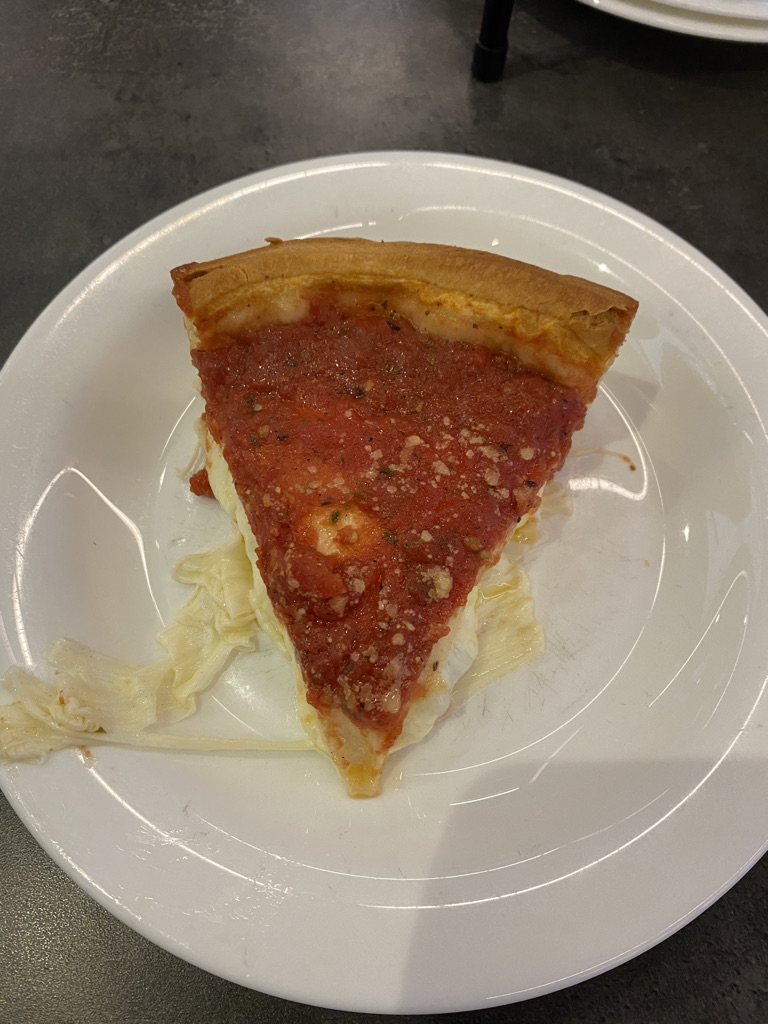
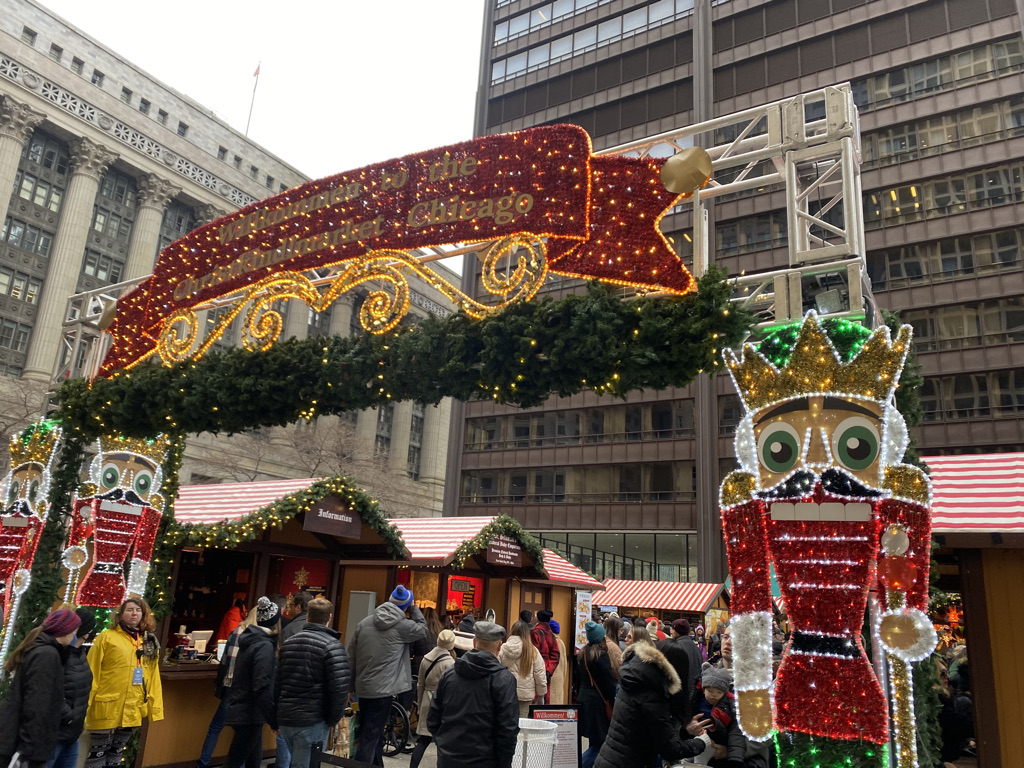
I met up with him at the start of the month. We went out for deep dish pizza and went to the Christkindlmarket, because, well, Chicago in December.

I had honestly not seen him since before the pandemic and I asked him about student’s cell phone use. What he said indicated a marked improvement. He talked about how back in 2016, students were constantly being distracted by their phones, doing things like scrolling through social media. He indicated to me that now it seems like the majority of students’ phone use in class seems to be class related. Maybe they’re looking up an equation or a historical figure to enhance what the discussion in front of them is. This feels like a new generation of people is finding a far more productive way to use this technology that recently disrupted our lives.

2. Random song lyrics

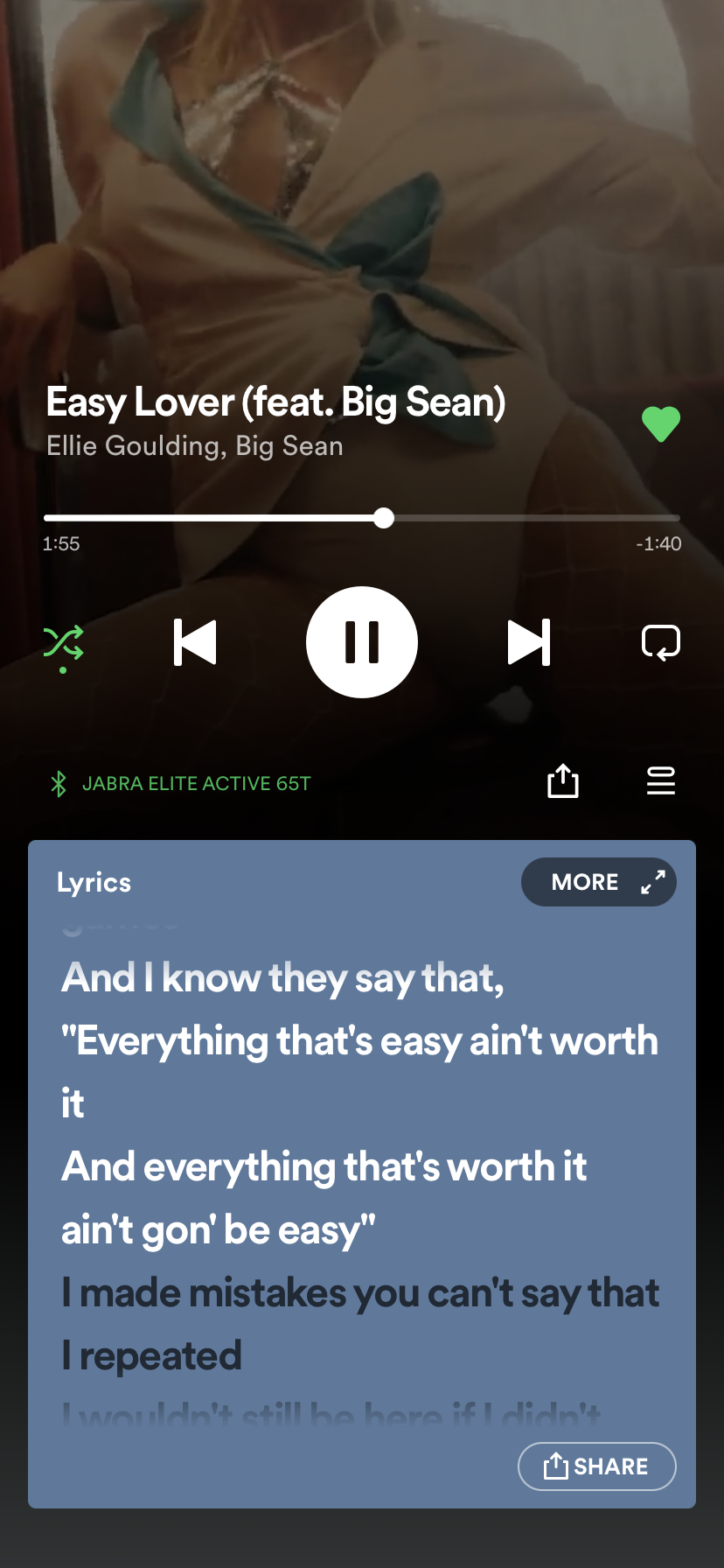
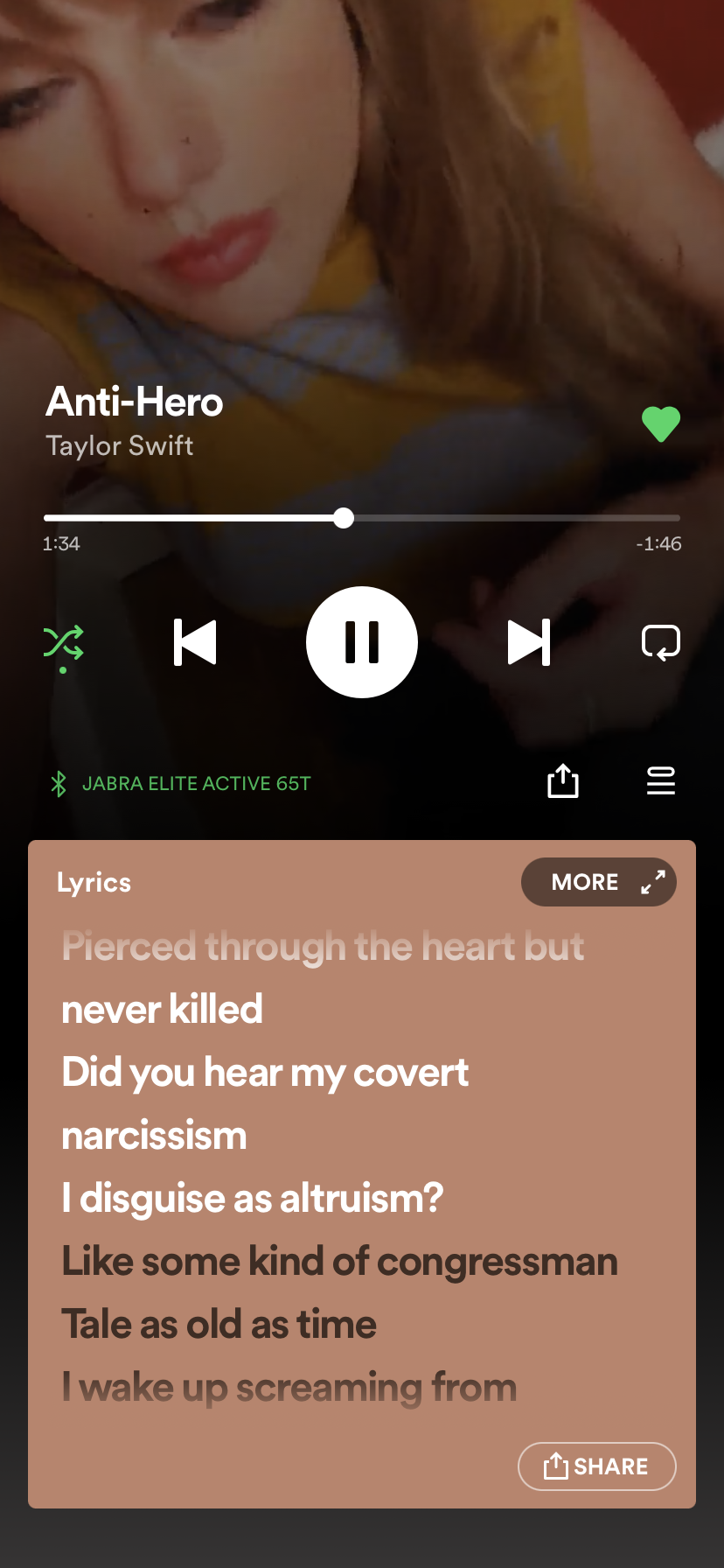
These particular song lyrics hit me hard, in a good way, in 2022. They both represent people looking inward as opposed to outward. They represent a switch from the finger pointing and accusations that were quite common during the pandemic to self-reflection and trying to be a better person. This represents a trend that has the potential to be both less divisive and also more empowering. Focusing on what we, as individuals and communities, can do offers far more hope than dwelling on external factors and obsessing over how to either change or exact revenge on certain groups of people.

This kind of echoes what I have been seeing elsewhere in culture, including movies and T.V. shows. Without getting into detail, It feels like from roughly 2017 through 2020 most of pop culture had an us vs. them theme. Many songs, movies and shows seemed to be strongly advocating that everyone adapt perspectives that are in line with what people in Hollywood think (or, just taking them as ground truth despite them being up for debate generally). This year, I saw Top Gun Maverick, Elvis and Spirited, the new Christmas movie. These films, along with some other things I watched this year seem more themed around how we can improve while still being true to who we are. Thus, combining wanting to be better to those around us with acceptance of what makes all of us unique.

3. People I encountered throughout the year

As the year went by, it felt like I was encountering more and more people with a different focus. It started when the Commons on Champa, Denver’s entrepreneurial hub, reopened the last day of May.

This lead to meeting entrepreneurs from all over Latin America, associated with the Young Leaders in the Americas Initiative. What a wonderful, appreciative group of people. I’ve been told multiple times that people from poorer countries are often better at appreciating what they have as opposed to focusing on getting the next thing.

Then, on top of Mount Antero in August, I encountered some of the friendliest people I’d ever met.

They were friends from California and Arizona on a road trip together. They offered me a ride when my dog got blisters on her paws. They picked up litter they saw on the trail. Everything they talked about was positive, things like how amazing the music they were listening to is and astonishment at the scenery on the hike.

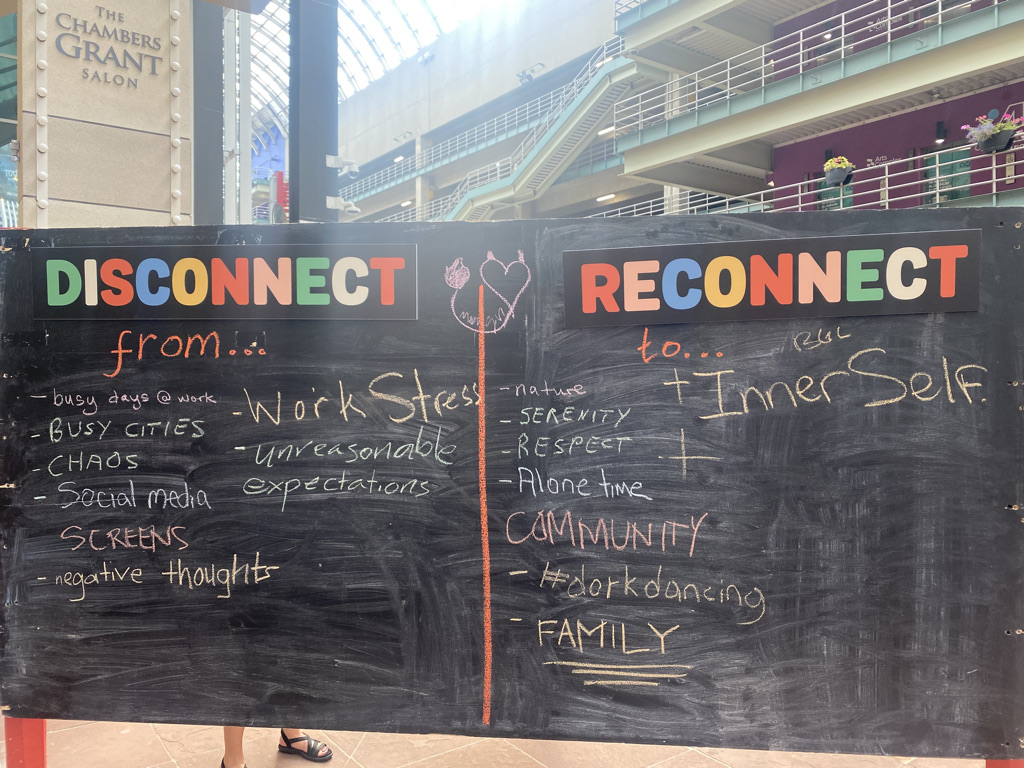
For much of the second half of the year I heard countless people describe things like their desire to get away from a lot of the stress and negativity of recent years and reconnect with themselves, their families, communities and nature. I had many people tell me about what they are doing to reduce their screen time, such as placing time limits or deleting apps and adapting new habits.

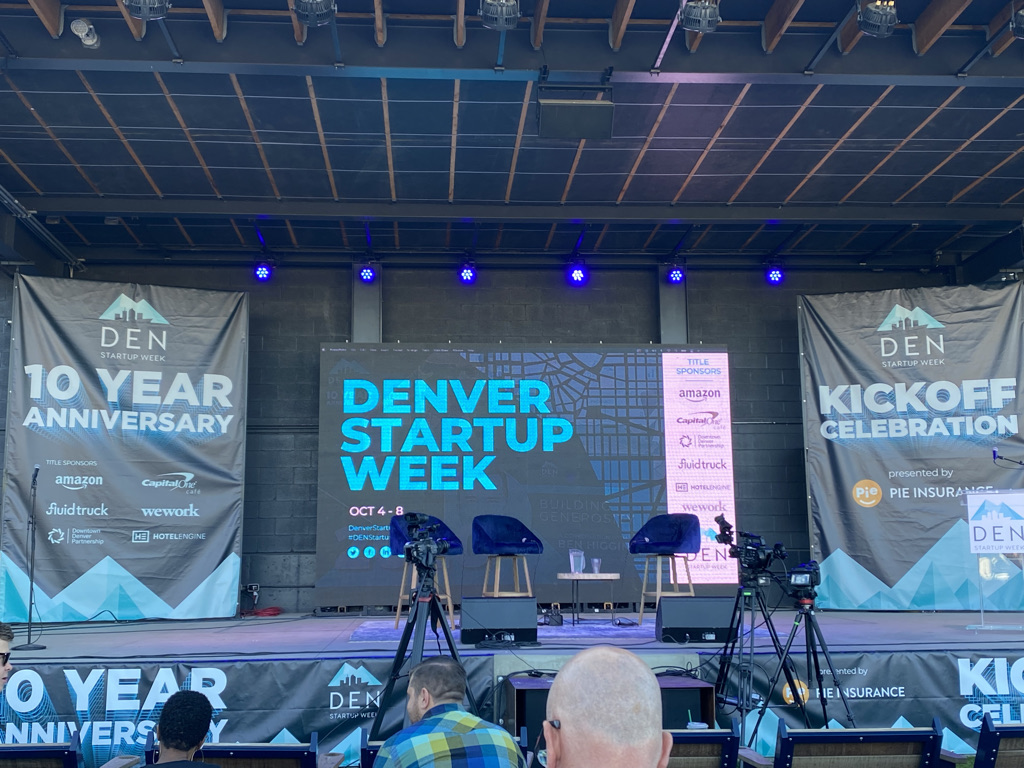
This culminated with my experiences in Cancun and Chicago in late November/ Early December. Between that and the messages I got from strangers at the Awake Festival and StartupWeek, I felt a level of appreciation I had not felt in years. Sometimes it feels like I opened a portal to accept certain influences in life. Or maybe, the world is finally moving on from the fear based responses we had to the events of 2012 through 2020 and we are finally doing the work that needs to be done to create a better future.

I coined the phrase “Little Dark Age” based on the term “Little Ice Age”, used to describe a cooler period on the planet from roughly 1300 -1850. The “Little Ice Age” reached its apex in 1816, when volcanic eruptions and a relative minima in solar activity lead to what is coined as “The Year Without a Summer.” However, by 1900, we were clearly out of the “Little Ice Age” (and on the path to better food security). My hope is that 2020, the year that everyone was as isolated as ever and yelling at each other over their responses to the pandemic and racial unrest was that moment for this “Little Dark Age”, and that now, we are on our way out, to a better (although not perfect) 2023.

On Being Less “Numb”

The modern world is such a paradox. We are more prosperous, more secure and more comfortable than ever before. Yet, we also seem anxious, depressed and generally dissatisfied. What is going on? What are we missing?

There is something about the modern wold that, at times, can just feel lacking. Days without any meaning. Activities we don’t truly experience. Conversations where everyone’s not really interested and never lead to a true connections. Activities we barely even remember doing. On bad days, it can feel like we have all turned into robots just trying to achieve metrics, numb to all emotions.

Numbness has been attributed to lot of things. Drugs. Alcohol. Certain psychological disorders. Deciding to be constantly be busy. Engaging in only surface level interactions. And, finally, being in a constant state of distraction. The consequences are dire. When we chose to numb ourselves to avoid negative emotions, particularly discomfort, we also deny ourselves positive emotions. We lose the ability to enjoy life.

Over the past month, what I have experienced is most easily described as the opposite of numbness. First, right after Thanksgiving, I returned to the all inclusive resort in Cancun I visited six years earlier.

It was a similar experience. Warmth. Beautiful sunrises over the Atlantic Ocean.

Activities by the beach and pool. And, like last time, I made friends with both the other guests of the resort and the staff that coordinated the activities. It ended up being a very emotional experience. Every day I would go to Spanish lessons.

And, I would regularly try to conduct conversations with the staff in Spanish. After several days, those that I had spoken to most started telling me how much they appreciated our conversations. They said that only about 5% of the guests that come to this resort even try to speak to them in Spanish. One of the employees even wrote a heartfelt note.

It was quite emotional and made me sad to leave. I often don’t feel appreciated in normal day-to-day life. It often feels like people are trying to mold me to adapt a certain set of opinions or maximize my output. Here, I felt appreciated for being myself; goofy, curious and friendly. I felt like I was leaving part of my heart in Mexico.

Then, I spent a week with family, with Christmastime in full swing in the Chicago metropolitan area.

The setting couldn’t be more different. I went from vacation back to performing my remote job. I went from sunshine and 86°F (30°C) warmth to clouds and temperatures near 40°F (3°C).

The source of appreciation this time came from little children; my nephew and niece, ages 7 and 5. There were activities and just quality time spent with family. One of them, due to the lack of snow was baseball. My nephew drew me a picture commemorating a moment we had in a backyard baseball game when I hit a grand slam and we did a grand slam dance.

Leaving this place was emotional as well. It feels good to feel appreciated. I wonder why we are often so bad at showing appreciation. I wonder why I am so bad at it. I spent most of my travel time between all of these destinations wishing that showing appreciation was something that just came more naturally.

Also, neither of these experiences were completely free of all the mechanisms attributed to numbness. At an all inclusive resort, plenty of alcohol was consumed.

This did not stop me from truly experiencing both nature and human connection in Cancun.

Time spent with family raising children is always quite busy.

But that did not stop me from being truly immersed in the activities.

What was common to both weeks is that life felt “full”, like I was generally truly experiencing connections with other humans, activities and the world around me. Whatever numbness is common in standard day-to-day life in 2022 was just not there. If we all have a kind of metaphysical door that opens us up to emotion and experience, both good and bad, mine was clearly open and despite the heartache of leaving both places after the weeks were over, it felt so much better than having it closed.

So, how can we escape this numbness that leads to all this dissatisfaction with life? One commonality to these two weeks is that they both involved significantly less “screen time”. When factoring in computers, smart phones and television, the average American spends over 12 hours per day (84 hours per week) in front of screens. These two weeks my time in front of screens was 12 and 34 hours respectively. I was also generally free of anxiety, tight timelines and other forms of negative stress. Perhaps, it is these two factors, constantly being distracted by notifications from our smartphones and/or stressed out by drama and tight timelines that keeps us emotionally numb. Perhaps, as problematic as dugs, alcohol and being constantly busy can be, the stress and constant distraction that prevents us from being truly present is the bigger issue right now.

2022 in 15 Lessons

Lesson 1: If someone “ghosts” you, it is likely because they are overwhelmed

Ghosting can be a frustrating experience and it is certainly not the best way to handle things. However, in 2022 I realized that the primary reason this happens is people getting overwhelmed. It’s usually not about you. To account for this, you can cast a wider net to become less reliant on a person who may ghost you. If someone is really of particular interest to you, I would recommend following up something like 4-6 weeks later. This is soon enough for them to not forget about you, but not so soon that you are contributing to how overwhelmed they likely are.

2. Mindset really does create your reality

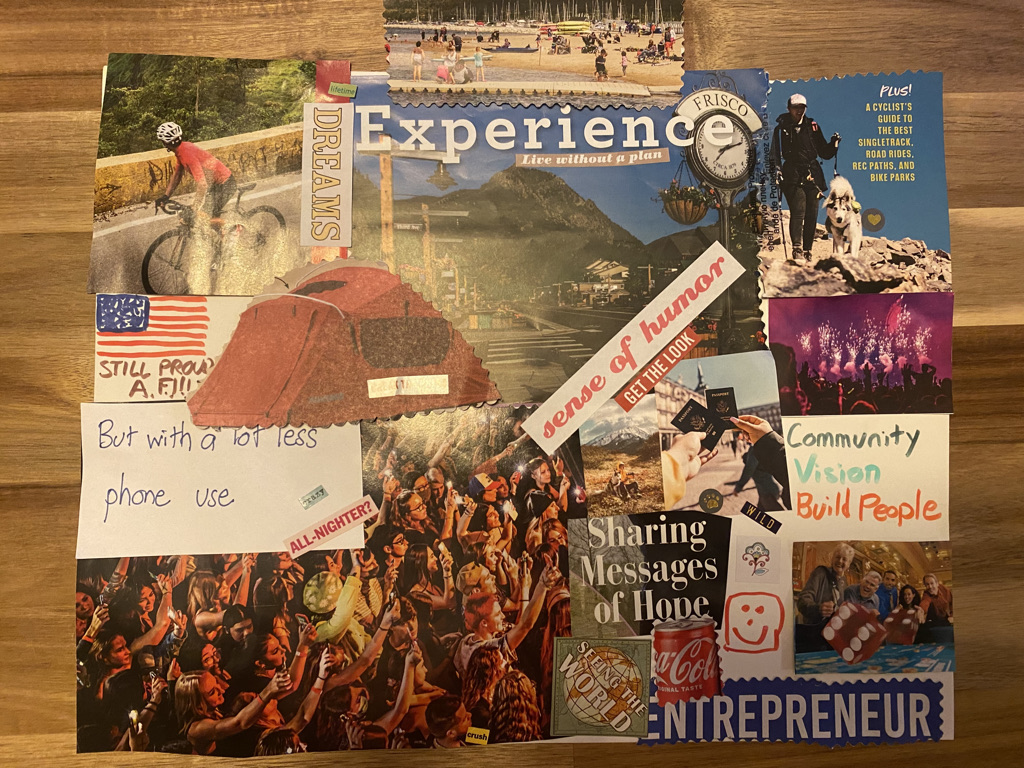
This is something that has been hard for me to accept. However, there is a logical explanation for this. What you focus on is what you see and what you see will eventually become your reality. My vision board became my reality in 2022.

Therefore, it is important to periodically re-assess what you think about, who you surround yourself with and what content you consume. Because, it will show up in your life.

3. Less is more

We’re trained to think it is better to work more, work harder and always be doing something. However, doing something just for the sake of doing something has a negative effect on our lives. It depletes the energy we have that we may eventually use for valuable pursuits. Sometimes it’s better to do nothing at all.

We need to be okay with doing nothing, stop feeling guilty about not doing enough and trust the people we “work” (using the broad definition of work) with.

4. Most people project

When someone accuses you of something, it’s probably something they are at least insecure about being true of themselves. For example, the person always accusing people or companies of being greedy is likely greedy. It’s a way of deflecting their own insecurities. Do not give in to these people! You can chose to just shake it off, or calmly point out what they are doing, but don’t comply with whatever they demand of you or engage them in the topic too much. It will reduce your confidence. It will also prevent the accuser from actually reflecting on their own insecurities and making positive changes in their life.

5. Most things are a choice

In nearly every situation, we do have a choice. Sometimes, it’s just “least bad option.” Other times, we do not understand our options. It is also common to become blinded by fear of ostracism and fail to see who would actually support the decisions we are afraid of making.

6. Fear is often overblown

After living through countless fearful situations, I have realized that what we actually go through is often way less bad than what we fear. However, there is big money in fear and it is prevalent everywhere. The problem is that often times fear of some kind of negative consequence creates an outcome worse than the event itself.

7. A strong plurality is ready to move on

2020 was us at our most divided and isolated. We also seemed to be reacting, not really thinking. While some people are still in that general line of thinking, and others want to return to some past state, it seems like a strong plurality of people are ready to just move on. We haven’t really decided what is next. Maybe there is no what. Maybe it’s for all of us to determine individually. However, it is time to be intentional about what you want to see next in your life.

8. If someone wants you to cede your power they are not your friend or ally

A true friend or ally is someone who empowers you. We all have our causes, and it’s human nature to want to enlist people in them. However, if someone enlists you in their cause in a manner that requires you to shrink back and give up power, you need to distance yourself from them. You don’t necessarily have to end the friendship in dramatic fashion, but reduce the role they play in your life.

9. What feels good in the moment is usually not what you need

The obvious form of this are bad habits like drugs, alcohol and tasty but unhealthy food. However, it also takes the form of things like instant gratification, some forms of entertainment and the search for validation or vindication. They often feel good in the short term at the expense of something longer term. Sometimes we need embrace what feels uncomfortable in the short run, like hard work and tough conversations.

Scale back on activities that bring you fleeting joy and embrace short-term discomfort for long-term satisfaction.

10. Relationships are more important than tasks

We all have our to-do lists. However, 12 months later our lives are far more likely to be impacted by who is still in it than what specific thing got done on that day. While some deadlines are important and can’t be breached, most aren’t. In more situations than not, you can prioritize taking advantage of an opportunity to build a relationship through genuine connection rather than work on a to-do list.

11. Different preferences are not a personal threat

If someone listens to different music, eats dinner at a different time of day, works different hours or conducts their relationships differently from you, does that prevent you from having your preferences? Probably not. We are conditioned to want others to validate our choices by making the same ones as us, but we should not need that validation. Nor should we feel pressure to validate others choices by conforming. You do not need others to validate your choices and you do not need to validate other’s choices by conforming.

12. More things are about power than you think

We want to believe people live by certain principles that are more important than power. Unfortunately, this is simply not true. Principles are often created as convenient excuses for people to pursue or advocate for things that will bring them more power (or money which really translates to power). Stand up for yourself. Recognize what is really happening.

13. Presence is more important than exclusivity

We focus on exclusivity when presence is what we are really looking for. It is possible to be exclusive but not present or present but not exclusive. Presence is what truly determines the quality of your interactions with one another and involvement in anything. Therefore, presence should be your focus.

14. Consciously decide whose opinion matters

Most likely, at some point this year, you found yourself overloaded by opinions. But, opinions are easy and anyone can have one. They are not all equal.

There are two ways to handle this. You can create a list of people whose opinions matter to you. Or you can learn to assess all opinions given to you by pondering the source. Who is this person? Why did they share this opinion? Do you want to follow in their footsteps? Do they have something to gain from sharing this opinion with you?

15. Perfectionism may be your biggest barrier

We’ve all been raised to fear being “wrong.” However, avoiding mistakes leads to inaction and paralysis. It’s more costly than being wrong. It can cost you your life, as it will prevent you from ever going for what you truly treasure.

It’s time to adapt a new mindset. Remind yourself, daily if you must, that it is better to get something wrong out than to not get anything out at all.

Utah- A Place Like Nowhere Else

Downtown Salt Lake City

Most of Utah’s population lives in a region referred to as the “Wasatch Front“, which is essentially the area from Ogden to Provo, including Salt Lake City, boxed out in red in the map below.

It’s a place I have not previously spent much time, as most of my prior Utah experience had centered around recreation destinations like Moab or Park City, or places I stop at on road trips. However, if you want to understand the culture of a place, it is usually good to visit where most people live.

My entire time in the Wasatch Front region of Utah, I felt this strange mix of feeling partially at home but partially kind of elsewhere. This is probably due to my suburban upbringing and current life in Colorado. Utah’s mountains are quite similar to the ones I visit all the time in Colorado.

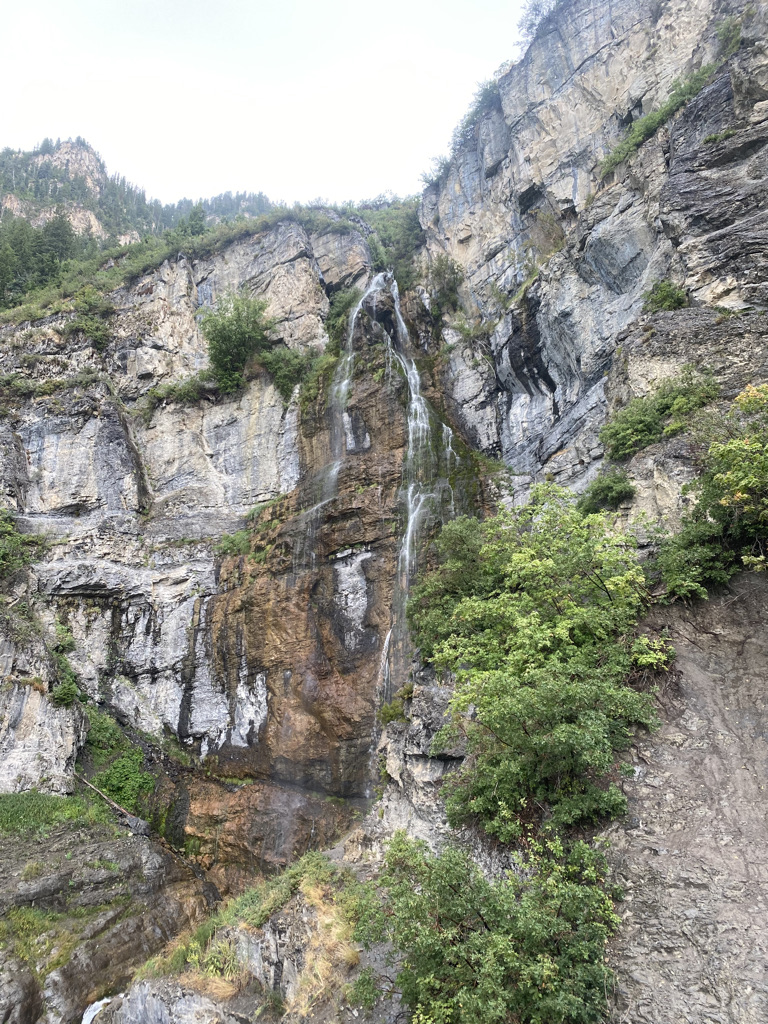
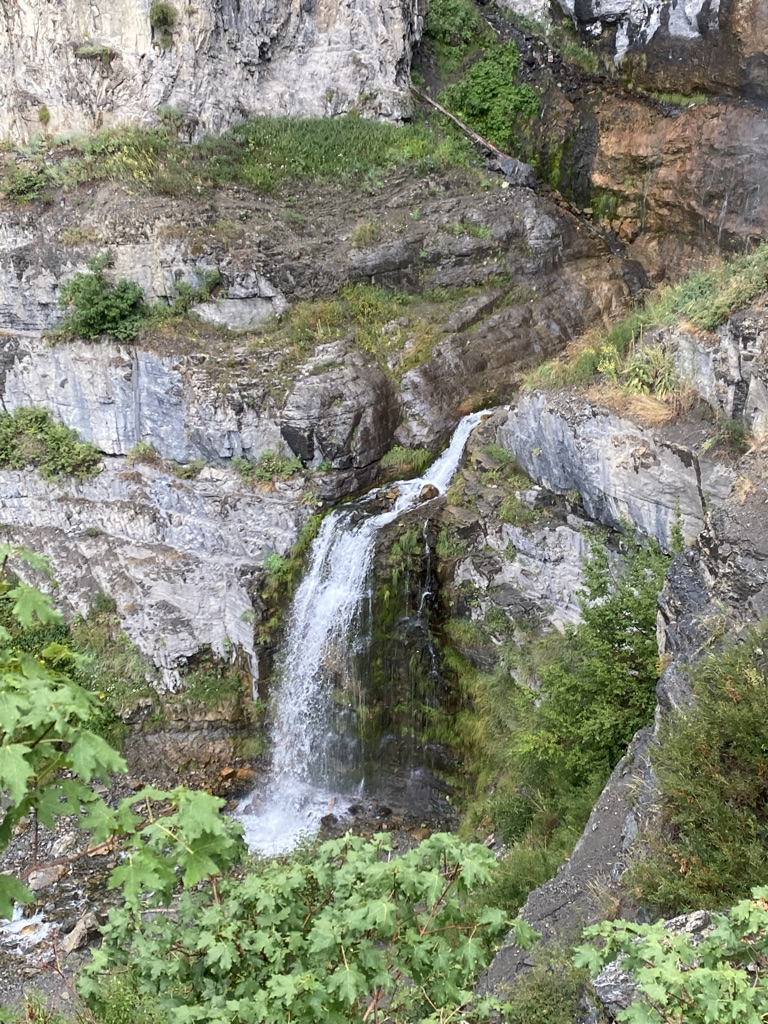
Like where I live, the culture revolves quite a bit around hiking, with hikes to beautiful destinations like Stewart Falls.

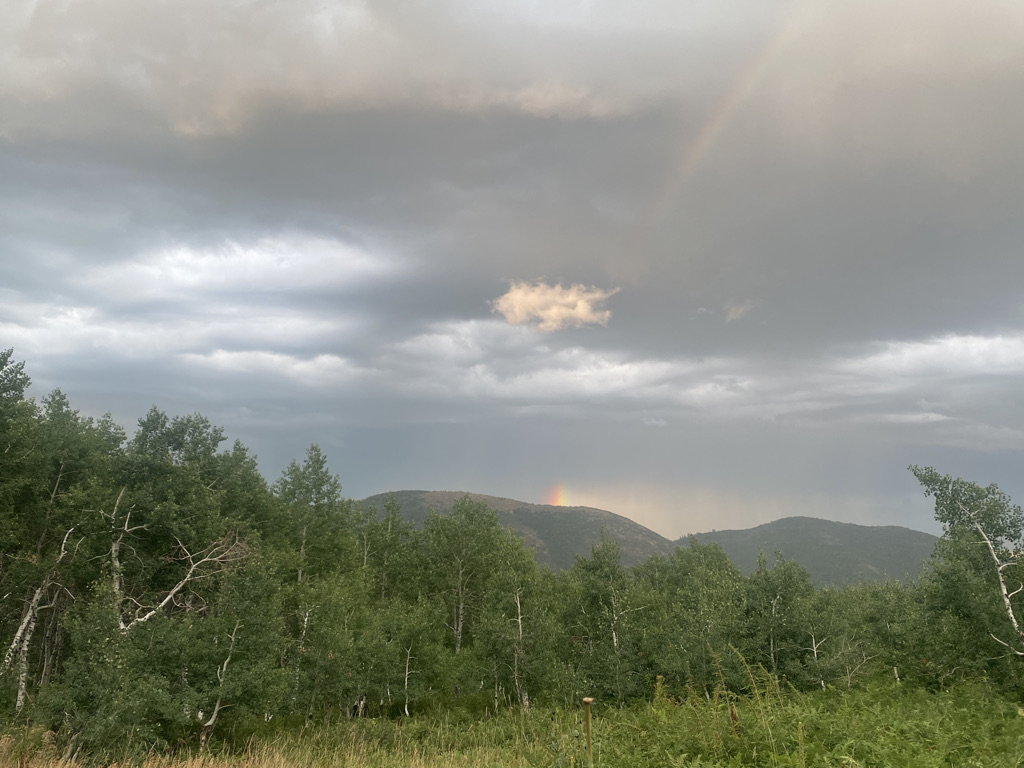
And, because of the mountainous terrain, the weather can be variable, and the rainbows amazing.

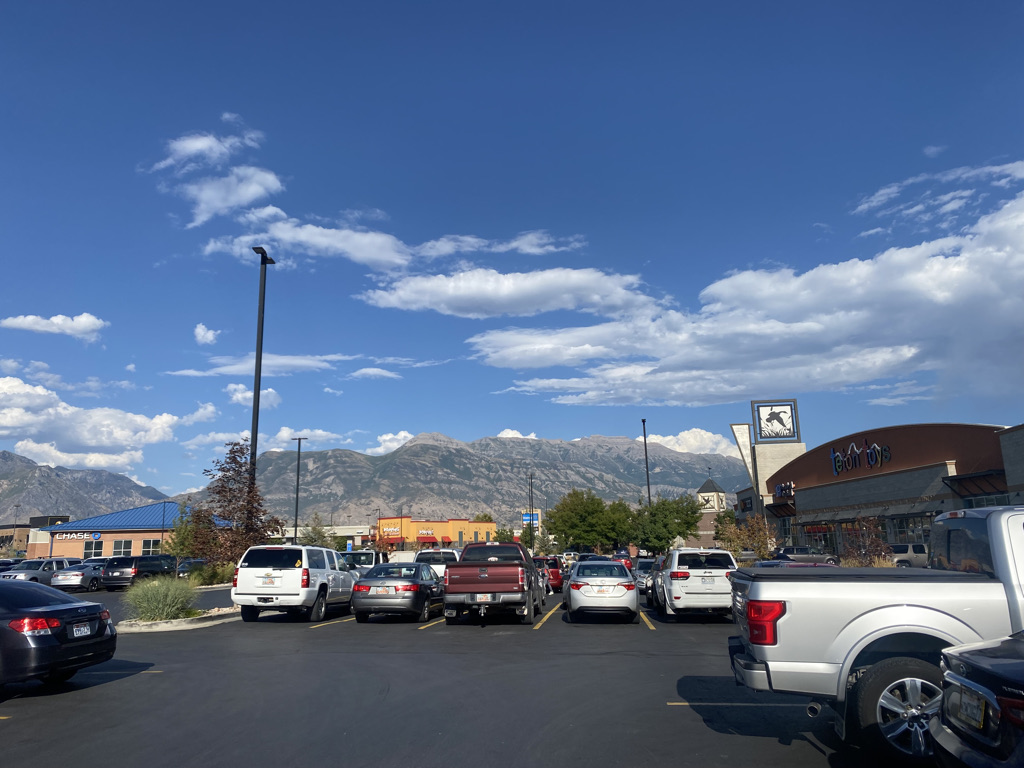
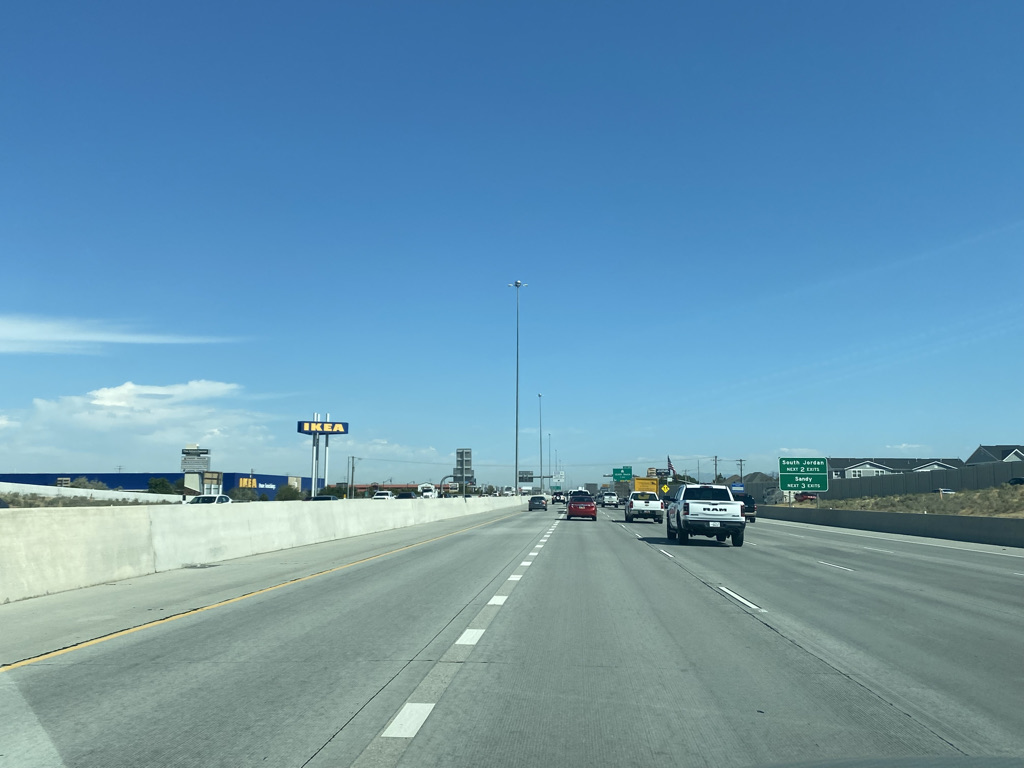
Anywhere in this region, mountains can be seen in nearly all directions. It is also quite suburban. My basic assessment of the area is that it all feels as if they took Schamburg (a suburb of Chicago known for giant shopping malls, wide suburban roads, retail and restaurants) and dropped it into the middle of the mountains.

People will often try to approximate the culture of a place by considering some basic characteristics, such as region, demographics, political and religious affiliation. Utah’s political affiliation is pretty clear as it is a solidly Republican state. However, unlike in many other democracies, in the United States we only have two competitive parties. This makes how much you can truly tell about a place based on political affiliation pretty limited, mostly limited to certain “hot button” issues.

Utah is nothing like Alabama, and, as a New Yorker I learned early on that New York is very different from California.

What makes Utah more unique from nearly all other states is its religious affiliation.

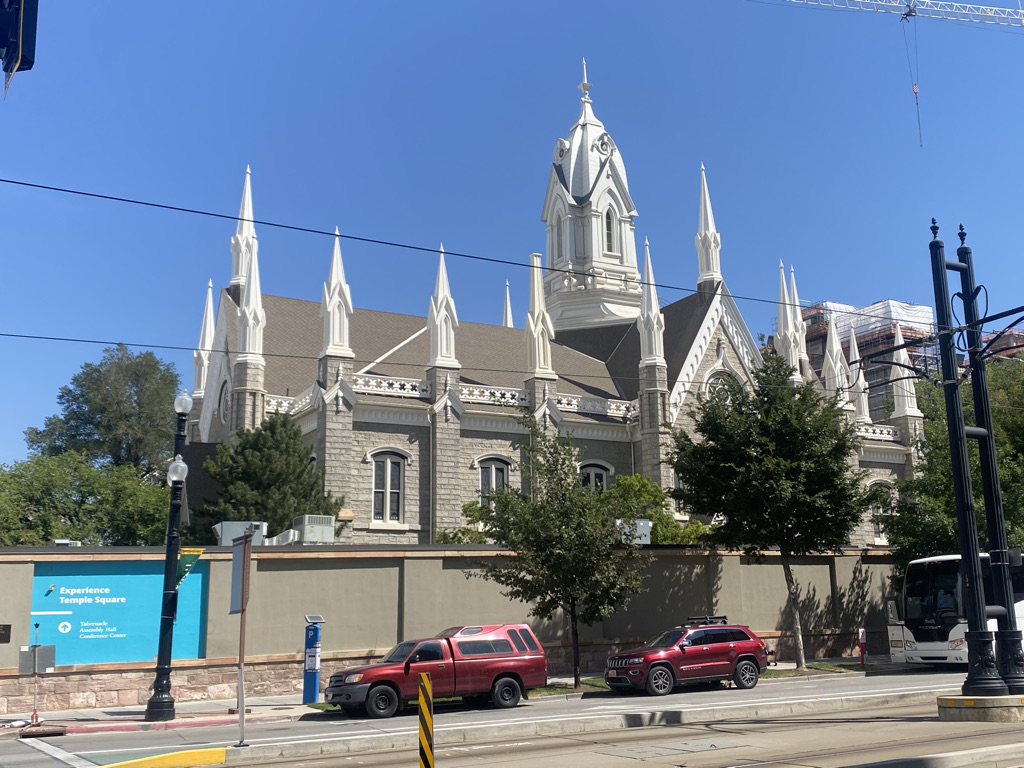
Utah is the only state in the country that is majority Mormon. This gives the state a culture and a perspective that is unique from any other place, as some Christian groups don’t view them as Christian and see them as more different than, say, Catholics would view Protestants. This, and the state’s history, likely gives the place an interesting view of its place in the world.

It is customary for Mormons to go on missions when they are young. In Utah, it is common to hear “while I was on my mission” casually dropped into conversations. In these missions, many people travel to foreign lands and get exposed to other cultures.

As a result, there is much more exposure to other cultures here than one would typically associate with a “conservative” place. However, this exposure to other cultures and these types of experiences does not appear to have shifted the population in the direction of the post-modern sentiment that there is no absolute truth nor towards a nihilistic lack of pride in anything.

There may be limitations to my observations about the culture of Utah, given I was only here for a few days and primarily came to engage with my co-workers in a work setting.

However, it does feel like the people here are more confident and happier than most others I observe.

Hearing about some of these mission experiences it feels as if the Mormon population is well aware that, outside of Utah (and parts of Idaho, Wyoming, Nevada and Arizona), most people oppose what they believe in, some quite intensely. They’ve navigated being opposed and being hated in a manner that has strengthened their resolve in a manner that actually seems healthy.

I recall going to see “The Book of Mormon” years ago. The play pokes fun at the church a bit and was written by people who are generally skeptical of organized religion.

In the playbill, the Mormon church placed an advertisement that literally said “You’ve seen the play, the book is better.” This told me that this is a community that can take a joke.

Ultimately, what we are all looking for is to be happy.

Sometimes our approaches to happiness can be misguided. We pursue things that actually make us more unhappy, like drugs and alcohol. Or, we can become too obsessed with things that only facilitate happiness, like money and good looks. The formula for happiness is complicated because there is no one formula. We all need something different in our lives to truly be happy. If someone appears to be happy, and they are not harming anyone, why hate? Hate is so much more exhausting than love.

How to Find Opportunity and Positivity in a Midlife Crisis

Photo via Pexels

For more articles like this, take a moment to explore the many experiences and adventures documented on The Action Story!

Your midlife crisis does not have to be a negative experience. When approached from a different perspective, a midlife crisis can feel more like an opportunity than a curse. This period of upheaval, transition, and reflection establishes the perfect foundation to make changes in your life to better align your actions with your present goals and values. Whether you’re dreaming of quitting the rat race and starting your own business or getting away from everything and traveling full-time, your midlife presents the perfect opportunity to make those dreams a reality!

Start Your Own Business

It’s not unusual to feel fed up with a long-held job by the time you reach your middle years. If you feel the need for a change after working the same job for a long time, consider starting your own company! You could work as a remote freelancer, sell handmade products online, or open a local business in your community. Do whatever interests you the most.

To give your new business the best shot at success, be sure to register your business with your state, open a separate business bank account, and establish an organized accounting system. You’ll also want to set up a solid invoicing process. Remember to include your payment terms in your invoice and, if possible, accept a variety of payment methods to encourage clients to pay promptly. You can use an online invoice generator to create professional-looking invoices with all the pertinent information your clients need. Just choose an invoice template that you like and customize it however you like!

Reconnect with Old Friends

A strong social support system can make your midlife crisis much easier to navigate. This is a great opportunity to expand your social circles by reconnecting with old friends from high school. If you’ve lost touch, you can use online search tools to track down people who went to school with you in the Denver area. Just type in the name of the person you want to find as well as their graduation date and the school they attended. Then, you’ll be able to send your classmate a message and start rekindling that old friendship.

Embark on a Transformative Trip

Traveling is a great way to turn a midlife crisis into a positive experience. By leaving your regular life behind for a little while and getting out of town, you can broaden your perspective and refocus on what really matters. According to Worldpackers, research shows that travel can trigger changes in your brain as you’re exposed to new sights, smells, languages, and ideas. Plan a transformational travel experience by being mindful of how you’re feeling and what you’re thinking throughout the stages of travel. For example, you might find that surrendering to the unknown elements of travel results in a heightened sense of confidence and independence.

Leave Your Comfort Zone

Traveling is an excellent practice in stepping out of your comfort zone, which is key in coping with rocky periods like a midlife crisis. Leaving your comfort zone can help you embrace the unknown and learn to accept change in all of its forms. And facing discomfort sets the stage for growth. If the idea of hopping on a plane and finding your way around an unfamiliar city is a little scary, just go with it! Accept that anxiety is your body’s natural response to uncertainty. The only way to get comfortable with novelty is to face it head-on, so book that trip and see where your adventure takes you.

No one really feels ready for the changes that come with a midlife crisis. The best thing you can do to cope during this tumultuous time is to embrace it rather than try to resist it. Use this period of upheaval to adopt positive habits, explore new places, rekindle old friendships, and pursue new professional passions. It’s finally time to focus on you!

Four Days Without the Internet

I am starting to grow tired of the internet. Every day feels like the same thing. The same feeling of rejection when I’m reminded of the social experiences people are having that I am not involved in. The same feeling of aggravation and isolation around people’s responses to current events. The same feeling of fear around societal trends and possible future events. And, perhaps most importantly, the same stale feeling around yet another hour in front of a screen, typically sitting down at home, consuming content that is all too similar to the content I had consumed the last hour I spent online.

As you can see, even before this, I spent less time on my phone than most

In the context of most of the world in 2022, going four days without the internet sounds extreme. We do everything online. We’ve spent the last two decades congratulating ourselves for making things more efficient by moving them online. However, I am not so sure this is a good thing. David Byrne famously pointed out five years ago that all of our new technologies have one thing in common. From online shopping to robots and those self-scanners at the grocery store, they all eliminate points where humans would have previously interacted with one another. This is one of the primary factors that lead to a loneliness epidemic being declared even before it the pandemic came and made it far worse.

My theory was that if I spent less time online, and distanced myself particularly from news and social media, I would be a lot happier. After all, I knew that there are people out there that care about me. I know there are people that see things the way I see them. The whole world has not descended into finger pointing and panic, and there are tons of great new experiences to be had if I just look around me. I just had to stop letting the internet tell me what to think about.

The very first thing I noticed was noticing more things.

I spent time observing trees, clouds, storms and all the things that we often forget to look at when our minds are occupied.

Soon, I became lost in thought.

Behavior analysts will often point out that if someone wants to move away from an undesirable behavior, like smoking or excessive hand washing, it is far easier to do so if the behavior is replaced with a new behavior. I sincerely believe this to be true, but I removed the internet from my life rather abruptly without selecting alternate activities. There was not always a suitable alternate activity, no matter how much I enjoyed this book!

So, in order to stick to my pledge, I ended up spending time just in my own thought. While at first my thought processes went to all of the things that had been frustrating me, soon I ran out of things to think about on that topic. This is where we all have the potential to tap into our creative sides.

It feels like we were more creative before we became constantly distracted by smart phones. Just the idea of people tapping back into this side of themselves and coming up with all sort of ideas gave me chills.

By the time I returned home, I was happier. But, as is the case any time people go on vacation, I did not know whether I was happier because of my hiatus from the internet, from not reading the news or being on social media, or if I was happier because I had just spent the weekend out of town with friends. This is something it would take all week for me to figure out.

After returning to Denver, I felt like I was still observing more than before.

And I had some pleasant conversations with the people I encountered.

Maybe it’s time for all of us to reconsider what our relationship with the internet should be. From increasingly using LinkedIn to network and find jobs to the use of QR code scanners for menus at restaurants, societal trends seem to pulling us closer to the internet, having it become more and more a central part of our lives. But, is this what we want? Is it what we need right now?

After a week of reflection on this experience I started to ask myself why I’m happier. What am I trying to escape? Am I trying to escape people? Or am I trying to escape a certain behavior pattern that the internet and particularly social media seems to encourage? Am I fed up with the way people interact over social media? Or am I fed up with the way people interact in general? And, is the way we interact in general a reflection of how social media has changed us over the past two decades?

Sometimes an experiment like this one, meant to answer a question, only leads to more questions. But, sometimes, despite what we all learn when we study science, if we experiment with something and it leads to a positive result, like being happier, maybe we need to stop obsessing over the reasons why and just be happy with the result.

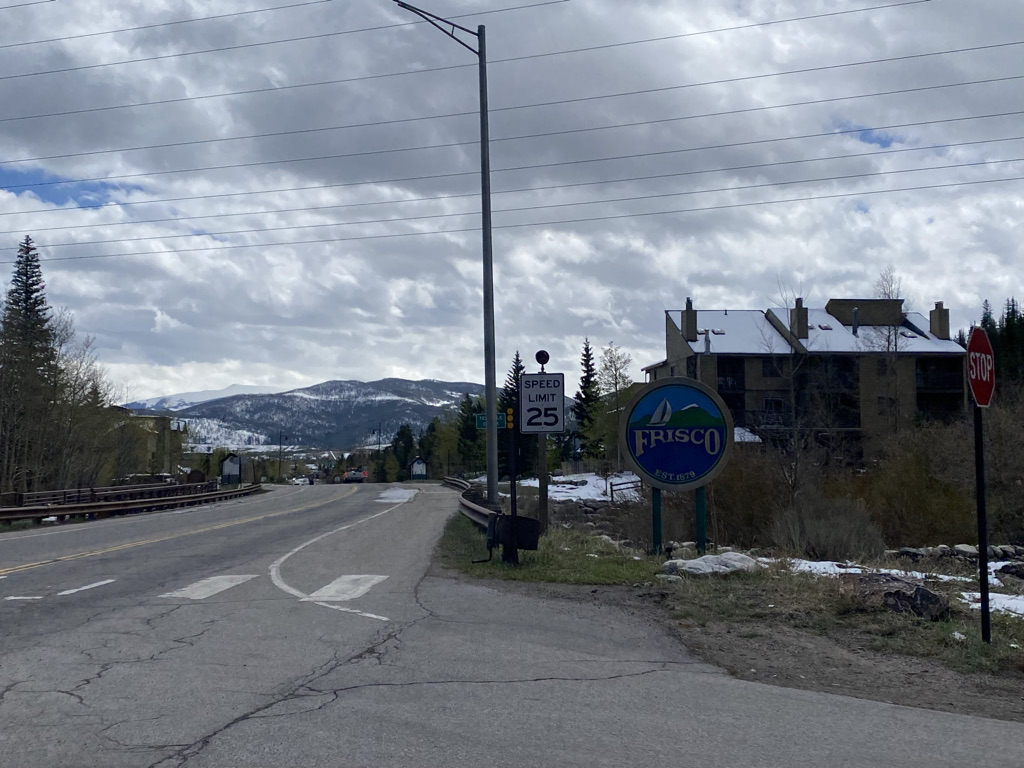
Frisco, One of My Favorite Mountain Towns, from a New Perspective

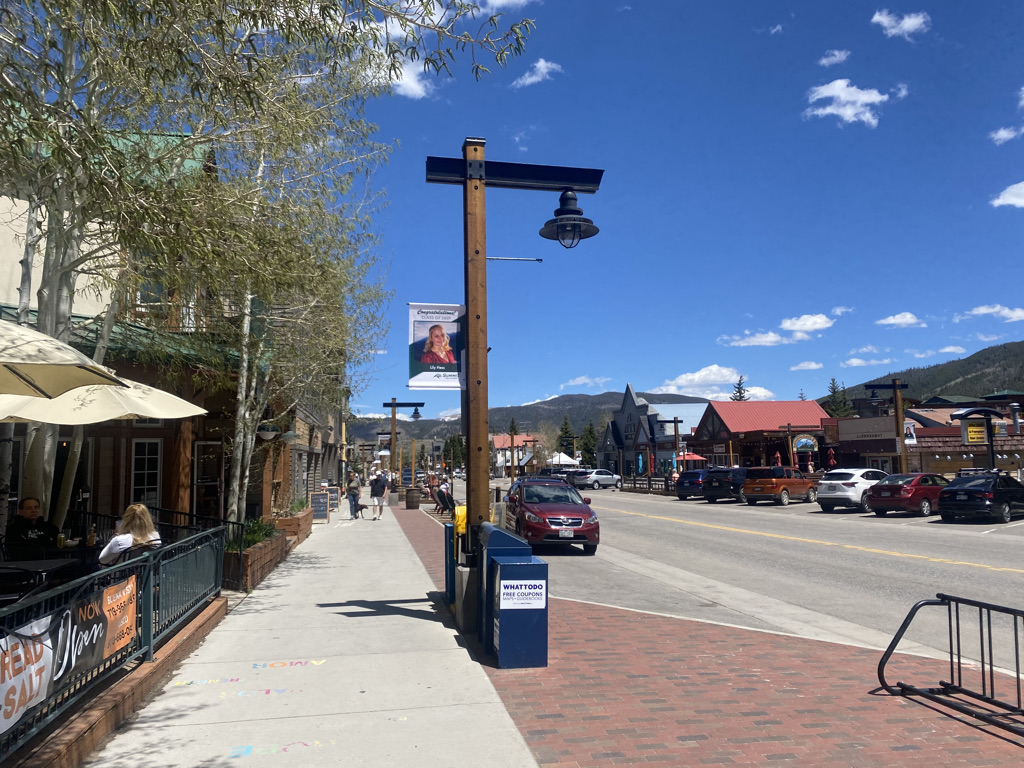
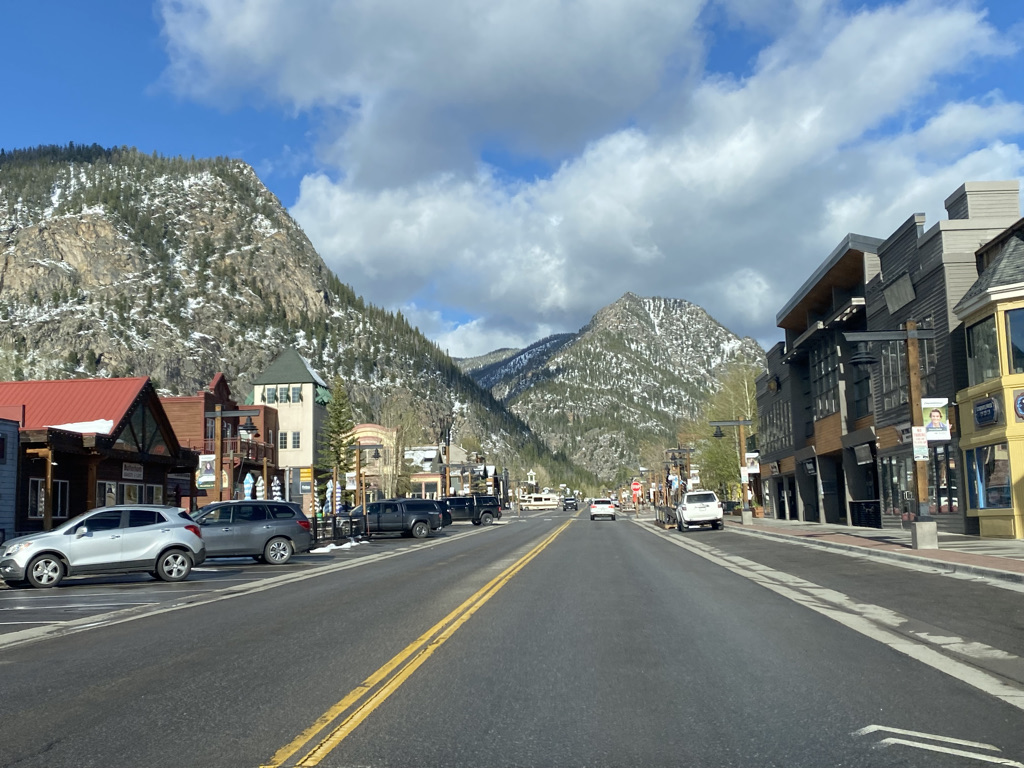
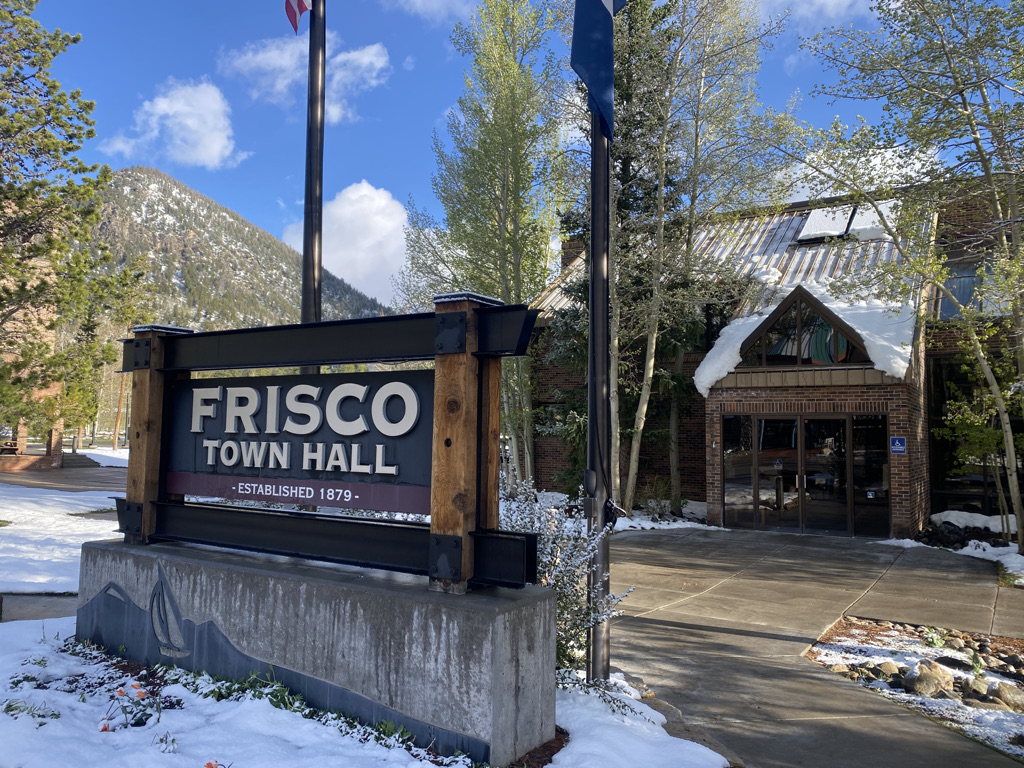
Downtown Frisco, CO May 23, 2022

There are many ways we travel and many reasons we travel. In retrospect, it seems rather silly that when I was a child, people used to lump all travel into two categories; business and leisure. Leisure travel, previously defined as anything other than travel for work, can take on many forms. We travel to visit friends and family. We travel to see specific destinations. We travel for specific activities. Having lived in the Midwest for a lot of year, I am more than familiar with travel to escape the winter and other bad weather.

The great thing about all these modes of travel is that it is possible to visit the same place many times and have completely different experiences.

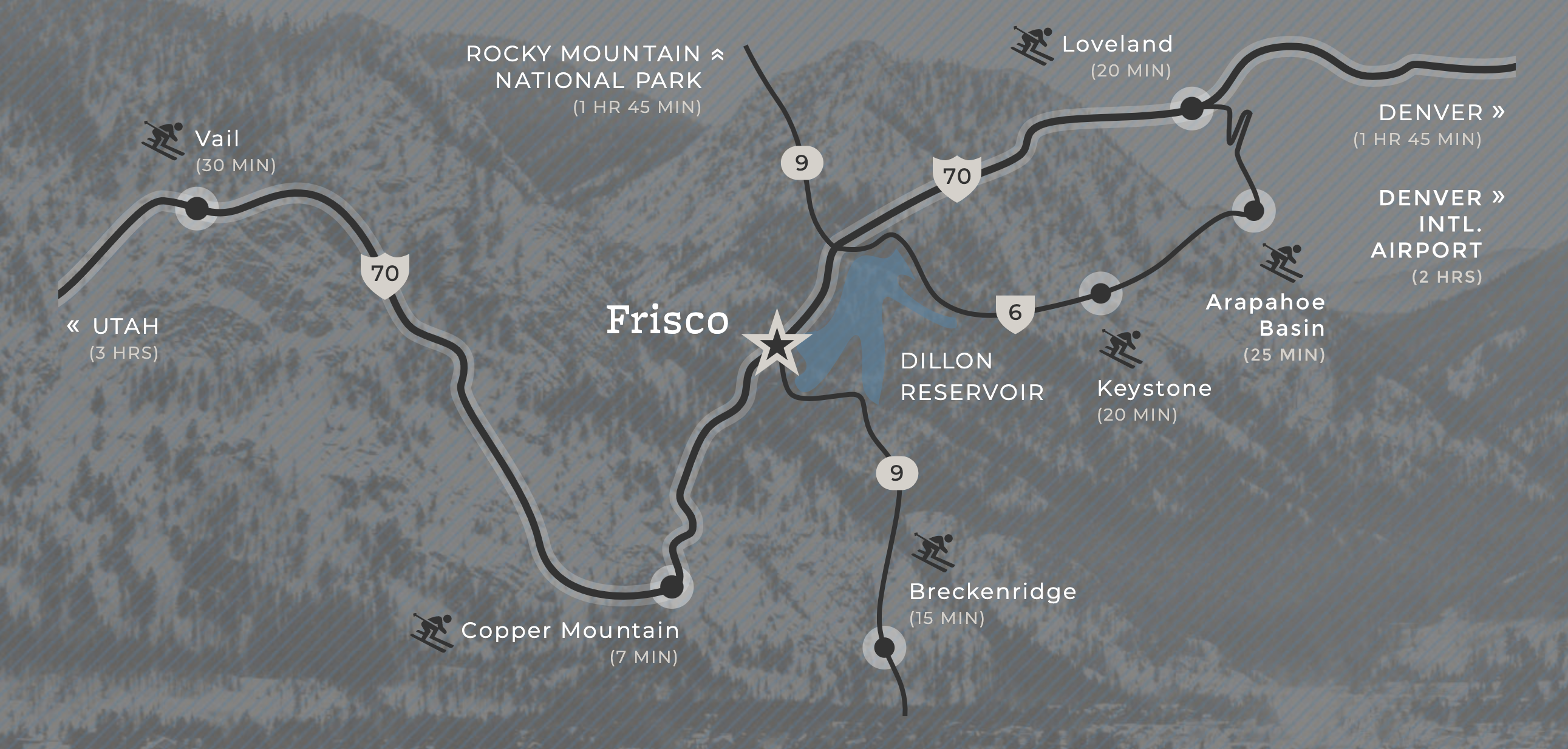
Frisco is unique in that it is situated near many of Colorado’s best ski resorts.

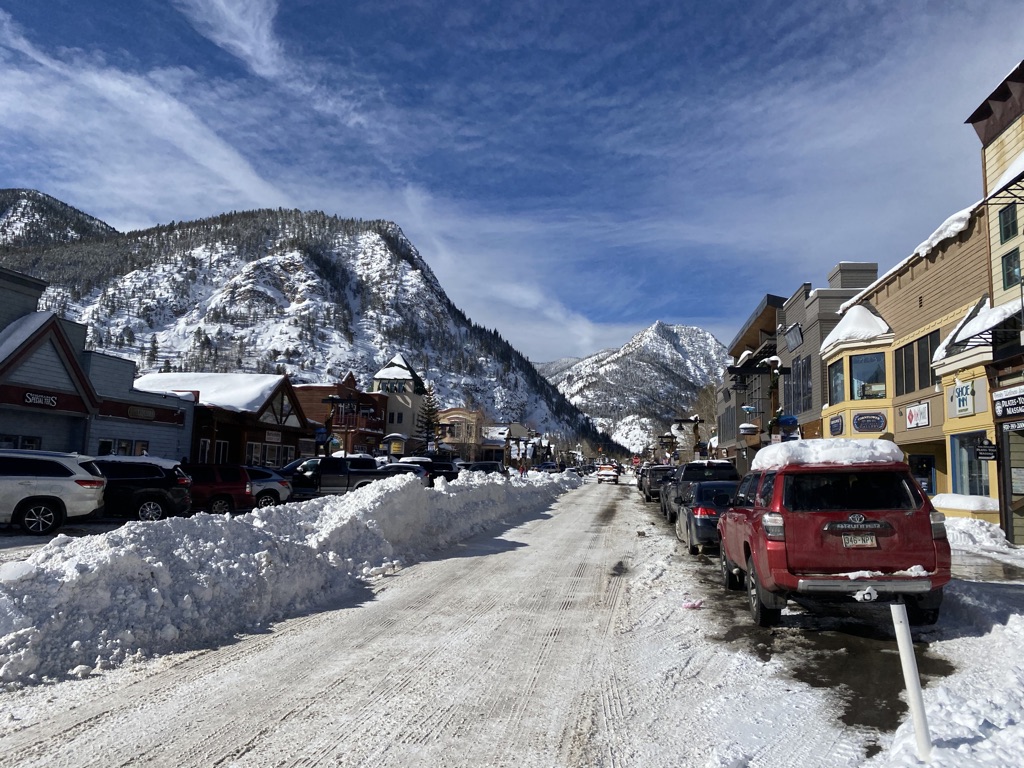
Yet, unlike Breckenridge or Vail, the town is not the site of a ski resort. Therefore, winter in Frisco is active but not in the same way these ski resort towns are. Still, there are a lot of people out and about. It is easily the most active time of the year in Frisco (except, maybe when a major snowstorm closes the highways).
Summer also tends to be active. The area is a great place to escape the summer heat and take part in activities like enjoying the mountains from the seat of a bicycle.
The morning of May 23, 2022, for perhaps the first time ever, I saw Frisco extremely quiet.

There was nobody walking around. The experience reminded me of the few times I would wake up before 8 A.M. on a Sunday while living in Chicago. It was the only time I saw a city that was always crowded and noisy quiet and calm. This place was quiet and calm because the activities that drew visitors all weekend had come to an end while the weather had yet to improve enough for many of the outdoor activities that draw summer visitors. There were low clouds.

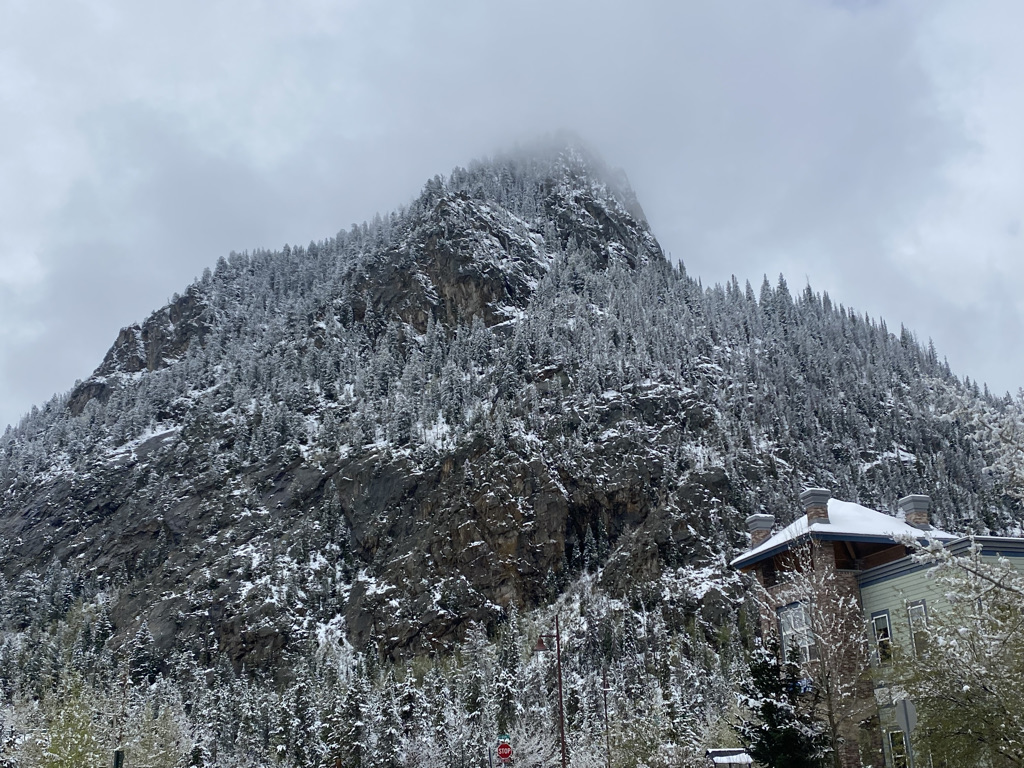
Fog, and even a little bit of snow.

It was enough to make Frisco quiet, even when the sun would peak out for a little bit.

It was even enough to make the typically even busier Breckenridge feel rather calm.

The conversations were different too. People I would encounter around town were not reflexively asking questions like “where are you in town from” and “how long are you here.” Instead, I was asked to identify a bird and about trail conditions. In a way, I was seeing the place the way the “locals” see it. Still, it made me wonder….

  • Do locals only get to act like locals, in the open like this, a few months out of the year, in between seasons?
  • Or is there a secret set of places they go during the more active seasons, particularly from December through early April?
  • What’s it like growing up in a place like this, not knowing that most people don’t live places constantly crawling with tourists?

On this trip, I also got to see more of Frisco. Most of my previous trips to Frisco primarily involve being on Main Street.

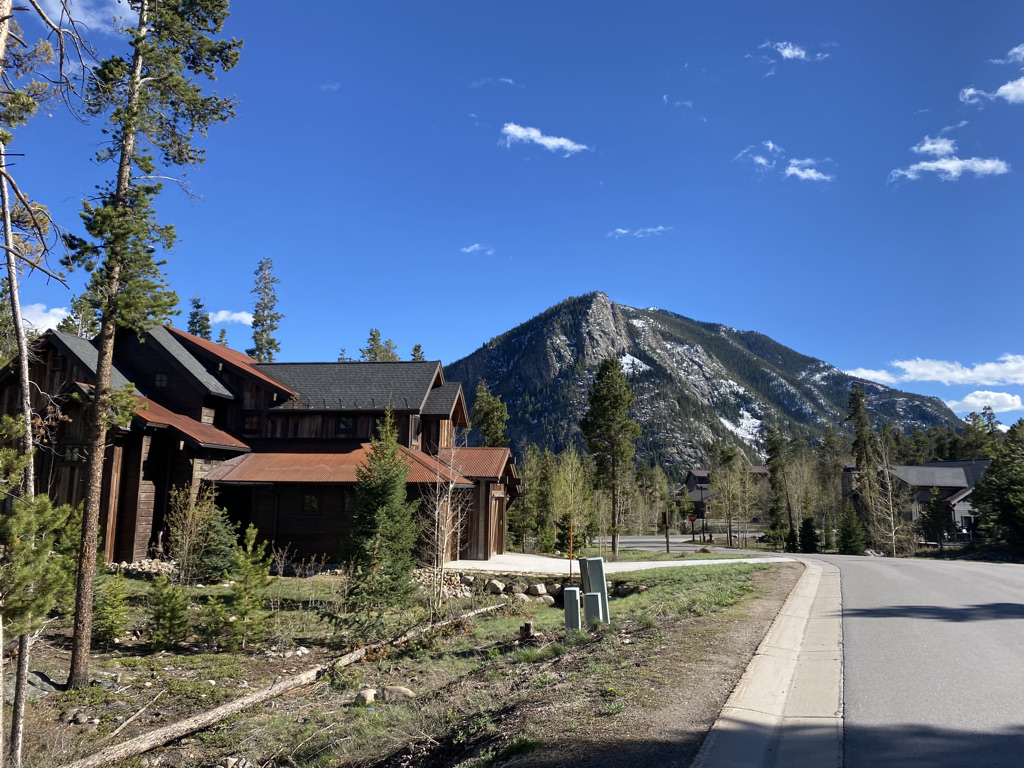
It is the face of the town. But, on this trip I spent a little bit of time in some of the other, more residential areas of town.

I saw where the creek flows between houses.

I even saw where they were in the process of building a new recreational trail.

Frisco is one of those towns with hiking trails right on the edge of town. Residents and visitors alike can just walk up to a hiking trail and climb a mountain. I did this twice during my off-season visit to Frisco. On the other side of I-70, there is the North Tenmile Trail, a hike that follows the Tenmile Creek into the Eagles Nest Wilderness.

There is the far steeper hike up Mount Royal on the south side of town.

This mountain is impossible to miss. It is quite likely that for most, the idea of hiking up this mountain feels quite intimidating. The hike is steep right from the start and is steep the whole way.

However, it leads to amazing overlooks of I-70, the Tenmile Canyon (just west of Frisco) and a whole new perspective on the town of Frisco.

On previous visits to Frisco, I experienced Frisco how tourists experience it. I saw the bus to the ski resorts. I heard conversations about vacations, time shares, flights and favorite slopes, shops and restaurants. This May, nearly a decade after discovering this town, I finally experienced it more like a local, slowing down a bit and adjusting for things that almost never happen during the busy season, like restaurants being closed on Mondays and Tuesdays and full days without any activities.