Category Archives: culture

12 Thoughts on Travel to Australia

1. It is not as daunting as many people make it out to be

Australia is kind of the other end of the world. So, it is easy for people in North America (Europe as well) to think of Australia as nearly out of reach due to constraints related to time and money. Flights from Los Angeles to Sydney take 14-15 hours. Sitting in an airplane for that long, especially in coach, is quite uncomfortable.

img_6743

However, once it’s done, it’s done. Traveling to Australia for the first time felt reminiscent of the first time I spent a weekend away from my family, while I was in high school. Despite the trip being only four hours, the lead up made me nervous and took me out of my comfort zone. I came back with a fantastic experience and a comfort zone expanded. Dealing with jet lag and the change in seasons can be rough, but many regular travelers have come up with some good techniques to manage it.

2. The best time of year to visit is somewhat ambiguous

The northern part of Australia is tropical. Since summer is their wet season, winter is likely the better time of year to visit.

img_6815

As for the Southern part of the country, the weather would most likely be more pleasant in the summer (December- February). However, that is the busy tourist season. The Great Ocean Road in June was pleasantly empty. Plenty of locals indicated this to be the better time of year to be here due to the lack of crowds.

If I could chose any time of year to visit Australia again, I would like to try Springtime (Fall in North America). When considering the ideal time to travel, many fail to consider what they are missing back home. Colorado is amazing in winter and summer. Spring and fall can be beautiful as well, but I feel like I am missing less when I travel in these in-between seasons.

3. For Americans, it is one of the easiest places to engage in another culture

Travel can often be far more rewarding when tourists engage in the culture of the place they are visiting, rather than just visit sites. The combination of friendly people and a similar culture makes Australia an easy place for Americans to do this.

4. It is neither expensive or cheap

If someone tells you Australia is cheap, they likely live in New York and typically visit places like London, Paris, or Oslo. If someone tells you Australia is expensive, they likely live somewhere like Indianapolis and vacation in places like Mexico and El Salvador. In reality, prices for things like food, hotels and transit is right in the middle of the pack.

For food and drink, it is important to remember the tipping is not required here and the Australian dollar is worth about 77 cents.

5. Forget the Commercials

I did not hear anyone say ….

  • “Throw another shrimp on the barbie”
  • “Oh Crocies”
  • “Fosters, Australian for beer”

6. Expect a lot of Asian tourists

Half of the world’s population lives in China, Southeast Asia, India and Japan. Australia has only 26 million people. The makeup of the tourists will most certainly be dominated by people from the highly populated and relatively nearby part of the world. Many of the signs along the road contained text in Chinese as well as English, in the same manner that signs in Colorado are written in English and Spanish.

7. There are three different kinds of rugby

And apparently each one has different rules and is associated with a different class of people.

8. Australians have a nuanced view of weather and climate

A bartender in Melbourne told me that “real Australians love the heat”, when referring to temperatures in excess of 45°C (113°F). Yet, there seemed to be a genuine concern about climate change.
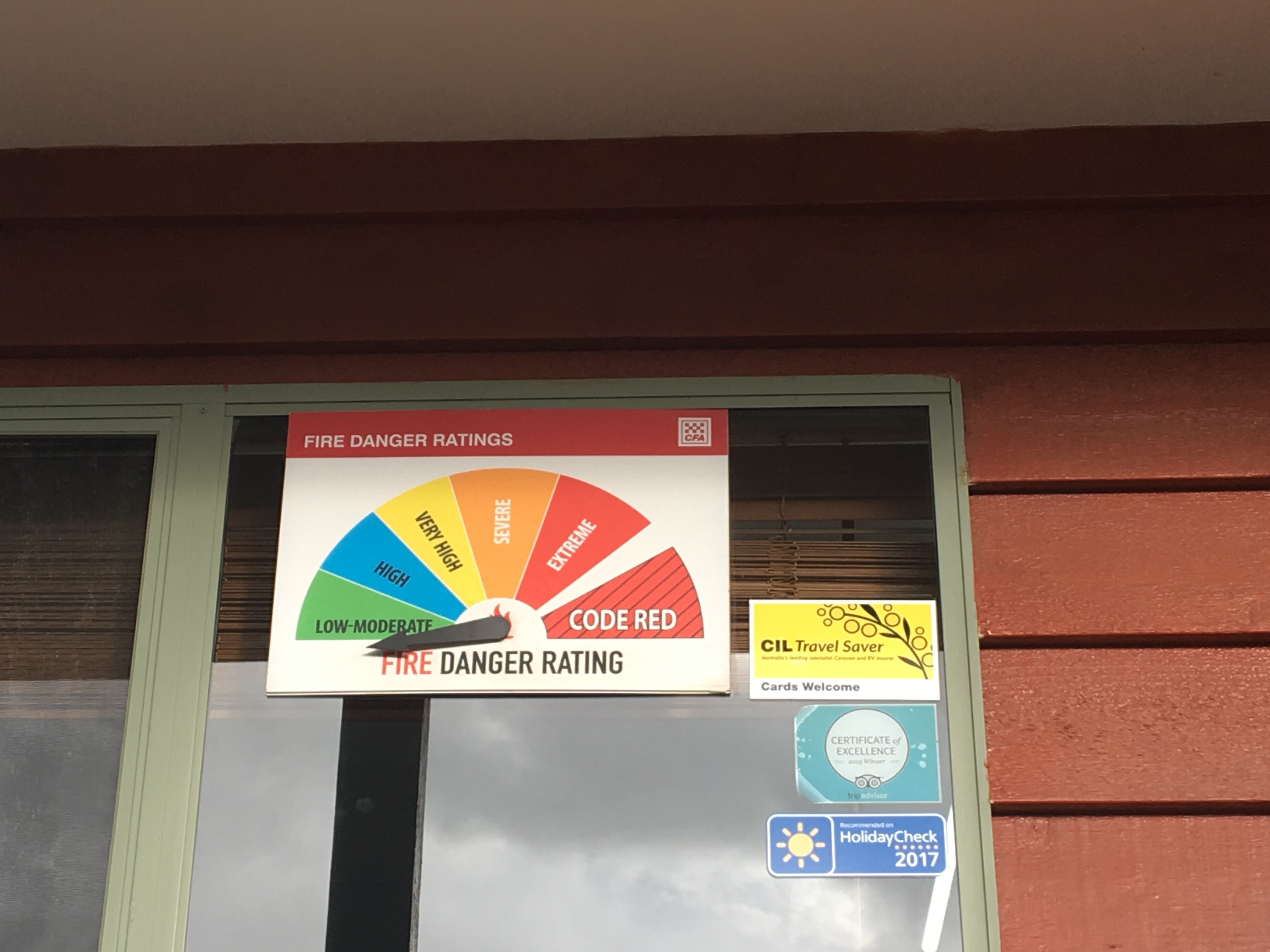
In America, especially in the Midwest, it appears that concern for climate change has some connection with weather preferences, particularly frustration with wintertime cold.

9. It is a big country

By area, it is only slightly smaller than the United States, and that is primarily because of Alaska. Trying to see the whole country in two weeks is pretty much like someone saying they’ll see the entire continental United States in two weeks. It is nonsense (or, “rubbish” as they would say). Two weeks is almost the minimum amount of time one would want to allocate to a trip to Australia to make the long flight worth it. One couple I met set out to see the entire country in a recreational vehicle. They plan to do so over two three-month trips.

10. They have some surprising travel preferences

Skiers seem to prefer to travel to Japan over New Zealand.

It is actually cheaper to fly to Hawaii from Australia than from the United States. Most Australians I met have been there at least once. I even heard of people flying to Hawaii for Black Friday Shopping

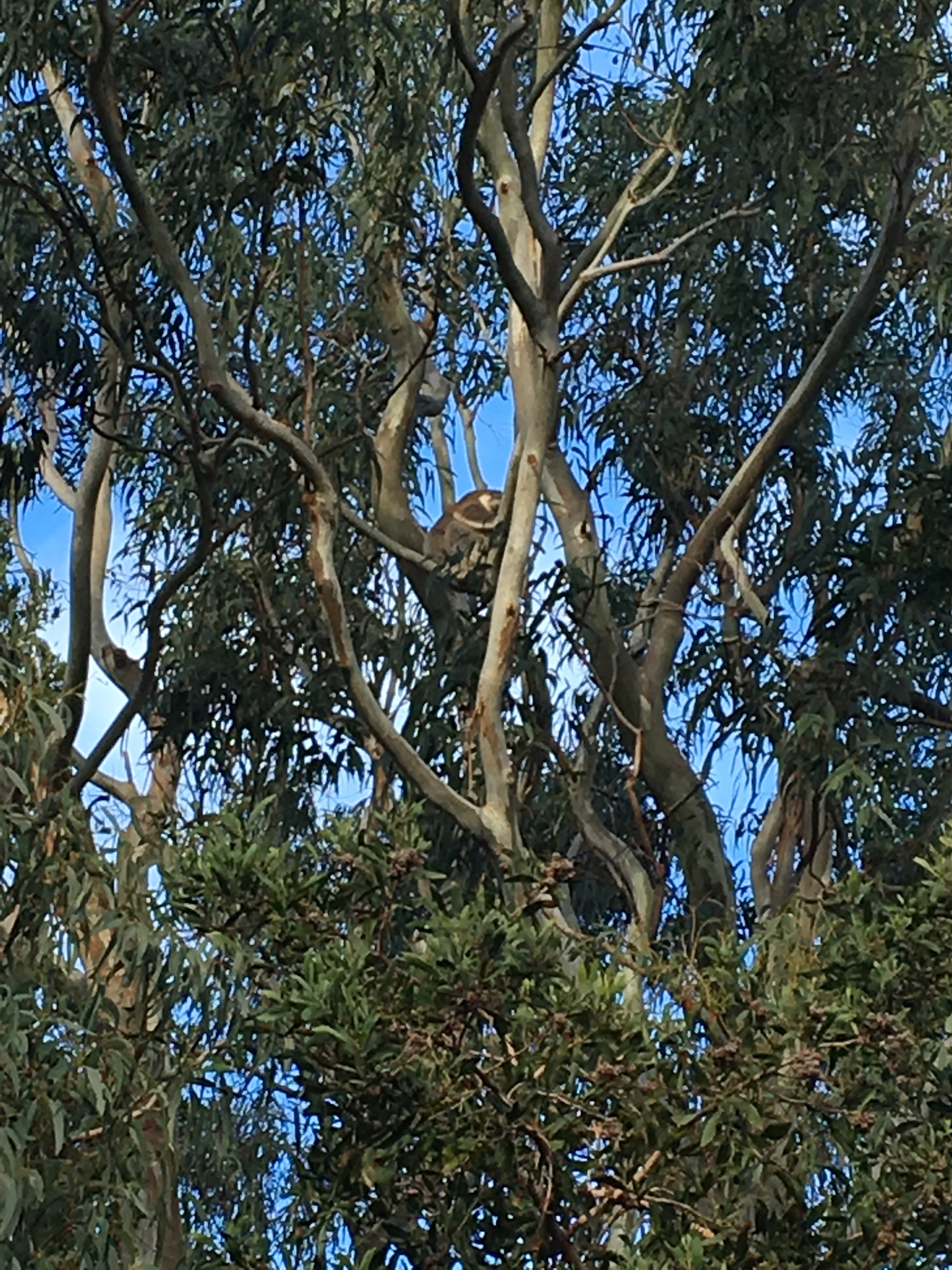
11. Koalas can be somewhat hard to spot
IMG_7145

12. They are having many of the same discussions we are having
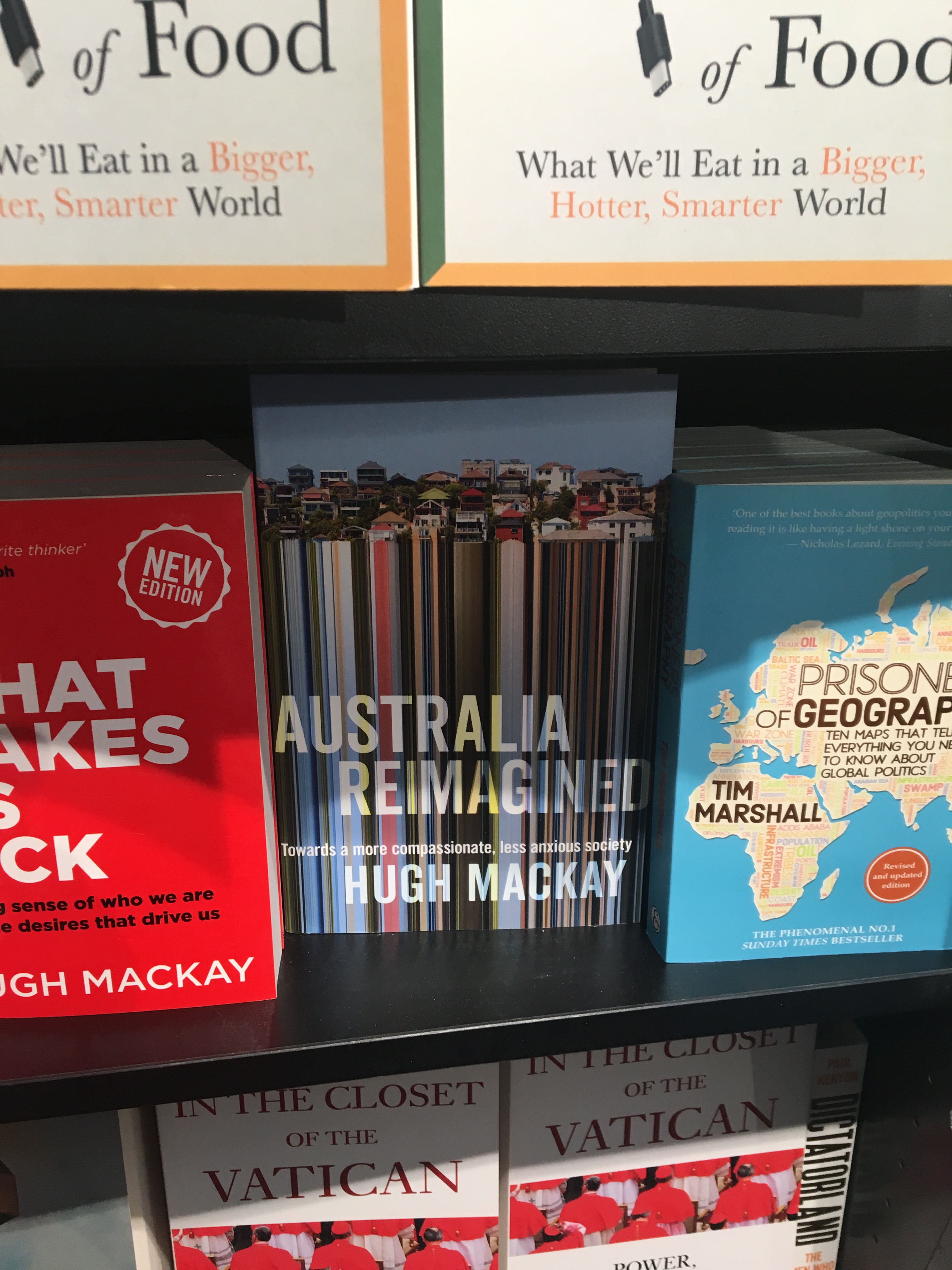
In addition to having the same political divide as the United States, there seems to be similar discussions about a lot of other issues. This book, Australia Reimagined, could have easily been written about America.

iVisa.com

The Other End of the World

It started with a series of firsts.

My first time in Australia.

My first time flying Qantas, as well as my first time on what is considered a “domestic” flight in a country other than my own.

Finally, my first time in one of those time zones that operate in half hour increments.

Image result for australia time zone map

I wasn’t even a teenager the first time I looked at a time zone map and noticed these peculiar places on the other side of the world. After many years of only seeing this on a map, it felt strange to finally physically be in one of these places.

With respect to geography, I could not be in a place more opposite from where I live.

Darwin is in the Southern Hemisphere. It is tropical. It is coastal, and it is remote.

Rather than four, or two, they separate the year into six seasons.

The series of flights to get here, without the layovers, took a total of 21 hours. With layovers, and crossing the international date line, it was a three-day journey. There’s no way not to feel farther from home than at this point.

Yet, as soon as I arrived in Darwin, I found myself in a setting that felt strangely familiar. A Greek festival.

The Glenti Festival, in its 32nd year, celebrates the Greek heritage of Darwin. This aspect of Darwin’s history and culture is something I was unaware of before coming here.

The overall vibe here felt strangely familiar. It became easy to forget just how far from home I was geographically. I repeatedly encountered the types of attire, mannerisms, and activities I would typically associate with the more rural parts of the United States.

I ended up feeling like it would be impossible to find a county more culturally similar to my own. Other than the United States, I don’t recall anywhere else I saw as much soda sold at the grocery stores and as large of portion sizes at restaurants.

With the warm humid air, beaches, consistently seeing hats like the ones many wear in rural America, and streets like Mitchell St., it felt like a weekend at Daytona Beach, Florida.

I could easily imagine some of these places featured in an MTV reality show!

Many of the differences I did observe felt like slight differences within the same general framework.

In the United States, we contend with the way we uprooted our Native American population, with mixed results that include many failures we tend to gloss over.

IMG_4508

Australia has the Aboriginal population, who appear to be honored in ceremonies, but not fully integrated into mainstream Australian society. When the conference I attended in Darwin began, I was given a “welcome to country”, acknowledging the Larrakeyah population that was here thousands of years before British settlement. Yet, I am certain that the nation of Australia administers all affairs here. This feels similar to our often impoverished “indian reservations” across North America.

The influence from nearby countries in Southeast Asia can be felt in both the racial makeup of the population and the types of cuisine available.

At places like Stokes Hill Wharf, one of my favorites in Darwin, cuisine from Thailand, Vietnam, Singapore, India and more can be found.

The wharf was one of several places to see a phenomenal sunset during the dry, or Wurrkeng, season.

img_6839img_6856img_6809

It also feels like Australia has a similar political divide. Without ever bringing up politics, over the course of the week I heard viewpoints ranging from admiration of President Trump, to envy for New Zealand’s progressive stands on certain issues.

There are still some obvious differences. Australians drive on the left side of the road and pronounce the last letter of the alphabet “zed” rather than “zee”. They also have a different perception of “cold”. Many lament winter temperatures in Sydney and Melbourne, mostly in the 5-20C (41-68 F) range. For most Americans, this is not cold.

The most culturally significant difference I experienced was how friendly people are.

I felt a kind of cultural warmth here. At the conference, I met dozens of people who would happily chat with me about both professional and non-professional topics. I also made friends with others at the penthouse bar at the hotel. Nearly every day, I was invited to join with people, who were previously strangers, for a meal or some other sort of activity.

One afternoon at a bar along Mitchell St., I noticed two people who were sitting alone, at separate tables. Despite different ages, genders, and races, they weren’t sitting alone for long; one invited the other to join. When a room is empty enough, we Americans leave an empty seat between ourselves and the people we were joining. However, any of the Australians I met, that would come join me at a session, would sit right next to me. I noticed them all doing it with each other. Even in a room with dozens of empty rows, there would be people sitting right next to each other.

I came away feeling that American culture is a bit stand-off-ish. An Australian woman I met on a ski lift at Whistler last year told me that people sitting adjacent to each other on a ski lift but not speaking a word to each other “would never happen” in Australia. Yet, we do these kinds of things all the time. We keep our distance from one another. We abruptly end conversations so we can get back to activities that involve work, making money, or personal development. Sometimes, our behavior even suggests that other human beings are mere commodities to be leveraged for personal gain.

Yet, it is important to remember that the values of our immediate surroundings are not the only ones that exist. With loneliness and depression on the rise in the United States, perhaps we can benefit from incorporating some of the values observed in a place that couldn’t be farther away geographically yet could hardly be more culturally similar.

Downtown Los Angeles; Where the Recent Past Comes to Life

Los Angeles is something that can be felt as soon as visitors exit the airport. The air has a feeling about it that is distinct from drier inland areas but also distinct from the humid areas of the Eastern United States. It feels like a strange combination of warmth and chill that hints at the relatively cool waters of the Pacific Ocean nearby.

Could this atmosphere be why California’s lifestyle is chill compared to the also densely populated cities along the East Coast? This interesting combination of almost tropical sun and breeze coming off the relatively cooler Pacific Ocean creates a pleasant and relaxing atmosphere that is neither begging its residents to get inside like the cold winters of the Midwest nor suffocating like the combination of heat and humidity characteristic of summers in the Southeast.

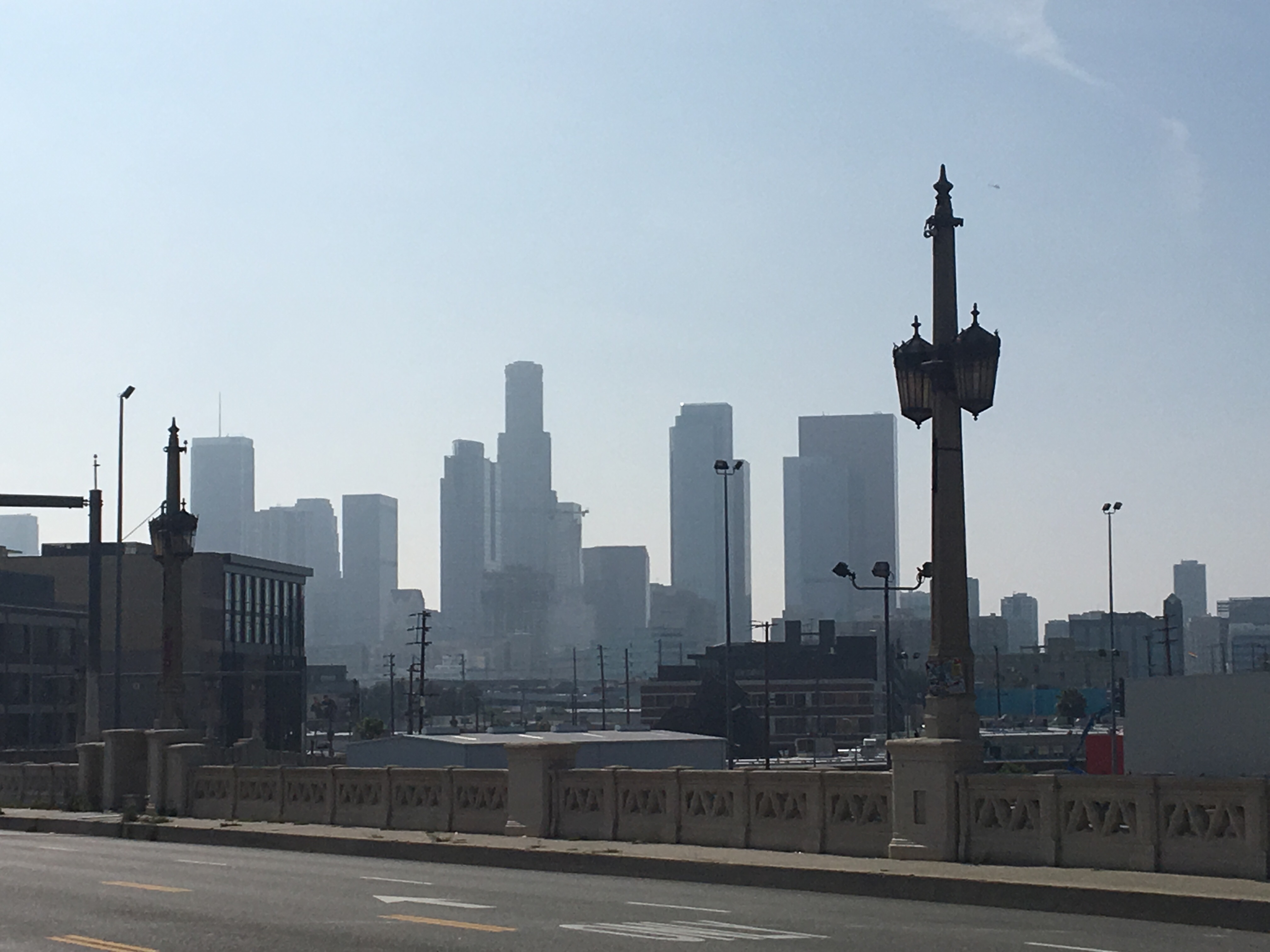
Los Angeles is a city that came of age in the 20th Century, more recently than most other large cities in the world. When most people think about the region, images of windy roads and people surfing come to mind. Most don’t think too much about downtown Los Angeles. However, Downtown Los Angeles, as it turns out, is also quite historic, as well as vibrant.

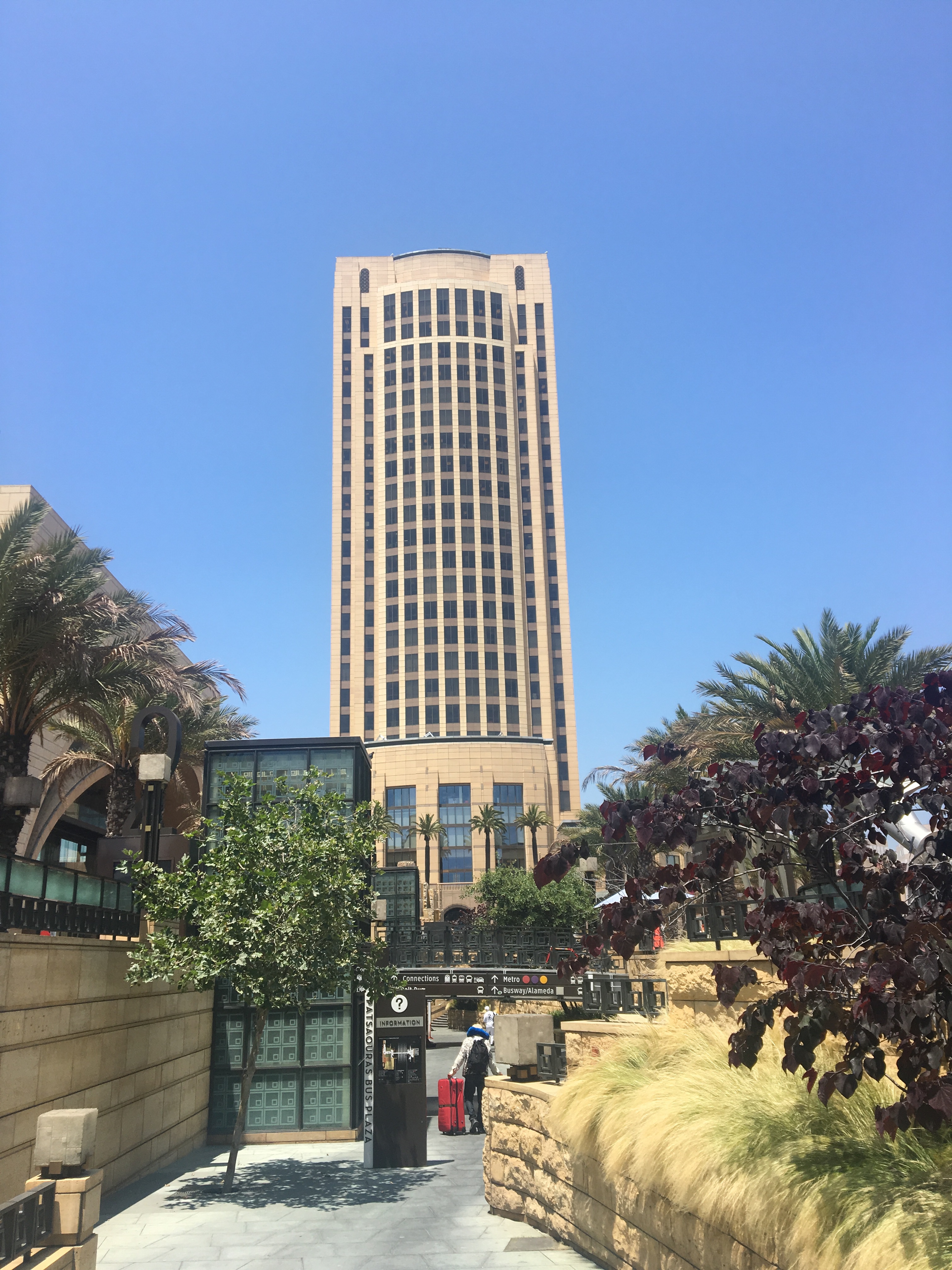
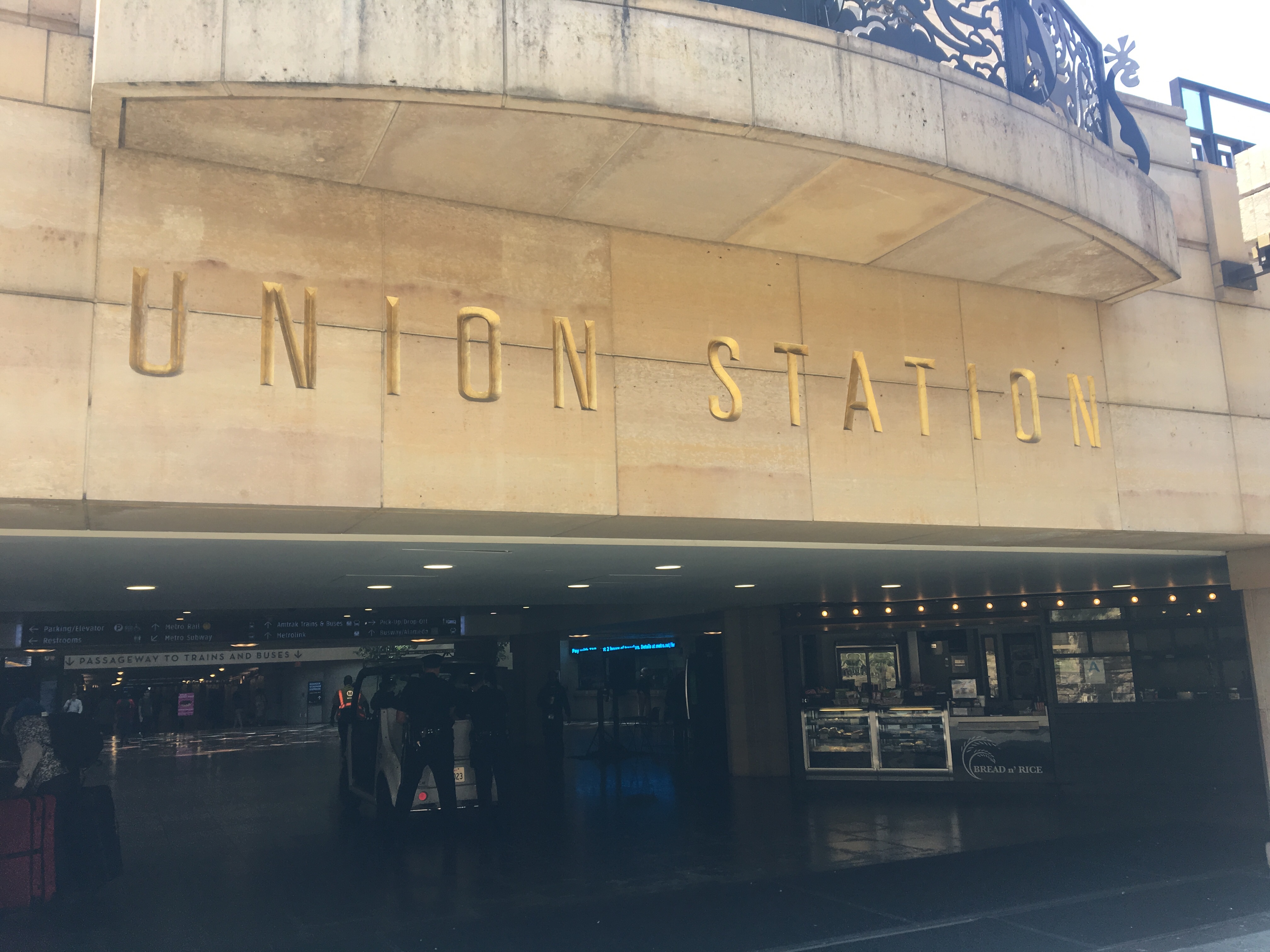
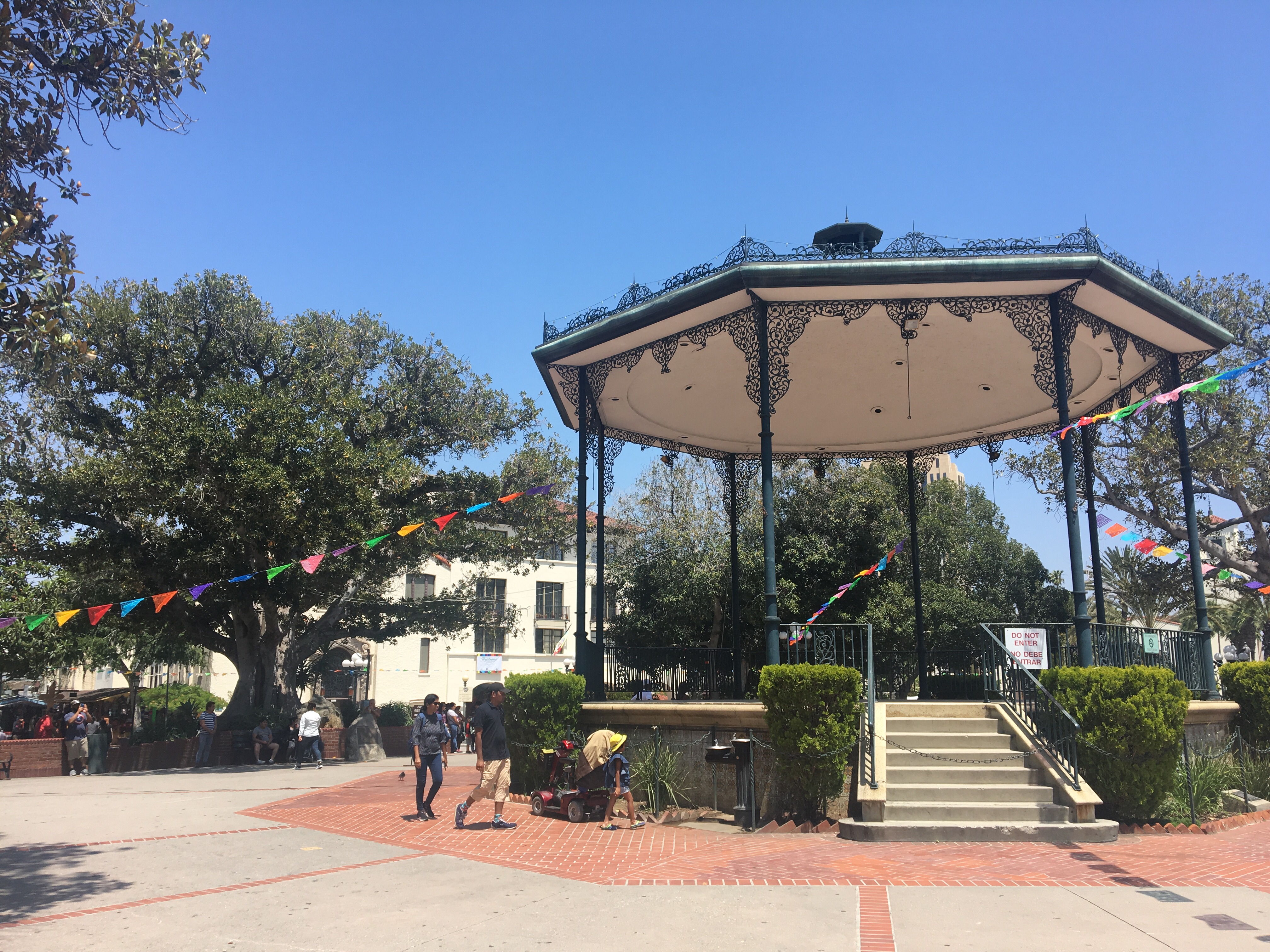
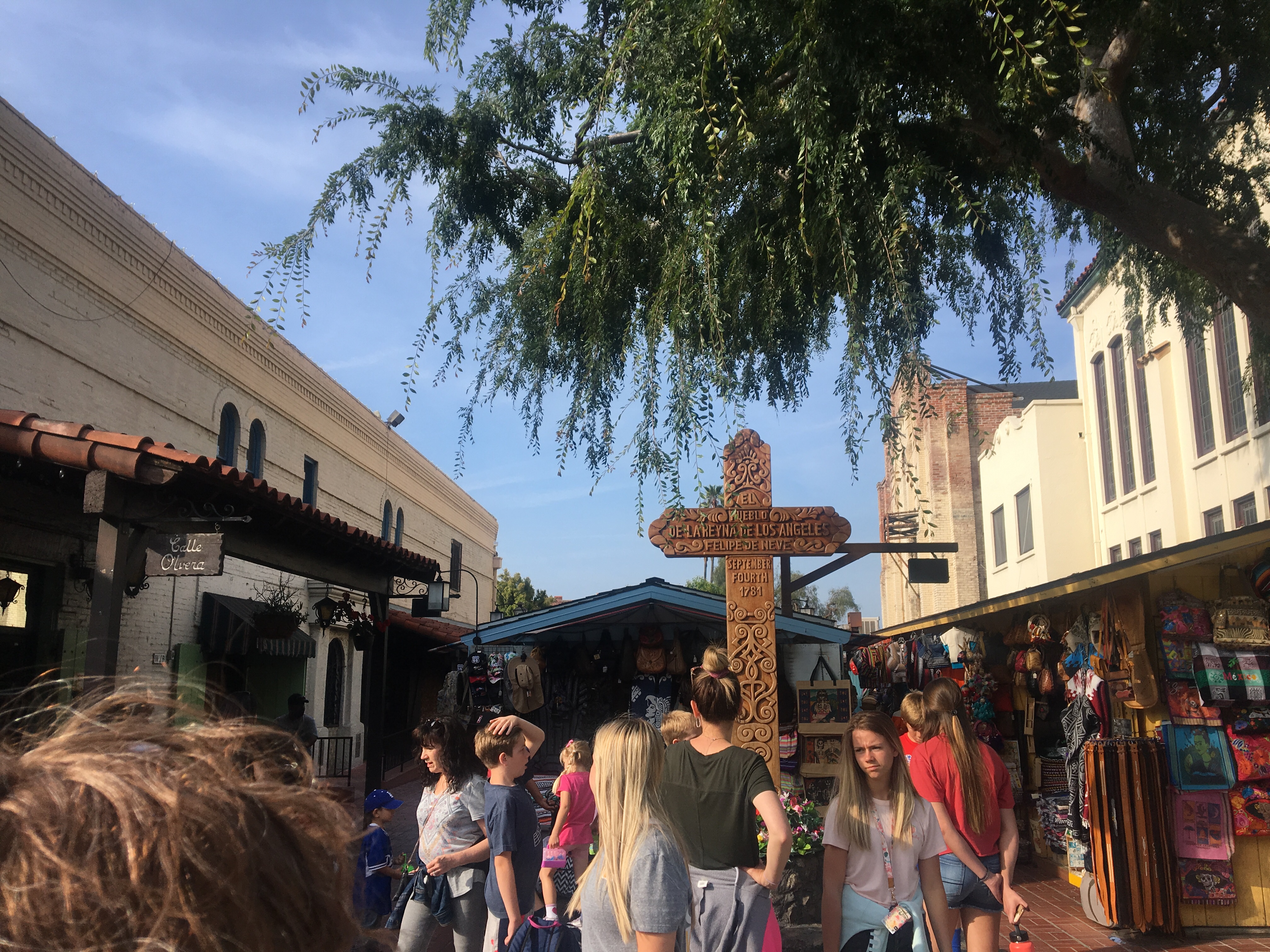
First, there is the Pueblo, just across the Street from Union Station.

On the plaza which surrounds the historic monument, performers periodically perform traditional Native American dances, while Olivera Street is a Mexican themed market. Los Angeles, like everywhere else in North America, was originally inhabited by Native American tribes. It was also part of Mexico before it was conquered in the Mexican-American war in 1848. Markets like Olivera Street can be found in many other cities that were originally part of Mexico, including San Antonio and Albuquerque.

One of the oldest establishments in modern Los Angeles is the Grand Central Market, dating back to 1917. Today, it feels like a testament to the idea of multi-culturalism, which is a key component of the current identity of L.A.

Packed into this area, which covers less than a City block is cuisine from all over the world, from Mexican to Salvadorian, Chinese and Mediterranean. It feels like there aren’t two vendors serving the same nationality of food!

Most people who grew up in the United States have seen at least one movie scene filmed at the Los Angeles River.

Perhaps the most famous one is the car race scene in the movie Grease. This river is typically dry, as had to be the case for the teenagers to race their automobiles on the concrete. However, in springtime, especially in wetter years like this one, it can become filled with running water.

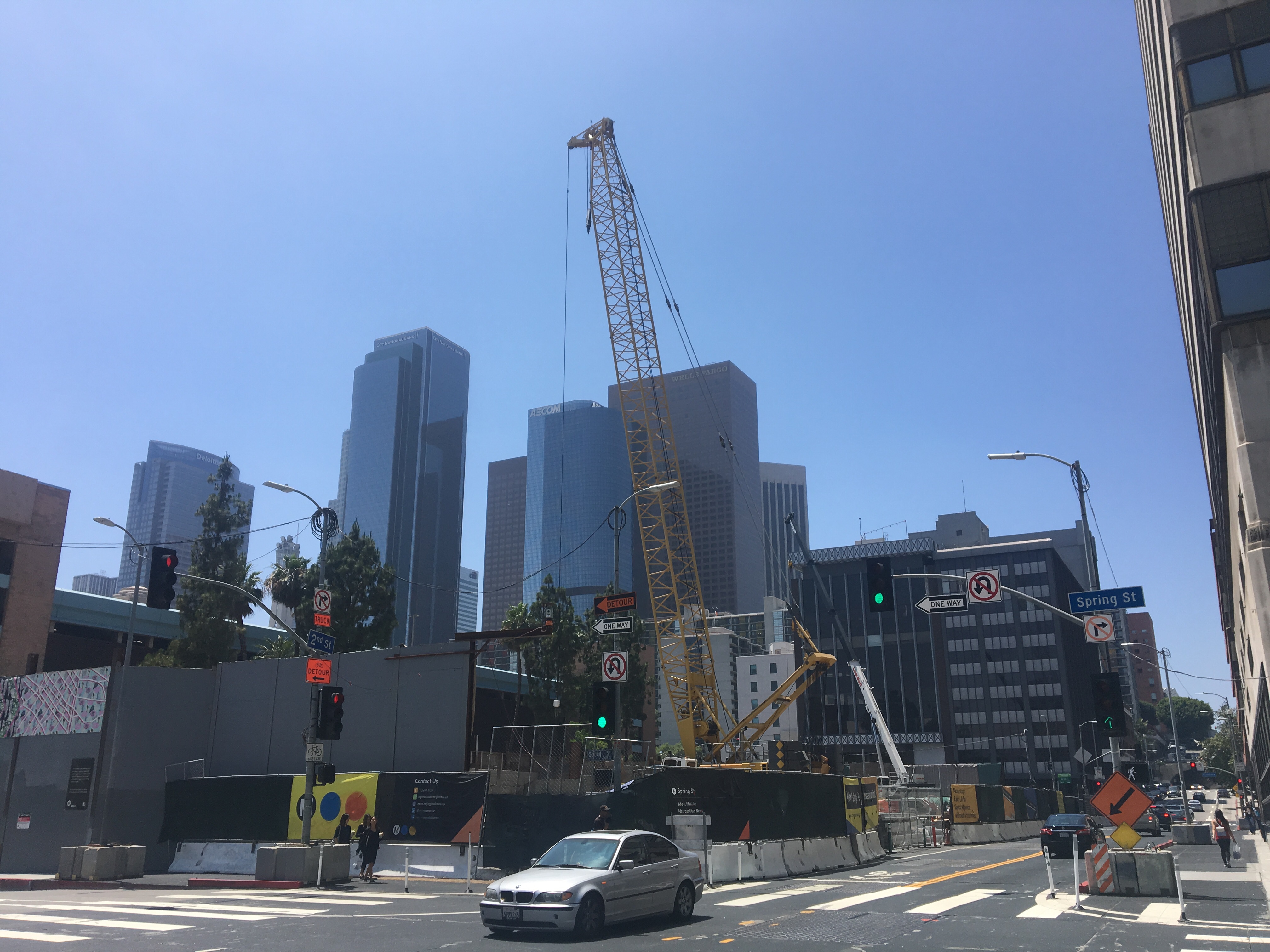
The last quarter of a Century has seen a renewed interest in Urban living which has not completely escaped Los Angeles despite its car-centric past.

Downtown Los Angeles has become a desirable place to live. As is the case in other thriving American cities, development is everywhere. The old stereotype that “nobody walks in L.A.” seems to no longer be true, at least for downtown. The sidewalks here are bustling, although not as much as New York.

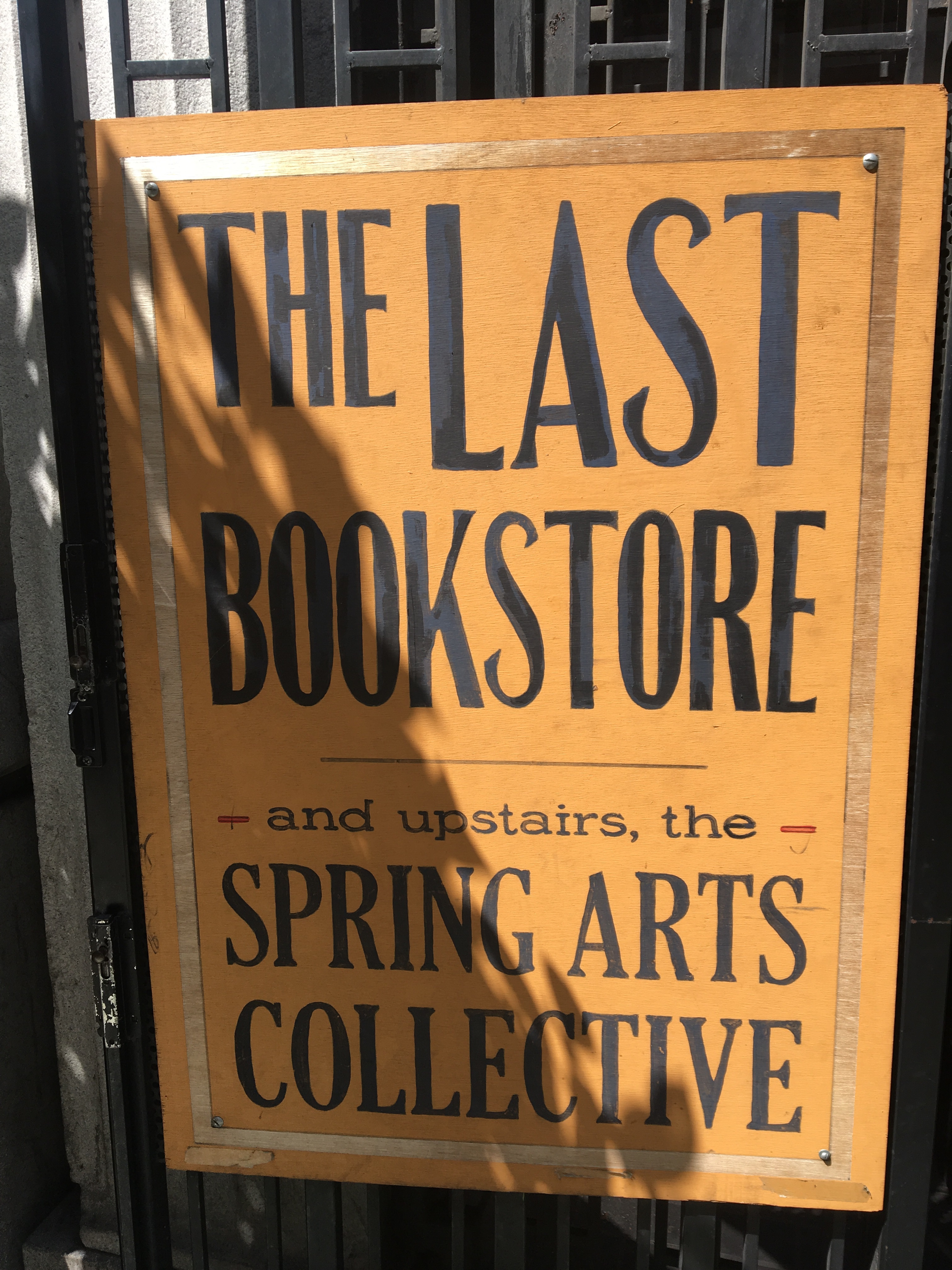
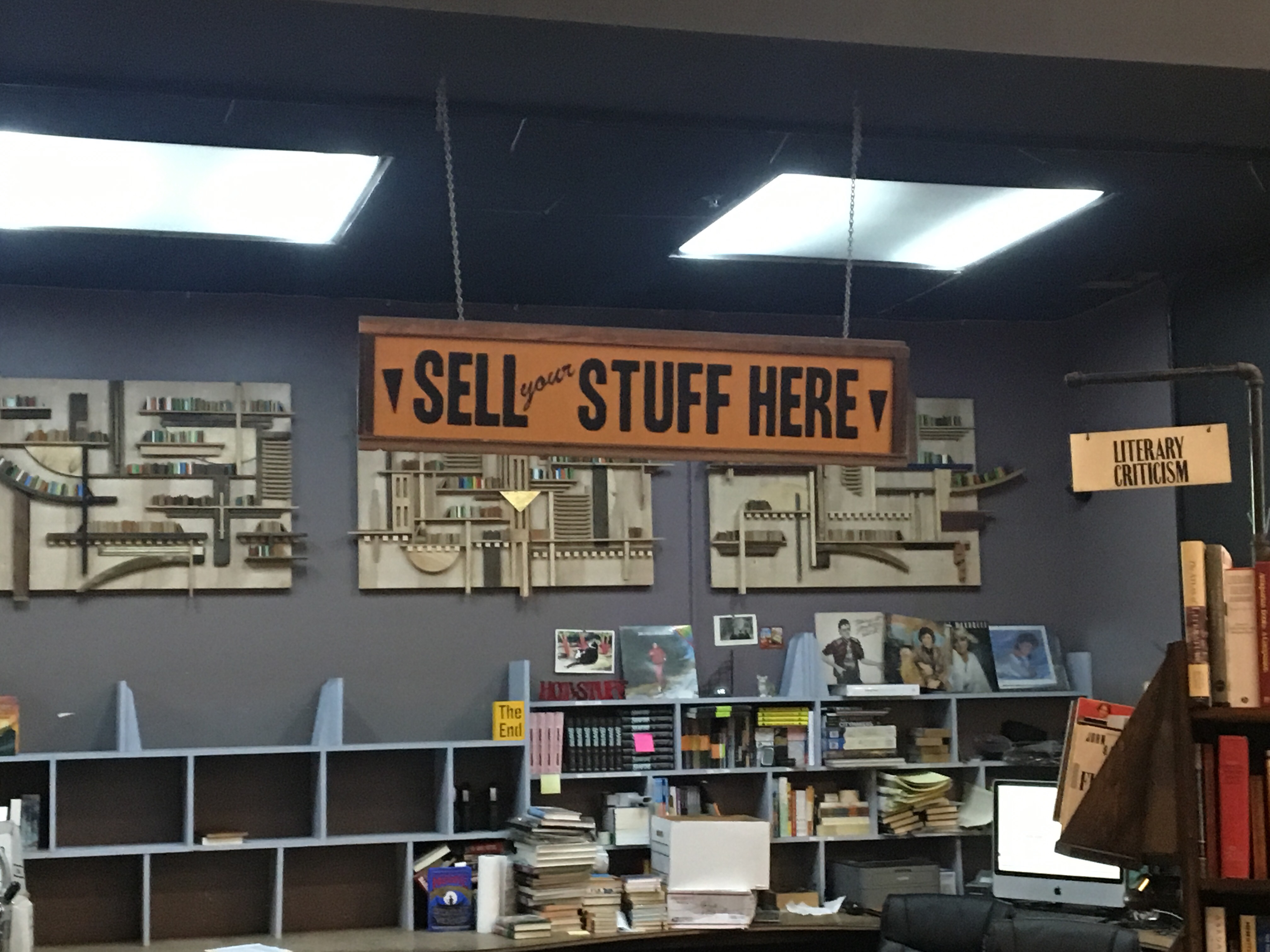
The Last Bookstore, built in 2005, has also become a destination for locals and tourists alike.

Built at a time when people believed bookstores were going to gradually cease to exist (thus its name), it was built to be so much more than a bookstore. Seemingly influenced by the hipster movement at the time, it was built to be a community center with a strong artistic component.

In particular, the upstairs, referred to as the “book labyrinth”, attracts many visitors, many of whom are taking pictures in front of the most interesting artistic displays.

Many of these visitors appear to be “doing it for the ‘Gram”, a quick way of saying that someone’s primary motivation for taking part in a certain activity is to post a picture that is likely going to get a good amount of likes on Instagram. This can easily be spotted because these individuals are always taking photos with their phones and posing in an attention seeking manner (which can manifest in many ways)

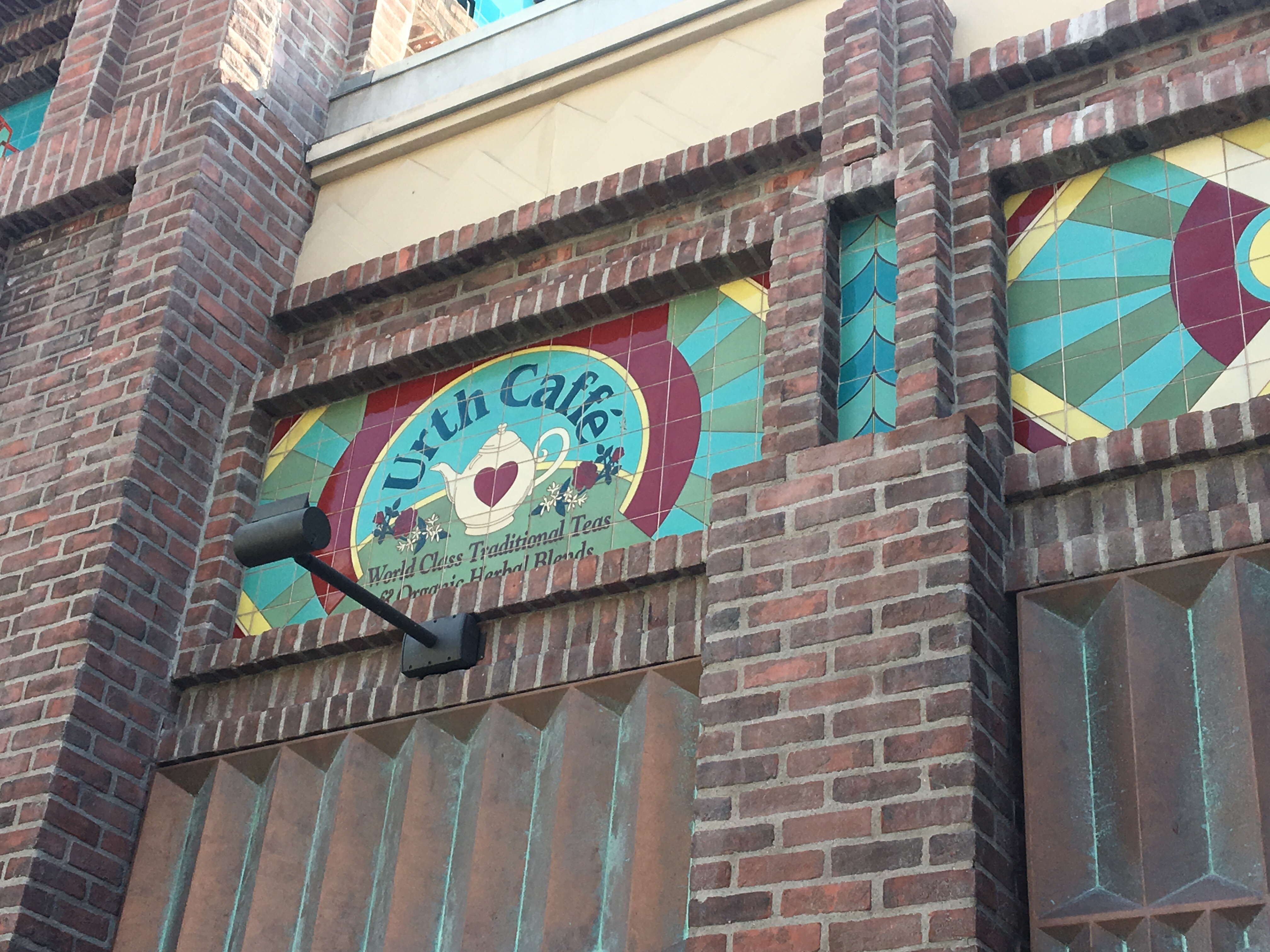
The present-day condition of Los Angeles is in some ways like many other cities where renewed interest in urban lifestyle has brought a lot of new energy and life into the central part of town. New, hip neighborhoods have emerged, with places like Urth’s Coffee shop in the Arts district.

Urth’s Coffee Shop feels like the epitome of trendy, selling expensive coffee and healthy food, essentially exactly what young wealthy urban professionals want. It is a part of the Arts district, which is your quintessential Early 21st Century trendy neighborhood.

However, these districts are often still adjacent to, and sometimes mixed in with the remnants of the urban decay that took place about half a century ago. Adjacent to the Arts district are some places that appear less than desirable and include large homeless populations.

Los Angeles is not nearly as obviously historical as Rome, Athens, or Alexandria. However, many often forget that recent history is still history. An event does not have to have occurred too long ago for most people to remember for it to be historically significant in the sense that it had a significant influence on the subsequent progression of the human condition.

Attractions in and near downtown L.A. uncover pieces of our history whose overall significance is something that is still being determined. The Last Bookstore appears to be certainly influenced by the recent hipster movement, and downtown’s other destinations are impacted by recent movements including globalization and gentrification. One day in the future, this will likely be considered just as historic as monuments from centuries past.

That Town I Always Just Drive Through

IMG_6537

Everybody has that place in their lives; a town, a neighborhood, or maybe a specific restaurant. We always pass by, on the way somewhere, thinking “this place looks neat”. But, for some reason every time we pass through, we are, well, on our way somewhere. So, we drive by, time and time again, saying to ourselves that one day we will find a reason to specifically visit this place.

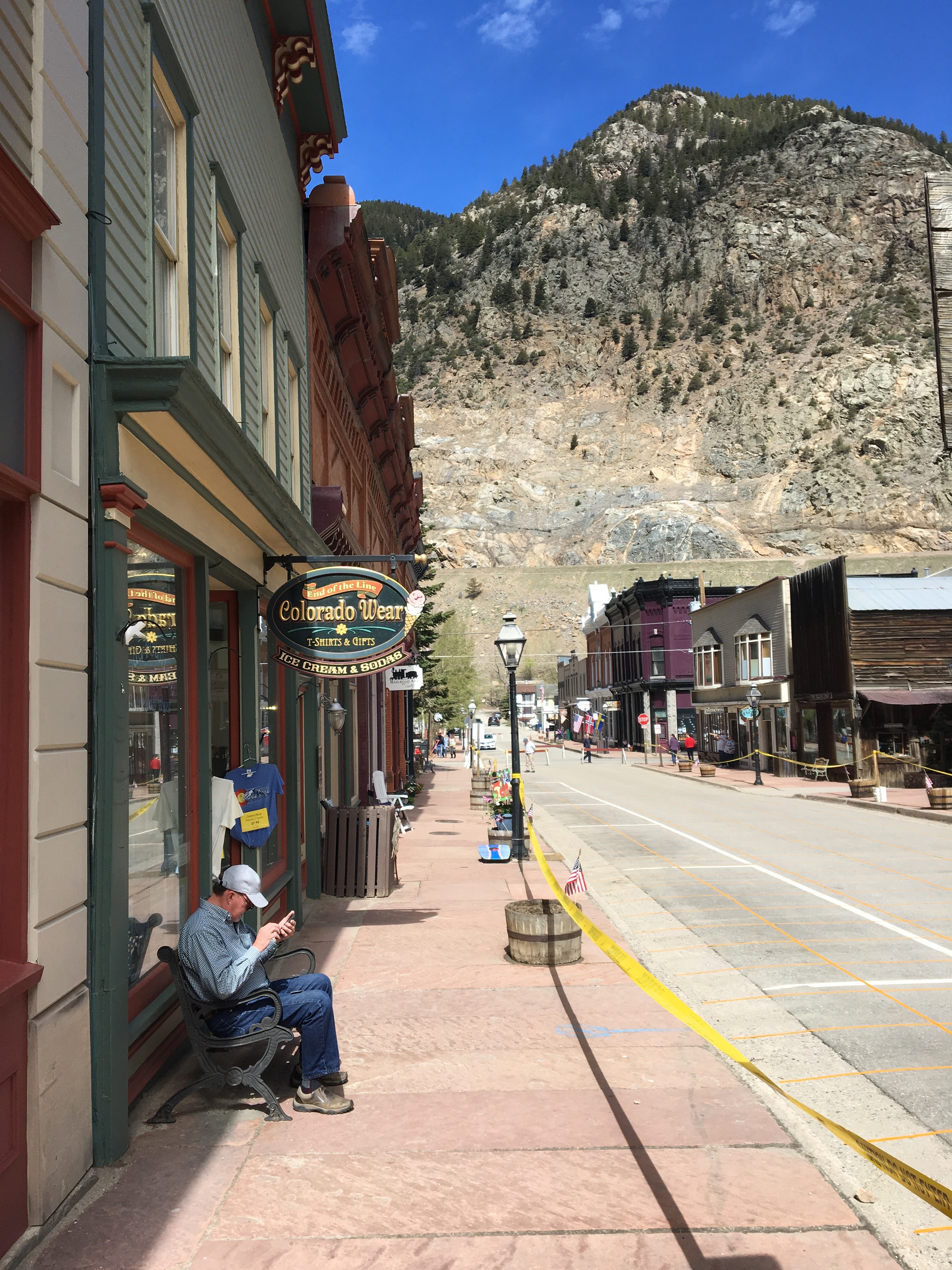
That place for me is Georgetown, Colorado. It is situated along I-70 50 miles West of Denver, on the way to many mountain destinations, including ski resorts Breckenridge, Copper Mountain, and Vail. The first time I saw this town from I-70, I thought it looked like the kind of village commonly depicted in a model train set, with its mountain backdrop and homes on multiple tiers. For years, I just drove past this town. I think I may have stopped there once or twice to pick up some quick food before going up Guanella Pass, but never spent any meaningful time there.

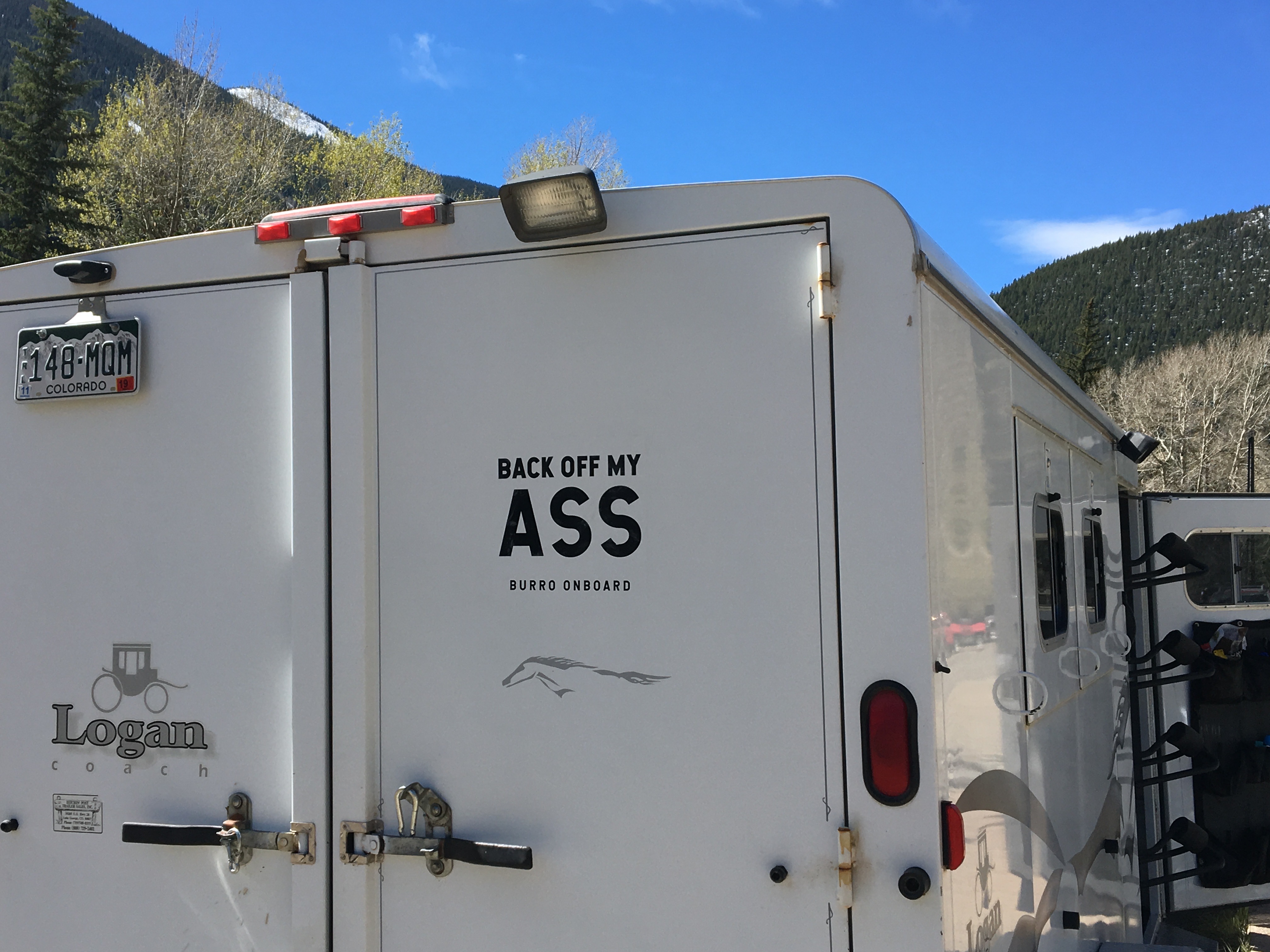
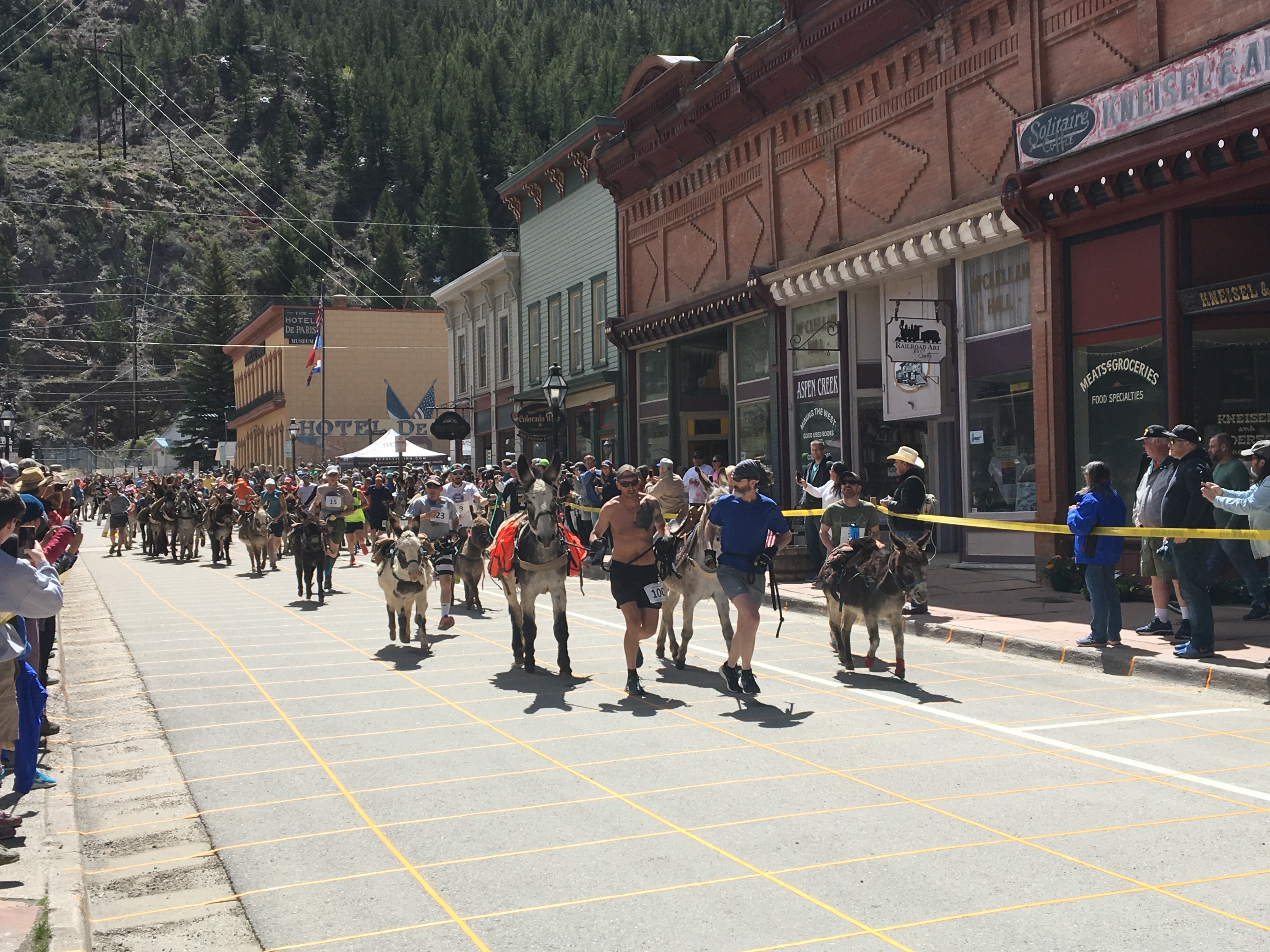
That was, until I found out about the Burro Races.

IMG_6540

I must admit that many of the events I attend are ones I get invited to with no prior knowledge. Some of my best experiences are when I just went along with someone else’s strange-ish idea. I am a big proponent of self-determination. However, that self-determination needs to be accompanied by some degree of openness. Otherwise, we get in ruts, going to the same places and taking part in the same activities over and over. An event where people race burros up and down a mountainside is certainly not what I would call “ordinary”.

IMG_6549

The event itself included a lot of other out of the ordinary activities. The most interesting was The Burro Poop Drop Contest. Participants pay $10 for a square. These squares are laid out over a city block in front of the starting line. The square that ends up with the most poop wins! I think there are prizes for second and third as well.

Mine didn’t win, but most of the good ones (in the middle) were taken by the time we arrived.

The event I did win at was the poop toss.

This event is essentially bags (or cornhole or bean bag toss depending on your regional dialect), with bags shaped like burro poop, which made them bounce in weird directions. I guess they really like to celebrate burro excrement at this event! I was able to win a $50 gift card to a restaurant, which happened to be located right at the finish line!

IMG_6559

We were able to eat our food while also watching the end of the race.

The main thing that surprised me about the race was the fact that the participants were not actually riding the burros. They were running alongside them, almost walking them like we do our dogs. I guess there has to be a reason for that, but I did not get a chance to talk with the participants long enough to find out.

IMG_6528.jpg

What I did learn was a bit about the town of Georgetown. Compared with more touristy towns like Breckenridge, Vail and Winter Park, it has way more of a traditional small town/ country vibe. While everyone was lining up for the race, the speakers played mostly country music. The town has one of those neat general stores that we still commonly see in small town America.

These are a blast from the past, the type of stores I encounter all the time on storm chases, bike tours, and other trips to rural parts of the country. In this cities and suburbs, we have stores that sell “everything”, but they tend to be large warehouses like WalMart and Target. When I encounter a General Store like this one, I feel like I am entering a different realm of human existence. A place where people don’t always feel the need to have every option available to them. A place where people have time to engage each other in casual conversation. This could be a place where people are okay with having a little bit less in exchange for a more personal experience.

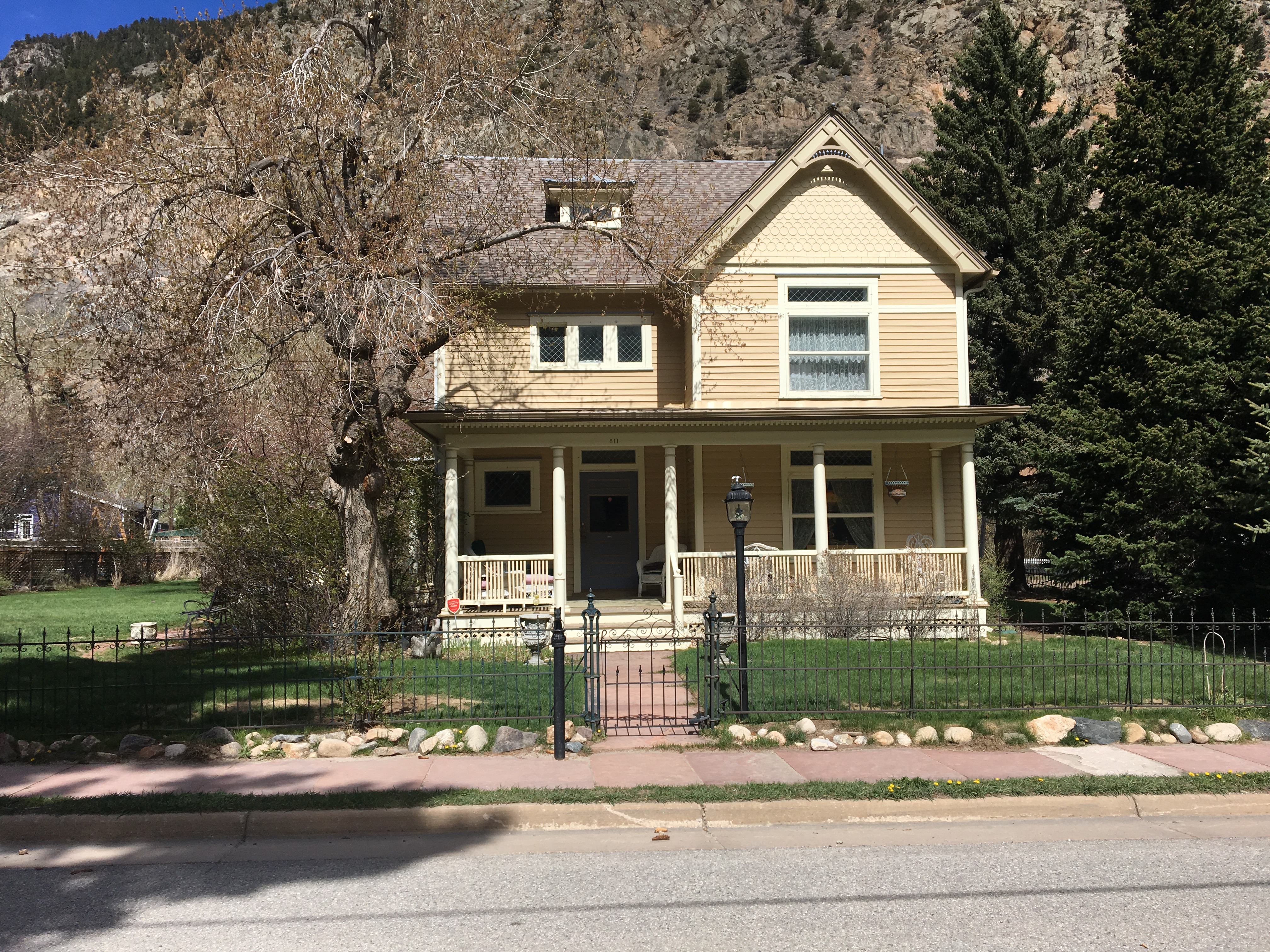
The homes in this town also reminded me of the past. A few have a creek running through their yard, reminiscent of medieval homes, with moats for protection from invaders.

IMG_6529.jpg

One even had a hitching post.

IMG_6531.jpg

I’ve often wondered if people in places like this are happier. However, they probably have a completely different set of problems I am not even thinking about. At this one point in time, watching burro races and partaking in interesting events, I was quite happy, and it seemed like everyone else around me was happy. However, I do not know what life is like here on a typical weekday, or on the day when the frustrating spring snowstorm hits making it impossible for residents to get out of town. We live in an era of divisiveness, where people have short attention spans and often don’t take the time to truly understand others before passing judgement on them, whether that be one of envy or disgust. I feel like the only judgement I can make upon Georgetown right now is that they are at least fun enough to participate in an event that revolves around burro excrement once a year.

Boulder Start Up Week

IMG_6459

It would be hard for me to think of a group of people that I have more respect and admiration for than the Start Up Community. Entrepreneurs take risks the vast majority of people would never even dream of. They put a lot of energy into creating something new in the world, and, when successful, create something meaningful. Entrepreneurs, along with those that join them in building businesses and others that pursue ideas using a similar mindset, are the ones responsible for most human progress. They are also the ones that create most of the jobs that the majority of the population finds security in.

At the risk of injecting politics into a blog I specifically wanted to keep non-political, it often feels like these job creators go unappreciated in some segments of the American population. Sure, there are some horrible bosses out there, and corporations that don’t care about their employees. However, there are plenty who deserve their high level of wealth and status. There are movements that seem to encourage resentment towards all wealthy people. Beyond encouraging mediocrity and threatening the system that has brought us economic prosperity, they are unfair to those that are wealthy because they did a lot of good for humanity. This includes the entrepreneurial community.

Still, many people, like myself, revere this community. Start Up Weeks occur all over the country. Each Start Up Week is a series of events that help connect communities of people who build businesses, work in start up cultures, or just are of the general start up mindset.

IMG_1472

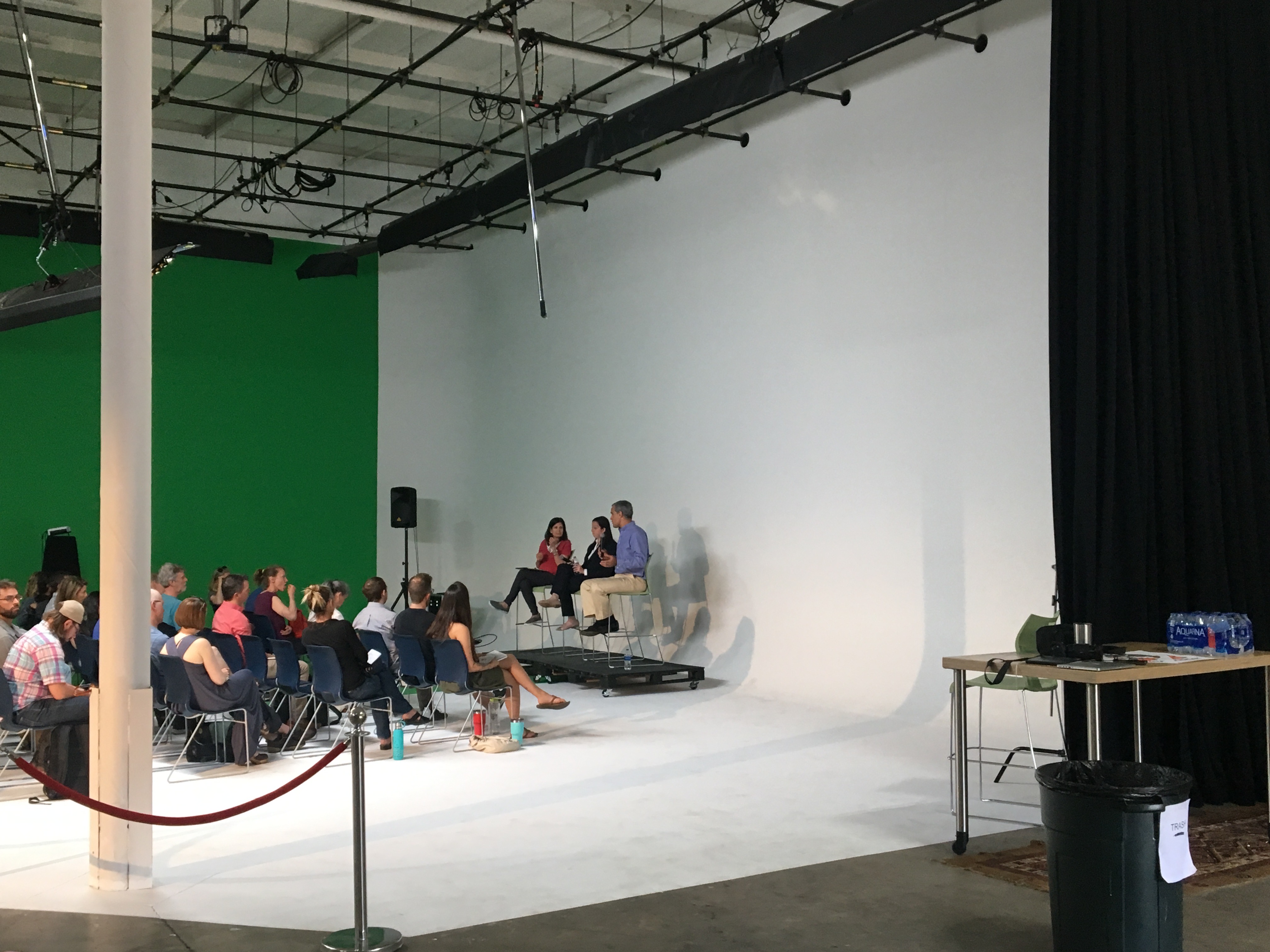
Boulder ranks in the top 50 US Cities for start ups by dollars invested despite being relatively small in size. Start Up Week in Boulder is, in a way, similar to Start Up Week anywhere else in the country. There are panel discussions, individual presentations, sessions where discussions are facilitated in groups, and even a “start up crawl”, where people can visit various start up business around downtown, network with people and engage their creative sides.

Discussions at Start Up Week cover a fairly wide variety of topics from tips for those who are starting a business, to workplace culture, technical discussions and even discussions on societal trends. At Boulder Start Up Week 2019, there was a panel discussion on psychedelic drugs, their potential health benefits and potential emerging businesses associated with them.

Events take place all over town, at a variety of different settings, from shared workspaces like Galvanize, to businesses, and even museums.

What I have always found, when attending a Start Up Week, is that the best way to get around from event to event is by bicycle. Although, in places where they have scooters, that could be a good option as well.

Events like Start Up Week, and TED conferences, help me re-orient myself. It is easy to get bogged down in day to day life. Things like paying bills, maintaining a home, and meeting deadlines for work can occupy our minds in such as way that the big picture, who we are, who we want to be and how we truly want to live our lives, can get lost. Start Up Week offers a different atmosphere, with people talking about big ideas, passions, trends, and how to make dreams come true.

IMG_6476.jpg

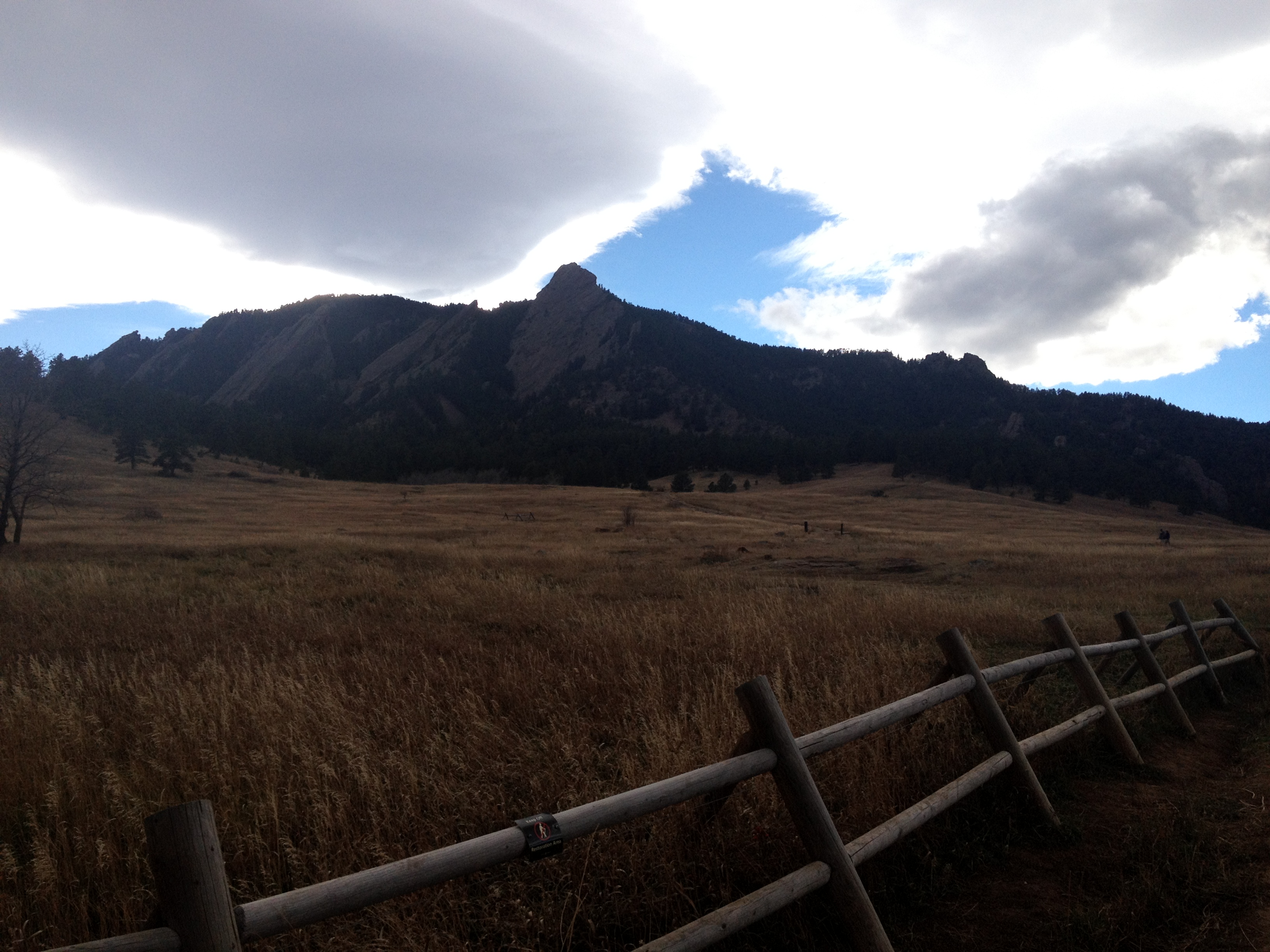
One thing that makes every Start Up Week unique is the culture of the place where it is held, in this case, Boulder, Colorado. This was reflected in some of the discussions and topics. The discussion about the future of psychedelics came right after Denver became the first city to decriminalize magic mushrooms.

IMG_4595

The local culture had an imprint on both in the selection of events and the direction some of the discussions went. A lot of events covered topics related to health, fitness, and even specifically training for a major event like a marathon. In the discussions about HR related topics, such as workplace culture, human capital and finding your path, undoubtedly more questions were asked about inclusivity based on gender, age, and race than would be in other places. These both reflect on who the people of Boulder tend to be.

I spent the entire week switching modes, back and forth, between attending events at Start Up Week and tending to daily work requirements. It almost felt like the pull and tug that is ever present in my life. My heart is in pursuing big ideas, and looking towards the future.

IMG_3733.jpg

Sometimes it feels as if there are forces around me constantly trying to get me bogged down in day to day affairs. However, one of things I realized, both at events like these, as well as at work, is that it is not about ignoring all the things we get bogged down in. After all, bills need to be paid, homes need to be maintained and deadlines need to be met.

It is really about staying mindful of how even our day to day lives and the kinds of things we get bogged down in fit into the bigger picture. We lose sight of that when we become too focused on the specific action of, say meeting a deadline, to the point where we are not thinking about it in the context of anything bigger and it becomes a means into itself. That is when we need a reminder of where we are oriented and where we are headed. This is something Start Up Week and other similar events help me do, even if I am not currently starting a business.

A (Extended) Weekend That’s So Chicago

IMG_6342.jpg

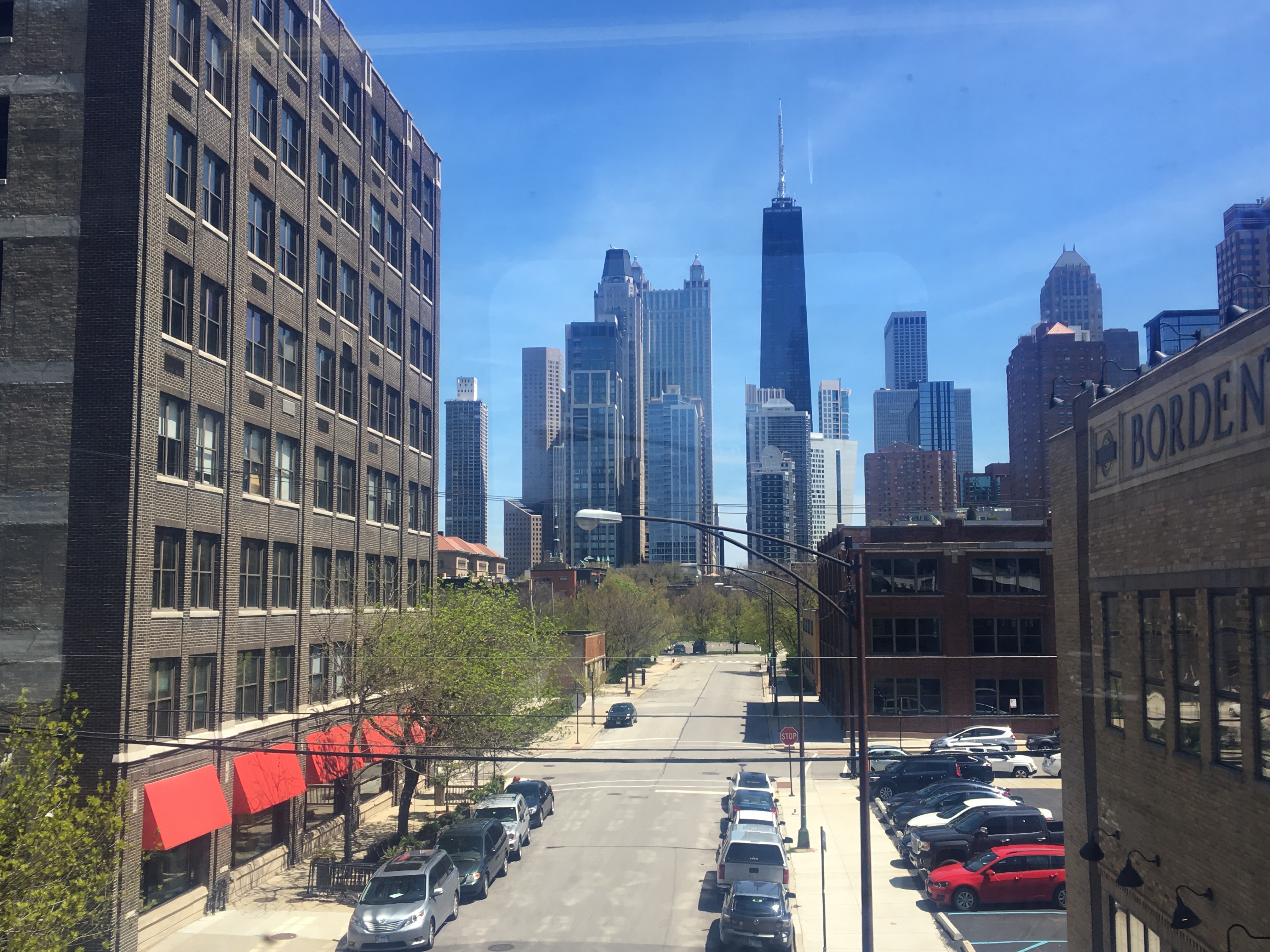
A culture is often thought of as being attached to a Nation. This is “American Culture”, “Chinese Culture” or “Peruvian Culture”. However, most Nations on this planet have vast cultural differences within their borders. Nations as small as Belgium and Switzerland can point to different areas within their countries where people adhere to different customs and even speak different languages.

CD92377D-EEAE-4757-9B33-D45C783FB53E.jpg

My extended weekend in Chicago started out with a classier evening that eventually lead to drinking wine until about 1:30 A.M. This was a Thursday. In some places within the United States, being out until 1:30 A.M. on a Thursday night is extremely abnormal. In the Midwest, people, especially younger people, stay out this late, or even later, on Thursday nights regularly.

The next morning I woke up to a reminder as to what makes this city a special place. With a high density of residencies and so many store fronts, it feels like there is excitement lurking around every corner. In most of Chicago’s neighborhoods, there is so much that can be done just a short walk away. It is something that is remembered fondly. However, this convenience has its flip side. The convenience of Chicago’s Lincoln Park neighborhood allowed me to accomplish so much during the day on Friday; making a bank deposit, picking up food and drink, buying clothing and eating at a new restaurant. All this was within a 20 minute walk of our “home” for the weekend.

IMG_6332.jpg

However, that same convenience tends to silo people into their neighborhoods. If someone can have all of those things within a mile radius of where they live, it is naturally going to become more difficult to convince them to travel to a different neighborhood.

Friday evening I put on a tie, for the first time in 2019, to go to a formal wedding.

The attire was fancy. The venue was “elegant”. The bartender was making fantastic old fashioneds. The music was loud, fast paced, happy and energetic. The end of the night was a blur. It was exactly how Chicago does things.

The next day, Saturday, was a hodgepodge of activities, packed back to back one after another.

However, it did not start until after noon, as the wedding reception the previous night went on past 1 A.M. Mornings just seem to matter less here. The price of being slow to wake up in the morning, particularly on weekends, feels like it is much lower than it is in other places. The price of food and drink, however, is significantly higher. Fine wine and fancy cocktails cost money.

That evening would stretch just a little bit past Midnight, a bit earlier than would be expected of a stereotypical Chicago Saturday night. But, it was time for all of us to travel. Sunday morning, we would pack our bags, leave our wonderful Air BnB in Lincoln Park and go on to our next endeavors.

It’s been years since I left Chicago for Denver. This weekend was probably the closest thing to revisiting a previous chapter of life anyone could ever possibly experience. However, repeating the past is impossible. There are always going to be subtle differences.

The people around you one by one enter different life stages. Their circumstances, preferences, and even world views, little by little, change. The energy is different. Sometimes, the same exact actions, or conversation topics, lead to significantly different experiences.

It is for this reason I take a somewhat cautious approach to nastolgia.
IMG_4569.jpg

Sure, it is fun to reminisce about experiences from past chapters of life, or even re-experience them they way I did in Chicago. However, they are never exactly the same. There is also the danger of spending so much time reminiscing about and idealizing the past, that we are no longer truly immersed in the present. To live our best lives, we must live in the now, and maintain that youthful spirit that keeps us open to new opportunities and different cultures, whether those different cultures be within the borders of our Nation, or in a land that is officially foreign.

IMG_5844


Frozen Dead Guy Days

IMG_5933.jpg

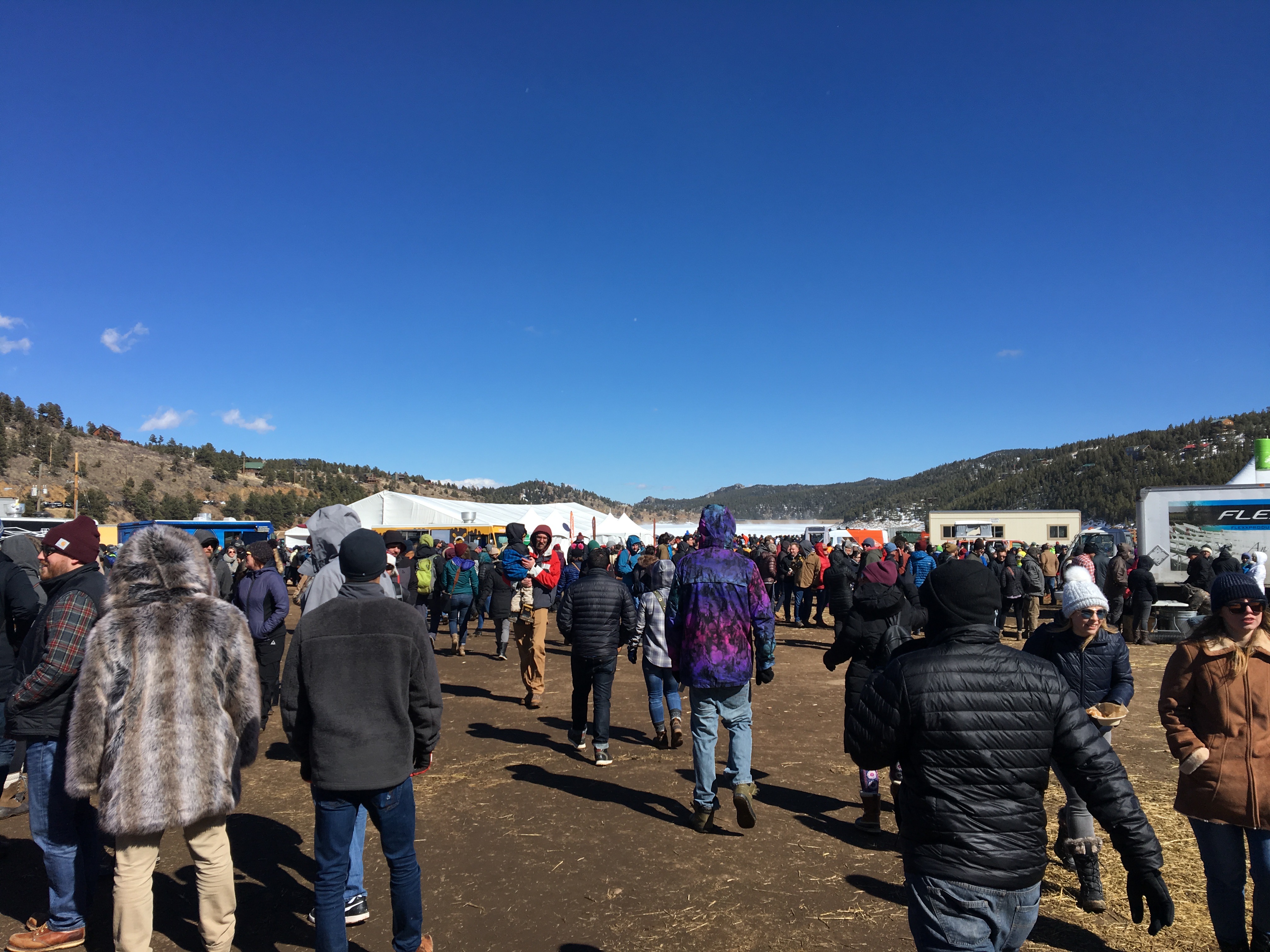
It is perhaps one of the strangest festivals one will ever encounter. In Early March, the town of Nederland, Colorado, situated slightly above 8,200 feet (2500m) in elevation, puts on a festival to celebrate an event or more accurately a series of events, that is bizarre, obscure and optimistic at the same time.

A man names Breto Mortol, who died in 1989, has a family who believes that one day it will be possible to return a well preserved body to life. When he died, his family had his body frozen to preserve it, and shipped from Norway to the United States, where it is preserved in a shed in Nederland, Colorado, awaiting the day when technological advances will start bringing people back from the dead.

The primary event at the festival is the coffin race.

IMG_5930

To commemorate the steps involved in preserving recently deceased bodies, teams of 7 race each other through a muddy obstacle course, with one person laying in the coffin and the other six carrying it. Each team is responsible for making their own coffin. They also dress up in unique costumes with a variety of different themes.

Overall, it is an event like almost nothing else ever encountered.

The festival features some other unique events like polar plunges and frozen T-shirt contests, as well as some more typical festival entertainment like live bands and beer tents. The entirety of the experience creates the kind of mix between the familiar and unfamiliar that make things interesting. After watching the coffin race, I had the desire to attend every unique quirky festival like this I could find.

IMG_5919.jpg

It wasn’t all pleasant though. As it is in the Rocky Mountains in the early part of March, it was both windy and muddy. For some people, depending on tolerance of conditions like these, as well as level of intoxication, weather like this does have the potential to tamper with the level of enjoyment of a festival.

img_7711

Nederland, Colorado is quite a quirky town. It is tucked away in the mountains, but only a 40 minute commute from Boulder. It is often the refuge of people who left Boulder because it was becoming too corporate and mainstream for them. It also attracts people who want to live in the mountains. This creates a quirky yet outdoorsy and individualistic vibe that is into alternative ideas and ways of living. It feels reminiscent of Vermont. From a sociological standpoint, it feels like the ideal setting for a festival celebrating a person who has been cryonically frozen for thirty years in hopes of being brought back to life in the future.

At times, life can be full of work, stress, and trying to protect our status. Sometimes we just need an excuse to party!

IMG_5880.jpg

I hang this National Day Calendar not because I believe every day someone declared, such as Open and Umbrella Indoors day needs to be celebrated. However, there are a lot of things in life that deserve to be celebrated but aren’t. We hardly ever take time to celebrate things like friendship, being heard, or some of the simple joys in life like our favorite foods or the people that impact our lives in subtle but important ways.

Uniqueness and optimism, the main tenants of the story behind Frozen Dead Guy Days are certainly worth celebrating. Not everyone’s dream is to one day resuscitate their deceased loved ones (and hope that someone will do the same for them when they die). Some of us may dream of a world where travel is easier, communication is better, or access to food is far easier. All of these dreams require both uniqueness and optimism. Most of the beneficial technological advances we currently enjoy are the result of a person or group of people exhibiting these traits in the past. It is for this reason I will gladly continue to celebrate optimism and the courage to be unique in whatever form it takes.

IMG_0280 (1)

A Phone Free Day Every Month

The last time you picked up your phone…

Did you intend to look at your phone at that specific time?

What prompted you to look at your phone?

How long did you end up looking at your phone?

Did you stick to the original purpose, or open up another app?

Did you get value out of the time you spent on your phone?

Did your decision to look at your phone cost you other opportunities?

smartphone-addiction-design

Having observed what many others have observed, regarding excessive smart phone use, and its potential link to poor mental health outcomes, I recently decided I needed to build a periodic mini digital detox into my life. One year ago, I decided to go without my phone the first Sunday of every month.

I figured that periodically going a day without my phone would help me become more mindful of how I use my phone, and reconnect me with how I would go about doing certain things in the pre-smart phone era. Maybe it would even give me some clues as to how smart phone use is actually impacting our society as a whole.

Since then, awareness of the impact smart phones are having on our lives has only increased. Apple added a feature to the iPhone that tracks and gives users the ability to limit their smart phone use.

IMG_5658

By the way, here is proof that I actually did shut my phone off for the day on Sunday.

Others have even resorted to creative ways to encourage less phone use. One hotel in Sweden began charging guests by how much time they spend on social media. Rooms at Hotel Bellora are being offered to guests for free if they can refrain from using their phones!

After experiencing twelve of these phone free First Sundays, I have concluded that…

1. It is not realistic, nor does it seem beneficial, for us to completely ditch smart phones.

There are some conveniences, such as using Google Maps to look at traffic, that are a significant benefit.

2. All smart phone use can’t be painted in one light.

Picking up a phone has different utility when used for different purposes. I am actually not too ashamed that I spend a significant amount of time on YouTube. Much of the content is either informational or provides entertainment value, which is value.

3.  The setting needs to also be considered.

What had originally prompted me to become concerned about smart phones is observing them having a negative impact on people’s experiences. Watching someone pull out their phone when I am trying to have a conversation with them frustrates me. I also see people miss out on what is going on around them because of their phones. However, what if someone is just sitting at home alone, or on the same bus they take to work every day, exhausted and just needing some entertainment?

4. Smart phone use needs to serve a purpose.

If we intended to look someone up on Wikipedia, reference traffic on Google Maps, or even entertain ourselves with videos or games, that is fine. This is why, even after this experience, I still don’t believe in blanket statements such as “less than two hours per day”. It is more appropriate to say we should pick up our phones for an intended purpose, and put them down when that intended purpose is done, whatever length of time that is.

5. It is hard to stop using our phones as a crutch.

I’m talking about those times when we are waiting in line, or when we arrive at a restaurant ten minutes before our friends. We can either face the fear of boredom and/or awkwardness or bury ourselves in our phones. After each First Sunday, I resolve to stop picking up my phone in these instances. I’m typically able to do so for about five days.

Every time we engage with our phones, we disengage with the world around us.

IMG_4737

We may be missing out o some important things; That person that would have started a conversation with us had we not looked needlessly occupied. Observing what is happening around us, in the natural world. Even the ability for us to engage our own thought processes. These are real costs that make it worthwhile for us to be more intentional with the use of our smart phones. Taking a day off from phone use once a month reminds me of the times I typically pull out my phone, and what I could be missing out on when I do.


When I Went to Cuba


img_5447

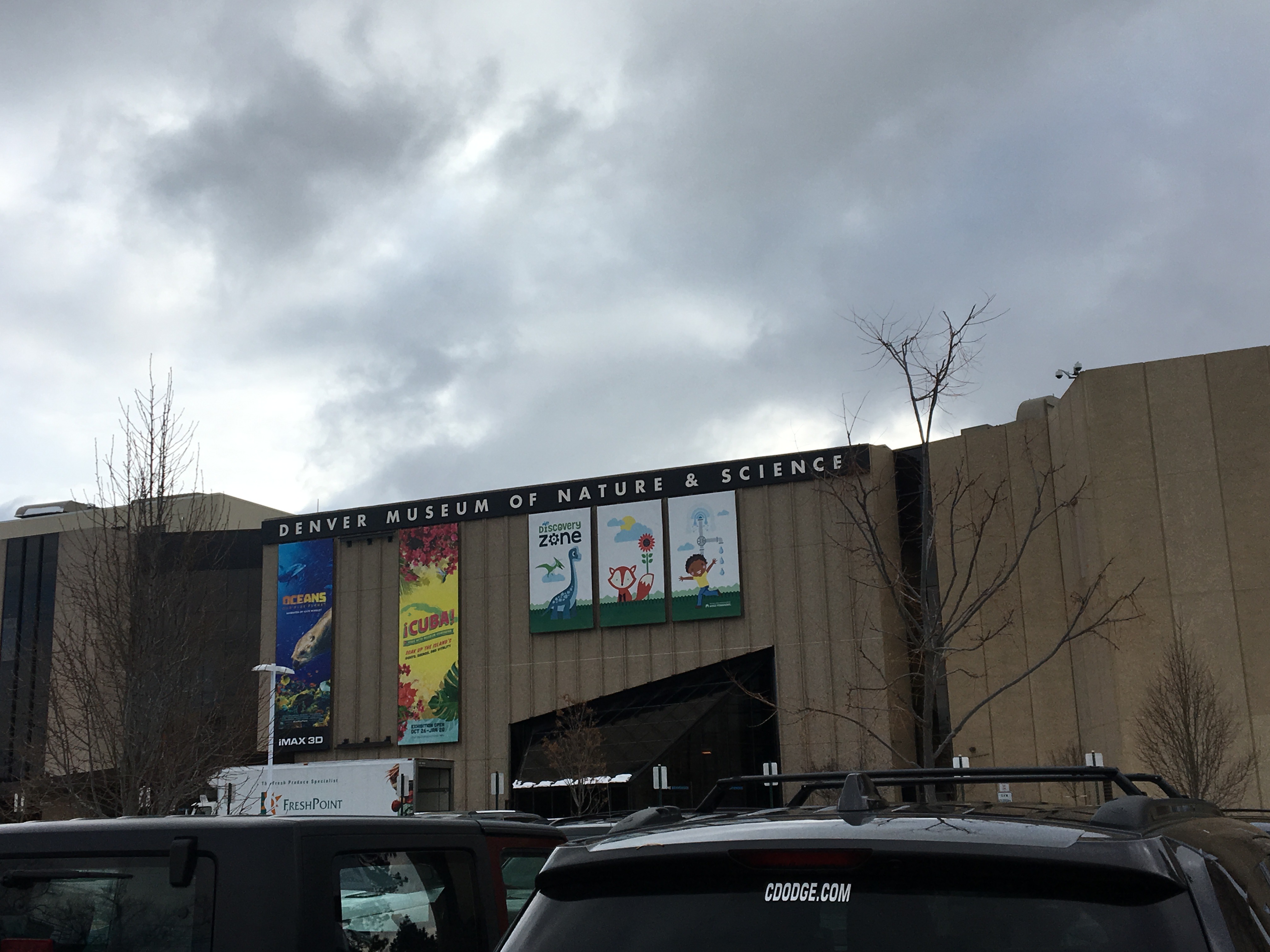
Okay, so it wasn’t Cuba, it was actually an exhibit at Denver’s Museum of Nature and Science.

img_5445

We travel to different cities, regions and countries to experience what we can’t experience at home. Sometimes, however, experiences from other places come to us. This is the case when a new restaurant, serving cuisine from the other side of the world opens, or when the stock show comes into town, parading livestock right through the middle of the city!

It is important for those of us that yearn to travel, share adventures, and learn about other cultures, but do not travel full time for a living, to take advantage of the times when experiences from other places come to us.

IMG_5449.jpg

It is human nature to be fascinated by what is not known. It is why children want to know what is in their parents secret closet, why many are fascinated by ghost stories and conspiracy theories, and why for our entire existence, humanity has speculated as to what exists beyond life and death.

Cuba is one of those places that, to Americans, is somewhat of a mystery. This exhibit brings that mystery to life.

IMG_5451.jpg

The main part of the exhibit is an area that is far more wide open than nearly all other museum exhibits. Cuban music, both traditional and modern are played, and performers jump on and off the stage. It is surrounded by some of the things that Cuba is perhaps best known for culturally; Cars built before the Cuban Embargo went into place in 1962, and outdoor produce markets.

Seeing the culture of a place in this format serves as a reminder that experiencing a place, whether it be a country, a region, or a city, is not just about going to landmarks. It is about the people, the day-to-day life, the music, the art, and traditions. It is hard for me not to feel as if traveling to a destination, and only experiencing the places listed in a travel guide causes many of us to miss out on what makes a place truly unique.

Of course, it is hard to write about Cuba without addressing Communism and relations between the United States and Cuba. As someone who believes that a free market economy is both the most efficient and most just manner in which to organize a society, it would be easy for me to simply dismiss and hate the recent history of Cuba. However, I am also a person who appreciates the complexity of every situation. What I dislike most about our present day political situation is seeing that which is complex and deeply philosophical reduced to catch phrases, jokes, and sometimes mean-spirited tribalism.

I had previously read about the complexity of the factors that lead to the Cuban revolution, and the fact that Fidel Castro did not declare himself communist until a couple of years after he took power. He may have only declared the nation communist to gain protection from the Soviet Union after realizing he would not have good relations with the United States.

Reflecting on this, as well as the U.S. interventions in Cuba prior to Castro’s revolution made me realize that there are two sides to every struggle and every revolution. There is the ideological side, which is often used to drum up support in cases like the Cold War. However, there is also a component of them that are just about power.

IMG_1342

The story of Cuba in the 20th Century is also a demonstration of the danger in tearing down what exists without a clear plan going forward. Many Cuban revolutionaries, and supporters of the revolution, ended up getting something far different than what they had envisioned. Reading about what happened to large segments of humanity in 1177 B.C., and then in 476 A.D., and even some modern day examples of revolts without an end game, the lesson is clear. Yes, we should be striving to make changes. But, it is often better to build on what already exists. If the system must be completely torn down, it is imperitive to have at least a framework for what replaces it.

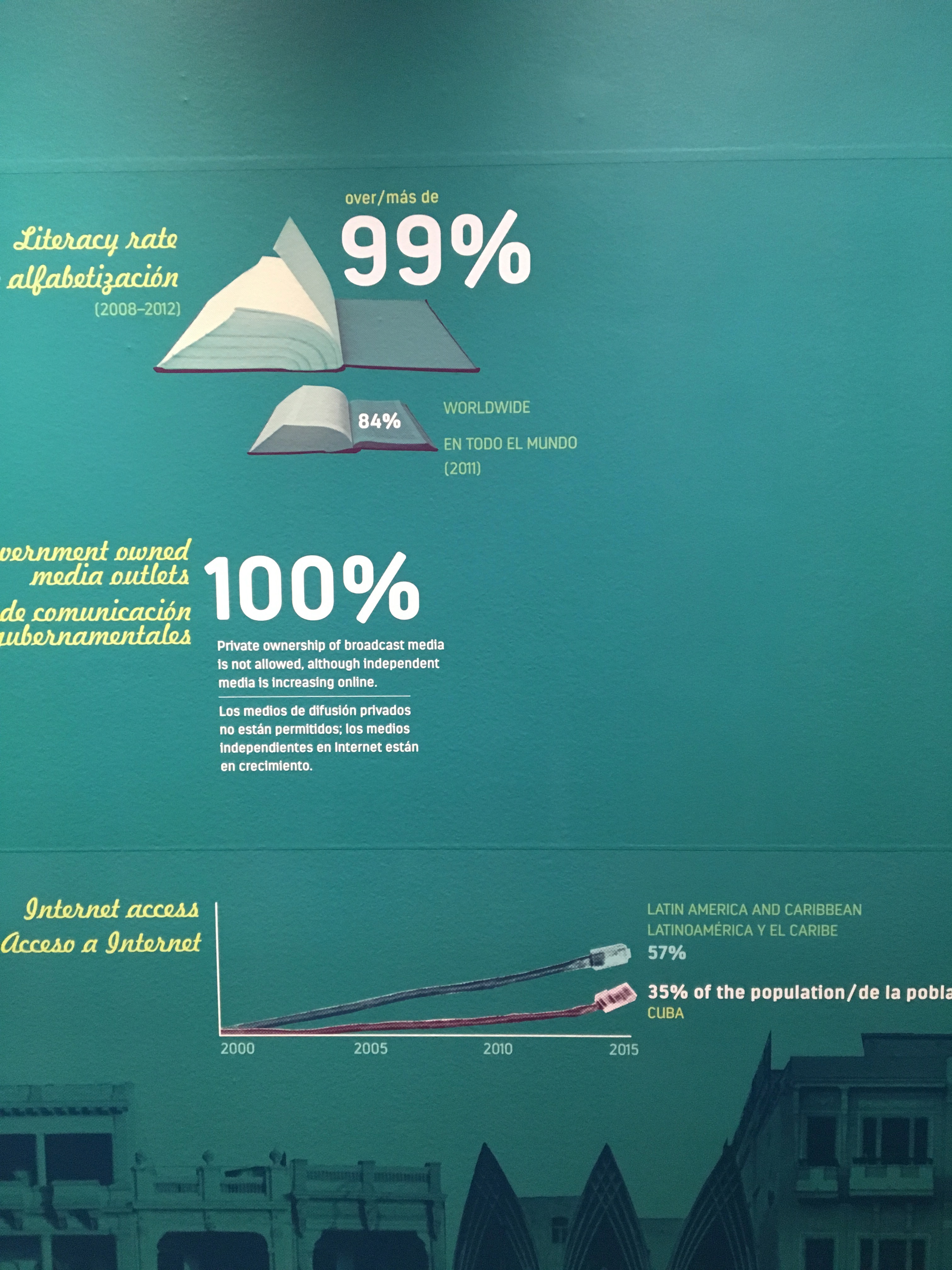
The results of the Cuban revolution are also often judged differently by different people based on priorities. Cuba is far poorer than us, but in some ways more equitable.

IMG_5450.jpg

They have also managed to preserve nearly a quarter of their land for nature, and protect some species that cannot be found anywhere else in the world.

Additionally, the agricultural practices developed on the Island after the collapse of the Soviet Union caused them to lose access to many pesticides and chemicals significantly improved the health of their coral reefs.

Cuba has endured many changes. An 80-year old Cuban has seen Fulgencio Batista seize power, Castro’s revolution, the U.S. embargo, the collapse of the Soviet Union, and the opening up on the Cuban economy over the past ten years. The exhibit ends with a series of statements made by randomly selected Cubans about the future of their country. Some express hope. Some express caution and resilience. There were even a couple that stated they do not want what we have, described as “excessive consumerism.”

The majority just learned how to just roll with the changes. After all, regardless of who does what in struggles for power, life goes on. The will always be music. There will always be culture. There will always be people with dreams.

IMG_5458.jpg

What I learned in 2018

IMG_5294

As I outlined in my previous post, 2018 ended up being a pretty significant year for me, I started a new job in August which ended a nearly seven year long series of career disappointments. Through this experience, as well as observing people in organizations like TED and Start-Up week, and reading books, I have learned quite a bit.

1. The first wave is Internal

This is something I first read about in 2016, when I read The Happiness Project by Gretchen Rubin. We often get this wrong. People who are stuck are often waiting on someone else, or some kind of external event to bring their lives in a new direction. I feel like I was there for quite some time. Change must come first from within.

After changing my attitude, actions and expectations, I then needed to reflect those changes out to the world. This concept is best described in Belong, by Rhada Agrawal. When we show our true selves to the world, we eventually find ourselves in the right places and surrounded by the right people.

2. Maturity = Confidence + Resilience + Delayed Gratification

People are often told they need to “grow up”. For a long time, it was a pet peeve of mine. It felt as if anyone who had told me this was expecting me to give up on dreams, give up on what makes me unique, and accept limitations and the ability for others to determine my path.

As a result, for many years, I resisted the very concept of adulthood. I would rather stay in my fresh out of college partying days longer than become a generic middle-aged guy. However, I would later get exposure to mature adults who were living lives that I admire quite a bit.

IMG_5180.jpg

In addition to the authors mentioned above, I got exposed to authors and TED speakers such as Simon Sinek, Chris Gillebeau, and Jen Sincero, as well as many others in the local community who are doing great, interesting, and unique things with their lives.

I also saw the result of continued immaturity, primarily the political hysteria of our time.

IMG_2244.jpg

This was not what I wanted. I realized that I do want maturity, just defined differently, by what I would say is its true definition. The factors that distinguish the two groups of people I observed are not the mundane everyday things that most associate with “growing up”. They are confidence, resilience, and some form of long-term thinking.

3. There’s a time to be chill and a time to be ill

IMG_3528

Jordan Peterson’s 12 Rules for Life is perhaps one of the most challenging books I have ever read. It forced me to confront the fact that status and power struggles do exist in humanity. This is something that, for a long time, I had hoped to just ignore. Unfortunately, a lot of people do care about status, and there are people who want nothing more than to have power over others.

This is where we all need to assert ourselves when necessary. In my previous entry, I outline a bit about who I am and what I care about. There are a lot of people that want to define, or redefine that for me. We all face that same struggle. Nobody else should get to chose things like that for us, and when they try to, we need to calmly assert ourselves.

4. Not all escapism is a waste of time

This is something I feel truly bad about. For a long time, I was quite judgmental towards activities I deemed to have no value. This was primarily certain television shows, but sometimes even certain kinds of conversations and activities. As Pitbull put it years back “Everybody’s Going Through Something”. While it is irresponsible to completely avoid our problems, people do need a break from them from time to time. It was unfair of me to judge people based on how this break manifests. There is a big difference between becoming a drug addict and watching something like Say Yes to the Dress for half an hour.

5. Don’t avoid uncomfortable conversations

When uncomfortable conversations are avoided, the problems that prompted them only become worse. Towards the end of 2018, I had to have a few conversations that I found uncomfortable. They certainly did not make anything worse!

6. Sometimes our adversaries are people we need

I am someone that likes to push boundaries, try new things, and pursue ideas. There are people that are more cautious, preferring to stick to routine and only embracing change when it is absolutely necessary or when the benefits are clear. It is easy for me to view these people as my adversaries and visa-versa.

However, without people to vet ideas before a lot of resources are poured into them, a lot of time and money could be wasted, with little to show for it. Without people on my end of the spectrum, to pursue new ideas and push people, stagnation is inevitable. We need each other.

IMG_4893.jpg

Life is full of balances just like this one; idealism vs. realism, optimism vs. pessimism, big picture vs. details, etc. With respect to all of those balances, those that prefer one end of the spectrum need those on the other end to maintain that balance.

7. Laying around is not always the best way to rest

IMG_4834.jpg

It is certainly the most obvious way to rest. However, it is often not what we need when we feel we need rest. When exhausted from stress, what we need is to get away from whatever is causing that stress. This is often not achieved by laying around at home, which can mean continued exposure to news and other sources of stress through television and social media. The best form of rest can often mean something like camping in the wilderness, going or a bike ride, or the right social event with the right group of people.