Category Archives: Europe

Christmas in Central Europe

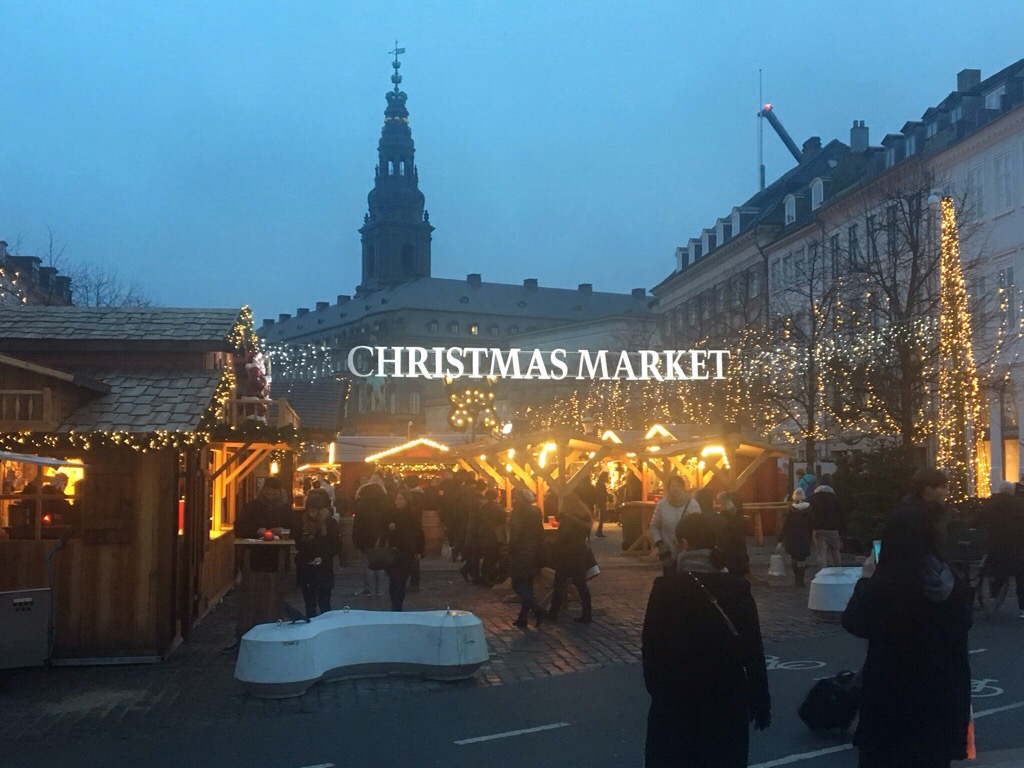
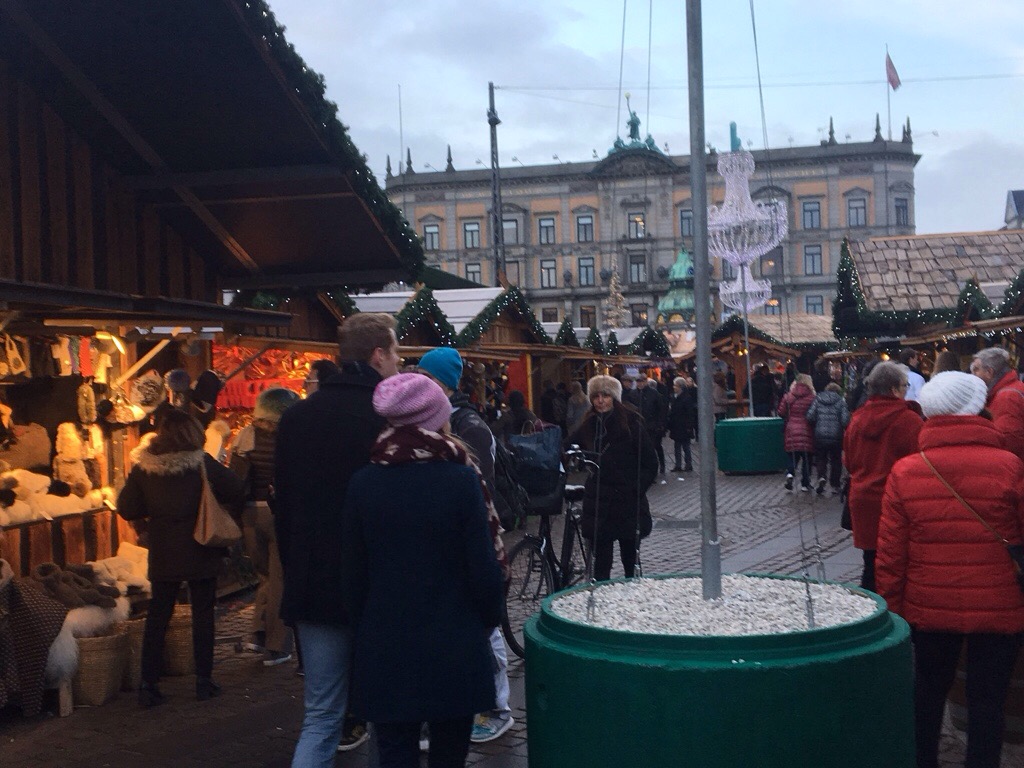
One of the main reasons people visit Europe during November and December are the Christmas markets. Markets that pop up during the Christmas season date back to at least the late Middle Ages, can be found all over Europe, and are so popular that cities across the United States do their best accurately replicate the experience.

Like their American replicas, they are filled with booths that sell food and beverage.

As well as shops that sell decorations, such as ornaments and nativity displays.

They can be fun places to hang out both in daylight and at night.

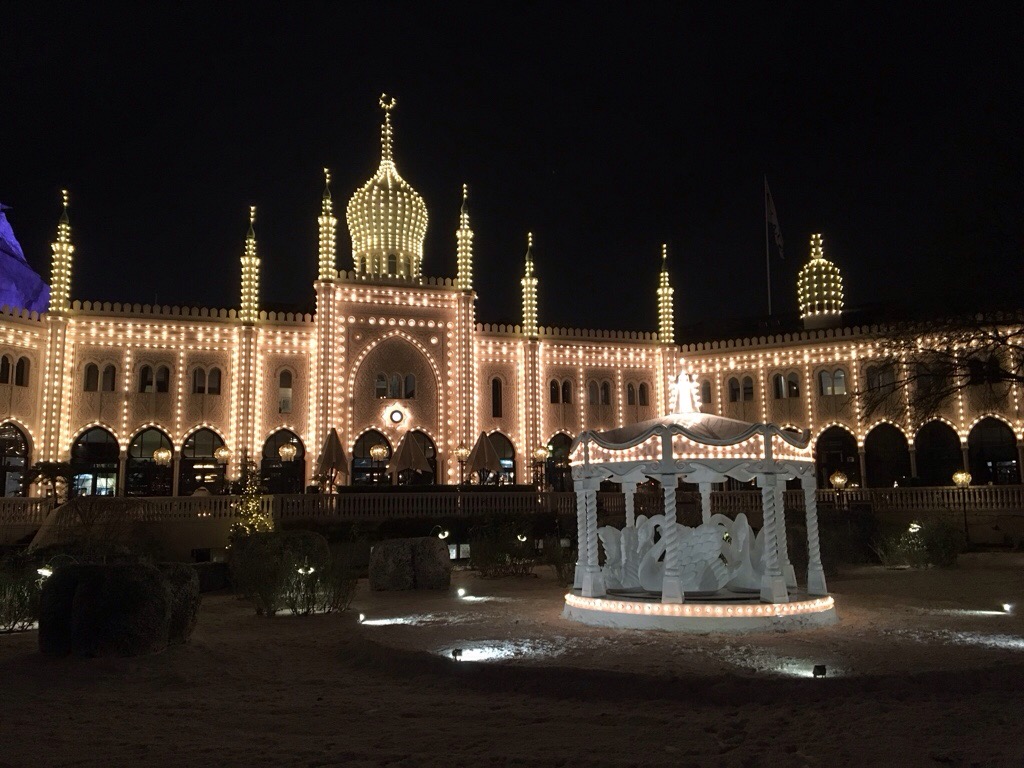
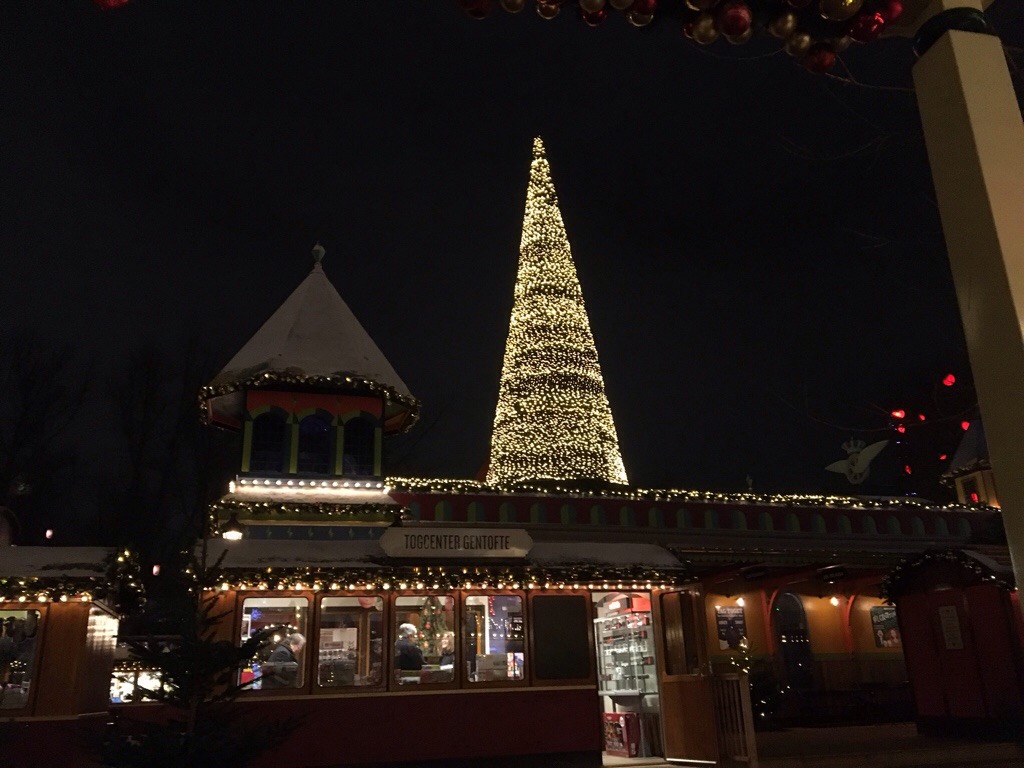
Actually, with all the lights, they can be all the more magical at night.

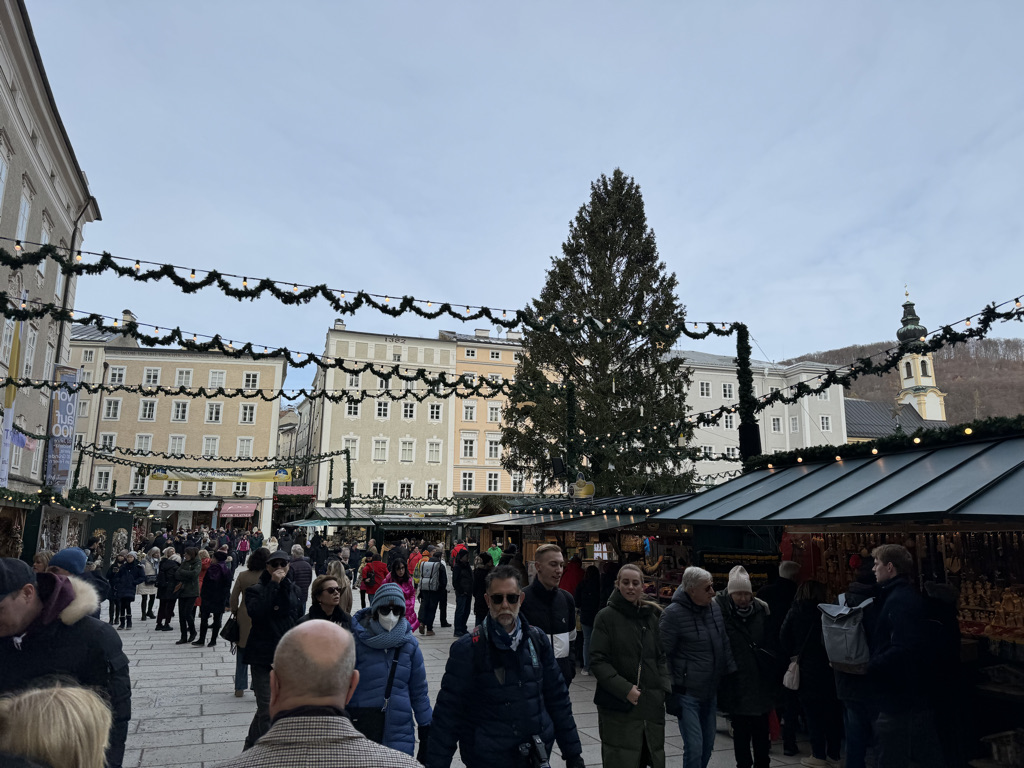
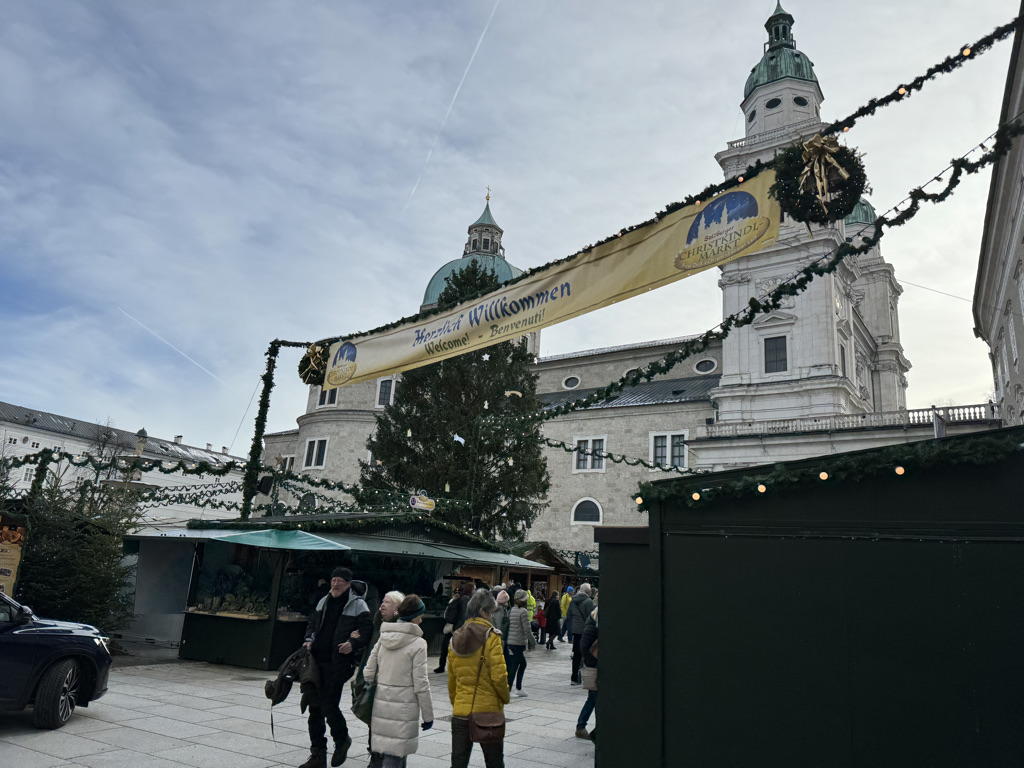
These Christmas markets are pretty sizable, with some being large enough to have multiple sections, like the Salzburg Christkindlmarkt at the Dom and Residenzplatz in Austria.

And, while Munich’s main Christmas market is at Marienplatz.

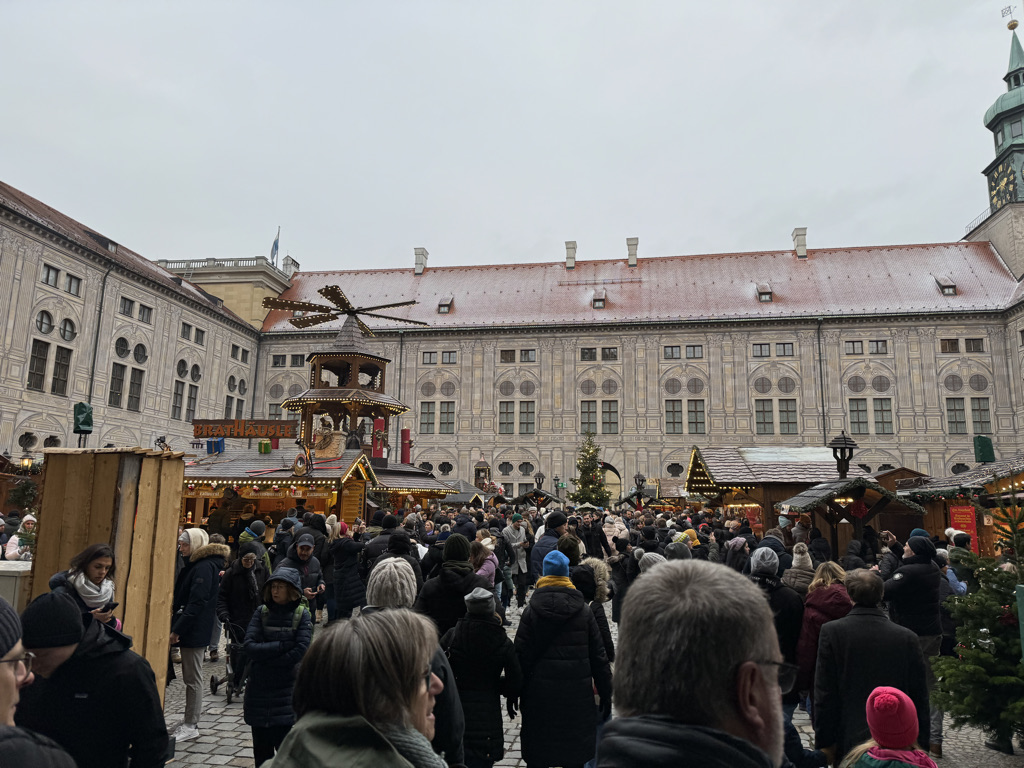
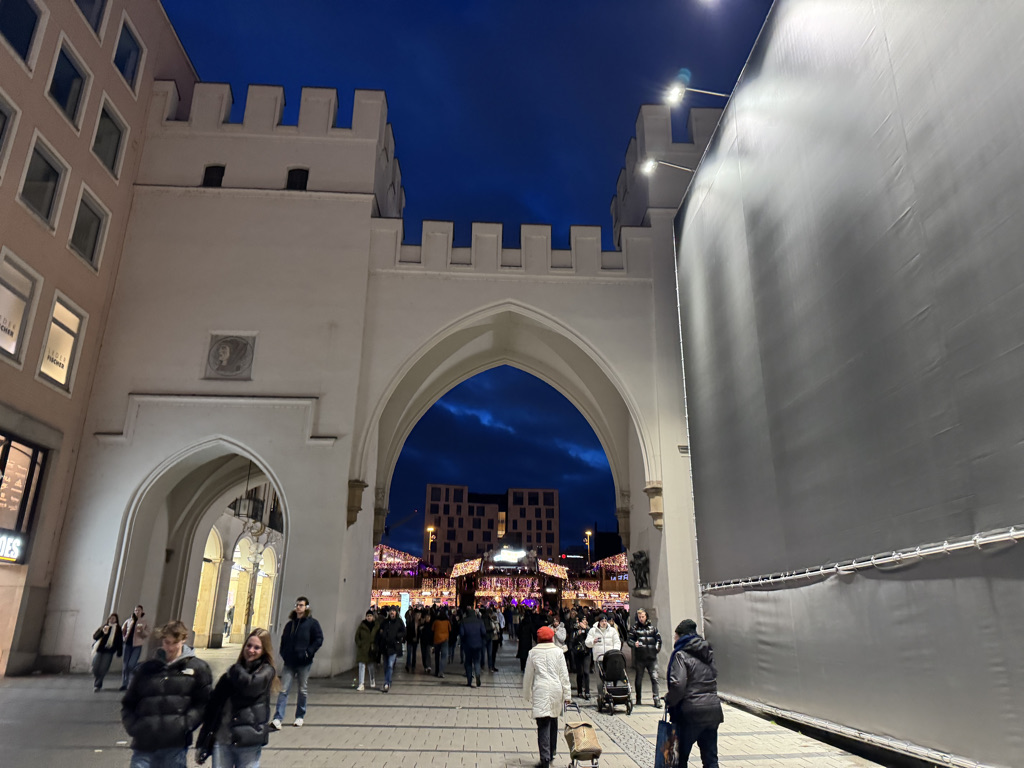
Perhaps their most interesting one is at Odeonsplatz, a mere 500 m (less than half a mile) away. This one was large enough to not only have the usual food, drink and ornaments, but also had a full Christmas children’s display which included my favorite part of this journey: A singing moose that sings “Winter Wonderland” in German.

Seriously, I could not get enough of this video!

Throughout my time in Europe, going to Christmas markets, I did make one observation that was somewhat strange to me. At the surface, Christmas in Europe seemed a bit more religious, with nativity scenes everywhere. At this Christmas market in Prague (Chezchia), the first thing visitors see is a nativity scene in front of a gigantic church.

This seemed odd given that, as a whole Europe is seen as less religious than the United States and the Czech Republic is among the least religious countries in the world!

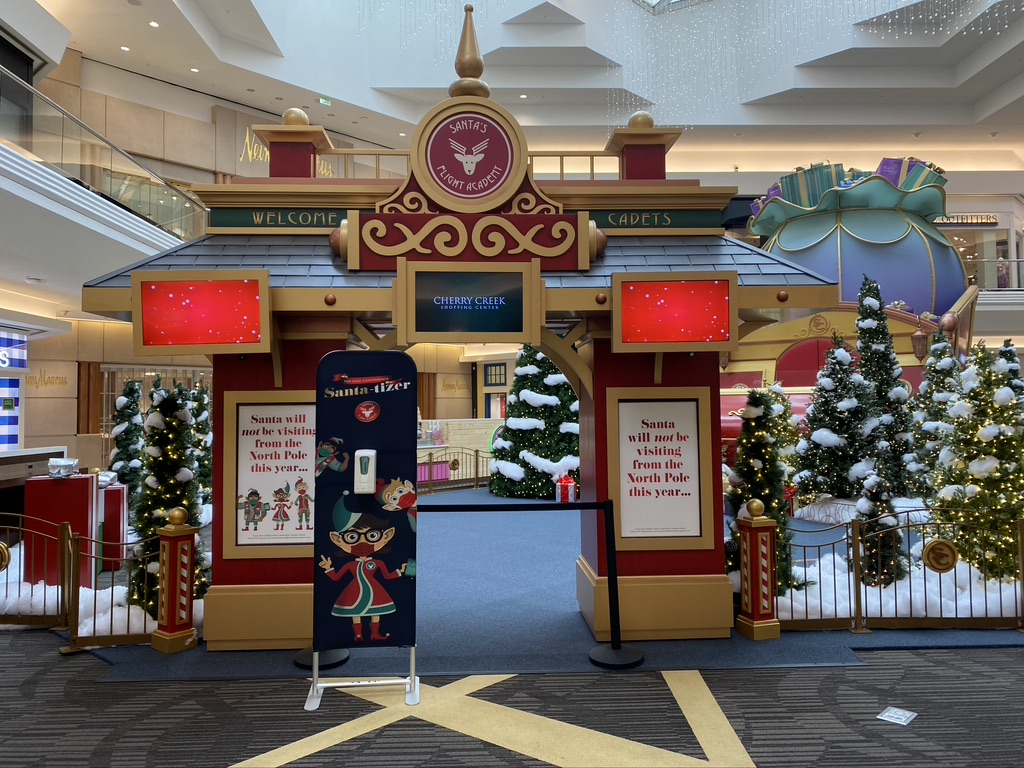
Yet, somehow, in the more religious United States, the primary symbol of Christmas, that is seen everywhere is Santa, the quintessential symbol of commercial, secular Christmas.

And it’s the post-Christian Europe where one will see nativity scenes, the quintessential symbol of Christian Christmas everywhere!

How does that make sense? Well, the answer is, it doesn’t. Most traditions don’t. Most traditions are some kind of jumbled up combination of the history of a place and the present day sensibilities of the population, combining the here and now with the nearby, both spatially and temporally.

There are reasons behind them, but they are complicated. Sometimes they involve specific, almost random events that would constitute historical minutia. It seems like to try to understand all the history behind every custom or tradition from around the world would be like trying to drill down to the specific reactions involving every sub-atomic structure to explain all the physical wonders of the world, including human behavior.

Maybe, observing anything that seems contradictory like this is a lession for all of us to learn about overthinking things. Overthinking can sometimes seriously rob people of joy. While hanging out in a Christmas market in a light Christmas-y snow, is it better to be fixating on why a less religious continent has more religious imagery than mine, or is it better to just be taking in the experience and the people around me?

Munich in November

It was barely above freezing when these brave individuals bared the cold river and graciously showed off their amazing surfing abilities in Munich’s English Garden. In the summertime, it is likely quite a challenge to get a peak at these amazing local athletes from the bridge over the Eisbachwelle along Prinzregentenstraße. In November, at least before noon, I was able to just walk up to this overlook and get a glimpse of this incredible performance. By the afternoon, however, this bridge would be packed with people doing the typical 2023 thing, taking photos and videos.

Munich in November is not for those who prioritize comfort. Most days are cloudy and chilly. Cold rain and wet snow is quite common.

Also, daylight is quite limited. This photograph of the BMW world headquarters was taken a little after 3:30 P.M. with darkness already starting to encroach upon the city.

The key is maximizing the daylight hours as much as possible.

To take advantage of those rare instances when the sun does come out.

And to find a fair share of indoor activities. Luckily, Munich is home to the world’s largest beer garden.

As well as countless other places people go to eat and drink.

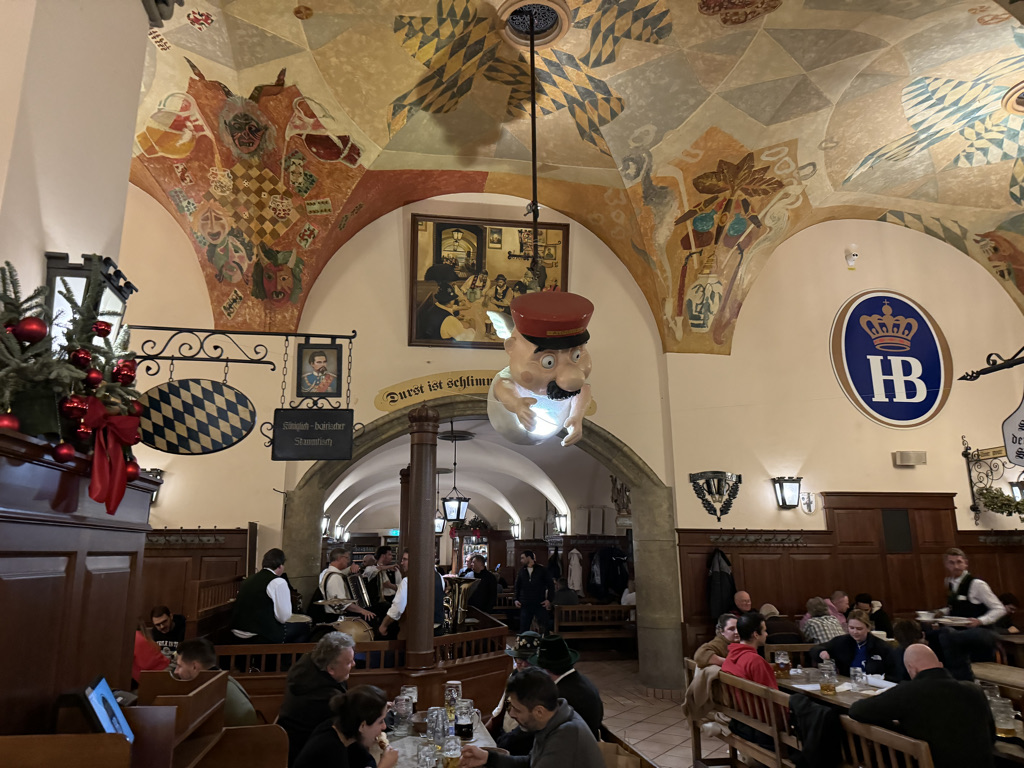
Perhaps the most famous tourist destination is the Hofbräuhaus.

The easiest way to describe this place is that it takes every stereotype you may have about Bavaria and leans into it 100%. Most people are drinking large quantities of beer and there is a band in the middle playing polka or music of a similar variety. During peak tourist season, this place may be so packed it is hard to get a table, making November a pretty good time to visit this place.

Of course, there are activities for those times when you just don’t feel like drinking. On this trip, I visited multiple museums dedicated to showcasing Bavarian history.

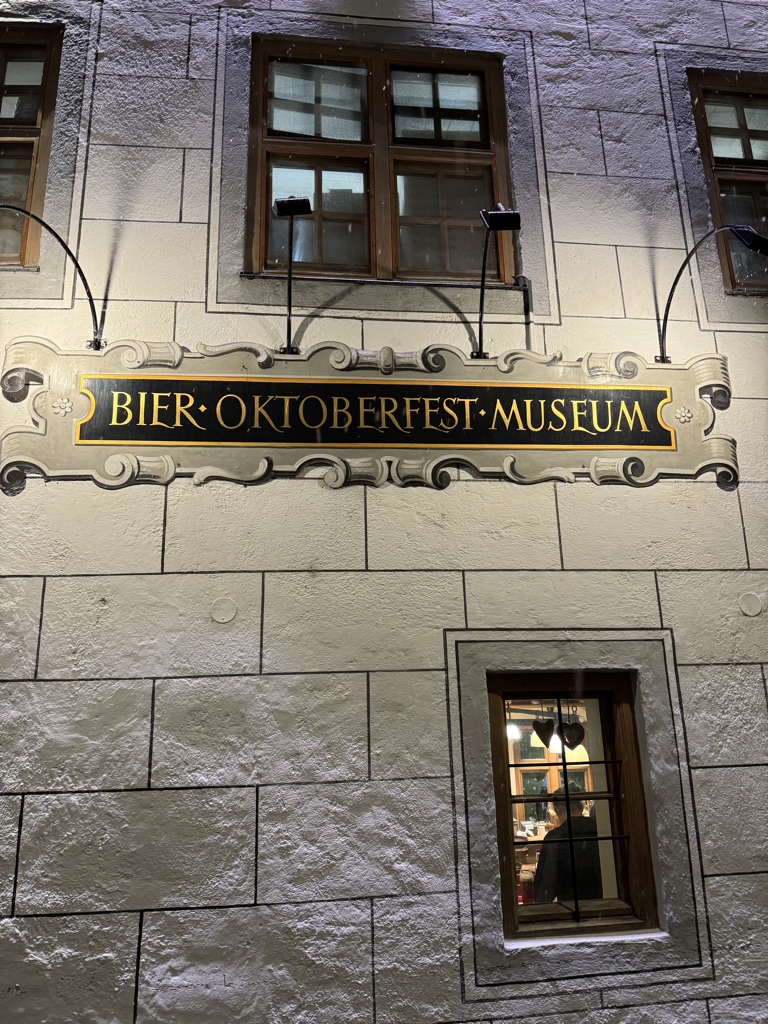
Another place easier to navigate due to the relatively low volume of tourists compared to other parts of the year is the Oktoberfest Museum.

All discussion around town about Oktoberfest defied my expectations. Oktoberfest is a tradition that goes back to a wedding celebration in 1810.

For some reason, I expected the locals to mostly be annoyed by an event that brings a lot of people to town to get drunk, act stupidly and sing songs in a foreign language. However, most people I talked to seemed to be proud of it. Maybe this is just the tourism industry trying to get people to come back, but I was told it is an event I need to experience.

The Oktoberfest Museum covers not only the history of the event, but the history of beer, sometimes in a comical manner.

It also validated both my love of all things bicycles and my instance that inflation is a bigger issue than most people give it credit for. Inflation cancelled this event for two years!

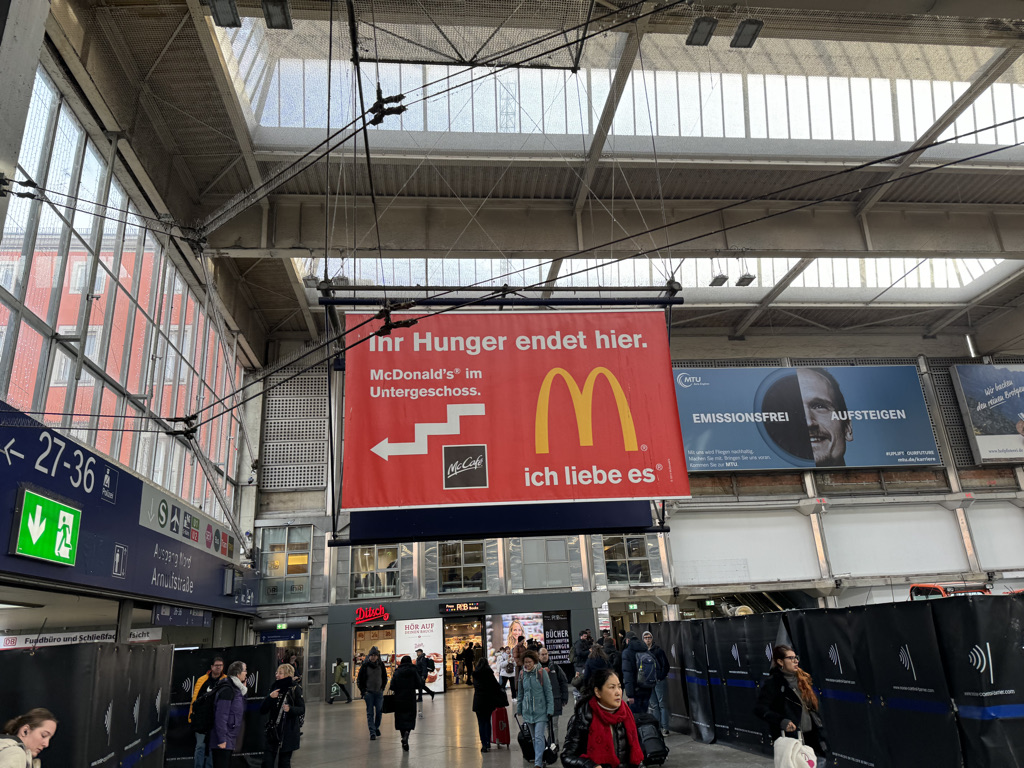
One thing that will be hard to miss in November, pretty much anywhere in Europe, is preparation for Christmas, with trees going up and people getting those amazing German Christmas markets setup.

Of course, Europe is not the United States and they do not have the Thanksgiving holiday. However, they seem to kick off the Christmas season in a similar manner. Most of these markets open up just before or just after Thanksgiving.

And, perhaps unfortunately, they have not only adapted the worst aspect of American Thanksgiving, Black Friday, but managed to turn it into an entire week.

Seriously, I know some people are ashamed of the history of Thanksgiving. However, today the holiday’s primary purposes are to gather people together and express gratitude. If people in other countries started adapting this tradition, as an American, I would wear it with pride. Our consumerism, not so much.

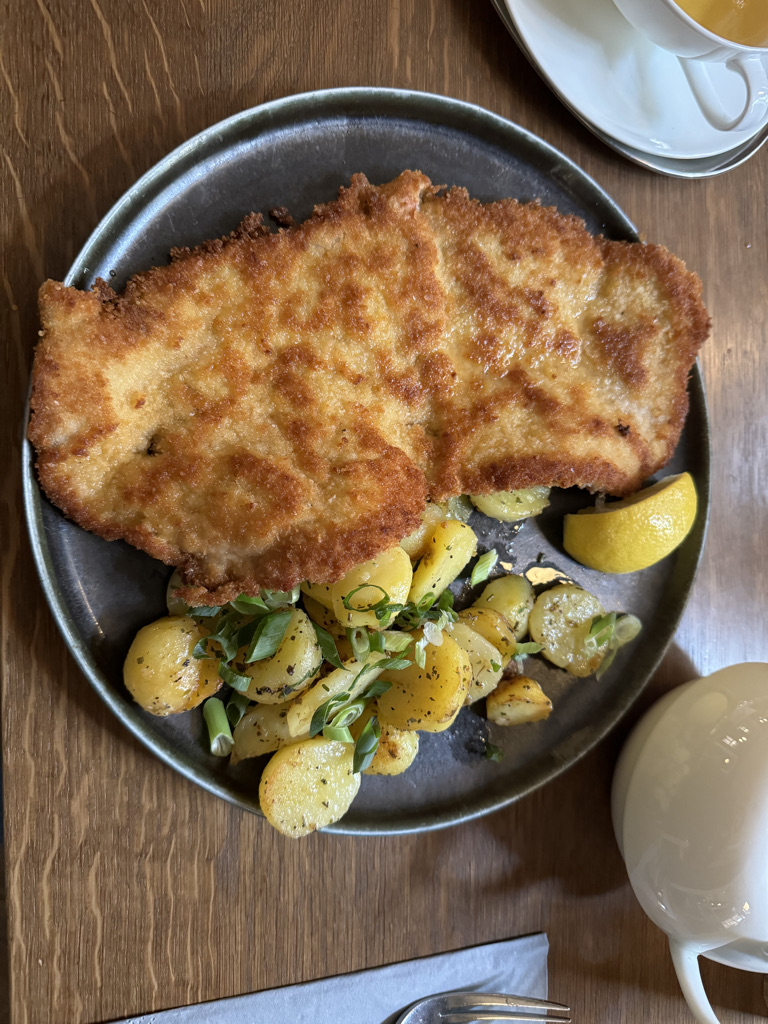
Whenever I travel anywhere, I like to really immerse myself in the food, sometimes even eating things I would not normally eat.

It’s another way of getting a real cultural experience. These traditional German dishes are pretty heavy. Eating them feels far more natural in the wintertime.

To sum it up, there are advantages and disadvantages to visiting places like Munich in November. Munich’s November weather is less than ideal. However, it is great to see people setting up the Christmas markets, and have far less lines and crowds, as well as some cheaper prices for things like airfare and hotels.

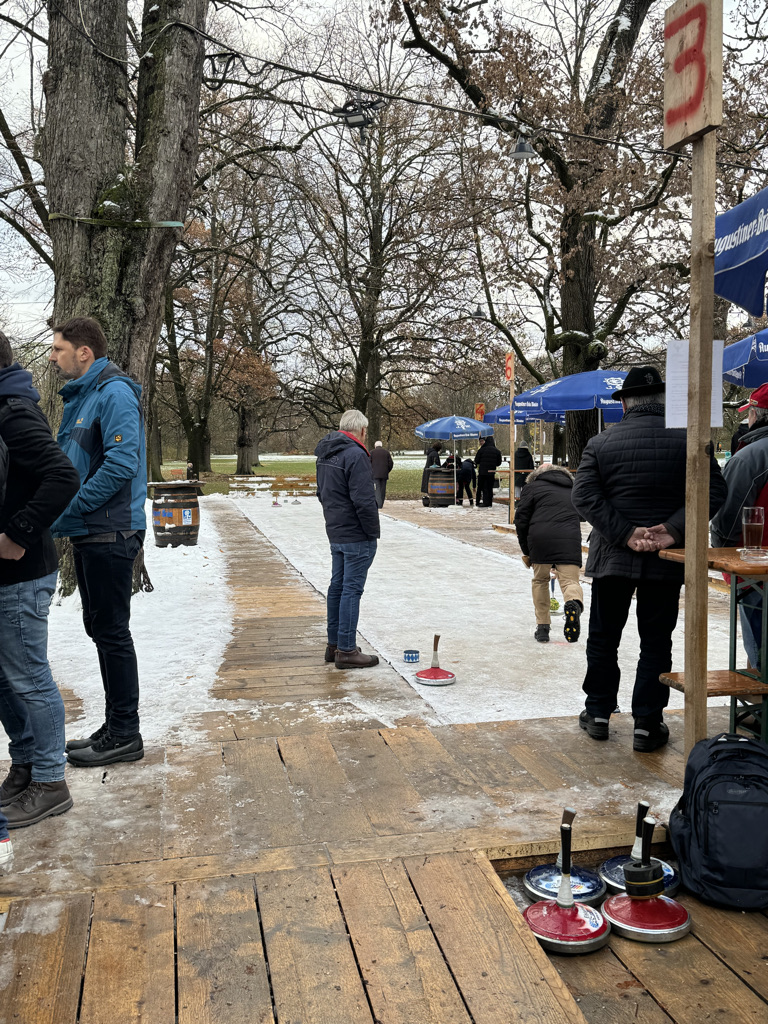
Also, had I not visited in November, I would not have learned about another completely unexpected tradition, this strange combination of curling and bocce ball, played on ice.

Seriously, I have no idea what this sport is called, but it felt like it was everywhere, particularly at beer gardens. This makes sense as I would be hard pressed to think of a better drinking game to be played outside in cold weather.

Prague: Where the Past Come to Life

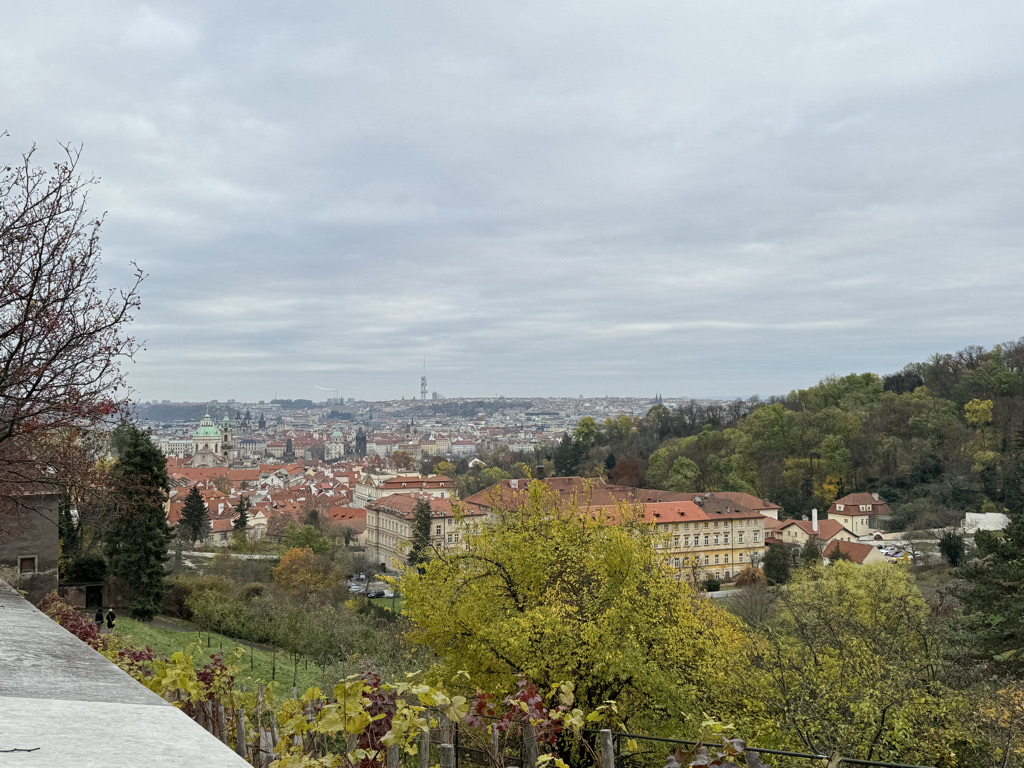
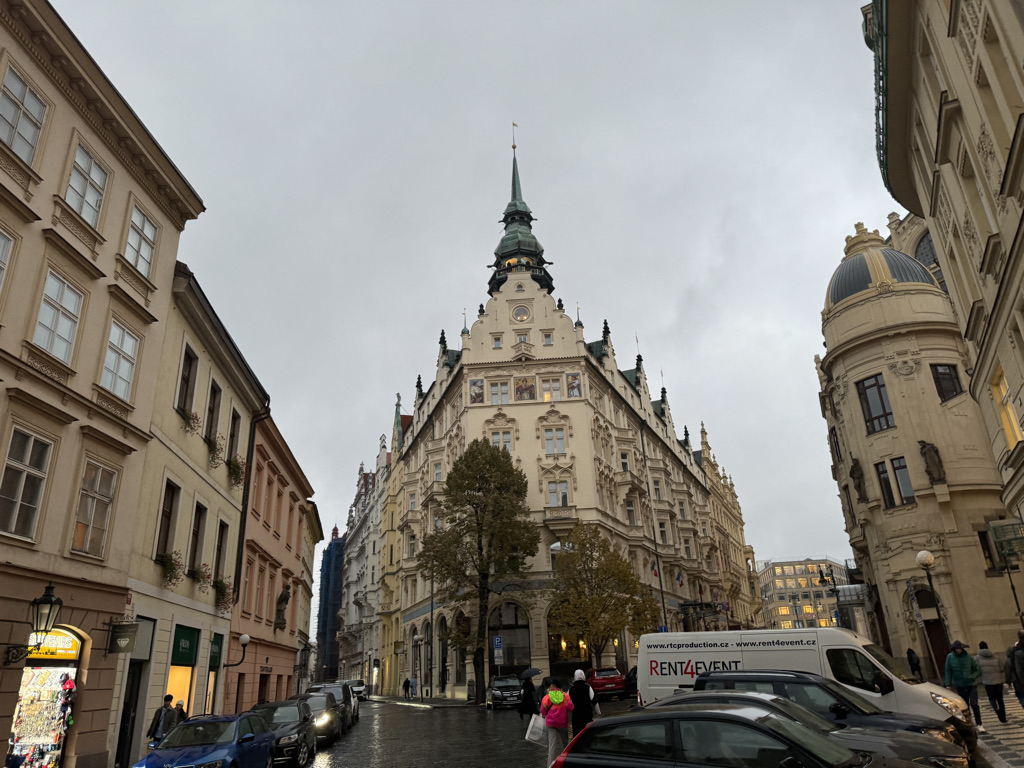
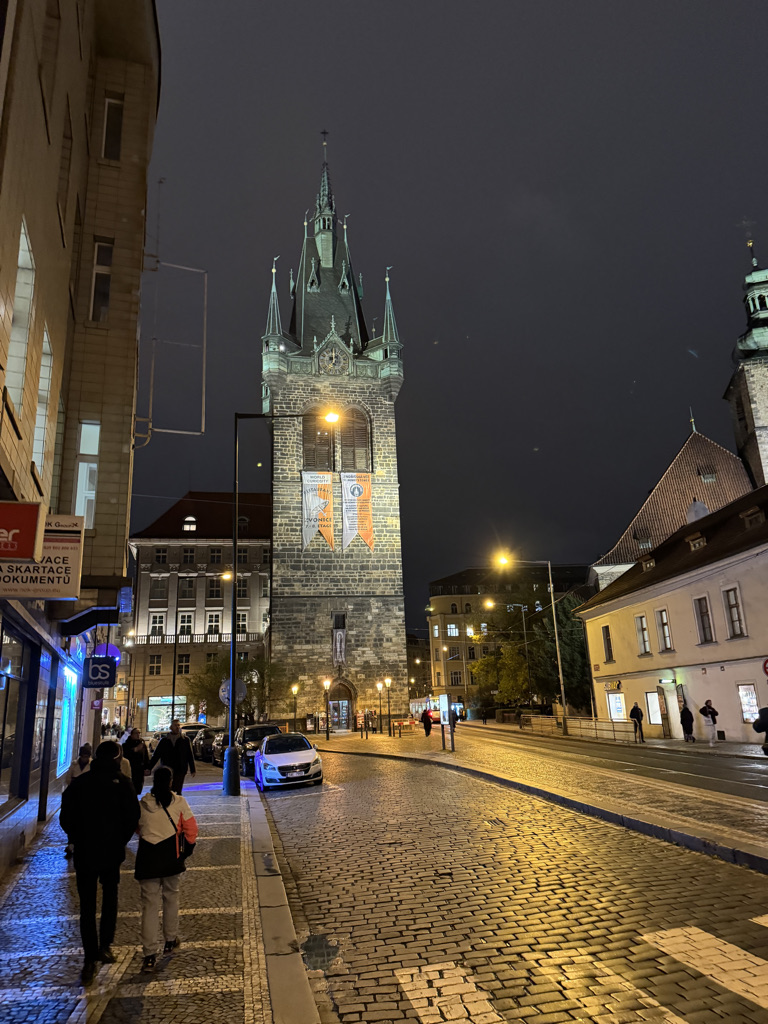
The first thing that stands out to anyone visiting Prague for the first time is the architecture. Navigating the city’s confusing, densely packed roads, visitors encounter one elaborate Medieval or Baroque era building after another.

Many of them show off the centuries of history they embody, as well as what had to have been thousands of hours of attention to detail in design and build.

It is perhaps an even more amazing set of structures to behold at night.

It is no wonder the city tops many lists of the most beautiful cities on earth.

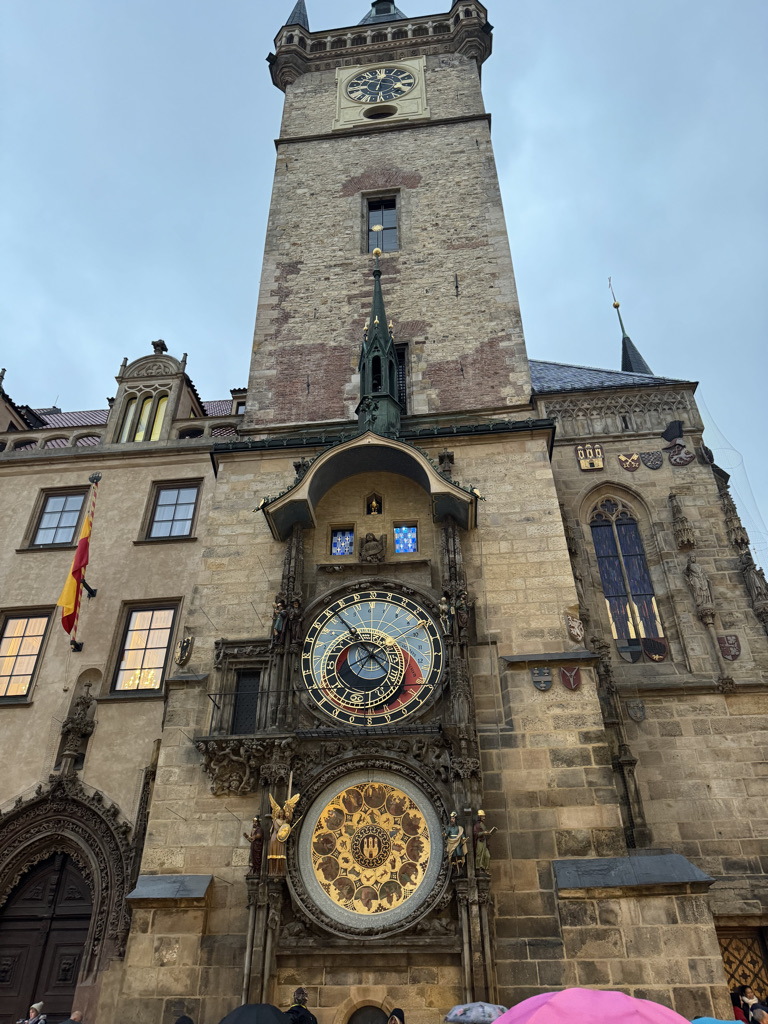
Perhaps the most crowded destination in the city is the now over 600 year old Astronomical Clock, right in the center of Old Town Prague.

For anyone visiting destinations that are “touristy”, it is imperative to find the right time to visit destinations like these where crowds are constantly gathering for things like the hourly show this clock put on. This clock itself is ironically a window into Central Europe’s past, particularly the 15th through 17th centuries when the majority of its individual components were created. Embedded in the structure is an implication of the values of the time. There is religious imagery. The clock shows the positions of the sun, earth, moon and all of the zodiac constellations. It is also hard to ignore the skeleton adjacent to the upper right portion of the clock itself.

There is probably a near infinite number of inferences that can be made about the values of the past from what features were included in the design of this clock. Historians can rely on other sources and, if they can avoid the trap of their own biases, can create a more accurate description of what the Late Medieval and Early Modern people valued. Looking upon a structure like this, the important thing to realize is that their values were different than ours are today and that many of the assumptions we take for granted in 21st century life do not apply to building constructed so long ago.

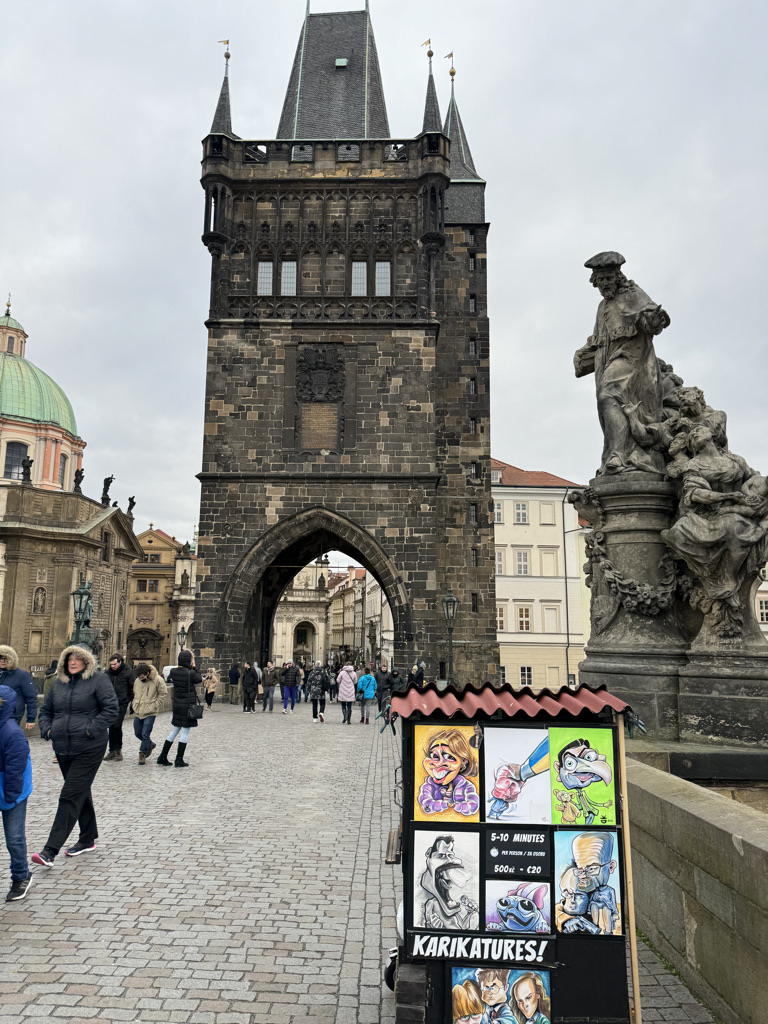
Construction on the famous Charles Bridge started even earlier than the astronomical clock.

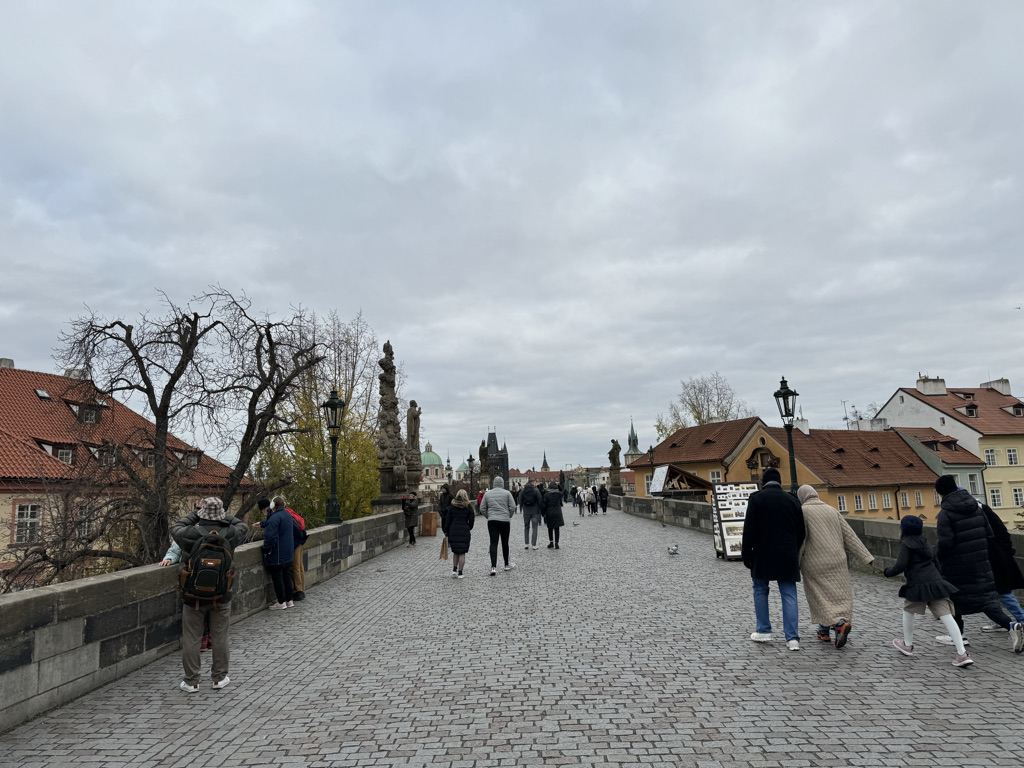
This bridge is beautiful to walk both by day and night. On both ends of the bridge, end there is a monument to pass under.

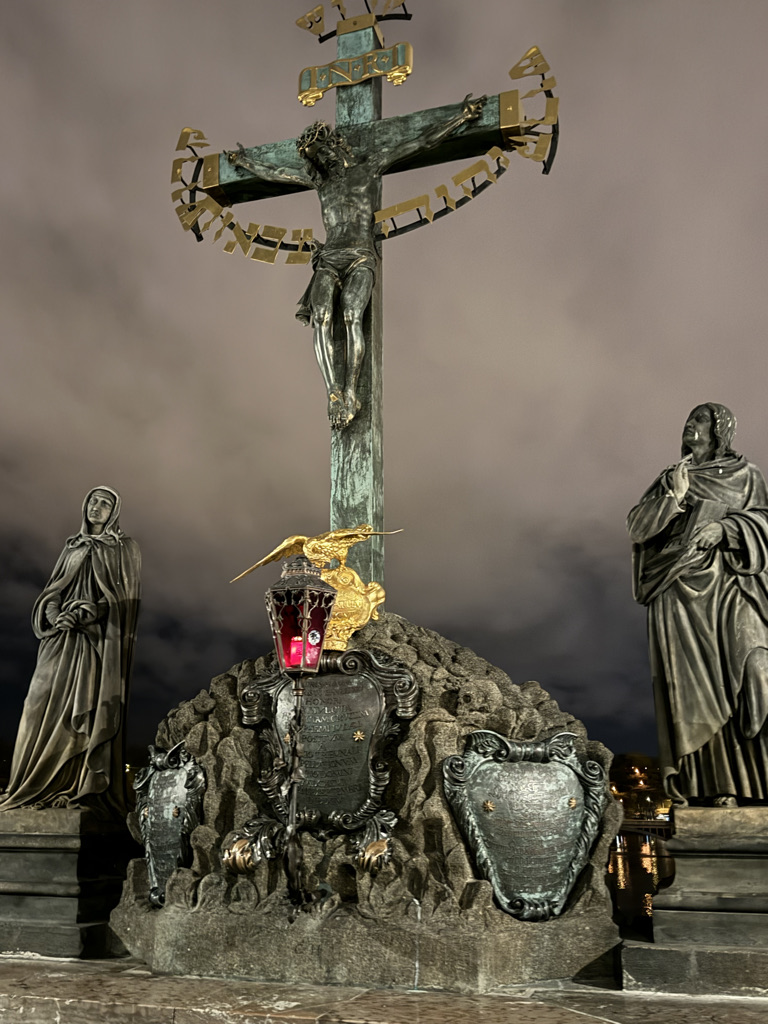
This bridge is one of many places around Prague where the city’s religious past is right in front of everyone’s faces, ironic for a country that is now one of the world’s least religious.

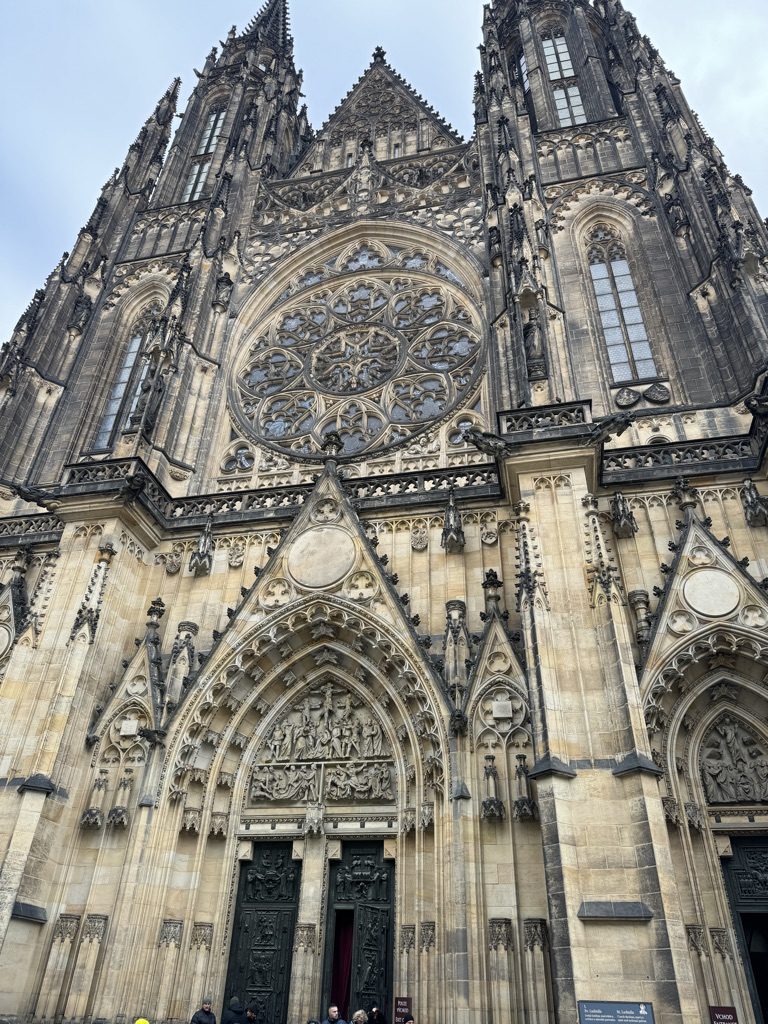
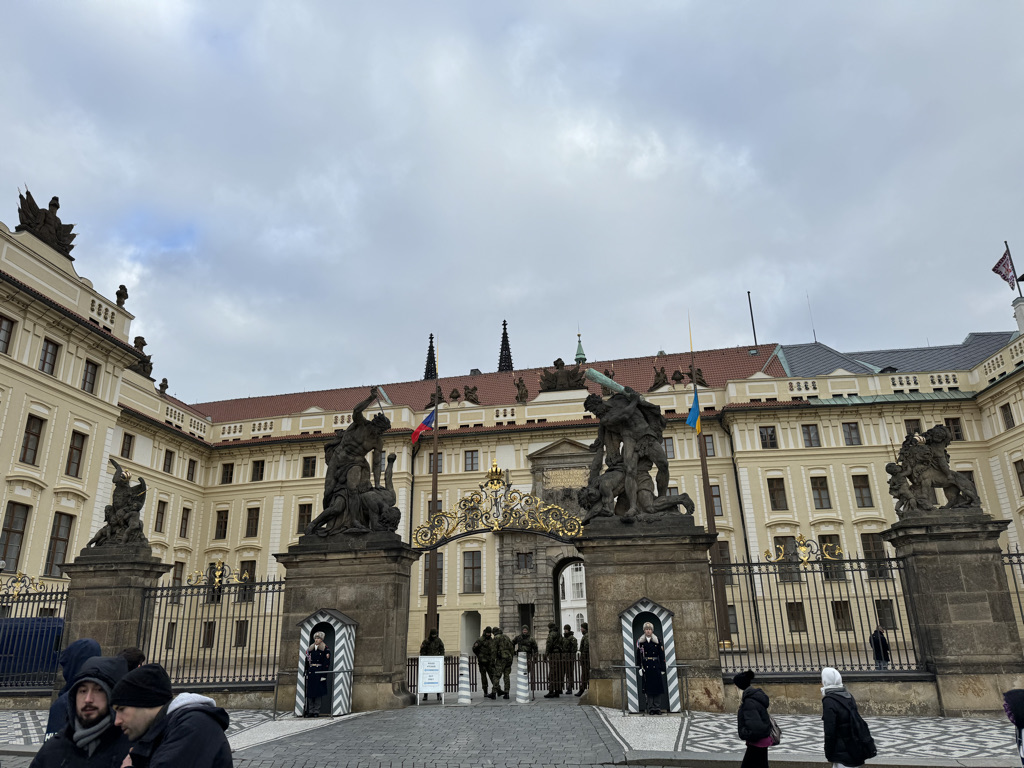
It’s odd because the Prague Castle, which is now the residence of the Czech Republic’s Head of State, is also home to several huge churches.

As an American looking upon this, I cannot help but see, right in front of me, the true reasoning behind one of the founding principles of our nation being the “Separation of Church and State.” There are many Americans today who fear any intrusion of religious based values into our public policy is a threat to this principle, but here in Prague, for centuries upon centuries, the church and the state were not even physically separated! Like many Medieval European governments, the church and the state were intertwined, with Bohemia being part of the Holy Roman Empire and often also imposing policy dictated by the pope.

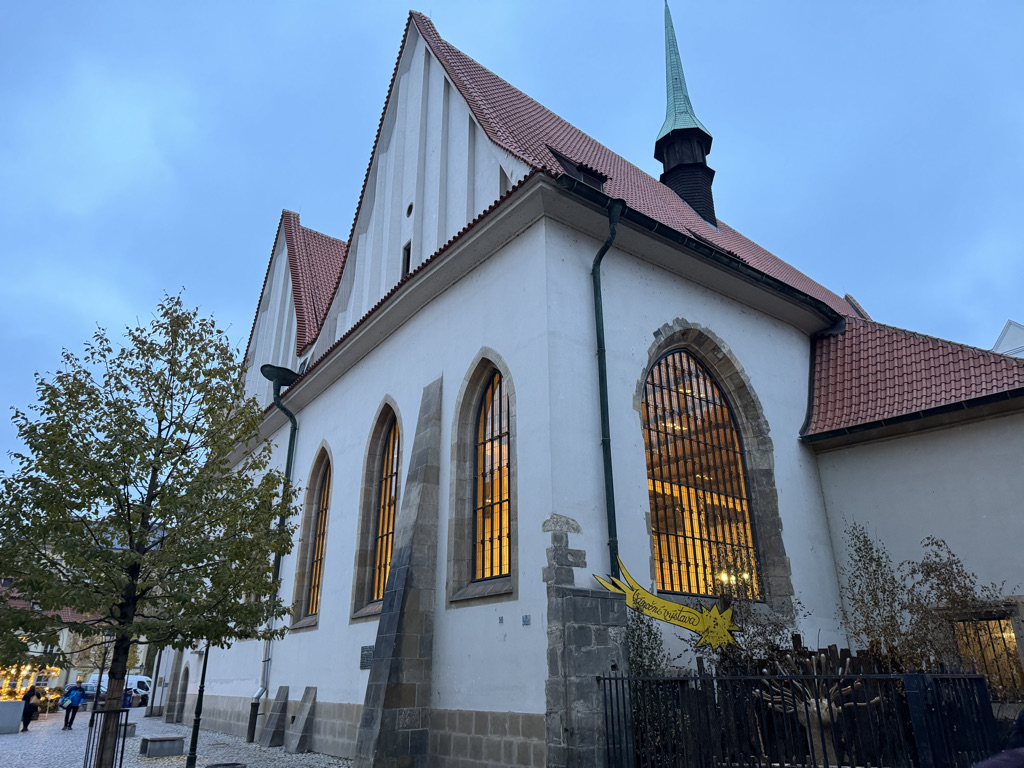
Of course, there were some who questioned it, including Jan Hus, whose Proto-Protestant movement pre-dates Martin Luther by roughly a century. It is here in Prague he preached many of the same principles that would be promoted by Luther, at the Bethlehem Chapel.

Perhaps because the region that is now the Czech Republic did not suffer quite the mortality rate of the rest of Europe from the “black death”, the battle between Catholicism and Protestantism that would take place here would foreshadow what was to come for the rest of Eurpoe.

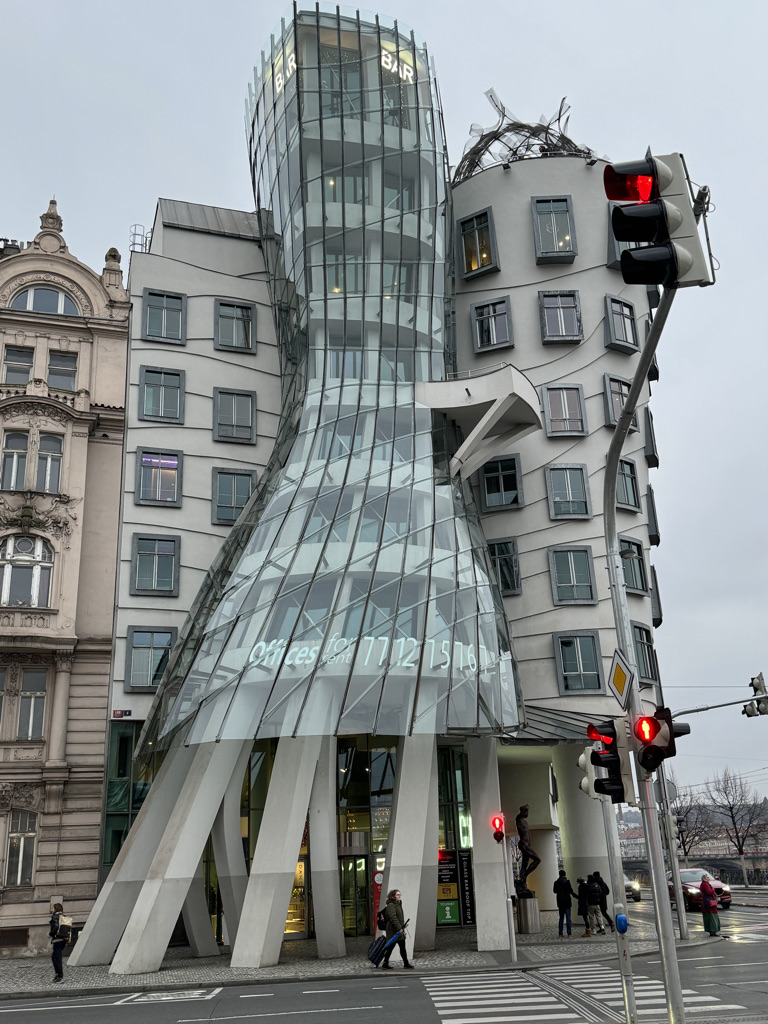
Around Prague, it is not just ancient history that comes to life. The Dancing House was built to on the site of the Prague bombing of 1945.

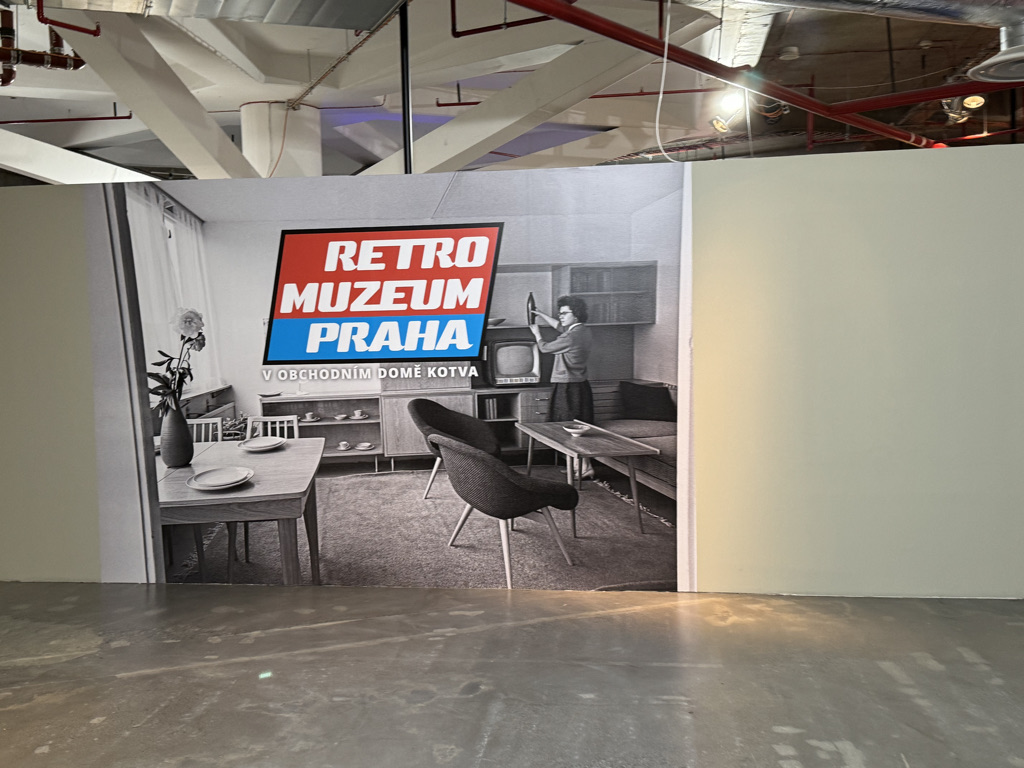
The Retro Museum is one of two museums that depicts life under Communist rule, this one focused on the 1970s and 1980s.

Prague has only been what it currently is for a little over 30 years. So, to experience Prague and its consumer culture and apparently legal marijuana is to be very much in the present day.

The Czech Republic’s per capita GDP is right around the same as Estonia and significantly higher than Poland, making it one of the more successful ex-soviet countries. With an amazing amount of green space and parks, the place seems like an incredible place to be and live.

To be in Prague is to be in the present moment, but constantly surrounded by echoes of the past and be constantly reminded of what series of events made the world what it is today.

The Benefits of Being a World Traveler

IMG_1998 (1)I usually don’t like posting photos taken from an airplane. Especially ones where the wing of the airplane is clearly showing, like this one …

IMG_1994 (1).jpg

The situation was just too good! The flight path, which varies from flight to flight based on upper level winds, happened to track right over Iceland. At a time of year when days are only around five hours long across much of Iceland, and less than 1-in-5 days feature clear skies, it is impossible to overestimate how fortunate of a circumstance this was: To fly over the volcanically influenced terrain at the onset of winter, seeing it in all its glory from above in broad daylight like this.

I couldn’t help but reflect on my experience there, less than two years ago, hiking on the glaciers, standing next to all the waterfalls, and seeing the northern lights.

IMG_5287

As I had noted then, Iceland seems to be becoming a more popular destination for American tourists. However, according to a recent study, it does not crack the top 20 countries visited by Americans (based on data from 2015). Number 7 on that list is Germany, where my flight originated, where I had spent the prior evening, in Munich.

This was the second time Munich happened to be my final destination on a longer trip to Europe. This is an interesting coincidence as Munich somehow seems to feel closer to home than most other European cities I visit.

For example, nearly every other European city I visit has a significant number of really narrow streets, like these streets in Stockholm…

IMG_1916 (1)

Munich, by comparison, feels wide open.

IMG_1979 (1)

Part of the reason Munich feels familiar to me is because, for several years, I lived in the State of Wisconsin. With an estimated 42.6% of the population having German heritage, Wisconsin has its fair share of bars and restaurants that are decorated almost exactly like this one.

IMG_1973 (1)

Places like the Essen Haus, have a similar layout. The serving staff dress in similar Bavarian style attire, and serve similar food and beer.

IMG_1975 (1)

IMG_1971

By the way, the food at Augustiner, walking distance from Munich’s Central Station, was fantastic!

After visiting several countries, and flying over one that I had visited quite recently, I was headed home, to an America that is, based on the perspective of being abroad for a while, in a confusing place.

According to a recent article, while Americans are the 2nd most well-traveled country in the world, only 36% of Americans hold a valid passport. This is possibly the source of one stereotype about Americans, that we generally don’t travel outside of our country.

The numbers here tell a different story, one that matches what I have observed, interacting with other Americans.

IMG_1698 (1).jpg

There are people here who are interested in traveling to different countries. They often plan a lot of trips to may different foreign lands. There are also a lot of people that aren’t. As, we are a vast Country. Most people can experience almost anything they would want to experience without having to leave the U.S.

We are a well traveled country, partially by virtue of being wealthy. A significant amount of that travel manifests as travel within our Nation. Travel abroad is mostly done by roughly 10% of the population with genuine personal or business interests in other places.

I in no way intend to shame anyone for not wanting to travel to other countries. That is their choice (or limitation, as some people do not have the time or money to fly to another continent). Truly secure people validate their choices in life, not by diminishing those who chose differently. They validate their choices with confidence in the benefits of those choice.

That validation, for me, can be best demonstrated in a recent article in Entrepreneur Magazine, titled “Don’t Let Your Butt Dominate Your Brain“. Traveling to other places is one of several ways we remind ourselves one of the most important things we need to remember, as we take on whatever endeavors we take on in life. For those interested in a fast, reliable and low fee provider of travel Visas, I recommend iVisa, an organization that has processed over a million travel documents with 24/7 customer service.

Our way of doing things is not the only way things can be done.

Other cultures have other ways of doing things. We may conclude that our current culture is the best fit for us. However, just because something we observe is different does not necessarily mean it is “wrong”. In fact….

Assuming someone is wrong because they do something differently invariantly comes across as condescending.

IMG_1726 (1).jpg

I generally try to keep anything political off of this blog. This is not a politics blog. I don’t see the world as currently in need of another person chiming in with their opinions about the news, at least not in America. However, going out and seeing other cultures made me reflect one something that feels like a real shortcoming in our current political situation.

The way our political system is currently set up seems to encourage us Americans to see a false dichotomy, a false choice between two ways of thinking, both of which have serious flaws.

On one side, there is a group of people who believe America can do no wrong. On this extreme, any criticism of our country is done out of hate, and there is absolutely nothing that can ever be learned from other cultures.

On the other side, a group of people that sees our country as deeply flawed. This group appears not to acknowledge what is good about America. They long for us to be like some other country, and when our culture and history is discussed, the response is usually something like “meh”, or worse.

IMG_0989

I can’t get down with either extreme, and it is my sincere belief that most Americans also find themselves somewhere in between these two maddening extremes. I sometimes think of countries in a similar way I would think of any other entity; a group, a person, a sports team, etc. I think of anyone that has a healthy sense of self. They believe that they are great, and do great things for the world. That does not mean they are not always looking for ways to improve, ways to be better. It also does not mean there is no room for some friendly criticism when it is warranted.

Traveling in general, particularly to other cultures, can be a powerful reminder that there is no one correct way to go about our lives. It also exposes people to new ideas. I believe everyone needs experiences like this, in order to stay open and avoid becoming too set in their ways. However, that does not necessarily have to be world travel- for everyone.

Stockholm’s Unique Museums

20171126-171745-62265432.jpg

Science, Art and History.

These are the museums that seem to appear in every city I visit. Many of them are great museums, with people doing great things! Several years back, I wrote very positively about the then relatively new History Colorado Center, and the recent trend where museums are increasingly including more interactive exhibits. At last summer’s TEDxMileHigh event, Chip Colwell, of the Denver museum of Science and Nature, gave an excellent speech about returning sacred artifacts to indigenous people.

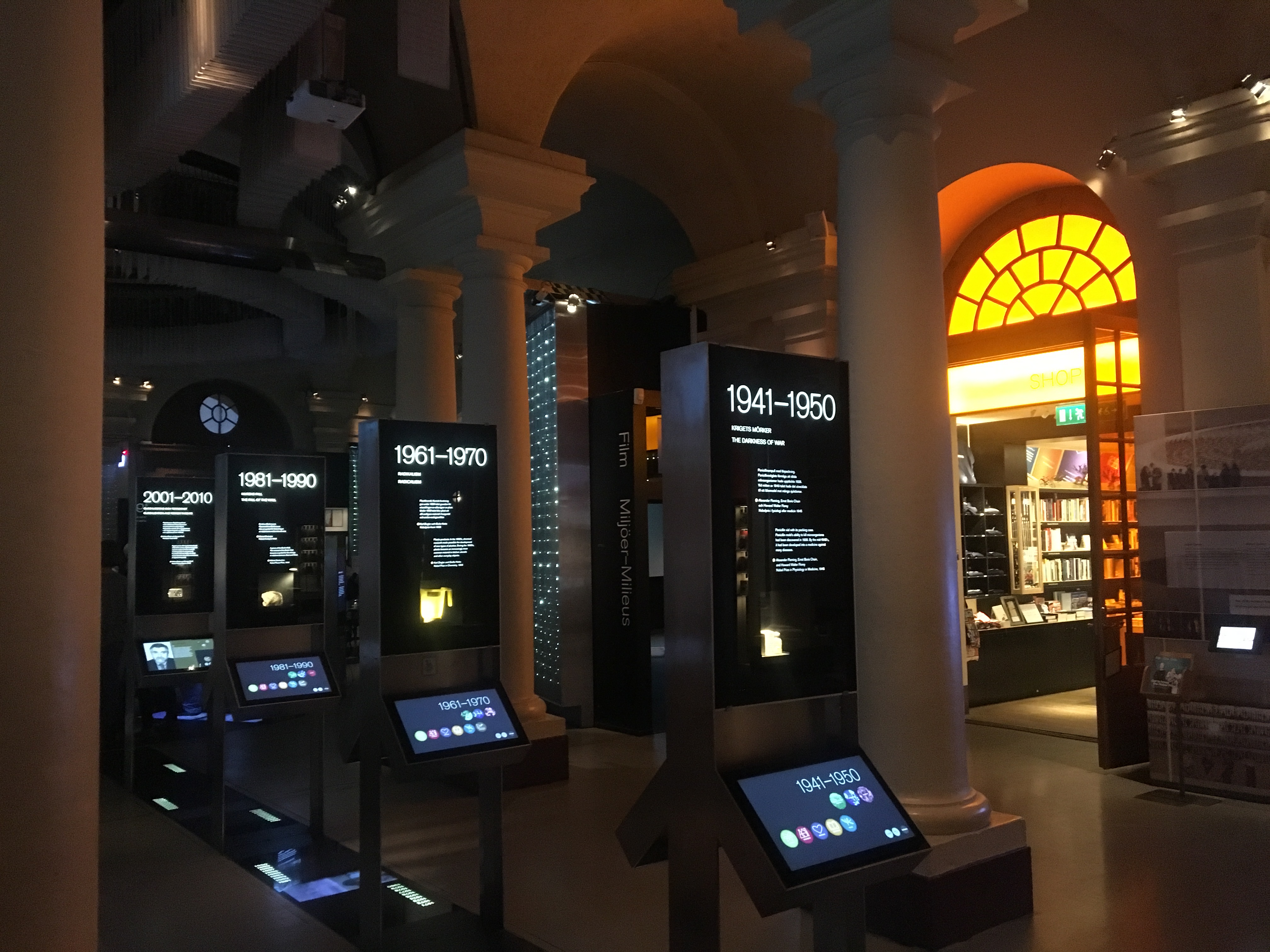
However, sometimes I get more excited about visiting the museums that are more unique to a specific city. In Stockholm, there was no shortage of such museums. First, as pictured above, is the Nobel Museum, one that I would consider a must see!

IMG_1893 (1).jpg

It includes galleries with artifacts from past Nobel Prize winners, exhibits about the history of the Nobel Prize, as well as the life of Alfred Nobel. Visitors can also quickly look up the Nobel Prize winner for any year, in any category by going one of a series of kiosks associated with each decade.

IMG_1892.jpg

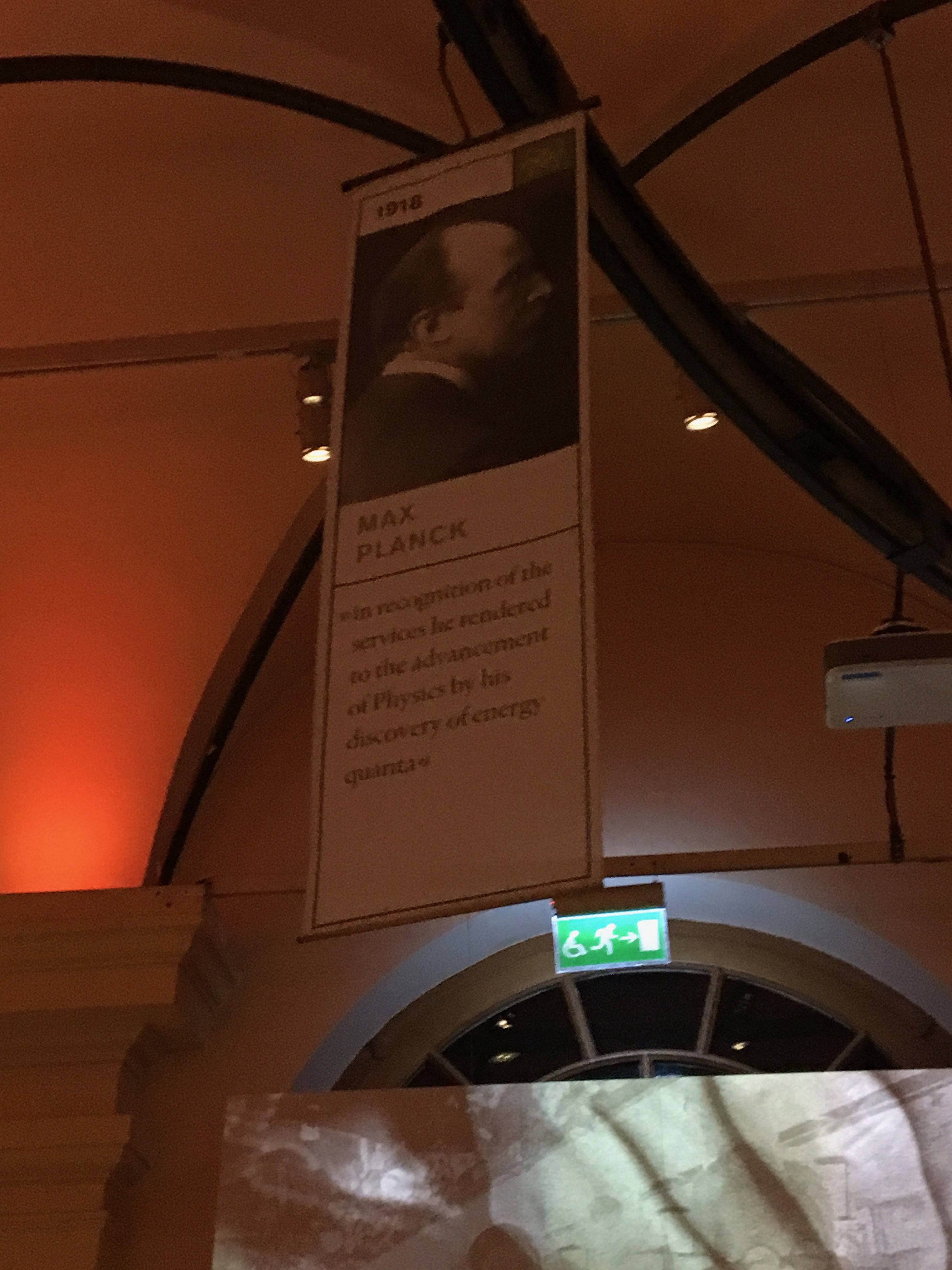
In case you need inspiration, there are moving banners flying around the museum, each one with a picture and short description of the work of one specific Nobel Prize winner. They are in what seems like random order.

There is also a video room, a place one can easily spend a couple of hours. Videos in this room tell the story behind many of the Nobel Prize winners and their work. My favorite story was the story of Linus Pauling’s discovery of the double helix (structure of DNA, the basic building blocks of human genetics). Trying to determine how the chemical compounds would fit together spatially, he started folding sheets of paper around, eventually folding them into the shape of the double helix structure, which we now accept as scientific fact.

IMG_1894 (1).jpg

It is hard not to admire scientific creativity after hearing a story like this one!

IMG_1905 (1).jpg

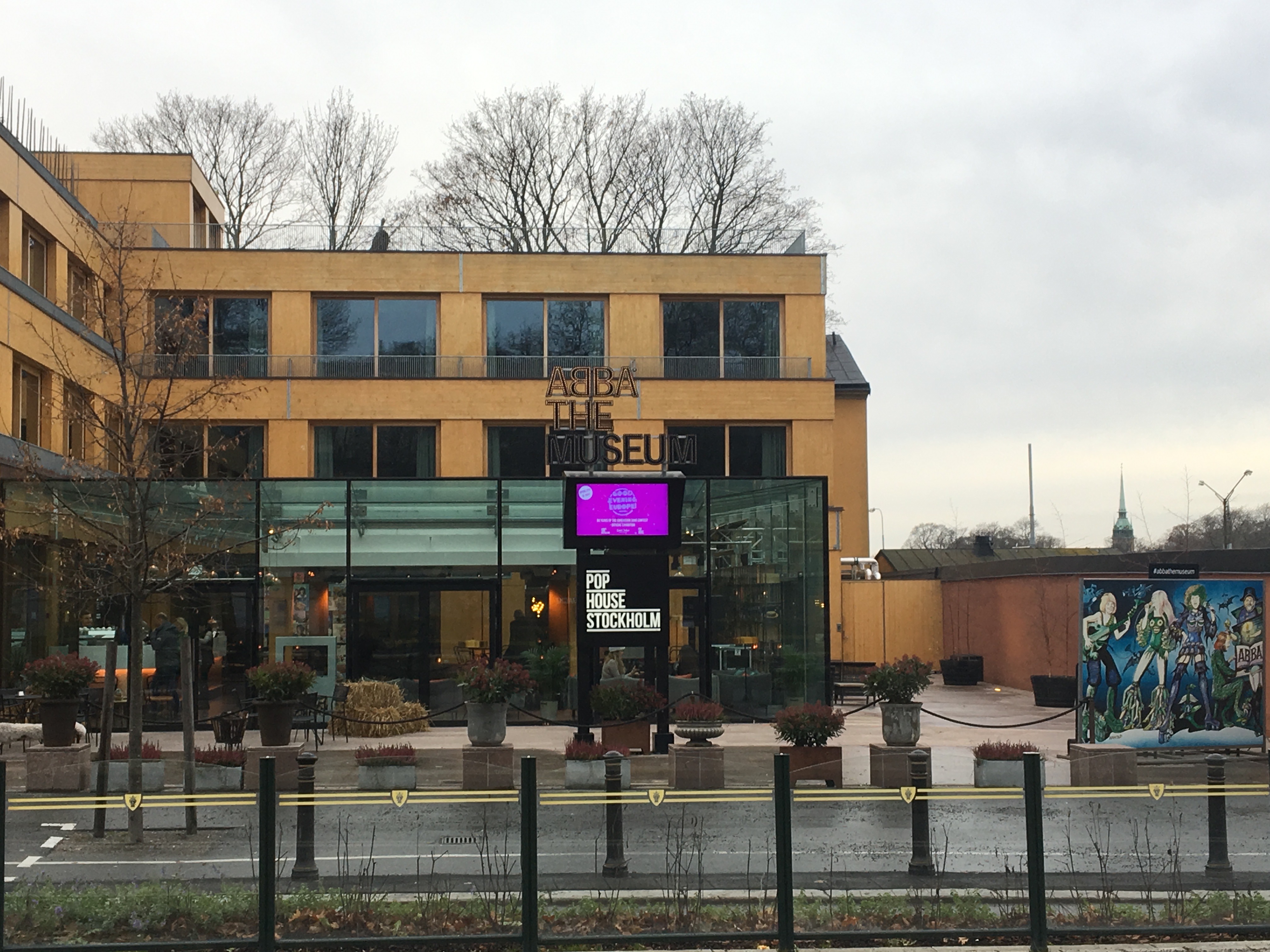
There are also very few places in the world with a museum dedicated to one single musical act. With acts like Aviccii, Tove Lo and Swedish House mafia, it is hard to dispute that Sweden, a country of roughly 10 million people, produces its fair share of musical acts who are popular worldwide. However, ABBA seems to invoke a special amount of national pride, enough for them to have their own museum.

Unlike the Nobel Museum, which is right in the center of the city, on Gamla Stan island, this museum is a little bit out of the way, on an island called Skansen. It is also a little bit pricier. However, the museum was fun. It took interactive exhibits to a whole new level. Each ticket gives attendees the option to take a try at singing, dancing, producing music videos, as well as things like trivia and operating a mixing board! It also had some information about other components of Swedish musical history, including the EuroVision competition, and all the concerts that have played, over the years, at an amusement park called Gröna Lund.

IMG_1926 (1)

I left the ABBA museum somewhat unexpectedly sad. I did not previously know that the band was made up of two married couples, and that at the end of their run, both couples divorced, and the four best friends just simply went their separate ways.

I guess this is the same reason people cry at movies, and get emotional about people who are not a part of their lives, like famous couples. I know in my head that life has chapters, sometimes it is just time to move on, and that being both married and in a band with someone can lead to a disaster.

It was still hard to emotionally contemplate. I thought of the excitement that comes with every new relationship. I thought of how happy they all looked, in the music videos and photographs shown in the museum. Then, I thought of the arguments, the emotional pain, the sadness and the loneliness, how something so good could go so bad. Maybe they were all mature about it. I know, though, it is always hard. I thought back to the breakups I had in my past, specifically those that were “mutual” and “clearly for the best”. Even those breakups, while not causing years of heartache still had their messiness; arguments, nights without sleep, etc.

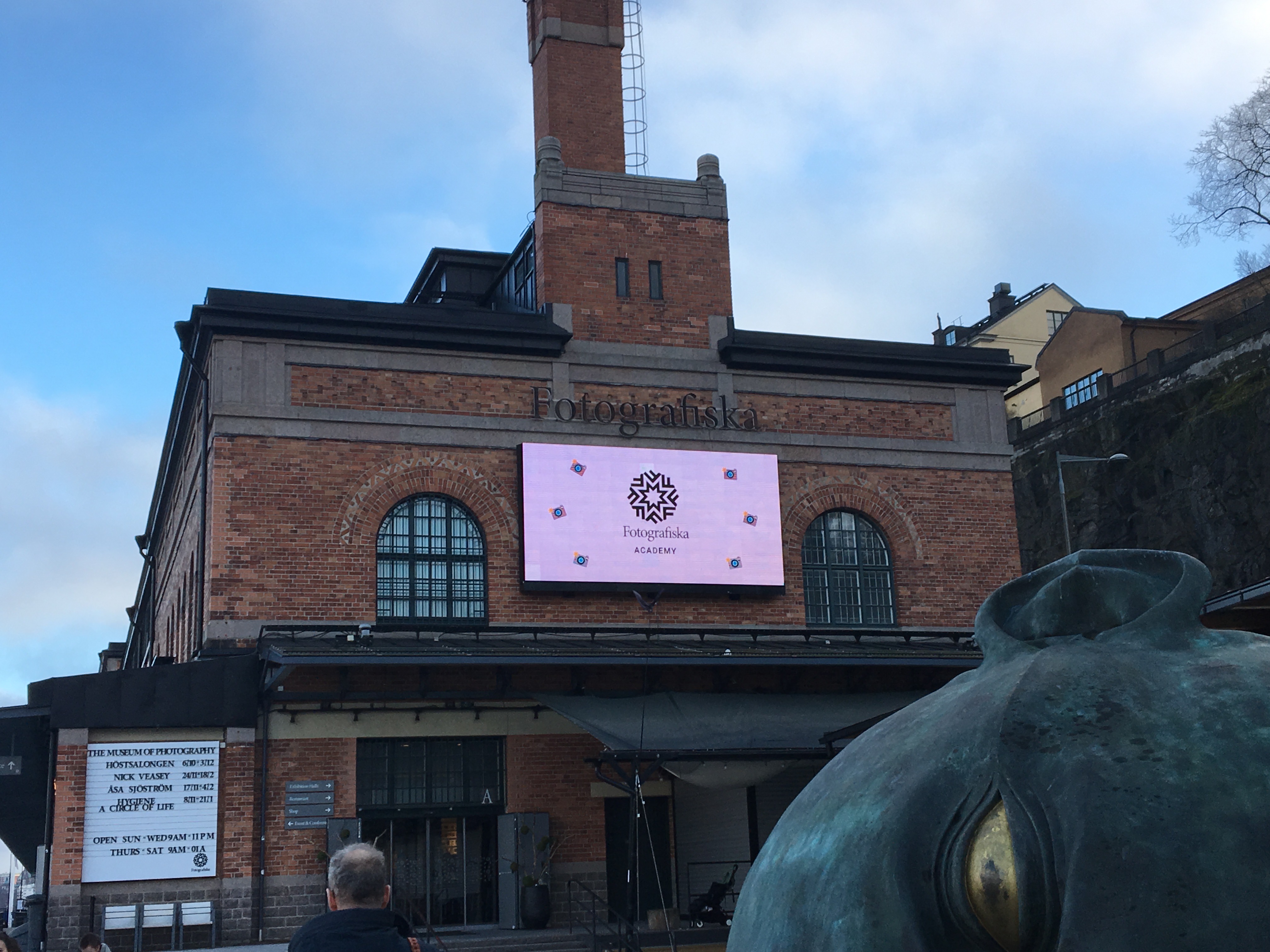
Stockhom certainly has other museums that are unique. The city’s most popular museum is dedicated to a 17th century ship that capsized within minutes. I chose, however, to visit a museum dedicated to Photography.

IMG_1931 (1).jpg

This museum is interesting for three reasons.

1. It has no permanent exhibits; only temporary ones. This is an interesting concept, and a great way to appeal to locals.

This winter, there is a special exhibit dedicated to x-ray photography, something I knew little to nothing about before visiting this museum.

2. There may be more and more museums dedicated to photography in the future, as, although a century and a half old, photography is still relatively newer of a field than Art, Science, or History.
3. The museum actually boasts one of the best skyline views in the city, both from the riverfront outside the museum, as well as from the bar on the top floor!

IMG_1928 (1).jpg

20171126-163631-59791108.jpg

I believe there is something unique about every city I visit. Even the standard museums, the art, science, and especially the history museums showcase something unique to the city or region. Through visiting these places, we get an idea as to each place’s unique story. A part of Stockholm’s story is the story of Alfred Nobel’s writing a series of awards for human achievement into his will. It is the way local felt when ABBA won EuroVision 1974. It is also the photographs taken by local photographers displayed here every autumn.

Cultural Observations in Stockholm


20171126-162130-58890905.jpg
Setting out to observe a 3 P.M. sunset, in all its glory, is actually significantly more challenging than one would ever expect. Spending four days in Stockholm, I came to the realization that anywhere one would go in November or December where the sun sets this early is likely to be quite cloudy. While the sun did slip below the horizon right around 3, and the sky became pitch black before 4, each afternoon the sky pretty much appeared like this.

20171126-163631-59791108.jpg
There was no observation of the sun dipping below the horizon at 3 P.M., just a gray day fading gradually into nighttime.

Not only did 4 P.M. feel different here than anywhere I had ever lived, so did 8 P.M. Rather than feeling like the time the night was just beginning, when people were prepping up for their evening activities, getting ready, texting friends, etc., it felt like a lot later. I am not sure if this was 100% due to the fact that it had already been dark over four hours, or if it is due to cultural differences (when people leave work, etc.). However, at 8 P.M., it definitely felt like the “night”, whatever that entails, had been going on for some time and was approaching maturity.

20171126-164434-60274075.jpg
Stockholm is a city that parties pretty hard on Friday and Saturday evenings. Both evenings, in the area in and around the city center, including the areas around Central Station, and the Islands of Gamla Stan and Södermalm, there were plenty of people who were already quite intoxicated by 8 or 9 in the evening.

20171126-165059-60659634.jpg
This is one of several cultural observations I made while in Stockholm.

Of course there are ways to learn about the culture of a country or a region from afar. Travel books and other essays provide convenient cultural guides to places. Popular culture, music, movies, shows and such, also give people from afar a window into the culture of a place. However, I do notice time and time again, that there is no real substitute for actually going to a place and experiencing it for oneself.

For example, one of the things I noticed about Stockholm, the entire time there, was that people walk fast. It’s almost like the way it is in New York, and other large cities.

This is a prefect example of something needed to be experienced in person. While it is possible for someone to write, in a cultural guide or video, that people walk fast in a certain city, what that means can only be truly understood when experienced. The same can be said for New York.


Also, with the exception of New York, a city that seems to take pride in its high paced walking, it is easy to imagine a quick reference cultural guide which may focus on things like tipping or train etiquette, to not mention something like this. After all, did I really need to know how fast people in Stockholm walk prior to coming here?

I benefited more from reading about how Scandinavians dress. The casual sneakers, jeans and sweaters I wore all week did not stand out.

20171126-171745-62265432.jpg
In fact, I may have fit in too well. Despite the fact that people here are mostly fluent in English, most addressed me in Sweedish before I had to ask them to speak English to me.

Food is a significant component of any cultural experience. There is a reason why food makes a natural topic for travel shows. I couldn’t picture actually trying to experience the culture of a given place without trying the local food. I made sure I got the full Sweedish food experience, including the Skagenröra (shrimp salad), salmon, and various other fish dishes (Stockholm is a bunch of islands after all). However, I was surprised at how good their grilled sandwiches were. Specifically, many places throughout Stockholm serve various types of grilled sandwiches, all with some kind of cheese. Many of these sandwich did not include fish or seafood. Some were even vegetarian. They do an excellent job of melting the cheese on the rye bread, and this serves as a great lunch option for various types of people (as in, not everyone eats meat, seafood, etc.).

image

As an American, traveling abroad to places like this, it is hard for me not to feel at least a little bit guilty. American culture is harder to escape than I ever realized. Stockholm does have fast food as well. Most of it comes in the form of stands, similar to the hot dog stands found on the streets of New York. Given that most of the food in Stockholm is pretty expensive, it is almost necessary to have a couple of meals at one of those stands on any multi-day trip here, so as not to bust a budget. This was, however, the only place I encountered someone who did not speak English.

I also saw McDonalds and Burger King all over town. However, these establishments are at least somewhat different abroad than they are in the United States.

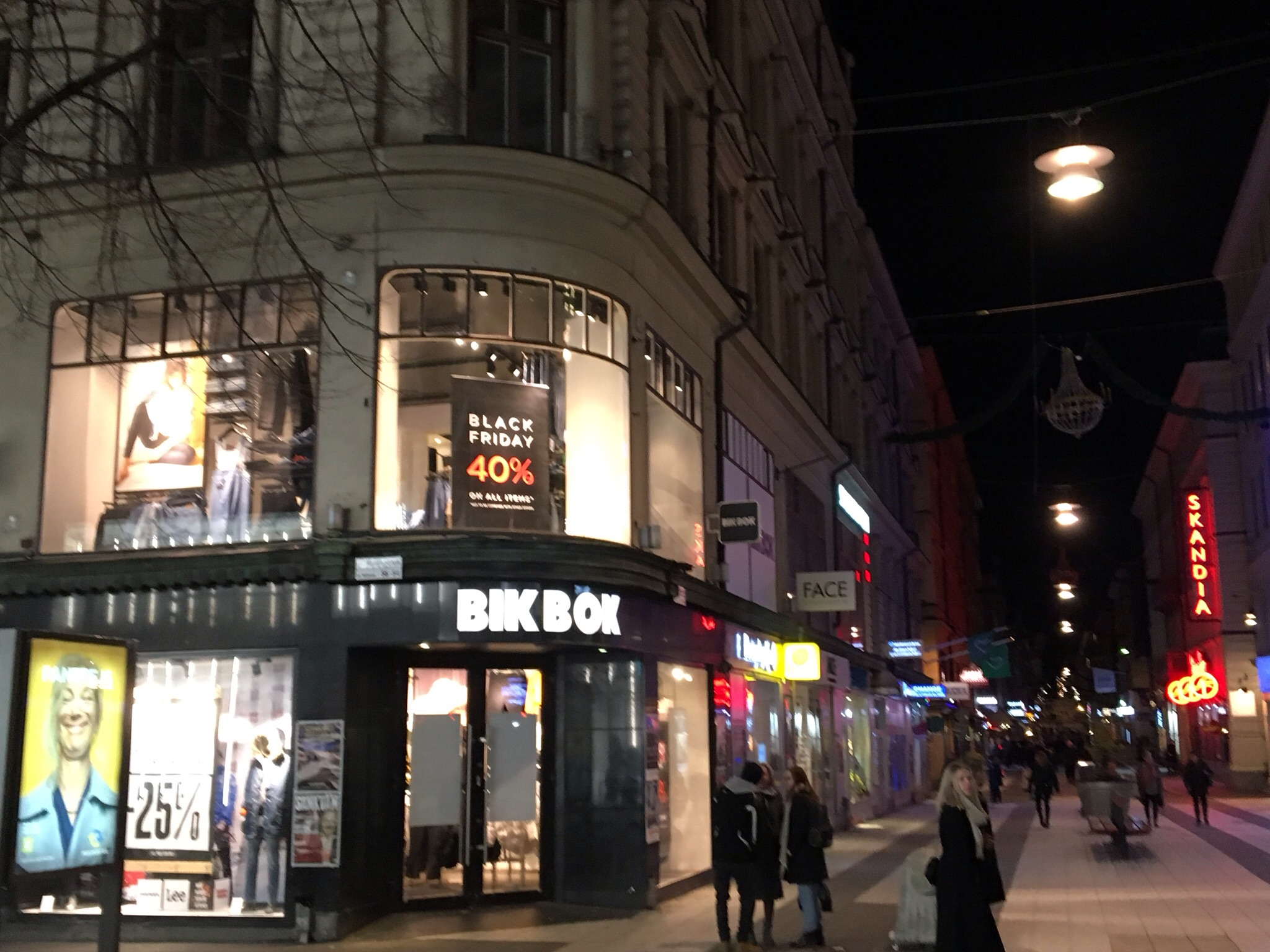
Perhaps my biggest disappointment was that I was unable to escape the tradition known as “Black Friday”. I was hoping, by virtue of not being in America, where thanksgiving is not a holiday, I would also not experience Black Friday. Well, apparently people do that here too. Maybe they don’t in less touristy parts of a country like Sweden. Maybe I needed to go somewhere with less tourists, and, also less people who speak English, to experience the actual culture of Sweden.

image

How much can anyone get to know about the culture of another country by visiting for just a short time? And not venturing outside of the City? I can see how a tourist can come to believe they have learned quite a bit about the culture of Sweden, or any place they chose to visit, by making an set of observations like these.

To me, my set of observations almost feels like how someone from abroad would judge the United States by simply spending several days in New York, our biggest city. The rest of the country i likely significantly different, in terms of pace of life, and how much they embrace ideas like Black Friday. However, just like the foreign tourist in New York, I did experience some things different from what I usually experience at home.

Christmastime in Copenhagen

20171122-003148-1908924.jpg

There is, perhaps, no better way to get into the spirit of Christmas than to find oneself surrounded by the ambience of the holiday, taking part in local traditions. Christmas may mean something different to different groups of people. Some focus more on the religious aspects of the holiday. Others on the secular. Still others celebrate different holidays altogether.

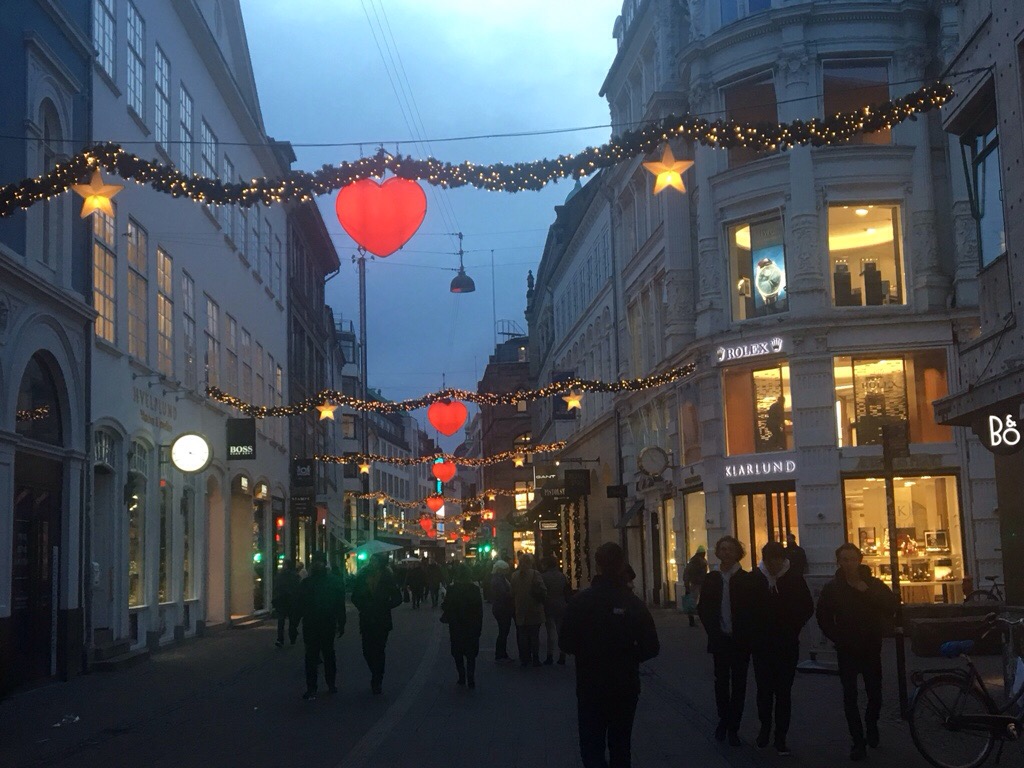
In central Copenhagen, where the spirit of the holiday can be seen all around, with decorations on buildings and streets.

20171122-010104-3664766.jpg20171122-010104-3664345.jpg

And numerous Christmas markets all over town offering holiday treats.

20171122-010217-3737620.jpg20171122-010217-3737184.jpg20171122-010218-3738052.jpg

The spirit becomes contagious. It is felt in the air. It is hard not to want to join in the traditions of the region. Eating nordic food, both new and old.

20171122-011125-4285759.jpg20171122-011125-4285311.jpg

And, of course, drinking gløgg, a warm spiced Scandinavian wine commonly drank on cold, cloudy winters days; particularly at Christmastime. It would be almost impossible to imagine myself here at this time of year without drinking it.

Denmark is known to be a happy place despite the weather, which is commonly cloudy and rainy, particularly in wintertime. In fact, it may even be because of the weather, as Danish culture has found some unique ways in which to cope.

20171122-011728-4648566.jpg

Hygge (pronounced hoo-ga), is a word we do not have a direct english translation for. It is happiness, in a friendly, slower paced, and cozy sort of way. Upon any reading or discussion of the subject, it becomes quite apparent how the weather has influenced the culture. Winter here means a lot of time spent indoors, in the dark. Spending it among good friends, eating good food, and removing oneself from the pressure of day-to-day life provides some form of rejuvenation.

20171122-013038-5438210.jpg

While Copenhageners spend a lot of time indoors at this time of year, it is apparent that they do not let the weather stop them from cycling. Despite the cloudy, and even rainy weather, and daylight that only lasts from roughly 8:30 A.M. to 3:30 P.M., there are still plenty of people on their bicycles, using them to transport themselves, and sometimes even other people and their cargo, around town.

As a cycling enthusiast, this is actually one of the factors that drove me to want to visit Copenhagen. It is by some measures the most bike friendly city in the world, and boasts one of the highest percentages of bicycle commuters. Perhaps because of the fact that nearly every street I encountered here in Copenhagen had some form of bicycle accommodation, it is a way of life here that cannot be stopped by the combination of darkness, rain, and temperatures in the lower 40s (around 5C).

20171122-014003-6003890.jpg

Besides what appeared to be the expectation of year-round commuting, I noticed several other manners in which the cycling culture here differed from what I see in the United States.

First, the bikes are different. I saw mostly cruisers not necessarily designed to go high speeds.

Second, cyclists here most certainly follow the rules. Nobody ran red lights.

And, finally, I also noticed that it is common practice here to leave bikes unlocked. I guess there is less worry about theft, but the idea of not locking a bike feels foreign to me.

20171122-014503-6303658.jpg

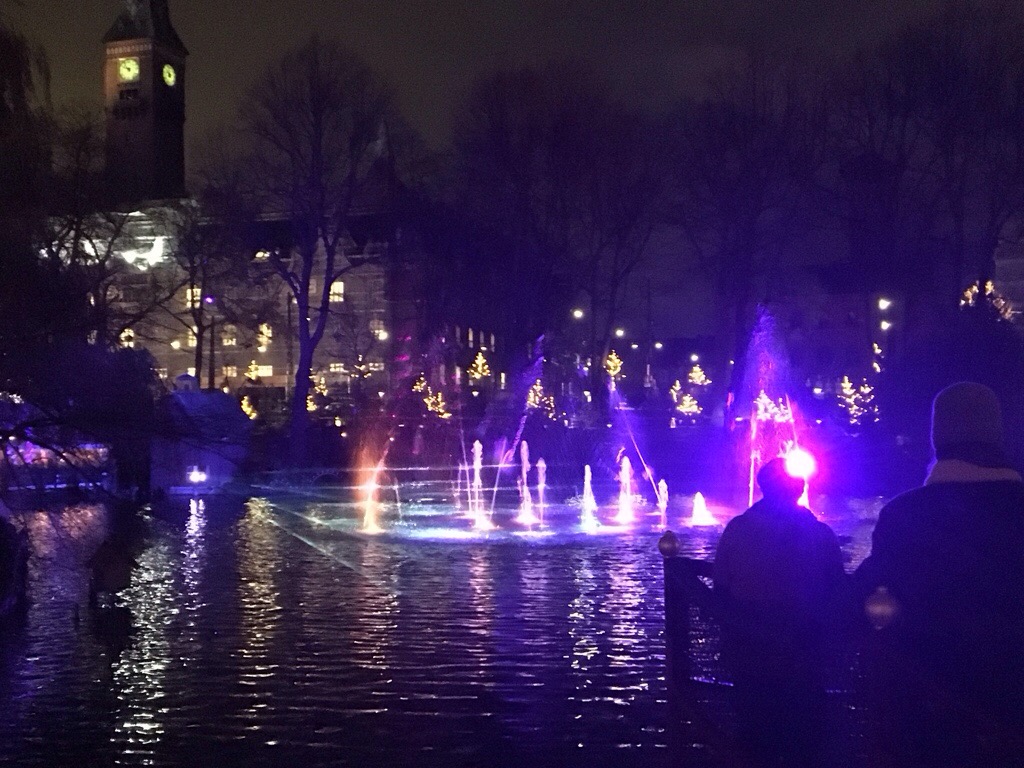
There is perhaps no place more iconic here in Christmastime than Tivoli gardens, one of the world’s oldest amusement parks.

The lights here, at night, are a must see for anyone who comes to Copenhagen at Christmastime, even for those who do not care for roller coasters.

20171122-014741-6461817.jpg20171122-014740-6460960.jpg20171122-014741-6461389.jpg20171122-014742-6462249.jpg

Recent reports have linked the lack of social support to unhappiness, poor health, and other bad life outcomes. The Danish people appear to take pride in their status as one of the happiest countries in the world, and, at least in part, attribute it to this concept of hygge.

According to the Little Book of Hygge, written by Meik Wilkins, the CEO of the Happiness Research Institute (which happens to be located in Copenhagen), hygge, while practiced all year long, is strongly linked with the Christmas season. The idea of taking a break from the stress of everyday life and spending time with loved ones is the core element of Christmas no matter where it is celebrated.

Often times the season for this is cut short. For many, some combination of pressure to complete end of the year tasks at work and holiday shopping keeps stress levels high for much of December. Experiencing Copenhagen in late November, with the spirit of Christmas already in full swing, I am inspired to make this entire season, not just a couple of days at the end of December, about giving, sharing time with those closest to me, and de-stressing.

Iceland Air’s Glacier Hike and Northern Lights Tour

As part of their push to encourage tourism in Iceland, Iceland Air now offers a variety of one-day excursions that travelers can embark on whether they are visiting Iceland specifically, or taking a stopover on their way between Europe and North America.  These one-day tours offer a variety of options for experiences, including which places to visit and what types of activities to take part in.  For all of them, the general idea is the same; a bus picks tourists up at various hotels in Reykjavik, and gives visitors what basically amounts to a one-day “Taste of Iceland”.

My tour of choice was the Glacier Hike and Northern Lights tour, which offers a lot of what I was looking for out of my time in Iceland.  The Northern Lights is something I had never seen before.  In America, we hear about such phenomenon occasionally. Roughly once a year, we will hear in the news about a particularly strong solar event occurring, and the potential for the Northern Lights to be visible much farther from the North Pole than is typical.  Sometimes that zone would even reach the Northern parts of the United States, and news outlets would provide maps of where the lights could potentially be visible.

For years, living in Chicago, such stories would provide a particular brand of torment for someone that is curious about seeing the Northern Lights.  It is not possible to see the Northern Lights from such a large, lit up city.  One would need to travel somewhere less populated. To get outside the populated metropolitan area, I theoretically would be able to travel in any direction, but it makes little sense not to go North, as the lights get better the farther north one travels. However, North of Chicago is Milwaukee, and the area in between the two cities is populated enough to make it less than ideal for viewing the phenomenon.  So, the prospect of getting in a car and driving out to see the Northern Lights was always a multi-hour trip.  Some combination of time constraints, or frequent wintertime cloudiness in the Midwest always stopped me from driving up to Central Wisconsin (or Central Michigan) to try to see the Northern Lights.

The tour started like every one of the Iceland Air excursions, with a mid-sized bus going from hotel to hotel picking people up.  The bus went to about six different hotels to make pick-ups, finally leaving Reykjavik around noon.  The tour group was quite mixed.  There were a couple of other Americans, a few Canadians, and even two people from France on our tour, but the majority of the group was from Great Britain.  I have relatively little experience traveling to Europe (this trip, and a trip to Italy, Austria, and Germany in 2012), but on both occasions I ended up hanging out with tourists from the UK, specifically England.  I don’t know what that says about America, or who I am as a person, or if it is just due to a common language, but I am curious to see if that happens again next time I go to Europe.

IMG_5276.jpg

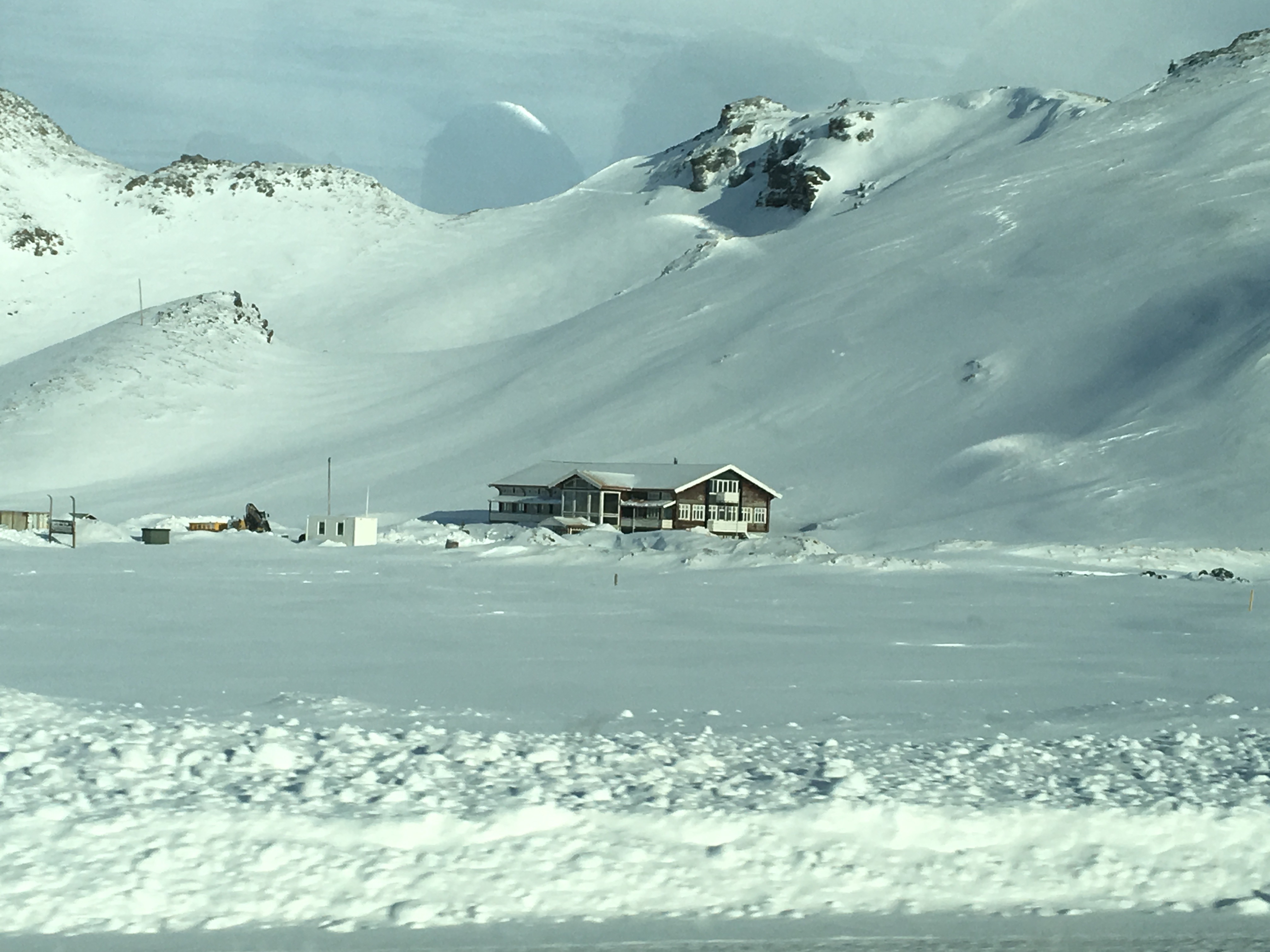
Driving East out of Reykjavik, towards Iceland’s South Coast area, the first thing I notice, which is common throughout Iceland are lava fields.  Across much of Iceland, the land is covered with ashes from previous volcanic activity.

IMG_5250.jpg

The previous day, I had learned at the Volcano House in Reykjavik that Iceland is one of the most volcanically active places in the world, as it sits on the ridge between the North American and Eurasian plates, which are drifting apart from one another.  In geologic terms, this is actually happening quite quickly.  On average, a volcano occurs somewhere on the Island once every 5 years, and as the plates pull apart, the Island is literally growing at a rate of 2 cm per year. 50 years from now, Iceland will be 1m wider than it is now!

IMG_5279.jpg

About 30 minutes into the trip, the bus passed by the hotel where one of the scenes in the 2013 film The Secret Life of Walter Mitty took place.  In the movie the volcano Eyjafjallajökull erupts, and Walter is lucky enough to have been picked up by a friendly local to escape before being covered in ashes. In real life, this gigantic volcano erupted quite explosively in 2010.  In the most unfortunate of circumstances, the wind happened to be coming from the Northwest that day, and the ashes covered the sky over Great Britain and much of mainland Europe halting air traffic for several days.

IMG_5286.jpg

The next stop on this tour was Skógafoss, one of Iceland’s largest waterfalls. Iceland is not only a hot spot for volcanoes, but it is also a hot spot for waterfalls. This is due to the glaciers, which cover 15% of the land area of the island, the terrain and relatively moderate maritime climate. Waterfalls like this can be found all over Iceland, and they probably look even more amazing in summer, when the ground appears lush and green!

IMG_5295IMG_5287

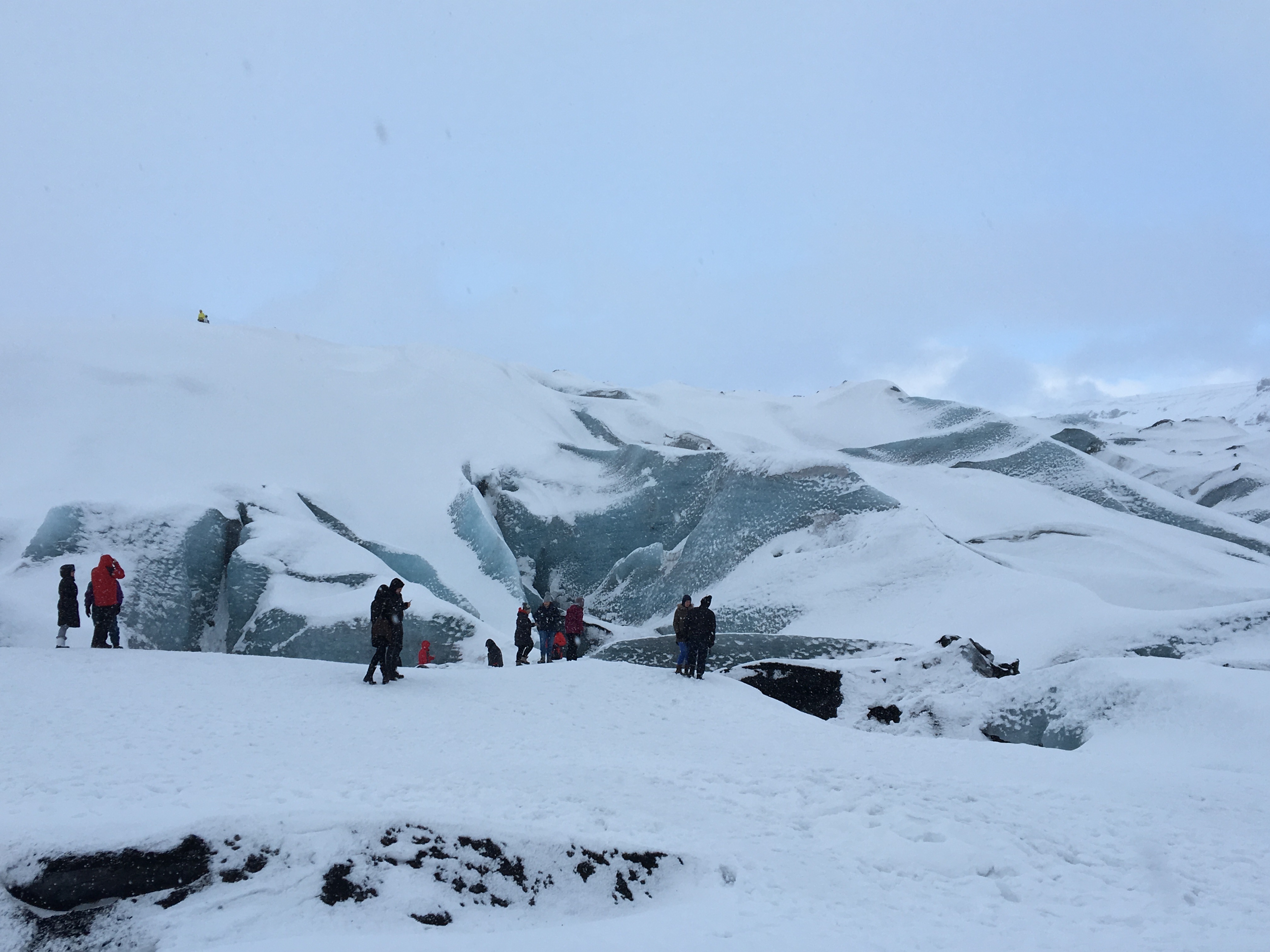
The main event of this tour, the Glacier hike, worked for me on multiple levels.  I love being outside, hiking and getting some exercise.  There are many times, when on vacation, I purposely try to find the most strenuous activities possible.  I especially do this when I am on a cruise or in some other kind of vacation package, where I know an activity does not need to be super challenging, or even that physically exhausting for them to be labelled as such.  I also got to try something new, hiking with crampons.  Now, I am not sure they were absolutely necessary for this particular hike, as back in Colorado I had hiked in areas that were steeper and more slippery and gotten by without them.  But, I did learn how to use them, how to attach them to my hiking boots, and how to walk with them on, a good thing to know for future activities down the road.

IMG_5298.jpg

In addition, the glacier, and what our tour guides told us about it was quite fascinating from a scientific perspective.  Apparently, this particular glacier is receding at a fairly rapid pace.  Along our hike, the tour guides pointed out where the glacier used to end in past years compared to where it ends now.  As recently as 2010, the glacier covered nearly all of the area near the entrance of the park that we traversed before getting onto the current glacier.  When this portion of the glacier melted, a gigantic lake was left behind in the lower lying area.

IMG_5302.jpg

The tour guides then informed us that we are actually witnessing a the formation of a fjord.  Roughly an hour into the hike, we had climbed to roughly 100m above sea level. However, the ice was thicker, somewhere between 150m and 200m.  Over time, the ice had pushed the land beneath it below sea level. Once these glaciers melt, the area will be under water, creating a fjord in this very spot.  This is one of many spots where this process is happening as we speak.

As a weather enthusiast, who had studied meteorology, I asked the tour guides what the primary mechanism was for the melting glacier.  Specifically, I asked if it was reduced winter snowfall or warmer summer temperatures.  They indicated that both were contributing factors, but also mentioned that, since temperatures in Iceland are commonly quite close to freezing, the area was starting to see precipitation fall in the form of rain (as opposed to snow) more frequently.  I could sense that, as even on this February day, the snow I stood upon was quite wet.

But that was not even the most fascinating scientific aspect of this tour.  Almost everyone is familiar with climate change, and it’s become the subject of sometimes-ridiculous debate.  The most fascinating thing I learned about this glacier is that fact that, due to the presence of volcanic ash, the glacier is creating terrain that is constantly changing.  Here, volcanic eruptions spill out on top of the ice, causing ice to melt faster in some areas.  The ice then flows in a manner that brings more ice into areas that are currently in “valleys”.  Even when there is no new volcanic activity, the cycle of ice flow and differential melting can happen rapidly enough that each year the terrain of any given section of ice is significantly different from the previous year.  Literally, if I were to return to Iceland at the same time next year, and come to this very glacier, the hike would be significantly different, as the terrain would have been significantly modified.  Amazing!

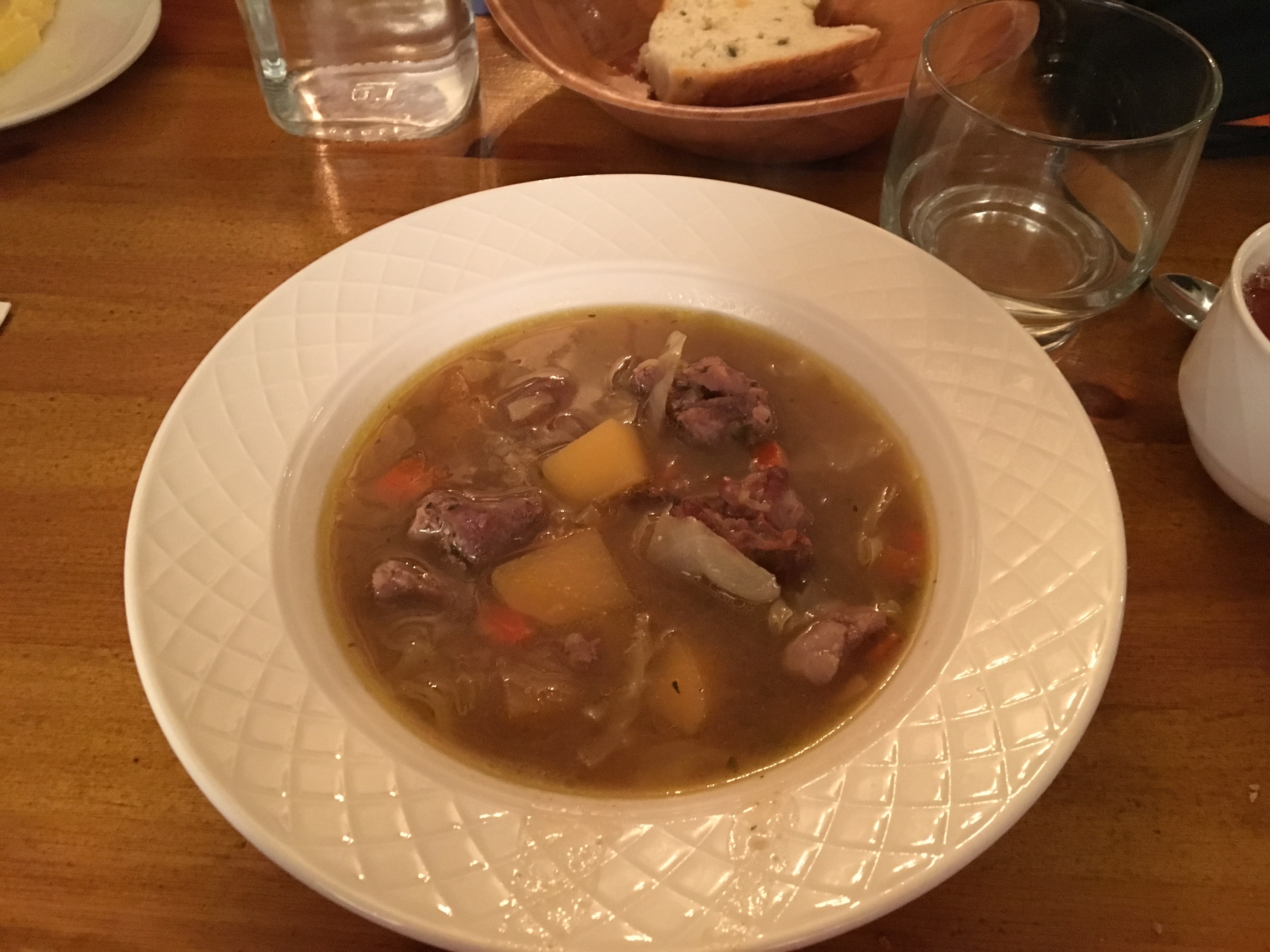
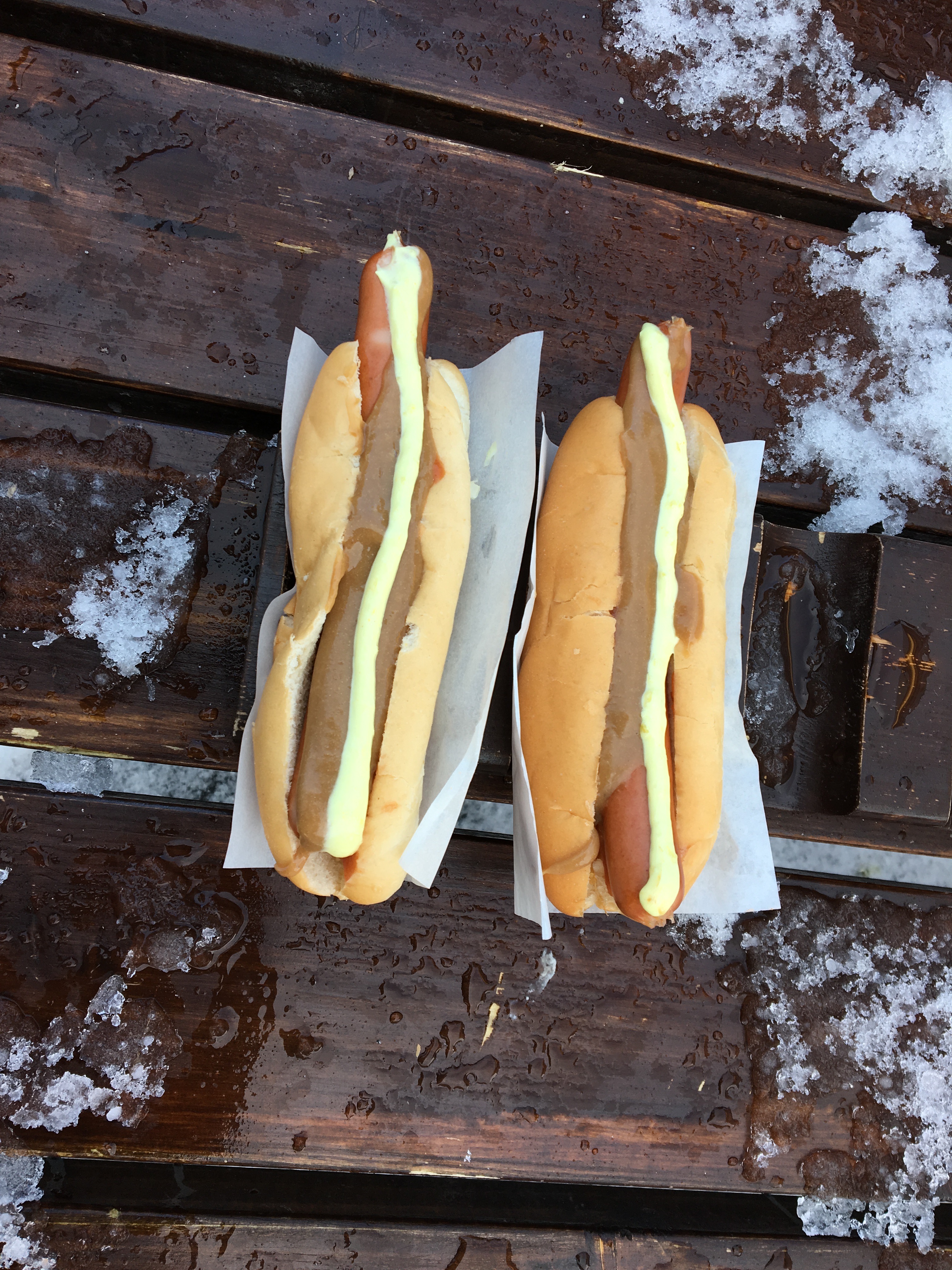
The glacier hike concluded a little after sun down, which was right around 6:00 P.M. After the hike, the tour bus took us to a hotel restaurant in the area for a traditional Icelandic meal.  To my surprise, the meal did not involve fish.  For some reason, I had this impression that since Iceland is an island in the North Atlantic, it would be a place where almost every meal consisted of fish.  Instead, the traditional Icelandic meal was a hearty meat soup.

IMG_5329.jpg

On the tour bus, I learned that the Icelandic cow, which is a special breed of cow that is smaller than the ones most of the world is familiar with is quite popular on Icelandic farms (they actually once voted in favor of keeping the cow over switching to a more efficient Norwegian cow).  In addition to these cows, many farms also keep lamb and sheep.

IMG_5331.jpg

After dinner we drove in search of an ideal place to view the Northern Lights.  This involved driving around and looking at weather conditions in a manner that actually seems reminiscent of storm chasing.  We drove around for hours, and every time it felt like we had found the right conditions (i.e. clear skies), something would change.  At one point, sometime between 9 and 10 P.M., as drove through an area where it suddenly started to snow!  At 11:30 I was in despair.  We were clearly headed back into Reykjavik, and I thought we were just going back to the hotel.  After all, the tour does not guarantee that the Northern Lights will be seen.  It can’t be guaranteed.  The weather is always changing, and the solar activity, which leads to the Aurora phenomenon, is also quite variable.

Oddly enough, though, just after midnight, we pulled into a pier on the far West end of town, along the shores of the Atlantic Ocean, on a peninsula.  Our tour guide informed us that we would now be able to view the lights, and, sure enough, they appeared. I was unable to capture them on camera in a manner that would do this amazing natural phenomenon any justice.  I mostly just sat there, in awe, watching the lights glow and move from side to side along the horizon.  I thought about how amazing this phenomenon was.  I wondered if people who lived here took it for granted, noticed it less, the same way many people become less appreciative of what is in their own back yards.  At the end, I just thought about what an amazing day it was, from when the tour began, over twelve hours ago, until now, ending with this amazing light display.

Life in a Northern Town

IMG_5245.jpg

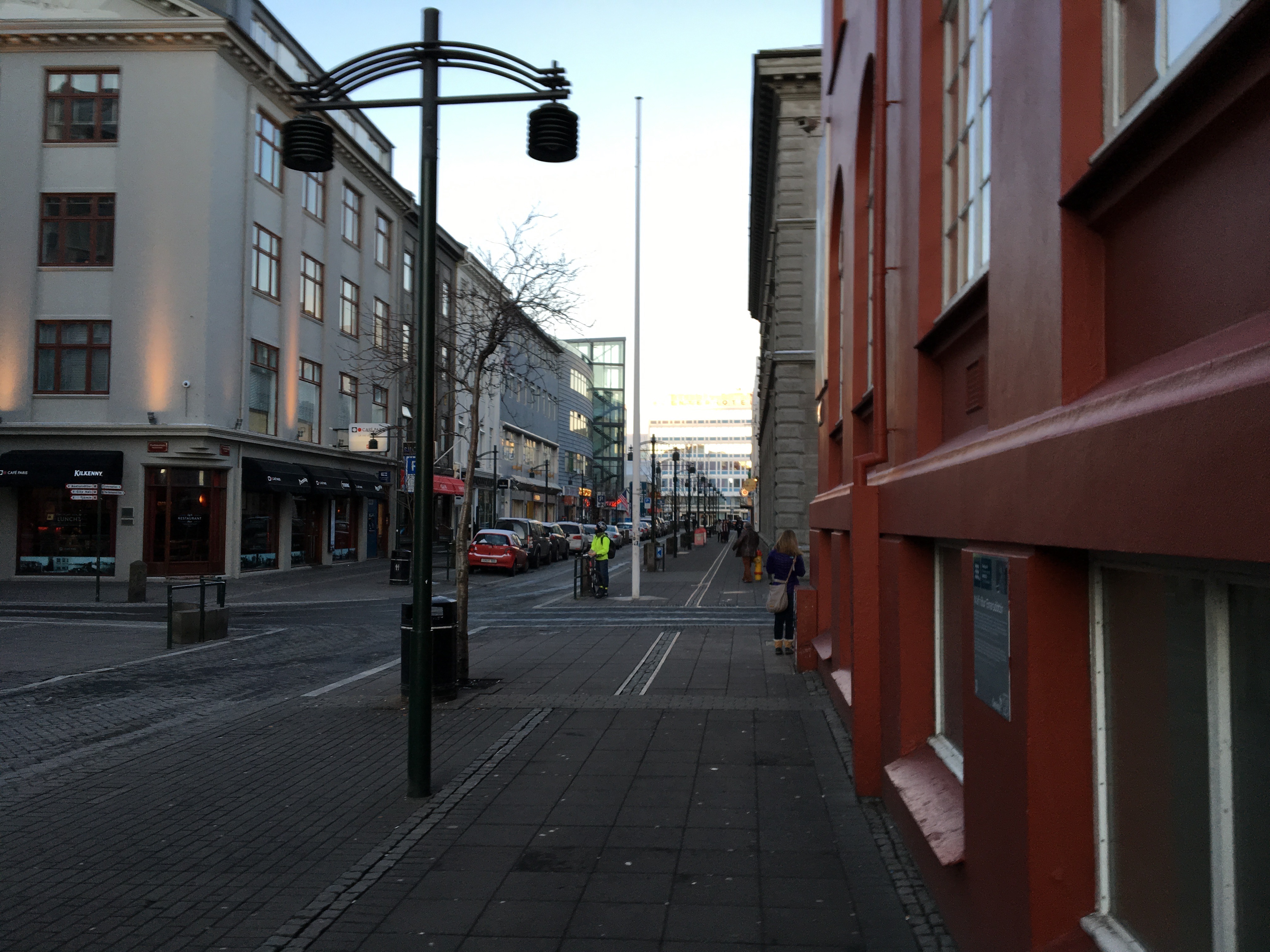
It’s 8 AM on a Thursday morning in Reykjavik, Iceland’s Capitol and largest City.  The sun has yet to come up, as this far north (64 degrees latitude) days are still quite short in the middle part of February.  A quiet dawn persists over the town for nearly two hours, from 8 to about 10.  A couple of local teenagers are hanging outside the grocery store.  A group of tourists can be seen hanging outside one of the few restaurants that are open.  Otherwise, the streets are quite empty, and the shops are mostly closed.

IMG_5248IMG_5246

It’s odd because, in many most major cities, 8:00 is the peak of what is often referred to as “rush hour”.  It is a time of people hurrying to and from train stations, and crowding highways trying to get to work.  Even in the more touristy sections of cities, which this most certainly is, a lot of motion can still be found at this hour.  At places like Chicago’s Michigan Avenue, and New York’s Time Square, which are utterly packed with tourists nearly every day, there are still plenty of people to be found at 8:00 on a weekday morning, mostly people headed into work.  Here, that culture just does not seem to exist.  Are all the office jobs elsewhere?  Do people have office jobs?  Do they work different hours?  Or is the economy so heavy on tourism and fishing that there is just no point in being awake at an hour when all the tourists are likely still asleep and the sun is not out?

By noon, things start to pick up.  On some days, the sun comes out and hits the harbor.  At this latitude, when it hits the harbor, it hits it in a way that seems to highlight every single feature, from the boats in the harbor to the snowy mountains on the other side.  From the perspective of someone that has always lived in the mid-latitudes, is feels neither like mid-day nor twilight.  It is a different feeling altogether, and those who take a pause from their tourist itinerary and truly soak up the moment are reminded as to why it is worthwhile to visit different places in the first place; to see something, experience something, do something that cannot be done at home.

The day progresses.  Tourists fill streets whose names are too intimidating to even try to pronounce, make their way into the bars, the restaurants, and the dozens of souvenir stores that feature a gigantic stuffed puffin in the window.

The weather inevitably changes- but, well it doesn’t.

IMG_5350

There is this saying, “if you don’t like the weather, wait 5 minutes, it will change.”  Anyone that travels on a regular basis to places outside the tropics has most likely heard the phrase too many times to count.  It is used here.  At souvenir shops, mugs and shirts about Iceland sport the phrase.  And, it is true to some extent.  At any moment, it can turn from sunny to cloudy, or suddenly get windy.  But, the temperature does not vary too much.  On a four day trip to Iceland, the temperature, including daytime and nighttime, seemed to only vary between a few degrees below freezing and a few degrees above freezing.

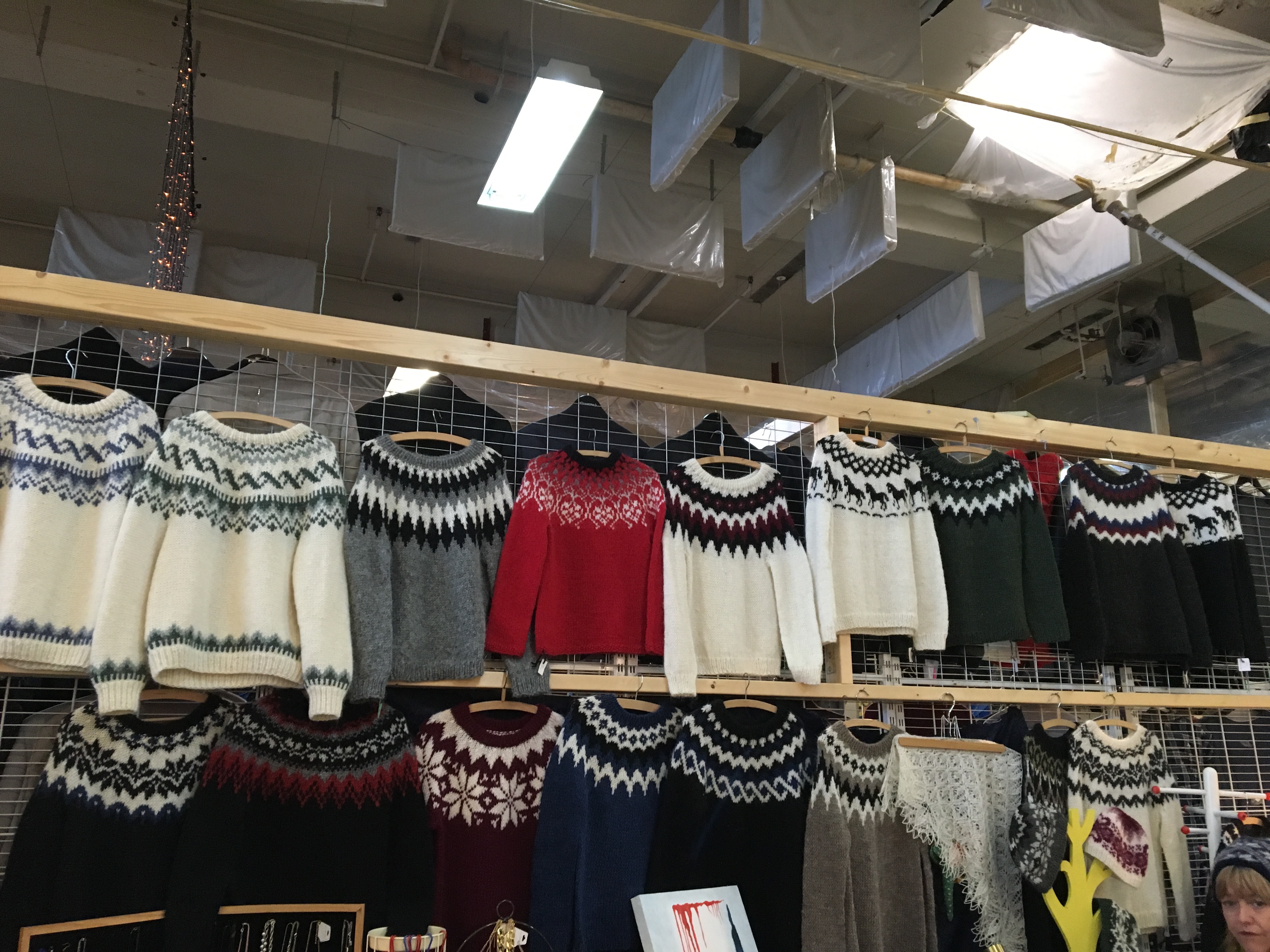
Regardless of these changes, winter in Iceland is consistently cold and damp.  For this reason, one of the most popular items made in all of Iceland are wool sweaters.  While any visitor to Reykjavik can find these sweaters for sale all over town, the best deals on them are found at the Kolaportid Flea Market.  Even at the Flea Market, though, they can be quite expensive, the equivalent of roughly $100.  Money talks, and it is easy to figure out what a certain culture values by seeing what they are willing to spend money on.  Coloradans are willing to spend thousands of dollars annually on ski equipment.  Icelanders are willing to spend money on a warm wool sweater.

IMG_5348

Reykjavik’s population is only just over 200,000 people.  In fact, the population of all of Iceland is 330,000- significantly less than every borough of New York City, even Staten Island.  Yet, it is a place that knows how to party!  The nightlife is surprisingly good- probably better than many towns 2-3 times its size!

Making up for the lack of action at 9 in the morning, festivals, shows, and clubs give locals and tourists alike plenty to do in the nighttime hours.  Iceland has been promoting tourism quite hard since the economic collapse of 2008, which hit Iceland particularly hard.  Iceland Air has been particularly active in promoting tourism, by adding direct flights to more places in both Europe and North America, possibly with the goal of becoming a preferred airport for making connections while traveling between Europe and North America.

IcelandAir_Map

Looking at this map, it is hard not to imagine an executive with Iceland Air looking at at map, possibly even Risk the board game, and thinking of this grand plan to become a connecting point between the continents.

Well, it’s working.  Recently, more people talk about Reykjavik being their favorite place to make flight connections, and more and more people seem to have visited Iceland.  At this point, in Reykjavik, it is probably impossible for locals and tourists not to interact with one another in some way, especially at clubs and shows.

After hours of partying, all of a sudden it is 4 AM.  Many clubs still have lines to get in!

At 5 AM, on the streets, music can still be heard coming from multiple directions.  In fact, by this hour, it almost becomes easier to find a place to eat than it was at 9 AM on Thursday morning.

Sometime in the next few hours, the blurry memory of a fun filled night fades into the next morning, likely to be delayed through at least part of that lengthy twilight period.  In my particular case, it faded into the realization that it is now noon, and Millions of New Yorkers (where the local time is 7 A.M.), despite the time difference, have woken up before me on the other side of the Atlantic!

IMG_5346

I only spent four days in Iceland.  I do not know the full extent of life in this nearly arctic city of Reykjavik.  I only know what I experience in this short period of time, where I did the best I could to experience the local culture.  Regardless, it does appear quite different from any place I have ever been.


A Recap of my 2012 European Vacation

All this thinking about World War II over the last few days of the trip naturally brought to my mind how for the entirety of this trip we were positioned in areas that would have been clearly behind enemy lines.  Germany, of course, is now clearly remembered as the primary villain of this war.  Munich, of course, was the heart of it all.  Hitler’s first gatherings, first speeches, and primary residence for most of his life were all in Munich.

Italy was also considered one of the axis powers in World War II.  Adolf Hitler and Benito Mussolini formed an alliance and fought side by side until September 1943, when Italy kind of just gave up.  Their ”pact” was actually announced at the Brenner Pass at the Italy/Austria border, the very pass we rode the train through last Friday.  After Italy’s capitulation, the nation remained a war zone, with the northern part of the country being occupied by the Germans.  This area of occupation receded over time from South to North, meaning that Florence and areas further north were occupied longer than Naples and Southern Italy.

Austria was not officially an enemy, but they seemed quite willing to cooperate with Hitler, potentially out of fear.  When German expansion is discussed, the term used for their entrance into Poland (which started the war), and later France, etc. is “invasion”.  This implies an attack, and some kind of a resistance, albeit in the case of France, Belgium, etc. an insignificant one.  For Austria, the term used is “annexed”.  Germany annexed Austria.  There also seems to be no documentation of an armed conflict.   This suggests to me that Austria went without a fight at all.  While nowhere in Europe would be a travel destination during World War II, these three countries were clearly enemy nations.

Furthermore, before the World Wars the borders of many of these nations were not even the same as they are today.  And, it was not long before that when Italy and Germany were not even unified Nations yet.  They still had independent city-states and regions.  That’s why many Italian Americans still think of themselves as Venetian, Roman, Tuscan, etc.  However, today we seem to think of national borders as being mostly constant, not really any threat of changing.  This is especially true of Americans.  It feels as if the wars of the 21st Century are not even fought over territory or borders they way they were in the past.  Sure, there are disputes over Taiwan, and the Sea of Japan (East Sea from the Korean perspective), but they have yet to erupt into any kind of armed conflict.  Our invasions of Afghanistan and Iraq last decade were not to annex their country or parts of them.  They are fought over influence.  This trend started with the cold war.  Poland was never part of Russia, but part of the USSR, which Russia dominated.  So, it appears to many that the movement of National borders is a thing of the past, and never needs to really be thought about.

This trip helped reinforce my views that that we should not take our National borders for granted.  This is not only due to the WWII stuff, but also the historical image of the Italian peninsula prior to Italian unification in 1871, the Napoleonic wars, and the Austro-Hungarian Empire.  The world is a fluid place and nothing lasts forever.  The U.S does not seem to be the kind of place in danger, or on the verge of a major change, but it can’t be ruled out.  We’ve already had a civil war over cultural and economic differences, many of which are still in place today, just in a slightly different form.  We’ve also had recent open talks of secessions recently, most notably in Texas, but also in Vermont and California, which are likely from a completely different ideology.

Of course, the Americans that are most likely to share my view that we should not take our borders for granted are those paranoid about the “reconquesta”.  This theory states that, through immigration, Mexico is attempting to take back the region lost in the Mexican American war in the 1840s.  This region includes California and most of the Southwest.  This group of people tends to be ardent supporters of border security and even support further restrictions on legal immigration.

I do not share this view.  I have always viewed the people coming here to be looking for a better life.  People who came here from Mexico most likely came here for something Mexico could not provide for them.  Why would they desire to turn the area they have come to back into a part of Mexico?  Seems to me that would make their dangerous illegal border crossing into a futile measure.  From a sociological point of view, I have a much greater concern for the possibility that the different regions of the U.S., with different cultures, values, and politics, cannot remain as a part of one Nation with increasingly insufficient Federalization.

I do, however, understand what is at the heart of the objectives and fears of the minutemen crowd; preserving our culture, heritage, and way of life.  It is human nature to avoid/resist change when what you currently have is functional, enjoyable, and desirable.  Those wishing to stem the tide of immigration, both legal and illegal, genuinely love America the way it is (or was).  They fear this influx of people will fundamentally change this.

In Europe everything is closer together.  So from an American perspective, I find it fascinating that all of the places I visited over the past two weeks have maintained their separate regional identities as well as they have.  On one side of the Brenner Pass, they spoke Italian, the other German.  Restaurants still open (or reopen) later in Italy than Austria and Germany.  Italians still have different food and drink options at most of their restaurants.  On our arrival in Innsbruck we got a tall (0.5L) beer, something rarely found in Italy.  I joked that the wine portion of our trip is over, and the beer portion had begun.  The rest of our trip confirmed this statement.

Anyone that has traveled around the United States knows there is a certain level of homogeneity throughout the nation.  One of the most major differences I have noticed is the complete change in building design when crossing the border from West Texas into New Mexico on a storm chase.  Regionally, there are differences across the nation in food, lifestyle, and cultural/religious values.  But there are some things that are similar throughout the country.  You can’t find a place in the U.S. where nobody eats cheeseburgers, nobody drinks coffee, and nobody follows football- except maybe a hippie commune.  That’s probably why I am so astounded by Europe.

America is one of three or four countries in the world where we have the option of completely ignoring the rest of the world.  There are almost no activities, aside from riding a functional rail system that we NEED to travel elsewhere for.  That is possibly why we come off as smug to the rest of the world.

I know I am supposed to come back from this type of trip with a new more “worldly” attitude.  At least that is what a standardized life script indicates.  But I am still just as understanding of what romantic “worldly” liberals refer to as a “typical American attitude” as I was before the trip.  Traveling to another country, especially one that does not speak your native language involves going outside our comfort zone.  Americans have an option of not doing this.  Many of us refuse to go outside our comfort zones in other areas of our lives, like talking to new people, going to a new kind of restaurant, changing careers, etc.  Who are we to criticize others for not going out of their comfort zone and traveling internationally?

Speaking of going outside your comfort zone, I definitely believe our first destination, Rome, was furthest outside our comfort zone of all.  The city’s layout is the most confusing and the most unlike ours.  As the trip progressed, it feels like each subsequent destination brought us “closer to home”.  Munich is by far the city I could feel most at home at- of the ones we visited.

Still, America is my home, and I am glad we live here.  I really enjoyed visiting all of the areas of Europe on this trip, but there are a number of things I like better in the USA.  On top of my list is the address system in Chicago and many other US cities.  We have a lot more streets like Western Avenue, which maintain the same coordinate for it’s entire duration, and the same name.  If I am given an address on Western Avenue, I automatically know the East-West coordinate of the location.  In Europe, and especially in Rome, street names change more frequently, sometimes every block.  That’s a lot more road names to remember.  Also, the numbering of our addresses tells you the other coordinate.  If someone tells me to meet them at 4006 N. Western, I know the establishment is just north of Irving Park Road, and on the west side of the street it is on.  European streets often have both even and odd numbers on the same side of the road with no numerical distinctions of blocks.

I also like the supermarkets being open later.  Most shops in Italy, Austria, and Germany close at 6 PM.  If we wanted to save money by not going out to eat, we had to decide this ahead of time.  I really enjoy being able to come home from work and decide on the spot whether or not to eat out.

I have always said it is great to respect and participate in other cultures, but that you should still live in your own.  I am American and I love American culture, but that did not stop me from enjoying all of the activities I did over the past few weeks.  I tried to order strange local food to get the full experience while here.  Italian food is not that different here.  Some items are more common, seafood, salami, and the sauce tends to be made differently.  Austrian and German food can be found in the US, but less frequently.  We’re kind of more into their beer, as a country.  But I did eat a lot of their local food and enjoyed it.  I love encased meats!

Also, everyone that we came across and dealt with was very friendly, especially the proprietors of Hotel Perseo in Florence, the Poggerino winery in Chianti, and everyone at the Laimer Hof in Munich, this includes the other guests who engaged me in conversation Tuesday night.  This makes me happier that we chose the places we chose.  Even the (likely) drugged up woman in Austria was friendly to me.  I just kind of feel bad for not learning the language.  After all, we did go to their county- not the other way around.  I’m grateful to all that accommodate us by knowing English.  In North America- heck, in all of the Americas, you can get by in over 80% of all places by knowing two languages- English and Spanish.  If you know four, English, Spanish, Portuguese and French, you can get by in over 99% of all places.  So, we generally learn fewer languages than our European counterparts.

I also wonder why they accommodate us like that, and whether or not they resent it in some way.  There has to be some kind of economic factor.  I mean, I know of other places where they are less accommodating.  And, it is not like I feel like everybody needs to accommodate me, like some kind of self-absorbed asshole, but if someone out there does accommodate us and is friendly, well, why not give them business and tourism money?  But, I bet some of the mare worried that we are trying to Americanize the world.  The band Rammstein’s not as famous (as Du Hast) follow up “Amerika” is about exactly this.

I really have no desire to Americanize Europe, or anywhere else for that matter.  There are some places in trouble that would benefit from American ideas, but I am under no delusion that our way is the only way to do things.  In fact, our differing geographies (US more spread out) and histories (Europe being older and more culturally different) dictate that we must be different.  On that note, those that want to Europeanize America are just as misguided.  Sure, I would love to be able to drink a beer on the street without worrying about open container laws, and I would love to have the train system Europe has.  But, maybe not at the expense of European tax rates and gas prices.

We travel to various destinations for various reasons, sometimes for work, sometimes to visit people.  Sometimes, we travel to visit a specific destination.  When we visit to go to a specific place, we visit them because in some way they are different from where we usually are, our homes.  Suburbanites come into the city; Chicagoans go to the Dells, heck, even a Pennsylvanian taking their family to Disney World all share something in common.  In all of these cases, something is different about where they are going.  That is why I look on with wonder as I see the Medieval looking town of Radda, where I can literally imagine knights riding up and down the rolling hills.  Or in Rome, at Circus Maximus, I imagine chariot racers jockeying for position.  History, culture, heck, even the future comes to life in special places at special times when we take a break from our day-to-day lives that so often consume us to the point where we don’t even realize how much time has gone by (The theme of the Talking Heads song Once in a Lifetime).

On my travels I saw various places that took me back to various times in history.  I also saw places that put me on a train of thought that lead me to wonder things about myself and the culture we all live in.  Are we really selfish?  Do we really need to crowd retail malls on Sunday, and what happened to spending that time with our families?  Is this why our families seem so dysfunctional these days?  Are some places destined to be wealthier than others?  Is it natural for mountainous places to be outdoorsier and health conscious?  Can we really be no more than a couple of bad elections from millions suffering they way they did?  Why do the European exit signs make it look like you are trying to make an escape, from like a mugging or something?

Really, the list could go on for pages.  And the list is different for everyone.  What matters more than the answers or even the questions is that we keep asking them-even if it is only to ourselves.  And that we keep visiting new places, whether they are geographical, sociological, or situational, and coming up with new questions based on new experience.  Of them includes international travel, and I am privileged to have traveled to a wide variety of new places in the spring of 2012.