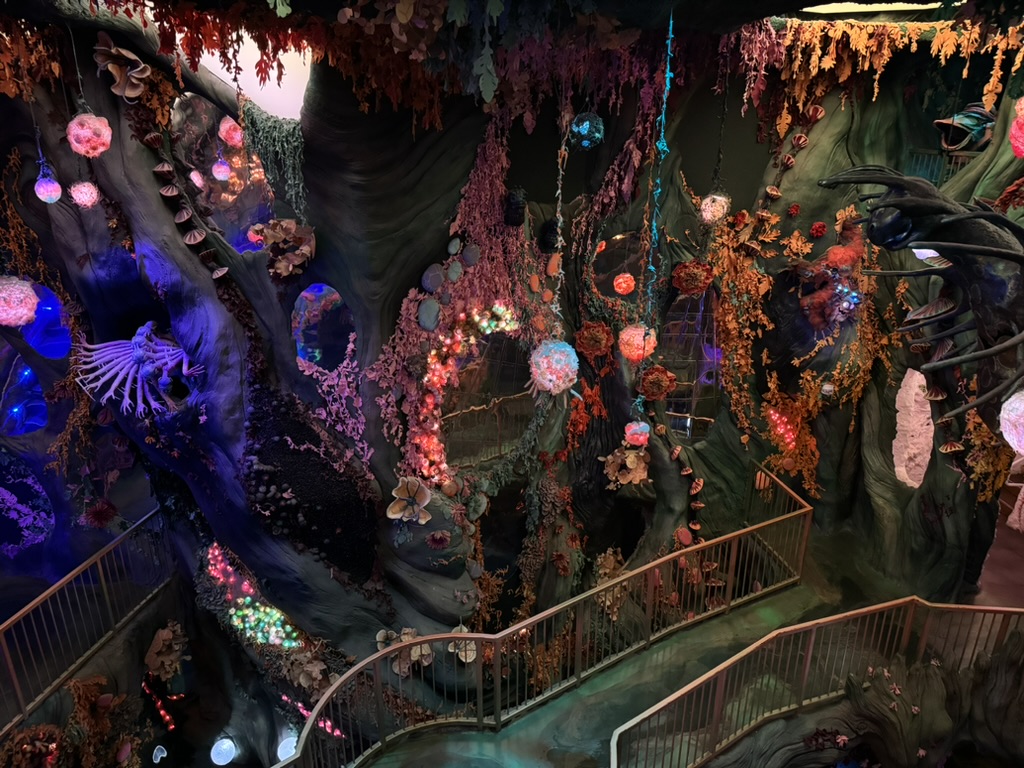
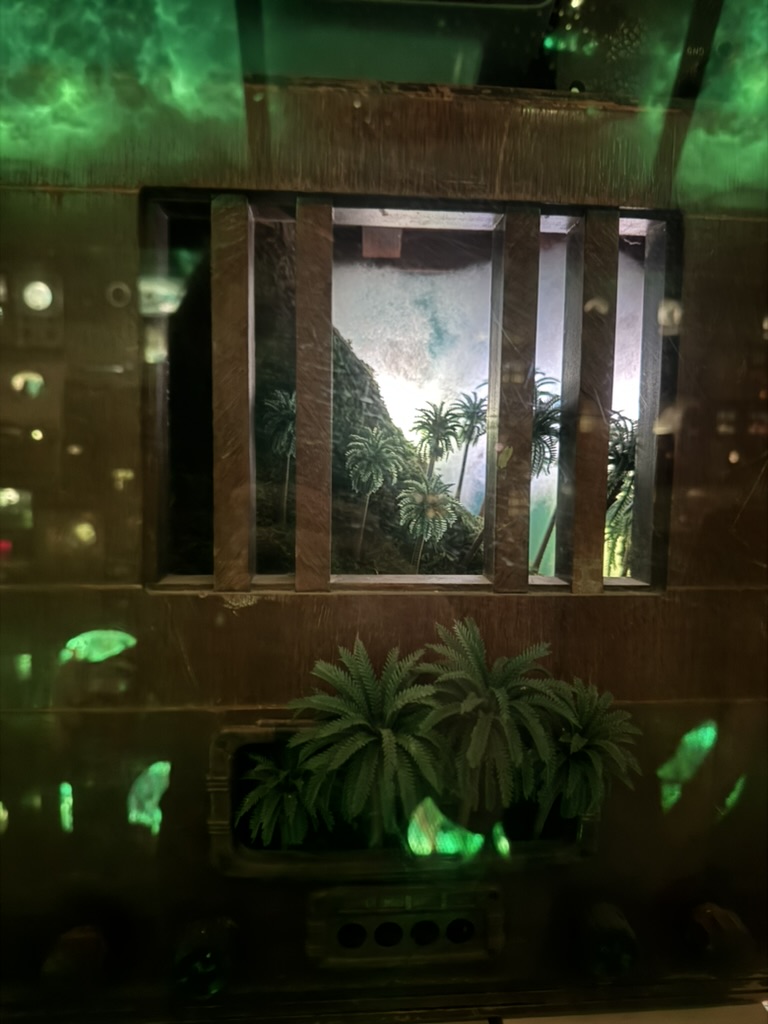
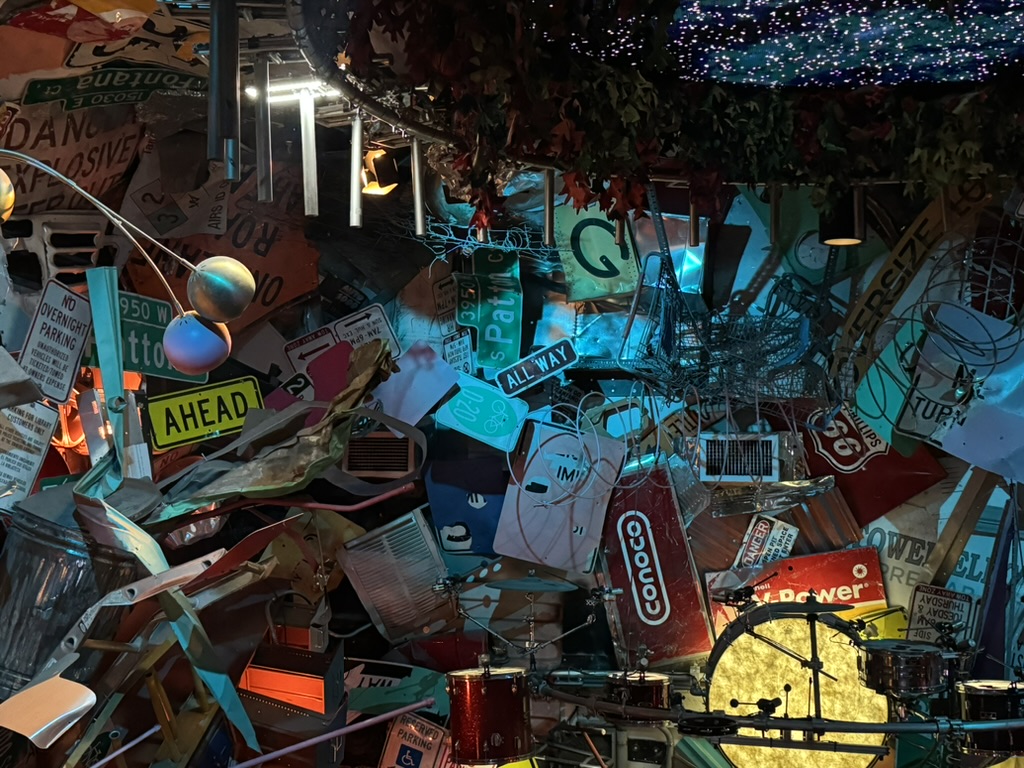
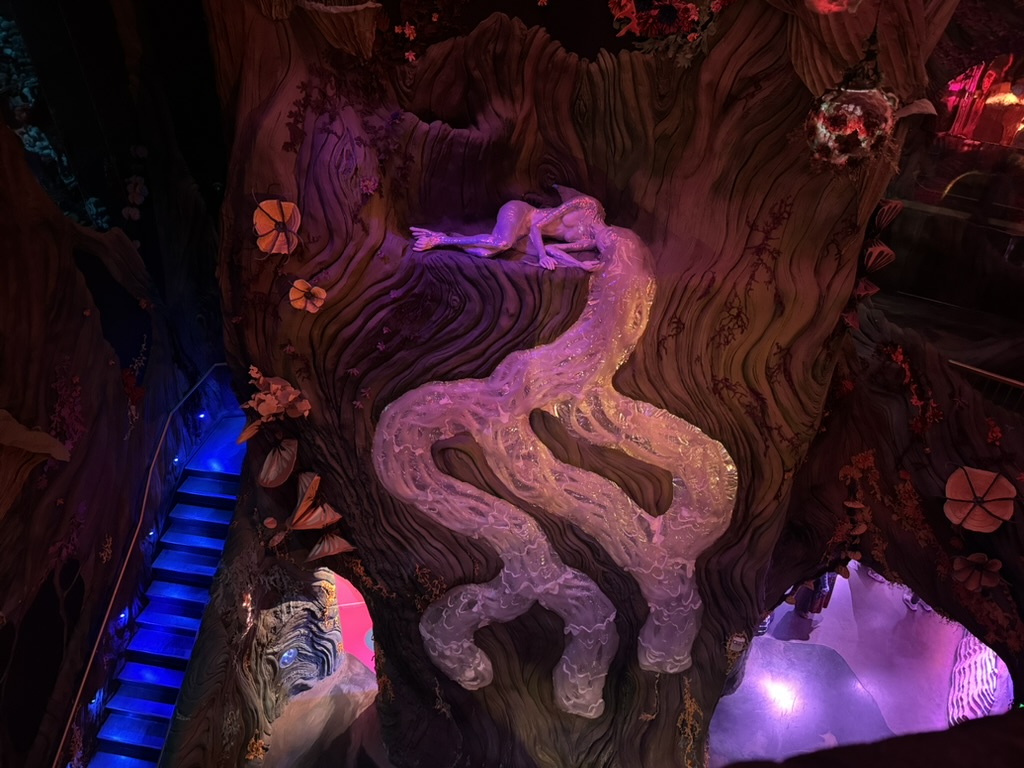
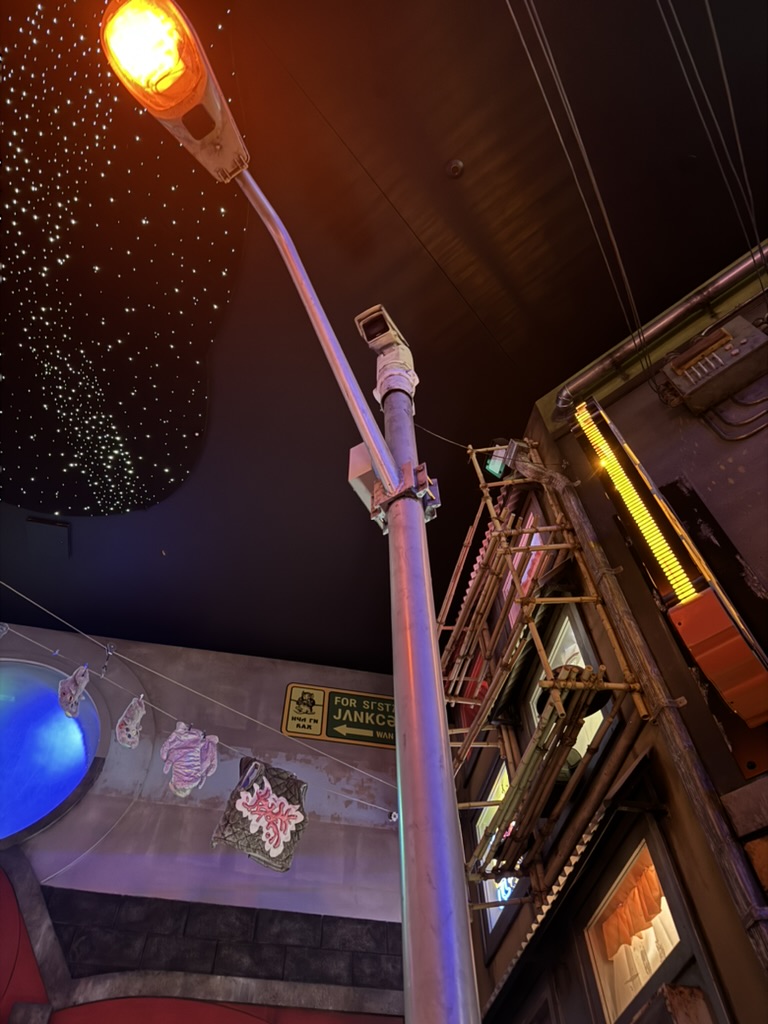
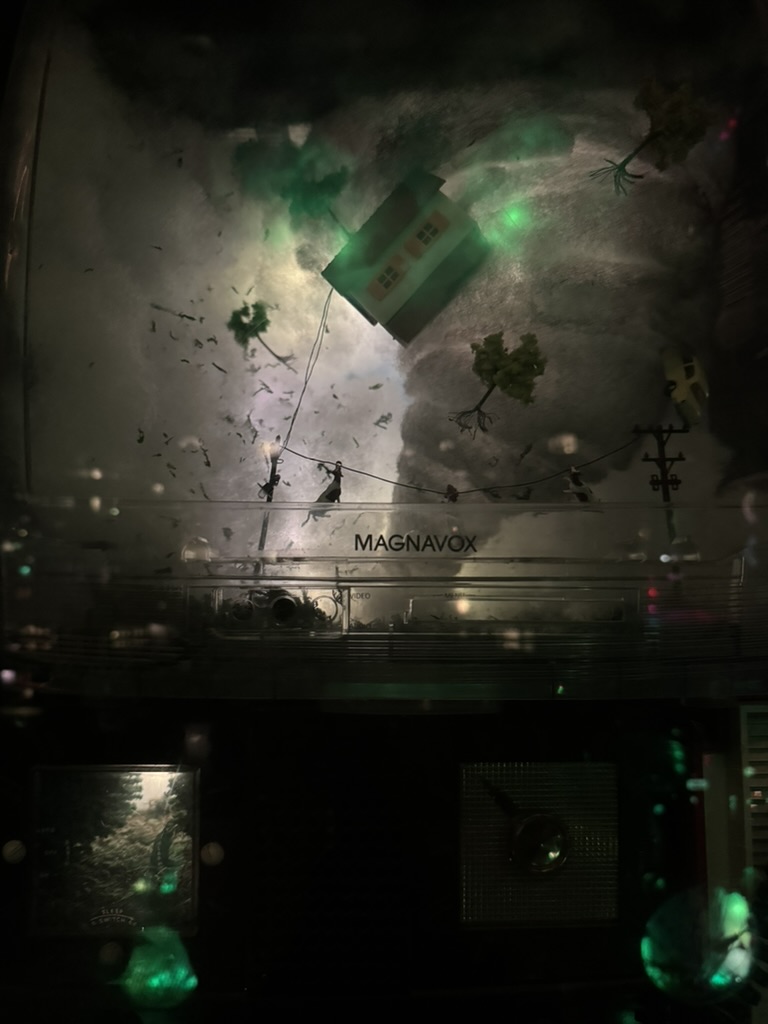
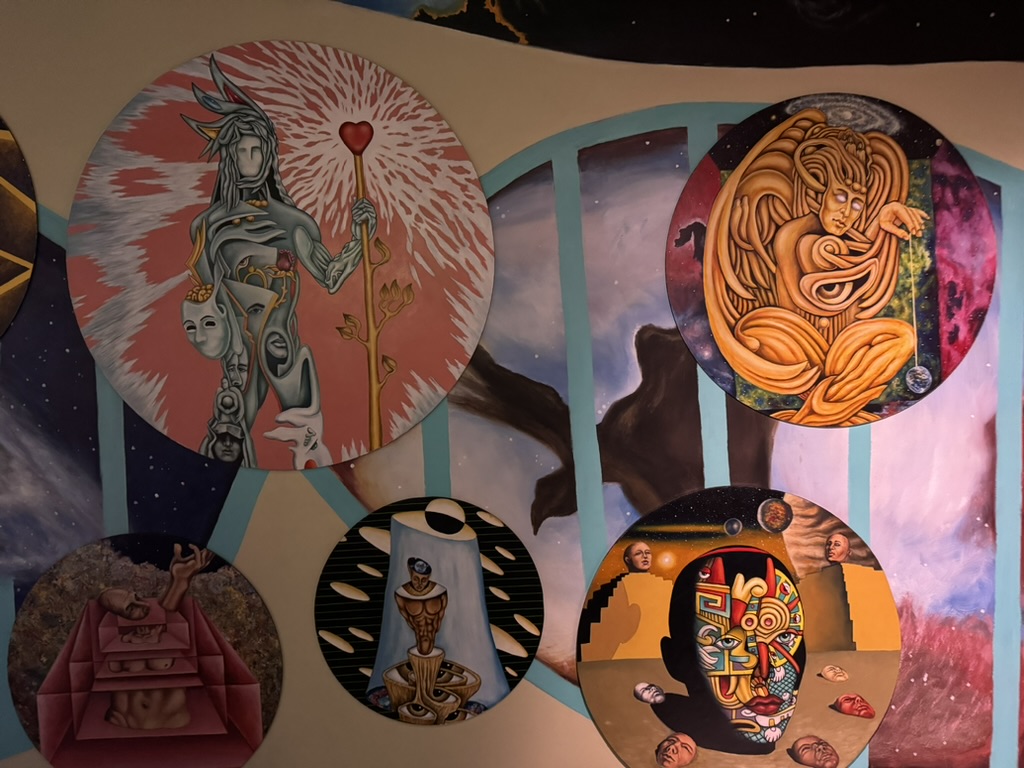
It’s hard to describe what exactly MeowWolf is. Over the past several years, you’ve likely seen some pictures of this place, mostly on social media. MeowWolf describes itself as Immersive Art Experiences and Interactive Exhibits. While this is certainly true, it feels like one of those IYKYK (If You Know You Know) types of places. Pictures like these give you an idea what to expect, but it’s impossible to understand what going to MeowWolf is like without actually going there.
More than anything, the place is extremely artistic, and just random. Around every turn there is a door, another room, or even a crawl space that leads to another completely different exhibit. There’s a lot of it too. Some have spent over five hours in this place.
My favorite part was the Pizza and Pals section, a place where I suddenly found pizza singing at me.
The place also had an optional interactive component, with a story about four worlds that it would take a much deeper dive to understand.
Still, I couldn’t help but reflect on how well this place matches our current cultural moment.
First of all, it certainly caters to an ADD (which seems to be all the rage right now) type of crowd. With all the different immersive art, any visitor can just abruptly change what they are looking at by turning their head or walking through a door.
Yet, it seems to match this historical moment on a much deeper level. Sure, it is the perfect place for Instagram, something that people seem to have been looking for for a little over a decade now. However, it seems to speak to an even deeper craving that has developed during the 2020s. After nearly two decades of looking at and sharing pictures on social media, people are now looking for something that is more of an experience.
There is also something to be said about an experience that a person cannot truly wrap their heads around just by looking at pictures or even hearing about the experience. By knowing this place cannot even be remotely understood through social media feeds, it establishes itself as being about more. While this place may be great for social media, it points to a life beyond social media. The emergence and increased popularity of this place appears to be sending a cultural message along the lines of…
“We still want great photos to show our friends and family, but we are craving in real life interactive experiences. We want something unique. Something imaginative. We want something beyond what can just be seen in a photo or a video. We are ready to be done with just passively consuming content. And, we’re tired of the flattened culture where everything is the same!”
This, I believe, culturally, is where we are in 2025.
2024 was not without adventures. As is typical of life in Colorado, there was plenty of skiing the first few months of the year.
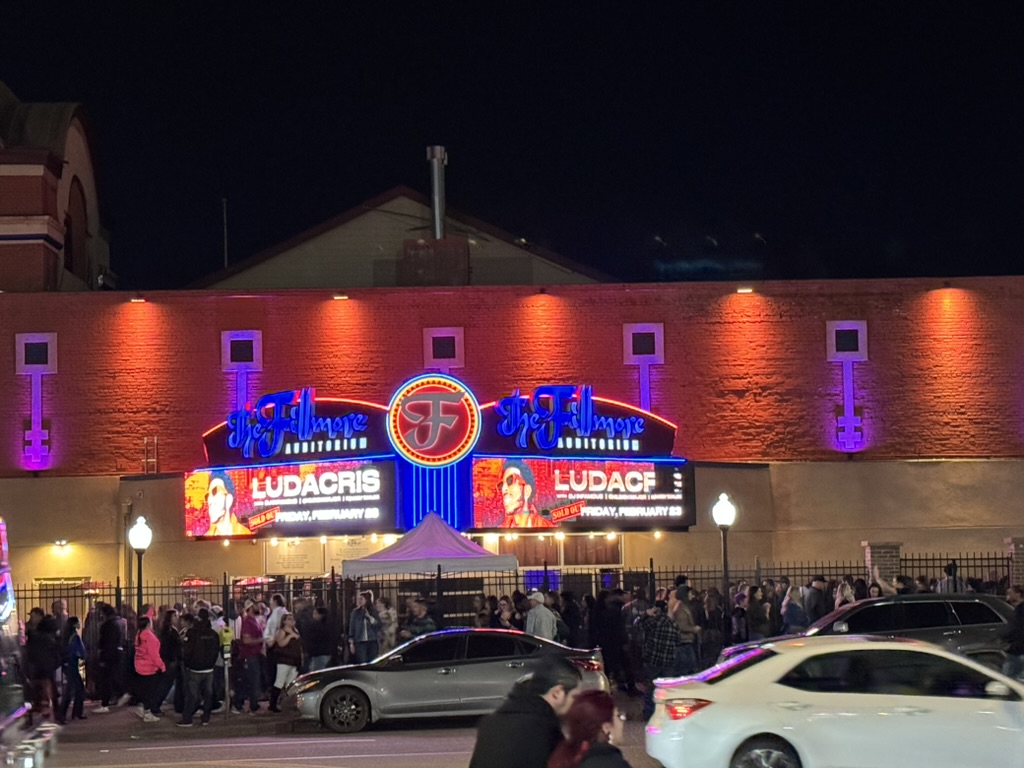
I ended up going to to 28 concerts!
I went to Arkansas to see the eclipse in April.
Climbed another “14er” (mountain 14,000 feet or higher in elevation) with my dog.
And I returned to some places I had previously visited and written about.
By far, the most meaningful experience of my year was tracing my ancestral journey.
Growing up on Long Island I did not think too much about my ancestry.
Like many Americans, my ancestry is mixed. The culture I primarily identify with is the culture I grew up in.
However, the culture of my ancestors was actually embedded in much of what I experienced growing up.
It’s often hard to put into words what would prompt any of us to start investigating something like our ancestry. For me, a lot of it was based around trying to understand my own thought and behavior patterns, where they came from and how I could potentially go about creating better ones to produce a better life outcome. This is a somewhat generic life pursuit, potentially applicable to nearly all people.
Major life events often prompt some form of reflection or re-examination. However, that can take on many forms. I know of some previous major events where our responses, both individual and collective, have been quite different.
All I can say is that in 2024, the time had come to go to Naples, where the largest segment of my ancestors originated.
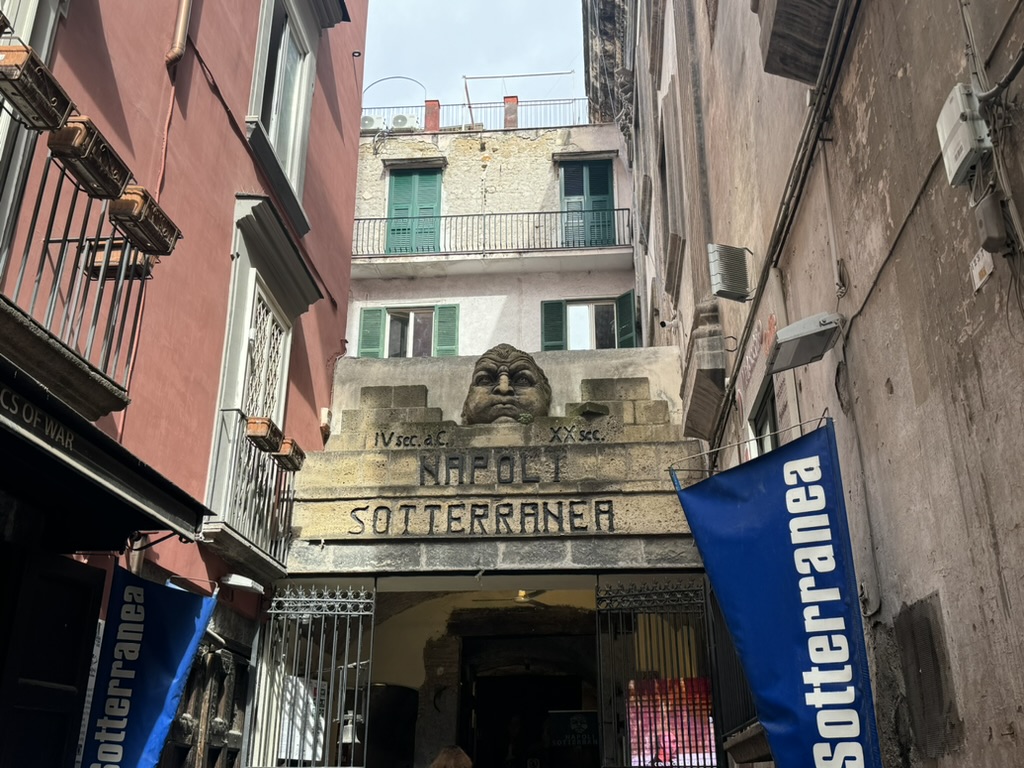
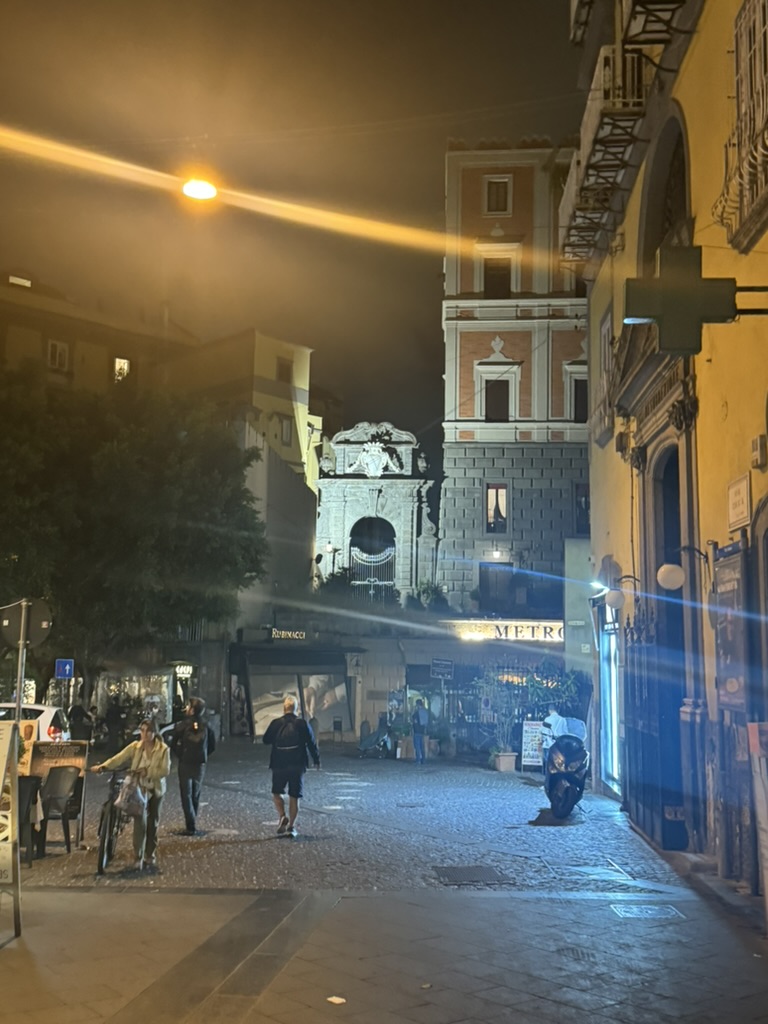
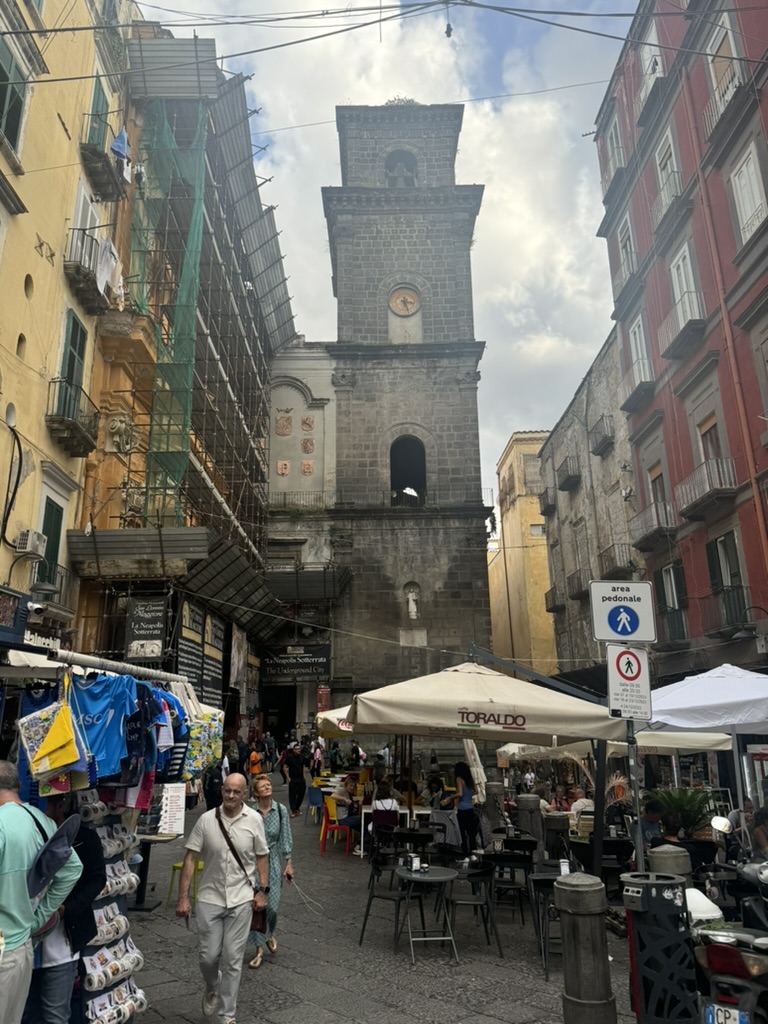
The journey involved visiting some historical sites in Naples.
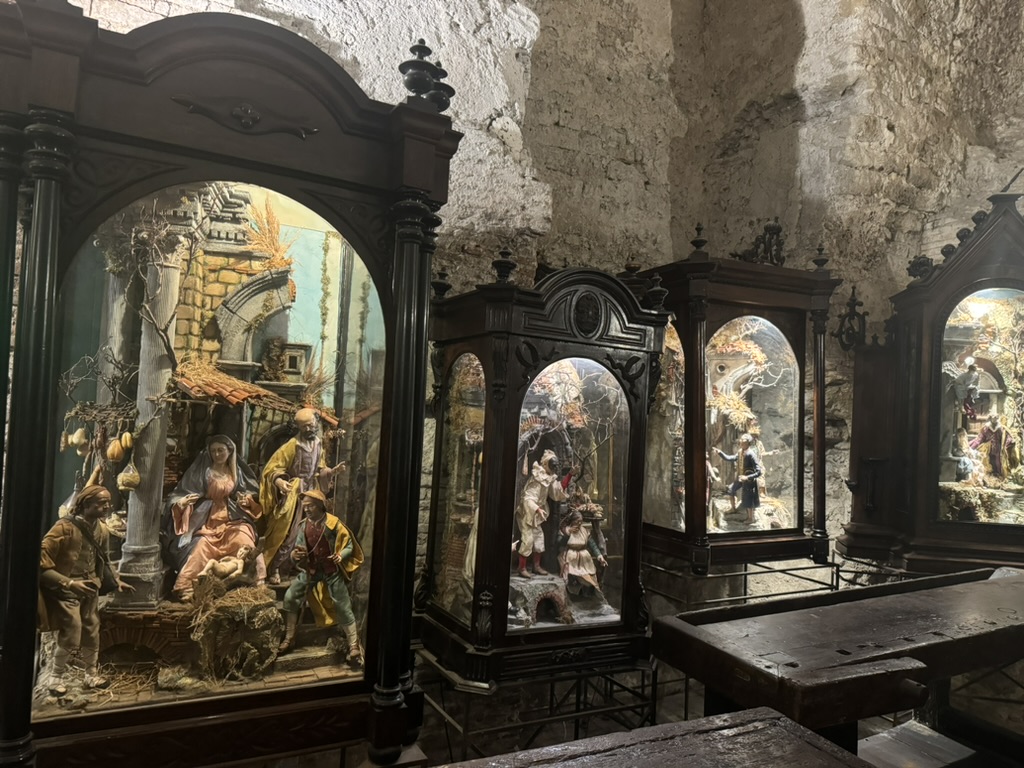
The Naples Underground is a site that spans many historic periods quite separate from one another. It was the site of a “Greek-Roman” theatre 2400 years ago, but also served as a shelter during the bombings of World War 2.
It was on this tour I learned that the city of Naples, originally a Greek city, actually continued speaking Greek until the 7th Century. This means that it is quite likely many of my ancestors were speaking Greek despite being a part of a Latin speaking empire for centuries!
The other site where I learned about Neoplotian history is the Naples Architecture Museum.
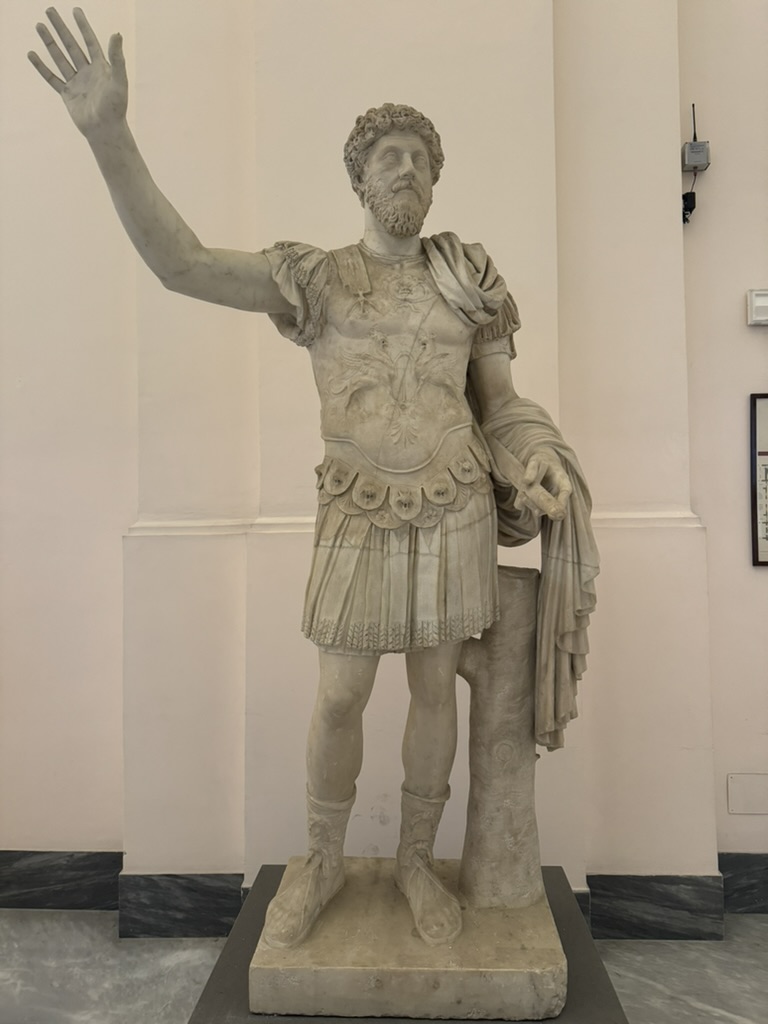
This museum has a lot of sculptures.
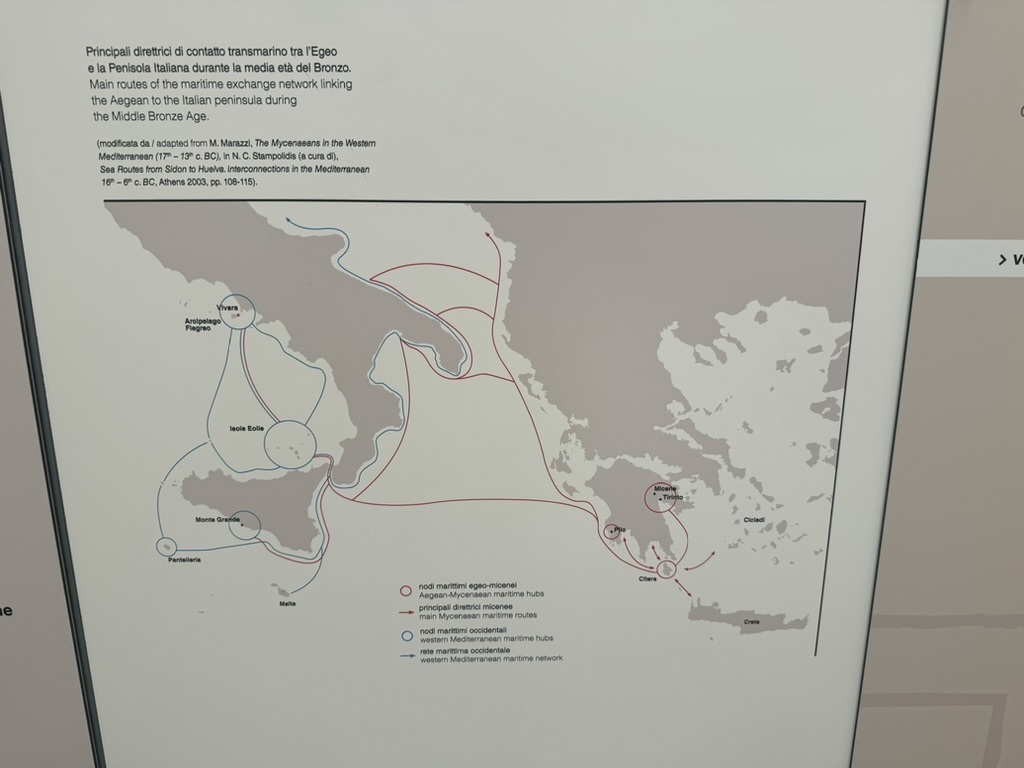
It also has exhibits that tell other stories about the history of the region, from trade routes that date back to the Copper and Bronze ages…
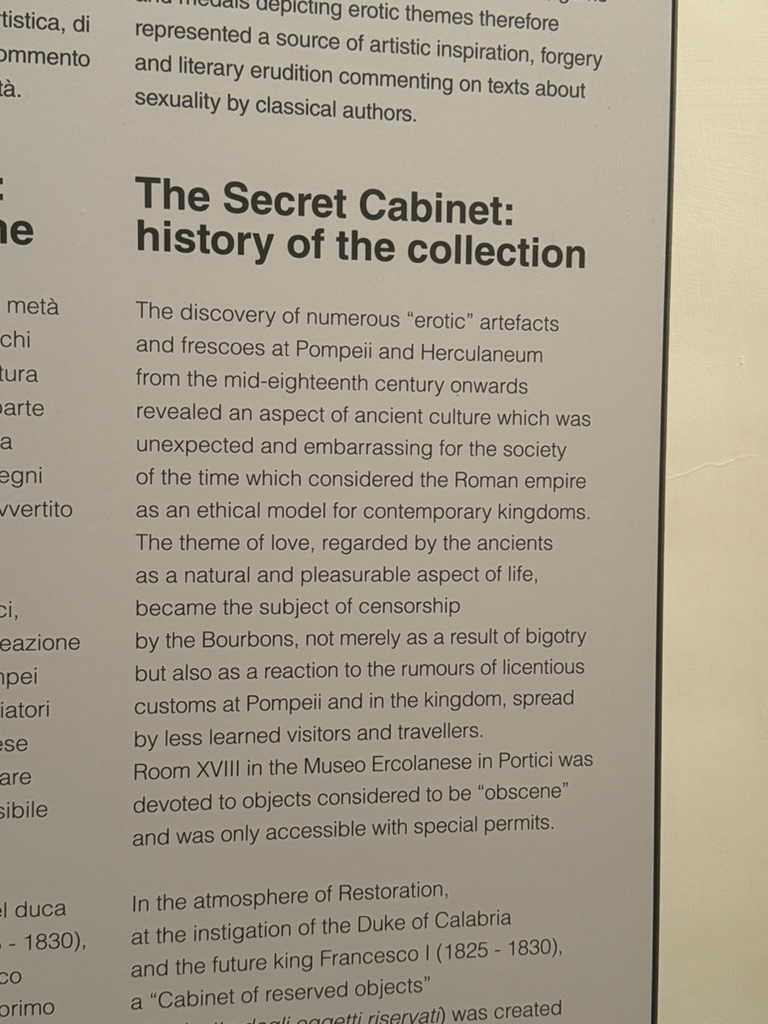
As well as moments of defiance which made me strangely proud. Apparently, during the somewhat puritanical occupation of the region by the Spanish Bourbons, some erotic statues from antiquity were displayed as an act of asserting pride in our culture.
The whole story made me feel like…
Spain was the colonization GOAT
Not being told what to do, or who to be is in my blood
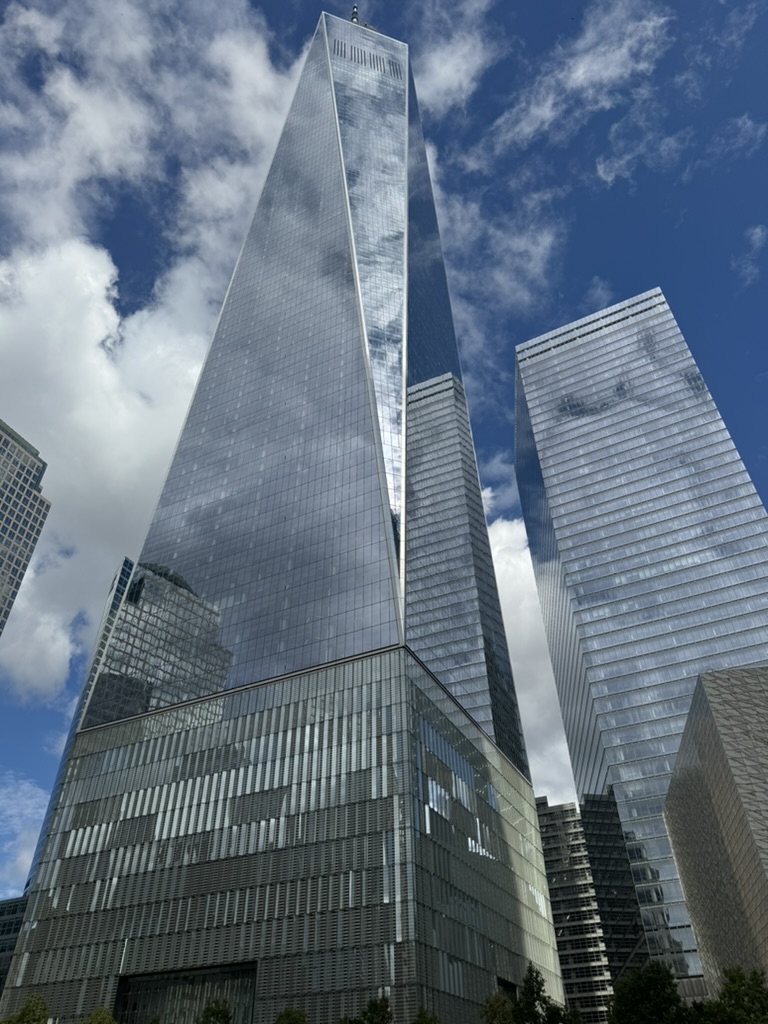
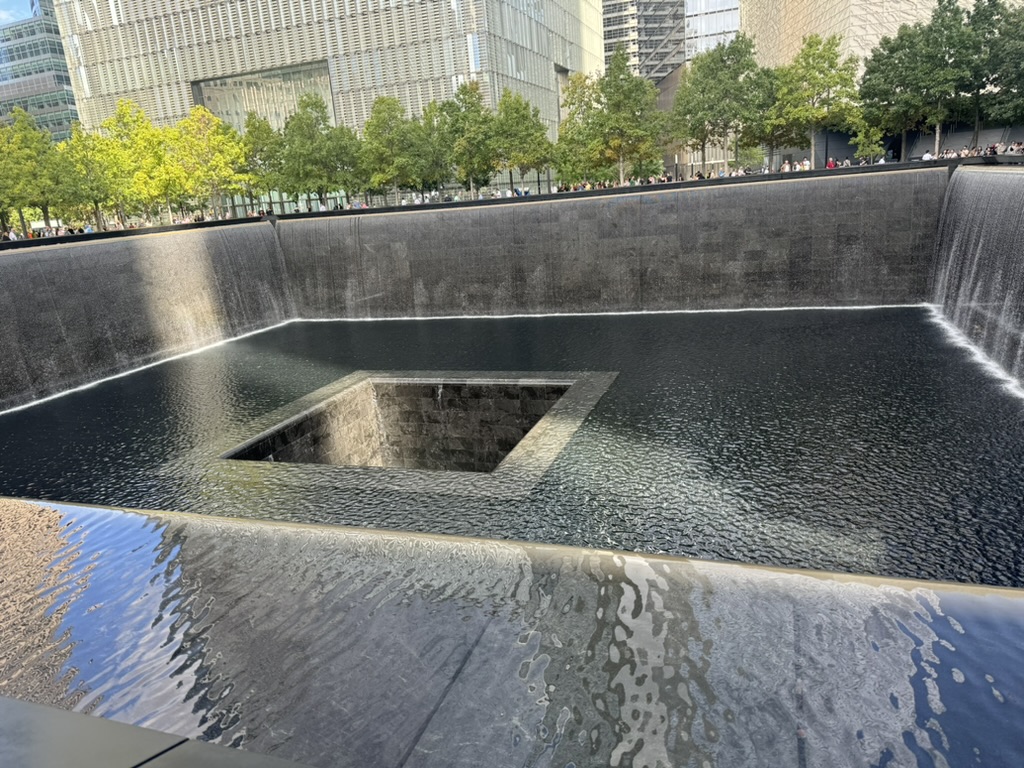
I am glad that I visited New York before going to Naples (in case that wasn’t obvious from the first part of the post) because Naples seems like a really extreme version of New York.
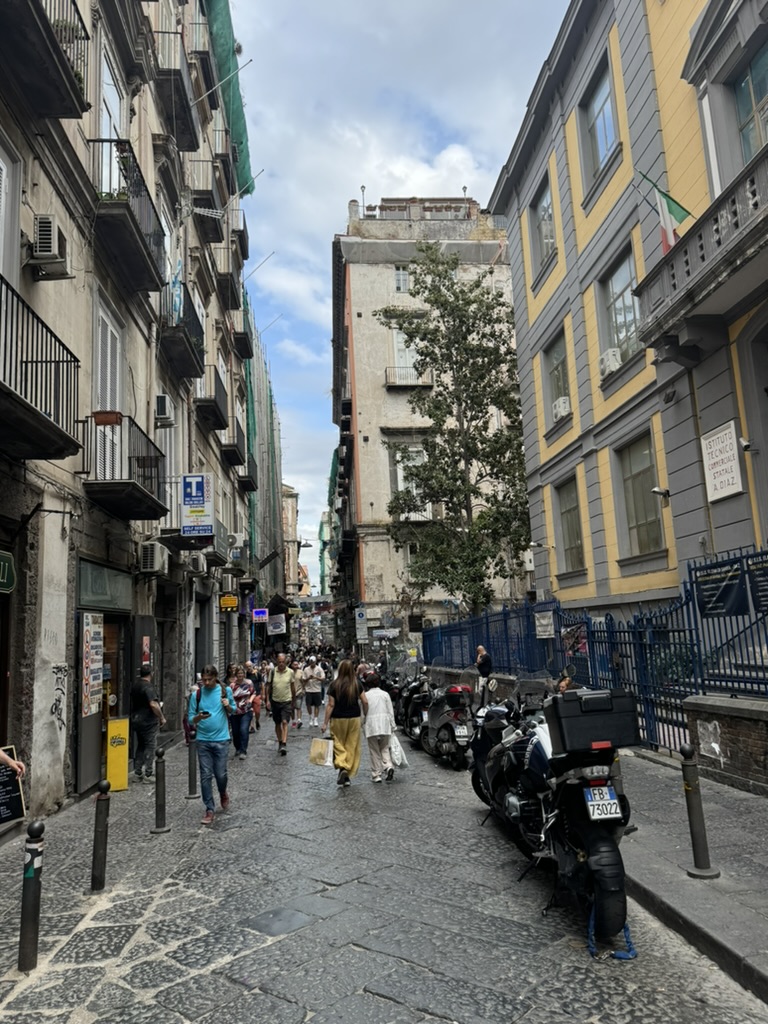
The buildings are really close together.
It is the most densely populated city in Europe.
Most of the time, you are walking around Naples packed between buildings of loud people and making way for motorcycles, which also roam up and down the streets honking to get pedestrians to move out of the way.
Naples has one of the most beautiful harbors to visit at night.
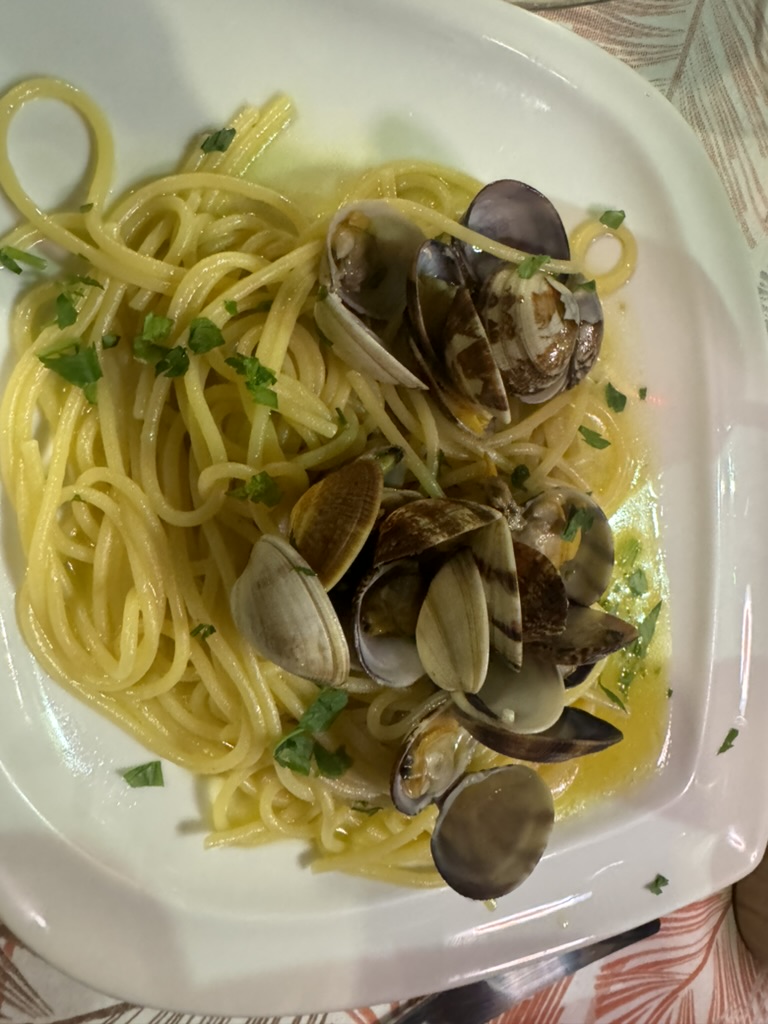
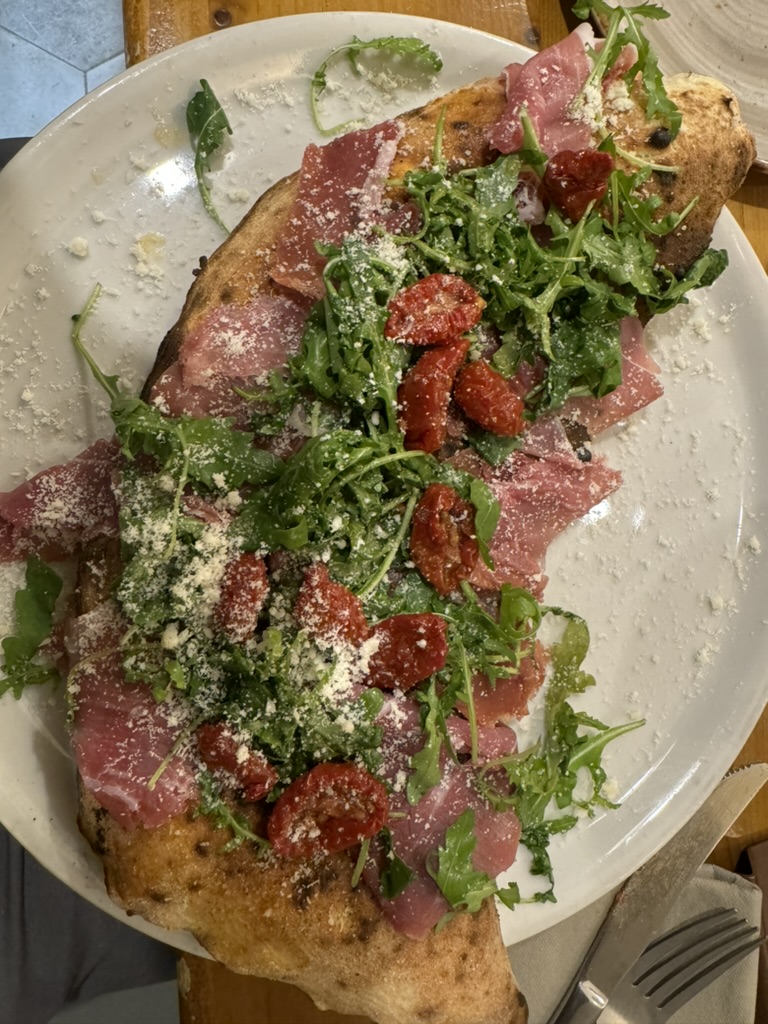
And it should go without saying to soak up the food as much as possible.
One of the things that may have prompted this ancestral discovery was learning, the prior year, where my great-grandfather was born.
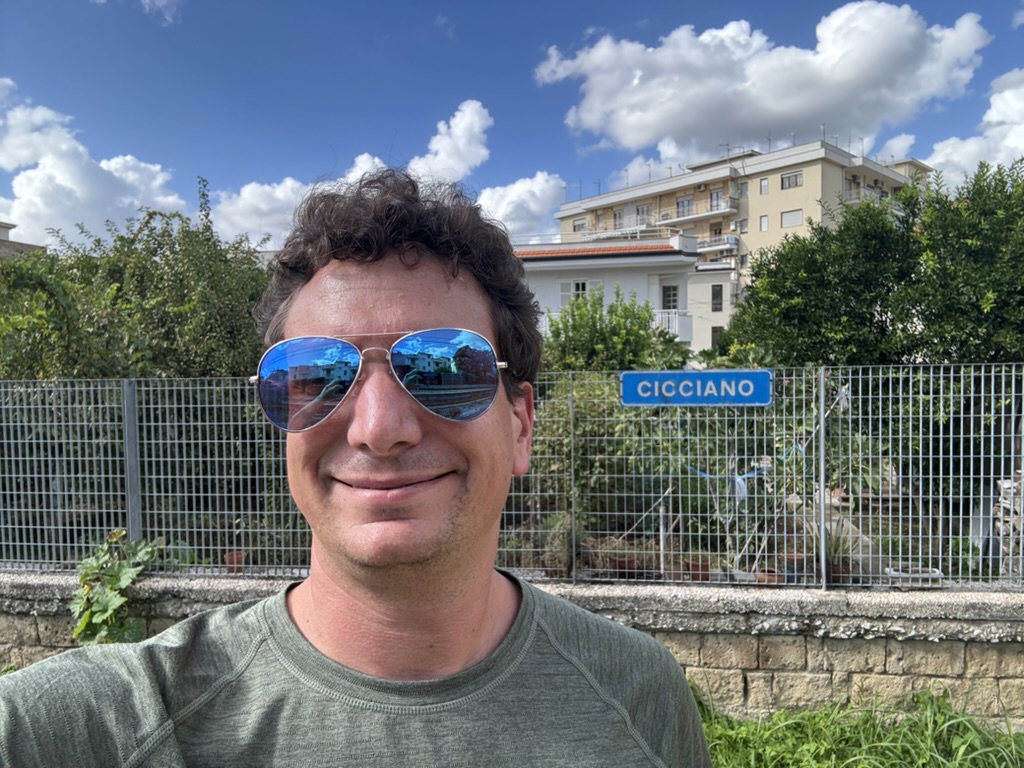
This small town is about 35 km east of Naples, towards the base of a mountain range and accessible from Naples by train.
It was surreal here, as the town itself was somewhat lively. It was the one place where I knew I had an ancestral connection, yet it was the place that was the most foreign to me. It was the only place on the entire journey where I encountered people who could neither speak English nor Spanish.
I spent some time gazing at the town square pondering the life of my great-grandfather who, as legend has it, at the age of 19, one day just decided to hop on a boat to New York with his best friend.
I thought of that decision. I thought of the decisions made by my other great-grandparents and great-great-grandparents being why America is home to me, not here. I thought of everything that happened in the history of Naples and Campania from the Copper Age trade and migration routes to the events of the 19th century that lead to Italy even being a country.
It was one of the most freeing moments I have ever experienced. I had spent years pondering my place in life, what decisions lead to me ending up where I was, sometimes even obsessing over certain decisions made by my parents and other people close to me. Understanding the magnitude of all of the decisions ever made that impacted me has given me the permission to stop thinking so much about any one decision and start truly looking towards the future.
Some people may think it wasn’t necessary to travel this far to come to this realization. There are philosophical books, self-help books, sages, guides and even rational thought processes that could have led to such a conclusion. None of that would have been the same as actually being there, feeling the air and the energy, and seeing what the place looks like.
Something tells me the feeling of liberation I walked away from Cicciano with is not something I could have attained just sitting in thought or conversation in Colorado or New York.
One of the main reasons people visit Europe during November and December are the Christmas markets. Markets that pop up during the Christmas season date back to at least the late Middle Ages, can be found all over Europe, and are so popular that cities across the United States do their best accurately replicate the experience.
Like their American replicas, they are filled with booths that sell food and beverage.
As well as shops that sell decorations, such as ornaments and nativity displays.
They can be fun places to hang out both in daylight and at night.
Actually, with all the lights, they can be all the more magical at night.
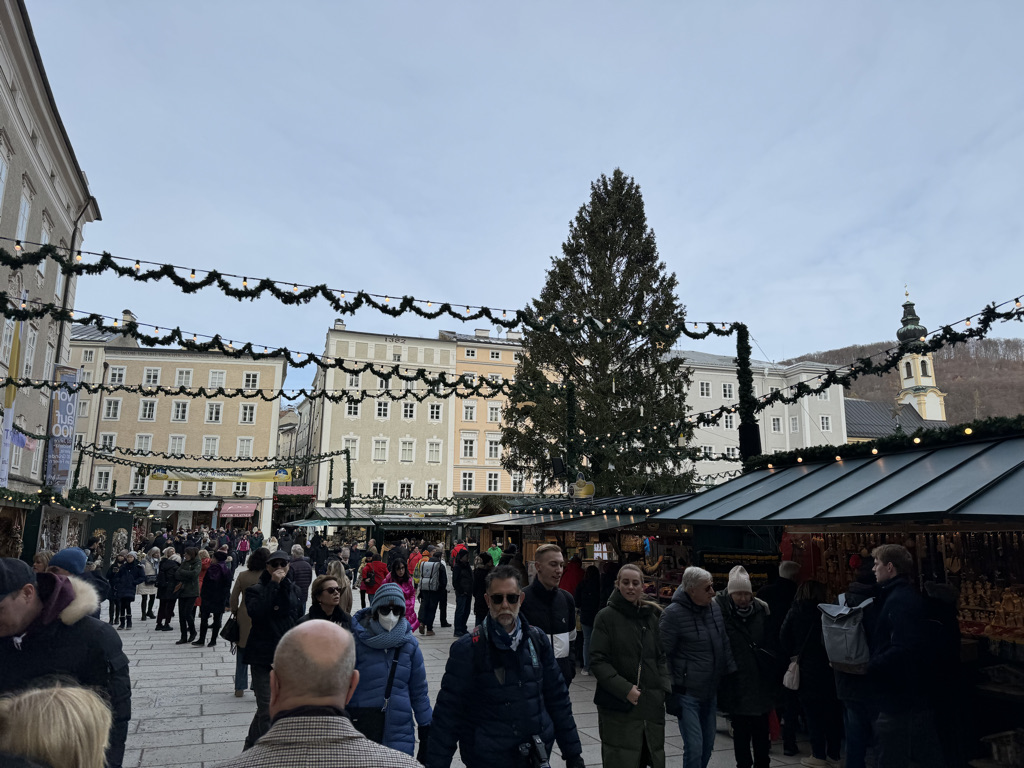
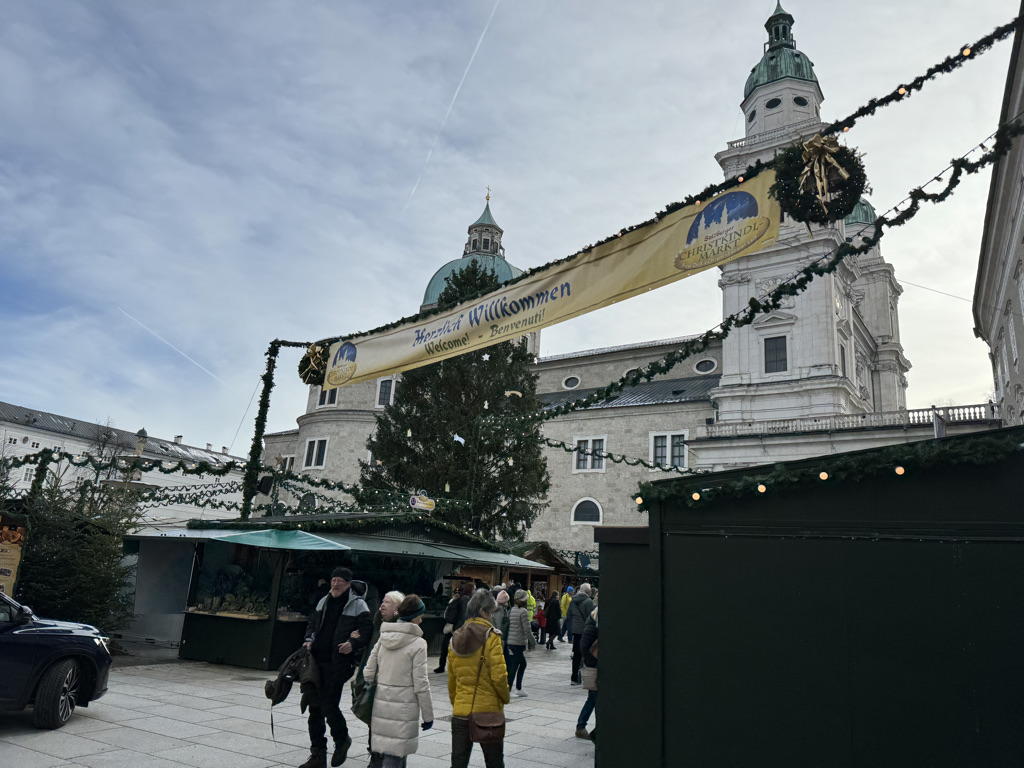
These Christmas markets are pretty sizable, with some being large enough to have multiple sections, like the Salzburg Christkindlmarkt at the Dom and Residenzplatz in Austria.
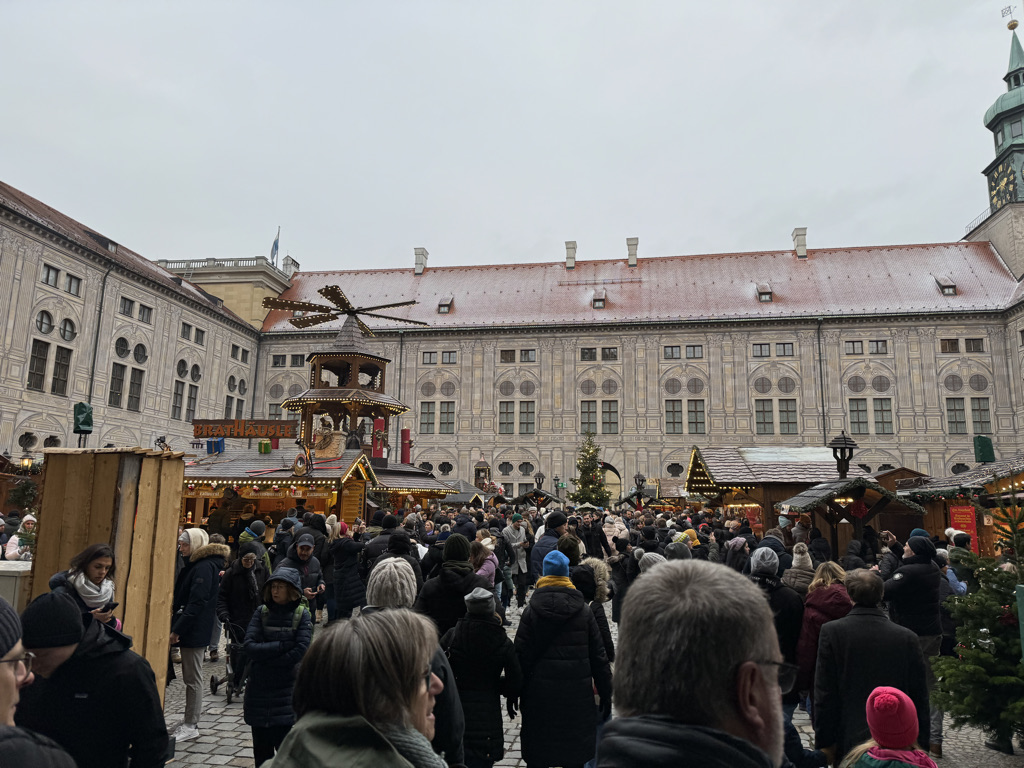
And, while Munich’s main Christmas market is at Marienplatz.
Perhaps their most interesting one is at Odeonsplatz, a mere 500 m (less than half a mile) away. This one was large enough to not only have the usual food, drink and ornaments, but also had a full Christmas children’s display which included my favorite part of this journey: A singing moose that sings “Winter Wonderland” in German.
Seriously, I could not get enough of this video!
Throughout my time in Europe, going to Christmas markets, I did make one observation that was somewhat strange to me. At the surface, Christmas in Europe seemed a bit more religious, with nativity scenes everywhere. At this Christmas market in Prague (Chezchia), the first thing visitors see is a nativity scene in front of a gigantic church.
This seemed odd given that, as a whole Europe is seen as less religious than the United States and the Czech Republic is among the least religious countries in the world!
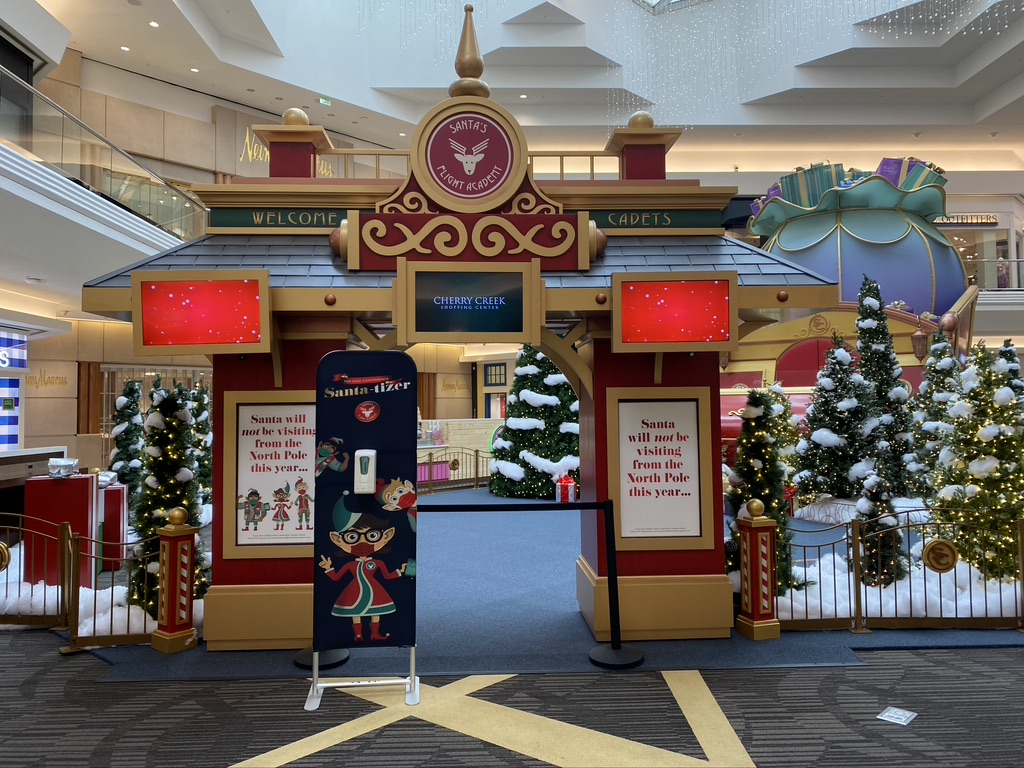
Yet, somehow, in the more religious United States, the primary symbol of Christmas, that is seen everywhere is Santa, the quintessential symbol of commercial, secular Christmas.
And it’s the post-Christian Europe where one will see nativity scenes, the quintessential symbol of Christian Christmas everywhere!
How does that make sense? Well, the answer is, it doesn’t. Most traditions don’t. Most traditions are some kind of jumbled up combination of the history of a place and the present day sensibilities of the population, combining the here and now with the nearby, both spatially and temporally.
There are reasons behind them, but they are complicated. Sometimes they involve specific, almost random events that would constitute historical minutia. It seems like to try to understand all the history behind every custom or tradition from around the world would be like trying to drill down to the specific reactions involving every sub-atomic structure to explain all the physical wonders of the world, including human behavior.
Maybe, observing anything that seems contradictory like this is a lession for all of us to learn about overthinking things. Overthinking can sometimes seriously rob people of joy. While hanging out in a Christmas market in a light Christmas-y snow, is it better to be fixating on why a less religious continent has more religious imagery than mine, or is it better to just be taking in the experience and the people around me?
Travel has the potential to expand one’s point of view beyond the habits, priorities and perspectives that they are typically surrounded by. Visiting another location and being exposed to another culture serves as a reminder that the way things are done in the particular time and place a person lives is not the only way things can be done. However, in order to truly embrace this lesson a traveler must visit a place where they will truly be surrounded by different types of people and actually interact with some of the locals.
A lot of people visit places that are beautiful, but touristy.
Although these trips are fantastic, they usually find themselves surrounded by other tourists.
Many of whom have similar circumstances and outlooks as their own.
Truly getting out there and being exposed to different types of people, with different ways, different priorities, different customs and concerns requires being deliberate, both with respect to where to go and what activities to get involved in. An American could travel all the way to the other side of the world to do something like take an English language tour of the Taj Mahal and not really be outside of their comfort zone.
Luckily, the reverse is also possible. One must not travel far to be in a different place. In big cities like New York, ethnic neighborhoods give people the opportunity to visit a different place right in their hometown.
A state like Colorado gives people the opportunity to visit the other side of the primary cultural and political divide in the United States of America: The urban/ rural divide.
However, this requires going to places like small town churches.
Coffee shops
Or festivals
And talking to people who live that small town life.
Sometimes it even helps to take part in the activities they enjoy.
From an urban standpoint, it is easy to ask questions like…
Who would want to live in a place where the nearest Chipotle is an hour away?
Who would want to live in a town where you go to the same bar every weekend and encounter the same ten people every time?
What do people even do here most of the time?
And of course, the media and many political activists will not hesitate to to exploit those differences. It’s an easy way for them to get ratings, clicks and donations. Perhaps most sinister of them all, if a politician or political party can convince most of their constituents to fear the other, they can count on their support out of fear, disgust or contempt rather than having to actually serve their constituents needs.
Unfortunately, the big loser in this is all of the average person, becoming more isolated, depressed and distrustful of one another.
As is the case with every other cultural divide, on the other side of the urban/rural divide are people who, generally speaking are not all that different. They just live at a different pace.
There are some great ideas here and many take part in activities that are quite healthy from a physical, mental and spiritual point of view. Despite the divide and how its exploited, most people on both sides of it are friendly and accepting.
Travel, like life, has ebbs and flows. Some years offer many travel opportunities with abundant resources to explore exotic places on the other side of the world. Others require the focus to be kept close to home. These times do, however, provide the opportunity to explore what one can learn, see and experience relatively close to where they live.
It would benefit most people to reach across any of these divides. Particularly when a cultural divide is accompanied by a political one, there is a tendency to reduce entire groups of people to caricatures that are often a blatant missrepresentment of who they are. By meeting people and talking to them, it is possible to see who they really are.
The modern world is such a paradox. We are more prosperous, more secure and more comfortable than ever before. Yet, we also seem anxious, depressed and generally dissatisfied. What is going on? What are we missing?
There is something about the modern wold that, at times, can just feel lacking. Days without any meaning. Activities we don’t truly experience. Conversations where everyone’s not really interested and never lead to a true connections. Activities we barely even remember doing. On bad days, it can feel like we have all turned into robots just trying to achieve metrics, numb to all emotions.
Numbness has been attributed to lot of things. Drugs. Alcohol. Certain psychological disorders. Deciding to be constantly be busy. Engaging in only surface level interactions. And, finally, being in a constant state of distraction. The consequences are dire. When we chose to numb ourselves to avoid negative emotions, particularly discomfort, we also deny ourselves positive emotions. We lose the ability to enjoy life.
It was a similar experience. Warmth. Beautiful sunrises over the Atlantic Ocean.
Activities by the beach and pool. And, like last time, I made friends with both the other guests of the resort and the staff that coordinated the activities. It ended up being a very emotional experience. Every day I would go to Spanish lessons.
And, I would regularly try to conduct conversations with the staff in Spanish. After several days, those that I had spoken to most started telling me how much they appreciated our conversations. They said that only about 5% of the guests that come to this resort even try to speak to them in Spanish. One of the employees even wrote a heartfelt note.
It was quite emotional and made me sad to leave. I often don’t feel appreciated in normal day-to-day life. It often feels like people are trying to mold me to adapt a certain set of opinions or maximize my output. Here, I felt appreciated for being myself; goofy, curious and friendly. I felt like I was leaving part of my heart in Mexico.
Then, I spent a week with family, with Christmastime in full swing in the Chicago metropolitan area.
The setting couldn’t be more different. I went from vacation back to performing my remote job. I went from sunshine and 86°F (30°C) warmth to clouds and temperatures near 40°F (3°C).
The source of appreciation this time came from little children; my nephew and niece, ages 7 and 5. There were activities and just quality time spent with family. One of them, due to the lack of snow was baseball. My nephew drew me a picture commemorating a moment we had in a backyard baseball game when I hit a grand slam and we did a grand slam dance.
Leaving this place was emotional as well. It feels good to feel appreciated. I wonder why we are often so bad at showing appreciation. I wonder why I am so bad at it. I spent most of my travel time between all of these destinations wishing that showing appreciation was something that just came more naturally.
Also, neither of these experiences were completely free of all the mechanisms attributed to numbness. At an all inclusive resort, plenty of alcohol was consumed.
This did not stop me from truly experiencing both nature and human connection in Cancun.
Time spent with family raising children is always quite busy.
But that did not stop me from being truly immersed in the activities.
What was common to both weeks is that life felt “full”, like I was generally truly experiencing connections with other humans, activities and the world around me. Whatever numbness is common in standard day-to-day life in 2022 was just not there. If we all have a kind of metaphysical door that opens us up to emotion and experience, both good and bad, mine was clearly open and despite the heartache of leaving both places after the weeks were over, it felt so much better than having it closed.
So, how can we escape this numbness that leads to all this dissatisfaction with life? One commonality to these two weeks is that they both involved significantly less “screen time”. When factoring in computers, smart phones and television, the average American spends over 12 hours per day (84 hours per week) in front of screens. These two weeks my time in front of screens was 12 and 34 hours respectively. I was also generally free of anxiety, tight timelines and other forms of negative stress. Perhaps, it is these two factors, constantly being distracted by notifications from our smartphones and/or stressed out by drama and tight timelines that keeps us emotionally numb. Perhaps, as problematic as dugs, alcohol and being constantly busy can be, the stress and constant distraction that prevents us from being truly present is the bigger issue right now.
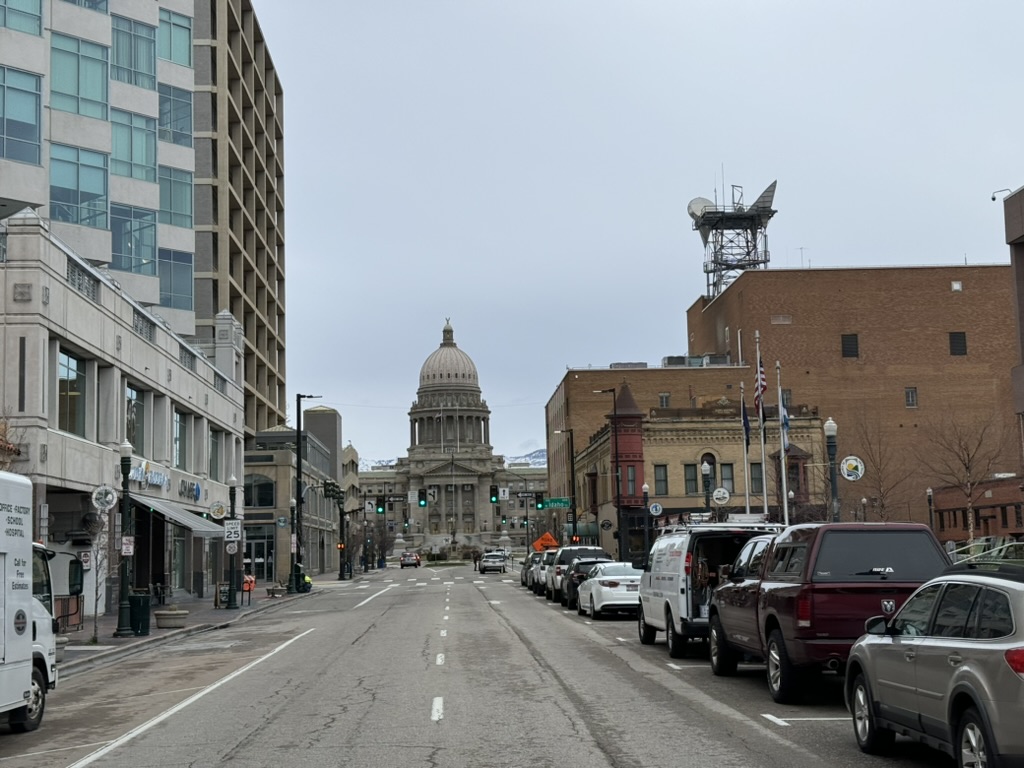
Perhaps one of the hardest things for anyone to adjust to when moving to Western North America is that fact that the weather is far more dependent on elevation than latitude. Boise sits at about the same latitude as Portland, Maine, north of Boston. Yet, it is warmer than Denver (in October, as well as most other months), which sits at a latitude just south of Philadelphia. This is because, at 2,730 ft (830 m), Boise is 2,500 feet (760 m) lower in elevation.
As October began, the leaves here had barely begun to turn colors.
And the temperatures were reaching 80 to even 85° F (27-28°C) every day.
It felt like it was still summer.
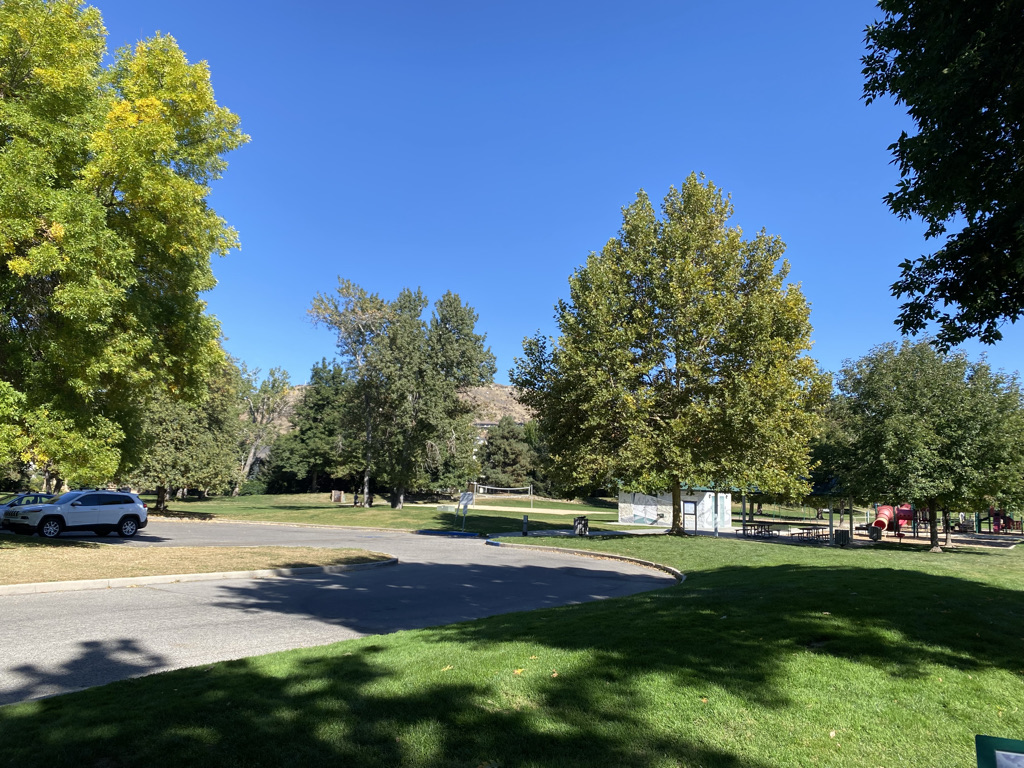
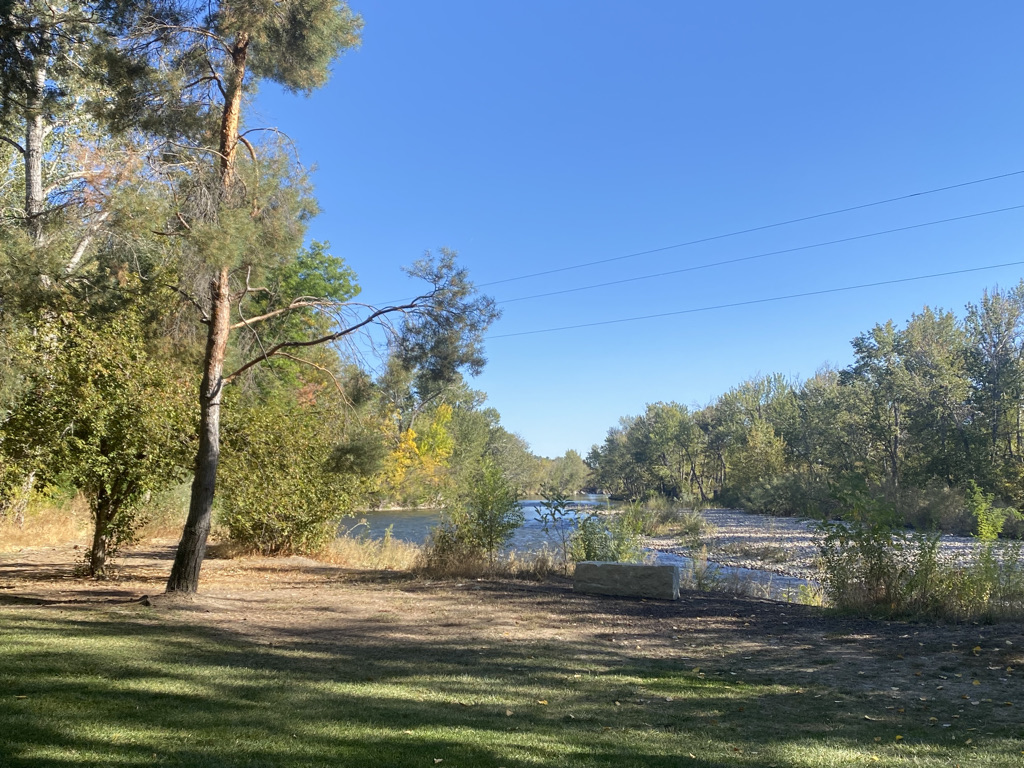
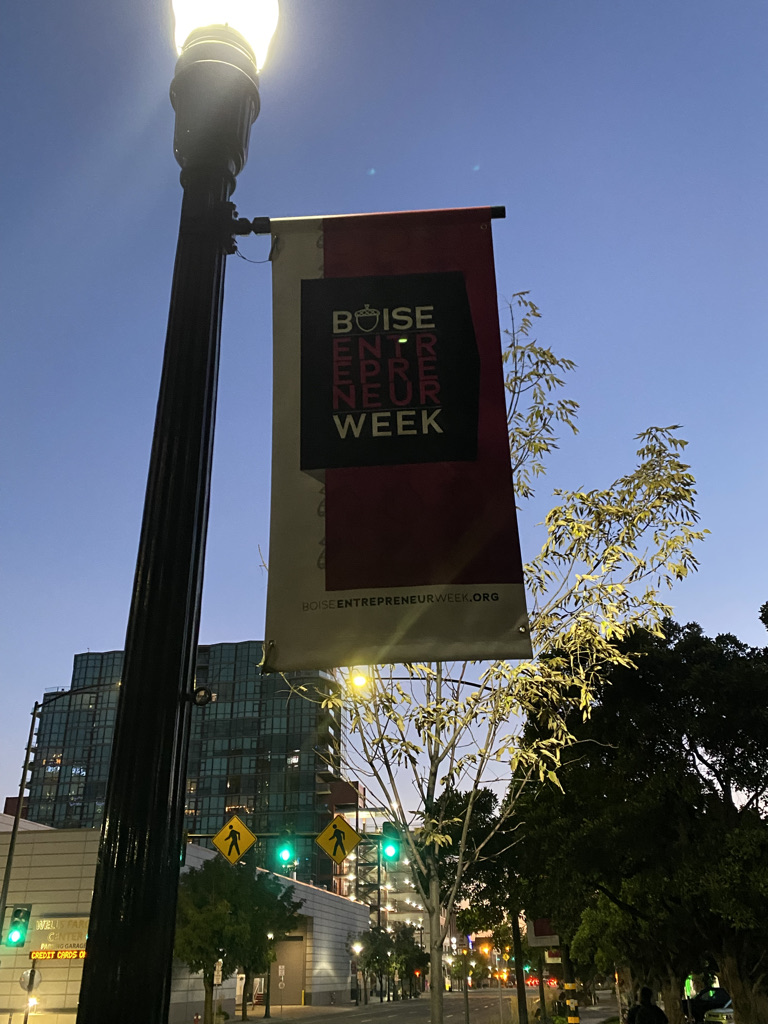
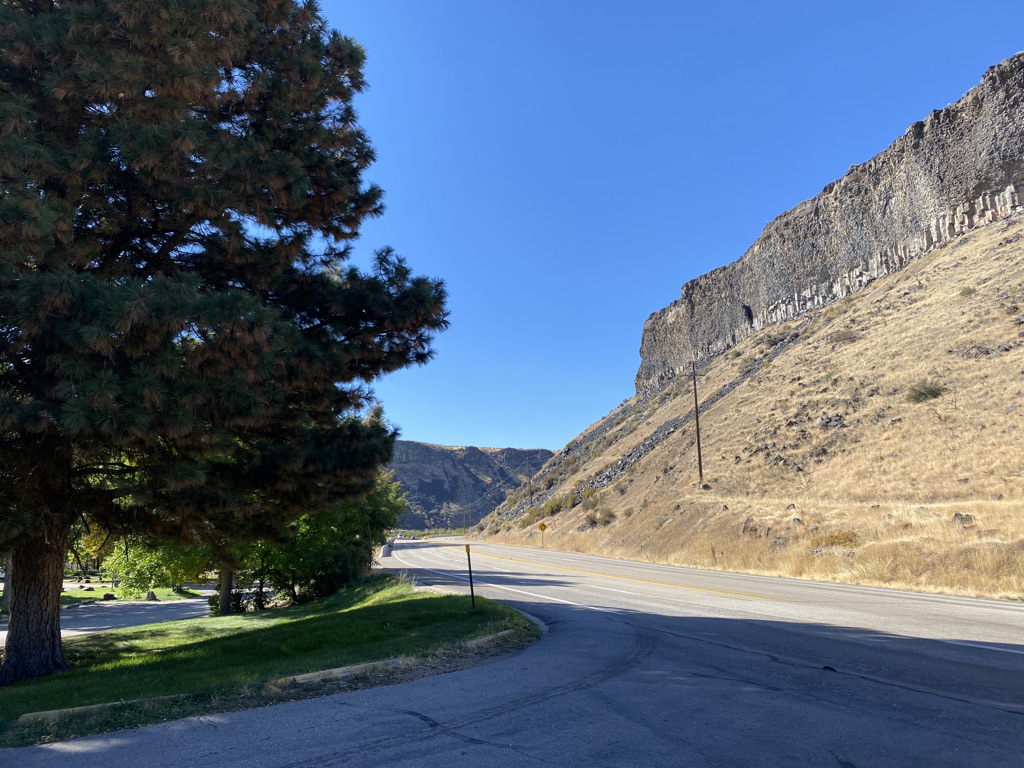
I spent three days in Boise and it was hard not to see Boise as a newer, smaller version of Denver, the city where I live. Boise is about 1/3 the size of Denver and the metro area is about 1/4 the size. I don’t like being the person who is constantly comparing something to something else, and I did not want to spend much of my time in Boise comparing it to Denver, the city where I live, but it was hard not to. There were similarities everywhere.
Like Denver, Boise is the State Capital.
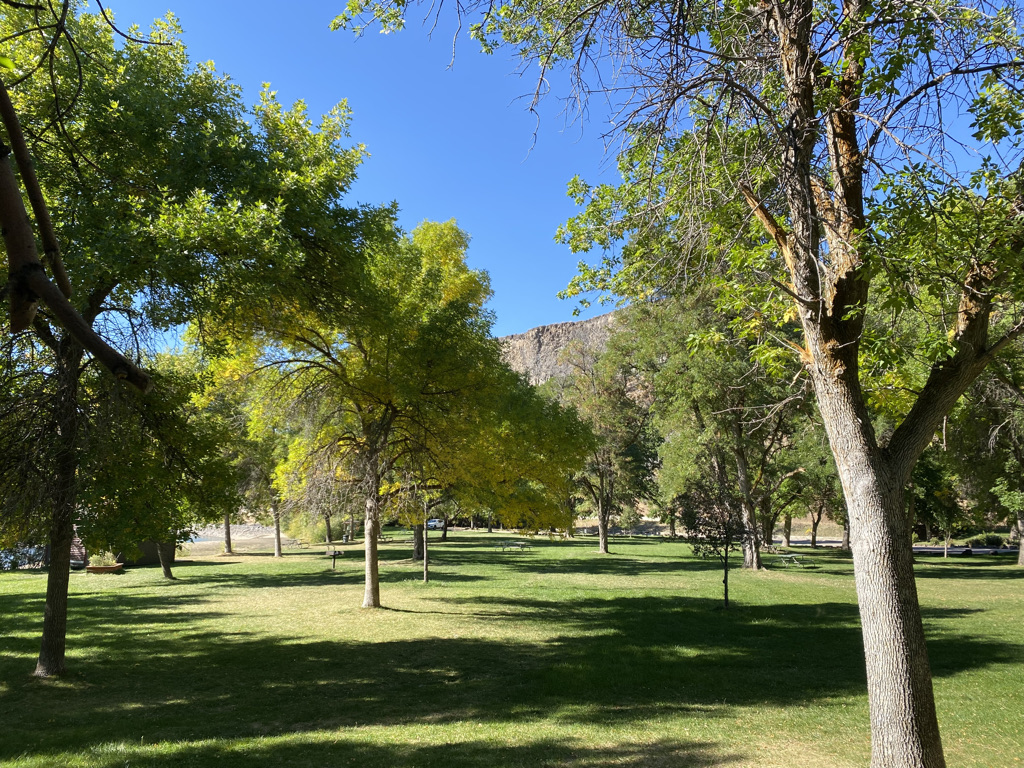
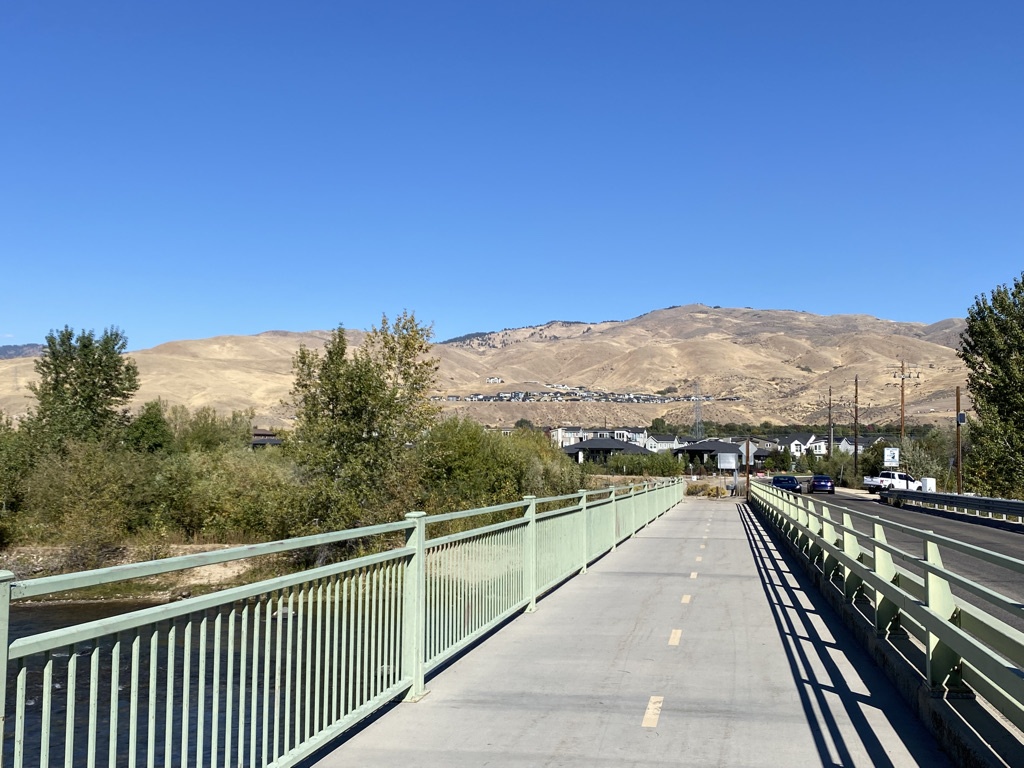
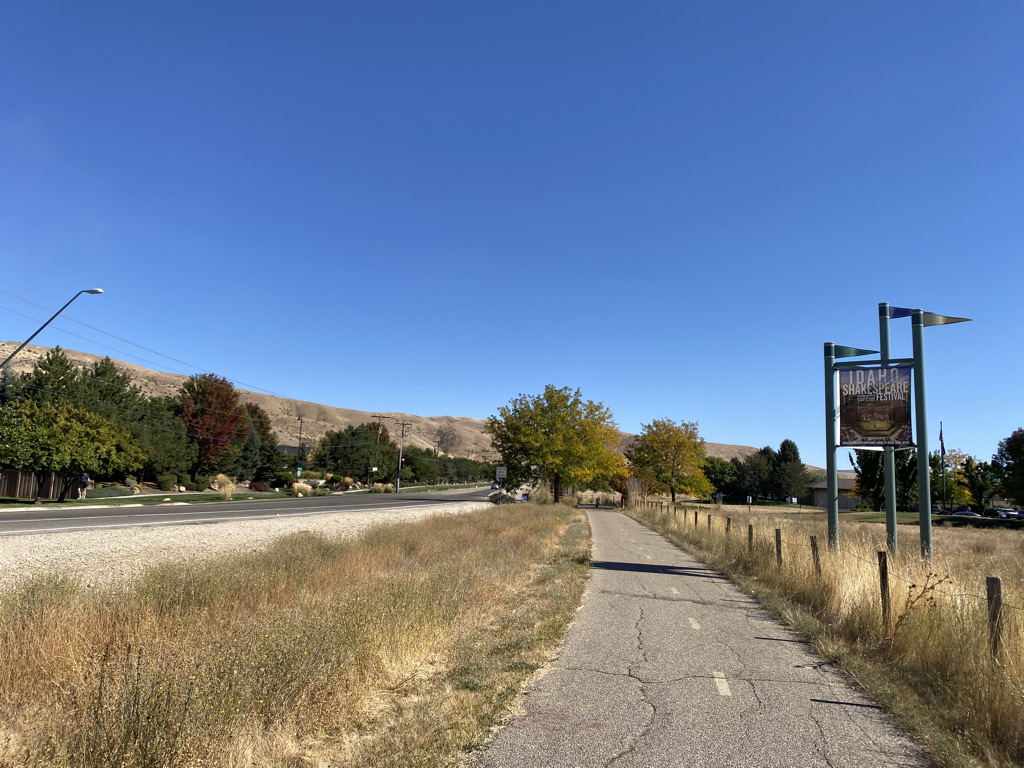
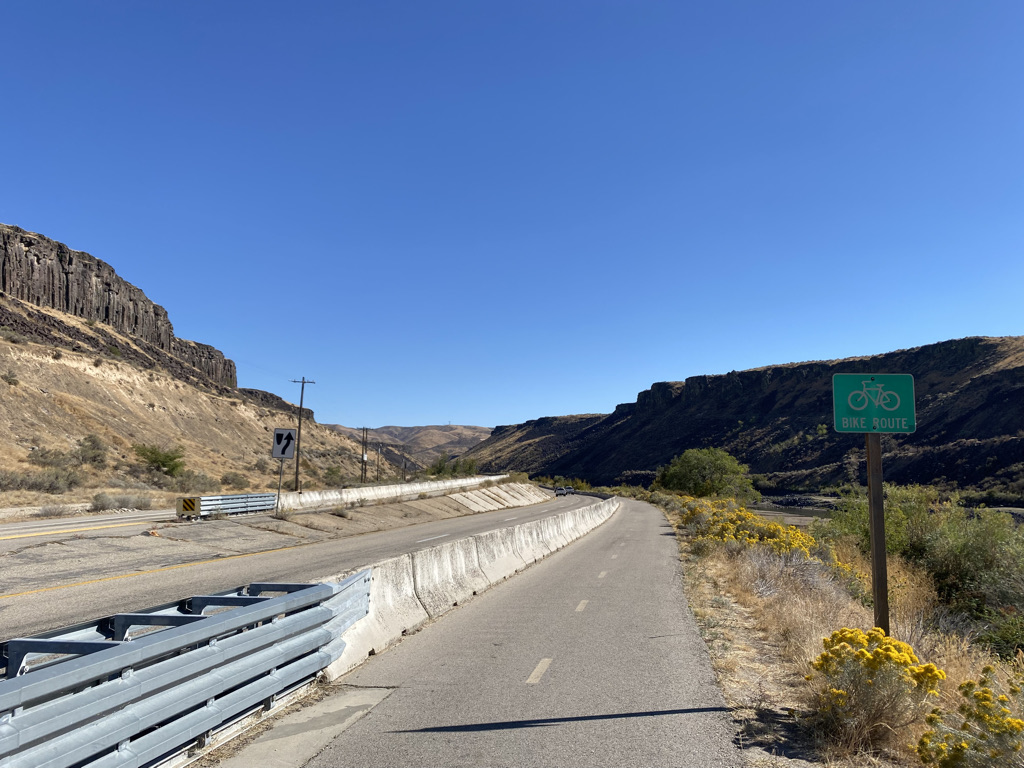
Has some cool bike trails.
Which pass through city parks.
And to some amazing destinations outside the city.
However, I learned early on that people in Boise, particularly long-term residents, do not necessarily love the comparison. Boise is one of roughly ten cities that are rapidly expanding as people seek out destinations where they can be around other innovative types of people, but in a place that is more affordable than places like Silicon Valley.
I cannot accurately comment on how things are going in Austin, Oklahoma City, Phoenix, Salt Lake and Seattle, but some longer term Colorado residents lament how many new people have arrived over the past decade or so. The metropolitan area is more congested, with more traffic. However, what people seem to lament the most is how many more people an always be found on our trails and in other areas of scenic natural beauty. It feels like Idahoans do not want to follow that path. They like how empty the nearby natural beauty is.
It’s always tempting to compare things to what we already know. However, whether we are talking about a city, a music genre, business idea or festival it is important to let it be its own thing as opposed to trying to recreate something that already exists.
After all, if all we did was recreate what already exists there would never be any reason to go anywhere.
Well, I guess there would still be difference in natural scenery.
As well as climate and crops.
But there would be no reason to visit different cities. We would not let places have their own flare with things such as blue football fields.
Really small water fountains you can still run through in October.
And, apparently a happy hour where your dog can drink.
Boise will likely continue to grow, as remote work permits more people to live away from some of our most expensive real estate markets.
How it grows is yet to be determined. As it grows, the place will likely become more exciting, with more activity around town. However, as Boise grows, will it be able to do so in a manner that allows the place to maintain its own unique identity? Will Boise residents still be able to get away from all the noise, all the people and daily concerns in less than half an hours time? Only time will tell.
There are many ways we travel and many reasons we travel. In retrospect, it seems rather silly that when I was a child, people used to lump all travel into two categories; business and leisure. Leisure travel, previously defined as anything other than travel for work, can take on many forms. We travel to visit friends and family. We travel to see specific destinations. We travel for specific activities. Having lived in the Midwest for a lot of year, I am more than familiar with travel to escape the winter and other bad weather.
The great thing about all these modes of travel is that it is possible to visit the same place many times and have completely different experiences.
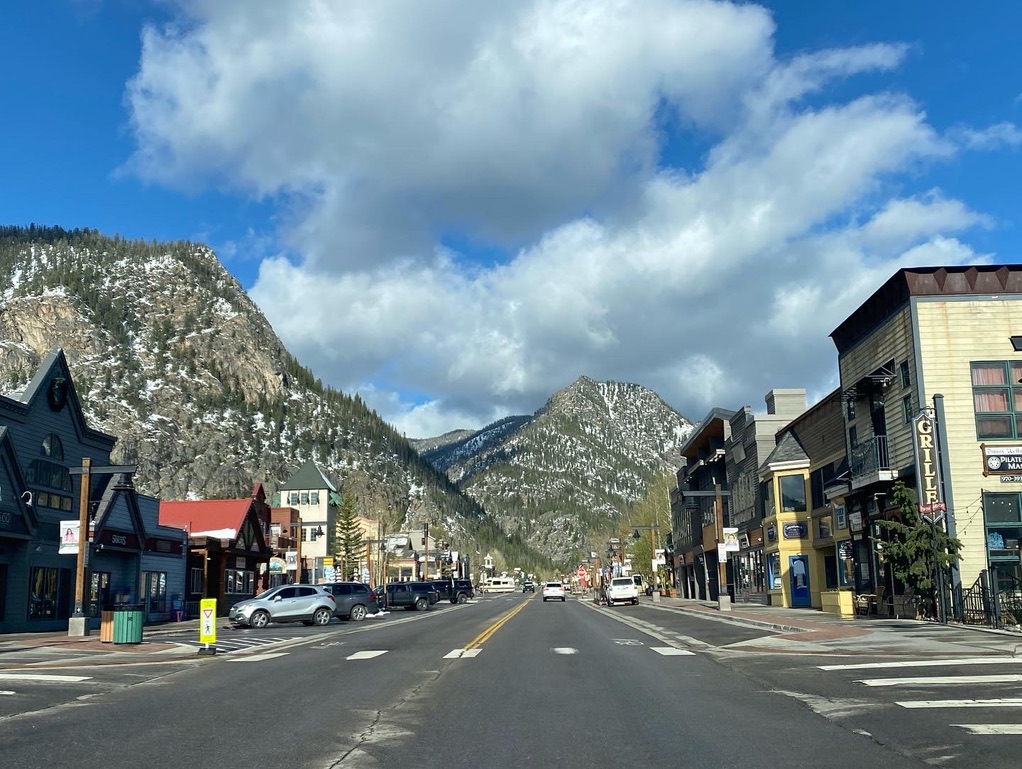
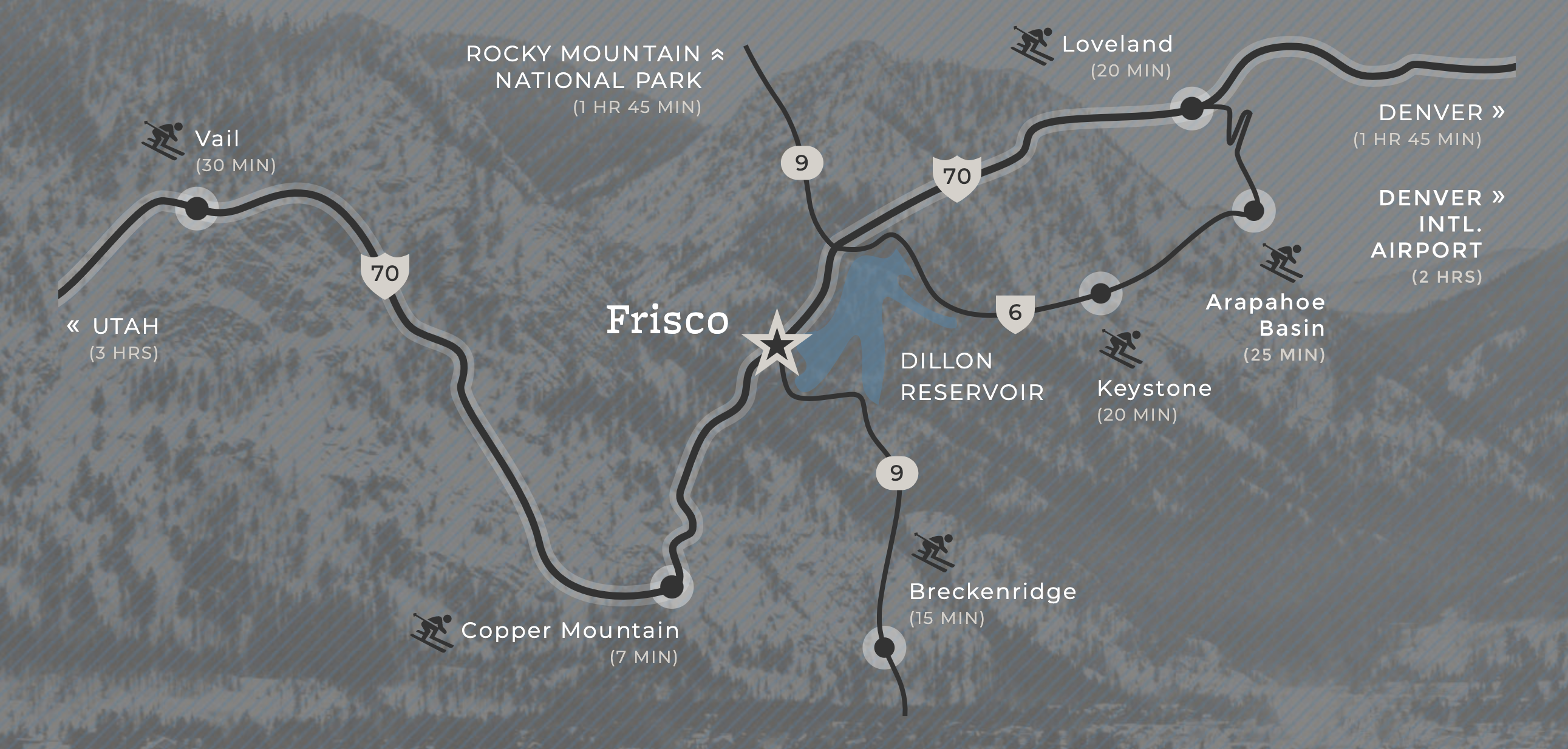
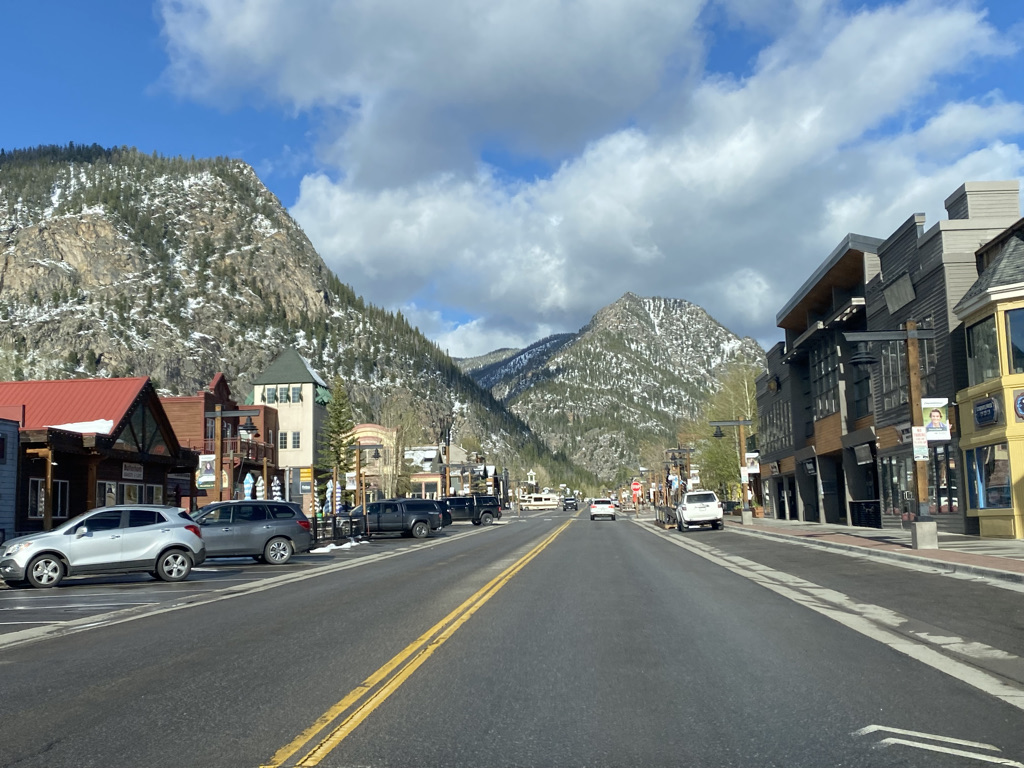
Frisco is unique in that it is situated near many of Colorado’s best ski resorts.
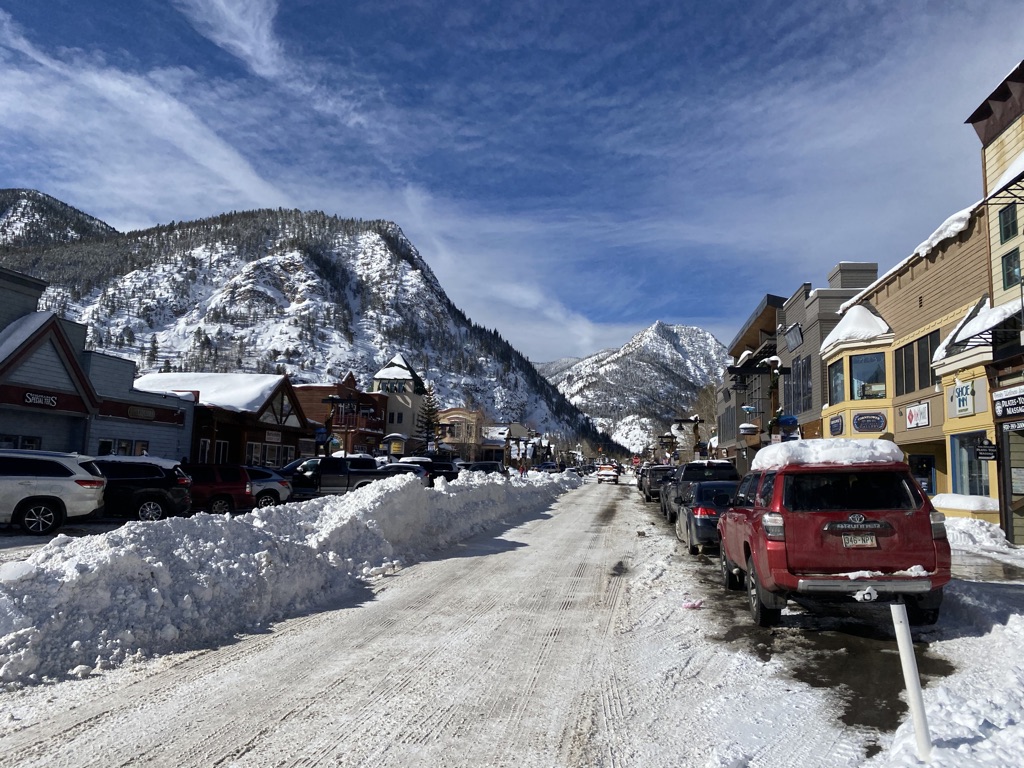
Yet, unlike Breckenridge or Vail, the town is not the site of a ski resort. Therefore, winter in Frisco is active but not in the same way these ski resort towns are. Still, there are a lot of people out and about. It is easily the most active time of the year in Frisco (except, maybe when a major snowstorm closes the highways).
Summer also tends to be active. The area is a great place to escape the summer heat and take part in activities like enjoying the mountains from the seat of a bicycle.
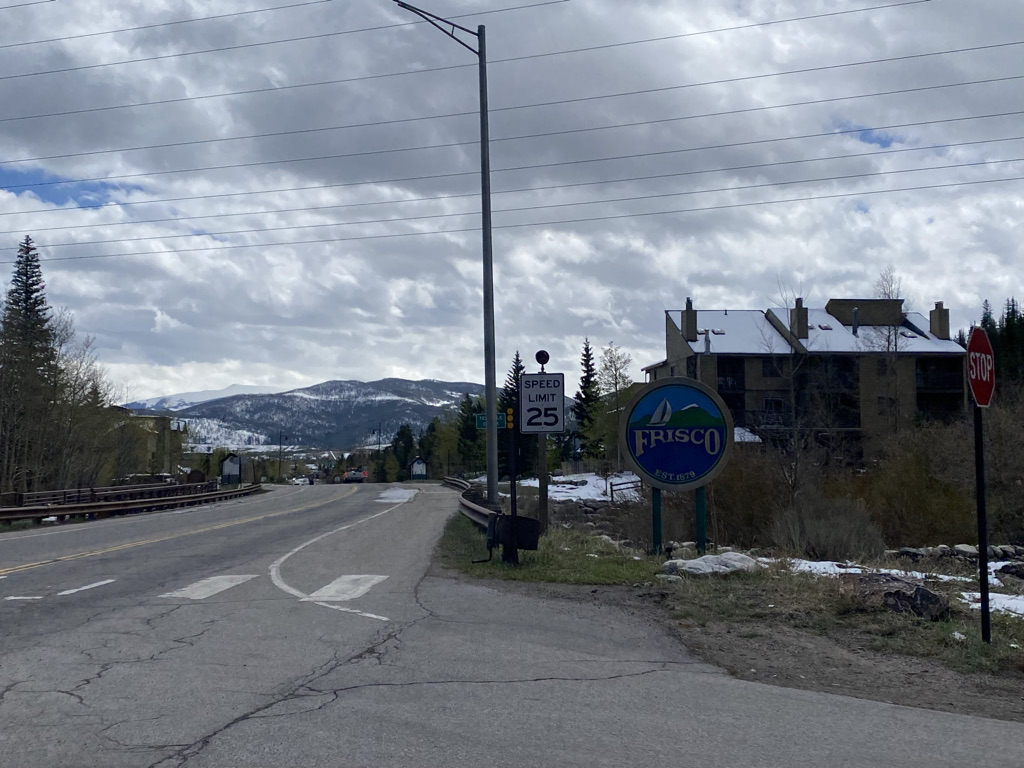
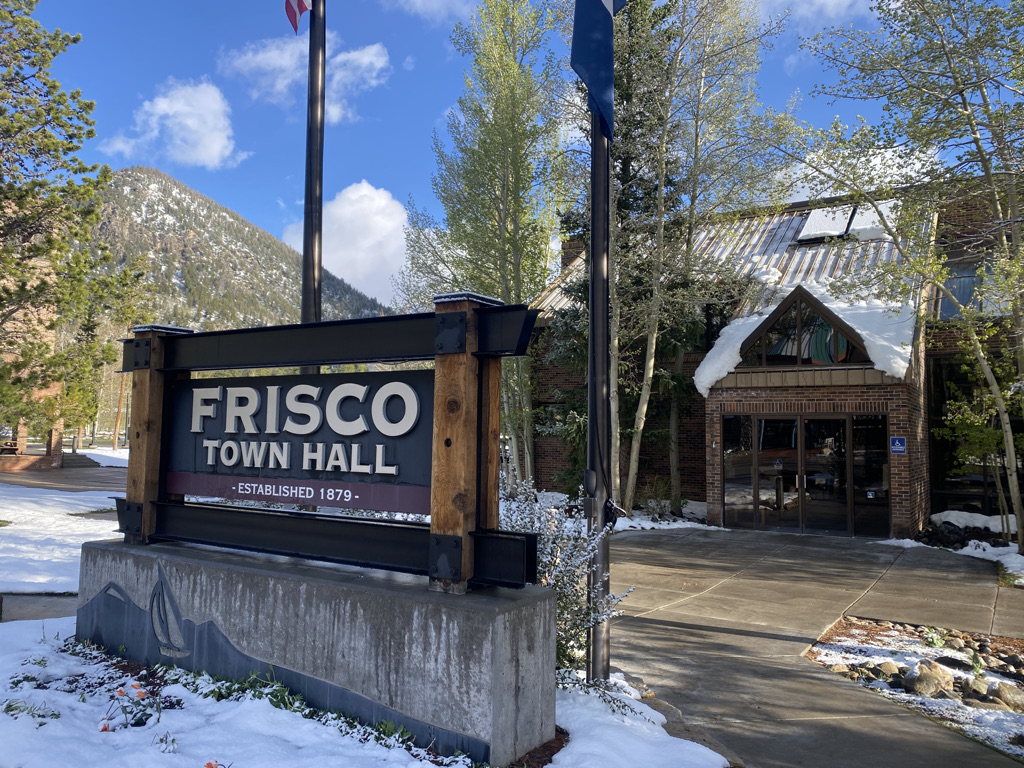
The morning of May 23, 2022, for perhaps the first time ever, I saw Frisco extremely quiet.
There was nobody walking around. The experience reminded me of the few times I would wake up before 8 A.M. on a Sunday while living in Chicago. It was the only time I saw a city that was always crowded and noisy quiet and calm. This place was quiet and calm because the activities that drew visitors all weekend had come to an end while the weather had yet to improve enough for many of the outdoor activities that draw summer visitors. There were low clouds.
Fog, and even a little bit of snow.
It was enough to make Frisco quiet, even when the sun would peak out for a little bit.
It was even enough to make the typically even busier Breckenridge feel rather calm.
The conversations were different too. People I would encounter around town were not reflexively asking questions like “where are you in town from” and “how long are you here.” Instead, I was asked to identify a bird and about trail conditions. In a way, I was seeing the place the way the “locals” see it. Still, it made me wonder….
Do locals only get to act like locals, in the open like this, a few months out of the year, in between seasons?
Or is there a secret set of places they go during the more active seasons, particularly from December through early April?
What’s it like growing up in a place like this, not knowing that most people don’t live places constantly crawling with tourists?
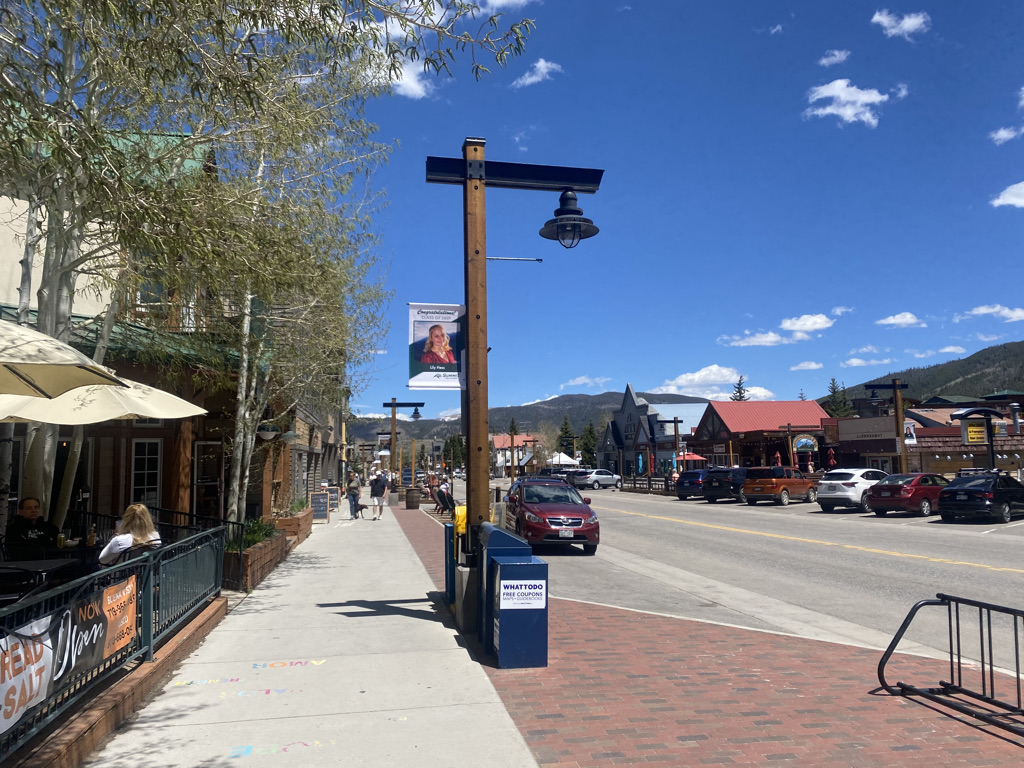
On this trip, I also got to see more of Frisco. Most of my previous trips to Frisco primarily involve being on Main Street.
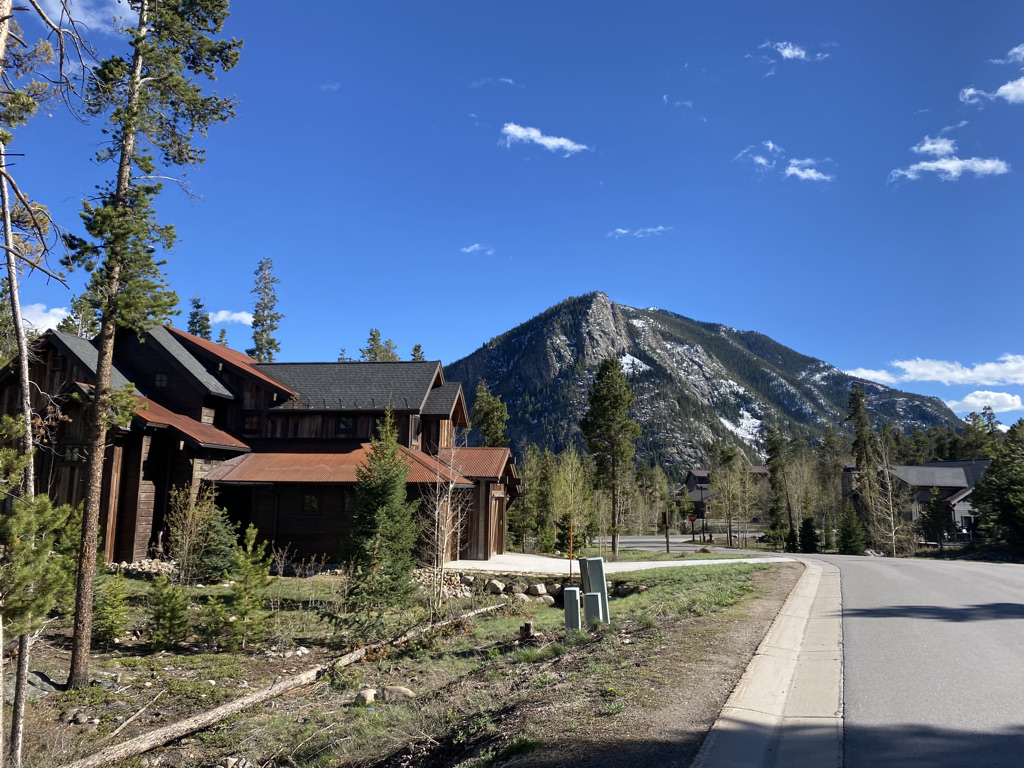
It is the face of the town. But, on this trip I spent a little bit of time in some of the other, more residential areas of town.
I saw where the creek flows between houses.
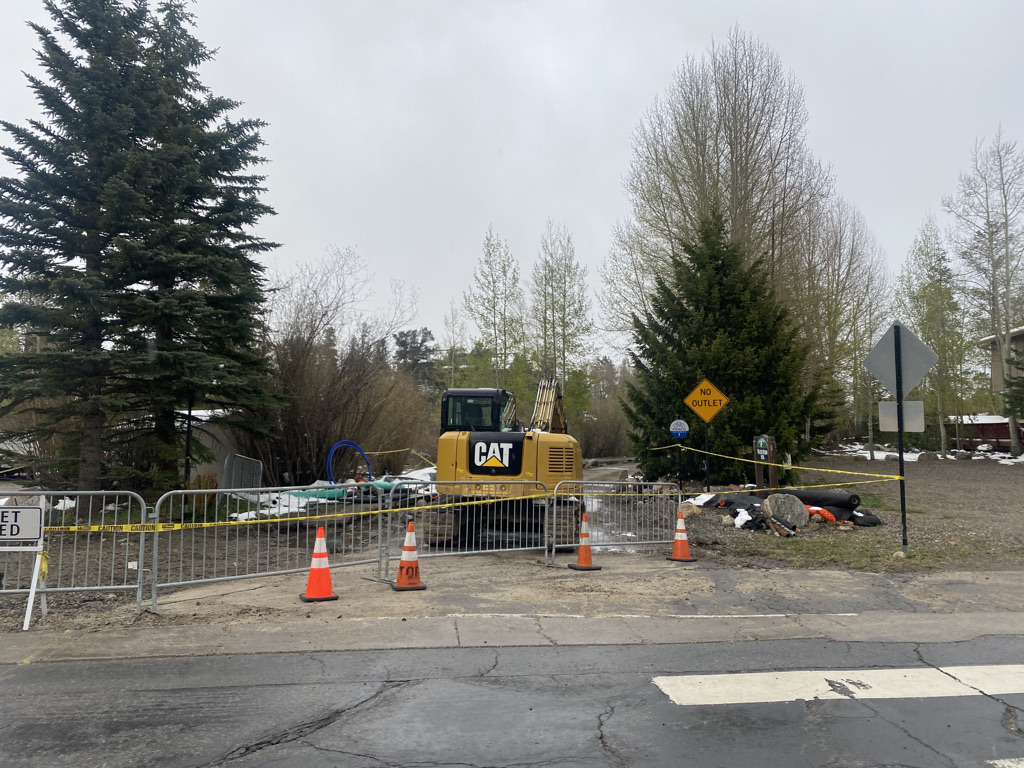
I even saw where they were in the process of building a new recreational trail.
Frisco is one of those towns with hiking trails right on the edge of town. Residents and visitors alike can just walk up to a hiking trail and climb a mountain. I did this twice during my off-season visit to Frisco. On the other side of I-70, there is the North Tenmile Trail, a hike that follows the Tenmile Creek into the Eagles Nest Wilderness.
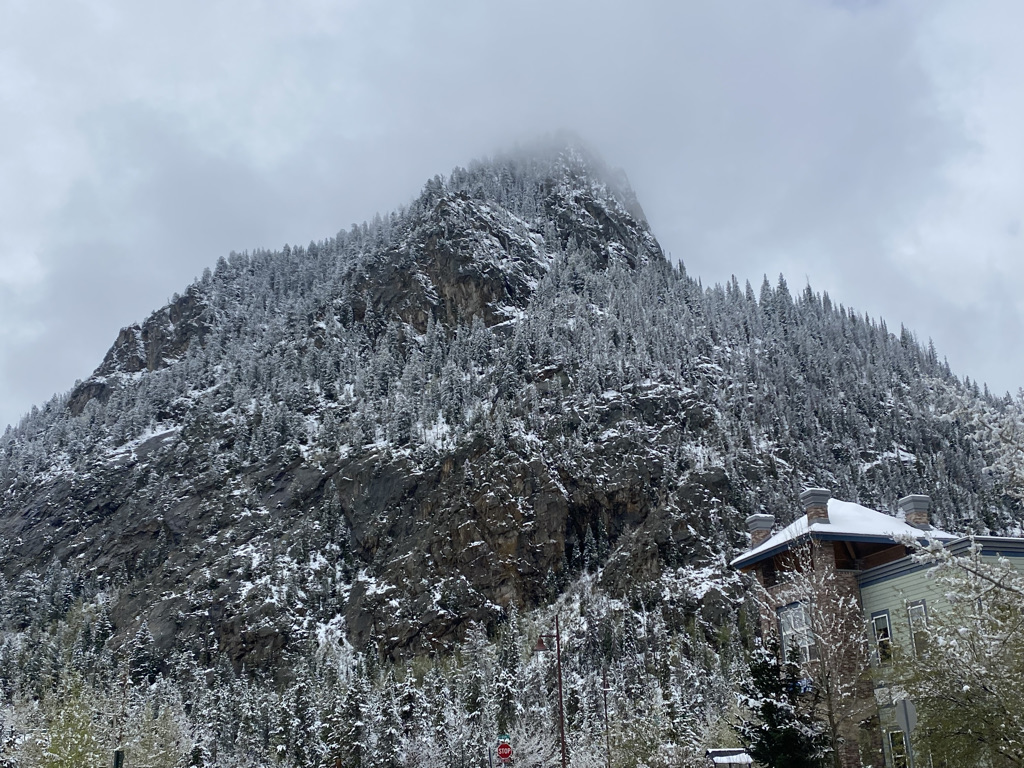
This mountain is impossible to miss. It is quite likely that for most, the idea of hiking up this mountain feels quite intimidating. The hike is steep right from the start and is steep the whole way.
However, it leads to amazing overlooks of I-70, the Tenmile Canyon (just west of Frisco) and a whole new perspective on the town of Frisco.
On previous visits to Frisco, I experienced Frisco how tourists experience it. I saw the bus to the ski resorts. I heard conversations about vacations, time shares, flights and favorite slopes, shops and restaurants. This May, nearly a decade after discovering this town, I finally experienced it more like a local, slowing down a bit and adjusting for things that almost never happen during the busy season, like restaurants being closed on Mondays and Tuesdays and full days without any activities.
This is a guest post written by Henry Moore. Henry is the co-creator of FitWellTraveler. The site blends two of his favorite subjects (travel and health) to provide readers with information about how to get the most out of both.
Experts agree that a vacation can benefit your mental health. You may find that you experience less stress, increase your productivity and sleep better. You do not have to vacation for weeks or months, however. Sometimes, you need to find yourself somewhere to spend the weekend away from the hustle and bustle of everyday life. Looking for budget-friendly ideas can help you find a vacation spot you return to every year. The guide brought to you by The Action Story can help you find a place that’s fantastic and budget-friendly.
Ideas for Budget-Friendly Destinations Ideas
Think about destinations where you can spend little money. For example, bike rides through Utah’s most challenging roads may give you a sense of freedom without a high cost. There are various ways to relax and enjoy yourself without spending a lot of money.
Camping, for instance, doesn’t involve expensive hotel or restaurant costs. Some campsites are free, whereas others cost much less than other options. In addition, you bring your food to prepare for the trip. Other ideas include:
Outdoor excursions tend to cost less and can also be more healthy. If you need to destress on your vacation weekend, the outdoors may raise endorphins and leave you happier.
Ways To Break Away From Work
Before you leave, tie up any loose ends at work. For example, if you have a business, you may want to designate someone like a registered agent to help your business run smoothly. Outline major decision-making processes for your registered agent to ensure that you do not have to worry if anything serious like a tax notification or lawsuit pops up without you.
You should not have to worry about work while on your weekend getaway. This is your time to decompress, so have a game plan before the weekend. Try to anticipate any issues that may arise and create a strategy for others to handle them if necessary. If you have a boss or supervisors, allow them to know your plans. This keeps him or her from trying to contact you over the weekend.
When on vacation, you have an opportunity to reset your body and live in the present. Sometimes you’ll find that you return to work with less burnout and more creativity than before. Do not worry about your workload piling up in your absence; you deserve the break.
Deals To Keep You Under Budget
There are various ways to save money on any trip. If you plan to leave the country, go somewhere where you can stretch your dollar further. Additionally, look for cheap travel deals. Sometimes you may find flights to other states or cities to enjoy on short notice. Do not spend extra money on drinks or dessert if you want to eat out on your trip. Instead, seek grocery stores for more expensive items.
When it comes to packing, try to stay light. Some buses and airlines will charge you more for too much luggage. If you have heavy items, exchange them for lighter ones. For example, you may want to choose travel-sized items or find items that serve multiple purposes.
If you want to plan a weekend getaway, there are various ways that you can save money. You do not have to choose expensive hotel rooms or expensive entertainment. Planning a short vacation can significantly reduce your stress levels and benefit your health.
Finally, if you are looking to travel internationally on a budget with little hassle, consider the ivisa program for your global entry needs.
It’s been hard to know what to expect the last two years. First, places that are typically lively, full of people, full of life, suddenly became empty as the pandemic shut down businesses and places of gathering.
Then, for nearly two years, our experiences became variable and inconsistent.
It felt like the whole world was suddenly subject to mood swings that are impossible to explain or predict. Maybe we are still in this period of uncertainty, but I was pleasantly surprised by the energy levels on my last two trips.
The last weekend in March, Moab was quite lively.
The town was busy! There were a lot of people out and about, walking around and having experiences. Traffic actually made it quite a challenge to make a left hand turn. People all seemed lively. The energy was just great!
The same can be said of Chicago a couple of weeks later.
The energy, the spirit of the big city could once again be felt both on a Thursday evening with horrible weather and a Saturday night with better weather. There were a lot of people, out in groups, in the bars, as well as along the street where there is typically a lot of nightlife. It felt good just to know these places are back!
These places could hardly be any any different. Chicago is a city of 2.75 million with many skyscrapers and what can seem like endless unique neighborhoods to explore.
People who visit come for a truly urban experience, doing things like going to museums, summer festivals, professional sports or visiting friends and family.
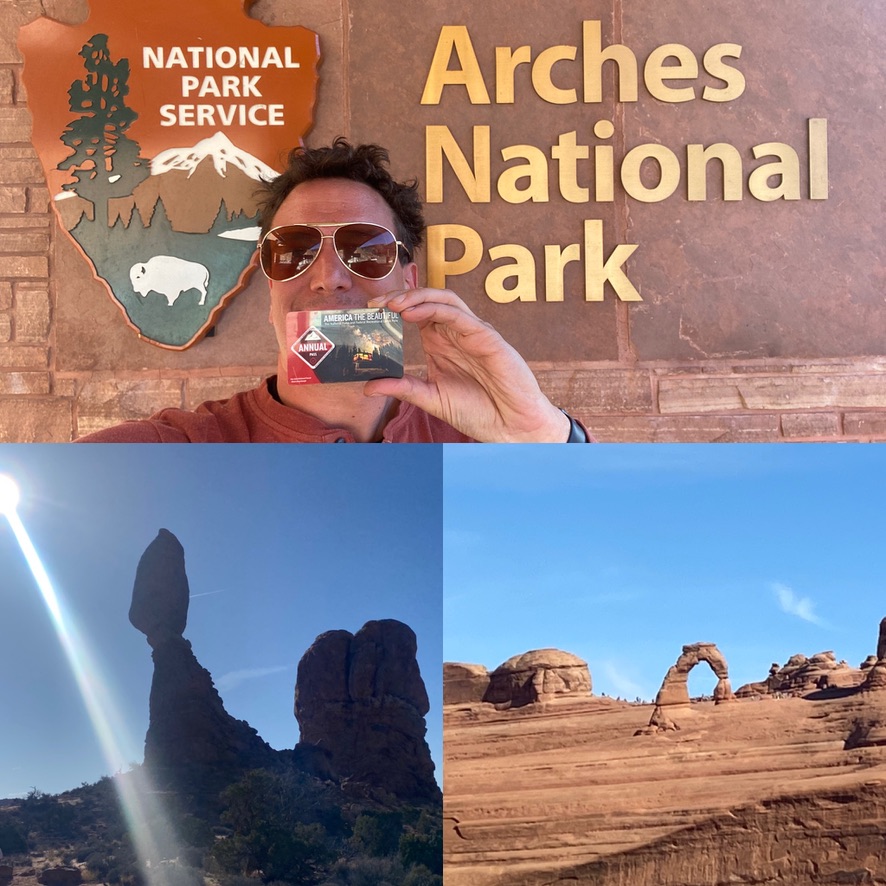
Moab, by contrast, is a town with barely over 5,000 residents adjacent to two National Parks.
Most of the people one would encounter here are tourists who came to explore the outdoors. Moab is known for Jeeping, mountain biking and hiking among other activities.
These settings, while different, warmed my heart in a similar way. There is something about seeing people out and about, interacting with each other, interacting with the world, and doing so in a way that feels joyous. It is the combination of joy and crowds that extroverts have missed so much over the past couple of years.
These recent experiences have demonstrated that there are often multiple ways to obtain the same underlying feeling, and maybe it is a good idea not to get too attached to one specific experience. There are often circumstances that require versatility. Sometimes the weather is not what we were hoping for.
Other times it’s our schedules, our health, someone else’s needs or just plain bad luck.
When this happens it is helpful to know that sometimes a different experience, but one that is feasible given whatever our circumstance is can be a really good substitute, providing almost the exact same underlying feeling we are looking for. So far this spring, I have been in lively joyous crowds both in a tourist destination surrounded by people on vacation and in a large city surrounded mostly by people who live there. Next time we find ourselves disappointed by not getting the exact thing we want, maybe we should try to think about the underlying reason we wanted it and try to find another path.
When people think of Moab, they do not often think of road biking. My day started out at Chile Pepper Bike Shop, where I watched vans depart with groups of people and rented mountain bikes as I got my bike prepared for this ride. These vans could have been going anywhere, as the options for mountain biking in the area seem endless.
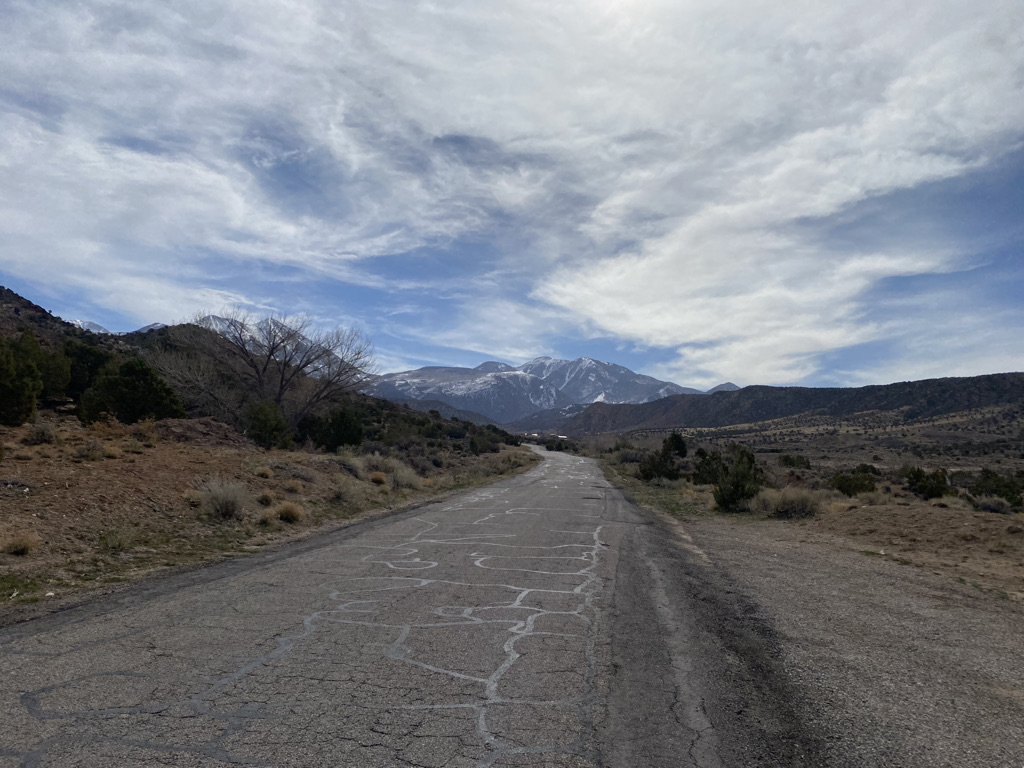
Moab is surrounded by all kinds of magnificent scenery, from the La Sal Mountains, to the unique natural features in the National Parks, the beautiful rock structures and the Colorado River Valley. I wanted to experience it in a way one can only experience a place using their own power, on the seat of a bicycle.
The La Sal Mountain Loop Ride is a 62 mile loop that can be completed in either direction out of Moab.
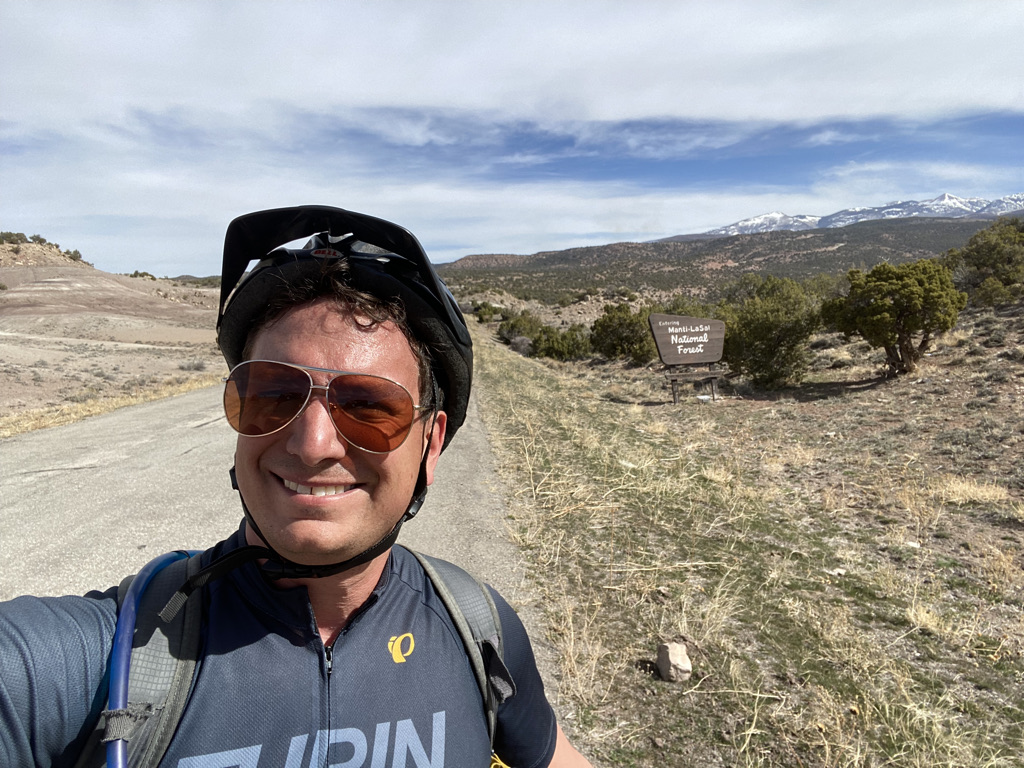
Trusting my instincts, I decided to start the day headed South out of town. The climbing starts immediately, headed towards a development area called Spanish Valley.
By the time I had reached the end of this area, I had already climbed over 1,000 feet (300m) in elevation. This is where the challenging part begins.
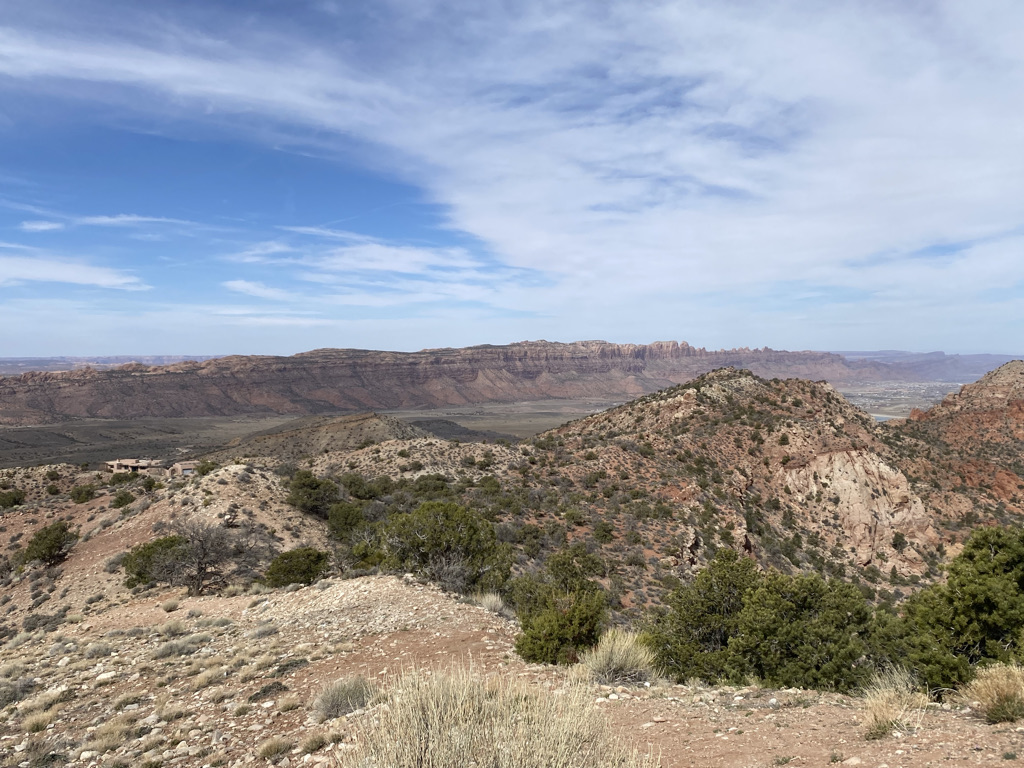
This ride was even steeper than I thought it would be. Before I knew it, I was overlooking the town from above and viewing the rock structure that follows highway 191 from a whole different vantage point.
A couple of switchbacks later I was nearly 2,000 feet (610 m) above town, at an elevation just over 6,000 ft. (1.85 km).
I passed by a couple of campers who yelled out some words of encouragement that reminded me of last year’s Ride The Rockies event. I responded that I still had a long way to go, as I knew the ride topped out over 8,200 ft. (2.5 km).
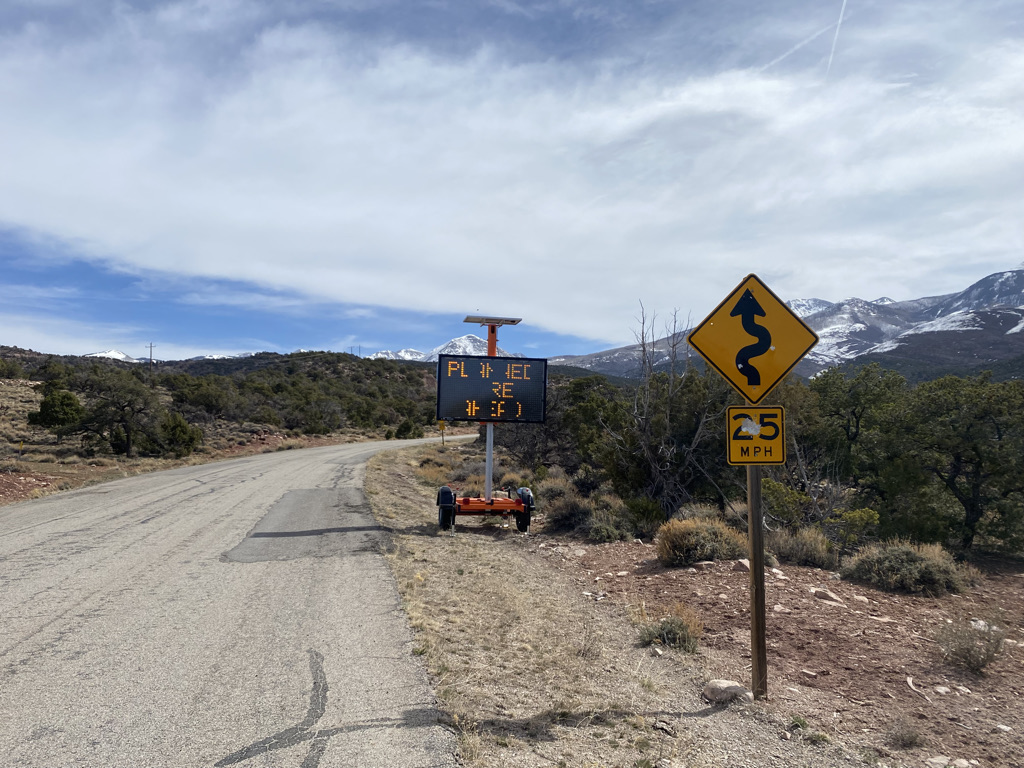
More exhausted and dehydrated than expected, that one moment arrived. Anyone who has ever done anything challenging knows this moment all too well. It is when we receive some kind of a reminder that there is always the option to quit. The reminder can often come unexpectedly, or in a form so subtle that it is hard to see why this temptation to quit has suddenly entered the mind. For me, it was a road sign near where my camelback unexpectedly ran out of water.
This sign reminded me that in terms of distance, I was still only 1/3 of the way through the ride. It also reminded me that I could turn around and get back to Moab without having to do any climbing. It would all be downhill.
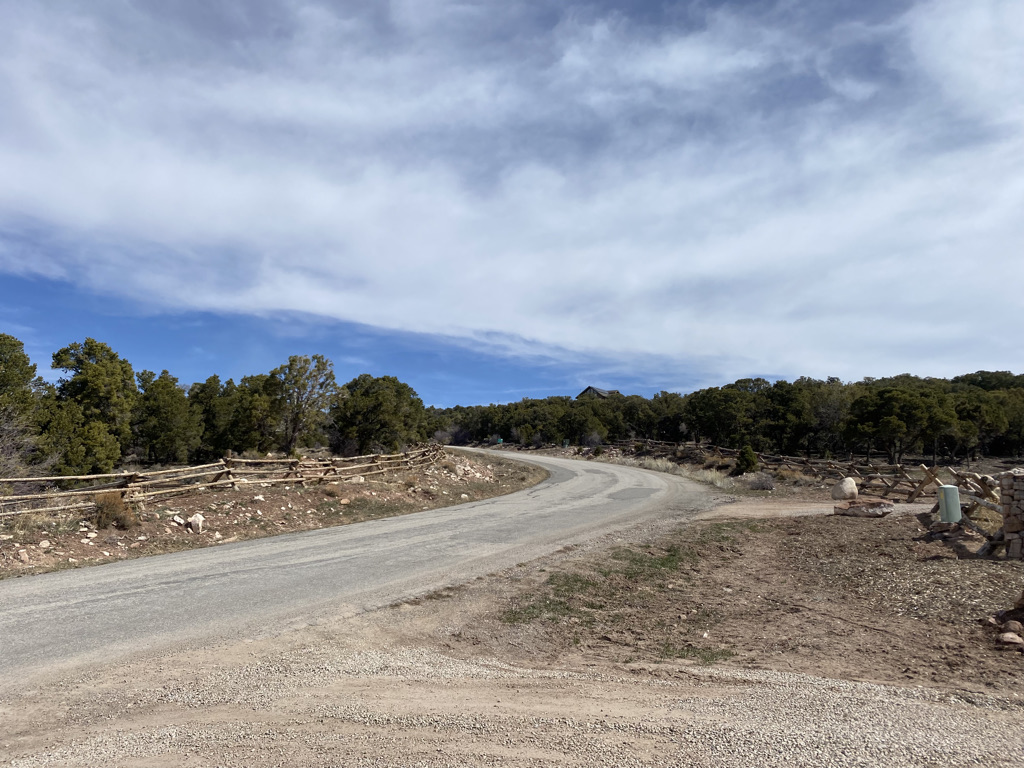
Although it was almost too convenient not to turn around I pressed on. Snow began to appear more and more on the side of the road despite the temperature still being around 60°F (15°C) at this higher elevation. The relatively cooler air did make the ride a bit more pleasant
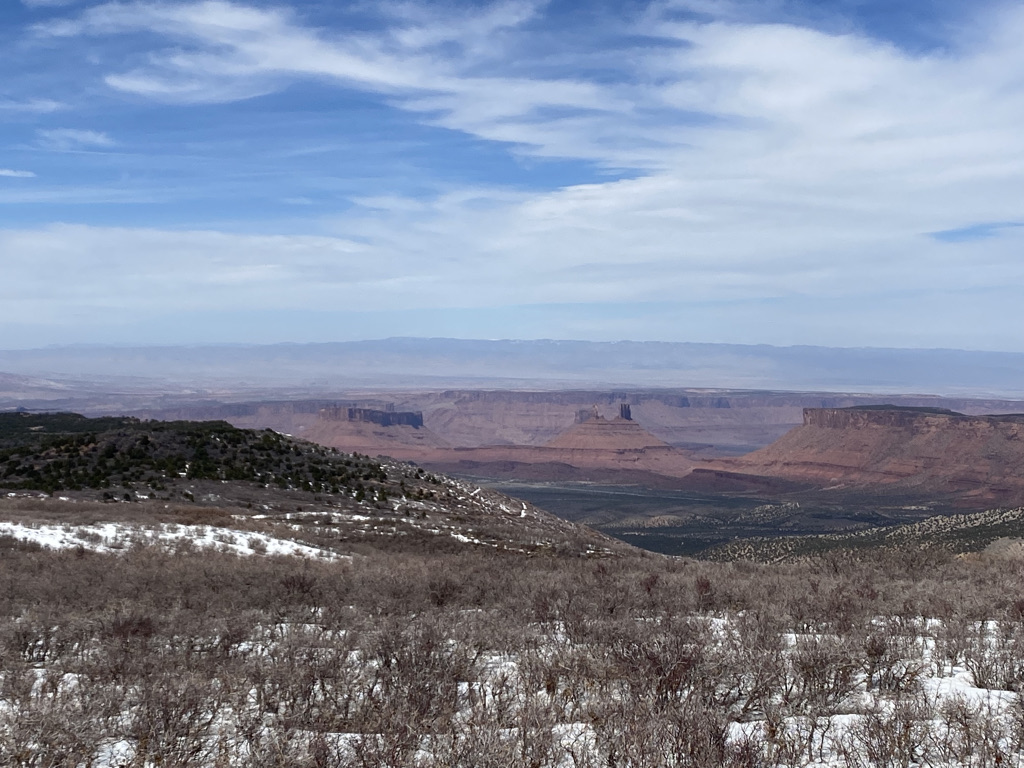
After a few more rolling hills and climbing another several hundred feet, suddenly it was there, the view that made the whole thing worth it. The La Sal Lookout Point. The highest point of the ride. This moment was kind of like the inverse of the moment where we are reminded we can always quit. It’s the moment where something appears, reassuring us that it is all worth it. It’s that reminder we get about why we took on such a challenge in the first place.
The entire Castle Valley suddenly appeared like a scene out of a western film. It is the kind of place the Native Americans have tons of stories about, explorers used as landmarks and office workers filled with wanderlust go to in order to feel truly alive and connected to a planet larger than their 6 by 9 cubicle and 1,000 square foot apartment. Just looking onto the horizon makes a story come to life, about people, nature, history, hopes and dreams.
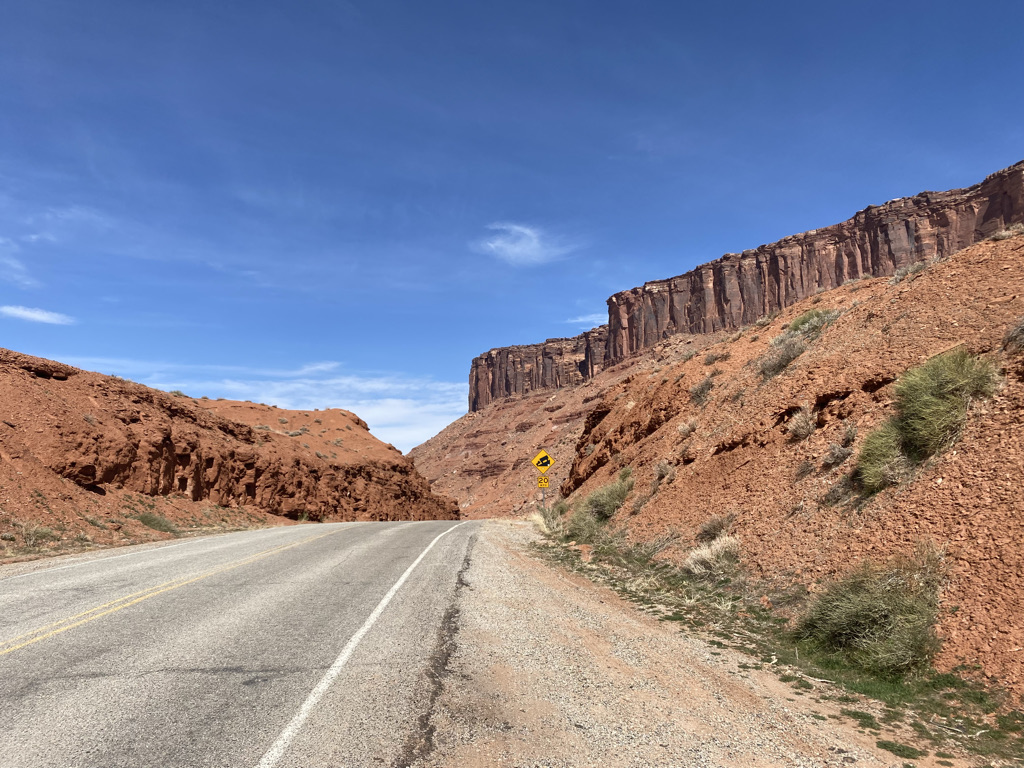
My instinct to ride this loop in the counter-clockwise direction proved to be the right instinct. I would have this view for my entire descent, gradually getting closer and closer to these iconic rock structures.
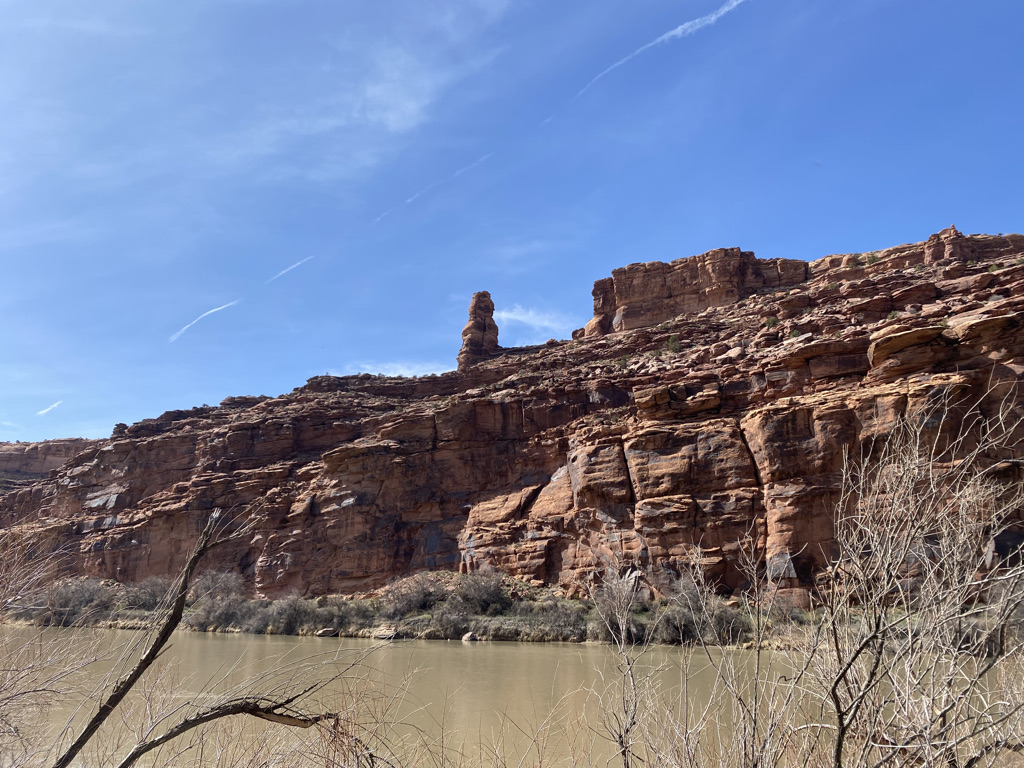
Until, I was finally in it, at the base, in the Colorado River Valley.
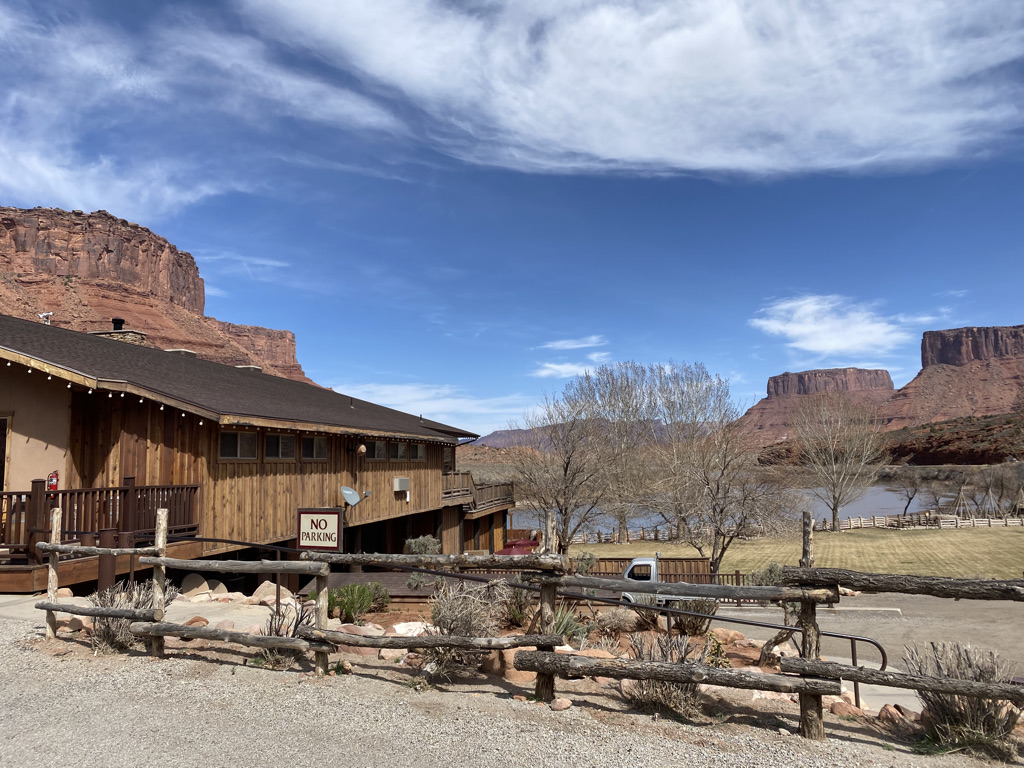
The final part of this ride, along highway 128 headed back to Moab is a bit busier than the rest of the ride. This scenic highway following the Colorado River is full of resorts like the Red Cliffs Lodge.
Campgrounds and access points where people visit beaches or pull their rafts in and out of the water.
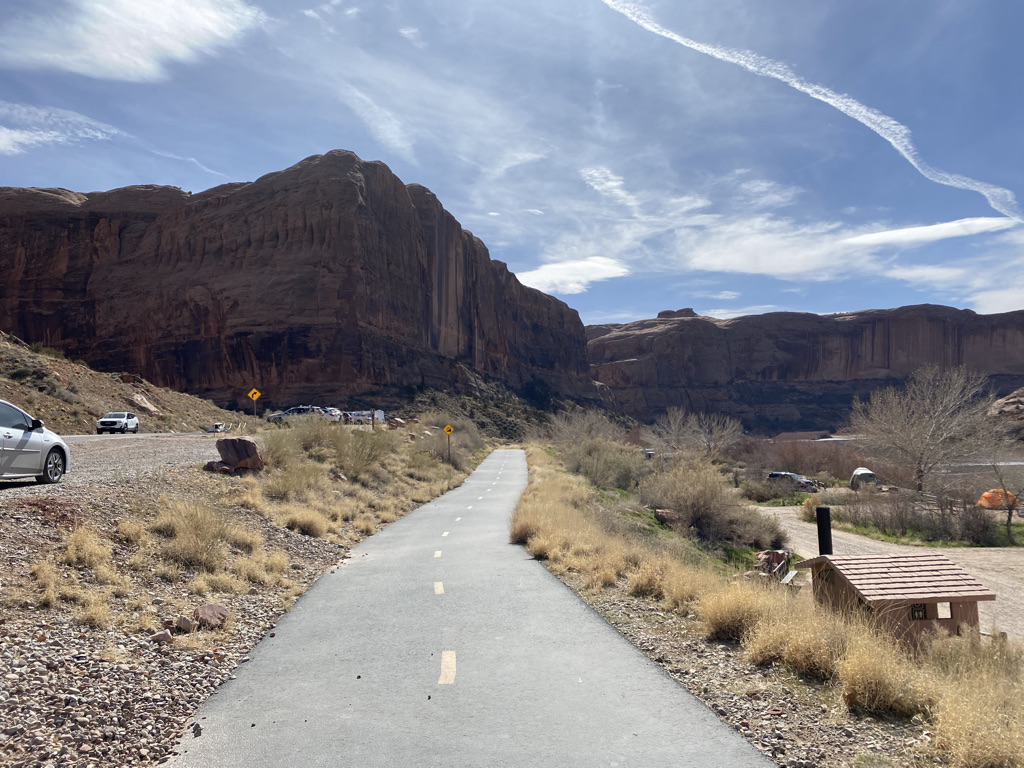
Luckily, the last few miles of the highway have a bike trail, which connects back into town.
Oddly enough, this bike trail was the only point along the entire ride where I encountered another cyclist. After all, while this is an amazing ride, and there are other great places to bike around Moab, Moab is still primarily a place for mountain biking. When we trust our instincts, are not afraid to go against the grain a little bit, and persevere through some challenges, it often produces amazing results.































































 The Action Story