Tag Archives: Colorado

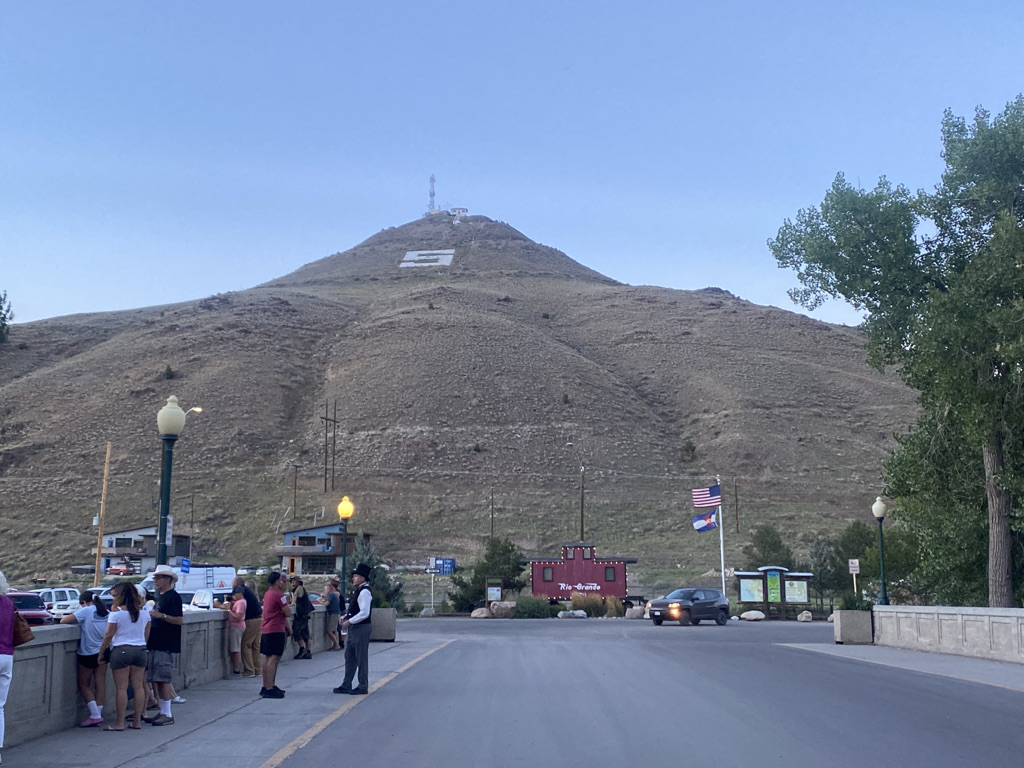
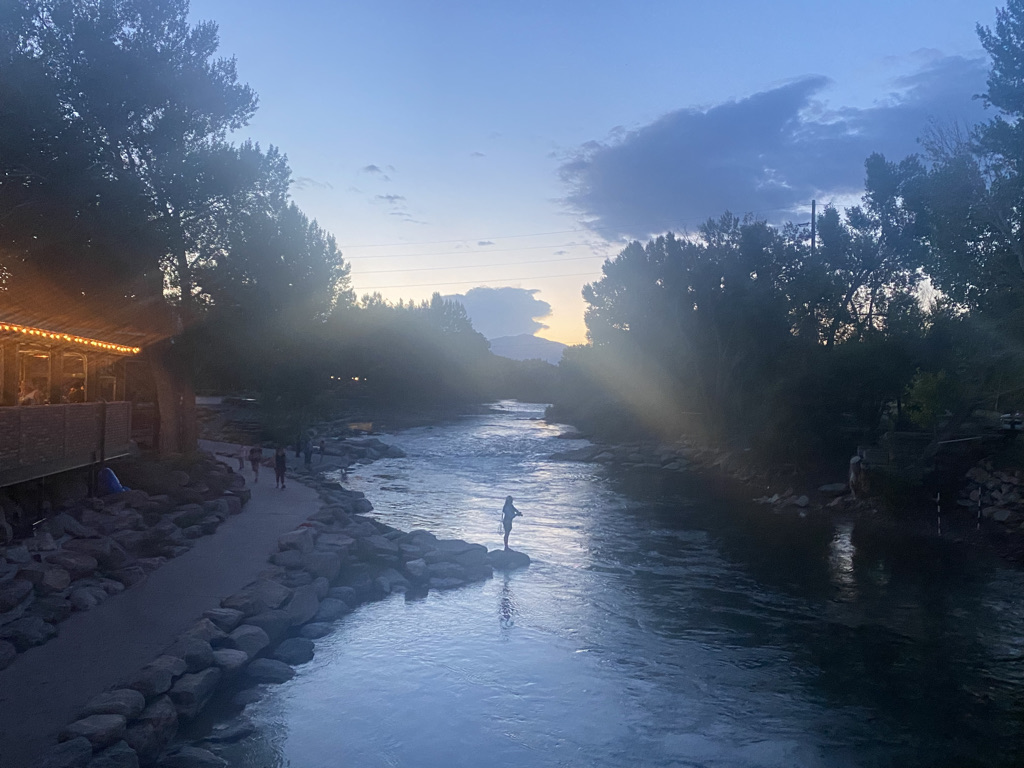
Small Town Colorado

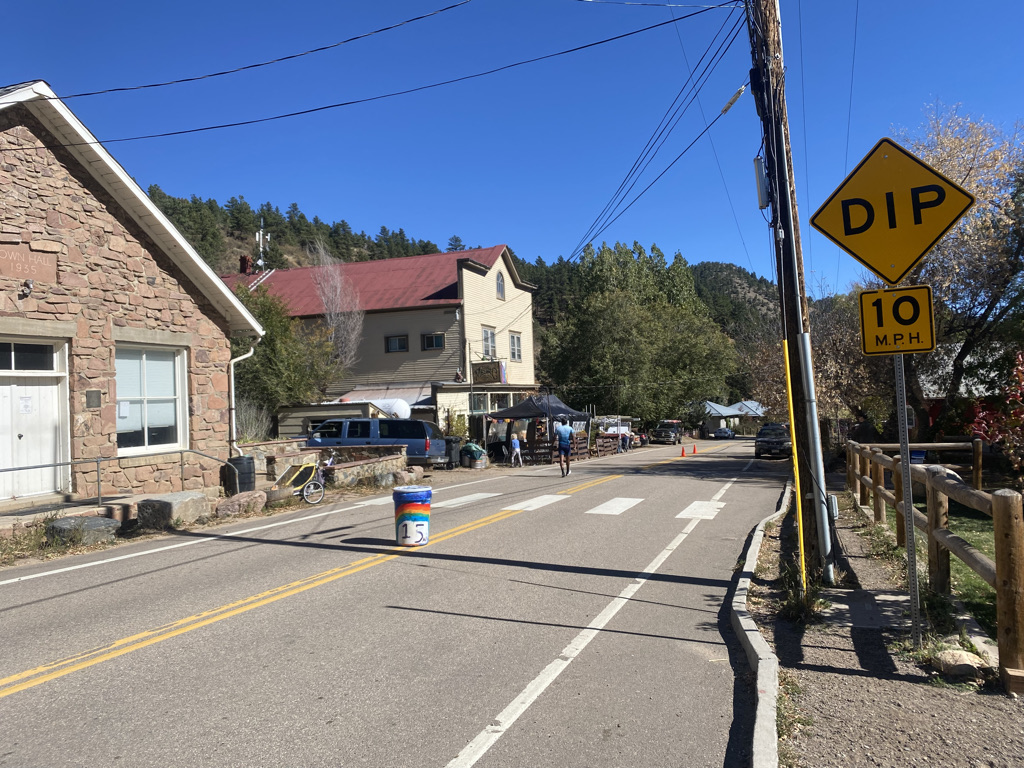
Travel has the potential to expand one’s point of view beyond the habits, priorities and perspectives that they are typically surrounded by. Visiting another location and being exposed to another culture serves as a reminder that the way things are done in the particular time and place a person lives is not the only way things can be done. However, in order to truly embrace this lesson a traveler must visit a place where they will truly be surrounded by different types of people and actually interact with some of the locals.

A lot of people visit places that are beautiful, but touristy.
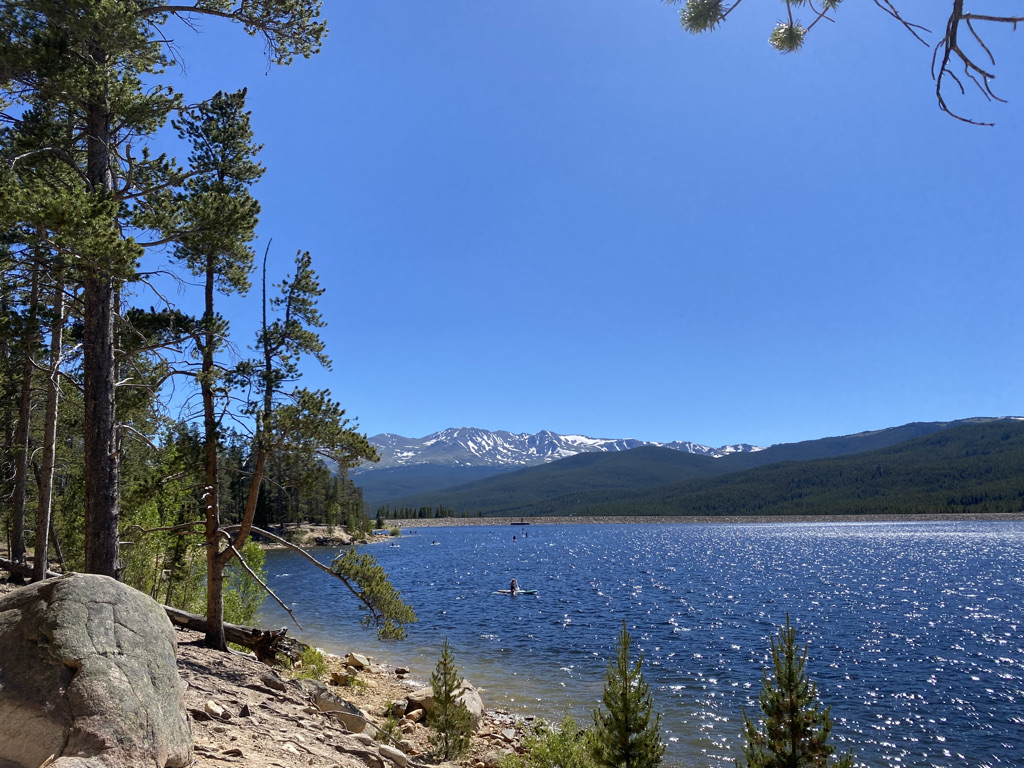
Although these trips are fantastic, they usually find themselves surrounded by other tourists.

Many of whom have similar circumstances and outlooks as their own.
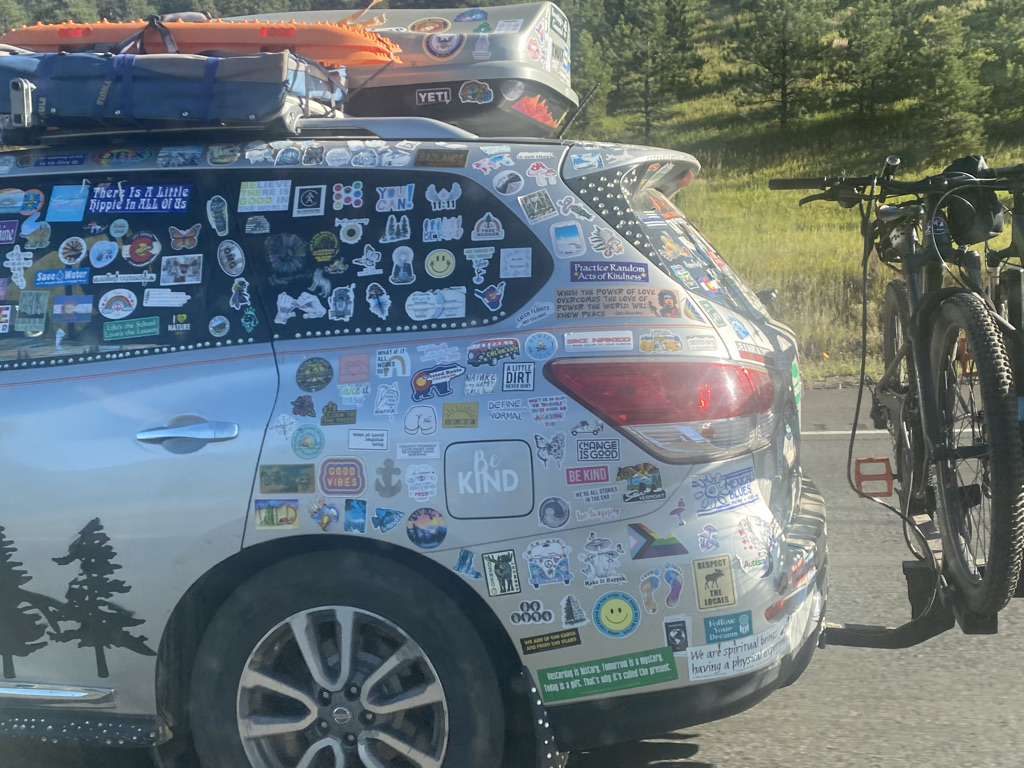
Truly getting out there and being exposed to different types of people, with different ways, different priorities, different customs and concerns requires being deliberate, both with respect to where to go and what activities to get involved in. An American could travel all the way to the other side of the world to do something like take an English language tour of the Taj Mahal and not really be outside of their comfort zone.

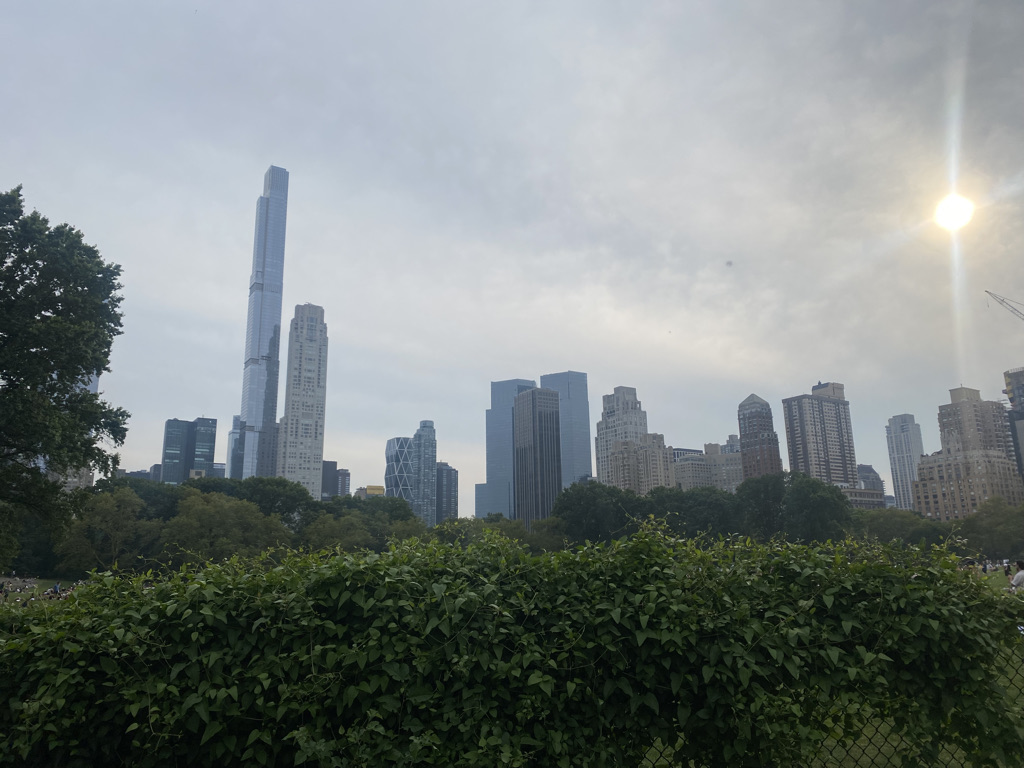
Luckily, the reverse is also possible. One must not travel far to be in a different place. In big cities like New York, ethnic neighborhoods give people the opportunity to visit a different place right in their hometown.
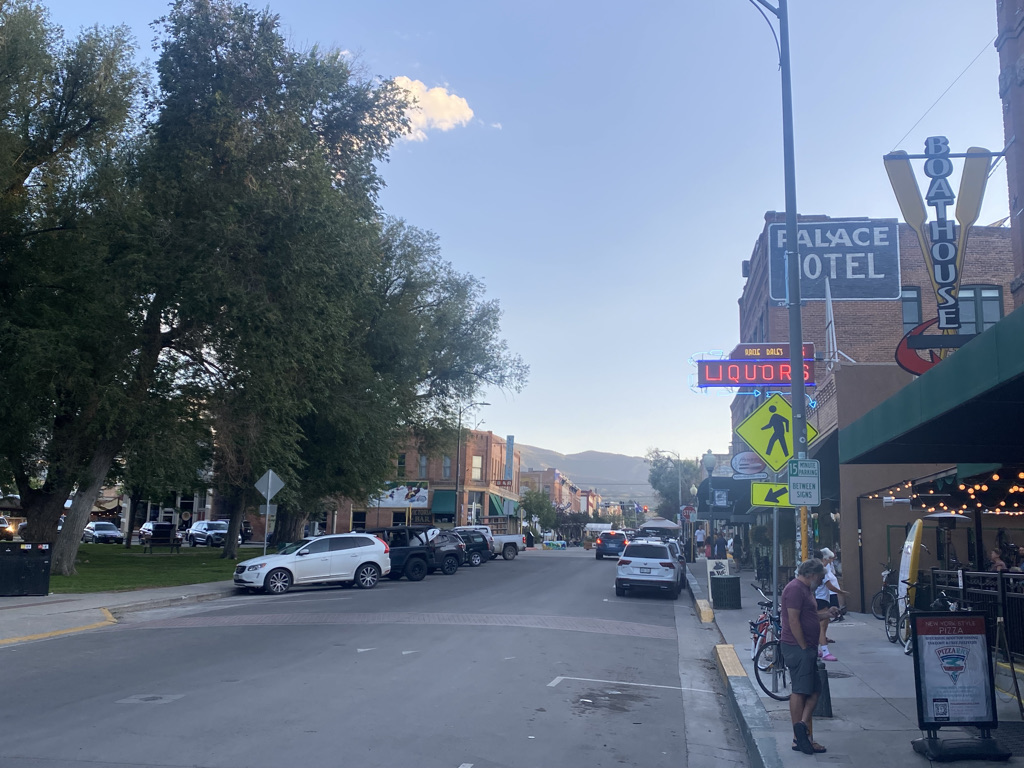
A state like Colorado gives people the opportunity to visit the other side of the primary cultural and political divide in the United States of America: The urban/ rural divide.

However, this requires going to places like small town churches.

Coffee shops

Or festivals

And talking to people who live that small town life.

Sometimes it even helps to take part in the activities they enjoy.

From an urban standpoint, it is easy to ask questions like…

Who would want to live in a place where the nearest Chipotle is an hour away?

Who would want to live in a town where you go to the same bar every weekend and encounter the same ten people every time?

What do people even do here most of the time?

And of course, the media and many political activists will not hesitate to to exploit those differences. It’s an easy way for them to get ratings, clicks and donations. Perhaps most sinister of them all, if a politician or political party can convince most of their constituents to fear the other, they can count on their support out of fear, disgust or contempt rather than having to actually serve their constituents needs.

Unfortunately, the big loser in this is all of the average person, becoming more isolated, depressed and distrustful of one another.

As is the case with every other cultural divide, on the other side of the urban/rural divide are people who, generally speaking are not all that different. They just live at a different pace.

There are some great ideas here and many take part in activities that are quite healthy from a physical, mental and spiritual point of view. Despite the divide and how its exploited, most people on both sides of it are friendly and accepting.

Travel, like life, has ebbs and flows. Some years offer many travel opportunities with abundant resources to explore exotic places on the other side of the world. Others require the focus to be kept close to home. These times do, however, provide the opportunity to explore what one can learn, see and experience relatively close to where they live.

It would benefit most people to reach across any of these divides. Particularly when a cultural divide is accompanied by a political one, there is a tendency to reduce entire groups of people to caricatures that are often a blatant missrepresentment of who they are. By meeting people and talking to them, it is possible to see who they really are.

September Backpacking in the Rio Grande National Forest

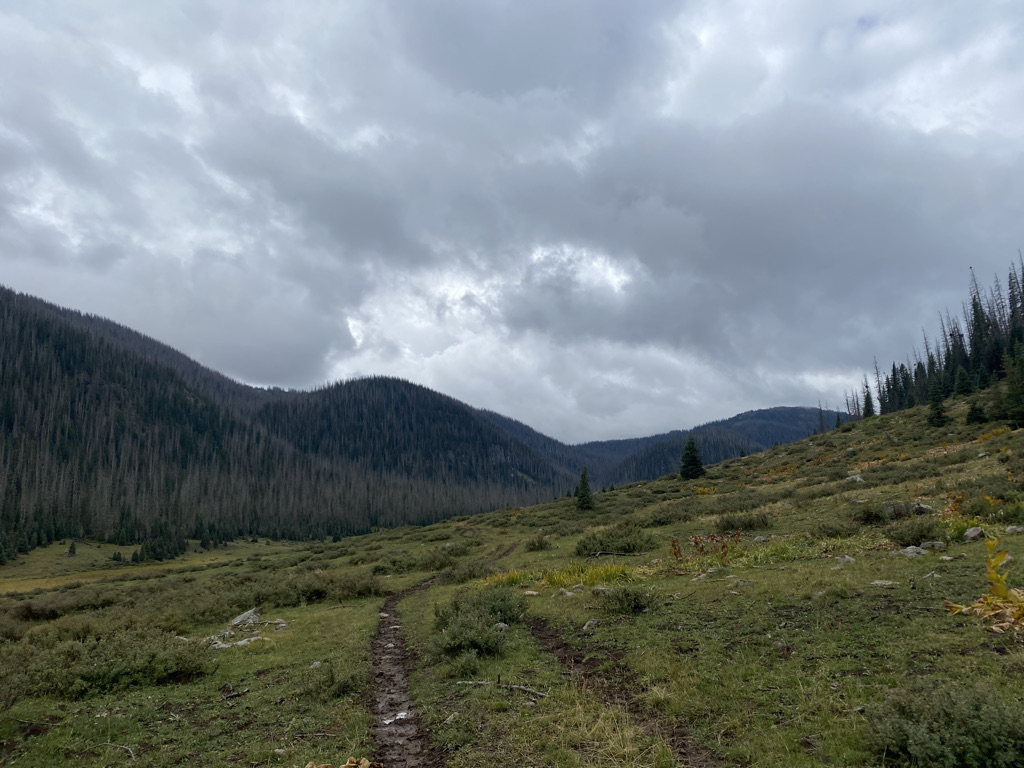
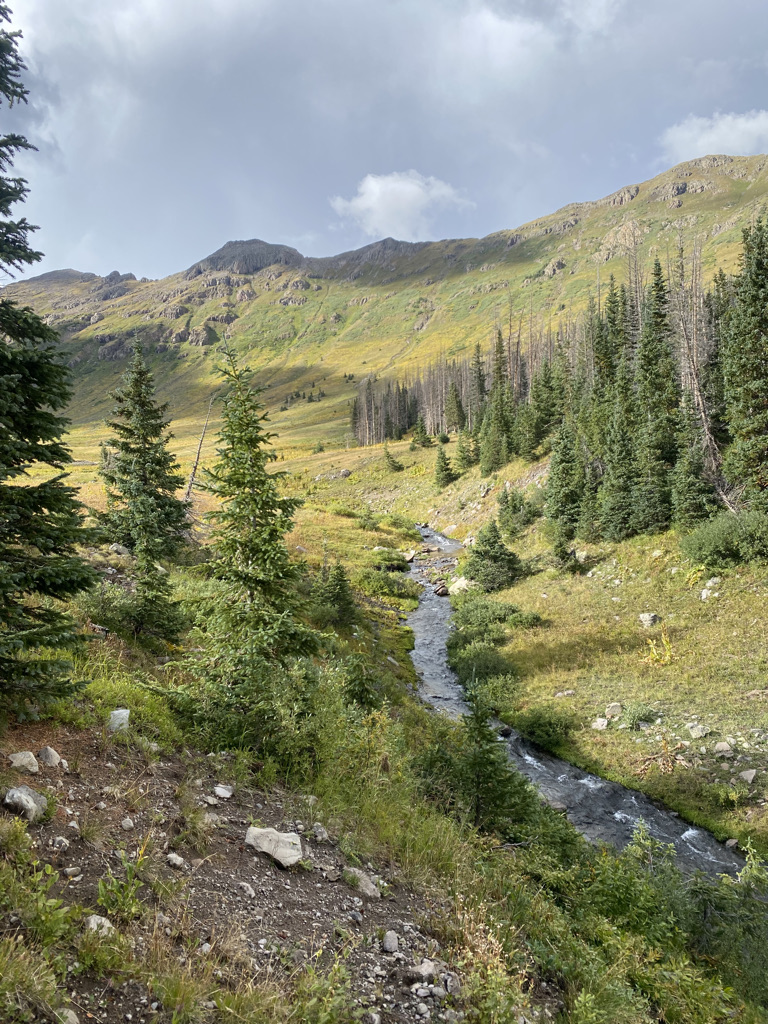
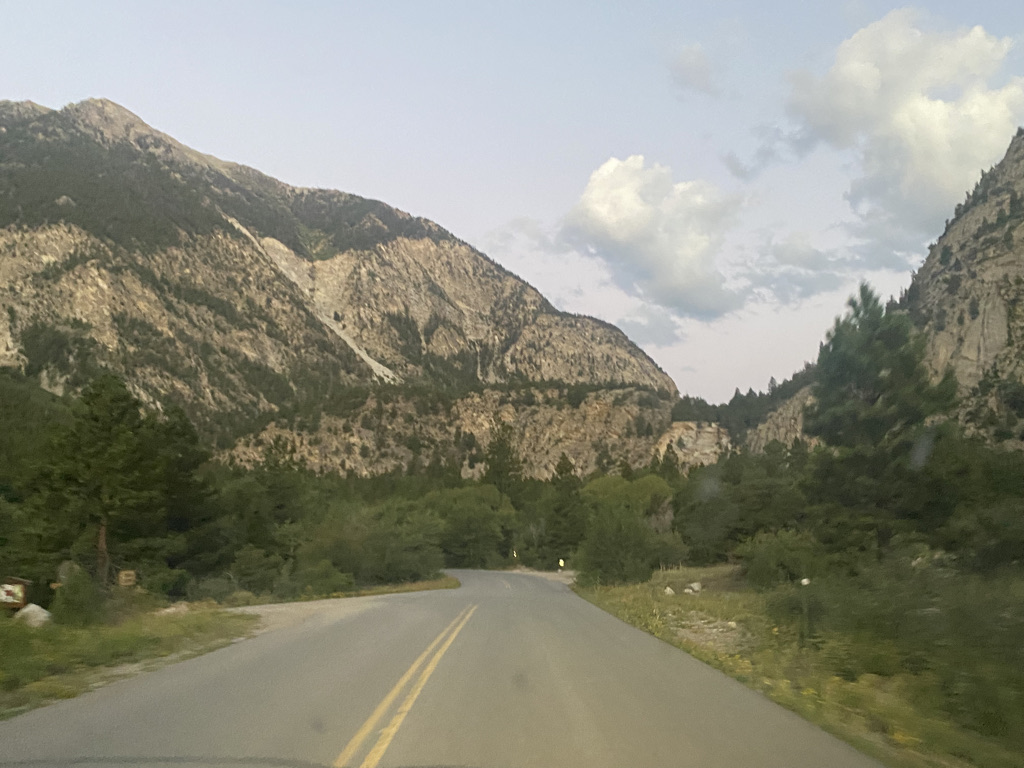
We drove two hours from the nearest town, Monte Vista, Colorado just to get to the Three Forks Trailhead in the Conejos River Valley.

It’s hard to imagine being any further away from civilization.

It’s the trip I needed, as it is the trip we all need from time to time. Three days without the constant distractions of modern life. Three days where one can just gather thoughts and reset from the constant onslaught of information.

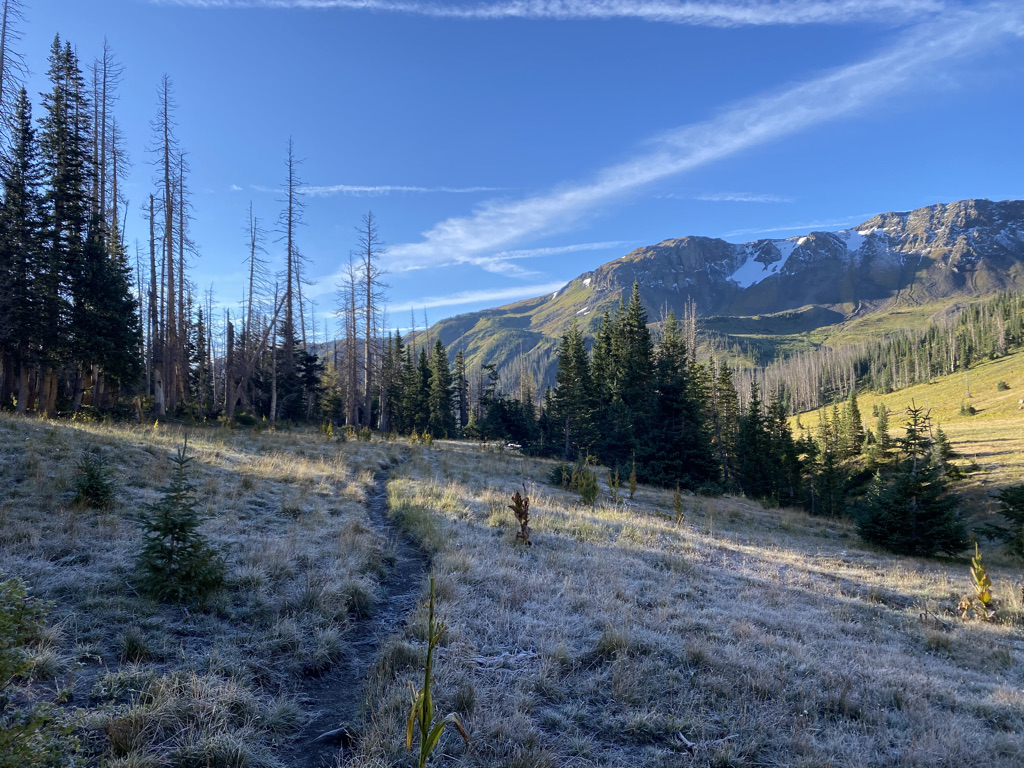
It started on the final day of a rainy week. The trails were quite muddy from the previous several days.

It was actually somewhat of a miserable day. It’s hard enough to climb roughly 1400 feet (425m) carrying heavy backpacks. The morning was cold and mostly cloudy.

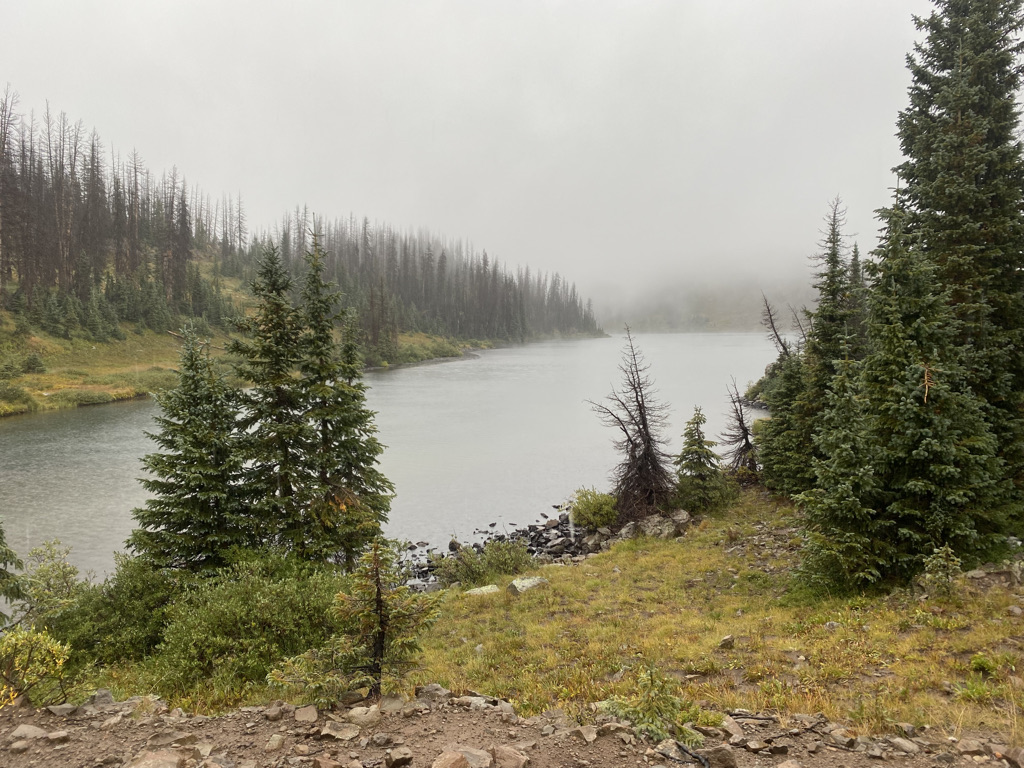
Then came the rain, somewhat heavy at times and the fog. And, it was a cold rain, the kind of rain that soaks coldness down to the bones. The kind of rain that made us want to just sit in our tents, which we did for over 12 hours that afternoon and evening.

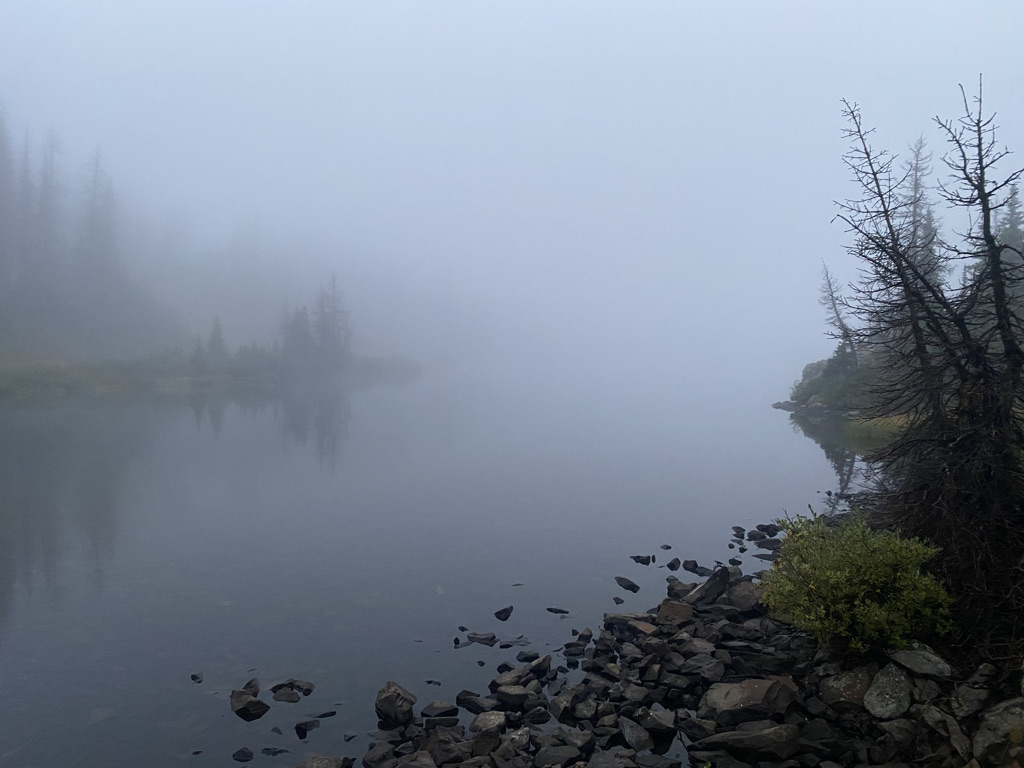
The fog obscured the views of Blue Lake, at nearly 11,500 feet (3500m) both in the evening and especially the following morning.

After climbing a little bit higher the next day, we could see the manner in which this morning fog was impacting some parts of the forest but not others.

I guess we just happened to be in one of those unlucky spots where the thick set of clouds had established themselves for the entire night. There is something both humbling and satisfying about experiences like these. We live in an era where people try to predict and control everything. It’s nice to know what to expect from our experiences. However, something gets lost when we achieve a certain level of certainty in life. It can make things feel emptier, more formulaic, even robotic at times. Surprises bring beauty. Surprises bring anticipation. They lead to appreication. Surprises can make us feel alive.

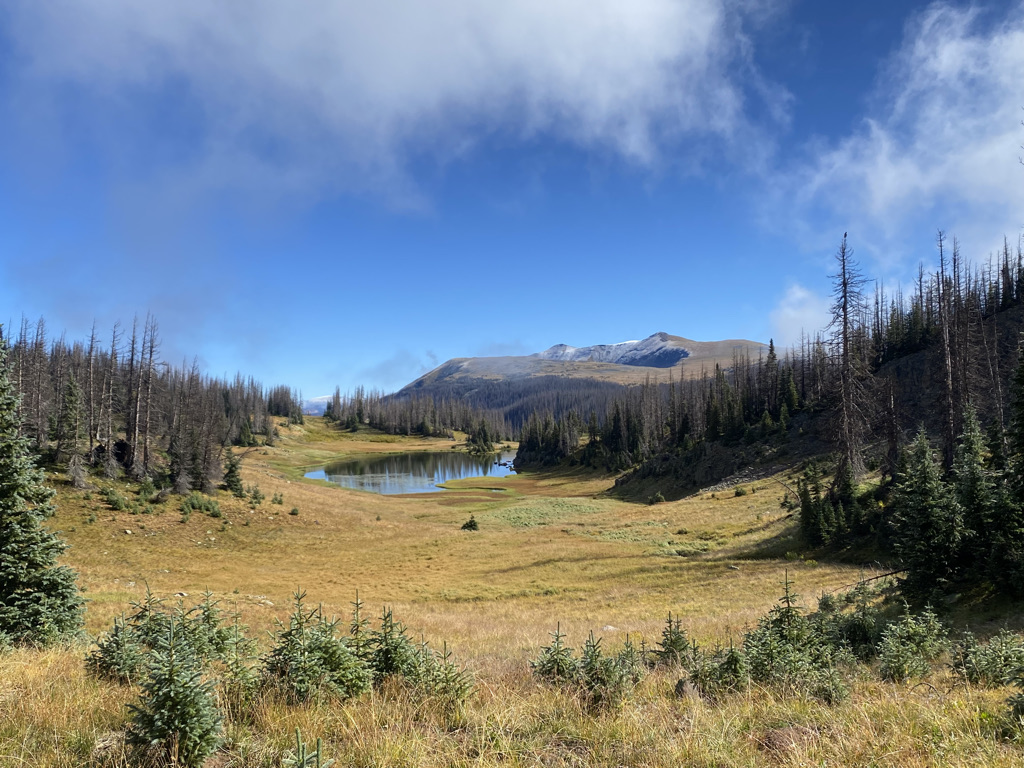
Sure, I was miserable the first day, but once everything cleared up it was spectacular!

The less than ideal conditions on day 1 probably made me appreciate day 2 more. In this case, it even created a more unique experience. Often times, cold rain means snow at higher elevations, which we saw when we looked up.

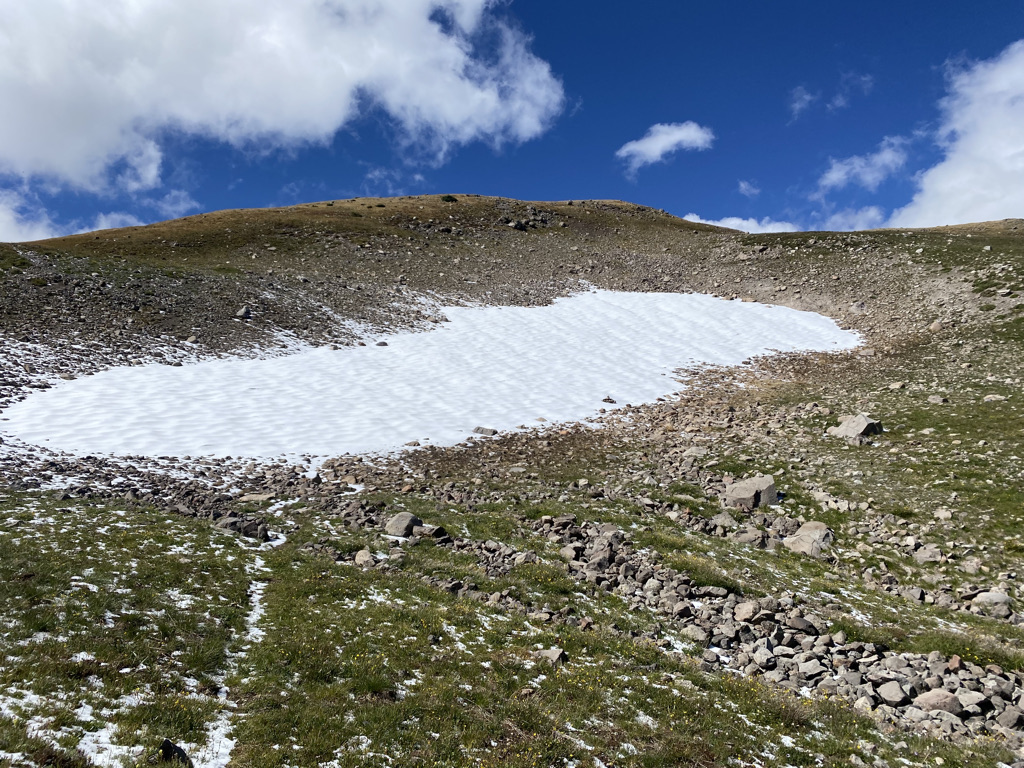
As we approached the pass, along the Continental Divide, we even began to encounter some snow from the previous night.

Yet, it was also somehow drier.

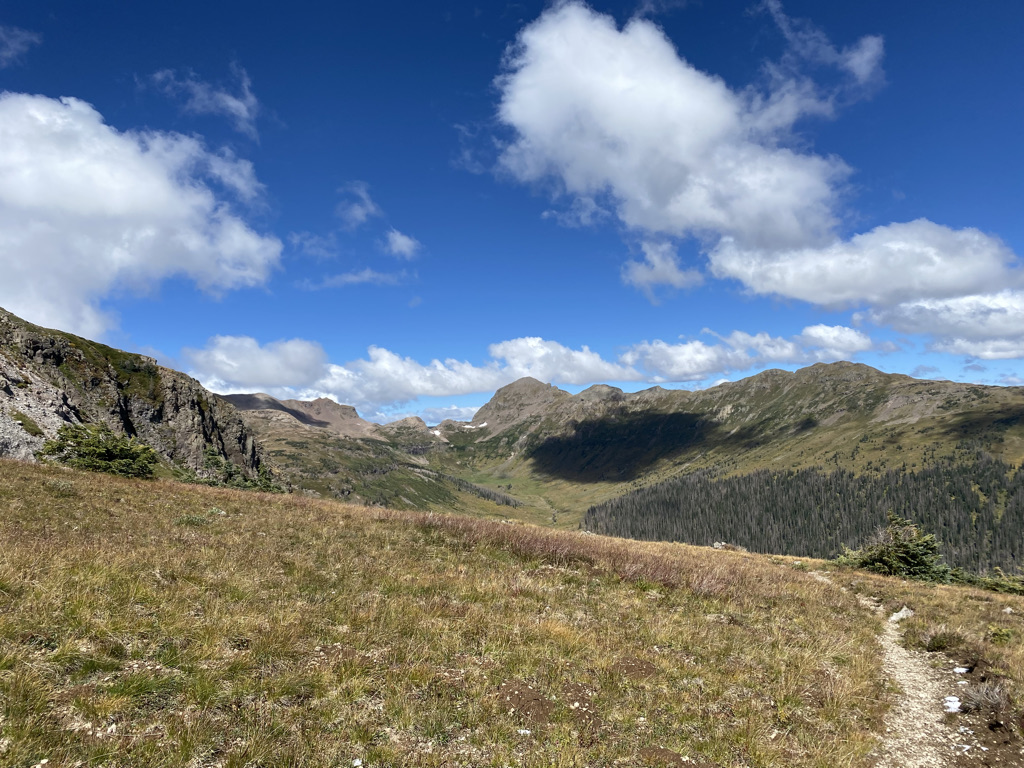
One of the things I love the most about the mountains is how full of paradoxes it can be. With each valley and mesa being subject to different weather conditions each day, experiences can often be wildly different from expectations.

Combined with a type of natural beauty most of us are deprived of in our urban lives.

And seeing first hand, with features like deeper snow in the areas most commonly shaded.

Well, it forces us to think differently. In modern life, we typically try to understand and control our surroundings. Based on several factors, we select neighborhoods to live in. Many of us have jobs that provide a predictable stream of income. We learn routes, create habits and form routines. Here, all we can do is prepare for all the possibilities and respond to what happens.

What is odd is that the very thing that makes the conditions hard to predict, the mountains, is what makes it a place people want to visit. It’s almost as if humanity’s attraction to visiting places like this is a cosmic sign that we are, often unspokenly, yearning for a bit of chaos, a bit of surprise in our lives.

On the second day, we even found a wonderful, amazingly scenic, place to camp.

With an overlook of the Middle Fork of the Conejos River.

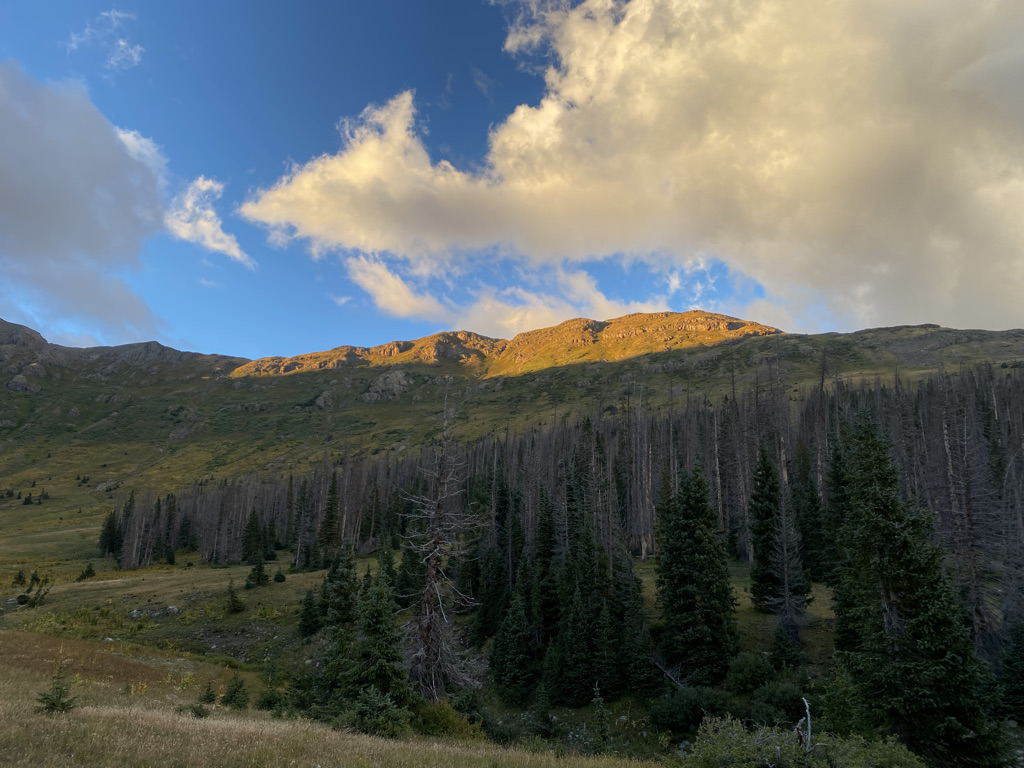
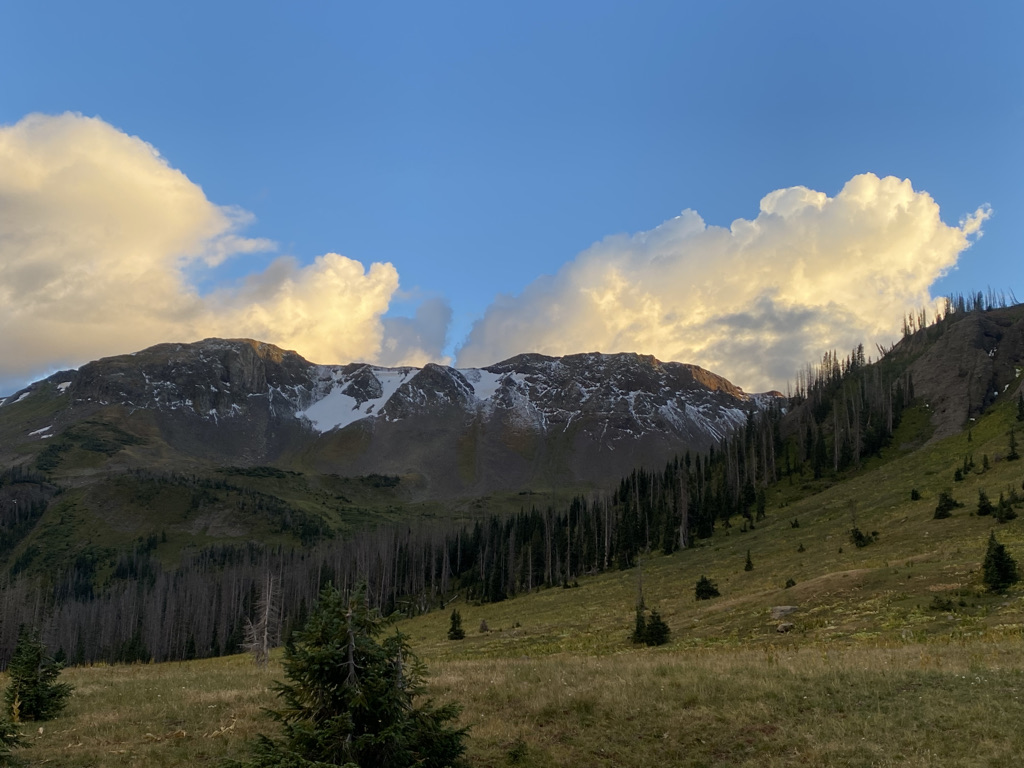
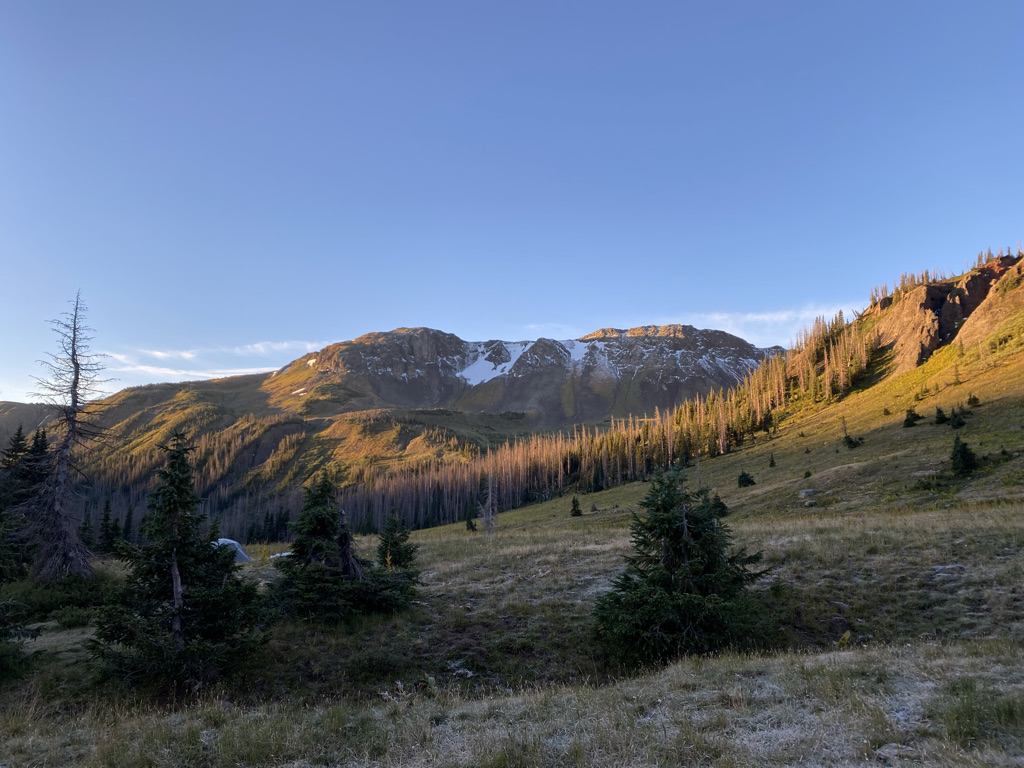
With amazing alpenglow in both the evening and the morning and the ability to see the stars on a new moon night.

The final day of these types of trips typically involves hiking back downhill. We followed the Middle Fork of the Conejos River, making it the gentlest day of the trip. It is also almost always a day of de-layering. For most of us, it is not typical to see frost in September. Yet, this day switched from frost to being kind of warm pretty quickly.

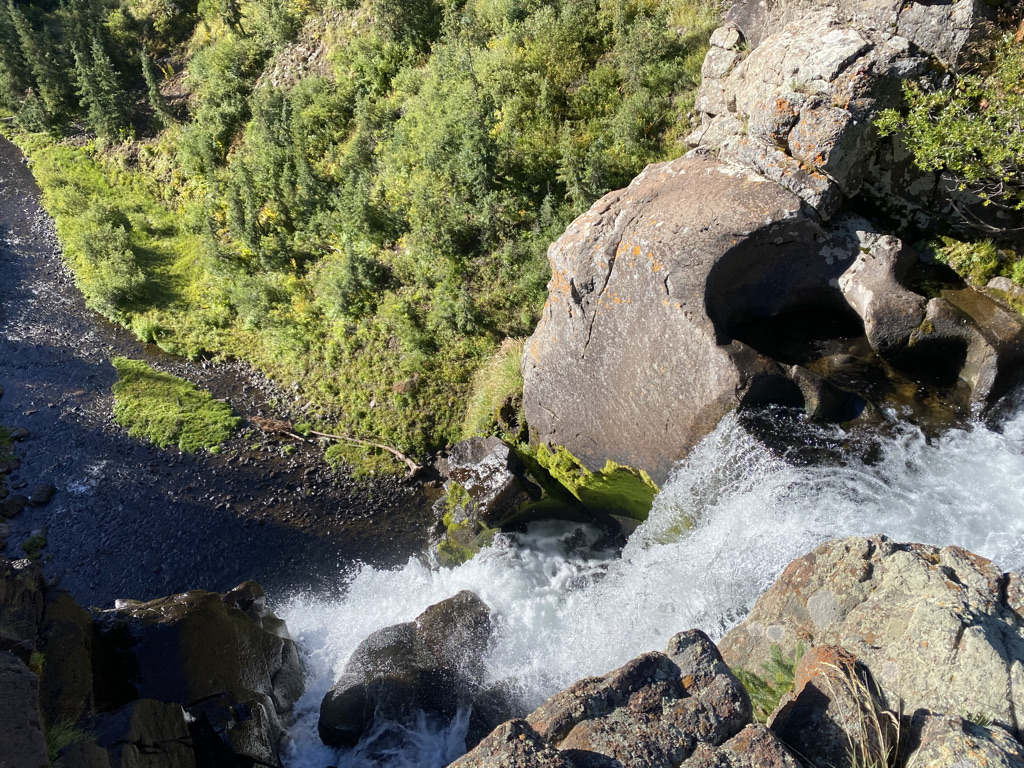
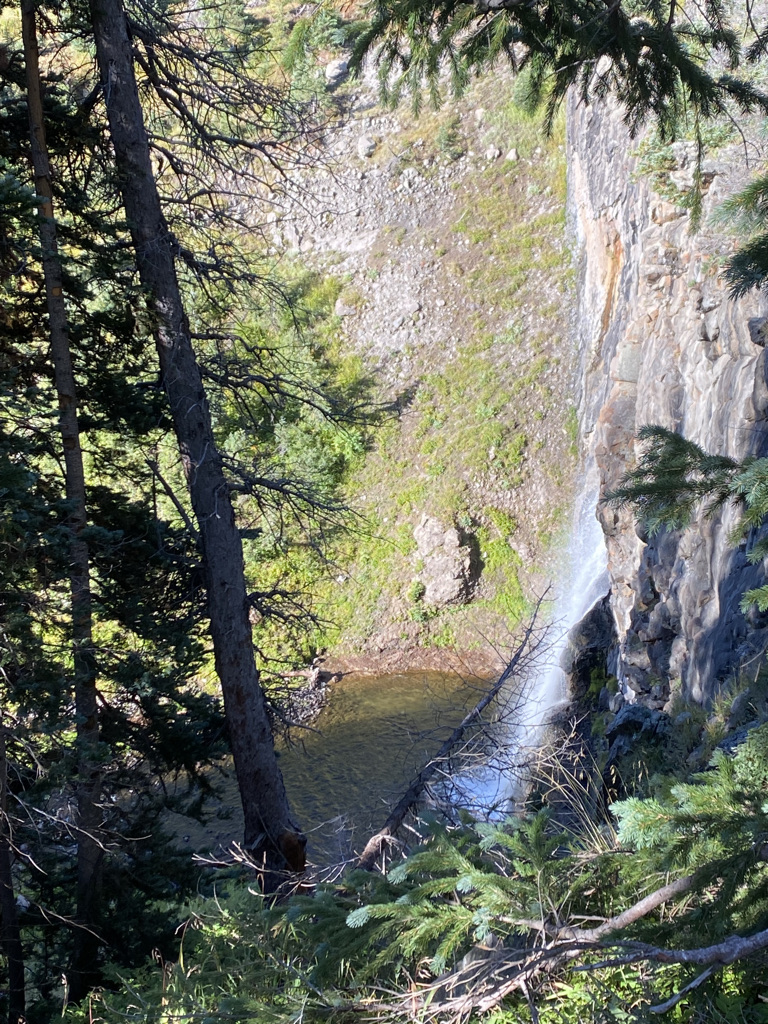
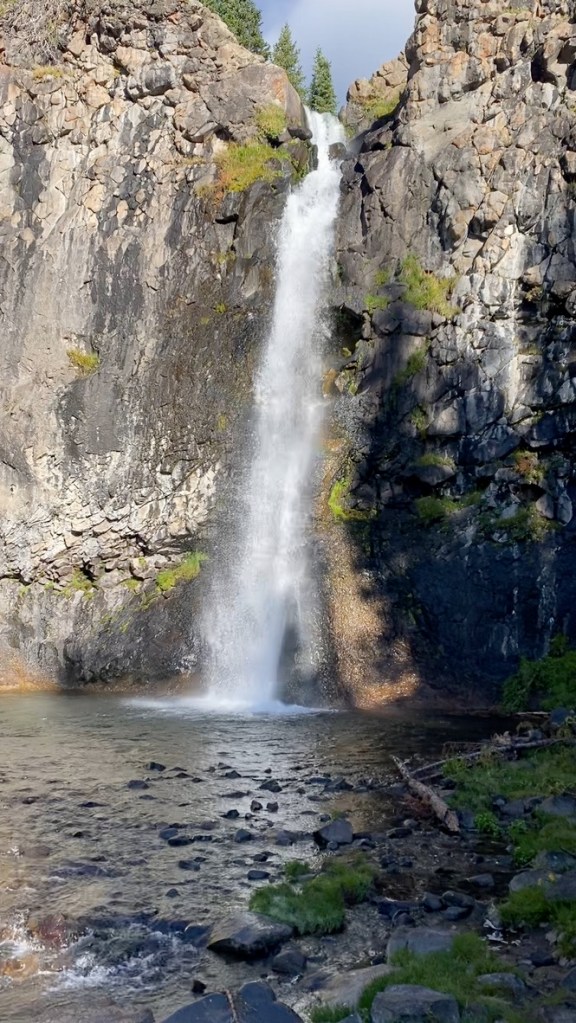
The best feature of the day, and the feature that made the trip was this unnamed waterfall.

It’s so far away from civilization, so infrequently traveled that a name for this waterfall could not be found on the map. We saw it from several angles, including having seen it the prior day from the other side of the ridge to the south.

In life, it is natural to seek comfort. Being uncomfortable is not fun. Unfortunately, the prioritization of comfort and conveniences has denied many of us the most amazing experiences. Nothing on this trip was possible without a little bit of discomfort. However, while we did have one miserable evening, we did manage to avoid a second by springing for a hotel room in Monte Vista along the way down.

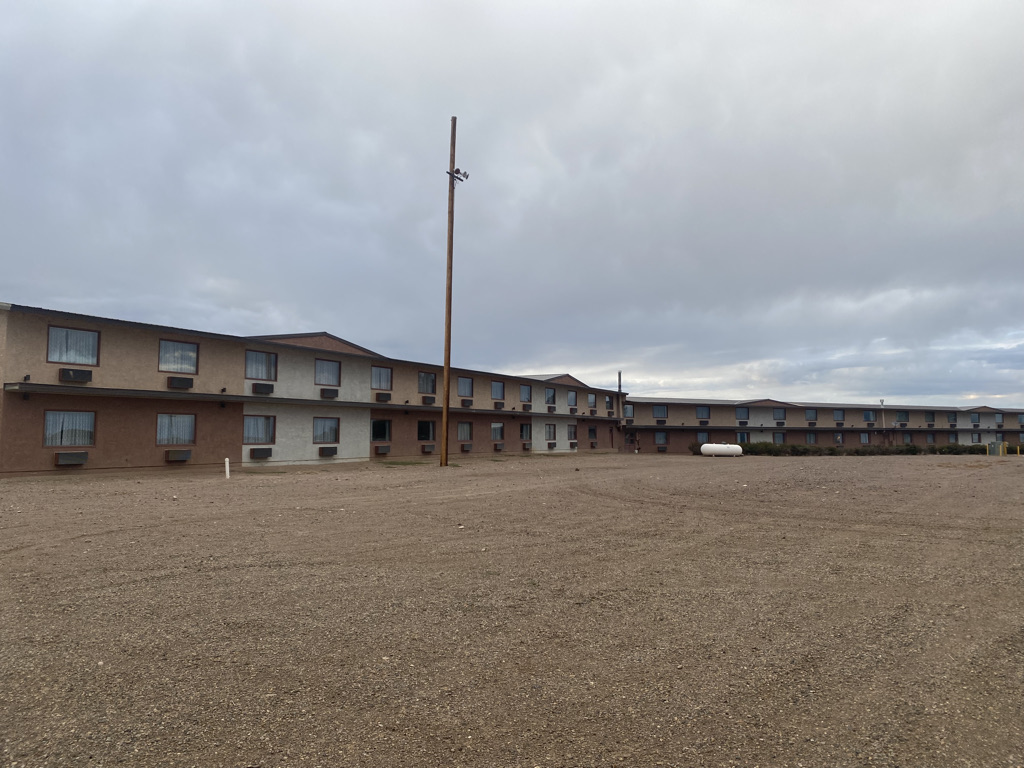
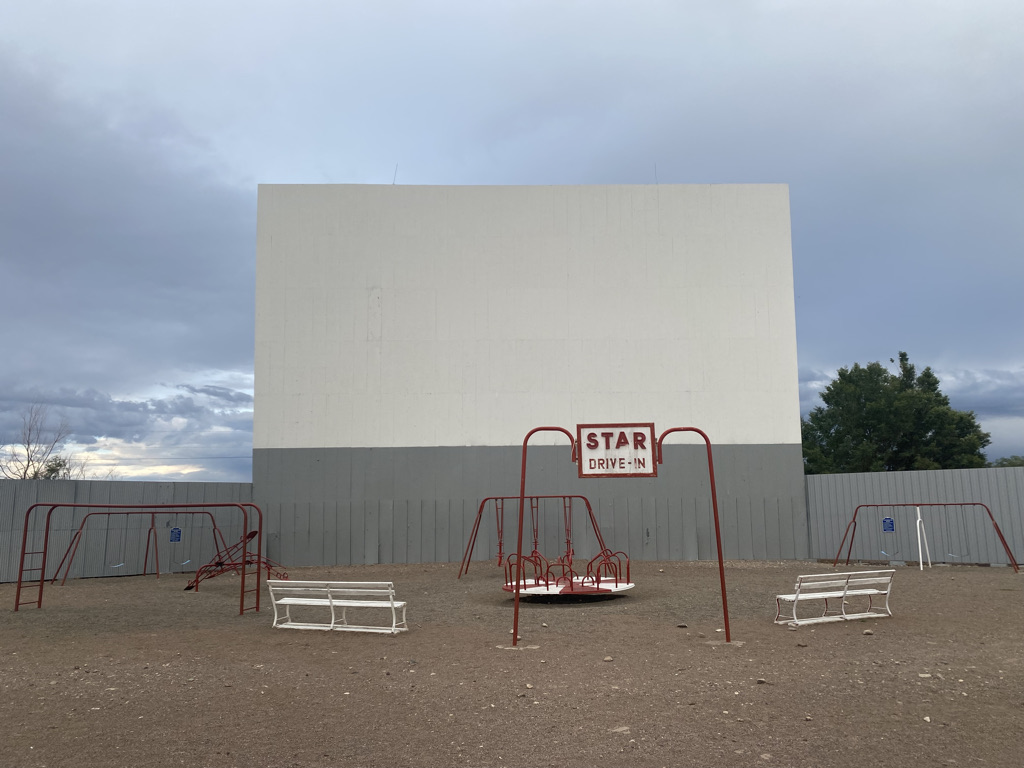
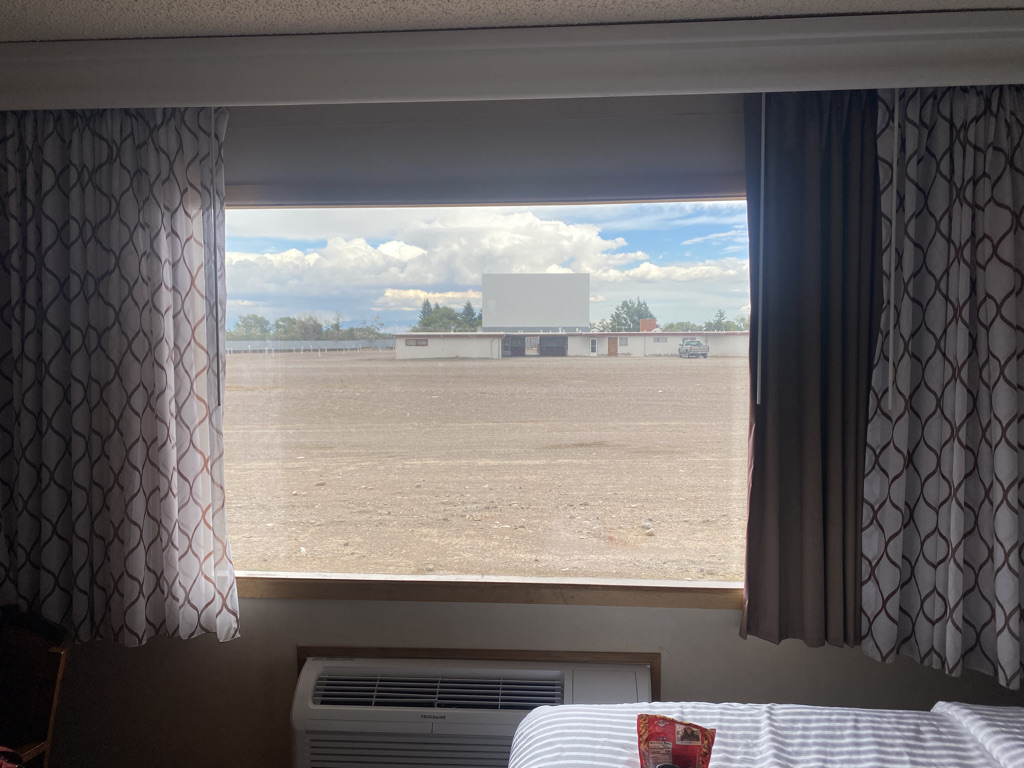
The Best Western Movie Manor is one of those unique hotels with a drive in movie, where visitors can actually watch a movie from their rooms, out the window. With this choice, we managed to avoid some discomfort without having it cost us any of the experiences we would have the next three days. Maybe it is possible to use our natural drive for comfort, but do so in a way that still recognizes that having the experience is the ultimate priority.

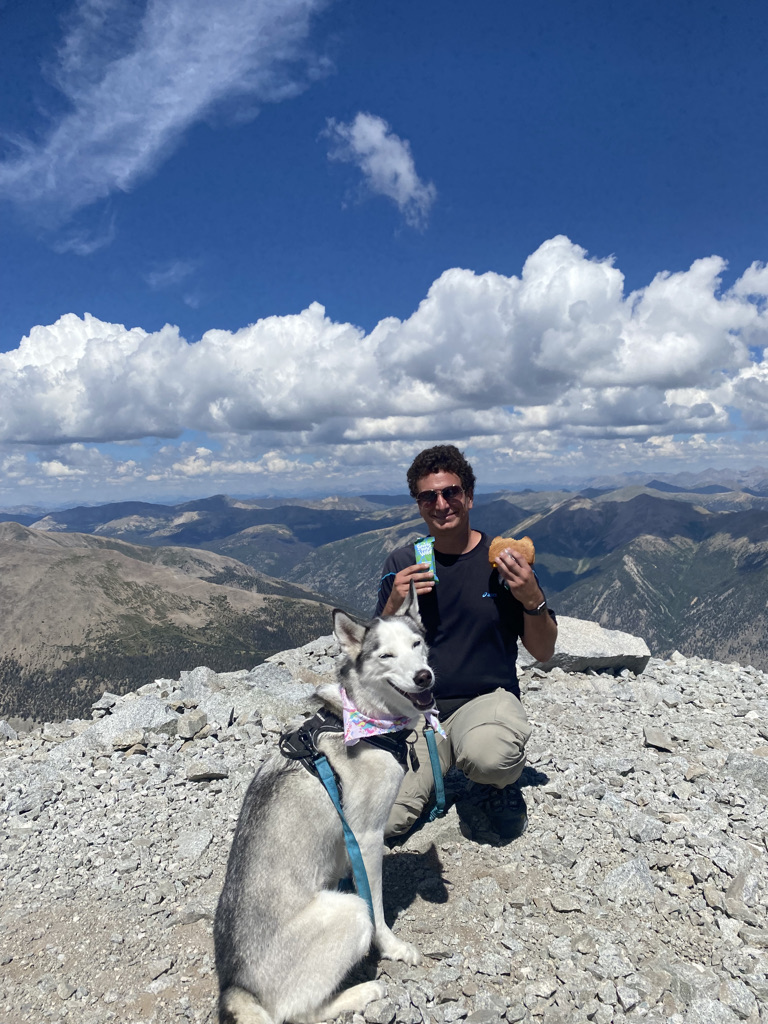
Mount Antero with my Siberian Husky

The top of Mount Antero- 14,276 ft (4351.4 m)

To tackle Mount Antero, I spent the night in a hotel in Salida, a small town along the Arkansas River in Central Colorado known for summer fun. It’s within a short drive of the trailhead to several “14ers” (peaks 14,000 feet above sea level or higher). Salida’s probably best known for its water sports, with this stretch of the Arkansas River being one of the most common destinations for whitewater rafting.

Despite it being a Wednesday evening, the town was quite lively. Salida also has some affordable pet friendly hotels and plenty of restaurants where you can eat on the patio with your dog.

While most people who climb 14ers camp near the trailhead, I decided to pay for a hotel, primarily because I chose to take only one day off for the trip. My energy was needed for the exhausting hike and the three hour drive back to Denver.

The morning temperatures in Salida were in the low to mid 50s, slightly warmer than the long term averages for August (47°F, 8°C) and also the warmest start to a 14er I’ve ever had.

Getting to Mount Antero involves following a road called Chalk Creek Drive. It’s accessed off highway 24 halfway between Buena VIsta and Salida. The road passes by the Princeton Hot Springs and the Chalk Cliffs, and provides access to both Mount Antero and Mount Princeton.

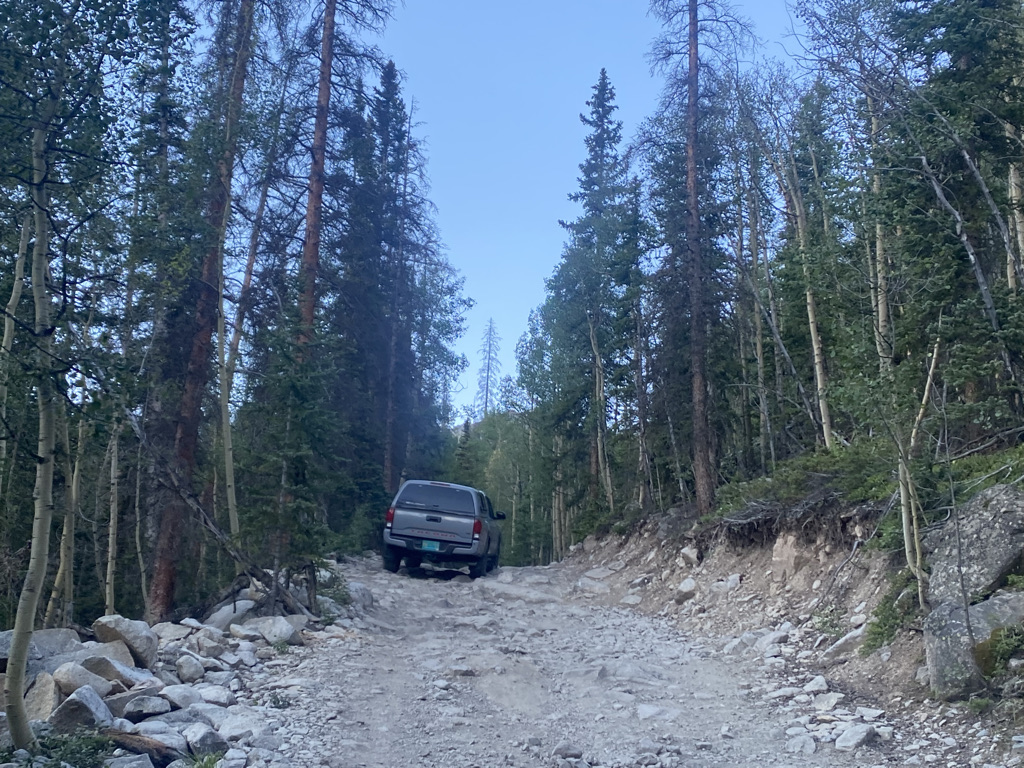
The most unique thing about this hike is that most of it follows a “Jeep Road”. In fact, some people were able to drive most of the way to the top

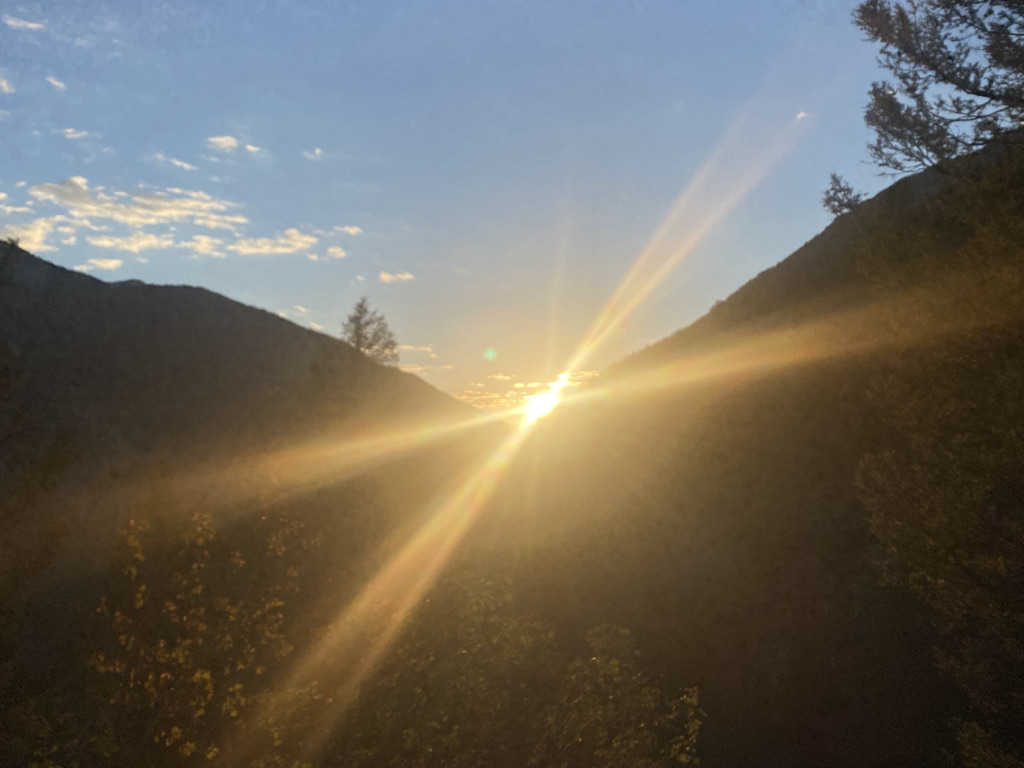
When done right, it is best to start a 14er quite early in the day, before sunrise, which makes the appearance of the sun one of the first exciting exhibitions of the hike.

14ers are challenging climbs. This one is no exception. The total vertical climb was about 4,500 feet (1350 m), and it starts getting challenging pretty much right away.

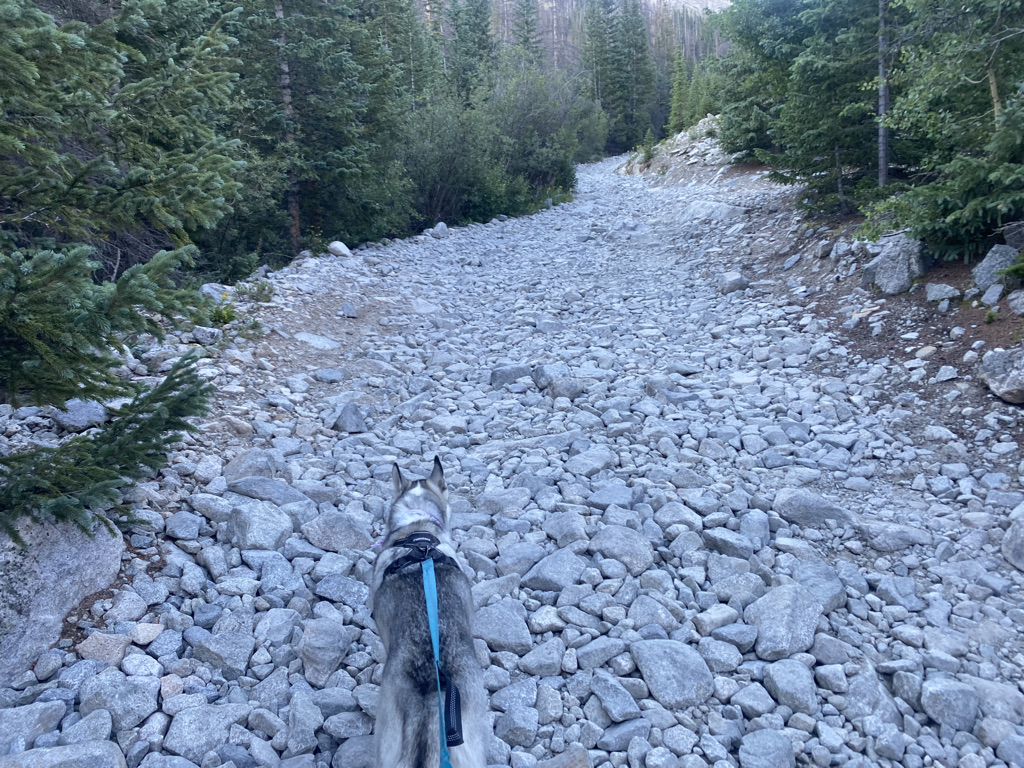
After about a mile, there is a flatter part. Then, around the 2.5 mile mark, we encountered the first area of major concern for anyone bringing a dog on the hike, an area completely covered by rocks.

This is something anyone hiking with their dog needs to keep an eye on. Dogs paws blister over time but dogs do not always prepare for this possibility. They need to be either given booties to protect their feet or guidance on how to minimize their exposure to rocks starting pretty early on in the hike.

The trail up Mount Antero approaches the peak from the West side, meaning it takes longer for hikers to experience the sun in the morning.

We would get to tree line by 8:30 and enter the sun only shortly thereafter. Once tree line is reached, this hike becomes nothing short of absolutely breathtaking.

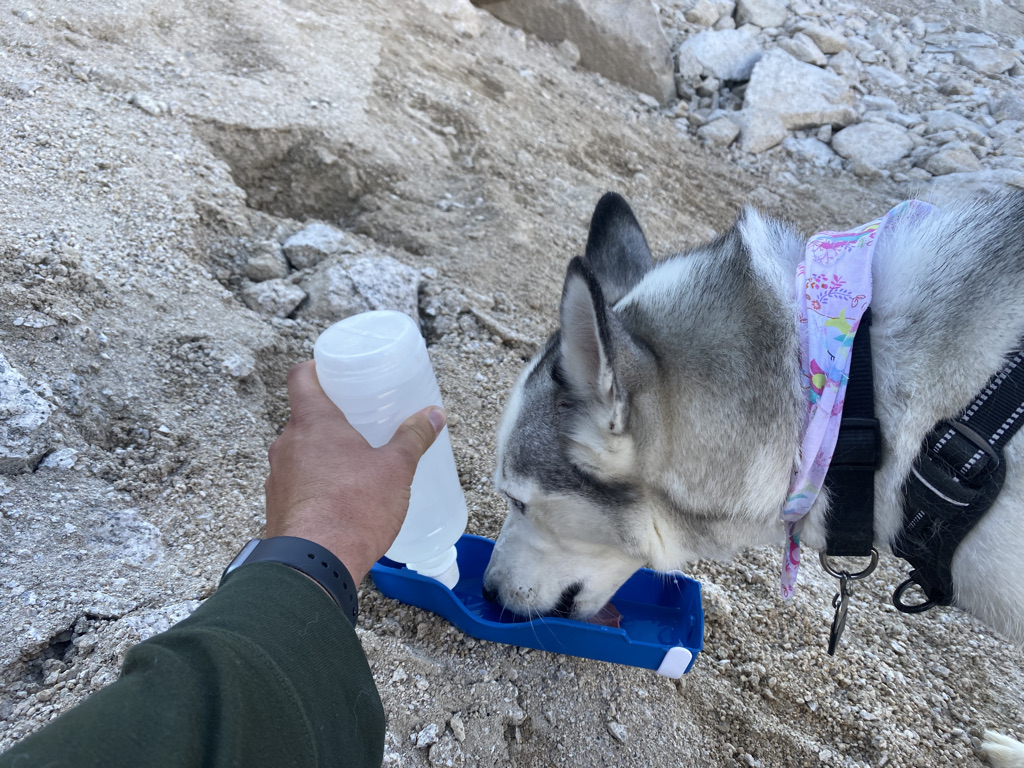
When hiking with dogs, especially challenging hikes like this one in dry climates, it is essential to keep them hydrated. For this, I not only bring water for my dog, but also allow my dog to drink from flowing creeks.

The key here is to only allow your dogs to drink from creeks that are flowing. Standing water could lead to Giardia.

Like every other 14er I’ve done, Mount Antero has two features that will drive most people to exhaustion.

First, a steep ascent to the top of some kind of ridge.

Then, a scramble to the top, over rocks.

I had hiked over seven miles before getting to the final scramble. With the exhaustion, challenging scramble and high elevation, I needed to take quite a few breaks on this final ascent to the top. This is perfectly normal.

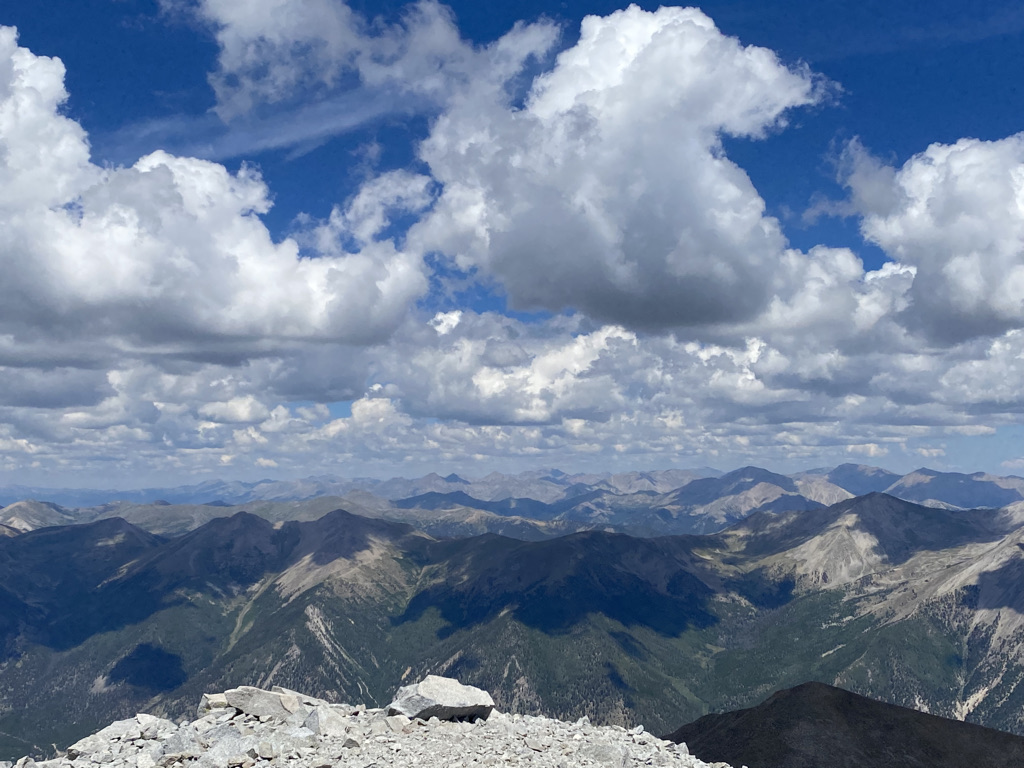
The top of this mountain feels like being on top of the world. Countless other peaks were below me.

So was the Arkansas River Valley, where Buena Vista and Salida are.

We spent about half an hour at the top, enjoying the views, a little bit of food and some conversations with other hikers.

And, the descent was also quite beautiful.

Overall, it was an amazing day, but like most things that are truly amazing, it had to be earned. It had to be earned through the lengthy drive, proper preparation and physical exhaustion involved in climbing this much.

By the time I reached the end of the journey I realized that what was earned goes far beyond what could be captured in these photos. Sure, the areas below tree line were peaceful and the areas above tree line had spectacular views. But, the experience was also about a state of mind.

Since it was a Thursday, the trail was relatively empty. The few people I encountered kind of represented humanity at its best. Nobody was arguing over whatever topics people seem to be angry and divided over at the time. Even though some people were on the mountain to hike, others to ride their Jeeps and ATVs and others to mine gold or aquamarine. A couple of the people I encountered even helped me out by giving me and my dog a ride down the final few miles of the mountain when I was concerned about blisters on her paws. They stopped and talked to people they encountered, picked up litter from the road and had nothing but the most positive conversations about nature, camping, travel and music. The experience made me wonder if this is a reality we can create in our day to day lives, so long as we focus on the right things and earn it.

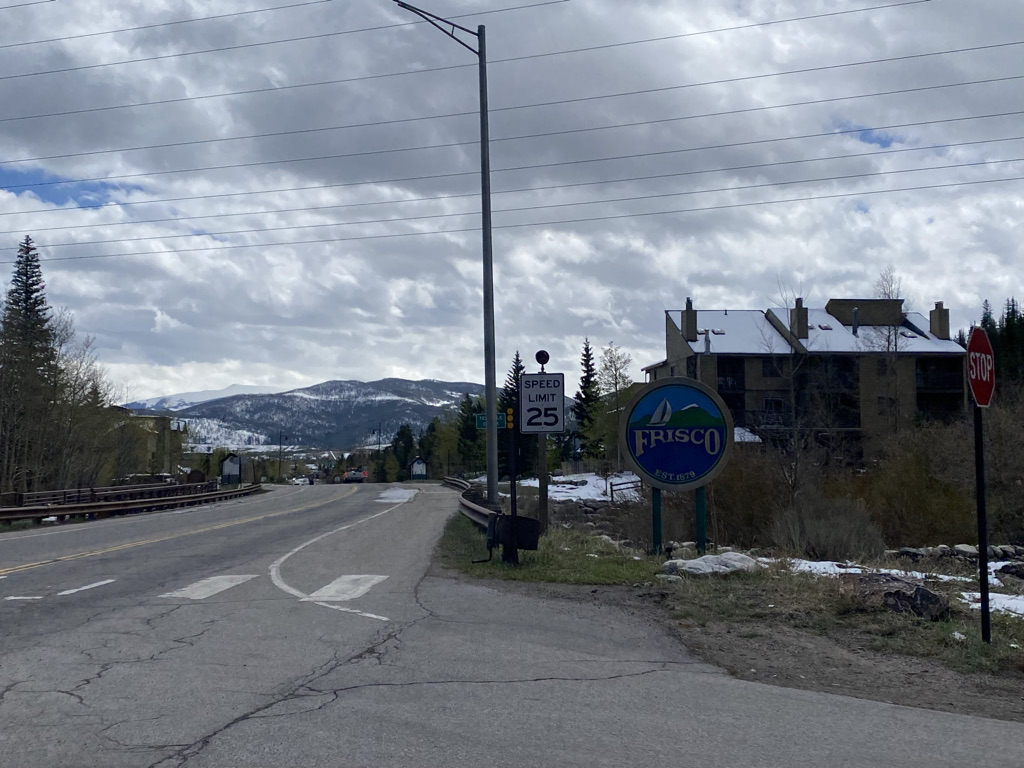
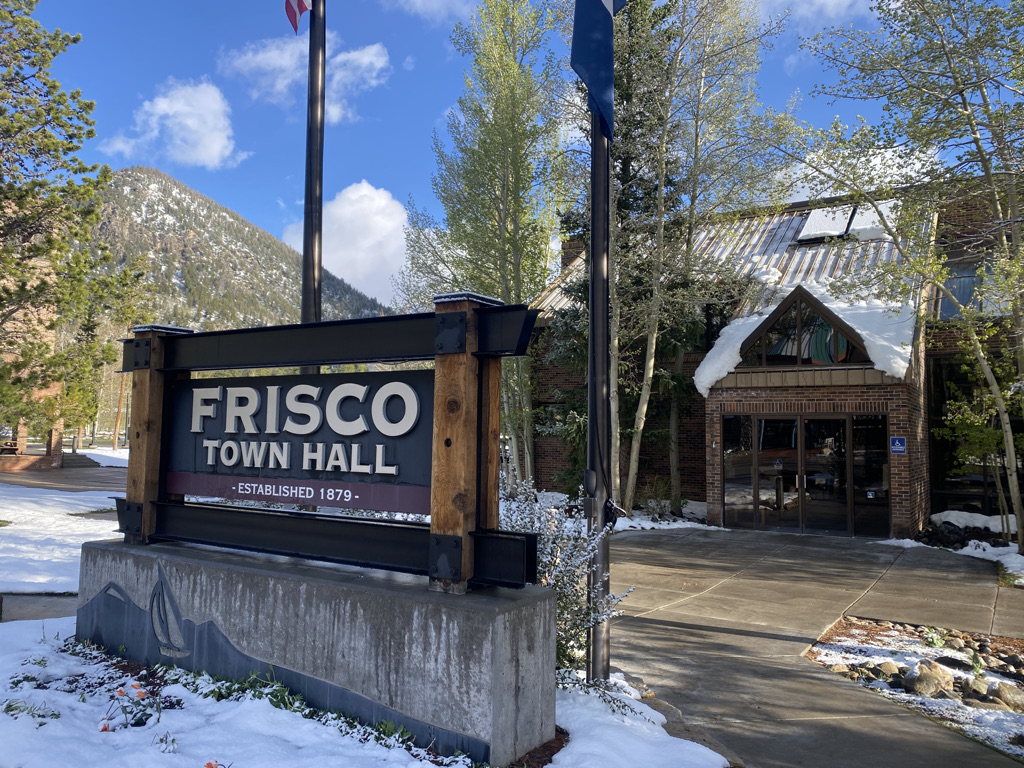
Frisco, One of My Favorite Mountain Towns, from a New Perspective

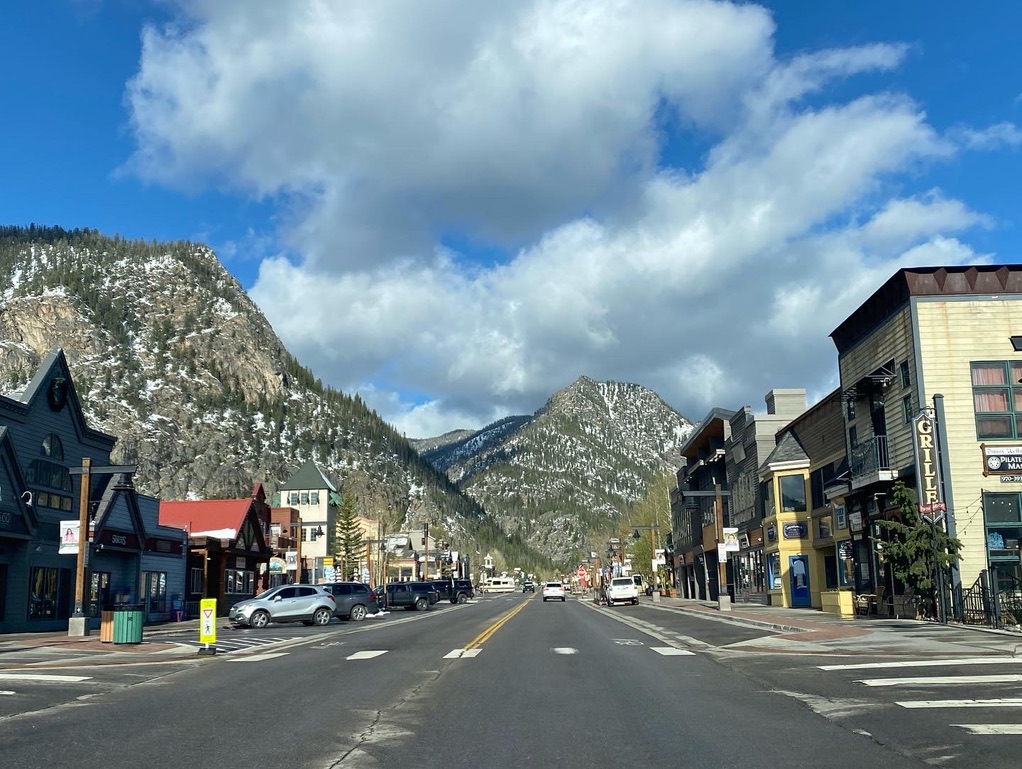
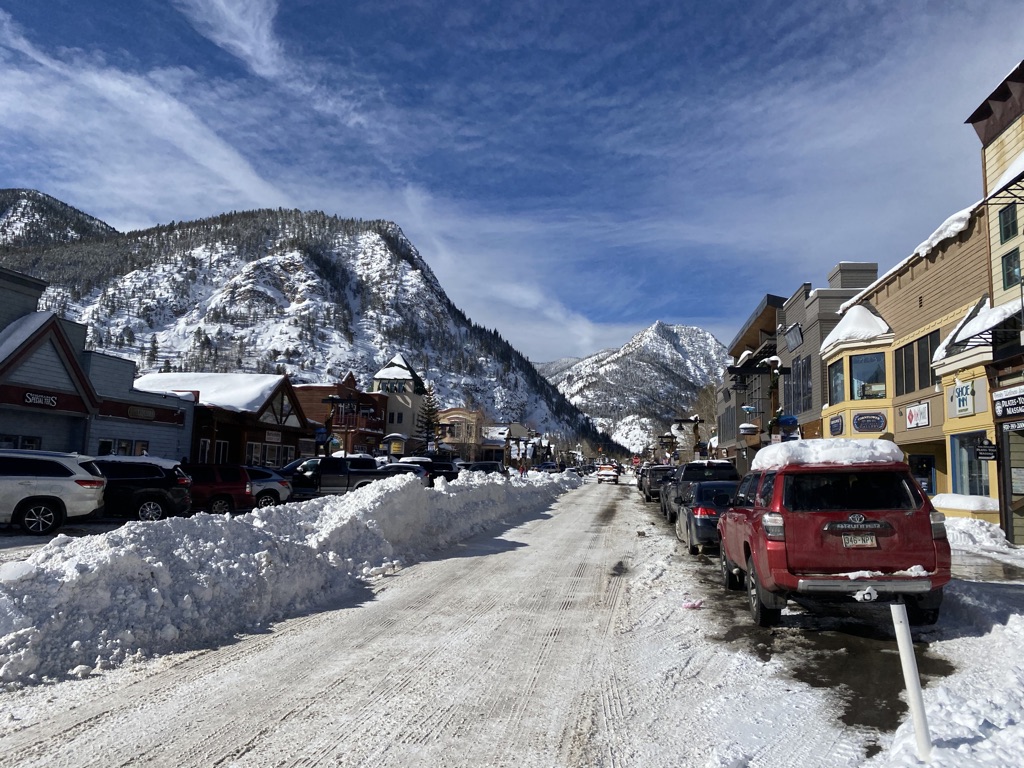
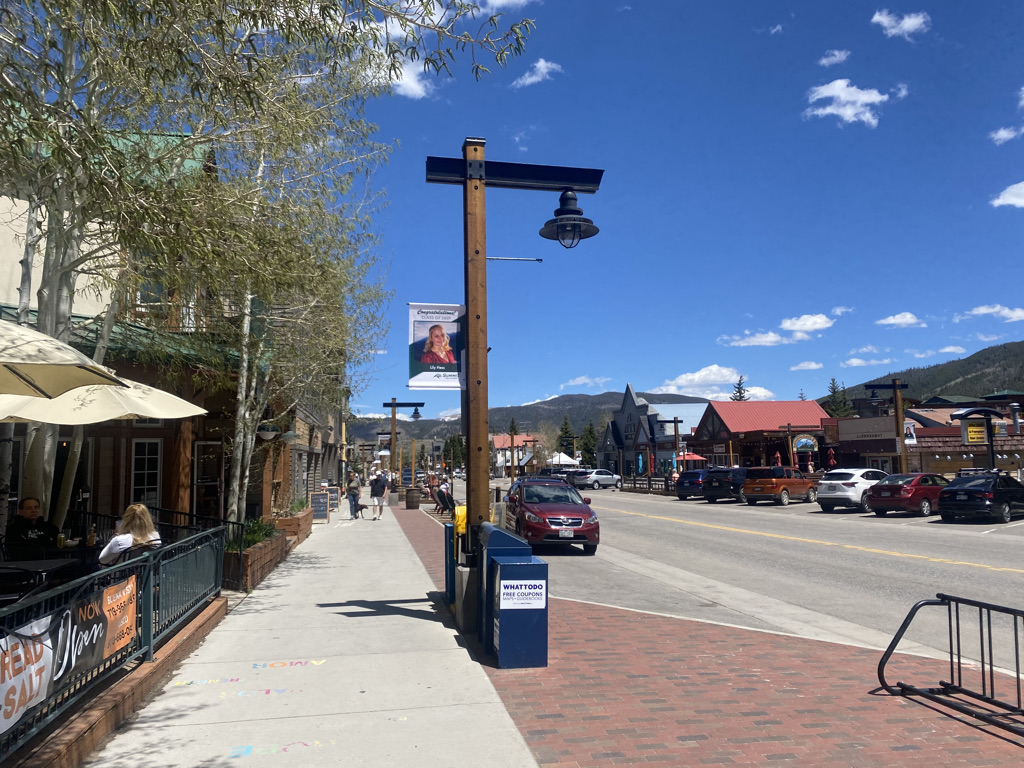
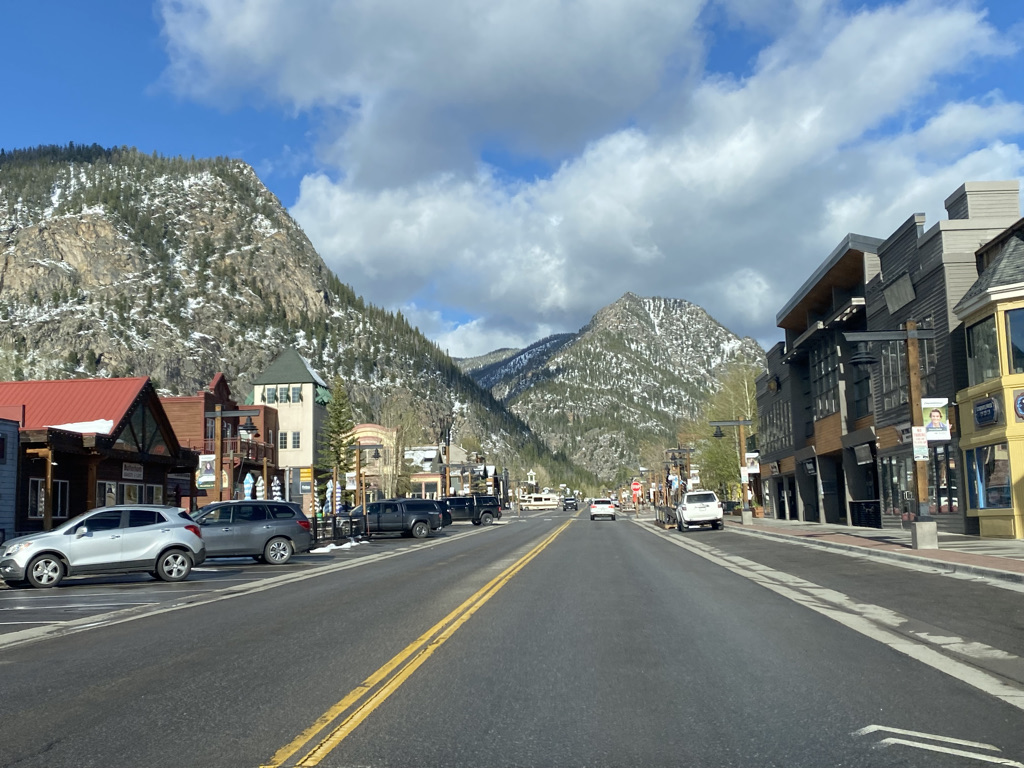
Downtown Frisco, CO May 23, 2022

There are many ways we travel and many reasons we travel. In retrospect, it seems rather silly that when I was a child, people used to lump all travel into two categories; business and leisure. Leisure travel, previously defined as anything other than travel for work, can take on many forms. We travel to visit friends and family. We travel to see specific destinations. We travel for specific activities. Having lived in the Midwest for a lot of year, I am more than familiar with travel to escape the winter and other bad weather.

The great thing about all these modes of travel is that it is possible to visit the same place many times and have completely different experiences.

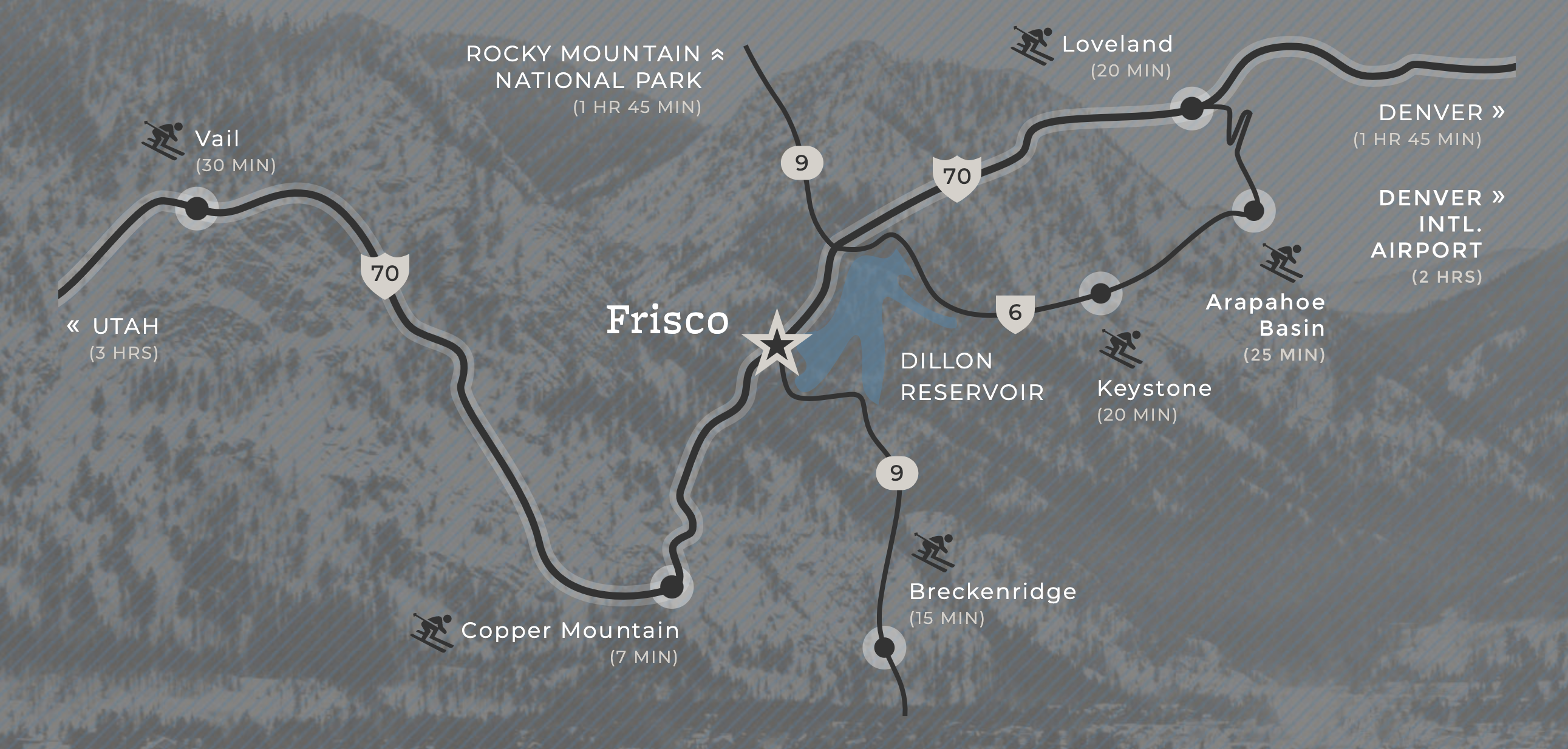
Frisco is unique in that it is situated near many of Colorado’s best ski resorts.

Yet, unlike Breckenridge or Vail, the town is not the site of a ski resort. Therefore, winter in Frisco is active but not in the same way these ski resort towns are. Still, there are a lot of people out and about. It is easily the most active time of the year in Frisco (except, maybe when a major snowstorm closes the highways).

Summer also tends to be active. The area is a great place to escape the summer heat and take part in activities like enjoying the mountains from the seat of a bicycle.

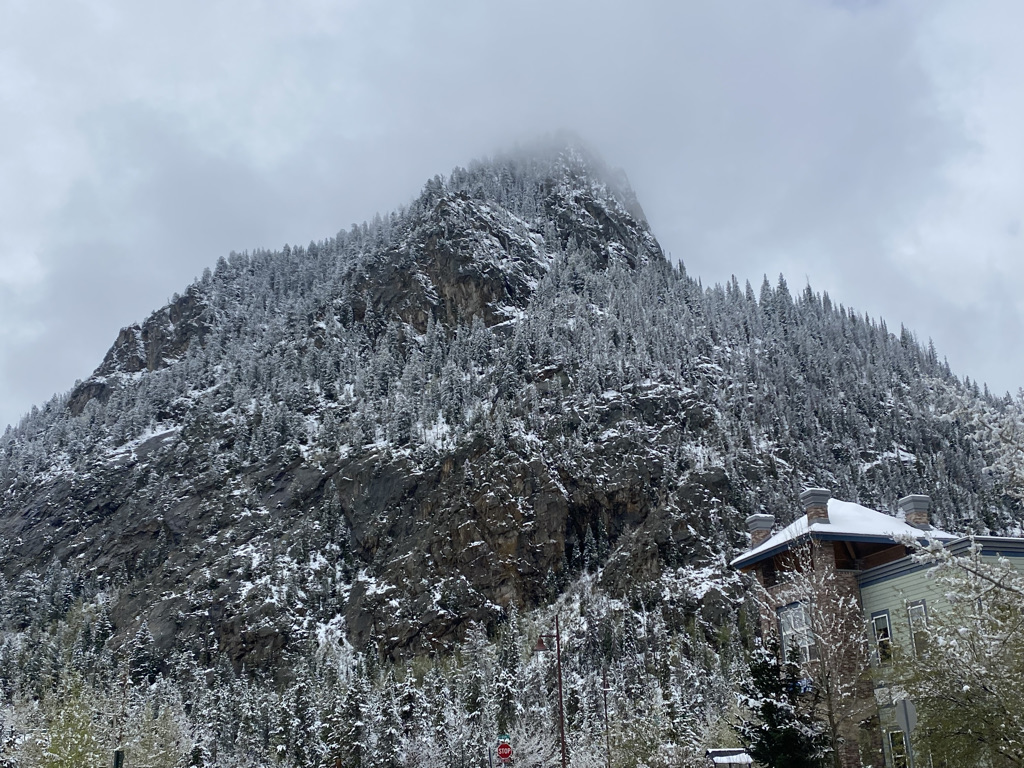
The morning of May 23, 2022, for perhaps the first time ever, I saw Frisco extremely quiet.

There was nobody walking around. The experience reminded me of the few times I would wake up before 8 A.M. on a Sunday while living in Chicago. It was the only time I saw a city that was always crowded and noisy quiet and calm. This place was quiet and calm because the activities that drew visitors all weekend had come to an end while the weather had yet to improve enough for many of the outdoor activities that draw summer visitors. There were low clouds.

Fog, and even a little bit of snow.

It was enough to make Frisco quiet, even when the sun would peak out for a little bit.

It was even enough to make the typically even busier Breckenridge feel rather calm.

The conversations were different too. People I would encounter around town were not reflexively asking questions like “where are you in town from” and “how long are you here.” Instead, I was asked to identify a bird and about trail conditions. In a way, I was seeing the place the way the “locals” see it. Still, it made me wonder….

  • Do locals only get to act like locals, in the open like this, a few months out of the year, in between seasons?
  • Or is there a secret set of places they go during the more active seasons, particularly from December through early April?
  • What’s it like growing up in a place like this, not knowing that most people don’t live places constantly crawling with tourists?

On this trip, I also got to see more of Frisco. Most of my previous trips to Frisco primarily involve being on Main Street.

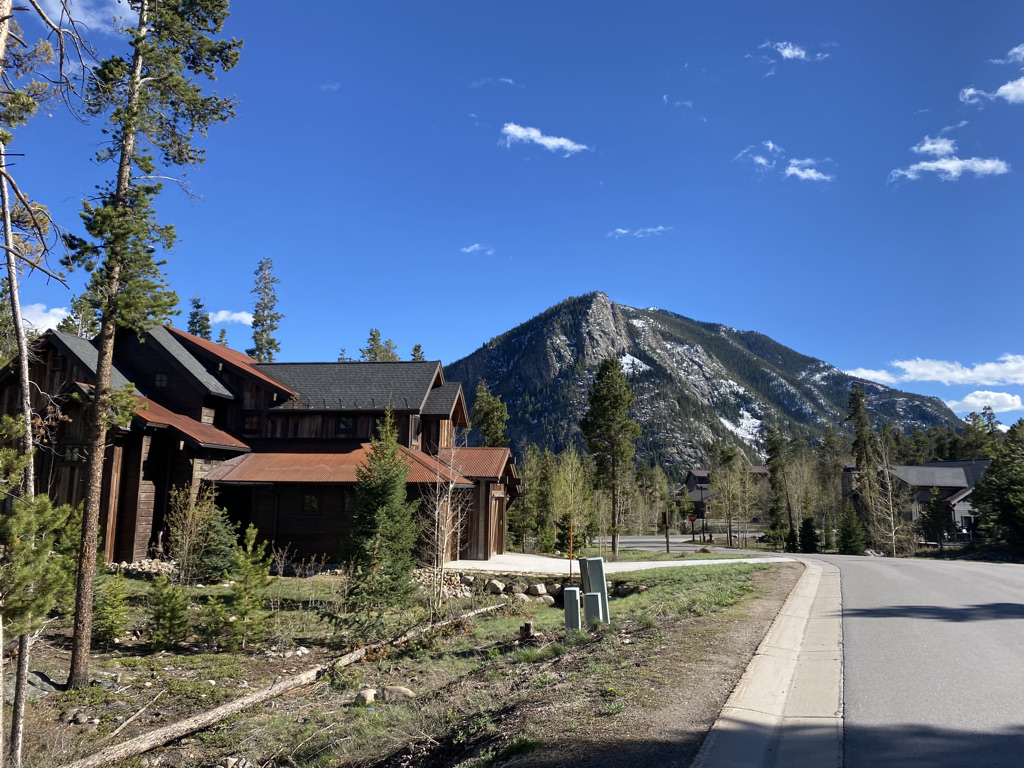
It is the face of the town. But, on this trip I spent a little bit of time in some of the other, more residential areas of town.

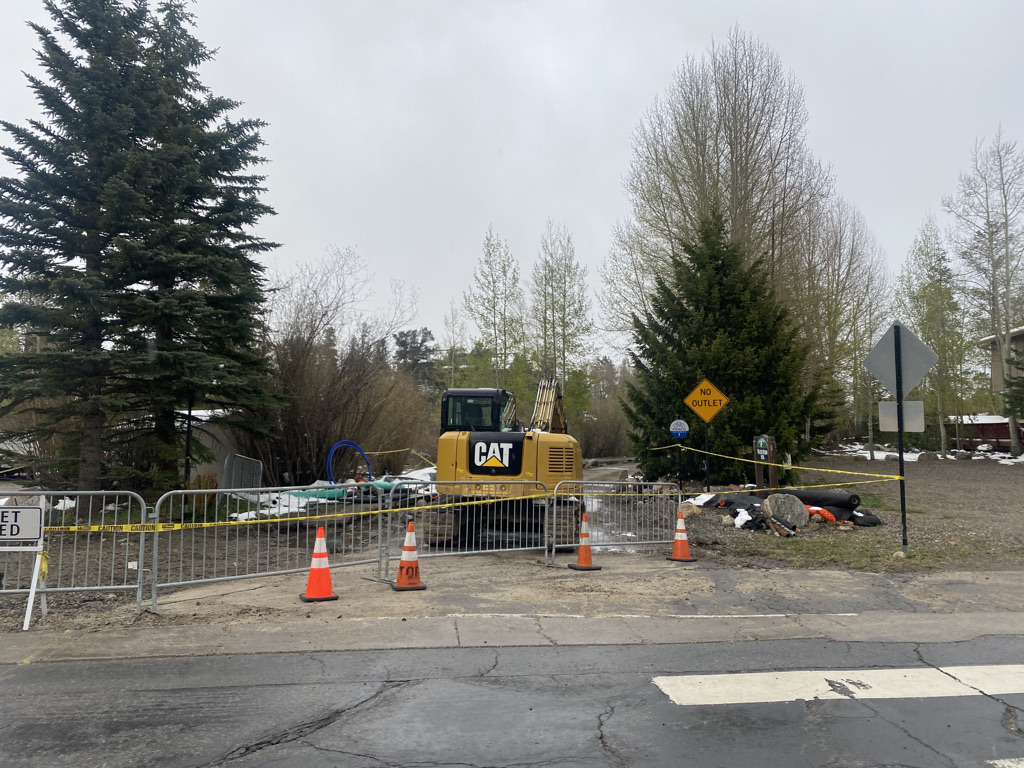
I saw where the creek flows between houses.

I even saw where they were in the process of building a new recreational trail.

Frisco is one of those towns with hiking trails right on the edge of town. Residents and visitors alike can just walk up to a hiking trail and climb a mountain. I did this twice during my off-season visit to Frisco. On the other side of I-70, there is the North Tenmile Trail, a hike that follows the Tenmile Creek into the Eagles Nest Wilderness.

There is the far steeper hike up Mount Royal on the south side of town.

This mountain is impossible to miss. It is quite likely that for most, the idea of hiking up this mountain feels quite intimidating. The hike is steep right from the start and is steep the whole way.

However, it leads to amazing overlooks of I-70, the Tenmile Canyon (just west of Frisco) and a whole new perspective on the town of Frisco.

On previous visits to Frisco, I experienced Frisco how tourists experience it. I saw the bus to the ski resorts. I heard conversations about vacations, time shares, flights and favorite slopes, shops and restaurants. This May, nearly a decade after discovering this town, I finally experienced it more like a local, slowing down a bit and adjusting for things that almost never happen during the busy season, like restaurants being closed on Mondays and Tuesdays and full days without any activities.

Less Than Ideal

At Keystone Ski Resort February 15th, 2022

February and the first half of March are typically seen as the most ideal time for skiing in North America. Weather varies quite a bit from year to year, but by February a significant snowpack has typically developed while the unpleasantly cold and windy conditions common in January start to become somewhat less likely. It is why ski trips are most commonly planned for this time of year.

However, reality often does not match expectations.

Along highway 285, Feb. 27, 2022

Both the complex systems that govern the atmosphere and the ones that govern human behavior contain a great deal of variance. It can be, at times, frustrating when experiences do not match expectations. However, this expectation is part of what makes life so beautiful. Imagine what life would be like if every event, every experience and every activity matched expectations, exactly. There would be no surprises. In some cases, there would be no hope.

The last couple of years have been rough. Patterns have often emerged that shut down multiple possibilities all at once.

In Colorado, snow this year has often fallen in the wrong place, making both the conditions at the ski resort, and activities like hiking and cycling on warmer days less than ideal. This feels like a metaphor for the general human experience over the past two years as new variants of COVID often emerged right around holidays and the most recent waning of the virus related worries is now coinciding with new geopolitical threats and economic worries.

I know, this is not expensive for some places, but for the U.S.A it’s quite a lot for a tank of gas

Perhaps, at this point in time, the worst mistake that can be made is waiting for exact right moment, the perfect conditions, before doing anything. It is for this reason everyone seems lonely and culture feels so stagnant. Any reason can be found to declare that a specific moment in time is the wrong time for a new initiative. The past couple of years have just been a more extreme version of it.

Yes, there is a lot of uncertainty. Many of these experiences are ones certain segments of humanity have not experienced for quite some time. Most people were not alive the last time anything remotely like this happened, and a lot of people do not know what to do at all. But, the stagnation that comes from waiting for that one moment where everything is perfect has the potential to make things far worse.

A lot of people are waiting for the ideal time for everything from starting a new venture, to taking part in their favorite activities and/or reconnecting with those they care about once. However, when that theoretical ideal time comes, a new form of less than ideal will present itself, crowds.

The true opportunities lie not in waiting for the outside world to present a perfect situation, but in finding a way to manage a less than ideal situation.

When the Next Season is Late to Arrive

The Middle Fork of the Platte River 10,000 ft. (3km): Sunrise December 4th 2021

Life is full of patterns, rhythms and cycles. We anticipate them. We prepare for them. Depending on the cycle sometimes we dread certain phases. At other times, we eagerly await them, desperate for their arrival.

Sometimes, as is the case with events like the sunrise and sunset, we know exactly when something is going to happen.

Seasons, like many of life’s more puzzling cycles, can be unpredictable. This year, in Colorado, winter is late.

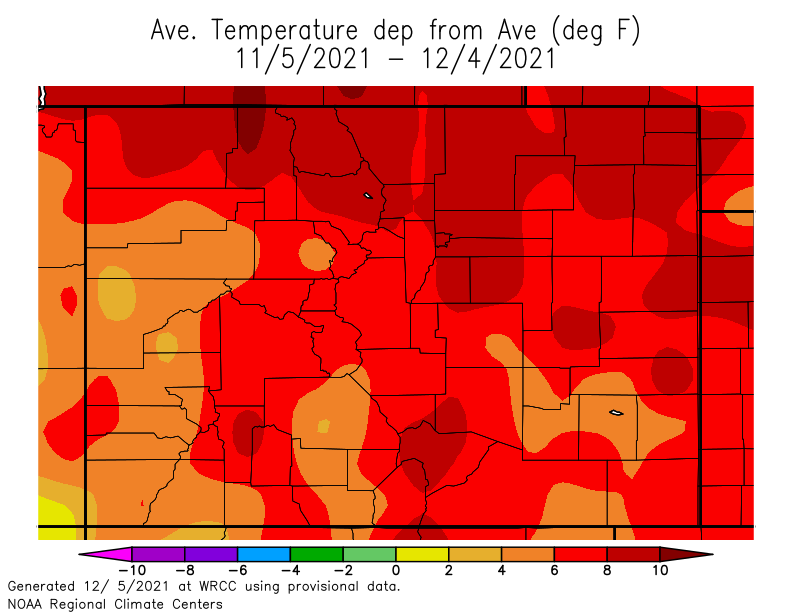
Temperatures over the past months have been about 7°F (4°C) above average. Basin-wide snowpacks are about half their average amount. On a weekend I expected to be at the ski slopes, instead, I was hiking.

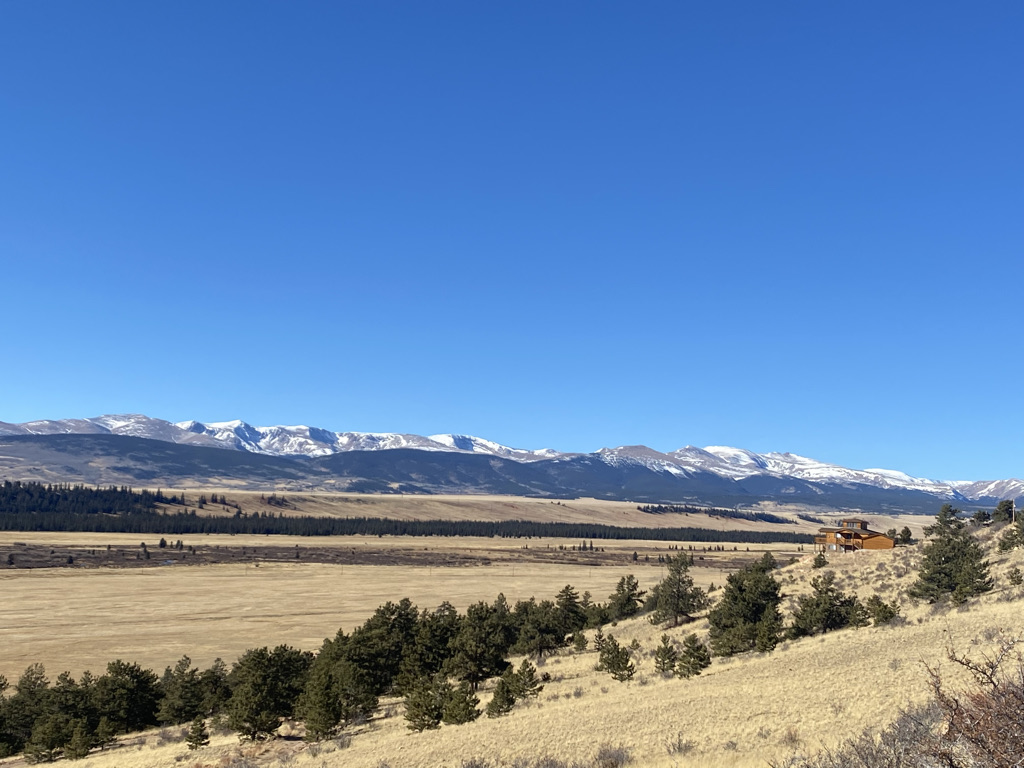
Temperatures warmed into the 50s (≈+13°C), which felt warm with no clouds or wind at a high elevation. The vibe, reminiscent of a totally different time and place then early December in the central Rocky Mountains, was impossible to ignore.
The sun kissed the entire river valley in a manner that made it hard to believe that this is really December.

Meanwhile, rather than airlifting skiers to hospitals after injuries, emergency management personnel were evacuating homes and trying to contain a wildfire.
Some welcome the continued warmth, and love the fact that they do not yet have to shovel snow and put on winter boots. Others are frustrated, losing patience, or even fearful. The weather is something that can be predicted fairly accurately about a week out and prepared for. However, like nearly all of nature, it cannot be controlled.
The weather may be one of the clearest and most present examples out there of that which we cannot control. As is the case with a lot of what life will hand us, we can only control our reaction to it. I was bummed that I was not skiing, as I had previously anticipated. However, when that door closed another one opened.

We hiked

We saw some places appear in a totally different light

And, I got to awkwardly combine holidays while wearing this strange Krampus t-shirt.

When seasonal shifts in weather arrive early or late it can be frustrating. However, this frustration can sometimes pale in comparison to unexpectedly early onsets or frustrating delays in other areas of life. Almost everyone can relate to having to wait longer than expected for a new career opportunity, to find a good relationship, or for a loved one to correct problematic behavior. Likewise, it’s hard to imagine too many people who haven’t been blindsided by an unexpected and unwelcome change.

The same way snow sport enthusiasts in Colorado are eagerly awaiting an overdue change in seasons, millions, possibly even billions, of people are eagerly awaiting what feels like an overdue change in our overall situation. The virus and the fear that goes along with it is still causing some restrictions. Most people seem tired of our partisan divisions, lack of human connections, excessive screen time and work culture that doesn’t make sense. Yet, like the onset of winter and our emergence from the pandemic, progress feels quite slow. Sometimes things go into reverse.

The timing of cultural shifts is harder to predict than weather patterns. There is no snow now, on December 5th, but, there will certainly be snow by February 5th. Shifts in the circumstance in our lives can arrive tomorrow morning, or never arrive at all. At this point, all we can do is hope and try to find the right balance between optimism and realism, between focusing on what we can control while trying to affect our surroundings, and accepting our current reality while trying to create a better future.
Moderate October Activities in the Front Range

October is the perfect month for people who prefer to sleep in and take it a little bit easier. In summertime, it is often imperative to get an early start on most activities, before the heat builds. The long days provide opportunities to climb to the tallest peaks, go places that are inaccessible at other times of the year and push ourselves to the limits. By October, the days are shorter and the mornings are chilly. 5 A.M. goes from being dawn to as pitch black as the middle of the night. 7 A.M. goes from the ideal time to start outdoor activities to a chilly sunrise. And, 10 A.M. goes from the time when heat starts to really build to when the sun has finally warmed the air to a comfortable temperature.
Unlike the middle of the winter, there is still plenty of nice weather. It’s not time for those that shy away from unpleasant conditions to hibernate just yet.

However, the shorter days and cooler conditions give many of us permission to take the pressure off ourselves a bit. The 100-mile ride, the 14,000 foot peak and the trek deep into the wilderness are now out of reach. The time has come to take a somewhat more relaxed approach to our activities and just simply enjoy being outdoors wile it is still pleasant to do so.

In that vein, two great activities that are simply enjoyable are Left Hand Canyon outside of Boulder and Evergreen Mountain (not surprisingly, outside of Evergreen).

Left hand canyon is an 8 mile (13 km) bike ride up a mostly relatively gentle grade. The total climb to Jamestown is about 1300 feet (400m).

Jamestown is cute little town of only 250 people frequented by other cyclists making the same or similar journeys (the road does continue upward and connect with the Peak to Peak Highway).

There are plenty of great places to just sit and meditate by the river or grab a bite to eat. The downhill is most enjoyable, as it is steep enough to go fast, but not so steep as to frighten most cyclists.

With chilly mornings, October is also the perfect time to take on shorter hikes, like Mount Evergreen, a hike with an 816 ft (250m) vertical and a total distance just shy of five miles (8 km).

In the summer time, this is probably an ideal before or after work hike for residents of Evergreen. The trek is a combination of some sections that are quite easy (i.e. flat).

And some areas that are somewhat more challenging.

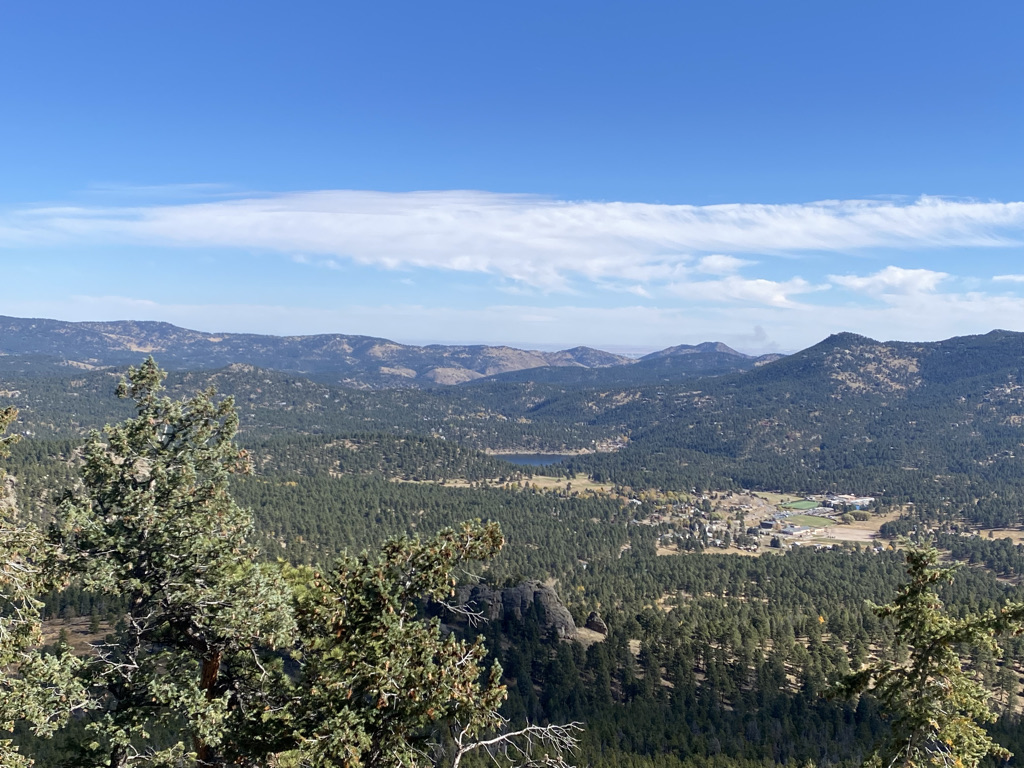
Near the top there is a short side trip to a scenic view of the town of Evergreen that should not be missed.

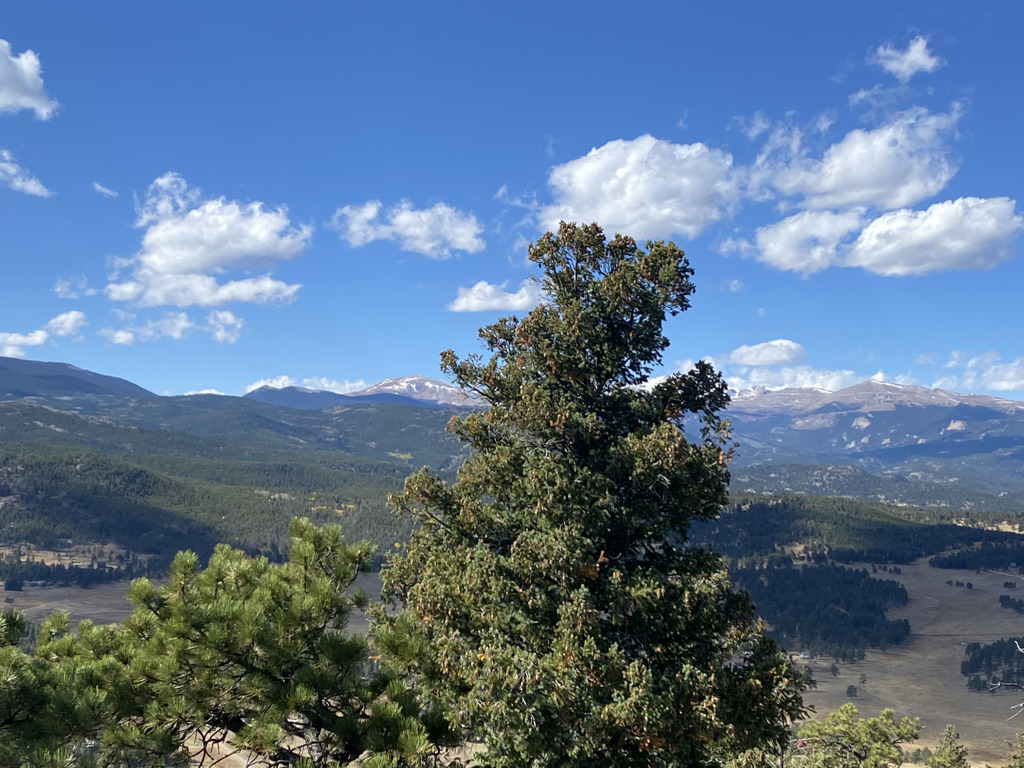
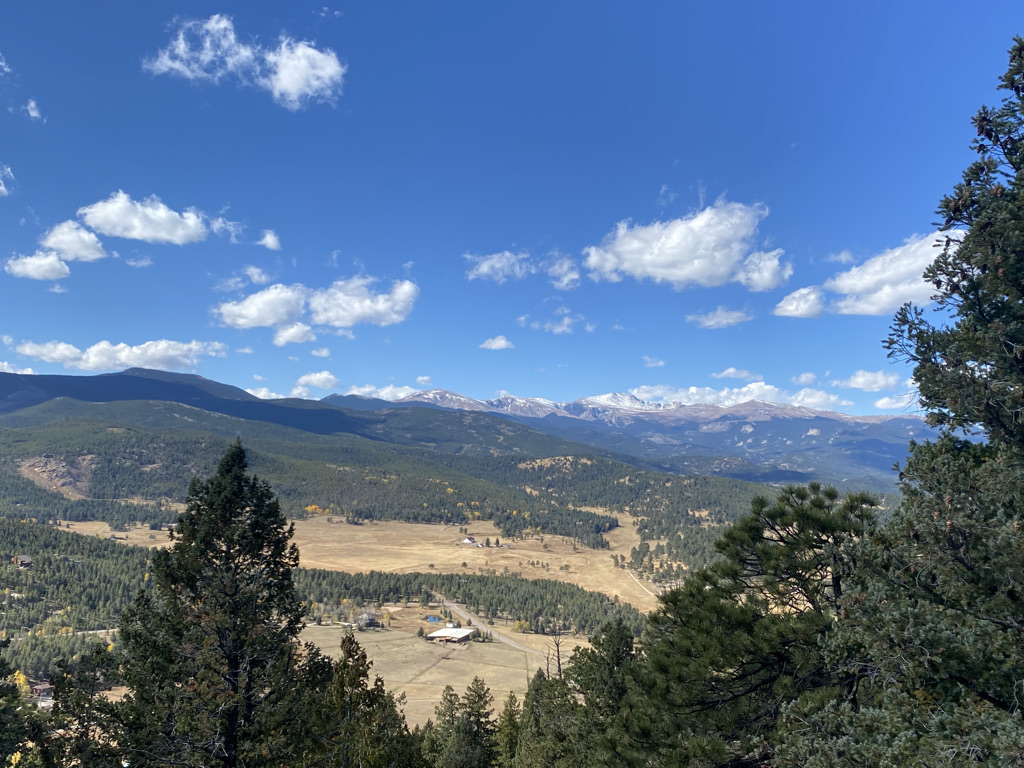
And, there are a couple of great vantage points of the taller mountains further west from a couple of points at the top.

As an active Coloradan, both of these activities feel relatively easy, or, at the very least moderate to me. However, as we approach November, the season of gratitude (based on the holiday Thanksgiving), I must reflect on the fact that these activities are not easy for everyone. Some people are not fortunate enough to be in good health and have the capabilities to climb 1300 ft. (400 m) on a bike or hike up 800 ft. (400 m). It is good to show gratitude for having functioning legs, a good circulatory system and the means to eat a healthy diet.

It is also important to remember that the easier activities would not feel so easy without the hard ones, the ones where we truly push ourselves.

For a sedentary person, these two activities would be hard.

If we do nothing but push ourselves, many of us will never truly enjoy the activities we take part in. However, if we never push ourselves, our range of possibilities would be very limited. We need both.

Perhaps that is what the changing of the seasons is all about.

However it manifests in the specific places we live and in our specific pursuits, it reminds us that different parts of the annual cycle and other cycles of life require us to focus on different needs.

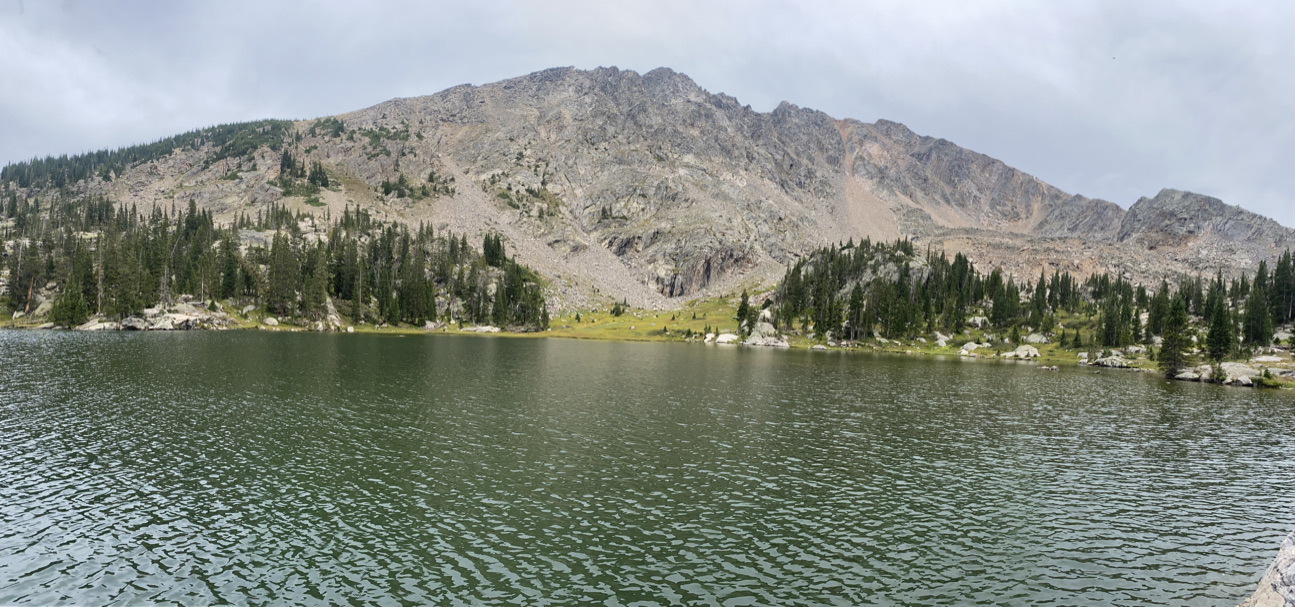
Columbine Lake- Grand County, Colorado

Many of Colorado’s outdoor activities involve putting the body through some kind of major challenge. There are no 14er climbs with less than 2,000 feet in vertical gain. Most 14er routes exceed 4,00 feet! Rock climbing, whitewater rafting and pretty much all of the State’s most talked about bike rides are quite physically challenging. There is a reason Colorado has the lowest obesity rate in the country.

While these experiences improve physical health, there are spiritual benefits to being in nature and taking it at a slower pace. At a slower pace, one can fully observe, reflect, immerse and use that space to reduce stress and process thoughts. It’s a different kind of experience. After the extreme physical challenge that was Ride the Rockies, it was the kind of experience I was craving.

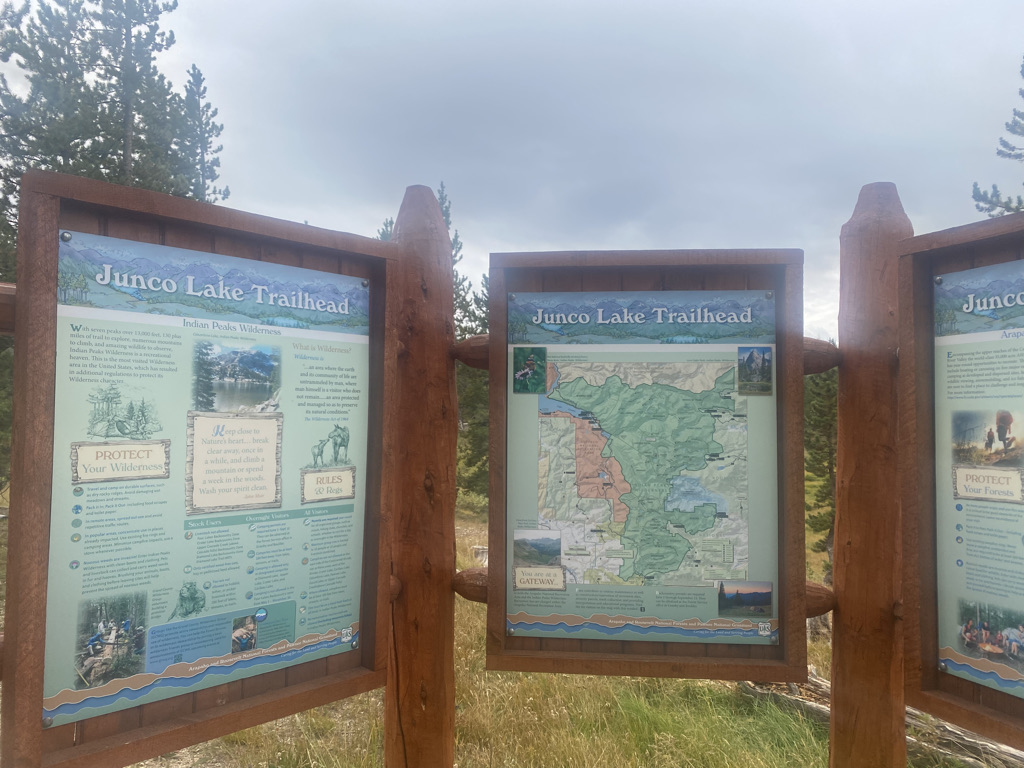
It may be challenging to develop the patience to just sit or walk slowly, especially after such a personal accomplishment. So, I found something in between the two extremes. I found a hike that would most certainly still be considered exercise, but not intense enough to distract from the experience of being in nature. That is Grand County’s Columbine Lake (there are two lakes in the state with this name so the distinction is necessary) via the Junco Lake Trail.

In addition to being a truly moderate trail, this particular hike is also both quiet and scenic. The catch is, getting there can be a little tough.

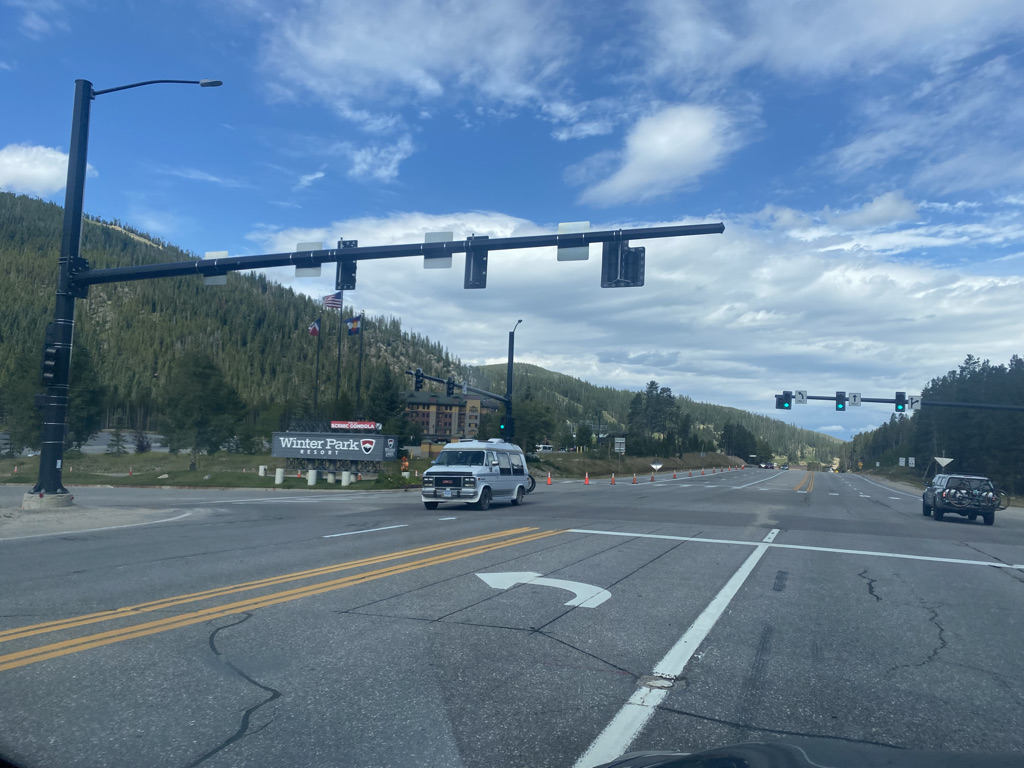
After driving through Winter Park along highway 40…

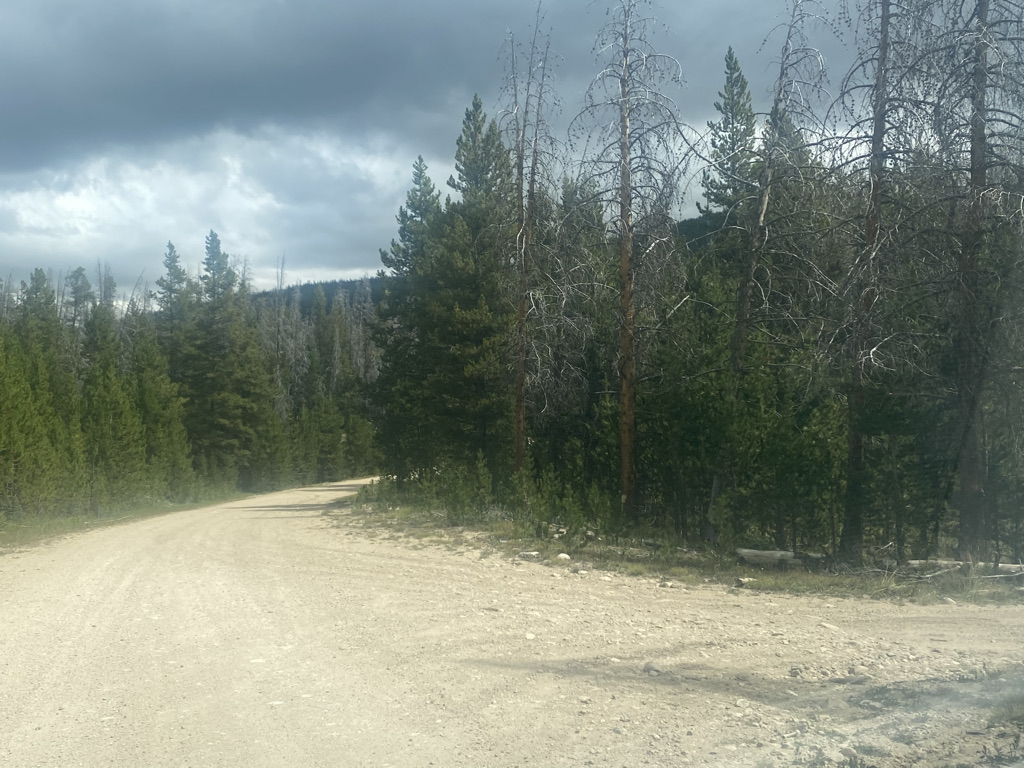
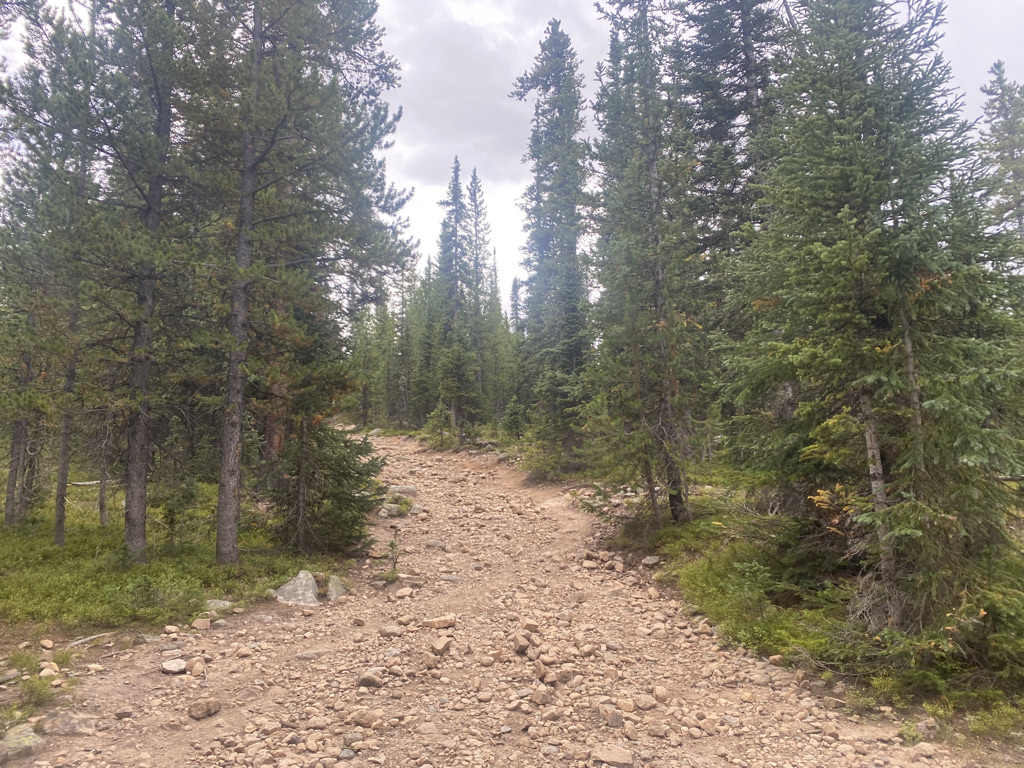
Getting there involves following an unpaved county road for about 12 miles, the final three of which can be quite rough.

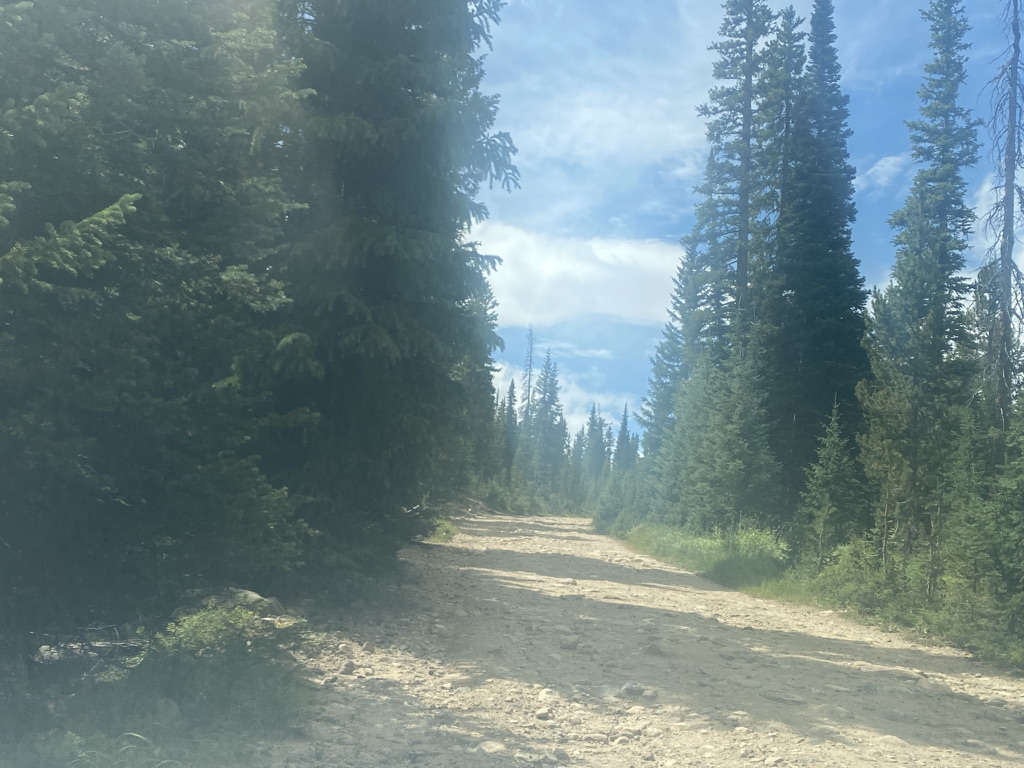
The trail also starts out rocky, in a manner that almost felt indistinguishable from the final few miles of driving to get to the trailhead.

This part was also pretty intense. At least it was intense enough to feel a lot more like a challenging hike than some kind of a walk in nature.

After this initial section, it felt exactly like the balance between active exercise and the spiritual experience I was looking for.

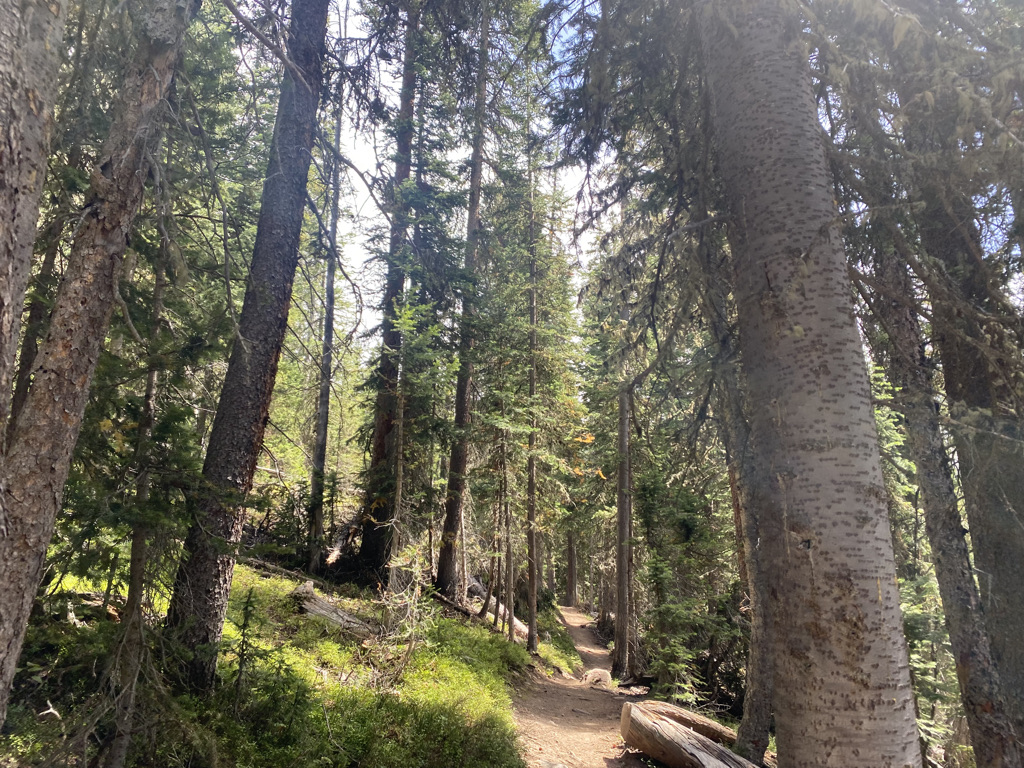
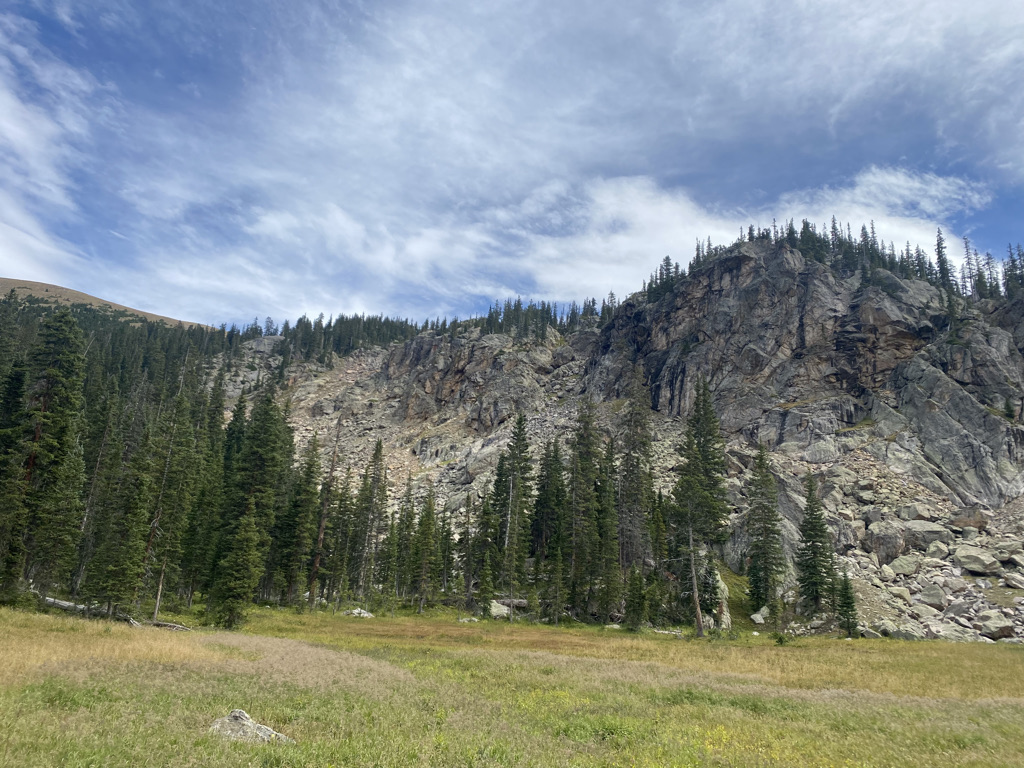
The trail also kind of switches back and forth between sections of dense pine forests and open meadows .

Finally, it follows a narrow creek with periodic mini waterfalls.

As it approaches the lake.

With open meadows and few other people, taken slowly enough, much of this hike could be the ideal setting for a spiritual experience. However, it requires some effort. It is almost reminiscent of Yoga, where the clearing of the mind comes only after pushing the body a little bit.

People are often searching for balance in life. This is frequently interpreted as finding some middle ground between two extremes. Could true balance also require a balance between moderation and that which is radical, extreme or intense? Likely, we all need some aspect of both in our lives. It ebbs and flows with different experiences taking a more prominent role in different seasons. In the end, it becomes all about getting the experiences we need to be complete human beings.

Ride the Rockies Day 4: Telluride to Ridgeway

It was after the challenging third day of the ride that my legs started to feel like bricks. On one hand, I felt somewhat relieved that the day 4 ride was only 40 miles with only one climb, up Dallas Divide. However, as I ate my breakfast, casually in Telluride (as the shorter ride meant I was in no hurry), my legs certainly felt like they would rather just sit.

It always feels strange to me to begin a day with a downhill. After the four mile spur out of Telluride, the highway turned downhill for nearly 20 miles.

A good portion of the ride traversed through areas with red rocks, something that always seems to appear and disappear somewhat haphazardly whenever traveling around western North America.

Turning up highway 62 meant, once again, pedaling uphill, exactly the opposite of what my body had been desiring to do.

As is typically the case on multi-day trips, after a few miles of pedaling, I felt way better than I thought I would. That heavy brick-like feeling in my legs kind of melted away as my body adjusted to the fact that it was once again being asked to pedal up a hill.

The ride to the top of Dallas Divide turned out to be more than worth it.

For some reason, it was on this day I also decided to become obsessed with the tradition of holding up my bicycle.

This also turned out to be one of the most scenic parts of the ride – a reward for the multi-day effort.

The instinct to give my body a rest when my legs felt like bricks could not have been more wrong! Luckily, I knew all along not to think about things from the narrow, or short-term, perspective of only considering the exhaustion I was feeling at the time. Sometimes what we think we want in the moment is not the path to get us to what we really want.

The instinct to pursue the momentary, fleeting desire seems to be heavily impacting some areas of our culture today. Many people at some point in their lives have had the unfortunate experiencing of feeling like part of an “out group”, whether it be not fitting in with the popular group in school or feeling like some part of their identity is rejected by mainstream societal standards. The answer to all of these situations is for each person to assert their individuality. Then, as a whole, we become more comfortable with what is different and more accepting of people who look, act, and orient their lives in a manner that is not what we are accustomed to seeing.

Like the instinct to stop riding after an exhausting day, feeling left out leads to the instinct to satisfy the immediate need to feel validation and belonging. This often leads people to look for a new group identity rather than assert their individual one. As would have been the case had I gave into my immediate instinct and skipped this ride, focusing on the immediate needs filled by establishing a new group identity does not lead to the most favorable outcome. It either leads to just switching who the “in” and “out” groups are (not getting to the root of the problem) or more mental energy spent lamenting about being in the “out” group.

For reasons I do not understand, this is the portion of the ride where things started to get emotional.

I arrived at the second, and final, aid station of the day, with pretty much the same mountain scenery in the background. A van was playing music, first Rocky Mountain High, then more recent songs like Party in the USA came on. These particular songs probably would not have made me emotional had it not been for the fact that I had not listened to too much music on the first few days of the ride.

The thoughts about the current state of the world and how to make the best choices for long-term satisfaction suddenly shifted to more spiritual thoughts. Phrases including “love in infinite” and “there is enough compassion for everyone” popped into my head and lingered. Descending 2,000 feet (600 m) from Dallas Divide to Ridgeway I felt prepared to embrace every other human being I encountered, regardless of their flaws.

It was the easiest day of the trip, but the consequence of a mostly downhill day is a return to the heat.

With the campgrounds in a hot dusty fairgrounds where some participants needed to go down to the river to get away from their overheated tents, I was more than happy to have opted to pay for the hotel package, even if it meant taking a shuttle to Ouray.

Ride the Rockies Day 3: Cortez to Telluride

When I signed up for this ride, it was the third and the sixth (and last) days that intimidated me. The first two days were both about 70 miles (115 km) with about 3,600 feet (1100 m) of climbing. These would not be considered “easy” or even “moderate” cycling days by any stretch of the imagination. However, they still pale in comparison to these more challenging days. The official ride for day 3 was 102 miles (164 km) with 6,500 feet (2 km) of climbing. The first 62 miles (100 km) were a fairly steady climb from Cortez to the top of Lizard Head Pass!

The first 20 miles, from Cortez to a small town called Dolores were pretty similiar to the first two days.

It was after passing through Dolores that, for the first time in this ride I truly felt like I was in the mountains. The ride followed up the Dolores River into a canyon that felt far more reminiscent of my many other Rocky Mountain experiences.

The further I went, the more amazing the scene in front of me got!

I was genuinely in a canyon, once again encountering random buildings and imagining what life would be like living in a house like this.

Only this time, I was not focused on the fact that these people lived so far from the nearest town. I was focused on the scenery. Does a person who was born in a place like this understand how spectacular the place the live is? Or is it just all they know? Or, do they think the grass is greener on the other side and stare at images of skyscrapers and other big buildings in their spare time?

A little over halfway through the climb, along with many of the other ride participants, I stopped to get Ice Cream.

This Priest Gulch Campground quite possibly gave me the best deal on ice cream I could imagine. For $2.50 I got a vanilla swirl that went pretty much as high as any vanilla swirl could go. I was almost worried I had consumed too much!

With the level of challenge on a day like this, it is hard not to pay attention to the little things that may make the ride easier or harder, even if they occur on a very small scale. Would this ride have been more or less challenging had I done it alone? On one hand, when riding with a group of people, there is often the opportunity to “draft”. This is when you ride behind someone going the same speed as you, letting them push against the wind. It makes the ride easier for those in the back of the pack. This is how cycling teams work.

However, on this day, there were a few incidences where one of the teams would be passing by me on the left while I quickly caught up to a slower or stopping rider in front of me. On several occasions I had to hit the breaks, which is always heartbreaking on days that feel like they will require nearly all the energy you have.

However, I would still say, overall, the big group is an advantage.

It was also after this ice cream stop that the tall peaks began to appear on the horizon.

After two days of hot lower elevation riding, I felt like I had entered a different ecosystem.

Two things I was not impressed with on this ride were…

  1. Serendipity Catering: The morning of the third and first extremely challenging day of the ride, I arrived at headquarters for breakfast at 5:45 A.M. only to find out that the catering service the ride had hired had essentially flaked on providing breakfast that morning. At the time, the organizers were unsure if they would return. As far as I knew, they didn’t return and I still do not know what happened.
  2. The town of Rico: I arrived at the aid station in Rico a little bit before noon, 50 miles into the ride. I had hoped to grab a quick bite to eat at one of the local shops only to be told the power was out in the entire town. I guess this is one town I will never explore.

The final ten miles of climbing were kind of a mix between flatter sections and sections that were really intense.

But the top of Lizard Head Pass was amazing!!!

I had worked hard all morning, pedaling from 6,100 feet (1.85 km) to 10,200 feet (3.1 km) in elevation. That hard work made this unbelievably beautiful setting in front of me so much more sweet!

As an added bonus, I finally got to eat lunch, although I did have to wait in a pretty lengthy line to get it.

I did not follow the official route all the way into Norwood. Instead, I rode right into Telluride to my hotel. This ride started with a descent from the top of Lizard Head Pass.

Required another climb.

And then a descent into town.

Despite having lived in Colorado for nearly nine years, this was my first time in Telluride, a town with a unique flavor.

Many other riders had done more miles and gone faster than me. If I had to guess, I would say 70-75% of the participants had done “better” than me that day. But, for many, rides like these are not about competing against each other, they are about the experience. At the end of the day, I was still quite happy having completed the first of two extremely intimidating days. This ride is special. Being barely in the third quartile of ride participants here still likely puts me in the top 2-3% of the population as a whole when it comes to cycling. But, for me, it is not about feeling better than anyone else. It is about getting to the top of that mountain pass under my own power and experiencing the world from the seat of a bicycle rather than behind the glass of an automobile or airplane.