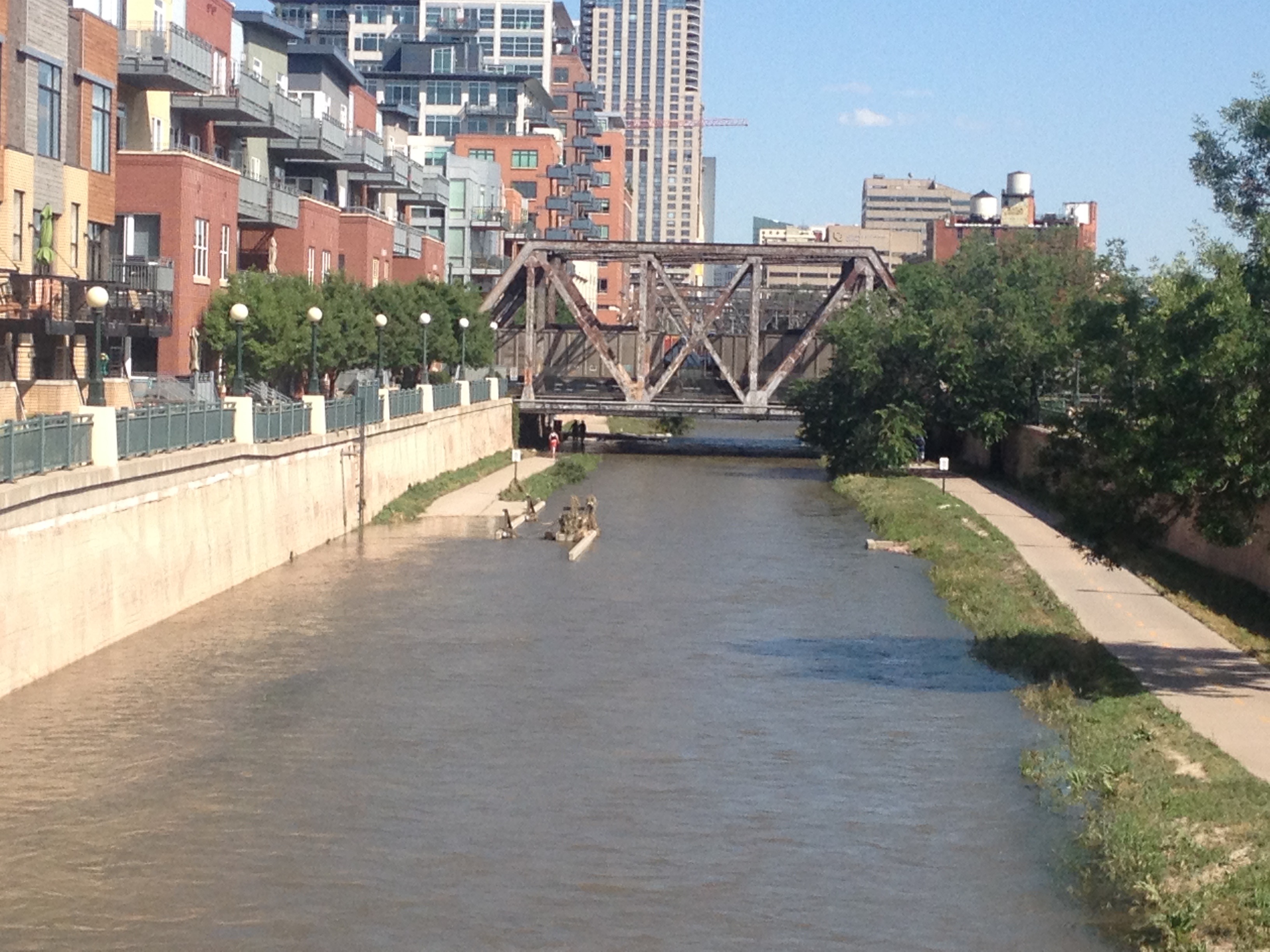
Category Archives: Colorado

Tea that Isn’t Really Tea

IMG_4704

Tea is not something I ever give any real thought to.  For me, it is one of those products that has always just been there.  As much as I claim to be a curious-minded person, I had never even sat and pondered who was the first person to come up with the idea to take a bunch of ground up leaves, put it in a tiny little bag and dip it into a cup of hot water.  In fact, if you think about almost every product we use on a regular basis from the standpoint of a culture that has never been introduced to that product, it probably sounds absurd.  As I write this, I am eating a bagel.  Imagine telling someone who has never heard of a bagel that you have an idea to take condensed bread, bake it into a cylindrical shape with a hole in the middle, and maybe put some random seeds on top.

You would have probably been told, by at least some portion of the people around you, that your idea was either absurd, or unnecessary.  If I could, I would communicate this point to an entire generation of aspiring entrepreneurs, as nearly all of them, will at some point receive a similar reaction from people they describe their idea to.  In fact, some will even be turned down and laughed at by potential customers and investors.
IMG_4615

One of the reasons I had never given tea too much thought is that in my mind I had always associated it with things that I do not find too exciting.  Our subconscious minds have this strange ways of synthesizing our experiences, the experiences we hear about, and even some of the media we consume into some general associations.  Whenever anyone mentions tea, the image that naturally pops into my head is a fancy table with fancy chairs on someone’s lawn, in front of a garden on a day with the most pleasant weather imaginable, and people wasting that pleasant afternoon, with so many possibilities to engage in activities and explore what the world has to offer, just sitting around drinking tea.

In fact, I did not even start drinking tea until I got my first job after Graduate School.  It was free at work.  I started drinking it to save both money and calories, particularly on chilly mornings.  The only variety of tea that was free at my job was “black” tea, which is perfect, because, as I learned at the Celestial Seasonings tour, it is one of the most heavily caffeinated teas out there (surpassed only by Oolong tea).  So, I conditioned my taste buds to the rather plain flavor of black tea and did not ponder other options.

IMG_4701

However, Celestial Seasonings is a place that has way more character than the stuffy images I think of when I think of the average “tea time”.  It was started by a bunch of hippies, which should not really surprise me given that it is in Boulder and was started in the late 1960s.  They would gather leaves in the Rocky Mountains outside of Boulder to make their beverages.

IMG_4514

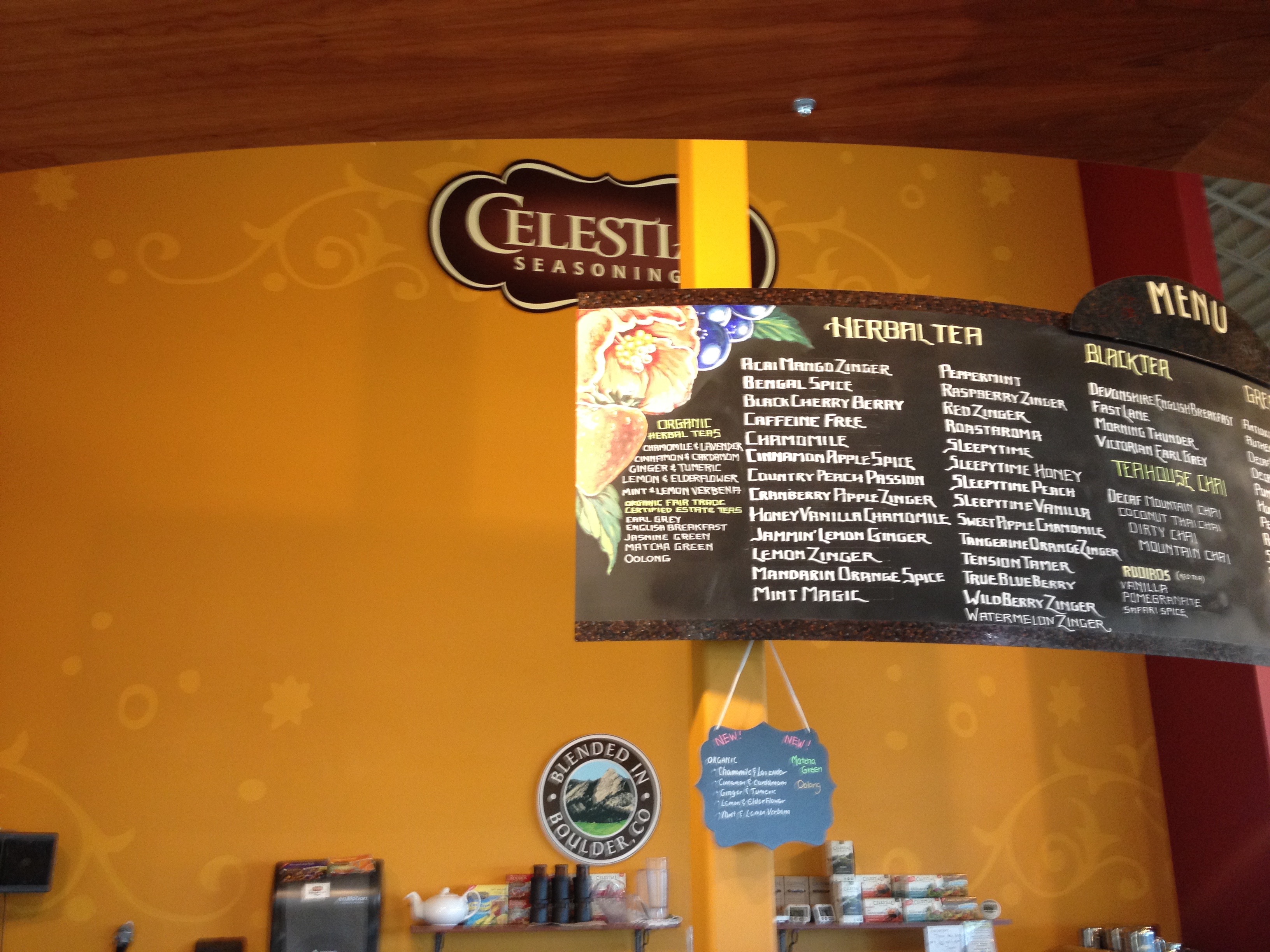
However, the leaves that constitute “tea” come from plants that cannot be grown in this part of the world.  So, the beverages they put together were drinks that could not actually be considered “tea” by the technical definition.  They would have been considered “herbal infusions”.  The phrase “herbal infusion” had a clear association with the hippie movement.  So, to sell these products to the general public, which was (and still is) largely skeptical of the hippie movement, they labeled the beverages “herbal teas”.
IMG_4703

Now nearly a half a century has passed.  A lot has happened.  First, the hippies reached full-fledged adulthood (over 30, is that what they said?), got jobs, bought houses on cul-de-sacs, and, eventually SUVs and mini-vans.  A new generation emerged, powered by a rejuvenated economy, and became Yuppies.  They managed to both continuously enlarge the houses and vehicles in suburbia, while also turning formally blighted neighborhoods in city centers across the country into high-class urban playgrounds.  Many of the areas that were once focal points to the hippie sub-culture, including San Francisco, and even Boulder, are now firmly under the domain of this new urban culture.  Of course, this is all an over simplification, but hippie communes still exist, largely in the same way soda fountains and other relics still exist.  A family will randomly encounter one in an out of the way place on a road trip, and grandma and grandpa will explain to the children what they are/ were all about.

Yet, the label “herbal tea” is still there, both in this tasting room, and in their packaging.  It is still there despite the fact that so much has changed.  Not only does the general public have absolutely nothing to fear from the hippie sub-culture anymore, but, I would argue that many of their ideas have penetrated our mainstream thinking, both “right” and “left”.  We do not wear suits to baseball games anymore.  People aren’t mocked or reprimanded nearly as much when they explore their feelings, and try to find themselves.  There is no more stigma around going to seek therapy, and tons of people participate in yoga classes.  We may largely be in boring cubicles and offices, but it is not unheard of to openly defy the authority structures there.

Despite all of this, people are still drinking “herbal tea” instead of “herbal infusions”.  “Herbal teas” are Celestial Seasoning’s three top selling “teas”.  Is this simply the power of inertia?  Are there still a significant enough number of people that would shy away from drinking something if it was labeled an “herbal infusion”?  Or is something greater at work?  Our world is in a constant state of flux, and that flux includes language, definitions, and standards.  The hippie movement did not survive, but some of the ideas joined the mainstream.  Maybe, although, these “herbal infusions” were not considered “tea” in 1969, they are now.  Very few people, when they buy these products at the store, even ever realize that they are not actually drinking tea.  For all practical purposes, it is tea despite the technical definition.  After all, Colorado is already a major part of a movement that changed the standards for what is considered beer, why not another product?

Disconnect and Reconnect

IMG_4590

2015 is quite a strange time.  I wholeheartedly believe that one day we will look back upon this particular era of human history as one of major transition; for better or for worse.  It was around twenty years ago that households across America were suddenly all gaining access to the internet.  It was around ten years ago that social media started ramping up the roles it played in each of our lives, and a few years later, many people across the country started getting “smart phones” with data plans that provide us with nearly constant access to the internet.  Living in Colorado, it is easy for me to travel to places without an internet connection (although I am sure there are people working on that right now).  However, I imagine that many people in large metro areas, particularly on the East Coast, may go years without traveling to a place that is truly “disconnected”.

IMG_4592

It takes a while for society to really process changes as major as this one.  For the first few years, following the proliferation of social media and smart phones across the country, it genuinely felt as if I was the only person who was concerned about the potential downsides of this sudden cultural transformation.  It wasn’t until a few years later that people started sounding the alarm about topics such as cyberbullying, echo chambers, loss of depth in our conversations, the impact it could have on our friendships, phoniness, and the constant exposure to new information leading to a culture of constant distraction.  Having moved from Chicago to Colorado in 2012, I cannot pinpoint the exact time when we as a society actually started addressing this issue.  I recognize that I moved from a major city to a place that naturally attracts people that would share my views on this subject.

I am a firm believer is a concept known as “Natural Law“.  This philosophy states that there are certain universal truths that apply regardless of setting.  By contrast, Moral Relativists believe that what is right and wrong in always relative to the time, place, and circumstance.  Over the past couple of years, much has been written, in books, on the internet, about the importance of taking time to “disconnect”.  Most of these article remind us of the need to, from time to time, turn off our televisions, computers, smart phones, etc. and spend some time with ourselves.  But, this was true even before we had smart phones and social media.  Long before social media, Bill Gates would periodically go into complete seclusion for a week at a time.  He would refer to these excursions as “think week”s, and use them to develop key ideas.

IMG_4593 IMG_4594 IMG_4595 IMG_4596

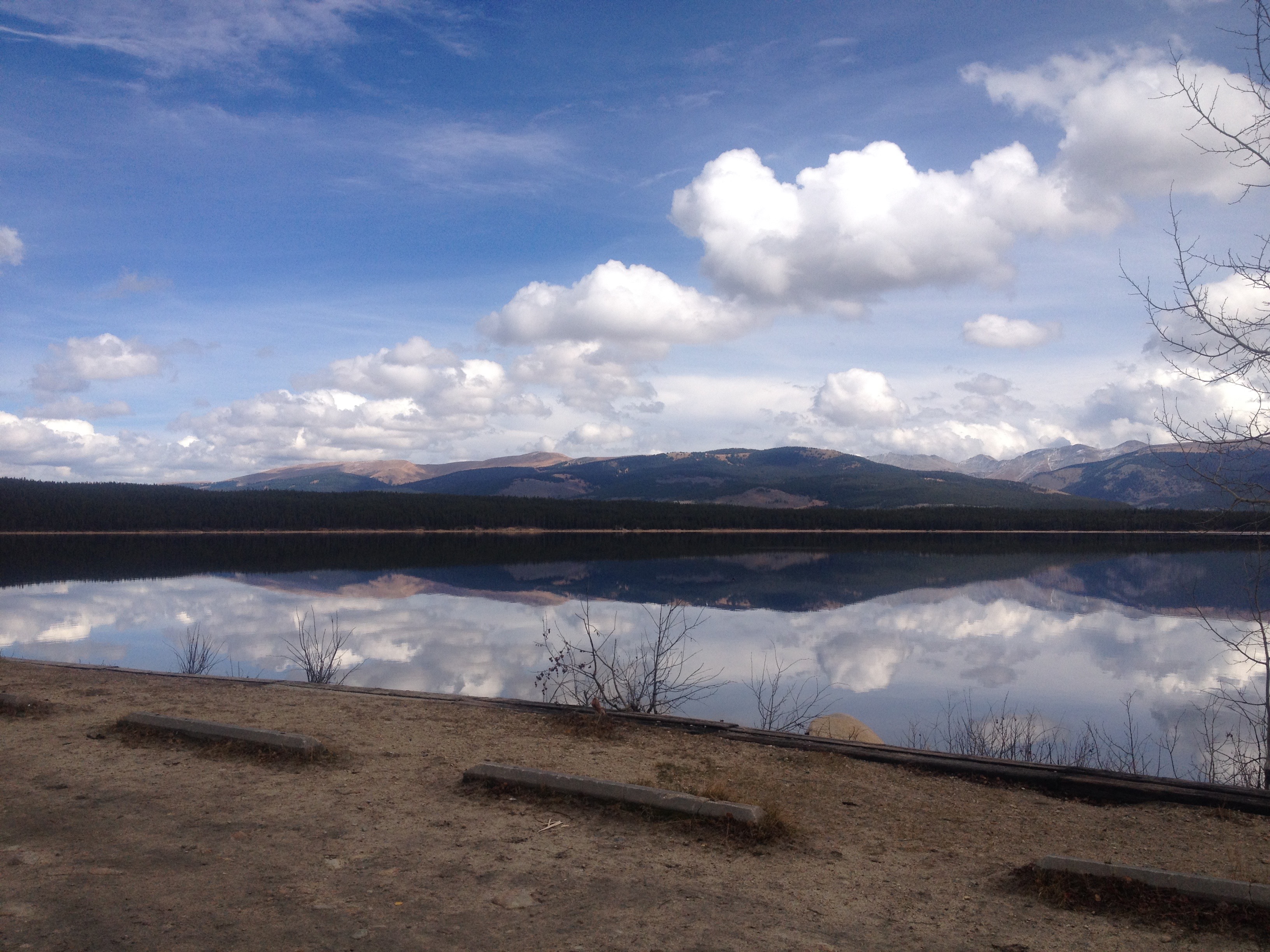
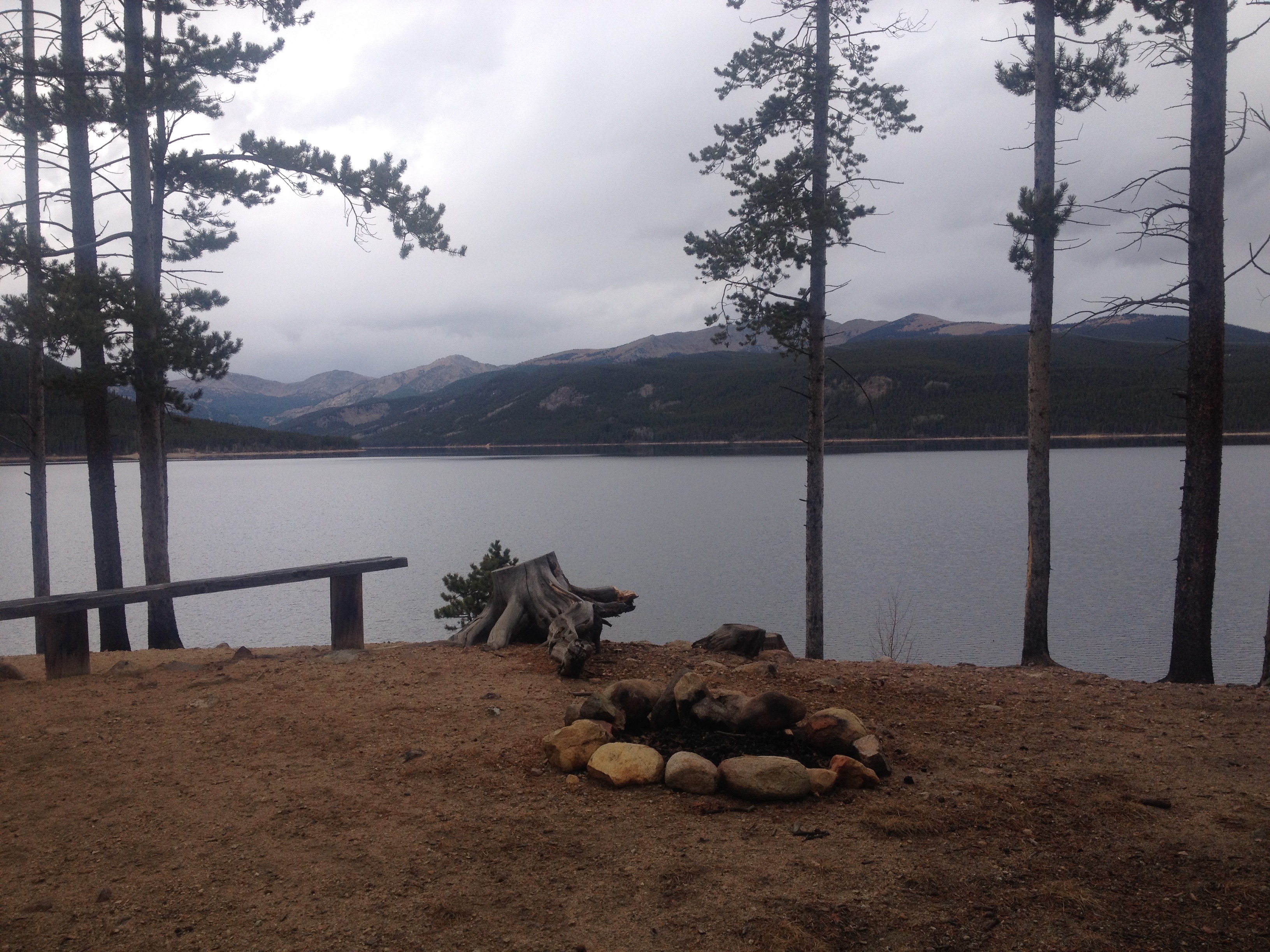
When I arrived at Turquoise Lake, a mere five miles outside of Leadville, Colorado, what I saw was a perfect place to put this advice into practice.  Simply put, it is quiet, but also very scenic.  I came to the lake not knowing what to expect.  I knew it was a Tuesday, and in the middle of October, and therefore would not likely be crowded.  But, with the exception of a storm headed into the area by later in the afternoon, the place was quite tranquil.  It is the kind of place people envision when they think about a quiet country mountain getaway.

I decided I would take five minutes, and force myself to do nothing- absolutely nothing!  I would not pick up a rock and start throwing it.  I would not walk down to the lake.  And I certainly would not even touch my iPhone, which was in my pocket at the time.  For five whole minutes, all I did was stare at the Lake, the trees, and the mountains in the backdrop.

IMG_4597

At the end of these five minutes, I picked up a rock, and wrote the following message.  Along with this overarching theme, a series of other ideas flew into my head.  For, in life, we all do things that makes us feel alive.  Unfortunately, we also have times in our lives when we simply don’t feel alive.  Choosing to live means something different for every person.  We all have our own individual passions and priorities.  But, one thing we all must do, in order to be true to ourselves, is overcome the fear of leaving our comfort zones.

IMG_4598 IMG_4599

As I watched the storm roll in, I realized that, for many, the first step towards overcoming this fear, and expanding our comfort zones, is exactly what I just did.  In our current culture, with TVs in every house, iPhones with music and games, and distractions everywhere, being completely still, completely silent, and without some external stimulation to occupy our minds is well outside the comfort zone for most people.

I have a friend from High School who has A.D.D.  And, I do not mean it in that manner in which we over-diagnose A.D.D. in our modern society.  He was diagnosed long before they started diagnosing everyone, and seriously has nearly no attention span without medication.  One day, we thought it would be interesting to see how long he could do nothing for- absolutely nothing.  We all just sat in chairs doing nothing.  After a minute or so, we could obviously tell that this was a painful experience for him.

However, for those of us without this issue, when was the last time we actually did spend a whole minute (or five) doing absolutely nothing?  How often do we, while waiting in line, or waiting for a train, or waiting for our friend to show up at a bar, instinctively take out our smart phones, and distract ourselves with a game, an unnecessary email check, or social media?  Have we all gotten to the point where we cannot spend a minute inside our own brains?

For what I realized is that when we “disconnect”, we are not just disconnecting from the internet, and other distractions.  We are actually reconnecting- reconnecting with ourselves.  For most of our days, in 2015, for better or worse, we are fixated on an external stimulant.  Our minds dwell upon something someone else has chosen for us to think about.  It is only when we shut those outside distractions out that our minds are free to wander.  It is then that we form our own thoughts, on our own terms.  This is something I fear we may have lost in our modern culture.  At Turquoise Lake, I found it.

Places that Used to Be

IMG_4573

Many different types of images come to mind whenever anyone talks about “ghost towns”.  I think of all of those images of abandoned, and partially decayed buildings that are pictured on the cover of books about ghost towns.  I think of that abandoned cabin you see while on a hike.

IMG_4329

Sometimes I think back to the recently abandoned town in West Texas I passed through a decade ago on a storm chase.  I even think of other, more recently abandoned, “21st Century” ghost towns.  Heck, sometimes parts of Detroit even come to mind.

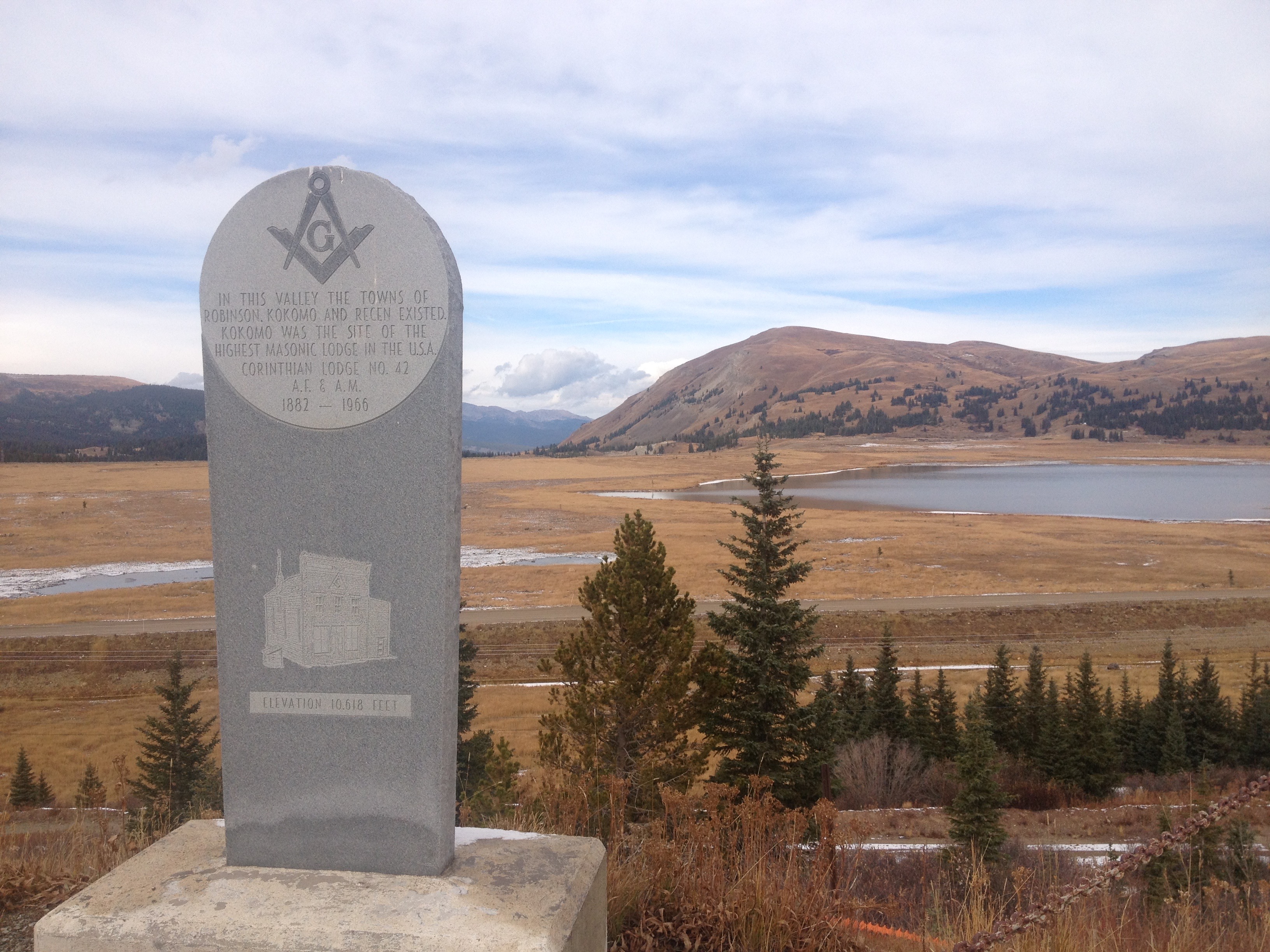
But something felt creepy when I came across the site of not one, but three towns that used to exist, as recently as the middle part of last century.

IMG_4574 IMG_4575 IMG_4576

I looked around in all directions.  There were no buildings at all, not even one of those rotted out wooden buildings that appears to be on the verge of collapse due to neglect.  I looked far and wide along the valley for some sort of evidence that there were three whole towns in the area as recently as the 1960s.  Maybe an abandoned platform along the tracks.  Or even piles of wood, or rocks.  Nothing!  The only evidence anyone passing along this route would have that there ever was any human civilization in the area is a historical marker that marked what once was the site of the highest masonic lodge in the U.S.A.  It’s creepy enough that these towns appeared to be completely erased out of existence.  But, the only indication that these towns ever actually existed is due to the Masons, a secretive organization that many also find creepy.

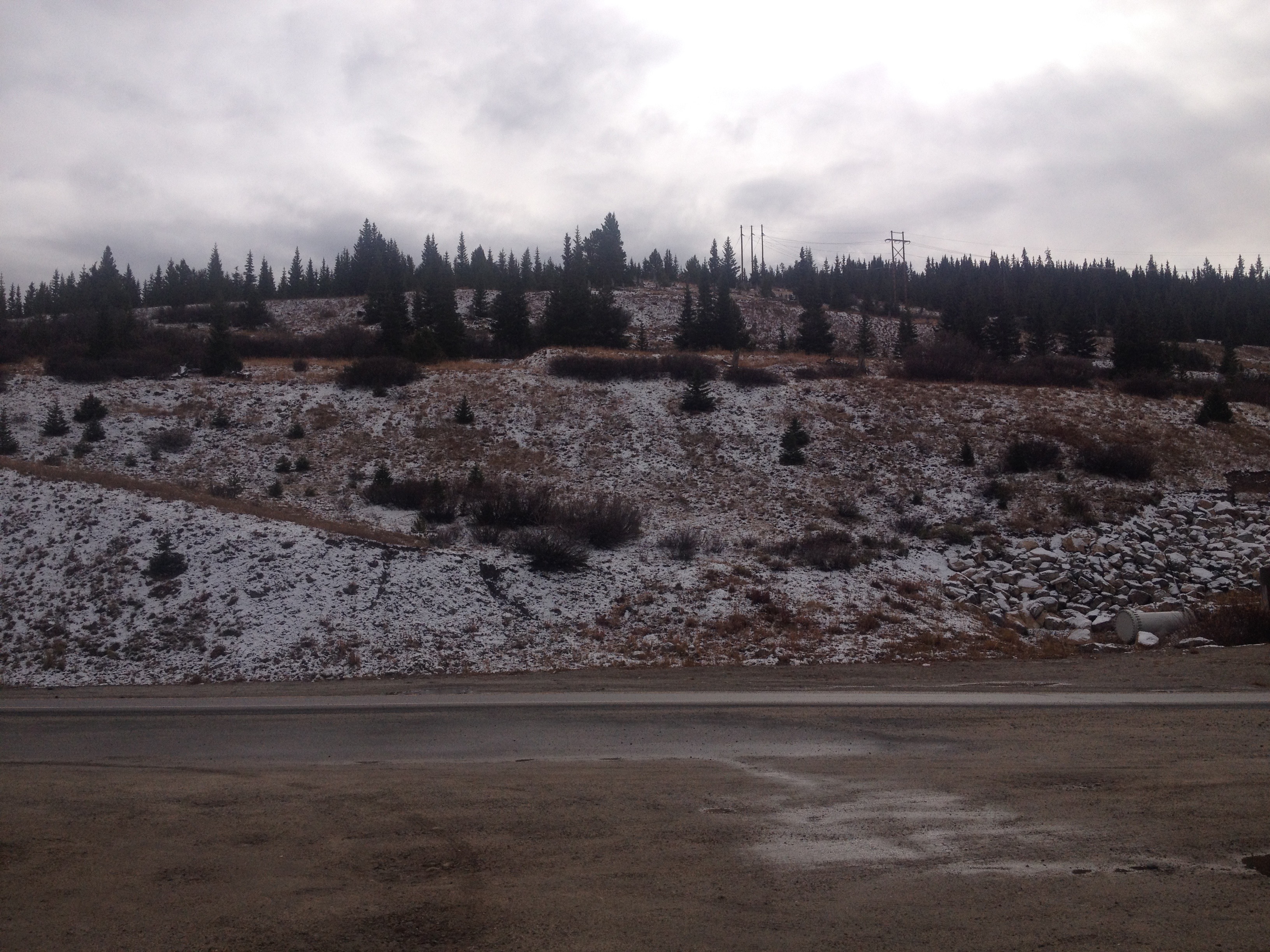
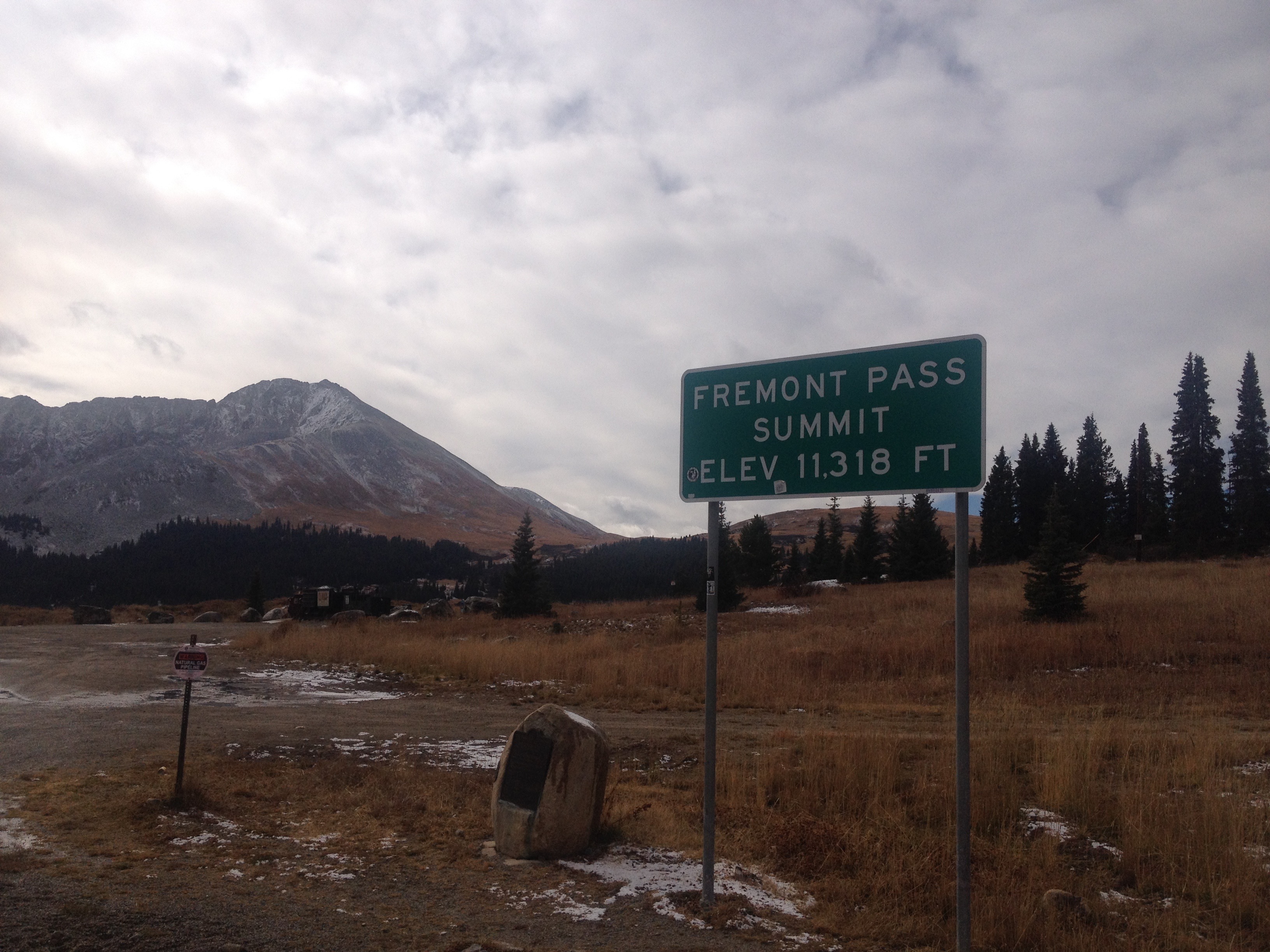
Three miles up the road, is Fremont Pass, another place with echos of the past.

IMG_4577 IMG_4578

Fremont Pass, it appears, is home to another “ghost town”, the town of Climax.  Here, I at least found some evidence of this town’s existence.

IMG_4579

This particular location played a significant role in history on two occasions.  As indicated by the historical marker, the Continental Divide is the western boundary of the Louisiana Purchase.  In fact, this very location was an international border from 1803, when the Louisiana Purchase was signed, until 1821, when the Adams-Onis Treaty established slightly different borders between U.S. and Spanish territory.  The border would remain in a somewhat nearby location until the conclusion of the Mexican-American war in 1845.

Later, the Climax Mine would play a pivotal role in the U.S. efforts in both World War 1 and World War 2, as it sits on one of the largest deposits of a little known substance of molybdenum.  To be completely honest, I have no clue what molybdenum is.  All I know is that it is one of those middle elements on the Periodic Table, which, I am guessing is more than the average person knows.

What I did gather, though, was that like the three other ghost towns in the area, this is a place that was significant, actually quite significant, at a point in our history, but now it is basically gone.  In fact, the only real reason I know about Climax is related to one of my other projects.  I recently created an algorithm to calculate seasonal normals at any given point in Colorado for the purpose of planning out activities across this beautiful state.  To develop this algorithm, I needed to find as many reliable weather observation sites in places with different geographical features as possible.  Climax, it turns out, is the site of one of the highest reliable CO-OP weather stations.

IMG_4580

Not only was this weather station particularly helpful in developing that algorithm, it is also a great source of information regarding snowpack conditions at high elevations for the purpose of avalanche forecasting, as well as determining where to hike or snowshoe.  So, although that molybdenum plant re-opened a few years ago, in my world, this weather station is currently Climax’s most significant attribute.

The fact that places both rise and decline in significance is not a new concept.  Places like Egypt and Sumeria formed the cradle of civilization, only to eventually cede that power to other cities and regions.  Similarly, in today’s United States, we are currently seeing places like Texas and Florida gain province, while parts of the Northeast and Midwest decline.

This particular situation is strange though.  When I think of the “Fall of Rome”, for example, I think of a process that occurred over roughly two centuries.  The ghost towns near Freemont Pass were culturally significant a mere half a century ago.  Today, they are all but vanquished from existence.

I am also not accustomed to seeing this process occur over such a small spatial scale outside an urban area.  Most of Colorado is thriving, particularly the mountainous part of Central Colorado.  These three erased towns are only ten miles up the road from Copper Mountain Ski Resort, a resort that is so popular that it one of only three ski resorts to receive its own detailed forecast from OpenSnow (the other two are Steamboat and Vail).

IMG_3204

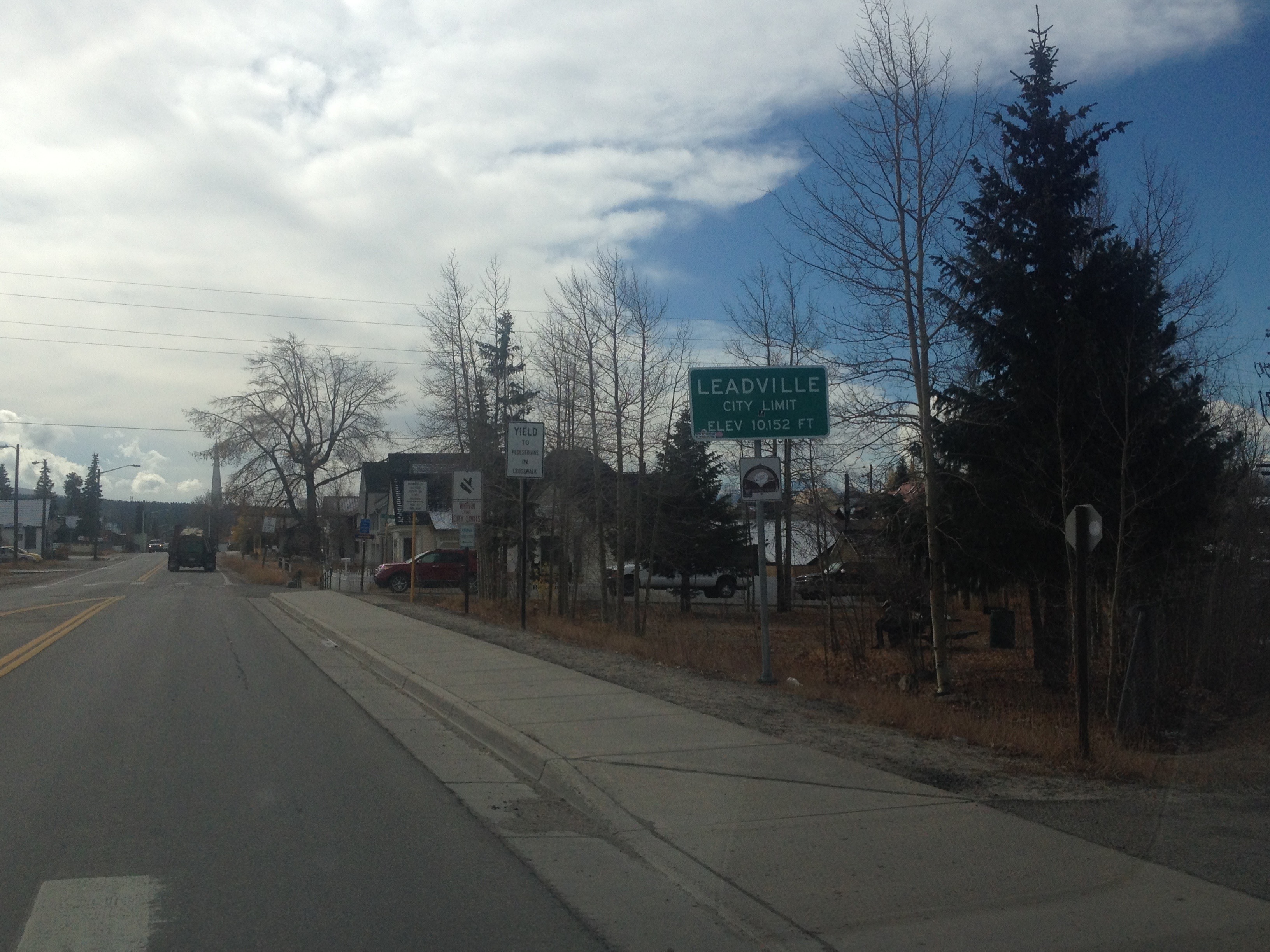
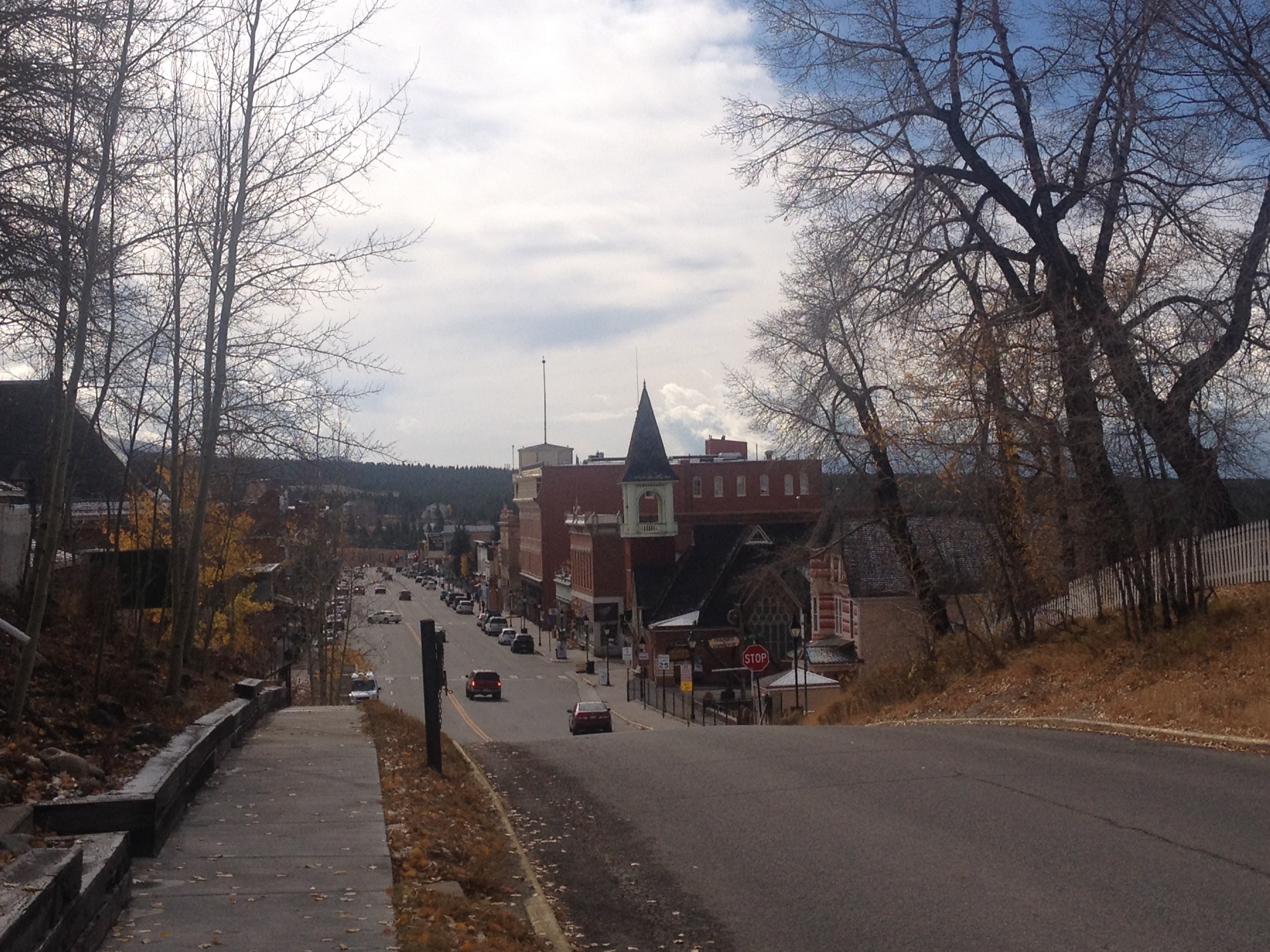
Roughly ten miles or so in the other direction, is Leadville, a former mining town that also appears to still be doing quite well for itself.

IMG_4581 IMG_4583

When I think this all through rationally, I understand why the civilization left the Fremont Pass area.  The economy was largely driven my one obscure material.  When the price for that one material declined, the entire economy left.  Sometimes, though, it takes some time for information to process through the logical mind.  My gut reaction was still one of disbelief, as it still definitely feels strange to see a set of towns decline so quickly to the point of non-existance in a region that as popular and ascendent as Central Colorado.

An Eerie Feeling on Guanella Pass

IMG_4557

Those that love to travel, whether they be the rare few, the people who get to travel for a living, or those who find a way to travel as much as possible, understand that Planet Earth is full of amazing places!  One of the things that makes traveling interesting is the wide variety of types of places to visit, all of which will produce different scenery, and different experiences.  It is nearly impossible to describe or capture the true range of experiences one could theoretically attain through travel, but the Discovery Channel’s Planet Earth Series does a pretty good job.

When people come to visit me here in Denver, I typically take them, in some capacity, into the mountains.  I will particularly ensure that a trip to the mountains gets on the agenda if I get visitors from places like Chicago, which couldn’t be further from any kind of mountain range.  After all, one of the reasons we travel is to see things we do not typically see.  From Denver, it doesn’t typically take too long to get somewhere spectacular.  About half an hour west of downtown, there is a segment of I-70 where the full prominence of the Central Rocky Mountains suddenly appears in quite spectacular fashion.  I remember being amazed by the view that pops out in front of me the first time I traveled up I-70.  Many photographs have been taken from this location, and it was even noted as a point of interest at the History Colorado Center.

IMG_4567

Now that I have lived in Denver for over three years, a short excursion into the mountains typically takes me to a place I have already been, sometimes even a place I have been numerous times.  However, as is noted by the Planet Earth video series, these places often look quite different during different seasons.  Those that visit Colorado in the winter or spring will see mountains covered with snow.  This view, from I-70 near Genesee, will look significantly different, likely in just a few weeks.

October is sometimes a tricky time of year to determine activities in Colorado’s Rocky Mountains.  It is that transition season where often times conditions are no longer favorable for summer activities (and many of the seasonal roads have already closed for the season), but a significant snowpack has yet to develop.  This fall has been anomalously warm here in Colorado, and the extent of the snowpack that has developed in the mountains appears in this picture below.

IMG_4566

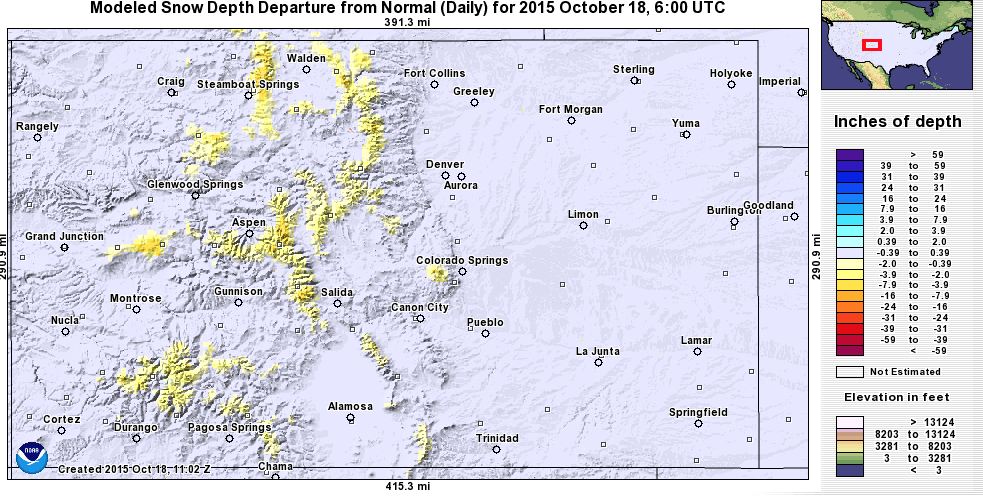
However, according to the National Operational Hydrologic Remote Sensing Center (NOHRSC), by mid-late October, the typical snowpack over the high terrain of the Central Rocky Mountains is still less than a foot (and not consistent year to year).

SnowDepth_Departure_20151008

This map displays snow depth anomalies for Sunday, October 18th according to the NOHRSC.  The actual snow depth, across the entire region, was zero.  The anomalies show just how far below normal this is, which, in the highest terrain on this map, falls into the 4 to 8 inch range, indicating that even at locations above 14,000 feet, there is typically not too much snowpack by mid-October.

Knowing that most seasonal roads would still be open due to the lack of snow, but with somewhat limited time for an excursion into the mountains, we opted to take a trip over Guanella Pass, which is still less than an hour’s drive from Denver.  Despite having been there several times, the experience for me was already new, as a new paved road had just been built, connecting the town of Grant, along highway 285, with Georgetown, along I-70.  This new road is likely to get mixed reactions, as traveling along it is now much easier (and now possible without AWD).  However, there are sections of this pass that are popular among campers, particularly people looking for a quiet camping experience.  On Sunday’s excursion, I encountered several groups of motorcycles.  The prevalence of motorcycles, and the noise they make, could possibly make some of the Guanella Pass campers seek a more remote experience elsewhere.

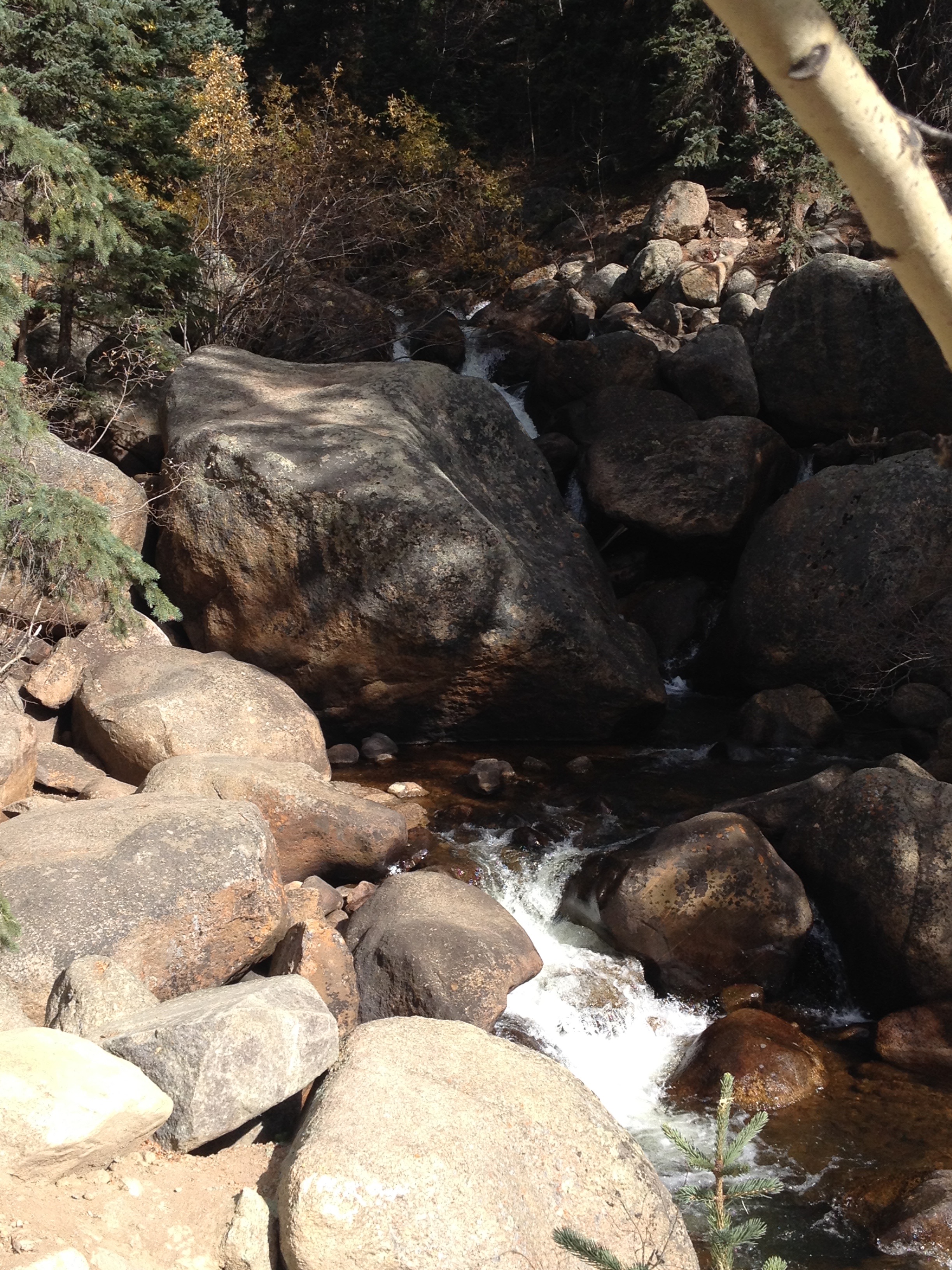
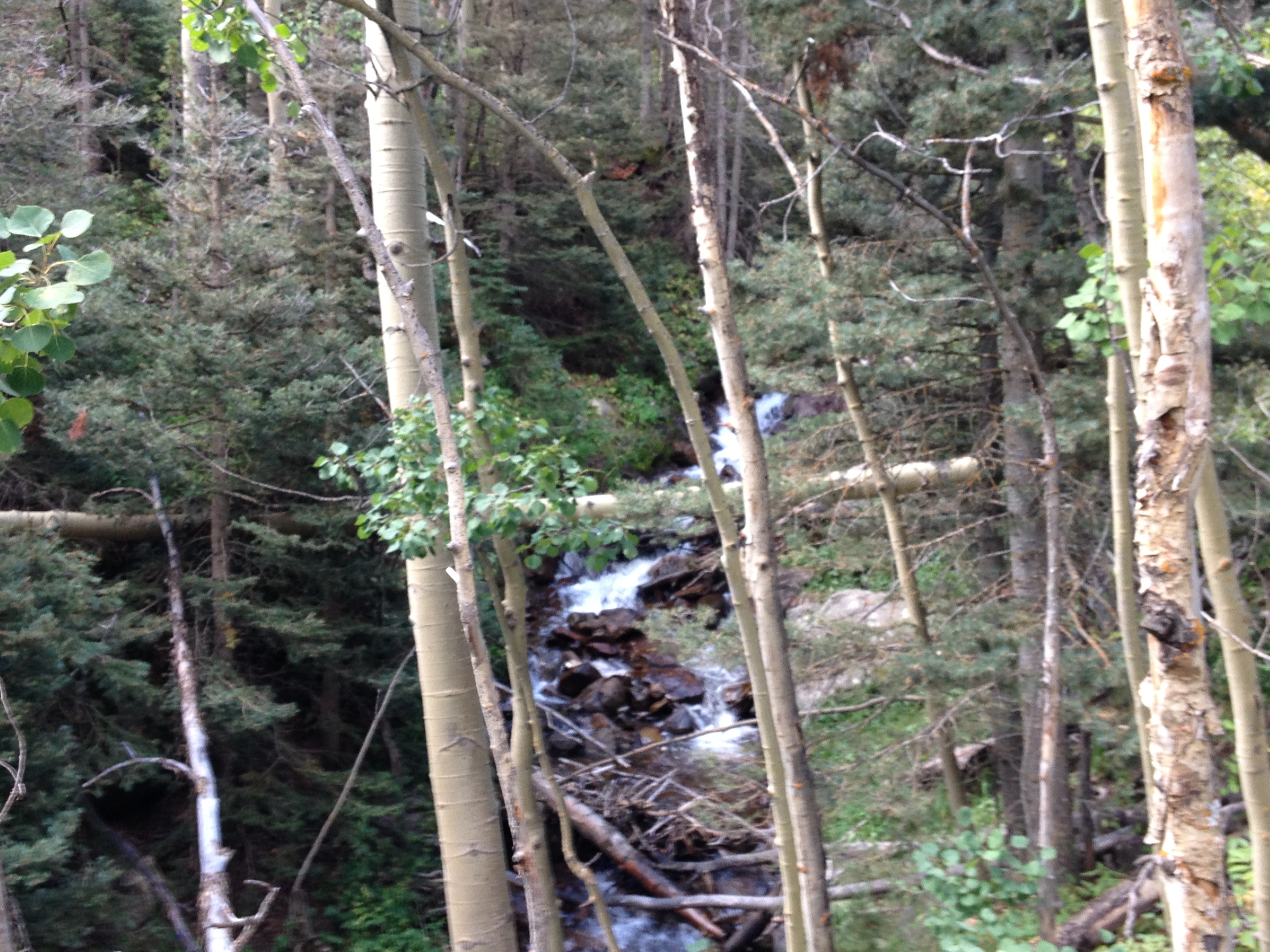
Without having to focus on driving over rocks and bumps, I noticed places I simply did not notice on previous drives up Guanella Pass, like this waterfall.

IMG_4556

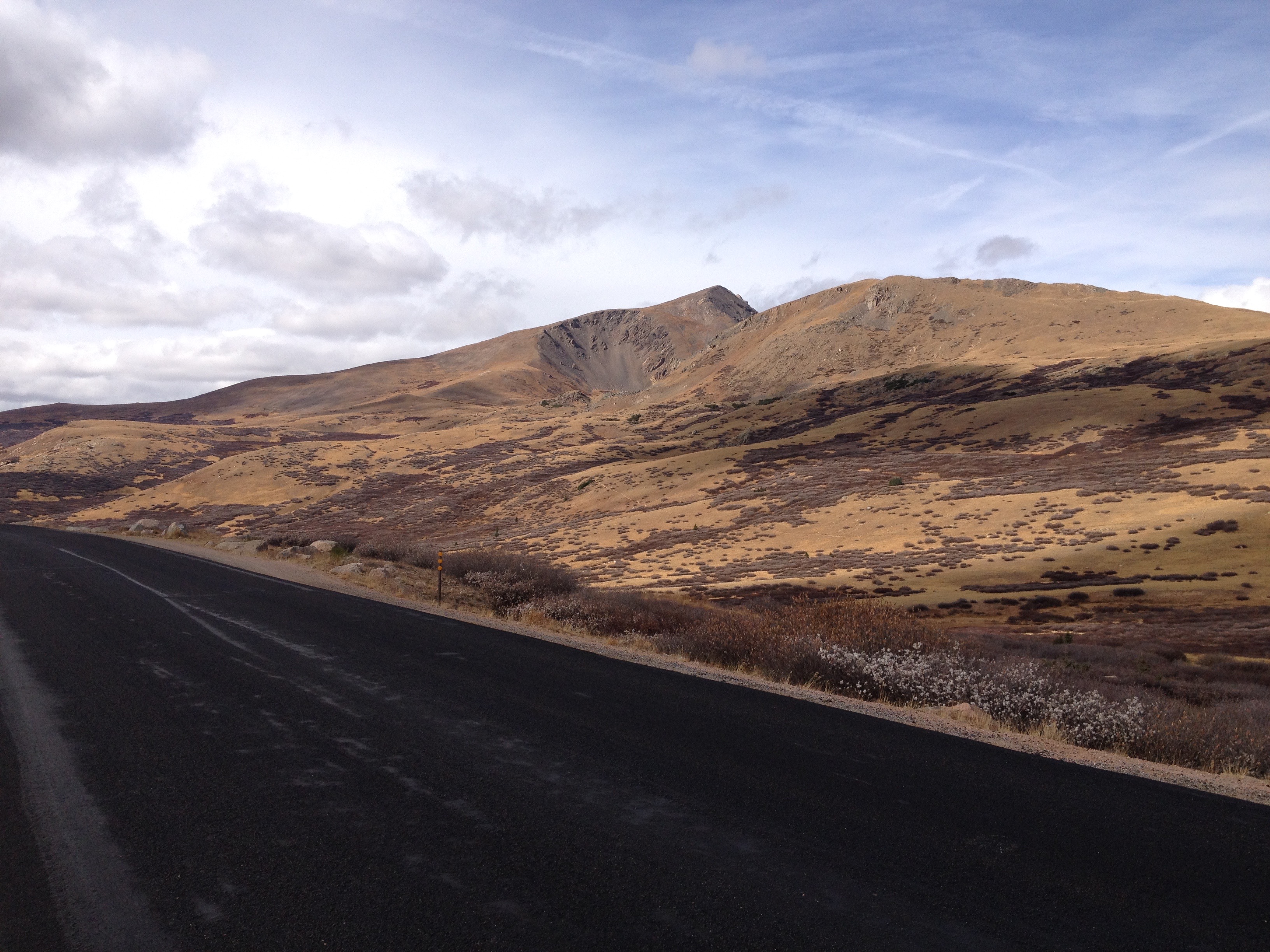
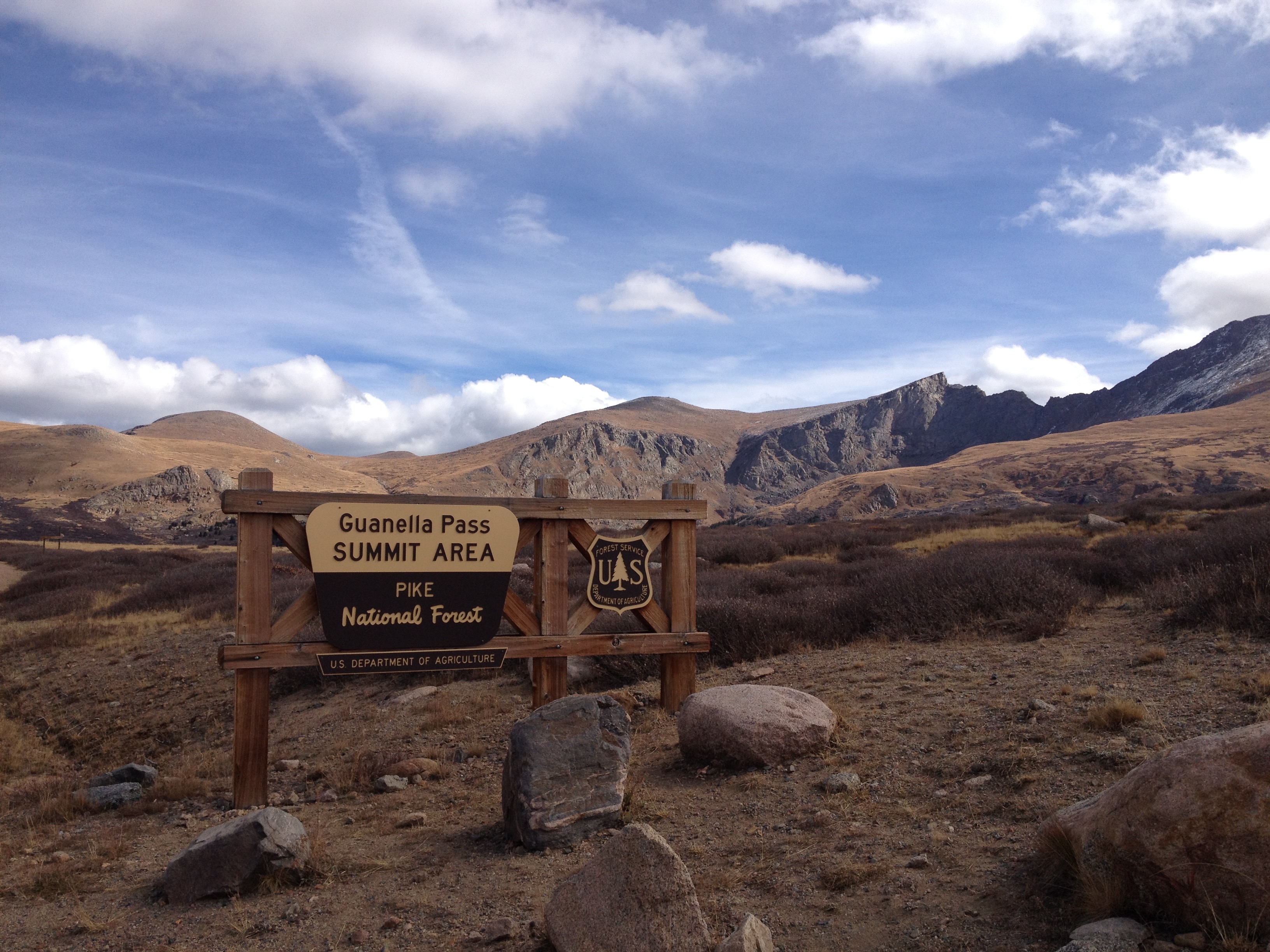
However, that was not the full extent of the new experience I had on Sunday.  The final approach to the summit took me above the tree line, where I suddenly got an eerie feeling from what was around me.

IMG_4558 IMG_4560 IMG_4563

It’s hard to describe.  It felt almost like I was on another planet.  It was isolated.  Most of the time that we stopped at the summit, we were the only ones there, and my car was the only one on the road.  The sagebrush of the alpine tundra had taken on brown color that I am not accustomed to seeing.  Some combination of the sun angle, unusual ground color, and isolation definitely gave me a really strange feeling.  It was eerie, creepy, out of this world, I really did not know what to make of it.  It was just, well, strange.

However, I came back feeling glad that different seasons can create different experiences out of the same places.  Typically, when I make the trek up to elevations just above the tree line, there is one of two experiences.

IMG_2911 IMG_4245

The alpine tundra is white in winter (and often still white well into the springtime), and green and lush in the summer.  In October, though, it took on a whole new color, one I had not seen before.

This planet has plenty of places that are unique, unlike any other place on earth.  Some of them even feel out of this world.  Sunday’s experience at Guanella Pass reminded me of two things.  A lot of these unique experiences that we plan trips to get to are seasonally dependent.  And, sometimes these experiences can happen unexpectedly.

What to Expect from winter 2015-16 in Colorado

Forecasting the weather weeks to months ahead of time can often be problematic. Computer models that project atmospheric conditions into the future typically only provide utility out to 10-14 days, depending on who you ask. After that, forecasts often become erroneous due to what is often referred to as the “chaos effect”. In fact, there are many that believe that forecasting the weather for a specific day is only useful out to roughly 7-10 days. Most people manage their weather expectations beyond the 7-10 day horizon not by forecasting a specific event, but by describing more general expected trends.  It is more common to say something like “It is likely that the period from 14-21 days out will be warmer and drier than normal across much of the Western United States”.

Scientifically credible seasonal forecasts tend to rely on larger scale phenomenon that have been shown to impact our weather in the past. Luckily, for this upcoming season, the winter of 2015-16, there are two such phenomenon that could give us some significant foresight into what we could expect out of this coming winter.

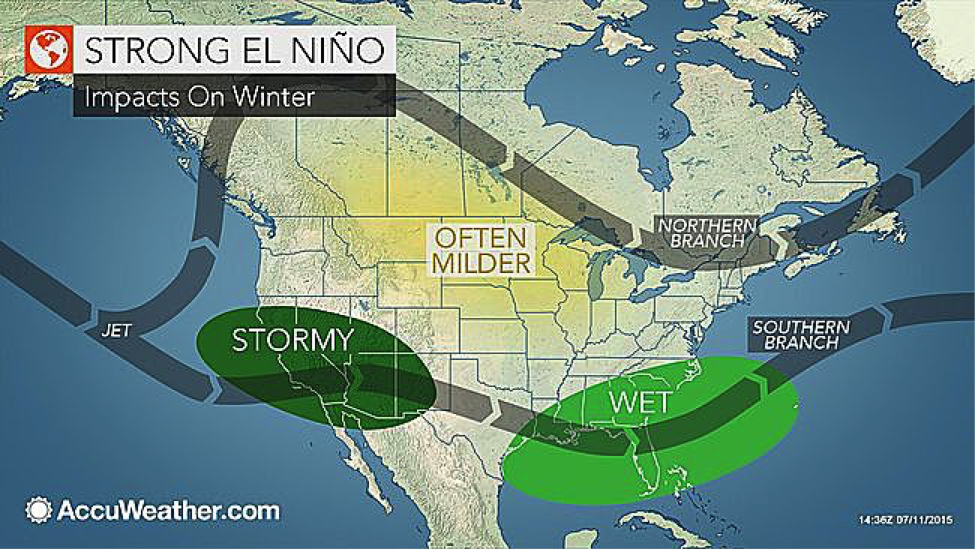
The first, and most obvious one is the strong El Nino that is already underway. Strong El Nino conditions typically bring wet weather to the Southern United States due to a strong sub-tropical jet stream. In particular, California can be the recipient of some heavy rainfall, which hopefully can help give the state some much needed relief from the extreme drought conditions than have been experiencing. The other major impact, on a national level, is that the Upper Midwest and Northern Plains tend to have milder than average winters during strong El Ninos.

El_Nino

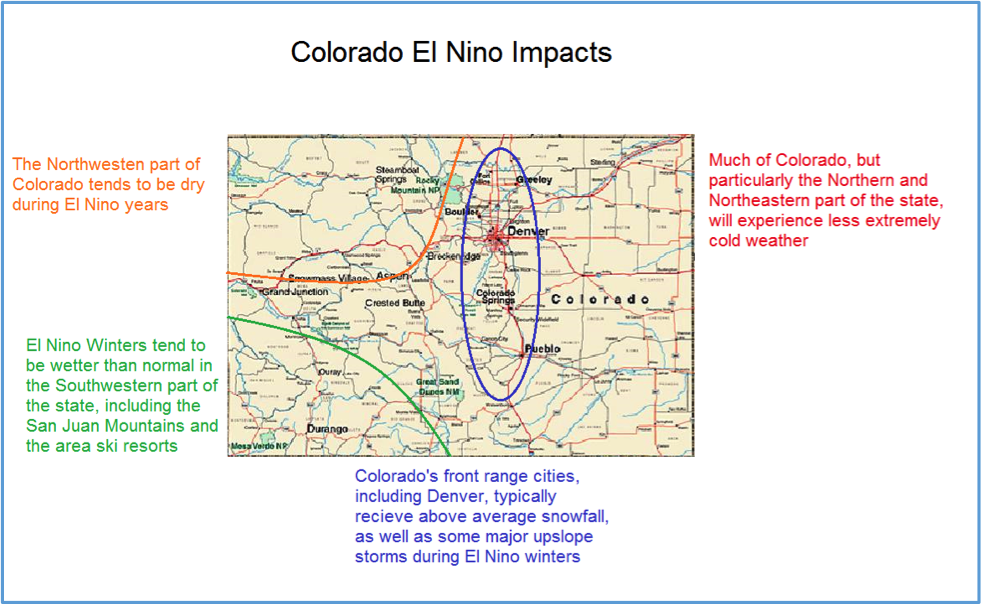
Unfortunately, maps like this one often make it ambiguous as to what impact El Nino typically has on the weather here in Colorado. On this map, as well as nearly every map of El Nino impacts, Colorado is in kind of a neutral zone, where areas to the south are wetter than usual, and areas to the north are drier than usual. However, as any resident of Colorado knows, Colorado’s rugged terrain has a significant impact on the weather here. Therefore, it is possible to discern some more local impacts that occur here in Colorado, as different large scale wind patterns are impacted by Colorado’s many mountain ranges. There are many sources of information regarding how Colorado fares during a strong El Nino year. Below is a graphical summary of these impacts.

ElNino_Colorado

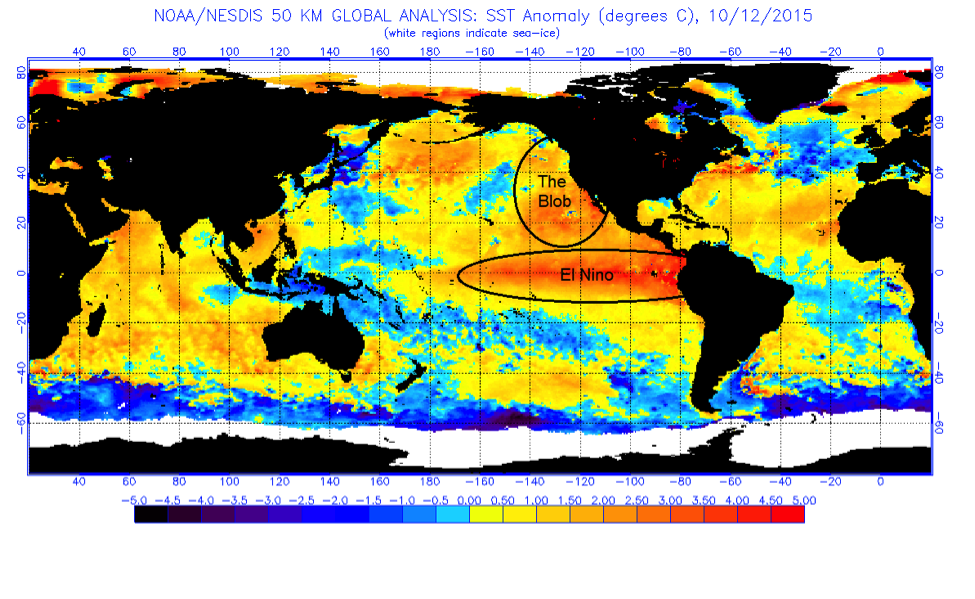
In addition to El Nino, there is another major weather feature that could have a profound impact on our weather this winter. Not only are there warmer than normal ocean temperatures along the equator associated with the strong El Nino, but there is another section of extremely warm ocean temperatures in the Pacific Ocean farther north. This section of warm temperatures off the west coast of North America is being labelled “The Blob”. “The Blob” formed due to a persistent period of warmer and drier weather over the past several years. This is the weather pattern that lead to the extreme drought in California in the first place, and, now threatens to keep much of California in drought conditions despite the El Nino.

Oct2015_SST

The easiest way to describe the impact “The Blob” is going to have on our winter weather is that it is going to try to produce conditions similar to last winter. Last winter was warm and dry over much of the West due to a persistent ridge, labelled “the ridge of death” by snow enthusiasts at OpenSnow, which is often associated with warmer sea surface temperatures off the Pacific Coast of North America.

While it is hard to imagine “The Blob” completely overwhelming the impacts of this historic El Nino, it does have the potential to modify them. Firstly, it could make the Pacific Northwest drier, and reduce the amount of rainfall California receives, particularly Northern California. Over Colorado, more frequent ridging, and/or dry Northwesterly flow aloft will reduce the likelihood of major Front Range upslope snowstorms, and increase the likelihood of a drier than normal winter over parts of Central Colorado, including many of the major ski resorts such as Vail, Breckenridge, and Copper Mountain. Those who hate extreme cold, though, will be comforted by the fact that the likelihood of sub-zero conditions across most of the state will be significantly below average this season.

Mohawk Lakes, A Moderate Hike in Central Colorado

IMG_4345

Sometimes recreation in Central Colorado can be just plain overwhelming.  I remember when I was preparing to move to Colorado, and took a look at a Colorado DeLorme atlas I had just purchased.  DeLorme makes an atlas for every state in the country.  These atlases are great for those who love outdoor recreation.  Not only are features such as campgrounds, hiking trails, waterfalls, and parks labeled on the maps themselves, but each map contains a dozen or so pages in which hot spots are listed.  These include key places to camp, fish, hunt, hike, bike, and such, as well as a list of “unique natural features”.  When I looked through my Colorado DeLorme atlas, I was suddenly overwhelmed by the amount of options available to me for many of the activities I enjoy.  I kept wondering, though, how the heck I would go about something like picking a place to hike when there are so many options.  I was actually worried that some days I would end up going nowhere due to analysis paralysis.

The most effective networks, whether they be all of the trail networks in parts of Colorado, or New York City’s network of subways, are overwhelming, and sometimes take awhile to learn.  However, the same way any New Yorker can get by without owning a car, due to all of the train lines in the city, a Coloradan can find the right hike for many different situations and many different desired experiences.

Last Friday I had a friend in town from Chicago who does not get to experience mountains on a regular basis.  On previous trips I had taken him to Rocky Mountain National Park.  This time, I wanted to take him somewhere different to see some different scenery in a different part of the state.

IMG_4321

The most talked about hikes in this part of the State tend to be the “14ers” to the South.  These hikes tend to be challenging, and, sometimes are just as much about accomplishing something (particularly to some people) as it is about the experience of hiking.

IMG_4328 IMG_4324

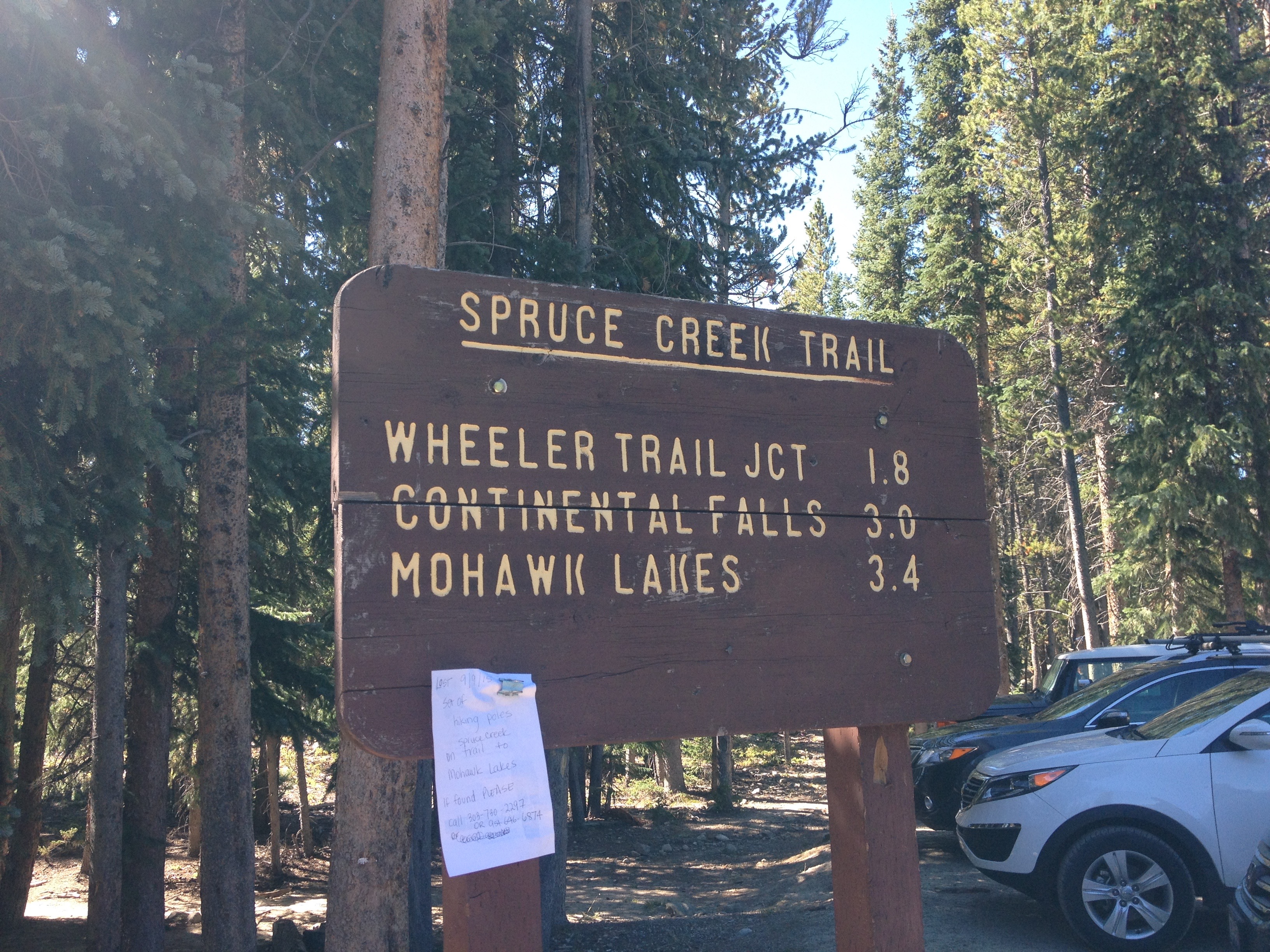
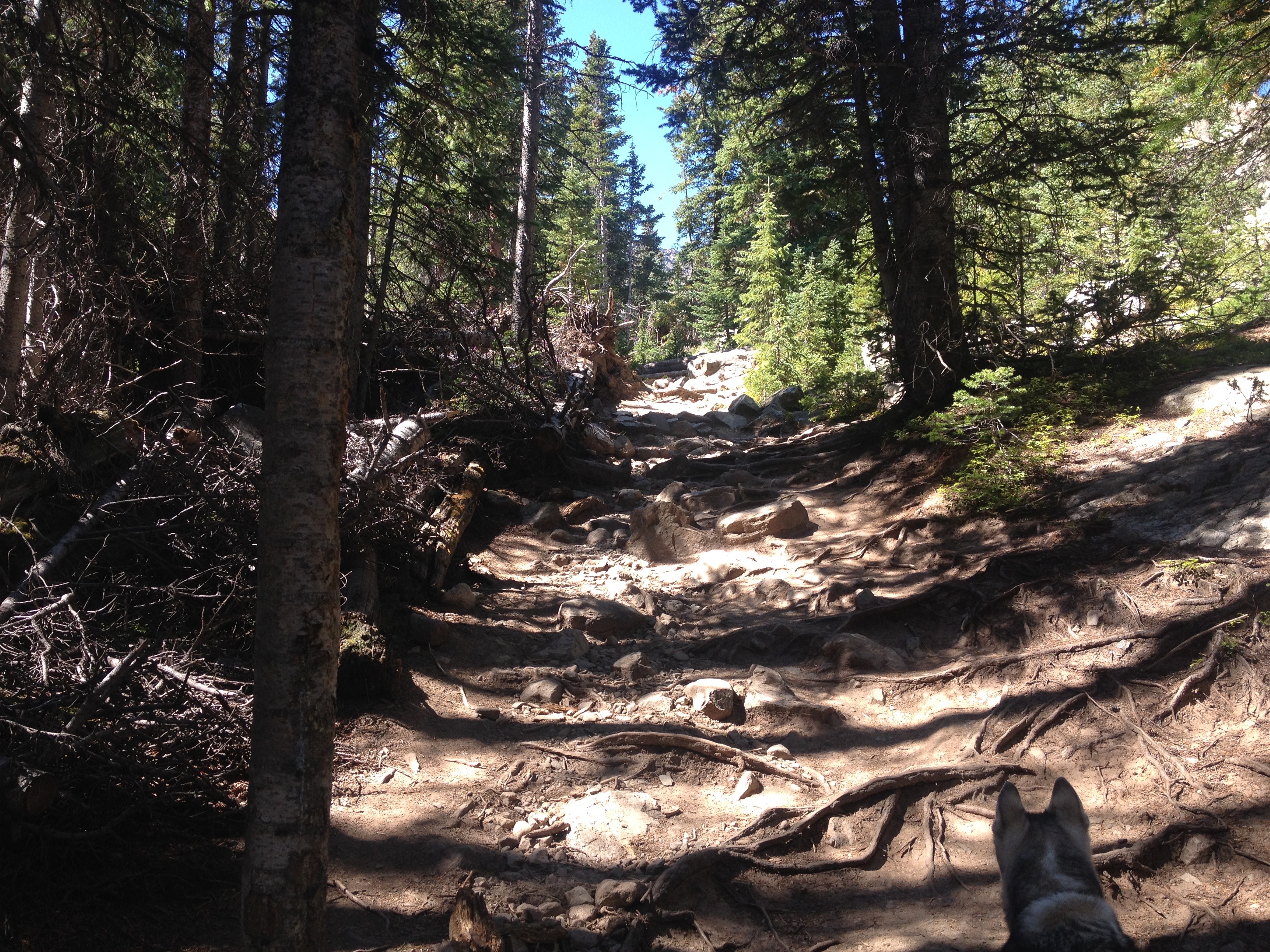
By contrast, the Spruce Creek Trail certainly fits into the “moderate” category for difficulty.  The first part of the trail is kind of a mixture of flatter and steeper areas.

IMG_4329 IMG_4330 IMG_4331 IMG_4333

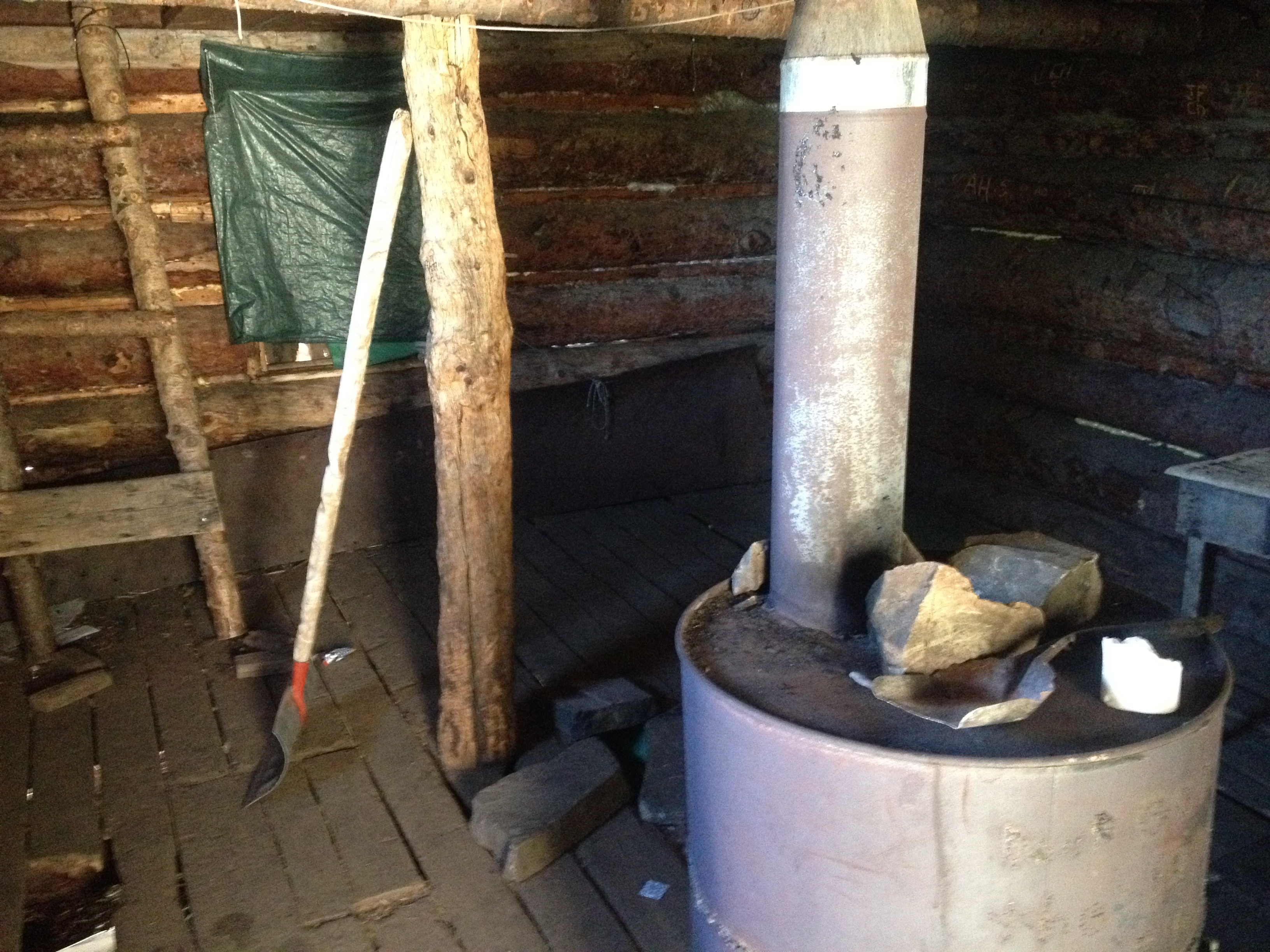
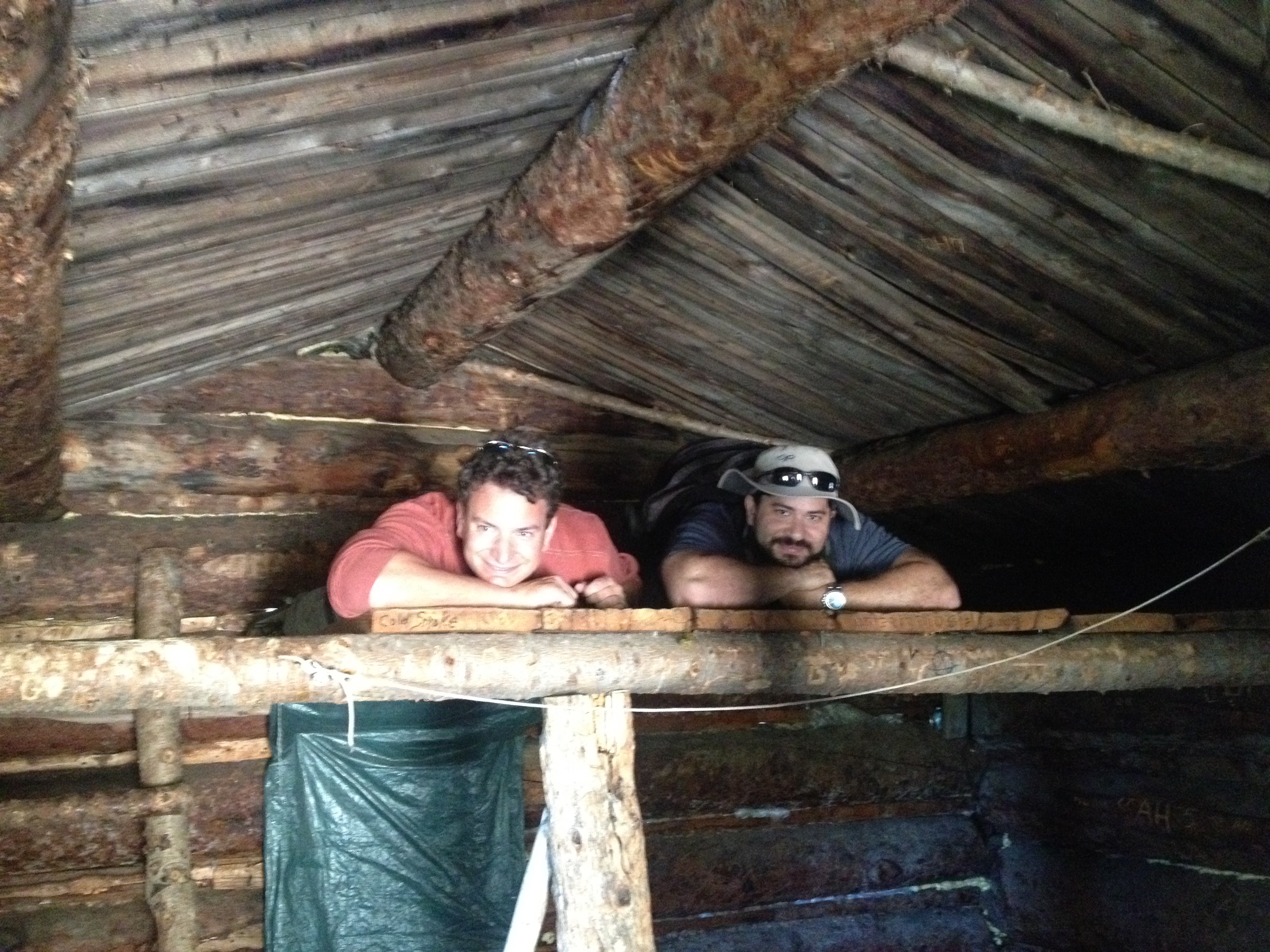
Roughly two miles into the hike we encountered this random cabin that still seemed partially functional.  With a stove and a ladder that leads to an upstairs area it is reminiscent of the cabins that people purchase as second homes.  However, it was kind of in disrepair and there were several holes in the floor.  Still, I wonder what this cabin is used for.  Do people actually stay here at night from time to time?  Did people originally stay here when this place was built?  Is it used for some other purpose, like filleting fish, or fleeing storms from time to time?  After all, this cabin is fairly close to the first major lake one encounters on this hike- Mayflower Lake.

IMG_4348 IMG_4342

It is around here that the trail reaches somewhat of a point of inflection.  Above this elevation, the trail becomes steeper.  I honestly should have expected this type of experience.  One thing I note every time I ski at Breckenridge ski resort is the fact that the steeper terrain tends to be on the higher parts of the mountain.  If I ski on Peaks 7, 8, or 9, which is the part of the mountain closest to town and the lower part, I notice that any run I chose becomes progressively flatter as I descend.  The Mohawk Lakes, and the Spruce Creek Trail are seriously no more than 3 or 4 miles from the boundary of the ski resort.  Therefore, it makes perfect sense that one would experience the same kind of terrain.

IMG_4334 IMG_4337

The trail encounters Continental Falls several times as it switches back and forth across the mountain.  The last several hundred feet of climbing up to Lower Mohawk Lake is somewhat of a scramble making it quite different from the smooth and well marked trails that we started out on.

IMG_4346 IMG_4343

It was already nearly 1 P.M. when we arrived at Lower Mohawk Lake.  We stopped to eat lunch and decided to forgo hiking all the way to Upper Mohawk Lake, a decision I eventually came to regret after learning that we would only have had to hike an additional 0.4 miles, and only climb another 250 feet or so.

I have really come to appreciate this time of year; September, early fall.  There is a lot of pleasant weather, and many people have even told me this is the best time of year for hiking in Colorado.  In the summertime, particularly in August, there is a daily thunderstorm threat associated with the North American Monsoon.  This year that threat ended right after Labor Day when the prevailing weather patterns changed ushering in a drier period for Colorado.  On Labor Day I got caught in a brief afternoon thunderstorm.  There has not been one since.  It is almost as if Mother Nature was aware of, and chose to abide by, our society’s labeling of Labor Day as the “end of summer”.  In August mid-afternoon would typically bring at least some major cloud formations reminding hikers of the thunderstorm threat.  Last Friday the sky remained clear throughout the day.

IMG_4347

I actually think I could not have picked a more ideal time for this particular hike.  One thing I hear about the Spruce Creek Trail is that it is prone to becoming muddy during periods of heavier precipitation.  These types of trails can be problematic in early summer when there is heavier stream flow.  The later part of this summer, and now September, has been much drier across Colorado.

The hike ended up being exactly what we had wanted; a moderately challenging hike that brought us to some unique scenery.  There are many places, both geographic, and in life, where one cannot just go about finding a trail that matches the desired experience exactly.  Whether it be picking a place to hike, chosing a neighborhood to purchase a home, or picking a place of employment, sometimes the option that matches exactly what we want simply is not available at the right time.  So, we end up finding something that is pretty good, a decent match, but not exactly 100% the experience we had been looking for.  It’s just a part of life.  But, here outside of Breckenridge, I found the trail that matched exactly what we wanted, and am thankful for it.

Backpacking in the Sangre de Cristo Mountains

IMG_4229

Lately it feels like nearly every article I read about personal growth mentions something about getting out of your comfort zone.  It makes sense, as getting out of our comfort zones forces us to learn new skills, see things in a different light, and keeps us in the habit of expanding our horizons.  One thing I had realized, though, is that many of us often equate leaving our comfort zone with trying something new.  While they often go hand and hand, they are not completely equivalent.  I would argue that, for someone who parties every weekend, trying out a different bar, while a new experience, is not really stepping outside their comfort zone.  Likewise, it takes significant courage, and takes one a significant distance outside their comfort zone, to stand up to a boss or an office bully, despite the fact that they are sitting in the same desk they have sat in every day for multiple years.

IMG_4198 IMG_4205

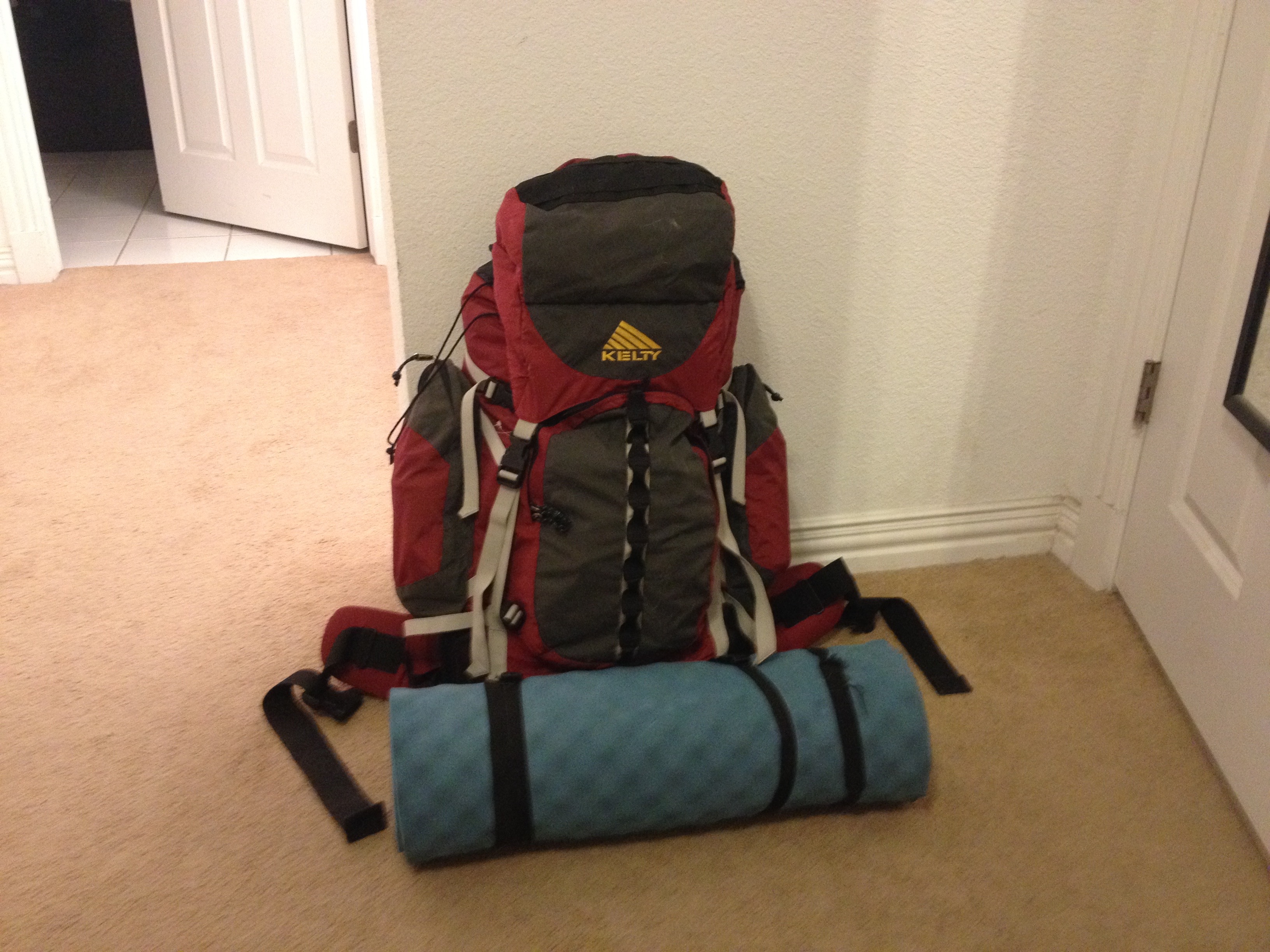
My first backpacking trip would be my first time in the wilderness, completely away from any buildings or vehicles, with no amenities, and no access to supplies other than what has been packed.  Anything forgotten cannot be retrieved.  There is no going back to the car to escape inclement weather, and no town to purchase replacements for any camping gear that may malfunction.  We are completely on our own!

IMG_4207 IMG_4302

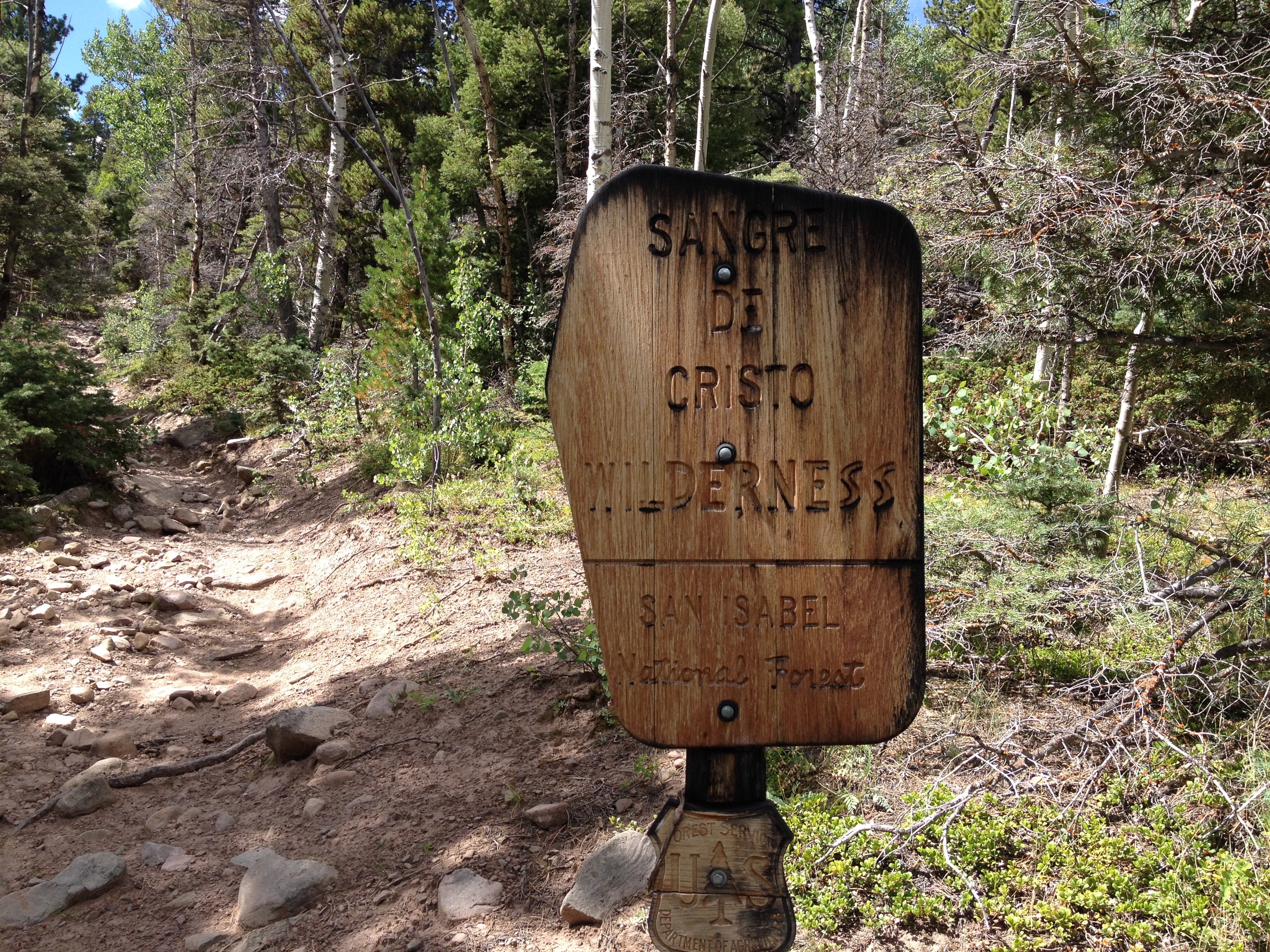
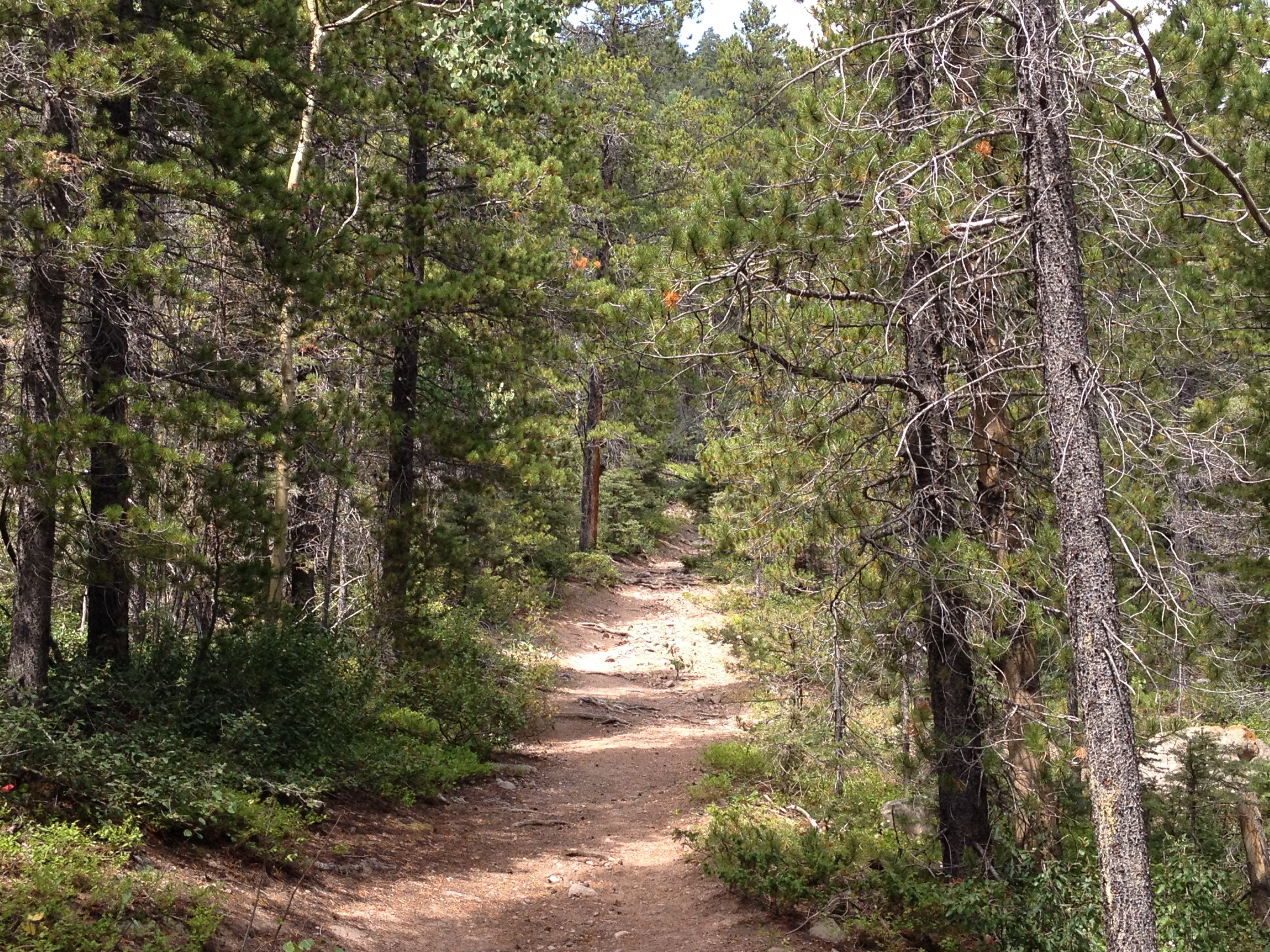
Because this is my first time backpacking, we kept it simple, doing a loop of only 13-14 total miles up the Comanche Trail, over the ridge, and then back down the Venable trail.  I wish to try new things, expand my horizons, and step outside my comfort zone, but I want to do it in a manner that is smart.  I am accustomed to carrying little more than an extra layer or two, water, and some snacks when I hike.  Carrying a backpack, which probably weighed at least 30 pounds, is significantly more intense.  Not leaving some wiggle room in case something goes wrong, could be potentially dangerous.

IMG_4212 IMG_4213 IMG_4219 IMG_4227

And, well, something did go wrong.  After an exhausting 2600 foot climb from the trailhead to Comanche Lake, where we set up camp for the night, the stove malfunctioned halfway through cooking dinner.

IMG_4240 IMG_4231

We watched the sun gradually descend below the mountains, shinning only upon the higher terrain toward the end of the evening wondering what we were to do next.  Could we subsist the next couple of days, along our planned route, without any more cooked food, using only the cold food we had packed?  Would we have to cut any aspect of our trip short?  Was my first backpacking trip turning into a disaster?
IMG_4244 IMG_4245

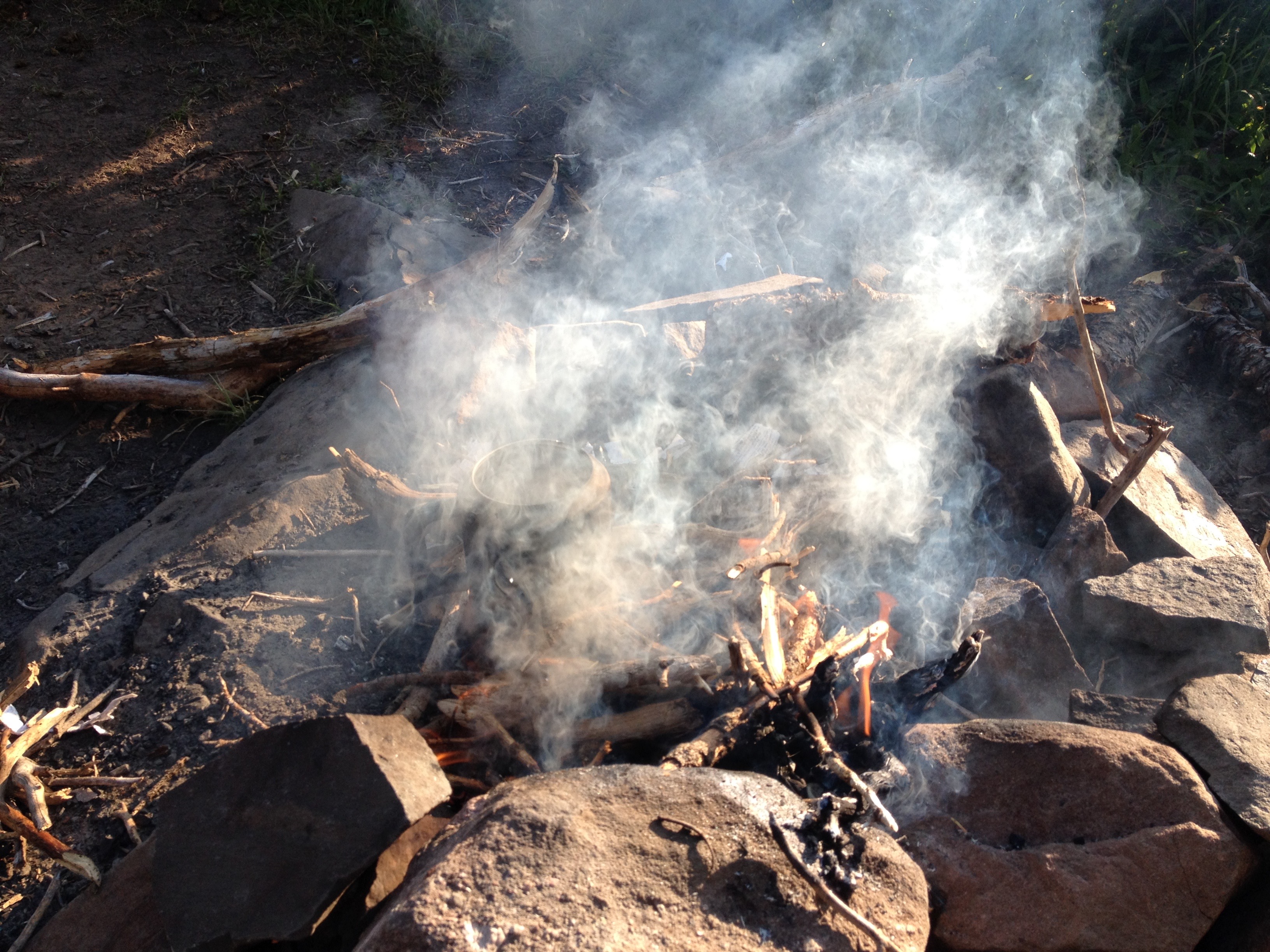
After reasoning out in our heads that we technically could make it on the remaining cold food we had brought, we luckily found this rusty old pot just sitting there by the lake.  This pot saved the day, as we had no qualms putting it directly into a campfire.

Trips like this definitely help us see our lives from a different point of view, and force us to re-evlauate what a “necessity” really is.  Case in point, Saturday morning (second day of the trip), we had Zatarains’ Red Beans and Rice, and very much appreciated it.   This is a dish I will periodically make at home when cooking something “simple”.  When I cook red beans and rice at home, I, by default, add some kind of meat to it, usually sausage.  I behave very much as if it were a necessity to “complete the dish”.  But, in many parts of the world, where people are poorer and life is simpler, rice and beans is a common dish.  Going on trips like this serves to me, as a periodic reminder that many of the things we consider “necessary” for life are not really necessary for life, they are only necessary for the lifestyle we have chosen.

IMG_4248 IMG_4250 IMG_4251 IMG_4253

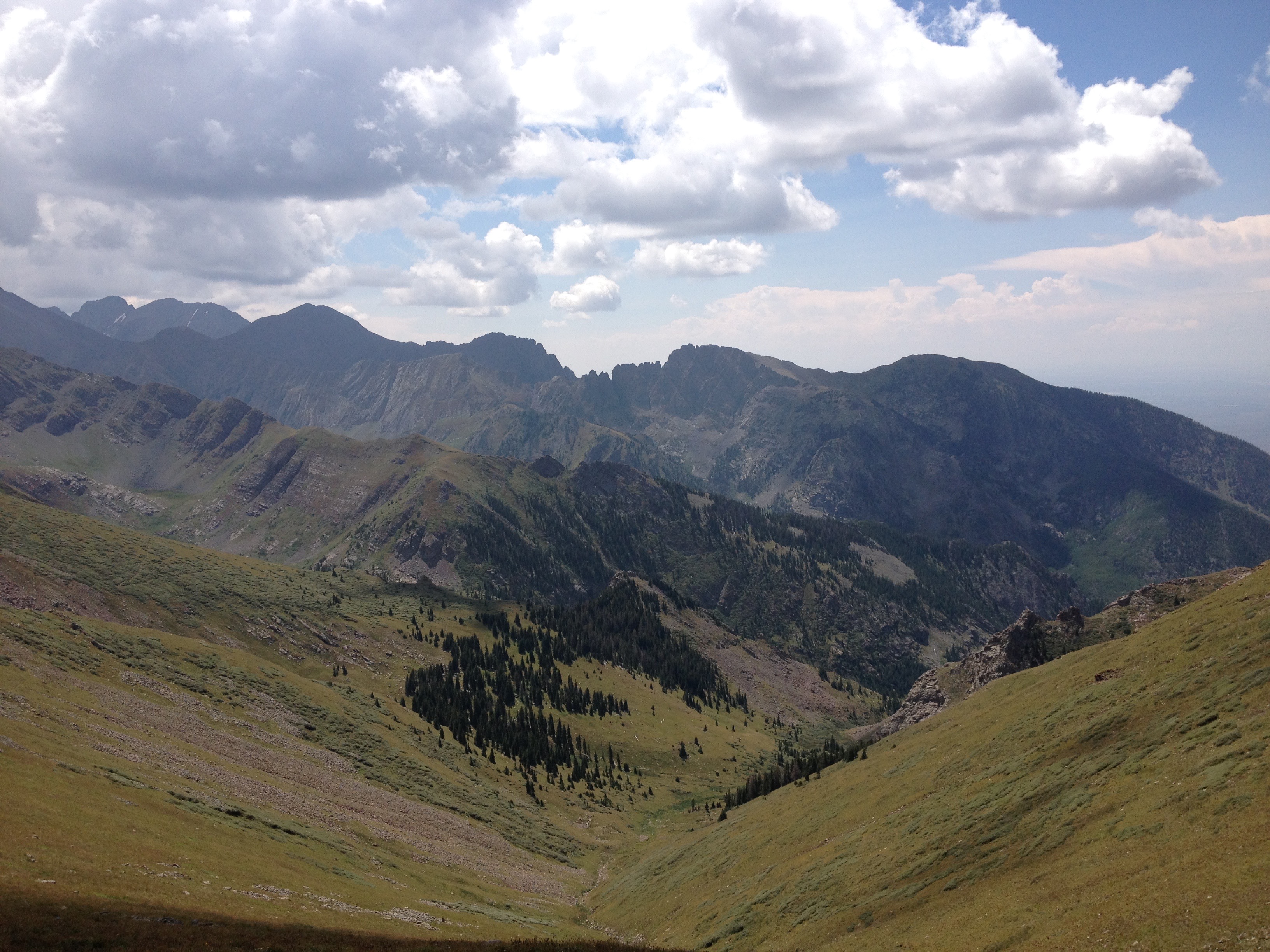
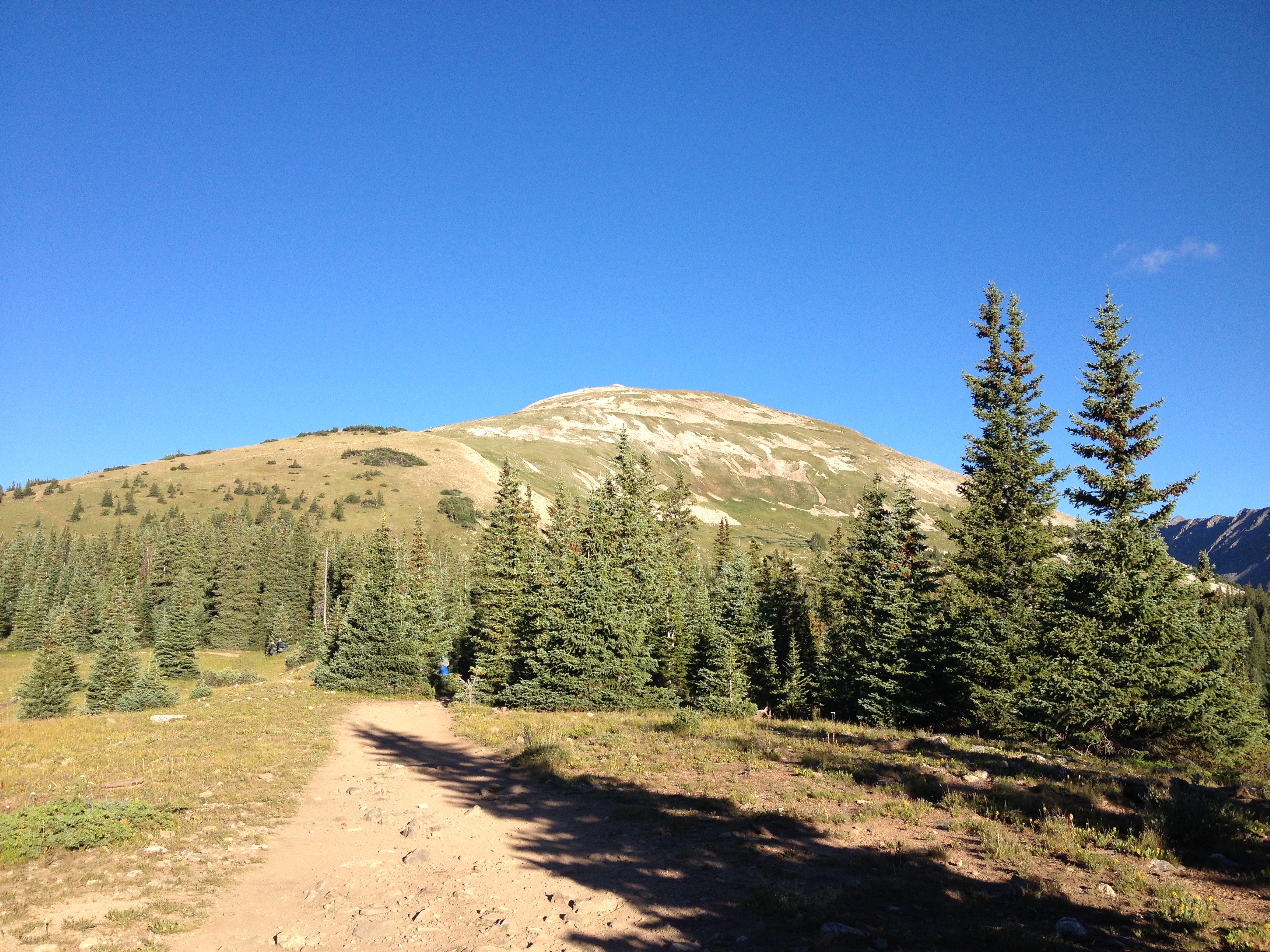
After a late start, we climbed, once again, from our campsite, at an elevation of roughly 11,600′, to the top of Comanche Pass, at roughly 12,800′.  Near the top, I suddenly realized that I was in an altered state of mind.  It felt almost surreal, and almost as if I had indeed taken some sort of mind-altering drug.  But, I hadn’t.  Some kind of combination of exhaustion, high altitude, and being outside my comfort zone had put my mind in a place where everything was both clear and blurry at the same time.  It’s hard to describe, but I am guessing that is why many yoga classes involve both an exhausting workout, and altered air conditions (heat, humidity), alongside its’ spiritual aspects.

IMG_4256 IMG_4257 IMG_4258 IMG_4261

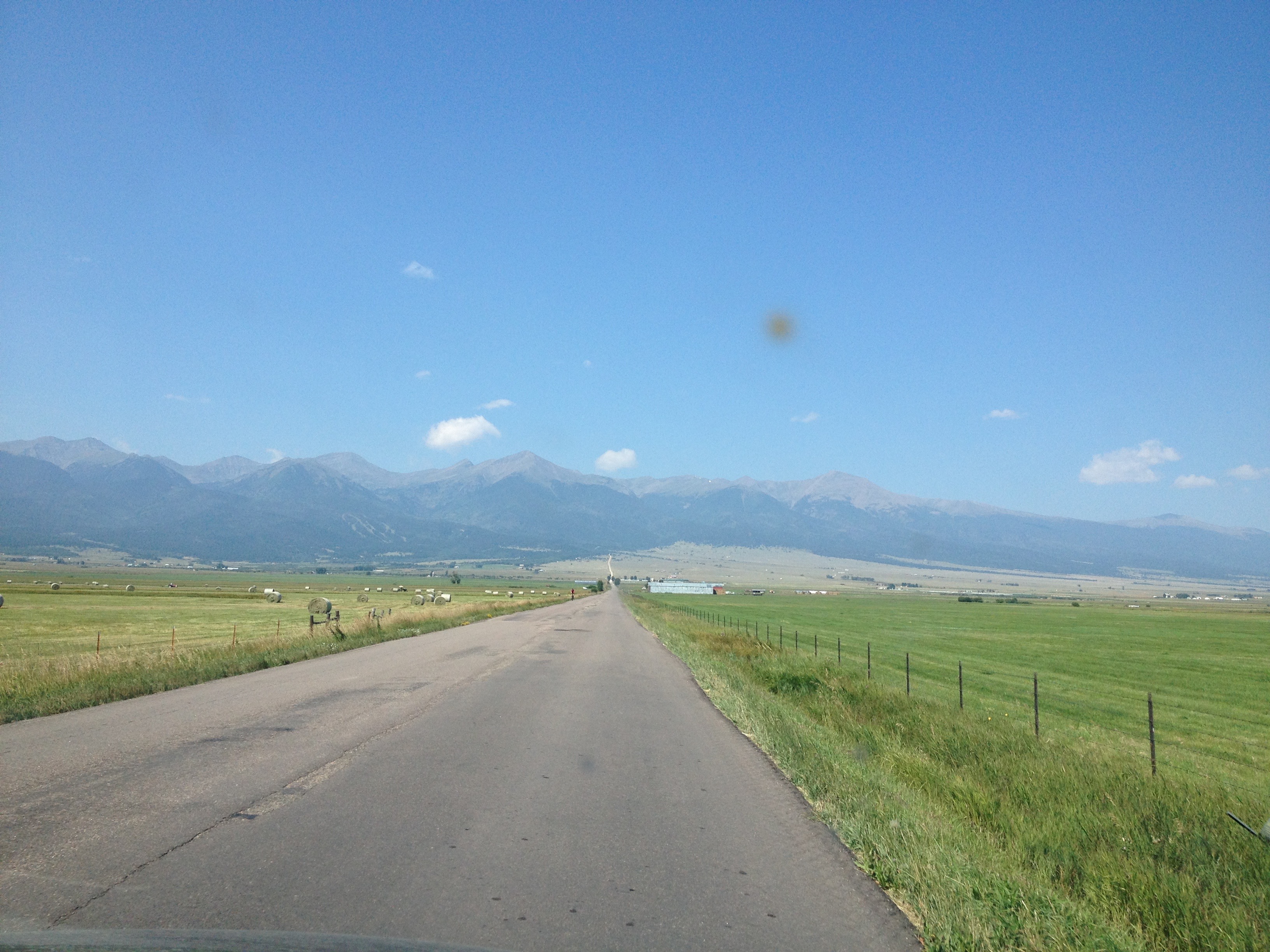
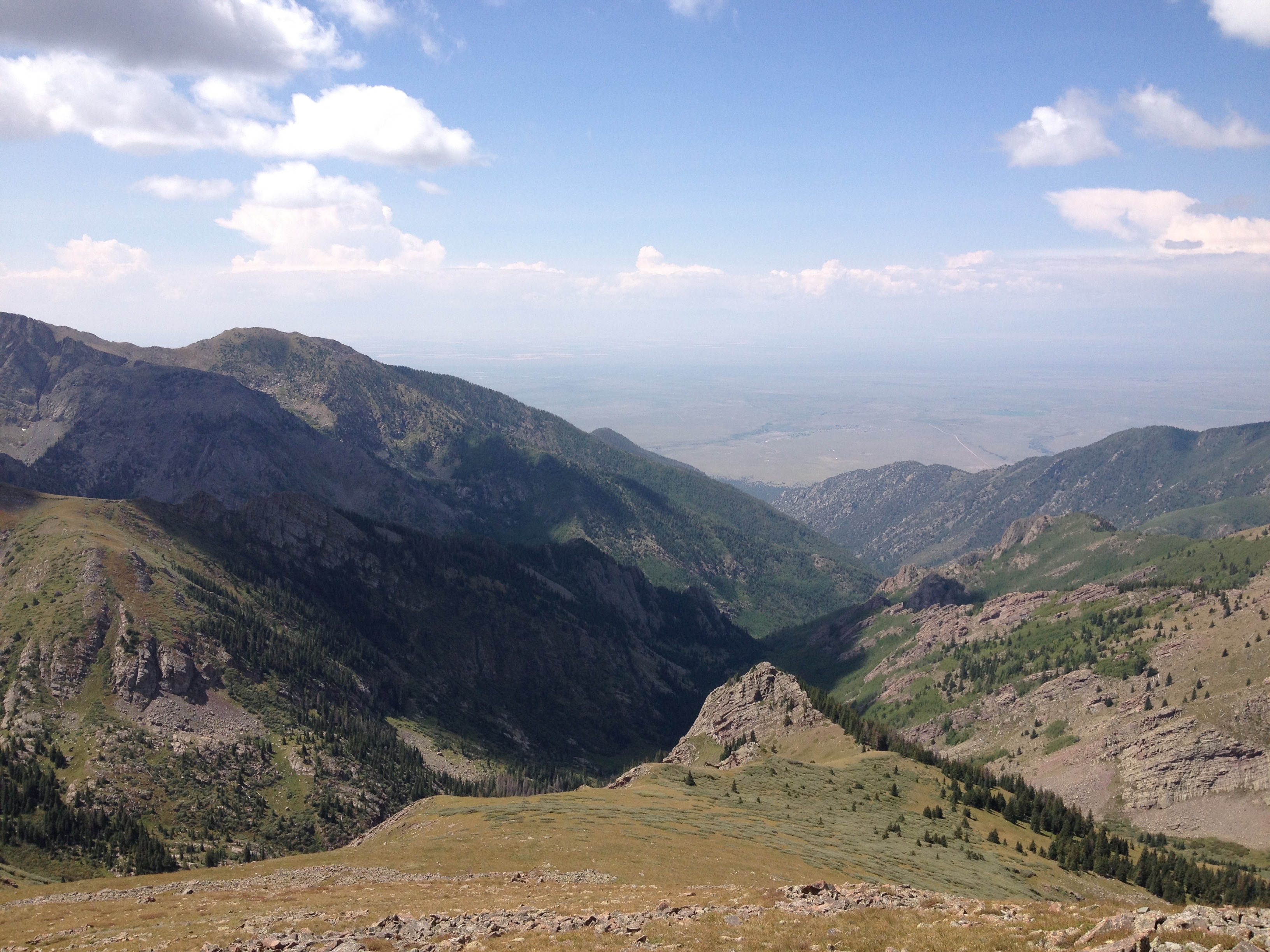
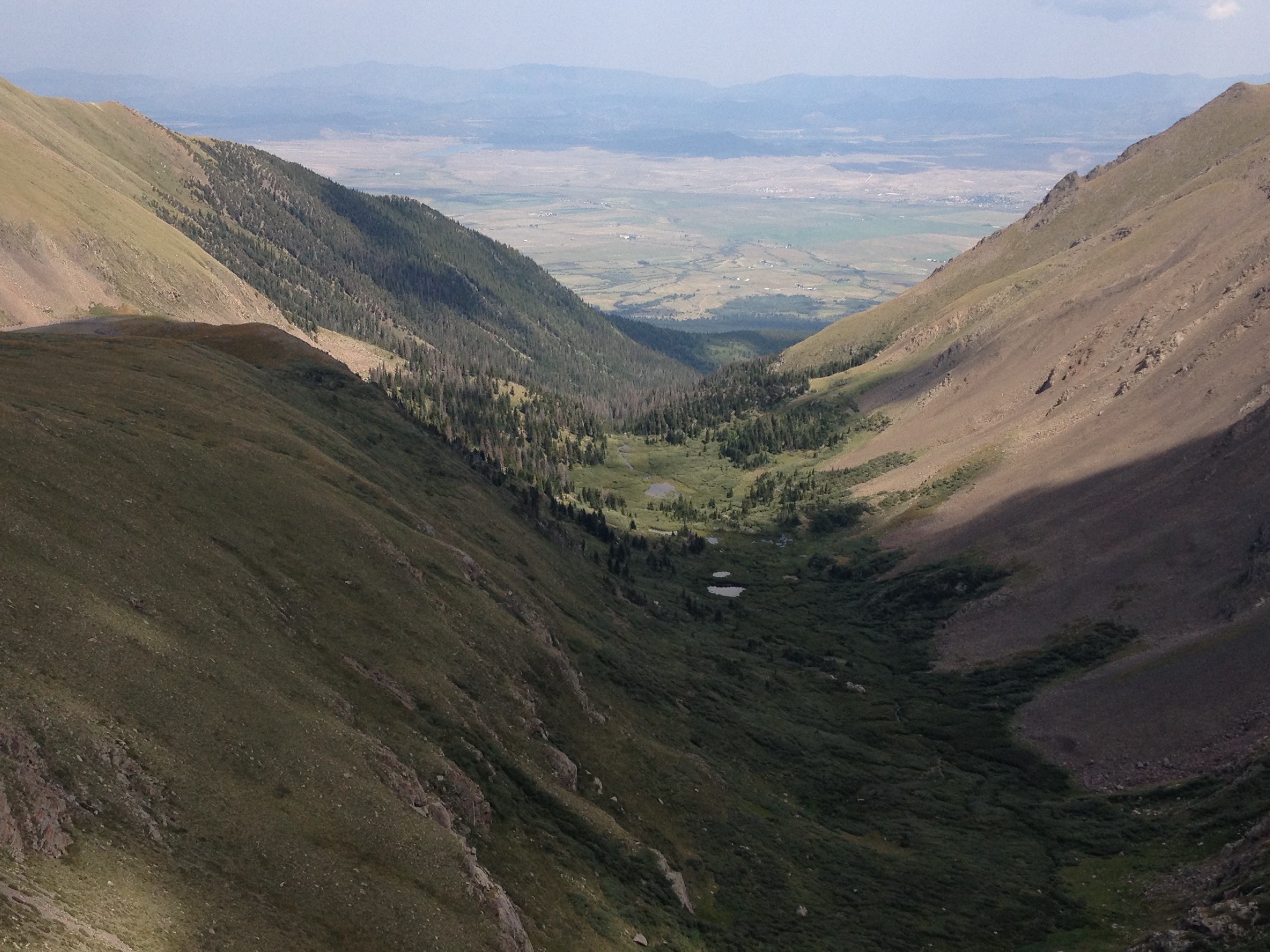
All this made the view at the top, of nearby Comanche Peak, looking Eastward toward the Wet Mountain Valley we hiked in from, and over the mountains toward the Upper San Louis Valley, even more spectacular!

IMG_4260 IMG_4262

And, after a mile or so with little elevation change, we climbed back up onto the ridge at a place called Venable Pass, where we would complete our loop.  Here, we stopped to eat lunch before beginning our descent through an area known as Phantom Terrace.

IMG_4264 IMG_4267

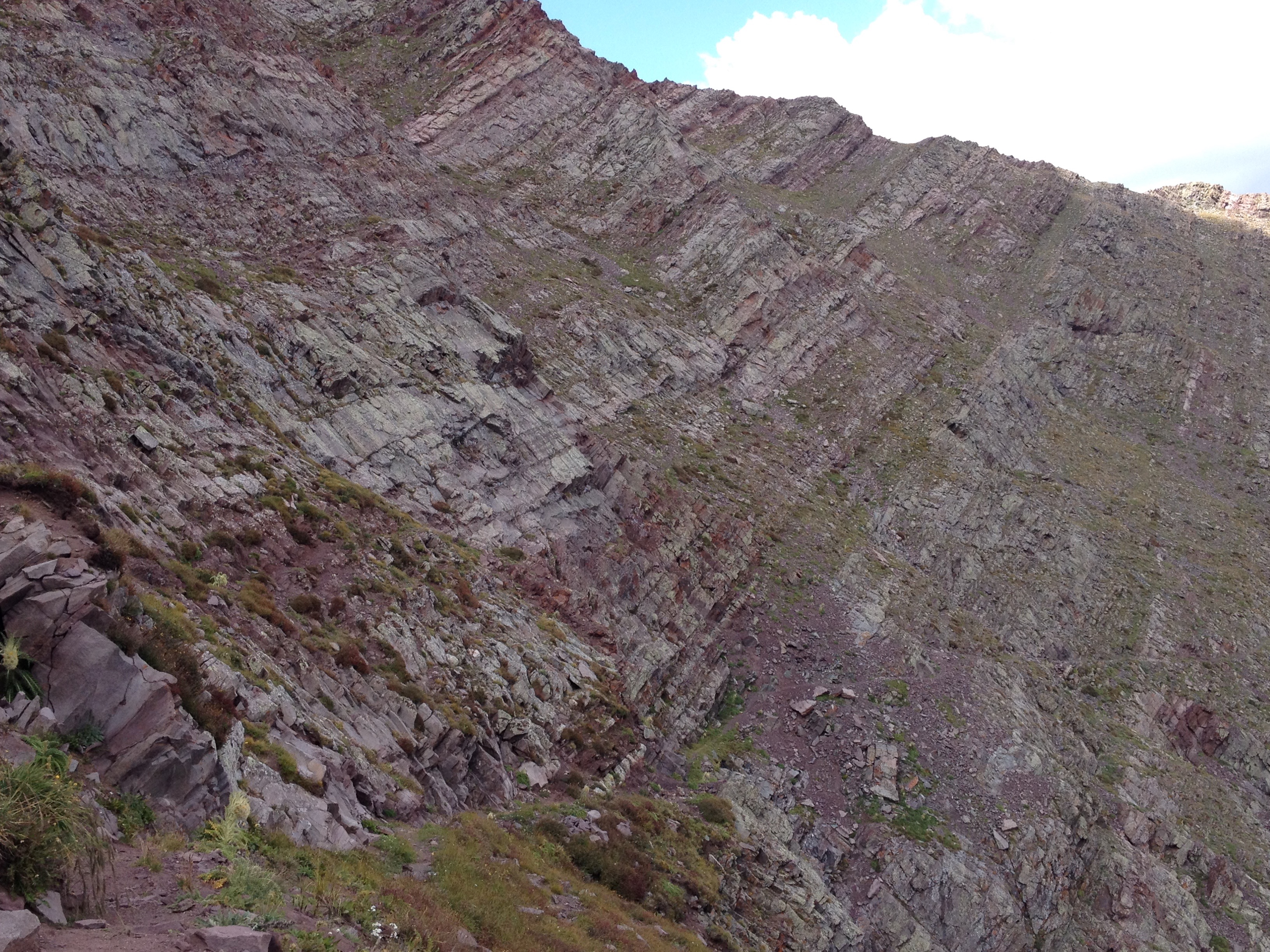
This descent was tricky enough that my exhaustion, and the altered state of mind associated with it, continued.  All sorts of crazy shit was on my mind as we descended towards the Venable Lakes.

IMG_4268 IMG_4269 IMG_4270

Of course, it was on this descent where I saw the highest concentration of my least favorite plant ever.  I really do not know what they are called, but they look vicious.  They remind me both of the flesh eating plant in the movie Little Shop of Horrors, as well as the plans that try to bite in Mario Brothers.  In fact, in my altered state of mind, I actually felt as if these plants were trying to bite me as I walked by.  It was freaky.  Maybe, despite the Red Beans and Rice, I still did not eat enough, or drink enough, I don’t know.

IMG_4274 IMG_4276

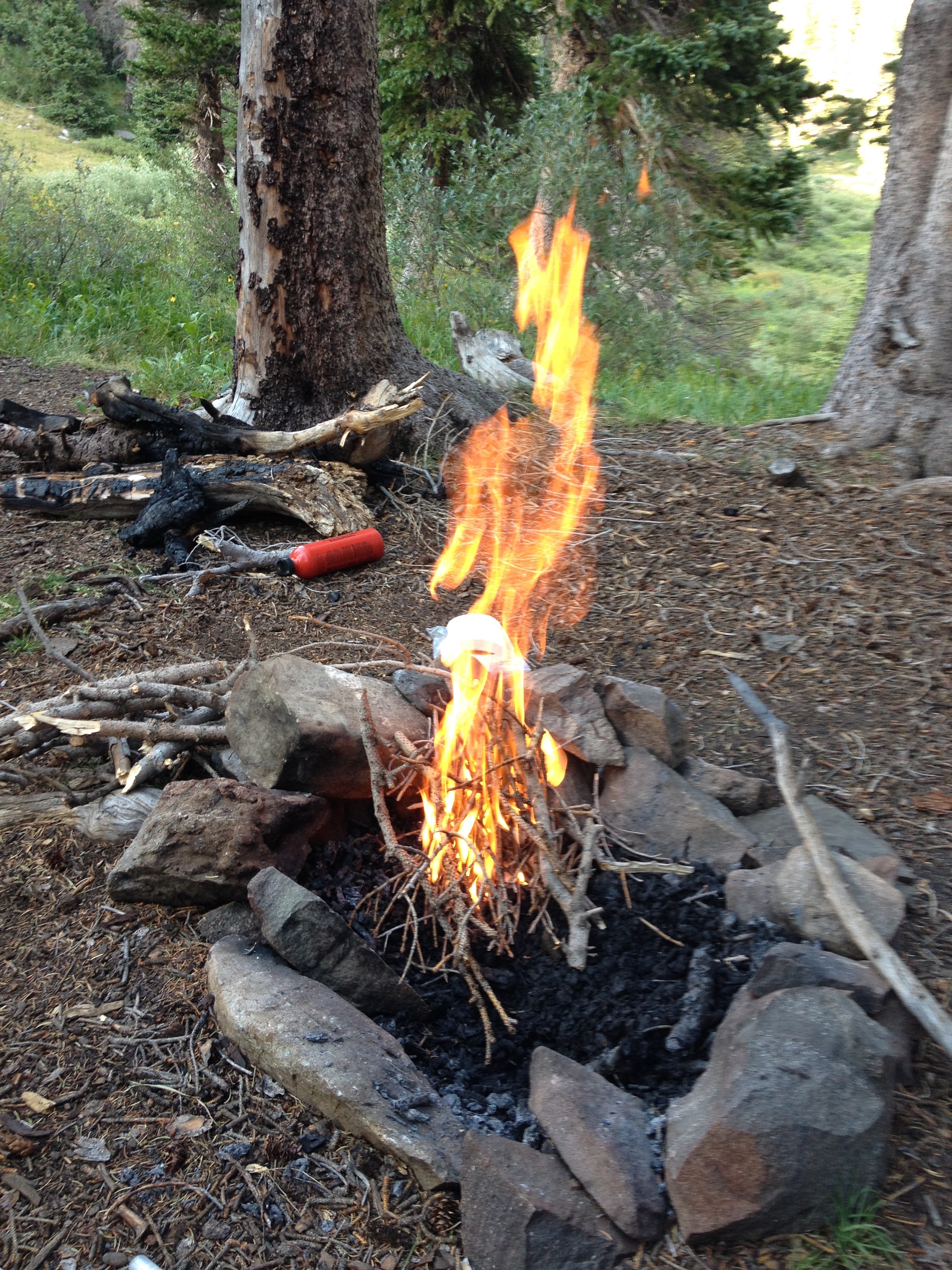
We camped the second night just below Venable Lakes, as we had to get back down to the tree line for access to firewood.  We had become pretty well versed in the process of starting a fire and using it to cook our food using that rusty old pot we found (and kept after the trip).

IMG_4281 IMG_4282 IMG_4285 IMG_4286 IMG_4287

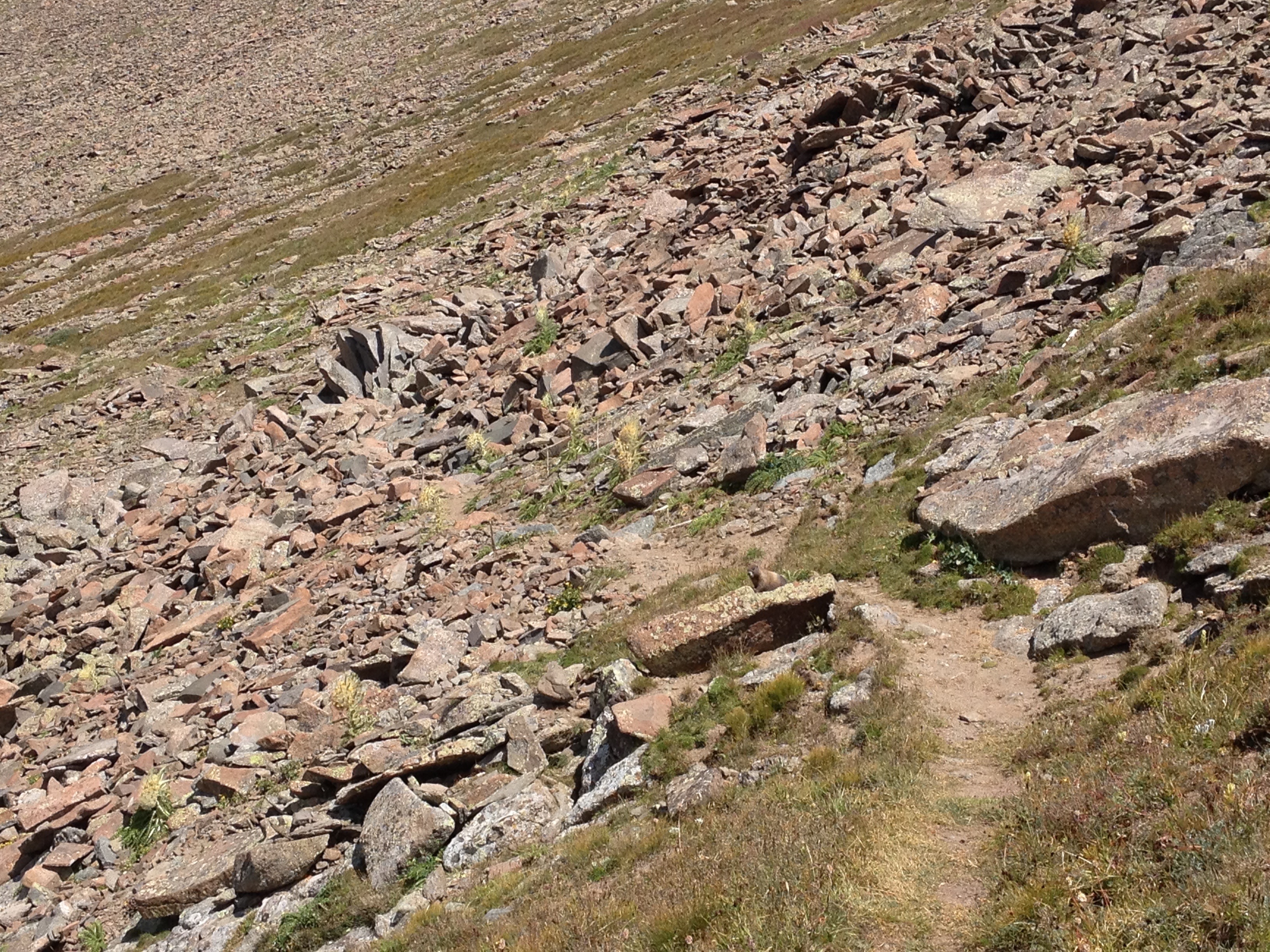
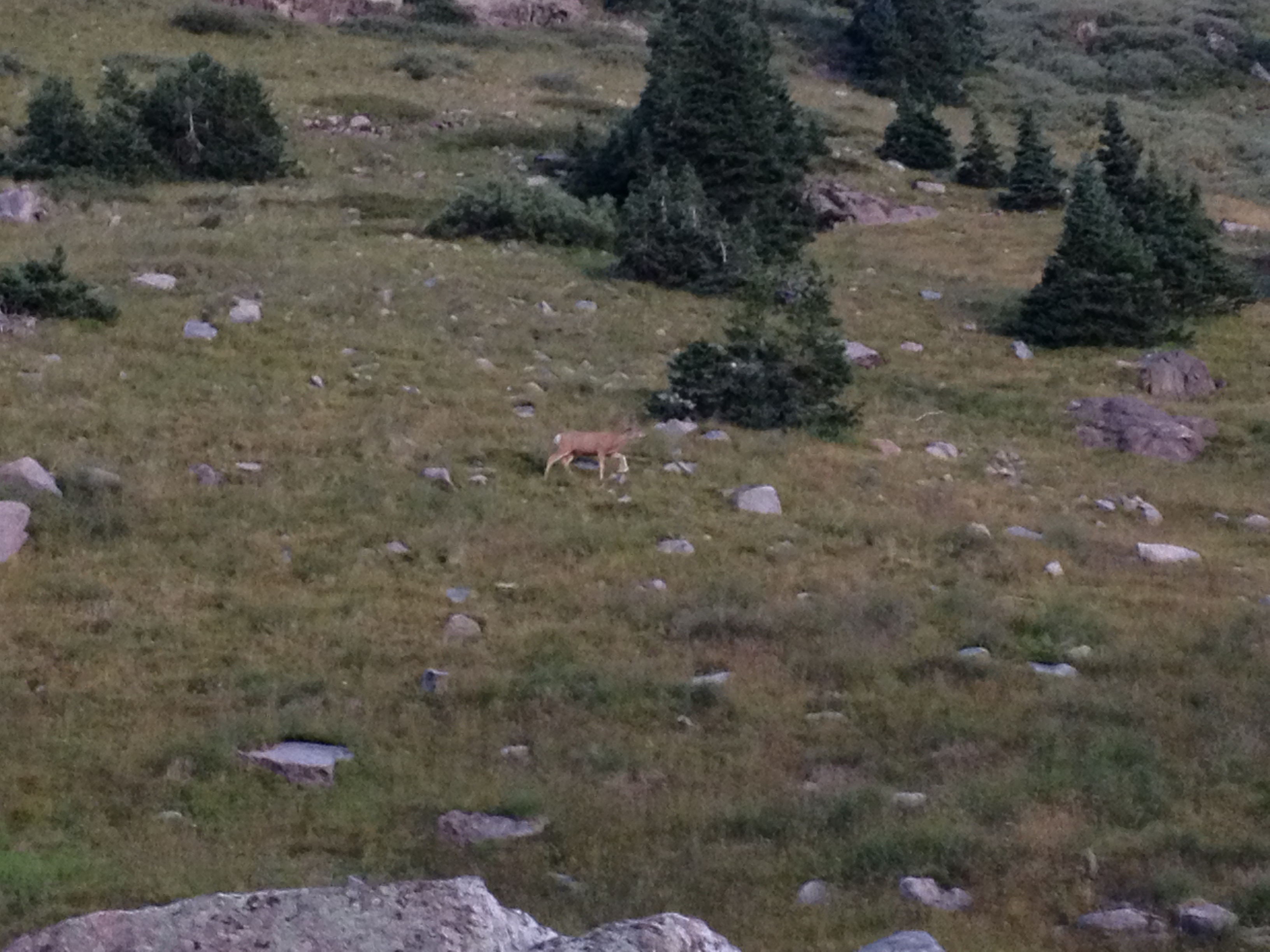
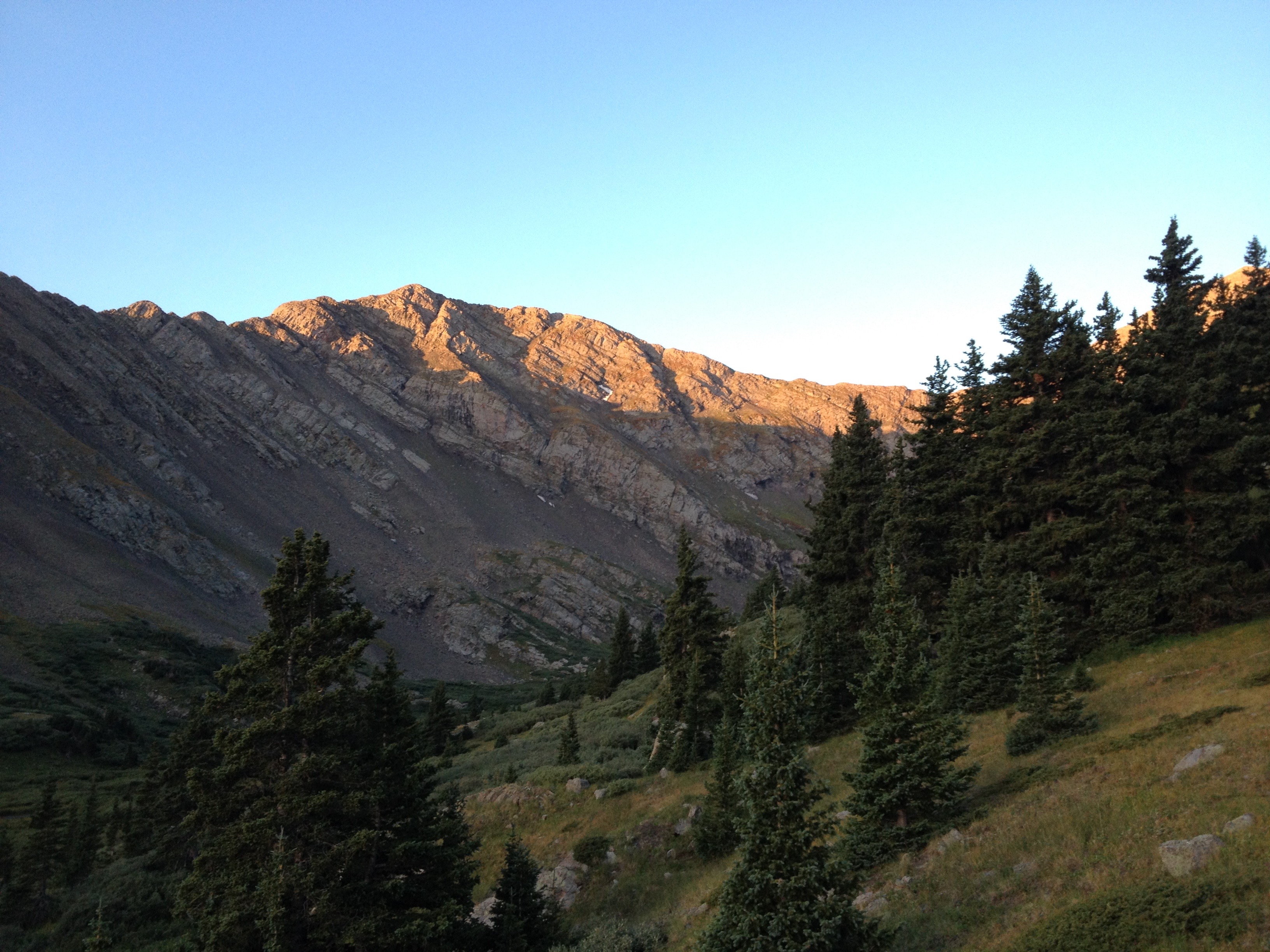
The next morning, we woke up early to view the sun rise.  We also saw some cool wildlife, deer, grouse, and marmots, which we had been viewing on and off for the duration of the trip.  However, particularly with deer, first thing in the morning is often the best time for wildlife viewing.  We also gazed upon the muddy puddle I had stupidly jumped into the prior afternoon, having wanted to cool off as it got quite warm for elevations in excess of 11,500′.

IMG_4289

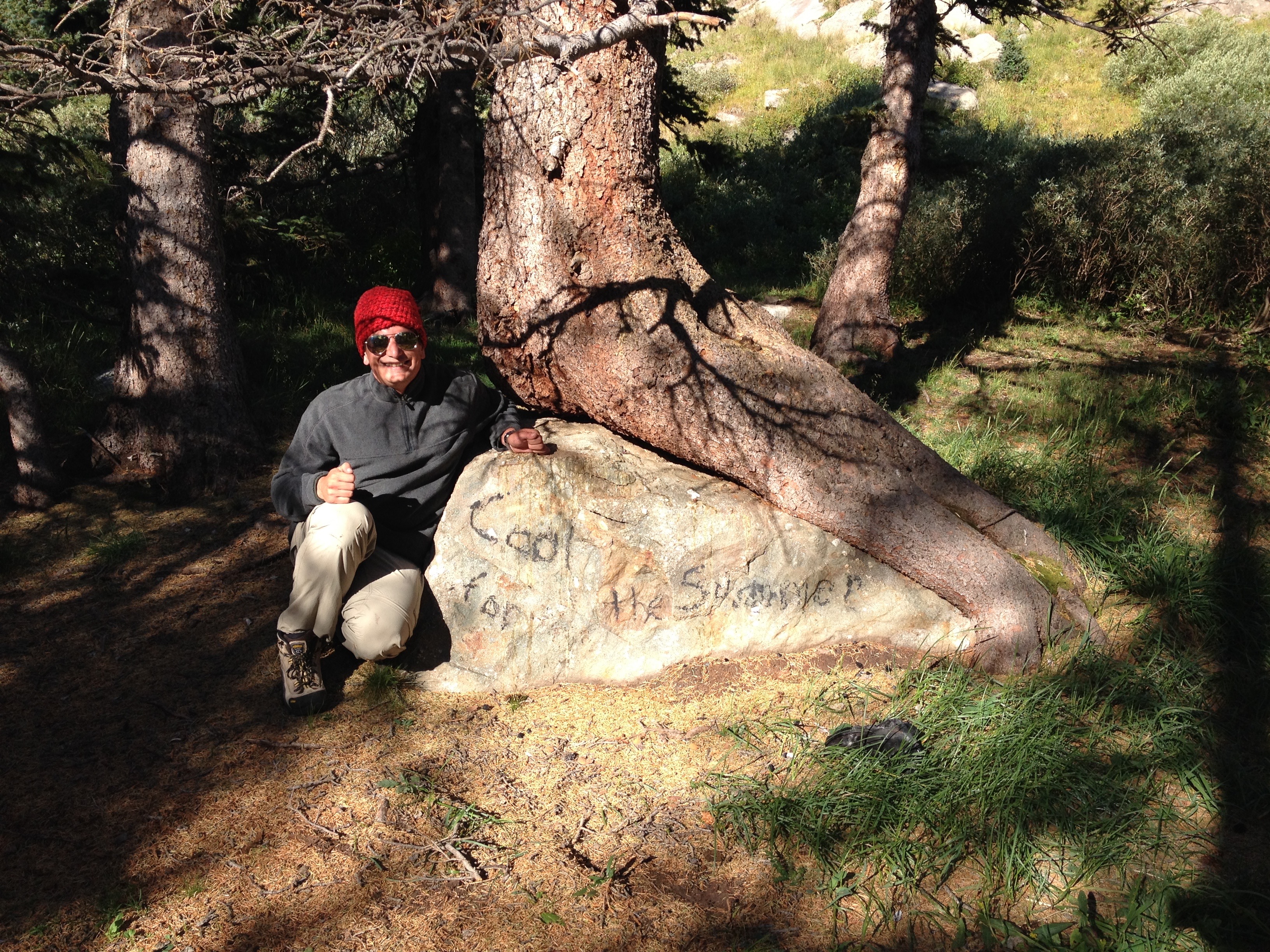
Before leaving the last campsite of my first ever backpacking excursion, I paid homage to one of my favorite songs out right now Cool for the Summer, as, well, this summer has been awesome, and, is now coming to an end.  On the car ride back to Denver, we had a conversation about whether or not songs like this, geared towards high school and college students, apply to people who have graduated, joined the adult world, and no longer have summer break.  However, despite the fact that nothing about my job, or my role in life, automatically shifts for summer (to an internship or summer job), I do feel something magical about this season.  There are so many things one can do in summer that they cannot in other seasons.

IMG_4291 IMG_4296 IMG_4299 IMG_4301

The final descent, back to the trailhead along the Venable Pass Trail, is highlighted by a series of waterfalls, as well as a large number of Aspen trees.  At the biggest water fall, Venable Falls, I actually dunked my head into the water to cool off.  The lower part of this trail would be an amazing day hike sometime around a month from now, when the leaves on the Aspen trees are changing colors.

In the end, my first backpacking experience was quite the trip, and a memory that will last a lifetime!  I came away from this trip confused.  Backpacking is a strange activity.  It is both simple and complex.  It is both exhausting and relaxing.  Never had I been farther away from civilization, having interacted with a total of three people prior to the final day of the trip.  Having experienced additional complications, I am glad to have chosen something modest, in both size and scope, for my first trip.  And, I am glad to have gone with a group large enough to make the experience both efficient and enjoyable, but not too large, as to add additional unnecessary complications.

Back on Top of the World

IMG_4128

Four in the morning is such as strange time of day.  It feels almost surreal.  Everything around you is so much quieter than we all have become accustomed to seeing it.  It is a time when the streets of your home town, even the blocks surrounding your home, feel strange and distant.  For many of us, it is the only time that our surroundings appear restful, as nearly every other time of day, the streets are full of people; people in motion, with agendas, and tasks to attend to.  It is almost as if you are experiencing a completely different place than the one you experience on a day-to-day basis during normal waking hours.

The few people you do see out and about at this hour have widely differing experiences.  There are some for which it is still last night.  The parties, after parties, drama, and other events that had been unfolding since the previous evening are still unfolding.  They have not transitioned to the next day yet.  For others, though, the new day has already begun.  They are starting some sort of project that has already carried them into the new day.  Basically, although the calendar says Sunday, some people are still on Saturday, while others had moved on to Sunday.  It very much reminds me of the International Date Line, which physically separates one day from the next day.  Only here, it is much murkier.  And having been on both sides of this line, it is definitely a challenge to make sense of everything I see around me.

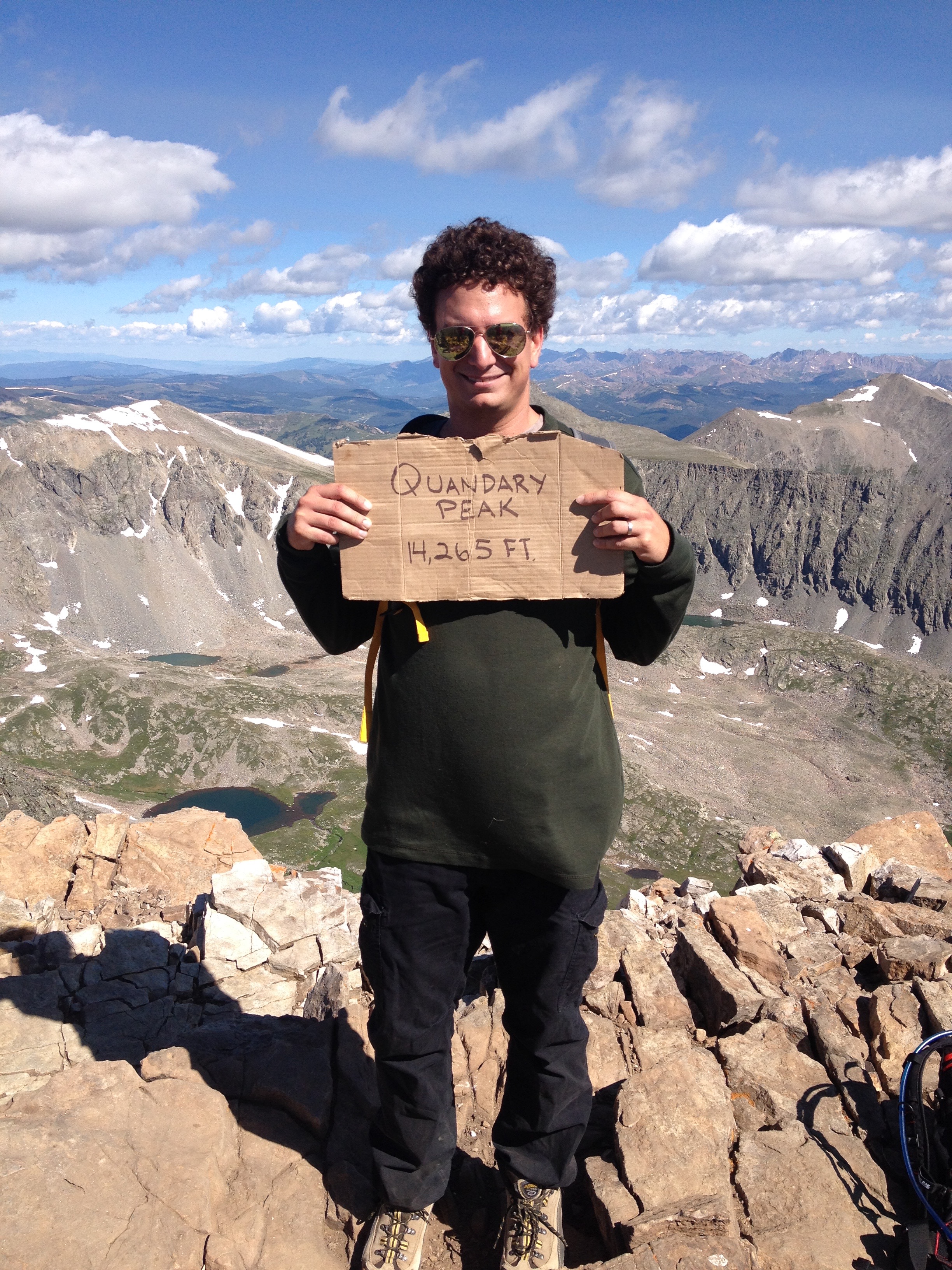
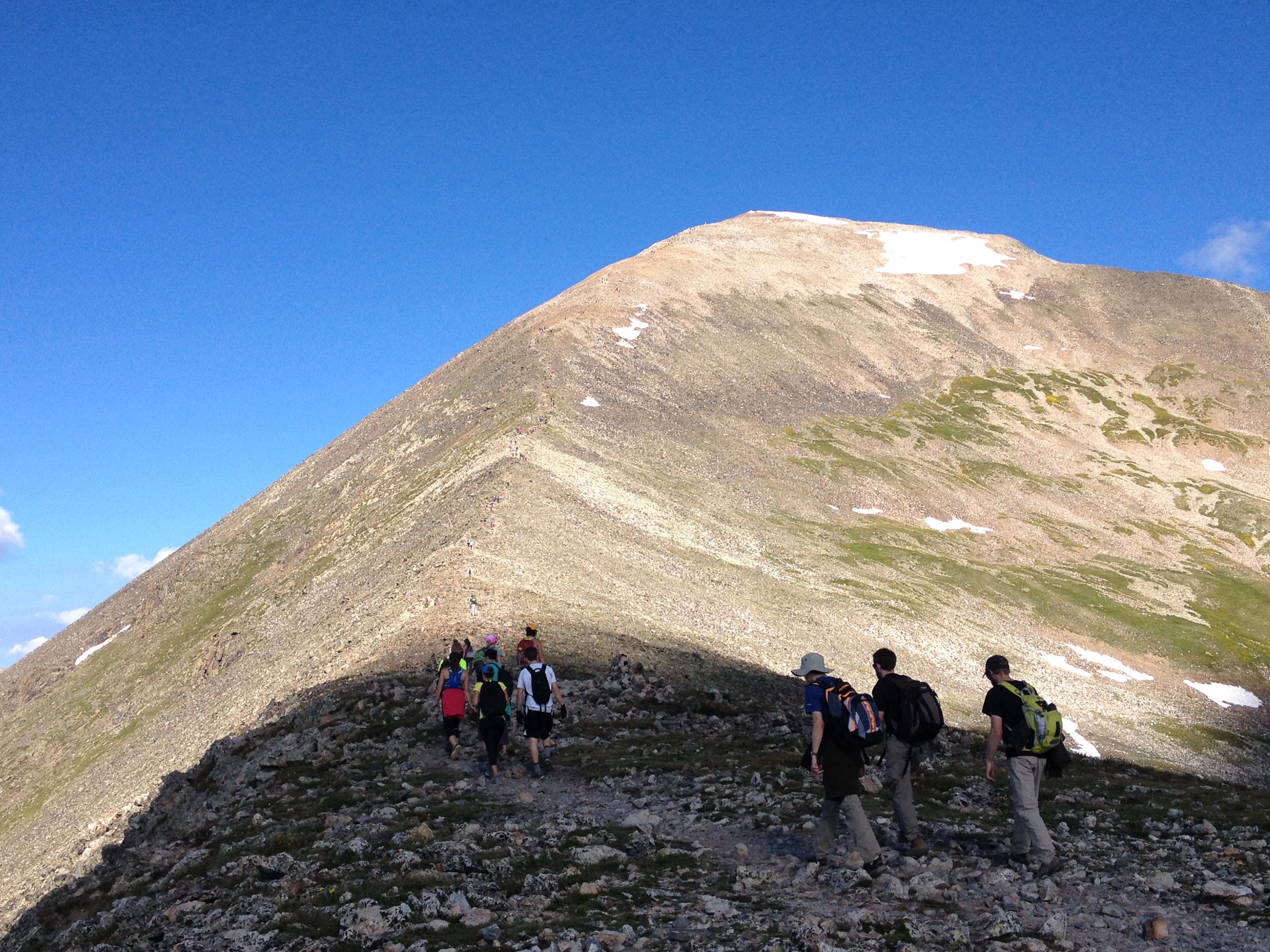
I woke up at four in the morning in order to climb Quandary Peak, one of Colorado’s “14ers“, located in Summit County, just under two hours from Denver.  Climbing “14ers” is one of Colorado’s pastimes, and a rite of passage I first accomplished just over two years ago.  Unfortunately for anyone that hates early mornings, those climbing these peaks are generally advised to get an early start for safety reasons, as the weather here can be somewhat chaotic.  Sometimes unexpected weather here can lead to horrible results, even on days when inclement weather was not expected.  It is recommended that most hikers begin these climbs by 7 A.M. to minimize such risks.  So, I woke up at 4, to get ready, and get to the trailhead by 7.

IMG_4107

I have only climbed three other 14ers, so I have little experience to compare this particular hike to.  But, from the very beginning this hike seemed anomalous.  Most hikes, particularly Mount Bierstadt, begin relatively flat, with steeper grades coming farther into the hike, and closer to the top of the mountain.  This hike, however, had some fairly intense grades right at the start of the trail.

IMG_4110 IMG_4111

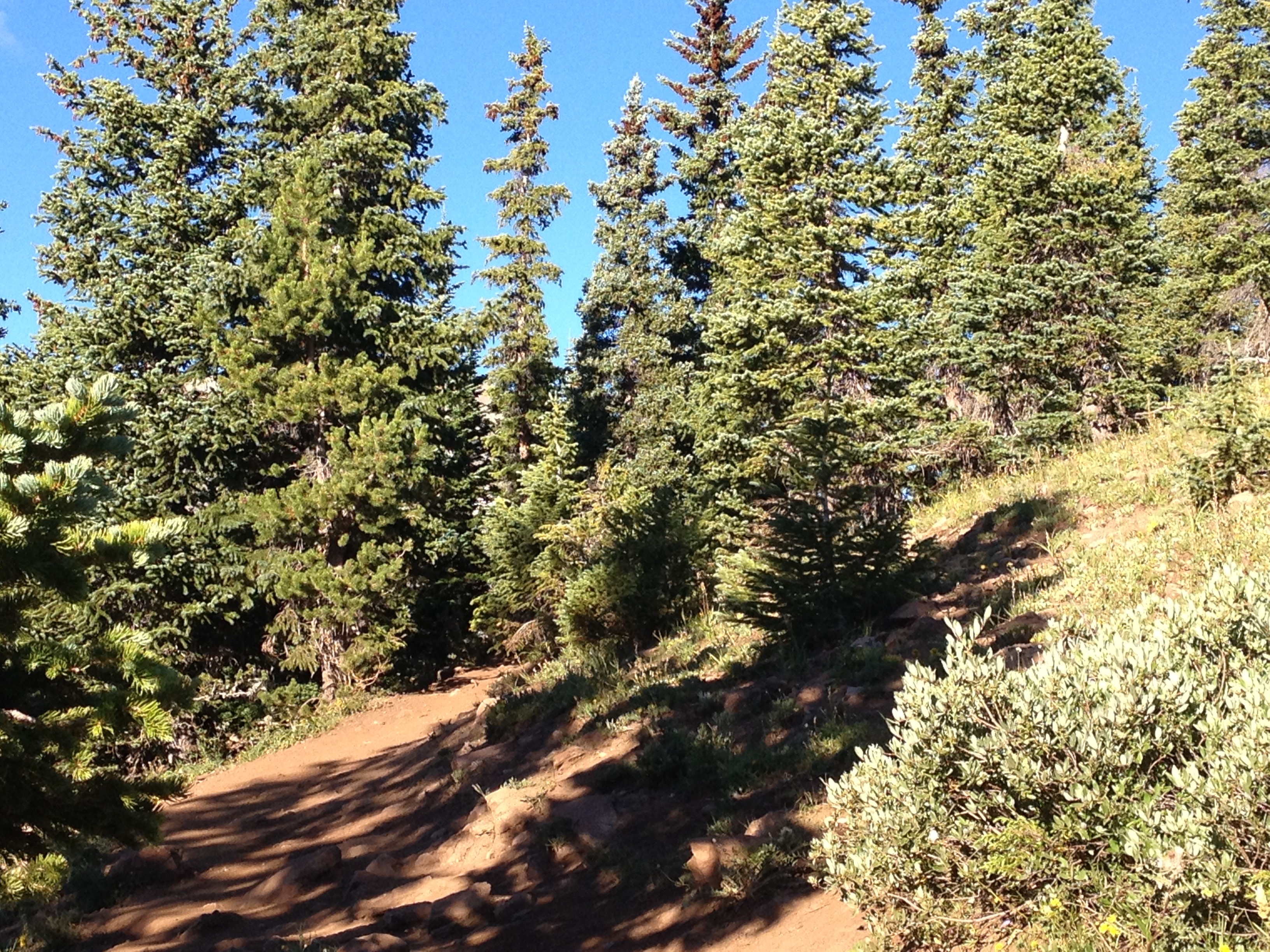
Still, it felt like we spent a considerable amount of time, 40 minutes or so, hiking before we got above the tree line.  There is some variance as to the elevation of the tree line in Colorado.  On this hike, it certainly felt like I climbed to nearly 12,000 feet in elevation before getting above the trees.

IMG_4118 IMG_4146

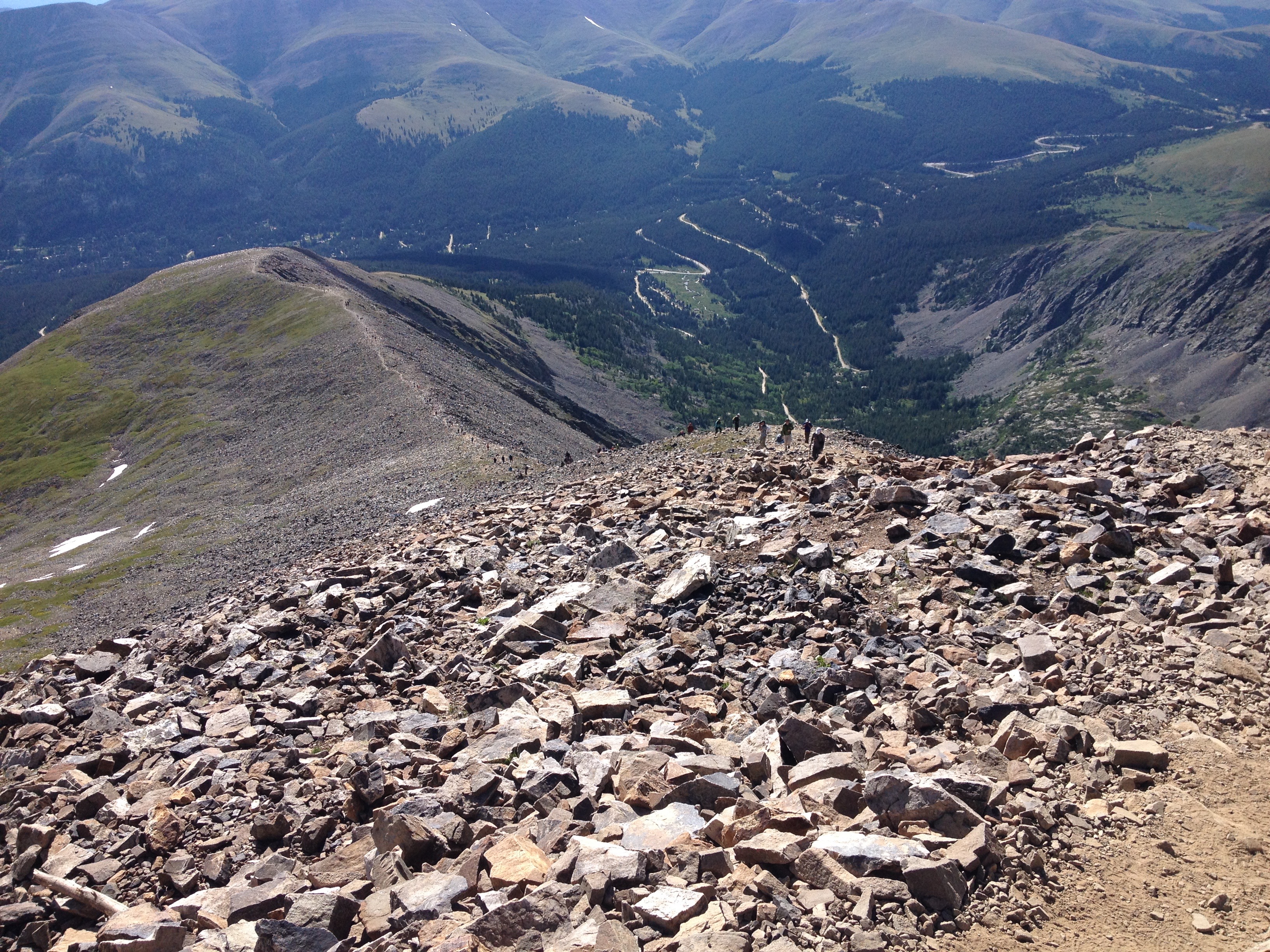
The other aspect of this particular trail that sets it apart from nearly every hike I have ever undertook is how much of this trail is covered by rocks.  The portion of the trail above the tree line, which is most of the trail, is more than half covered by rocks.  This is well more rock coverage than I remember from the other 14ers I have climbed.

IMG_4115 IMG_4116 IMG_4124 IMG_4145

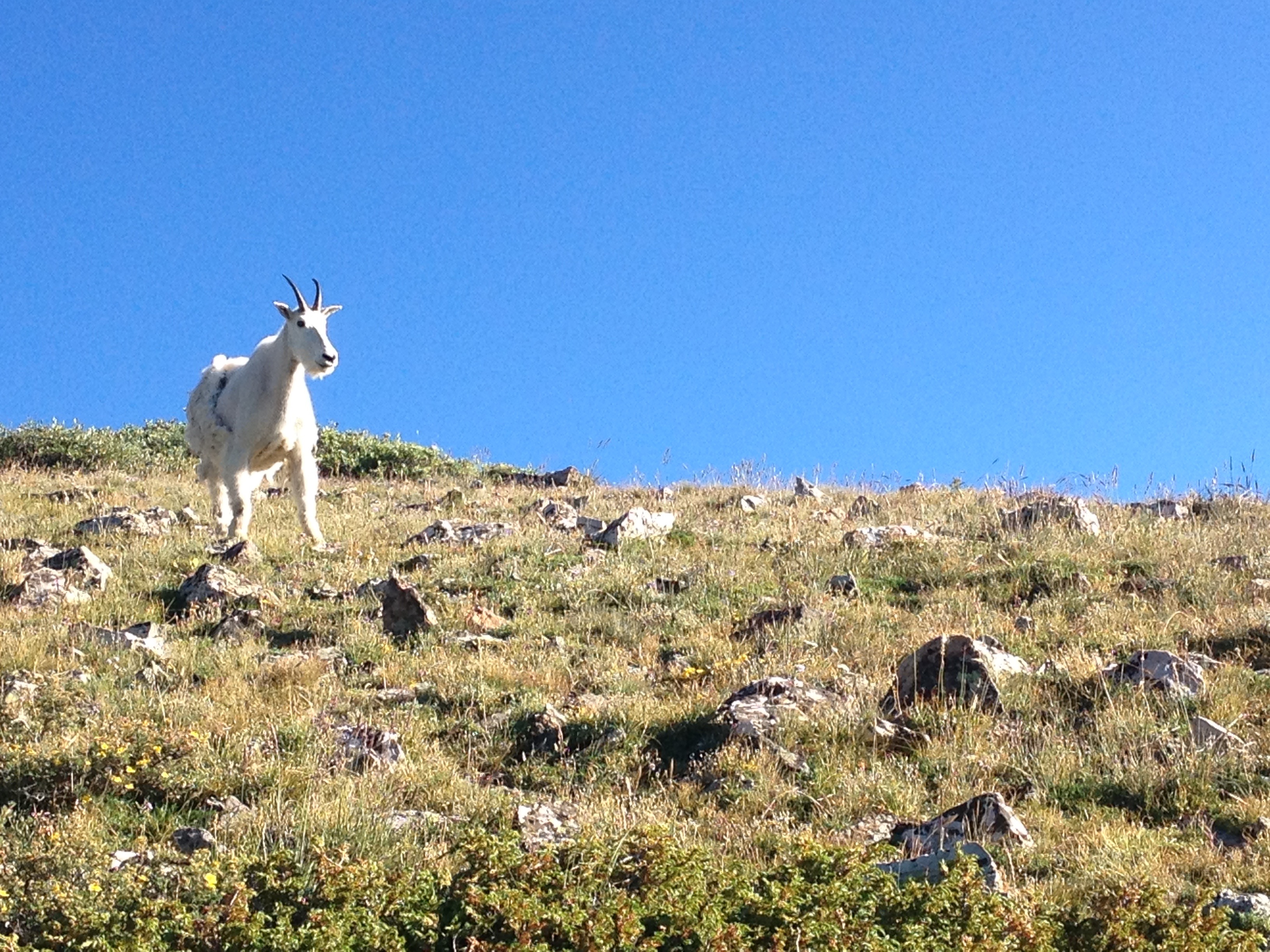
And then there were the mountain goats.  I probably encountered roughly a dozen of them today.  Most of them hung out a little bit above the tree line, but there were a couple of them that were actually spotted closer to the summit. I was surprised to encounter the first mountain goat I came across today.  I was even more surprised to keep encountering them, sometimes in packs.

Unlike many other mountains, Quandary Peak’s “intimidation factor” actually slowly builds up as one approaches the summit.

IMG_4109

While the mountain does appear big from the start, it appears somewhat gentile in nature when compared to some of the other mountains I have hiked.  From this vantage point, still below the tree line, it almost feels as if there will be a slow, steady, and merciful climb to this peak.

IMG_4120 IMG_4117

Just above the tree line the mountain’s summit comes into clear view, appearing significantly less gentile than it did just 30 short minutes ago.

IMG_4122 IMG_4123

The closer I got to the summit, the more I realized that the last 1000 foot climb would not be gentile at all.  In fact, this final stretch resembles any other 14er I have experienced or seen posts about.  This final section, leading up to the summit, will be a place where I will trudge to the top, focusing one exhausting step at a time.  This is the way it always goes down.

IMG_4126 IMG_4131 IMG_4132

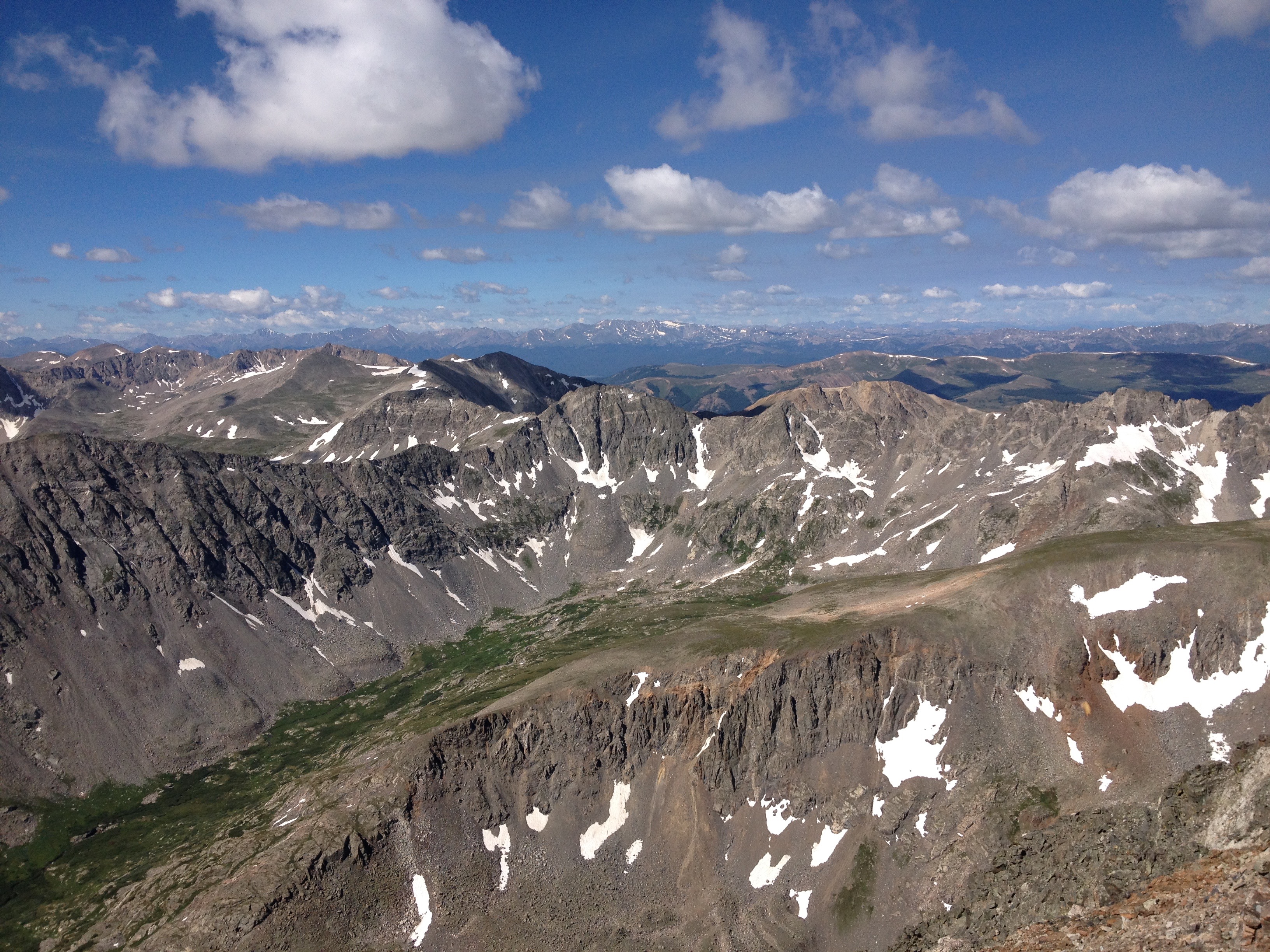
Despite the fact that I have already successfully hiked to the top of a mountain that is technically a few feet taller than this one, it was hard not to feel a sense of accomplishment when reaching this summit.  Looking down on the intense terrain I had just navigated, and the mountains that surround me, all of which are below me, I was once again on top of the world.  And, once again, I had earned it.

As the day progressed, I saw more and more of two types of people on the trail.  First, large groups of either high school or college aged people.  But, also, I began to see more people wearing headphones on their hikes.  And, unlike the trail runners in headphones I encountered on Bierstadt, the people wearing them were not all trail runners.  Or, well, they were not all running.  Some were climbing the mountain at a fairly leisurely (for an intense climb like this) pace.

It made me wonder what this experience was about for these particular individuals.  How does having music on change the experience of the scenery around you?  I can imagine it having a negative impact on the connection one can make with nature at a place like this.  I am for certain that it would have a negative impact on one’s ability to share experiences with others.

IMG_4136

As was the case with the other 14ers I had climbed a couple of years ago, I was fortunate to have good company with me for the journey.  The experience, like many of the others I write about, would not have been the same had I taken them on alone.  My friend and I were discussing a mutual acquaintance who was hiking one of these 14ers solo.  I know that I would have significantly more trouble motivating myself to get up at the hour of 4 A.M. for a solo excursion.  For me, connecting with others plays a significant role in a lot of what I do, and I would have a hard time finding myself wearing headphones at a place like this.

A Month Without Sleep

IMG_3499 IMG_3514

I guess it would be an exaggeration to say that I, or anyone else for that matter, went a whole month without sleep.  But, sometimes life, and the procession of events, activities, changes and emotions, refuses to come at you at a steady and workable pace.  One day we find ourselves stagnant and antsy, wondering what is next, and wishing for something significant to happen to us.  Then, out of nowhere, we suddenly can’t seem to keep up with all the planning, deadlines, issues, and events.  We literally find ourselves unable to spare a single hour out of a crammed week.  Sure, we always think to ourselves of ways to avoid both extremes.  We think of ways to shift some activities from busier periods to quieter periods.  But, it never seems to work out that way.  Something always comes up.  Some sort of factor we had not previously considered prevents us from utilizing those slow periods when we get antsy.  And, these periodic episodes that test our endurance are still going to come.

Both of these images were taken on restless nights during the month of June.  Both nights were restless for completely different reasons.  And, both photos are beautiful, in a very artistic sort of manner.  As I gaze at these pictures, I can’t help but imagine art enthusiasts looking at these images, discussing their settings, their emotions, their significance, all that deep stuff.  I wonder how many of these artists would come to conclusions similar to the actual stories behind these pictures.  The picture on the left is a sunset picture in the city, taken after a busy and emotional Monday at the office.  The photo on the right was taken after a particularly festive Saturday night in Vail that lasted well past sunrise Sunday morning.  Both nights I did not get any sleep, but for reasons that could not be any farther apart from one another.

June is a terrible time for any of the drama associated with “regular life”, whether it be moving, career issues, financial problems, or family and relationship issues to come up.  There is just way too much fun stuff to do- everywhere!  No matter what city you live in, there are festivals all over the place.

IMG_3628 IMG_3646

It is the peak time of year for Whitewater Rafting in this part of the country.

IMG_3589

There is the ongoing severe thunderstorm season.

IMG_3632

And, there is also tons of daylight, and pleasant weather up in the mountains.

IMG_2044

I have no time for anything else in June.  All those “regular life” things that demand my attention just need to wait.  There will be plenty of time when the snow reappears on the mountain tops, nights get longer, days get chillier, and opportunities inevitably shrink with the passing of the season, for me to turn my attention to all of that other stuff.

June, for me consisted of a plethora of experiences.  Some of them familiar.  As I did last year, I went to the GoPro games in Vail June’s first full weekend.  Just as I did last year, I went rafting the third weekend of the month.  And, as always, I spent some time out on the town, and did some goofy stuff.

IMG_3522 IMG_3511

But, some things were unique to this particular June.  I was lucky to have been joined in Colorado by some of my friends from Chicago, who came for a week to see some sights around the State.

IMG_3542

We also experienced copious amounts of rain.  Rivers and creeks expanded to cover areas that are typically dry- including bike trails.

IMG_3644 IMG_3666

On top of all that, career related anxiety, which began months ago, but mercilessly intensified during the month of June, lead me to seek out some places where I typically go to clear my head.

IMG_3668 IMG_3669

It was not until the final Sunday of June, the 28th, when I finally took a pause, and realized just how intense June had been.  It almost felt like my first real day of rest for the entire month.  You see, on top of all of the activities I have been involved in, seeking out answers related to my job, and trying to get more involved in some some social groups, I have also been training for, as well as planning out my next epic trip, which will begin in less than 48 hours.

I had always dreamed of traveling long distances by bicycle.  In fact, I am a member of the Adventure Cycling Association, and have been following their push to develop cross-country bicycle routes for years.  This fourth of July weekend, I will be embarking on the biggest journey by bicycle of my life, a ride from Bozeman, Montana to Jackson, Wyoming.

Bike_Trip_July2015

This three day, roughly 230 mile bike ride will take me through some of this country’s greatest treasures, including Yellowstone and Grand Teton National Parks.  On the way into Yellowstone, I will be riding through a region known as Paradise Valley, which includes Chico Hot Springs, and other unique features.

Planning, and training for, this ride definitely added to an already crammed month of June, but I sincerely believe it will be worth it.  Just as we have daytime and nighttime on a 24 hour cycle, we have both active and restful periods on a larger scale.  And, although July is not looking too much more restful than June for me, there will eventually will come another break in activity, another lull, another time to regroup, and “sleep”.  Maybe I’ll even figure out some of that pesky “regular life” stuff too.  But one thing is for sure, it will not be as epic as this.

The New Place in Town

IMG_3636

When we think of “travel”, we usually think of the process of someone physically transporting themselves to another location, and, through that travel, experiencing something different from what they typically experience in their home towns.  And, it is that experience that I typically write about on this blog.  But, travel is actually a two way street.  Sometimes, the experiences of another place comes to us in our hometowns.  If it weren’t for this second form of travel, us Americans would not know about many cultural institutions near and dear to us, like burritos, yoga, sushi, or reggae music.

With the level of mobility in and out of, as well as within the United States of America, our culture ends up being in a constant state of flux.  Case in point, I remember when I was 12 years old going out for Thai food for this first time in my life, and thinking it was strange and exotic.  Nowadays, one can find Thai restaurants everywhere.  It’s become just as standard as pizza, another result of experiences of other lands coming to us, in our diet.

I must admit that last year, I had no idea what Detroit Style Pizza was.  In fact, I had no idea that Detroit even had a style of pizza.  To be fair though, having grown up partially in New York and partially in Chicago, two large cities known for their pizza, it had never really occurred to me that any place other than those two had a style of pizza.  By the time I had reached college, I had pretty much, in my head, categorized all pizza into three different categories; New York style thin crust pizza, Chicago’s deep dish pizza, and everything else, with Papa Johns typically taking the title for the least offensive member of this category (in my head).

But, since then, I had learned that Saint Louis, Colorado, and New Haven, Connecticut, all also have their own style of pizza.  So, when my friend told me about his upcoming business venture, opening up a restaurant serving Detroit style pizza, the concept did not sound completely foreign to me.  And, it helped that he did a really good job of describing it to me.  Through some research on my own, I later learned that Detroit style pizza has been around since the 1940s.  Yet, Denver, like everywhere else, appears to have suddenly become aware of this pizza style within the last couple of years.

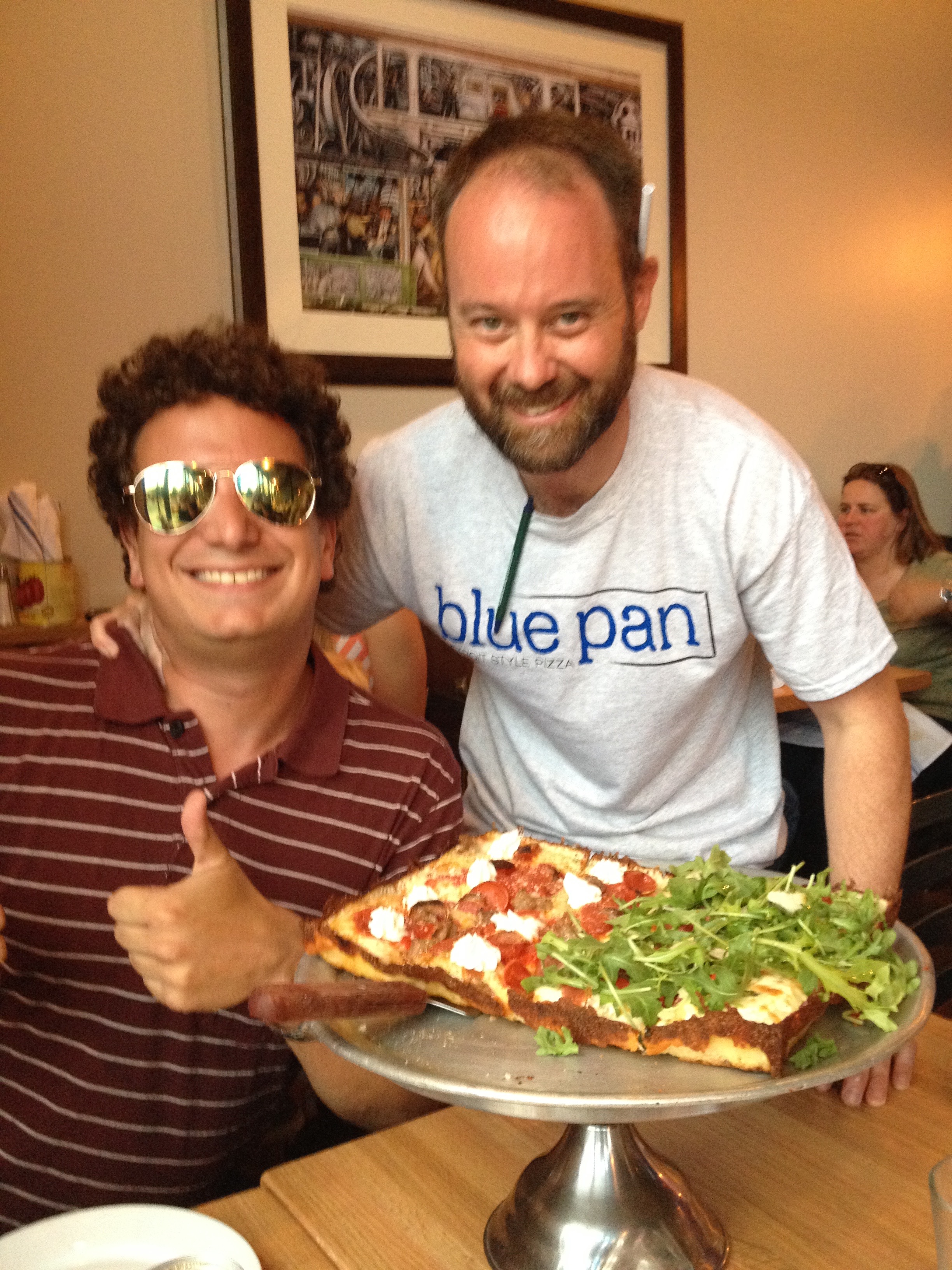
Blue Pan Pizza opened 10 days ago in the West Highland neighborhood of Denver, one of Denver’s trendier neighborhoods.  It is a growing neighborhood in a growing city, with a lot going on.  It also appears to be a popular place for young families.  Both at Blue Pan, and at other nearby bars, I noticed a lot of babies and small children in the area.  So, I guess it is a good thing that the pizza turned out to be good, thus giving me no reason to swear in front of the children in the restaurant.

IMG_3637 IMG_3639

As a general rule, I try the best I can to go “all in” when trying something new, and get the authentic experience.  So, while Blue Pan also offers standard Italian, and thin crust pizzas, I ordered the authentic Detroit style, as recommended by my friend, and restaurant co-owner Giles Flanagin.  One of the pizza styles is actually called “the 313” which appeals to my love of area codes (I celebrate “Area Code Day” every year).  The other pizza I ordered was called the “Brooklyn Bridge”.

I ended up really enjoying the pizza, as did the rest of my party.  Two other places in Denver offer Detroit style pizza.  I have yet to try the other two, so I have no means of direct comparison.  However, Giles had mentioned to me the importance they place on the quality of their ingredients, which I believe is why I ended up enjoying the pizza.

More than having a good meal, and being exposed to a completely new kind of food, I found myself just genuinely feeling happy that evening.  I was happy for my friend.  I was happy for my city.  I was happy for the neighborhood.  Ultimately, I was happy to have seen someone take an idea, something that starts out as just a bunch of words and images inside their head, and turn it into a reality.  It was right there in front of me, and completely real and completely successful.  Wow!

And, amazingly, although I desire more than anything in the world to be able to create an enterprise of my own, I did not even feel any envy.  Everyone is better off, and one person successfully executing an idea does not preclude another from doing so with a different idea.  In fact, seeing that it can be done should provide hope to all Americans who one day hope to have an impact on the world beyond just doing work and keeping a job.

Who knows what the future holds for Blue Pan, and the entire Detroit Style pizza industry.  American culture is in constant flux.  Some new entries to our mainstream culture stick permanently, while others die off.  In the 1990s, the cultural experience of Seattle’s coffee drinking scene traveled to the rest of the country.  It stayed.  A few years later, the southern cultural experience of Krisy Kreme donuts also came to us.  It left.  Will Detroit style pizza stay with us?  Only time will tell.  But, it appears to be off to a good start.