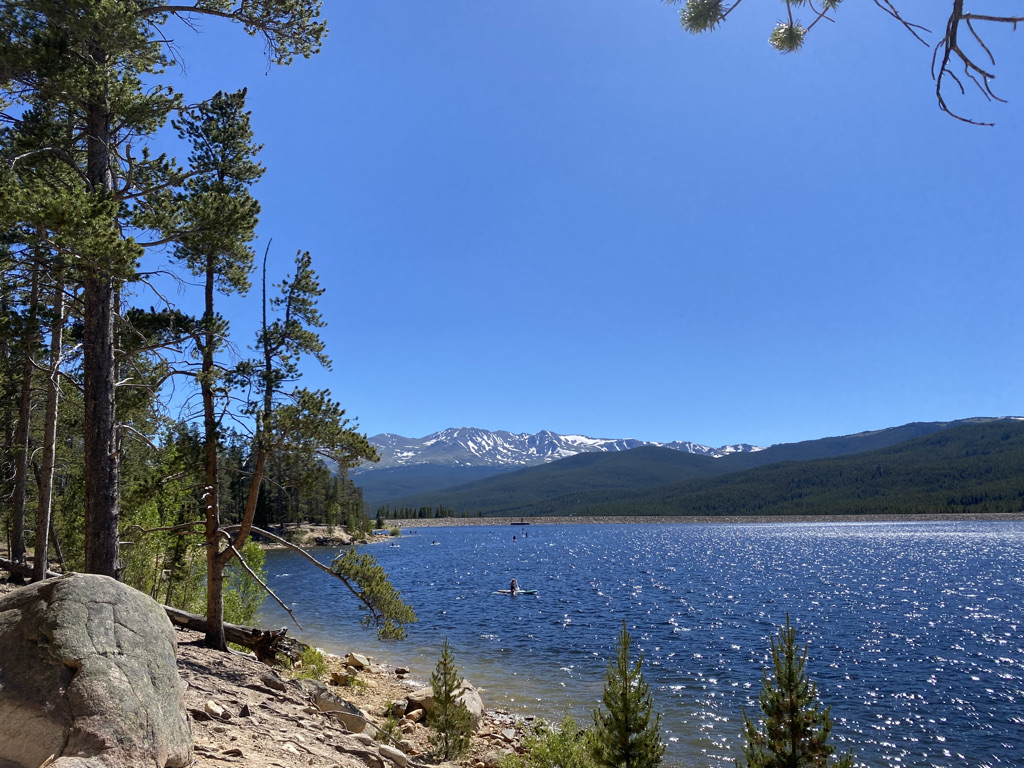
Category Archives: Colorado

MeowWolf is a Reflection of Our Cultural Moment

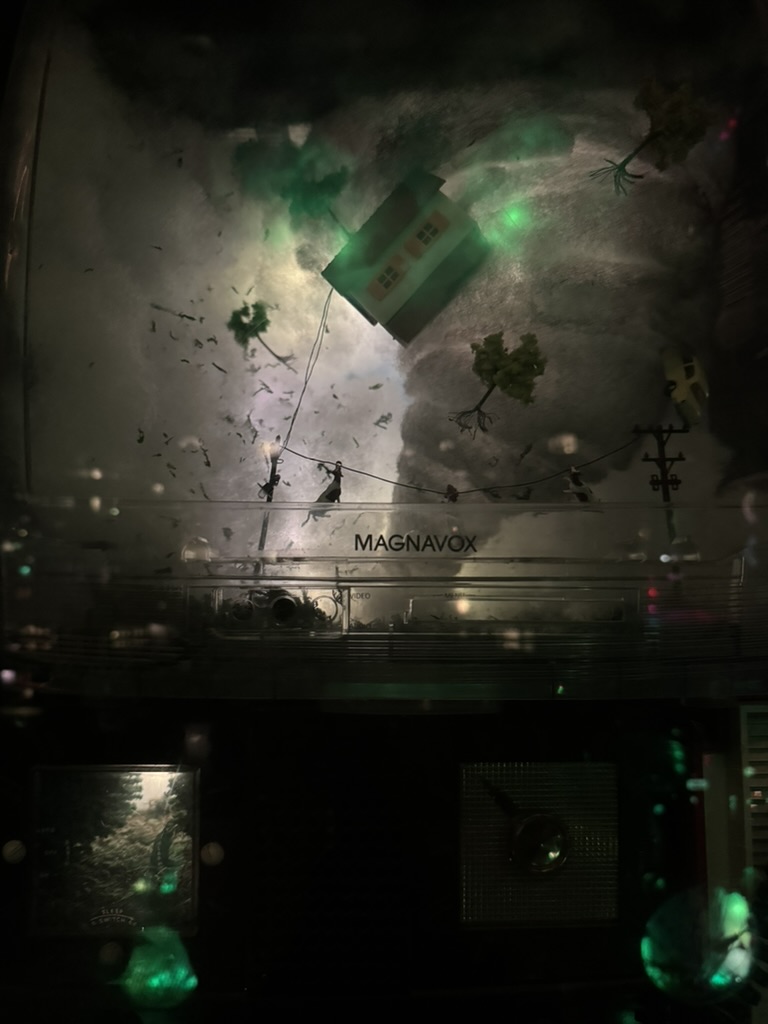
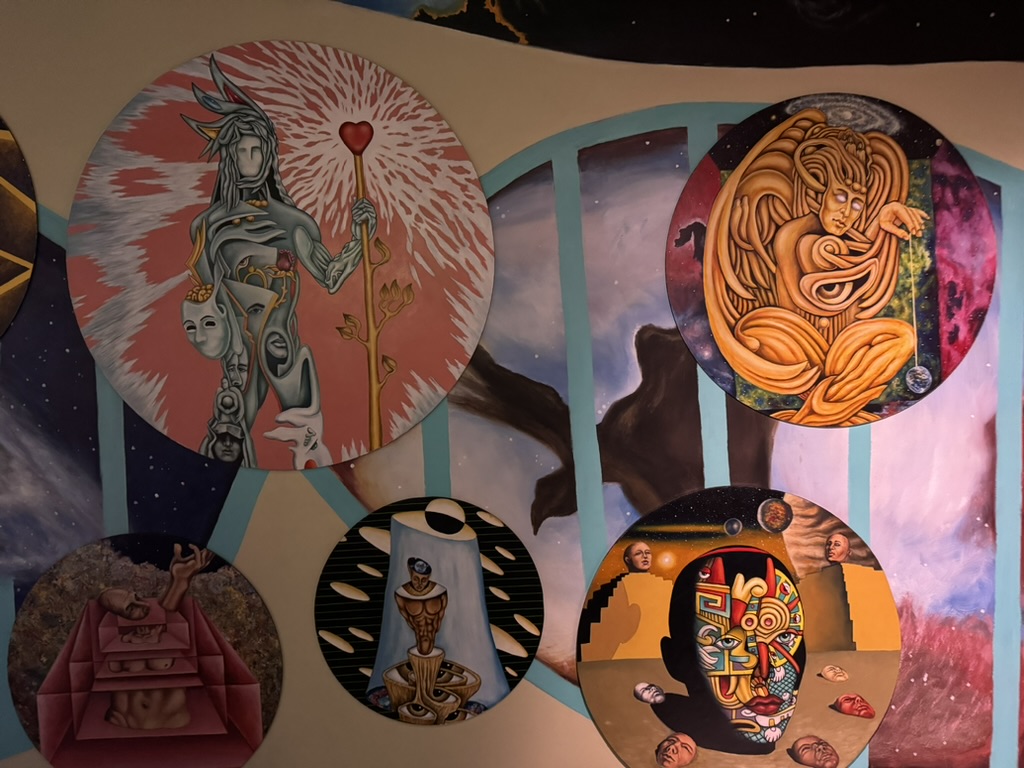
It’s hard to describe what exactly MeowWolf is. Over the past several years, you’ve likely seen some pictures of this place, mostly on social media. MeowWolf describes itself as Immersive Art Experiences and Interactive Exhibits. While this is certainly true, it feels like one of those IYKYK (If You Know You Know) types of places. Pictures like these give you an idea what to expect, but it’s impossible to understand what going to MeowWolf is like without actually going there.
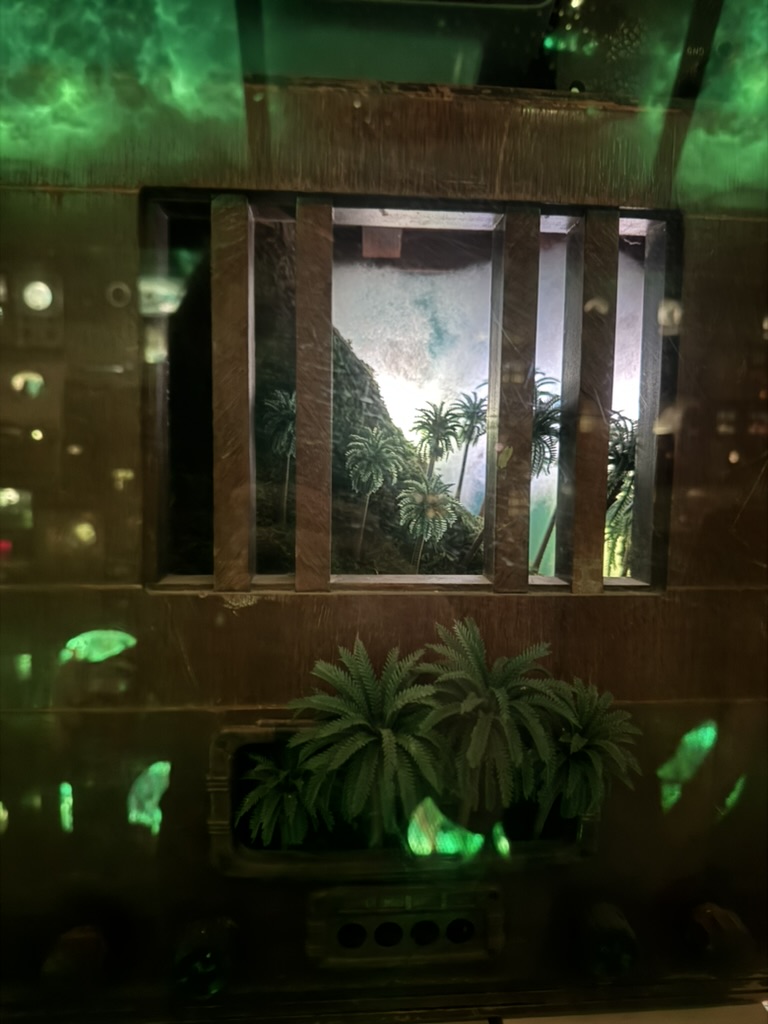
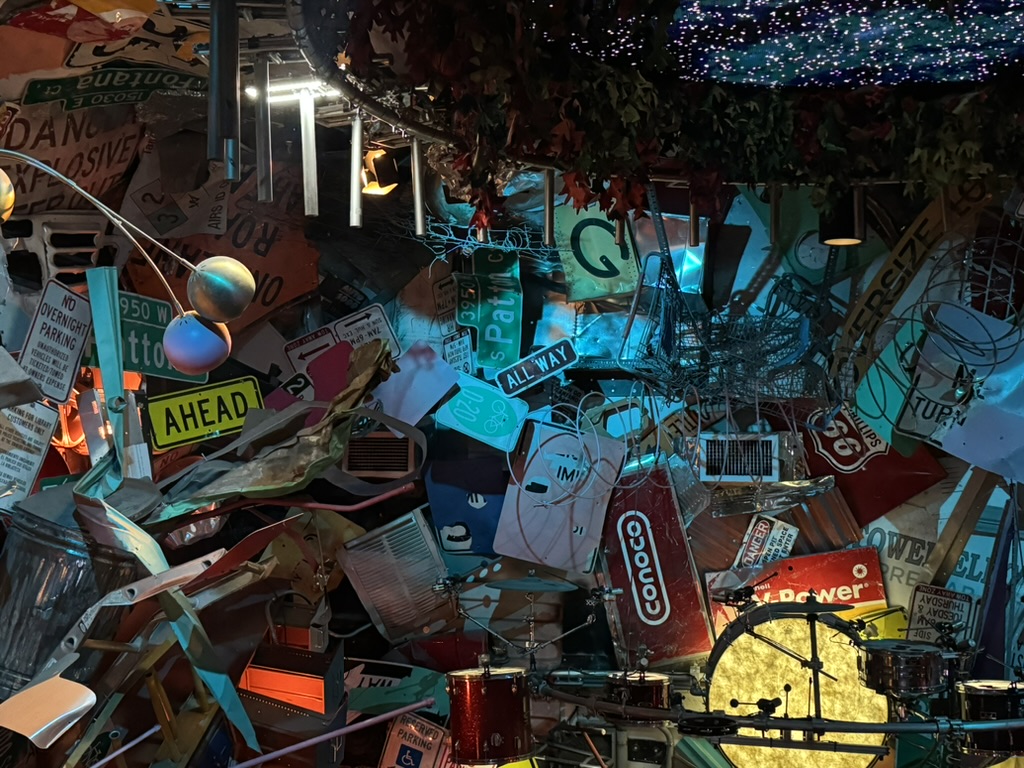
More than anything, the place is extremely artistic, and just random. Around every turn there is a door, another room, or even a crawl space that leads to another completely different exhibit. There’s a lot of it too. Some have spent over five hours in this place.

My favorite part was the Pizza and Pals section, a place where I suddenly found pizza singing at me.

The place also had an optional interactive component, with a story about four worlds that it would take a much deeper dive to understand.
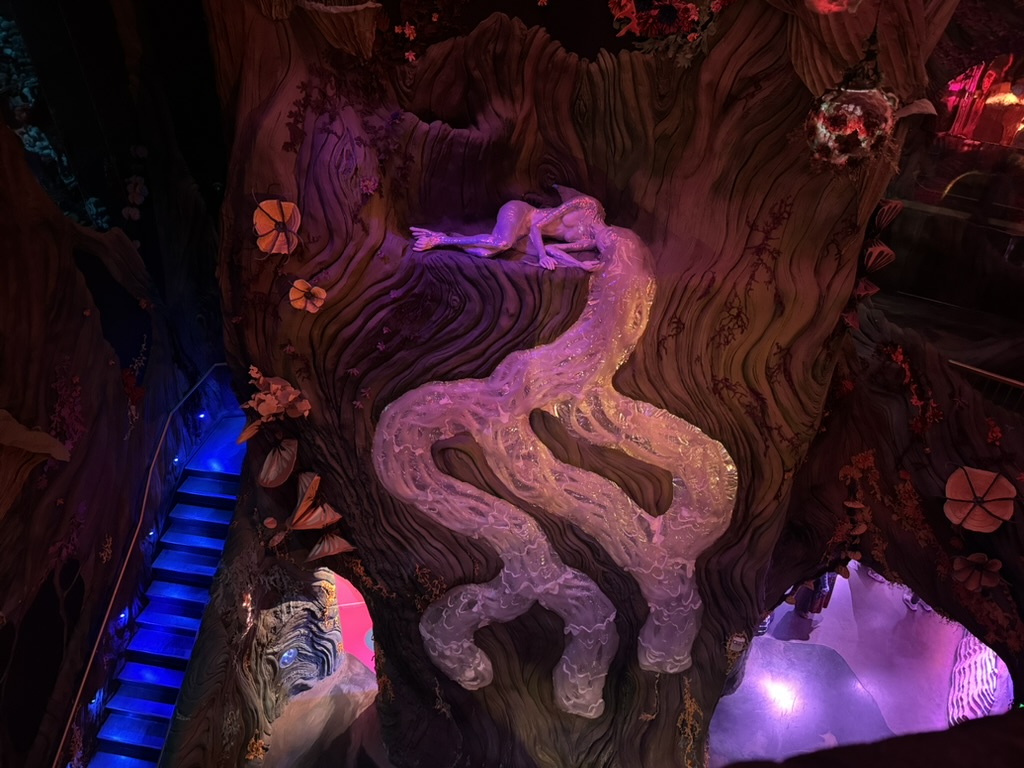
Still, I couldn’t help but reflect on how well this place matches our current cultural moment.

First of all, it certainly caters to an ADD (which seems to be all the rage right now) type of crowd. With all the different immersive art, any visitor can just abruptly change what they are looking at by turning their head or walking through a door.

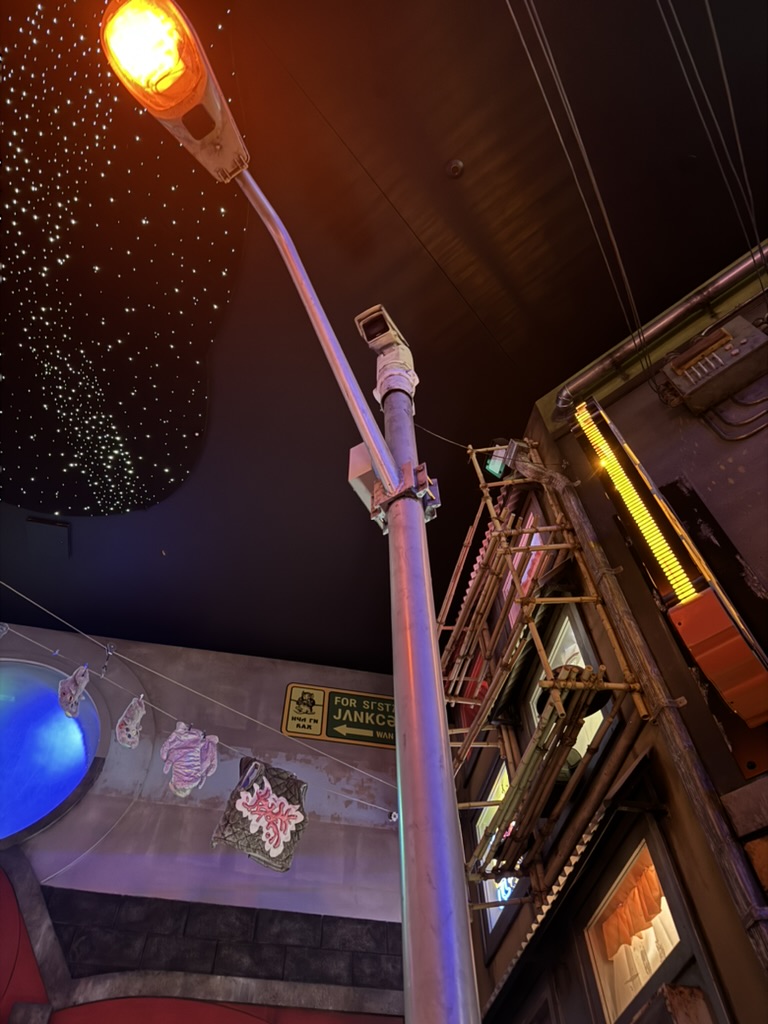
Yet, it seems to match this historical moment on a much deeper level. Sure, it is the perfect place for Instagram, something that people seem to have been looking for for a little over a decade now. However, it seems to speak to an even deeper craving that has developed during the 2020s. After nearly two decades of looking at and sharing pictures on social media, people are now looking for something that is more of an experience.

There is also something to be said about an experience that a person cannot truly wrap their heads around just by looking at pictures or even hearing about the experience. By knowing this place cannot even be remotely understood through social media feeds, it establishes itself as being about more. While this place may be great for social media, it points to a life beyond social media. The emergence and increased popularity of this place appears to be sending a cultural message along the lines of…

“We still want great photos to show our friends and family, but we are craving in real life interactive experiences. We want something unique. Something imaginative. We want something beyond what can just be seen in a photo or a video. We are ready to be done with just passively consuming content. And, we’re tired of the flattened culture where everything is the same!”

This, I believe, culturally, is where we are in 2025.
90 Minute Hikes Outside of Denver

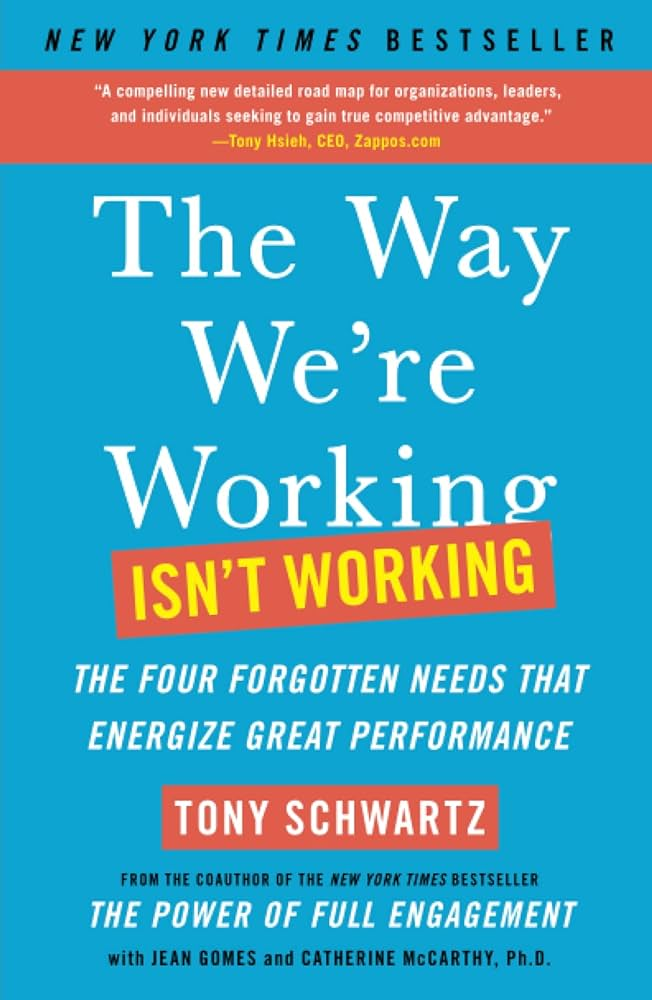
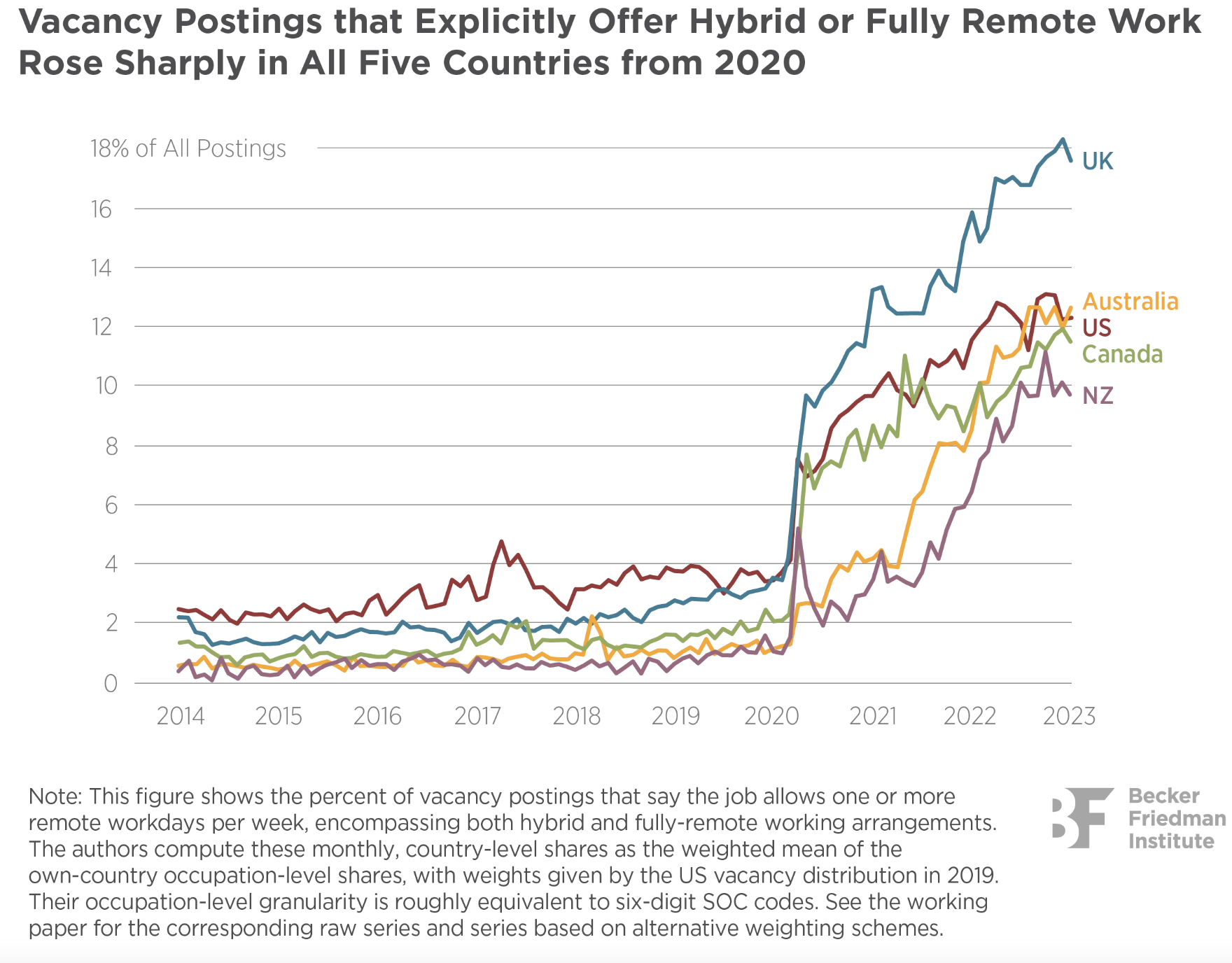
Phenomenon like “quiet quitting“, the “great resignation” and some places experimenting with the four day workweek should make it abundantly clear that there is something less than ideal about the standard work culture of the post industrial world.

Note: This book was published in 2010

Our general work setup is built around a world that no longer exists. It was built around the industrial world of one income families of a hundred years ago. On an assembly line, the amount of value someone brings to a company is directly connected to the number of hours they are present. The eight hour workday represents a compromise of sorts between business owners and labor. It is based on this direct connection between value and hours worked, as well as a world where most laborers were men with women at home tending to childcare and household upkeep. Today’s world is completely different and needs a completely different paradigm.

A silent disco co-working pop-up in Denver, curtsey of Cifernoise Productions

However, realistically, it is going to take a while to get there. We are still in the beginning phases of exploring the new nature of work after the pandemic.

And, there are plenty of powerful interests trying desperately to keep as much of the old, flawed system as possible. This will certainly delay progress towards a new paradigm.

At this time, living a healthy and balanced life will require being innovative and working with what we have available. This is why I have taken an interest in hikes that can be done in roughly 90 minutes close to home. This fall, I tried two.

First was Pence Park, between Evergreen and Indian Hills.

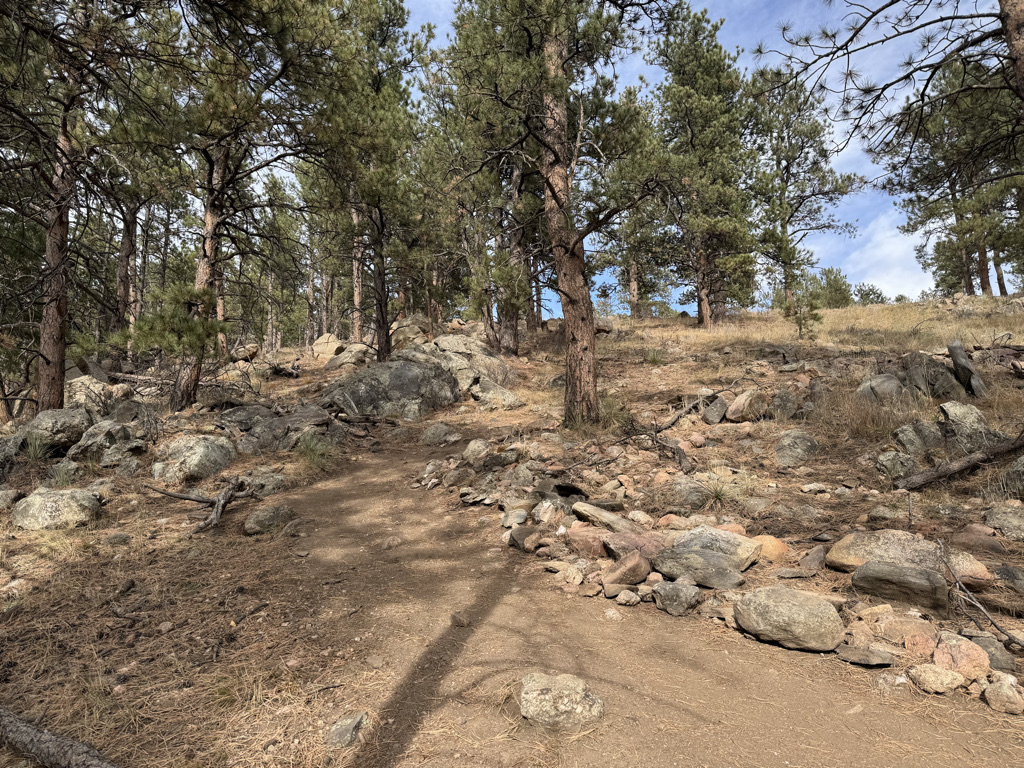
The hike to the top is about a mile and a half (2.4 km) with an elevation gain of 750 feet (230m).

For a short hike, the views here are quite stunning, especially at the top.

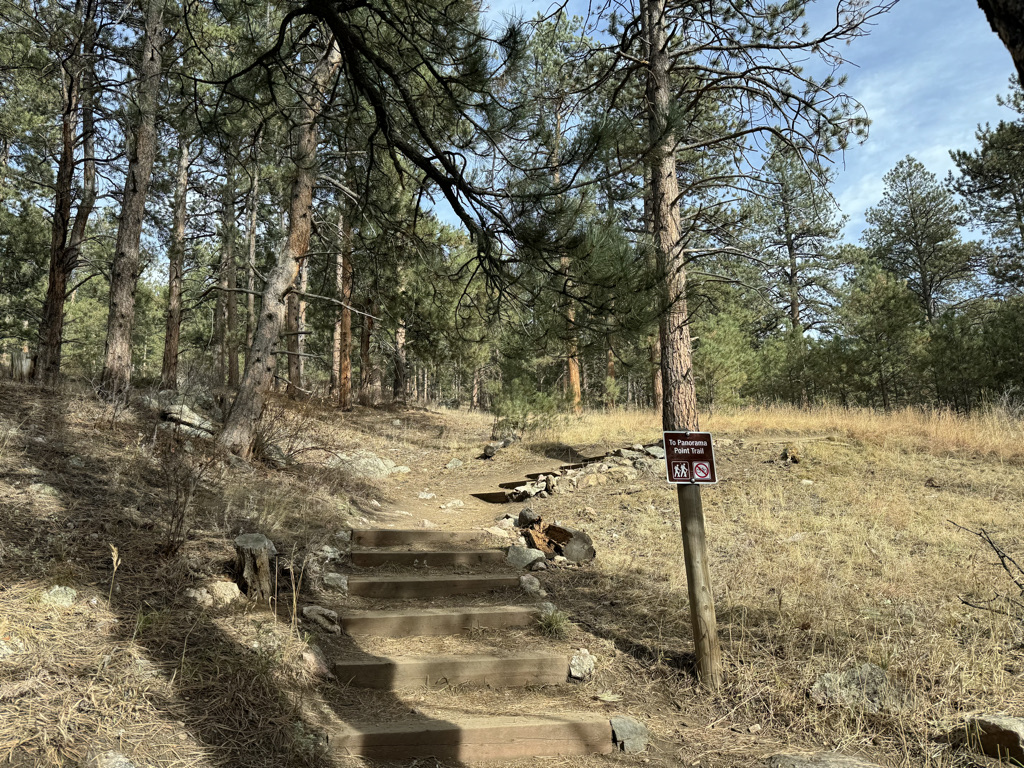
My other 90 minute fall hike was Panorama Point, just outside the small town of Kittridge.

This hike has a round trip distance of just over three miles (≈ 5 km) and an elevation gain of 625 feet (190m). These hiking trails are actually only a few miles apart, so it is not surprising that they feel quite similar.

Panorama Point has an overlook of the town of Evergreen at the top.

So, there are some slight differences, but both hikes take about an hour and a half and are about 45 minutes to drive to from downtown Denver.

This activity address two of the biggest shortcomings of “9-to-5” office jobs. Spending those hours doing work inside, whether it is in an office or remote, can limit one’s exposure to sunlight. Some studies have estimated that well over half of Americans are not getting sufficient vitamin D, which mostly comes from exposure to sunlight. Additionally, most of these jobs are sedentary, involving sitting at a computer all day long, which is certainly not helping with the obesity epidemic.

These 90 minute hikes offer an opportunity to get some sun, exercise, and even be a bit social in the middle of the day on a weekday, particularly in the spring and fall seasons. On hikes like these, there is even the potential to limit the amount of time spent out of contact to under two hours. Eating and working from a nearby restaurant made my time away from my computer, messages, etc. not too much more than a standard lunch hour.

Blackbird Cafe in Kittridge, CO

Of course, not everybody lives in a place with amazing short hikes nearby. The key is to be creative and work with what you do have around you to find habits that help correct the imbalances created by a less than ideal work setup. Hopefully, the time will come sooner rather than later when we’ll determine how a majority of people can be happy, healthy and provide value to the organizations they work for. Until then, I hope you can find your version of the 90 minute hike less than an hour from home.

Small Town Colorado

Travel has the potential to expand one’s point of view beyond the habits, priorities and perspectives that they are typically surrounded by. Visiting another location and being exposed to another culture serves as a reminder that the way things are done in the particular time and place a person lives is not the only way things can be done. However, in order to truly embrace this lesson a traveler must visit a place where they will truly be surrounded by different types of people and actually interact with some of the locals.

A lot of people visit places that are beautiful, but touristy.

Although these trips are fantastic, they usually find themselves surrounded by other tourists.

Many of whom have similar circumstances and outlooks as their own.

Truly getting out there and being exposed to different types of people, with different ways, different priorities, different customs and concerns requires being deliberate, both with respect to where to go and what activities to get involved in. An American could travel all the way to the other side of the world to do something like take an English language tour of the Taj Mahal and not really be outside of their comfort zone.

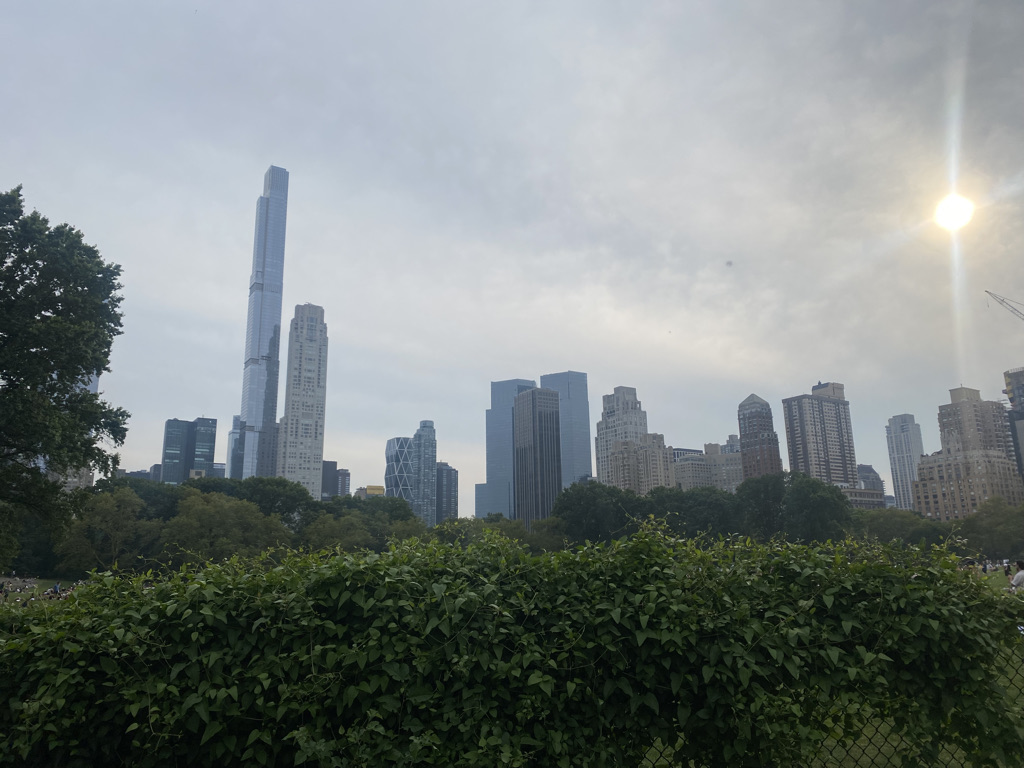
Luckily, the reverse is also possible. One must not travel far to be in a different place. In big cities like New York, ethnic neighborhoods give people the opportunity to visit a different place right in their hometown.

A state like Colorado gives people the opportunity to visit the other side of the primary cultural and political divide in the United States of America: The urban/ rural divide.

However, this requires going to places like small town churches.

Coffee shops

Or festivals

And talking to people who live that small town life.

Sometimes it even helps to take part in the activities they enjoy.

From an urban standpoint, it is easy to ask questions like…

Who would want to live in a place where the nearest Chipotle is an hour away?

Who would want to live in a town where you go to the same bar every weekend and encounter the same ten people every time?

What do people even do here most of the time?

And of course, the media and many political activists will not hesitate to to exploit those differences. It’s an easy way for them to get ratings, clicks and donations. Perhaps most sinister of them all, if a politician or political party can convince most of their constituents to fear the other, they can count on their support out of fear, disgust or contempt rather than having to actually serve their constituents needs.

Unfortunately, the big loser in this is all of the average person, becoming more isolated, depressed and distrustful of one another.

As is the case with every other cultural divide, on the other side of the urban/rural divide are people who, generally speaking are not all that different. They just live at a different pace.

There are some great ideas here and many take part in activities that are quite healthy from a physical, mental and spiritual point of view. Despite the divide and how its exploited, most people on both sides of it are friendly and accepting.

Travel, like life, has ebbs and flows. Some years offer many travel opportunities with abundant resources to explore exotic places on the other side of the world. Others require the focus to be kept close to home. These times do, however, provide the opportunity to explore what one can learn, see and experience relatively close to where they live.

It would benefit most people to reach across any of these divides. Particularly when a cultural divide is accompanied by a political one, there is a tendency to reduce entire groups of people to caricatures that are often a blatant missrepresentment of who they are. By meeting people and talking to them, it is possible to see who they really are.

September Backpacking in the Rio Grande National Forest

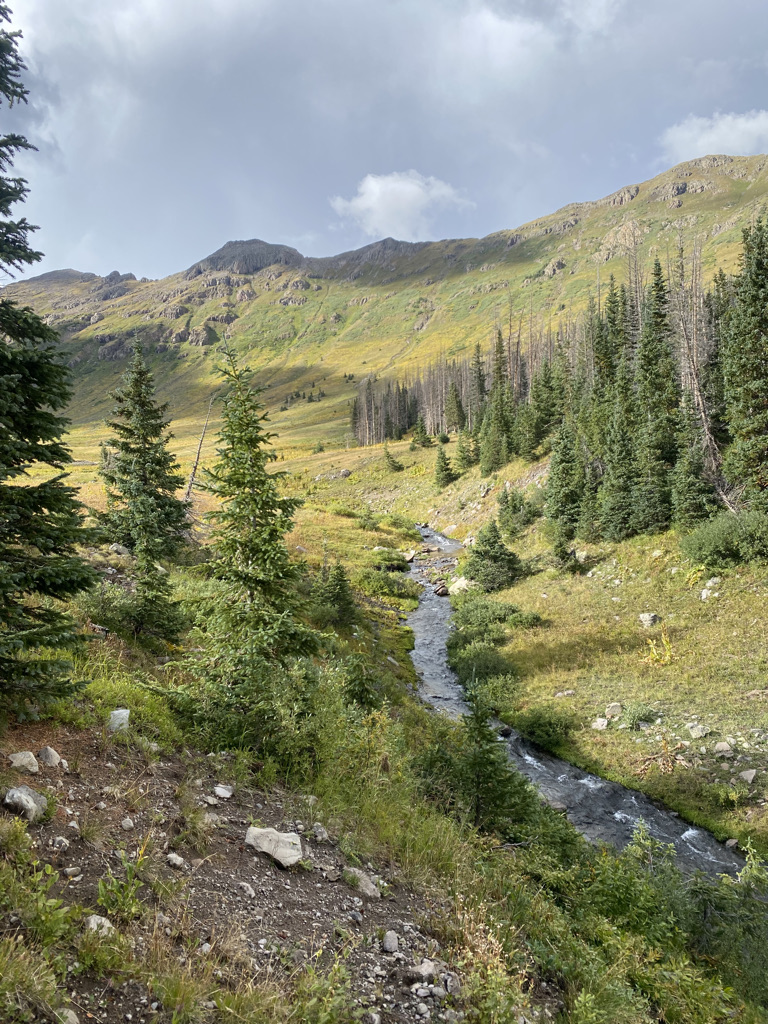
We drove two hours from the nearest town, Monte Vista, Colorado just to get to the Three Forks Trailhead in the Conejos River Valley.

It’s hard to imagine being any further away from civilization.

It’s the trip I needed, as it is the trip we all need from time to time. Three days without the constant distractions of modern life. Three days where one can just gather thoughts and reset from the constant onslaught of information.

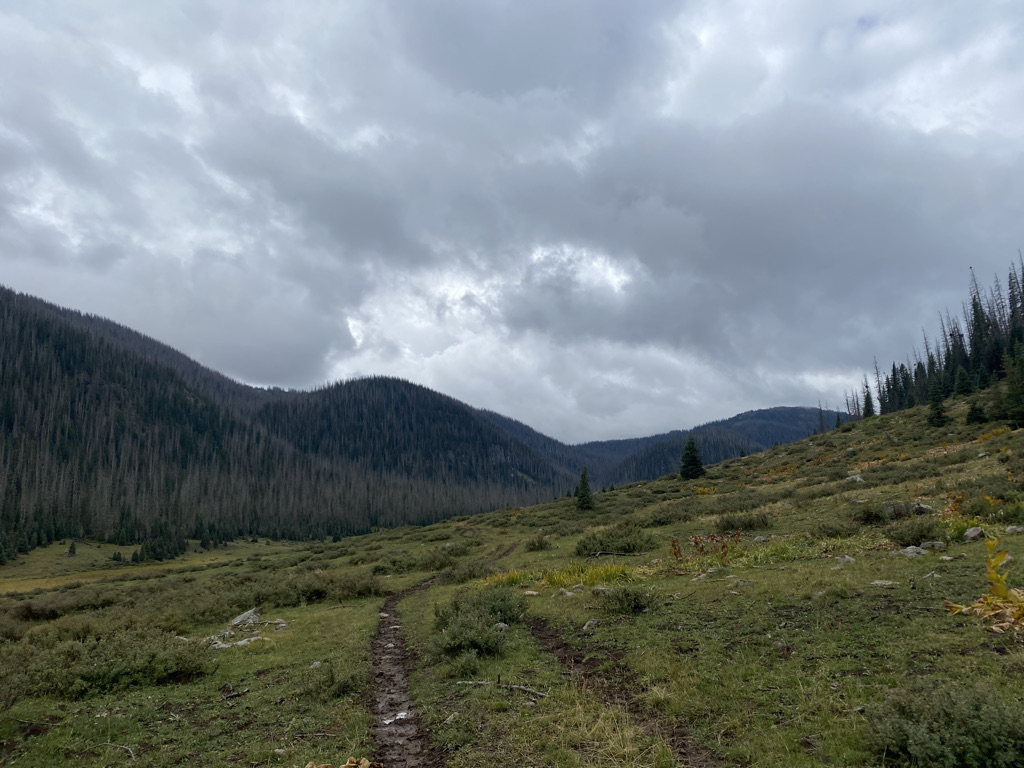
It started on the final day of a rainy week. The trails were quite muddy from the previous several days.

It was actually somewhat of a miserable day. It’s hard enough to climb roughly 1400 feet (425m) carrying heavy backpacks. The morning was cold and mostly cloudy.

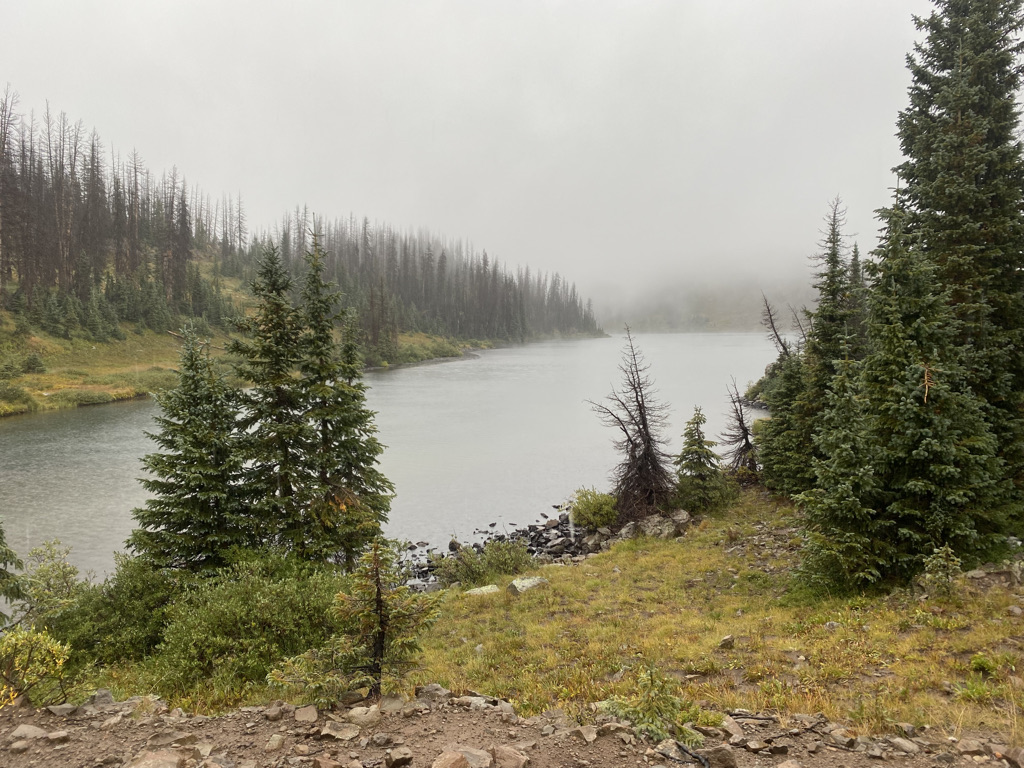
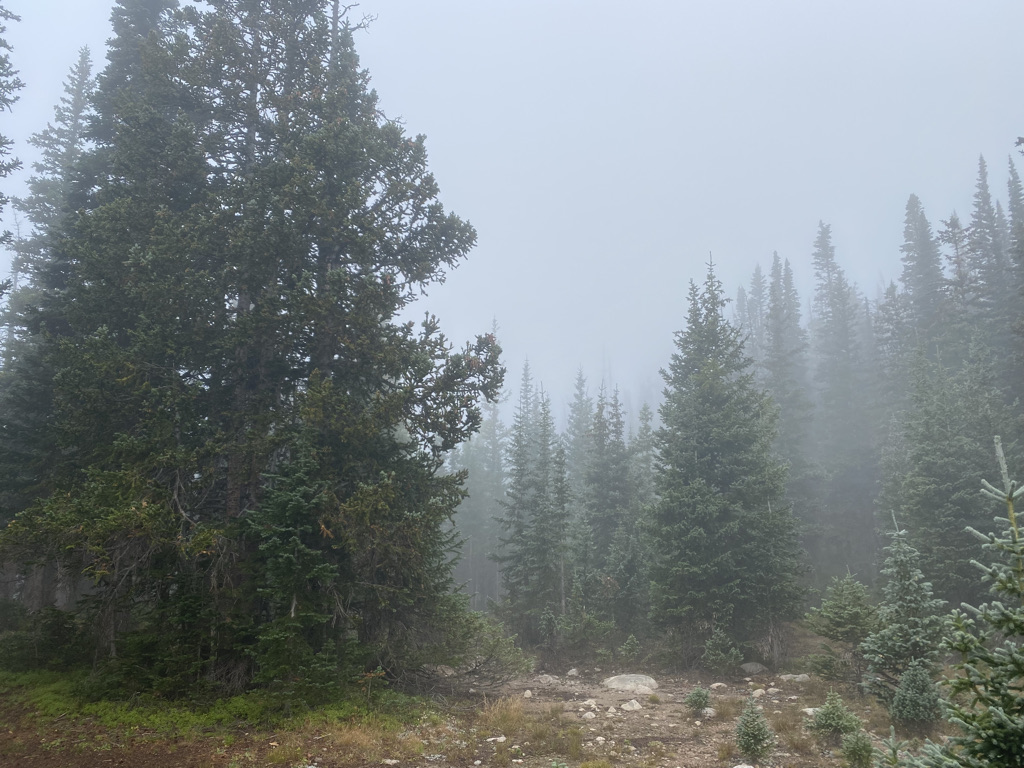
Then came the rain, somewhat heavy at times and the fog. And, it was a cold rain, the kind of rain that soaks coldness down to the bones. The kind of rain that made us want to just sit in our tents, which we did for over 12 hours that afternoon and evening.

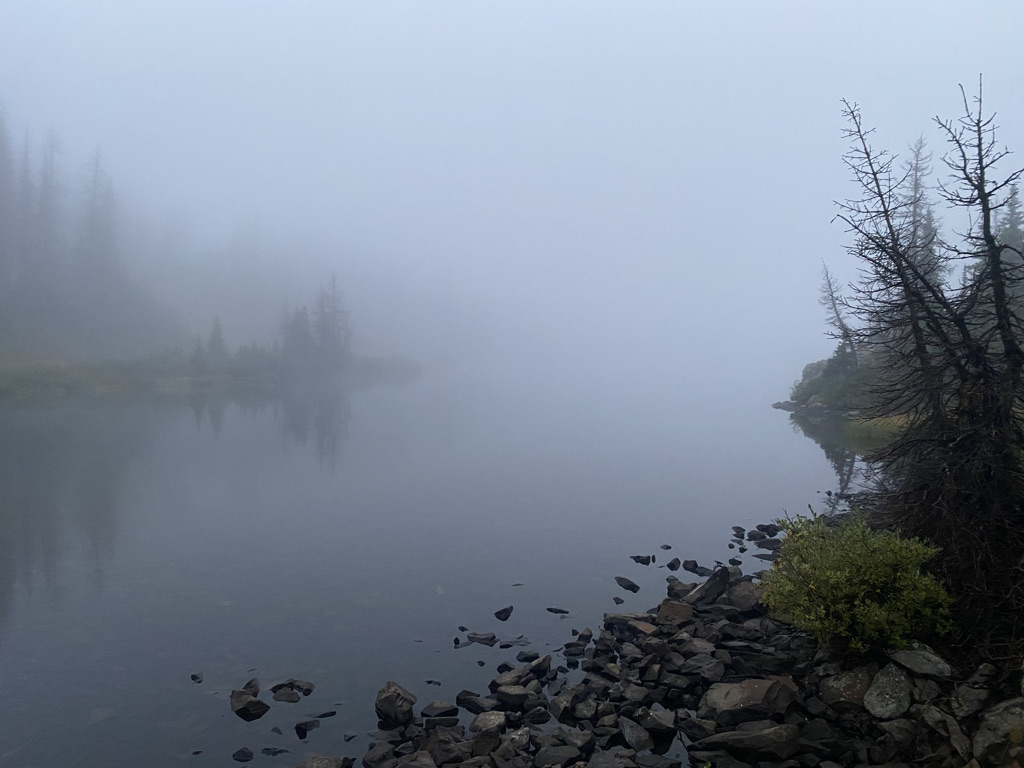
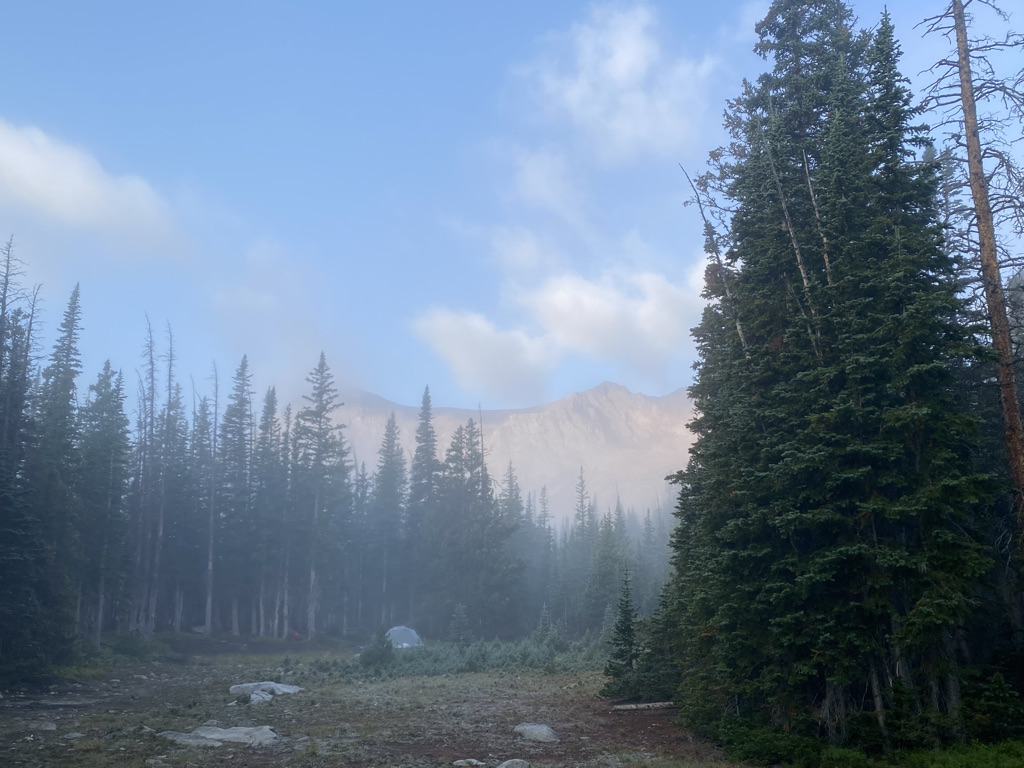
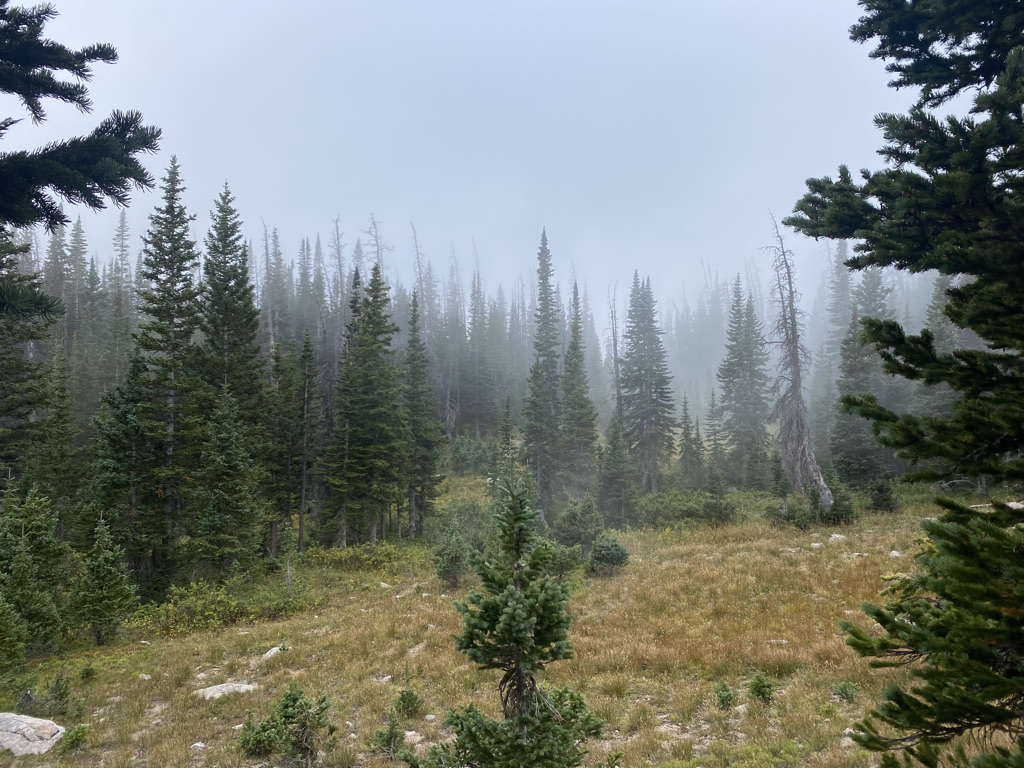
The fog obscured the views of Blue Lake, at nearly 11,500 feet (3500m) both in the evening and especially the following morning.

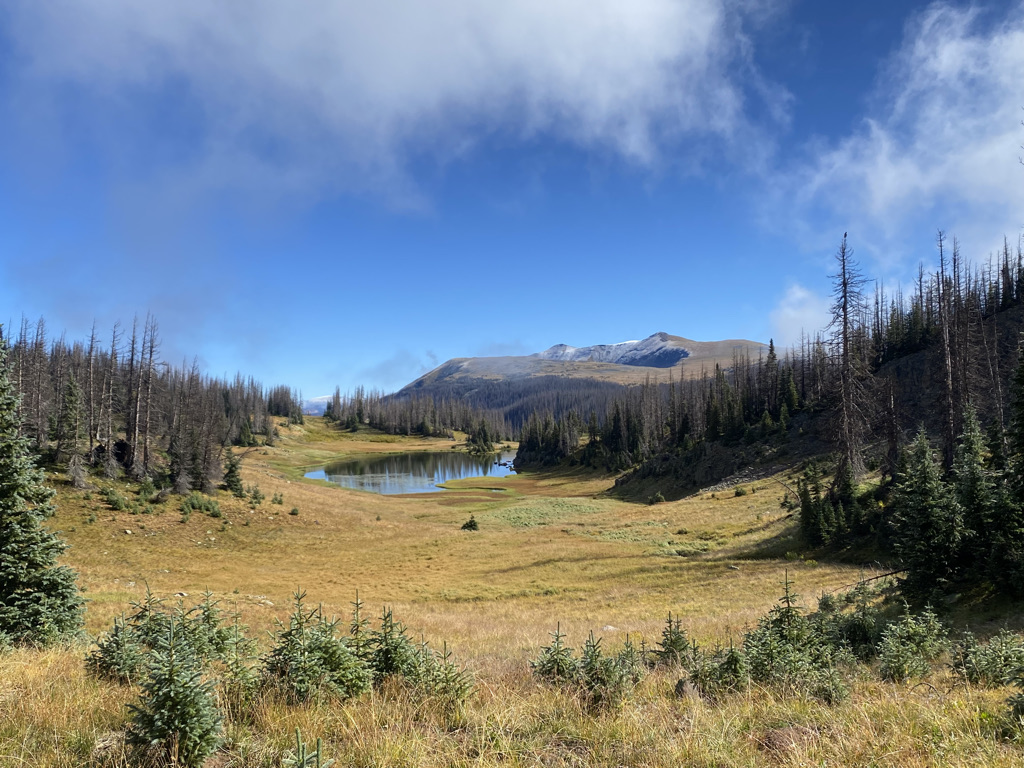
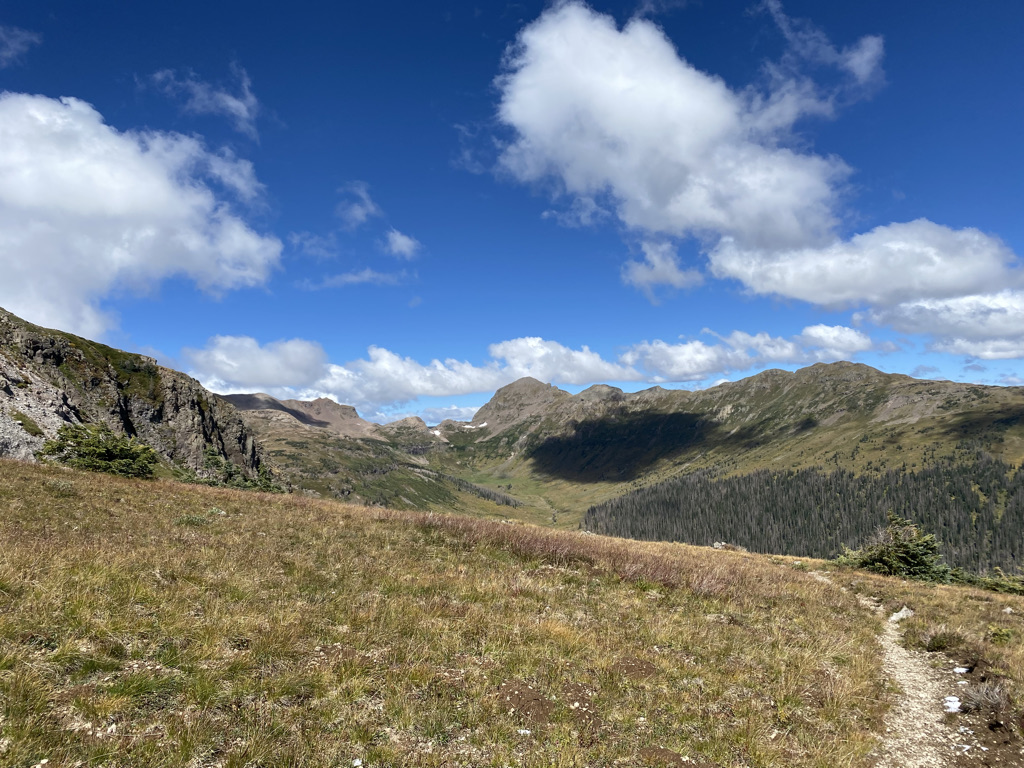
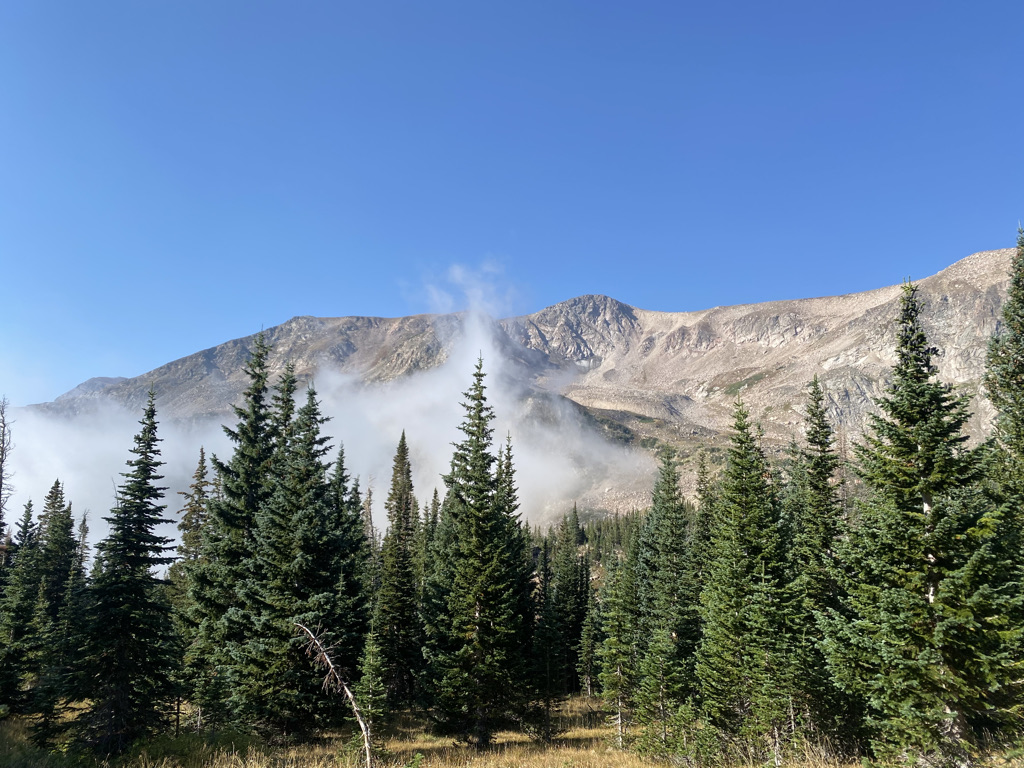
After climbing a little bit higher the next day, we could see the manner in which this morning fog was impacting some parts of the forest but not others.

I guess we just happened to be in one of those unlucky spots where the thick set of clouds had established themselves for the entire night. There is something both humbling and satisfying about experiences like these. We live in an era where people try to predict and control everything. It’s nice to know what to expect from our experiences. However, something gets lost when we achieve a certain level of certainty in life. It can make things feel emptier, more formulaic, even robotic at times. Surprises bring beauty. Surprises bring anticipation. They lead to appreication. Surprises can make us feel alive.

Sure, I was miserable the first day, but once everything cleared up it was spectacular!

The less than ideal conditions on day 1 probably made me appreciate day 2 more. In this case, it even created a more unique experience. Often times, cold rain means snow at higher elevations, which we saw when we looked up.

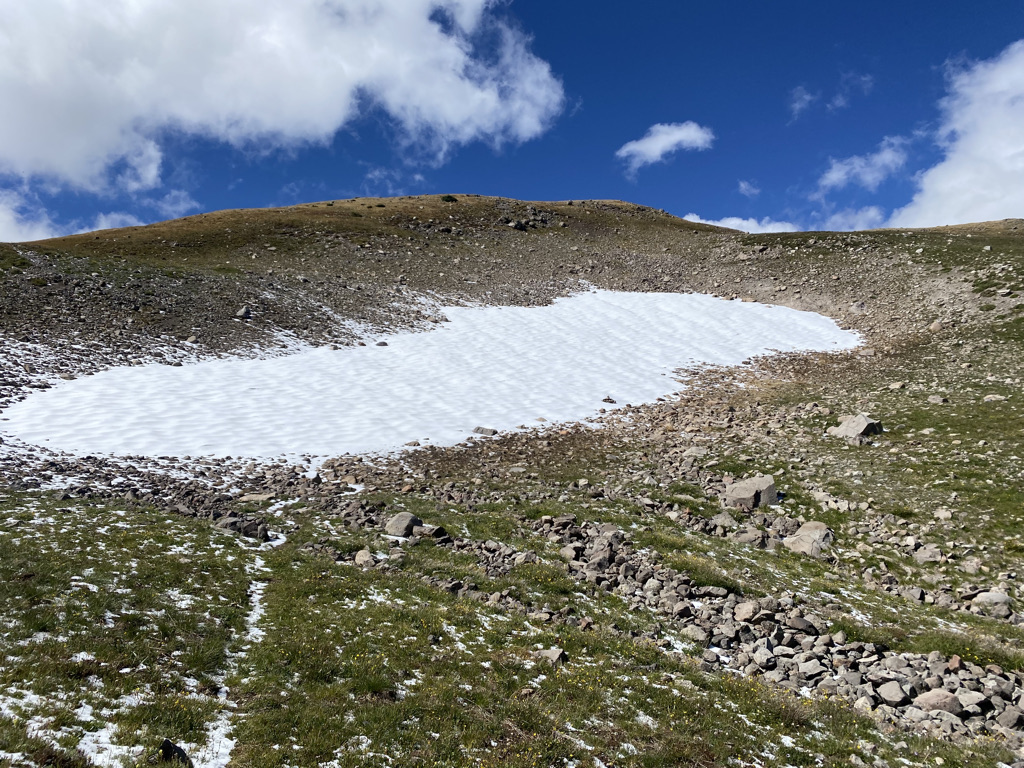
As we approached the pass, along the Continental Divide, we even began to encounter some snow from the previous night.

Yet, it was also somehow drier.

One of the things I love the most about the mountains is how full of paradoxes it can be. With each valley and mesa being subject to different weather conditions each day, experiences can often be wildly different from expectations.

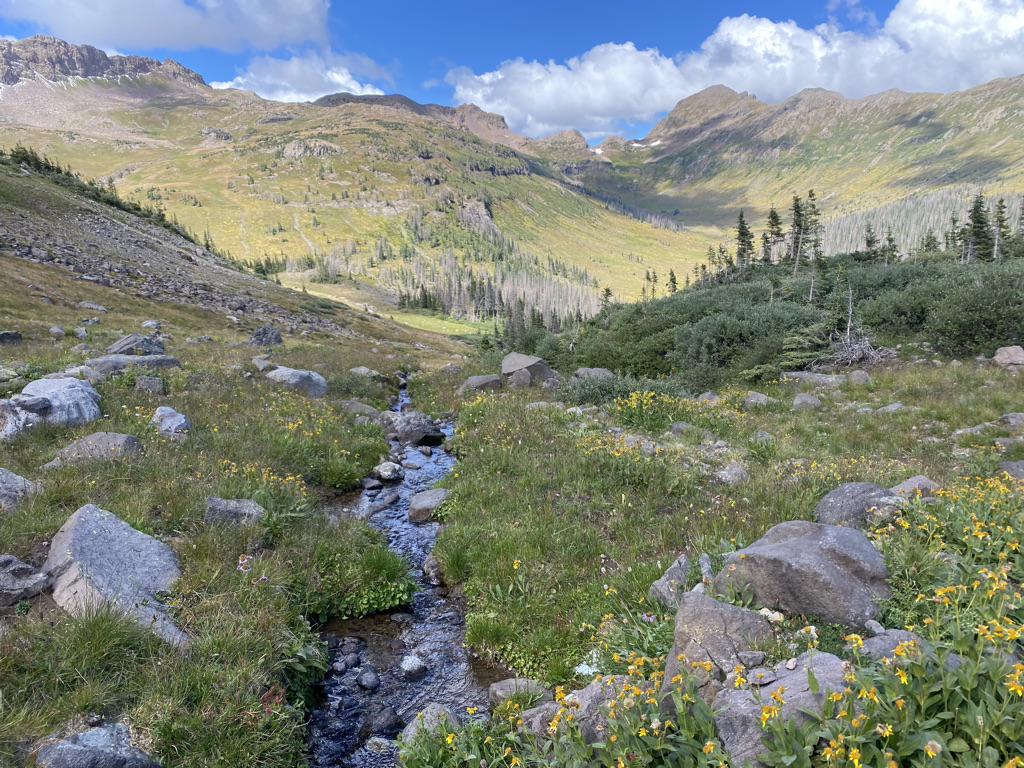
Combined with a type of natural beauty most of us are deprived of in our urban lives.

And seeing first hand, with features like deeper snow in the areas most commonly shaded.

Well, it forces us to think differently. In modern life, we typically try to understand and control our surroundings. Based on several factors, we select neighborhoods to live in. Many of us have jobs that provide a predictable stream of income. We learn routes, create habits and form routines. Here, all we can do is prepare for all the possibilities and respond to what happens.

What is odd is that the very thing that makes the conditions hard to predict, the mountains, is what makes it a place people want to visit. It’s almost as if humanity’s attraction to visiting places like this is a cosmic sign that we are, often unspokenly, yearning for a bit of chaos, a bit of surprise in our lives.

On the second day, we even found a wonderful, amazingly scenic, place to camp.

With an overlook of the Middle Fork of the Conejos River.

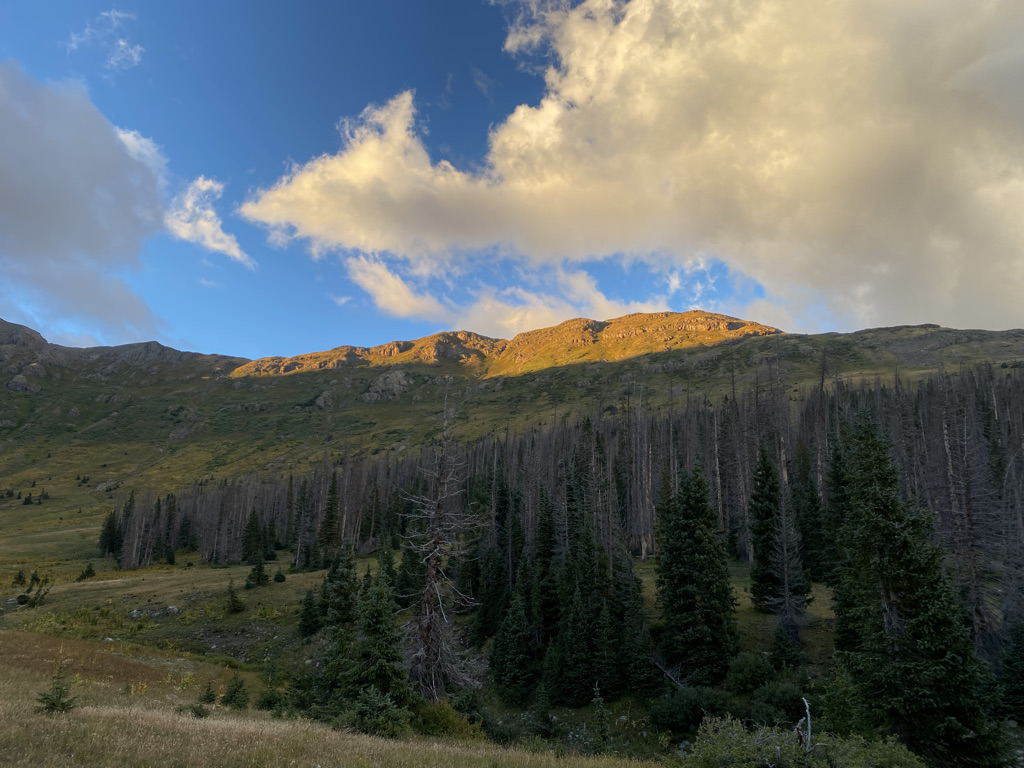
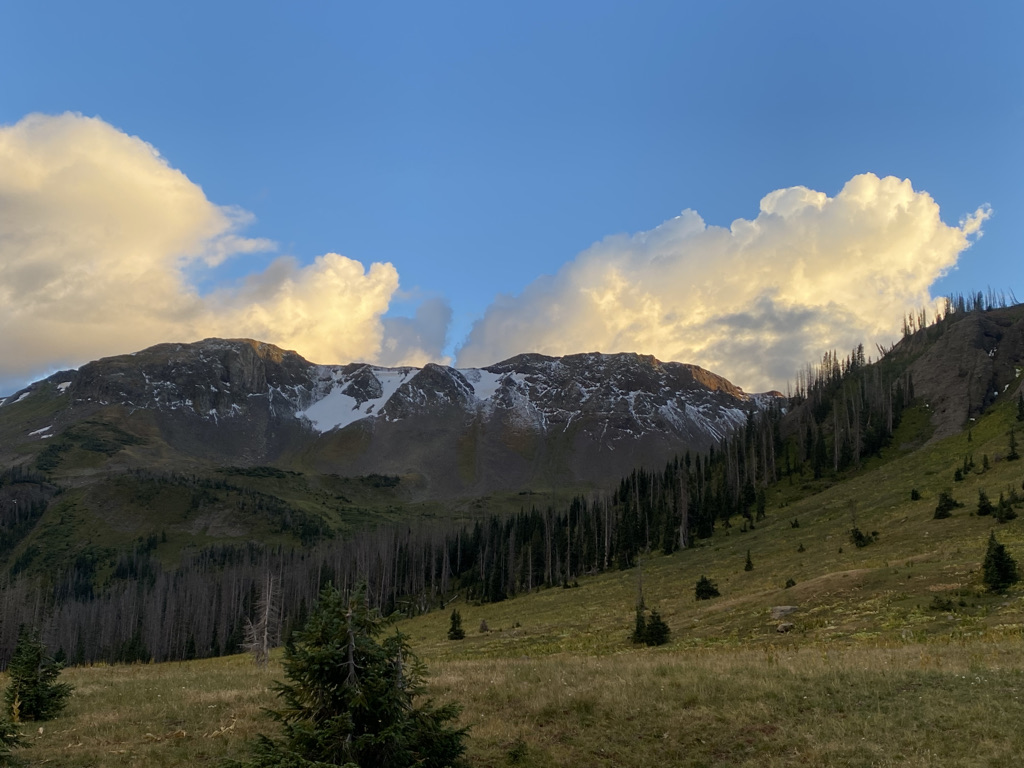
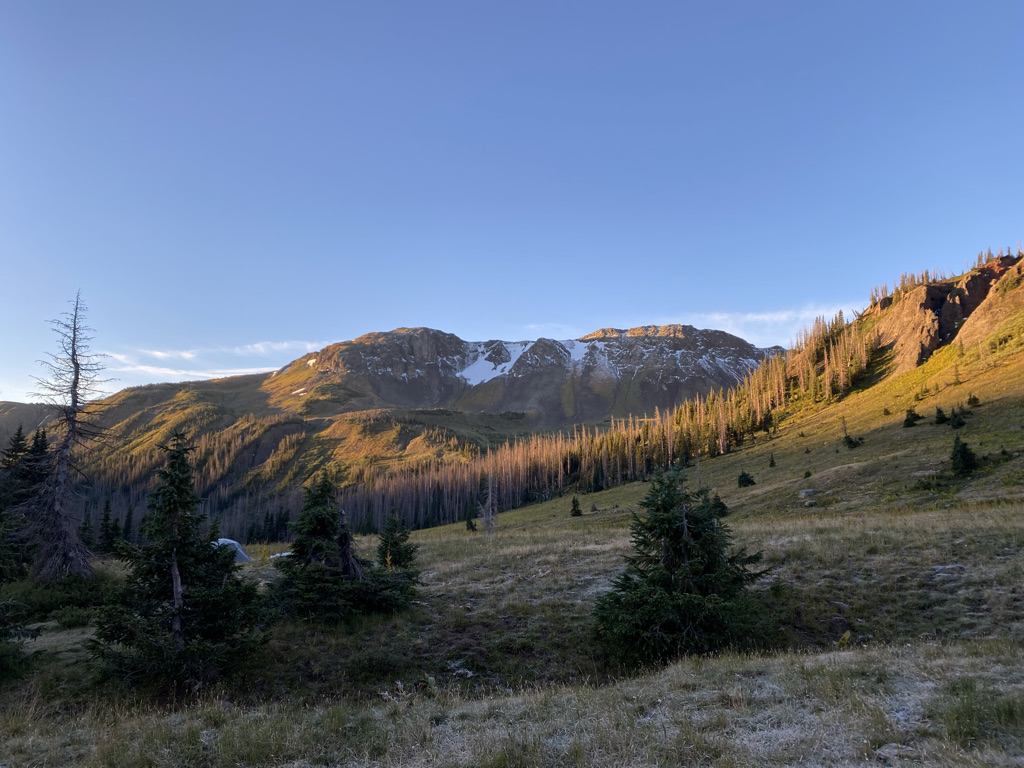
With amazing alpenglow in both the evening and the morning and the ability to see the stars on a new moon night.

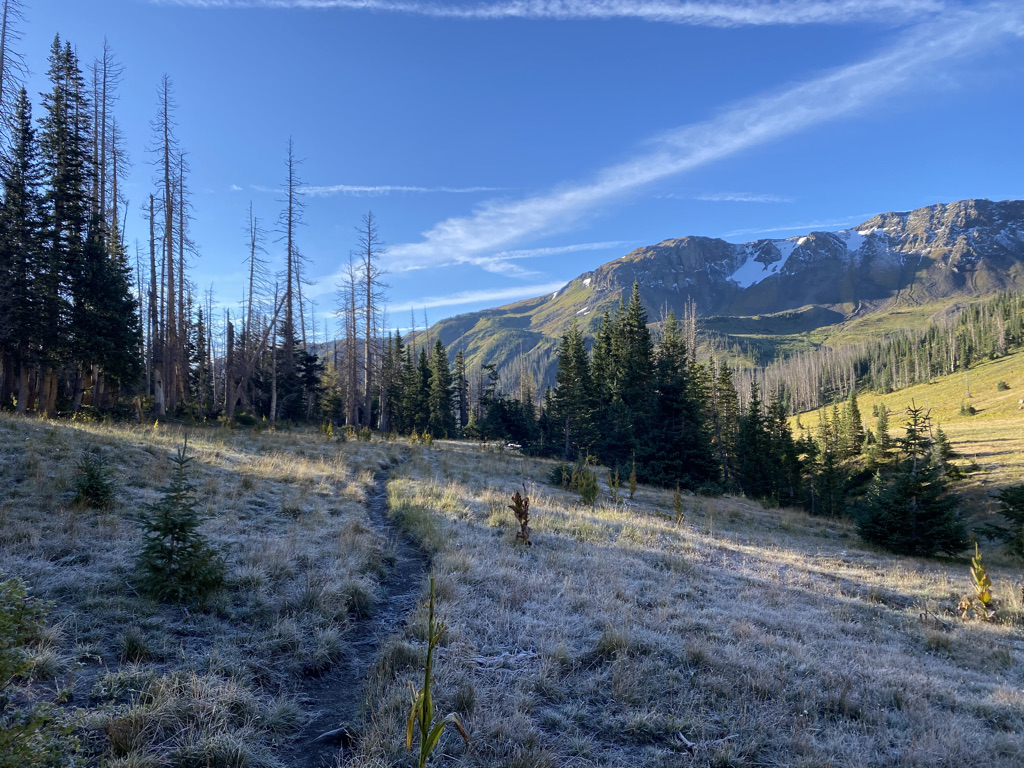
The final day of these types of trips typically involves hiking back downhill. We followed the Middle Fork of the Conejos River, making it the gentlest day of the trip. It is also almost always a day of de-layering. For most of us, it is not typical to see frost in September. Yet, this day switched from frost to being kind of warm pretty quickly.

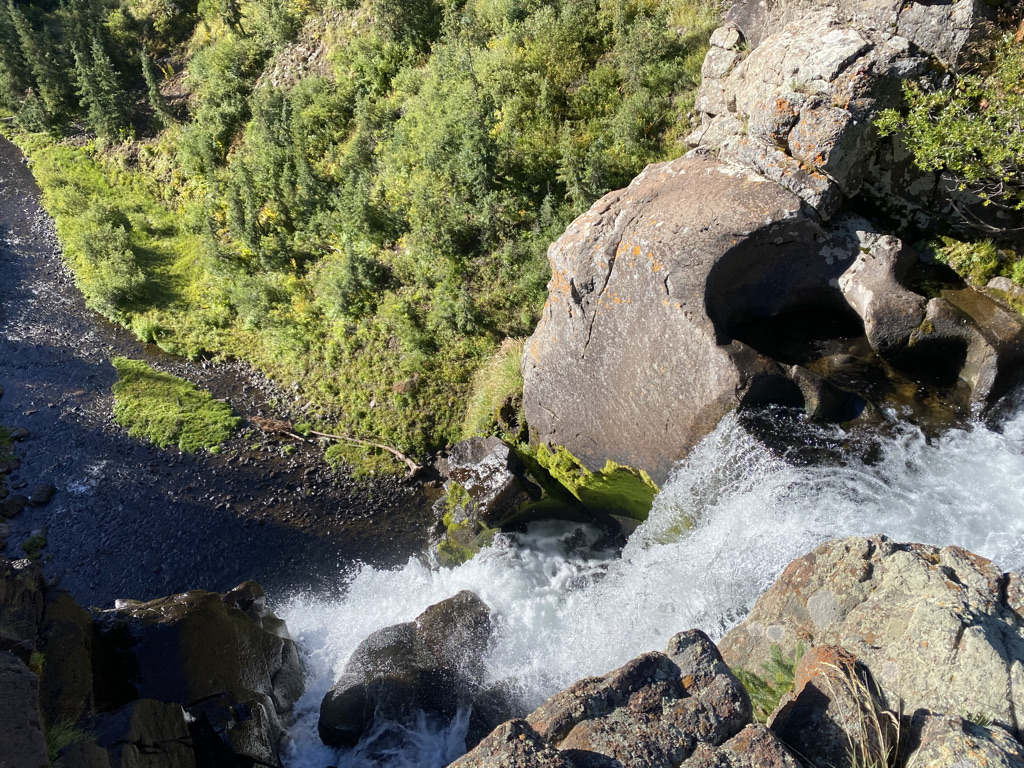
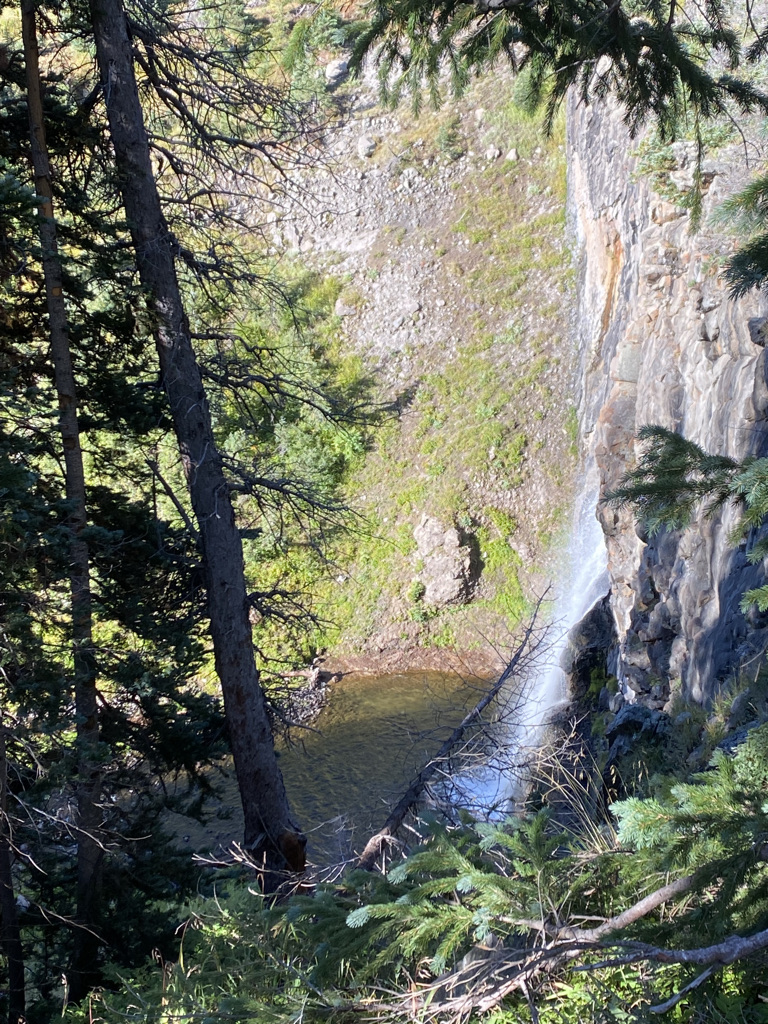
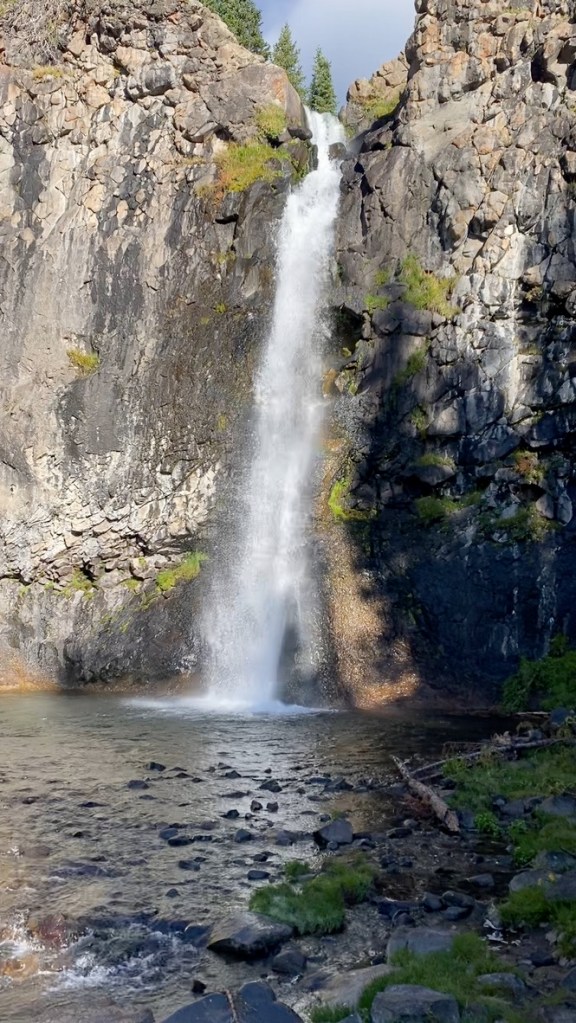
The best feature of the day, and the feature that made the trip was this unnamed waterfall.

It’s so far away from civilization, so infrequently traveled that a name for this waterfall could not be found on the map. We saw it from several angles, including having seen it the prior day from the other side of the ridge to the south.

In life, it is natural to seek comfort. Being uncomfortable is not fun. Unfortunately, the prioritization of comfort and conveniences has denied many of us the most amazing experiences. Nothing on this trip was possible without a little bit of discomfort. However, while we did have one miserable evening, we did manage to avoid a second by springing for a hotel room in Monte Vista along the way down.

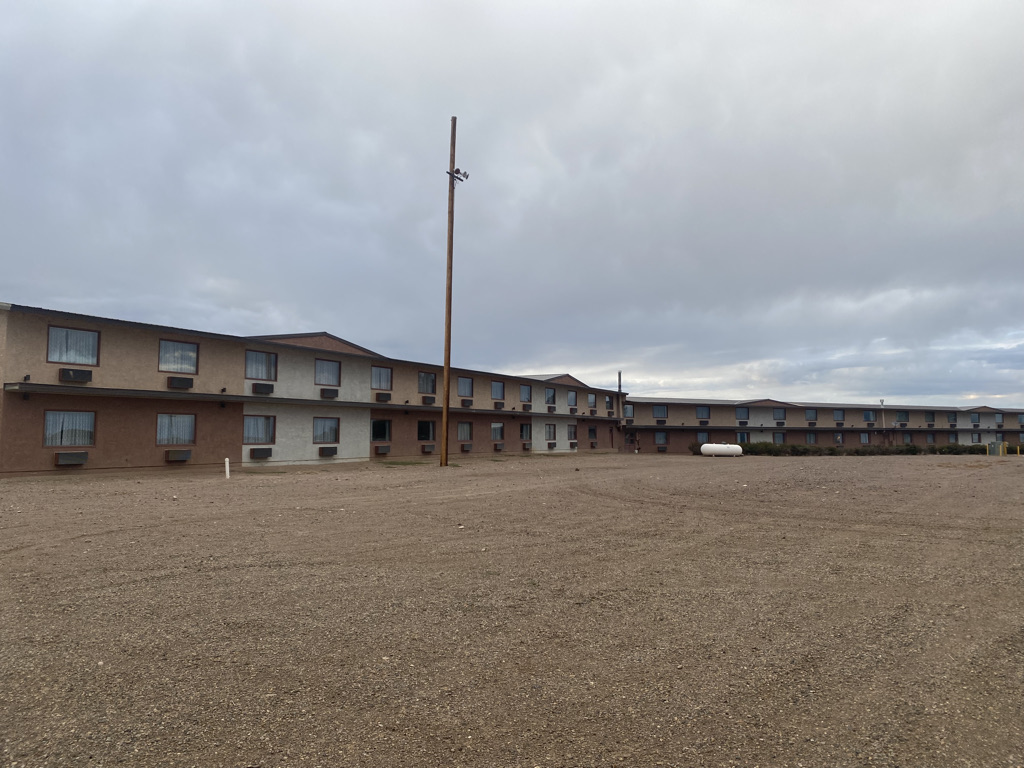
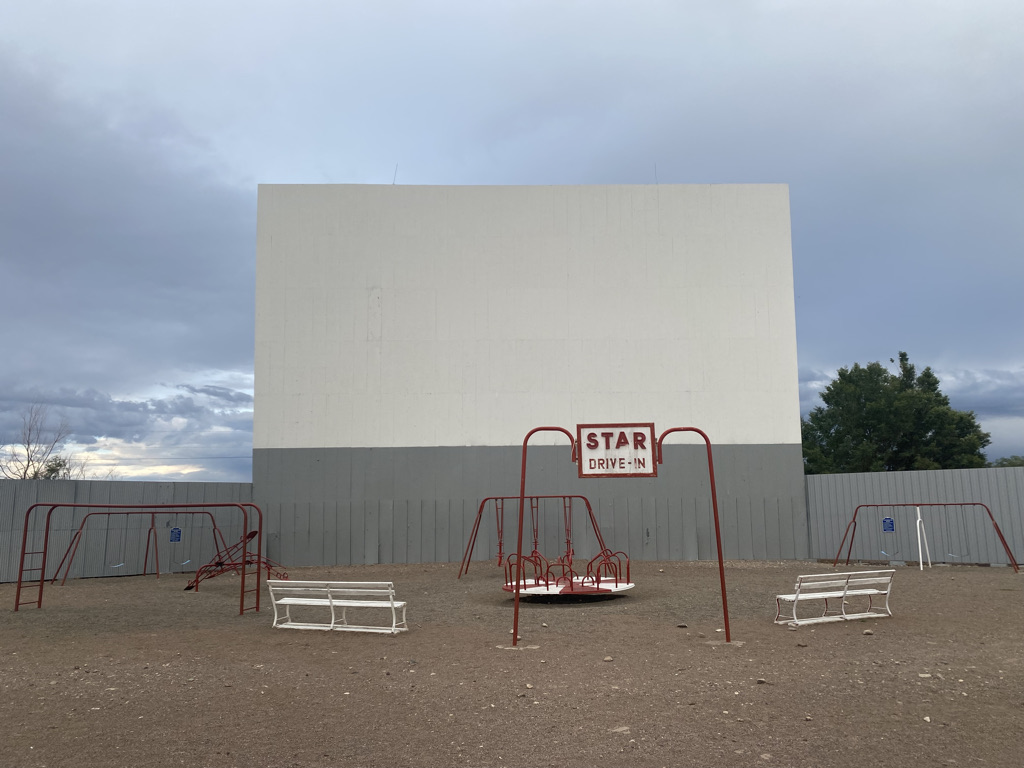
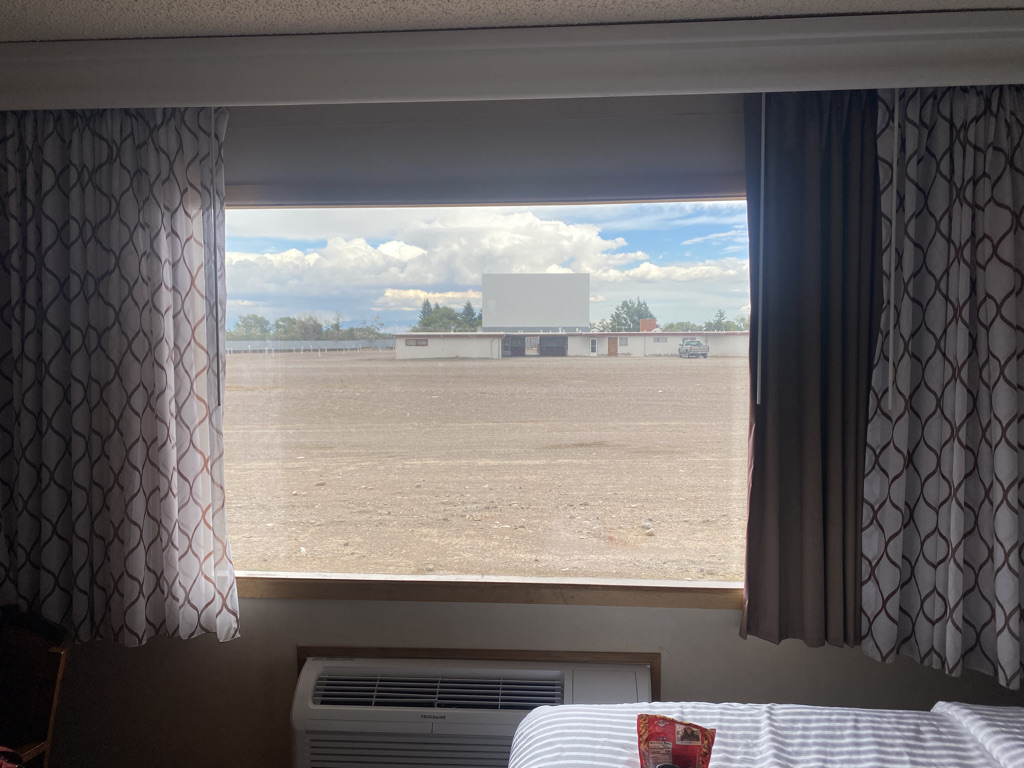
The Best Western Movie Manor is one of those unique hotels with a drive in movie, where visitors can actually watch a movie from their rooms, out the window. With this choice, we managed to avoid some discomfort without having it cost us any of the experiences we would have the next three days. Maybe it is possible to use our natural drive for comfort, but do so in a way that still recognizes that having the experience is the ultimate priority.

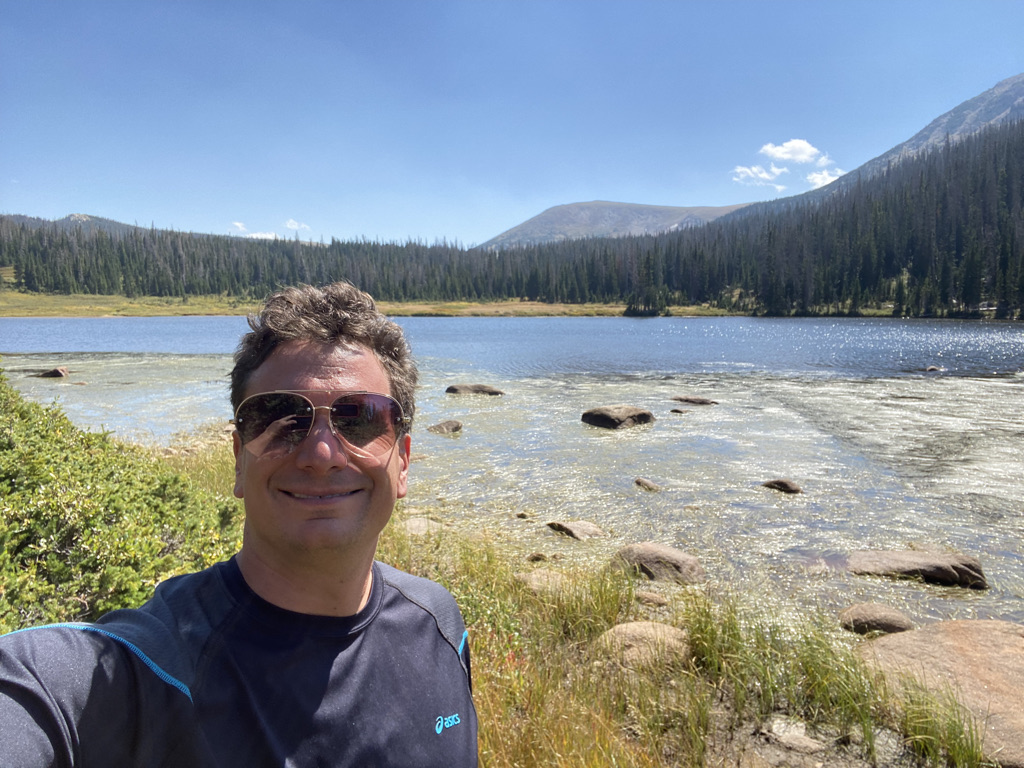
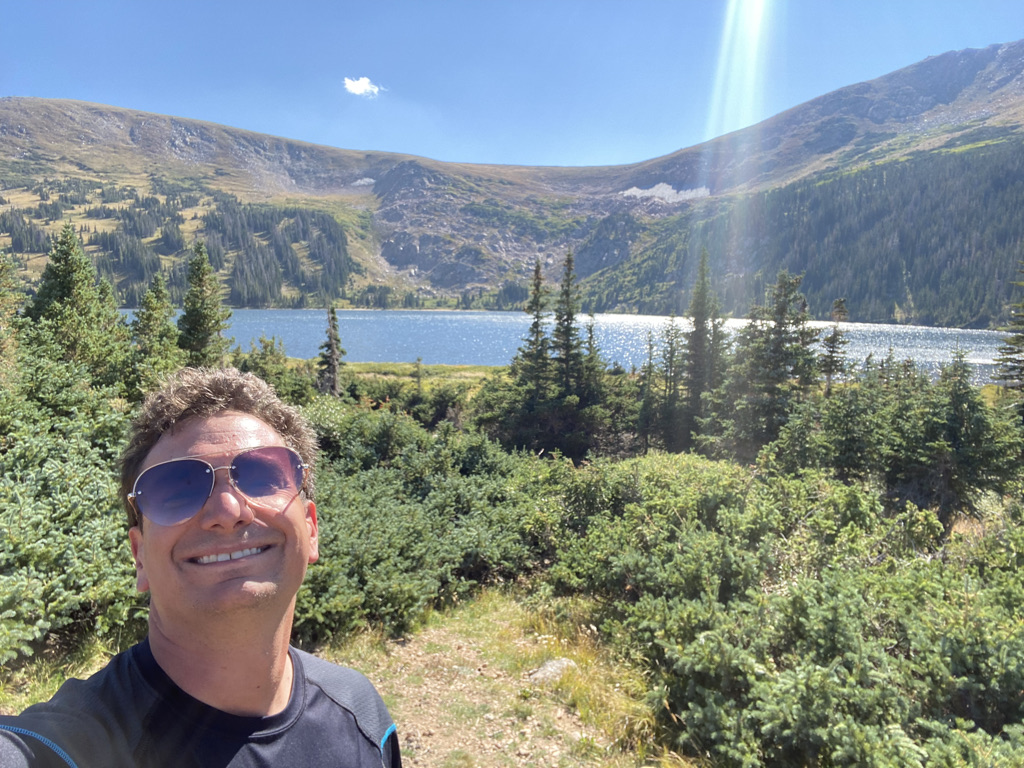
Backpacking in Northern Colorado’s Rawah Wilderness Day 3: The Depth

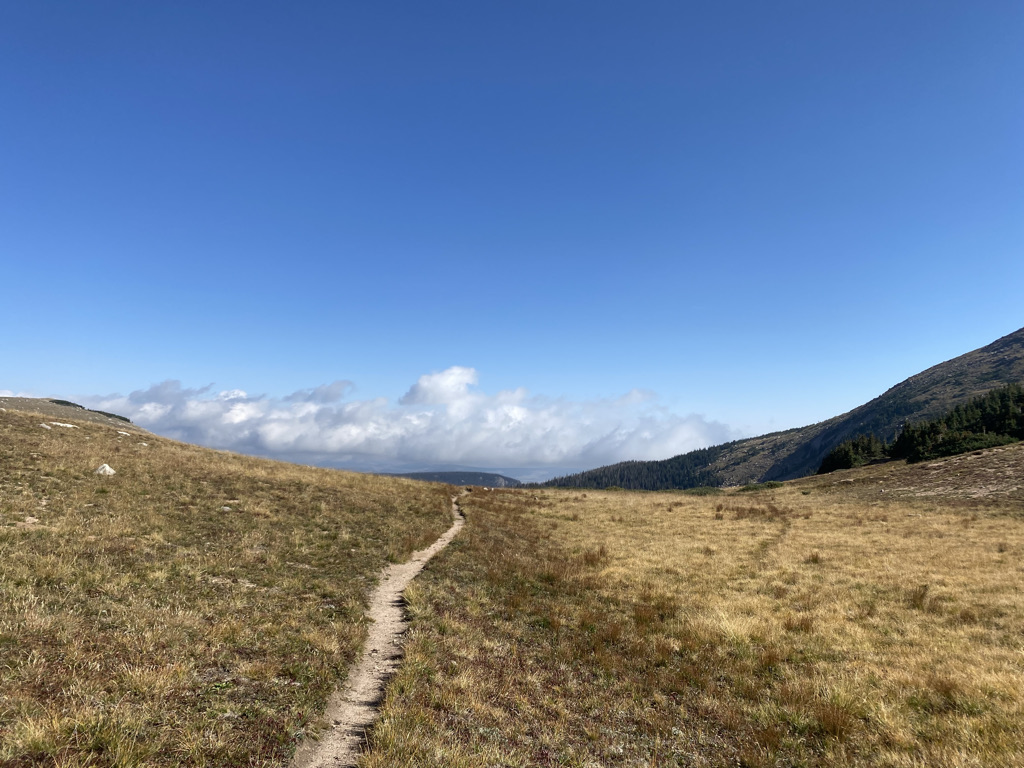
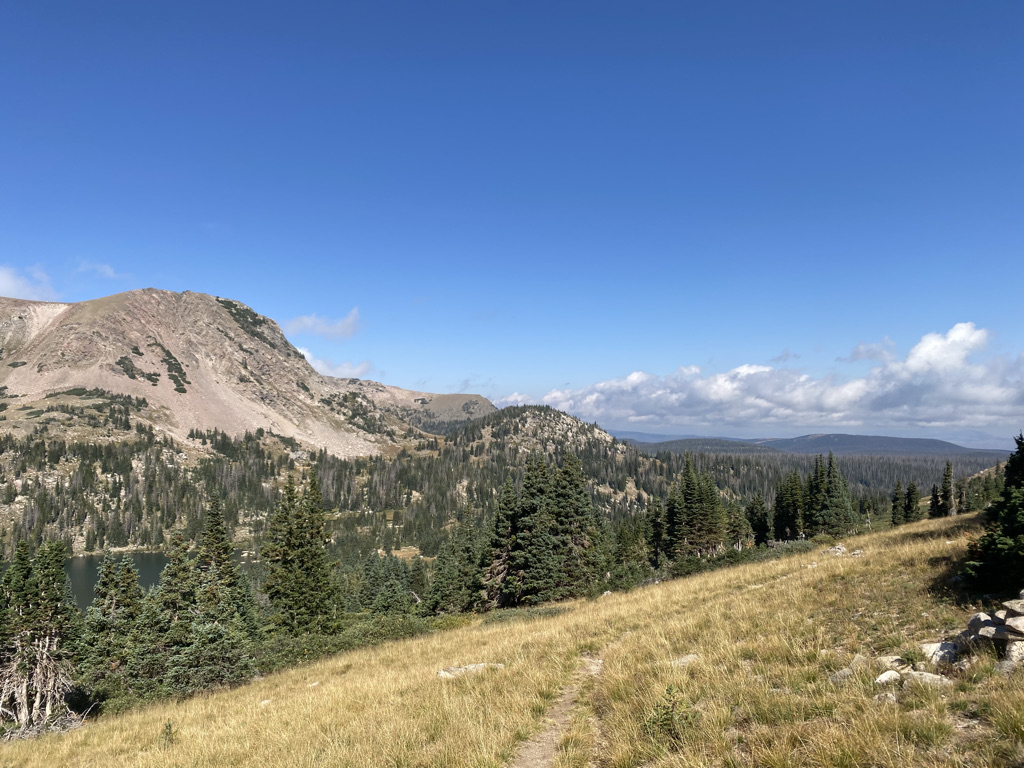
It was the morning I had been dreading. I knew it would be cold. Over the summer I had gotten so used to the heat it’s hard not to feel like a morning with temperatures near freezing would be an extremely uncomfortable shock to the body.

On days like this, it is hard not to wish to just stay in the tent until the sun comes out and has a chance to warm things up for a little bit.

Perhaps, had it not been the final day of the trip, with places to be the following day, this could have been a reasonable course of action. After all, while suffering is a part of life, there is no point in suffering just for the sake of suffering. Suffering needs to be done for some kind of reward, whether it be progress in life or the kind of beauty one beholds on a backpacking trip.

There will perhaps never be a situation in life that better demonstrates the value behind the concept of “layering” than the final downhill day of a backpacking trip. Layering was something I barely experienced growing up on Long Island where it was common to wake up on a winter’s morning with a temperature of 35°F (1°C) knowing the day will have a high temperature of 38°F (3°C). These final days backpacking, where we commonly descend around 1700 feet (500m) tend to follow the same pattern.

A cold start while descending down into dense forest, typically still wearing many layers.

They layers come off one by one, roughly every 45 minutes, followed by a kind of golden hour where the temperatures are ideal.

Since the hike is downhill, this is where typically a lot of progress is made. It also can be where we start to encounter other people more after days of solitude.

Then, typically by 11 A.M., it starts to feel a bit too warm.

Somewhere in here is where these experiences get the most introspective. At some point, everything that had previously occupied the mind goes away. All the food needed for the final miles of hiking has been eaten. All the water has been pumped. A further decent takes us away from landmarks such as alpine lakes and vistas of the mountain peaks. Two and a half days in nature had cleared the concerns of day to day life from our minds. All there is to do is walk the final few hours and get to the car.

I reflected on how much I had dreaded the cold morning on this trip. I reflected on how much I used to dread, in general, the thought of being in the wilderness with no option for shelter, not even a car to go to to potentially warm up or hide from wildlife.

In life we have tons of things we dread. People dread putting themselves out there, having difficult conversations, the less exciting work that has to be done and trying new things. Some people even dread leaving behind what they know they need to leave behind. However, in the end, we all get through these things, one way or another. We overcome the awkwardness of talking to new people when it needs to be done. We have that unpleasant conversation. We do that boring task and move on with our lives. Would our lives be better without these experiences? Maybe to a point. Still, it is hard to envision a life where there is nothing to dread… ever. It’s hard not to be doubtful that such a condition is even possible, given human nature. And, if it were to be possible, would this cause all things to lose meaning?

Backpacking in Northern Colorado’s Rawah Wilderness Day 2: Lakes and Moose

Day 2 was the day I was not necessarily looking forward to. Weather predictions indicated a strong possibility that conditions will be cold and rainy for much of the day. When it comes to outdoor activities, conditions matter. What is fun and pleasant one day can be unpleasant another. This is part of the reason it is hard for outdoor enthusiasts not to obsess over the weather.

The morning was a tease. About half an hour after the sunrise, the fog that had spread across the area the prior afternoon appeared to be dissipating.

Only for it to return.

Leaving the campsite was like stepping into the unknown. In the wilderness, there is no access to weather reports. With how much the weather can vary from place to place, from minute to minute in areas with this type of terrain, there was no way to know how this day would play out. There’s little choice but to embrace the unknown.

These trips always seem to bring up thoughts of the past. Of a time when it was much harder to know what to expect. Of a time when there was no internet, no television. A time when the morning newspaper, or some other form of transmitted information was the only information anyone would have to go about their days. This was a time when embracing the unknown was the only option.

Often, the only way to embrace the unknown safely is to be knowledgable and prepared. We knew not to get too close to the moose we saw only about a mile into the hike, also wandering through the fog.

As we climbed, up towards tree line, towards a pass known as Grassy Pass, we actually walked away from the fog.

For the entirety of the morning, it was likely that the valley where we had camped the previous night was still in thick fog.

When we reached the pass that whose natural features were consistent with its name around 10 A.M., it suddenly appeared as if our time in the fog was actually done.

Anyone who spends a lot of time in the mountains knows how much the weather can vary from place to place due to the complexities of the terrain. But, how often do we see it right in front of us? One side of this pass was still engulfed in fog while the other was basking in sunshine.

Places like this are some of the last places where we can truly embrace something quite human. Here, there is no way to know exactly what to expect.

To know what is going to happen at a specific spot, given the wind direction and every small-scale geographic and terrain feature is pretty much impossible. Each cloud represents a small scale current of wind, a moisture profile and subtle differences in the land with so many components it becomes more of a headache than it is worth to try to determine how every minute of every hour is to play out.

In a world where so many lives have become orderly and predictable, trips like this force us to embrace variety and surprise. They force us to release control. Perhaps, after decades of chasing after inventions and policies designed to enable us to track every development, predict and control outcomes, this is exactly what the world needs.

The defining feature of this section of the trip was alpine lakes.

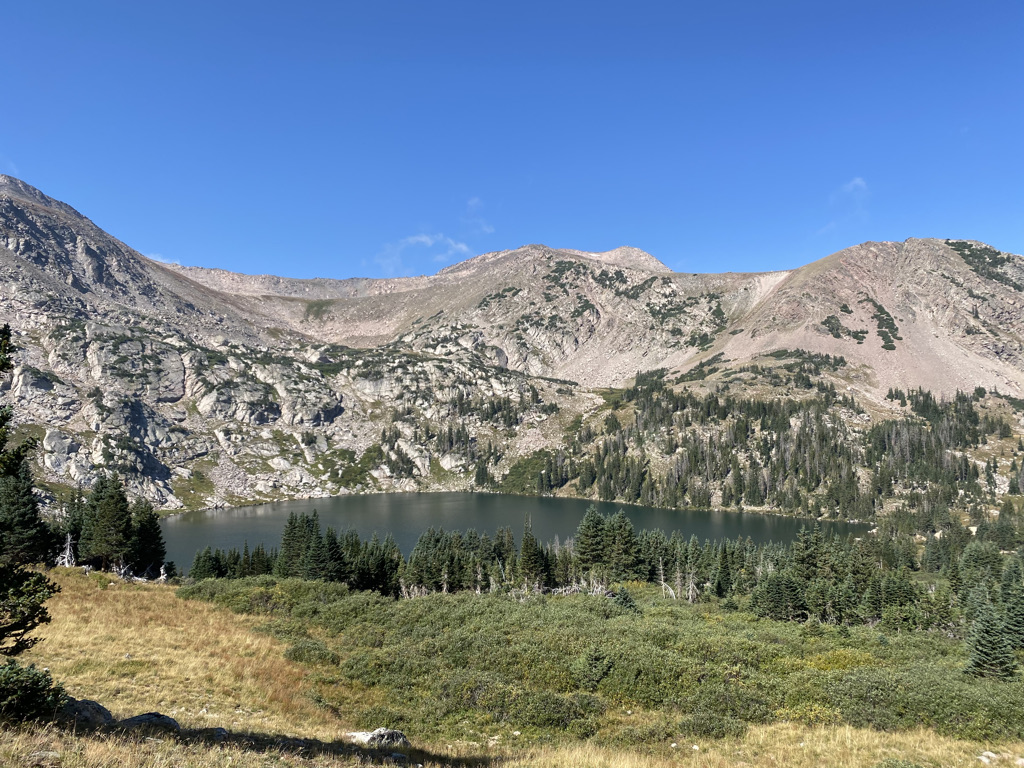
We passed several of them as we descended into another valley, some close, some far away.

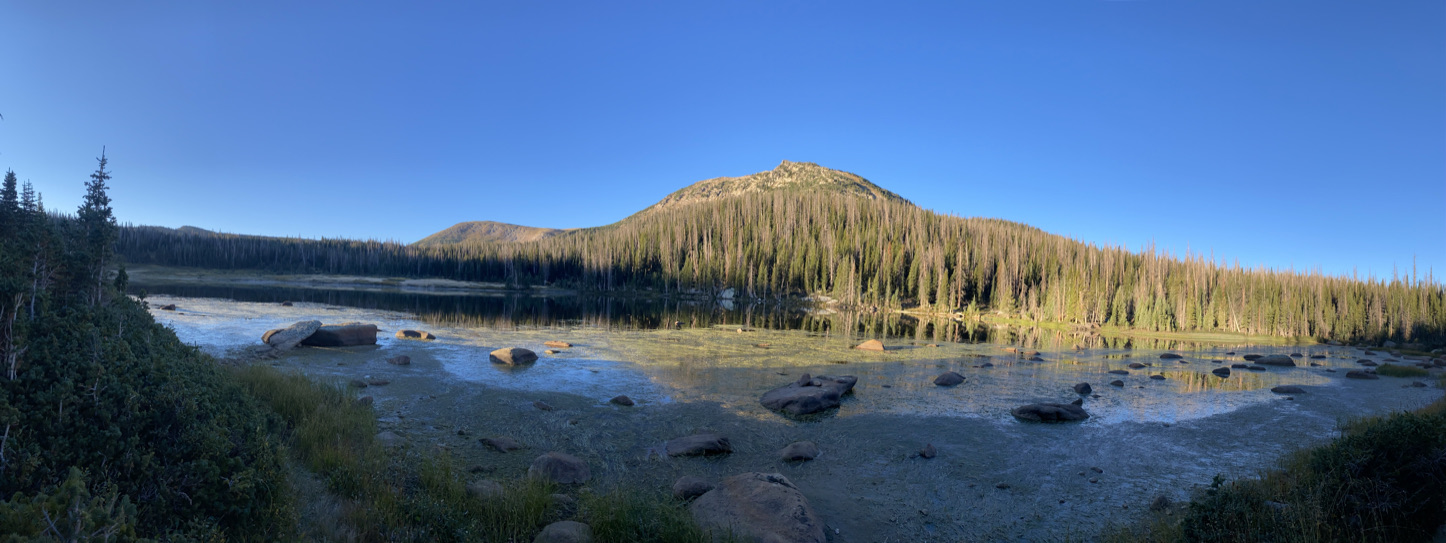
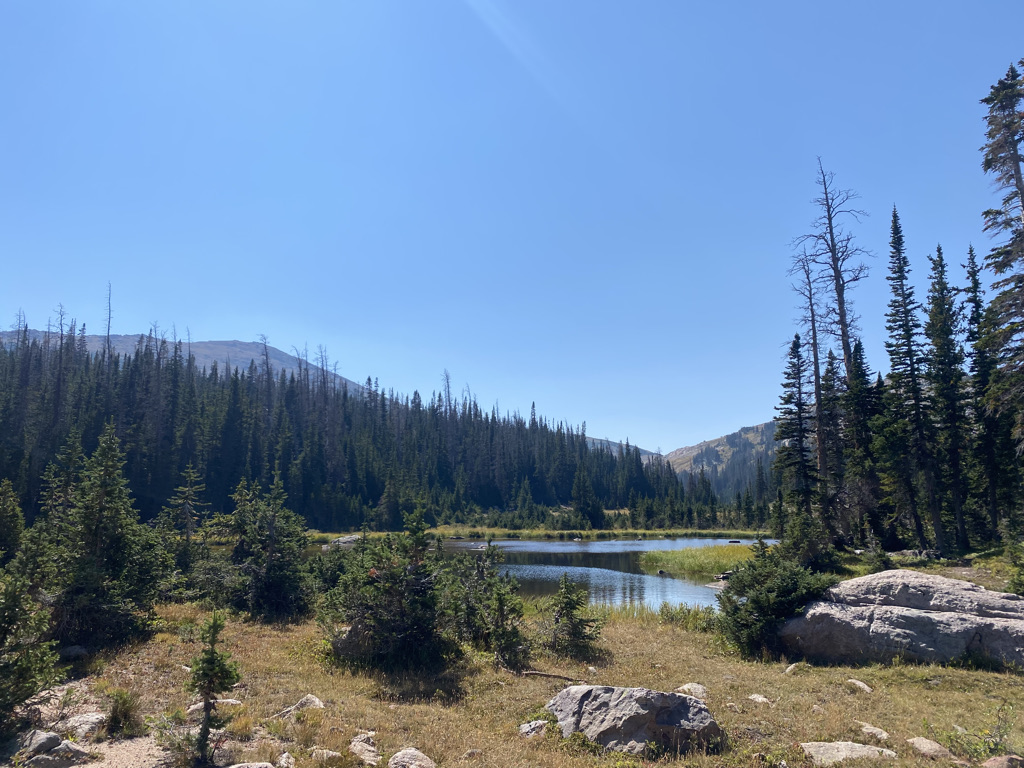
We set up camp at Lower Camp Lake.

And hiked up to Upper Camp Lake.

By the way, when backpacking, one of the greatest feelings is setting down your pack and hiking with nothing on your back. Backpacks weight quite a bit and it is a relief just to walk, or exist in general, without all that additional weight.

That afternoon I was back at the camp site, looking at trees full of pine cones and incorrectly speculating that there were families of birds in them.

In this moment, it suddenly dawned on me that the weather I had been experiencing all afternoon, along the Rawah and Camp creeks, at elevations of around 10,800 ft. (3300 m), was very likely better than the weather back in Denver. The sun was shining and the temperatures were actually quite pleasant. It felt like it was around 60°F (15°C), likely warmer than what was occurring in Denver. Out of the embrace of uncertainty can come some truly beautiful experiences. Sometimes things can work out for the best even when it feels like they might not.

That evening would end with another moose sighting.

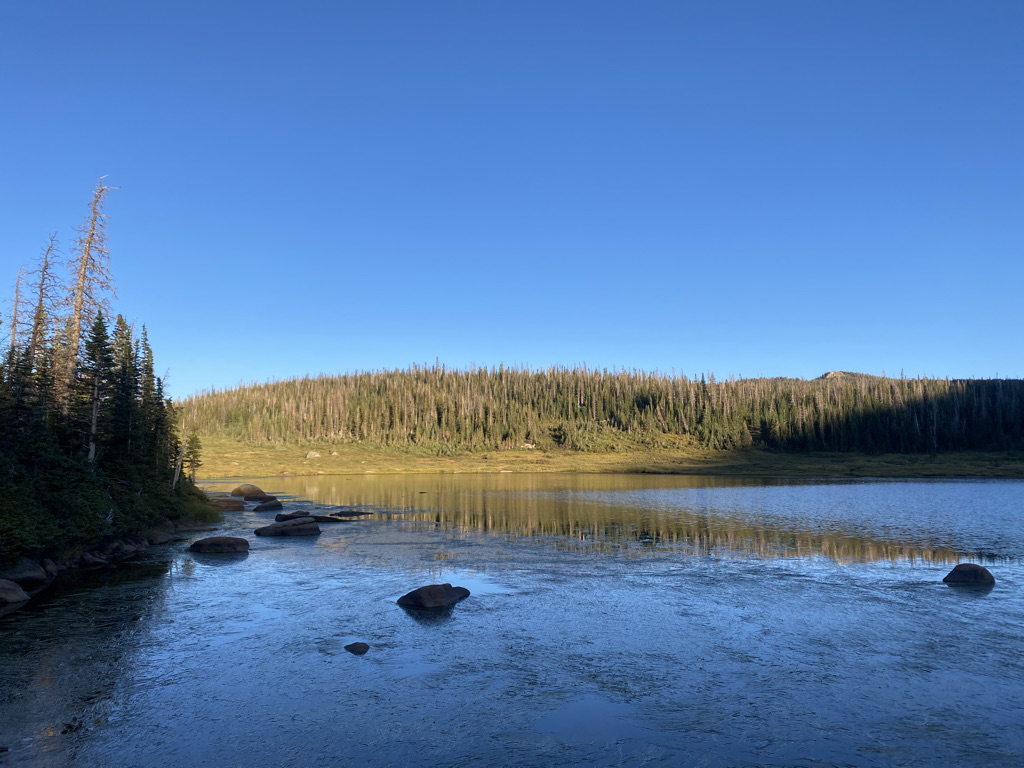
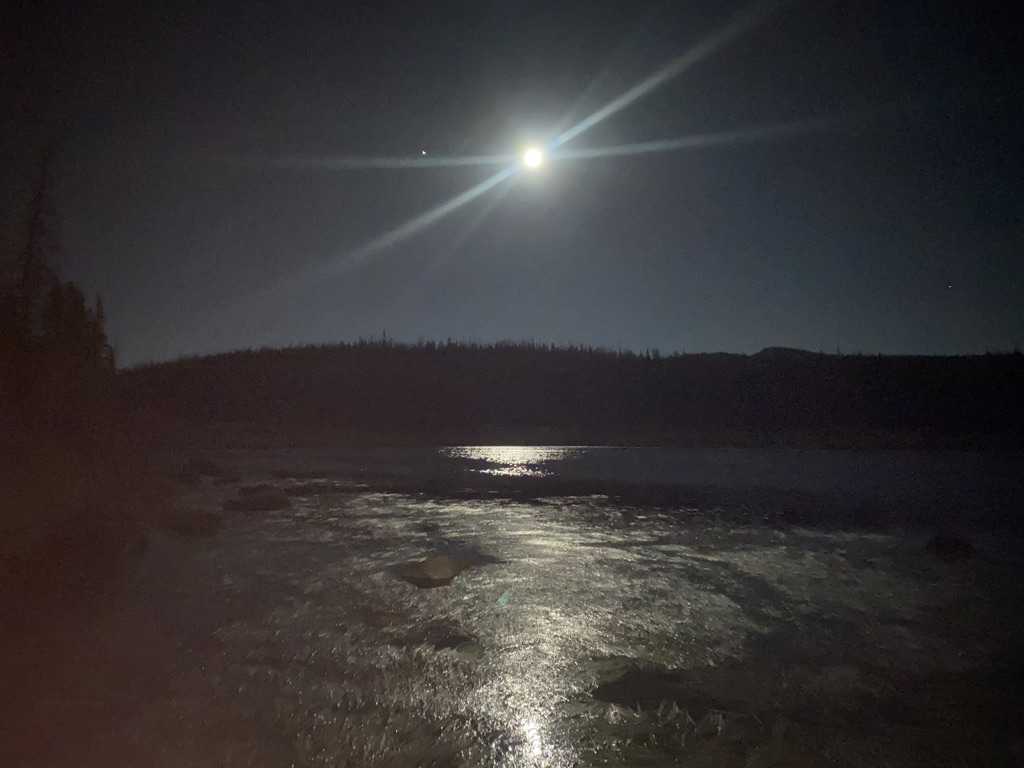
Followed by a full moon whose light reflected along the lake.

A chill came into the air as the sun went down, but we still laughed. Some of the laughter was indeed at my expense for thinking that all those pine cones in that one tree were actually birds. Still, the laughter, shared experiences and embracing uncertainty made this experience truly human.

Backpacking in Northern Colorado’s Rawah Wilderness Day 1: Bracing for the Weather

The weather does not always cooperate. It does not always work out the way we hope it will to optimize our experiences. On the two days prior to this backpacking trip, the temperature reached 99°F (38°C) in Denver. During heat waves like this one, it is desirable to get up into the mountains.

However, the evening before the trip, a cold front came through, cooling temperatures at all elevations, and making the weather conditions a bit more variable in the mountains.

For the best possible combination of weather experiences, it would have been ideal for the heat wave to have lined up with the period of time we had already set aside for the trip, as opposed to the week before it. However, we can’t always get things like this to line up exactly with how we want them to. As long as we live in a world where we keep schedules and plan activities like this one around our other responsibilities (as opposed to just responding to conditions last minute) we will always have to contend with situations where things don’t line up as we had hoped.

The weather conditions were not even hazardous. It was actually pretty nice most of the day.

It was just not the ideal setup for us to have experienced a maximum amount of comfortable temperatures, something not worth getting too upset about. As has been the case with other backpacking trips, we were in a beautiful environment.

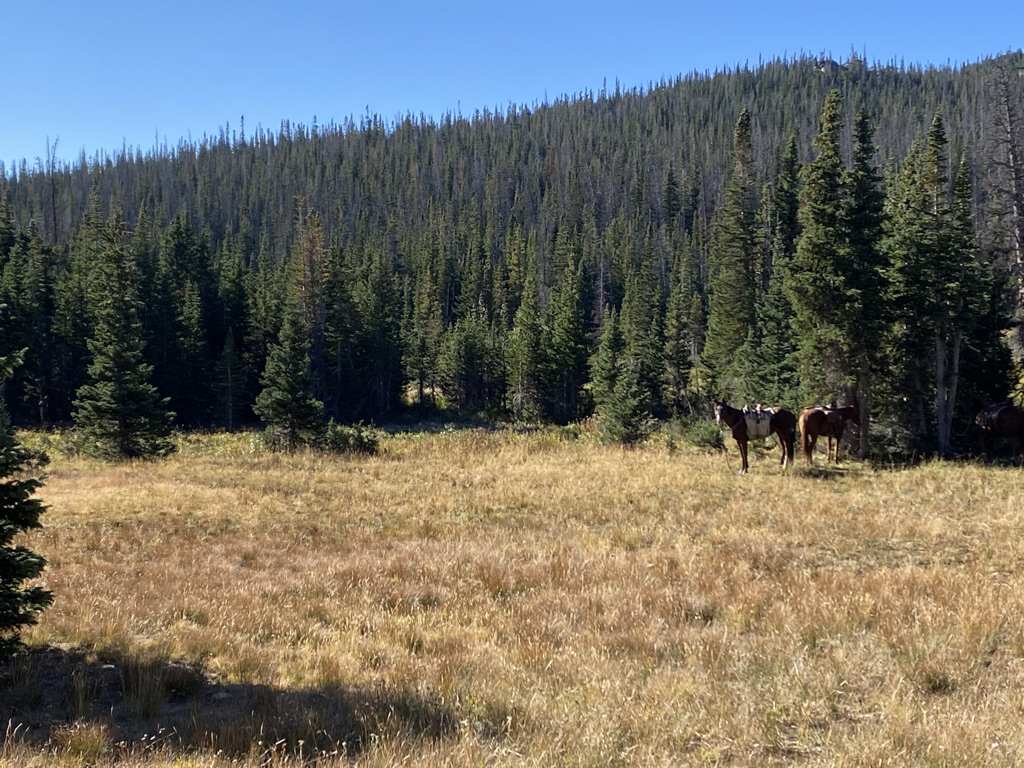
On this first day of the trip, while ascending along the West Branch trail, we unexpectedly encountered some large hoofed mammals, traveling alongside the few other hikers we encountered along the journey.

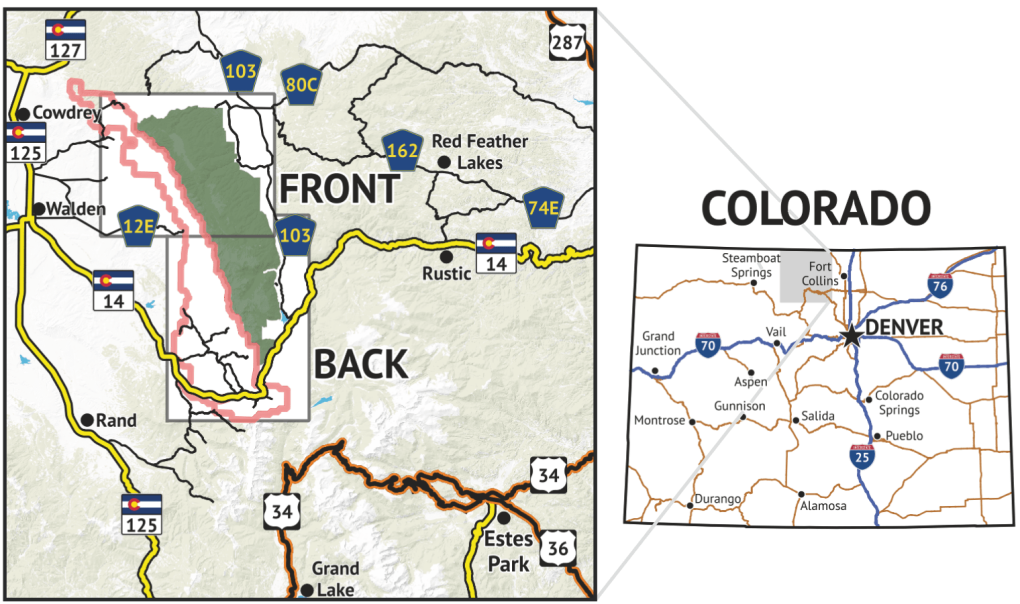
The Rawah wilderness is in the far northern part of Colorado. It’s part of the Southern Unit of the Medicine Bow- Routt National Forest. The northern part of this National Forest is in Wyoming.

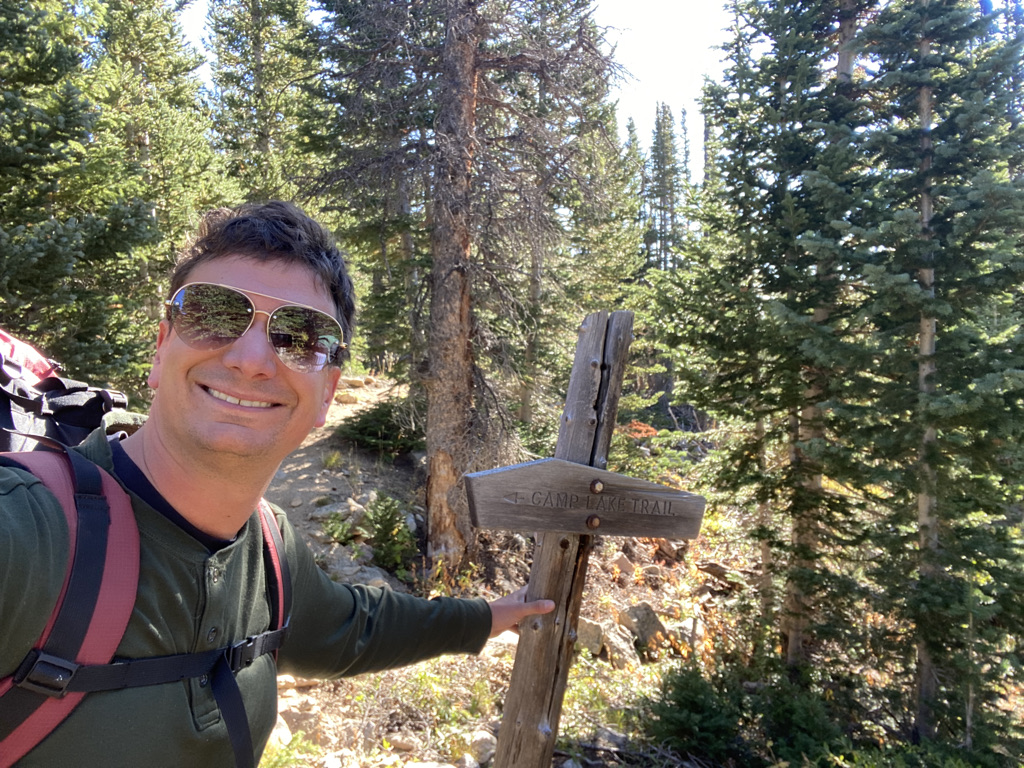
The trail network here is generally well marked, which is reassuring on trips like these where going the wrong way can lead to some bad results.

After several miles on the West Branch Trail, we turned onto the Rawah Trail, to follow our loop. The trail began to ascend even faster.

When backpacking in this general region of the country, it is quite common for the first day to be the most challenging. Through the course of the day, we would climb a total of around 2,500 feet (760m). While climbing, we would first encounter a waterfall.

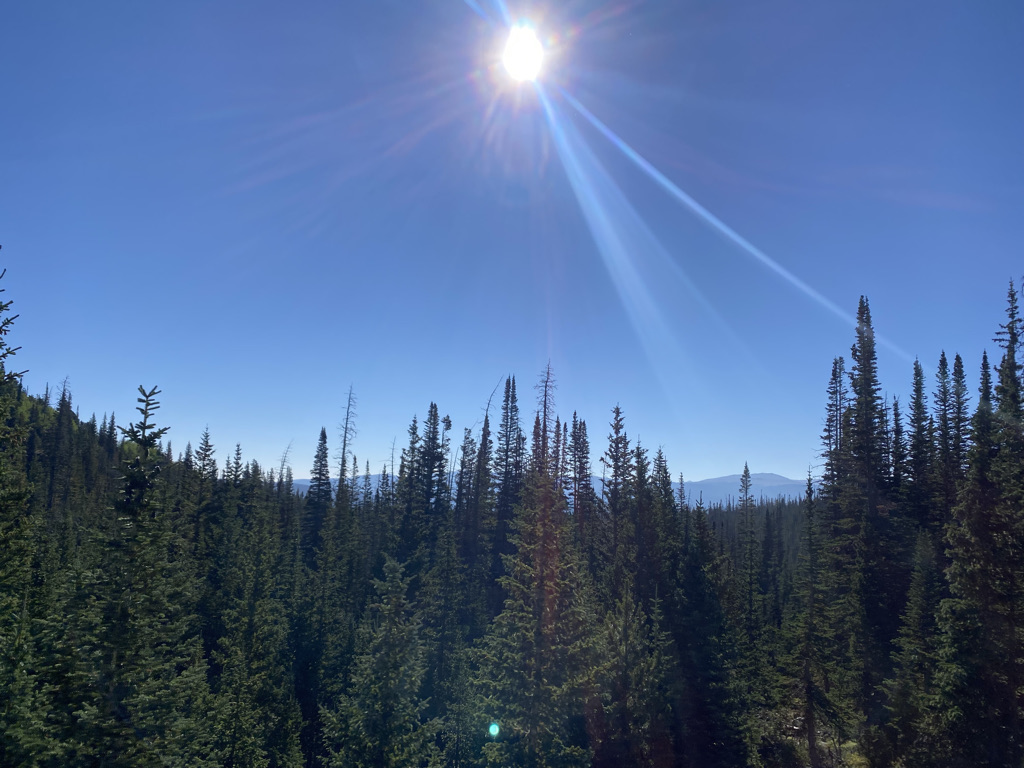
And finally got to where the surrounding mountain peaks began to appear.

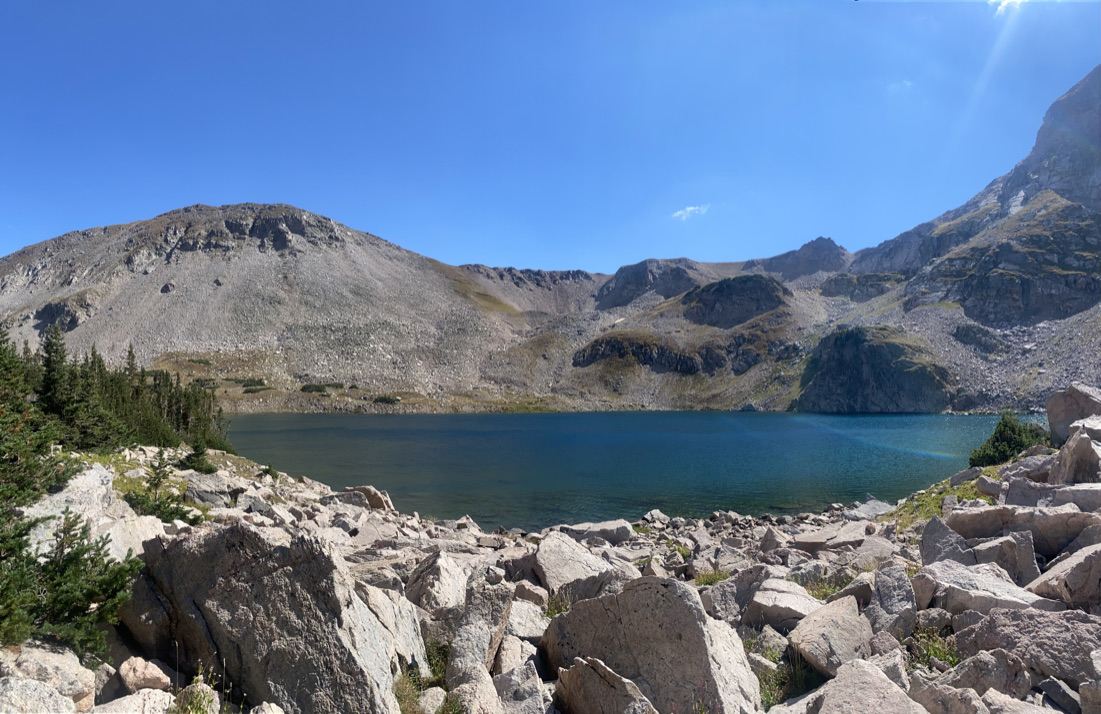
Hikes in this region (Rocky Mountain National Park is actually only about 25 miles away) are generally full of alpine lakes. This one is no exception. Our final destination for the day was Twin Crater Lakes, two amazing alpine lakes tucked away in the mountains.

At this point the weather was actually close to perfect making for a pleasant afternoon.

We set up camp at a beautiful site in the trees about 3/4 of a mile down the creek from the lakes.

Overall, the day was relatively balanced. We hiked a total of about 9 miles (14.3 km), but were able to set up have camp set up by mid afternoon.

This gave us the time we needed to do the typical camping activities like set up a fire, pump water from the stream and cook dinner before dark without having to feel in a hurry in any way. It also balanced out the day a bit, giving us time to just hand out and be in nature.

My thoughts also felt quite balanced, possibly as balanced as they had been for a long time. I am guessing this is due to a combination of being away from the constant distractions of every day life, not being rushed, having the hike be exhausting but not too exhausting and recently reducing my exposure to news and certain topics that were making me unhappy.

Then, around 4 pm, the weather turned. Suddenly the forest looked like a spooky meadow where anything and everything could emerge from and vanish into the trees, much like the baseball players in A Field of Dreams. This was especially true as day gradually descended into night.

It was damp. None of us knew if it was going to rain. Thinking about the potentially unpleasant conditions brought back a feeling that I tend to get on many of these types of trips. It reminds me to appreciate the shelter we often take for granted, our homes with heating and air conditioning. It’s only relatively recently in the course of human existence we have had this. For almost all of the history of humanity, how comfortable we felt, and how challenging life was depended so much more on things like weather conditions and the cycles of the sun and moon. While it does not sound fun to go back to a world where we have to work harder to meet our basic necessities, sometimes I wish more of us could live our lives in manners that are more connected to these things.

Mount Antero with my Siberian Husky

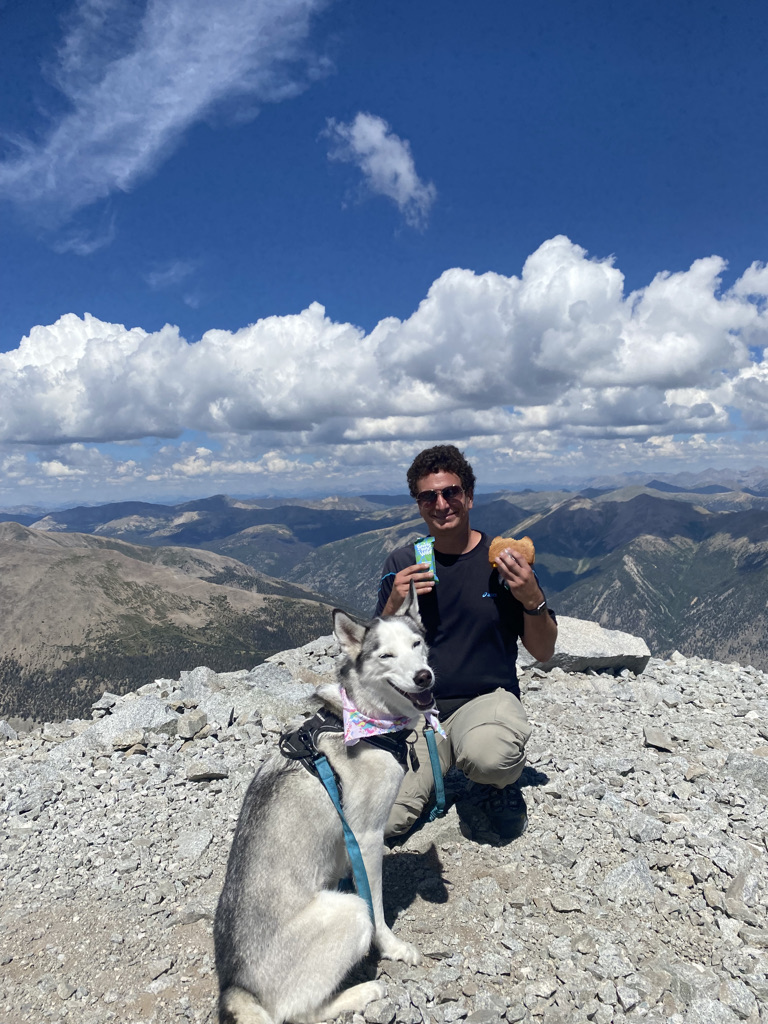
The top of Mount Antero- 14,276 ft (4351.4 m)

To tackle Mount Antero, I spent the night in a hotel in Salida, a small town along the Arkansas River in Central Colorado known for summer fun. It’s within a short drive of the trailhead to several “14ers” (peaks 14,000 feet above sea level or higher). Salida’s probably best known for its water sports, with this stretch of the Arkansas River being one of the most common destinations for whitewater rafting.

Despite it being a Wednesday evening, the town was quite lively. Salida also has some affordable pet friendly hotels and plenty of restaurants where you can eat on the patio with your dog.

While most people who climb 14ers camp near the trailhead, I decided to pay for a hotel, primarily because I chose to take only one day off for the trip. My energy was needed for the exhausting hike and the three hour drive back to Denver.

The morning temperatures in Salida were in the low to mid 50s, slightly warmer than the long term averages for August (47°F, 8°C) and also the warmest start to a 14er I’ve ever had.

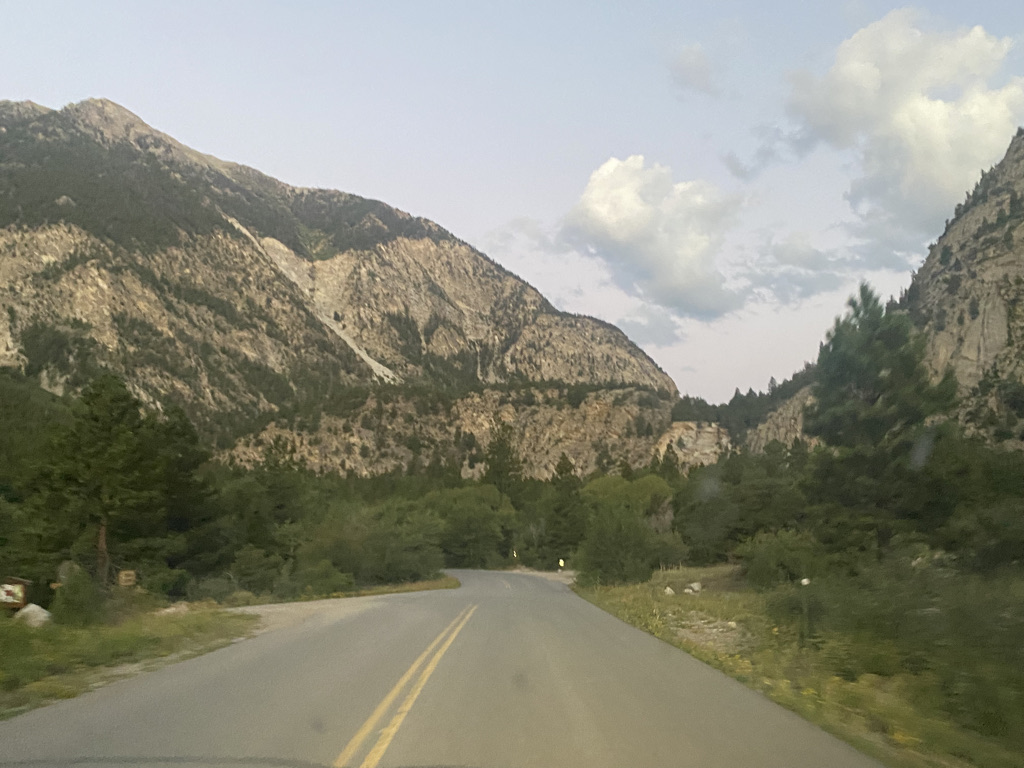
Getting to Mount Antero involves following a road called Chalk Creek Drive. It’s accessed off highway 24 halfway between Buena VIsta and Salida. The road passes by the Princeton Hot Springs and the Chalk Cliffs, and provides access to both Mount Antero and Mount Princeton.

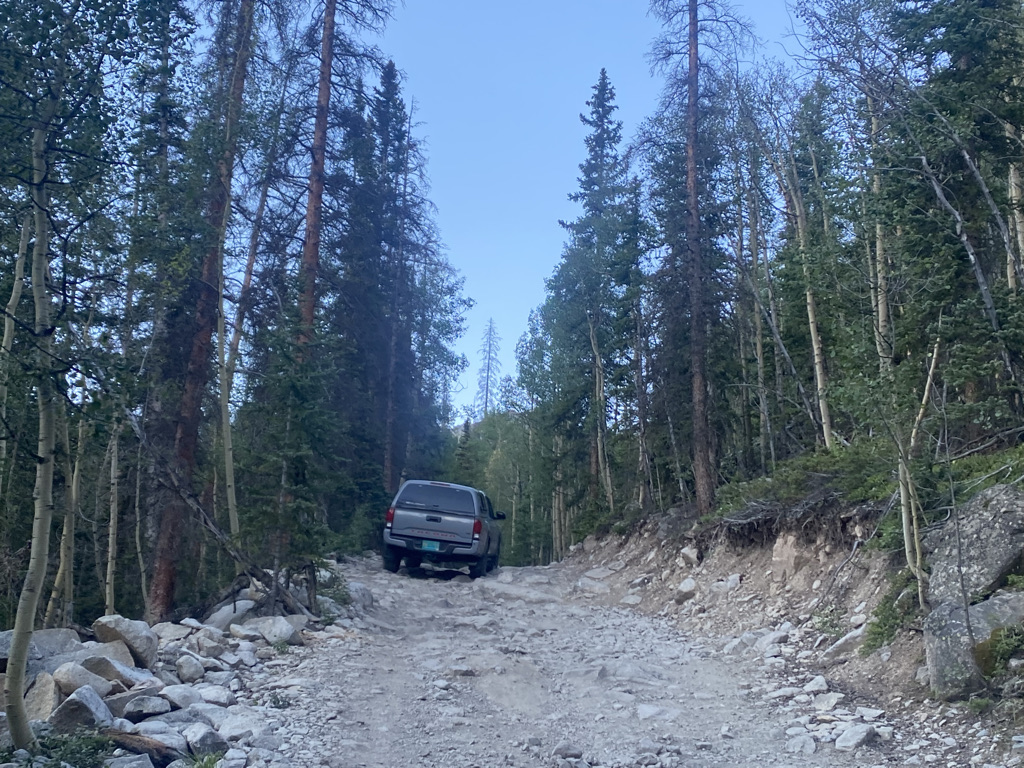
The most unique thing about this hike is that most of it follows a “Jeep Road”. In fact, some people were able to drive most of the way to the top

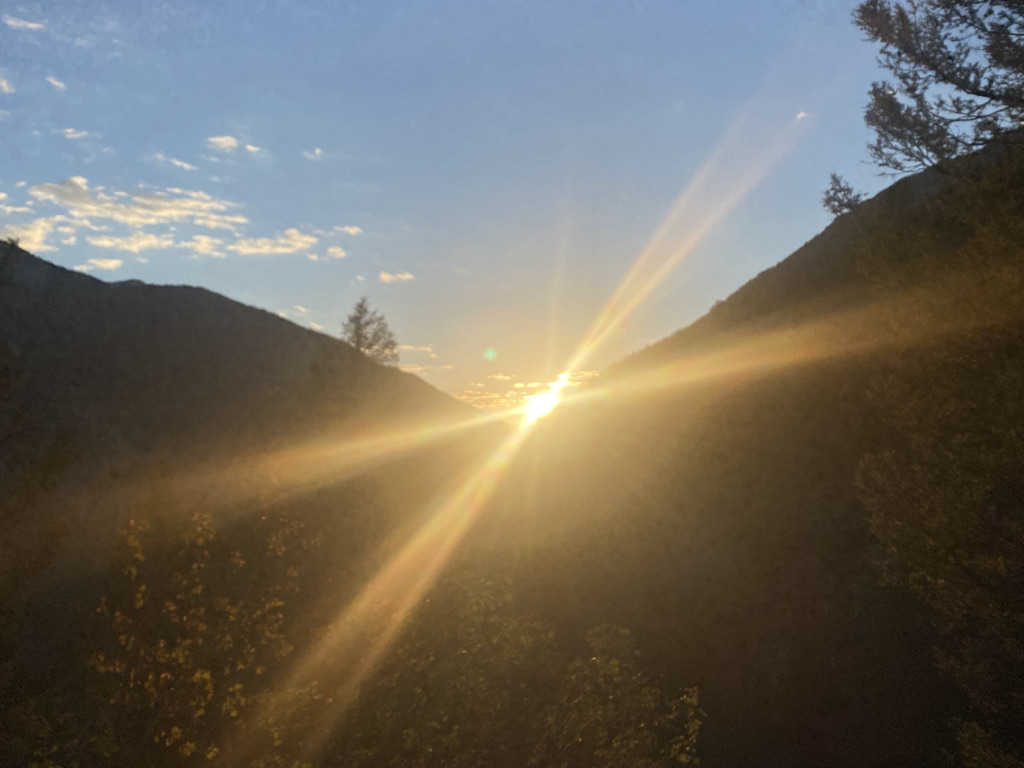
When done right, it is best to start a 14er quite early in the day, before sunrise, which makes the appearance of the sun one of the first exciting exhibitions of the hike.

14ers are challenging climbs. This one is no exception. The total vertical climb was about 4,500 feet (1350 m), and it starts getting challenging pretty much right away.

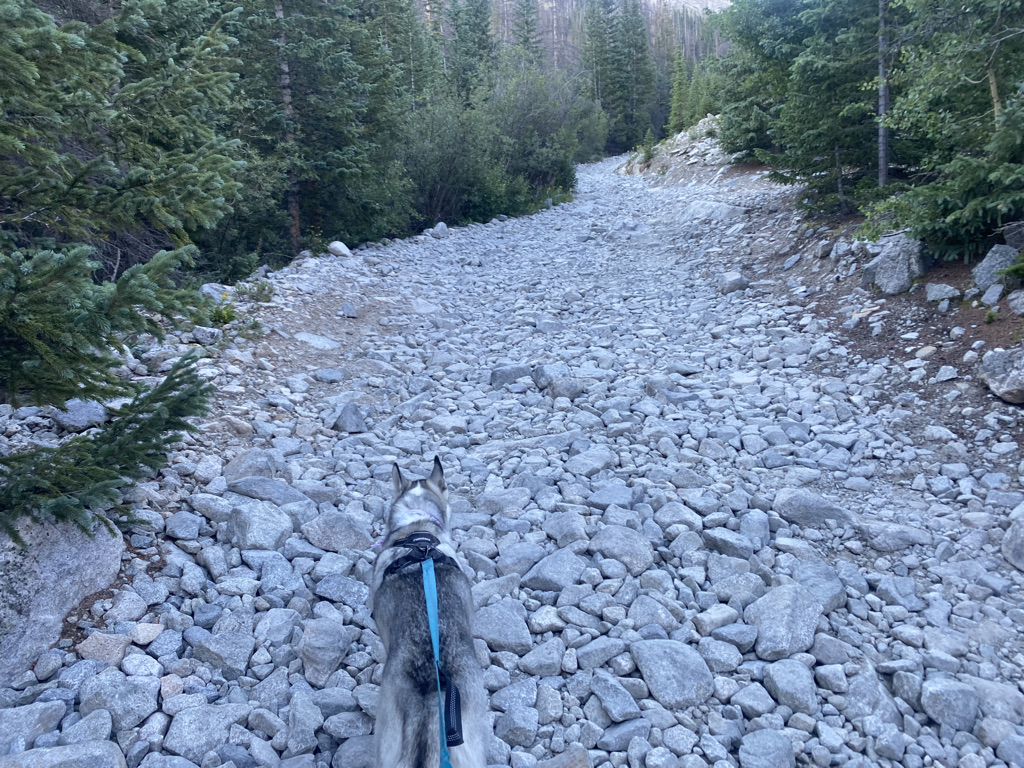
After about a mile, there is a flatter part. Then, around the 2.5 mile mark, we encountered the first area of major concern for anyone bringing a dog on the hike, an area completely covered by rocks.

This is something anyone hiking with their dog needs to keep an eye on. Dogs paws blister over time but dogs do not always prepare for this possibility. They need to be either given booties to protect their feet or guidance on how to minimize their exposure to rocks starting pretty early on in the hike.

The trail up Mount Antero approaches the peak from the West side, meaning it takes longer for hikers to experience the sun in the morning.

We would get to tree line by 8:30 and enter the sun only shortly thereafter. Once tree line is reached, this hike becomes nothing short of absolutely breathtaking.

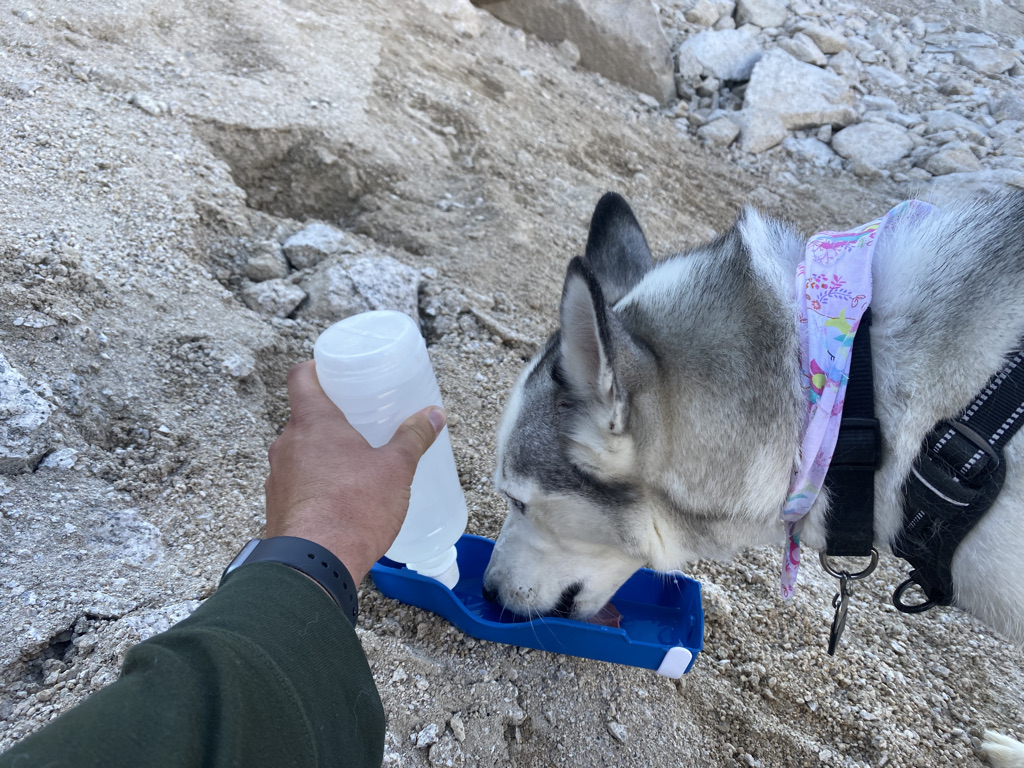
When hiking with dogs, especially challenging hikes like this one in dry climates, it is essential to keep them hydrated. For this, I not only bring water for my dog, but also allow my dog to drink from flowing creeks.

The key here is to only allow your dogs to drink from creeks that are flowing. Standing water could lead to Giardia.

Like every other 14er I’ve done, Mount Antero has two features that will drive most people to exhaustion.

First, a steep ascent to the top of some kind of ridge.

Then, a scramble to the top, over rocks.

I had hiked over seven miles before getting to the final scramble. With the exhaustion, challenging scramble and high elevation, I needed to take quite a few breaks on this final ascent to the top. This is perfectly normal.

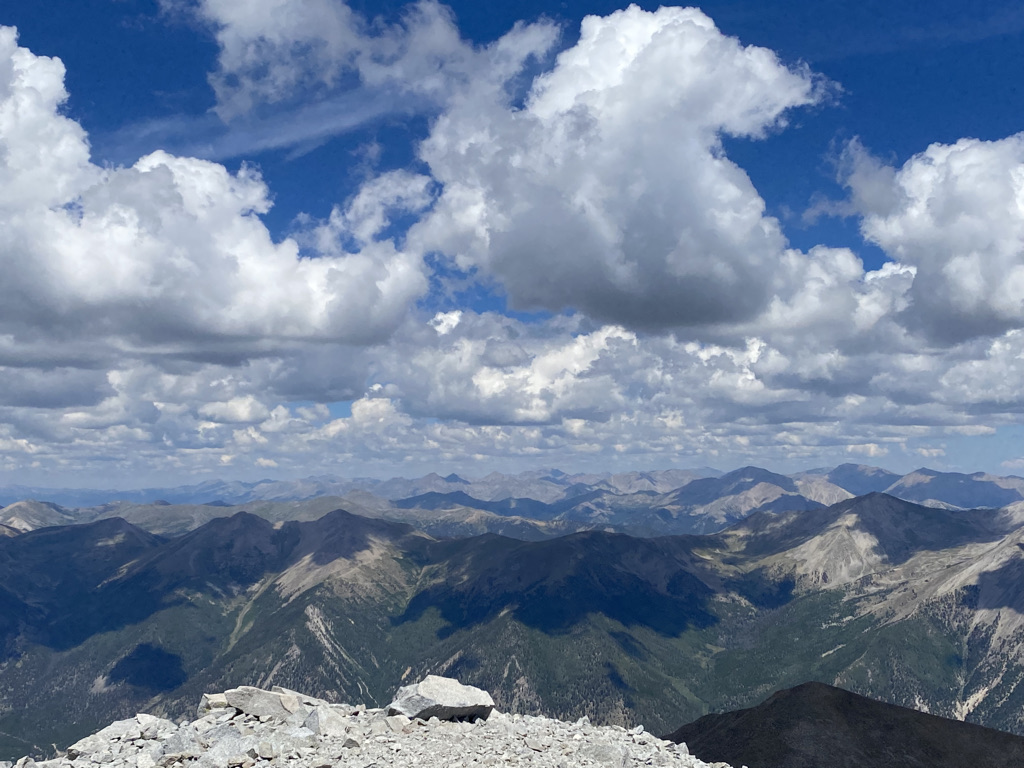
The top of this mountain feels like being on top of the world. Countless other peaks were below me.

So was the Arkansas River Valley, where Buena Vista and Salida are.

We spent about half an hour at the top, enjoying the views, a little bit of food and some conversations with other hikers.

And, the descent was also quite beautiful.

Overall, it was an amazing day, but like most things that are truly amazing, it had to be earned. It had to be earned through the lengthy drive, proper preparation and physical exhaustion involved in climbing this much.

By the time I reached the end of the journey I realized that what was earned goes far beyond what could be captured in these photos. Sure, the areas below tree line were peaceful and the areas above tree line had spectacular views. But, the experience was also about a state of mind.

Since it was a Thursday, the trail was relatively empty. The few people I encountered kind of represented humanity at its best. Nobody was arguing over whatever topics people seem to be angry and divided over at the time. Even though some people were on the mountain to hike, others to ride their Jeeps and ATVs and others to mine gold or aquamarine. A couple of the people I encountered even helped me out by giving me and my dog a ride down the final few miles of the mountain when I was concerned about blisters on her paws. They stopped and talked to people they encountered, picked up litter from the road and had nothing but the most positive conversations about nature, camping, travel and music. The experience made me wonder if this is a reality we can create in our day to day lives, so long as we focus on the right things and earn it.

Making the Right Decisions

On any storm chase, there is kind of an unspoken goal to see a tornado. However, the vast majority of all chase days do not result in a tornado sighting. Even those who run paid storm chasing tours cannot guarantee a tornado sighting for a weeklong tour. Additionally, resource limitations, which is increasingly the case in the era of $5 gas, can play a factor. Just because a storm is occurring somewhere, at some time, does not necessarily mean a group of chasers has the time and money to get to that storm.

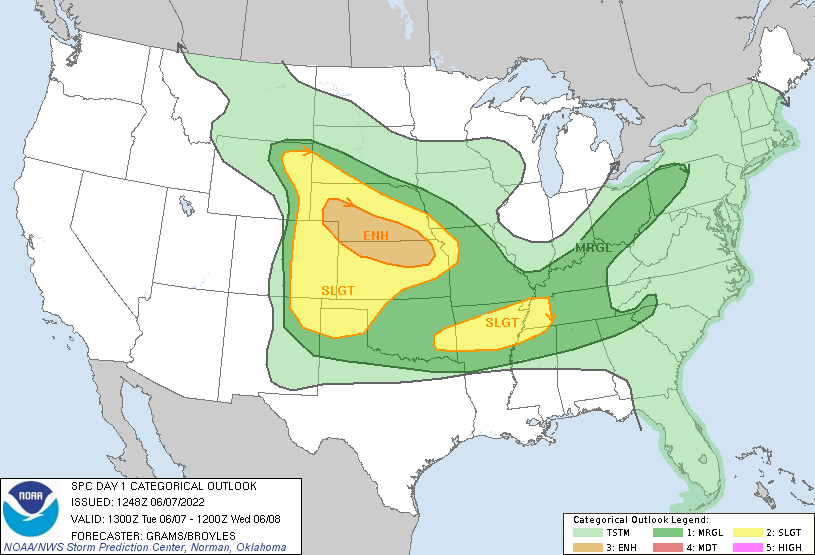
On Tuesday June 7th choices needed to be made regarding where to target and what storms to pursue.

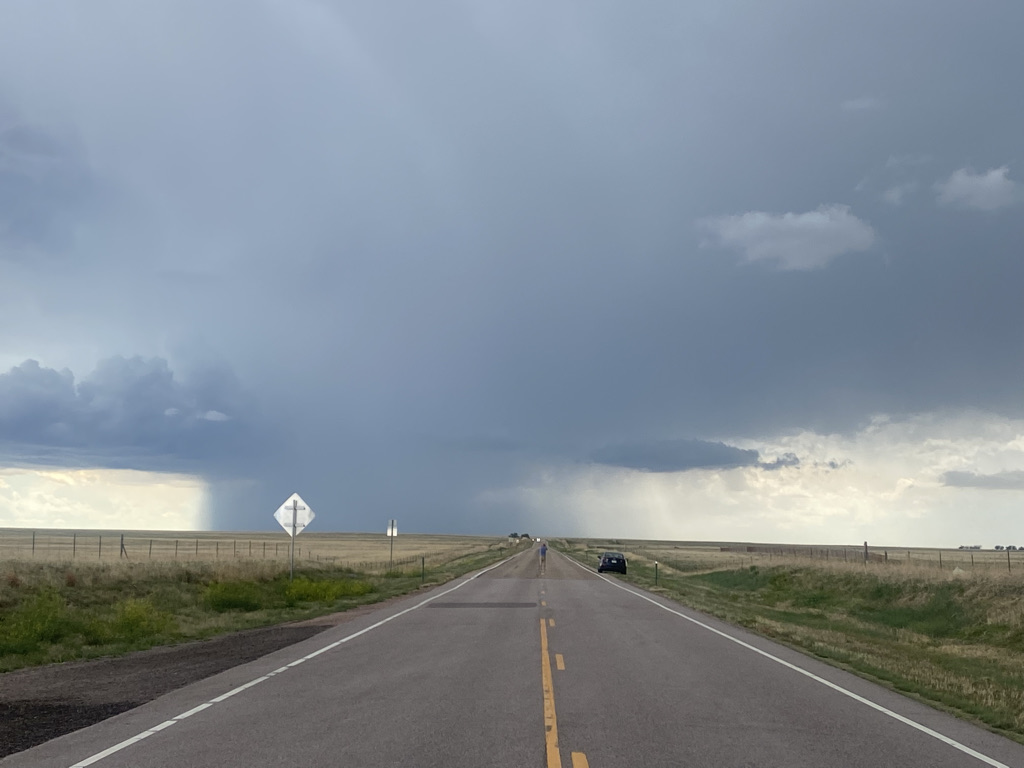
First, a decision had to be made between pursuing faster moving storms across Nebraska and the far northeast corner of Colorado, and slower moving and potentially more discrete (and therefore easier to track and see) storms further south. As is the case with nearly all chase days, other decision points would occur throughout the day. These included what storms to follow, what roads to take, what angle to look at them from and even how long to stand in the middle of an empty highway taking photos.

In a way, storm chasing is all about making decisions. Perhaps the primary education value of storm chase courses is not observing the atmosphere, but in decision making experience.

On June 7th, every decision we made was the “right” decision. Or, at least we certainly didn’t make any “wrong” decisions, as has been the case with other chases. We went for the storms further south as there was more moisture there. We followed this one storm that seemed to maintain a steady state for several hours. We saw it from a few different angles.

We saw a few dust devils.

And, on several occasions, the storm looked like it was almost going to produce a tornado.

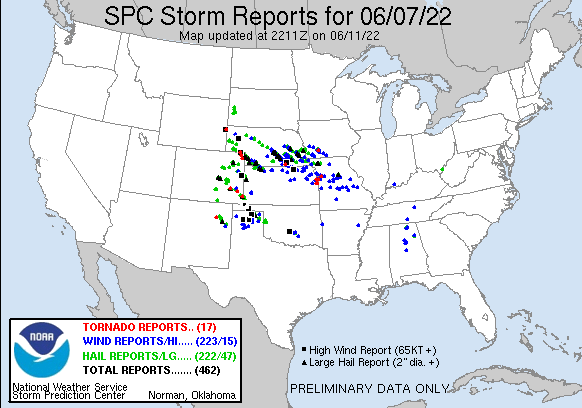
In fact, it’s still disputed as to whether or not a tornado actually occurred, as tornadoes were reported with this storm.

Chasing in this part of the country has its advantages and disadvantages. With wide open spaces and typically drier air, it is possible to see things much further away. However, the road network is quite sparse, and sometimes the only safe option is to view storms from a bit farther away. Therefore, we will never really know if we saw a tornado on June 7th.

Tornadoes are verified by their damage and where we were there was really nothing to damage (perhaps the reason for the sparse road network).

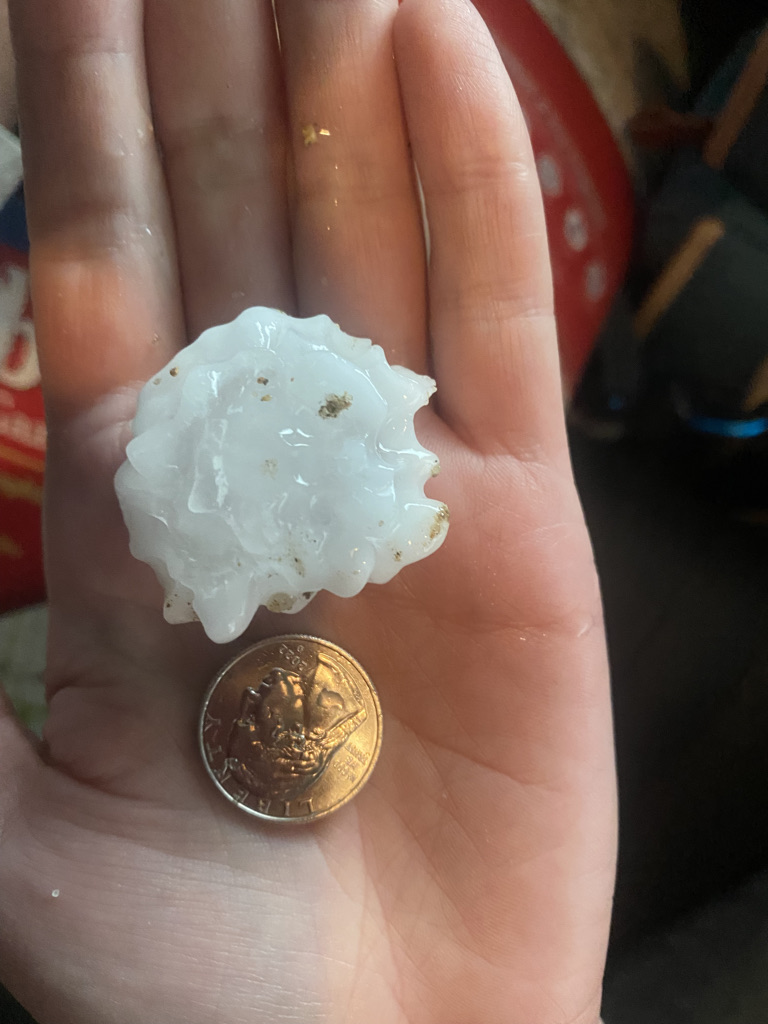
Our chase would end with a close encounter with some pretty large hail.

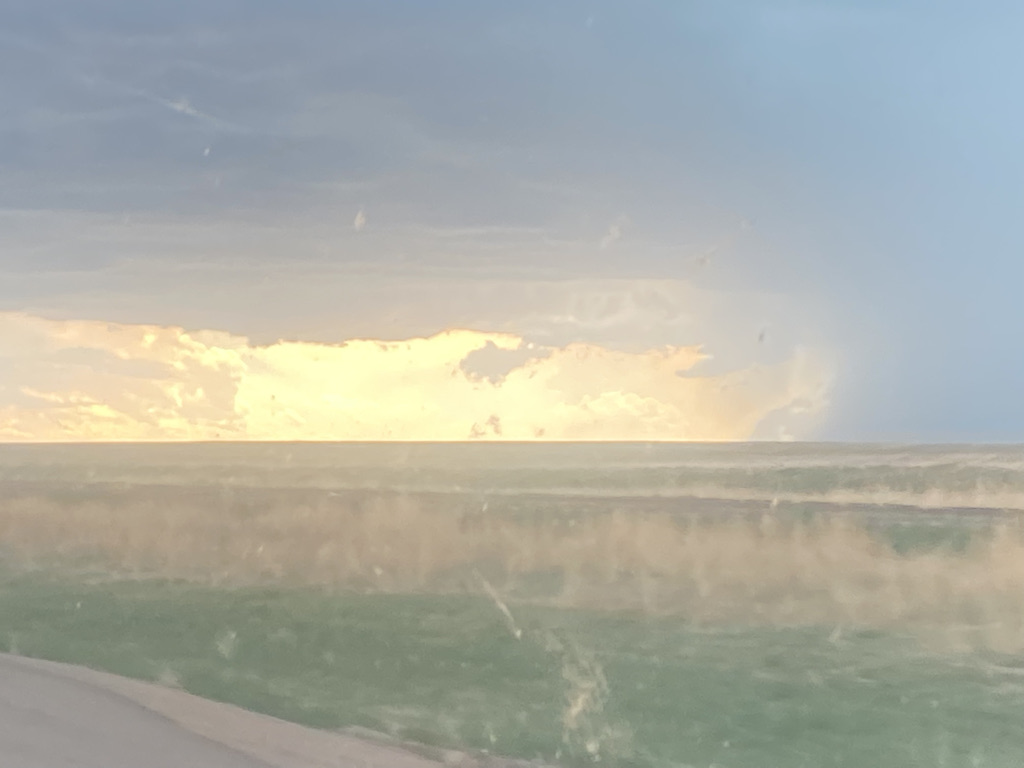
Of all the things I gazed my eyes upon in the sky on June 7th, I was perhaps the most mesmerized by this optical feature that I cannot even classify.

I had never seen anything exactly like this before. It is a combination of colors that can never be replicated, as it is the result of the specific angle at which the sun’s rays hit the atmosphere, water droplets and clouds. It reminds me some form of obscure artwork that one cannot possibly gaze upon without wondering as to the mental state the artist was in at the time of its production. I struggled to look away as the colors slowly morphed.

For some, this day would be characterized as a “success”, given the cool optical features, large hail and dust devils. For others, it is a “failure” as we could not verify a tornado sighting, nor do we feel like we got a really cool tornado photo or video. However, focusing on whether or not we can technically claim we saw a tornado or classifying the endeavor as a “success” or “failure” is not nearly as important as being happy about the process and making the right choices.

Although the most noteworthy events in life are clearly in the category of wild successes or embarrassing failures, most things we attempt in life don’t really fit neatly into one category or the other. There are businesses that make money but lose sight of their original purpose. There are parties that are sort of fun but missing something. There are diet and exercise programs that produce some results but not quite what was initially desired. Some people even reject the paradigm of viewing everything as success or failure, a win or a loss. The key point that this particular storm chase demonstrates is that for all of us to succeed in life, we need to focus more on the actions we take and less on the results. If you go out there, keep taking chances, keep making smart choices and keep learning, the result you are hoping to get will eventually come.

Four Days Without the Internet

I am starting to grow tired of the internet. Every day feels like the same thing. The same feeling of rejection when I’m reminded of the social experiences people are having that I am not involved in. The same feeling of aggravation and isolation around people’s responses to current events. The same feeling of fear around societal trends and possible future events. And, perhaps most importantly, the same stale feeling around yet another hour in front of a screen, typically sitting down at home, consuming content that is all too similar to the content I had consumed the last hour I spent online.

As you can see, even before this, I spent less time on my phone than most

In the context of most of the world in 2022, going four days without the internet sounds extreme. We do everything online. We’ve spent the last two decades congratulating ourselves for making things more efficient by moving them online. However, I am not so sure this is a good thing. David Byrne famously pointed out five years ago that all of our new technologies have one thing in common. From online shopping to robots and those self-scanners at the grocery store, they all eliminate points where humans would have previously interacted with one another. This is one of the primary factors that lead to a loneliness epidemic being declared even before it the pandemic came and made it far worse.

My theory was that if I spent less time online, and distanced myself particularly from news and social media, I would be a lot happier. After all, I knew that there are people out there that care about me. I know there are people that see things the way I see them. The whole world has not descended into finger pointing and panic, and there are tons of great new experiences to be had if I just look around me. I just had to stop letting the internet tell me what to think about.

The very first thing I noticed was noticing more things.

I spent time observing trees, clouds, storms and all the things that we often forget to look at when our minds are occupied.

Soon, I became lost in thought.

Behavior analysts will often point out that if someone wants to move away from an undesirable behavior, like smoking or excessive hand washing, it is far easier to do so if the behavior is replaced with a new behavior. I sincerely believe this to be true, but I removed the internet from my life rather abruptly without selecting alternate activities. There was not always a suitable alternate activity, no matter how much I enjoyed this book!

So, in order to stick to my pledge, I ended up spending time just in my own thought. While at first my thought processes went to all of the things that had been frustrating me, soon I ran out of things to think about on that topic. This is where we all have the potential to tap into our creative sides.

It feels like we were more creative before we became constantly distracted by smart phones. Just the idea of people tapping back into this side of themselves and coming up with all sort of ideas gave me chills.

By the time I returned home, I was happier. But, as is the case any time people go on vacation, I did not know whether I was happier because of my hiatus from the internet, from not reading the news or being on social media, or if I was happier because I had just spent the weekend out of town with friends. This is something it would take all week for me to figure out.

After returning to Denver, I felt like I was still observing more than before.

And I had some pleasant conversations with the people I encountered.

Maybe it’s time for all of us to reconsider what our relationship with the internet should be. From increasingly using LinkedIn to network and find jobs to the use of QR code scanners for menus at restaurants, societal trends seem to pulling us closer to the internet, having it become more and more a central part of our lives. But, is this what we want? Is it what we need right now?

After a week of reflection on this experience I started to ask myself why I’m happier. What am I trying to escape? Am I trying to escape people? Or am I trying to escape a certain behavior pattern that the internet and particularly social media seems to encourage? Am I fed up with the way people interact over social media? Or am I fed up with the way people interact in general? And, is the way we interact in general a reflection of how social media has changed us over the past two decades?

Sometimes an experiment like this one, meant to answer a question, only leads to more questions. But, sometimes, despite what we all learn when we study science, if we experiment with something and it leads to a positive result, like being happier, maybe we need to stop obsessing over the reasons why and just be happy with the result.