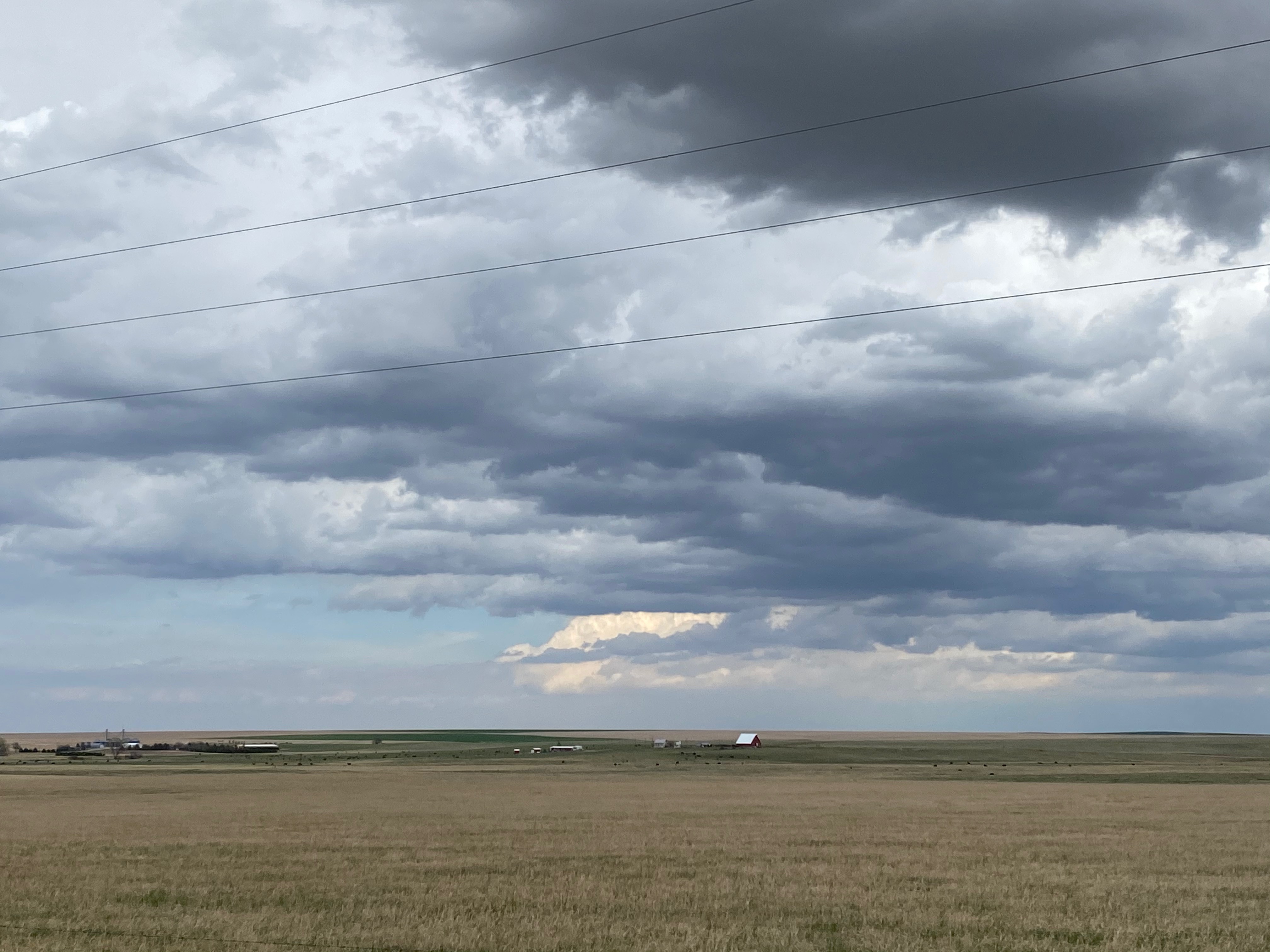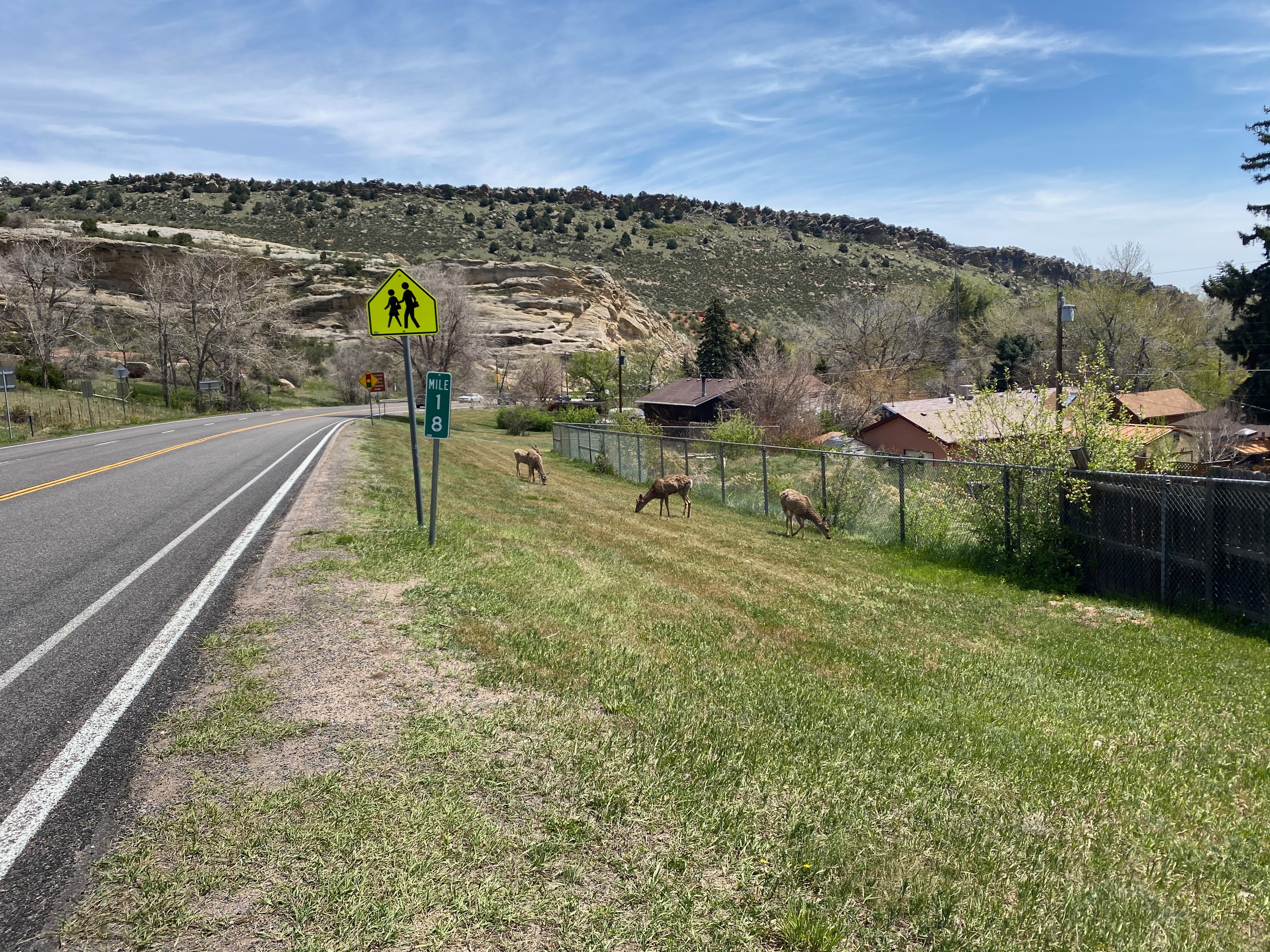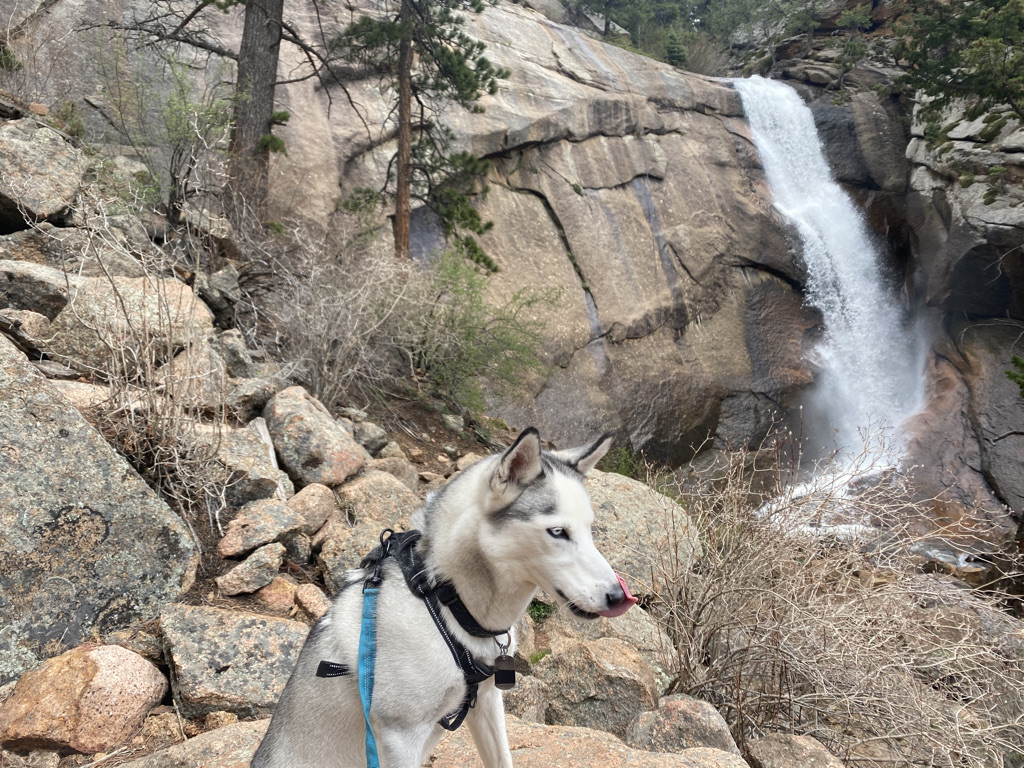
Category Archives: culture

Do We Have Too Many Updates?

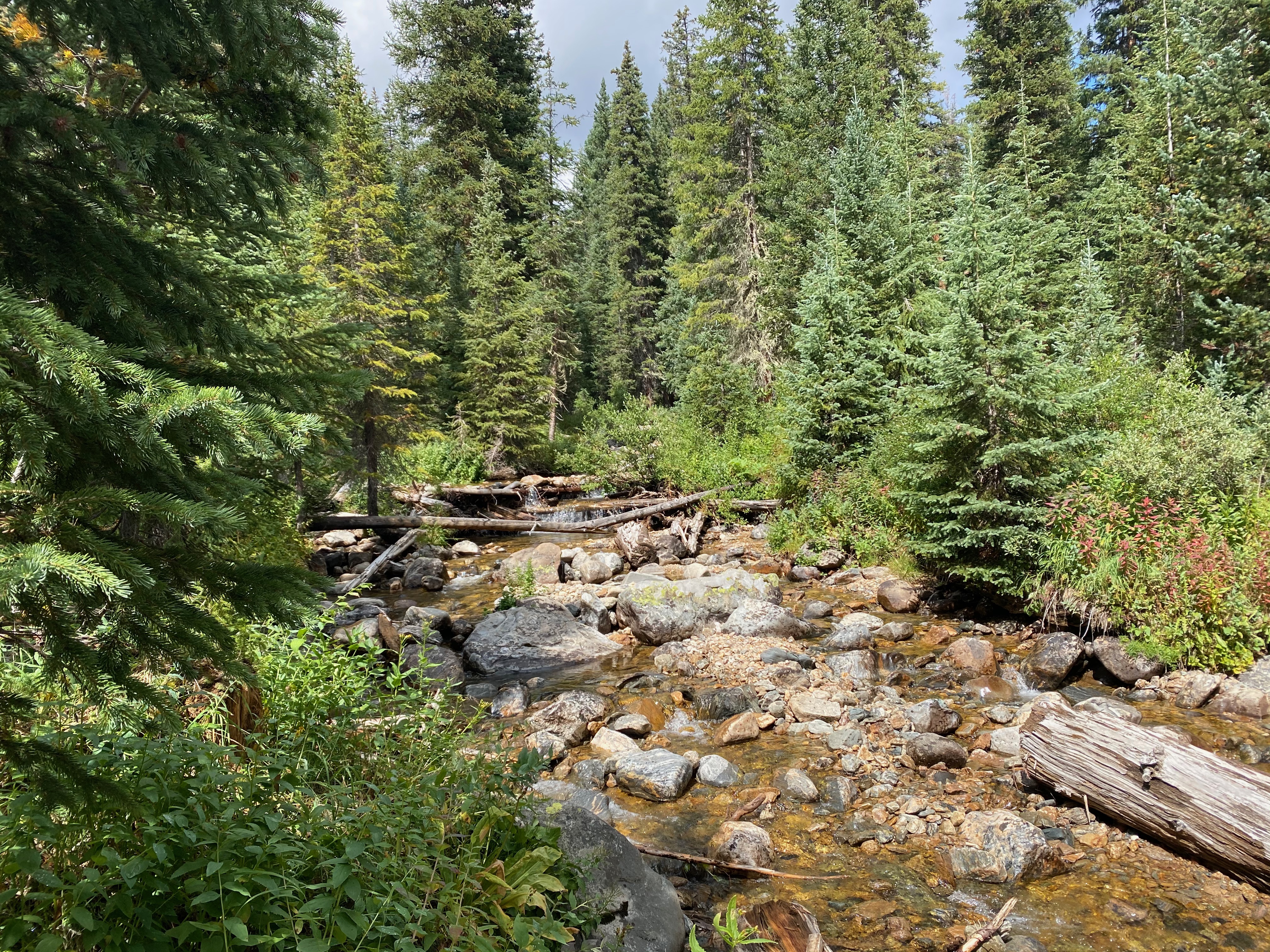
Elk Falls, in Stauton State Park, is a fairly lengthy hike. The round trip from the main parking lot (called the Meadow Parking Lot) is about 11 miles, depending on where you park. It begins with a mostly flat, 3.1 mile section called the Staunton Ranch Trail.

The trail passes by areas of interesting rocks where people climb.

And even crosses a county line.

As is the case with most State Parks, this trail is part of a network of trails that connect several important features. Elk Falls just happens to be the most commonly discussed feature, as it is the tallest waterfall within an hour drive of Denver.

Staunton State Park is one of the easiest trail networks to navigate. At each trail junction, there is a sign that not only identifies the trails, but also serves as a mile marker.
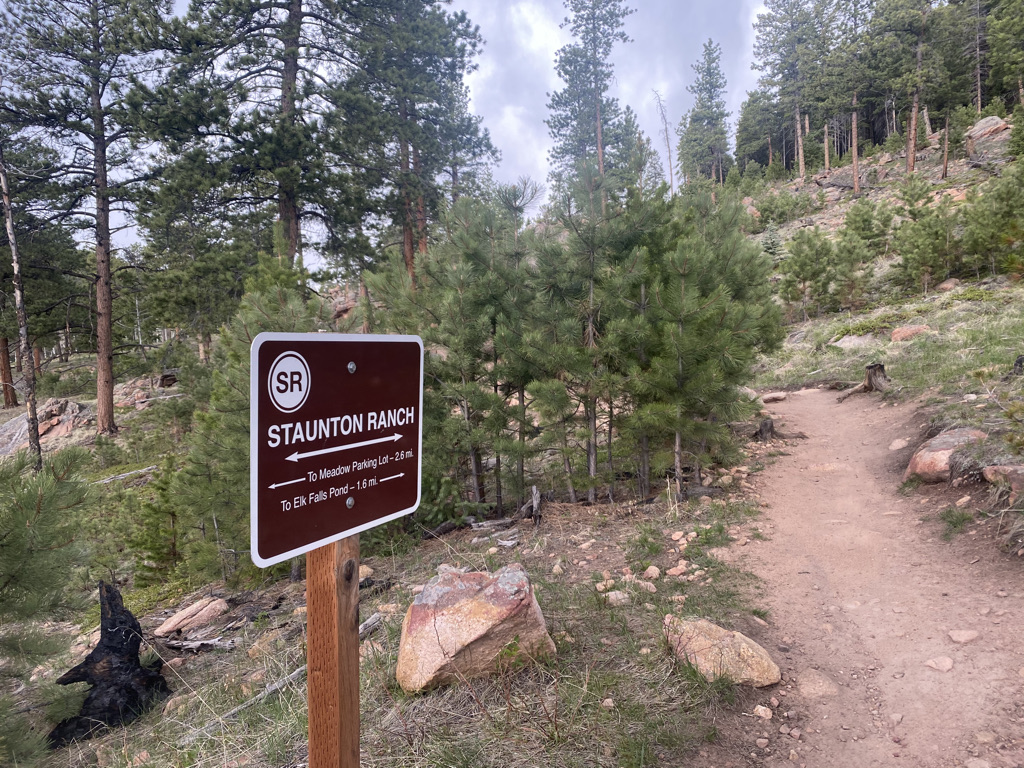
At this point, I had hiked 2.6 miles and had 1.6 miles to the Elk Falls Pond.

With an additional 1.2 miles from the pond to the waterfall, this sign was quite close to the halfway point of the hike.

The hike from the parking lot to the falls would take just over two hours (the return trip would be about the same length). Over the course of the trip, the signage would provide me with a total of about five mileage updates. I actually found this to be quite close to the frequency I desired.

However, I wondered, how many updates we really need and what impact it is having on our experience. I thought about the explorers of centuries past, who would travel great distances using maps that, while state of the art for the time, would be considered woefully insufficient today. Lewis and Clark, for example, famously underestimated the length of their journey by many months. Yet, today we demand mapping software that estimates our time of arrival to the minute. These software packages, available to anyone who has a smart phone, even adjusts expectations for the one aspect of travel that still lead to uncertainty at the turn of the century- traffic. Now, at any moment in time, we can say exactly how much distance and how much time we have left.

Has this detracted from the experience? Are we bombarding ourselves with too many updates? Does checking the map on our phone for updates too frequently cause us to focus too much on the destination, preventing us from enjoying the journey? Could it even be causing anxiety? Elk Falls is the destination and the highlight of the trip, but while still over an hour away from the Falls, it is certainly better to enjoy what is in front of me than to spend the entire time anxiously awaiting the Falls. The same can be said for the trip back to the parking lot.

It makes me think of everything else in life we excessively look for updates on. How much is too much? How often do we check…

  • The number of likes our photo received?
  • The current status of our investments?
  • Whatever device is tracking our fitness goals?
  • The news?

And, what impact does it have on…

  • The experience we have in the places where we took those photos
  • How we think about the investments we chose to make
  • Our feelings about our bodies
  • How we feel about the state of the world

It feels like we’ve reached a point where we are updating ourselves too frequently on too many things. Maybe it’s time to back off all of it and try to be more present in the moment. Maybe this will require some degree of acceptance, of things how they are as opposed to how we wish them to be.

Cycling up Mountains in a Storm

Loveland Pass on Sunday May 23, 2021

Colorado can be a pretty confusing and frustrating place in the Springtime. In most mid-latitude Northern Hemisphere places, Spring is a time of revival. It is the time of year where people who had mostly been indoors and inactive during the winter return to life. Here in Colorado, Springtime is a period of major weather fluctuations. In Denver, March and April are often the snowiest months. It can even snow in May. Sometimes it feels like we go from tracking the weather for snow to 90 degree heat with barely a week or two in-between.

Credit Channel 7 Denver

At higher elevations it snows quite a bit during springtime (Leadville is 10,200 feet (3.1km) above sea level), even as the snow melts into mud on most trails. It is probably the most inactive time of year in the mountains.

Image from Weather Atlas

Springtime in Colorado requires a combination of planning, adjustment and resiliency. The weekend of May 22nd and 23rd would test my resiliency because I kind of dropped the ball on planning.

On Saturday, I climbed Lookout Mountain, a ride in Golden, Colorado that climbs from 5500 feet (1675m) to 7300 feet (2200 m).

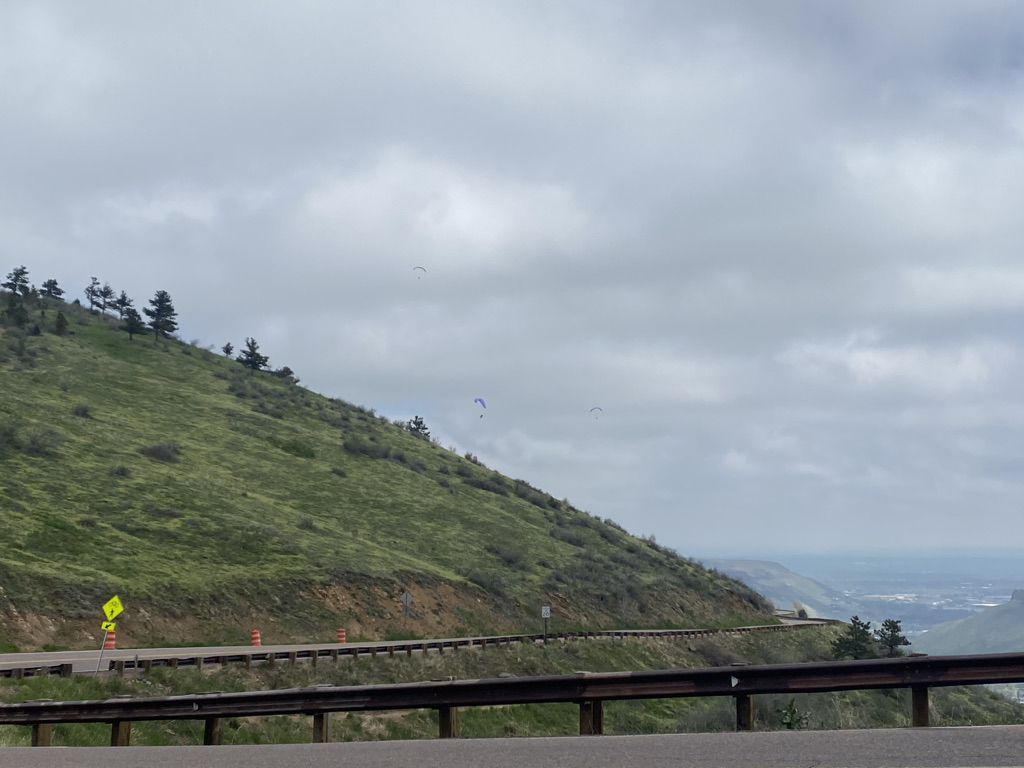
The day was somewhat stormy but also quite active. Paragliders took off from Lookout Mountain, flying over the town.

And the road was packed with cyclists. Only about 20 miles (32 km) from Denver, this is a very popular ride!

After noon, with even more paragliders taking off from the mountain, I encountered the storm.

Some cyclists chose to wait out the rain by finding a building to stand next to. I raced back home, into a fairly significant wind down the hill.

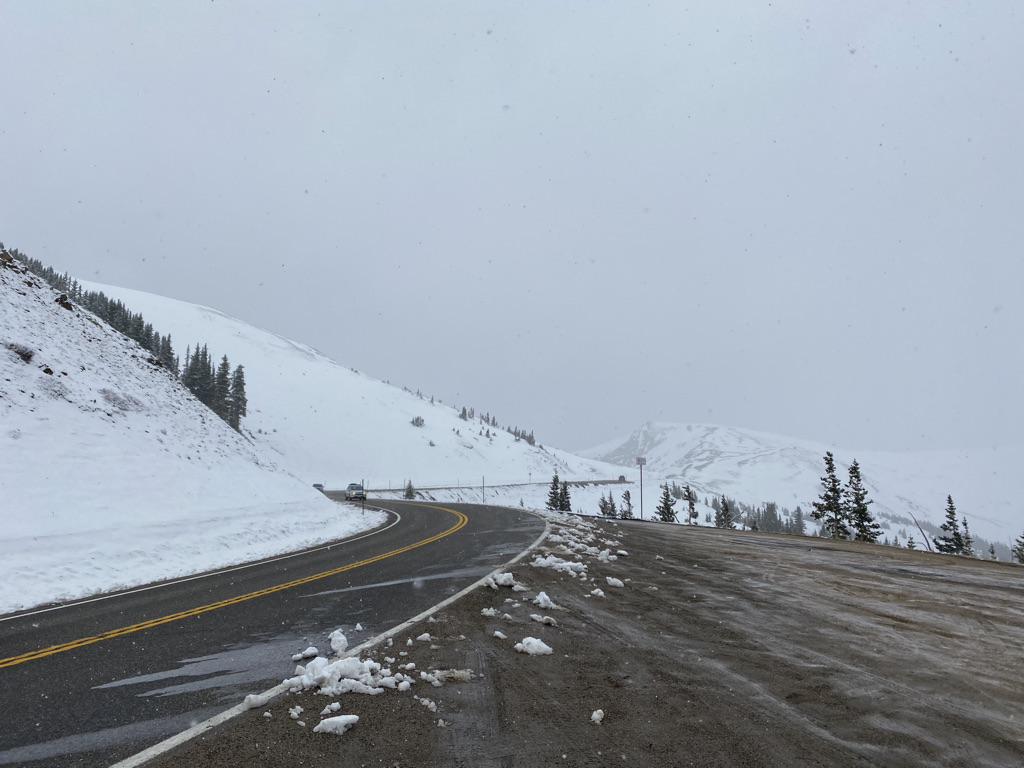
The next day, I went up to Loveland Pass to climb another mountain, this one at a much higher elevation. My ride began at the parking lot of Loveland Ski Area, which sits at around 10,600 feet (3230 m). I could already see that the storms had returned.

As is the case with going upwards in elevation, the weather was much colder, probably only around 45°F (7°C) at the start of the ride. From the very beginning, the ride felt like it was taking place in a different season.

Much of the ground was still covered with snow. Unlike on Lookout Mountain, I was the only one on a bicycle on the road up to Loveland Pass that day. The only other people I encountered were backcountry skiing. One joking asked me for a ride to the top of the pass on my handlebars.

Higher up the mountain, I suddenly found myself doing something I typically try to avoid, riding in the snow. It became scary as it was obvious that slippery conditions existed.

Near the top visibility continued to decline.

Finally, just to be true to the cycling community I belong to, I took a photo holding up my bike in front of the sign that indicated I had reached the top of the pass at just shy of 12,000 feet (3650 m).

There I stood, the only cyclist, almost out of place, like I was suddenly in the wrong season. It reminded me of how often we forget that different people in different places are often having quite different experiences. Two months ago, towards the end of March, while most places in North America were seeing people emerge from their winter dormancy and return to life, life in the Central Rockies was slowing down as the ski season was coming to an end. Now, there could not be more contrast all around me.

As the United States has mostly put the COVID-19 pandemic behind us, countries with slower vaccine rollouts are dealing with some pretty bad case numbers associated with newer, more rapidly spreading, variants of the disease. This sits in sharp contrast to last summer, when other more prepared countries had much greater success in containing the virus through behavioral measures than we had. Heck, even the period of time westerners refer to as the “dark ages“, were not a dark time for everybody. The Tang Dynasty was remembered as a golden age for China. It was also a time of great advancement in the Islamic world. Finding myself on my bike in the snow in the second half of May reminded of the benefit of understanding that not everyone and not every place is having the same experience.

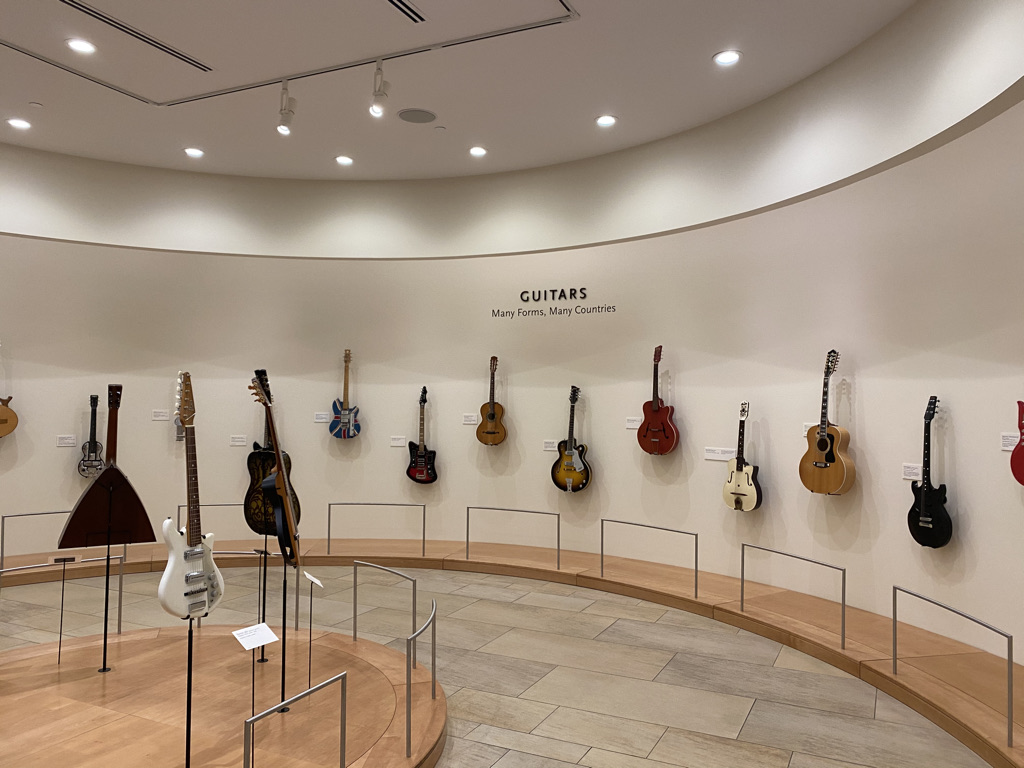
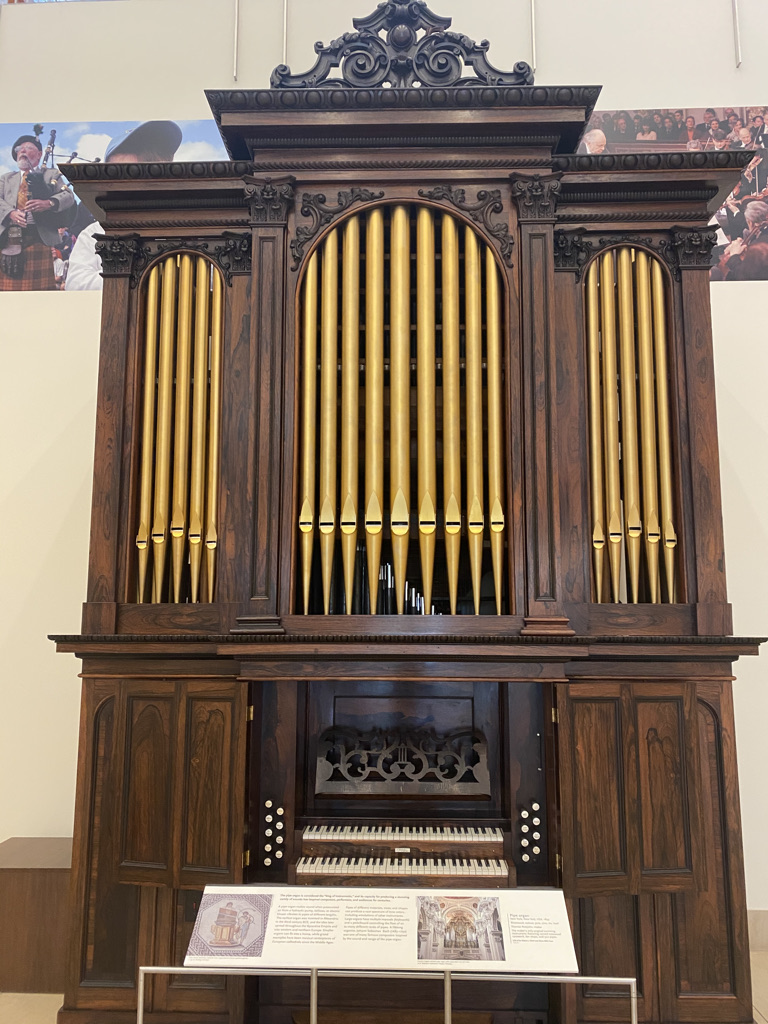
The Musical Instrument Museum

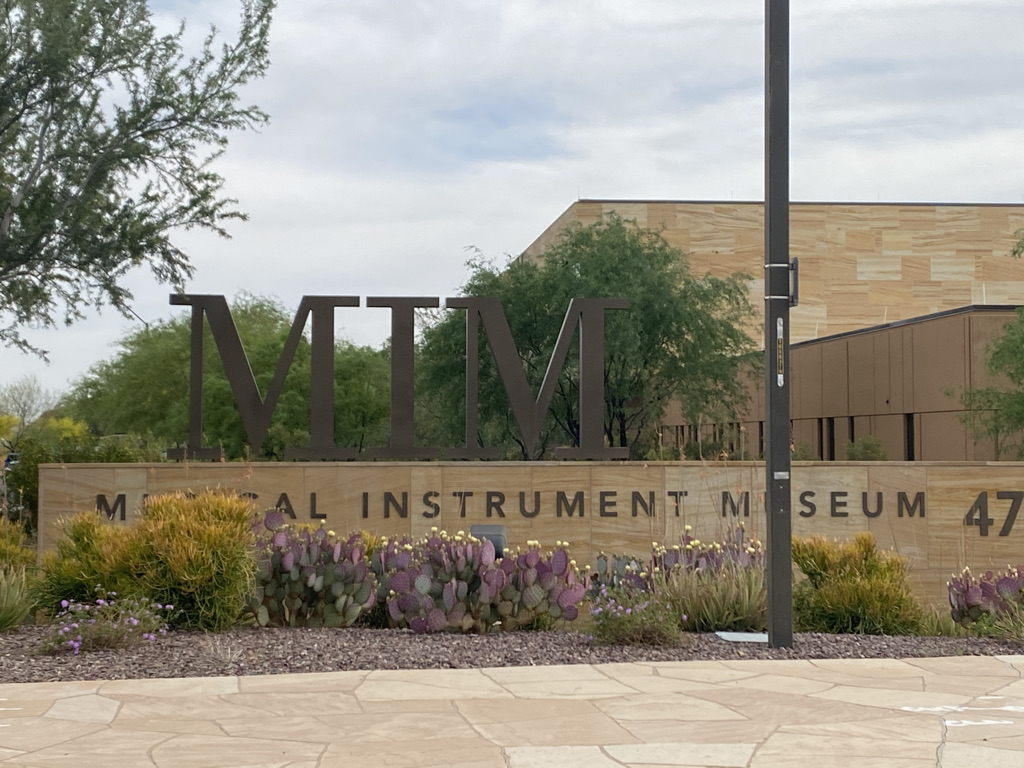
Unique places like the Musical Instrument Museum are the essence of travel. The reason it becomes worthwhile for anyone to leave the place they live and travel to places beyond where they typically find themselves is to see something different, something unique, something they can’t see in their hometown. Often times they are places of natural beauty or specific cultural experiences. However, this museum, on the Northeast side of Phoenix is something few people have in their metropolitan areas. It is a museum dedicated to musical instruments and the musical experience around the world.

Upon entry into the museum the motivation behind building it is apparent and obvious.

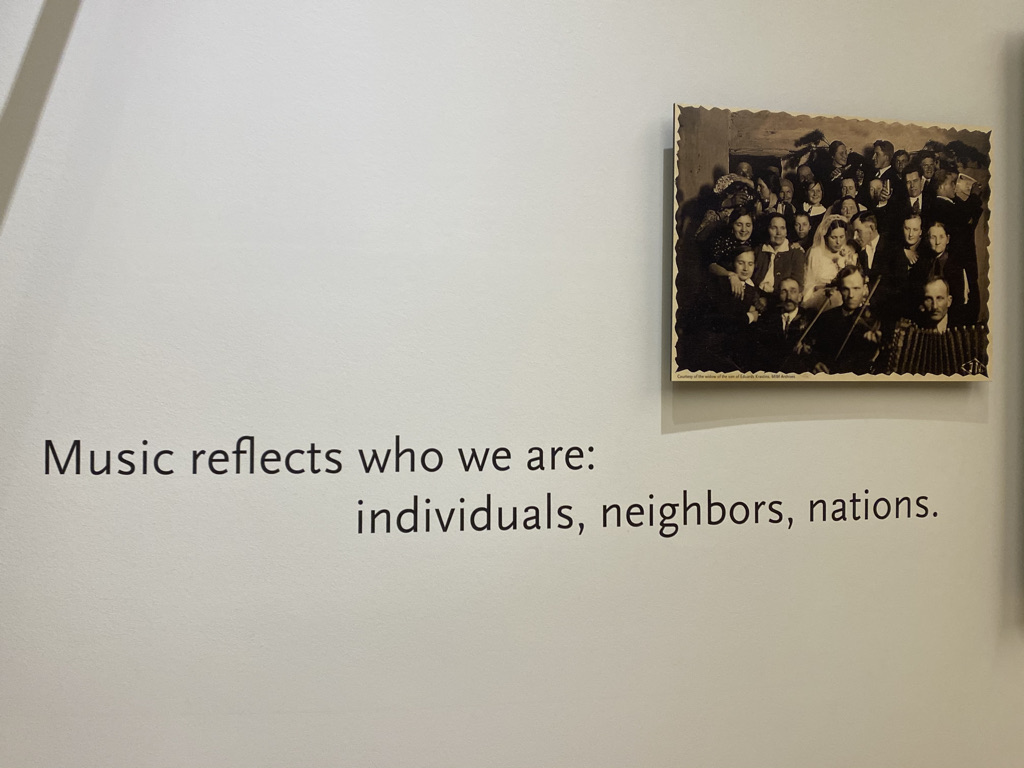
For reasons that are hard to impossible to explain, music is and has always been a major part of the human experience. It is hard to imagine a world without it, and music historians speculate that music has been around longer than language. Music is an experience that cannot be accurately explained in words. The reasons different people have different reactions to music cannot be programmed into an algorithm or explained using science, language or any left-brained tactics.

The museum itself has a lot of exhibits. The downstairs has exhibits demonstrating the importance of specific musical instruments.

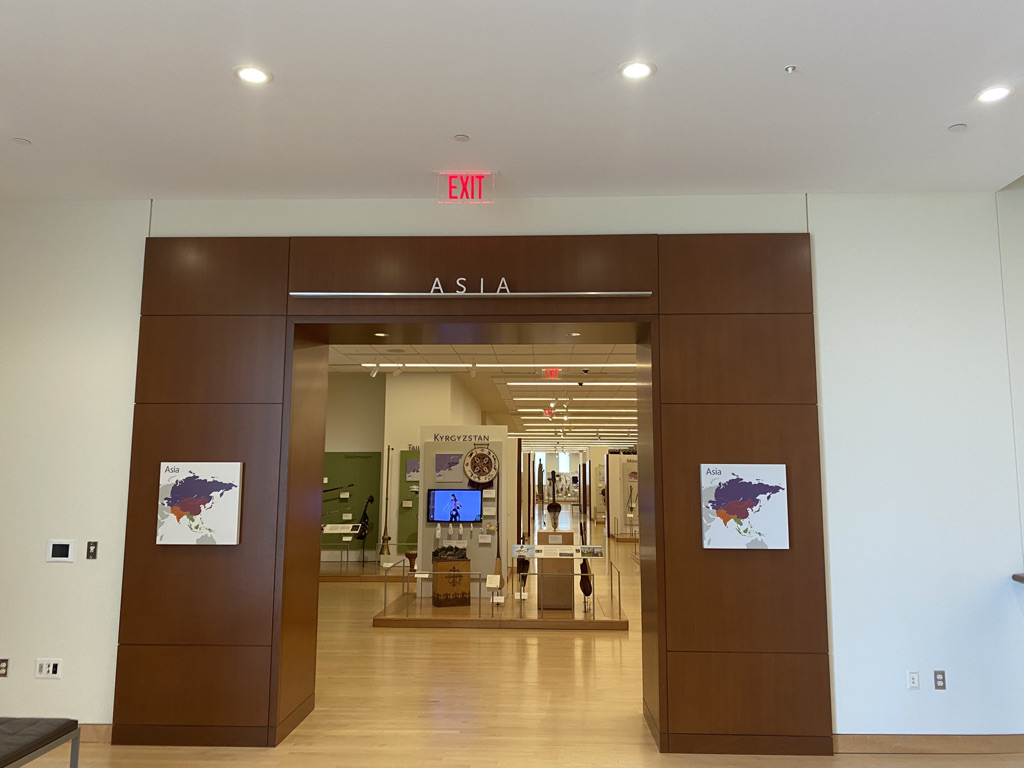
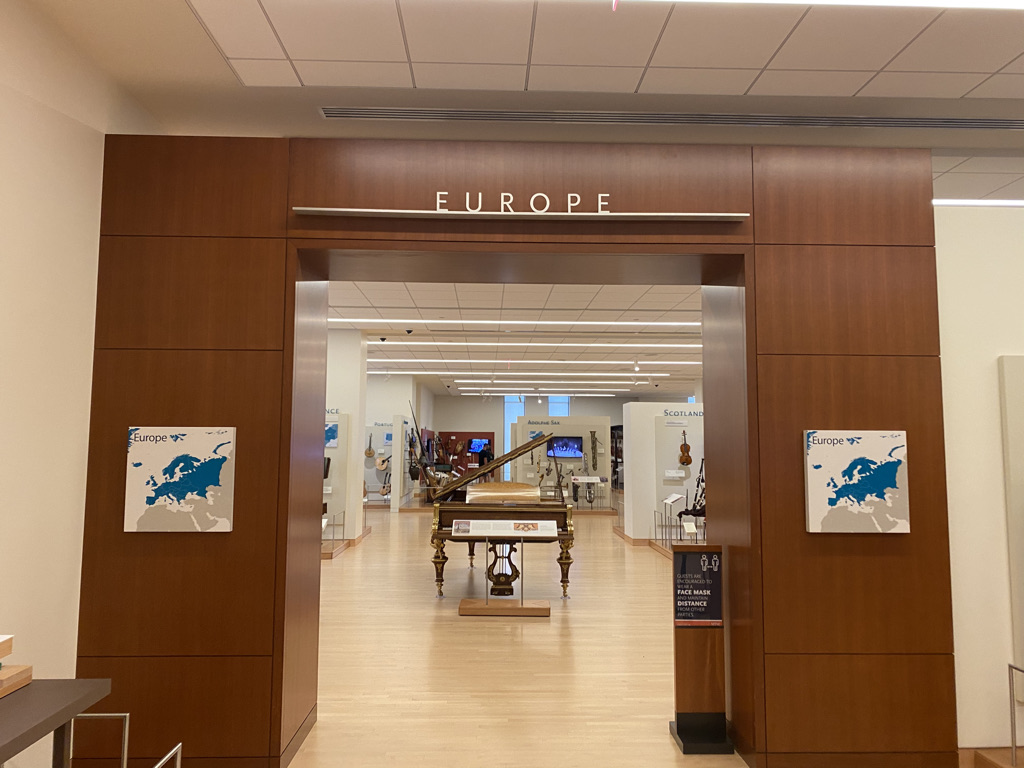
While the upstairs contains exhibits showing the musical traditions of every country around the world.

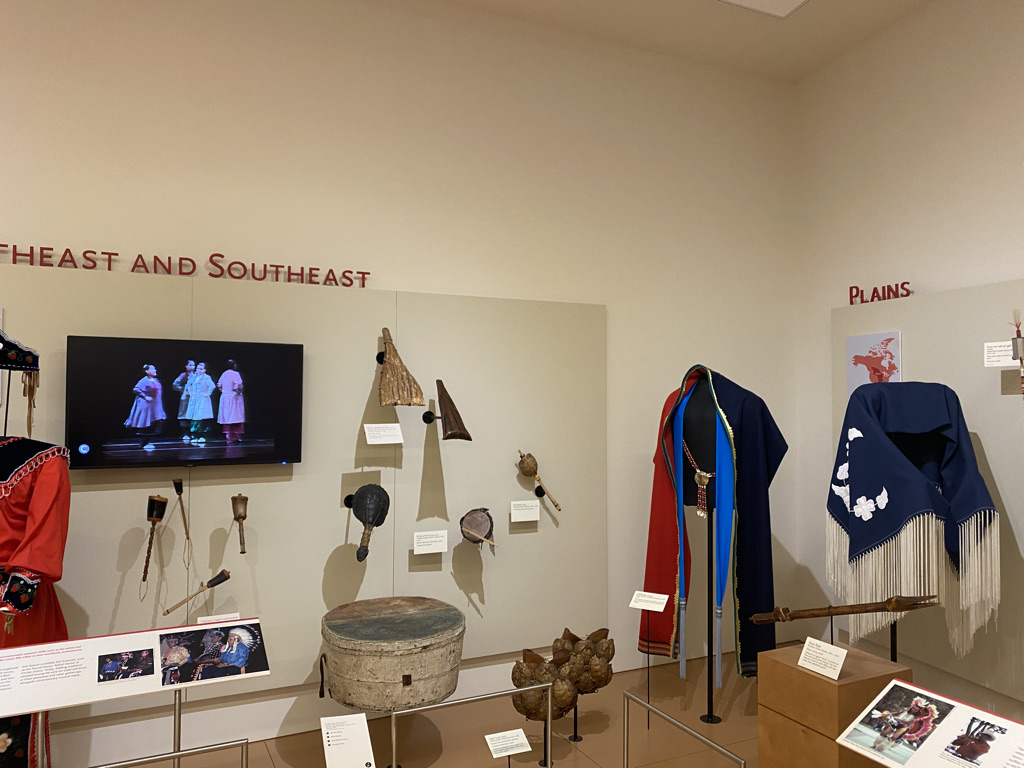
Each county’s exhibit contains videos of popular songs, performances or dance rituals in their country, as well as artifacts of instruments past and present.

Coming out of a very isolating year, with the COVID-19 pandemic, it is hard not to get emotional at some of these exhibits. While the venues vary, especially from poorer countries to richer countries, music seems to be a means by which people gather together and have fun. Many of the videos show people doing ritualistic dances together or performing in front of a large audience. It is exactly everything the world has been missing as many have been forced to “social distance” for a year or more. Seeing people gathered together and enjoying music is seeing exactly what the world needs and exactly what the world is craving.

It was also interesting to note that even the poorest of countries have musical traditions. Pure logic would dictate that in places where people live in extreme poverty, where their basic needs for food, water and shelter are not secure, people should spend every last bit of their time and resources trying to fill these needs. Even in these places, people are willing to use natural resources to build drums rather than secure their fragile homes or build weapons to hunt food. They are willing to expend energy that could be used to build, hunt, and prepare food, water and shelter dancing and even making costumes for some rituals.

It shows that no matter how much some people emphasize things like advancement, monetization and efficiency, there is an intrinsic value in things that don’t specifically correspond to money or material wealth. People in wealthy countries are willing to spend their money on concert tickets and streaming services. People in poorer countries are willing to use their resources to play music and dance in their communities. Both represent people using resources that could be used for personal advancement or obtaining something material on an experience that makes life joyous. The same could be said for all kinds of other experiences, from spiritual pursuits to sports and other activities with friends. Humanity shows, over and over again that joy, connection and fulfillment are valuable.

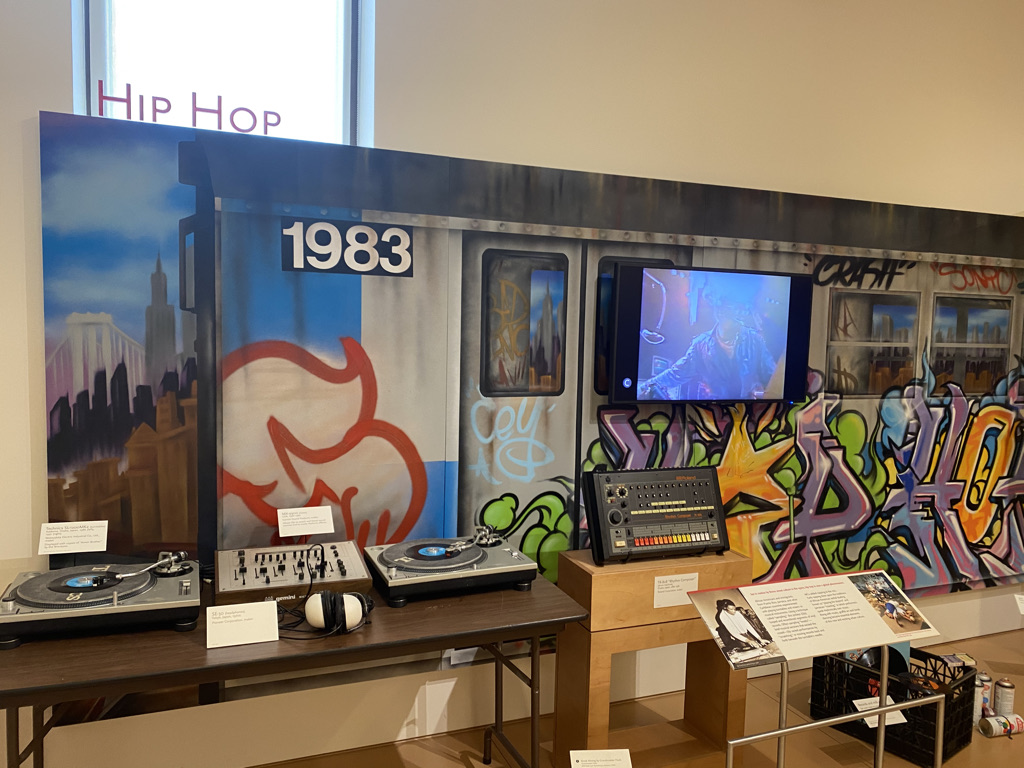
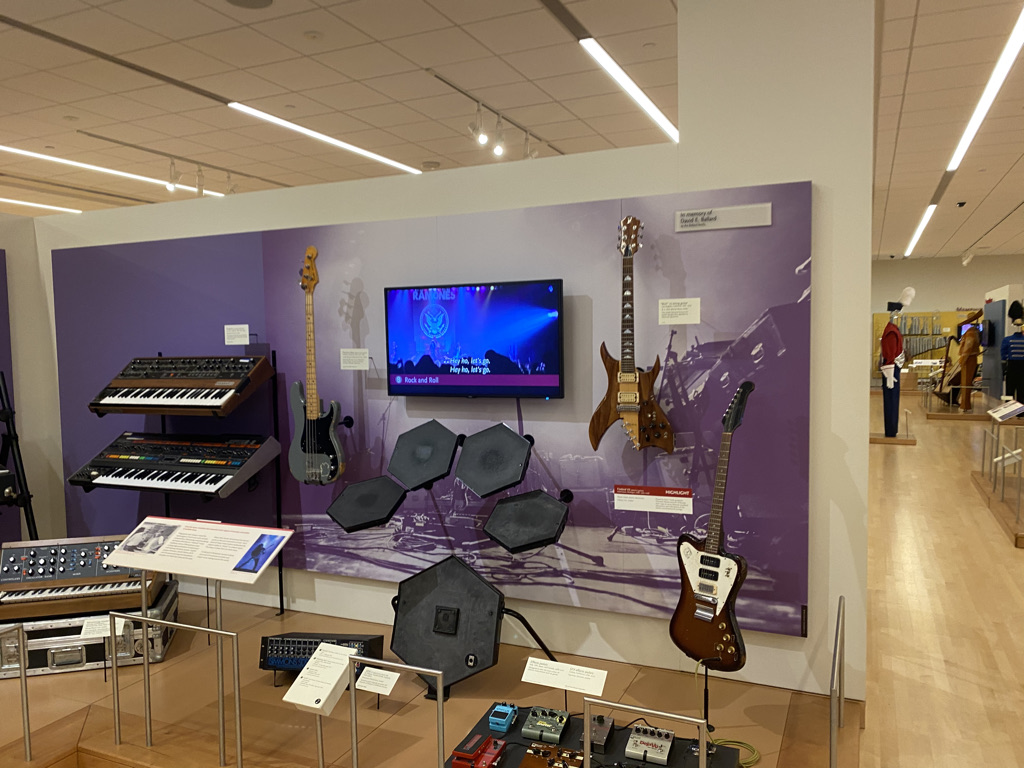
The United States and Canada section is quite diverse, honoring all of the musical traditions that graced this diverse continent, from the Native American traditions all the way up to rock and roll and hip hop.

It was great to see that all traditions were represented, seemingly without bias.

To view all of the videos and learn about all of the musical traditions around the world would probably warrant an entire day. However, it is possible to get a pretty in-depth experience in a couple of hours. By displaying the music traditions of all people all over the world, the Musical Instrument Museum gives the true respect music deserves for its role in shaping humanity.

The Best of Southeast Utah

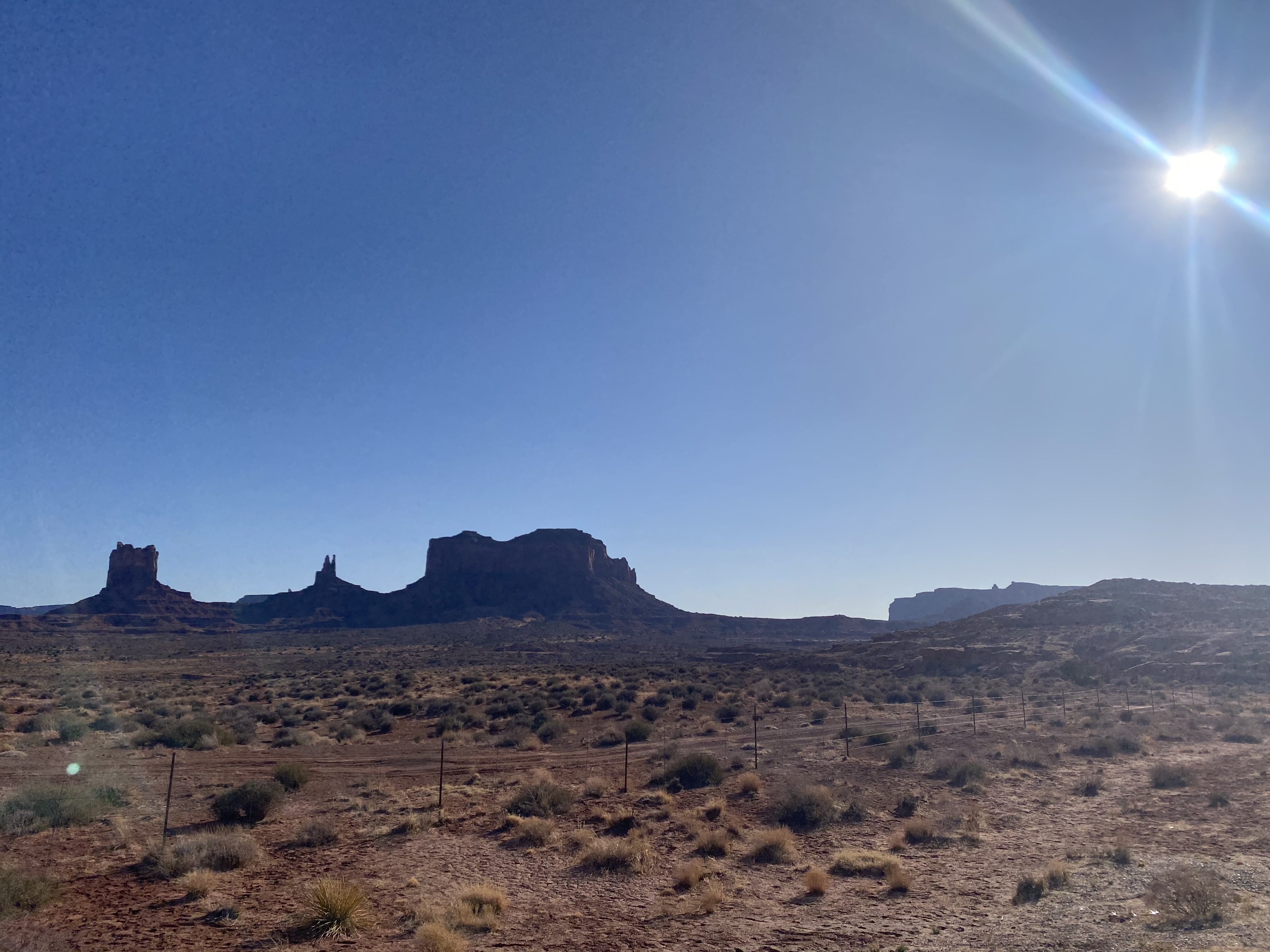
Monument Valley from 2 miles south

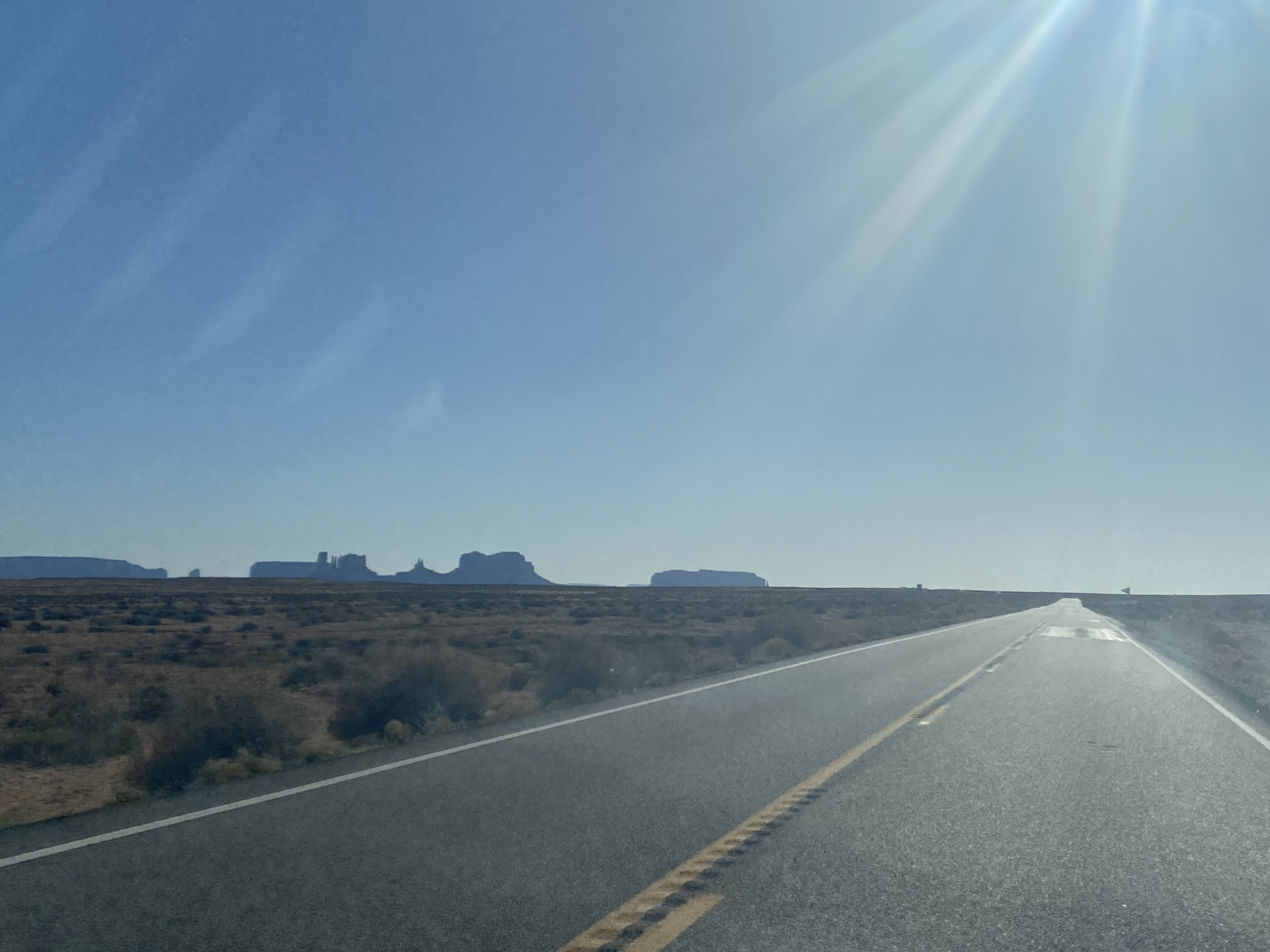
Monument Valley is the quintessential image associated with The American West. Perhaps because of how frequently it has appeared in films, particularly westerns, it is quite difficult to look at this grouping of red rock formations without imagining cowboys riding horses across the landscape.

Despite the fact that the natural processes associated with its formation are culturally agnostic, and the fact that the monument sits on the Navajo Indian Reservation, these rocks have become forever associated with the culture of the American West. The fact that the first music video that pops into my head when I think of Monument Valley is by a German Band, the Scorpions, does not even seem to temper that association. Every American hard rock song feels like it fits in perfectly with this landscape.

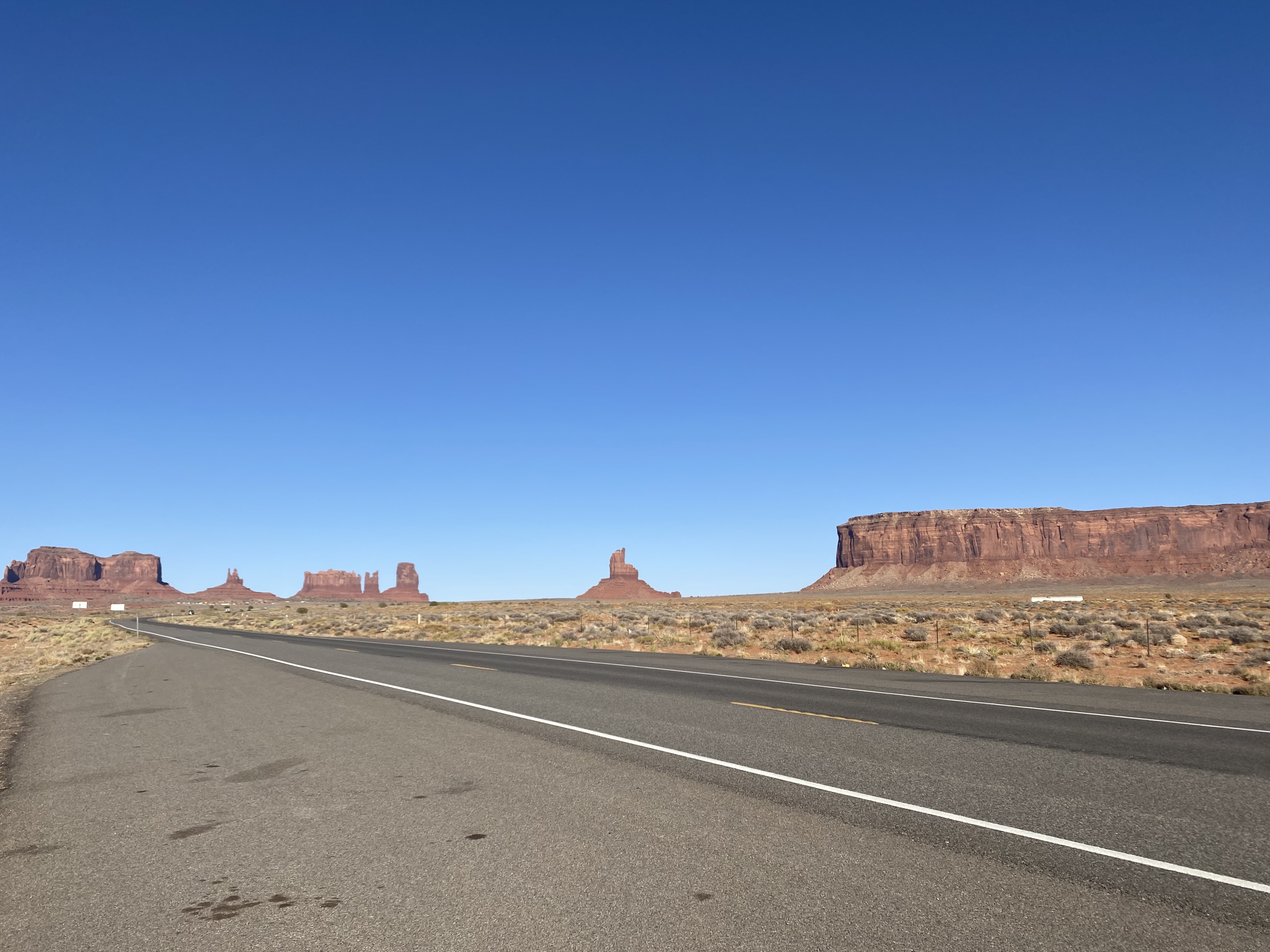
Speaking of the landscape, Monument Valley is one of those places with a command of the landscape for miles away. Particularly approaching from the north (or northeast as that is where the highways are), it can be seen from some 50 miles away.

The interesting thing about Monument Valley is how different it can appear on either side of the monument. In the afternoon, the north (northeast) side has a much different appearance than the view from the south, which represents the standard iconic view of the feature, with the sun shining on it.

How this specific iconic set of rocks became associate with 19th century American pioneers on horseback, and the enduring culture and ethos of the Interior American West is probably a challenging question to answer. Yet, it is most certainly the repetition of this association throughout culture and media that makes people living some half a century or more after all of these films were produced continue to feel a certain feeling when they gaze upon this monument. It is hard to imagine a better example of how repetition creates and perpetuates and association than this one. I am truly curious about what the Navajo Nation thinks of it.

The strange thing is that this association has lead me to think of gold prospectors, cowboys on horseback, shootouts and such at other places with a similar feel. Like most naturally occurring features, Monument Valley is not the only place where the natural processes that created these features occured.

The rock formations about 160 miles to the Northeast, outside of Moab, Utah, take on a very similar feel. It almost feels as if any movie or music video filmed at Monument Valley could have just as easily been filmed here to the same effect.

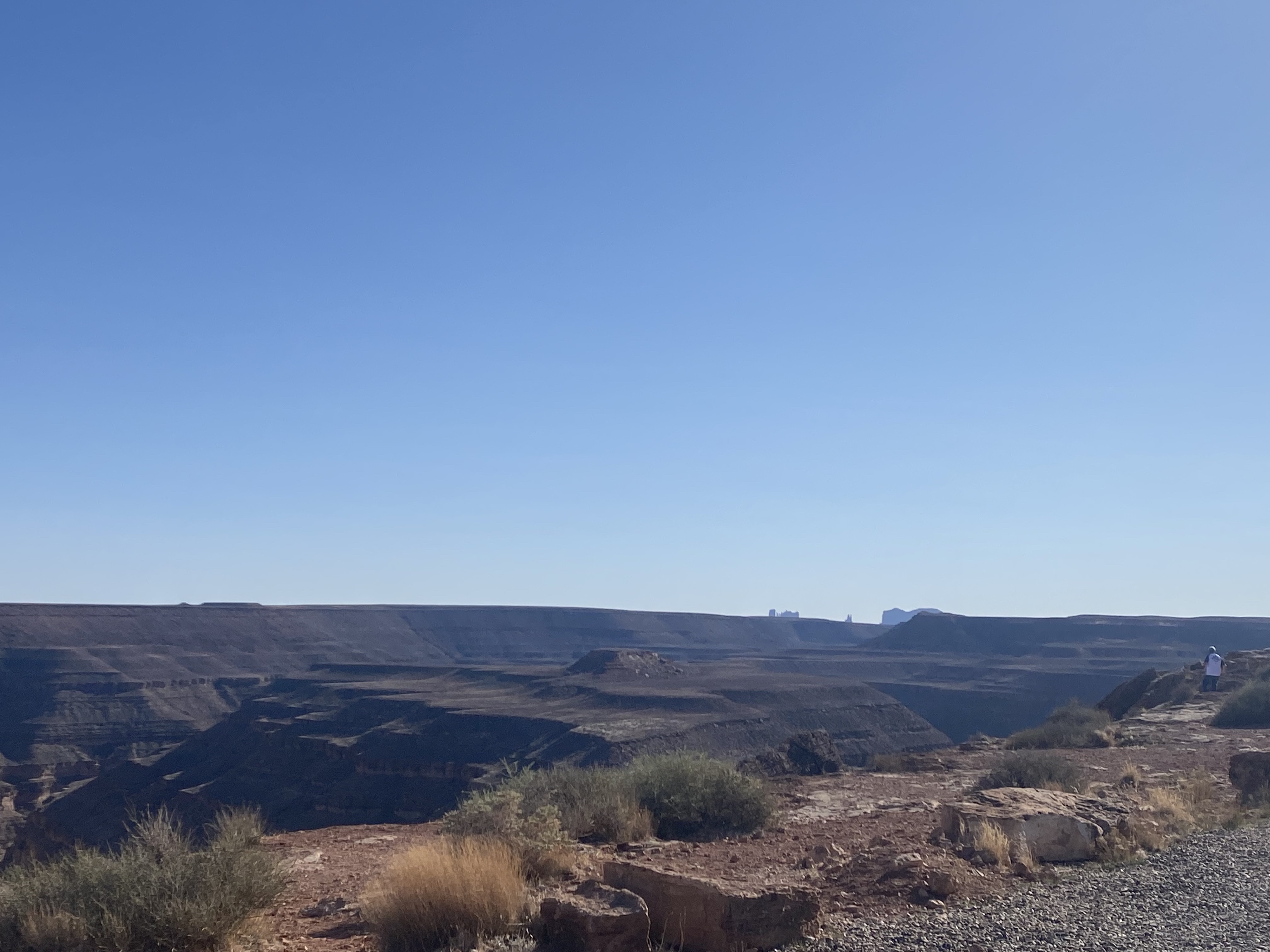
It would be a huge missed opportunity to visit Monument Valley without also visiting Goosenecks State Park, only about 30 miles away.

This is another spot that is photographed quite frequently. Unlike Monument Valley, it seems to have a stronger association with that which is current about the American West; tourism, outdoor adventures, and, of course, the search for the perfect instagram photo.

Visitors to the park can also see Monument Valley from a distance.

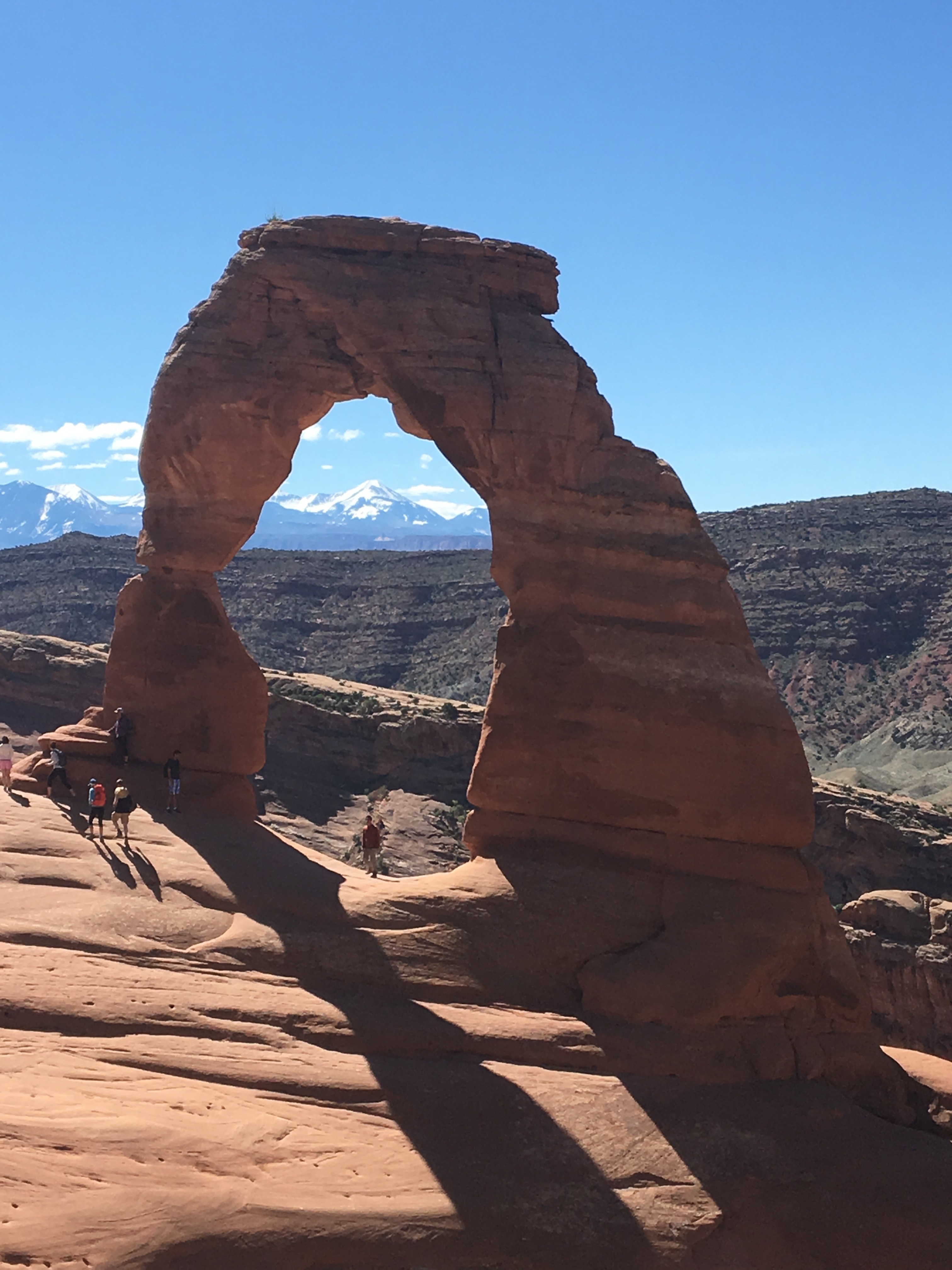
I had previously visited Arches National Park, traveling to the most iconic of the arches.

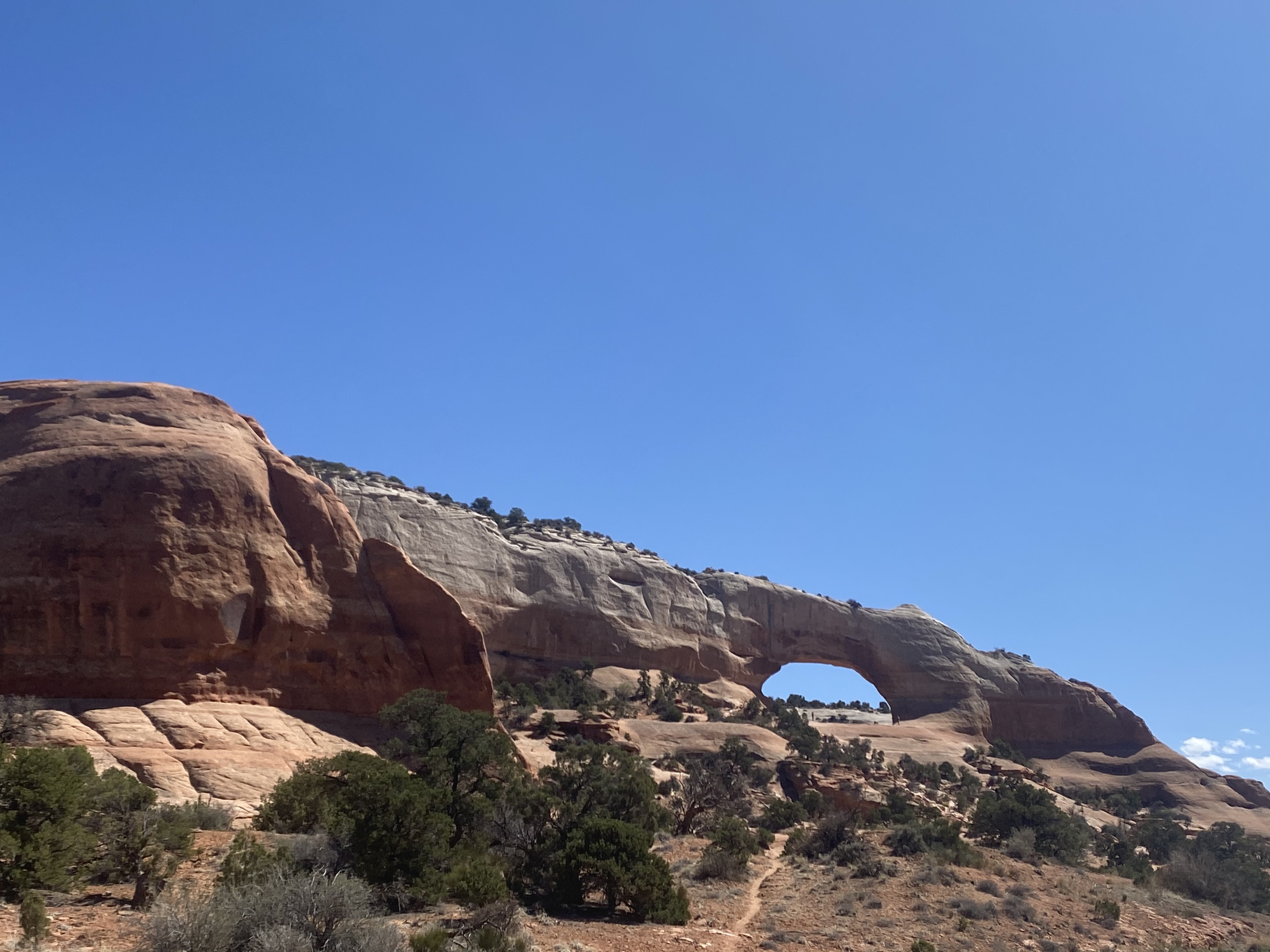
On that trip, I had failed to realize that just a half an hour south on highway 191, it is possible to see one of these arches without ever leaving the highway.

Like any other place in the West, Southeast Utah has places that are underrated, not trying to be noticed.

And places trying to get people to stop that don’t make much sense.

It’s unique natural features connect the past to the present, activate the imagination and provide experiences that are indicative of Western North America as a whole, yet unique to the specific location.

What I Want From My Summer 2021

I am not sure how to describe the emotional feeling of coming out of one of the toughest winters we’ve ever experienced.

When the third wave of the coronavirus brought on new restrictions last November I knew this would be some sort of “winter of despair” as we waited for the vaccines to be produced and distributed. I managed to maintain some level of sanity by skiing and going all in on a new initiative.

Yet, hearing an Avicii song on Spotify a week ago made me emotional in a way I find hard to describe. The lyrics reminded me of the beauty life has the potential to be if only we were to stop wasting time on that which is meaningless, without soul, and all those unnecessary sources of distraction and stress.

Once upon a younger year
When all our shadows disappeared
The animals inside came out to play
Went face to face with all our fears
Learned our lessons through the tears
Made memories we knew would never fade

Almost instantly, likely due to the combination of the music and warmer weather, a different setting entered my mind. It was not of a real place, but of a place that is not completely out of the realm of possibilities.

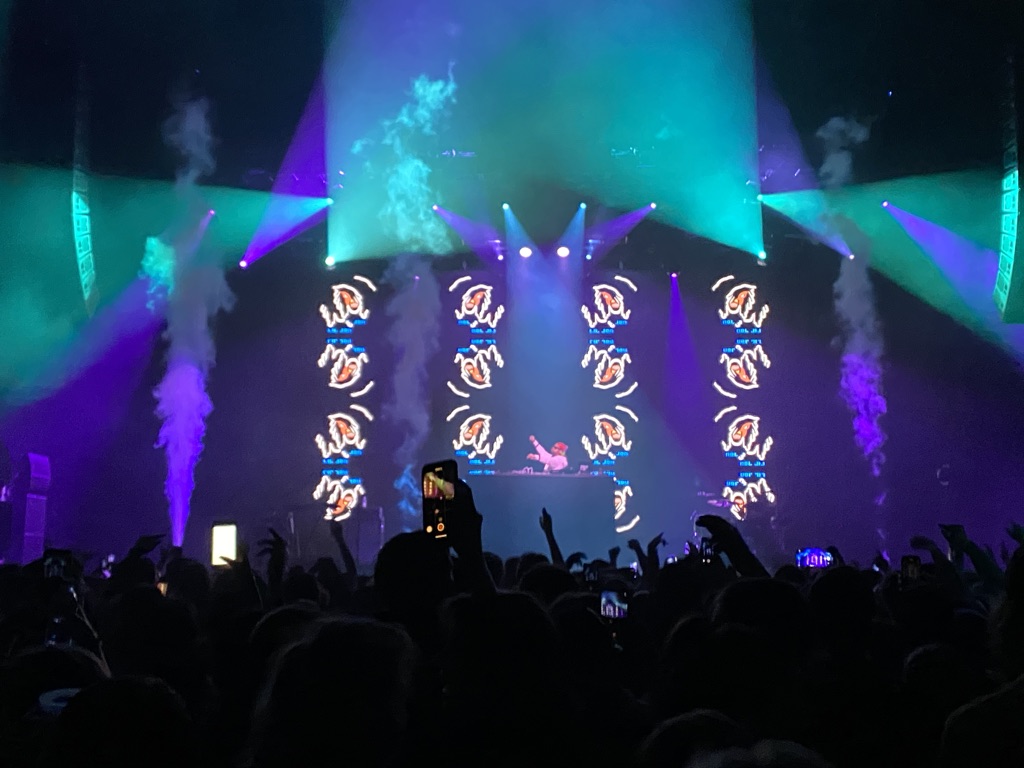
It was a place with beautiful sandy beaches, DJs and dancing, where people were truly present. People laughed. They cried. They interacted with each other. It wasn’t without conflict, but it was without all of the conflicts that many of us have been so preoccupied by over the past several years.

Maybe this sudden burst of imagination is just the result of what people this year are referring to as “Zoom Fatigue“, or simply too much time spent alone, indoors in front of a screen. Maybe it’s just me idiotically longing for a younger year where I can make memories that will last a lifetime. Or maybe it is secretly what we are all longing for after a year of restrictions, fear and isolation.
As the weather continues to warm up and many of the activities we have been denied for a little over a year now return, what I want from this summer is close to the exact opposite of what most of the past year was.

I want to get out from behind a computer (or phone) screen and connect with the world.

I want to explore places, beautiful places, either with the windows down or on a bicycle, where I can smell the trees and feel the air flow.

I want to gather with people, both familiar and unfamiliar, listen, laugh, talk, be heard, smile, try new things and make memories.

I want to feel truly alive and witness others feeling truly alive.

I want to dance, not as if nobody is watching me, but like it doesn’t matter who is watching me. After all, it doesn’t. All that matters is that the people dancing poorly are enjoying themselves more than the people laughing at them.

I want to throw away all that made us distrust one another, socially distance and hide our true selves, both from others and from ourselves.

I want to silence the voices telling me I need to change or hide parts of who I am.

I want to stop holding back.

I want the feeling of smiling at a stranger and SEEING THEM SMILE BACK.

And, this time, after the events of 2020 exasperated the problems of distrust, division, isolation, excessive screen time and victimhood mentality that were already present in our culture, I want to appreciate what is in front of me. I want to take this extended year of excessive restrictions as a lesson for us all to live in the here and now and stop focusing so much on the negative sides of things.

One thing I feel a lot of us, myself included, failed to appreciate before it was gone, is community. I imagine today that nearly all people have experienced life both with and without community. School naturally becomes a community and we have all lived through this pandemic.

When we did have community:

Could we have perhaps spent a little too much time focused on that one person in our social circle that we don’t particularly vibe with?

Did we possibly lament, too often, the times when we had to compromise on what we wanted to do because most other people in the group had different preferences?

Could too much thought have gone into that one conversation topic we were sick of hearing?

Were we too focused on what makes us different from those around us, and how our unique perspective needed to be appreciated more?

I know I feel I had made those mistakes. The past year has certainly reminded me, and hopefully others that it is better to have a community with the above frustrations than none at all. It feels like enough people feel that loneliness has become a major problem that some form of community will be built in the aftermath of this year of isolation.

Hopefully our favorite activities and freedoms come back soon. Hopefully, we also improve our communities.

When we do so, and start having the moments that make life truly worthwhile, the ones we will never forget, let’s truly immerse ourselves in those experiences.

Here’s to a better summer and a post-pandemic life with more of what makes life worthwile.

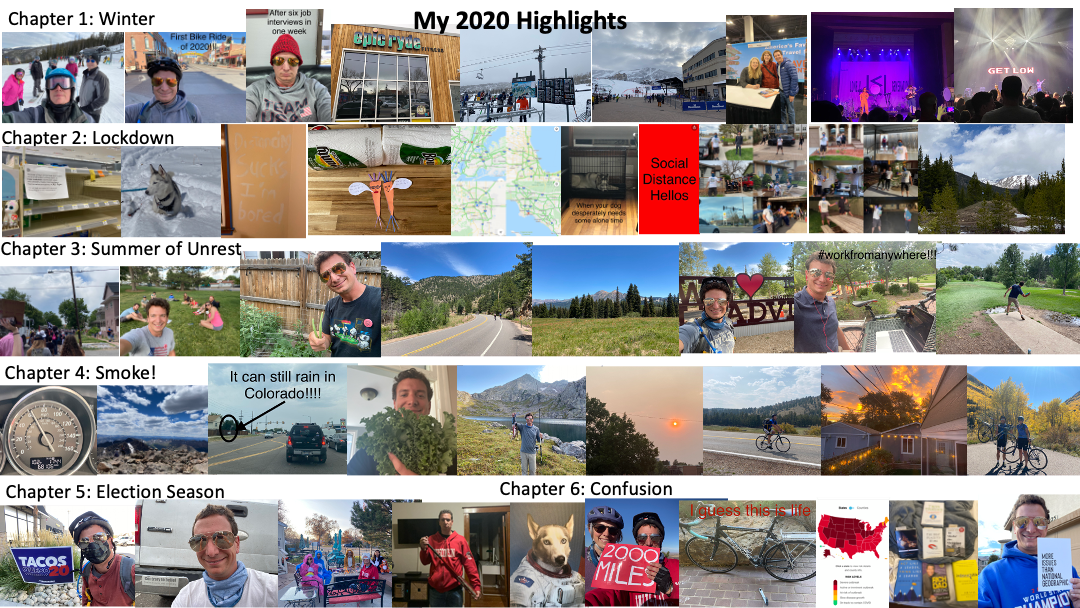
Five Percent Better After An Extremely Annoying Year: My 2020 Story

My highlights from 2020

2020 was a tough year to have a lot of travel experiences to write about. Like many, I spent a good part of the year trying to find the right balance between my social responsibility to avoid any potential spreading of the virus and my mental health needs. Spending too much time at home can be distressing for almost anyone. For me, an extrovert who loves to travel, it was especially rough.

For a variety of reasons, 2020 turned out to be an extremely annoying year. In 2019, as a decade came to an end, I took stock of our culture and current challenges. Three of our key societal issues would become an even bigger issue as a result of all the events of 2020.

  1. For the sake of our physical and mental health, it felt obvious that we needed to spend less time alone, indoors and seated. If anyone managed to spend less time alone, indoors and seated in 2020, well, I would seriously like to meet you!
  2. With the nastiness and divisiveness of our political culture, I seriously felt like we needed less politics in our lives, particularly identity politics (usually about race, age, gender and economic status). In 2019, I was proud to say to anyone that brought up the 2020 election that I had personally decided I would only think about the 2020 election in the year 2020.
  3. It seemed obvious that our culture was too risk averse. In 2019 I told people that if there is a scale from 0 to 100, with 0 being taking no risks on anything and 100 being constantly taking over the top risks like the main character in Uncut Gems, the ideal state is 50. Our culture seems to default us to somewhere like 25 or 30.

2020 would force us not to gather in large groups.

Cheesman Park in April 2020

Close many of the establishment where we would gather.

The main Inn in Redcliff, CO in May 2020

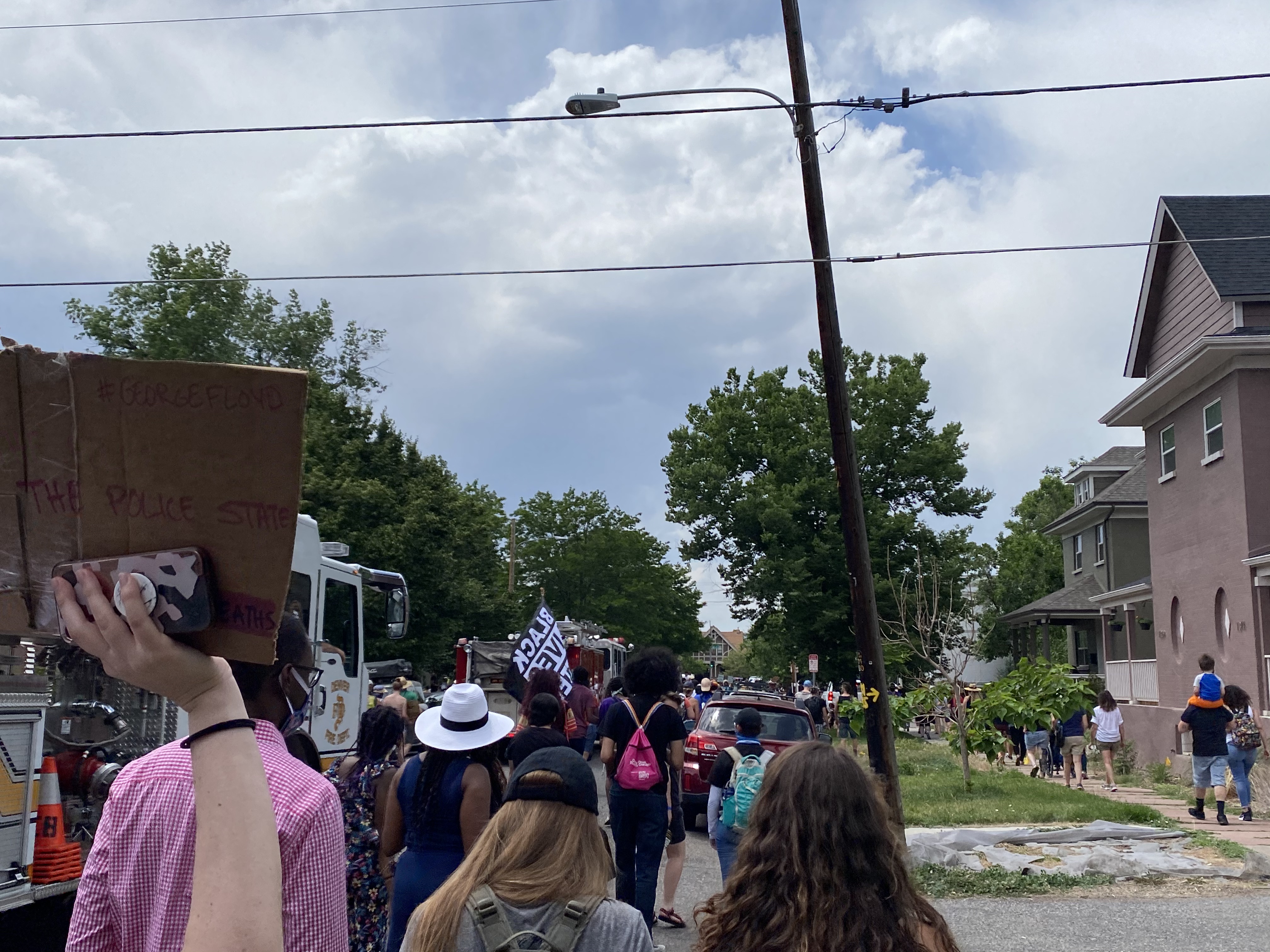
Force us to often stay home alone looking at social media, and place a greater emphasis on both identity politics and avoiding risk.

A June protest in Denver, CO

I struggled not to fall into dispair.

I went through four of these between March and June

I got myself through by imagining how we will come out of this better.

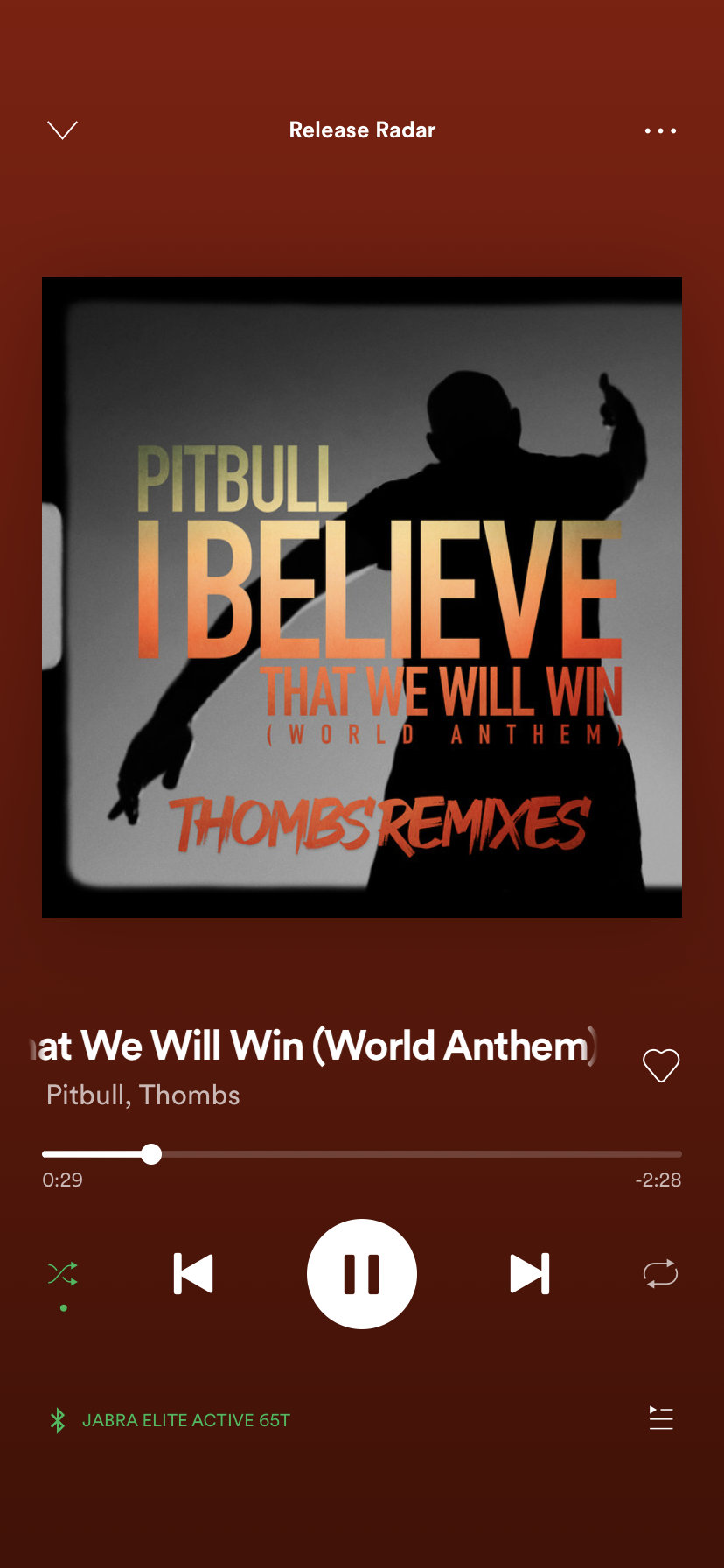
I took a lot of screen shots of my songs on Spotify this year

I started to imagine a future world where work is less oppressive. One morning in September I woke up with all kinds of ideas in my head.

I imagined a world where we rediscovered the importance of friendships and community. I imagined that, with concerns about health, and our loved ones, we would prioritize the things that really matter. No longer would anyone be asked to come into work when feeling sick.

With a lot of stuff cancelled or shut down, and large groups discouraged, I embraced more 1-on-1 meetups with people, cultivating better relationships. Slowing down also allowed me to connect to a more spiritual side, through things like meditation. This all culminated with the spiritual experience I had on an August backpacking trip.

Since then, I have never felt more clear about who I am and my purpose in life.

I am also ending the year with a better job, better financial position and I actually managed to lose weight during the pandemic. Perhaps there really is something to cooking rather than eating out.

Still, I certainly could have done better with all the spare time I had this year. Looking back on 2020, there were three things that occupied too much of my time, preventing me from making even more progress.

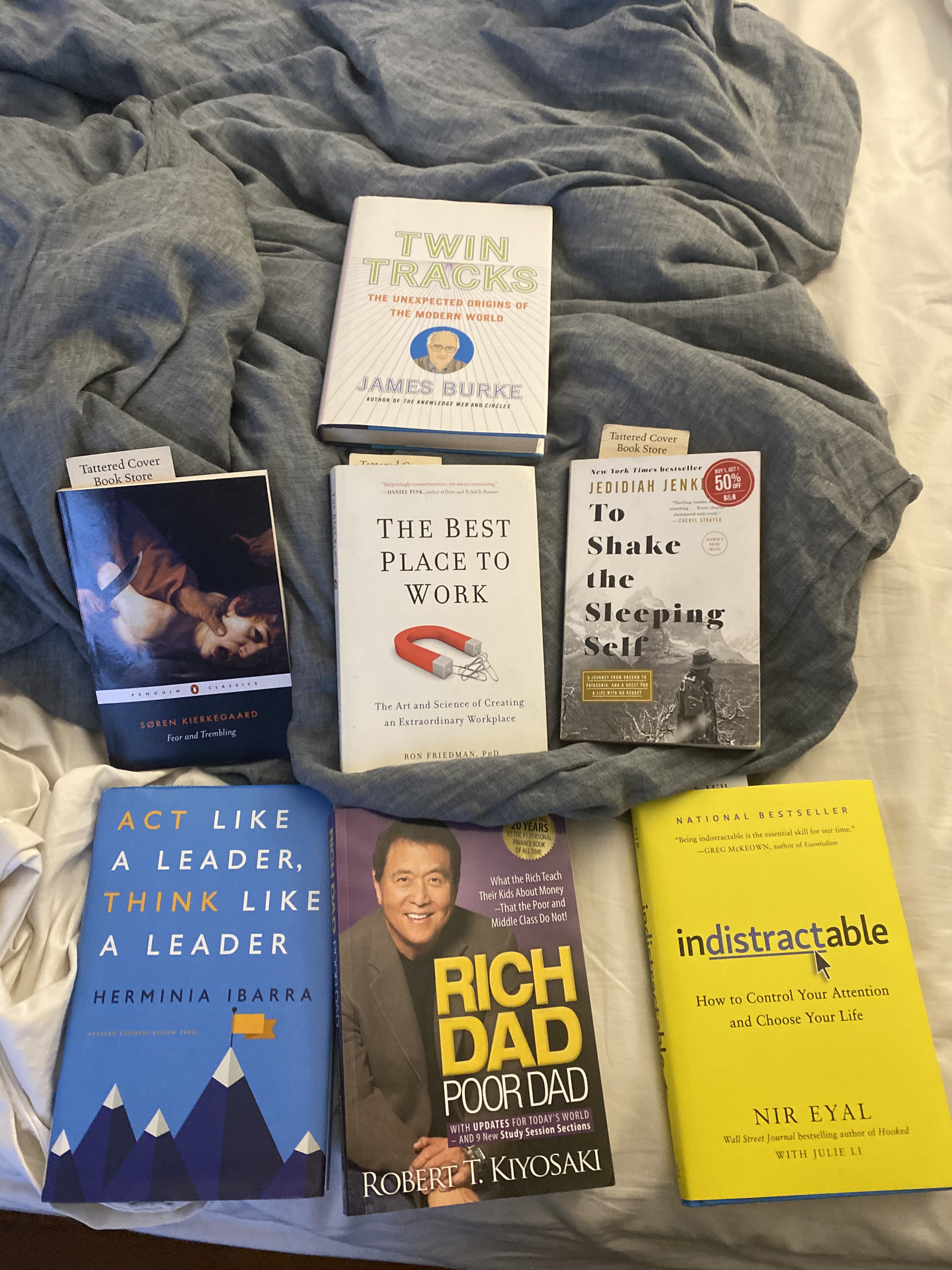
  1. Drinking while watching television: Drinking can be a great social activity, but drinking in front of the television is not the greatest use of time. While stuck at home, it is far more productive to read. I could have finished all these books!

2. Scrolling on my phone: My screen time was up again, some weeks I averaged close to three hours per day

3. Overthinking: Sometimes you have to just make decisions and stop worrying about all the factors and what could potentially be better.

In 2021, we will be ready to move on, hopefully not back to the world as it was prior to the pandemic, but to something new, something that produces a happier overall human experience. When the vaccines get distributed and we re-engage in many of the activities we previously took part in, like travel, concerts and nights out at the bar, hopefully we take the lessons learned from all this, particularly about health, community and priorities into our new lives. I am under no impression that 2021 is going to be easy. On the contrary, through this and my many other endeavors, I plan to work hard in 2021 to ensure I at least have an input into what our world will look like moving forward.

Going Great; Going Poorly

I was riding my bike on a 76 degree (26°C) day in November , a day which tied a previous record high (November 17, 2020).

By early afternoon I was riding home but still 20 miles away. All of a sudden I heard the sound of a light piece of metal hit the road. Before I could react, my pedal was no longer attached to my bicycle.

I had to slowly brake without putting myself in danger. I walked 1.8 miles (2.9 km) to what appeared to be the nearest bike shop. The place was empty. Research would show that this was a new business that had yet to fully occupy that address.

What to feel?

When you’re lucky enough to be able to spend a day like this outside, it is hard to feel too sad. Sure, I was sitting in a suburban parking lot waiting to get a ride to another bike shop. The air temperature and the sky were perfect, though. It’s hard to imagine getting better sun in mid-November.

The first 20 days of November has been unprecedentedly warm, almost 8°F (4.5°C) above average. At a time of year when people are typically forced indoors, as it becomes increasingly cold, dark and cloudy, nature has provided the opportunity for abundant adventure!

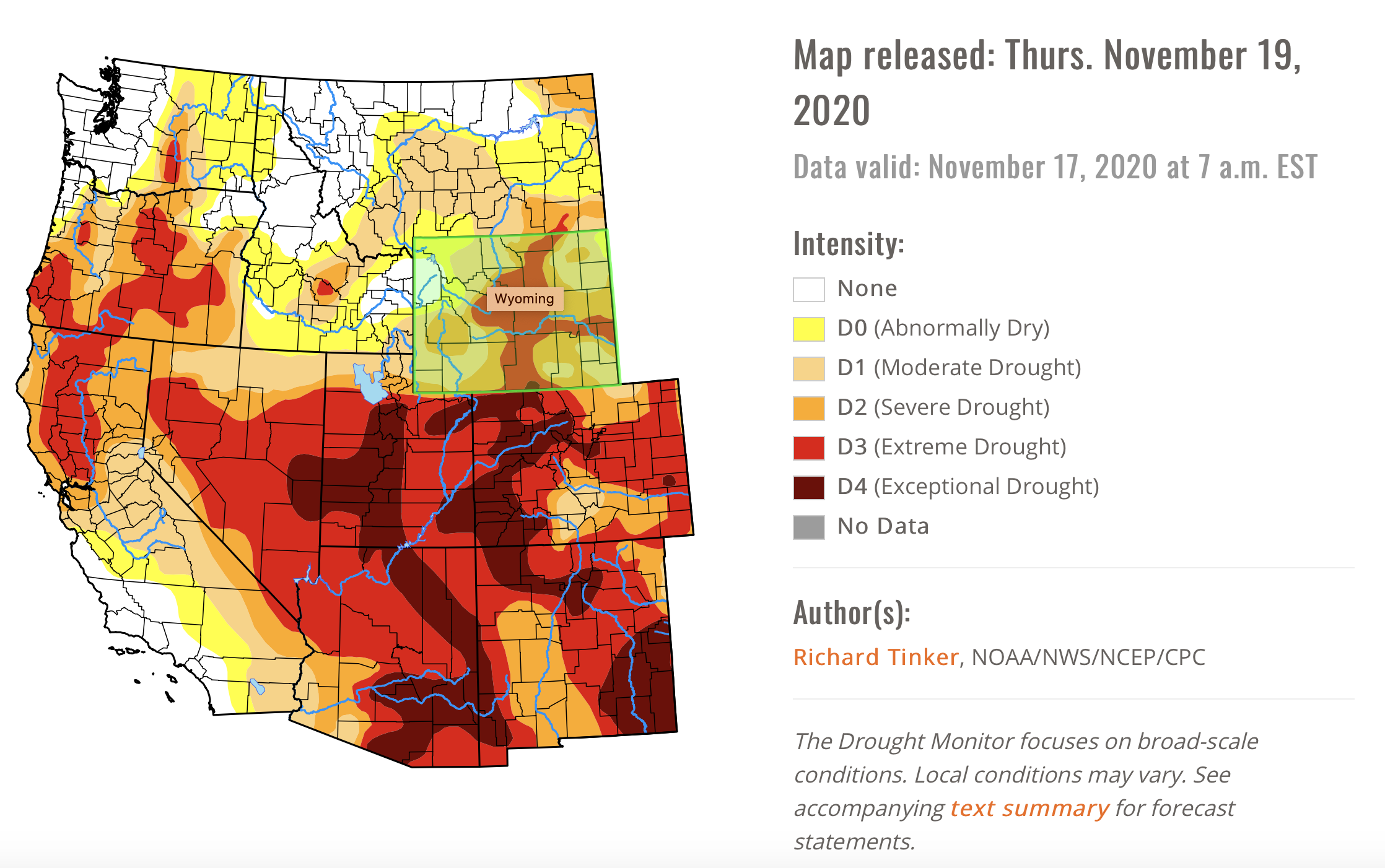
Yet, this very same weather pattern, which has been around for several months, has lead to a drought across much of the western United States.

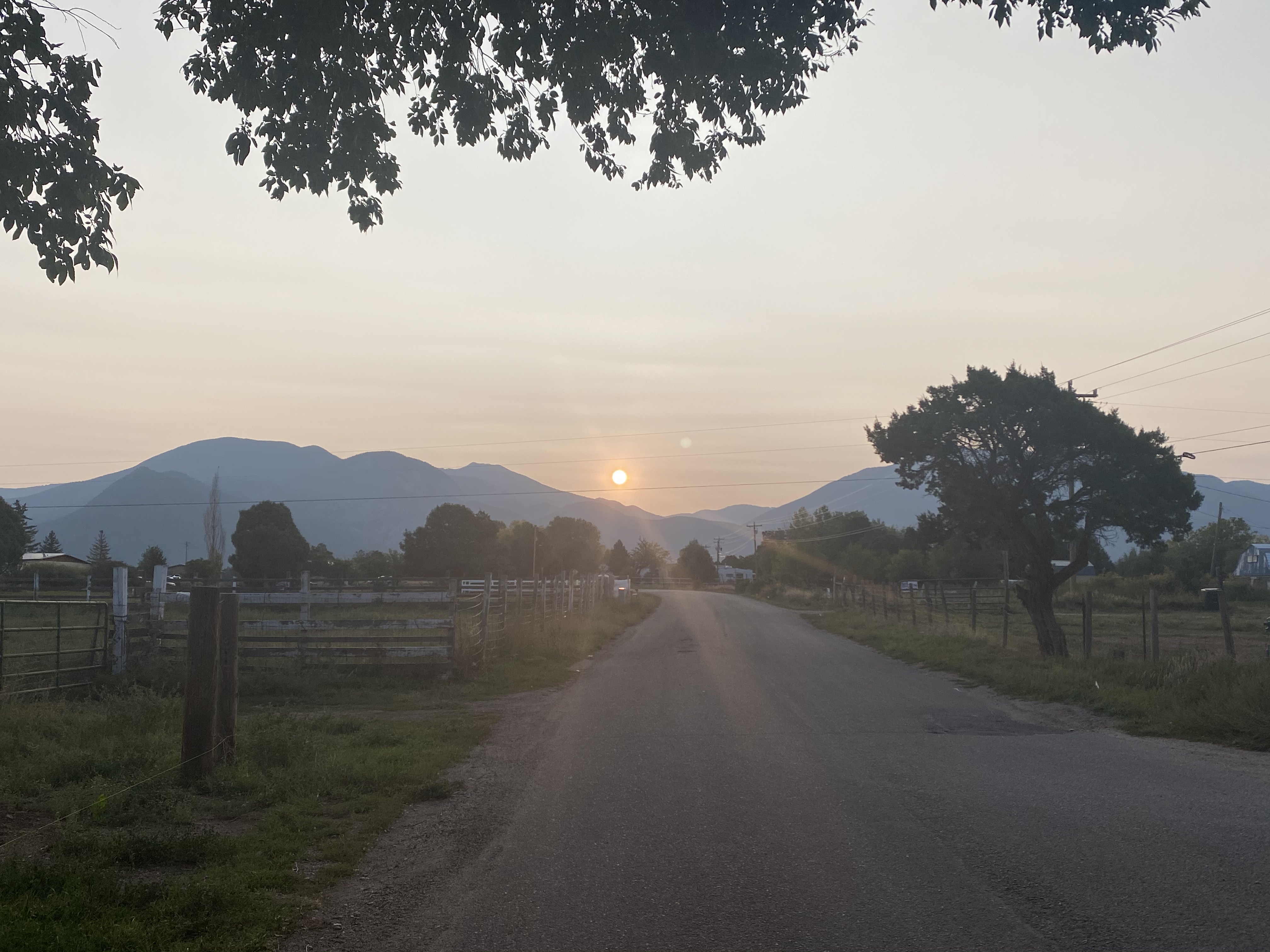
Each warm dry day in the mountains was a great day for many. Yet, each one of those warm dry days took us one step closer to wildfires so powerful and destructive they could be seen 60 miles (96 km) away!

This particular fire lead to people having to flee their homes in panic!

The very nature of existence seems to always mix the good with the bad. Life has so many components to it, it is hard to look at a specific person or find a specific period of time and not see both positives and negatives. Some of the years when my career was truly going nowhere were also the years I had some of my best travel adventures. This year has featured a lot less travel than I would prefer, but with work I can do remotely, and a recent change in outlook on money, my financial position has improved. Between our homes, careers, social circles, relationships, adventures and hobbies, likely 90% of all people are doing great in some respects and doing poorly in others.

In my home country, November 2020 has become an exaggerated demonstration of this very phenomenon. Every week more progress is reported about the development of vaccines to finally end the COVID crisis.

There is hope it could be distributed in time to make all of our summertime activities possible! Yet, the current situation is dire. The case numbers are spiking, hospitals are running out of beds and staff and people are dying. Many states are reimposing restrictions and lockdowns. We are preparing for a dark kind of winter of despair.

Meanwhile, we are coming off an election whose results gave pretty much everyone, across the spectrum of ideologies, something to love and something to hate.

In truth, almost everything has a component to it that is good and a component that is bad. Tough situations have the potential to lead to personal growth and innovation. Even wars are often credited with scientific and technological progress. Meanwhile, many who had a comfortable and sheltered upbringing are entering the world without the skills to cope with adversity. Maybe one of the lessons 2020 is trying to teach us is that we need to be far less quick to assess things with a broad brushstroke as good or bad. As we realize things like the limitations in using GDP as a measure of success, we accept a more nuanced view of what is in front of us.

The Rio Grande Trail: Basalt to Aspen

The name of this trail is puzzling. According the the trail’s website, this 42 mile trail, which connects Glenwood Springs to Aspen, was named after the Rio Grande Western Railroad, which ran along these tracks until it was decommissioned in the 1990s.

Most visitors to the area are not aware of this history. We just see that the trail is named the Rio Grande Trail despite the fact that the river it follows is the Roaring Fork. The Rio Grande is not only well known for marking the U.S./ Mexico border in Texas, but it also has its origins in Colorado, not too far away.

That being said, on the first of October, it still made for one of the most breathtaking bike rides one could ever hope for.

I absolutely love the town of Basalt!

Every visit I have ever had to this town has been incredible! It never feels crowded like a major tourist destination, but there is also never a shortage of things to do or basic resources. I have never had a bad meal in this town, and the two rivers that come together, the Frying Pan and the Roaring Fork are your quintessential free spirited mountain rivers!

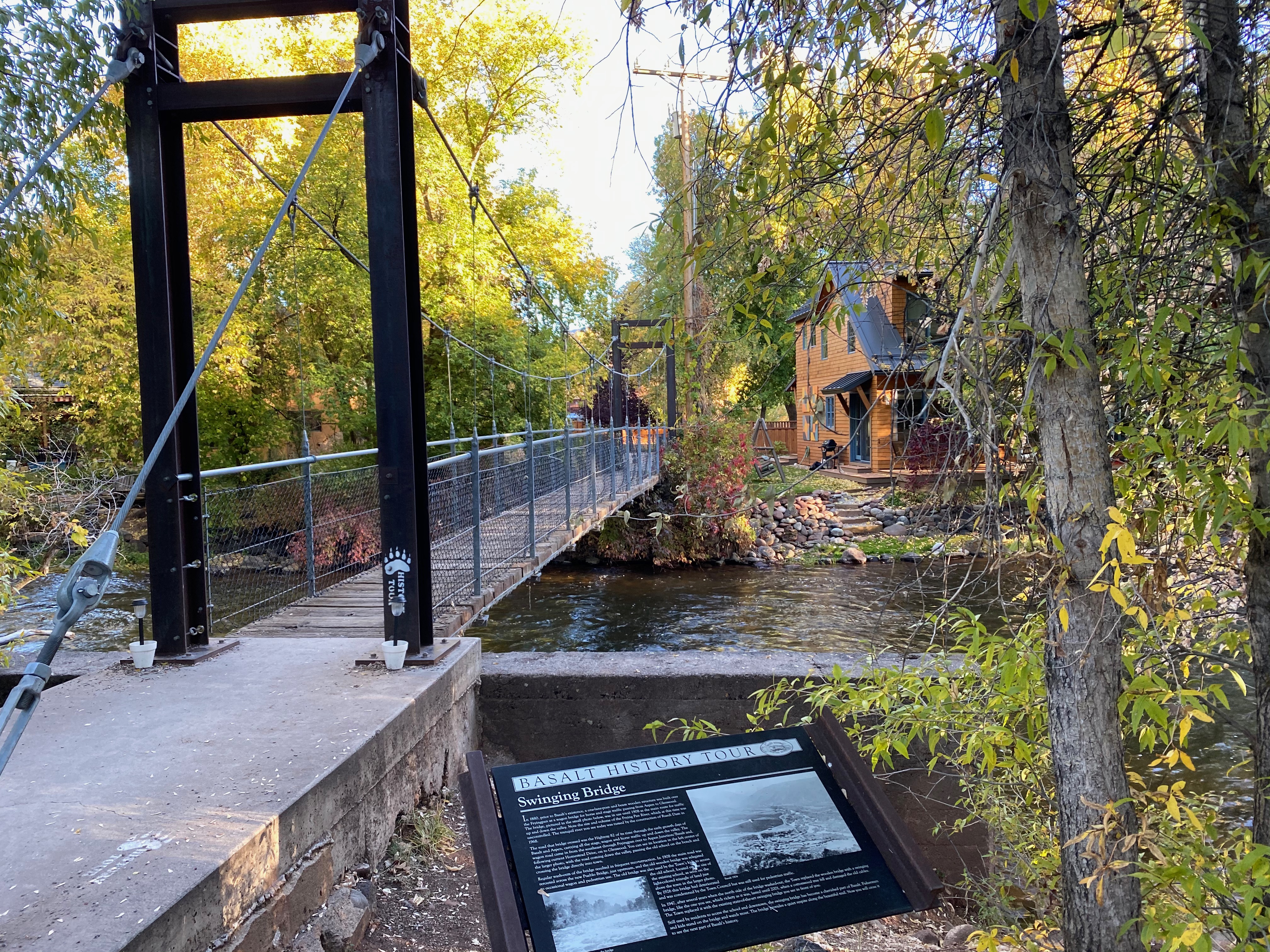
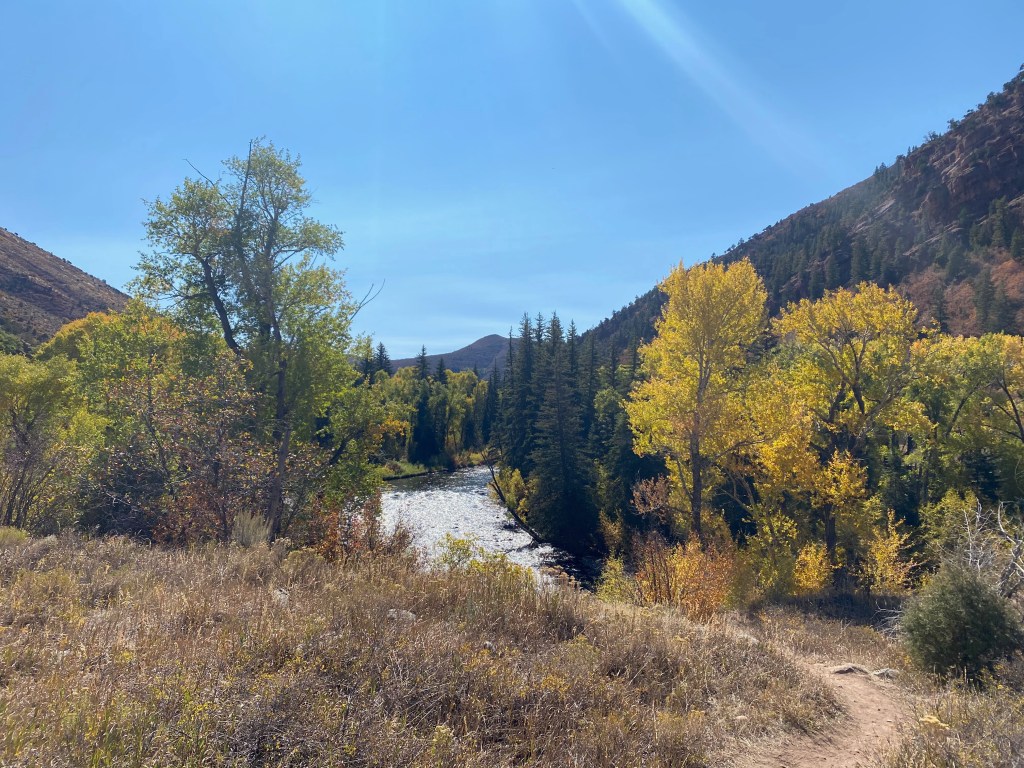
The ride from Basalt to Aspen is beautiful right from the start, especially on the first of October, with the fall colors at their peak.

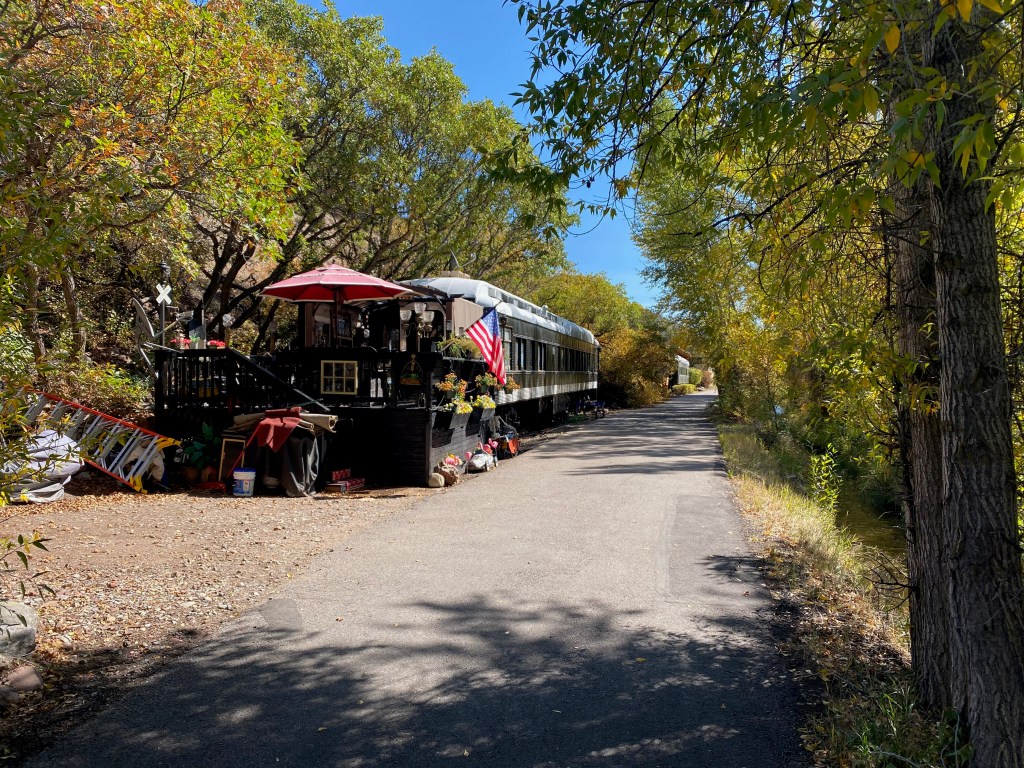
It is the kind of trail that has something for everyone. In the middle part of the ride, you’ll encounter a restaurant built in one of the old train cars used when this trail was a railroad.

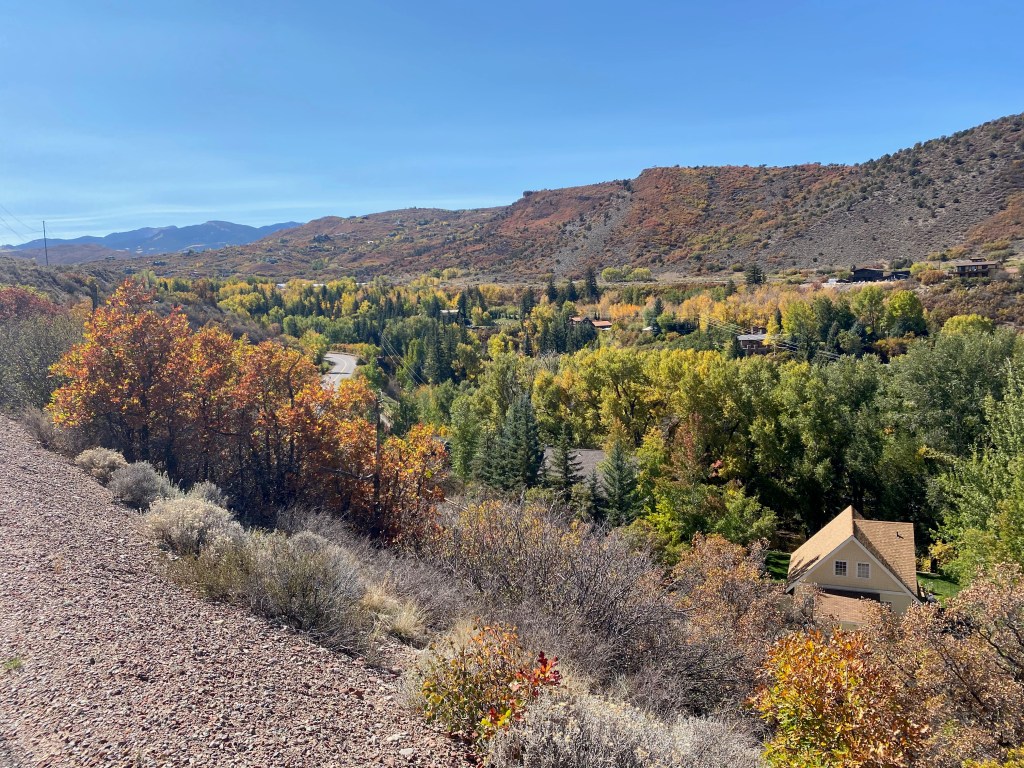
It overlooks several small villages.

The trail is mostly straight, but it makes a timely curve to give cyclists a direct view of Snowmass Village, one of the highest rated ski resorts in the state.

I also absolutely love the fact that the trail does not follow right beside the highway, usually traversing on the other side of the river from highway 82. There are many bike trails that travel right alongside a major highway. Here, cyclists enjoy the trail without the sounds of the busy highway. Additionally, those that have already driven the road see the area from a different perspective.

The mile markers are consistent, with one every half mile.

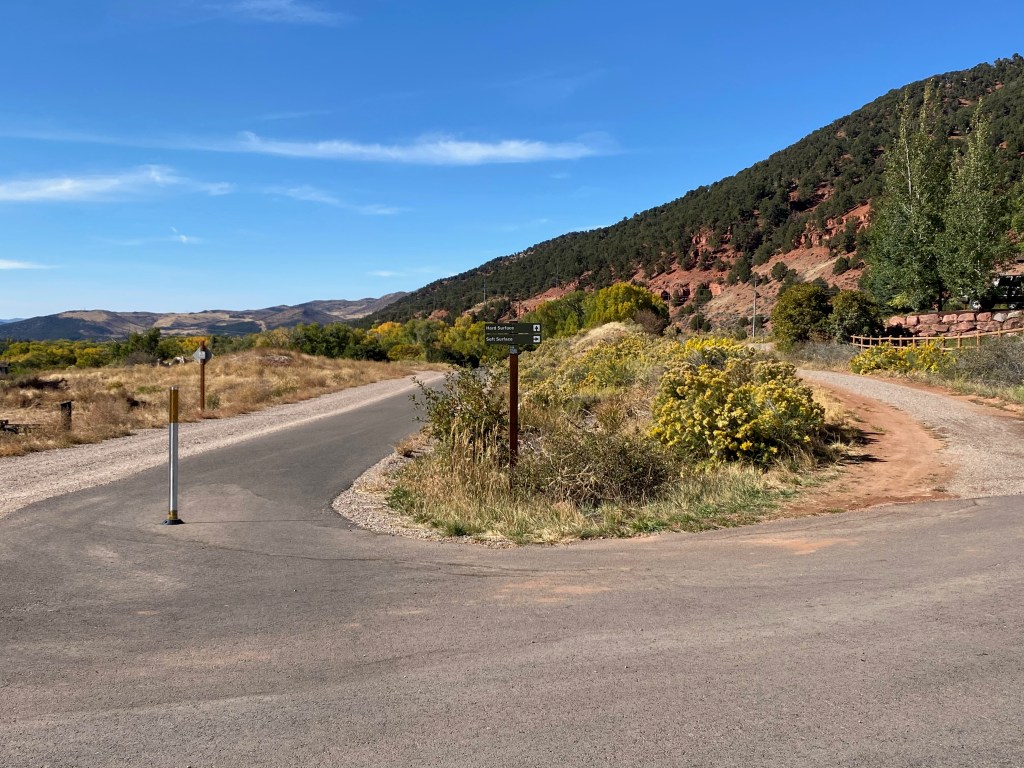
And, there are even parts of the trail where riders can chose a hard surface or a soft surface option.

Closer to Aspen there is an unpaved section that lasts about three miles.

Since it is hard packed and this section is flat, any kind of bike should be able to pass through with little problem. Oddly enough, my favorite experience of the ride was in this unpaved section.

This mini waterfall reminded me of a scene in the movie Cars, where the main character is taken to a similar feature. He is told that before the interstates were built all travelers would pass by this waterfall, but travelers now miss out on this beautiful experience in order to save 10 minutes. The scene, and in some ways the entire movie, was making a statement to us about our busy lives, and what we miss out on when we are always in a hurry, focused solely on our destination.

I was having an experience much like the scene in the movie. It would have been much faster to get from Basalt to Aspen on the highway, but not the same experience. I would not have encountered this feature. Leading up to the ride, I was feeling a bit stressed, like I was trying to cram too many activities into too little time. With work, I may have even been focusing on the destination rather than enjoying a key learning experience. Watching the water trickle down the rocks in stunning autumn gold reminded me how rich our lives can be when we don’t always take the most efficient route to a destination, both in physical space and in personal development.

The trail pretty much ends at the John Denver Sanctuary on the North side of Aspen.

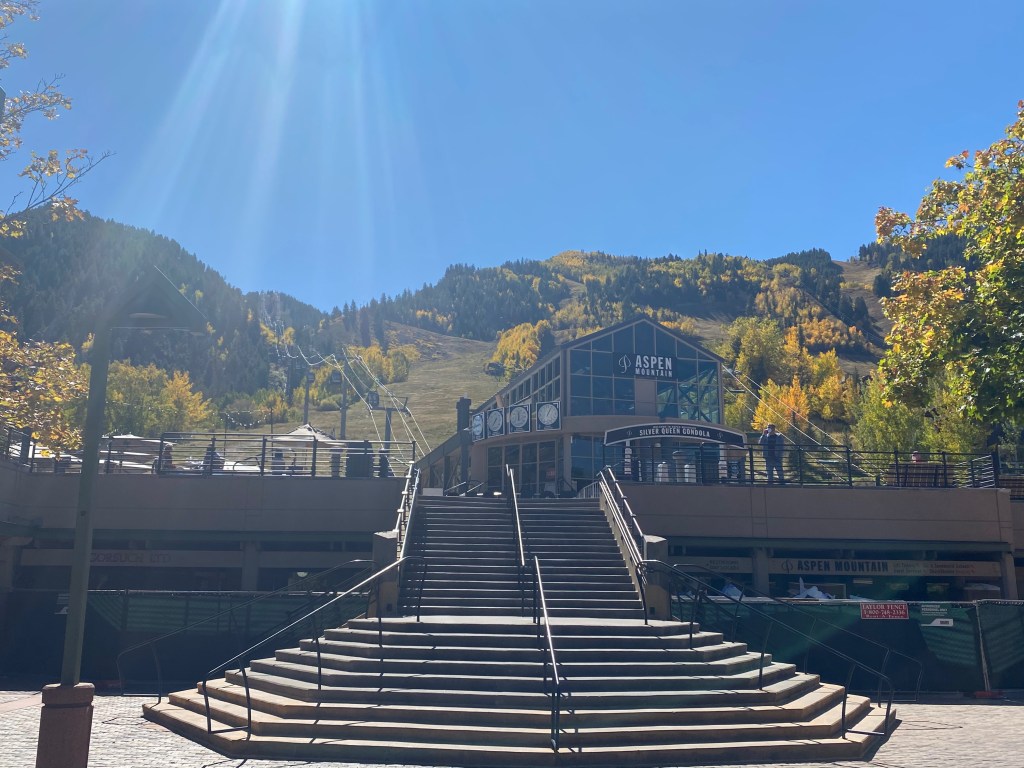
That day the city of aspen was colorful. Yellow colored trees could be seen in every direction, from Aspen Mountain, the ski resort adjacent to town, to the pedestrian mall that is often far more crowded (when there is not a global pandemic).

Aspen is known to be active and wealthy. But, I wonder if the people who live here live hectic lives, always focused on their destinations. Or, do many residents of Aspen, and the rest of the Roaring Fork Valley, frequently take the extra time to immerse themselves in the experience of the natural beauty that surrounds them?

A Letter to a Nation in Crisis

IMG_7180

Dear USA,

There is no denying that this in not our finest hour. We have struggled more than most with our response to the Coronavirus. Where other nations have been able to largely put the virus behind them, often with far less draconian measures, we have been unable to contain the virus. At a time when we had expected to be through the worst of it, caseloads are spiking.

USA_CoronaCases

We are still suffering the economic damage from having essentially shut down our entire economy for about a month and a half.

LLRA2382

I mean, was this lack of traffic ever even theoretically possible

The damage will be even worse, as many of our biggest states, including California, Florida and Texas, are backing off reopening the economy. As parts of the world reopen themselves to visitors from some countries, we will find ourselves left off the list due to our high infection rate.

The world is also watching as we deal with issues of continued racial injustice. In response to several high profile news stories about the killing of unarmed blacks by law enforcement, protests have erupted all over the nation.

IMG_0729

Will this response to these events lead to justice and healing? Or will our problems continue or simply take on another form? Only time will tell.

One thing is for sure though. The U.S.A., the nation that I love and feel blessed to have been born a part of, is going through a tough season. We are struggling with self doubt. We are struggling with our identity. This is not the typical Fourth of July. The are far fewer crowds and celebrations. For many, the holiday is far quieter; more reflective.

IMG_0858

Perhaps more upsetting than the lack of travel opportunities and my general inability to live my life the way I typically do is our season of self-doubt. In the places I most commonly find myself, the pride I typically observe in people for this Nation feels to have waned. It feels unfashionable to show pride in the United States of America at this point in time.

IMG_0880

We all encounter periods in life where we struggle more than others with specific challenges due to our personality types.

IMG_5236

Different periods of time require different skill sets. A period of imminent danger requires a bold leader. It will be a period where a more sensitive type will naturally struggle. But, that does not mean that the ability to support others and empathize with them is no longer an important skill.

The same can be said for this period of time in the United States. We as a Nation tend to be bold, individualistic and skeptical of top-down authority. It is for this reason, we struggle with things like mask compliance, that naturally comes so easy to many other nations. Our skepticism of authority has made our struggles with COVID-19 worse.

IMG_0144

However, during these turbulent times, we should not lose sight of how much we have benefitted overall from the principles on which our Nation was founded. We are one of the wealthiest and most innovative countries in the world. Most of the top tech firms are based in the United States. We recently took a major step towards returning mankind to the moon and potentially to other planets.

SpaceX_June2020

We have been at the forefront of most recent global cultural trends. It is here that jazz, blues, rock and roll and hip-hop originated.

Our revolution inspired others around the world to adapt a similar societal structures. Despite our current challenges and period of self-doubt, there are still far more people looking to enter than leave.

IMG_0841

Right now, it might be tempting to lose sight of who we are and try to emulate places that seem to be having a better time.

QNXV8473

No doubt, we need to grow from this. We need to do a better job with taking care of our health, possibly reshuffling our priorities. There is also without a doubt a need to improve the way certain racial groups are treated in this country. However, we need to do so in a manner that is consistent with who we are, at our core. Trying to be what we are not is not a path to long term happiness. Those who I see who are forced to live a life untrue to themselves suffer a kind of spiritual death that at times can feel even more painful than actual death.

IMG_0874

I want to offer this great Nation some encouragement at a time when it is most needed. Despite the extra pain it is causing in 2020, I love our skepticism of authority. Despite some challenges with too much emphasis on work, I love our free market economic system. Even though the calls for justice are legitimate, assuming those accused are innocent until proven guilty is one of our nation’s greatest attributes. Our problems don’t come from the philosophy on which we were founded and still are mostly oriented. They come from the incomplete and sometimes uneven implementation of them. Let’s grow from this tough season. Rather than become something different, something unrecognizable, let’s become an improved and more confident version of ourselves!

Love,

A concerned and still proud Citizen

A Day Observing Natural Phenomenon

IMG_0350

It was never the most ideal setup for a storm chase. The convective environment was not too strong and the storms were poorly organized. It ended up being a fairly major day for severe thunderstorms with strong winds in the Southern Plains, as well as Upstate New York and parts of New England.

However, traveling about 90 miles to observe what did happen in Northeast Colorado would only cost me half a day. It was also my first chance to hit the open road since COVID-19.

IMG_0342

It turns out, a panoramic view of several different storms is beautiful and inspiring even if it isn’t damaging property!

IMG_0353

Maybe it was the relaxed pace life had taken over the past two months. Or maybe it was the amount of time we have all started spending in front of screens during this strange period. This storm chase felt less like a mission to get to the best storm possible. It took on kind of an artistic feel.

It is easy to imagine the lone barn in front of an approaching storm, or the seemingly abandoned tiny town of Last Chance, CO with storm clouds gathered all around it as a painting or large photo hanging on someone’s wall for decoration.

IMG_0350IMG_0359

I would later catch up with the one storm that did produce large hail, which I would had to quickly escape to avoid car damage.

After returning home, another storm would pass right over my house right around sunset.

Screensho

As a child, weather was the first thing I became deeply fascinated with. The cycles of the seasons and the way the atmosphere moves around transporting warmer, colder, wetter and drier air impacts everyone. On a day to day scale it can often decide what people are doing with their day. On a longer time scale, it impacts business, food supply and health.

My pursuit of meteorology as a career ended up being kind of a disappointment. What began as a desire to investigate and understand the atmosphere scientifically got lost in a sea of equations, coding, and later egos and corporate buzzwords. Observing the weather through a screen caused it to eventually lose its luster. Seeing powerful lightning up close and hearing the raw power of the thunder put me back in touch with why I love the weather so much.

That evening, after the storms passed through, I took a walk through City Park.

IMG_0371

The orange-y lights shining onto a wet sidewalk adjacent the a lakeshore made me feel as if I were in a different place. I imagined the lake, which is not too big in real life, was the shore of one of our Oceans or Great Lakes. I imagined the high rise apartments nearby to be vacation rentals and I imagined crowds of people once again flocking to the beach.

I couldn’t stop staring at how the lights of different colors were sparkling on the water, gradually shifting with the slow movement of the lake.

IMG_0373

I wonder why I had gone years not noticing things like the way the water makes the light twinkle. Are our lives that out of balance? Maybe recent obsessions with things like yoga, meditation, low carb diets and workout “boot camps” are just our attempts to get our lives back into balance, ways to push back against all these forces in our culture that have lead to unhealthy lives. 

I think about all the beautiful experiences we have with the natural world and wonder if we are obsessed with technology. Technology has undoubtedly made our lives better. Technology has made the whole concept of storm chasing possible. However, I am not convinced all technological developments have been beneficial. To me, there is far more beauty in the air and in the clouds. There’s beauty in the smiles we give one another, the relationships we form and the feelings we get from experiences. There is beauty in love and passion. There is even beauty in things often held in less regard, like causal sex (when consensual of course), some drug related experiences (when not taken to a destructive extreme) and anger when it is born out of the passion associated with fulfillment (when it doesn’t lead to violence of course). At least those things feel more meaningful than staring at screens all day to me now.

Unlike many other people who are old enough to remember a world before people could pull a device out of their pockets and look up whatever they want, I am not “wowed” by technology for technology’s sake. I’ve seen plenty of people impressed by the latest technology, often doing things like moving data around and producing charts.

IMG_0374

Charts like this one, as is the case with scientific investigation in general, mean nothing unless something is learned and something is done based on them.

Technology has the potential to help us work more efficiently, improve our health and even form communities. But, let’s not forget who is in the driver’s seat. Technology and computers are here to enhance our experiences with the world around us, not the other way around. Thank God we occasionally have these moments, where thunder claps louder than any of our devices or when wildlife interrupts our travels, to remind us.

IMG_0286