Tag Archives: travel

Travel; The Balance Between Spontaneous and Planned

IMG_3251.jpgOn one end of the spectrum are the planners, the ones that assemble detailed itineraries, and, perhaps not so surprisingly, are typically able to stick to them.

BikeRoute_Sunmer2016

A well planned trip comes with several advantages. Flights, hotels, and many travel related big-ticket items are typically cheaper when booked several months ahead of time. Putting in the time and effort to plan ahead of time also reduces the chances that some unforeseen complication or circumstance will negatively impact the trip, causing travelers not to get the experience they were hoping for.

IMG_3929

On the other end of the spectrum are the spontaneous, the last minute, the drop everything and go type of experiences. This has its advantages too. Psychological studies have indicated that the satisfaction people have with their experiences is often dependent on how the experience compares with their expectations. The spontaneous trip, the one that comes together last minute can have a strong upside, as there were no expectations. Finding oneself unexpectedly in a new place, trying something new; experiences like these can make people truly feel alive!

IMG_0117

Missing out on this feeling is probably the main drawback to planning travel too intensely. When every activity is regimented, down to the hour (given the fact that there is traffic, weather, etc. regimenting to the minute is a fool’s errand), it is harder to make adjustments for what may occur, or take advantage of opportunities that present themselves. See an interesting billboard for a museum, theme park, or natural bridge? Sorry, there is no unplanned time. Run into an old friend, or make new friends? We can reconnect only if you’re going in this direction as me at this time.
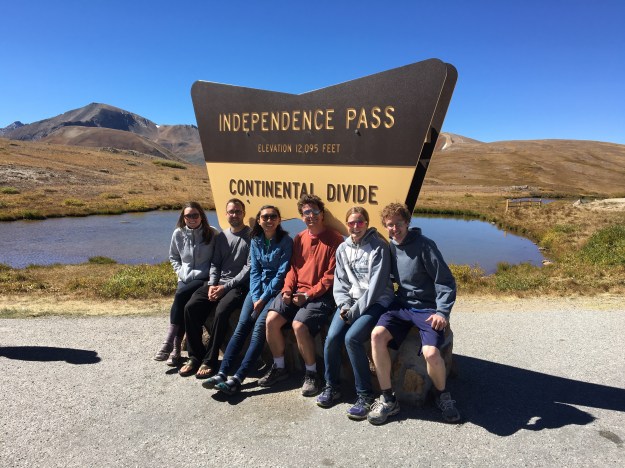
img_7656

As is the case with most things in today’s world, there is an optimal “middle ground” that can be reached, and it is not necessarily a compromise between the two extremes. The best “middle ground” solutions often try to achieve the objectives of those on both sides of the issue. The planners want some kind of guarantee that the most important experiences, the original objective of the trip, are actually obtained. The spontaneous want flexibility and the element of surprise.

While I have taken part in experiences that were planned many months in advance and completely regimented.
IMG_2105.jpg

As well as ones that were super of the moment.

IMG_1658.jpg

My general tactic is in the middle.

IMG_3043

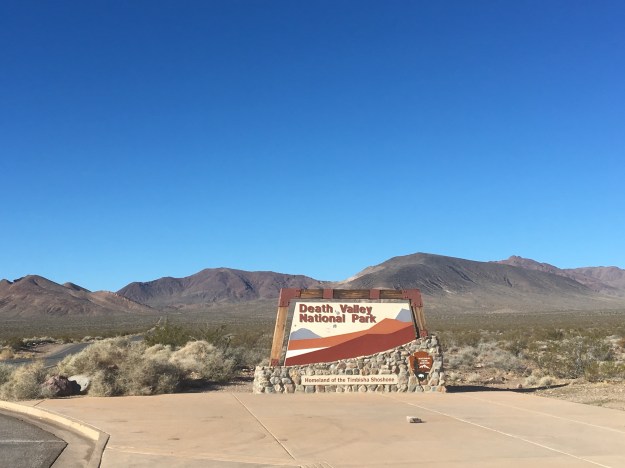
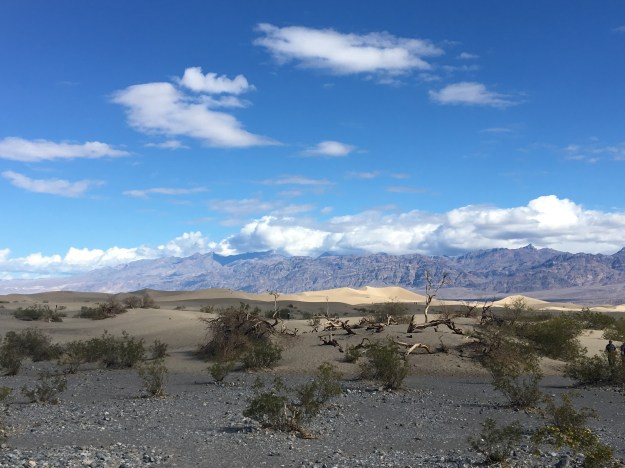
The trip I took to Death Valley six weeks ago was actually originally planned for Zion National Park. Unexpectedly cool and rainy weather prompted us to change the venue to Death Valley, where it would be more pleasant. In this case, it wasn’t necessarily the exact intended experience, but the overall experience of camping, hiking, and being outside in a group of people still came to pass.
20171122-014003-6003890.jpg

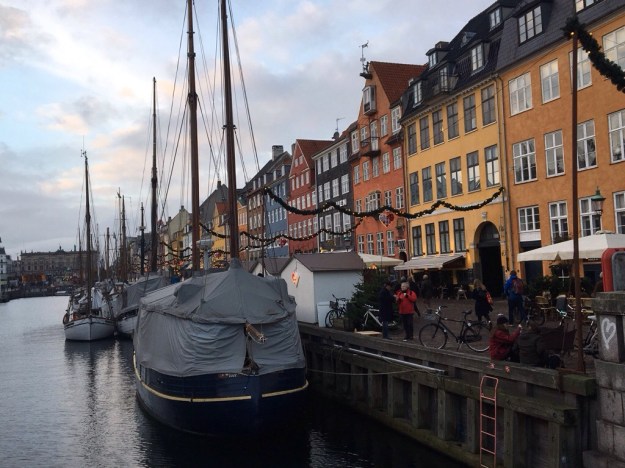
When visiting Copenhagen and Stockholm last fall, we set aside a few “must sees”…
20171126-171745-62265432.jpg

While leaving a lot of time open for other experiences
20171122-014742-6462249.jpg

There are a lot of other ways to achieve this optimal combination of guaranteeing experiences while also remaining spontaneous. They are not all as simple as the Southwest Airlines no change fee policy. Some things, like planning alternative activities if the weather is bad, having meals ready on fishing trips in case no fish are caught, or planning for a busted stove on a backpacking trip, take research.

IMG_4244

And, well, in our attention deprived world, doing research can often be a deterrent. It can be a deterrent to being well prepared, but also, perhaps most unfortunately, can be a deterrent to traveling at all. The phenomenon of “analysis paralysis”, where a combination of too many choices, too much information and too many factors to consider leads to no choice being made at all, has become quite the large scale issue this decade.

Luckily, in an age where the internet appears to do nothing but create “analysis paralysis” there are still resources designed to help people sort through the clutter of information available to them.

One option is to hire a travel agent, who knows the ins-and-outs of various destinations, and can help travelers find the best deals and the best experiences. There are some who believe that travel agents are no longer needed in the age of the internet. However, as the Travel Channel’s Samantha Brown has pointed out in many occasions (including the 2017 Travel and Adventure show which I was at), travel agents do help people sift through all of this information.

The other is to find resources online that actually help people consume information rather than find more of it. A great example of this is the side by side comparison of travel insurance options on reviews.com. More generally, reviews.com is one of the few sites that actually aims to reduce the amount of time people spend on the internet (as opposed to many other sites whose goal is to suck you in). The site has reviews that help people make decisions regarding plenty of other products, including others important to travelers and outdoor enthusiasts, like water bottles, vitamins and booking sites.
IMG_4743.jpg

There is certainly a time to be completely regimented.

IMG_3746

There is also a time it feels great to do something completely spontaneous.

IMG_6128

In most experiences, it is wonderful to try to find a way to make our travel plans both guarantee the experiences that prompted us to make the trip, while also being flexible enough to adjust for the conditions and take advantage of opportunities. This is, in my humble opinion, the proper balance between being planned and being spontaneous.

Death Valley: The Largest National Park

IMG_2899.jpg

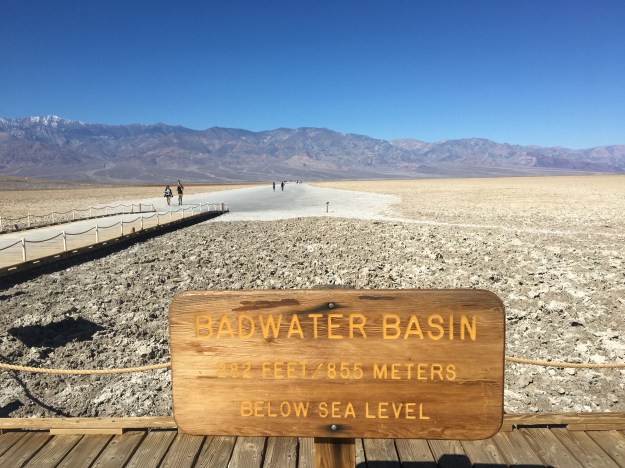
It is hard to truly describe what makes Death Valley such a wonderful and unique place. It is probably best known as the location of the lowest point in North America, Badwater Basin, located 282 feet below sea level.

IMG_2932.jpg

Land below sea level generally only exists in places with hot, dry climates, as otherwise, the low lying terrain would fill up with water. Death Valley certainly is dry! It receives less than 2 inches of rainfall per year. By contrast, Minneapolis, a city that would be considered neither dry nor wet, averages around 30 inches per year (including winter snowfall).

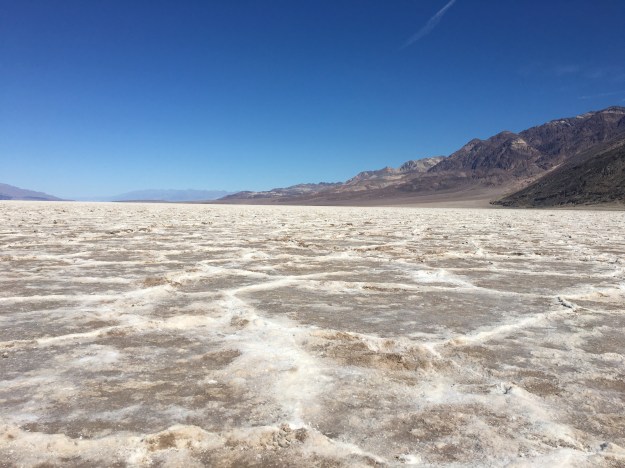
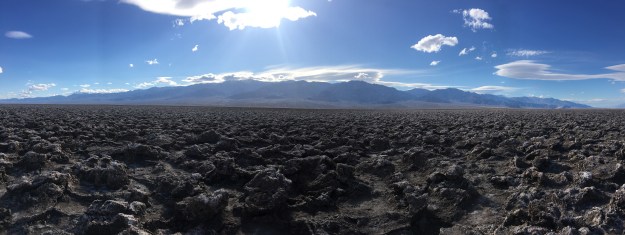
Badwater Basin, like much of Death Valley National Park, is a large scale version of everything one would imagine dryness to be.

IMG_2934

The entire basin, which stretches out longer than expected, is covered with salt, deposited in a honeycomb-like structure, creating a scene that appears to be out of some kind of documentary about deforestation or climate change.

Of course, not the entire park is below sea level.

IMG_2908.jpg

In fact, its highest point, Telescope Peak, is over 11,000 feet above sea level, and despite the dry and hot climate of the valley below it, is covered in snow, and impassible without ice gear towards the end of March. Interestingly enough, while March may be an ideal time of year to visit Badwater Basin, Furnace Creek and some of the low elevations of the park, the higher terrain makes the park actually worth visiting in the summer too (with the right hydration precautions taken of course).

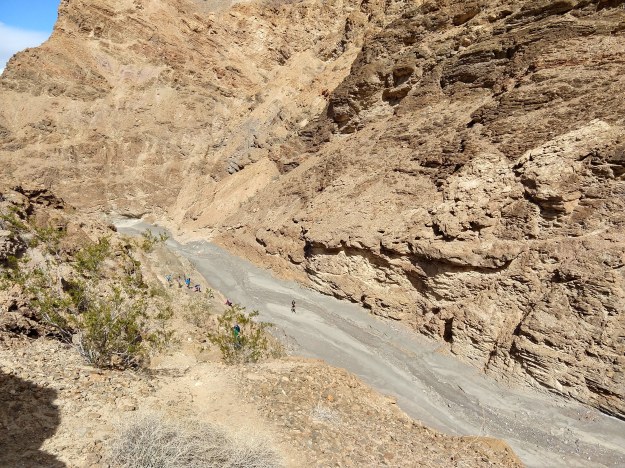
At the park’s lower elevations, near and even a little bit below sea level, the hikes are a bit milder, and significantly different from a typical hike in the mountains. Shorter hikes (1 to 3 miles each way) to places like Sidewinder Canyon…

and Mosaic Canyon…

have trails that cut through the rocks, through little “slots”, and along wide flat trails that appear to have been carved out by runoff from the flash floods that occasionally occur in the park.

IMG_20180317_133410373_HDR.jpg

Death Valley is certainly a place with some unique weather patterns, and some unique weather hazards. When most outdoor activities are planning, the weather hazards most likely to be considered are related to temperature and precipitation. Extremely hot weather is Death Valley’s most obvious weather hazard. Visiting in March, or at some other point during the cooler part of the year, definitely helps visitors avoid these extremes.

IMG_2901.jpg

With wide open spaces, no trees, and complicated terrain, some crazy winds can occur in Death Valley, whipping up and and dust from the dry ground below it, covering any and all things!

IMG_2894.jpg

Storms will pass through the complicated terrain, often first producing some interesting looking clouds.

IMG_2981

Then, often times, while producing decent amounts of precipitation in the higher mountains terrain, in the valley below they will mostly just manifest as strong and gusty winds.

IMG_3027 (1)

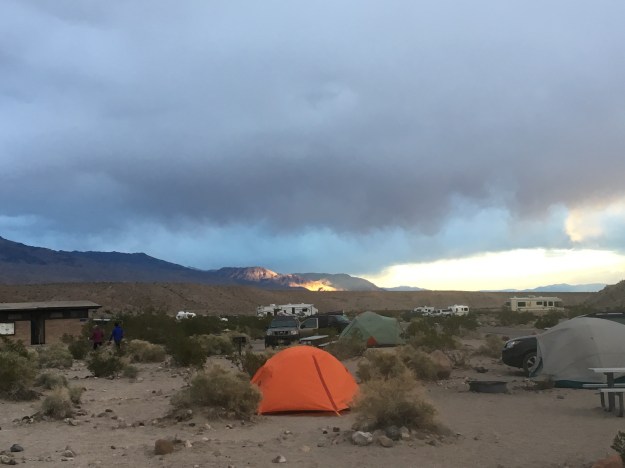
These winds can even be hazardous to campers, breaking tents, bending poles, and complicating campfires.

IMG_3040.jpg

Other than the extremes, in elevation, temperature and dryness, the rest of the park feels kind of a bit like a National Park sampler pack.

There are hikes that take visitors to amazing views of the park, but the park is not all about hiking (like Rocky Mountain National Park).

IMG_2948.jpg

The natural bridge is most certainly an “arch”, but Death Valley does not have the concentration of arches found at Arches National Park.

IMG_2984.jpg

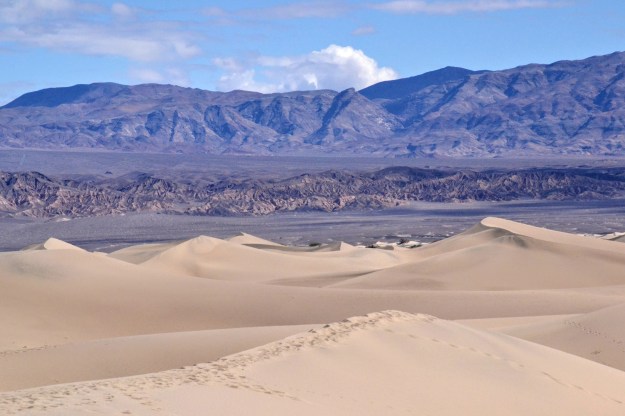
There are a few fantastic sand dunes here, but not as many as there are at Great Sand Dunes National Park.

IMG_2994DSC_0390

The park has some other unique natural features, such as the “Devil’s Golf Course”, but isn’t the constant barrage of unique features that is Yellowstone.

IMG_2992.jpg

One can even spot the occasional desert wildlife here.

IMG_20180316_134933474_HDR.jpg

Those that are into numbers already know what makes Death Valley unique; elevation, temperature, dryness. Those who are more into experiences find themselves also loving the park, but in a manner that becomes harder to articulate. Often, it is just said that the place is “beautiful”, or “amazing”.

IMG_3043

Maybe nothing more needs to be said. After all, sometimes these commonly used descriptor words, although light on specifics, along with photographs, really do tell the story. Nature, like artwork, is open to interpretation, at the behest of the beholder.

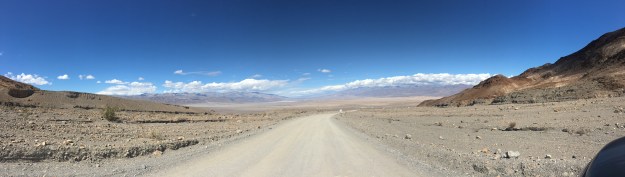
However, when covering mile after endless mile across the park, it is hard not to observe how expansive and wide open the park feels, as a result of how dry the air is.

IMG_2999

Maybe that is the reason Death Valley is also the largest U.S. national park in outside of Alaska.

Why I Love the American West

IMG_2838

Eight o’clock rolls around. Along a wide open highway in Utah, bolts of lightning off in the distance illuminate the sky. Gentle rain taps on my vehicle. Yet, straight above, stars can be seen dotting the night sky in a manner that instills wonder into the hearts and minds of all who are paying attention to what is around them.

IMG_2842.jpg

I wonder too. The lights of the car in front of me provide tiny clues as to what is actually there, but reveal preciously little. The rest is left to the imagination of all who travel at night on an unfamiliar highway.

I imagine a scene that could be out of a movie. A ranch house with a gigantic yard and one of those large swirly structures that starts twirling in the wind, like the one in the movie Twister. Miles and miles of endless open range with a mountain range that can be seen off in the distance. A 9-year old boy with his younger sister looking out the window, with a sense of wonder, at the storm rolling through a typically dry place. Dogs barking at tumbleweeds. A community of people alone together in a dry, isolated place.

I typically would not chose to travel at night, especially in a place like this. Utah is a place of abundant natural beauty, always shifting with the season.

IMG_3063 (1)

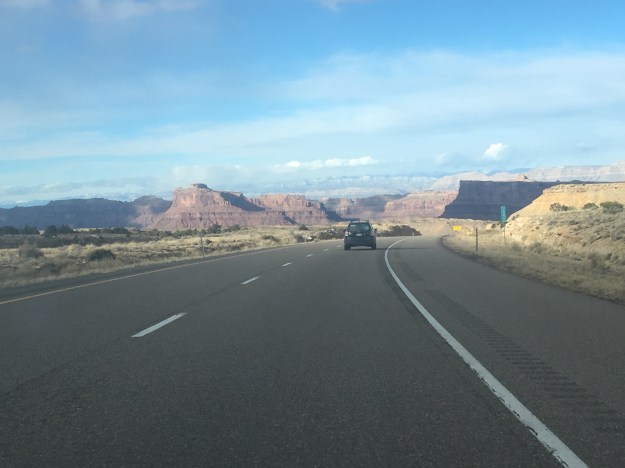
In March, the spring sun at mid-day shines bright upon the white snow on the mountain tops, brown forests and red rocks below.

IMG_3065.jpg

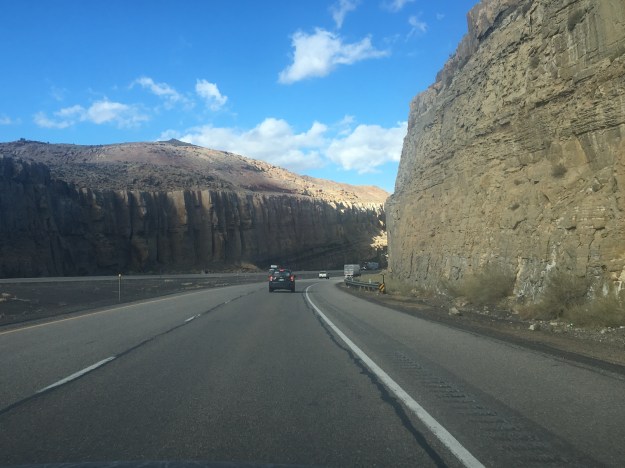
The reddish looking glow, revealed by the headlights at night, gave but a small indication of what Utah actually looks like in the middle of March. Some combination of memory, imagination, and reasoning would lead anyone to conclude that the land was not dull, flat, barren, but how many would have imagined the cut out canyons, the rock structures, salt washes, and many viewpoints of unique natural features.

IMG_3076IMG_3087IMG_3085.jpgIMG_3082IMG_3092

The other thing lost in my imaginative narrative about the family on the ranch in the storm is the fact that, with the exception of the occasional small town, there are no people here at all. Sure, there are the people who are driving along the interstate overlooking the various features. Five miles in either direction, there are no farms, ranches, or even people, just rocks, sagebrush, and wildlife. Had my imagination been more accurate, it would have been a story about moose, bighorn sheep, or perhaps a family of black bears getting in an argument about when to wake up from winter hibernation.

Still, there is something to be said about leaving some things up to the imagination. Much of what we experience today; movies, art, and even technology, began in someone’s imagination. While some people are naturally imaginative all the time, and some people only resort to their imagination quite rarely, not having all the facts can help trigger people imagine more. This makes it ironic that some of our present day technology, born of imagination, actually causes some people to engage their imaginative abilities less!

My imagined scene, of a family in a ranch house near Green River, UT was not nearly as spectacular as what actually is Central Utah’s unique landscapes. However, that will not always be the case. Sometimes our imagined world is, in fact, better than the actual reality we are experiencing. And, sometimes, there is something beautiful about being given but a small hint and riddle to solve regarding what is in front of you.

IMG_3041

Sometimes, it is good to have the opportunity to travel at night.


Whistler Blackcomb: Chasing the Snow

IMG_2676 (1).jpg

Changes in weather patterns can bring risks, or even hardship, but can also bring opportunities. 2017-2018, in some ways, can be thought of as a peculiar winter in Western North America. Storms kept impacting the same region over and over again. Some areas received over twice their normal precipitation, while others received less than half.

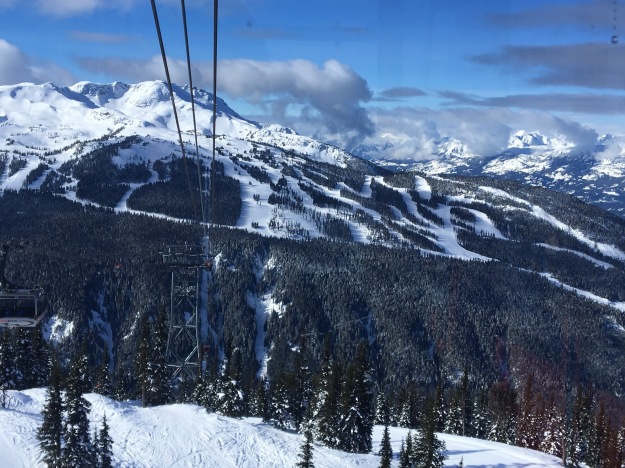
Weather cannot be controlled, and, probably shouldn’t be. It is possible, however, to make adjustments to make the most of the weather. While this was not a stellar snow year (compared to average) in places like California, Colorado, and Utah, conditions made this season a perfect time to visit North America’s largest ski resort: Whistler-Blackcomb. Located 120 km (75 miles) north of Vancouver, Whistler-Blackcomb is the 11th largest ski resort in the world.

IMG_2707 (1)

As is the case with many of the other largest ski resorts in the world, Whistler-Blackcomb is the result of a merger between two mountains. Once competitors, the two mountains merged 20 years ago. To connect the two adjacent resorts, they built the Peak to Peak Gondola. This 11 minute ride brings skiers/boarders between the midpoint (and fairly high on the mountain) of one mountain and the other. It covers a distance of 2.73 miles (4.4 km) over a deep valley that separates the resorts. At its midpoint, it is 1430 feet (436 m) off the ground!

IMG_2737.jpg

Just getting to Whistler-Blackcomb, before even reaching the mountain, is an amazing experience! The drive from Vancouver International Airport takes about two hours along highway 99 through the heart of Vancover.

There is no limited access highway that connects Vancouver International Airport to downtown. This adds time to the journey, making what should take little more than 90 minutes take closer to two hours. However, it is interesting for visitors to actually see the city. Vancouver is quite dense, with a very urban feel (as opposed to some sunbelt cities that feel more suburban in nature). The two things that stand out the most about the city are..

  1. Despite the fact that rains, on average, 161 days out of the year (notice the rain in these photos), cycling appears to be extremely popular, with bike lanes and bike shops everywhere!
  2. Literally, every nationality of food can be found in downtown Vancouver: Portuguese, Peruvian, Malaysian, you name it, it’s there!

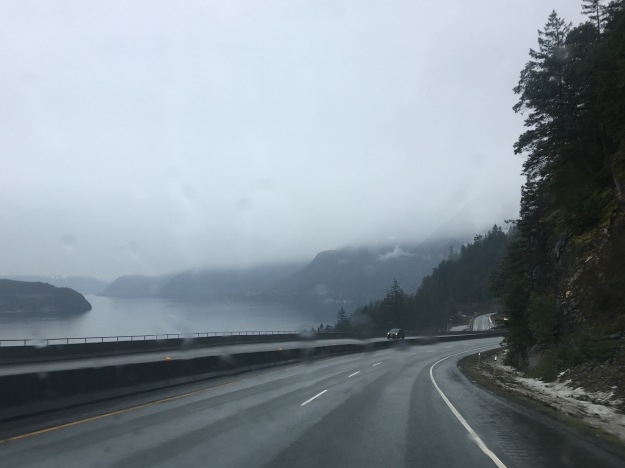
This is followed by a drive along highway 99, also known as the “Sea to Sky” highway.

IMG_2655IMG_2790IMG_2663

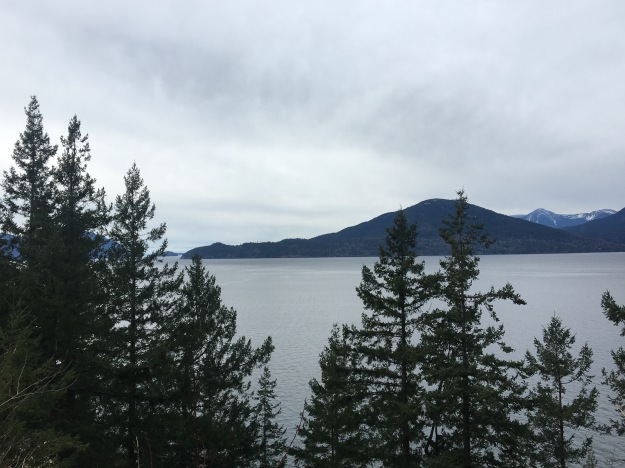
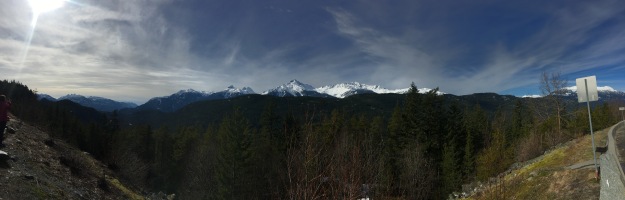
The drive itself is quite exquisite and unique. The road winds northward, adjacent to a bay, from which tree covered islands pop out periodically on the left. On the right, the coastal cliffs are quite dramatic, and periodically rocky.

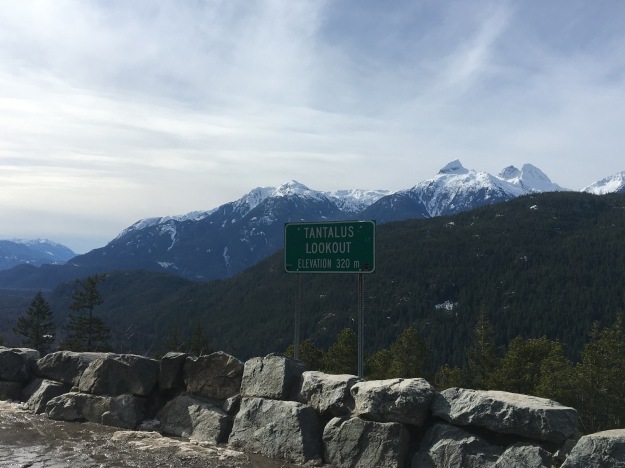
If caught while the sun is shinning, which is common in the summer but quite rare in winter, the views of the mountains can be quite amazing!

IMG_2780.jpg

IMG_2782

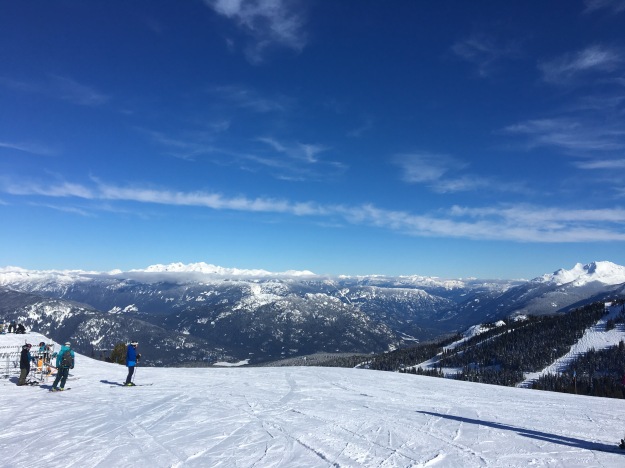
The mountain itself is spectacular, and steep! With a 5,280 foot vertical drop, it is surpassed, in North America, only by Revelstoke Mountain, a significantly smaller resort. For comparison, Vail has a vertical drop of 3,450 feet, and there are plenty of ski resorts whose vertical drops are only a little over 2,000 feet that are talked about quite positively (Grand Targhee, Alta, Stowe, etc.).

IMG_2681.jpg

Ski trails at Whistler Blackcomb can be steep and long. However, there are trails of all kinds here, as to be expected.

IMG_2697


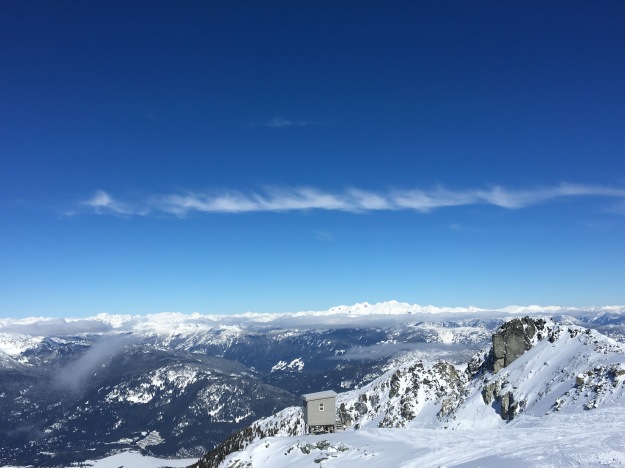
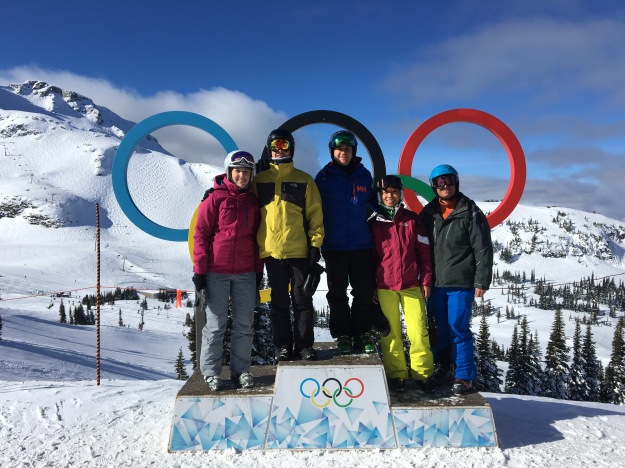
Highlights include the top of Whistler Peak.

IMG_2754

Finding a place to make fresh tracks in the snow.

IMG_2761.jpg

And, of course, the Dave Murray Downhill, where the downhill competition took place for the 2010 Olympic games.

IMG_2751.jpg

IMG_2765.jpg

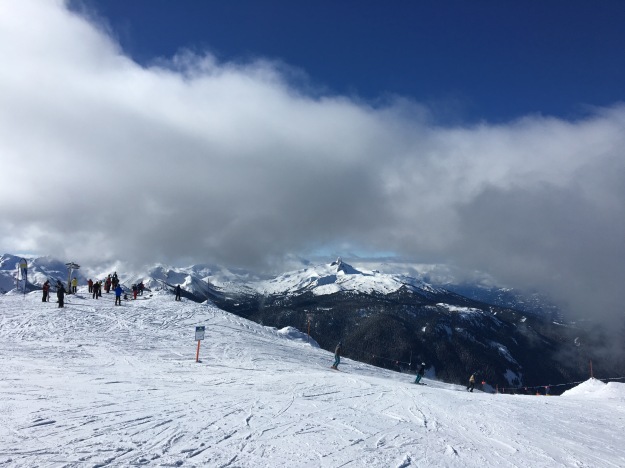
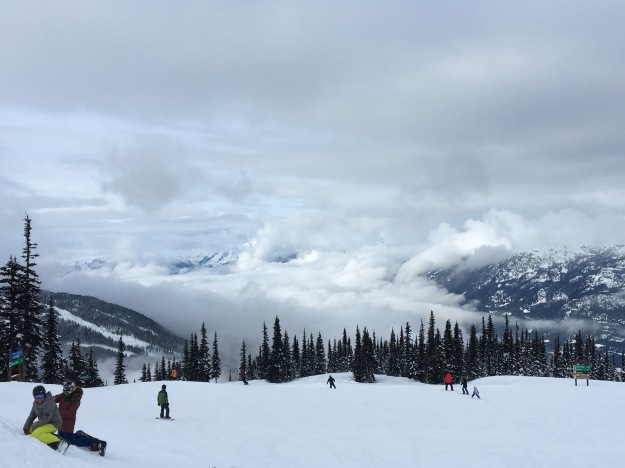
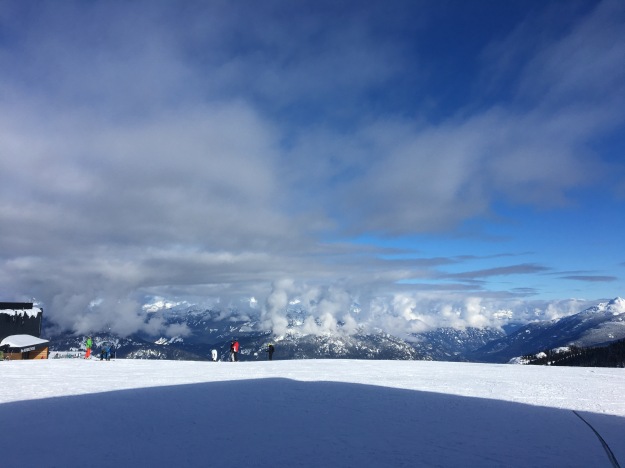
These experiences can commonly be hampered, however, by the weather. In particular, on a typical day, layers of clouds often form somewhere about 1/3 to 1/2 of the way up the mountain.

IMG_2718

Many skiers and boarders chose to stay either above or below this layer of clouds. Traversing through this layer of clouds is a unique, albeit stressful, experience.

IMG_2724.jpg

As is the case when driving through dense fog, it requires moving slowly, and it is very easy for groups of people to lose each other in this thick set of clouds. Let’s just say, there is a reason this picture was taken on the lift ride up and not while skiing down the hill.


Whistler Blackcomb is in bear country, and they appear proud of it! On the Peak-to-Peak gondola, the information signs, in addition to pointing out its the length, speed, and height, of the gondola ride, mentions the fact that the forest it traverses over is home to over 60 bears.

IMG_2668.jpg

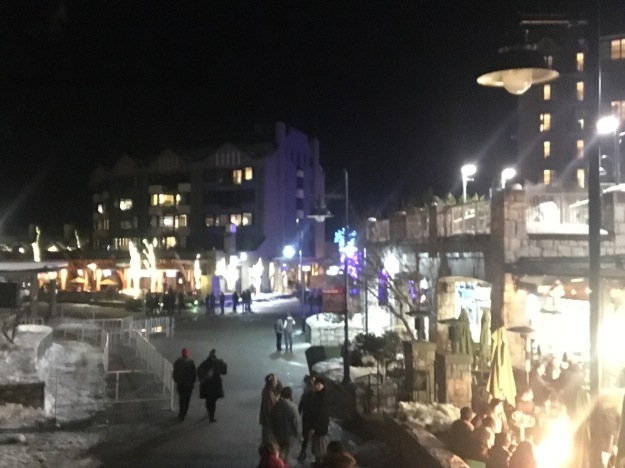
A major part of any ski trip experience is the town, where travelers go for food, amenities, shops, and other forms of entertainment. Not all ski towns are equal, as some provide a more active and others a quieter ski experience. Whistler’s experience is definitely middle of the road with respect to the quiet and cosy vs. active and loud experience. However, there is some variance here too.

There are two parts to Whistler village, an upper village and a lower village. Both connect to the mountain via gondolas. The main village is a bit larger and more active than the upper village, with a variety of food options and even several clubs.

Outside the village, there are plenty of ski-in/ski-out resorts, which is quite convinent. As is typical of any ski town, lodging can be expensive, and finding a place to stay at the price range most people are looking for can be a challenge.

IMG_2735.jpg

There are some out there that wish to never have the weather, or some other kind of external event change their plans. Its an unwelcome inconvenience to have to research something new, make a different plan, spend money, and have to travel when not expected. However, sometimes these changes in plans, whether forced by weather or a different external factor, are the driver for creating new, different, and sometimes life-changing experiences.

Some would say this has been a peculiar winter, but, on a larger scale, there has always been variance in weather patterns. The average temperature is not the temperature experienced every day and the average precipitation is not the amount of precipitation experienced every year. It is normal to differ from the average, from year to year. These variations may be getting close to causing danger in some places in the West this year, but that is also fairly typical.

Whether people traveled north to experience better snow to ski on, or traveled south to get some sun, the variation in weather patterns this year, while inconveniencing many, also created its fair share of memories.

The First Time I Brought a Jacket to Las Vegas

IMG_2524 (1).jpg

This is the third time I am writing about a trip to Las Vegas in the past two years, and my 7th visit overall. Oddly enough, all six of my previous trips took place in either August or September. It may be a coincidence, but people do generally travel more frequently in summertime, and, strangely enough, I have never visited Vegas alone.

Despite the fact that I am not opposed to solo travel, it would never occur to me to visit Vegas alone. When I think of places I travel to alone, I tend to think of long contemplative hikes or bike rides, definitely not Las Vegas.

What is odd is that, while Vegas feels more like a group activity than any other destination, I can think of few other places where it is easier for someone to entertain themselves. The shows, the games, and general sensory overload all around make it nearly impossible to imagine boredom.

IMG_2501 (1).jpg

One thing every traveler knows is that it is possible to return to a place one has already visited and still get a completely different experience. This is especially true if it is a different season or under different circumstances. Vegas, in early February, during the middle of the week, is just not as crowded as it is on a weekend in the summer.

IMG_2503 (1).jpg

This translates into both conveniences and inconveniences. Yes, it was a lot easier to walk around the strip. There were considerably less crowds to navigate. There were even considerably less people out there promoting things like limousines to strip clubs and shows. However, the downside was that I learned that there is indeed a time when I can walk into a casino in Las Vegas and not see a single open BlackJack table.

img_06361-e1518132924612.jpg

That time is 8:45 A.M. on a Tuesday morning in the month of February.

IMG_2514 (1)

It was also necessary to walk to another resort to find an open pool.

IMG_2522 (1)

In some ways, it was the same Vegas experience I had always remembered; Gambling. Buffets. Staying up really late. And the random entertainment that appears out of nowhere.

In other ways it was different.

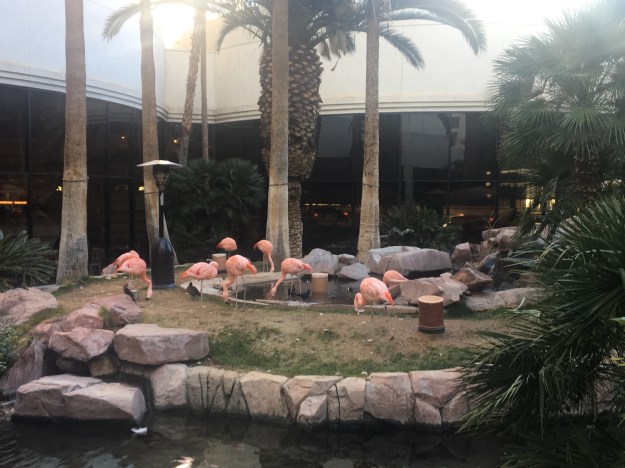
I learned that the Flamingo Hotel, which is the original Las Vegas hotel, actually has live flamingos there!

IMG_2508 (1).jpg

Walking through this exhibit was an interesting experience. It was the first time I had ever seen a significant number of children anywhere in the City of Las Vegas! Families and drunk people in the same place just always feels odd to me.

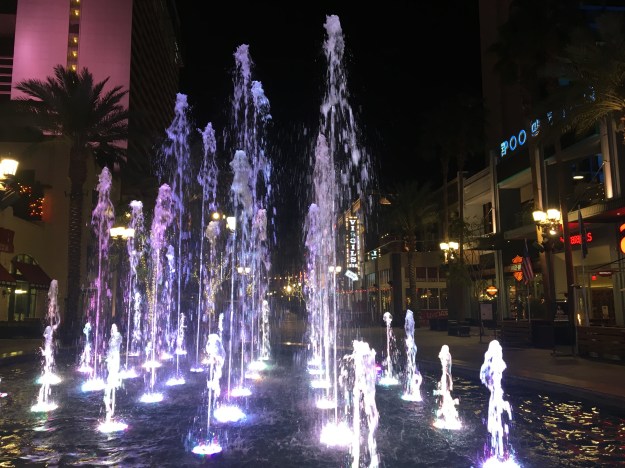
It is also interesting to observe how quickly any particular place can change. My last visit to Las Vegas was a mere six months ago! Yet, I noticed for the first time a pedestrian mall, with shops and restaurants, like In-N-Out Burger, between the Linq and Harrahs in the middle of the strip.

IMG_2506 (1).jpg

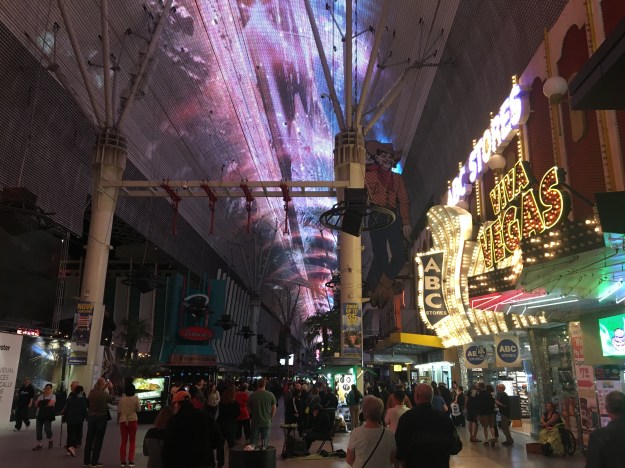
Freemont Street, the original Vegas dating back to the middle part of the 20th Century, seems to be undergoing some sort of major revival, with concerts, street performers, and a good number of people walking around on a Tuesday night!

IMG_2531 (1).jpg

Even the table games seemed to have increased in stakes!

With the world, and particularly cities in a constant state of flux, as long as we do not have a mechanism to travel through time, one can never travel to the EXACT same place already visited. Something will always be different.

IMG_3471

Given the kinds of experiences I typically write about on this blog, and the types of topics I regularly discuss, it may come as surprising to some that I love Las Vegas. I always talk about getting outdoors, staying healthy, and avoiding the dangers of materialism. Las Vegas, at its core, is the antithesis of all this.

I just love to observe how Las Vegas has this power to transform people. Some would say for the better, others would say for the worse, and both would have a valid point. Feeling like a different person, as I do every time I come to Vegas, can be thought of as a form of escapism. However, I feel that it is not about escapism at all.

IMG_2107 (1).jpg

At some point in time, we have all heard someone say “I need to go find myself”, as if the “self” is something that somehow gets lost and needs to be located just like a set of keys or a glove. While I may be getting hung up on semantics here, I honestly believe that nobody ever fully loses themselves. They may be afraid to be their true selves, or be in a setting that brings out only one component of their more complicated selves. This is when it is good to find a different environment for a while, which Las Vegas most certainly is for nearly all people.

Las Vegas has a strange way of demonstrating that all accepted societal norms are malleable and negotiable, but end up as what they are for a reason. Las Vegas does not accept norms such as not drinking on a weekday and going to bed by a certain time. However, there are other norms that develop in Vegas based on that setting. It is expected that nobody splits 10s at a blackjack table, and, at said tables I’d be shocked to see male dancers.

Nearly all people have at least one behavior or interest that surprises people because, on the surface, it does not jive with their other interests. However, there is always a common thread, which often can be found by digging deeper. Whether we are getting to know ourselves, or trying to understand someone else, determining the common thread between these seemingly unrelated interests can help us all reach a deeper understanding.

The Benefits of Being a World Traveler

IMG_1998 (1)I usually don’t like posting photos taken from an airplane. Especially ones where the wing of the airplane is clearly showing, like this one …

IMG_1994 (1).jpg

The situation was just too good! The flight path, which varies from flight to flight based on upper level winds, happened to track right over Iceland. At a time of year when days are only around five hours long across much of Iceland, and less than 1-in-5 days feature clear skies, it is impossible to overestimate how fortunate of a circumstance this was: To fly over the volcanically influenced terrain at the onset of winter, seeing it in all its glory from above in broad daylight like this.

I couldn’t help but reflect on my experience there, less than two years ago, hiking on the glaciers, standing next to all the waterfalls, and seeing the northern lights.

IMG_5287

As I had noted then, Iceland seems to be becoming a more popular destination for American tourists. However, according to a recent study, it does not crack the top 20 countries visited by Americans (based on data from 2015). Number 7 on that list is Germany, where my flight originated, where I had spent the prior evening, in Munich.

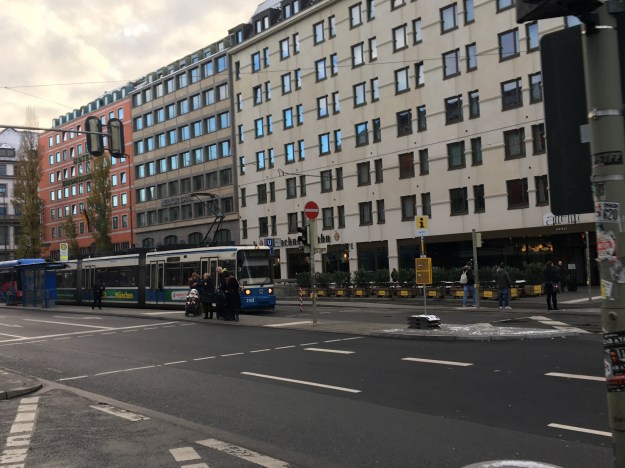
This was the second time Munich happened to be my final destination on a longer trip to Europe. This is an interesting coincidence as Munich somehow seems to feel closer to home than most other European cities I visit.

For example, nearly every other European city I visit has a significant number of really narrow streets, like these streets in Stockholm…

IMG_1916 (1)

Munich, by comparison, feels wide open.

IMG_1979 (1)

Part of the reason Munich feels familiar to me is because, for several years, I lived in the State of Wisconsin. With an estimated 42.6% of the population having German heritage, Wisconsin has its fair share of bars and restaurants that are decorated almost exactly like this one.

IMG_1973 (1)

Places like the Essen Haus, have a similar layout. The serving staff dress in similar Bavarian style attire, and serve similar food and beer.

IMG_1975 (1)

IMG_1971

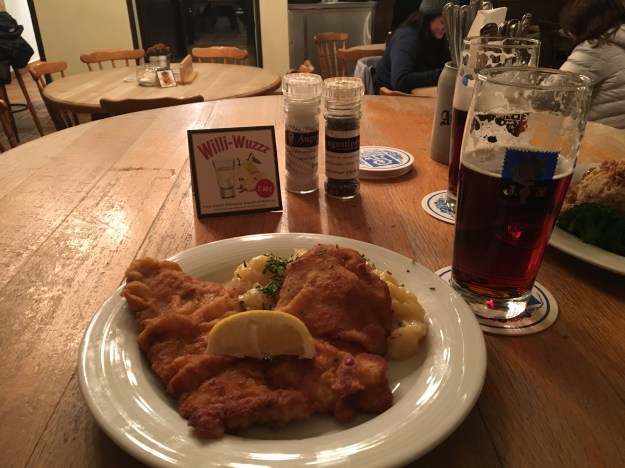
By the way, the food at Augustiner, walking distance from Munich’s Central Station, was fantastic!

After visiting several countries, and flying over one that I had visited quite recently, I was headed home, to an America that is, based on the perspective of being abroad for a while, in a confusing place.

According to a recent article, while Americans are the 2nd most well-traveled country in the world, only 36% of Americans hold a valid passport. This is possibly the source of one stereotype about Americans, that we generally don’t travel outside of our country.

The numbers here tell a different story, one that matches what I have observed, interacting with other Americans.

IMG_1698 (1).jpg

There are people here who are interested in traveling to different countries. They often plan a lot of trips to may different foreign lands. There are also a lot of people that aren’t. As, we are a vast Country. Most people can experience almost anything they would want to experience without having to leave the U.S.

We are a well traveled country, partially by virtue of being wealthy. A significant amount of that travel manifests as travel within our Nation. Travel abroad is mostly done by roughly 10% of the population with genuine personal or business interests in other places.

I in no way intend to shame anyone for not wanting to travel to other countries. That is their choice (or limitation, as some people do not have the time or money to fly to another continent). Truly secure people validate their choices in life, not by diminishing those who chose differently. They validate their choices with confidence in the benefits of those choice.

That validation, for me, can be best demonstrated in a recent article in Entrepreneur Magazine, titled “Don’t Let Your Butt Dominate Your Brain“. Traveling to other places is one of several ways we remind ourselves one of the most important things we need to remember, as we take on whatever endeavors we take on in life. For those interested in a fast, reliable and low fee provider of travel Visas, I recommend iVisa, an organization that has processed over a million travel documents with 24/7 customer service.

Our way of doing things is not the only way things can be done.

Other cultures have other ways of doing things. We may conclude that our current culture is the best fit for us. However, just because something we observe is different does not necessarily mean it is “wrong”. In fact….

Assuming someone is wrong because they do something differently invariantly comes across as condescending.

IMG_1726 (1).jpg

I generally try to keep anything political off of this blog. This is not a politics blog. I don’t see the world as currently in need of another person chiming in with their opinions about the news, at least not in America. However, going out and seeing other cultures made me reflect one something that feels like a real shortcoming in our current political situation.

The way our political system is currently set up seems to encourage us Americans to see a false dichotomy, a false choice between two ways of thinking, both of which have serious flaws.

On one side, there is a group of people who believe America can do no wrong. On this extreme, any criticism of our country is done out of hate, and there is absolutely nothing that can ever be learned from other cultures.

On the other side, a group of people that sees our country as deeply flawed. This group appears not to acknowledge what is good about America. They long for us to be like some other country, and when our culture and history is discussed, the response is usually something like “meh”, or worse.

IMG_0989

I can’t get down with either extreme, and it is my sincere belief that most Americans also find themselves somewhere in between these two maddening extremes. I sometimes think of countries in a similar way I would think of any other entity; a group, a person, a sports team, etc. I think of anyone that has a healthy sense of self. They believe that they are great, and do great things for the world. That does not mean they are not always looking for ways to improve, ways to be better. It also does not mean there is no room for some friendly criticism when it is warranted.

Traveling in general, particularly to other cultures, can be a powerful reminder that there is no one correct way to go about our lives. It also exposes people to new ideas. I believe everyone needs experiences like this, in order to stay open and avoid becoming too set in their ways. However, that does not necessarily have to be world travel- for everyone.

Stockholm’s Unique Museums

20171126-171745-62265432.jpg

Science, Art and History.

These are the museums that seem to appear in every city I visit. Many of them are great museums, with people doing great things! Several years back, I wrote very positively about the then relatively new History Colorado Center, and the recent trend where museums are increasingly including more interactive exhibits. At last summer’s TEDxMileHigh event, Chip Colwell, of the Denver museum of Science and Nature, gave an excellent speech about returning sacred artifacts to indigenous people.

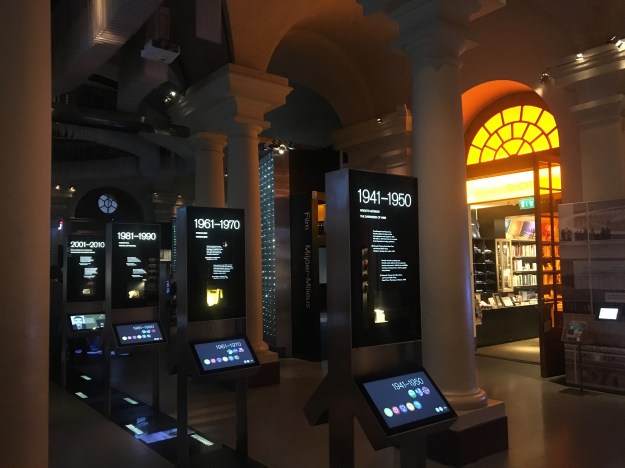
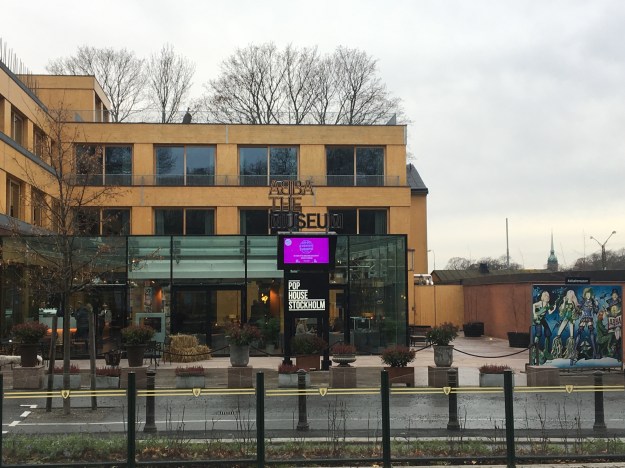
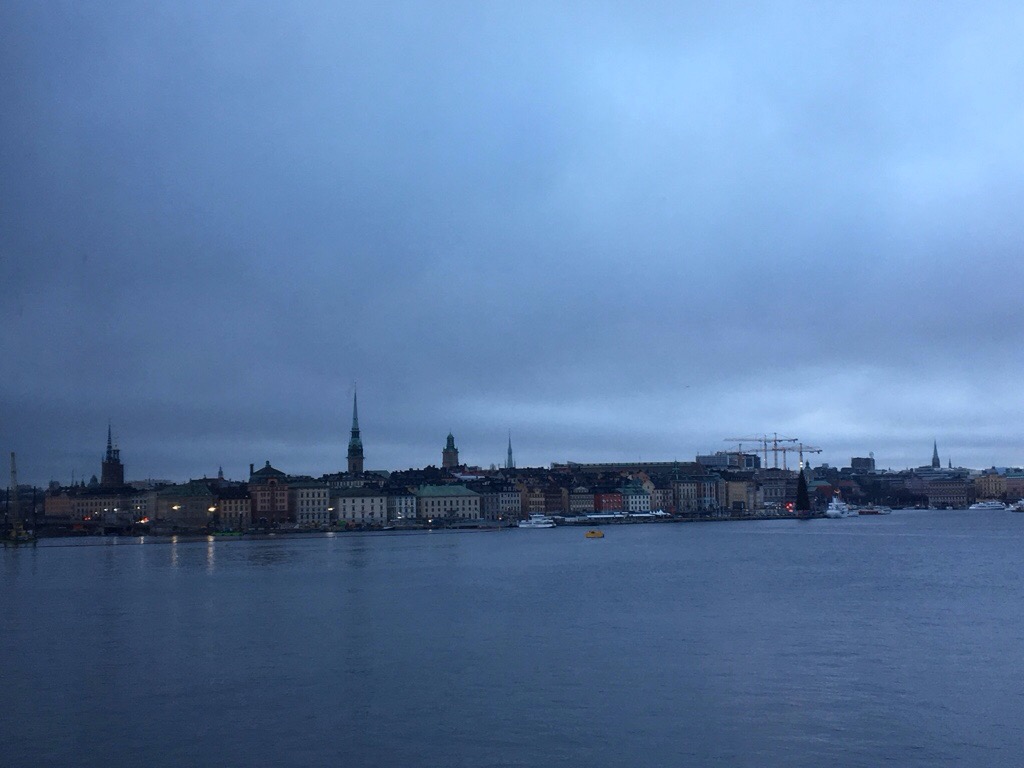
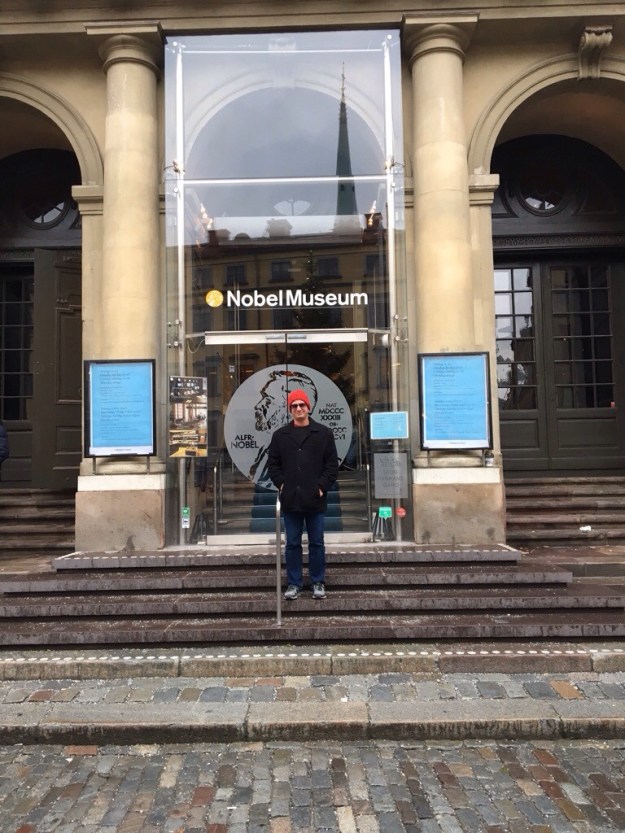
However, sometimes I get more excited about visiting the museums that are more unique to a specific city. In Stockholm, there was no shortage of such museums. First, as pictured above, is the Nobel Museum, one that I would consider a must see!

IMG_1893 (1).jpg

It includes galleries with artifacts from past Nobel Prize winners, exhibits about the history of the Nobel Prize, as well as the life of Alfred Nobel. Visitors can also quickly look up the Nobel Prize winner for any year, in any category by going one of a series of kiosks associated with each decade.

IMG_1892.jpg

In case you need inspiration, there are moving banners flying around the museum, each one with a picture and short description of the work of one specific Nobel Prize winner. They are in what seems like random order.

There is also a video room, a place one can easily spend a couple of hours. Videos in this room tell the story behind many of the Nobel Prize winners and their work. My favorite story was the story of Linus Pauling’s discovery of the double helix (structure of DNA, the basic building blocks of human genetics). Trying to determine how the chemical compounds would fit together spatially, he started folding sheets of paper around, eventually folding them into the shape of the double helix structure, which we now accept as scientific fact.

IMG_1894 (1).jpg

It is hard not to admire scientific creativity after hearing a story like this one!

IMG_1905 (1).jpg

There are also very few places in the world with a museum dedicated to one single musical act. With acts like Aviccii, Tove Lo and Swedish House mafia, it is hard to dispute that Sweden, a country of roughly 10 million people, produces its fair share of musical acts who are popular worldwide. However, ABBA seems to invoke a special amount of national pride, enough for them to have their own museum.

Unlike the Nobel Museum, which is right in the center of the city, on Gamla Stan island, this museum is a little bit out of the way, on an island called Skansen. It is also a little bit pricier. However, the museum was fun. It took interactive exhibits to a whole new level. Each ticket gives attendees the option to take a try at singing, dancing, producing music videos, as well as things like trivia and operating a mixing board! It also had some information about other components of Swedish musical history, including the EuroVision competition, and all the concerts that have played, over the years, at an amusement park called Gröna Lund.

IMG_1926 (1)

I left the ABBA museum somewhat unexpectedly sad. I did not previously know that the band was made up of two married couples, and that at the end of their run, both couples divorced, and the four best friends just simply went their separate ways.

I guess this is the same reason people cry at movies, and get emotional about people who are not a part of their lives, like famous couples. I know in my head that life has chapters, sometimes it is just time to move on, and that being both married and in a band with someone can lead to a disaster.

It was still hard to emotionally contemplate. I thought of the excitement that comes with every new relationship. I thought of how happy they all looked, in the music videos and photographs shown in the museum. Then, I thought of the arguments, the emotional pain, the sadness and the loneliness, how something so good could go so bad. Maybe they were all mature about it. I know, though, it is always hard. I thought back to the breakups I had in my past, specifically those that were “mutual” and “clearly for the best”. Even those breakups, while not causing years of heartache still had their messiness; arguments, nights without sleep, etc.

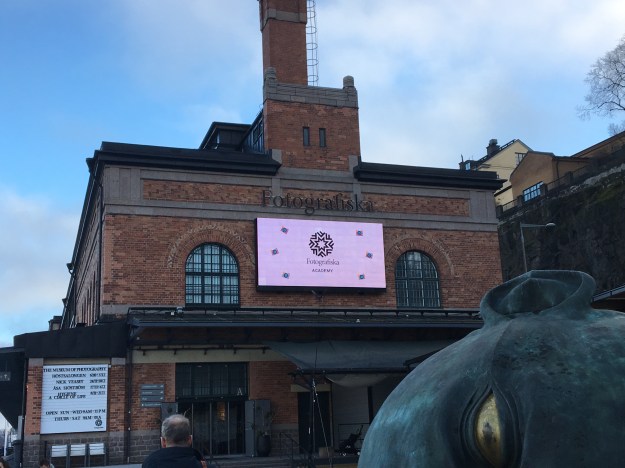
Stockhom certainly has other museums that are unique. The city’s most popular museum is dedicated to a 17th century ship that capsized within minutes. I chose, however, to visit a museum dedicated to Photography.

IMG_1931 (1).jpg

This museum is interesting for three reasons.

1. It has no permanent exhibits; only temporary ones. This is an interesting concept, and a great way to appeal to locals.

This winter, there is a special exhibit dedicated to x-ray photography, something I knew little to nothing about before visiting this museum.

2. There may be more and more museums dedicated to photography in the future, as, although a century and a half old, photography is still relatively newer of a field than Art, Science, or History.

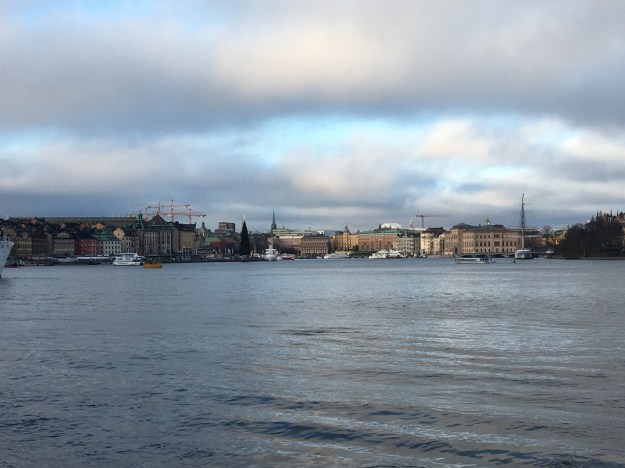
3. The museum actually boasts one of the best skyline views in the city, both from the riverfront outside the museum, as well as from the bar on the top floor!

IMG_1928 (1).jpg

20171126-163631-59791108.jpg

I believe there is something unique about every city I visit. Even the standard museums, the art, science, and especially the history museums showcase something unique to the city or region. Through visiting these places, we get an idea as to each place’s unique story. A part of Stockholm’s story is the story of Alfred Nobel’s writing a series of awards for human achievement into his will. It is the way local felt when ABBA won EuroVision 1974. It is also the photographs taken by local photographers displayed here every autumn.

Cultural Observations in Stockholm


20171126-162130-58890905.jpg
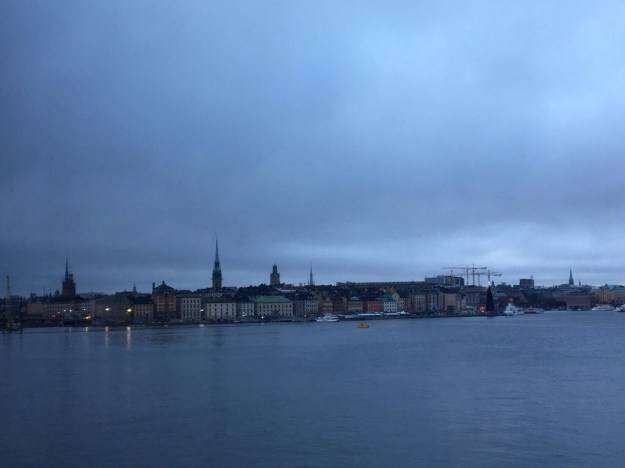
Setting out to observe a 3 P.M. sunset, in all its glory, is actually significantly more challenging than one would ever expect. Spending four days in Stockholm, I came to the realization that anywhere one would go in November or December where the sun sets this early is likely to be quite cloudy. While the sun did slip below the horizon right around 3, and the sky became pitch black before 4, each afternoon the sky pretty much appeared like this.

20171126-163631-59791108.jpg
There was no observation of the sun dipping below the horizon at 3 P.M., just a gray day fading gradually into nighttime.

Not only did 4 P.M. feel different here than anywhere I had ever lived, so did 8 P.M. Rather than feeling like the time the night was just beginning, when people were prepping up for their evening activities, getting ready, texting friends, etc., it felt like a lot later. I am not sure if this was 100% due to the fact that it had already been dark over four hours, or if it is due to cultural differences (when people leave work, etc.). However, at 8 P.M., it definitely felt like the “night”, whatever that entails, had been going on for some time and was approaching maturity.

20171126-164434-60274075.jpg
Stockholm is a city that parties pretty hard on Friday and Saturday evenings. Both evenings, in the area in and around the city center, including the areas around Central Station, and the Islands of Gamla Stan and Södermalm, there were plenty of people who were already quite intoxicated by 8 or 9 in the evening.

20171126-165059-60659634.jpg
This is one of several cultural observations I made while in Stockholm.

Of course there are ways to learn about the culture of a country or a region from afar. Travel books and other essays provide convenient cultural guides to places. Popular culture, music, movies, shows and such, also give people from afar a window into the culture of a place. However, I do notice time and time again, that there is no real substitute for actually going to a place and experiencing it for oneself.

For example, one of the things I noticed about Stockholm, the entire time there, was that people walk fast. It’s almost like the way it is in New York, and other large cities.

This is a prefect example of something needed to be experienced in person. While it is possible for someone to write, in a cultural guide or video, that people walk fast in a certain city, what that means can only be truly understood when experienced. The same can be said for New York.


Also, with the exception of New York, a city that seems to take pride in its high paced walking, it is easy to imagine a quick reference cultural guide which may focus on things like tipping or train etiquette, to not mention something like this. After all, did I really need to know how fast people in Stockholm walk prior to coming here?

I benefited more from reading about how Scandinavians dress. The casual sneakers, jeans and sweaters I wore all week did not stand out.

20171126-171745-62265432.jpg
In fact, I may have fit in too well. Despite the fact that people here are mostly fluent in English, most addressed me in Sweedish before I had to ask them to speak English to me.

Food is a significant component of any cultural experience. There is a reason why food makes a natural topic for travel shows. I couldn’t picture actually trying to experience the culture of a given place without trying the local food. I made sure I got the full Sweedish food experience, including the Skagenröra (shrimp salad), salmon, and various other fish dishes (Stockholm is a bunch of islands after all). However, I was surprised at how good their grilled sandwiches were. Specifically, many places throughout Stockholm serve various types of grilled sandwiches, all with some kind of cheese. Many of these sandwich did not include fish or seafood. Some were even vegetarian. They do an excellent job of melting the cheese on the rye bread, and this serves as a great lunch option for various types of people (as in, not everyone eats meat, seafood, etc.).

image

As an American, traveling abroad to places like this, it is hard for me not to feel at least a little bit guilty. American culture is harder to escape than I ever realized. Stockholm does have fast food as well. Most of it comes in the form of stands, similar to the hot dog stands found on the streets of New York. Given that most of the food in Stockholm is pretty expensive, it is almost necessary to have a couple of meals at one of those stands on any multi-day trip here, so as not to bust a budget. This was, however, the only place I encountered someone who did not speak English.

I also saw McDonalds and Burger King all over town. However, these establishments are at least somewhat different abroad than they are in the United States.

Perhaps my biggest disappointment was that I was unable to escape the tradition known as “Black Friday”. I was hoping, by virtue of not being in America, where thanksgiving is not a holiday, I would also not experience Black Friday. Well, apparently people do that here too. Maybe they don’t in less touristy parts of a country like Sweden. Maybe I needed to go somewhere with less tourists, and, also less people who speak English, to experience the actual culture of Sweden.

image

How much can anyone get to know about the culture of another country by visiting for just a short time? And not venturing outside of the City? I can see how a tourist can come to believe they have learned quite a bit about the culture of Sweden, or any place they chose to visit, by making an set of observations like these.

To me, my set of observations almost feels like how someone from abroad would judge the United States by simply spending several days in New York, our biggest city. The rest of the country i likely significantly different, in terms of pace of life, and how much they embrace ideas like Black Friday. However, just like the foreign tourist in New York, I did experience some things different from what I usually experience at home.

Christmastime in Copenhagen

20171122-003148-1908924.jpg

There is, perhaps, no better way to get into the spirit of Christmas than to find oneself surrounded by the ambience of the holiday, taking part in local traditions. Christmas may mean something different to different groups of people. Some focus more on the religious aspects of the holiday. Others on the secular. Still others celebrate different holidays altogether.

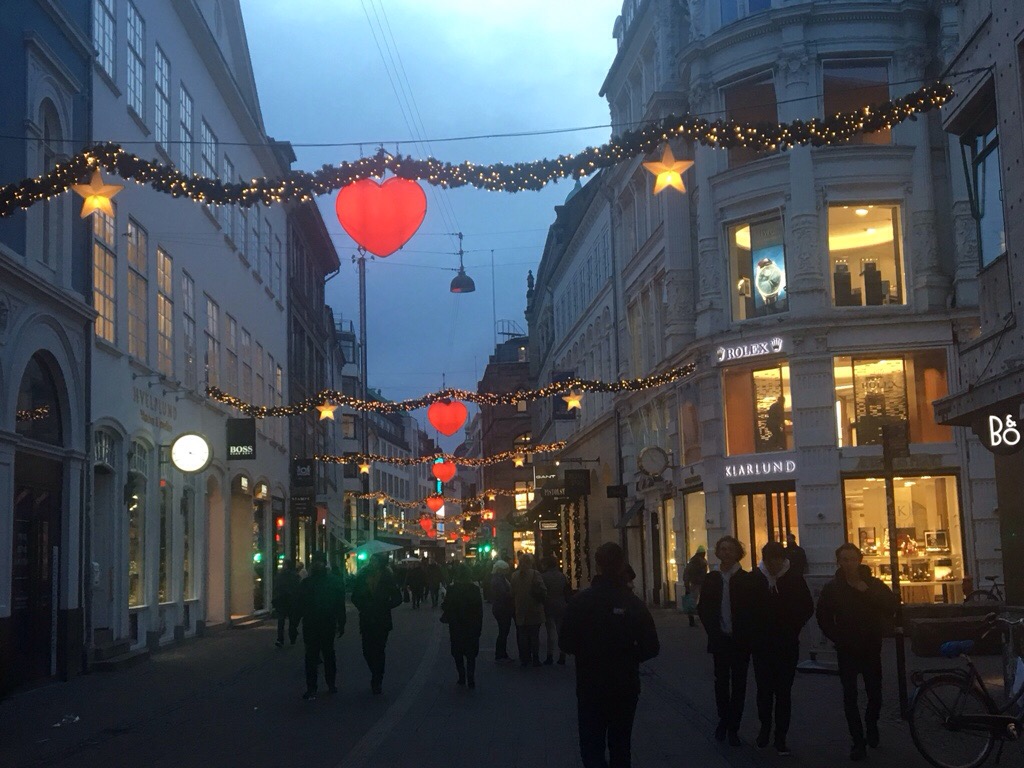
In central Copenhagen, where the spirit of the holiday can be seen all around, with decorations on buildings and streets.

20171122-010104-3664766.jpg20171122-010104-3664345.jpg

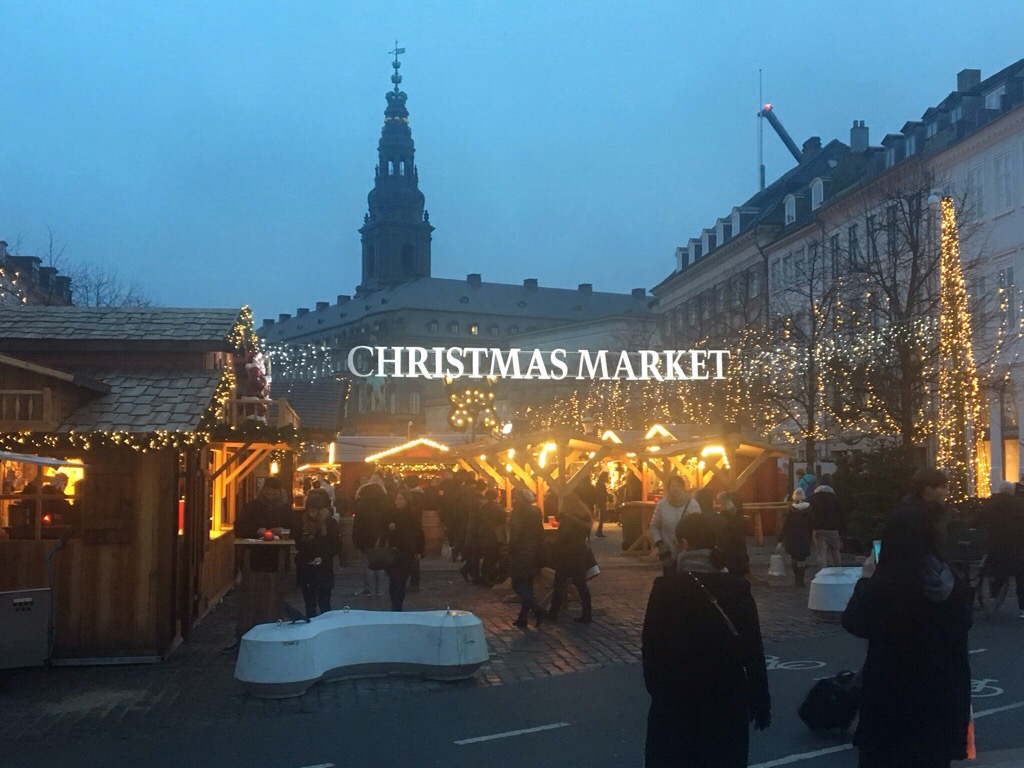
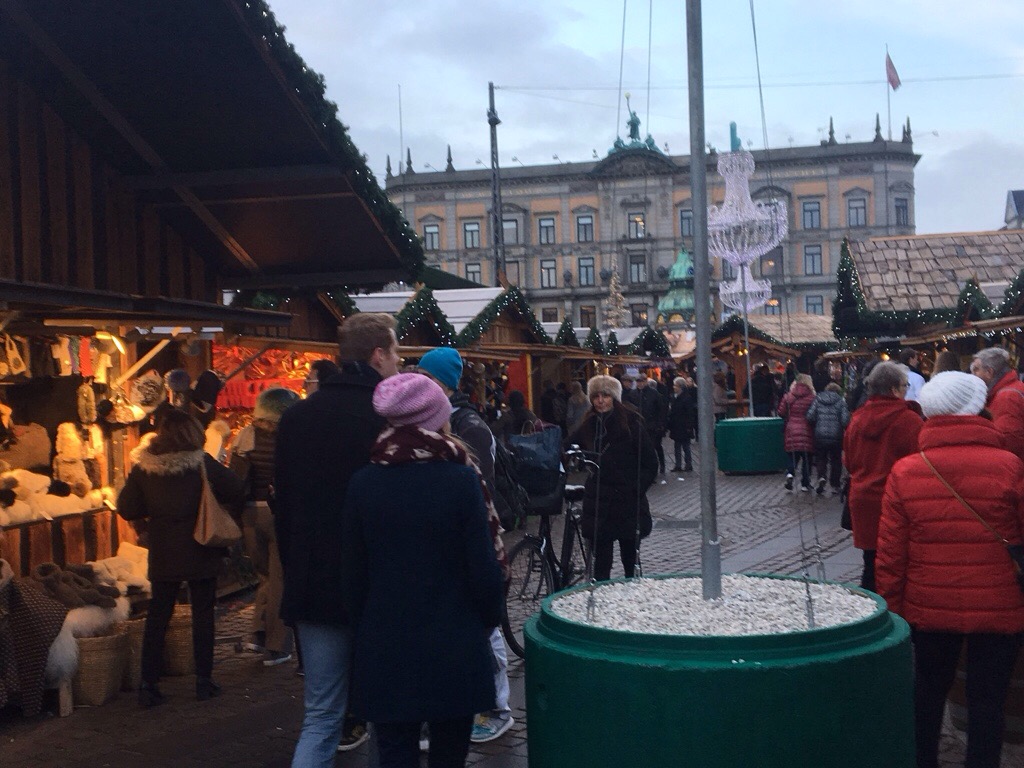
And numerous Christmas markets all over town offering holiday treats.

20171122-010217-3737620.jpg20171122-010217-3737184.jpg20171122-010218-3738052.jpg

The spirit becomes contagious. It is felt in the air. It is hard not to want to join in the traditions of the region. Eating nordic food, both new and old.

20171122-011125-4285759.jpg20171122-011125-4285311.jpg

And, of course, drinking gløgg, a warm spiced Scandinavian wine commonly drank on cold, cloudy winters days; particularly at Christmastime. It would be almost impossible to imagine myself here at this time of year without drinking it.

Denmark is known to be a happy place despite the weather, which is commonly cloudy and rainy, particularly in wintertime. In fact, it may even be because of the weather, as Danish culture has found some unique ways in which to cope.

20171122-011728-4648566.jpg

Hygge (pronounced hoo-ga), is a word we do not have a direct english translation for. It is happiness, in a friendly, slower paced, and cozy sort of way. Upon any reading or discussion of the subject, it becomes quite apparent how the weather has influenced the culture. Winter here means a lot of time spent indoors, in the dark. Spending it among good friends, eating good food, and removing oneself from the pressure of day-to-day life provides some form of rejuvenation.

20171122-013038-5438210.jpg

While Copenhageners spend a lot of time indoors at this time of year, it is apparent that they do not let the weather stop them from cycling. Despite the cloudy, and even rainy weather, and daylight that only lasts from roughly 8:30 A.M. to 3:30 P.M., there are still plenty of people on their bicycles, using them to transport themselves, and sometimes even other people and their cargo, around town.

As a cycling enthusiast, this is actually one of the factors that drove me to want to visit Copenhagen. It is by some measures the most bike friendly city in the world, and boasts one of the highest percentages of bicycle commuters. Perhaps because of the fact that nearly every street I encountered here in Copenhagen had some form of bicycle accommodation, it is a way of life here that cannot be stopped by the combination of darkness, rain, and temperatures in the lower 40s (around 5C).

20171122-014003-6003890.jpg

Besides what appeared to be the expectation of year-round commuting, I noticed several other manners in which the cycling culture here differed from what I see in the United States.

First, the bikes are different. I saw mostly cruisers not necessarily designed to go high speeds.

Second, cyclists here most certainly follow the rules. Nobody ran red lights.

And, finally, I also noticed that it is common practice here to leave bikes unlocked. I guess there is less worry about theft, but the idea of not locking a bike feels foreign to me.

20171122-014503-6303658.jpg

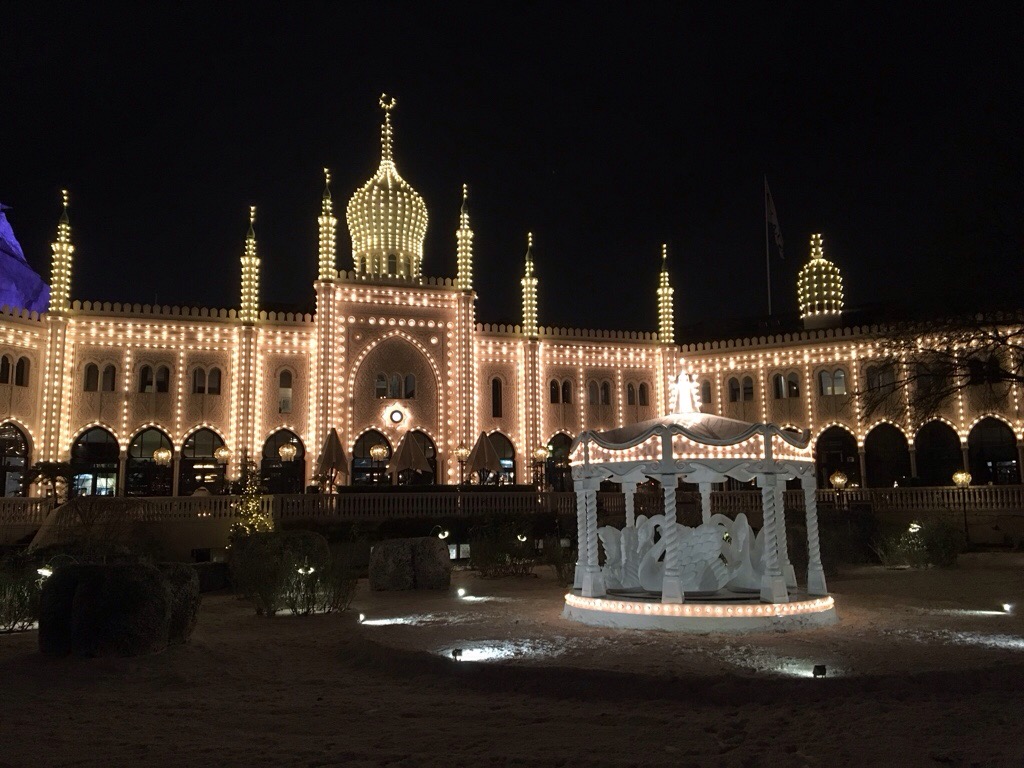
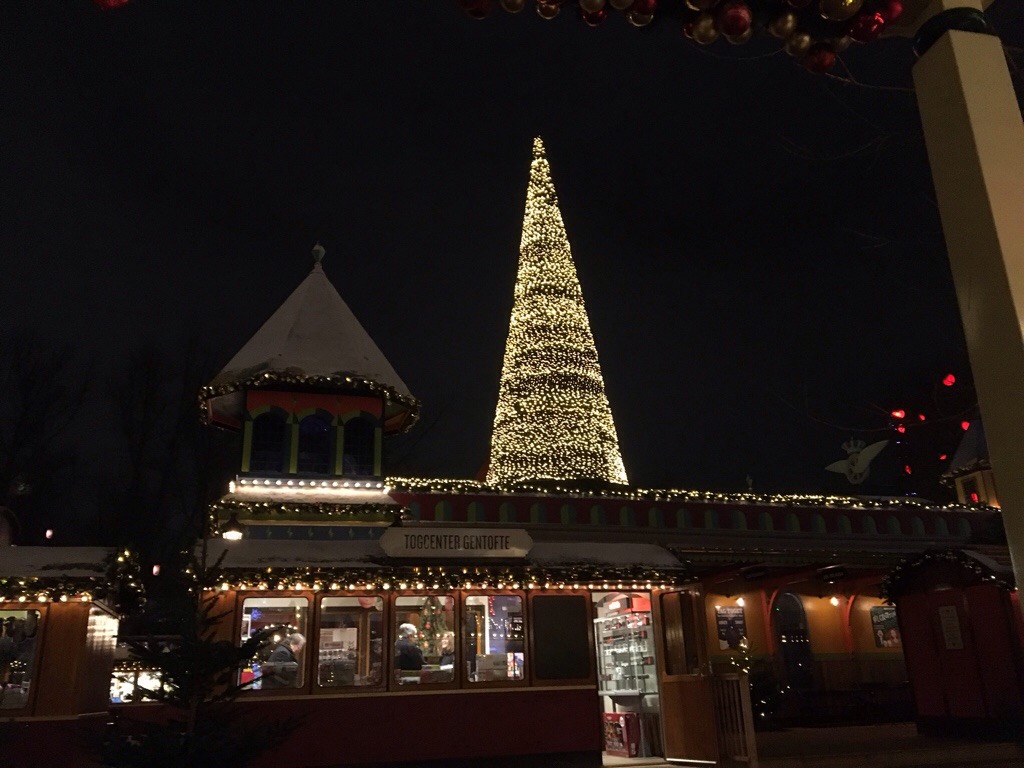
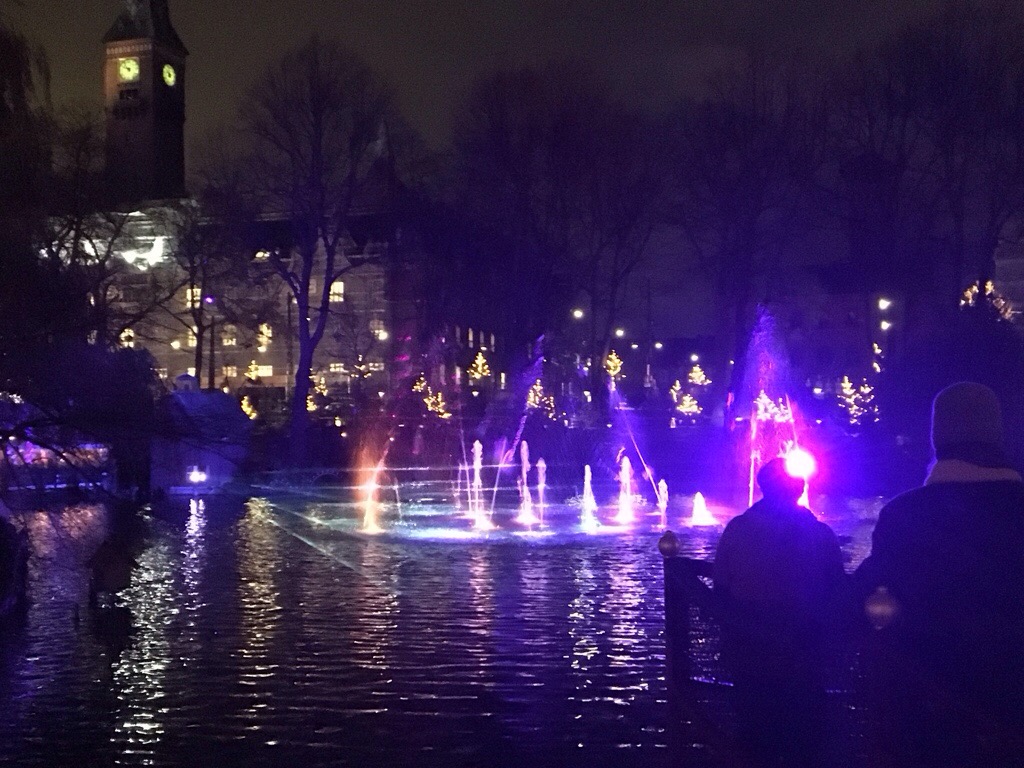
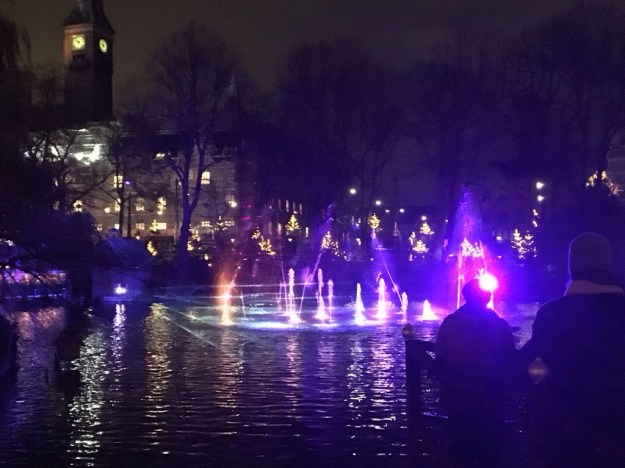
There is perhaps no place more iconic here in Christmastime than Tivoli gardens, one of the world’s oldest amusement parks.

The lights here, at night, are a must see for anyone who comes to Copenhagen at Christmastime, even for those who do not care for roller coasters.

20171122-014741-6461817.jpg20171122-014740-6460960.jpg20171122-014741-6461389.jpg20171122-014742-6462249.jpg

Recent reports have linked the lack of social support to unhappiness, poor health, and other bad life outcomes. The Danish people appear to take pride in their status as one of the happiest countries in the world, and, at least in part, attribute it to this concept of hygge.

According to the Little Book of Hygge, written by Meik Wilkins, the CEO of the Happiness Research Institute (which happens to be located in Copenhagen), hygge, while practiced all year long, is strongly linked with the Christmas season. The idea of taking a break from the stress of everyday life and spending time with loved ones is the core element of Christmas no matter where it is celebrated.

Often times the season for this is cut short. For many, some combination of pressure to complete end of the year tasks at work and holiday shopping keeps stress levels high for much of December. Experiencing Copenhagen in late November, with the spirit of Christmas already in full swing, I am inspired to make this entire season, not just a couple of days at the end of December, about giving, sharing time with those closest to me, and de-stressing.

Hell’s Hole: A Lesser Known Hike for a Busy Weekend

IMG_1116 (1).jpg

It would be hard to find a day, or an event, that brings about more mixed emotions for me than Labor Day….

I love the fact that Americans get a holiday, the first Monday of every September. I hate the fact that so many Americans get so little time away from the office and their other daily responsibilities that Labor Day weekend represents a rare opportunity for travel, leisure, etc. As a result, roads, recreations areas, National Parks, and tourist attractions are very busy the entire weekend!

The history of the holiday is complex and contested. It started as a celebration of the Labor Movement, whose original purpose was to stand up for fair treatment of workers in the wake of industrialization. Leaving out some more controversial opinions, let’s just say I appreciate the fact that there is a Labor Movement and a lot of what it has done, but I do not always appreciate every manner in which it manifests.

Over the years, the workforce changed, and the holiday kind of morphed. Today, the holiday is less about parades celebrating the American worker, and more about recreation, parties, events, travel, and outdoor adventure. It also serves as the unofficial end of Summer. Yet another mixed emotion. I love seeing people get out and enjoy the world. But, I am bummed that Summer is ending.

The crowds also necessitate some outside the box thinking. The National Parks will be crowded. So will many highways, and other high-profile destinations. With the weather typically being pleasant, the three-day weekend ends up being a good opportunity to visit some lower-profile destinations, particularly for those of us that are fortunate enough to get more than three opportunities (Memorial Day, Independence Day and Labor Day) for summer adventure and exploration.

IMG_1089 (1).jpg

Mount Evans itself is a fairly high profile destination. Just over an hour’s drive from central Denver, it can be reached by driving up the highest paved road in North America. People also commonly hike or even cycle to the top of the 14,264 foot peak.

The Mount Evans Wilderness is a 116 square mile are surrounding the mountain, with rugged terrain, many other peaks, and numerous other trails to hike and backpack.

IMG_1114 (1).jpg

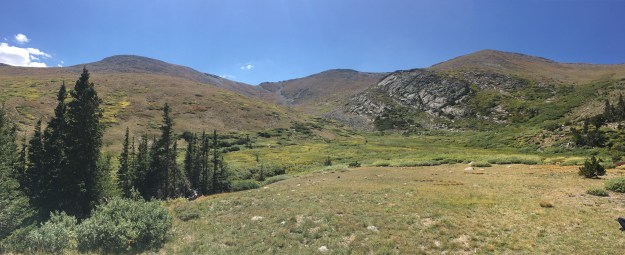
Hell’s Hole (I have no idea why they call it that) is a trail that stretches a little over 4 miles (estimate vary depending on source, a common issue for hikes in Colorado) just to the West of Mount Evans.

Starting at an elevation just over 9500 feet, the trail climbs a total of roughly 2000 feet, making it moderate in difficulty- overall. However, that difficulty is not spread evenly throughout the hike. Most of the climb occurs in the first two miles, as the trail ascends, first through a forest of mainly Aspen trees, then into a dense forest of Pines. Near the top, the trees begin to thin, and Mount Evans, the giant 14,000 foot peak periodically appears through the trees.

IMG_1107 (1).jpg

At a moderate pace, one should reach the end of the trail in roughly two hours, with the second half of the trek begin more gentle in slope. The gentler slop still manages to top out close to the “tree line”.

IMG_1111 (1).jpg

Although the final mile and a half of trail offers periodic glimpses at the mountains in all directions, it is only the last quarter of a mile of the trail that is truly wide open. To get the full experience, I would seriously recommend hiking the entire length of the trail, which totals roughly nine miles round trip.

For some reason, it took until the second half of the hike, the descent back to the trailhead to notice any signs that summer was indeed coming to an end. An unseasonably hot day, reminiscent of mid-July, temperatures in parts of the Denver metro area hit 100F, and even weather stations near 10,000 feet in elevation peaked out above 80F. The entirety of the hike felt no different than mid-summer.

IMG_1122

Yet, hints of fall appeared, and were suddenly noticeable when the ascent was complete. Shades of yellow began to appear in the shrubs that often dominate the landscape just above the treeline.

IMG_1125 (1)

Further down, gold colors even began to periodically appear in the Aspens closer to the trailhead.

IMG_1123 (1).jpg

People often think of Labor Day as summer’s farewell, summer making one last appearance before ending. Of course, the weather does not always line up that way, and it is quite possible that many more hot days are still yet to come.

Emotionally, and sociologically, a lot more can be controlled. Most children have already returned to school. Those still on summer break will be back in the classroom shortly. Anyone on summer schedules or summer dress codes will return to normal within a week. For those in the most traditional types of corporate structures, the next holiday may not be coming until Thanksgiving (late November).

On the descent, we spent some time discussing topics related to work, finding purpose in life, and other topics that were less about travel and adventure and more about life at “home”. It was almost as if the weather, the physical appearance of everything around me, as well as the general mood, was lining up to serve the purpose Labor Day serves in the 21st Century; a farewell to summer before a new season takes hold.

For many, this new season represents a return to some form of structure, but could also represent new opportunities to learn, achieve, and reach the next level. In life, we all need breaks, time to do that in which we enjoy. We also need time to work, and get things done and serve other human beings. While our current society may not have found the right balance, that does not mean we need to shun work altogether, and not embrace the season that is to come.