Category Archives: Personal Development

Memorial Day Tornados in Eastern Colorado

IMG_3528

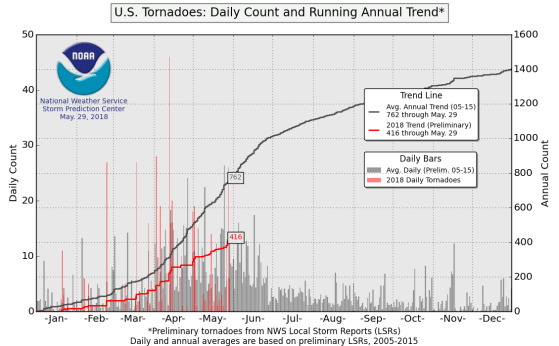
2018 has not been an active year for tornados. With May, the most active month for tornados nearly complete, only 416 tornados have been reported.
Tornados_2018vsClimo

This is, by any scientific measure, over 35% lower than the long-term average, and according to the Storm Prediction Center, in the bottom quartile for tornado activity.

This Memorial Day storm chase almost came as a surprise. First of all, I typically travel Memorial Day Weekend, as does a lot of people. Also, with the season being as inactive as it has been, there had been plenty of days throughout May where forecast models looked promising for a good storm chase several days to a week ahead of time, only for the atmospheric setup to never materalize.

While some aspects of weather forecasting have become quite accurate, forecasting weather beyond a few days, and forecasting weather phenomenon on a small spatial scale remains a challenge. Thus, those that long to see what is perhaps nature’s most violent storm, tornados, can do one of two things. They can set aside a period of time, typically sometime either in May or early June to go out and look for storms.

IMG_3542.jpg

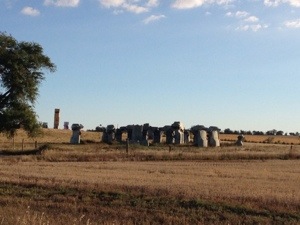
Several companies offer this service, a set 7 to 10 day chase in vans like these ones. However, even in May, there is no guarantee that any kind of active thunderstorms will be happening, let alone tornados. Those that have ever chased in this manner end up becoming familiar with all sorts of oddball attractions in the Great Plains!
20130921-094233.jpg

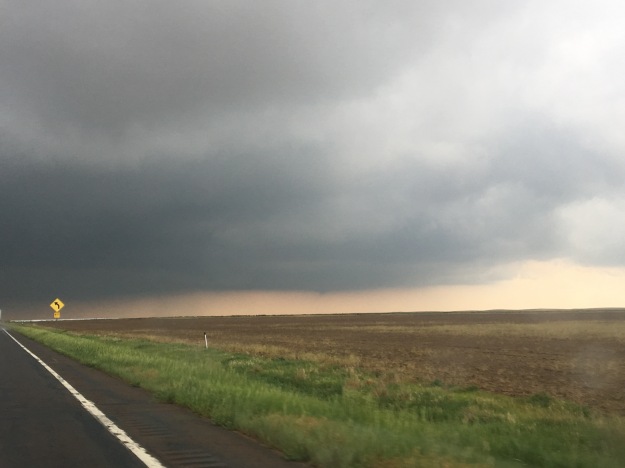
There are also those that keep an eye on weather outlooks, deciding to go when the setup looks good. This requires some often last minute decision making, and sometimes chaining plans. This is what I did on Memorial Day. A day that started out slowly, with brunch in Cherry Creek, quickly transitioned to traveling due east out of Denver, straight into the storm.

IMG_3485.jpg

Still, even if this tactic guarantees that there will be activity, it does not guarantee that there will be tornadoes. There is still some element of luck to it.
IMG_3486.jpg

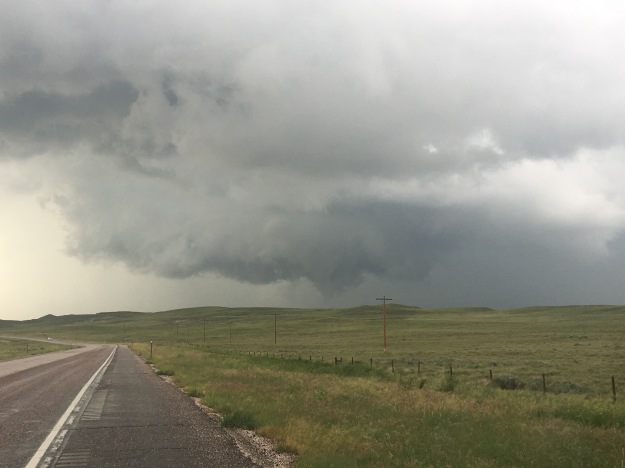
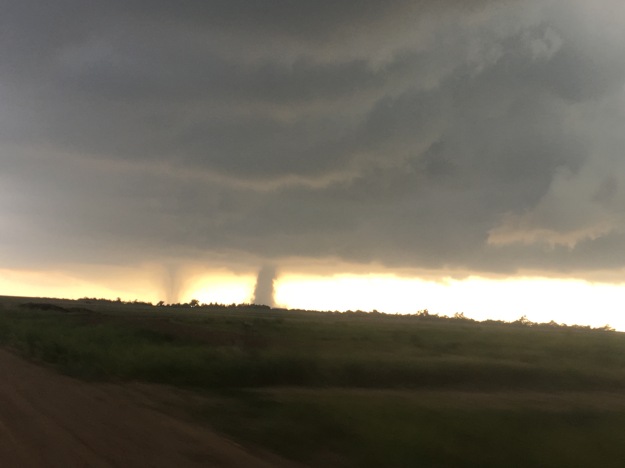
Near the tiny town of Cope, Colorado, the sky had an interesting orange hue to it with what appeared to be a funnel cloud. This can actually happen quite frequently without an actual tornado being spotted.

At that point in time, around 4:30 P.M., we made two decisions that would put us in the right position to view the tornados. First, we decided to get to the East side of the storms before they became big. Second, we decided, due to Eastern Colorado’s sometimes limited road network, to actually use dirt roads, something that can, at times, be dangerous in the case of a flood.
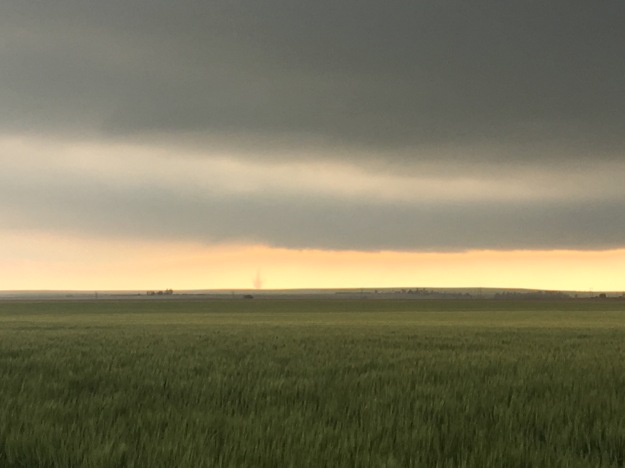
IMG_3490.jpg

The first tornado, Southwest of Cope, we saw kind of in the distance.
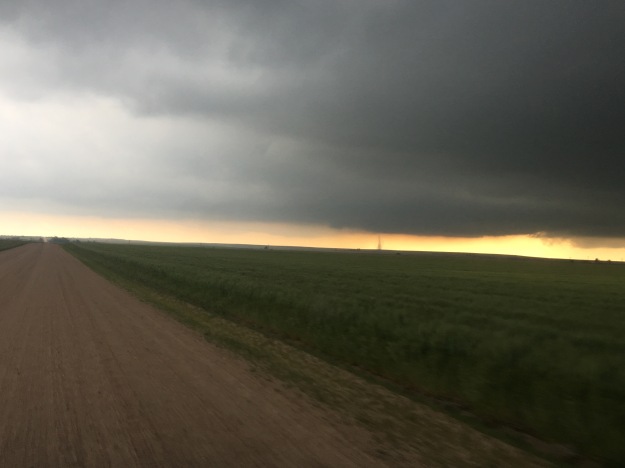
IMG_3496.jpg

We traveled south, along a dirt road, to get a closer view of it, however, we eventually saw it dissipate.
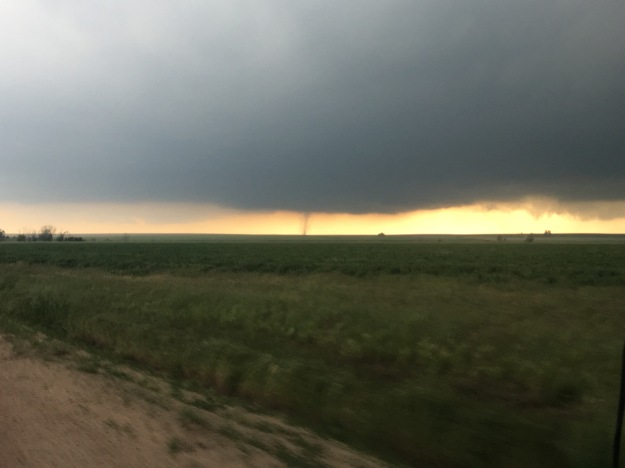
IMG_3498.jpg

Still, the entire time, cloud formations indicated a strong low-level rotation, conditions necessary for tornado development. There was even a “landspout” and several dust devils between the storms.
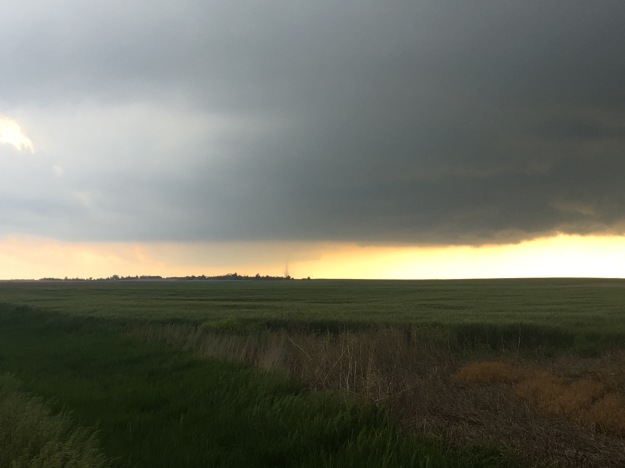
IMG_3505.jpg

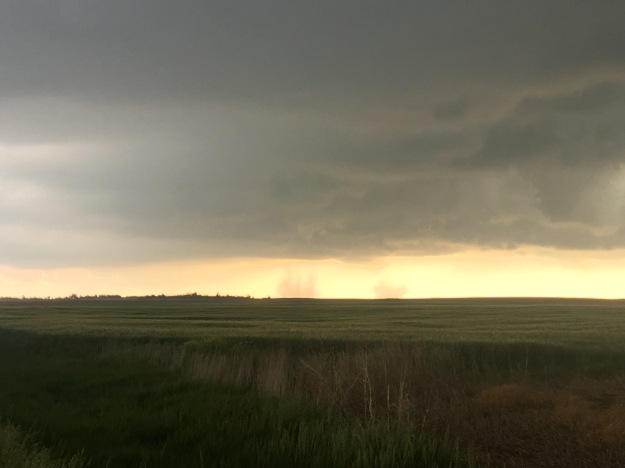
Before long, two new tornados were spinning up, just a bit to the South and East of where we had seen the first one.
IMG_3511.jpg

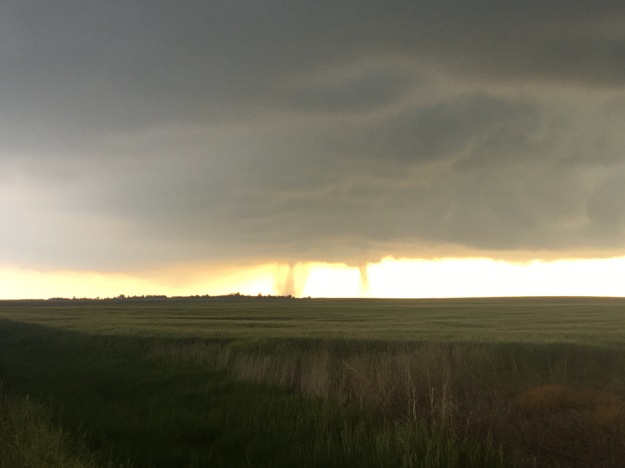
The strange thing about these storms was that they were first visible on the ground, with clouds of debris extending outward from both emerging funnels.
IMG_3515.jpg

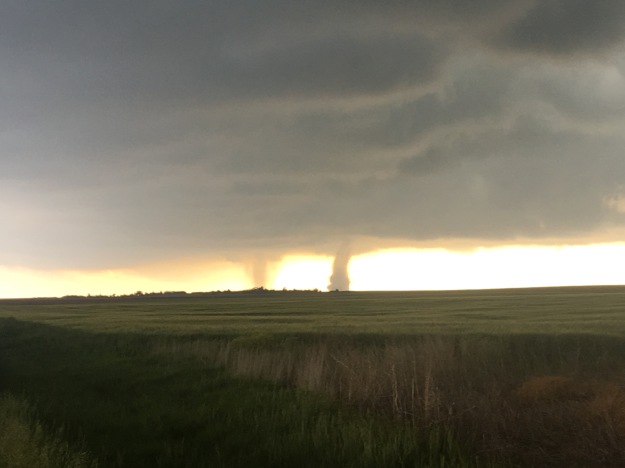
Watching them develop proved quite remarkable. First the funnels showed, then we actually got to see the darker clouds of debris around the funnel fill in from the ground up, forming two side-by-side fully mature tornados.
IMG_3520.jpg

The funnels were on the ground for about half an hour.

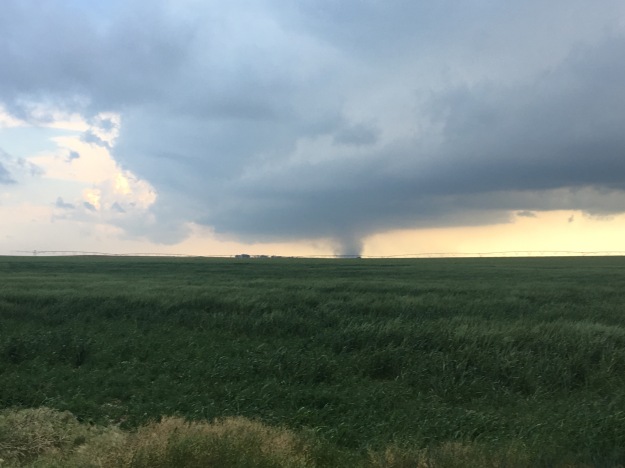
They gradually evolved, taking on different forms, giving way to yet another tornado, a bit further South and East, near a tiny town called Vona, CO.
IMG_3539.jpg

As a person with many interests, I only end up storm chasing several days per year. In the past several years, this was by far the most successful chase day. Even for the most knowledgable chasers, just seeing a tornado constitutes a successful day. Seeing four of them, as well as being able to watch tornados form is nothing short of amazing!

I am also always glad to see when tornados are not actually impacting people where they live. One thing I notice is that storm chasing continues to become more and more popular with time.
IMG_3533.jpg

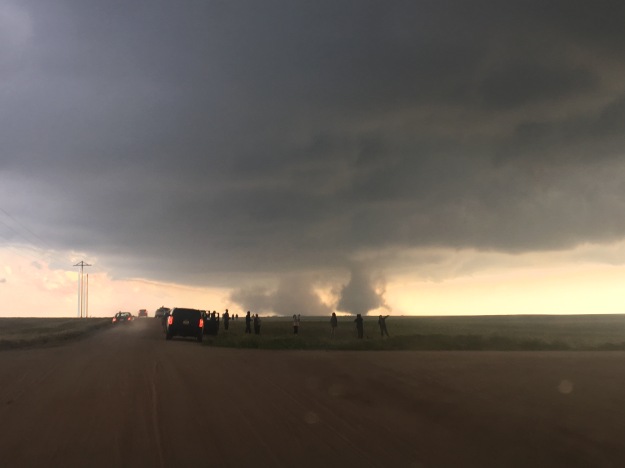
There were several instances where we encountered large groups of people, just like this one, looking at and taking pictures of tornadoes. This is all good, but I do concern myself with how the people who live in these areas perceive this activity. We storm chasers should never be delighting in the destruction of anyone’s home or town, and I am concerned that the perception as such could lead to some resentment among the people who live in tornado prone areas, particularly the Great Plains, which far Eastern Colorado is part of.
IMG_3547.jpg

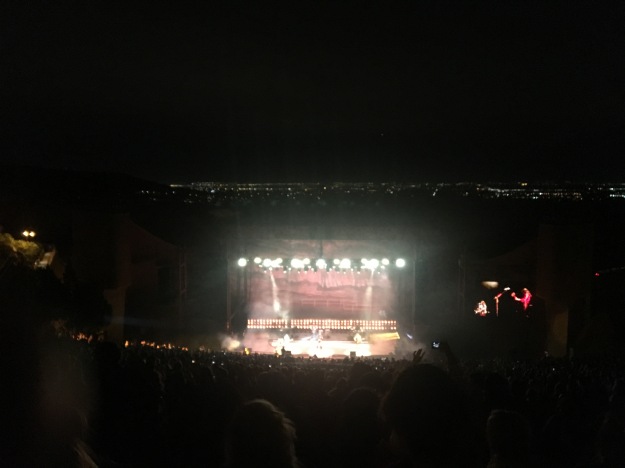
Not only was it one of the most successful chases of my life, but it also was quite possibly the most efficient chase I have ever been a part of. It started after what turned out to be a 90 minute brunch, and that evening I was back in Denver seeing a concert at Red Rocks Amphitheater.

The perfect storm chase, like the perfect setup when it comes to things like jobs, relationships, communities and homes, results from the intersection of good decisions and good luck. The former can be controlled. The later cannot. Just as I have been on many other storm chases where my group made all the right decisions but still did not see any tornados, the same can happen in all of our pursuits. All we can do is continue to go out there, make the right decisions, execute properly, knowing that the luck will eventually materialize even if it takes several more tries.


Welcome to Summer

Week after week is spent focusing on some sort of life endeavor; a major project at work, a personal improvement initiative, a diet, starting a business, preparing for kids. Meanwhile, the world around us continues to tick. All of a sudden we realize that everything has changed. A jacket is no longer needed in the morning. Darkness does not set in until well after 8 P.M. Every evening, the neighborhood kids are outside being lively. While our focus had been elsewhere, the subtle process of seasonal transition has transformed the world around us. It is now summer!

IMG_3339.jpg

Although it has felt like summer, here in Colorado, for a few weeks, in the United States, Memorial Day is often referred to as some sort of unofficial beginning to summer. With most businesses not providing time off for the Easter holiday, and Cesar Chavez Day being a holiday in only two states, for many, Memorial Day is the first day off in several months. I have even had a pervious employment situation where there were no holidays between New Years Day and Memorial Day.

With vacation shaming running rampant in this country, causing Americans to collectively leave over 700 million vacation days unused annually, it is easy to imagine countless American who spent the three months leading up to Memorial Day doing little else besides work and tending to home and family needs.

2018 in particular was a year where the Spring Season was easy to miss, as winter felt quite persistent across much of the country through April.

April_2018_TEMP.png

Chicago even reported measurable snow four times in the Month of April!

Many experienced the kind of weather they typically associate with Spring only briefly before summer-like conditions spread across the country.

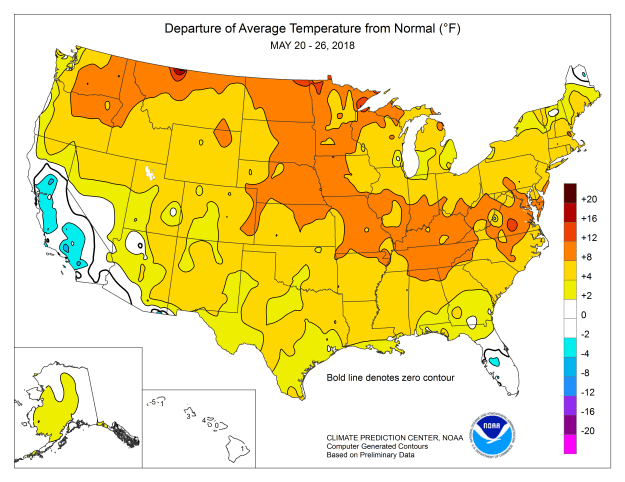
MemDay2018_TEMP

By Memorial Day, 100 degree temperatures were reached in Minneapolis, while the Florida Panhandle was experiencing the start of the tropical storm season.

While it is completely understandable why some people were completely blindsided by the start of summer, it feels, in a major way, unnatural. Seasonal cycles are embedded in how our culture developed, flushed and progressed. They can be seen in the way our calendars were constructed, the holidays we celebrate, the traditions we all enjoy and even in art and music. Perhaps most importantly, they guarantee that we must periodically stop what we are doing, and move on to a new set of experiences and a different kind of energy. In a way, they guarantee progress.

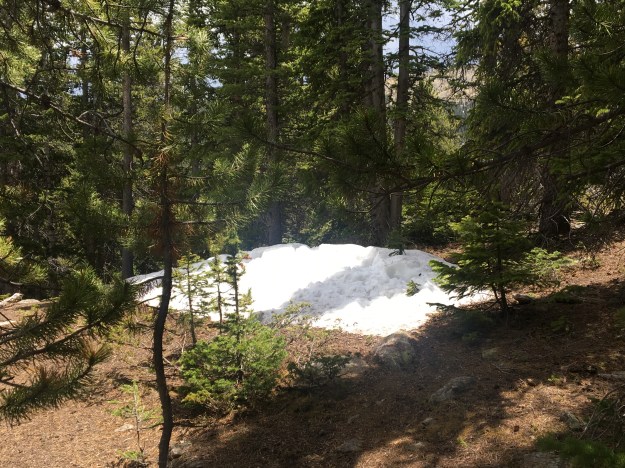
All the major biomes in the Colorado Rocky mountains were alive this Memorial Day weekend, as if they knew this Memorial Day deadline for the start of summer existed and needed to be complied with.

IMG_3450.jpg

IMG_3478.jpg

The Aspen trees glowed an almost neon green in the bright sunshine, contrasting with the pine trees in some places, while clustering up, highlighting their own light gray branches in others.

IMG_3457.jpg

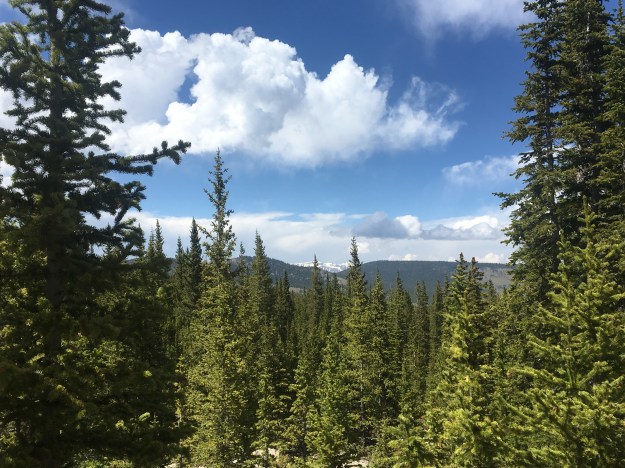
Somewhere slightly above 10,000 feet (3.05 km) in elevation the forest transitions to densely packed evergreens.

IMG_3460.jpg

Nourished from the melting of the residual snow at higher elevations, they shade the ground below them with a raw power almost feels as if they are, collectively, the protectors of the mountains.

IMG_3477.jpg

Along the trail, they reveal only what they want to reveal. Periodically, they reveal small previews of what is to come, building suspense and creating an experience.

IMG_3468.jpg

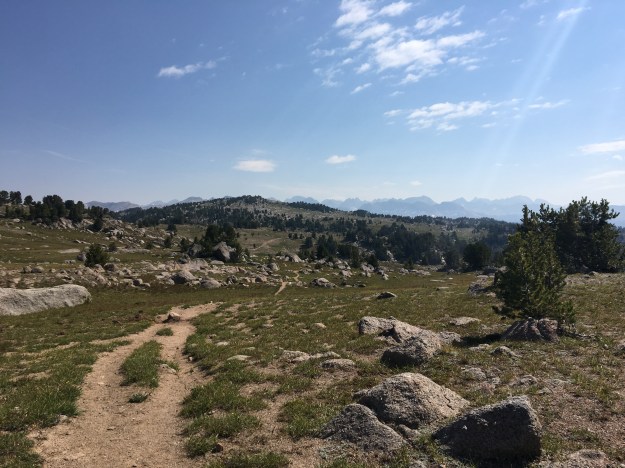
Above the trees, the remnants of the snowy season, which is any time of year besides summer at 12,000 feet (3.6 km) in elevation, fades away slowly transitioning the energy of the surrounding rocks, bushes and grass.

In the modern world, summertime for many feels like a time to thrive. It is often the busiest time of year. Surprisingly, this appears to be true for both weather dependent activities such as travel and recreation, as well as indoor ones. It is also the time of year where more is possible. Long days, less travel hazards, and in many cases less discomfort when outdoors gives us the chance to both let in and out a deep breath and smile, but also take our activities to the next level.

IMG_3480.jpg

Many of us did not keep our New Years resolutions, some could have even had their goals and desires forgotten about over the past few months. However, the start of a new season, indicated by the coming and passing of Memorial Day weekend, provides no better opportunity for each and every one of us to re-orient ourselves towards what we really want out of life. The coming season may be the best time to make a change- to chose life!

IMG_3428.jpg

As the floodwaters gradually recede, I look forward to the calm feeling the warmth of summer provides. I look forward to the energy of cities and towns alike, flooded with people walking to the park, walking their dogs a little longer, and to festivals and cookouts. I look forward to the energy it produces in each and every one of us, inspiring us to leave the computer screen, put down the remote, and go outside an play a little. I look forward to the brightness of the sun lightening the hearts of all of us. I look forward to seeing the lives that will be transformed by summer’s energy!

Off-Seasons and Wanderlust

We dream of adventures in far away places. The majesty of watching the sun set over an endless ocean from a tucked away campground.

IMG_6397

Of endless forests, whose trees stretch endlessly up towards the heavens…

IMG_2706.jpg

Of the quiet lake tucked away in the mountains…

IMG_0368.jpg

The wide open rugged terrain of Earth’s most pristine mountain ranges…

IMG_0768 (1)

IMG_1259

Adventures on both land and water…

IMG_3736

And, in my case, the continuous smell of fresh air from the comfort of a bicycle seat!

IMG_3746

Sometimes, however, life, as in some combination of events both major and minor, forces our attention elsewhere. By elsewhere, I mean to other aspects of our lives.

IMG_3258.jpg

Springtime can actually be that time of year for a lot of people. The most common activities people take part in tend to either be winter activities, such as skiing, or summer activities that require consistent relatively pleasant weather. Springtime can be pleasant, but can also produce weather that is quite volatile.

IMG_0070 (1)

Our most precious resources can be crudely generalized as time and money. It has often been said that a person’s values and priorities can be revealed not through their words, but their actions, in the form of how they chose to spend their time and money. Travel, at lest the kind of travel featured in blogs, magazines, and on TV shows, tends to be quite exhaustive of both time and money.

IMG_5287

While there are people who value travel and people who don’t, even amongst people who value travel, there are times when these resources simply have to go elsewhere. I am in the midst of one of those time periods, where the large sums of money, and the large blocks of time just need to be used in other capacities.

IMG_3291

Fortunately, not all experiences require large sums of money and large amounts of time. While not everybody is lucky enough to live within a 45 minute bike ride of a place that can feel majestic on a warm spring day.

IMG_3250.jpg

There is something picturesque about everyone’s home town.

IMG_9008

Wherever you live, there is something to be admired, there is an experience to savor and a scene to soak in, at the right time, from the right vantage point, so long as we all stay mindful.

My “offseason” consisted of activities that are less exhaustive of both time and money.

IMG_3199.jpg

Some were bike rides to nearby places that had become so familiar, their beauty had become almost lost. Two years ago I had said that no matter how many times I ride the route 36 bike trail between Denver and Boulder, I would always stop at the Davidson Mesa overlook, even if I am not in need of rest. I broke that policy last week, which would later serve to me as a reminder that the familiar does not cease to be wonderful!

Others were trips to state parks within 60 miles, an hour’s drive or a three hour bike ride, of Denver.

On a day with unpleasant weather, I checked out the Dead Sea Scroll exhibit at the Museum of Nature and Science, technically walking distance from my home.

Nicer days brought me to places like the Cheyenne Botanical Gardens…

Or even just to my own back yard to plant a garden.

All, this, along with the other random activities I took part in around town

was certainly not enough to fend off the wanderlust, the ever present desire to get out and, see more places, witness more events, and travel somewhere new. However, an off-season, a change of pace of sorts, from time to time, might not necessarily be a bad thing.

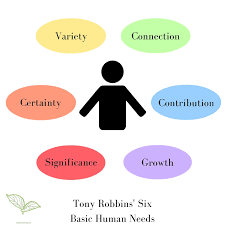
According to Tony Robbins, there are six basic human needs.

six_basic_needs

Travel is a great way to meet some of these needs, particularly variety, growth, and connection to nature. However, with the exception of the few people who travel for a living happily, some of us need to stick closer to home to meet the rest.

In particular, I can see how consistently being in a different place can actually be a hindrance, or an additional challenge, when it comes to making an nourishing friendships.

As well as growing professionally.

And, well, when it comes to developing a career (if travel itself is not the career that is), accomplishing something.

I can’t say I welcomed this season of my life, needing to direct my energies towards pursuits that feel less exciting and unique, and more like everyday life. However, after a couple of months, I now see why it is periodically necessary. The wanderlust isn’t gone. On the contrary, it probably gets worse every day. However, life is about balance, and when we get out of balance, bad things can occur. Just because I feel like far too many people have settled for the mundane, and less than I feel they are worth, does not mean it isn’t possible to fall out of balance in the other direction.

Travel; The Balance Between Spontaneous and Planned

IMG_3251.jpgOn one end of the spectrum are the planners, the ones that assemble detailed itineraries, and, perhaps not so surprisingly, are typically able to stick to them.

BikeRoute_Sunmer2016

A well planned trip comes with several advantages. Flights, hotels, and many travel related big-ticket items are typically cheaper when booked several months ahead of time. Putting in the time and effort to plan ahead of time also reduces the chances that some unforeseen complication or circumstance will negatively impact the trip, causing travelers not to get the experience they were hoping for.

IMG_3929

On the other end of the spectrum are the spontaneous, the last minute, the drop everything and go type of experiences. This has its advantages too. Psychological studies have indicated that the satisfaction people have with their experiences is often dependent on how the experience compares with their expectations. The spontaneous trip, the one that comes together last minute can have a strong upside, as there were no expectations. Finding oneself unexpectedly in a new place, trying something new; experiences like these can make people truly feel alive!

IMG_0117

Missing out on this feeling is probably the main drawback to planning travel too intensely. When every activity is regimented, down to the hour (given the fact that there is traffic, weather, etc. regimenting to the minute is a fool’s errand), it is harder to make adjustments for what may occur, or take advantage of opportunities that present themselves. See an interesting billboard for a museum, theme park, or natural bridge? Sorry, there is no unplanned time. Run into an old friend, or make new friends? We can reconnect only if you’re going in this direction as me at this time.

img_7656

As is the case with most things in today’s world, there is an optimal “middle ground” that can be reached, and it is not necessarily a compromise between the two extremes. The best “middle ground” solutions often try to achieve the objectives of those on both sides of the issue. The planners want some kind of guarantee that the most important experiences, the original objective of the trip, are actually obtained. The spontaneous want flexibility and the element of surprise.

While I have taken part in experiences that were planned many months in advance and completely regimented.

IMG_2105.jpg

As well as ones that were super of the moment.

IMG_1658.jpg

My general tactic is in the middle.

IMG_3043

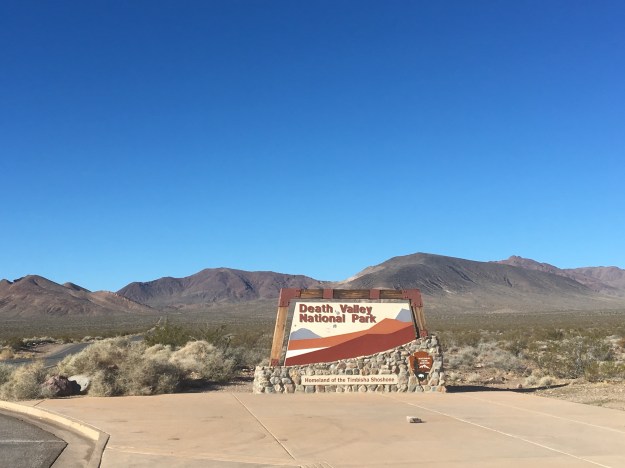
The trip I took to Death Valley six weeks ago was actually originally planned for Zion National Park. Unexpectedly cool and rainy weather prompted us to change the venue to Death Valley, where it would be more pleasant. In this case, it wasn’t necessarily the exact intended experience, but the overall experience of camping, hiking, and being outside in a group of people still came to pass.

20171122-014003-6003890.jpg

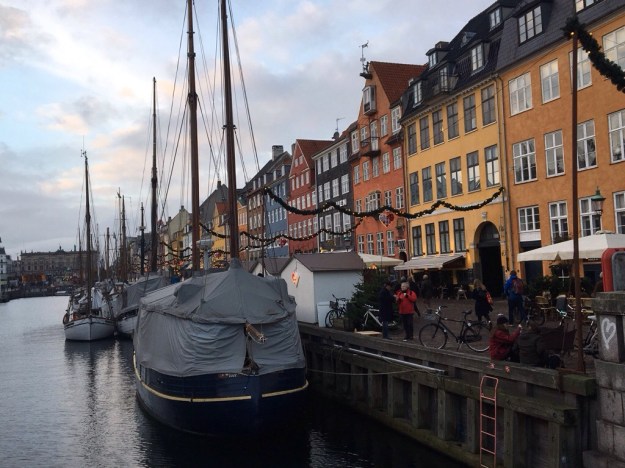
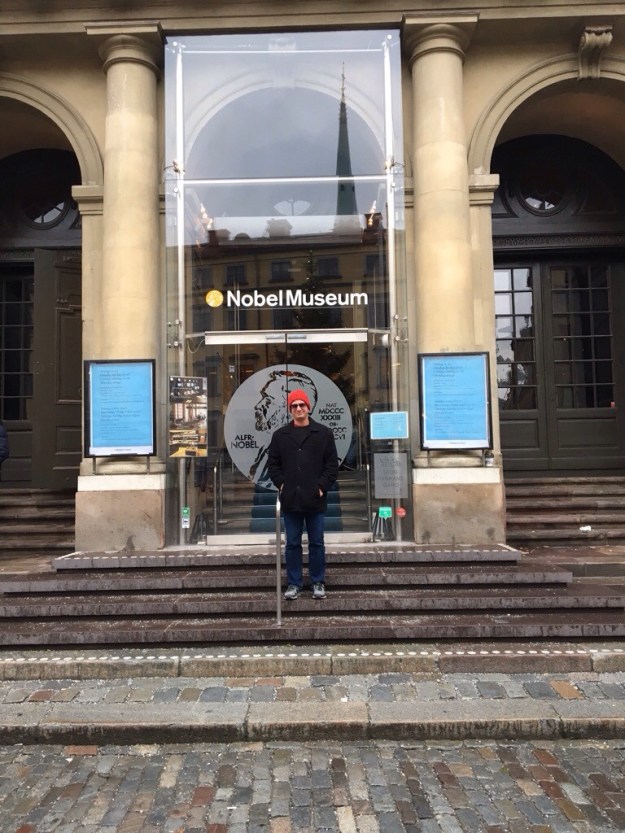
When visiting Copenhagen and Stockholm last fall, we set aside a few “must sees”…

20171126-171745-62265432.jpg

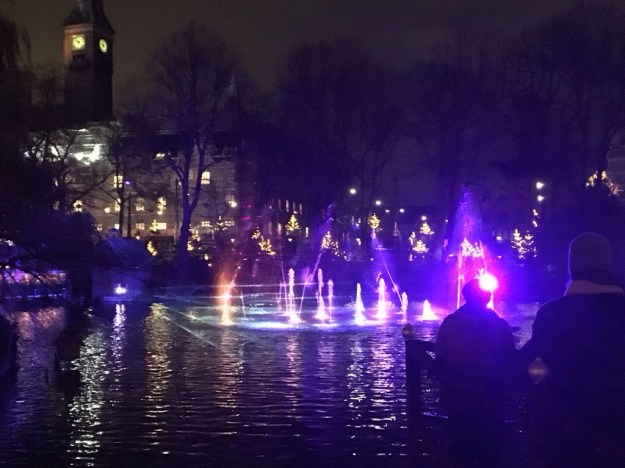
While leaving a lot of time open for other experiences

20171122-014742-6462249.jpg

There are a lot of other ways to achieve this optimal combination of guaranteeing experiences while also remaining spontaneous. They are not all as simple as the Southwest Airlines no change fee policy. Some things, like planning alternative activities if the weather is bad, having meals ready on fishing trips in case no fish are caught, or planning for a busted stove on a backpacking trip, take research.

IMG_4244

And, well, in our attention deprived world, doing research can often be a deterrent. It can be a deterrent to being well prepared, but also, perhaps most unfortunately, can be a deterrent to traveling at all. The phenomenon of “analysis paralysis”, where a combination of too many choices, too much information and too many factors to consider leads to no choice being made at all, has become quite the large scale issue this decade.

Luckily, in an age where the internet appears to do nothing but create “analysis paralysis” there are still resources designed to help people sort through the clutter of information available to them.

One option is to hire a travel agent, who knows the ins-and-outs of various destinations, and can help travelers find the best deals and the best experiences. There are some who believe that travel agents are no longer needed in the age of the internet. However, as the Travel Channel’s Samantha Brown has pointed out in many occasions (including the 2017 Travel and Adventure show which I was at), travel agents do help people sift through all of this information.

The other is to find resources online that actually help people consume information rather than find more of it. A great example of this is the side by side comparison of travel insurance options on reviews.com. More generally, reviews.com is one of the few sites that actually aims to reduce the amount of time people spend on the internet (as opposed to many other sites whose goal is to suck you in). The site has reviews that help people make decisions regarding plenty of other products, including others important to travelers and outdoor enthusiasts, like water bottles, vitamins and booking sites.

IMG_4743.jpg

There is certainly a time to be completely regimented.

IMG_3746

There is also a time it feels great to do something completely spontaneous.

IMG_6128

In most experiences, it is wonderful to try to find a way to make our travel plans both guarantee the experiences that prompted us to make the trip, while also being flexible enough to adjust for the conditions and take advantage of opportunities. This is, in my humble opinion, the proper balance between being planned and being spontaneous.

The Benefits of Being a World Traveler

IMG_1998 (1)I usually don’t like posting photos taken from an airplane. Especially ones where the wing of the airplane is clearly showing, like this one …

IMG_1994 (1).jpg

The situation was just too good! The flight path, which varies from flight to flight based on upper level winds, happened to track right over Iceland. At a time of year when days are only around five hours long across much of Iceland, and less than 1-in-5 days feature clear skies, it is impossible to overestimate how fortunate of a circumstance this was: To fly over the volcanically influenced terrain at the onset of winter, seeing it in all its glory from above in broad daylight like this.

I couldn’t help but reflect on my experience there, less than two years ago, hiking on the glaciers, standing next to all the waterfalls, and seeing the northern lights.

IMG_5287

As I had noted then, Iceland seems to be becoming a more popular destination for American tourists. However, according to a recent study, it does not crack the top 20 countries visited by Americans (based on data from 2015). Number 7 on that list is Germany, where my flight originated, where I had spent the prior evening, in Munich.

This was the second time Munich happened to be my final destination on a longer trip to Europe. This is an interesting coincidence as Munich somehow seems to feel closer to home than most other European cities I visit.

For example, nearly every other European city I visit has a significant number of really narrow streets, like these streets in Stockholm…

IMG_1916 (1)

Munich, by comparison, feels wide open.

IMG_1979 (1)

Part of the reason Munich feels familiar to me is because, for several years, I lived in the State of Wisconsin. With an estimated 42.6% of the population having German heritage, Wisconsin has its fair share of bars and restaurants that are decorated almost exactly like this one.

IMG_1973 (1)

Places like the Essen Haus, have a similar layout. The serving staff dress in similar Bavarian style attire, and serve similar food and beer.

IMG_1975 (1)

IMG_1971

By the way, the food at Augustiner, walking distance from Munich’s Central Station, was fantastic!

After visiting several countries, and flying over one that I had visited quite recently, I was headed home, to an America that is, based on the perspective of being abroad for a while, in a confusing place.

According to a recent article, while Americans are the 2nd most well-traveled country in the world, only 36% of Americans hold a valid passport. This is possibly the source of one stereotype about Americans, that we generally don’t travel outside of our country.

The numbers here tell a different story, one that matches what I have observed, interacting with other Americans.

IMG_1698 (1).jpg

There are people here who are interested in traveling to different countries. They often plan a lot of trips to may different foreign lands. There are also a lot of people that aren’t. As, we are a vast Country. Most people can experience almost anything they would want to experience without having to leave the U.S.

We are a well traveled country, partially by virtue of being wealthy. A significant amount of that travel manifests as travel within our Nation. Travel abroad is mostly done by roughly 10% of the population with genuine personal or business interests in other places.

I in no way intend to shame anyone for not wanting to travel to other countries. That is their choice (or limitation, as some people do not have the time or money to fly to another continent). Truly secure people validate their choices in life, not by diminishing those who chose differently. They validate their choices with confidence in the benefits of those choice.

That validation, for me, can be best demonstrated in a recent article in Entrepreneur Magazine, titled “Don’t Let Your Butt Dominate Your Brain“. Traveling to other places is one of several ways we remind ourselves one of the most important things we need to remember, as we take on whatever endeavors we take on in life. For those interested in a fast, reliable and low fee provider of travel Visas, I recommend iVisa, an organization that has processed over a million travel documents with 24/7 customer service.

Our way of doing things is not the only way things can be done.

Other cultures have other ways of doing things. We may conclude that our current culture is the best fit for us. However, just because something we observe is different does not necessarily mean it is “wrong”. In fact….

Assuming someone is wrong because they do something differently invariantly comes across as condescending.

IMG_1726 (1).jpg

I generally try to keep anything political off of this blog. This is not a politics blog. I don’t see the world as currently in need of another person chiming in with their opinions about the news, at least not in America. However, going out and seeing other cultures made me reflect one something that feels like a real shortcoming in our current political situation.

The way our political system is currently set up seems to encourage us Americans to see a false dichotomy, a false choice between two ways of thinking, both of which have serious flaws.

On one side, there is a group of people who believe America can do no wrong. On this extreme, any criticism of our country is done out of hate, and there is absolutely nothing that can ever be learned from other cultures.

On the other side, a group of people that sees our country as deeply flawed. This group appears not to acknowledge what is good about America. They long for us to be like some other country, and when our culture and history is discussed, the response is usually something like “meh”, or worse.

IMG_0989

I can’t get down with either extreme, and it is my sincere belief that most Americans also find themselves somewhere in between these two maddening extremes. I sometimes think of countries in a similar way I would think of any other entity; a group, a person, a sports team, etc. I think of anyone that has a healthy sense of self. They believe that they are great, and do great things for the world. That does not mean they are not always looking for ways to improve, ways to be better. It also does not mean there is no room for some friendly criticism when it is warranted.

Traveling in general, particularly to other cultures, can be a powerful reminder that there is no one correct way to go about our lives. It also exposes people to new ideas. I believe everyone needs experiences like this, in order to stay open and avoid becoming too set in their ways. However, that does not necessarily have to be world travel- for everyone.

Christmastime in Copenhagen

20171122-003148-1908924.jpg

There is, perhaps, no better way to get into the spirit of Christmas than to find oneself surrounded by the ambience of the holiday, taking part in local traditions. Christmas may mean something different to different groups of people. Some focus more on the religious aspects of the holiday. Others on the secular. Still others celebrate different holidays altogether.

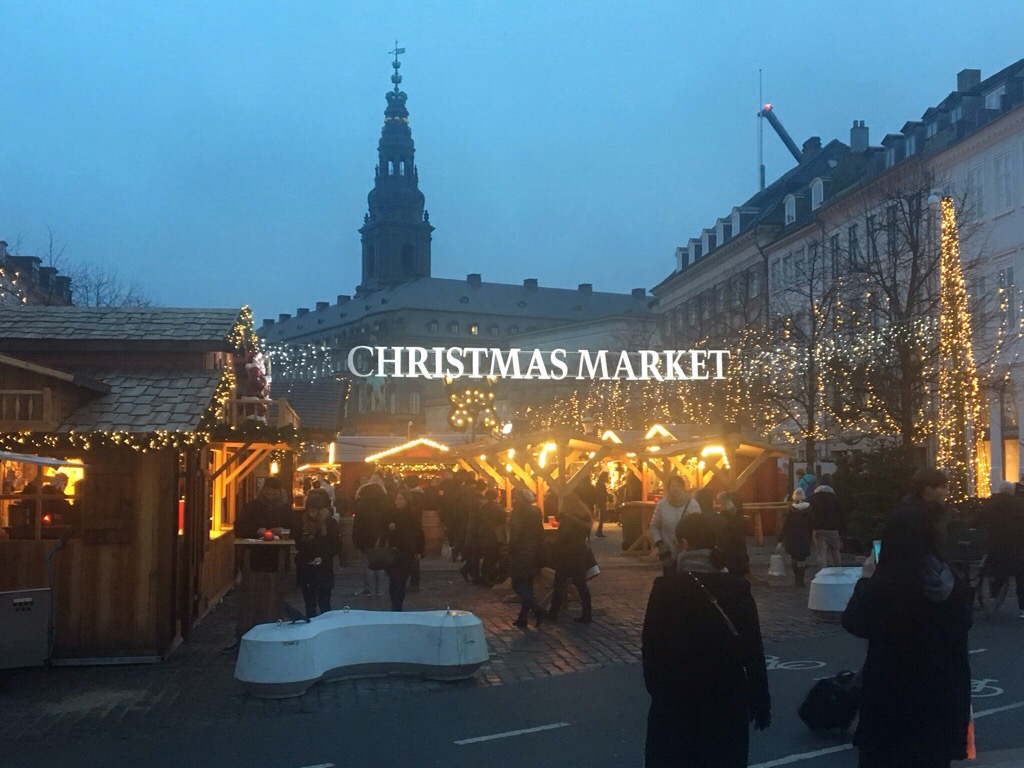
In central Copenhagen, where the spirit of the holiday can be seen all around, with decorations on buildings and streets.

20171122-010104-3664766.jpg20171122-010104-3664345.jpg

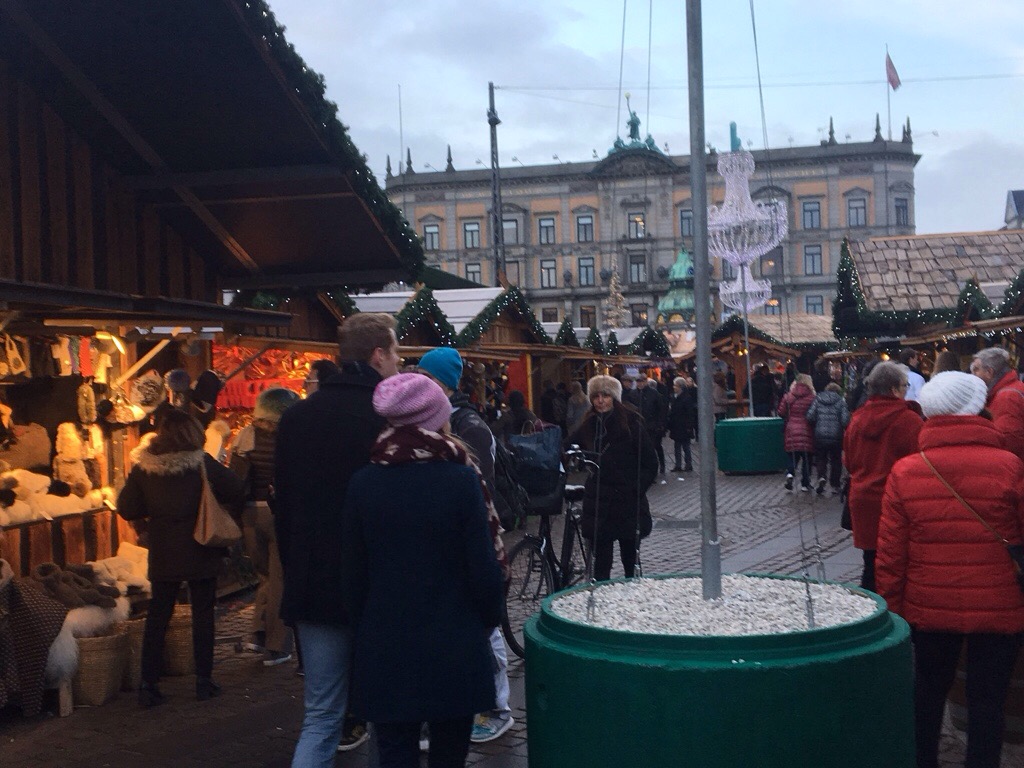
And numerous Christmas markets all over town offering holiday treats.

20171122-010217-3737620.jpg20171122-010217-3737184.jpg20171122-010218-3738052.jpg

The spirit becomes contagious. It is felt in the air. It is hard not to want to join in the traditions of the region. Eating nordic food, both new and old.

20171122-011125-4285759.jpg20171122-011125-4285311.jpg

And, of course, drinking gløgg, a warm spiced Scandinavian wine commonly drank on cold, cloudy winters days; particularly at Christmastime. It would be almost impossible to imagine myself here at this time of year without drinking it.

Denmark is known to be a happy place despite the weather, which is commonly cloudy and rainy, particularly in wintertime. In fact, it may even be because of the weather, as Danish culture has found some unique ways in which to cope.

20171122-011728-4648566.jpg

Hygge (pronounced hoo-ga), is a word we do not have a direct english translation for. It is happiness, in a friendly, slower paced, and cozy sort of way. Upon any reading or discussion of the subject, it becomes quite apparent how the weather has influenced the culture. Winter here means a lot of time spent indoors, in the dark. Spending it among good friends, eating good food, and removing oneself from the pressure of day-to-day life provides some form of rejuvenation.

20171122-013038-5438210.jpg

While Copenhageners spend a lot of time indoors at this time of year, it is apparent that they do not let the weather stop them from cycling. Despite the cloudy, and even rainy weather, and daylight that only lasts from roughly 8:30 A.M. to 3:30 P.M., there are still plenty of people on their bicycles, using them to transport themselves, and sometimes even other people and their cargo, around town.

As a cycling enthusiast, this is actually one of the factors that drove me to want to visit Copenhagen. It is by some measures the most bike friendly city in the world, and boasts one of the highest percentages of bicycle commuters. Perhaps because of the fact that nearly every street I encountered here in Copenhagen had some form of bicycle accommodation, it is a way of life here that cannot be stopped by the combination of darkness, rain, and temperatures in the lower 40s (around 5C).

20171122-014003-6003890.jpg

Besides what appeared to be the expectation of year-round commuting, I noticed several other manners in which the cycling culture here differed from what I see in the United States.

First, the bikes are different. I saw mostly cruisers not necessarily designed to go high speeds.

Second, cyclists here most certainly follow the rules. Nobody ran red lights.

And, finally, I also noticed that it is common practice here to leave bikes unlocked. I guess there is less worry about theft, but the idea of not locking a bike feels foreign to me.

20171122-014503-6303658.jpg

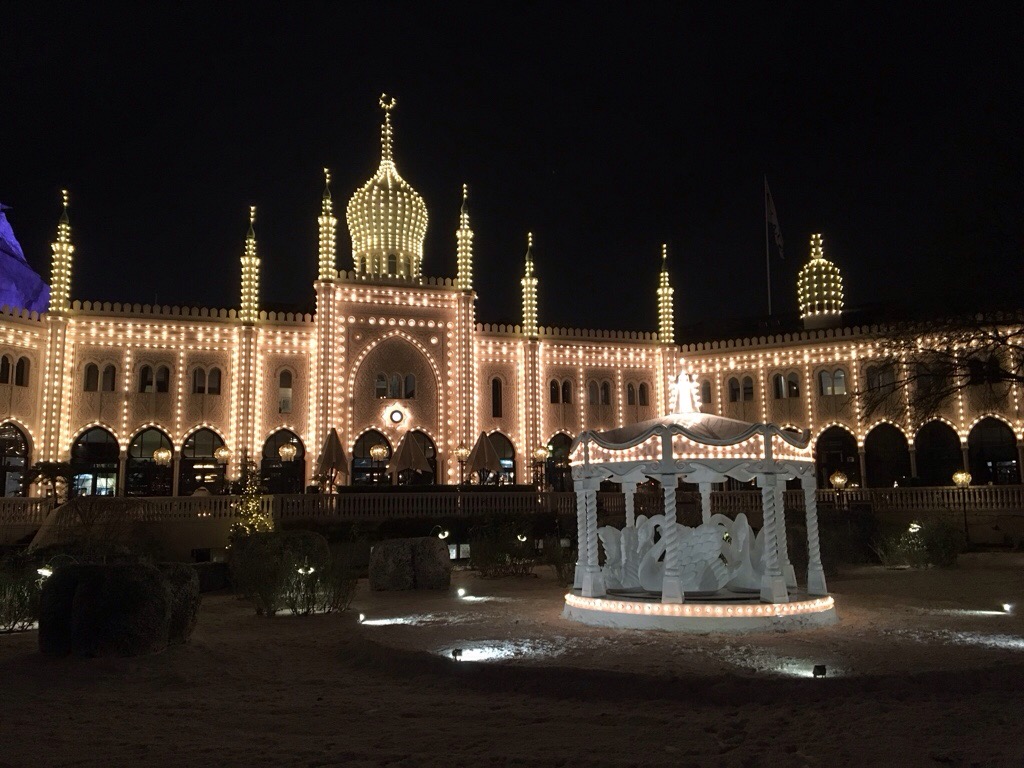
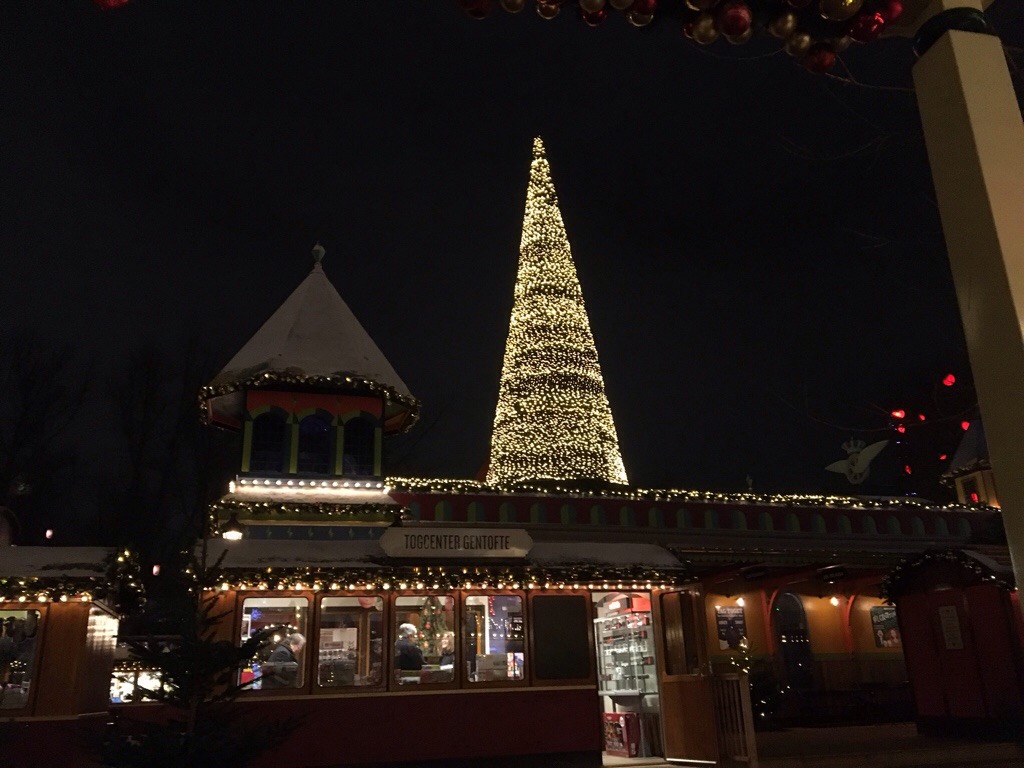
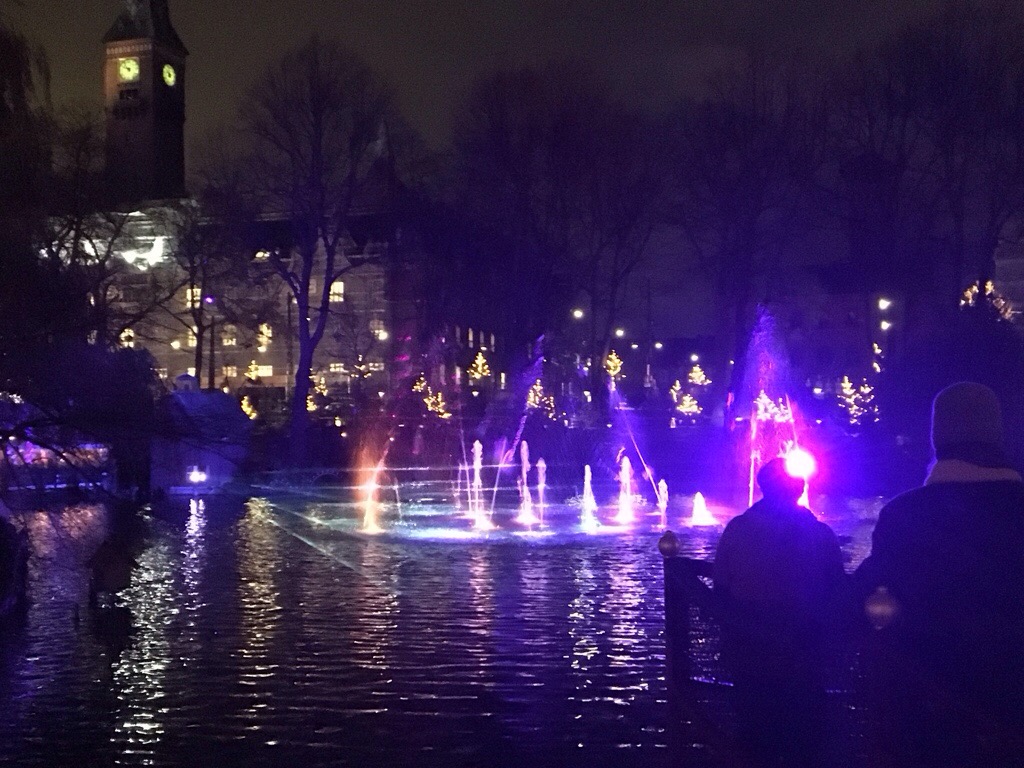
There is perhaps no place more iconic here in Christmastime than Tivoli gardens, one of the world’s oldest amusement parks.

The lights here, at night, are a must see for anyone who comes to Copenhagen at Christmastime, even for those who do not care for roller coasters.

20171122-014741-6461817.jpg20171122-014740-6460960.jpg20171122-014741-6461389.jpg20171122-014742-6462249.jpg

Recent reports have linked the lack of social support to unhappiness, poor health, and other bad life outcomes. The Danish people appear to take pride in their status as one of the happiest countries in the world, and, at least in part, attribute it to this concept of hygge.

According to the Little Book of Hygge, written by Meik Wilkins, the CEO of the Happiness Research Institute (which happens to be located in Copenhagen), hygge, while practiced all year long, is strongly linked with the Christmas season. The idea of taking a break from the stress of everyday life and spending time with loved ones is the core element of Christmas no matter where it is celebrated.

Often times the season for this is cut short. For many, some combination of pressure to complete end of the year tasks at work and holiday shopping keeps stress levels high for much of December. Experiencing Copenhagen in late November, with the spirit of Christmas already in full swing, I am inspired to make this entire season, not just a couple of days at the end of December, about giving, sharing time with those closest to me, and de-stressing.

Six Weeks After the Storm

On Friday August 25th, Hurricane Harvey struck the Texas Coast, leaving 82 dead, thousands injured and thousands without power. For a large swath of the Texas coast, homes, and lives, were ruined.

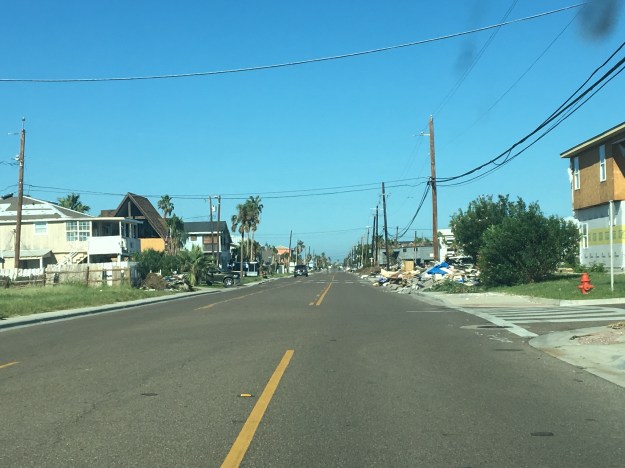
Six weeks later, in the coastal area from Port Lavaca to Corpus Cristi, this was the scene in nearly every residential neighborhood. Houses covered in blue tarp where roofs were punctured and windows were shattered. Debris was piled up by the side of the road waiting to be hauled away. Texas still in mourning.

IMG_1524 (1).jpg

Even driving through commercial zones, evidence of this recent destruction was all around.

After years of studying the weather, admiring storms from afar, and analyzing storm data, I decided it was time for me to actually chip in and help those whose lives are affected by these wonders of nature.

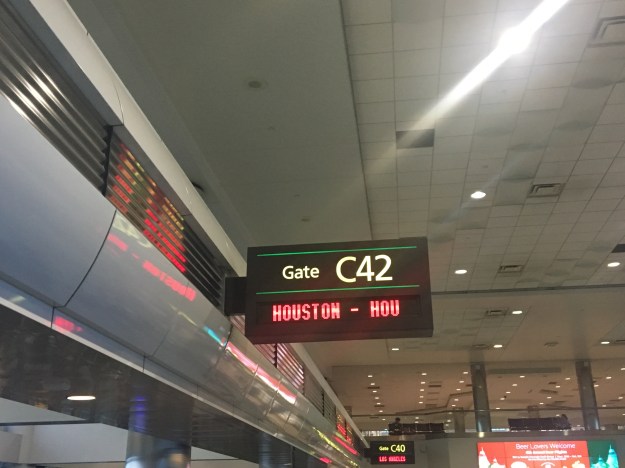
I flew to Houston.

IMG_1492 (1).jpg

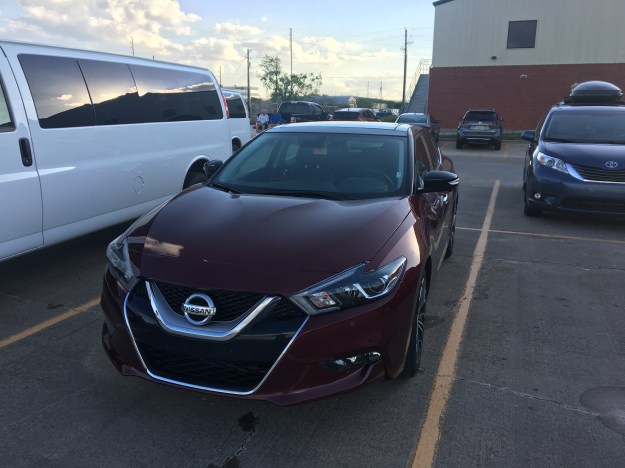
I rented a car.

IMG_1511 (1).jpg

And I drove down to Victoria, TX, roughly two hours southwest of Houston, a place where people were still cleaning out from the storm.

But first, stayed at a seedy hotel on the Southwest side of Houston.

Seeing security officers, police lights, and being solicited made my accommodations for the remainder of the trip, in the gymnasium of Faith Family Church in Victoria, TX, feel quite comforting (as I knew I would not get robbed here).

IMG_1518 (1).jpg

I actually found the accommodations made for us volunteers quite fitting. I had seen so many scenes in the news, where storm refuges were sleeping in quarters similar to this as they ride out or recover from a storm. While not exactly living the entire experience as those affected by these storms, it still, just, felt right.

IMG_1517 (1).jpg

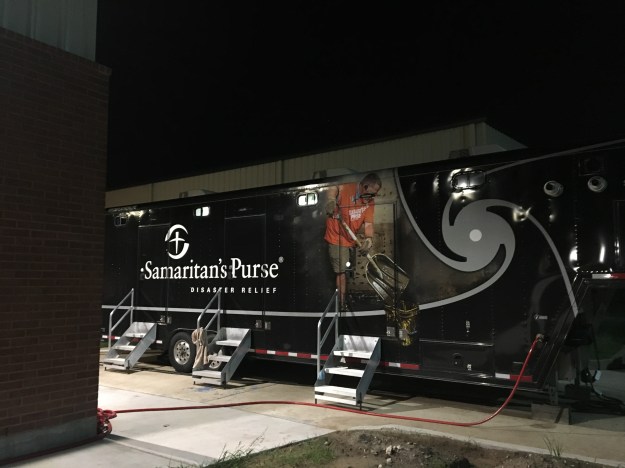
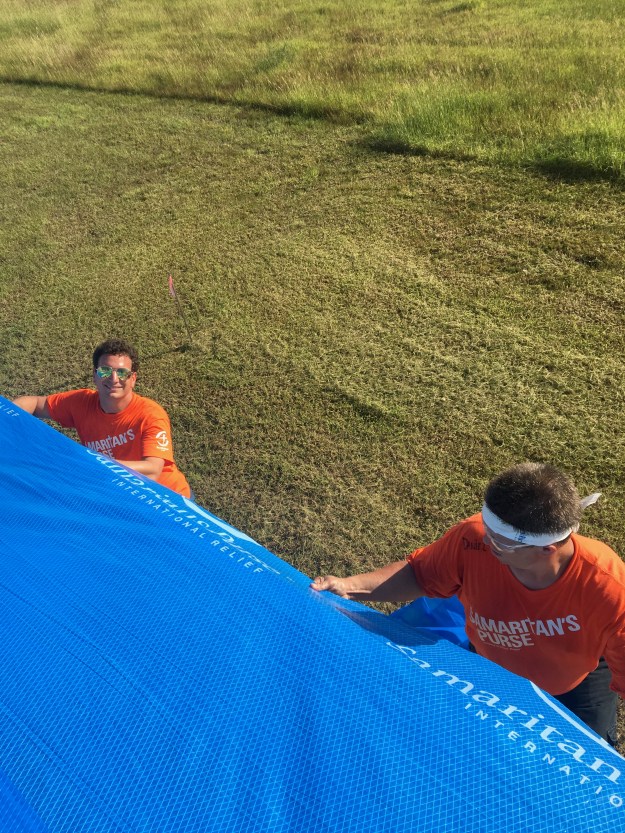
I also have to give a huge thank you to the organization I volunteered with, Samaritan’s Purse. They arranged the sleeping quarters for volunteers, and even provided us with three meals a day. This makes volunteering for disaster relief efforts quite inexpensive. I only had to pay for my flight, the rental car and gas, and that cheap hotel. Oh, and I decided on my way down to stop at What-a-Burger, because, when in Texas, right.

IMG_1503 (1).jpg

The odd thing about volunteering for hurricane relief efforts is that each day had a flow that almost resembled many of the outdoor adventures I regularly take part in, like adventure cycling, backpacking and skiing.

Each day would start off breakfast. We would eat together, pack our lunches, and head out. We would spend most of the day outside, being physically active. We’d return in the late afternoon, shower, change, and then all eat dinner together. That flow felt natural to me.

What wasn’t natural to me, as both a “city-boy”, and a “millennial” was the work. We just don’t learn how to work with tools.

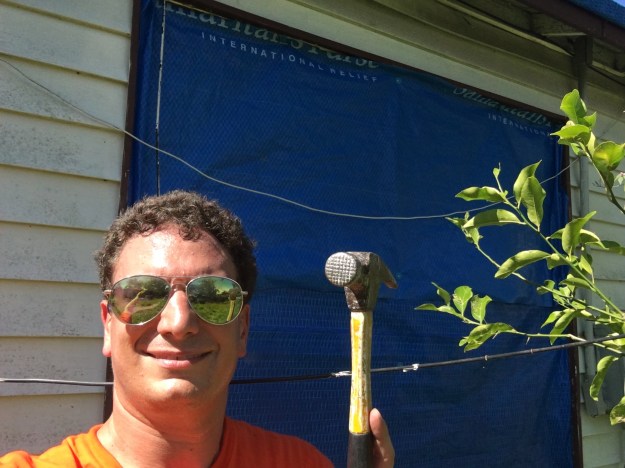
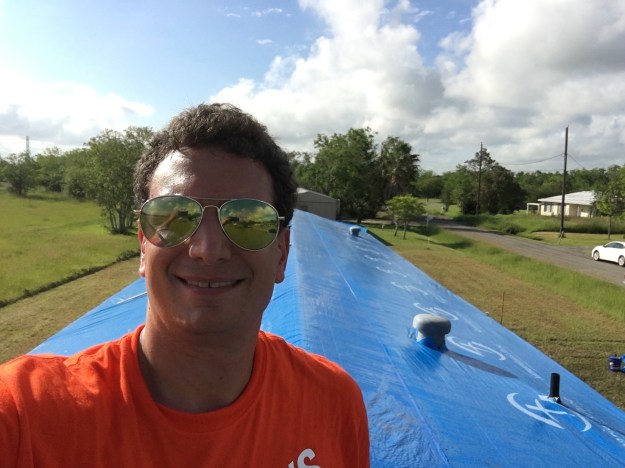
Thanks to volunteering, and the patience of the other volunteers with Samaritan’s Purse, I ended up learning a thing or two.

IMG_1522 (1)IMG_1556 (1)IMG_1565 (1)

Last year, when I read The Happiness Project, I was introduced to the concept of “fog happiness”. According to author Gretchen Rubin, fog happiness occurs when an activity does not necessarily bring you joy at the moment in which you are partaking in it. Rather, the happiness is spread out over a much longer time span, often both before and after an event. In a way, it is the antithesis of instant gratification.

The combination of seeing the result of my work, and knowing that I was part of a bigger mission with a clear positive outcome produced a clear example, for me, of fog happiness. Sweating in 90 degree heat, in October, with humidity only achieved on Long Island in the dead of summer, does not necessarily feel as good as sitting by the beach, or partying. I was, however, fulfilled.

As it turns out, I did get to go to the beach! Samaritan’s Purse, being a Christian Organization, takes Sundays off, giving me a chance to visit the Texas Gulf Coast.

The drive gave me a chance to see the true extent to the destruction all around me.

IMG_1548 (1).jpg

I had hoped, maybe even believed, that six weeks after the storm the recovery effort would be further along than it was. Everywhere I drove, I kept seeing the same thing. It made me appreciate the true extent of the recovery effort, and how small of a part I really played in it, as I was in Texas for only four days. There were may volunteers who signed up for the entire effort, and will be there through the middle part of November.

IMG_1520 (1).jpg

The four days I spent in Victoria felt like a trip back to the past, both with respect to my life, and society as a whole. The showers felt like dorm room showers. The presence of a lot of people doing the same thing all day felt like high school or college.

Also, the behavior and expectations felt like a trip back in time. Men and women slept in separate rooms. The organization did not permit one man and one woman to ride in a car together unless they are married. Phrases such as “I’m looking to nail something”, which have taken on newer, more sexually expressive meanings in the past few decades, reverted to their older, more innocent definitions.

IMG_1557 (1)I visited over half a dozen homes. Most of the people who needed assistance were people who have some other kind of poor circumstance; disability, previous home damage, etc. I even encountered someone who had recently had two strokes!

Oddly enough, although I felt appreciated for the work I did, it felt like some of the victims who I encountered were most appreciative of having some companionship when I would sit down and talk to them. In several instances I could sense a sadness in the eyes of those I was helping that had to do with factors beyond the storm. Worry about friends and family taking the wrong direction in life. Sadness about certain life events. Being lost. Perhaps most powerfully, being lonely.

It reminded me of the loneliness epidemic, as well as all of the other less obvious forms of human suffering currently going on. People are good at paying attention to suffering when its obvious. Other more subtle forms of suffering, such as loneliness, lack of fulfillment, lack of direction, and the feeling of being exploited by others, often go unaddressed.

I may not have the capability to travel to every major disaster and physically help the way I did this past weekend. What I can do is try, each and every day, to do something about all these other forms of suffering going on. These are the kinds of suffering I see every day. These people need help too.

The Motor City- Without a Vehicle

“And you may say to yourself, well, how did I get here”- David Byrne.

I found myself in Detroit, Michigan on an unexpectedly pleasant October week asking myself just that question.

On one level, of course I know how I got here: Delta Airlines. I am not that reckless :).

On a whole other level, and the level that David Byrne was clearly referencing in Once in a Lifetime, I was quite confused.

How did the sequence of events in my life come together that lead me here?

To this forum…

img_1465

In this city…

With this group of people….


Is there a reason for it? Was it “meant to be” for any reason? Or is it a result of decisions I made aggregated over the course of time? Had I made these decisions differently, prioritized things in my life in a different order, or just paid more attention to a few specific things, would it have lead to a result that is significantly different?

This song was on my mind because last time I was in Detroit, way before I even had the idea to start writing about my travels, I recorded a dance to this music video at the Henry Ford Museum.

This was in 2008, a time when Detroit was at some kind of a low point. The story of Detroit is familiar to many, as it has been written about extensively.

IMG_1396 (1)

As the headquarters to America’s three biggest car manufacturers, the city was prominent and prosperous in the middle of the 20th Century. However, it fell on hard times in the later part of the 20th Century due to a combination of customers increasingly buying foreign cars and the decline in manufacturing in the U.S.

Nearly every time anyone writes about Detroit, they write about the city’s economic fortunes, often making points about social issues, economic policies, etc. Even when I came to Detroit with no desire to address the city’s economic misfortune and current attempts at recovery, it is hard to escape. Evidence of it is everywhere.

IMG_1430 (1).jpg

Visitors from other parts of the country kept telling me how eerie it felt; the lack of crowds, empty streets and mostly empty bars. Even acknowledging that these were all weeknights, it still felt different than what most people experience in urban areas throughout the country.

The history, as well as current state, of any place is always going to be a part of any travel experience. And, for Detroit, this includes the history people focus on (decline from 1960-2008), but also some of its history prior to this.

Strangely enough, despite the fact that Detroit is “The Motor City”, and best known for its role in the automobile industry, much of its history, and many of the interesting attractions, can actually be reached without a motorized vehicle.

Within downtown, one can walk to many of the city’s historical, and current attractions.

IMG_1414 (1)

For those willing to walk a mile, the only places that really require vehicular transportation are the Motown Museum and the Henry Ford Museum. The Cobo Center, all the attractions along the Riverfront, Detroit’s historic Opera House, the Fox Theater, the venues for all of Detroit’s sports teams, as well as multiple casinos can all be reached on foot within roughly a mile and a half of each other.


Interestingly enough, there is a lot one can do in the “Motor City” without even using a motor!

Much of this was actually built in Detroit after the decline of the auto industry. One of the reasons I visited Detroit in 2008 was to see their newly built baseball stadium, right downtown.

My 2017 visit to Detroit was to attend a conference related to a client I am currently consulting with. The reason is complicated as organizations rarely send consultants to conferences to represent their brand. Consultants are temporary and technically not a member of the organization.

It makes my identity, like Detroit’s identity as a city, feel way more fluid and complex than it was in the past. In the mid 20th Century, a place could have a simplistic identity; The Motor City, The Rubber City, The Iron City, etc. Today’s growing cities, like Denver, have identities that revolve around multiple areas of focus.

Many people are rooting for Detroit to make a comeback. Places like Greektown and Corktown, adjacent and walkable from downtown, are emblematic of a new, different, and more multi-faceted Detroit emerging from the ashes of the decay that plagued the prior half a century. One day, Detroit will find itself anew, unrecognizable to the Detroit of Motown, and people will ask “how did it get here”. They may even ask “My God, what have I done” (from the same song).

The point of David Byrne’s song is that people need to stop and periodically think about their lives, the directions they are headed, their priorities, etc. Otherwise, they will just kind of like drift, with nobody really understanding whey they are where they are, doing what they are doing, with the people they are with.

There are unique things about Detroit. Obviously the large amounts of empty space, some of which is being converted to farmland.

Also, their proximity to the Canadian border, rust belt infrastructure, and continued contributions to the music industry.


Attending this conference was a reminder to me. No matter where I go, no matter what I am doing, I cannot help but be me. While we all need to periodically re-think things, come up with new ideas, and even take on a somewhat different identity, there will always be some things fundamental about ourselves that do not change. Detroit’s current transitions reminds me of this.

Many Ways to Get Outside

IMG_1258 (1).jpg

As autumn approaches I cannot help but be concerned. With each passing year, there is greater and greater evidence that the lives we live in our present day culture are out of balance. Obesity rates continue to increase. Anxiety, stress, and similar mental health related concerns suddenly seem to be everywhere. Perhaps most alarmingly, opioid addiction has recently skyrocketed. It is now estimated that in the United States about 100 deaths per day can be attributed to opioids. Heck, even the fact that 90% of Americans consume caffeine, a far less risky drug, everyday is certainly a sign that something is off. For what reason are so many people dependent on caffeine, a stimulant, just to conduct a typical day’s activities?

The conclusion I have come to is that most of us spend too much time in the following three states..

  • Alone
  • Indoors
  • Seated

Many people spend most of their time in all three states. A lot of service sector jobs require that workers spend nearly all of their time at a desk, in front of a computer, alone. Outside of work, Americans now spend an average of about five hours per day watching TV, and are spending more and more time on their mobile devices. It’s no wonder 70% of the US population does not meet its daily recommended intake of Vitamin D. Vitamin D has but one natural source, the sun.

img_8124

Luckily, there are many ways to get outside! When many people think of the outdoors, they think about camping trips, long excursions into the wilderness, and other things that are far far away and require large amounts of time and planning. It is easy for those living in a major city to think of the outdoors as something only available during those special times, usually only several times a year, when their schedule permits.

However, it appears as if spending time outdoors is more important than many people realize. It may even be the answer to some of our society’s currently problems. This entry from MyWildEarth, a blog from the other side of the world that encourages adventure, outlines all of the health benefits, both physical and mental, of spending time outdoors.

In one weekend, I was able to identify several ways in which to get outside that do not require large amounts of time or advanced planning. And, as this photo suggests, these activities can be social as well.

A moderate difficulty 30-50 mile bike ride is an activity that can be fit into a weekend morning, and shared with others. For many, it does not require driving at all, just hop on a bike straight from home!

Many people are able to drive a short distance to somewhere that autumn is going to show its true beauty. The leaves on the trees here in Colorado turn a bit earlier than they do in most other places. In the coming weeks, there will be great weekends for viewing spectacular fall colors in the Upper Midwest, New England, and eventually places like the Mid-Atlantic, the Smoky Mountains and parts of the Southeast.

For those whose time is extremely limited, there are ways to get outside without even leaving the city or town in which one lives. Gardening is an outdoor activity that can be done on one’s property or in a community garden. As an added health bonus, the fresh vegetables can be used to produce fantastic meals that are both healthy and conducive to social events. Also, nearly everyone should have access to a local park a short distance from home. This will more important in the coming months, as the days get shorter, the weather less consistent, and the opportunities to get that vital time outdoors become more limited.

IMG_8629.jpg

I write about a lot of adventures on this blog. Each entry is not just a description about the places I go and things I do, but also a personal narrative.

I had a recent discussion with some good friends about the digital era, social media, and the manner in which we conduct ourselves online. To many, it feels as if people post about their adventures primarily in order to show off and seek attention. It is my hope that the narratives on this site make it about more than just that.

It is my hope that by sharing these stories with others, more are encouraged to seek activities that improve our health; mentally, physically, and spiritually.

We need to interact with others, and do so in a manner that is meaningful. Our bodies need movement, and they need sun. We also need time away from the digital world. Many did get that time during the summer, on trips, at summer camp, etc. Now that all the kids are back at school and the days are getting shorter, it is imperative that we look for opportunities to get outside. Luckily, even without traveling too far from home, there are a lot of wonderful options for all of us.

Three Days Without Rules

One of the most reckless and euphoric weekends of my life had a bizarre beginning. As my flight was landing at Las Vegas McCarran International Airport, I removed my headphones. First, I hear the woman next to me, talking to her teenage daughter about how tired she was, having been traveling for 15 hours. “I’m going straight to bed as soon as we get home”. Less than half a second later, I hear the two guys sitting in the row behind them talking about something going on in their Vegas-bound lives. “She was seriously a hoe”.


I wondered what it’s like to live in a place like this. I visit Las Vegas regularly, but never think of it as a place where people live. Most visitors just think of it as some sort of crazy amusement park-like place of gambling and entertainment. Nobody thinks of people working, raising a family, and doing normal life things here, but it does happen.

Do people who live in Las Vegas just become accustomed to being surrounded by talk of partying, gambling, and debauchery, the same way New Yorkers don’t think much of crowds and pollution, and people in West Texas don’t think much of the smell of feedlots? How would one go about raising a daughter in this town?

The majority of trips to Las Vegas don’t go anywhere beyond the Strip. However, Vegas does have more to offer. Like most other cities in Western North America, Vegas is surrounded by mountains, and recreation opportunities.


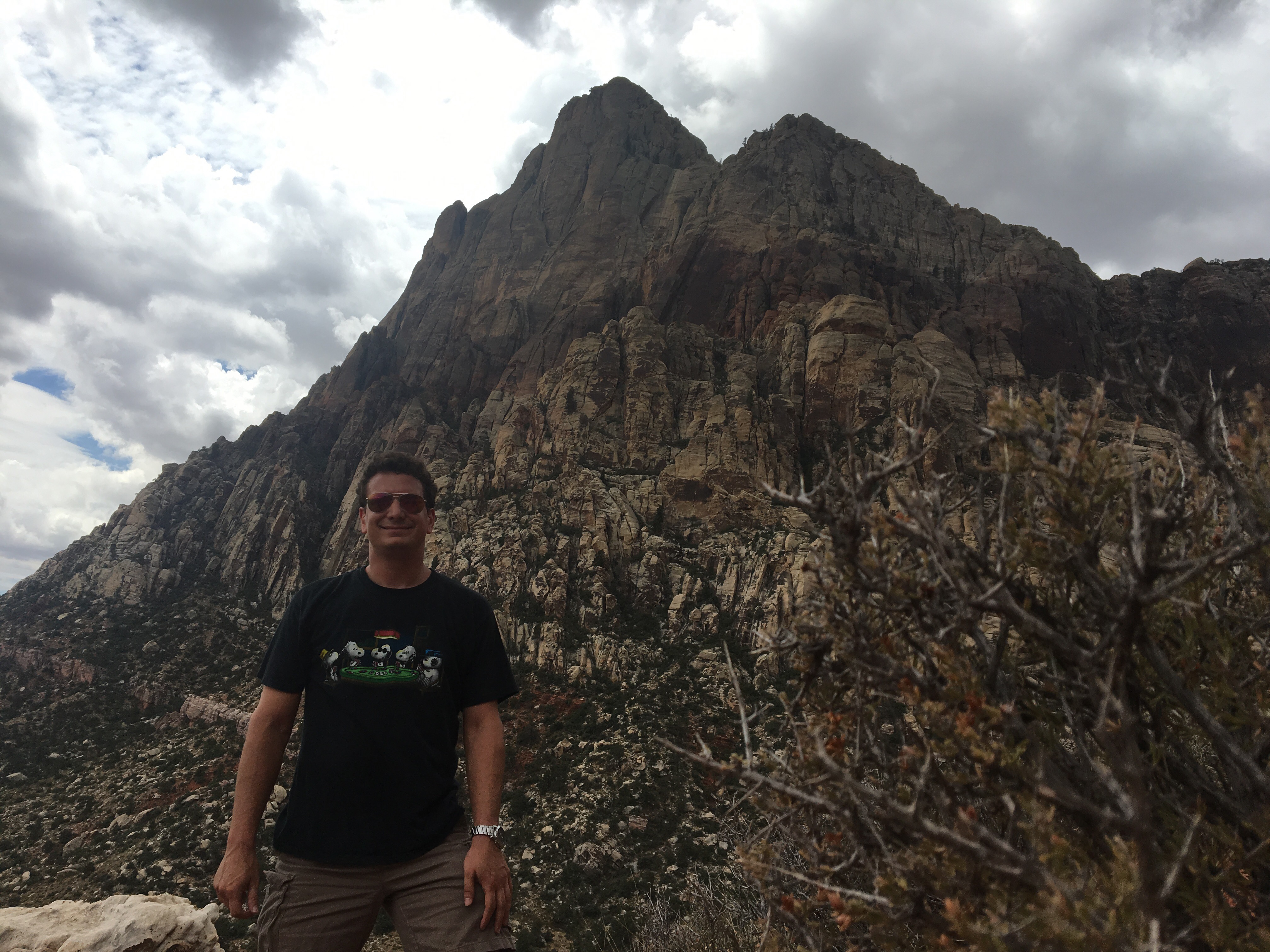
Only half an hour West of town is Red Rock Canyon National Preserve, the most high profile place for hikes and scenic drives in the vicinity of Las Vegas.


Before getting mired in the standard Las Vegas activities, I explored the place a little bit, driving to a few scenic overlooks, and going for a moderate length hike.


It was a good opportunity to get a little sun and exercise.


And even draw on the rocks to gave myself some good vibes for my upcoming gambling.


After last year’s trip to Vegas, I concluded that “The common thread to everything that goes on here is that people are enjoying themselves, embracing their wild sides, in their own way, and letting go of at least some component of the restriction they live under during their normal lives…” This year, possibly due to my current frame of mind, I felt even more free spirited, even more liberated. It felt like ALL THE RULES WERE LITERALLY GONE!


Nothing felt off limits.

It was as if everything external that had been stopping me from ever doing anything was just gone. Expectations from others. Fear of bad outcomes. Even the law of averages.


I rolled for 30 minutes at the craps table, winning myself some money, but winning some others at the table some obscene amounts of money. Some even made bets on my behalf out of appreciation!

While there were a couple of places where I lost a little bit of money, the winnings just kept on coming. All three nights I won big!


The drinks just kept coming, free when gambling.


Unlike in normal life, hangovers never set in, and I never felt like sleeping.

Normally, if I sleep only six hours (as opposed to the usual 7.5) on a given night, I am drowsy. On this 72-hour binge of over-stimulation, 90 minutes felt sufficient.

The overall stats for the trip….

  • Three days in town
  • Approximately 75 alcoholic beverages consumed
  • Total sleep 7.5 hours
  • Approximately 26 hours of total gambling
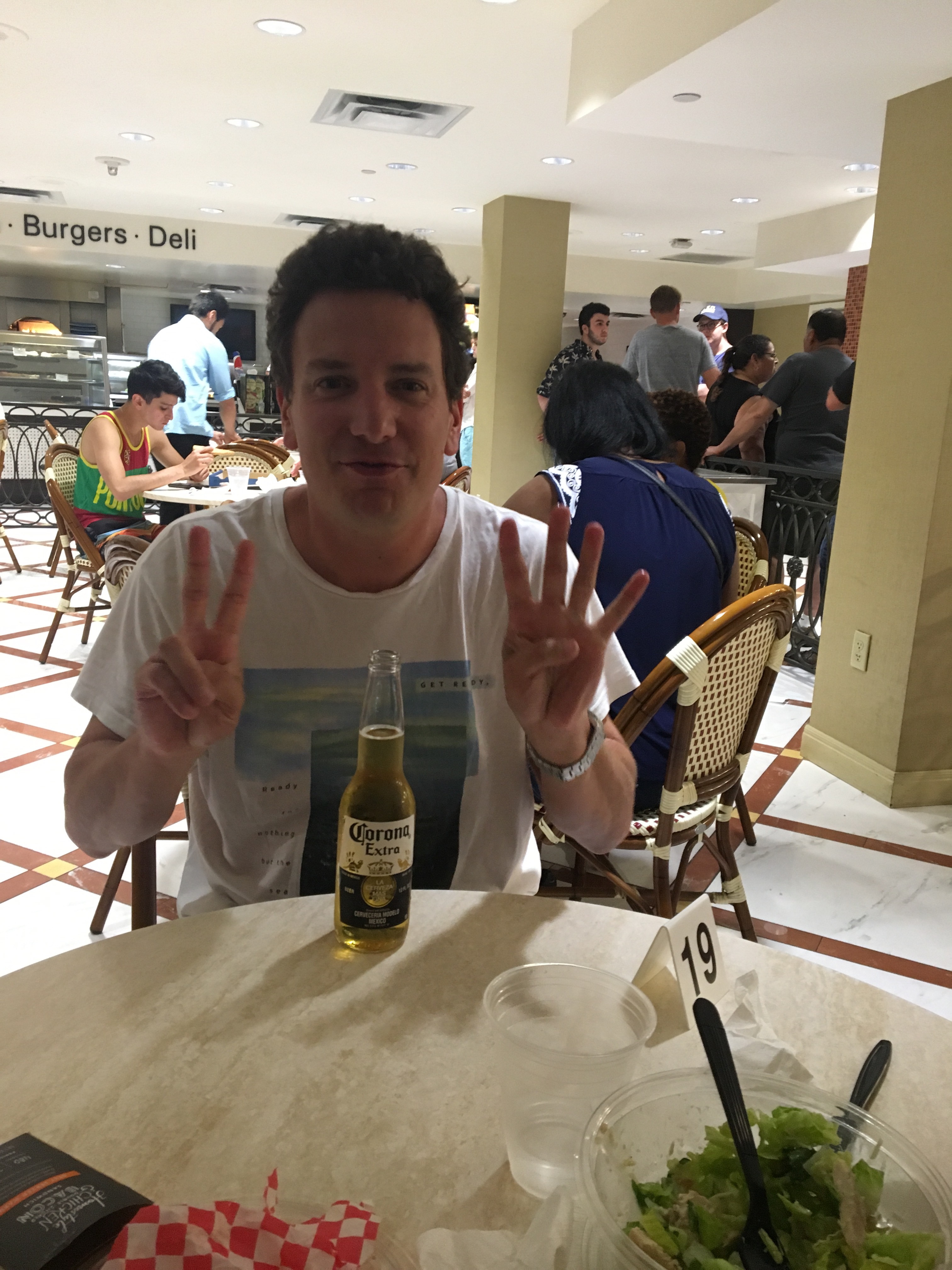
  • Winnings of approximately $850
    • Nearly all of which was on $10 tables
  • Everything else: Well, as the saying goes “What Happens in Vegas, Stays in Vegas”


Except my money! That comes back with me!

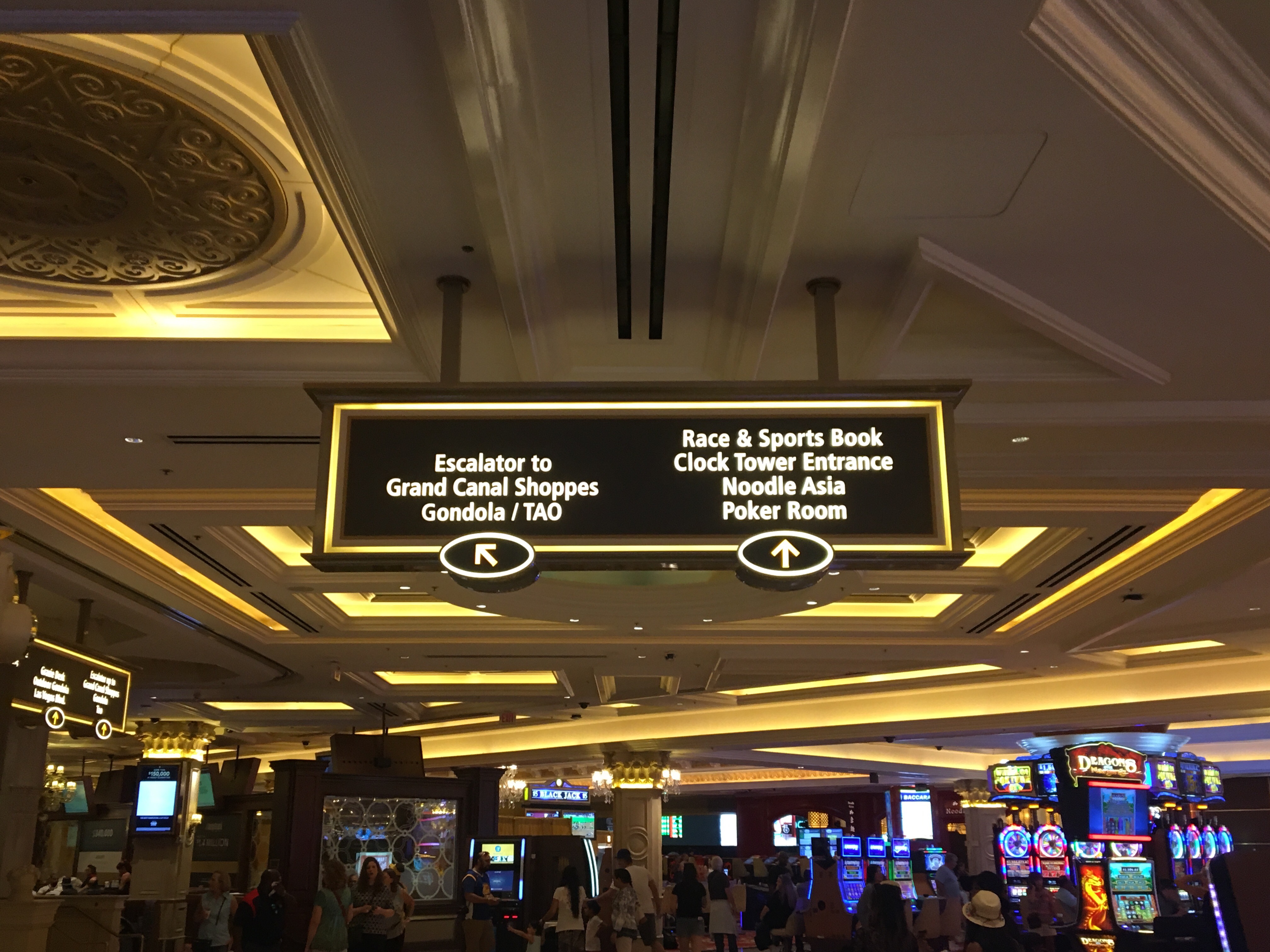
To make that happen takes self-restraint. When people win money in Las Vegas, Las Vegas tries to take it back! First, by getting people to gamble more through a combination of free drinks and making it difficult to find the exit to any casino. It takes some discipline to “Quit while you’re ahead”.


If one can leave the casinos without gambling away those winnings, Las Vegas will try to get it back on the Strip. I found out first had that Las Vegas has a way of spotting a winner. Maybe they can see it in people’s eyes, smiles, behavior and expressions of confidence. But they seem to know who is winning, and come after them.


Promoters trying to get people to go to clubs, sex workers, people trying to sell stuff both legal and illegal, even random strangers. They came for me, and, it felt like the more I won, the more aggressively they came. After the second night of wining, a promoter walked with my friend and I six blocks up the Strip trying to convince us to go to a strip club. After the third night of winning, I had to navigate through what felt like a mine field of sex workers who, when I told them I was good, responded “No you’re not, you’re alone.”


I did not need a set of rules, government involvement, societal pressure, or anyone watching over me to restrain from most of what Las Vegas was trying to get me to do. Nor did I have to take advantage of every single opportunity presented to me to feel as free spirited as I had felt in my entire life. I was liberated from external rules and expectations, not my own judgement. I confidently decided for myself what activities I wanted to take part in, without letting fear stop me, but also without letting fear of missing out (commonly referred to as FOMO) get met to do things I did not want to do or spend money I did not want to spend.

Going back to regular life after a weekend like this is difficult. Regular life, the average day, well there is no way it will ever compare.

Of course, this all was not in the least bit sustainable. My body could not handle even one more day of this. Anyone remotely close to my age seemed to be in suspended disbelief that I could handle what I did.

It is such as crazy mystery of life. Why are unsustainable habits frequently more desirable than sustainable ones? Why does it seem like the things we are told are good for us make us feel bad, and that the things that we are told are bad for us make us feel good? And why does the result of such things rarely seem to fit the narrative we are given?

I don’t profess to know everything about life, but this year I finally processed through a lot of what I had been observing over the past decade. We are taught so many things, through school, work, media, etc. about the way life is supposed to be lived. Assumptions are ingrained into our heads to the point where we do not even realize we are making them in our life decisions. These assumptions can, at times, be misguided, and even hold us back from making the most of our lives.

With no assumptions. With no “you should do this”, or fear of what happens when you “don’t do that”, life made more sense. It is just about getting over the fear of the unknown that lies beyond the divide. I do not know what is going to happen when I return to normal life. And, while I have no plans to run on two hours of sleep, or start drinking at noon, I do hope I can bring the confidence and spirit of self-determination back to “regular life” going forward. Many people look to rules to protect them. Like my weekend in Vegas, I would rather trust my own judgement to bring  me to the right outcomes.