Stockholm’s Unique Museums

20171126-171745-62265432.jpg

Science, Art and History.

These are the museums that seem to appear in every city I visit. Many of them are great museums, with people doing great things! Several years back, I wrote very positively about the then relatively new History Colorado Center, and the recent trend where museums are increasingly including more interactive exhibits. At last summer’s TEDxMileHigh event, Chip Colwell, of the Denver museum of Science and Nature, gave an excellent speech about returning sacred artifacts to indigenous people.

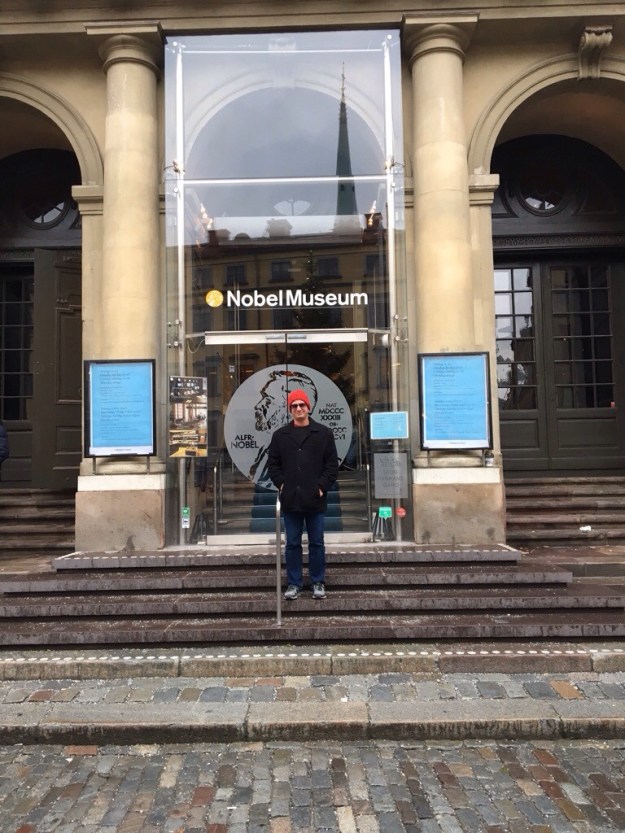
However, sometimes I get more excited about visiting the museums that are more unique to a specific city. In Stockholm, there was no shortage of such museums. First, as pictured above, is the Nobel Museum, one that I would consider a must see!
IMG_1893 (1).jpg

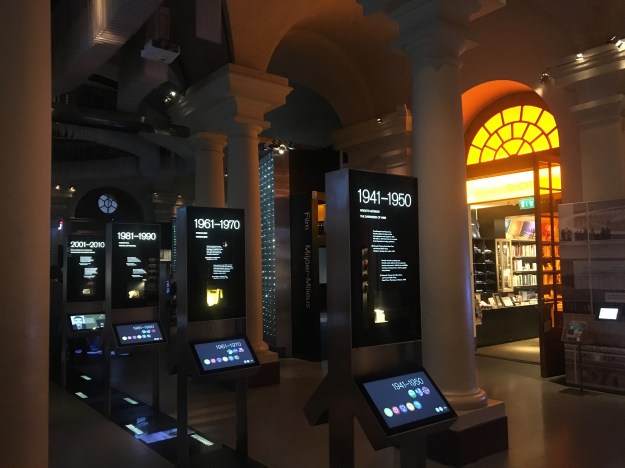
It includes galleries with artifacts from past Nobel Prize winners, exhibits about the history of the Nobel Prize, as well as the life of Alfred Nobel. Visitors can also quickly look up the Nobel Prize winner for any year, in any category by going one of a series of kiosks associated with each decade.

IMG_1892.jpg

In case you need inspiration, there are moving banners flying around the museum, each one with a picture and short description of the work of one specific Nobel Prize winner. They are in what seems like random order.

There is also a video room, a place one can easily spend a couple of hours. Videos in this room tell the story behind many of the Nobel Prize winners and their work. My favorite story was the story of Linus Pauling’s discovery of the double helix (structure of DNA, the basic building blocks of human genetics). Trying to determine how the chemical compounds would fit together spatially, he started folding sheets of paper around, eventually folding them into the shape of the double helix structure, which we now accept as scientific fact.

IMG_1894 (1).jpg

It is hard not to admire scientific creativity after hearing a story like this one!
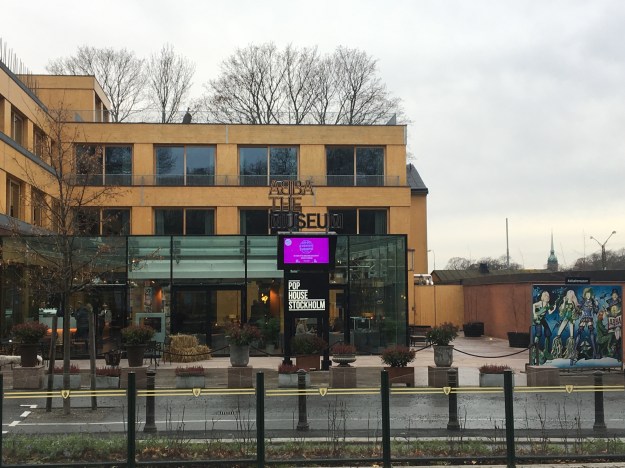
IMG_1905 (1).jpg

There are also very few places in the world with a museum dedicated to one single musical act. With acts like Aviccii, Tove Lo and Swedish House mafia, it is hard to dispute that Sweden, a country of roughly 10 million people, produces its fair share of musical acts who are popular worldwide. However, ABBA seems to invoke a special amount of national pride, enough for them to have their own museum.

Unlike the Nobel Museum, which is right in the center of the city, on Gamla Stan island, this museum is a little bit out of the way, on an island called Skansen. It is also a little bit pricier. However, the museum was fun. It took interactive exhibits to a whole new level. Each ticket gives attendees the option to take a try at singing, dancing, producing music videos, as well as things like trivia and operating a mixing board! It also had some information about other components of Swedish musical history, including the EuroVision competition, and all the concerts that have played, over the years, at an amusement park called Gröna Lund.

IMG_1926 (1)

I left the ABBA museum somewhat unexpectedly sad. I did not previously know that the band was made up of two married couples, and that at the end of their run, both couples divorced, and the four best friends just simply went their separate ways.

I guess this is the same reason people cry at movies, and get emotional about people who are not a part of their lives, like famous couples. I know in my head that life has chapters, sometimes it is just time to move on, and that being both married and in a band with someone can lead to a disaster.

It was still hard to emotionally contemplate. I thought of the excitement that comes with every new relationship. I thought of how happy they all looked, in the music videos and photographs shown in the museum. Then, I thought of the arguments, the emotional pain, the sadness and the loneliness, how something so good could go so bad. Maybe they were all mature about it. I know, though, it is always hard. I thought back to the breakups I had in my past, specifically those that were “mutual” and “clearly for the best”. Even those breakups, while not causing years of heartache still had their messiness; arguments, nights without sleep, etc.

Stockhom certainly has other museums that are unique. The city’s most popular museum is dedicated to a 17th century ship that capsized within minutes. I chose, however, to visit a museum dedicated to Photography.
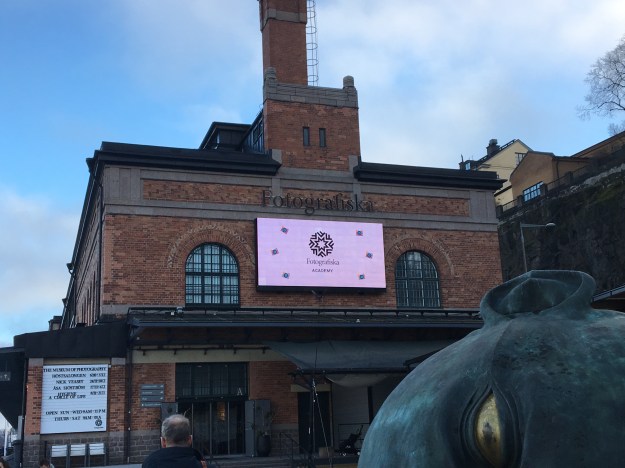
IMG_1931 (1).jpg

This museum is interesting for three reasons.

1. It has no permanent exhibits; only temporary ones. This is an interesting concept, and a great way to appeal to locals.

This winter, there is a special exhibit dedicated to x-ray photography, something I knew little to nothing about before visiting this museum.

2. There may be more and more museums dedicated to photography in the future, as, although a century and a half old, photography is still relatively newer of a field than Art, Science, or History.

3. The museum actually boasts one of the best skyline views in the city, both from the riverfront outside the museum, as well as from the bar on the top floor!
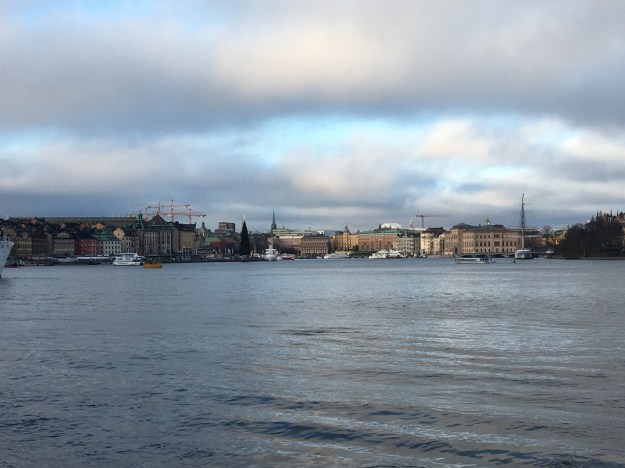
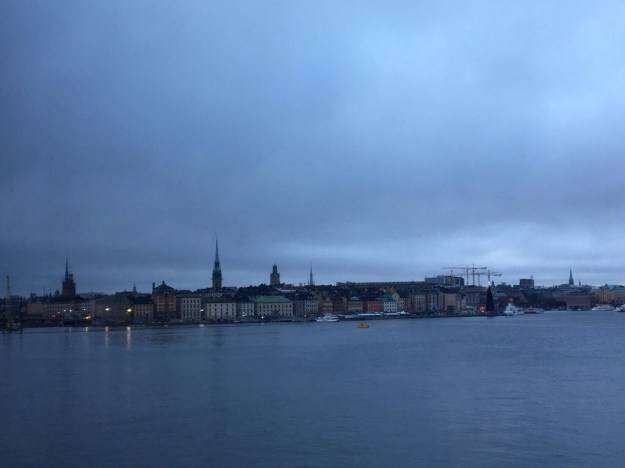
IMG_1928 (1).jpg

20171126-163631-59791108.jpg

I believe there is something unique about every city I visit. Even the standard museums, the art, science, and especially the history museums showcase something unique to the city or region. Through visiting these places, we get an idea as to each place’s unique story. A part of Stockholm’s story is the story of Alfred Nobel’s writing a series of awards for human achievement into his will. It is the way local felt when ABBA won EuroVision 1974. It is also the photographs taken by local photographers displayed here every autumn.

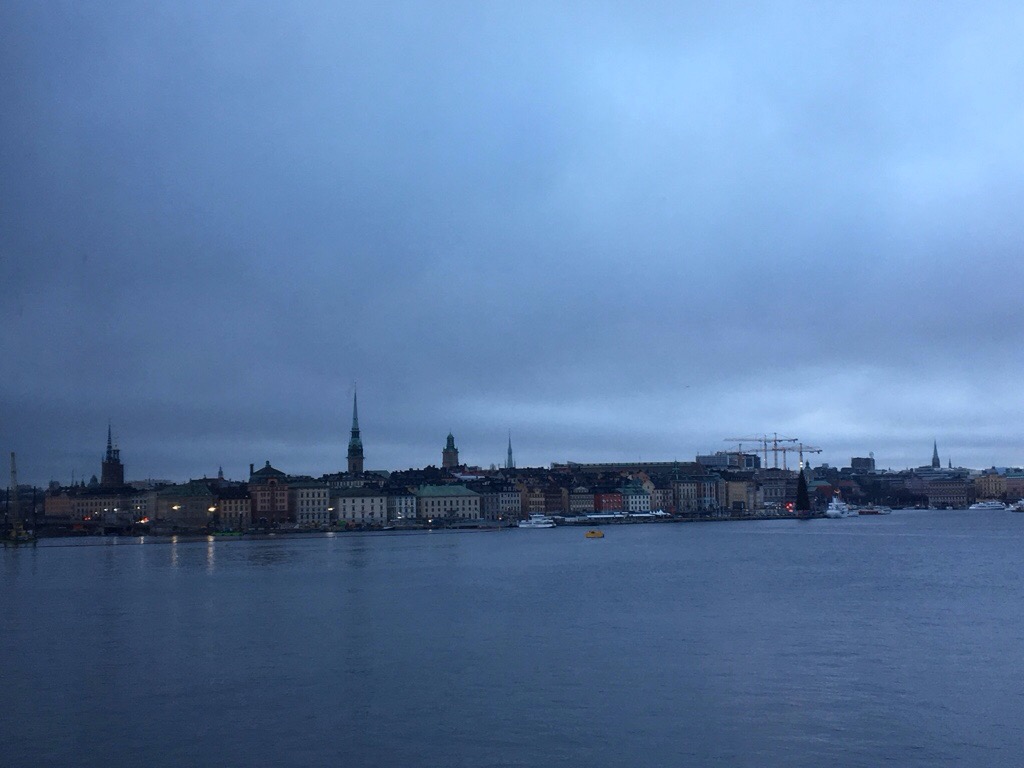
Cultural Observations in Stockholm


20171126-162130-58890905.jpg
Setting out to observe a 3 P.M. sunset, in all its glory, is actually significantly more challenging than one would ever expect. Spending four days in Stockholm, I came to the realization that anywhere one would go in November or December where the sun sets this early is likely to be quite cloudy. While the sun did slip below the horizon right around 3, and the sky became pitch black before 4, each afternoon the sky pretty much appeared like this.

20171126-163631-59791108.jpg
There was no observation of the sun dipping below the horizon at 3 P.M., just a gray day fading gradually into nighttime.

Not only did 4 P.M. feel different here than anywhere I had ever lived, so did 8 P.M. Rather than feeling like the time the night was just beginning, when people were prepping up for their evening activities, getting ready, texting friends, etc., it felt like a lot later. I am not sure if this was 100% due to the fact that it had already been dark over four hours, or if it is due to cultural differences (when people leave work, etc.). However, at 8 P.M., it definitely felt like the “night”, whatever that entails, had been going on for some time and was approaching maturity.

20171126-164434-60274075.jpg
Stockholm is a city that parties pretty hard on Friday and Saturday evenings. Both evenings, in the area in and around the city center, including the areas around Central Station, and the Islands of Gamla Stan and Södermalm, there were plenty of people who were already quite intoxicated by 8 or 9 in the evening.

20171126-165059-60659634.jpg
This is one of several cultural observations I made while in Stockholm.

Of course there are ways to learn about the culture of a country or a region from afar. Travel books and other essays provide convenient cultural guides to places. Popular culture, music, movies, shows and such, also give people from afar a window into the culture of a place. However, I do notice time and time again, that there is no real substitute for actually going to a place and experiencing it for oneself.

For example, one of the things I noticed about Stockholm, the entire time there, was that people walk fast. It’s almost like the way it is in New York, and other large cities.

This is a prefect example of something needed to be experienced in person. While it is possible for someone to write, in a cultural guide or video, that people walk fast in a certain city, what that means can only be truly understood when experienced. The same can be said for New York.


Also, with the exception of New York, a city that seems to take pride in its high paced walking, it is easy to imagine a quick reference cultural guide which may focus on things like tipping or train etiquette, to not mention something like this. After all, did I really need to know how fast people in Stockholm walk prior to coming here?

I benefited more from reading about how Scandinavians dress. The casual sneakers, jeans and sweaters I wore all week did not stand out.

20171126-171745-62265432.jpg
In fact, I may have fit in too well. Despite the fact that people here are mostly fluent in English, most addressed me in Sweedish before I had to ask them to speak English to me.

Food is a significant component of any cultural experience. There is a reason why food makes a natural topic for travel shows. I couldn’t picture actually trying to experience the culture of a given place without trying the local food. I made sure I got the full Sweedish food experience, including the Skagenröra (shrimp salad), salmon, and various other fish dishes (Stockholm is a bunch of islands after all). However, I was surprised at how good their grilled sandwiches were. Specifically, many places throughout Stockholm serve various types of grilled sandwiches, all with some kind of cheese. Many of these sandwich did not include fish or seafood. Some were even vegetarian. They do an excellent job of melting the cheese on the rye bread, and this serves as a great lunch option for various types of people (as in, not everyone eats meat, seafood, etc.).

image

As an American, traveling abroad to places like this, it is hard for me not to feel at least a little bit guilty. American culture is harder to escape than I ever realized. Stockholm does have fast food as well. Most of it comes in the form of stands, similar to the hot dog stands found on the streets of New York. Given that most of the food in Stockholm is pretty expensive, it is almost necessary to have a couple of meals at one of those stands on any multi-day trip here, so as not to bust a budget. This was, however, the only place I encountered someone who did not speak English.

I also saw McDonalds and Burger King all over town. However, these establishments are at least somewhat different abroad than they are in the United States.

Perhaps my biggest disappointment was that I was unable to escape the tradition known as “Black Friday”. I was hoping, by virtue of not being in America, where thanksgiving is not a holiday, I would also not experience Black Friday. Well, apparently people do that here too. Maybe they don’t in less touristy parts of a country like Sweden. Maybe I needed to go somewhere with less tourists, and, also less people who speak English, to experience the actual culture of Sweden.

image

How much can anyone get to know about the culture of another country by visiting for just a short time? And not venturing outside of the City? I can see how a tourist can come to believe they have learned quite a bit about the culture of Sweden, or any place they chose to visit, by making an set of observations like these.

To me, my set of observations almost feels like how someone from abroad would judge the United States by simply spending several days in New York, our biggest city. The rest of the country i likely significantly different, in terms of pace of life, and how much they embrace ideas like Black Friday. However, just like the foreign tourist in New York, I did experience some things different from what I usually experience at home.

Christmastime in Copenhagen

20171122-003148-1908924.jpg

There is, perhaps, no better way to get into the spirit of Christmas than to find oneself surrounded by the ambience of the holiday, taking part in local traditions. Christmas may mean something different to different groups of people. Some focus more on the religious aspects of the holiday. Others on the secular. Still others celebrate different holidays altogether.

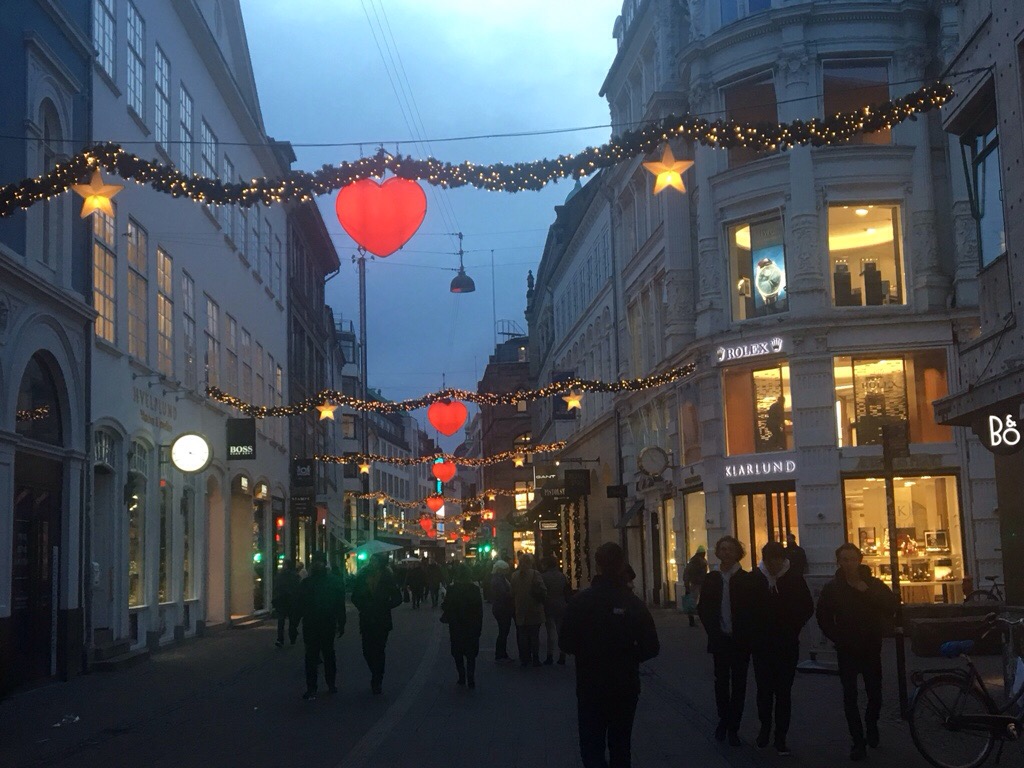
In central Copenhagen, where the spirit of the holiday can be seen all around, with decorations on buildings and streets.

20171122-010104-3664766.jpg20171122-010104-3664345.jpg

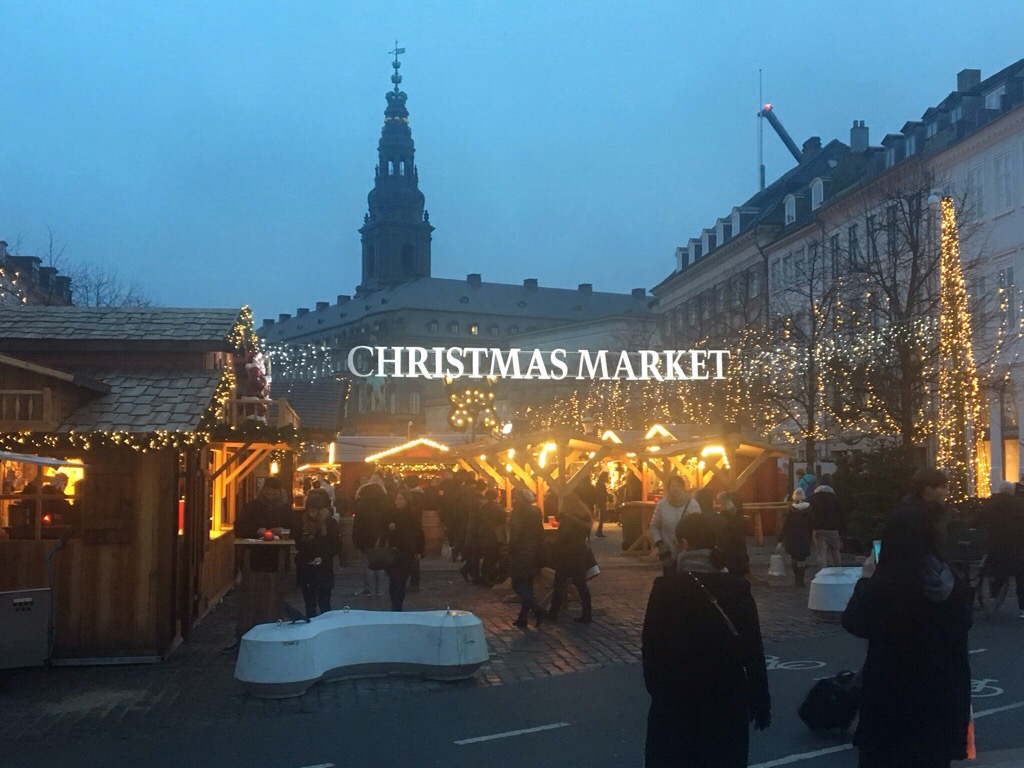
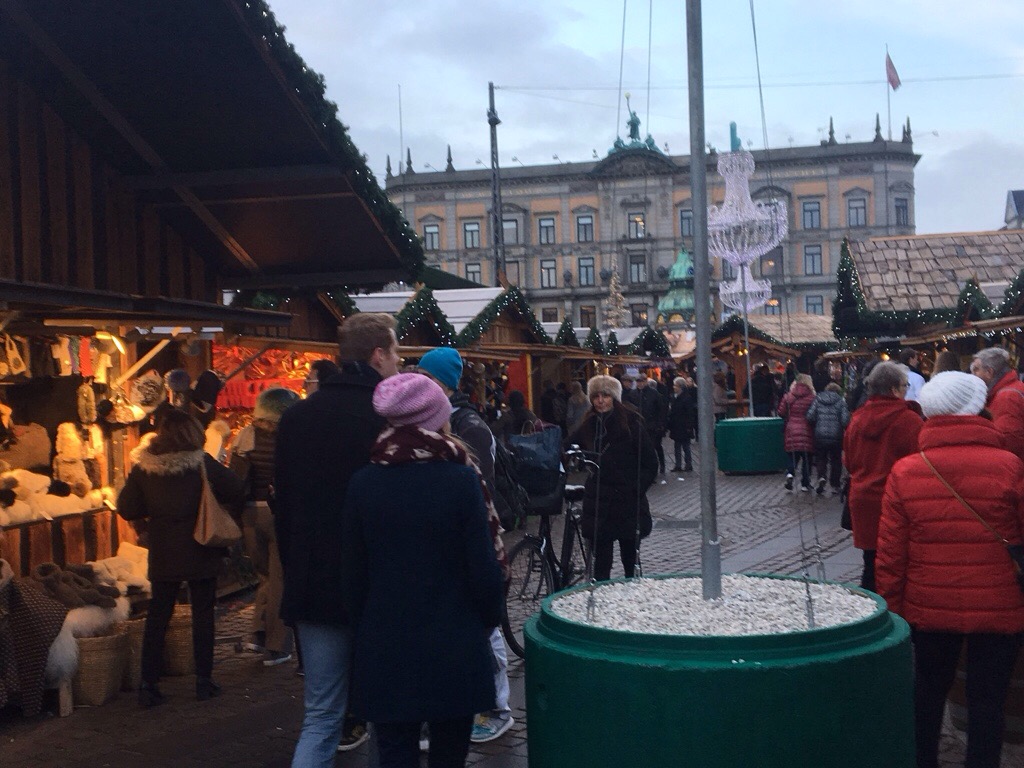
And numerous Christmas markets all over town offering holiday treats.

20171122-010217-3737620.jpg20171122-010217-3737184.jpg20171122-010218-3738052.jpg

The spirit becomes contagious. It is felt in the air. It is hard not to want to join in the traditions of the region. Eating nordic food, both new and old.

20171122-011125-4285759.jpg20171122-011125-4285311.jpg

And, of course, drinking gløgg, a warm spiced Scandinavian wine commonly drank on cold, cloudy winters days; particularly at Christmastime. It would be almost impossible to imagine myself here at this time of year without drinking it.

Denmark is known to be a happy place despite the weather, which is commonly cloudy and rainy, particularly in wintertime. In fact, it may even be because of the weather, as Danish culture has found some unique ways in which to cope.

20171122-011728-4648566.jpg

Hygge (pronounced hoo-ga), is a word we do not have a direct english translation for. It is happiness, in a friendly, slower paced, and cozy sort of way. Upon any reading or discussion of the subject, it becomes quite apparent how the weather has influenced the culture. Winter here means a lot of time spent indoors, in the dark. Spending it among good friends, eating good food, and removing oneself from the pressure of day-to-day life provides some form of rejuvenation.

20171122-013038-5438210.jpg

While Copenhageners spend a lot of time indoors at this time of year, it is apparent that they do not let the weather stop them from cycling. Despite the cloudy, and even rainy weather, and daylight that only lasts from roughly 8:30 A.M. to 3:30 P.M., there are still plenty of people on their bicycles, using them to transport themselves, and sometimes even other people and their cargo, around town.

As a cycling enthusiast, this is actually one of the factors that drove me to want to visit Copenhagen. It is by some measures the most bike friendly city in the world, and boasts one of the highest percentages of bicycle commuters. Perhaps because of the fact that nearly every street I encountered here in Copenhagen had some form of bicycle accommodation, it is a way of life here that cannot be stopped by the combination of darkness, rain, and temperatures in the lower 40s (around 5C).

20171122-014003-6003890.jpg

Besides what appeared to be the expectation of year-round commuting, I noticed several other manners in which the cycling culture here differed from what I see in the United States.

First, the bikes are different. I saw mostly cruisers not necessarily designed to go high speeds.

Second, cyclists here most certainly follow the rules. Nobody ran red lights.

And, finally, I also noticed that it is common practice here to leave bikes unlocked. I guess there is less worry about theft, but the idea of not locking a bike feels foreign to me.

20171122-014503-6303658.jpg

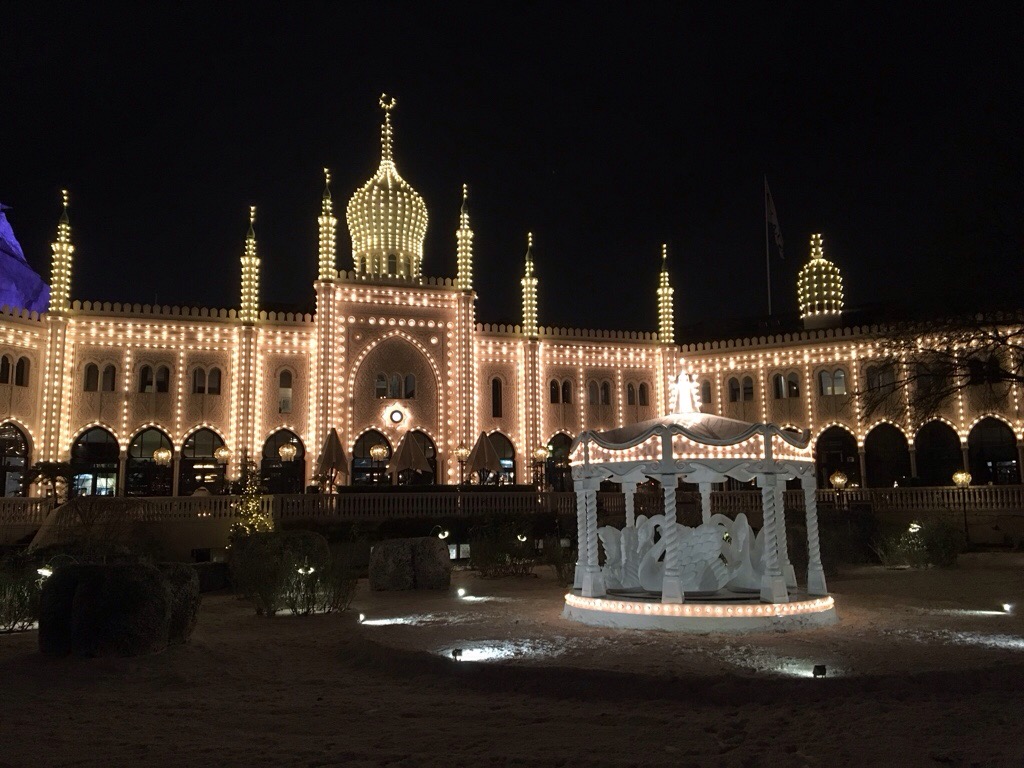
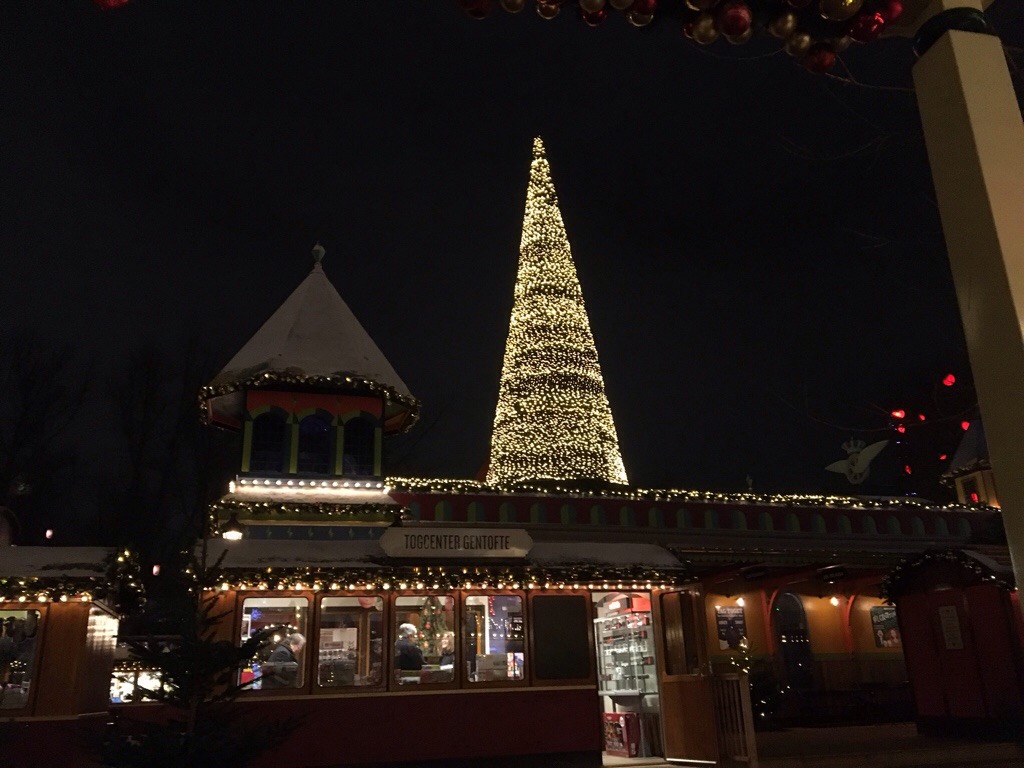
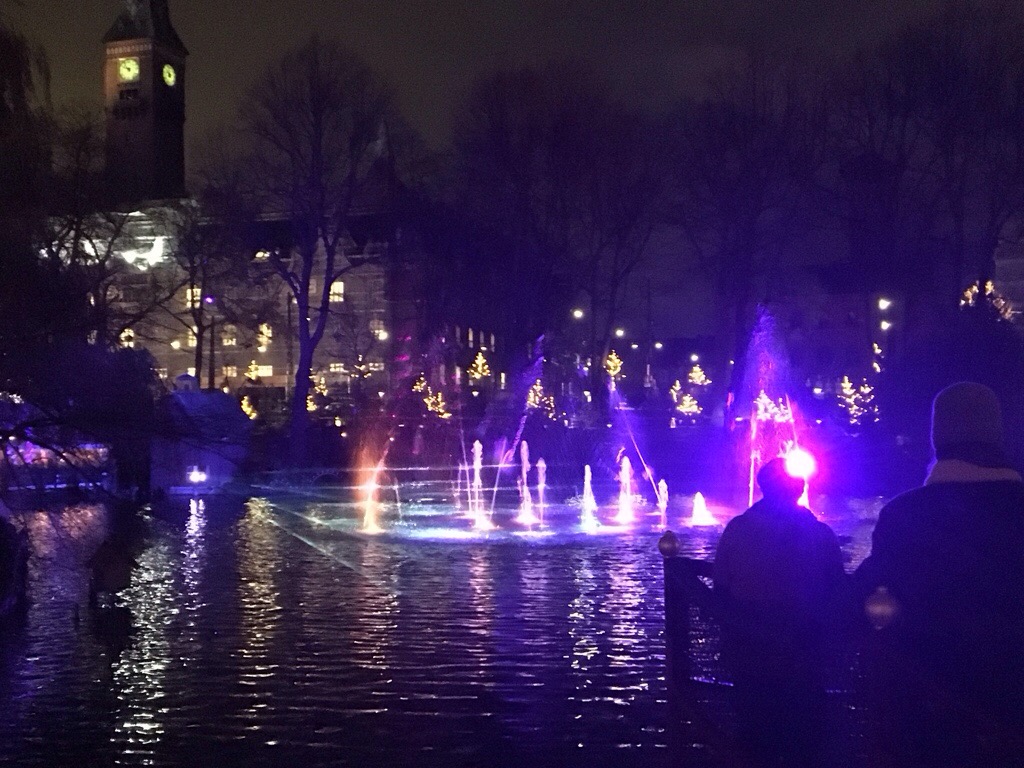
There is perhaps no place more iconic here in Christmastime than Tivoli gardens, one of the world’s oldest amusement parks.

The lights here, at night, are a must see for anyone who comes to Copenhagen at Christmastime, even for those who do not care for roller coasters.

20171122-014741-6461817.jpg20171122-014740-6460960.jpg20171122-014741-6461389.jpg20171122-014742-6462249.jpg

Recent reports have linked the lack of social support to unhappiness, poor health, and other bad life outcomes. The Danish people appear to take pride in their status as one of the happiest countries in the world, and, at least in part, attribute it to this concept of hygge.

According to the Little Book of Hygge, written by Meik Wilkins, the CEO of the Happiness Research Institute (which happens to be located in Copenhagen), hygge, while practiced all year long, is strongly linked with the Christmas season. The idea of taking a break from the stress of everyday life and spending time with loved ones is the core element of Christmas no matter where it is celebrated.

Often times the season for this is cut short. For many, some combination of pressure to complete end of the year tasks at work and holiday shopping keeps stress levels high for much of December. Experiencing Copenhagen in late November, with the spirit of Christmas already in full swing, I am inspired to make this entire season, not just a couple of days at the end of December, about giving, sharing time with those closest to me, and de-stressing.

Colorado Prepares for Winter

IMG_1641 (1)

There is, perhaps, no place on earth that gets more excited about winter than Colorado. While people certainly have differing views about their favorite activities, preferred types of weather, and favorite season, there is no denying that winter means something here in Colorado that it doesn’t in many other parts of the world.

The primary reason is the ski/snowboard industry, which generates excitement among locals and tourists alike. Four of the five most visited ski resorts in America are in Colorado. Statewide, annual attendance now typically tops 7 million. The ski/snowboard industry is also important to Colorado’s economy, with an estimated economic impact close to $5 Billion annually.

It is around this time of year that conversations at social gatherings turn to forthcoming winter activities. People discussing which of Colorado’s multi-mountain ski passes (most commonly the Epic Pass or the Rocky Mountain Super Pass) they had purchased, where their abilities currently stand, what their favorite types of slopes are and what travel plans they have.

In fact, Colorado is so excited about this season, and what it means to the state, that Denver International Airport has an exhibit about snow and ice!

IMG_1639 (1).jpg

This exhibit includes exhibits about many different topics related to Colorado snow, including the Snowsports Hall of Fame in Vail, which I visited two seasons ago.

Colorado’s ski/snowboard industry is quite large. All of the options and all the resorts can be a lot to sort through.

CO_Skiing_map

Each resort is, in its own way unique, both with respect to the terrain itself, crowds, and amenities around it. For example, Breckenride is a thriving town, with everything from fancy restaurants to even night clubs. Other places suck as Monarch, nowhere near any shops, restaurants, etc., offer a much quieter experience.

Luckily, the people at Denver Party Ride produced a guide to all of Colorado’s ski resorts which is perfect for just this purpose. While I could (and have) write at length about each specific resort I’ve skied at, this guide provides a relatively short (half a page or so) description for each resort, making it relatively easy for visitors to chose an experience that is right for them.

I was a bit surprised when informed about this ski guide. I knew Denver Party Ride for providing party limo services for events downtown and concerts at Red Rocks, I had no idea that they also shuttled people to and from ski resorts. As someone who has combined the experience of skiing and partying before, I may have to try this experience out!

IMG_8681.jpg

Every year, sometimes as early as late September, I start receiving calls and texts asking about what to expect, with regards to snowfall, for the upcoming winter season.

img_8403

It is here, as a weather enthusiast, I wish I had better guidance for those anticipating the coming ski season, or a ski trip to Colorado. When anticipating winter, people are most likely to hear about El Nino vs. La Nina. This year, the mainstream news has reported that a La Nina winter is likely.

Unfortunately, the forecast itself does not provide too much insight into what to expect this coming winter for two reasons.

1. La Nina’s impact on Colorado is somewhat inconclusive

According to this diagram from the Climate Prediction Center, Colorado trends to be sandwiched between an area to the north, which receives more precipitation during La Nina years and an area to the south which receives more precipitation during an El Nino.

El_nino_north_american_weather

Some local sources argue that, due to local topography, El Nino years favor snowfall in Denver and along the front range, while La Nina years favor snowfall up in the mountains, where most of the ski resorts are. However, official observations do not necessarily provide enough detail to reach that conclusion.

2. The La Nina is forecasted to be weak

Strong El Nino or La Nina events can be powerful predictors of winter weather. Weaker events are not as strong of predictors.

It is fun to speculate about the upcoming winter. However, after five yeas of living in Colorado, and several more of visiting annually to ski, I can’t help but think it is going to be good no matter what kind of winter we have. One of the main reasons it is safe to plan a trip to one of Colorado’s world class ski resorts is that, regardless of how each winter turns out, there is a period of time from roughly mid-January through mid-March where great snowpack and great conditions are all but guaranteed.

No matter what resort you visit, what pass you get, whether you ski or snowboard, get lost in the trees or stick to wide open groomed trails, get out there and enjoy the season. These resorts offer excellent opportunities to spend some time outside doing something that is both adventurous and gets the body moving. This is a reason to actually get excited about winter, a season many in other parts of the world dread.

The History of the Rocky Mountains

IMG_1691 (1)Many travelers are motivated to visit a variety of destinations by intellectual curiosity; Curiosity about culture, people and history. Curiosity about nature, science, and how our planet works. Unique natural features, such as Arches National Park and the Badlands, always make me wonder. How did this these distinct features come to be? Why can this be seen on this little section of our planet and seemingly not everywhere else? Is there anything similar, anywhere else?
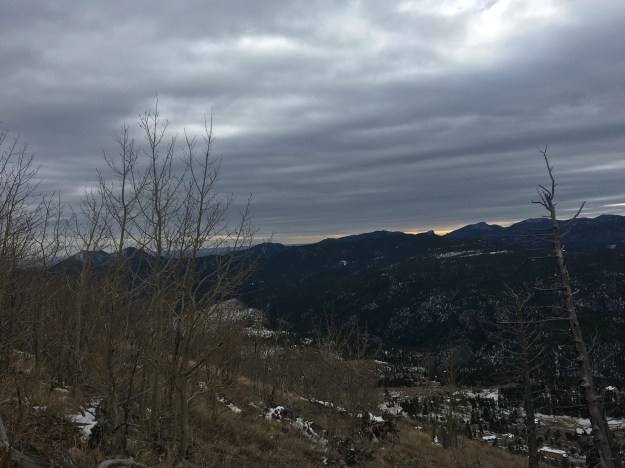
This leads us back to history; history that pre-dates human beings. The geological processes that produced the colors, shapes and terrain we admire often occur over multiple millions of years. Some even pre-date any of our mammalian ancestors. Over the course of any one person’s lifespan, it is highly unlikely that any changes in our natural world resulting from geological processes will be noticeable. Nonetheless, geological processes can manifest themselves in some rather explosive ways, including earthquakes, volcanoes and sinkholes.

All this is true of unique natural features like Old Faithful Geyser in Yellowstone National Park, as well as the ring of volcanoes in places like Iceland and Hawaii. This is also true of the larger natural feature that in many ways defines life in Western North America; The Rocky Mountains.

As it turns out, the Rocky Mountains, as far as mountain ranges go, are quite unique.

IMG_1684 (1)

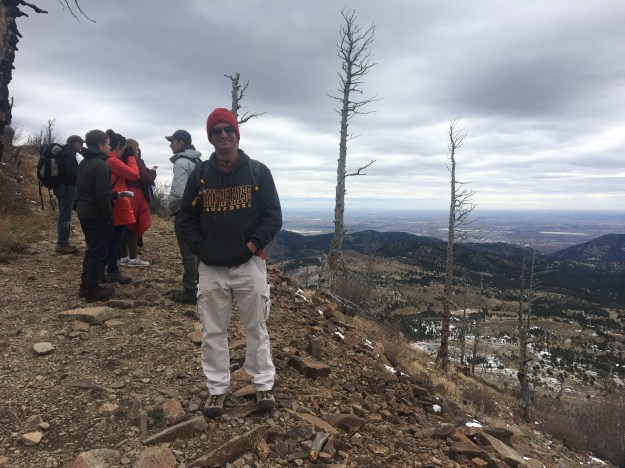
This past weekend, Drs. Robert Anderson and Lon Abbott of the University of Colorado-Boulder, lead a group of people up Sugarloaf Mountain to examine the geological history of the Rocky Mountains. This event was put on by the TEDxMileHigh organization as one of their adventures.

Sugarloaf Mountain is a relatively easy hike 15 minutes West of Boulder, along the Boulder Canyon. The distance from the trailhead to the top of the mountain is only about 1.4 miles, and the vertical gain is less than 600 feet. However, it is said to have one of the best views of Boulder Canyon in the area.

IMG_1682 (1)

This particular hike was chosen to as a backdrop for presenting Colorado’s geological history based on the specific terrain features that appear along the trail. For example, 1.7 Billion Years ago, Colorado was a shallow Ocean with tall mountains sticking up out of the ground, much the way present-day New Zealand is. Some of the mountains in the distance resemble the mountains that one would see had they been floating (or canoeing) across this area at the time.

300 Million years ago, it was a tropical seashore. The Rocky Mountains themselves formed from a period of time roughly 70 Million years ago to about 40 Million years ago. More recently (over the past 8 million years), the Great Plains, which the trail periodically overlooks, began to subside, creating the sharp contrast between the flat terrain east of the mountains and the high peaks of the Central Rockies that we see in our present day world.

IMG_1689 (1).jpg

At this exact elevation threshold, roughly 8500 feet, the type of rock observed changes, also a result of some of the long-term processes that created the Rocky Mountains.

The same combination of processes and events created some of the most celebrated unique rock formations of the region, including Red Rocks and Garden of the Gods. Thanks to the University of Colorado Department of Geology, this short hike became a trip through time.

IMG_1692 (1)

The view at the top didn’t disappoint. It was interesting to see the high peaks of the Rocky Mountains on an October day with some sun, but also plentiful cloudiness. It felt quite different from many of my hiking days Colorado, where there is often near total sunshine. I had previously forgotten about how much I enjoy seeing mountainous terrain like this, with sections of it lit by the sun, and other sections shadowed by the clouds, creating unique color contrasts that gradually shift over time.

The geological history of the Rocky Mountains is somewhat unique, and has yet to be fully explained. Geographically speaking, looking at a present day map of the world, the Rocky Mountains are fairly unique due to how far away from any major fault line they are.

IMG_1678 (1)

Many mountain ranges like the Andes and the Himalayans are right on a fault line and associated with geological activity; earthquakes and volcanoes. Colorado is not a hotbed for either, making for a somewhat unique mountain experience.

Geologists are still trying to explain why the mountains formed here the way they did. The Rockies continue to puzzle the scientific community. Why the mountains are as tall as they are when other properties of the Earth’s crust would indicate otherwise? Why did the Great Plains subside and become “disconnected” from the Front Range? Nevertheless, since geological processes are so slow, the mountains, as we see them today, are unlikely to change too much within any of our lifetimes.

Regardless of whether we are intellectually curious about why they are the way they are, or simply want to ski, hike, raft and climb, there are there and will continue to be there for us. They are confusing but consistent, much like life itself.

Six Weeks After the Storm

On Friday August 25th, Hurricane Harvey struck the Texas Coast, leaving 82 dead, thousands injured and thousands without power. For a large swath of the Texas coast, homes, and lives, were ruined.

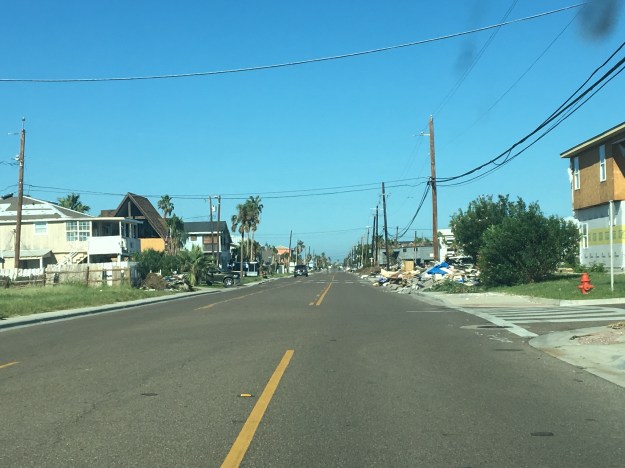
Six weeks later, in the coastal area from Port Lavaca to Corpus Cristi, this was the scene in nearly every residential neighborhood. Houses covered in blue tarp where roofs were punctured and windows were shattered. Debris was piled up by the side of the road waiting to be hauled away. Texas still in mourning.

IMG_1524 (1).jpg

Even driving through commercial zones, evidence of this recent destruction was all around.

After years of studying the weather, admiring storms from afar, and analyzing storm data, I decided it was time for me to actually chip in and help those whose lives are affected by these wonders of nature.

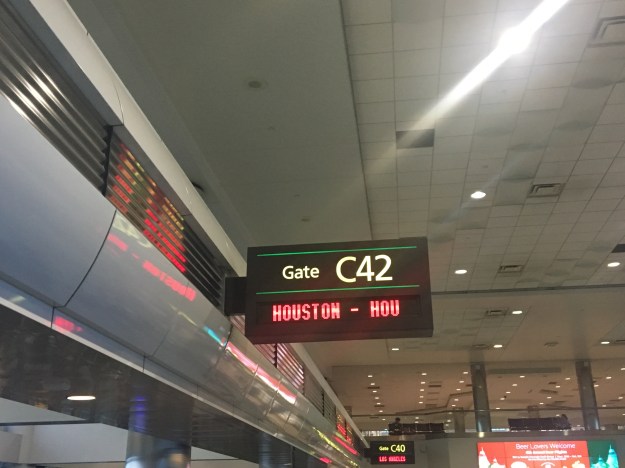
I flew to Houston.

IMG_1492 (1).jpg

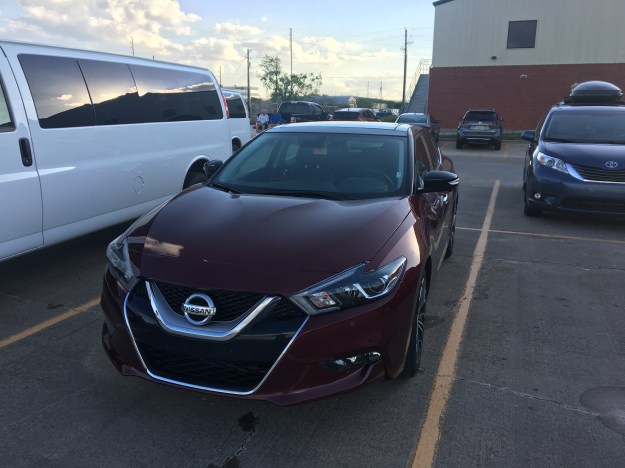
I rented a car.

IMG_1511 (1).jpg

And I drove down to Victoria, TX, roughly two hours southwest of Houston, a place where people were still cleaning out from the storm.

But first, stayed at a seedy hotel on the Southwest side of Houston.

Seeing security officers, police lights, and being solicited made my accommodations for the remainder of the trip, in the gymnasium of Faith Family Church in Victoria, TX, feel quite comforting (as I knew I would not get robbed here).

IMG_1518 (1).jpg

I actually found the accommodations made for us volunteers quite fitting. I had seen so many scenes in the news, where storm refuges were sleeping in quarters similar to this as they ride out or recover from a storm. While not exactly living the entire experience as those affected by these storms, it still, just, felt right.

IMG_1517 (1).jpg

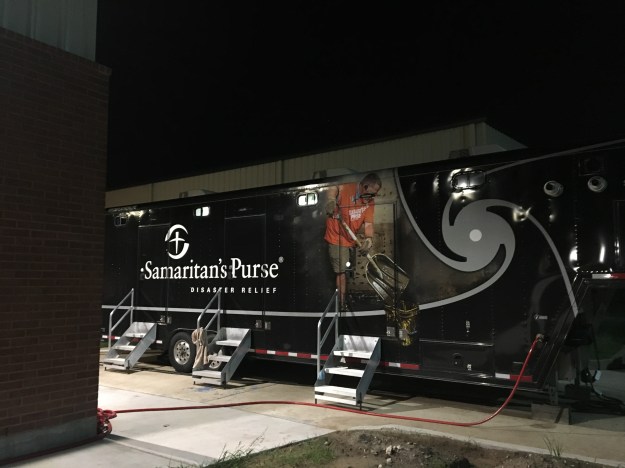
I also have to give a huge thank you to the organization I volunteered with, Samaritan’s Purse. They arranged the sleeping quarters for volunteers, and even provided us with three meals a day. This makes volunteering for disaster relief efforts quite inexpensive. I only had to pay for my flight, the rental car and gas, and that cheap hotel. Oh, and I decided on my way down to stop at What-a-Burger, because, when in Texas, right.

IMG_1503 (1).jpg

The odd thing about volunteering for hurricane relief efforts is that each day had a flow that almost resembled many of the outdoor adventures I regularly take part in, like adventure cycling, backpacking and skiing.

Each day would start off breakfast. We would eat together, pack our lunches, and head out. We would spend most of the day outside, being physically active. We’d return in the late afternoon, shower, change, and then all eat dinner together. That flow felt natural to me.

What wasn’t natural to me, as both a “city-boy”, and a “millennial” was the work. We just don’t learn how to work with tools.

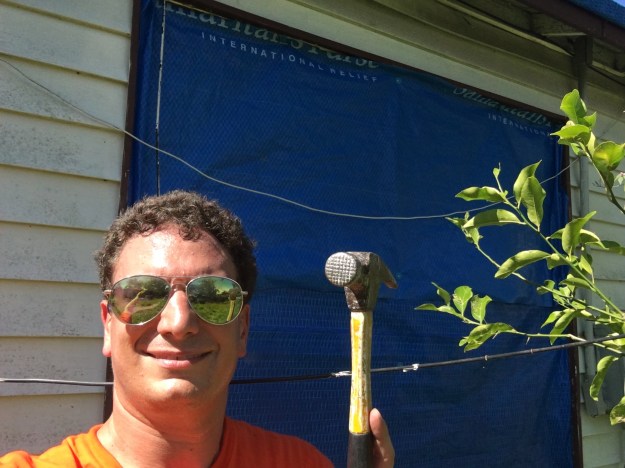
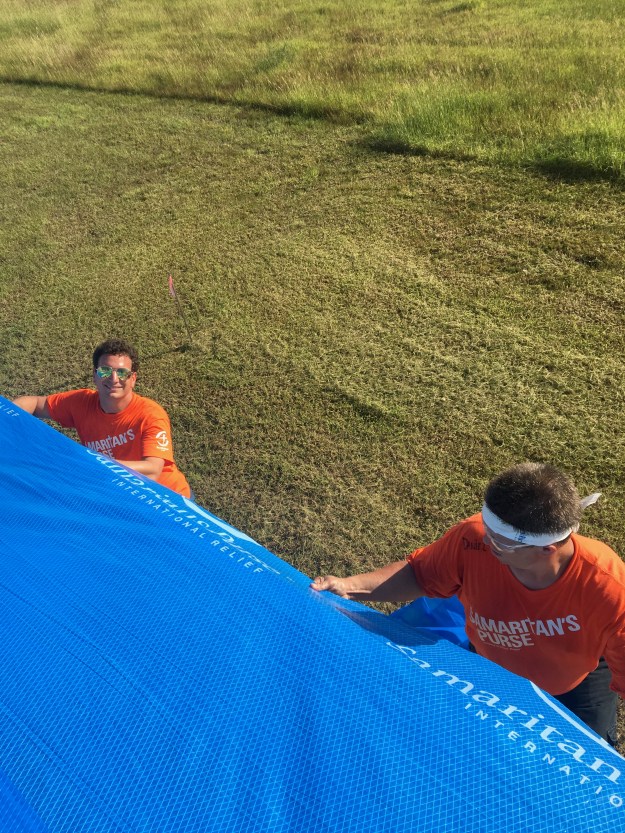
Thanks to volunteering, and the patience of the other volunteers with Samaritan’s Purse, I ended up learning a thing or two.

IMG_1522 (1)IMG_1556 (1)IMG_1565 (1)

Last year, when I read The Happiness Project, I was introduced to the concept of “fog happiness”. According to author Gretchen Rubin, fog happiness occurs when an activity does not necessarily bring you joy at the moment in which you are partaking in it. Rather, the happiness is spread out over a much longer time span, often both before and after an event. In a way, it is the antithesis of instant gratification.

The combination of seeing the result of my work, and knowing that I was part of a bigger mission with a clear positive outcome produced a clear example, for me, of fog happiness. Sweating in 90 degree heat, in October, with humidity only achieved on Long Island in the dead of summer, does not necessarily feel as good as sitting by the beach, or partying. I was, however, fulfilled.

As it turns out, I did get to go to the beach! Samaritan’s Purse, being a Christian Organization, takes Sundays off, giving me a chance to visit the Texas Gulf Coast.

The drive gave me a chance to see the true extent to the destruction all around me.

IMG_1548 (1).jpg

I had hoped, maybe even believed, that six weeks after the storm the recovery effort would be further along than it was. Everywhere I drove, I kept seeing the same thing. It made me appreciate the true extent of the recovery effort, and how small of a part I really played in it, as I was in Texas for only four days. There were may volunteers who signed up for the entire effort, and will be there through the middle part of November.

IMG_1520 (1).jpg

The four days I spent in Victoria felt like a trip back to the past, both with respect to my life, and society as a whole. The showers felt like dorm room showers. The presence of a lot of people doing the same thing all day felt like high school or college.

Also, the behavior and expectations felt like a trip back in time. Men and women slept in separate rooms. The organization did not permit one man and one woman to ride in a car together unless they are married. Phrases such as “I’m looking to nail something”, which have taken on newer, more sexually expressive meanings in the past few decades, reverted to their older, more innocent definitions.

IMG_1557 (1)I visited over half a dozen homes. Most of the people who needed assistance were people who have some other kind of poor circumstance; disability, previous home damage, etc. I even encountered someone who had recently had two strokes!

Oddly enough, although I felt appreciated for the work I did, it felt like some of the victims who I encountered were most appreciative of having some companionship when I would sit down and talk to them. In several instances I could sense a sadness in the eyes of those I was helping that had to do with factors beyond the storm. Worry about friends and family taking the wrong direction in life. Sadness about certain life events. Being lost. Perhaps most powerfully, being lonely.

It reminded me of the loneliness epidemic, as well as all of the other less obvious forms of human suffering currently going on. People are good at paying attention to suffering when its obvious. Other more subtle forms of suffering, such as loneliness, lack of fulfillment, lack of direction, and the feeling of being exploited by others, often go unaddressed.
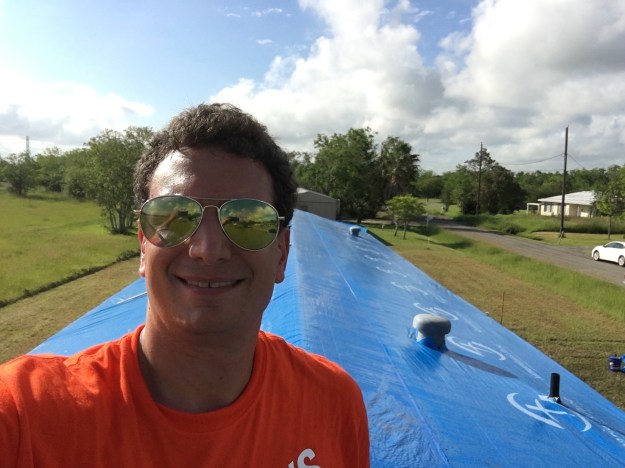
I may not have the capability to travel to every major disaster and physically help the way I did this past weekend. What I can do is try, each and every day, to do something about all these other forms of suffering going on. These are the kinds of suffering I see every day. These people need help too.

The Motor City- Without a Vehicle

“And you may say to yourself, well, how did I get here”- David Byrne.

I found myself in Detroit, Michigan on an unexpectedly pleasant October week asking myself just that question.

On one level, of course I know how I got here: Delta Airlines. I am not that reckless :).

On a whole other level, and the level that David Byrne was clearly referencing in Once in a Lifetime, I was quite confused.

How did the sequence of events in my life come together that lead me here?

To this forum…

img_1465

In this city…

With this group of people….


Is there a reason for it? Was it “meant to be” for any reason? Or is it a result of decisions I made aggregated over the course of time? Had I made these decisions differently, prioritized things in my life in a different order, or just paid more attention to a few specific things, would it have lead to a result that is significantly different?

This song was on my mind because last time I was in Detroit, way before I even had the idea to start writing about my travels, I recorded a dance to this music video at the Henry Ford Museum.

This was in 2008, a time when Detroit was at some kind of a low point. The story of Detroit is familiar to many, as it has been written about extensively.

IMG_1396 (1)

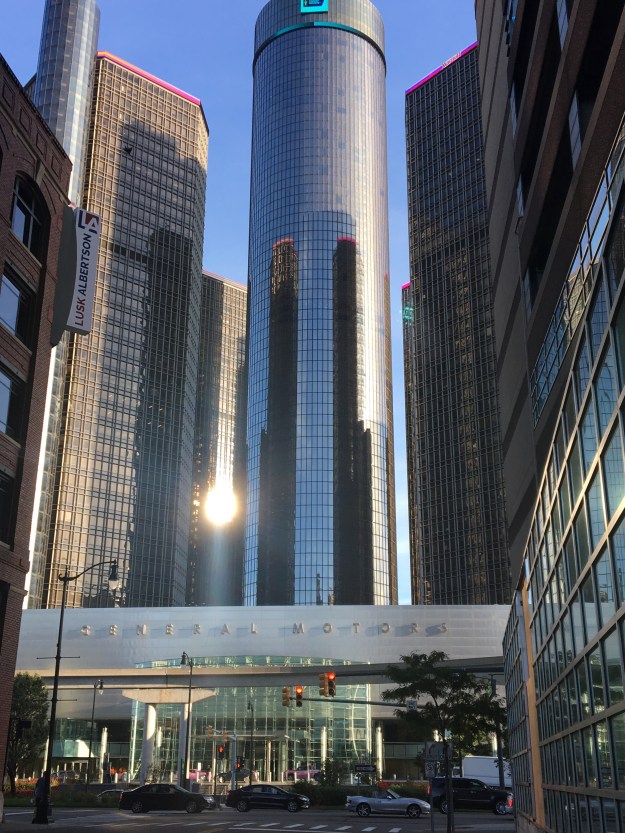
As the headquarters to America’s three biggest car manufacturers, the city was prominent and prosperous in the middle of the 20th Century. However, it fell on hard times in the later part of the 20th Century due to a combination of customers increasingly buying foreign cars and the decline in manufacturing in the U.S.

Nearly every time anyone writes about Detroit, they write about the city’s economic fortunes, often making points about social issues, economic policies, etc. Even when I came to Detroit with no desire to address the city’s economic misfortune and current attempts at recovery, it is hard to escape. Evidence of it is everywhere.

IMG_1430 (1).jpg

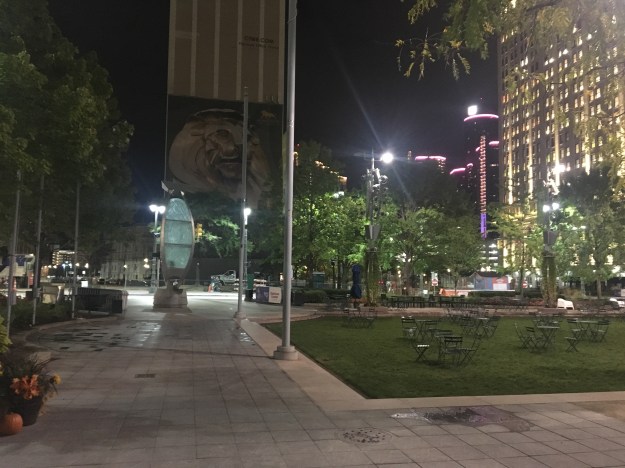
Visitors from other parts of the country kept telling me how eerie it felt; the lack of crowds, empty streets and mostly empty bars. Even acknowledging that these were all weeknights, it still felt different than what most people experience in urban areas throughout the country.

The history, as well as current state, of any place is always going to be a part of any travel experience. And, for Detroit, this includes the history people focus on (decline from 1960-2008), but also some of its history prior to this.

Strangely enough, despite the fact that Detroit is “The Motor City”, and best known for its role in the automobile industry, much of its history, and many of the interesting attractions, can actually be reached without a motorized vehicle.

Within downtown, one can walk to many of the city’s historical, and current attractions.

IMG_1414 (1)

For those willing to walk a mile, the only places that really require vehicular transportation are the Motown Museum and the Henry Ford Museum. The Cobo Center, all the attractions along the Riverfront, Detroit’s historic Opera House, the Fox Theater, the venues for all of Detroit’s sports teams, as well as multiple casinos can all be reached on foot within roughly a mile and a half of each other.


Interestingly enough, there is a lot one can do in the “Motor City” without even using a motor!

Much of this was actually built in Detroit after the decline of the auto industry. One of the reasons I visited Detroit in 2008 was to see their newly built baseball stadium, right downtown.

My 2017 visit to Detroit was to attend a conference related to a client I am currently consulting with. The reason is complicated as organizations rarely send consultants to conferences to represent their brand. Consultants are temporary and technically not a member of the organization.

It makes my identity, like Detroit’s identity as a city, feel way more fluid and complex than it was in the past. In the mid 20th Century, a place could have a simplistic identity; The Motor City, The Rubber City, The Iron City, etc. Today’s growing cities, like Denver, have identities that revolve around multiple areas of focus.

Many people are rooting for Detroit to make a comeback. Places like Greektown and Corktown, adjacent and walkable from downtown, are emblematic of a new, different, and more multi-faceted Detroit emerging from the ashes of the decay that plagued the prior half a century. One day, Detroit will find itself anew, unrecognizable to the Detroit of Motown, and people will ask “how did it get here”. They may even ask “My God, what have I done” (from the same song).

The point of David Byrne’s song is that people need to stop and periodically think about their lives, the directions they are headed, their priorities, etc. Otherwise, they will just kind of like drift, with nobody really understanding whey they are where they are, doing what they are doing, with the people they are with.

There are unique things about Detroit. Obviously the large amounts of empty space, some of which is being converted to farmland.

Also, their proximity to the Canadian border, rust belt infrastructure, and continued contributions to the music industry.


Attending this conference was a reminder to me. No matter where I go, no matter what I am doing, I cannot help but be me. While we all need to periodically re-think things, come up with new ideas, and even take on a somewhat different identity, there will always be some things fundamental about ourselves that do not change. Detroit’s current transitions reminds me of this.

Many Ways to Get Outside

IMG_1258 (1).jpg

As autumn approaches I cannot help but be concerned. With each passing year, there is greater and greater evidence that the lives we live in our present day culture are out of balance. Obesity rates continue to increase. Anxiety, stress, and similar mental health related concerns suddenly seem to be everywhere. Perhaps most alarmingly, opioid addiction has recently skyrocketed. It is now estimated that in the United States about 100 deaths per day can be attributed to opioids. Heck, even the fact that 90% of Americans consume caffeine, a far less risky drug, everyday is certainly a sign that something is off. For what reason are so many people dependent on caffeine, a stimulant, just to conduct a typical day’s activities?

The conclusion I have come to is that most of us spend too much time in the following three states..

  • Alone
  • Indoors
  • Seated

Many people spend most of their time in all three states. A lot of service sector jobs require that workers spend nearly all of their time at a desk, in front of a computer, alone. Outside of work, Americans now spend an average of about five hours per day watching TV, and are spending more and more time on their mobile devices. It’s no wonder 70% of the US population does not meet its daily recommended intake of Vitamin D. Vitamin D has but one natural source, the sun.

img_8124

Luckily, there are many ways to get outside! When many people think of the outdoors, they think about camping trips, long excursions into the wilderness, and other things that are far far away and require large amounts of time and planning. It is easy for those living in a major city to think of the outdoors as something only available during those special times, usually only several times a year, when their schedule permits.

However, it appears as if spending time outdoors is more important than many people realize. It may even be the answer to some of our society’s currently problems. This entry from MyWildEarth, a blog from the other side of the world that encourages adventure, outlines all of the health benefits, both physical and mental, of spending time outdoors.

In one weekend, I was able to identify several ways in which to get outside that do not require large amounts of time or advanced planning. And, as this photo suggests, these activities can be social as well.

A moderate difficulty 30-50 mile bike ride is an activity that can be fit into a weekend morning, and shared with others. For many, it does not require driving at all, just hop on a bike straight from home!

Many people are able to drive a short distance to somewhere that autumn is going to show its true beauty. The leaves on the trees here in Colorado turn a bit earlier than they do in most other places. In the coming weeks, there will be great weekends for viewing spectacular fall colors in the Upper Midwest, New England, and eventually places like the Mid-Atlantic, the Smoky Mountains and parts of the Southeast.

For those whose time is extremely limited, there are ways to get outside without even leaving the city or town in which one lives. Gardening is an outdoor activity that can be done on one’s property or in a community garden. As an added health bonus, the fresh vegetables can be used to produce fantastic meals that are both healthy and conducive to social events. Also, nearly everyone should have access to a local park a short distance from home. This will more important in the coming months, as the days get shorter, the weather less consistent, and the opportunities to get that vital time outdoors become more limited.

IMG_8629.jpg

I write about a lot of adventures on this blog. Each entry is not just a description about the places I go and things I do, but also a personal narrative.

I had a recent discussion with some good friends about the digital era, social media, and the manner in which we conduct ourselves online. To many, it feels as if people post about their adventures primarily in order to show off and seek attention. It is my hope that the narratives on this site make it about more than just that.

It is my hope that by sharing these stories with others, more are encouraged to seek activities that improve our health; mentally, physically, and spiritually.

We need to interact with others, and do so in a manner that is meaningful. Our bodies need movement, and they need sun. We also need time away from the digital world. Many did get that time during the summer, on trips, at summer camp, etc. Now that all the kids are back at school and the days are getting shorter, it is imperative that we look for opportunities to get outside. Luckily, even without traveling too far from home, there are a lot of wonderful options for all of us.

Hell’s Hole: A Lesser Known Hike for a Busy Weekend

IMG_1116 (1).jpg

It would be hard to find a day, or an event, that brings about more mixed emotions for me than Labor Day….

I love the fact that Americans get a holiday, the first Monday of every September. I hate the fact that so many Americans get so little time away from the office and their other daily responsibilities that Labor Day weekend represents a rare opportunity for travel, leisure, etc. As a result, roads, recreations areas, National Parks, and tourist attractions are very busy the entire weekend!

The history of the holiday is complex and contested. It started as a celebration of the Labor Movement, whose original purpose was to stand up for fair treatment of workers in the wake of industrialization. Leaving out some more controversial opinions, let’s just say I appreciate the fact that there is a Labor Movement and a lot of what it has done, but I do not always appreciate every manner in which it manifests.

Over the years, the workforce changed, and the holiday kind of morphed. Today, the holiday is less about parades celebrating the American worker, and more about recreation, parties, events, travel, and outdoor adventure. It also serves as the unofficial end of Summer. Yet another mixed emotion. I love seeing people get out and enjoy the world. But, I am bummed that Summer is ending.

The crowds also necessitate some outside the box thinking. The National Parks will be crowded. So will many highways, and other high-profile destinations. With the weather typically being pleasant, the three-day weekend ends up being a good opportunity to visit some lower-profile destinations, particularly for those of us that are fortunate enough to get more than three opportunities (Memorial Day, Independence Day and Labor Day) for summer adventure and exploration.

IMG_1089 (1).jpg

Mount Evans itself is a fairly high profile destination. Just over an hour’s drive from central Denver, it can be reached by driving up the highest paved road in North America. People also commonly hike or even cycle to the top of the 14,264 foot peak.

The Mount Evans Wilderness is a 116 square mile are surrounding the mountain, with rugged terrain, many other peaks, and numerous other trails to hike and backpack.

IMG_1114 (1).jpg

Hell’s Hole (I have no idea why they call it that) is a trail that stretches a little over 4 miles (estimate vary depending on source, a common issue for hikes in Colorado) just to the West of Mount Evans.

Starting at an elevation just over 9500 feet, the trail climbs a total of roughly 2000 feet, making it moderate in difficulty- overall. However, that difficulty is not spread evenly throughout the hike. Most of the climb occurs in the first two miles, as the trail ascends, first through a forest of mainly Aspen trees, then into a dense forest of Pines. Near the top, the trees begin to thin, and Mount Evans, the giant 14,000 foot peak periodically appears through the trees.

IMG_1107 (1).jpg

At a moderate pace, one should reach the end of the trail in roughly two hours, with the second half of the trek begin more gentle in slope. The gentler slop still manages to top out close to the “tree line”.

IMG_1111 (1).jpg

Although the final mile and a half of trail offers periodic glimpses at the mountains in all directions, it is only the last quarter of a mile of the trail that is truly wide open. To get the full experience, I would seriously recommend hiking the entire length of the trail, which totals roughly nine miles round trip.

For some reason, it took until the second half of the hike, the descent back to the trailhead to notice any signs that summer was indeed coming to an end. An unseasonably hot day, reminiscent of mid-July, temperatures in parts of the Denver metro area hit 100F, and even weather stations near 10,000 feet in elevation peaked out above 80F. The entirety of the hike felt no different than mid-summer.

IMG_1122

Yet, hints of fall appeared, and were suddenly noticeable when the ascent was complete. Shades of yellow began to appear in the shrubs that often dominate the landscape just above the treeline.

IMG_1125 (1)

Further down, gold colors even began to periodically appear in the Aspens closer to the trailhead.

IMG_1123 (1).jpg

People often think of Labor Day as summer’s farewell, summer making one last appearance before ending. Of course, the weather does not always line up that way, and it is quite possible that many more hot days are still yet to come.

Emotionally, and sociologically, a lot more can be controlled. Most children have already returned to school. Those still on summer break will be back in the classroom shortly. Anyone on summer schedules or summer dress codes will return to normal within a week. For those in the most traditional types of corporate structures, the next holiday may not be coming until Thanksgiving (late November).

On the descent, we spent some time discussing topics related to work, finding purpose in life, and other topics that were less about travel and adventure and more about life at “home”. It was almost as if the weather, the physical appearance of everything around me, as well as the general mood, was lining up to serve the purpose Labor Day serves in the 21st Century; a farewell to summer before a new season takes hold.

For many, this new season represents a return to some form of structure, but could also represent new opportunities to learn, achieve, and reach the next level. In life, we all need breaks, time to do that in which we enjoy. We also need time to work, and get things done and serve other human beings. While our current society may not have found the right balance, that does not mean we need to shun work altogether, and not embrace the season that is to come.

Wyoming’s Wind River Mountain Range: A Quiet Place to View the Eclipse

IMG_0940 (1).jpg

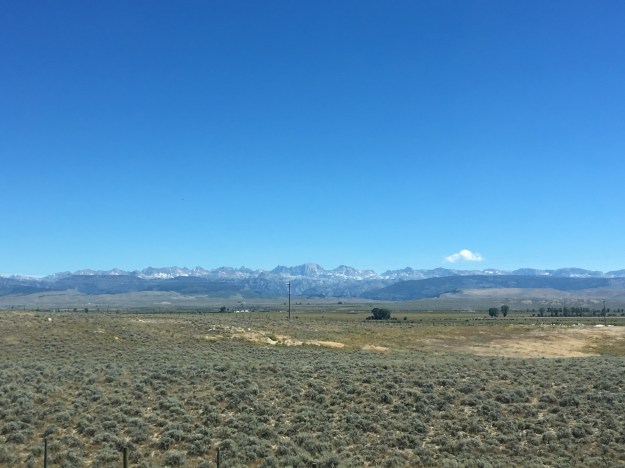
Every region has its high-profile destinations, as well as some lesser known, but often just as magnificent places. When people think of Wyoming, they often think of Yellowstone and the Grand Tetons, home of some of North America’s most unique and picturesque landscapes. The Wind River Mountains, roughly an hour east of Jackson Hole Ski Resort and the Grand Tetons is one of those places.

IMG_0693.jpg

The jagged peaks of the Wind River Range are somewhat reminiscent of the Grand Tetons. They include Wyoming’s highest peak, and are considered an ideal setting for a true primitive outdoor experience. In fact, the National Outdoor Leadership School, where people of all ages learn about survival in the outdoors, has its headquarters in Lander, WY, and conducts many of its programs in the Wind River Mountains.

It also happened to be in the path of totality for the August 21, 2017 solar eclipse. For an event that brought hundreds of thousands of people to the state of Wyoming, the lesser known but still amazing Wind River Mountains represented the ideal place to view the solar eclipse without encountering large crowds.

IMG_0700 (1).jpg

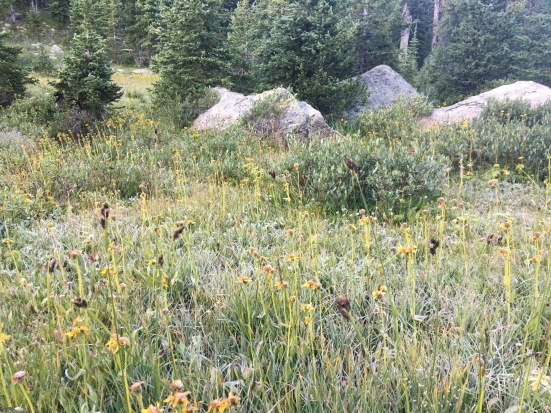
My group started our journey at the New Fork Lakes Campground roughly 48 hours prior to the eclipse. We spent most of Saturday afternoon climbing through a forest of mostly dead trees, wildflowers, and the occasional raspberry.

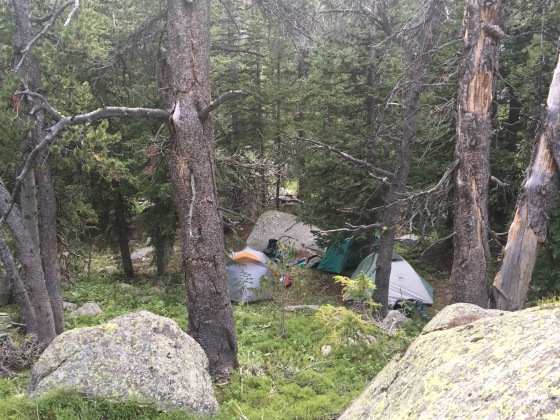
After stopping for the evening at one of the only quazi-flat areas we could find along the trail.

IMG_0731 (1).jpg

Hiking several hours Sunday morning.

IMG_0737 (1).jpg

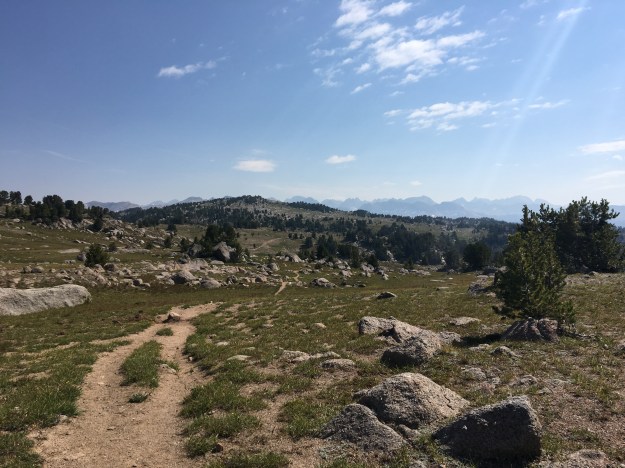
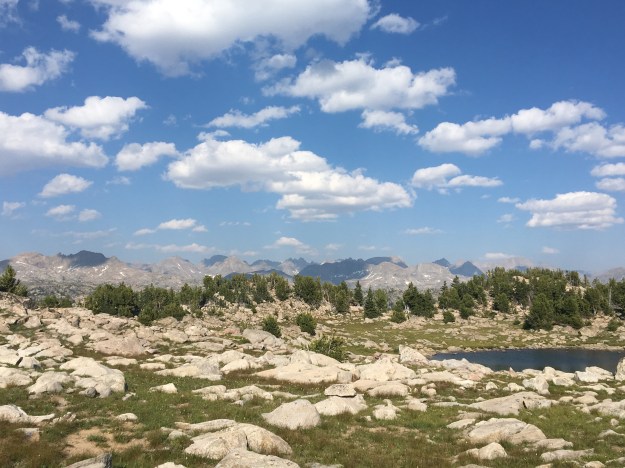
Where we would periodically traverse alpine lakes of all sizes.

IMG_0756 (1).jpg

We finally got a glimpse of the higher peaks that make up the heart of the Wind River Range.

IMG_0768 (1).jpg

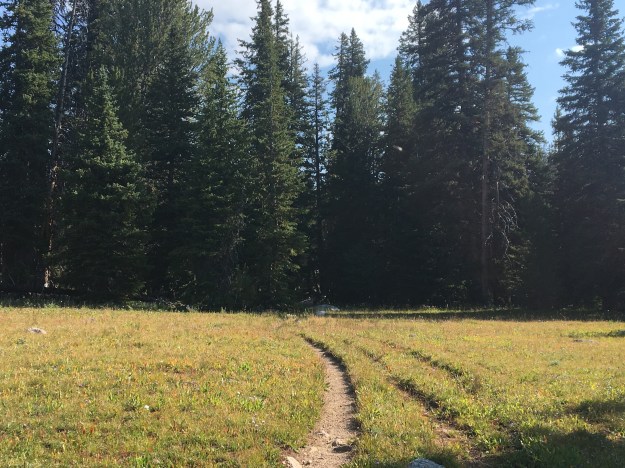
This was one of about a dozen “false summits” along the trail. By this, I mean places where the trail ahead appears to be reaching its apex, or a flat area, only to reveal significantly more climbing around the next corner.

IMG_0744 (1).jpg

Sometimes there is a lot more climbing.

Whether hiking, backpacking, or cycling, false summits can be frustrating. Some people find themselves quite discouraged when they believe that the challenging component of an experience is over, only to find out that far more challenge lay ahead, with no known ending.

IMG_0733 (1).jpg

It is also true of many of our personal challenges in life. A trail like this, with many false summits, can, in a way, be a metaphor for life. At times, it feels as if life is one false summit after another. Hopeful people in less than ideal situations will often see reason to believe better days are ahead only to have the struggle re-emerge, or the emergence of a new source of stress.

However, if hikes like this, sweat, frustration, and deceptive false summits and all, demonstrate anything, it is that climbing the mountain, both literally and metaphorically, is often worth it.

IMG_0780 (1).jpg

After the morning haze finally burned off, we spent the day Sunday in an area the was simply magnificent.

The manner in which the shadows of the clouds shifted along the panoramic horizon was often breathtaking to watch.

IMG_0823 (1).jpg

We got to enjoy ourselves in lakes that belong to nobody.

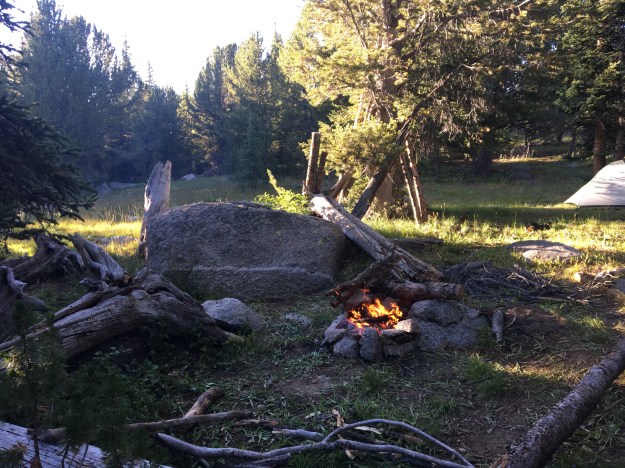
The campground we stayed at was great vantage point to watch, the sunset.

As well as the sunrise.

On a day when many were fighting crowds, and struggling with numerous hours of traffic to get a view of this eclipse, we were on top of Doubletop mountain, at roughly 11,000 feet in elevation, enjoying the eclipse with plenty of space.

IMG_0871 (1).jpg

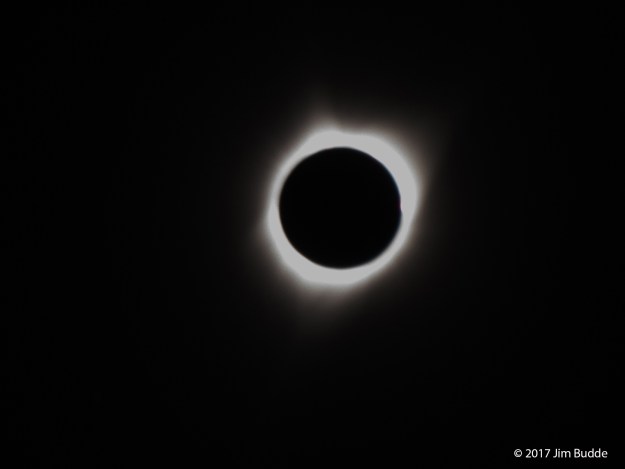
The eclipse itself, like the breathtaking jagged peaks of the Wind River Range was beautiful beyond words.

P1000323

The event lasted a total of nearly three hours, most of it with the sun only partially blocked by the moon.

P1000211P1000258P1000283

The previous four eclipse photos were taken by Jim Budde who got better photos of the event.

A little bit before “totality”, it began to noticeably feel cooler, even though it did not seem too much darker than usual.

IMG_0939 (1).jpg

Right before totality, the darkness becomes noticeable.

IMG_0950 (1).jpg

Totality is kind of like a two-minute-long strange dusk-like period. It does not feel like nighttime. In a way it feels like that time of the evening roughly twenty minutes after sunset, with the day that had just occurred gradually descending away to the west, enough residual light to make out surrounding objects, and the promise of the night ahead beginning to enter the collective consciousness.

IMG_0953 (1).jpg

Only, everything is, like, sideways, rotated or something.

IMG_0955 (1).jpg

While there was plenty of time to goof off, swim, watch the eclipse, it still was a physically challenging experience, as is any trip involving carrying heavy backpacks up steep hills.

IMG_0960 (1).jpg

Backpacking is work too. There are chores to be done; setting up tents, starting fires, cooking, pumping water, etc.

IMG_0977 (1).jpg

That which is more challenging, requires more effort, or taking some kind of risk is almost always more rewarding than that which is easy. This backpacking trip, the beauty of the Wind River Mountains, the experience of viewing the eclipse, such a rare event, in all its glory, served as a reminder to me of something I have always known but can at time lose sight of. Human beings, by our nature, were meant to “work” in some capacity. Sitting around and playing all day, or having everything done for us will naturally lead to a life that is empty. Working hard and receiving a reward of some kind after that hard work is complete, whether that be backpacking to see something beautiful or starting a business that impacts the world positively, leads to fulfillment.

IMG_0980 (1).jpg

The final struggle of this trip is one that I can sometimes have a harder time dealing with than others- cold. Dry weather is convenient because it means no rain. However, it also commonly means large daily temperature swings. Each day, the temperature probably reached or exceeded 70F (21C), warm for physical exertion such as carrying a heavy pack uphill. Each morning was chilly, with Tuesday morning being the coldest – frost covered the ground.

The final day’s hike, and descent back to civilization went by surprisingly fast. With an early start, and few stops, we were back into civilization before noon, ready to return to “regular life”, and tackle the challenges that lay ahead, including whatever metaphorical “false summits” we would encounter next.