Category Archives: Personal Accomplishments

My First Long Day of Cycling

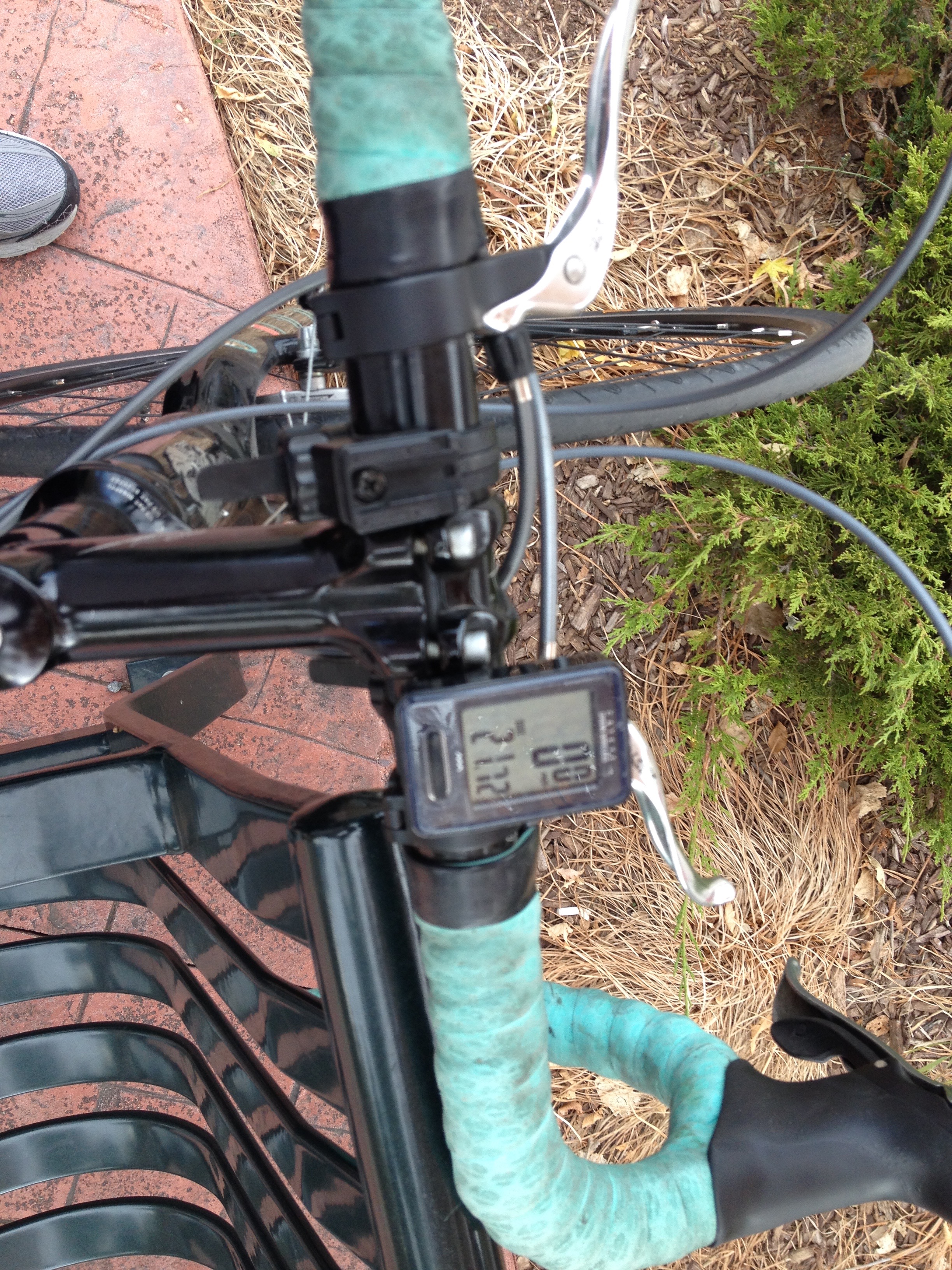
IMG_6357

I woke up in the morning with a good feeling.  It wasn’t a premonition regarding something specific, like when people set out to run a triathlon or take a key exam and get this feeling of confidence that they are going to achieve what they set out to do.  After all, this is a bike journey.  Accomplishment does not come at the end of this day.  It comes at the end of the last day, five days later, when I reach the coast of Maine after six days of riding.

The feeling I started the day with was just a general positive vibe, that I knew I was going to have a good day.  It is a Tuesday, a day where many people will simply be grinding out their daily lives.  For tragically many people, this means stressing out at jobs that do not fulfill them.  I get to ride my bicycle, spend the day outside, and see places I have never seen before.  I must be thankful for that.

On bike journeys there are plenty of things that can go wrong.  There’s always the possibility of unpleasant weather, unexpected storms, or an unexpected unfavorable shift in wind direction.  There are also the many possible mechanical issues that can occur to a bicycle, particularly one that was recently shipped across the country.  The feeling I got was that none of those things would happen, and that I would simply have an enjoyable day on my bicycle.
IMG_6356.jpg

Most Canadians will recognize my way of starting my day off right, with a nice breakfast at Tim Hortons.  Food is crucial on a bike trip.  It is so crucial that when I took the Adventure Cycling Association’s Leadership Training Course three years ago, it was the very first thing they talked about, before bike mechanics, camping/lodging, or even the basics of bike touring.  How to pack trailers, roof racks, panniers, etc. would not be covered until the next day!  I know one bad meal can really strain a bike trip, particularly if it’s breakfast, so I made it a good one before crossing the border back into the United States.

IMG_6360.jpg

Before leaving the Niagara area, I took one last view of the falls from a place called Goat Island.  Goat Island is between the two falls, and on the American side.  It offers a pretty good alternate view of Horseshoe Falls, which is directly across from a place called Terrapin Point.  It might be the best view on the American side of the falls, but, as I mentioned in my prior post, the Canadian side still offers better views overall.

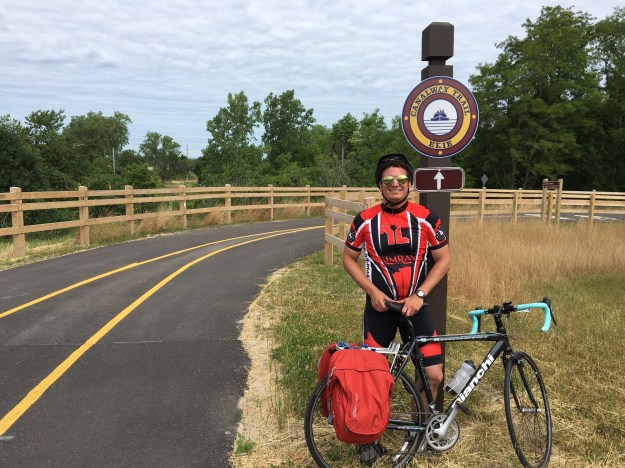
I would spend most of my day cycling on one of the Nation’s longest bike paths, the Erie Canal trail.
IMG_6367.jpg

I knew that this was going to be a flat ride.  The Erie Canal is a waterway that was built in 1824 to provide a shipping route between the Great Lakes and the Atlantic Ocean.  In order for the very concept to work, they had to find a route with very minimal elevation change.  When the canal was built, a series of locks were built to regulate the water flow.  The first town we encountered after picking up the trail was Lockport, New York, a small town with one of these locks at the center of town.


East of Lockport, the trail surface becomes crushed limestone.

IMG_6377.jpg

Staying right next to the Erie Canal, the scenery I encountered was quite constant.  Much of my day looked exactly like this.  This trail is flat, and largely straight, which is good for covering a large number of miles in one day.  I spent most of my time on this trail just thinking about the Erie Canal itself, the amount of work it must have taken to build it, and its role in transporting goods across the Union in the Civil War, which some consider to be a major factor in the eventual Union victory.

IMG_6383

On a day like today, covering a lot of miles on a trail with consistent scenery, it is easy to lose track of each individual town.  This is why one of my favorite features of the Erie Canal Trail, at least in Western New York, is these bridges.  Each of them have the name of the town labelled on top of the bridge, so as cyclists approach, they know which town they are, in fact, approaching.

IMG_6375

I generally liked Western New York for bicycling, and bicycle accommodations.  Obviously, there is the trail, but also many of the roads include wide enough shoulders to accommodate bicycling.  Additionally, New York is one of the states that has labelled state-wide bike routes, which add some level of legitimacy to cycling as a form of transportation.

The exception, at least for me and the route we followed, was Rochester.  We split off the Erie Canal trail in order to ride, and eventually camp, along Lake Ontario.  This involved getting off the trail and following State Highway 104 into town.  Like other Western New York roads, this road had a shoulder.  However, this shoulder had frequent obstacles, mainly sewers, that we needed to cut into traffic to avoid.  After that, we cut over to the lake in a suburb called Sea Breeze only to find out that the bridge we were hoping to take, over Irondequoit Bay, was closed for the summer.

IMG_6388.jpg

We were told that the bridge would re-open in November.  I am accustomed to roads being closed in wintertime, but not in summertime.  I never would have thought to even check to see if any bridge that I was hoping to take would be closed.  What was so frustrating about this was that the bridge itself, seen in the distance, and also on this map, is so short.

Screen Shot 2016-07-06 at 6.49.28 AM.png

It couldn’t cover more than fifty feet, and, as a result of that bridge being closed, we had to back track all the way around Irondequoit Bay, adding a significant number of miles to the trip.

I ended up having to invoke my backup plan.  I had already ridden more miles in one day, 112, than I had ever before in my life, smashing my previous record of 104.  Without the detour, I would already be close to my destination for the day.  But, I knew I needed to save some energy for five more days of riding.

So, I got a ride for the remainder of the day’s trip, which ended at Sodus Point, at a campground where I could watch a beautiful sunset along Lake Ontario.

IMG_6397.jpg

The obstacle I faced was not one of the ones I had anticipated.  Usually when I think of what can go wrong on a bike trip, wind, rain, and flat tires are the first things that come to mind.  A bridge closed for the summer is the last thing that would occur to me.  In fact, it took nearly three days for me to eventually realize the likely reason for a summer bridge closure; so boats can pass through from the bay into the lake.  Still, I consider this sunset along one of America’s Great Lakes a great end to a great day on my bicycle.


When We Get Stuck

IMG_5082.jpg

Here we are, on the verge of something great!  It is right in front of us, in plain sight, a brand new endeavor, a great idea, something that’s going to either change the world, change our lives, or just be one heck of a great time!  The path in front of us is clear, exciting, invigorating.  Never have we felt so alive!  With excitement, enthusiasm, and passion, we enter this new endeavor without hesitation.  We do our due diligence, of course, but the excitement of what lies ahead by far overwhelms any concerns about what could possibly go wrong.

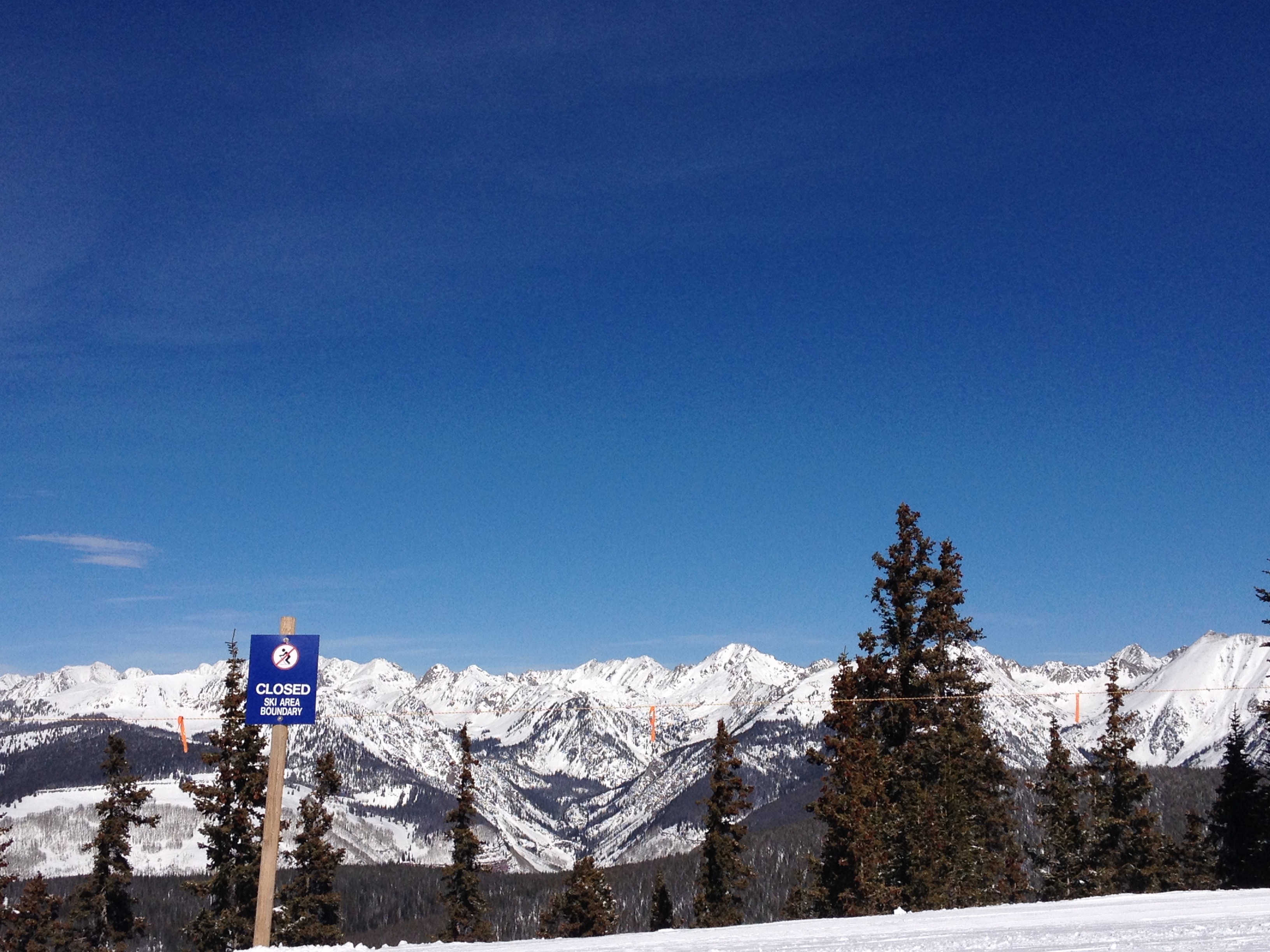
But then it happens.  Shortly into this new endeavor, due to something we either overlooked, poorly estimated, or never even considered in the first place, we find ourselves stuck, much like I was in Vail’s Orient Bowl.  That morning, I got off the ski lift, and saw the 15″ of fresh powder that Vail had recently received.  Instead of following tracks already made by those who skied in this area earlier in the day, I wanted to make my own tracks.  I expected a wild ride through this fresh powder!  On the contrary, I suddenly found myself slowing down, and sinking. The realization that I would find myself at a standstill, and need to work to dig my way back on track, is much akin to the realization many of us have when we realize that some aspect of our plan is not going to materialize the way we had anticipated.

IMG_5085

What is strange is that this experience, of suddenly finding myself stuck occurred at Vail Resort.  Vail Resort is not only home to one of the largest and highest rated ski resorts in the world, but it is also home to a ski museum, which has artifacts of the history of both skiing and the resort itself.

Vail_10thMountain

Vail ski mountain was founded by a man named Pete Siebert, who fought in World War 2 as part of the U.S. Army’s 10th Mountain Division.  This group of soldiers trained in the mountains of Colorado, mainly on skis, and were subsequently deployed to Northern Italy to lead an attack, on skis, in the heart of one of the Nazi strongholds in the region.  Many of the soldiers from the 10th Mountain Division, despite being from many different places all over the country, found their way back to Colorado, and alongside Siebert, helped develop the skiing industry into what it is today.

The story of skiing, and the story of Vail is summarized quite nicely at the Colorado Ski Museum.  In fact, the museum has other exhibits, including one on snowboarding, a bunch of facts about the origin of downhill skiing, which pre-dates Vail and even the 10th Mountain Division’s World War II efforts, and one that shows the history of the U.S. participation in skiing and snowboarding events in the Olympic Games.

IMG_5090

Yes, I had to get my picture taken with one of my favorite athletes, even if it is only a cardboard cutout.  I was not sure if I would get kicked out for taking this photo, so I made it quick.

The abridged version of the story of Vail is that it opened on December 15, 1962, struggled for a couple of years (the second year they had a snow drought and brought in the Southern Ute Indian Tribe to perform a snow dance for them), and then the resort took off in the later half of the 1960s.  After that, the resort periodically expanded, eventually combined with Beaver Creek and became what it is today.  For more details, I would seriously recommend visiting the museum.  With only a $3 suggested donation, it is a great activity for kind of day where skiers and snowboarders need to take an hour or two off due to weather or exhaustion.

The aspect of Vail’s history that is largely not covered by the Museum is the one that pertained to my own experience earlier that day- getting stuck.  The museum has an exhibit, and a video describing the 10th Mountain Division, how they trained, and what they accomplished.  They also describe the history of Vail as a ski resort in detail.  But, the 10th Mountain Division disbanded at the end of 1945, when the war ended.  Vail resort opened in 1962.  The only discussion of this roughly 17 year time period between these two events, was that Mr. Siebert was looking for the perfect place to open a ski resort.

IMG_5091

In detail, what did Pete Siebert do from 1946 through roughly 1960 (when he started laying the groundwork for Vail)?  Nobody knows, but it is definitely possible that he got stuck, much in the same way I was earlier that day.  Maybe, like many who returned from World War II, he came back and did not know what to do during Peacetime.  Or maybe, he looked at places for years and could not find the right one.  It is possible that he could have had a few “false starts”.

Those of us that have ever been, or currently are, stuck, can take solace in the fact that Mr. Siebert eventually, despite what is likely close to a decade of being stuck, put together a world class ski resort.  Additionally, many of his fellow 10th Mountain Division soldiers contributed to what Vail eventually became (the shops, restaurants, and even clubs that popped up in Vail Village).

After being stuck in the snow, I eventually made it down the mountain.  In fact, after only a short delay, I was able to climb my way out of the deep snow into a set of tracks just to my left.  Despite the fact that I did not get what I wanted out of that particular experience, I had a great experience with the remainder of that particular run, finding areas of deep powder farther down, where the terrain is a bit steeper, and then shooting through some glades.

In this particular case, I had no choice but to try to climb my way out of this section of deep powder.  In may other situations in life, we do have the option to give up.  Unfortunately, we often do prematurely, sometimes simply knowing that there is an easier path.  But, the easier path is rarely the more rewarding one.  The experience of getting stuck in the snow only to eventually have a great remainder of the run, followed by seeing a parallel experience with the founding of the very resort I was skiing at reminded me that it is often worthwhile to get “unstuck”, but also that it is less of a catastrophe to be stuck in the first place than we often imagine.

We live in a culture that reprimands people for being stuck only for a couple of months.  Two months with nothing to show for it- you’re on thin ice …. or out of a job!  Sometimes I even reprimand myself for “wasting” a single day!  Pete Siebert may have been stuck for over a decade!  Yet, he eventually founded Vail, and the experience of living in, or visiting, Colorado would not be the same if it weren’t for this important contribution.  So, maybe we need to be less hard on each other, and be less hard on ourselves.

The CrossFit Games

IMG_4755

Sometimes it is difficult for me to wrap my brain around the entity that is CrossFit.  It is definitely not your typical gym, where you pay some kind of monthly fee, and get access to group exercise courses, weight rooms, and the like.  My primary exposure to CrossFit is living on the same block as an affiliate gym.  Nearly every morning, when I would be walking my dog, I would encounter large groups of people running along the sidewalk.  Sometimes they would have something in their hands, like a tire, a medicine ball, or something that just looked like a giant jug.  I would always think to myself about how these people woke up sometime around 5:30 A.M. to come in and do an intense workout, while I was just walking my dog after eating a bagel with creme cheese.

CrossFit is a also completely different philosophy, on exercise, and on life.  Unlike at a typical gym, CrossFit-ters (is that the right way to refer to them, I do not know) do not work out at their own pace.  In fact, the workouts appear intense and competitive, and so does the lifestyle.

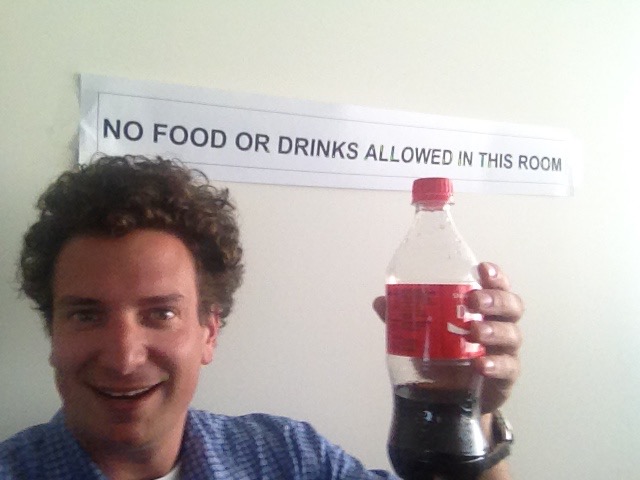
It was a mere ten minutes after arriving that I realized that I may have inadvertently brought a contraband item into the gym.  With a bottle of Coca-Cola in front of a sign strongly advocating against the consumption of sugar, I felt quite ridiculous.

For several reasons, I was a little bit hesitant to come to the CrossFit Regional Competition.  The intensity of the workout regiment does not really match my personality.  I have also all but lost interest in “working out”.  This is primarily due to the fact that I now live in Colorado.  I just find it hard to motivate myself to go run on a treadmill and lift weights when there are mountains with trails, ski resorts, rivers with rapids, and endless adventure possibilities so close to home!

Also, Saturday morning was COLD!  Upon arrival, at about 8:20 A.M., the temperature was in the mid-teens.  This was after Denver International Airport (where the official observations taken) recorded an overnight low of 5 degrees.  Before that morning, the last time the temperature in Denver had dropped lower than 20 was the 6th of March, over 8 months ago.  So, not only was it cold, but we were not accustomed to it.

IMG_4745

Despite the cold, and despite the activity being outside the realm of what I would typically attend, I started having fun as soon as I got there.

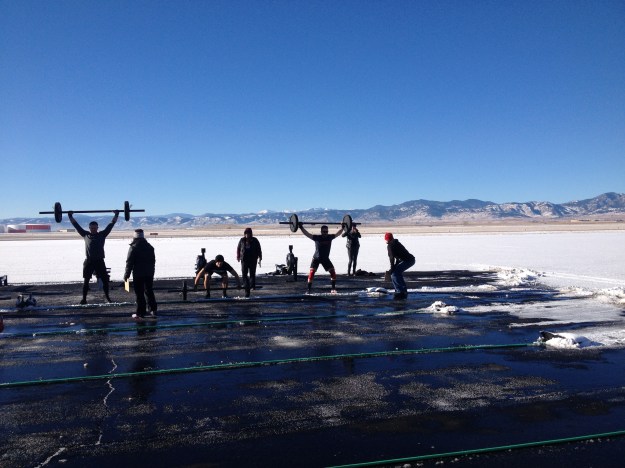
The first competition I watched was a close race between several competitors.  The competition involved a series of rows, weight lifting, and some series of jumps that I did not really understand.  It was quite exciting!  As the competitors passed through the series of events, some would take leads, some would stage comebacks.  It was like watching another type of race, such as hurdles or horse racing, only with more craziness and variety.

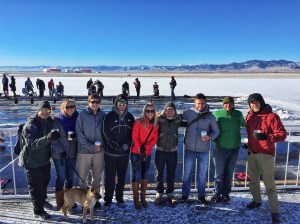
I had came to the CrossFit Regional Competition to support a friend of mine who was competing.  He ended up pulling out a victory in a really close “race”.  In fact, there was an entire group of us that had made the trip up to Broomfield to see him compete.  Towards the end of this close race, we were all yelling, jumping up and down, and cheering him on!  In fact, part of the reason the event was so enjoyable was the group comradery.  I genuinely believe that all events are better when shared with others, even in the cases where solitude is major part of the event (like backpacking).

IMG_4784

There were also a lot of other fun events at the CrossFit games.  In particular, I enjoyed watching the relay races, as they had a crazy arrangement of obstacles that each team of competitors had to overcome.

I saw people who were in crazy good shape.  They all looked quite strong, and they all were capable of quite a lot.  All I could think to myself was that despite my strong lack of desire to spend multiple mornings a week lifting weights and running and such, while also making it into a competition, this program works!  It works for the people involved.  Nearly every CrossFit-ter that I have seen, whether it be here, or on my block, is in ridiculously good shape, exactly the result they set out to get.

I am also glad that once again I personally decided to say yes to life.  Had I chosen to stay home, whether it be because I was deterred by the frigid temperatures, or whether it be out of lack of a strong personal connection to the CrossFit way of life, I would have missed out on something truly beautiful.  In the end, what I appreciated most about this event wasn’t the yelling and jingling my keys for the last 15 seconds of the event, or any of the other excitement one gets when watching a close race and having their preferred participant win.  This event was special because I saw something that represents one of the greatest things we, as a human race, ever experience in life.  It is that moment when you see the positive results of hard work in another human being.  It is knowing that a genuinely decent person has taken part in something to better themselves.

Life is full of tough choices.  One definitely involves how one can best spend their time.  We will all receive a series of invitations (or solicitations), and must chose to say yes to some and no to others.  We all know what we like.  One will nearly always willingly accept invitations to activities they know they enjoy, and approach them with a positive and joyous attitude.  Conversely, one will nearly always turn down invitations to activities they know they are not fond of.

What about those activities that fall somewhere in the middle?  Maybe you are not too familiar with them, or have some kind of mixed emotions.  Ultimately, we all must make a judgement call.  Saturday’s event provided a clear reminder to me that accepting more of these invitations, and approaching them with an open mind and a positive attitude will lead to more positive experiences in life.


Hitting Goals

IMG_4682

Some people thrive on goals.  They are always working towards something, and always working towards something that can specifically be measured.  Sometimes it’s something along the lines of a specific marathon time.  Other times it is a major life event, such as earning a promotion, or being able to afford a house. Sometimes it’s even something a bit more unusual, like trying every ice cream flavor at a local ice cream shop.  But, in all cases, there is a goal, and a clear measurement.  At any given time, they know whether or not they have achieved their goal, and, in most cases, how close they are to reaching it.

Sometimes I envy these people.  Being driven by reaching specific, tangible benchmarks like this fits quite nicely into our present day results-driven society.  Tons of people writing about what makes people effective, or successful, stress the importance of making and achieving goals on a regular basis, both from the standpoint of improving your confidence and demonstrating your ability to achieve to others.

IMG_4306 IMG_4490

Unfortunately, I tend to be driven by ideas and concepts that are more big-picture and abstract.  I am more interested in knowing that I am generally in good health and feeling energetic than reaching a specific weight target.  As a person who believes in flexibility and individuality, and shuns rigidity, I will often look at something like wanting to buy a house, and say, wait a second, is there some kind of way I could be just as happy in a condo, given certain circumstances?  Do I need to make a specific commitment to some sort of a budget, when circumstances in life often vary, and adhering strictly to a certain number might even cost me opportunities that could go a long way towards some of the most important goals of all, which I see as happiness, purpose, satisfaction and the like?

I do, however, have to acknowledge some of the reasons we operate in this fashion.  After all, we do live in a complicated world where we all have thousands of things competing for our attention at any given time.  The easiest way to grab someone’s attention is to say something specific.  Vail Ski Resort will tell you it has a 3450 foot vertical drop, or that it gets 348 inches of snow per year.  They do not try to get your attention by saying that skiing will provide an exhilarating experience that will often improve one’s happiness as well as physical fitness.

IMG_3121

In 2015, in addition to my big picture goal to “feel more energized and be in better shape”, I attached a specific goal.  I was going to bicycle at least 1500 miles this year.  Now, I do understand that this is not that high of a number.  The most hard-core cyclists will often ride 10,000 miles in one calendar year.  One bike ride across the country is more than 3000 miles. But, 1500 miles would make this my biggest bicycling year yet (2014 was previously my highest at 1385 miles), and it would be an easy number for me to point to as a way to indicate to others how much bicycling I do.

There were a couple of obstacles that got in the way of me reaching this goal.  The first was a wet early season.  In May, Denver recorded measureable precipitation 19 out of 31 days. This was followed by 13 rainy days in June.  Ironically, one of those rainy days included a hailstorm, on bike to work day!

IMG_3632

Later on, job/career related issues took some of my attention away from cycling.  And, finally, although this one is definitely not a bad thing, during the second half of summer and the first half of fall, a lot of my plans took me places where cycling was simply not possible, including travel, visitors, and social events.

IMG_4680 IMG_4681

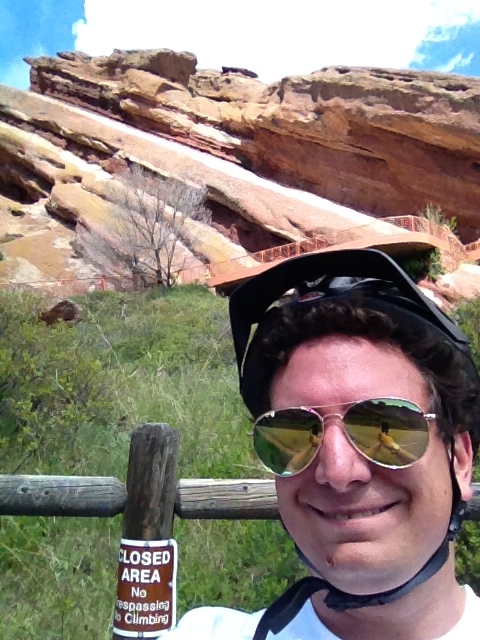
However, despite all of this, on Sunday, November 1st, 2015, I reached my goal, and pedaled my 1500th mile of the year.  And, I decided to do it in style.  I didn’t want to get to this milestone just anywhere, biking on some random road in some neighborhood that doesn’t mean anything to me.  I wanted to go somewhere iconic!  I wanted to go somewhere appropriate, for both the day’s conditions, as well as a place where I had significant experiences during the first 1478 miles I rode this year.  Really, there was only one true choice; Red Rocks amphitheater.  At exactly 22 miles from my home, I would hit that 1500 mile mark somewhere along my final ascent to the top of the road.  Red Rocks is an iconic place, both beautiful and full of memories for mankind.  And, it is a place I have ridden my bike to over half a dozen times on previous rides.  One of my favorite half day rides is to go to Red Rocks, and then into Golden for lunch, followed by a nice quick ride on the Clear Creek Trail back to Denver.

IMG_3452

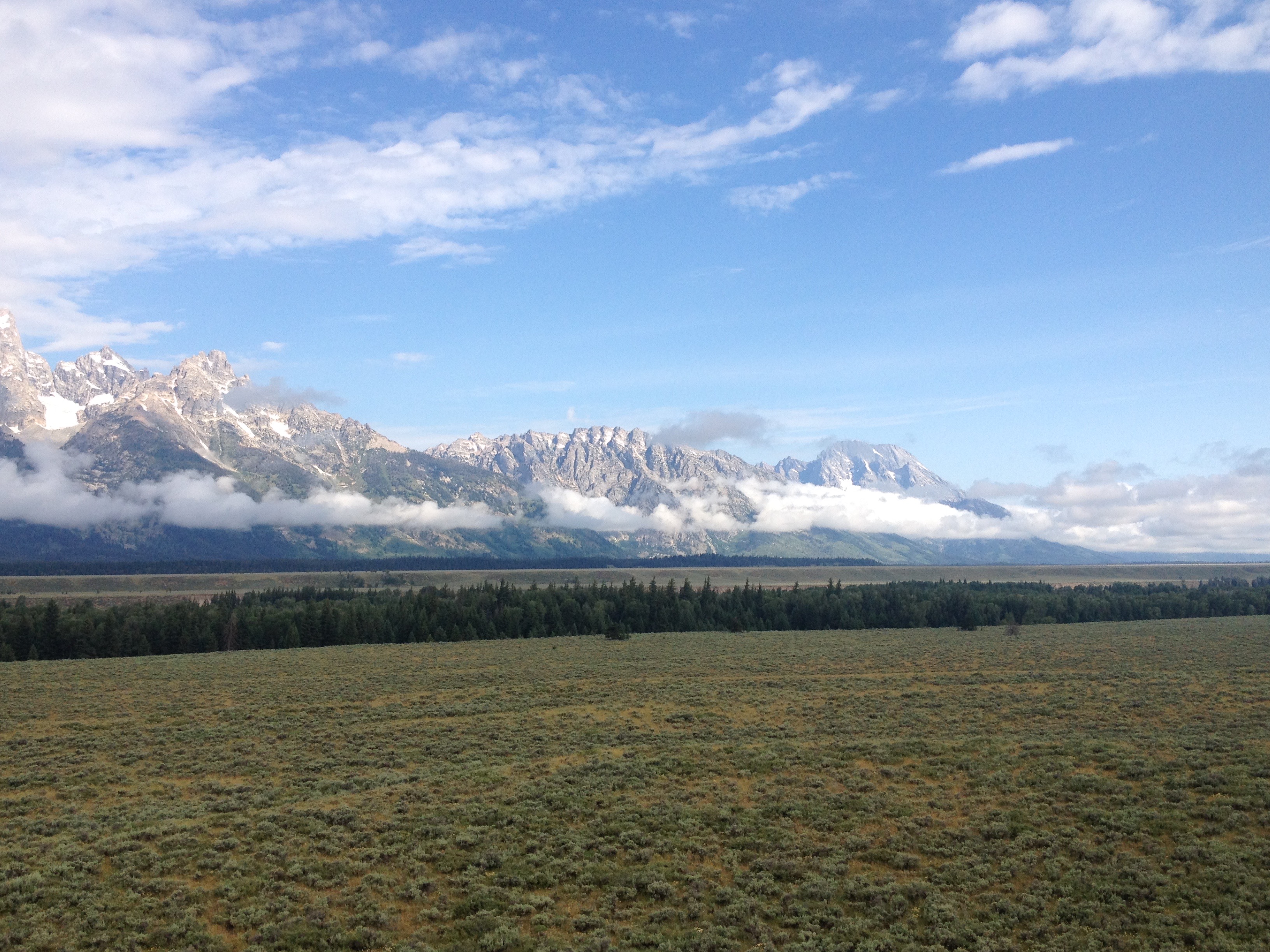
Yet, the story of me and my bike in 2015 cannot simply be summarized with a number; 1500, or 1600, or whatever I get to in two months when the year is complete.  It is so much more than that.  It is the exhausting three day, 230 mile ride through Yellowstone and the Grand Tetons.  But, it is also the countless treks over the same roads in town, to and from work, and to all of the other places I went to on a regular basis.  It’s the improvements I made in climbing, something I am weak at due to living in Chicago for several years, but also all the flat tires I got and had to change.

Outcomes are best communicated to others when they are demonstrated both qualitatively and quantitatively.  Behind every story, there is a number, probably multiple numbers.  I can say I biked 1500 miles.  I can also figure out how many vertical feet I climbed, how many times I biked certain roads and trails, and even how many tires I changed.  But to just say the number, without answering that all important question, why I am doing what I am doing, would also not be effective.  I bike to improve my health, spend some time outside, visit interesting places, and to save some money on fuel.

More importantly, bicycling contributes to my larger scale goals of being happy, healthy, unique, and true to myself.  How much different would it be to have biked 1475 miles vs. 1525 miles?  Not too much.  The same way a .301 batting average is not too different than a .299 average.  So, I guess while I am happy I reached the mark I set out for at the beginning of the year, I still need to recognize that it is not the end all, be all.  While it is good to have a goal, or a target, to stay on track, and provide a construct for how far one wants to take a certain activity, we all must keep mindful of the big picture. And, if reaching a certain number would cost us more than it is worth, we should be willing to adjust.

Cool For the Summer

IMG_4314

People define the season of “summer” in various ways.  Astronomers first defined summer as the period of time from the Summer Solstice (roughly June 21st) through the Autumnal Equinox (roughly September 21st).  Later on, meteorologists developed the term “meteorological summer”, defined as the months of June, July, and August, to refer to the period of time when weather conditions (in the Northern Hemisphere) are typically most consistently warm.  Of course, if you are a kid, or a student of any kind, summer clearly runs from the last day of the Spring semester through the first day of the Fall semester.  In the United States, many individuals, particularly those in the working world, have arrived on a definition of “summer” as the period between Memorial Day Weekend (the last weekend in May) and Labor Day Weekend (the first weekend in September).  In fact, at one of my previous places of employment, “business casual” attire was permitted only during the time period between Memorial Day and Labor Day.  No matter where you are in life, if you are in the Northern Hemisphere outside the tropics, summer is coming to an end.  Tonight’s (Labor Day) sunset, for many of us, feels like the last sunset of the summer.

I still remember an episode of Saved By the Bell where Zach Morris, the main character, calls in sick on one of the first school days of the year.  The entire cast of the show had spent a crazy summer in Hawaii.  It was so exhausting, so emotional, and so full of experiences and memories, that he just needed a day to decompress from everything that had gone on over the summer.  That is very much what this weekend felt like to me.  Although I did not set aside an entire day to do nothing but process events, nor did I physically take a day off from work, school, etc., I definitely dialed it down, and put off some things in order to recuperate and process everything.

IMG_3894

For me, 2015 is what I would consider an “Epic Summer”.

As life progresses, I have come to realize that different periods of our lives mean different things.  Some years, and some seasons in particular, are just more memorable than others.  This does not mean that the other years and seasons are pointless.  It is just easier to remember and ponder the significance of certain periods.  History books specifically point to the year 1776, when the United States declared its independence from Great Britain, as a memorable year.  During the previous centuries, an emerging class known as the Burghers were gradually moving society away from Feudalism and towards Free Markets, creating many of the ideals that lead to the revolution.  There are many specific years between 1250 and 1776 that were not memorable, but still important in creating the world of 1776, as well as the world of today.

My life has a series of summers (five total including this one) I would consider “Epic”.  I consider a summer to be “Epic” if it meets several basic criterea.  First, it has to be memorable.  This obviously means experiences that are out of the ordinary.

IMG_3873

Second, in order for a time period, or an event to be considered “Epic”, it has to be one that I consider positive, and enjoyable.  After all, dealing with cancer, a major injury, or depression is memorable.  But, I would not think of it as “Epic”.

IMG_3527

Finally, I believe an “Epic” time period must also be productive rather than destructive.  After all, someone may go on a binge, or a rampage of some kind, and find it memorable, as well as enjoyable.  But, the experience may have been detrimental to their future.  So, I try to think of “Epic Summers”, as only the ones I feel like I am better off for having experienced.

IMG_4191

The first four times I had what I would consider an “Epic Summer”, I did not realize it was happening until it was over.  I later realized that those four summers were time periods I’d think about much more frequently than other times in my life.  Sometime this Spring, I looked back at those summers, and realized that many of the conditions that created the other four Epic Summers in my life were also present this year, and, that the summer that was to come could very well end up being one that I remember for the same reasons.  Now that summer 2015 has come and gone, I can say that the following conditions are what leads to an Epic Summer.

  1.  They are exhausting

IMG_2030

You are doing a lot!  Otherwise, it would not really be Epic.

2.  They involve new experiences

IMG_4242

The summer between my Junior and Senior year in College was “Epic” because I brought travel to a new level (for me) that summer.  Previously, my travel had primarily been weekend road trips in the area to places like Champaign, Bloomington, or Indianapolis.  That summer, an internship brought me to Oklahoma for several weeks and included many more experiences throughout that part of the country. This summer was my first major multi-day bicycle trip, and my first time backpacking.

3.  They involve some amount of planning

IMG_3562

For many types of adventures, logistics do need to be considered.  Where will we stay?  How will we coordinate activities?  I am not saying anyone can plan their way into an Epic Summer, nor am I saying that everything needs to be planned out.  In fact, some spontaneity is also needed.  But, many activities do need to be arranged ahead of time, particularly when they involve a significant number of people.

4.  They build on advancements we make as a person on both short and long time frames

IMG_4141

I would never have gotten to the point where I could complete a bike ride like the one I did in July had I not made steady progress as a cyclist over the years.  This includes the training and completion of my first century ride in Illinois back in 2011, another summer I consider Epic.  Prior to this summer, I worked on myself, trying to improve some of my habits and personality traits that I consider ineffective.  I made continuing to have new and interesting experiences one of my 2015 New Years goals at the start of the year.  The same goes for my first Epic Summer, the summer after my High School graduation.  That year, I took advantage of the maturity, and improvements in my self confidence that actually began to take place halfway through my Junior year.

5.  There is a mix of the familiar and the absurd

IMG_4183 IMG_4186

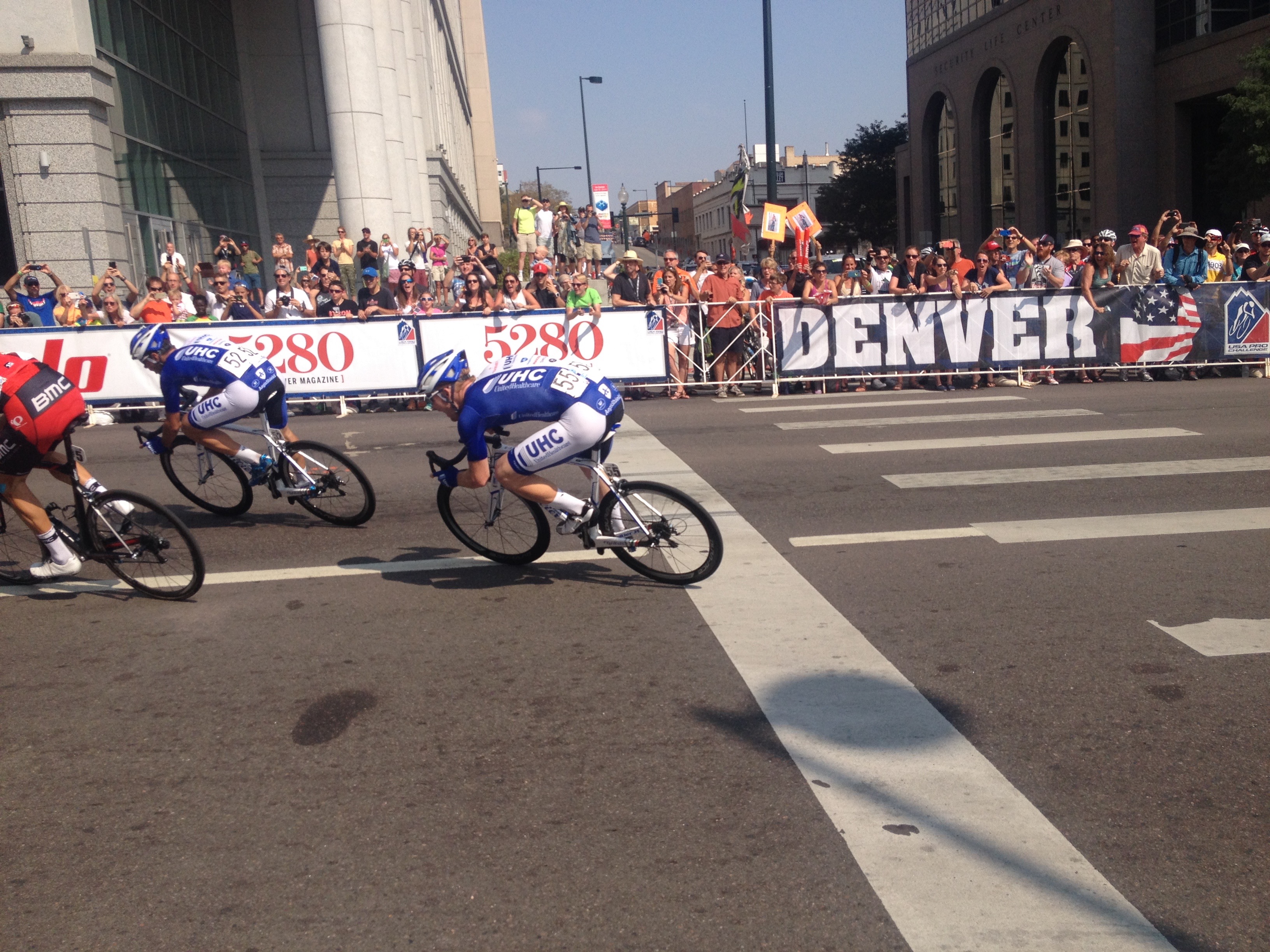
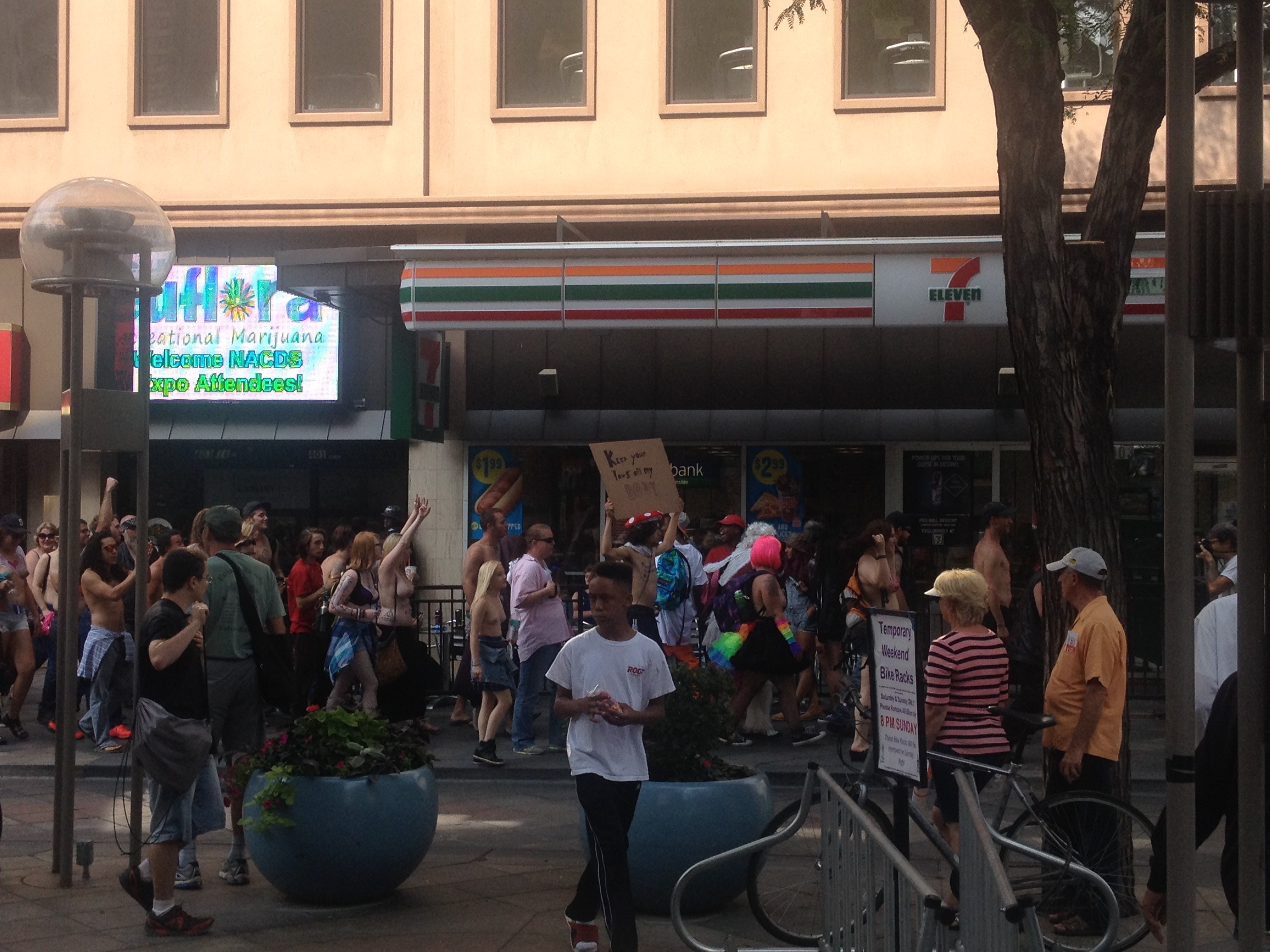
In every Epic Summer I have had, there have ben some repeats.  Like in previous years here in Denver, I attended the USA Pro Challenge and saw the exciting finish of Colorado’s version of the Tour de France.  After attending that race, I witnessed a topless protest on my way to a Weird Al Yankovich concert- quite absurd.

6. There are old friend as well as new friends

IMG_3997 IMG_4051

One thing about every time period I have ever considered an “Epic Summer”, is that it is partially about a feeling.  By that, I mean a feeling that my life is just flowing properly.  As a social person, that entails spending time with people that I have known for some time, and become comfortable with, but also continuing to expand my network and make new friends.  In each of my Epic Summers, I have had some sort of influx of new people, through work, organizations, or friends of friends in the months preceding the actual summer.

7.  They are not without conflict

IMG_3885

My first Epic Summer I was always in conflict with my parents.  This summer, I have had a lot of conflict at work.  It is hard to say why, but when you are out there in the world, and following your true moral compass, you are naturally going to have some people that do not appreciate that.

8.  They are often preceded by ruts

IMG_3446

I really do not know why this is, at least not in a logical manner, but every single epic summer I have ever had was preceded by some kind of rut.  This year, a rainy May in Denver combined with career stagnation actually bored me quite a bit.  It feels almost as if the rhythm of life is starting to hint at the need for a much more active period to come.

I come out of the summer of 2015 knowing much more about life, and much more about myself and my own desires than I did beforehand.  I have reached this state because of each and every one of the conditions listed above.  I am bummed that summer is over, but, when mentally healthy, a person can transition from one amazing experience to the next.  When I left college, I was sad, knowing that I had just had an amazing four year experience.  But, I avoided dwelling on it, which would have ruined the last few months of that experience.  Whatever comes next, in fall, may not be quite as amazing summer was.  But, all I can do is take these experiences, and the improvements I have made to myself as a result of them, and use them to help me going forward.

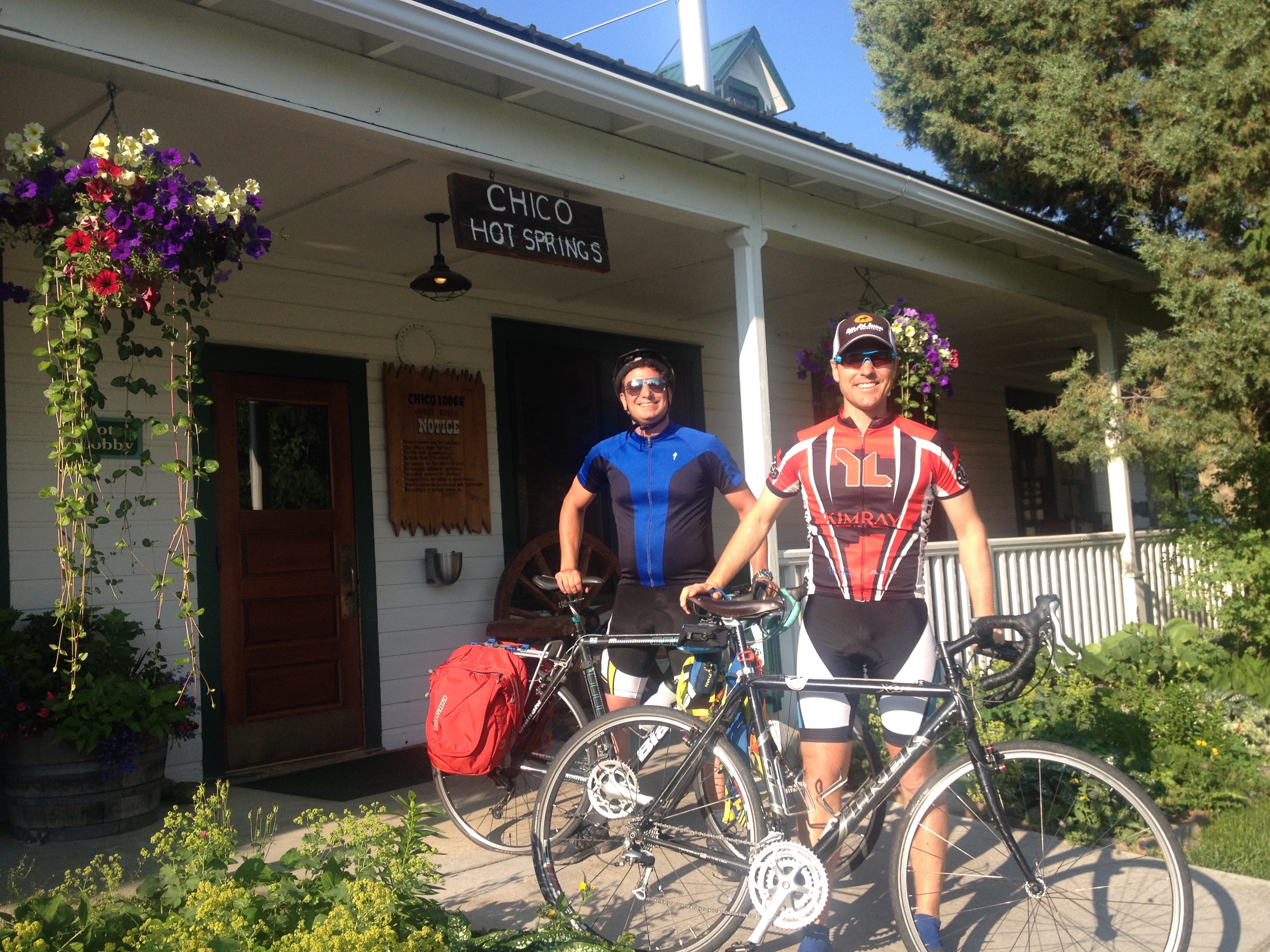
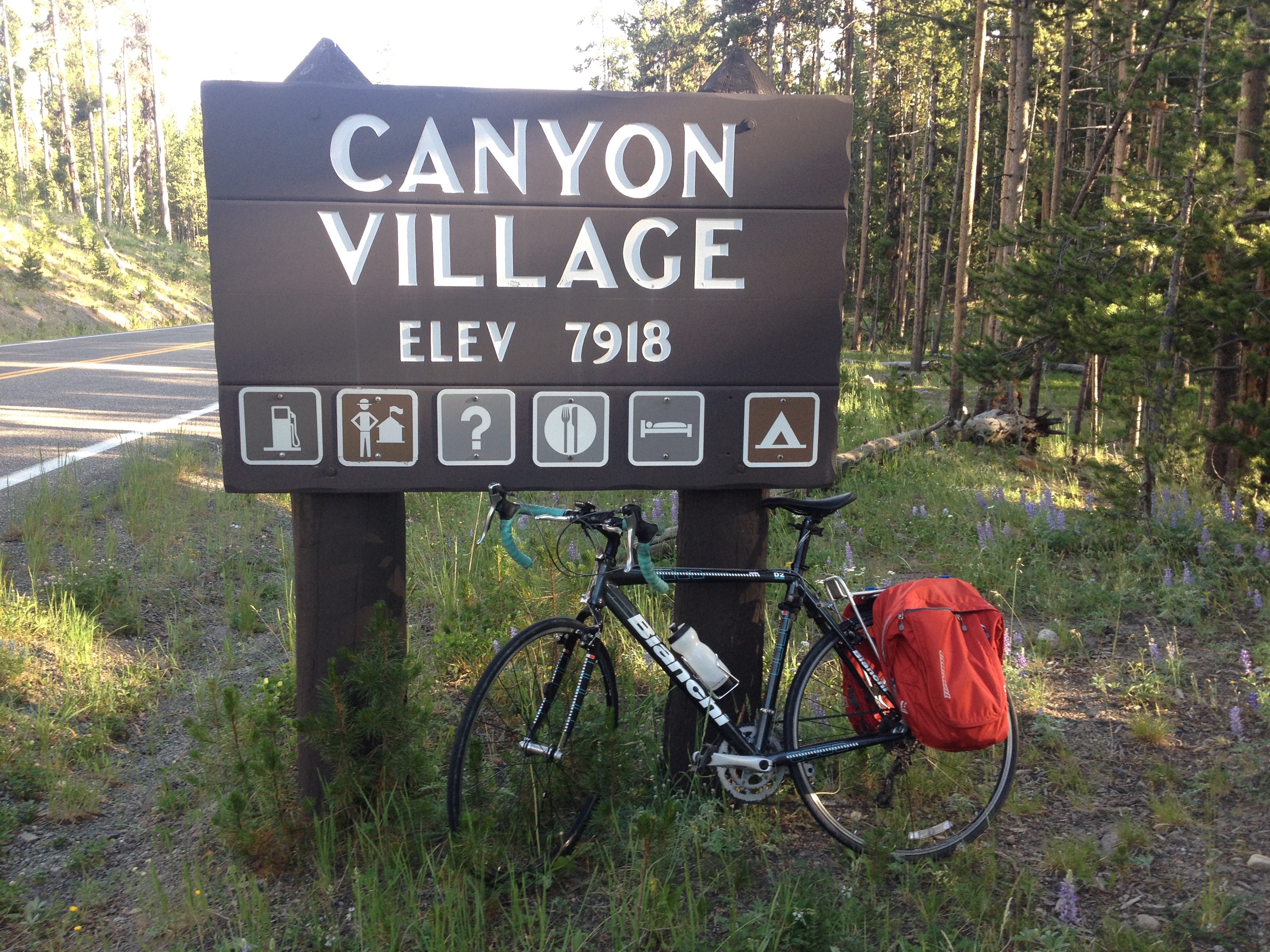
July 2015 Bicycle Journey Day 2: Chico Hot Springs to Yellowstone’s Grant Villiage

IMG_3776

I was 43 miles into a 100 mile bike ride.  I had already climbed over 1,000 feet from my starting location.  I knew I had over 2,000 more vertical feet to climb before I would reach the high point of my day.  The road mercilessly took a turn downhill.  This was vertical height I had already worked hard to climb.  I knew that somewhere down the road, I would once again have to climb this several hundred vertical feet that I was now descending.  I sped up and continued down the road, already exhausted, knowing that I still had more than half my day left to go, both in terms of milage as well as vertical climb.

IMG_3759

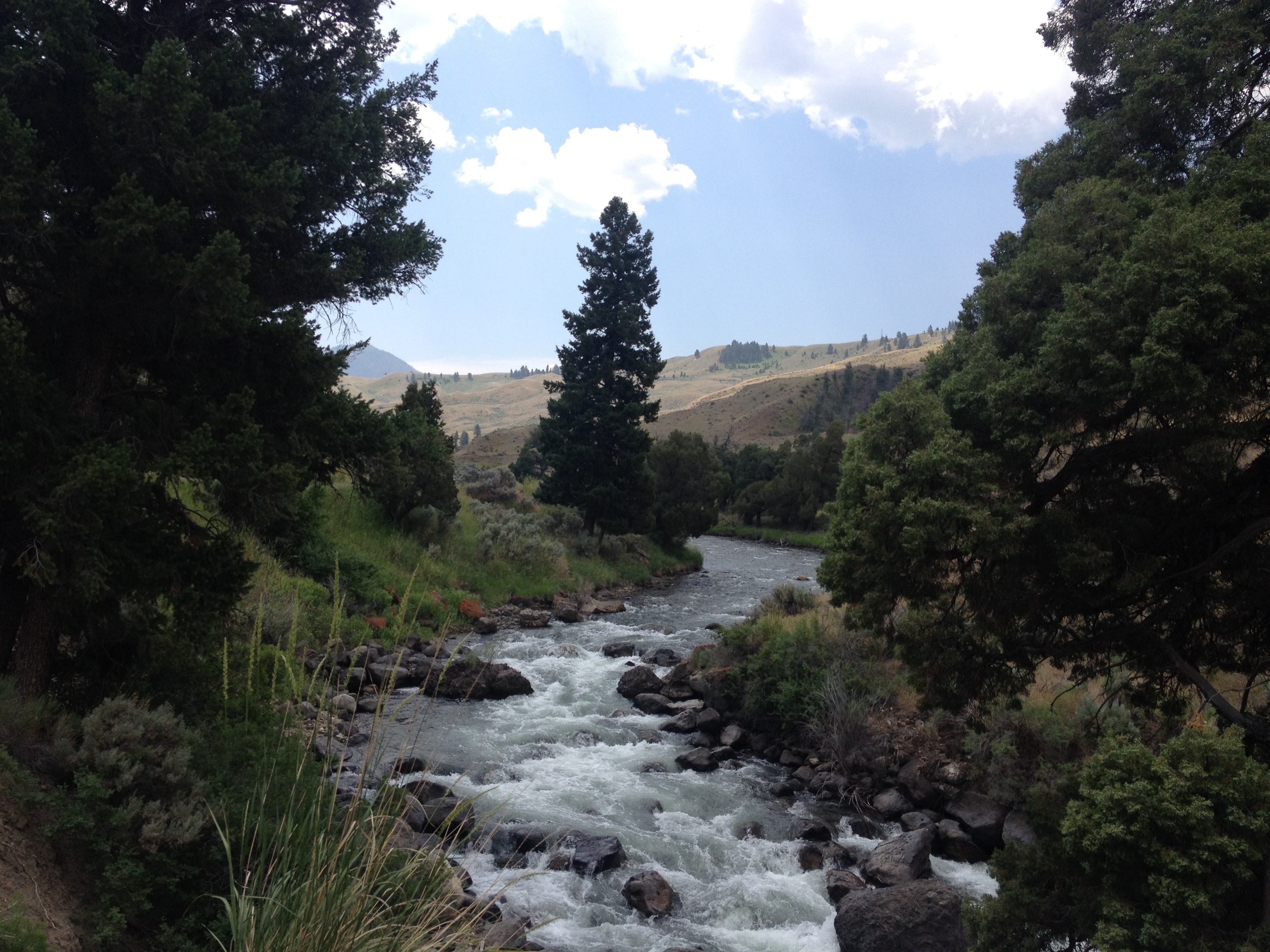
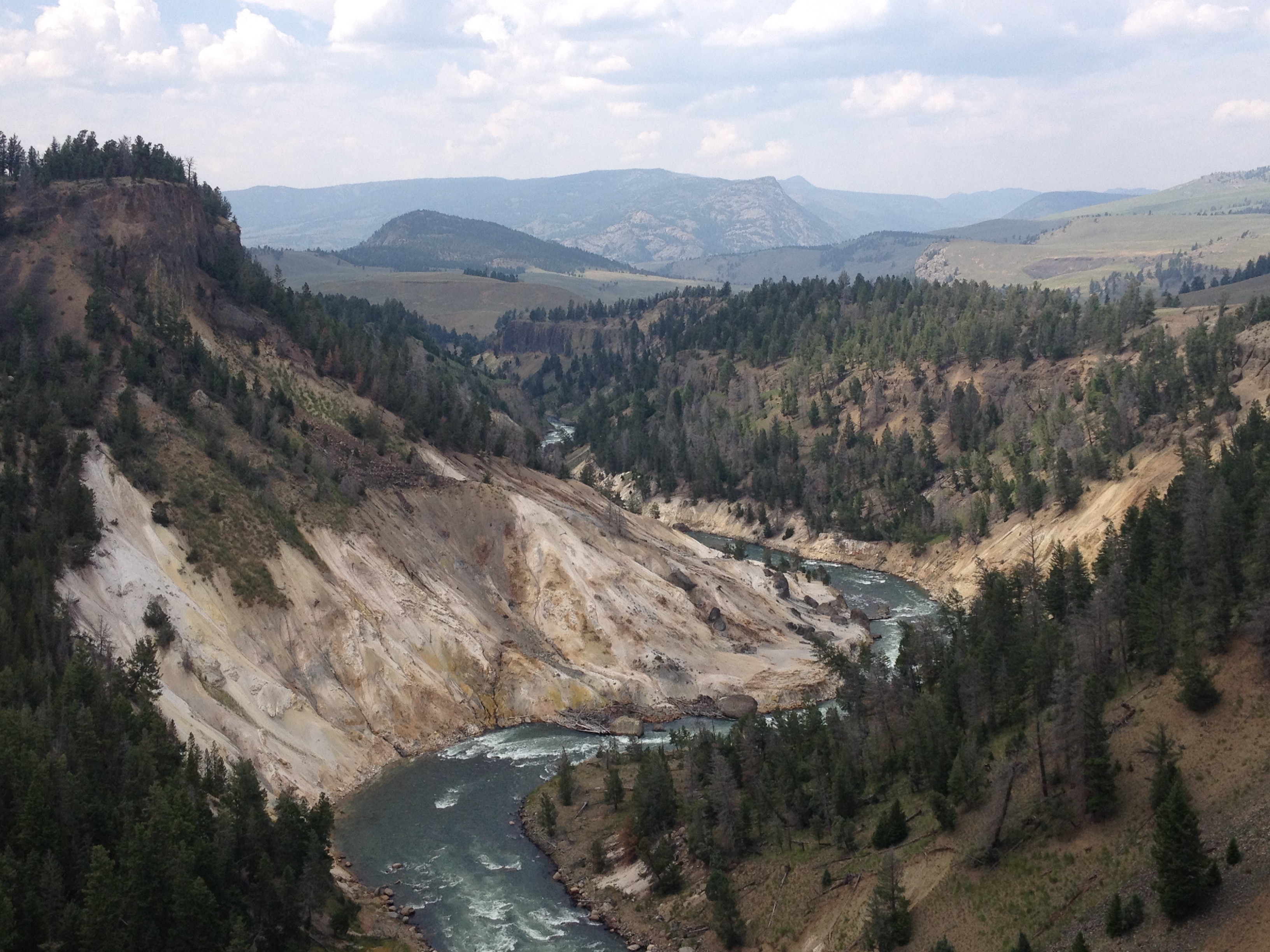
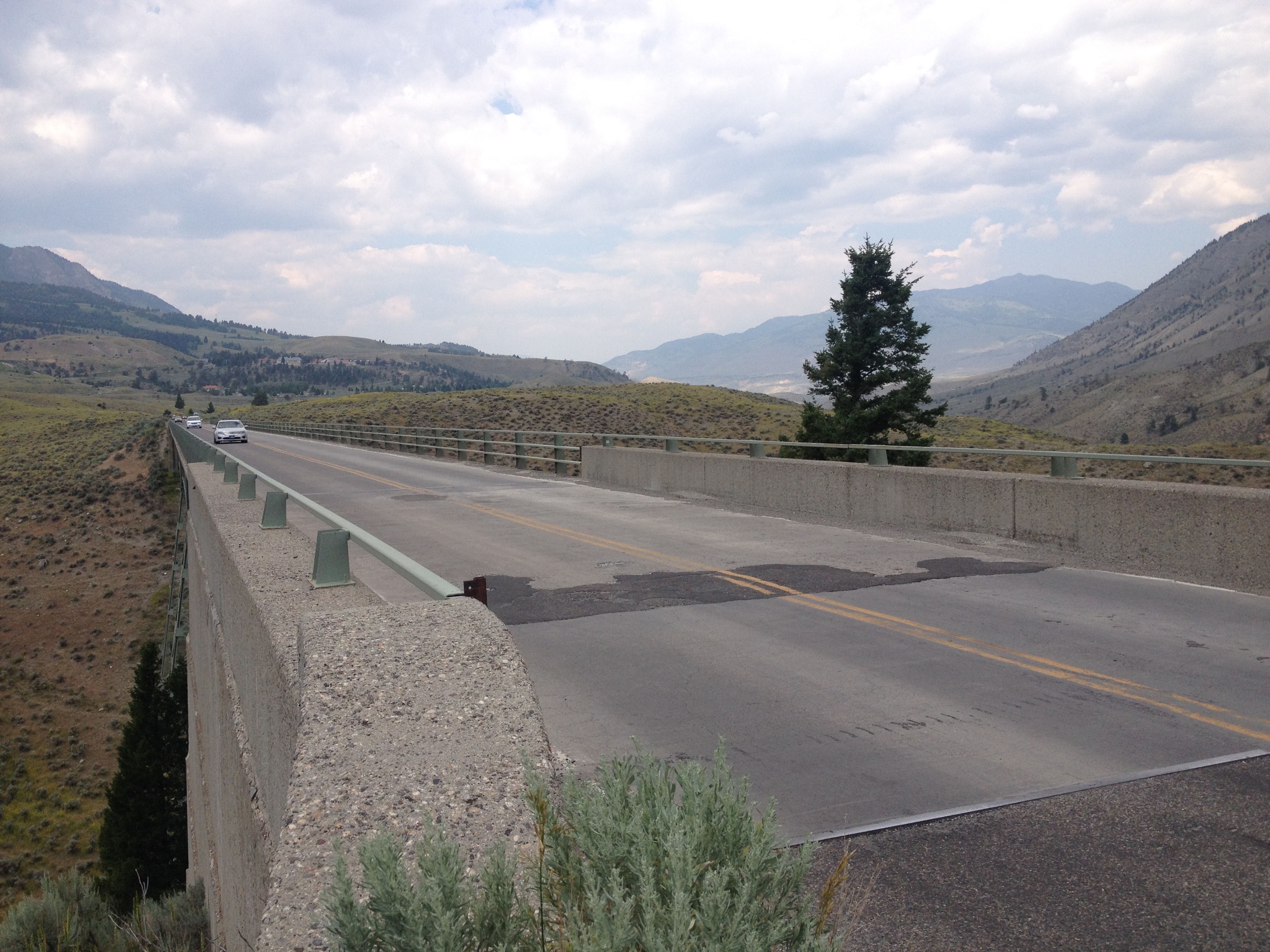
That was when I found myself going over a bridge, over the Gardner River.  The views in all four directions, including downward were spectacular.  Not only was I viewing all of the scenery in all directions, I was smelling it.  I was feeling the air around me.  It was at this moment that I realized that, despite how exhausted I already was, and despite how agonizing the steep hills I had in front of me were going to be, that all of this was worth it.  The effort of pedaling harder than I had ever pedaled before, and enduring hours of pure pain was worth it to experience what I was experiencing on that day.

Miles 44 and 45 would take forever, as I climbed up and out of the river valley and onto the Blacktail Deer Plateau in the Northern part of Yellowstone National Park.  Knowing that I still had so much painful climbing left to go, once again “This Summer’s Gonna Hurt” by Maroon 5, a song that I had heard many times this year, and, like most Maroon 5 songs, catches in one’s head quite easily, popped into my head as I pondered the pain that I was enduring, as well as the pain that would come.

IMG_3715 IMG_3718

That morning, I woke up in Paradise Valley with a strange feeling.  I was half worn out from my first day of cycling, but also felt ready to go.  It is a feeling that people who cycle long distances probably experience quite frequently, but it was a feeling that I had not truly experienced before.  Sure, I had undertaken multi-day tasks before, but never one like this, where in my head I knew I was about to tap into pretty much everything I have, physically, but I also knew that it would make for one of the most exciting days I’ve ever had.

IMG_3724

On the way out of Paradise Valley, we encountered the only other cyclist we would encounter that day, an Austrian gentleman headed for the Grand Canyon.  He was traveling fully self-contained, with all of his camping gear attached to his bike, and therefore taking it slower.

IMG_3726 IMG_3728

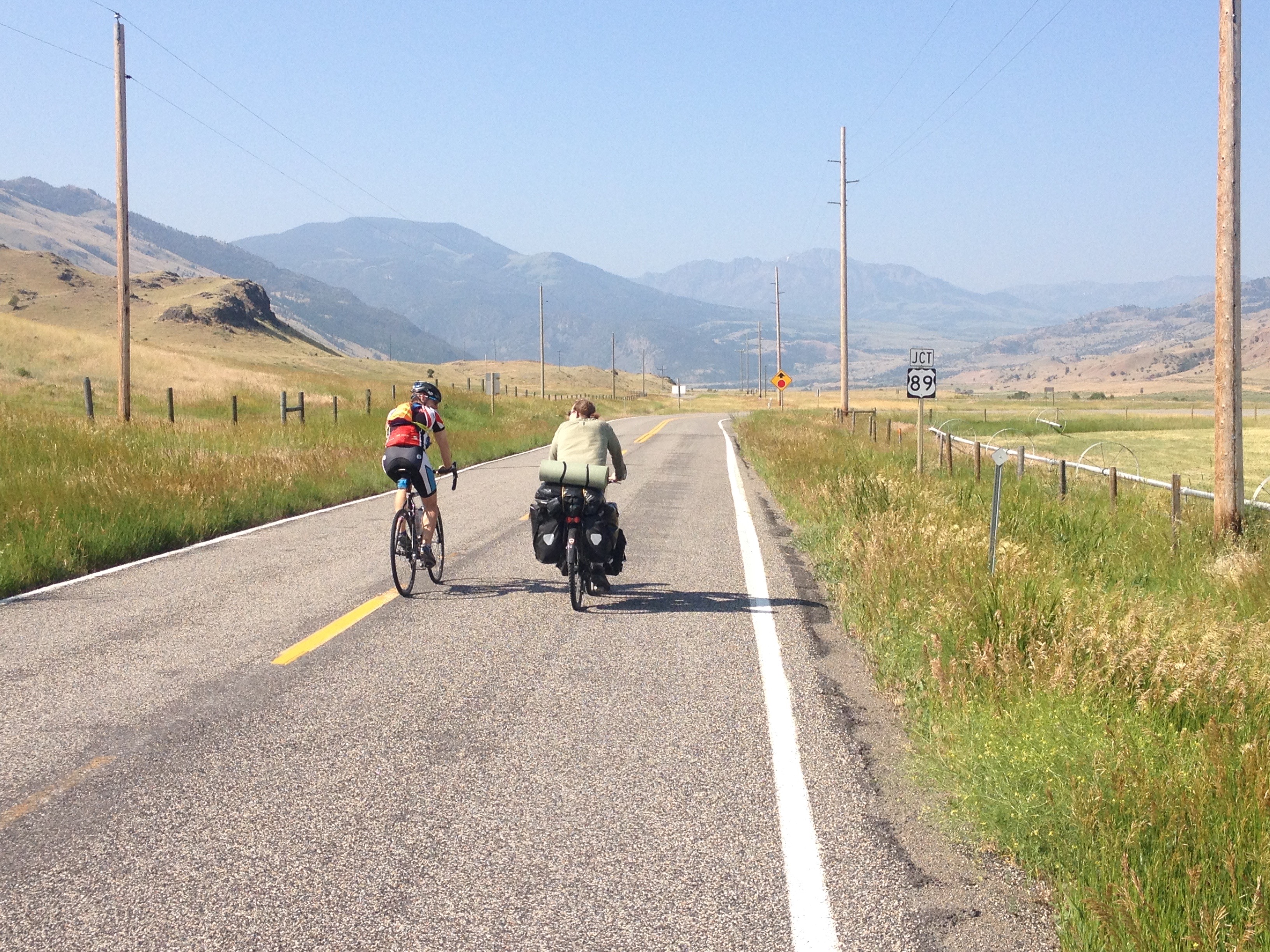
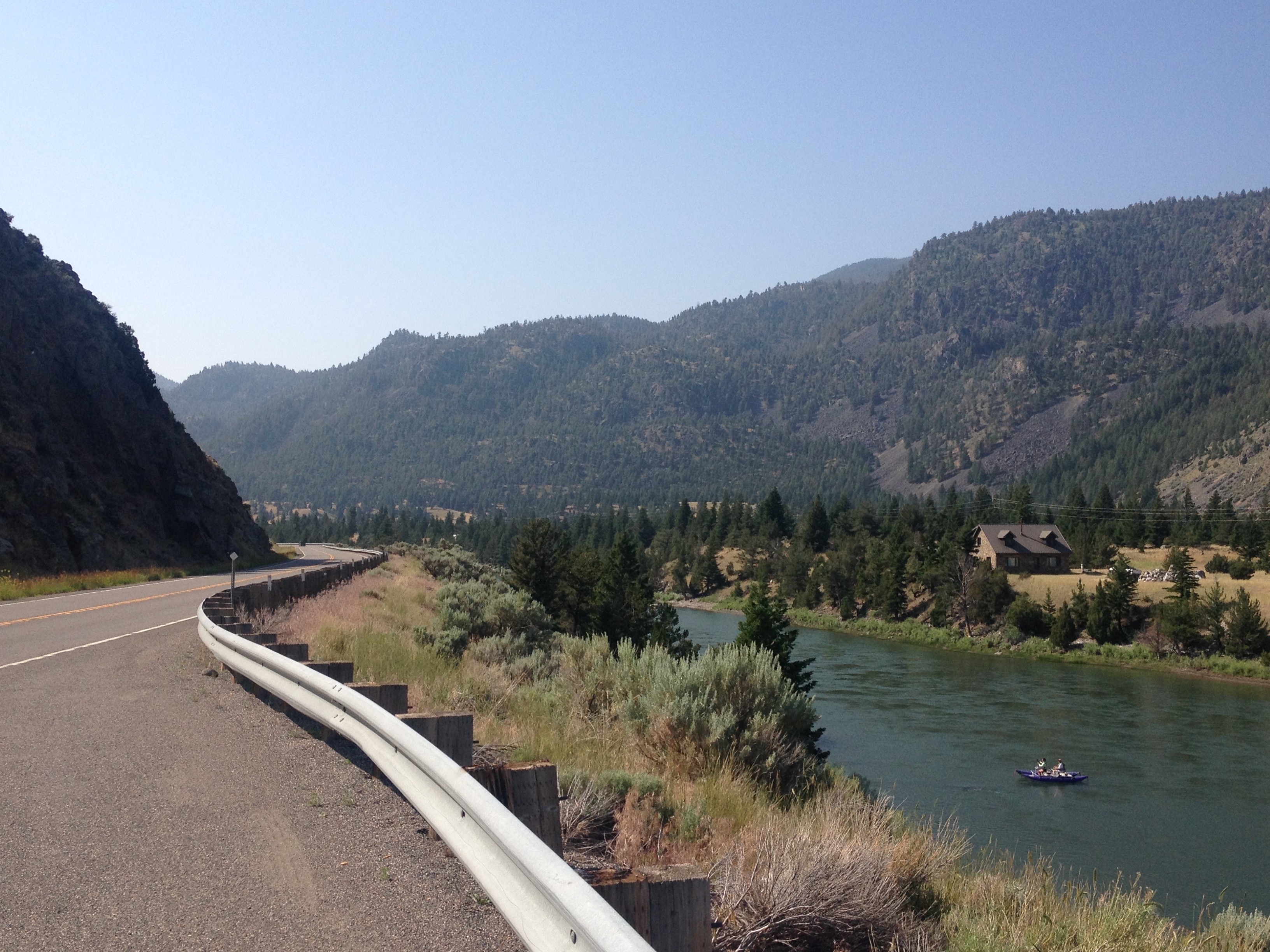
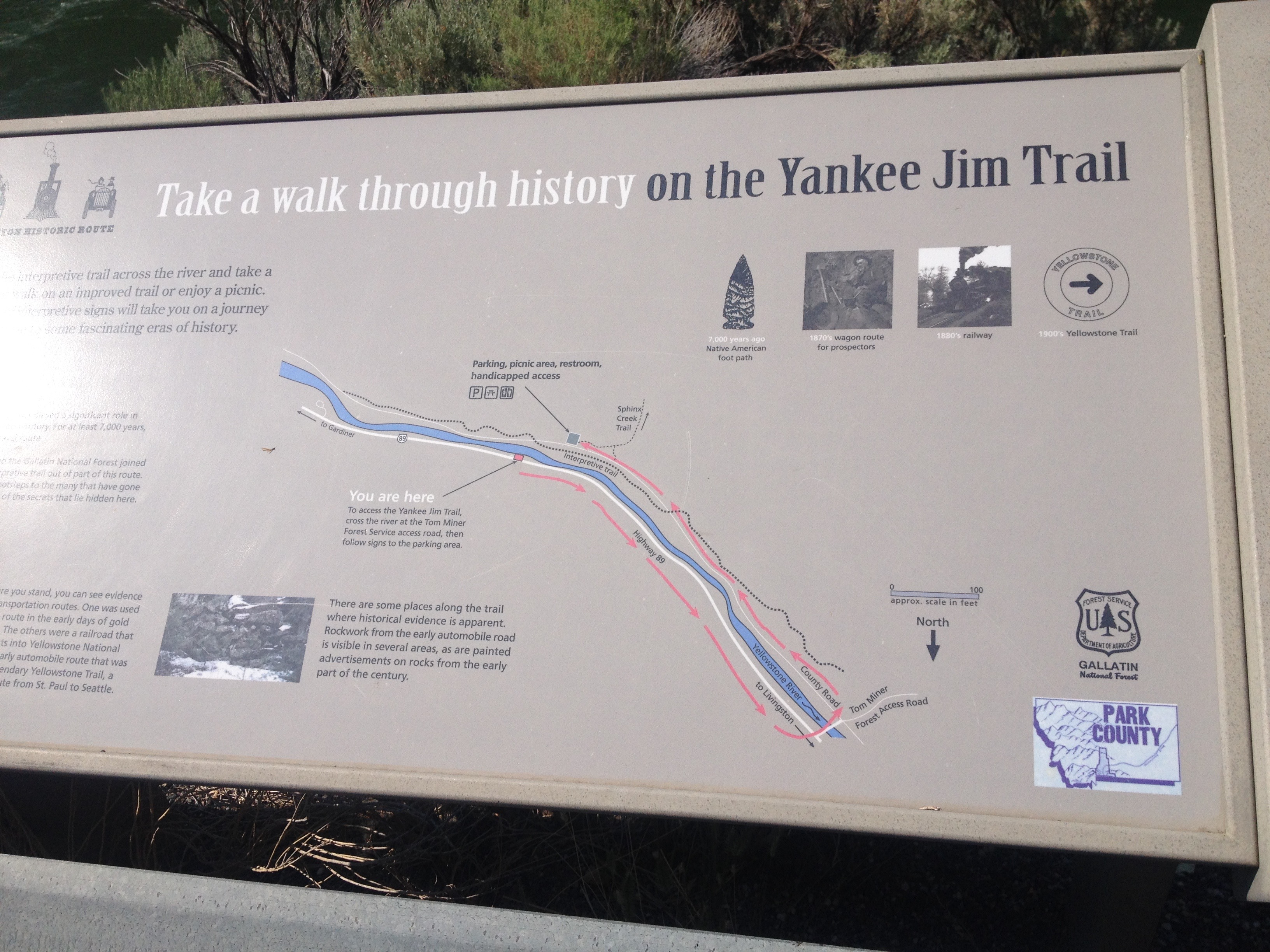
After turning back onto US-89 South towards Gardiner, we entered an area known as Yankee Jim Canyon. It is here where we started to see some rafters.  Over the next few miles, we would wonder who was this “Yankee Jim” that this canyon was named after.

IMG_3729 IMG_3731

Unfortunately, even the signage along the highway, the signage that eluded to both history and Yankee Jim, did not tell me anything about who Yankee Jim was.  After the trip, I did a full web search.  Nothing.  I still have no idea who was this man they call Yankee Jim. Maybe if I ever go to a Montana History Museum of some kind I’ll find out, but to this day, it remains a mystery.

IMG_3735 IMG_3733

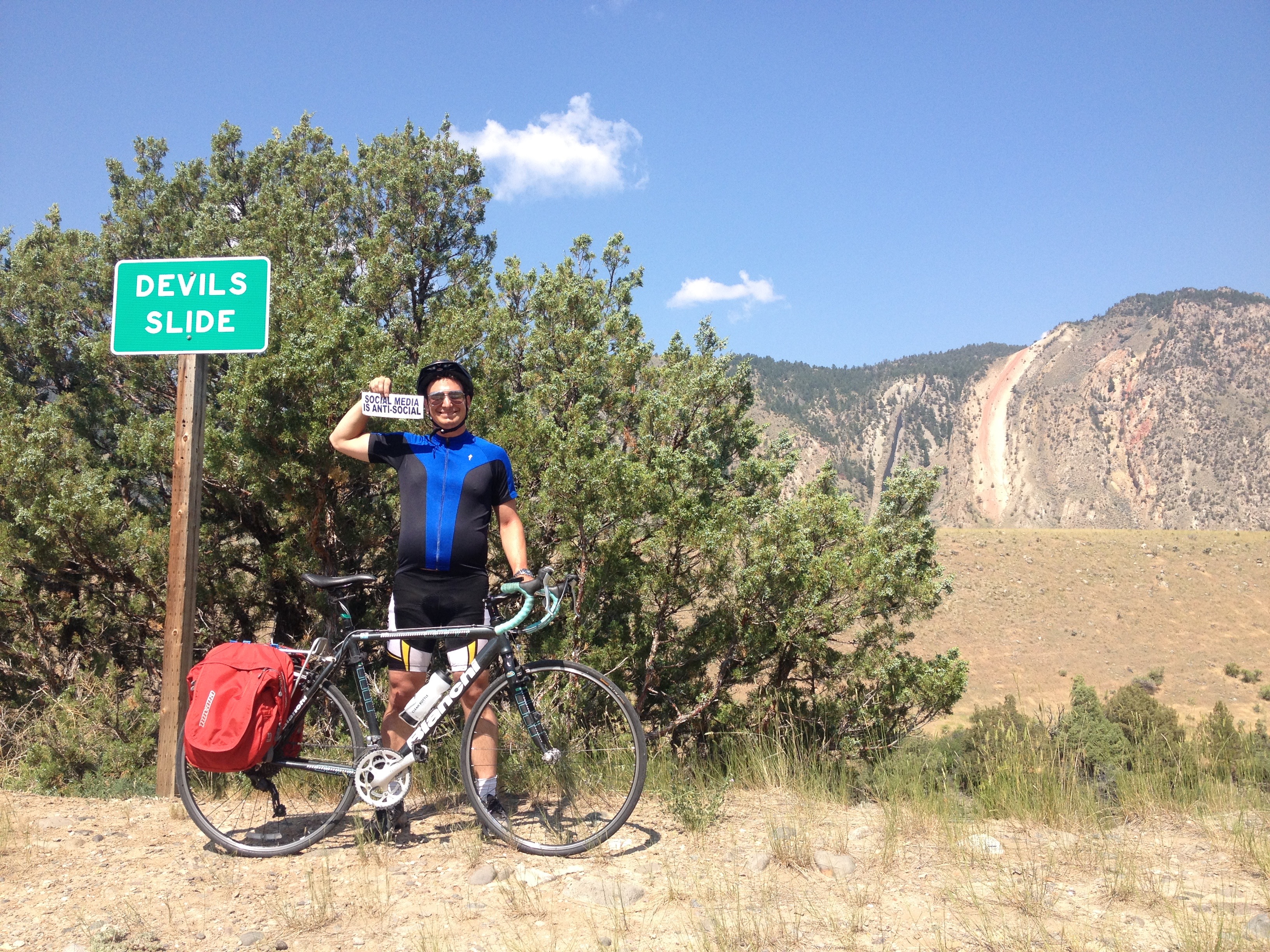
Luckily, several miles up the road, as we approached Gardiner, there was a distraction.  We encountered a place called Devil’s Slide, a uniquely shaped exposed area of red sedimentary rock that appears to lend itself to stupid, and potentially dangerous adolescent ideas.  I am quite thankful that nobody turned it into a cheesy touristy site.  There are enough overpriced alpine slides elsewhere in the West.

IMG_3738 IMG_3743

We stopped for Ice Cream just before noon in Gardiner, Montana, and stepped out into much hotter air as we entered Yellowstone National Park.

IMG_3746

Back when I lived in Chicago, I never understood why advertisements for Montana tourism would feature images of Yellowstone National Park, which is primarily in Wyoming, with the phrase “Gateway to Yellowstone”.  But, apparently, this was the original entrance to the National Park, and, when the park first opened up, the only way to get in.  This structure right here, that I found myself riding under, was the first entrance ever created to the first National Park established.

IMG_3748 IMG_3749

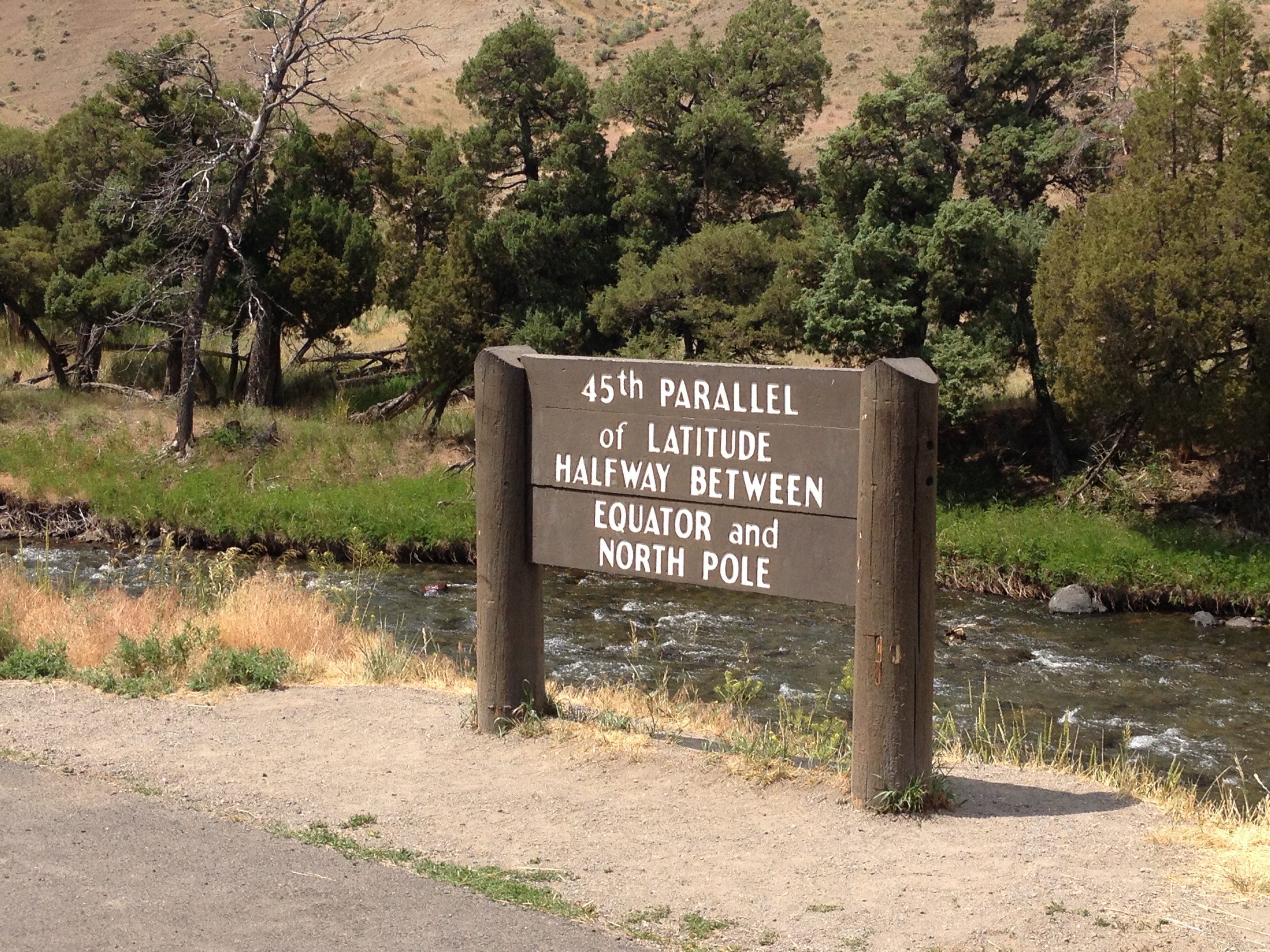
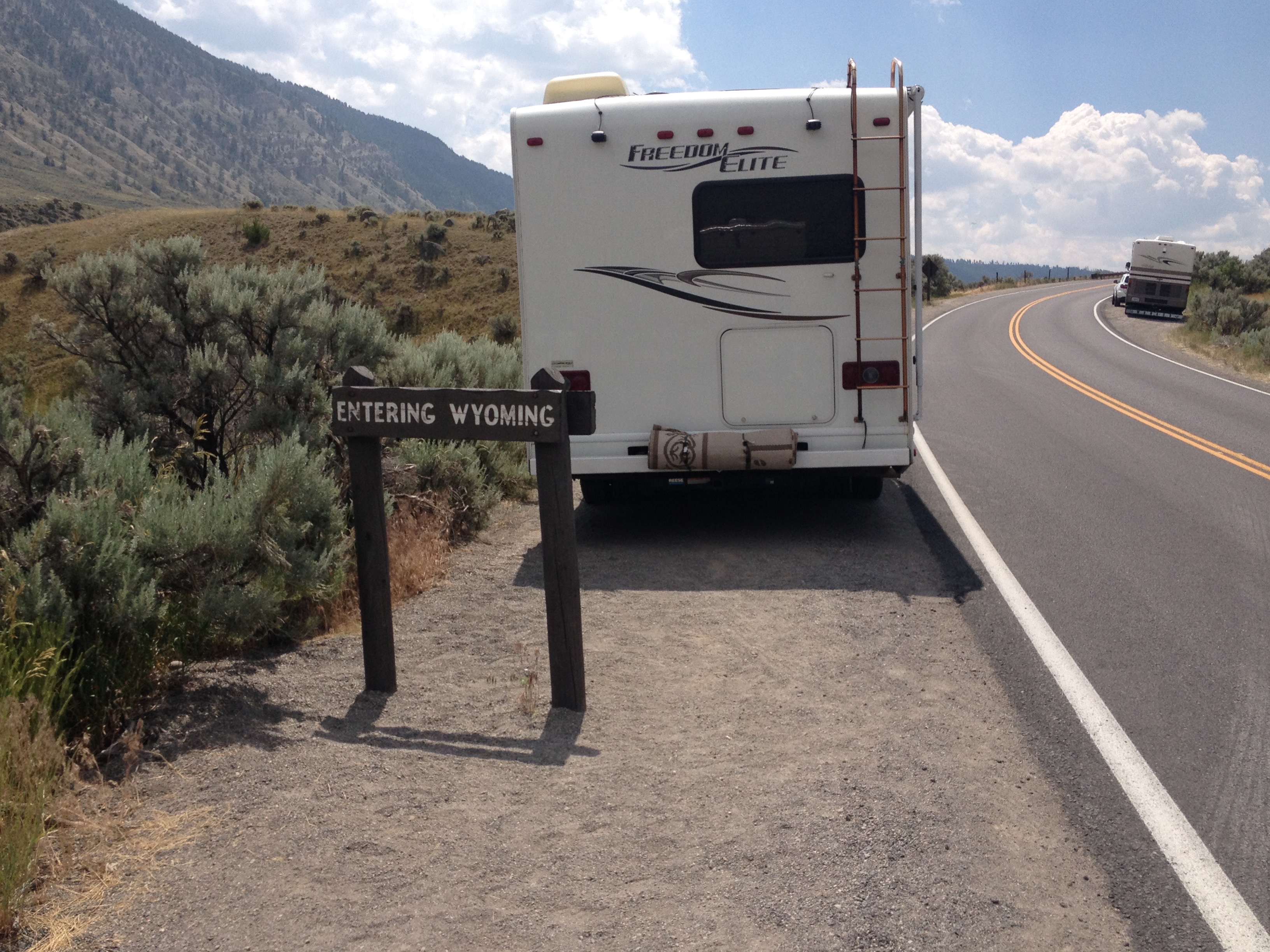
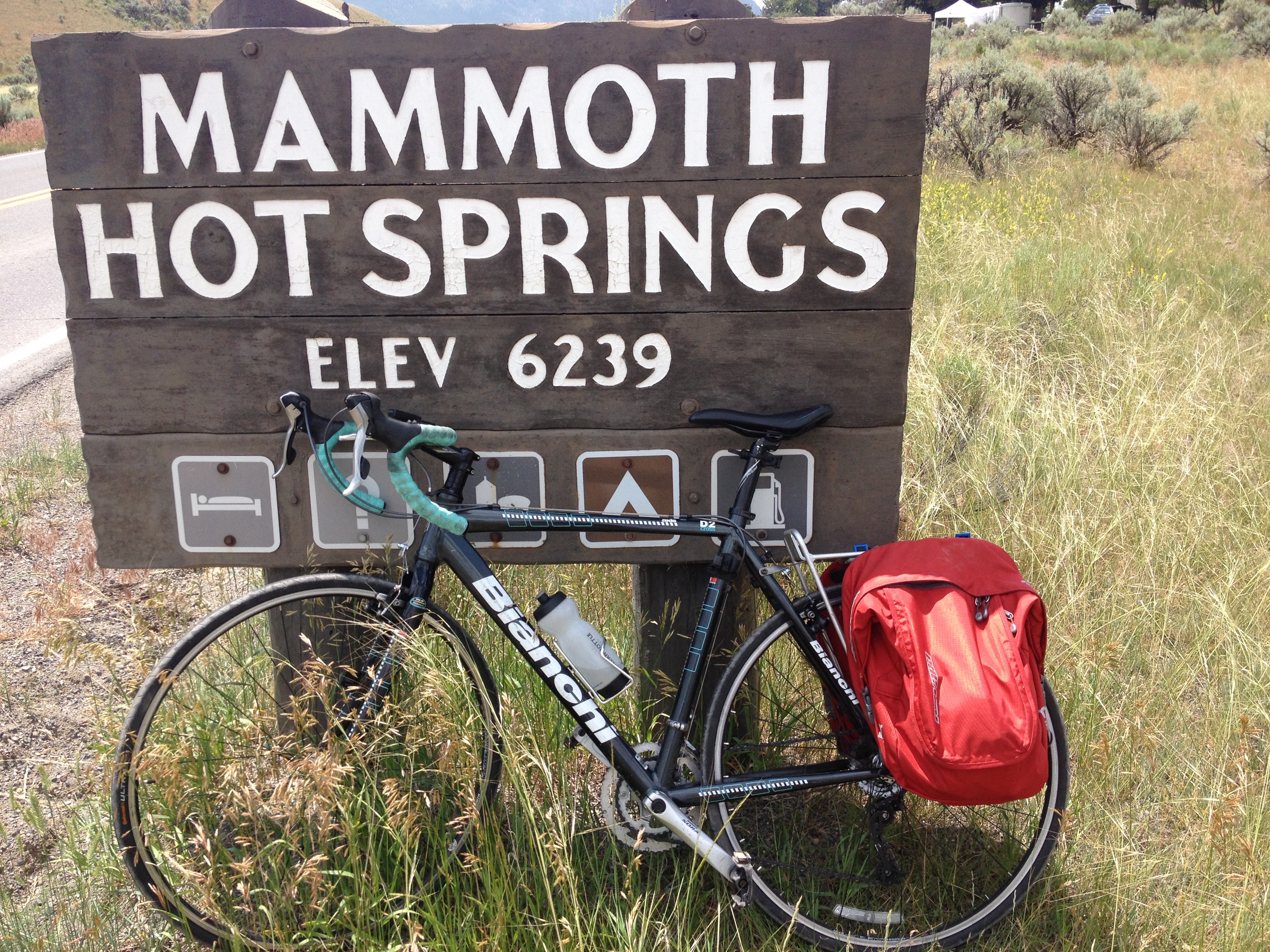
And I knew the climb was coming, the first climb of the day, which would eventually take me past the 45th Parallel, into the State of Wyoming, and up to Mammoth Hot Springs, where I was now roughly 1000 feet higher than Gardiner.

IMG_3750 IMG_3751 IMG_3754

But, it wasn’t just the climbs that made the ride exhausting.  It was all of the other rolling hills I was not 100% expecting.

IMG_3762

There are very few flat parts of Yellowstone National Park, and even the area between Mammoth Hot Springs and Tower Falls, which starts and ends at a similar elevation had many hills of different sizes.  It was around there that I decided that I was in no hurry to get to the campsite.  After all, I was in Yellowstone National Park, and in a part of the park I did not get to see the last time I visited.  I was gonna see some stuff.

After having to climb back up out of the Gardiner River Valley, I took a look at the Undine Falls.

IMG_3763

Unfortunately, I did not feel I had the energy to add a mile of hiking (round trip) to my day, and see the Wraith Falls.

IMG_3766

But, I stopped several other times to enjoy the scenery along the Blacktail Deer Plateau, and even got a chance to see a blue-billed duck through some bincoulars.

IMG_3770 IMG_3775

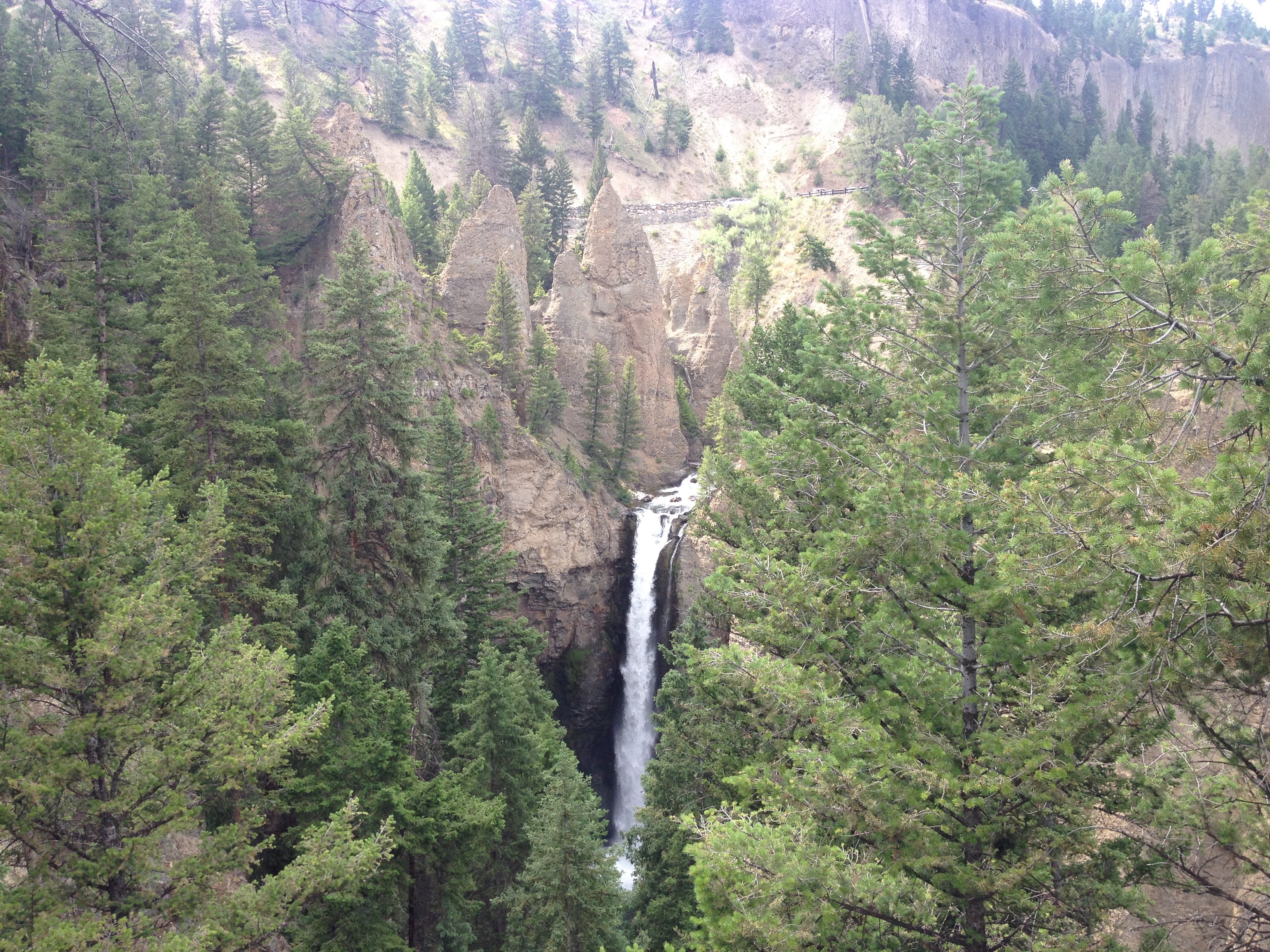
In the middle of the afternoon, I reached one of Yellowstone’s more breathtaking, but underrated features, Tower Fall.

IMG_3777

It was here I took a more lengthy break, as I knew ahead of me I had a climb tougher than any climb I had ever undertaken in my life.  After that exhausting 30 mile stretch from Gardiner, up into the park and then over the plateau and all of the rolling hills, I would climb over 2000 feet, to the highest point of any road in Yellowstone; Dunraven Pass.  But, it was here that I also realized that not only was I more than halfway through my trip overall (63 miles into today with 61 miles behind me yesterday), but I was now at a higher elevation than where I would end the trip (Jackson, Wyoming is at 6200 feet).  In every sense of the phrase, I was more than halfway there.

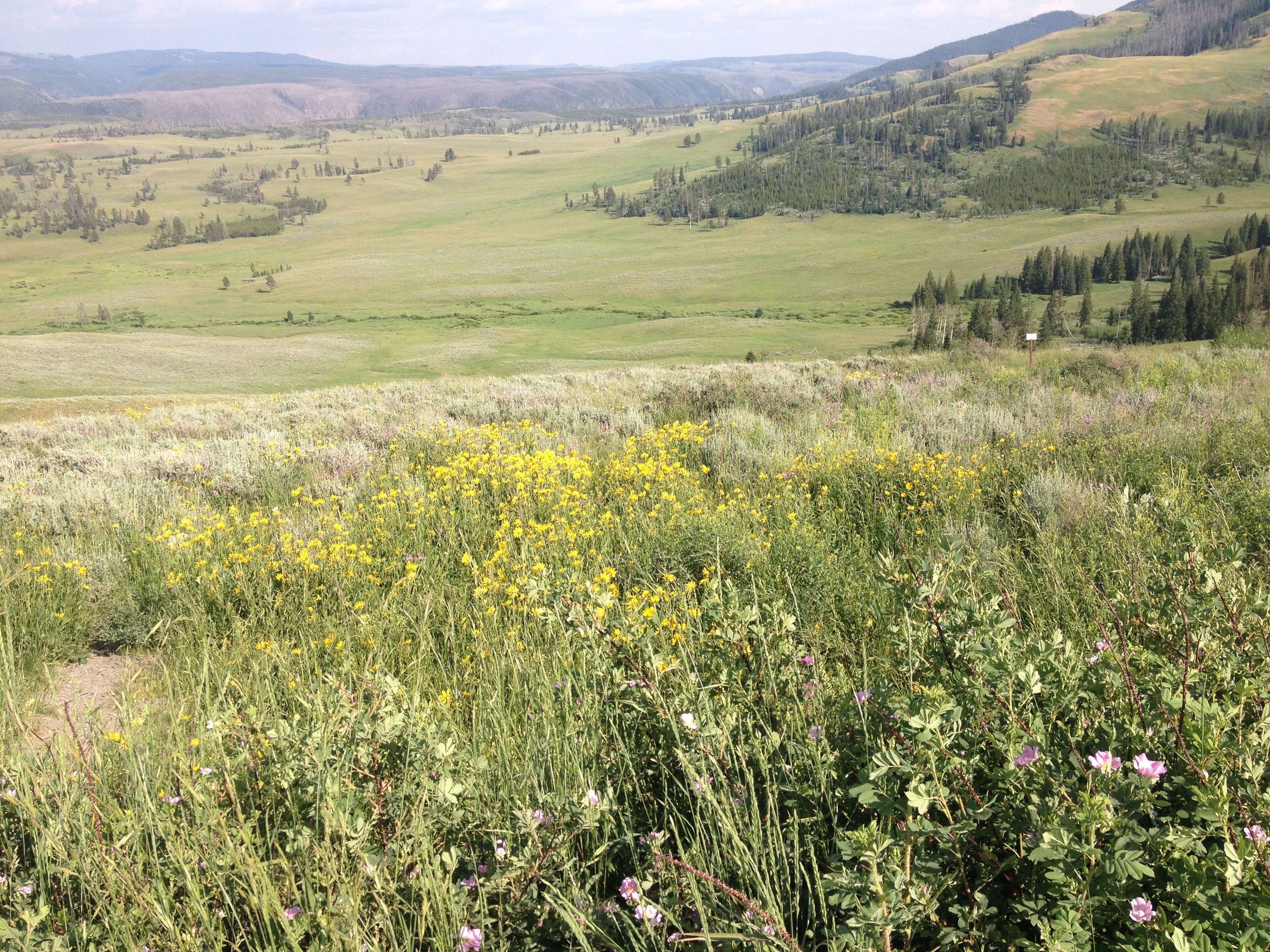
The climb, 12 miles and almost 2600 feet in elevation gain, took me nearly two hours.  It was exhausting, and intense.  I pretty much had to stop every mile.  Somewhere roughly halfway up the pass, I started to see some beautiful alpine flowers; yellow and purple.

IMG_3781

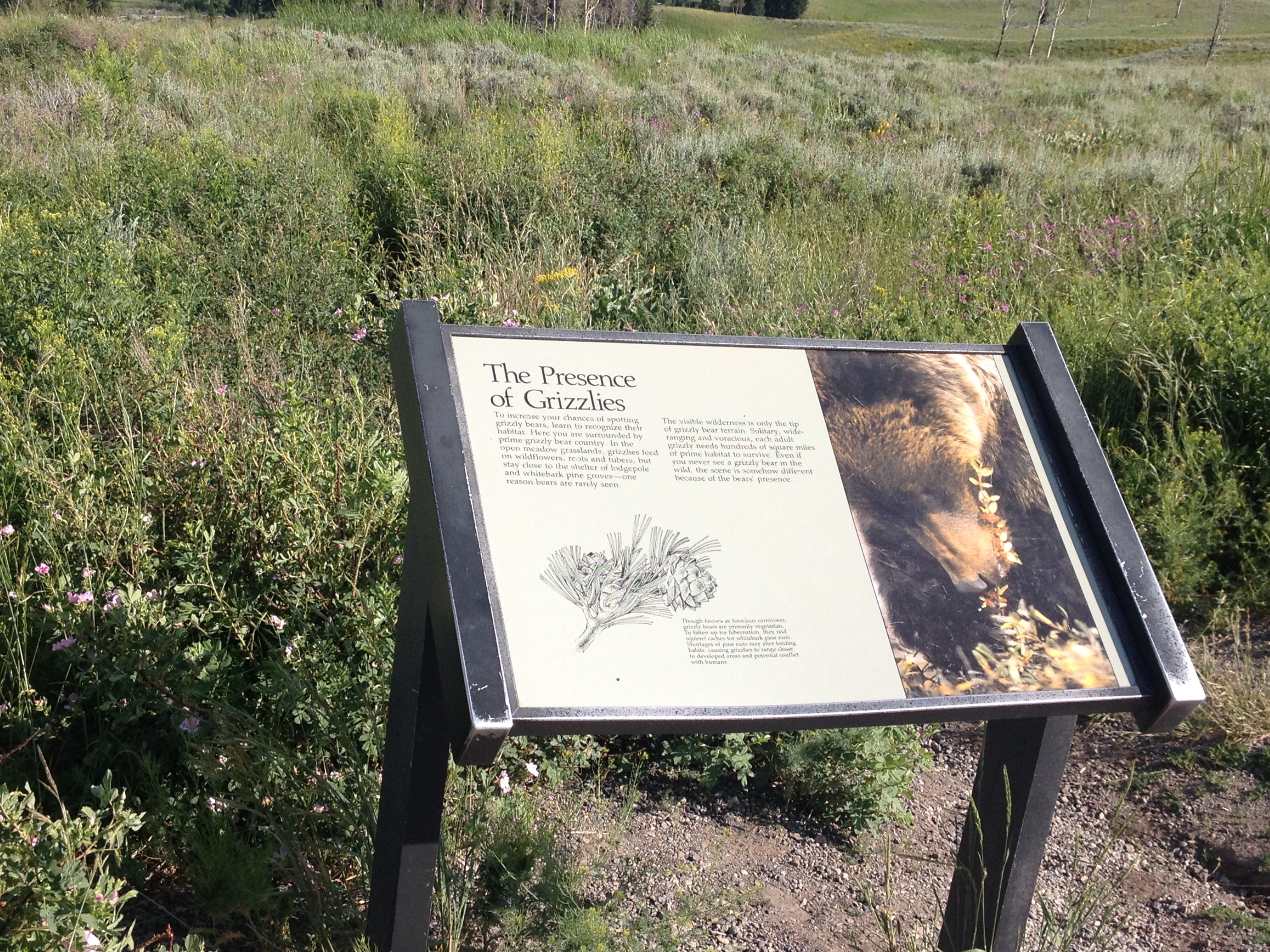
But, signage told me that the presence of these wonderful flowers also signified that I was in Grizzly Bear territory.

IMG_3782

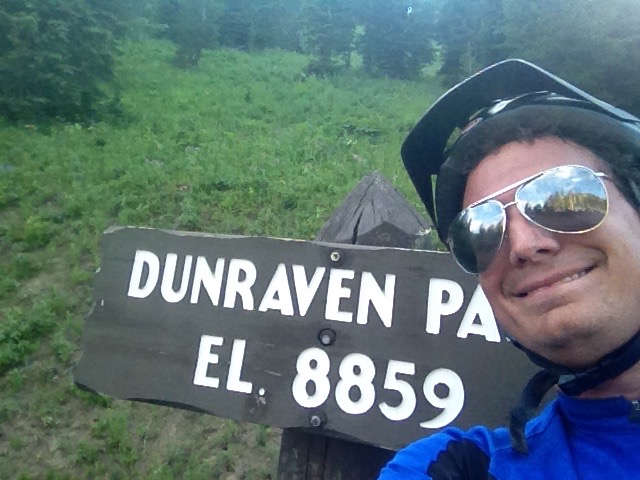
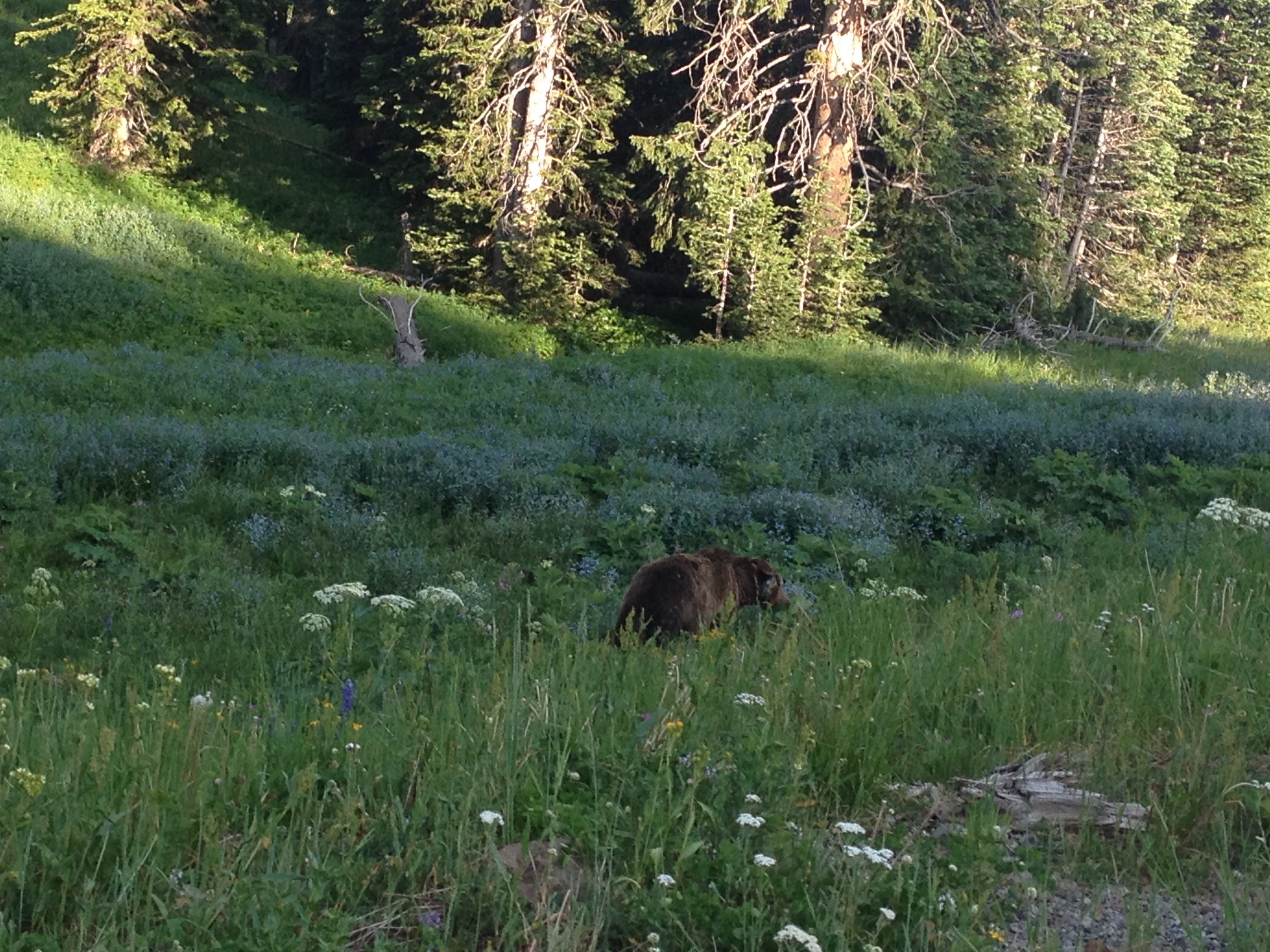
So, it should not have been too much of a surprise to me that when I finally got to the top of the pass,  after two long hours of huffing and puffing, I saw my first Grizzly Bear!

IMG_3786 IMG_3790

Just as I had realized 31 miles (and almost 3000 feet of net climbing) ago, when I was going over that breathtaking bridge over the Gardner River, all of the riding, all of the sweat, and all of the pain did have its reward.  To be honest, it would have been more than worth all of the physical exertion without even seeing the bear.  But, seriously, there was nothing like encountering this animal, so beautiful, so majestic, yet so dangerous and overwhelming, in the manner in which I did; from my bike, out in the open, yet at the top of a pass, knowing that if I needed to outrun it, I could by pedaling as hard as I could on the next downhill stretch.

IMG_3791

By then, after hanging out with the bear for a little while, it was nearly 7 P.M.  I had neither the energy, nor the remaining daylight to take the walk down to Yellowstone’s iconic Lower Falls.  Luckily I saw those last time I was here, so I was glad to have taken the time to see the other waterfalls in the park.

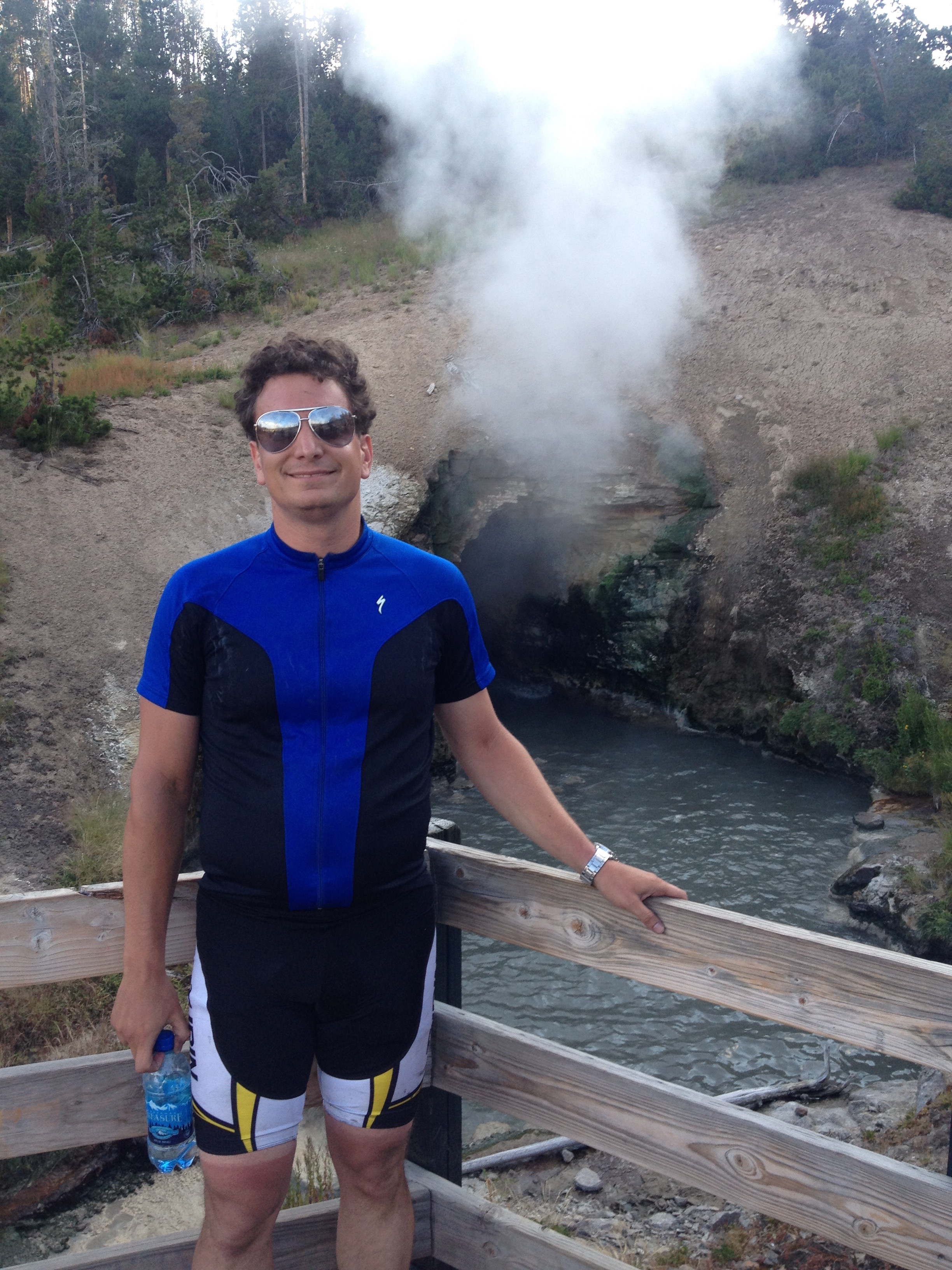
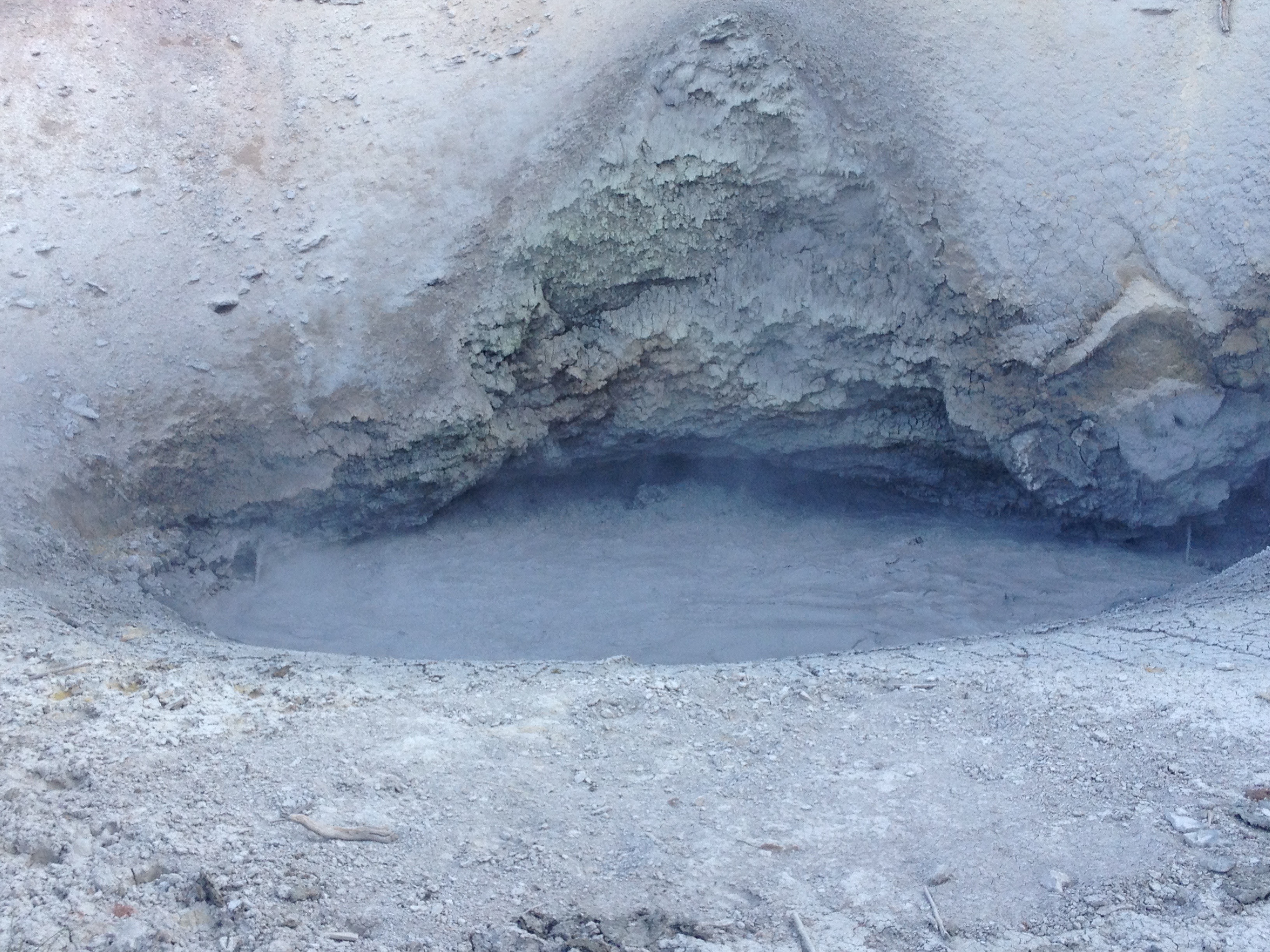
The last real feature I visited that evening was Yellowstone’s Mud Volcano area.

IMG_3798 IMG_3801

There I stood, with the water bottle I had filled up something like 6 times that day, and I came to the realization of just how geothermal Yellowstone Park is.  Like many of the geysers in the park, this “mud volcano” smelled like sulfur.  In fact, it smelled kind of yucky.  And, while I had spent most of the day looking at waterfalls, scenic river valleys, and finally those yellow and purple flowers, it is these types of features that make Yellowstone National Park unique.  We do have waterfalls, canyons, river valleys and the like all over the west, including within an hour or so of home.  All of these geothermal features … I cannot think of where else to see them!  It almost felt like this park was built on sulfur.

IMG_3802 IMG_3803

After seeing an elk on the side of the road, near Yellowstone Lake, I reached the campground at Grant Village.

It had been, without a doubt, the toughest day of riding I had ever undertaken.  Going into this trip, I knew it would be, so I was prepared.  But, I was still pretty much without any residual energy at the end of the day.  In fact, I was kind of acting like I was drunk.  I guess my body had gone through an experience that some would consider “traumatic”, given how far I pushed myself.  But, for me, it is how you grow as an individual, and it is how you gain confidence.  I know that soon I will have to return to “regular life”.  In “regular life”, there is competition, there is conflict, and there are things that are just plain hard.  But, they become easier for those of us that are confident in ourselves.  Accomplishments like these simply serve as a reminder to ourselves that we are awesome.  In fact, I would love to market a bumper sticker that simply says “Smile, you are you, and you are awesome.”  Or, something like that.  There is probably a better, and catchier way to phrase that.  But the point remains that experiences like these do remind us that we are often capable of more than we believe, and are told, that we are.

Two Ways Up Lookout Mountain

IMG_1993

The first time I heard about Lookout Mountain, the first thing I thought of was teenagers making out in their cars half an hour after sunset.  It just seemed like the kind of place a crazy new high school couple, with access to a vehicle along with the freedom that comes with it for the first time in their lives, would go.  It is that perfect middle ground for high schoolers starved for both attention and alone time.  They are far enough out of the “public eye” (i.e. social circle) to not feel too awkward, but not far enough out of the “public eye” to not get the recognition they crave.

To some, the fact that I automatically defaulted to this thought process is a demonstration of a disturbing level of immaturity.  But, I am strangely comforted by the fact that my mind occasionally defaults to such ideas and pursuits.  One of my goals as I get older is to never lose that youthful sense of wonder that makes everything seem so significant and magical early on in life.  Sure, if I were still trying to take high school girls “up to Lookout” at this age, it would be quite pathetic!  However, I take significant pride in the ability to still see places like this and imagine it’s possibilities from a perspective that is quite youthful, while still approaching it with the wisdom and maturity that I have gained over the years by being an astute observer of the world, humans, and human nature.

So, although my first thought of this mountain was one of 16 year olds making out in cars and possibly allowing themselves to go further, I came to understand it’s cultural significance to Colorado and the Rocky Mountains when it became the first major mountain I climbed on my bicycle after moving here from Illinois.  In a way, Lookout Mountain welcomes people like me to the world of cycling in the Rockies the same way I imagine it welcoming those 16 year olds to “adulthood”.

As the stormy weather that plagued Colorado the week leading up to Memorial Day came to a close, I decided to pursue this mountain in another unique manner.  I decided that on Monday, I would hike up the Mountain, using the Chimney Gulch and Lookout Mountain trails.  Then, on Tuesday, I would ride my bike up Lookout Mountain Road.

IMG_1984 IMG_1983

Regardless of whether one decides to pursue this mountain on foot or by bicycle, it begins at a (relatively) light to moderate level of difficulty.  The trail heads up a gentile slope that would be considered “moderate” in terms of hiking.  The bike ride is up a slope that most with little or no climbing experience would consider quite difficult, but it is a bit over a mile into the ride before the climb picks up.

IMG_1987 IMG_2003

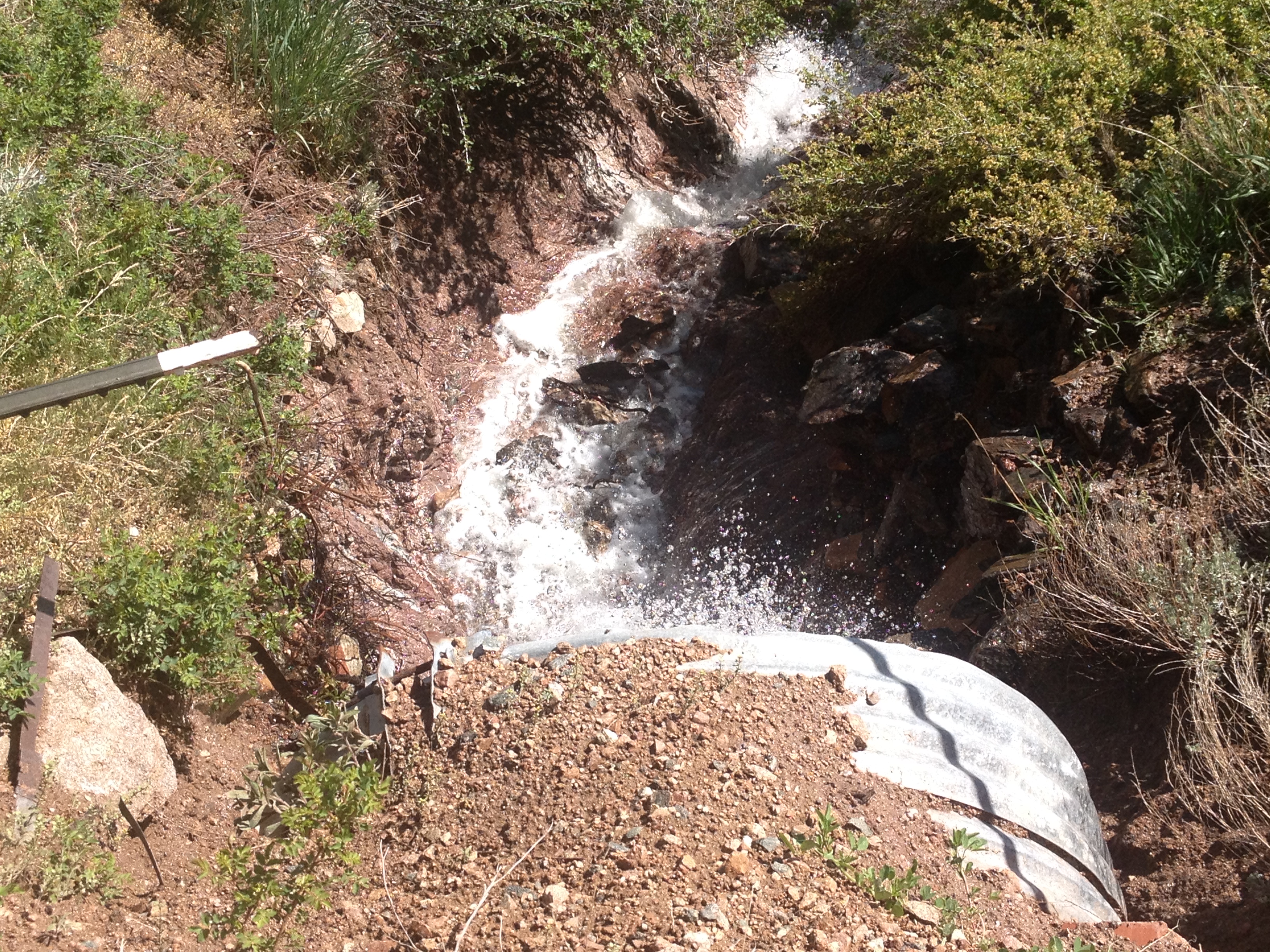
While the bike ride does offer some amazing views, and I would argue better views of the Denver skyline, about a mile into the hike, some waterfalls form at this time of year, when rains are significant, giving me a whole new perspective of Lookout Mountain.

IMG_1988 IMG_1989

It is at this point cyclists will encounter their first major set of switchbacks (along with some steeper terrain).  The hiking part also picks up in intensity.

Just after the halfway point comes a somewhat easier part of the climb.  It is at this point the road somewhat flattens out for cyclists, and most can shift up a gear or two and pick up a few miles per hour in speed.

Roughly 2/3 of the way up the mountain, the hiking trail meets up with Lookout Mountain road for the second and final time, at a place called Windy Saddle Park (near Windy Saddle Peak).

Windy_Saddle IMG_1990

Windy Saddle Park offers a great view of the Clear Creek Valley to the West.  The photo to the left was actually taken back in April on a previous bicycle trip up Lookout Mountain, while the one on the right was taken on Memorial Day.  Colorado is typically a very dry state, with a very brown or red look (depending where you are).  However, the week preceding Memorial Day was quite wet, with daily thunderstorms, and even four consecutive days of hail.  These photos, taken from the same place, demonstrate how different Colorado can look during different seasons and weather patterns.

IMG_1991 IMG_1992

After Windy Saddle Park comes the most challenging part of the trip, regardless of whether one is hiking or cycling.  Cyclists will encounter a series of switchbacks with a higher grade and frequency than the switchbacks in the earlier part of the climb.  When I continued on the hiking trail, I had anticipated the same increase in intensity.  What surprised me was the sudden change in tree density.  It felt as if we had suddenly left the wide open and entered a forest.

IMG_1995 IMG_1996

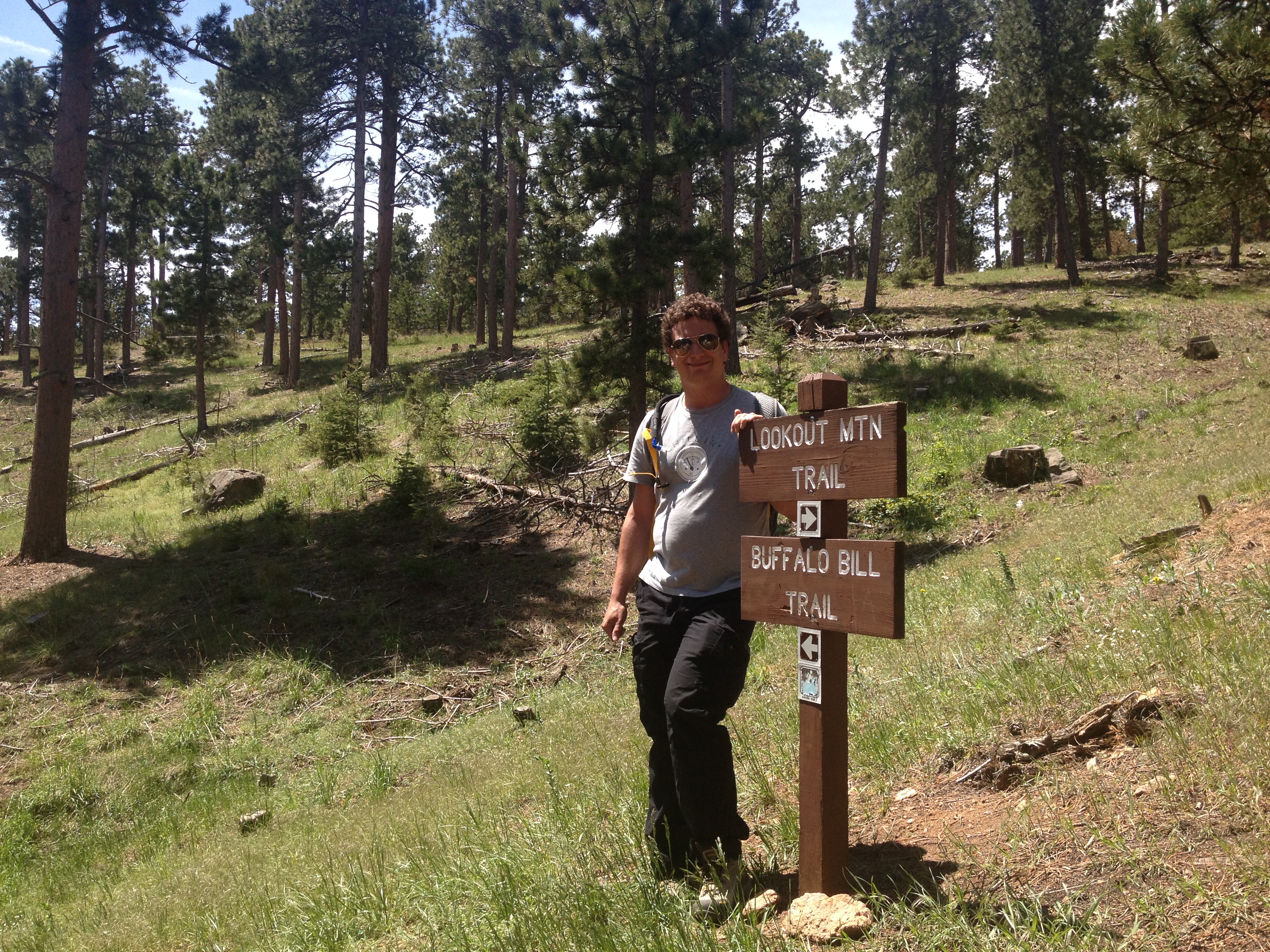
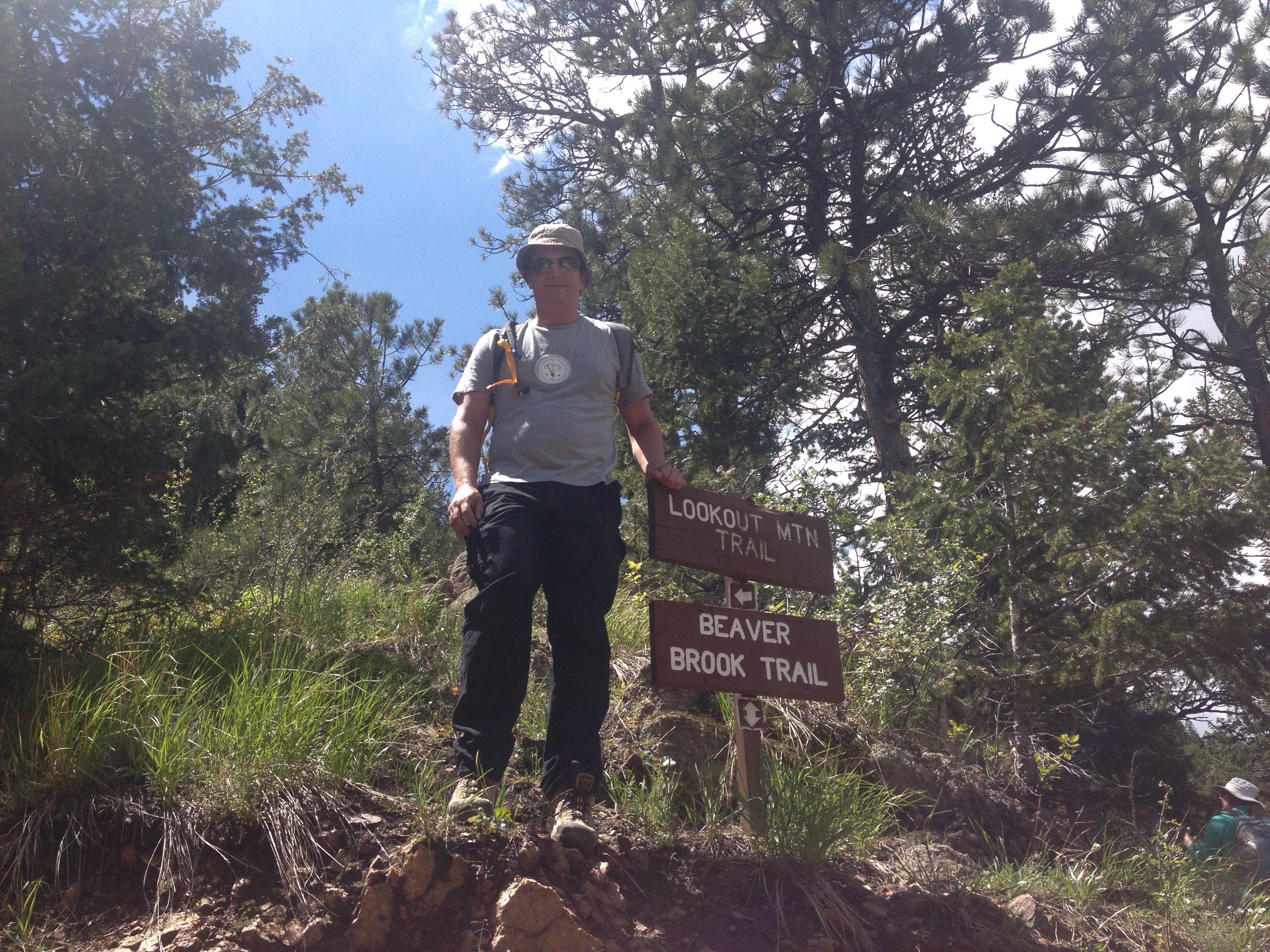
There are two trail junctions in this more challenging (although still not “14er” level) part of the trail.  First, the Beaver Brook Trail, which is a longer trail that winds through the rest of Jefferson County, breaks off to the right.  Luckily, these trail junctions are clearly marked so nobody spends hours wandering around wondering when they will finally get to the top.  The second junction is with the Buffalo Bill Trail, which goes to the part of the mountain where Buffalo Bill’s grave is.

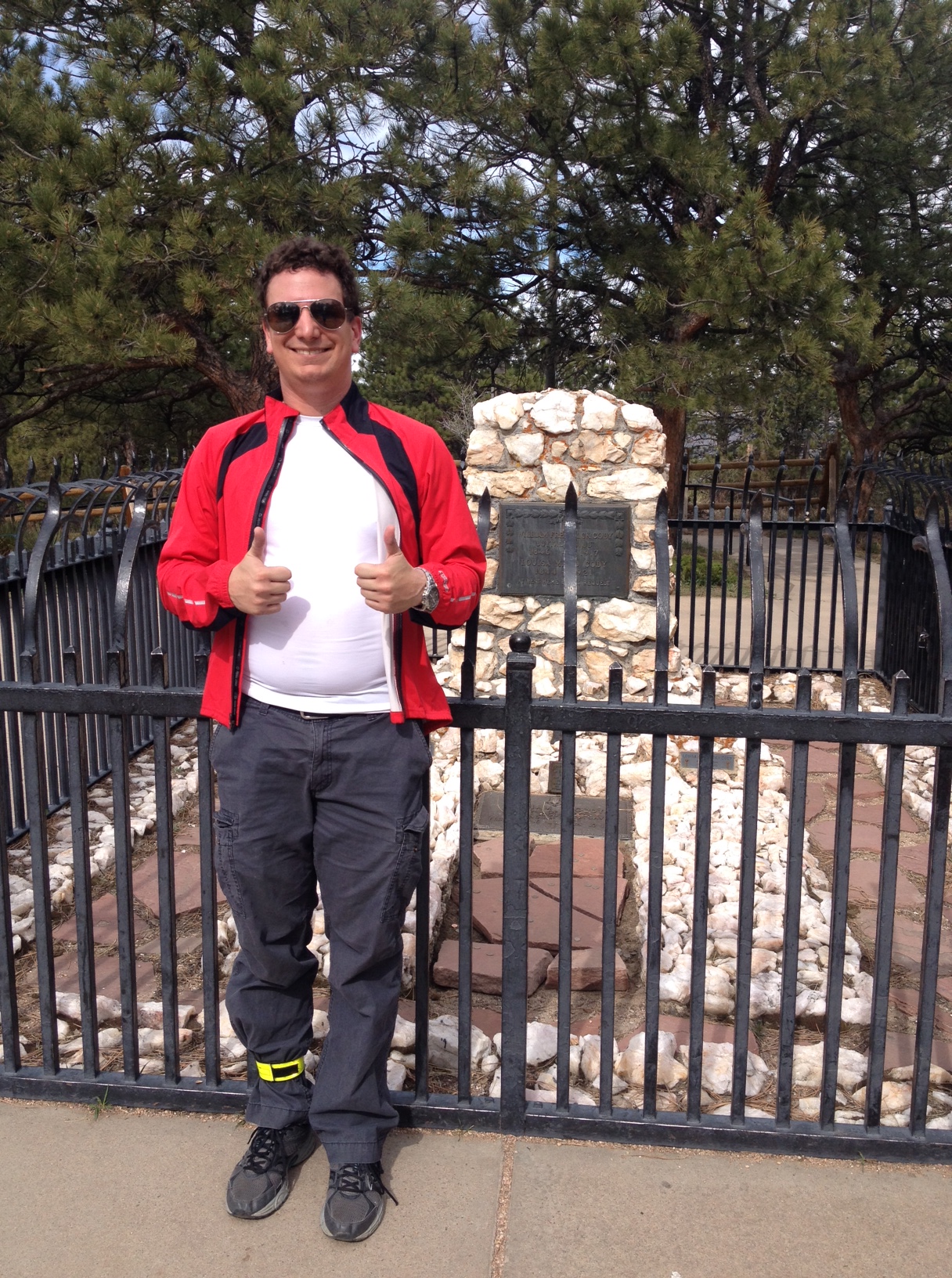
IMG_2011 Buffalo_Bill_Grave

Lookout Mountain is not a single peak.  It is more of a mound.  One one end of the mound is the tower most commonly associated with Lookout Mountain.  On this other end is Buffalo Bill’s Grave.  Buffalo Bill’s Grave is a great destination point for cyclists.  There is a gift shop at the top offers water for free, nice bathrooms, and great snacks.  Being pretty much at the same elevation as the other side of Lookout Mountain, one can stop and turn around without feeling like they cheated themselves out of part of the climb.

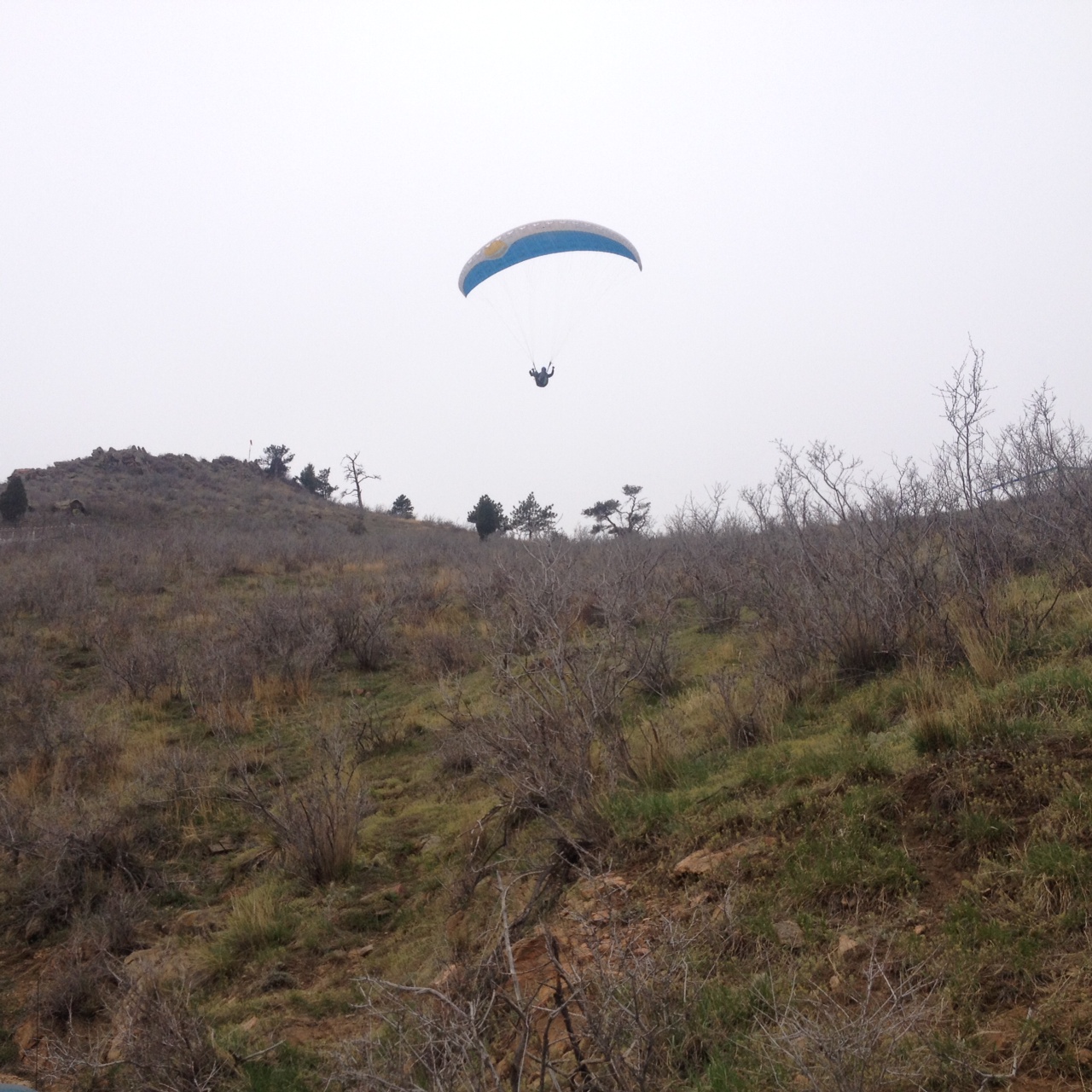
While (excluding driving) there are two ways up the mountain, there are three ways down.  One other thing I discovered about Lookout Mountain is that it is a popular place for hang-gliding/ para-sailing.

Lookout_Gliding

Depending on the day of the week and conditions, it is not too terribly uncommon to encounter around a dozen gliders taking off and landing at different points on the east side of the mountain.

Between the awkward adolescents in their cars just past sundown, cyclists like me achieving our first significant Rocky Mountain climbs, and hang-gliders soaring through the air over town, Lookout Mountain is truly a place where dreams come true.  It is a place where people feel a sense of achievement, a sense of advancement, and a sense of welcome into what’s ahead.  For cyclists like me, it is even more challenging bike rides, higher into the mountains.  For those adolescents, it is adulthood, and all of the challenges that will come.  Either way, it is both magnificent and scary, but best appreciated by looking upon it with the same sense of wonder that we begin our lives with.

A Bike Ride to Roxborough State Park

IMG_1933

The primary reason I love cycling as much as I do is that I am able to go places a significant distance away completely under my own power.  For many years I have enjoyed commuting to work (now only 1.5 miles but formerly 6 miles), running errands, visiting specific places, and getting myself to and from specific events by bicycle.  I feel the benefits are two-fold.  There is the obvious money savings on fuel (and/or parking/ transit).  In addition to the monetary savings, I find the exercise and time outdoors to have a been a great value to my health, both mentally and physically, over the years.

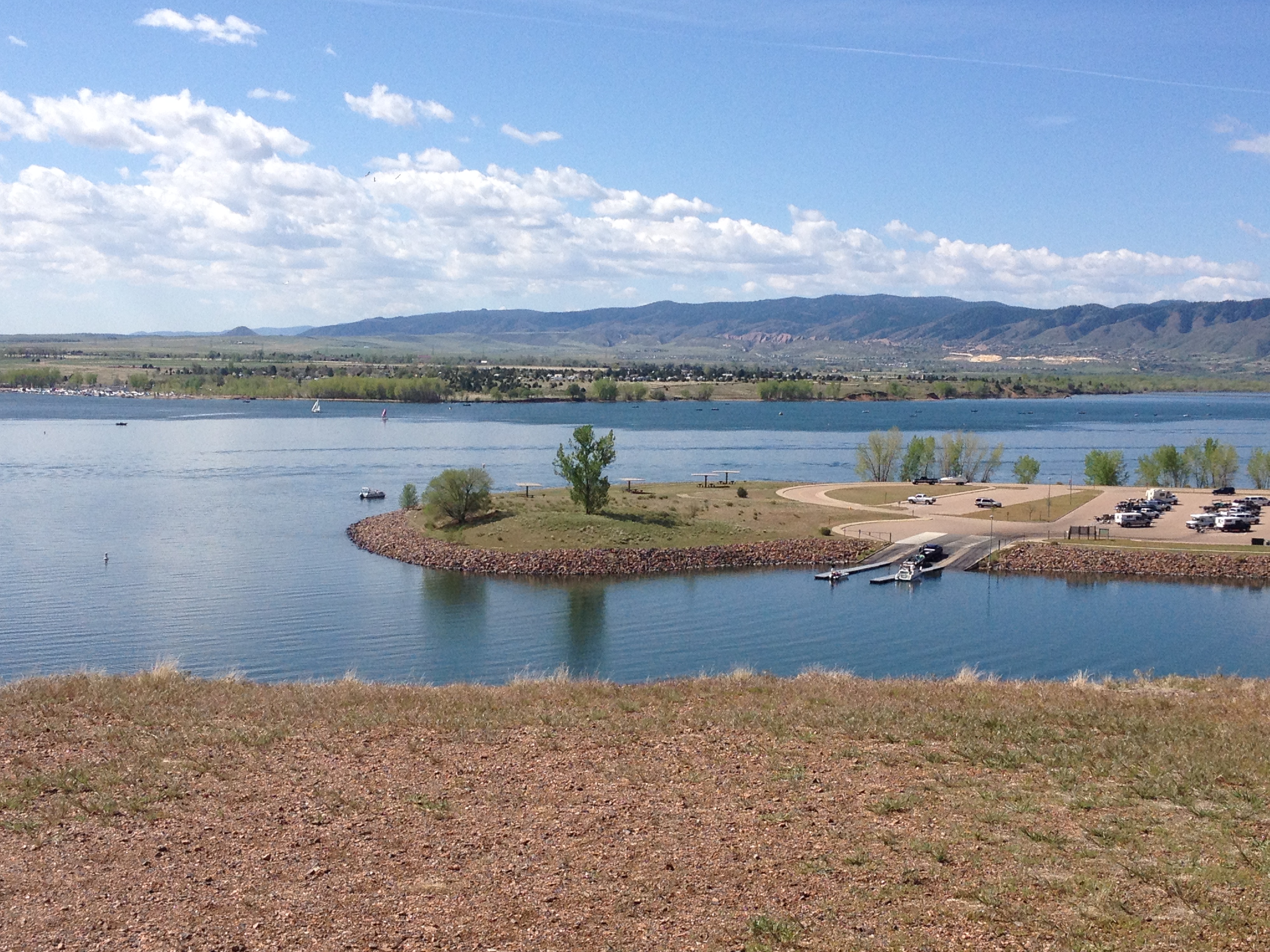
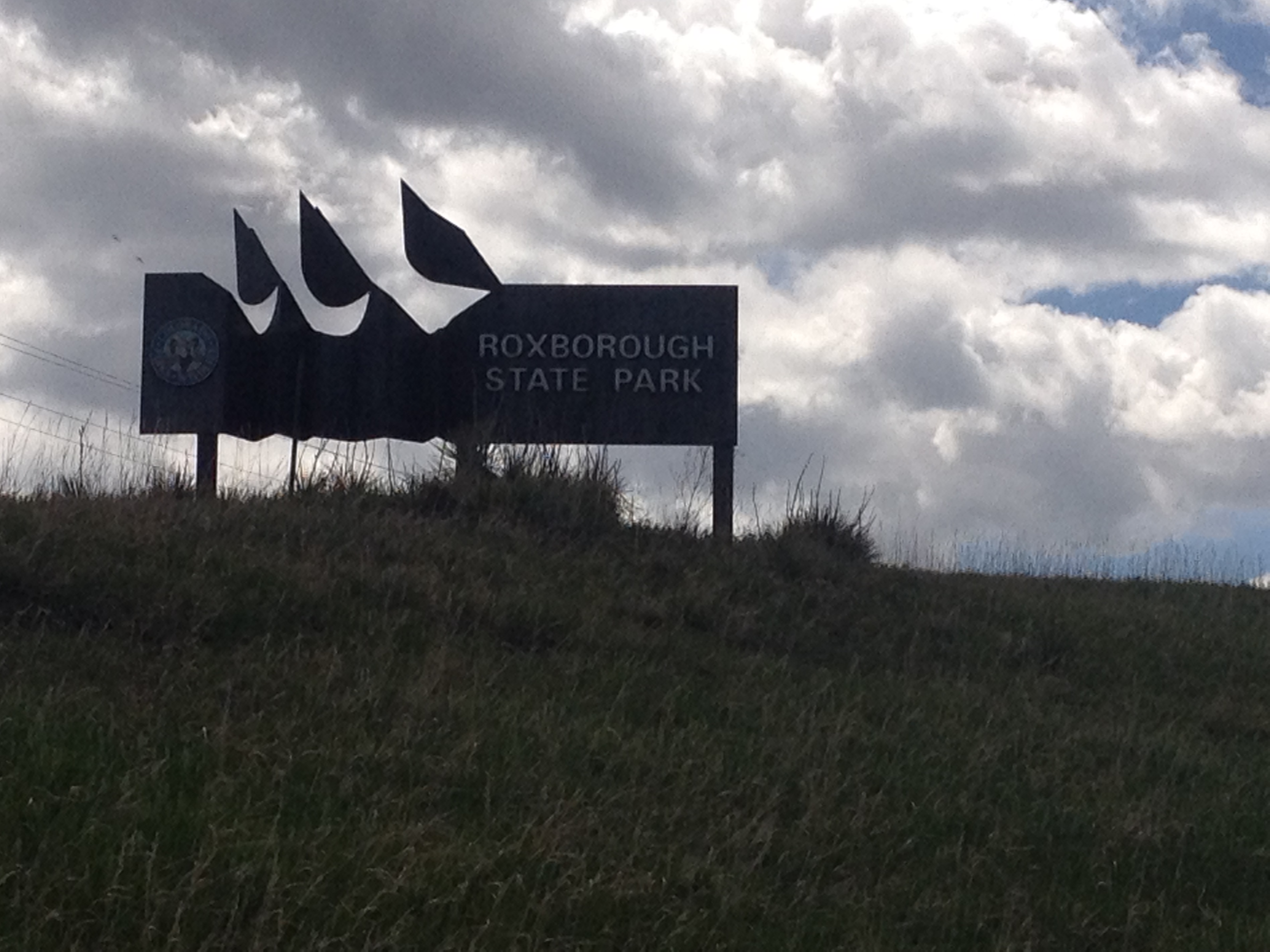
Roxborough State Park is about 30 miles South of central Denver.  It is a place I had never really thought about visiting up until a few weeks ago when I was looking for new interesting places to ride my bike to, and wanted a ride that would be roughly two hours each way.  In Denver, it is possible to cover a good amount of distance quite quickly using the metro area’s bike trails, which bypass traffic signals, as well as most terrain features that would normally slow a cyclist down.

IMG_0337IMG_1913

The Platte River trail can be followed from Denver southward to it’s terminus at the C-470 trail, about 16 miles south of downtown.  The Platte River trail is quite flat, as it tracks right along the river.  However, the C-470 trail, which roughly follows the highway (which is the Metro area’s outer loop), contains a lot more rolling hills.  After several miles on the C-470 trail, I arrived at Chattfield State Park, a reservoir, and popular boating destination on the southern fringe of the metro area.

IMG_1916 IMG_1917

A couple of years ago, this was the destination of a couple of rides I had done.  Last year, I did a ride to Waterton Canyon, the starting point of the Colorado Trail, a place I also rode by on my way to Roxborough State Park.  It is somewhat encouraging to actually see my continued progress as a cyclist right in front of me.  However, it also made me realize that there is one disturbing parallel between cycling (or any activity of this nature) and drug addiction; as the more I ride my bicycle, the farther and more intense of a ride I need to do to feel “satisfied”.  This is beginning to feel eerily similar to the gradual increase in tolerance a regular drinker experiences, or the ever increasing doses many drug addicts demand over time.

IMG_1921 IMG_1922

There was a fairly long line of cars at the entrance to this park.  Luckily, I was able to bypass this line, saving me both roughly 20 minutes of time, as well as the $7 entrance fee to the park.

The road from the entrance to the visitor center, basically the last two miles of the ride, was not all that fun.  It was gravel and bumpy for much of the way.  I felt uncomfortable going over 13 miles per hour.  However, the park rangers were quite pleased that I did not try to use my bicycle on any of the trails, as they do not permit bicycles on the trails.

IMG_1927 IMG_1928

At the visitor center, I realized that one of the main attractions of this particular park is the wildlife.  Showing people the fur and bones of dead animals seems like a somewhat sick way of presenting what the park had to offer to it’s visitors, but it was really neat to actually feel the fur of a black bear for the first time in my life!

IMG_1929 IMG_1934

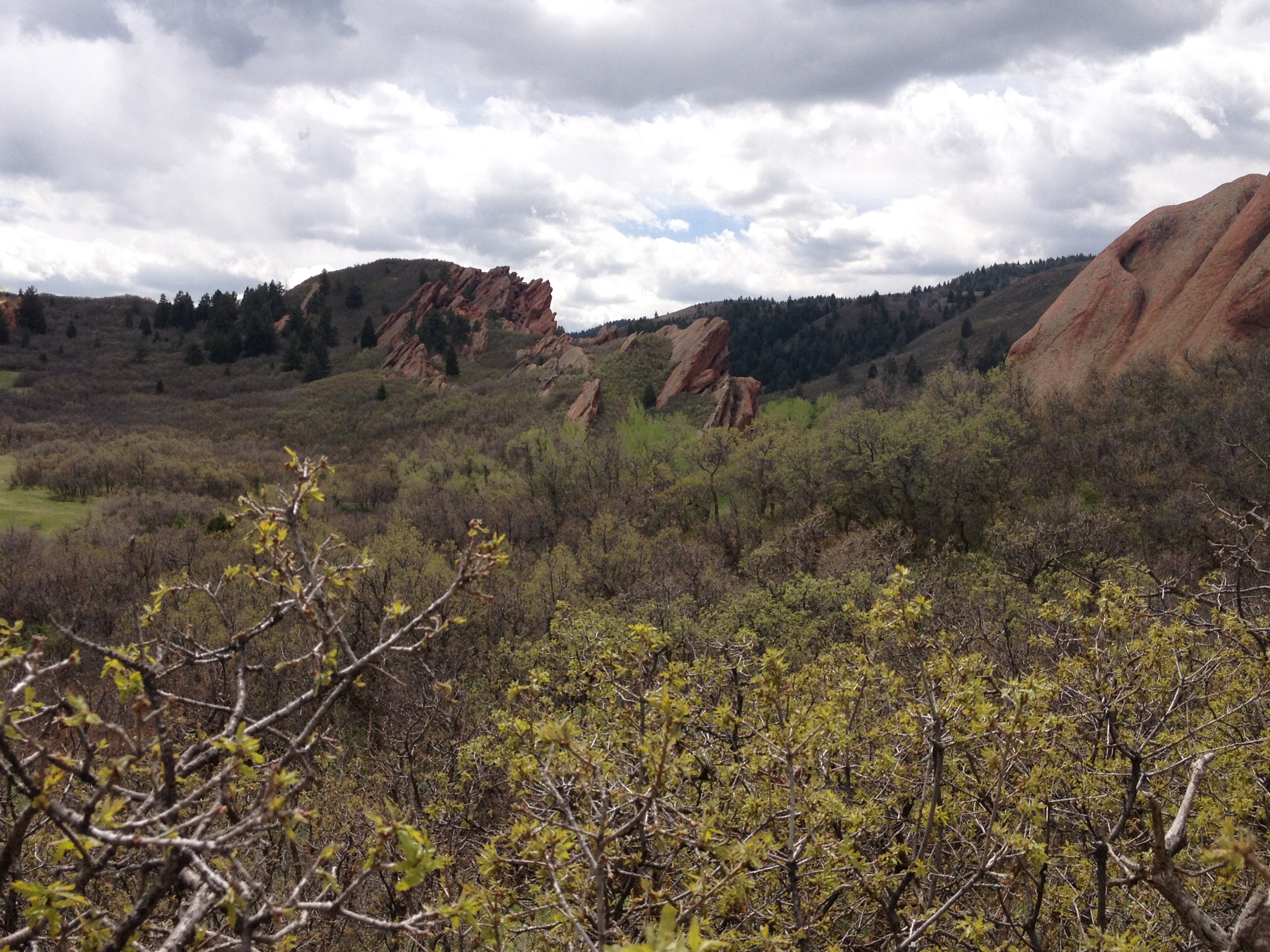
The rock formations at Roxborough State Park were actually quite similar to what I saw at Garden of the Gods.  In fact, it is easy to see how the same geological processes created the rock formations that run up and down the edge of the front range, including the Garden of the Gods, the place, as well as places like Red Rocks.

IMG_1931 IMG_1936

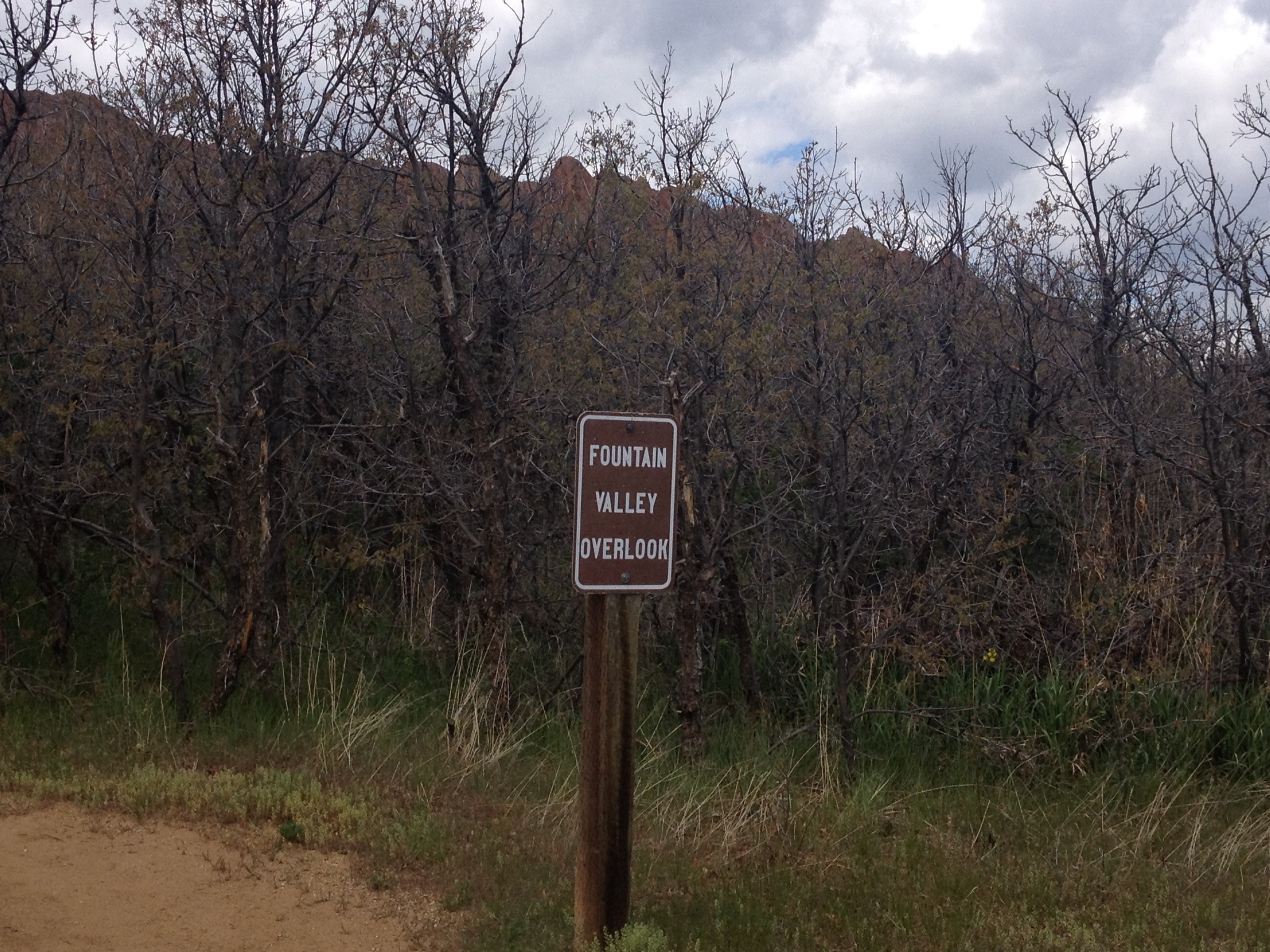
The park is also set up quite similar to Garden of the Gods.  Both places make it easy for the average non-outdoorsy tourist to attain a good view of the park.  Here, the Fountain Valley Overlook, a mere half mile from the parking lot with only a slight grade, provides views like the one at the top of this entry to those with no interest whatsoever of getting any exercise.  The park also offers somewhat more strenuous hiking.  Carpenter Peak is roughly 1000 feet higher in elevation than the visitor center.

IMG_1930

I meandered around the park a bit, but decided not to do the more strenuous hike as to preserve my energy for bicycling.  The only wildlife I encountered were these three deer, which is not particularly out of the ordinary.  However, I did encounter them at a much closer distance than I typically do.

IMG_1940

For much of my time at Roxborough State Park, I was intrigued by these relatively short trees I encountered all over the park.  These tress are quite different than the ones I typically see around Colorado.  I later read, on the way out of the park, that there are some unique species of trees, as well as insects and animals, that live here due to the micro-climates created by the wind patterns that these rock formations create.  In fact, Roxborough State Park is considered a destination not only for it’s rock formations, but also for it’s unique wildlife.

IMG_1935IMG_1938

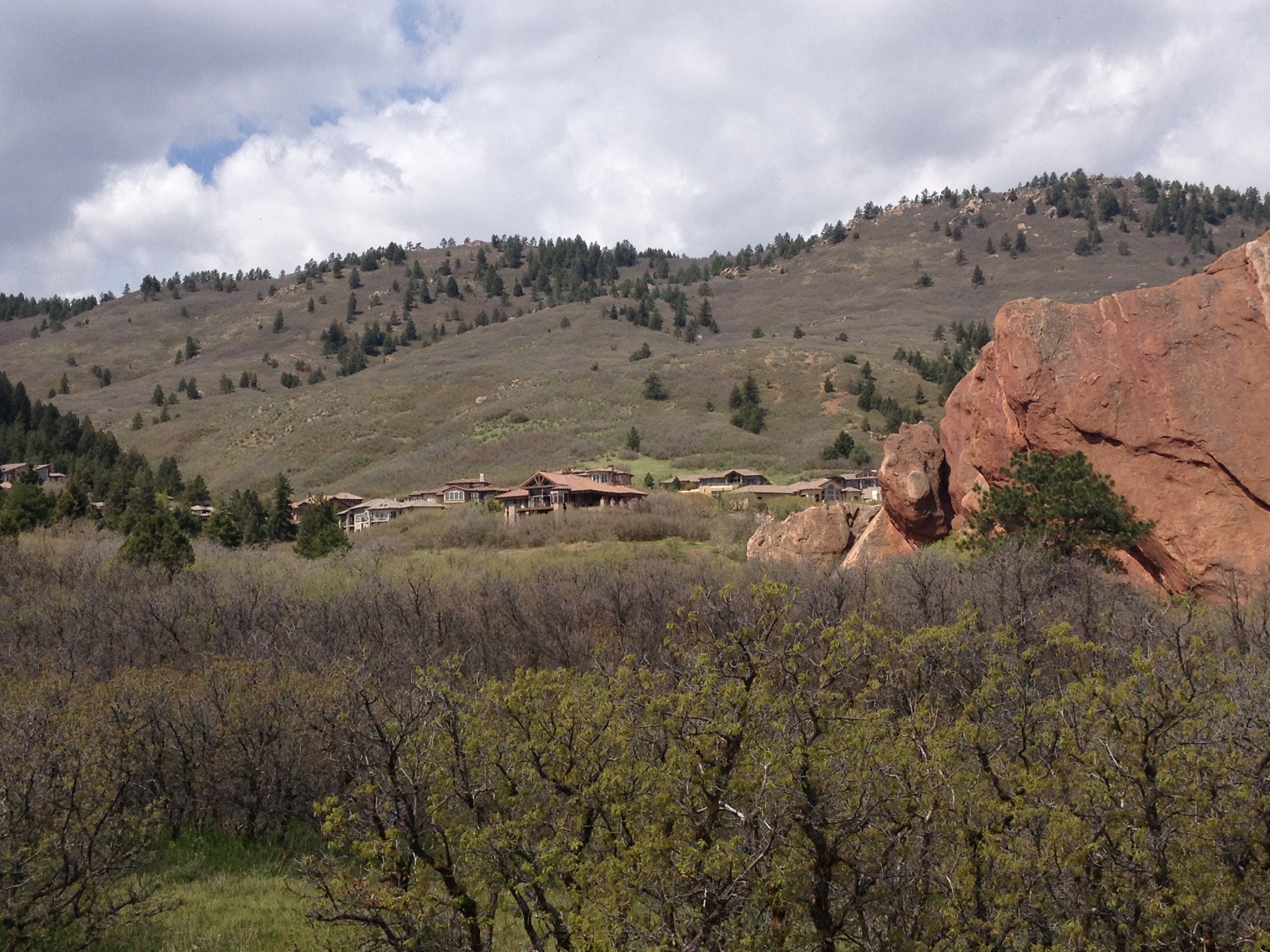
While marveling at the beauty of the park, and considering how awesome it might be to live in one of those houses that overlooks the place, the weather caught me off guard.  Prior to this ride, I looked at the forecast for Denver, which called for a threat of rain after 3 P.M.  However, 30 miles farther south (and closer to the Palmer Divide), and roughly 1,000 feet higher in elevation, any threat of thunderstorms is naturally going to come earlier in the day.  Right around noon, I noticed a few raindrops, and suddenly noticed the clouds beginning to build overhead.

My bike ride home ended up being a race against mother nature, which I barely won, partially by blatantly ignoring the 15 mile per hour speed limits posted along the trail through South Suburban Littleton.  With a little bit of help from the wind at times, I was able to make the 28 mile ride from Roxborough State Park in 100 minutes, returning home by 1:45 P.M.  As someone who typically pays close attention to the weather, and understands weather patterns quite well, this was a somewhat embarrassing oversight on my part.  However, I do feel a sense of accomplishment in making the return ride so quickly.  And, once again, I was reminded of what I love most about cycling; being able to travel a good amount of distance, and even see my own progress on a map, all under my own power.

A Rite of Passage

IMG_2367 IMG_2376

Birth to roughly age 22 is an endless barrage of rites of passages.  There is birth itself, first steps, first words, first day of school, learning to ride a bike, first kiss, then high school and college are one eight year long rite of passage into adulthood which includes learning to drive, and then all of the other things you can legally do at age 17, then 18, then 21.  Due to the ridiculous drinking age in this country, many of us end up going a little bit overboard somewhere in there.  On top of that, there are a bunch of rites of passages in there that are specific to each individual, like first baseball games, or learning musical instruments.

The final rite of passage in all of this is graduating and getting a job (or, for some people graduate school).  At this point in time, most of us are quite sick of rites of passages.  This is especially true for some of us that went to graduate school.  The time has just come for us to stop preparing for our lives and live our lives.  However, the transition is quite abrupt.  We go from being in a near constant state of flux and trying to figure out where are lives are going, to a quasi-steady state, where day in, day out, week in, week out, year in, year out, has the potential to follow some routine that never changes, and never progresses.  After a few years of this, it is natural to get a bit restless.  Before long, we see American Pie, or Superbad, or Clueless, or whatever movie reminds us of that time in our lives, and almost become nostalgic for the time in our lives when the future, heck, the next week, was an open book, as opposed to a likely mirror of the last.

IMG_2347 IMG_2349

In Colorado, it is considered somewhat of a rite of passage to climb to the top of a “14er” for the first time.  A “14er” is a mountain whose peak is more than 14,000 feet in elevation.  The selection of the number 14,000 seemed a bit arbitrary to me at first.  It seemed like it just happened to be the nearest round number, and that it would be different if the U.S. were on the metric system.  But, this demarcation of peaks exceeding 14,000 feet seems useful to Coloradans for two reasons:

1.  With a total of 54 “14ers”, it gives Colorado hikers a large enough variety of places to go and hike these peaks, but not so many that climbing all of them is out of reach.

2.  With a total of 54 “14ers”, Colorado has significantly more of these peaks than all other states, including Alaska (14) and California (12).  So, despite the fact that those states have the tallest peaks in North America and the lower 48 respectively, Colorado has a basis to claim the top position in the country with regards to mountains and mountaineering.

This is why yesterday I woke up before sunrise and made the trek to Gray’s Peak in order to accomplish the feat of climbing my first “14er”, and becoming a true Coloradan (in the eyes of some).

IMG_2393

Gray’s peak is actually the highest point on the Continental Divide, and the trail up to the top of this peak (as well as Torrey’s Peak) is part of a national scenic trail that follows the continental divide.  This trail is only about 70% complete.  If someone wanted to traverse the entire trail, they would have to do some road-walking.  This is most likely why we don’t hear about this trail as much as the Appalachian and the Pacific Crest trails.

IMG_2354

I was lucky enough to go with a group of people that included three first timers (including myself), and a mixture of people who had varying levels of experience climbing “14ers”.  A couple of people had been up over ten of these peaks, some others had done only a couple.  It is also just fun for me to do activities in groups like this, and I am glad I got to share this accomplishment with them.

IMG_2355

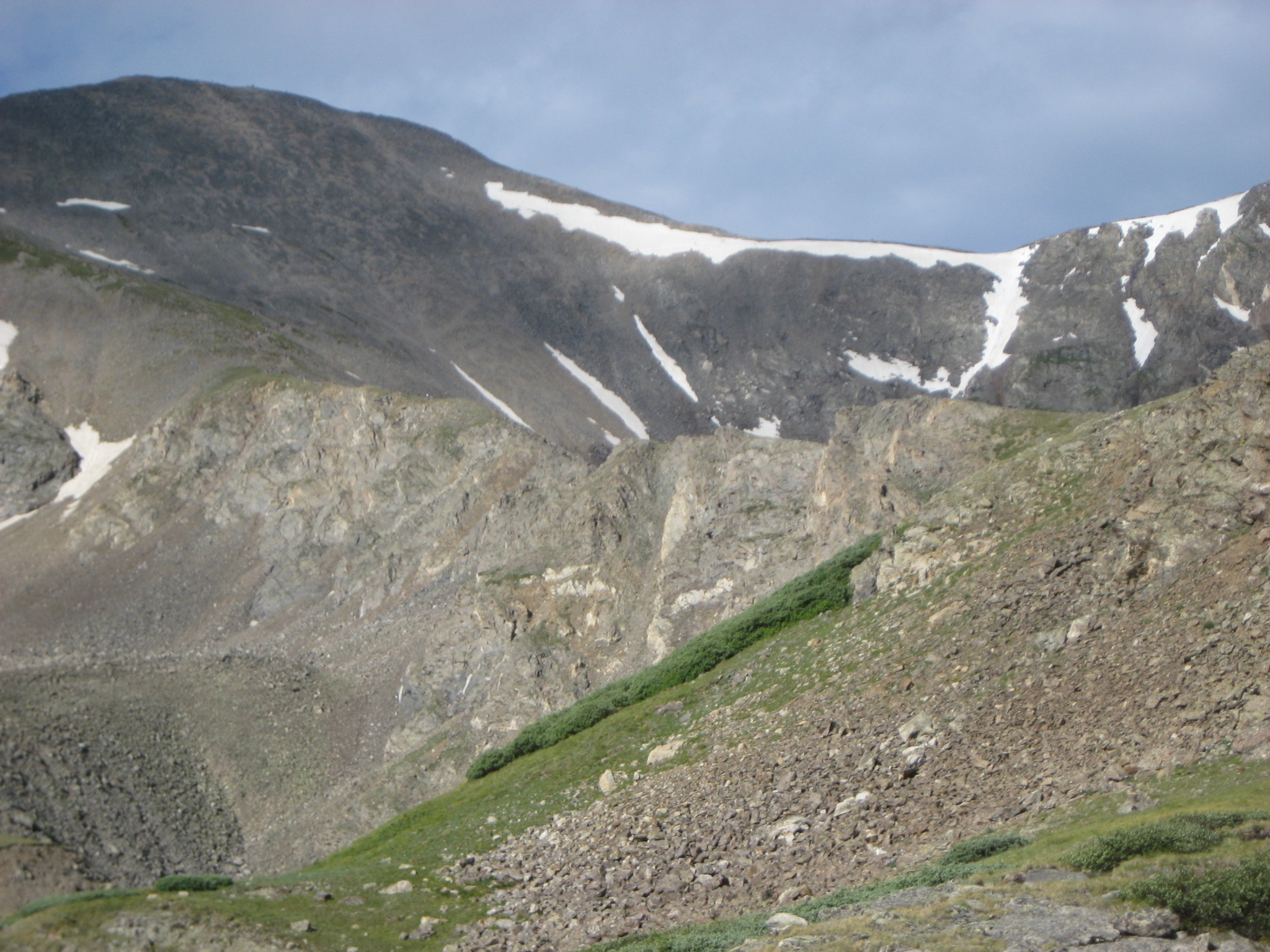
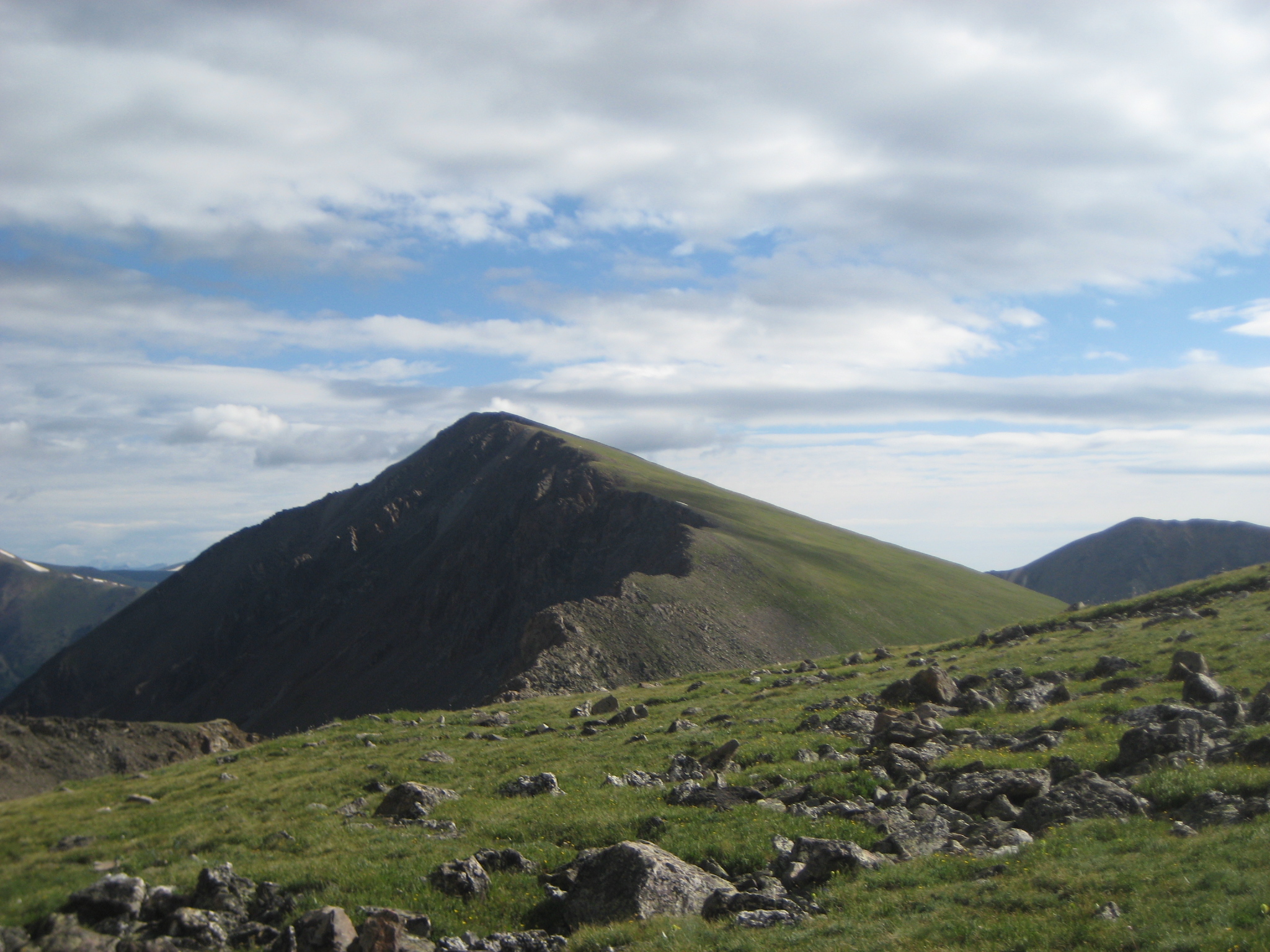
Whenever attempting something that requires physical strength or endurance, part of the battle is always mental.  Seeing Gray’s Peak (left), and Torrey’s Peak (right, partially hidden behind the hill), toward the beginning of the climb definitely created an intimidation factor that somewhat reminded me of the first time I went skiing in the Rocky Mountains, at Steamboat Springs, and looked at the ski mountain, after having only seen ski mountains in the Midwest.

IMG_2358

The trail up the mountain follows a path that has been mapped out for some time, and has been improved and preserved by the Colorado Fourteeners Initiative.  It is likely the safest way to hike up the mountain, but it follows a ridge that looks a bit scary, as the thought of being on a small linear feature like the one seen in this picture can be somewhat frightening.  Luckily, when we got there, it was actually less scary up close than it was looking at it from afar.
IMG_2361 IMG_2362

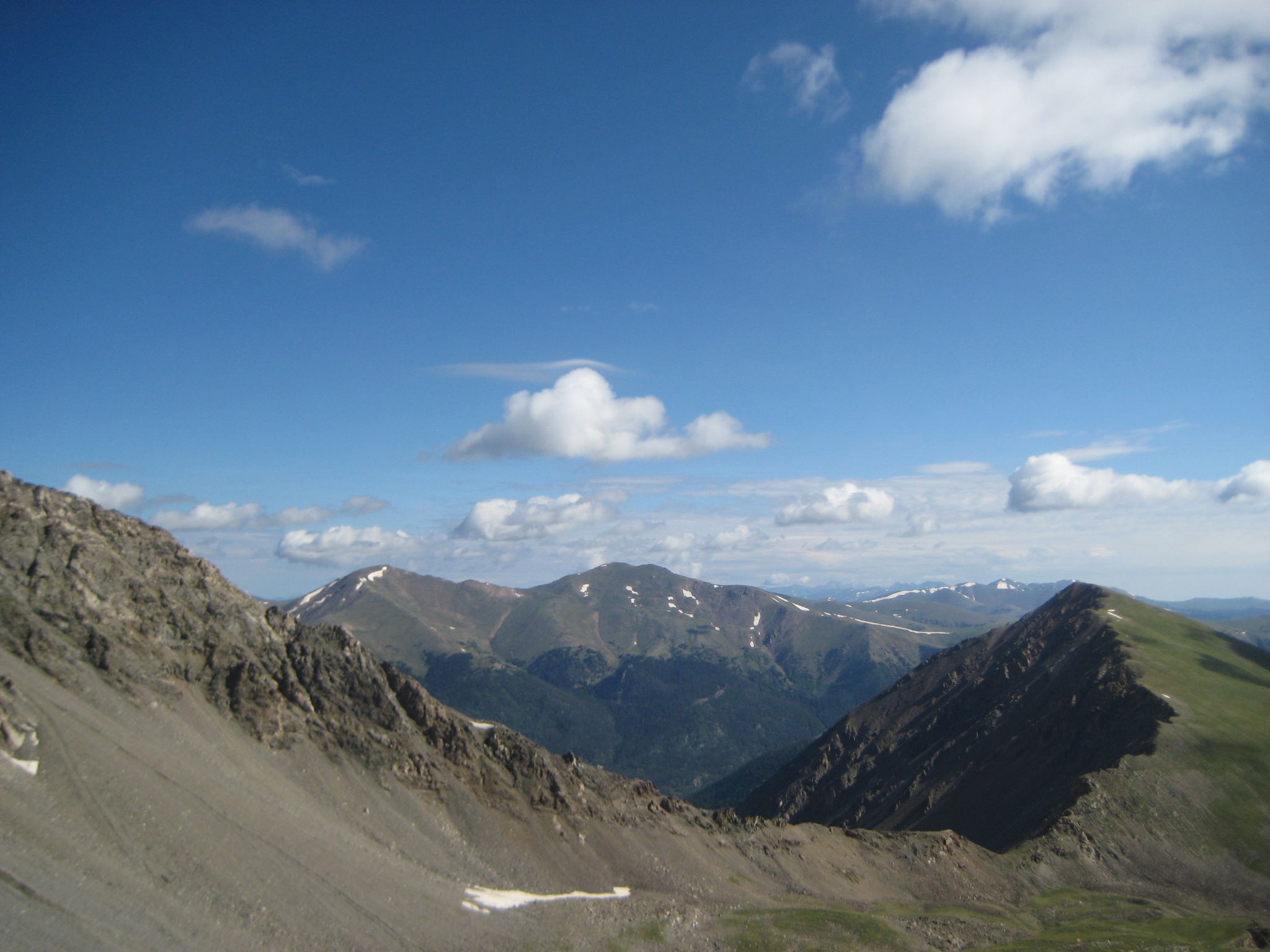
With pretty much the entire hike being above the tree line, I began to get some pretty scenic views only halfway up the mountain, which is already above 12,000 feet in elevation.  It was quite interesting to see some of the other peaks looking away from the top of the mountain, to the north.  As a scientist, it is hard not to be intrigued by seeing a mountain where one side is getting a significant amount of sun and the other is not.  It appears as if grass grows on one side but not the other, which indicates a different ecosystem and a different climate, all within the arctic tundra, dependent on local topography.

IMG_2363 IMG_2365

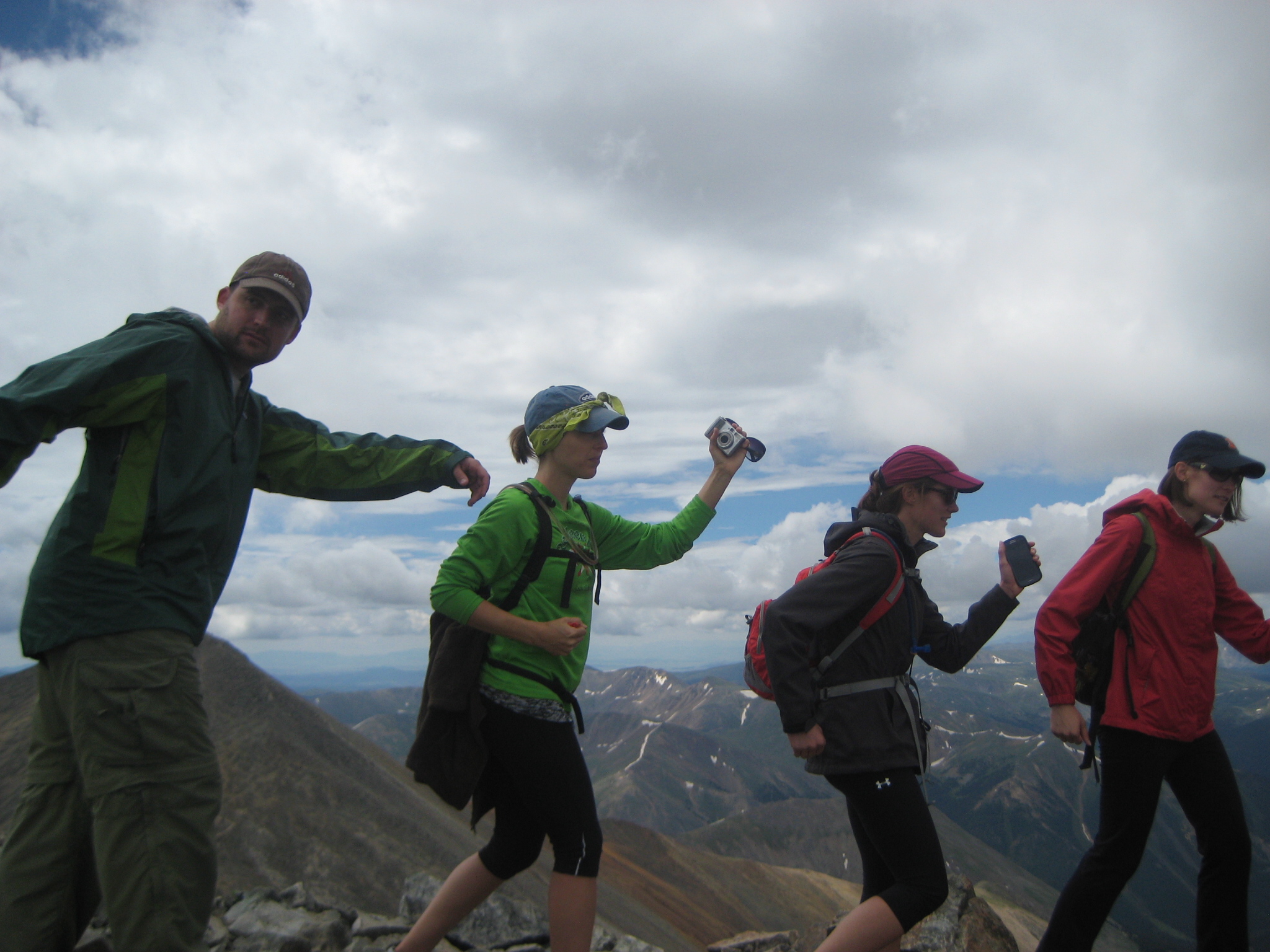
For roughly the first two thirds of the way up the first peak, I was actually able to keep up with the fastest people among the group.  However, having less experience climbing at these altitudes, it was inevitable that I would eventually drop back.  I took this opportunity to get some image of the others in the group hiking, as there was a switchback zone after the ridge we had previously followed.  Hiking trails like these definitely involves a significant amount of looking at the ground, as there are a lot of small rocks, which need to be approached somewhat carefully.  Even after I let everyone know I was taking pictures, some people still did not look up.

It took me about three hours to get to the top, and I summited just after 10 A.M.  The feeling of getting to the top is hard to describe, especially for a first timer like myself.  It is definitely a feeling of accomplishment, and a really good confidence builder.  It is also mixed with this feeling of being on top of the world.  All of the mountains, the ones that I typically view from Denver as towering over the city from the west were all below me.  I had climbed to the top, conquered it in a way.  I may never look upon these mountains the same way again.  The very scenery that I can see on all non-cloudy days from the back window of my apartment has been suddenly transformed from symbolizing what is challenging, wild, and untamed to symbolizing that all things are possible, and that challenges can be met with determination and proper planning.
IMG_2370 IMG_2369 IMG_2368

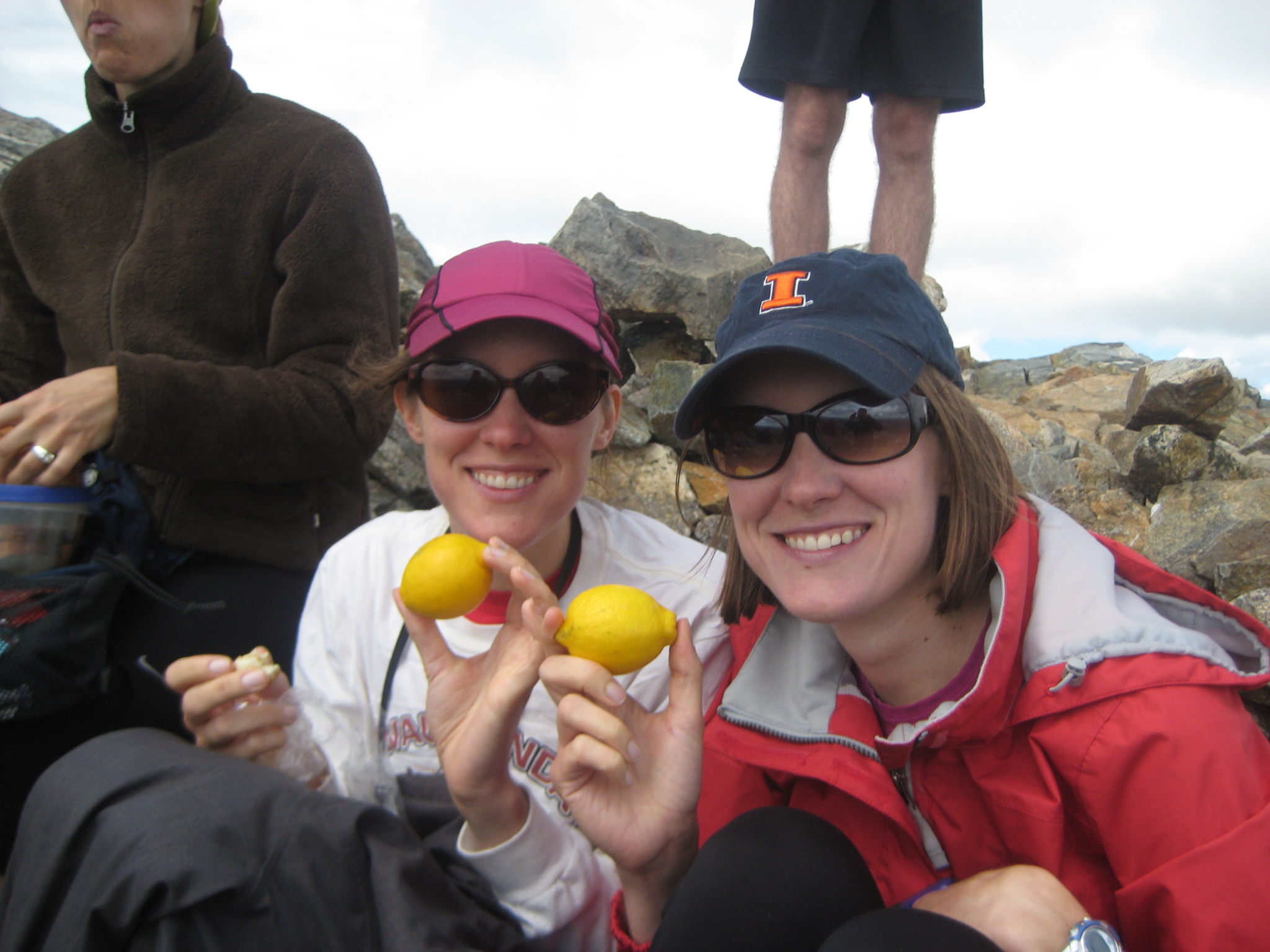
At the top of Gray’s Peak, we actually found a pretty nice place to sit, where the rocks somewhat shielded us from the wind.  For some reason, it is always significantly windier at the top of a mountain peak than it is just a mere 100 feet lower.  I have noticed this before, but wondered if it would feel different on this hike, which was pretty much all above the tree line.  It wasn’t, it felt more than twice as windy at the top of Gray’s peak.  I also learned something very surprising about hiking yesterday.  On the way up to the mountain, I was told that all hikers should bring a lemon with them on their hike.  This made absolutely no sense to me, as I was under the impression that I should stick with sandwiches and power bars to avoid carrying excess weight.  Liz and Laura (pictured above) followed by this advice, brought the lemons, and actually let us have some.  I had one lemon wedge, so I probably did not receive too much impact from it, but it did seem refreshing and energizing.  Who would have thought.IMG_2372

I also brought Bigfooting to new heights, doing my pose at 14,270 feet above sea level, and on the Continental Divide!  The scenery behind me is looking in the other direction (South), where I could see more gigantic mountains from above- exhilarating!

IMG_2375 IMG_2379

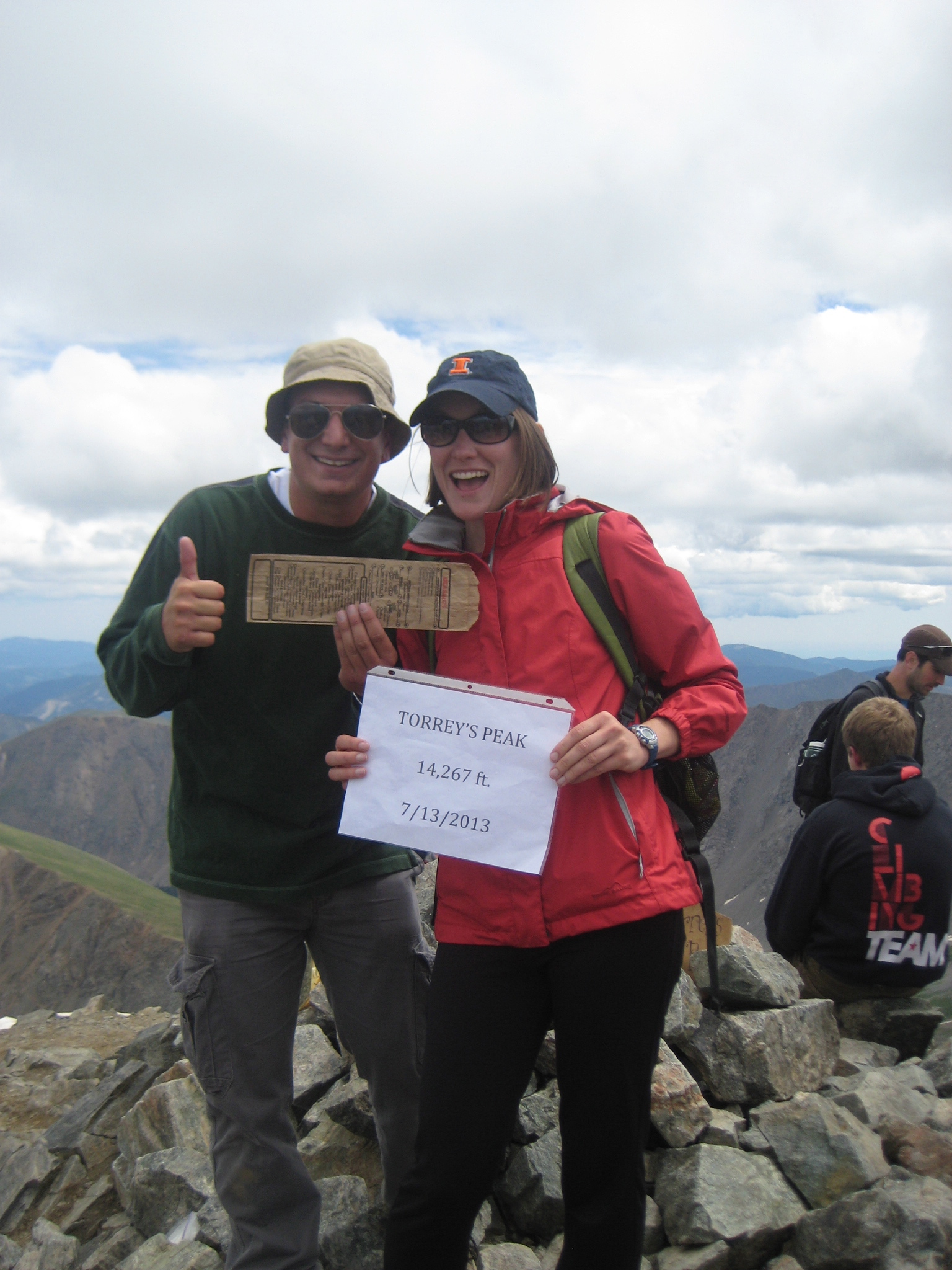
From Gray’s Peak, it is possible to “saddle” over to Torrey’s Peak.  To do this, I had to descend 575 feet along a ridge between the two peaks, which actually follows along the Continental Divide, and then climb up the second peak.  Apparently, this picture taken at the top of Torrey’s Peak, with a Which Which bag in the photo, entitles me to a free sandwich at Which Which.  I wonder if I can upgrade to a large size sandwich for posting this picture here.

Climbing up Torrey’s Peak was harder than climbing up Gray’s.  The trail up was steeper, and, possibly because I was already tired from climbing the first peak, I had to stop and catch my breath several times.

IMG_2382

When I reached the top of my second “14er”, I was quite worn out.  This is how I knew that I had given it my everything, and truly pushed my limit.  I could have stopped after peak #1 already having accomplished my rite of passage.  But, I decided I wanted to leave with absolutely no doubt that I had pushed my body as hard as it was willing to go.  I even had to leave the Bigfooting up to others on this peak.

IMG_2381

Going down was scary, especially this second peak, which was steeper than the first.  I don’t know how I feel about it.  I had become accustomed to having trees to hold onto in a pinch, but this hike was all above the tree line.  I actually went pretty slow at first, but then started resorting to descending the mountain using some of my skiing techniques, primarily facing my feet sideways and turning back and forth.

IMG_2384 IMG_2385

To get down from Torrey’s Peak, one must return to the saddle area between the two peaks, and then follow another trail down towards the parking area.  This lead us down the mountain on a slightly different path.

IMG_2390 IMG_2391

We actually had to trudge through an area with residual snowpack.  While I do find it interesting to ponder why part of this mountainside still has snow and other parts, facing the same direction do not, this was my least favorite part of the hike.  It was real slippery and we were descending.  I consider hiking and skiing (or snowshoeing) to be two different activities, and usually plan to avoid hiking on too much snow.  This snow is still melting obviously, and some small streams of water from this snowmelt were observed further down the trail.

After another area of switchbacks, the descent got less steep, and the rest of the hike was somewhat uneventful.  We got back to the parking lot around 2:30 P.M., about an hour before thunderstorms erupted in the area, but apparently there were already storms elsewhere in the area.  What was amazing for me to see, were people starting their ascent up the mountain after noon.  We wanted to tell them to turn back and wait for another day, but I am never sure what to do about that.  As someone who is typically not a fan of unsolicited advice, I am hesitant about giving it to people, even in the case where their idiocy is blatantly obvious.  A general rule about climbing “14ers” is to get there as early as possibly, preferably before 7 A.M. (which we did not quite make).  If arrival before 9 A.M. is not possible, it is probably not worth it to go.  I learned this within a month of moving to Colorado, without even seeking this knowledge.  So I find it hard to believe that someone would try to scale this mountain starting at 1 P.M. on a day with greater than normal monsoonal thunderstorm likelihoods.

IMG_2387 IMG_2388 IMG_2389

It was wonderful to have completed this, my first “14er”, and traversed this rite of passage.  Having done this will give me something akin to the Colorado version of street-cred.  With two other first timers amongst us, we took some “graduation photos”, with the mountains we had climbed in the background.  I actually billed this the “14er Class of 2013”, but I was possibly a bit warn out and light-headed when I came up with that one.  At this level (still over 13,500 feet), there is 35-40% less oxygen available than at sea level.

Does this make me a true Coloradan now?  No.  It actually makes me something more akin to a true Colorado transplant.  One of the things I have learned over the past year is that it is the transplants that are the ones obsessed with skiing, hiking, and all of the mountain activities in general.  The only people I have met over the past year here that do not ski have been Colorado natives.  But, what makes someone a true Coloradan?  One could argue that those of us that are going out and experiencing what Colorado has to offer are the truest Coloradans there are.  It is in the same vein that some argue that some immigrants can be counted amongst the truest Americans there are.  Of course, there are valid arguments on the other side, but as I have viewed tons of Colorado Native bumper stickers over the past year, I do find it hard to accept that being born in a certain location is a prerequisite for belonging there.