Tag Archives: travel

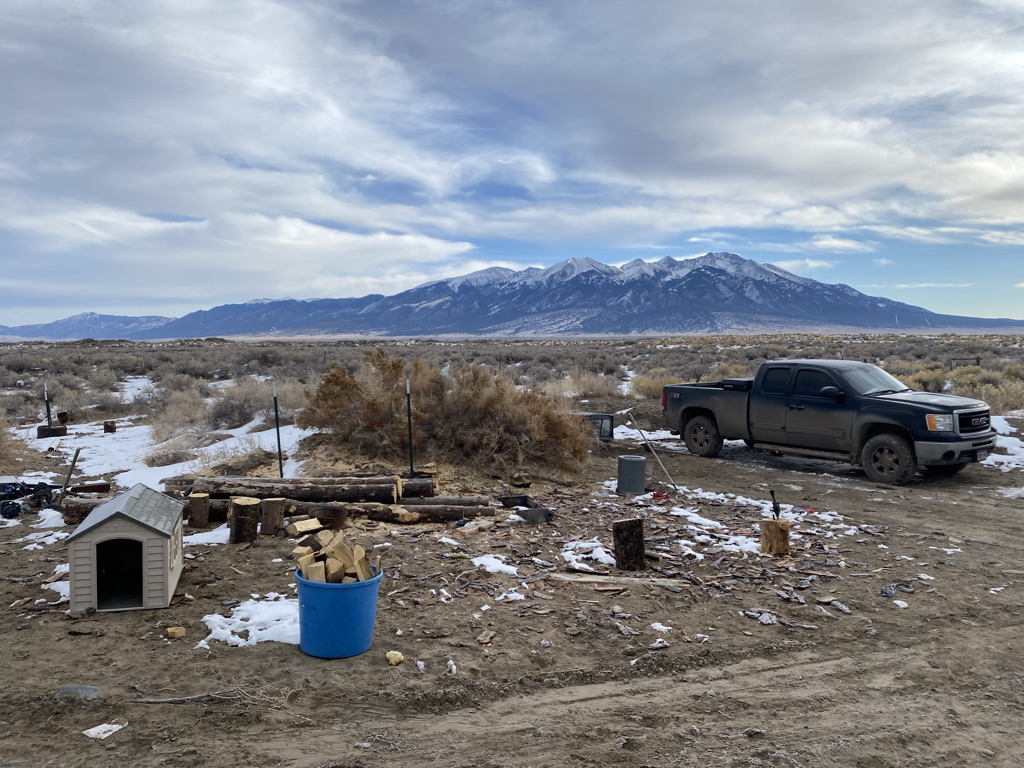
Homesteading in Southern Colorado

Location undisclosed

I did my best to keep up, as Homesteaders discussed things like tools, setting up electrical systems, building wells, cultivating crops and guns and ammo. Much of it is just to build many of the conveniences we in the city take for granted, like plumbing, food, running water and heat. All of our homes have complicated systems of electricity, water, piping and plumbing, which enable all of the conveniences of modern life. I know nothing of this world. It is all a part of this nebulous category of things that are somehow taken care of with the money we shell out when we buy our homes and pay our monthly bills.

When I entered this place, one of the first things to cross my mind was the fact that the nearest sushi restaurant is over an hour away. This, as well as many other conveniences and sources of excitement that define urban and suburban living are not easily accessible.

The concept of “homesteading” makes me think of the 19th century, when pioneers were settling vast unsettled parts of the country and President Lincoln signed The Homestead Act. What would make people decide to do this in the 2010s and 2020s? Could it be the sky high housing costs in many of our cities? Could it be something else? The homesteaders in Colorado point to a couple of other factors.

1. Energy and Lifestyle

I heard talk of not liking the energy of big city life. The city is full of pressure. It is fast paced. This appointment at 10, this meeting at 2, pick up the kids at 4, etc. Here, the day of the week and even the time of the day are far less significant. Alarms are not set. People don’t set aside a specific time to meet up, they just come by and see if their neighbors are home. It can be relaxing but certainly requires a different frame of mind. It requires abandoning concepts ingrained in modern life such as maximizing the number of tasks performed in a day.

2. The Necessary Skills for Life

For decades, the skills needed to build and upkeep our homes and other structures, often referred to as “the trades”, have been held in lower regard than most corporate jobs. These skills have become somewhat of a lost art. Recent shortages in “skilled trade labor” serve as a reminder of how important these skills really are. Homesteaders here mention preserving these lost skills in an era of desk jobs and specialization.

3. Society is Fragile

There was also talk about how fragile our society is, and what happens if we experience a collapse or state of emergency. Culture does periodically collapse. In Western Culture, there are two prominent examples of times when some combination of mis-trust, mis-management and mindless destruction lead to a fairly advanced era being followed up by a darker age. The first one was when the Bronze Age collapsed around 1177 B.C. The next is the fall of Rome, just over 1500 years later.

1500 years later, could another collapse be possible? There are plenty of legitimate reasons to be pessimistic about the future [1][2]. There are also plenty of reasons to be optimistic. Regardless of what is to come, it is probably a good thing that a significant portion of the population is interested in learning these skills.

Life here feels like life as it was two hundred years ago with the aid of some new technology. The focus is on more basic needs like food (agriculture) and shelter (building). New advanced technologies, like efficient solar power conductors and extremely accurate scopes on rifle guns, still make it feel clearly easier than 200 years ago.
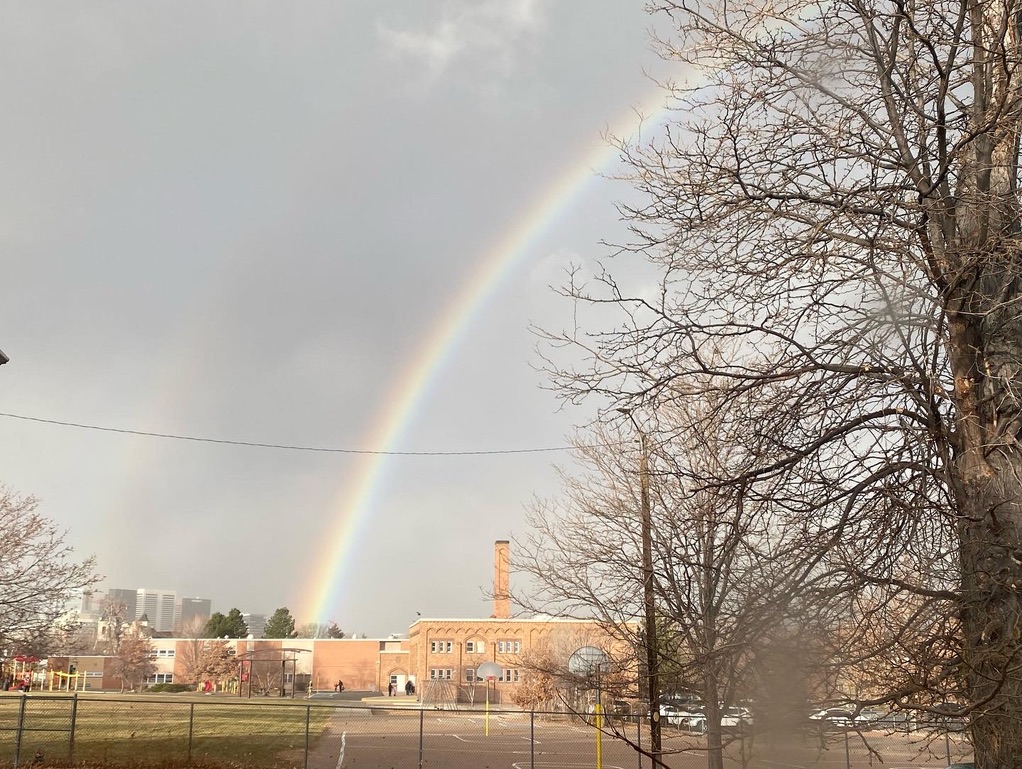
As is the case whenever there are options, there are trade-offs. In the city we have pressure, pressure to perform for our organizations, pressure to earn enough money to pay our mortgages or rent as well as buy food and all the things we want. There is the need to maintain a certain status in our chosen communities and a need to plan around things like traffic patterns, our schedules and anticipated crowds. However, there isn’t the need to worry oneself with how we get our food, water and shelter. There is also the opportunity to have a more significant impact on people, our society and our culture. It is this burning desire that will likely keep me in cities for the foreseeable future.

However, if there is one thing our current era of division and isolation can teach us, it is to stop looking at all people who make different choices based on different preferences as enemies, or threats.

Our differences make life more interesting. It is a big part of what makes travel worthwhile. If everywhere began to look and feel the same, something would certainly be lost. I do not expect a new dark age to descend upon us. However, regardless of what happens, I think it is a good idea not to piss off the group of people who know how to make our systems of food, water and electricity work.

Guest Post: The Busy Person’s Guide to Improving Your Health

This is a guest post written by Henry Moore. Henry is the co-creator of FitWellTraveler. The site blends two of his favorite subjects (travel and health) to provide readers with information about how to get the most out of both. 

Image: Pexels

Let’s face facts; life can get a bit hectic. Juggling professional and personal obligations is difficult for many people on the best of days. If you add in the occasional dose of the unexpected, it shouldn’t be a surprise that healthy living falls by the wayside.

Usually, people make unhealthy choices out of convenience. It’s easier to stop for fast food than it is to cook a fantastic meal. We get it. The thing is, if you approach wellness the right way, it’s just as easy to work into your life as anything else. If you want a straightforward strategy that can work for nearly anyone, The Action Story presents a quick busy person’s guide to improving your health.

Hour-Long Workouts Not an Option? Embrace Short-Interval Exercise

When you’re rushing between work and home, the idea of heading to the gym for an hour-long sweat session might seem impossible. Similarly, getting up at the crack of dawn to exercise for 60 minutes before heading to your work might not be practical. Luckily, neither of those is a necessity.

Yes, just as the American Heart Association explains, it’s true that adults need 150 minutes of moderate-intensity exercise every week to support good health. However, you don’t have to use long workouts to reach that target. Even 10 minutes here and there can do the trick as long as you get into moderate-intensity territory every time.

So, don’t focus on carving out big chunks of time. Instead, squeeze in 10-minute sessions two or three times per day throughout your week. That way, you can hit the target without derailing your life.

Need to Fight Fatigue? Get Your ZZZs

When it comes to wellness, you can’t underestimate the power of shuteye. While you’re sleeping, your body does amazing things, like repairing tissues, replenishing energy, and some serious mental organization.

Quality sleep needs to be a priority. For adults, that means getting at least 7 hours of ZZZs each night.

Additionally, you want to create a functional bedtime routine. This includes forgoing caffeine and alcohol late in the day, saying “no” to electronic devices, and taking some time to relax. That way, when your head hits the pillow, you’ll be out like a light.

If you constantly have trouble falling or staying asleep, or you never seem to wake up feeling rested, the CDC notes it’s possible you could have a sleep disorder. If that might be the case, see your doctor right away. Then, they can discuss your symptoms and develop a treatment plan that will help you get the rest you need.

If your living arrangements aren’t conducive to getting as much quality rest as you need, look into moving to another location. Maybe it’s an apartment on a quiet street. You have plenty of options available in the area; in fact, you have your pick of nearly 5,000 rentals in Denver, CO. Search online and use Apartment List’s map to find the right neighborhood for you.

Need a Change of Scenery? Take a trip!

Sometimes simply getting away on a short trip is enough to get you out of a rut. It could even be a weekend getaway, a good option if you don’t want to use up your workplace’s vacation days. Explore nearby towns and destinations, and consider getting in a little exercise with a hike in a park you’ve always wanted to check out. The possibilities are endless in locales throughout Colorado, a region known for its outdoor adventures.

Job Got You Down? Make a Change

For many people, their jobs are a source of constant stress. When you aren’t inspired by your work, feel bored every day, or start seeing signs of burnout, it’s normal to feel a bit miserable. Similarly, if your workplace is toxic, you might experience symptoms of depression and anxiety, making a tough situation harder.

In any of those cases, a career change might be your ideal solution. Heading toward something new might brighten your mood and reignite your passion. That’s all outstanding for your wellbeing.

Alright, changing jobs doesn’t sound like a simple way to improve your health. But in reality, it can be if you use the right approach. By enrolling in an inexpensive, flexible online degree program, you can start a new chapter while maintaining a ton of flexibility, allowing you to maintain a balance while you get on the path toward a brighter tomorrow. Whether a job in IT is your dream or you prefer something in the medical field, there are schools with programs that can make it happen.

Living busy is commonplace these days, but that doesn’t mean you need to live unhealthy. Snag a workout here and there, make sure you go to bed when you should, and if your job isn’t conducive to happiness, give it a refresher. With just a little tweaking, you can ensure that living full days goes hand-in-hand with living a long, healthy life.

20 Years Later

Okay, so I know this blog is a couple of weeks late. On September 11, 2021 I visited the International Quilt Museum in Lincoln, Nebraska to honor the 20 year anniversary of one of the most horrific events of my lifetime.

Sometimes, it is difficult to explain to those who were not yet alive or too young to remember how this event made a lot of us feel.

Many people describe the period of time between the end of the cold war (1989) and the September 11th attacks (2001) as a “break from history” of sorts. 12 years is not a long time when considering the overall course of history. However, 12 years is significant when it comes to the course of one’s own life. Many people, especially those who were quite young during that time period, got accustomed to a world that did not seem that dangerous.

It is why Trying to Make Sense of It is a very appropriate name for this exhibit. On that day, and for the weeks and months that followed, what most of us were trying to do is try to make sense of it. I recall it was the era of AOL Instant Messenger and when we were away we would put up away messages that would function as kind of an auto-reply to anyone that messaged us. That day mine was…

So we’re different colors and different breeds. And different people have different needs. It’s obvious you hate me though I’ve done nothing wrong. I never even met you so what could I have done? (Depeche Mode, 1985)

Yeah, I like to quote song lyrics.

The museum exhibit is a really good one. It contains some writing about how we all felt during the event.

There was also bunch of tables where people can use blocks to create their own art. I think it is mainly for children, but I made one anyways.

Typically, when I get a chance to do something creative, I try to do something off the wall. However, with the memories of growing up in pre-9/11 New York, all I really wanted to do was create two identical square shaped towers and remember how the skyline once looked.

The main part of the exhibit is a series of quilts that were made to honor those who died that day. There were a lot of them, some had names, some had flags and other designs. There were people from other countries that died that day, and those flags are represented here too.

Already emotional, the thing that got me into tears was actually seeing the faces of some of the victims. I guess that is how human emotions work.

That day I was generally fixated on the past, listening to a station called XM-FLY, which plays a lot of music from that time. However, I began to reflect on the event’s lasting legacy.

The first few months we seemed so united. For a little bit of time, a moment in history, all of our differences didn’t matter. All that mattered was that we were all American. We were all sad, mourning the deaths and pledging to be strong and continue living as free and prosperous people.

This would be the last time in American history anything would feel like that. It wouldn’t be long before we would first become divided over our response to the attacks and military interventions in Afghanistan and then Iraq. Then, a financial crash would cause us to lose faith in many institutions. Social media would further divide us. The economic stress and loneliness caused by these two developments would lead to all new divides, including the generational divide that created “those damn Millennials” and “OK Boomer.”

I wonder what the people who perished that day, especially those who heroically took down flight 93 before it could crash into the White House would think about where we are today. Maybe some of them would understand. Maybe some of these large scale trends are more powerful than any one event. Recently, after viewing some mean spirited content on Nextdoor, an app meant to connect neighbors, I came to the realization that any platform that facilitates asynchronous chat where people do not have to see people’s facial expressions will descend into nastiness, the same way Facebook, Reddit and Twitter have.

Part of me misses that world of national unity. However, it is important to be realistic. First, it was never going to last. The fact that another tragedy that has lead to far more deaths, COVID-19, has only made us more divided is evidence of these more powerful cultural forces. Second, times of national unity commonly revolve around a crisis; the War of 1812, the World Wars, terrorist attacks, etc. Maybe it is time to find some national unity around something positive. However, sadly, with where things are it feels like we could not be further from that moment. There’s too much fear around us.

Pittsburgh- a City That Feels Everywhere at Once

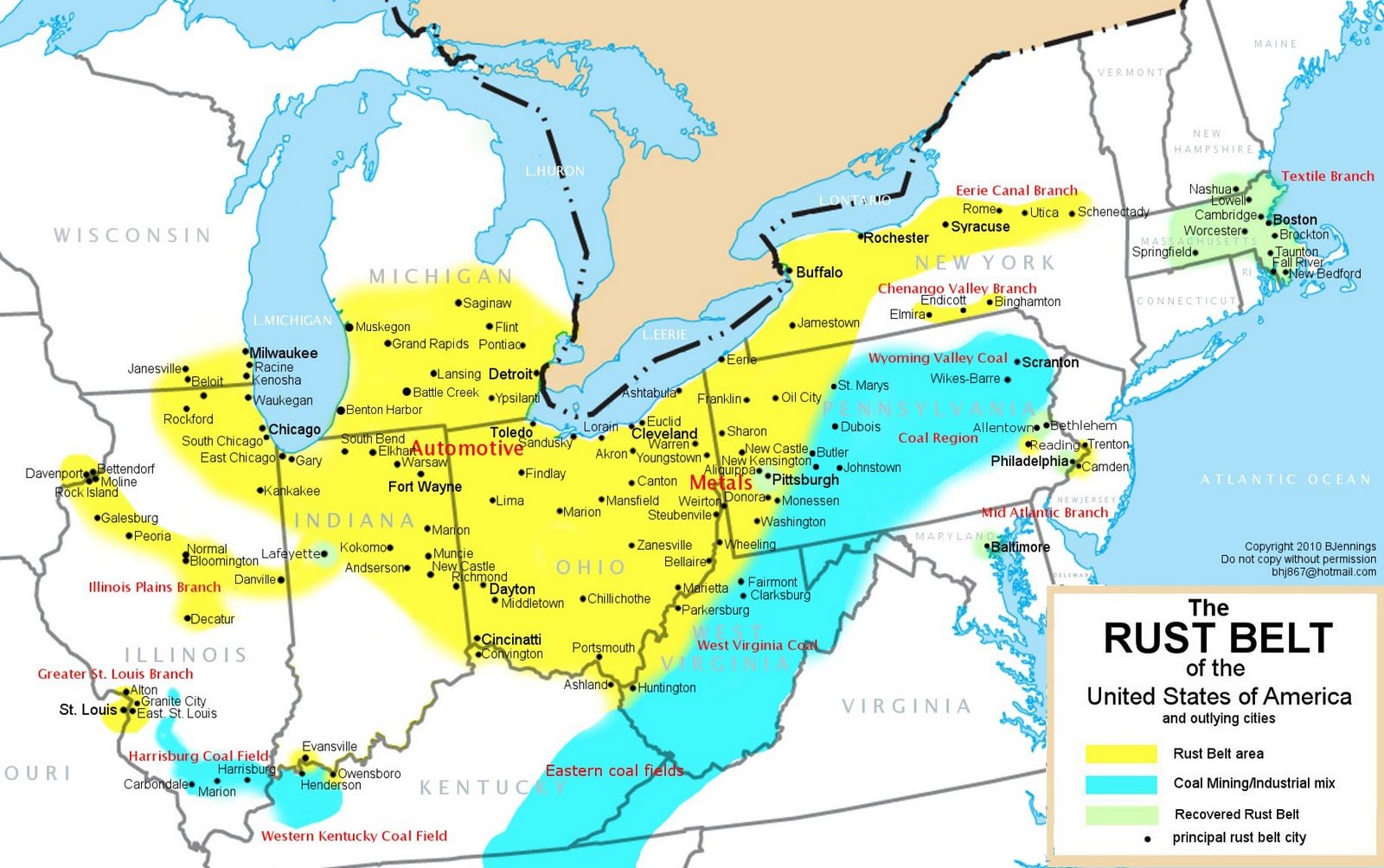
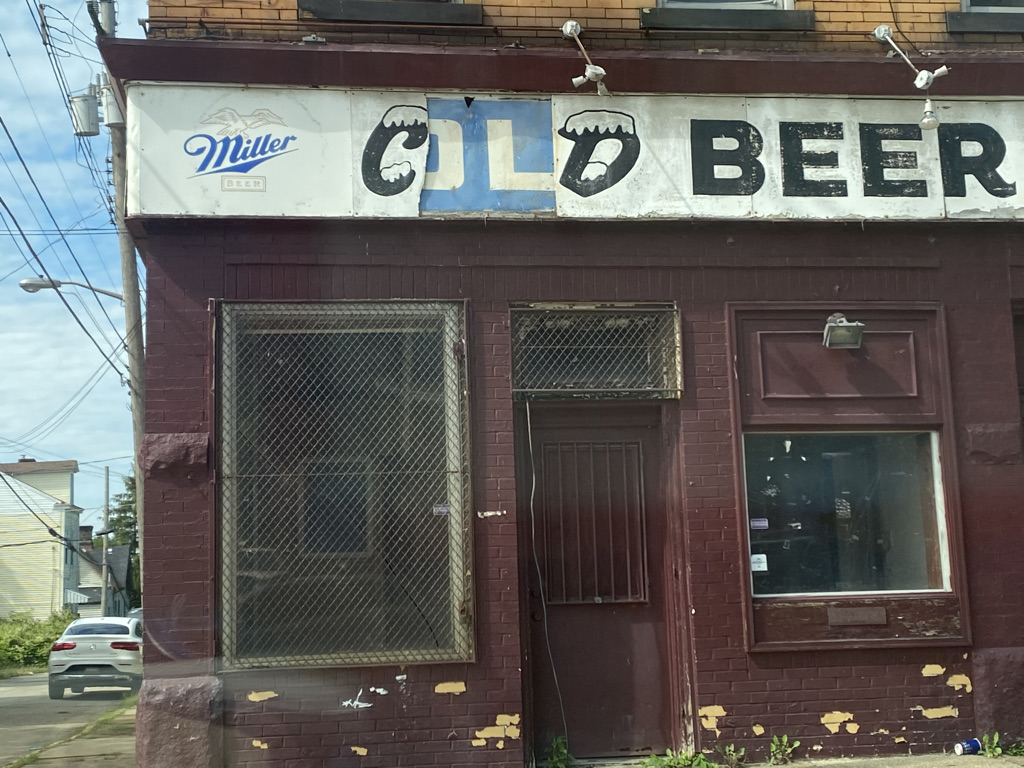
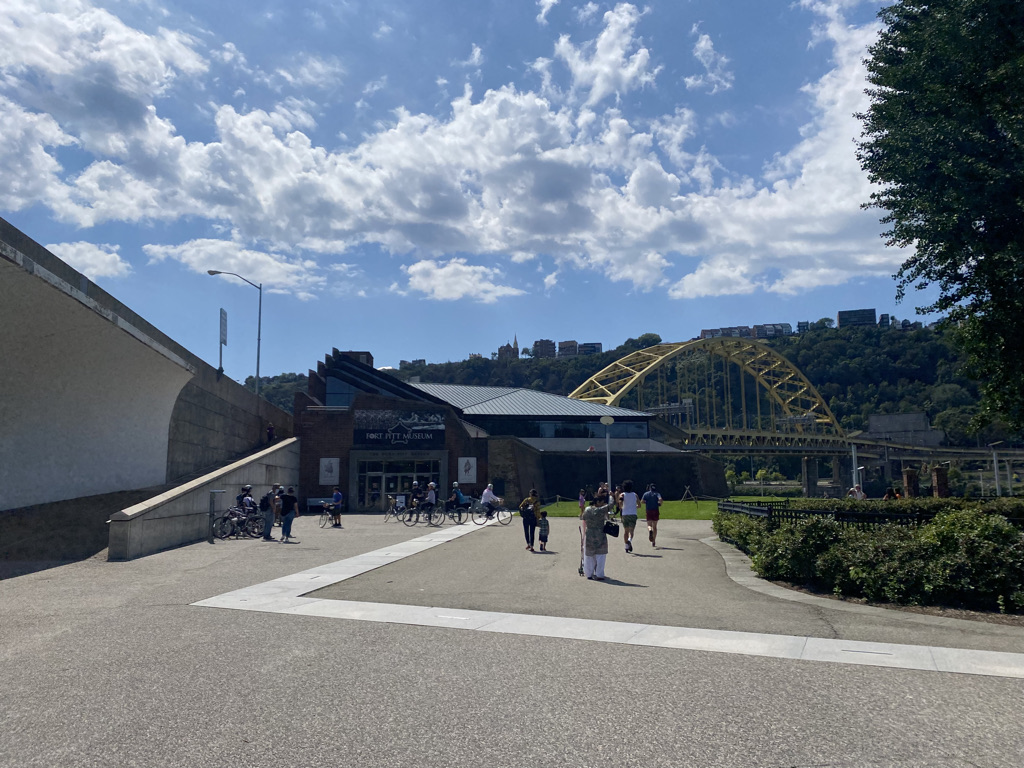
For people who love putting things into categories, Pittsburgh has to represent an absolute nightmare! Known as the “Steel City”, no regional map would not place it firmly in the rust belt. Like other rust belt cities, it fell on some hard times when many key industries collapsed in the final 30 years of the 20th century.

However, Pittsburgh is also known for having made a comeback. It’s considered a blueprint for other cities looking for a revival after suffering from the decline of their primary industries.

Pittsburgh’s revival is commonly attributed to versatility in embracing new industries like health care and technology. The education infrastructure and leadership with a more long-term focus is credited with creating the conditions needed for the city to once again thrive.

The story is reminiscent of countless personal stories of people who suffer major setbacks in life and later make a comeback. These stories often involve people who become complacent and stagnant. Typically their livelihoods get disrupted by external events they are unprepared for. Their personal revival stories typically revolve around a combination of adapting a new way of looking at things and tapping into core strengths they possessed all along.

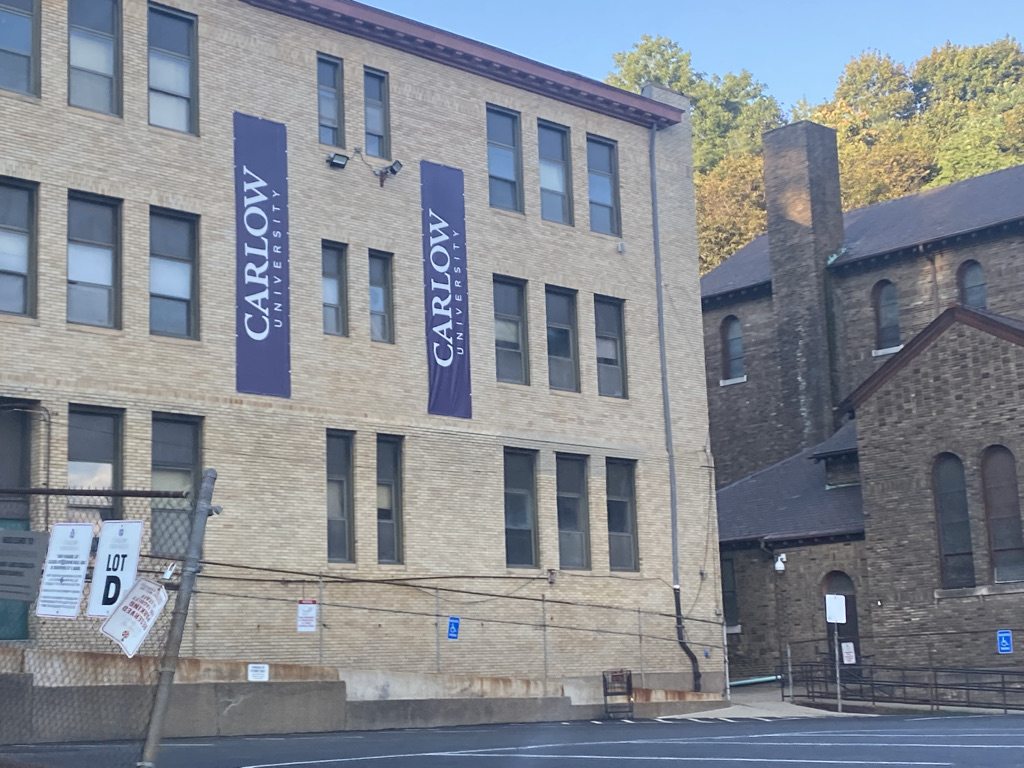
For a long time, Pittsburgh was a place that valued science and education. It is home to several major universities.

Benefiting from it’s hilly terrain, it is also home to the Allegheny Observatory, an observatory over 150 years old where countless star distance calculations have been made.

The hilly terrain makes Pittsburgh unique in other ways.

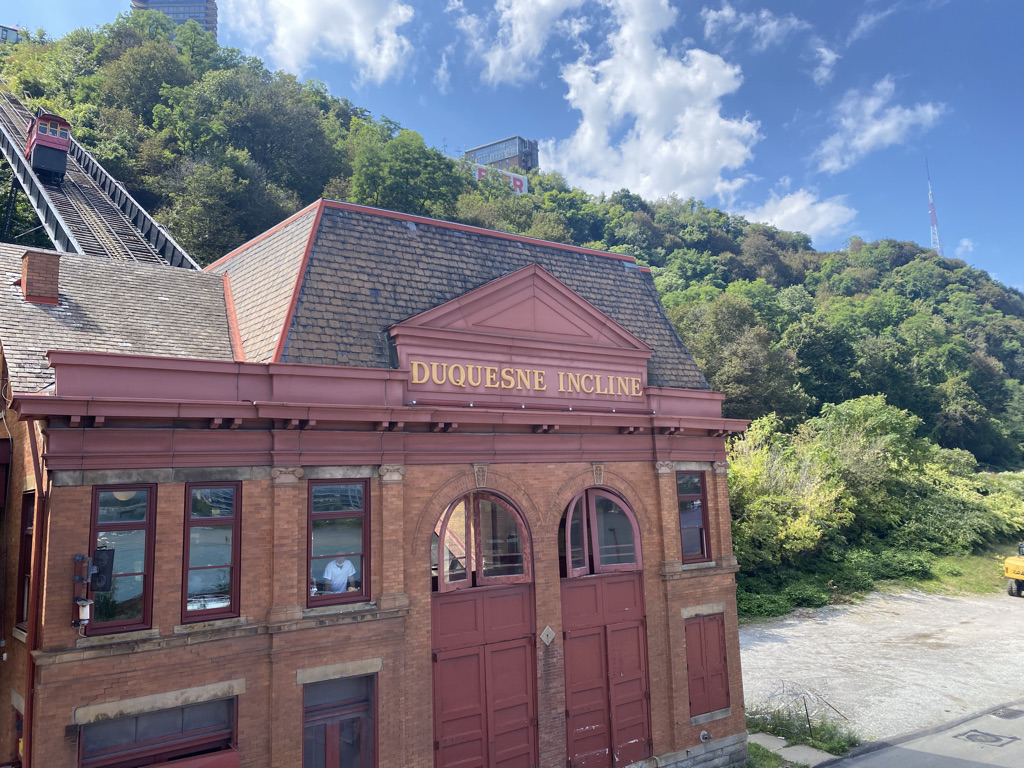
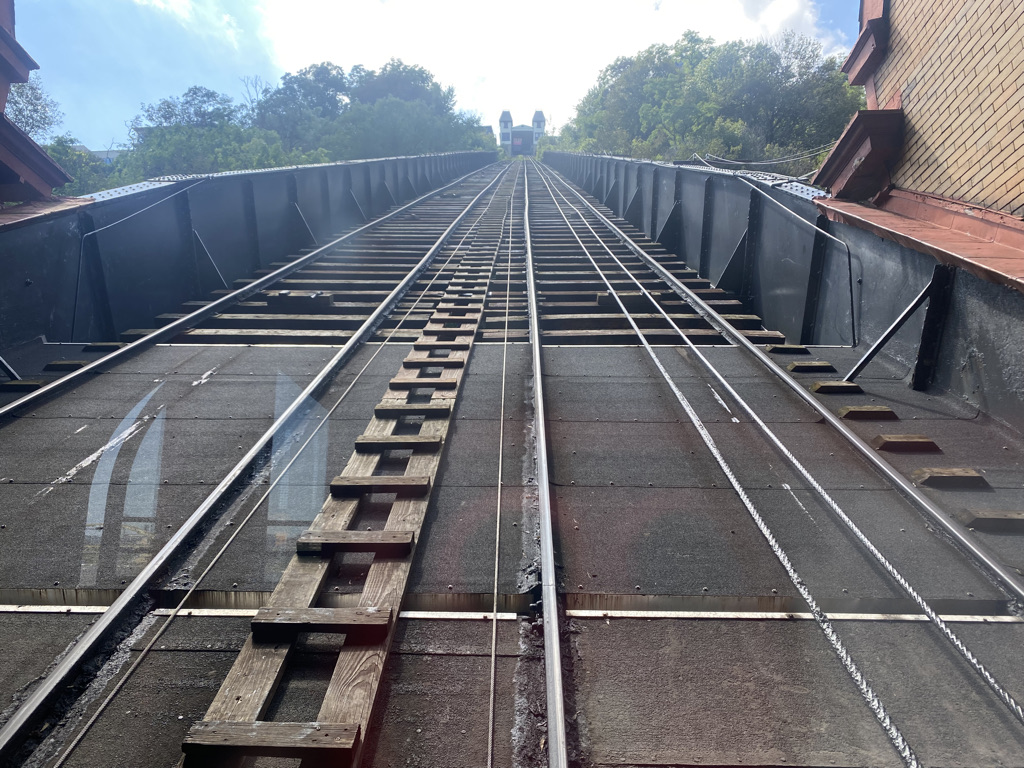
One of the city’s top attractions in the Duqeuesne Incline, a reasonably priced and dog friendly tram one can ride to overlook the city.

It’s also a historic commuter train as walking up the side of a bluff is often treacherous.

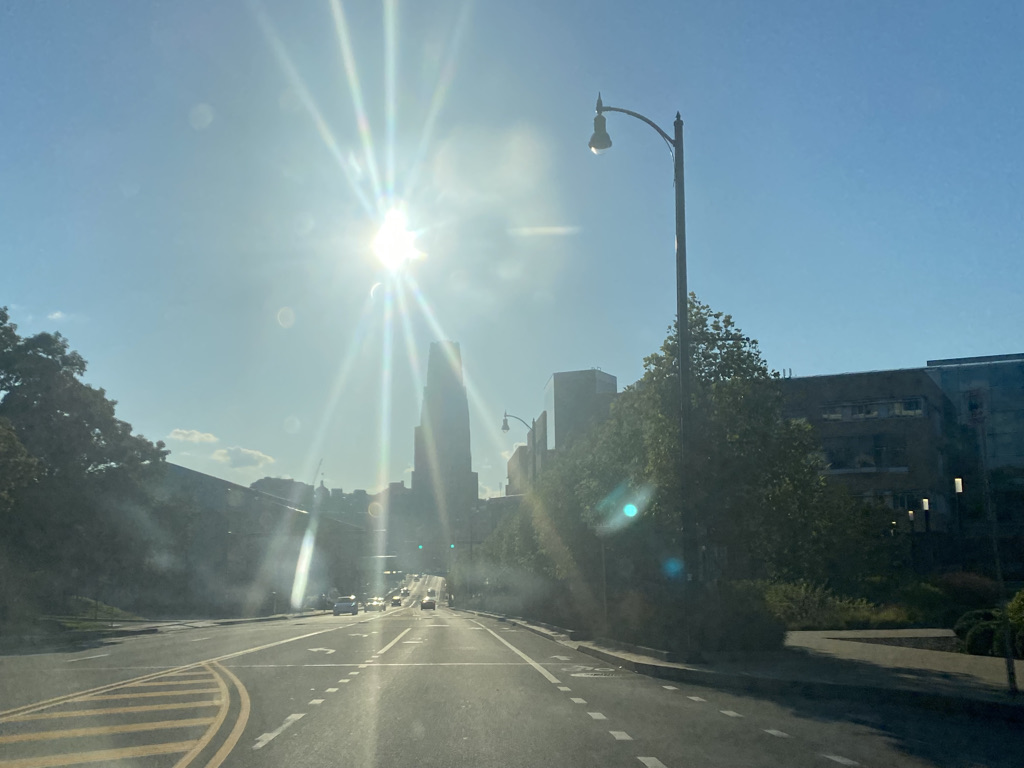
In fact, the entire layout of the city is forced by these geographical features. The city’s downtown is situated where the Allegheny and Monongahela Rivers converge into the Ohio River.

Both the football and baseball stadiums are right downtown.

Along with your typical big office buildings and a square which surprisingly seems to attract a lot of loud cars and motorcycles.

To the east of downtown, sandwiched between the Allegheny River and a densely forested bluff is the strip district, which seems like a standard tourist destination.

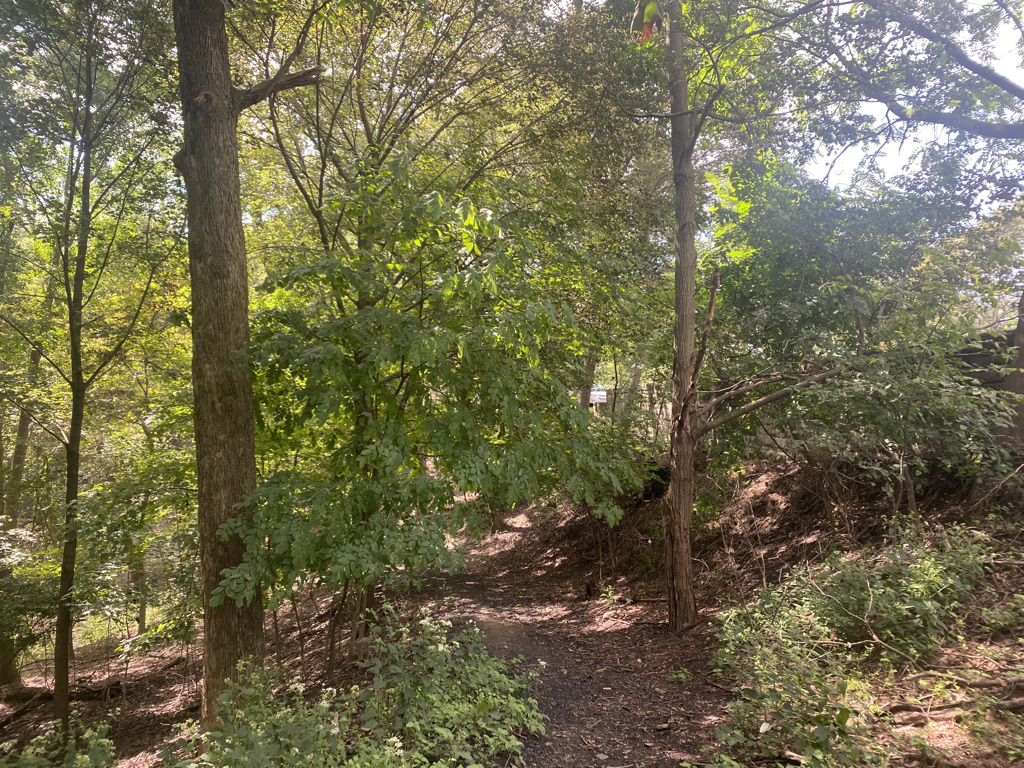
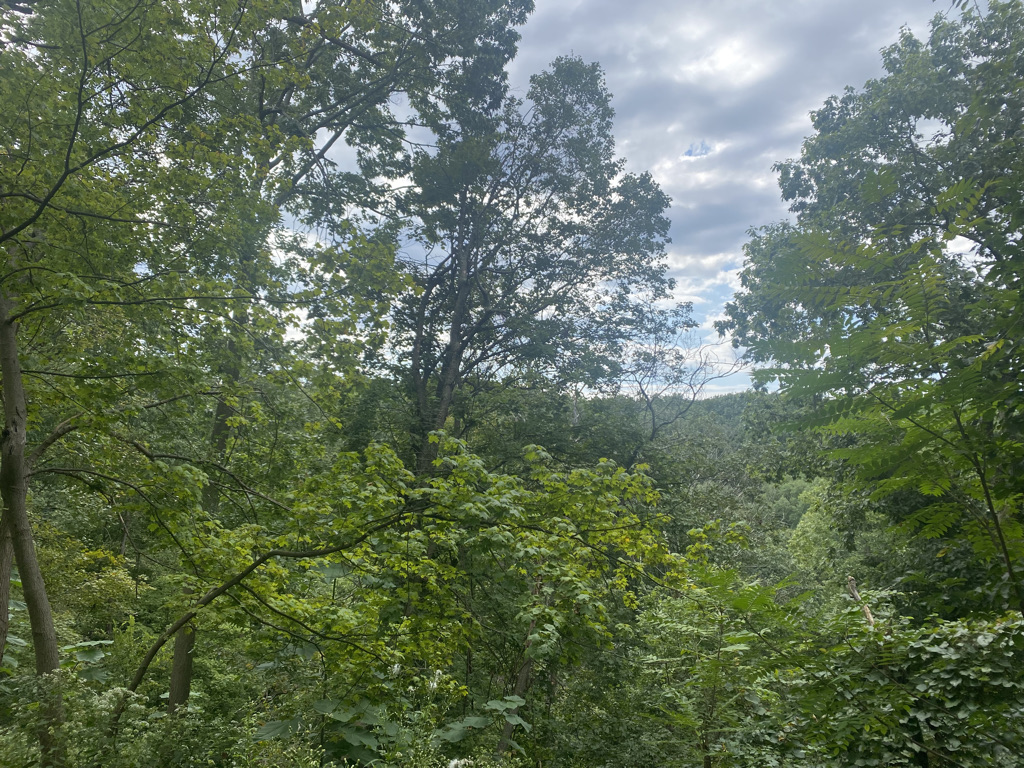
Pittsburgh’s most unique quality has to be legitimate hiking within the city limits. Riverview Park, on the north end, is one of several places with a system of trails that have significant terrain and fairly dense forests.

It is also a place with plenty of other parks.

When many think of Pittsburgh, they may still think of it as a rust belt city with a rough exterior.

That, of course is only part of the truth, one aspect of the city’s culture. Many of the things Pittsburgh was about before the decline and subsequent revival are still there. There is still all the ketchup.

Pittsburgh’s history also involves a lot of food and traditions based on Eastern European culture.

However, the city has managed to incorporate the amenities demanded by talented urban professionals in the 2020s.

We all are, in a way, every chapter of our lives. A tour through Pittsburgh shows the city before the steel industry declined, during its dark days and in the current era. It’s a reminder of all of our personal stories and how even during the more prosperous times in our lives, the bumps we experienced along the road, as well as who we were before experiencing these setbacks are still a significant part of who we are. Battle scars don’t go away, they are just put into context.

Despite my sincere desire to avoid categorization or labelling, I could not help but want some kind of quick description of what Pittsburgh is. Do people think of it as on the up-and-up or in decline? Do people know how Pittsburgh is viewed by others? What region do they consider themselves to be in?

Pennsylvania has recently emerged as quite possibly the most important state in presidential politics. Walking around town, I could not help but wonder if people here were already starting to dread the inevitable onslaught of political ads that will be absolutely impossible to avoid in the run up to an election that is still over three years away.

When people try to make sense of this state, they will often say the state has a genuine east coast city in Philadelphia, aspects of rust belt and Appalachia and a midwestern city in Pittsburgh. But, some aspects of Pittsburgh felt downright eastern to me. There are the tunnels.

The bridges.

Some neighborhood have really tight roads, reminiscent of the Northeast.

As it is on the East Coast, the roads are often not in straight lines and the intersections are often not 90 degree angles.

In just over 24 hours, my long dormant east coast instincts regarding driving, walking pace, how to act and how to time things kicked back in.

What does the future hold for Pittsburgh? Based on what I have read and seen, it seems like the ability to adjust, long-term focus and unique spirit has not gone anywhere. So, most likely it will be a good one.

As long as people don’t get sick of cloudy days.

A Very Special Day for a Friend in Akron, Ohio

What we seek out, what we invest in, and what we are willing to spend our time and money on has undergone an uneven and somewhat nebulous transformation thus far this century. Perhaps this is because I grew up in the suburbs, but at the turn of the century, life seemed to revolve around shopping malls and the pursuit of material possessions. Since then, my focus has undergone two major shifts, one at the start of the century and one quite recently.

I now have nearly a decade’s worth of entries in this blog, primarily about travel and experiences. The transition from focusing on the material to focusing on the experiences, society-wide, can be seen on Instagram. The Instagram era, and what many people see in their feeds, is the embodiment of people switching from seeking out bigger homes and more stuff to put into them to seeking out experiences in general, many of which have been shared on Instagram over the past decade.

As I pointed out in two earlier blogs [1][2], this year, after all that recently happened, I suddenly found myself most interested in connecting with people. There are a lot of people who have and/or continue to play an important role in my life. At this point in time, this feels like the most important use of my time and energy.

We’re also seeing this shift society-wide. More people are talking about the importance of connecting with locals and local culture while traveling. People are now sharing tips and even building apps to facilitate this pursuit.

To end the Summer of 2021, I went to Akron, Ohio.

To go to a Minor League Baseball Game.

Traveling 1300 miles (2100 km) to go to Minor League Baseball game is not something that is going to appear on anyone’s bucket list. As was the case with my earlier trips this summer, the purpose of this trip was connection.

That being said due to its location in the “rust belt”, Akron often gets a bad rap. However, there is more to the place than industrial decline. It’s probably not the most desirable place to live but it is certainly underrated.

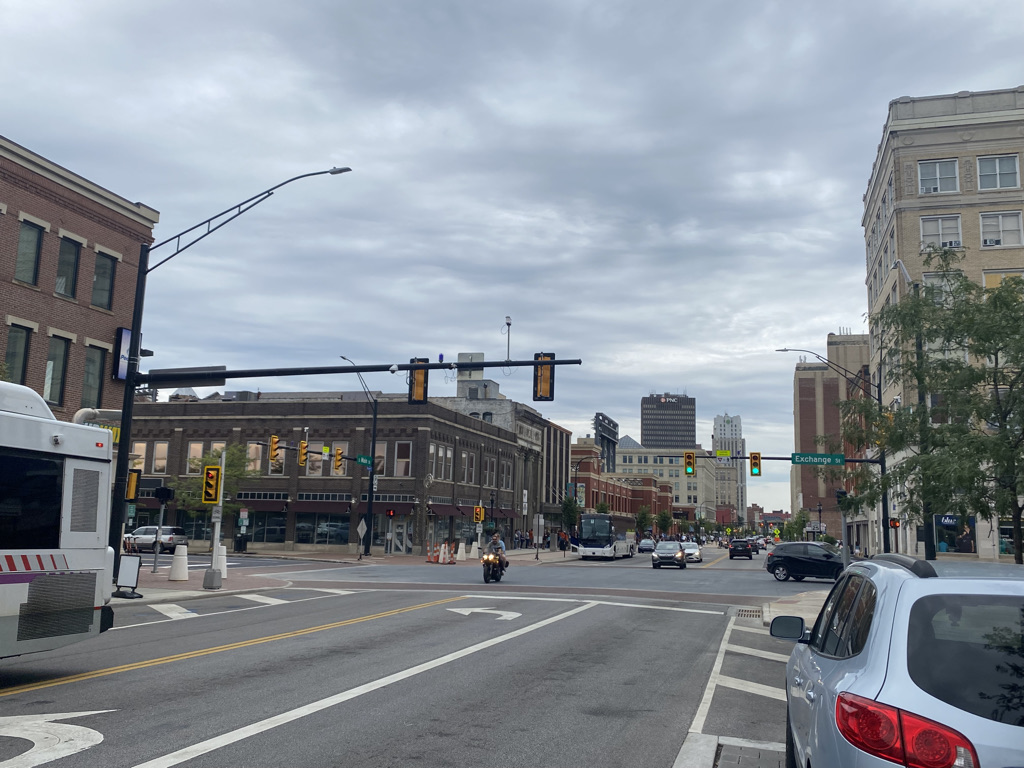
It has a fairly lively downtown.

There are other interesting neighborhoods with some interesting places to go.

And, there a lot of outdoor places to explore.

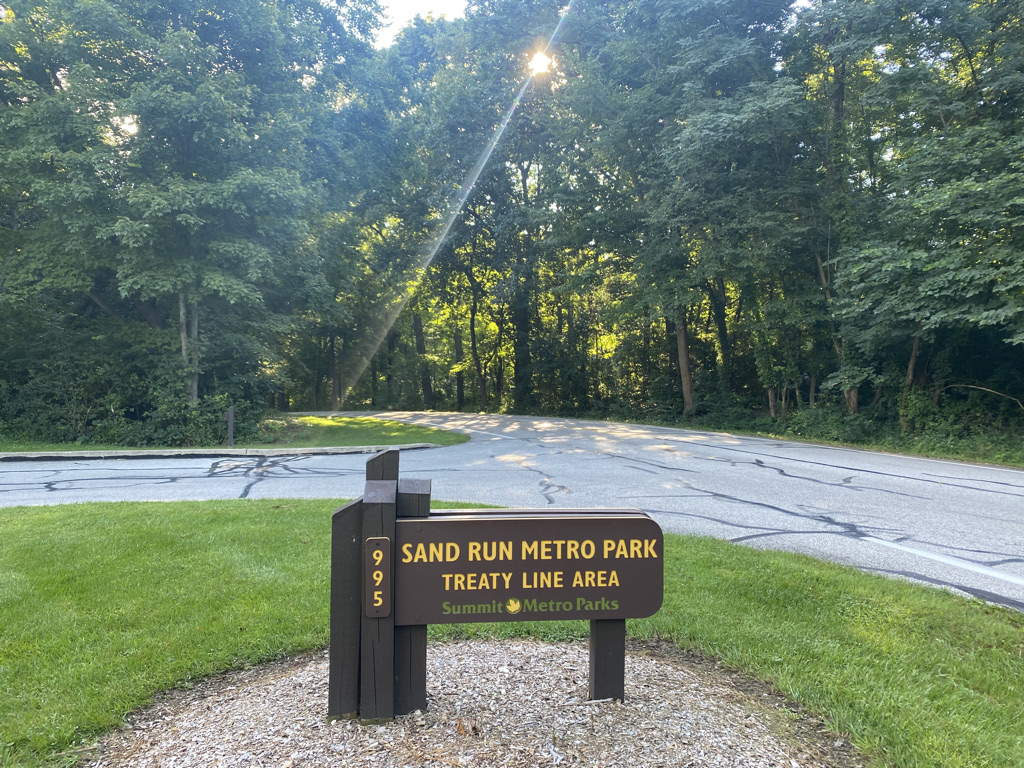
The Summit Metro Parks are right next to the city.

In this park there a series of trails with dense deciduous forests and a little bit of terrain!

The Buckeye Trail runs right through the park.
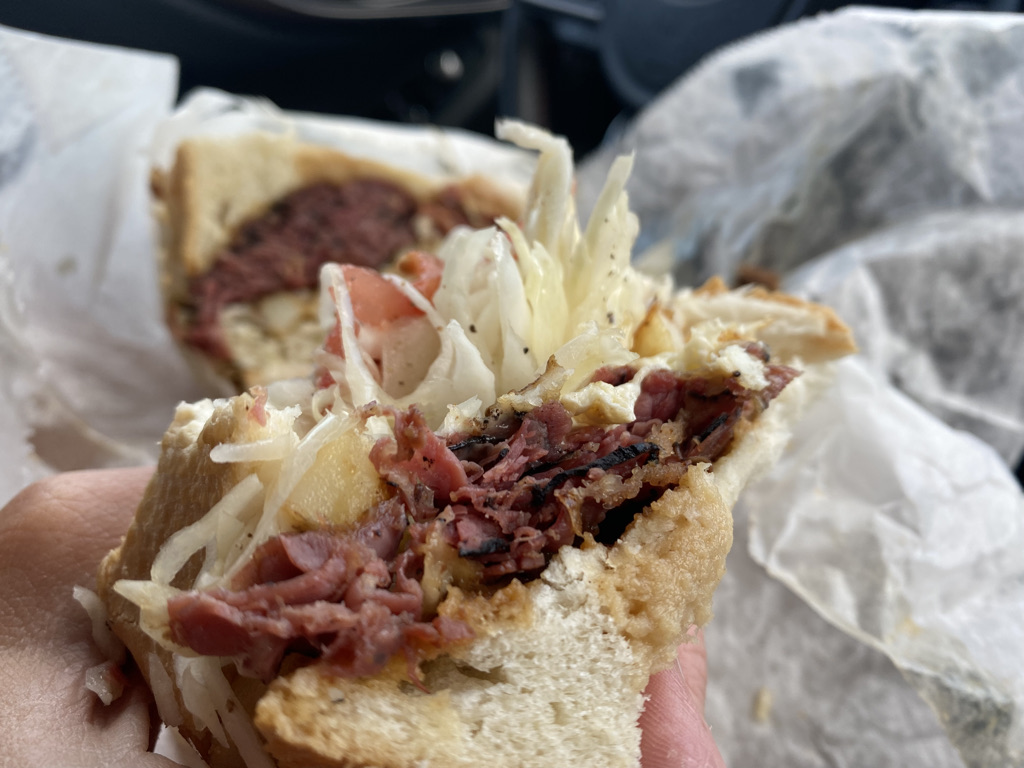
There are also some other hidden gems.

This particular railroad crossing reminded me of another time and place where people would commonly run or dismount a horse and jump into the open car of a moving freight train.

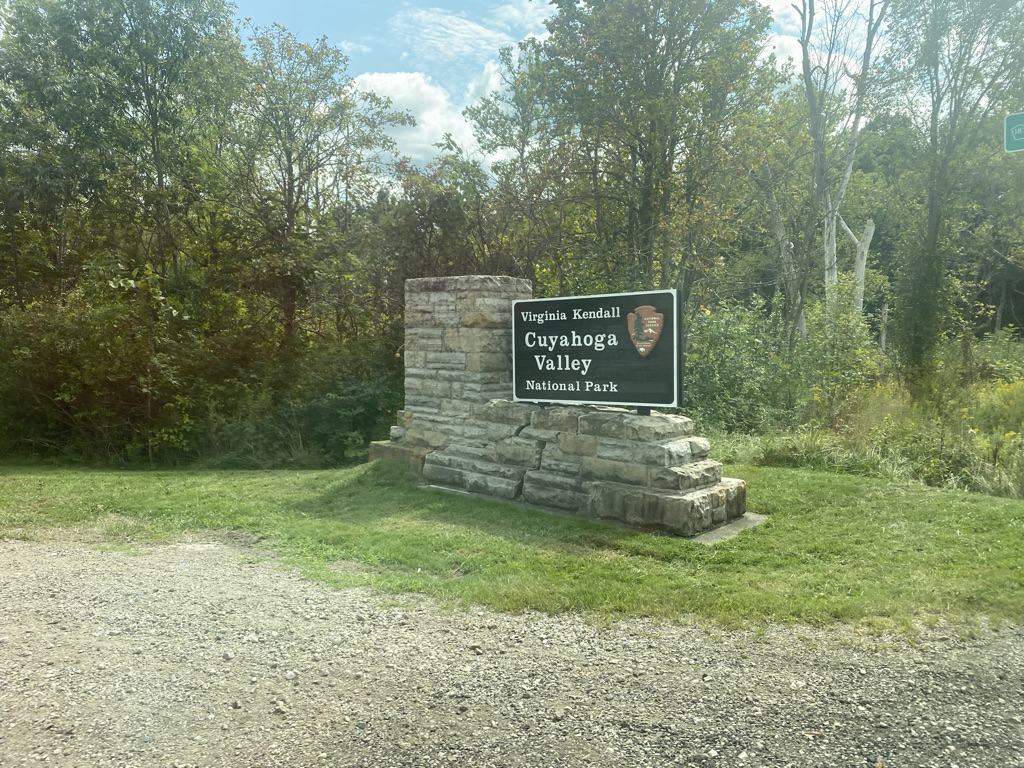
The other gem close to Akron is Cuyahoga Valley National Park.

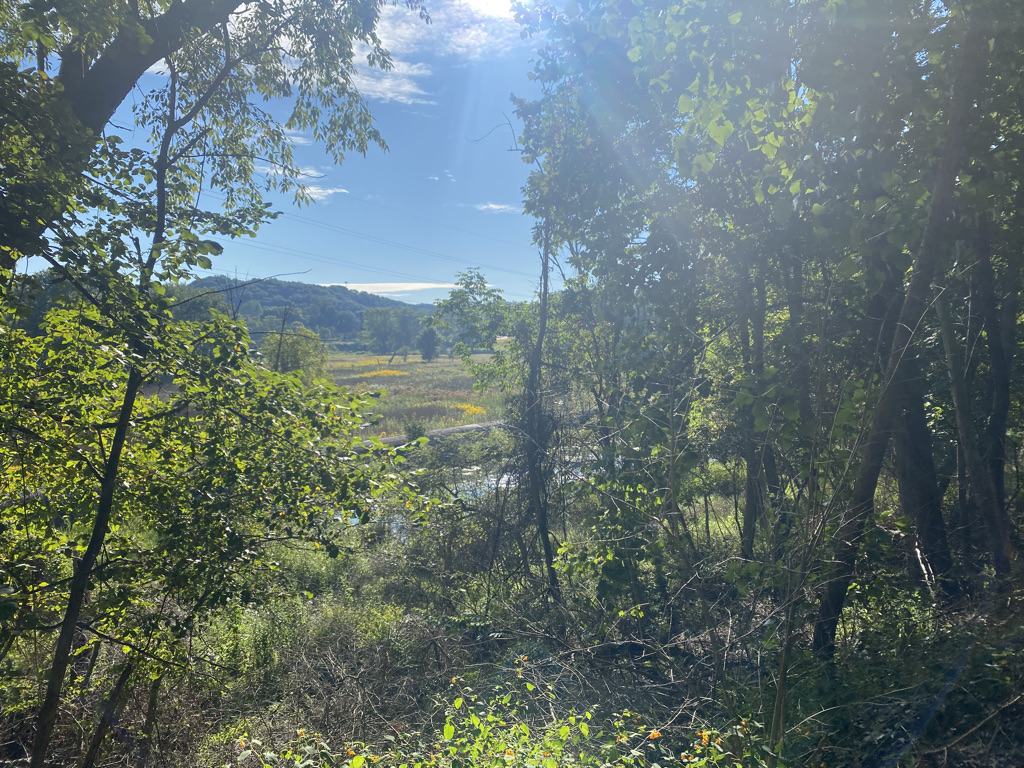
Hiking in Cuyahoga Valley National Park is fairly similar the Metro Parks hikes. There are the trees and rolling hills.

Cuyahoga Valley is one of the free National Parks. It also does not appear to be as crowded as some other National Parks can be.

Akron is also right in the middle of an 87 mile trail that connects it with Cleveland, as well as Canton and New Philadelphia. Following the Cuyahoga River, runners and cyclists encounter some scenic spots.

As society shifts it focus from the material to experiences and connection, as we shift our priorities, expectations, habits, and how we perceive work, value and power, our patterns of travel will shift. The conciseness on the post pandemic world where we use virtual meetings more, is that there will be less travel for work and more travel for pleasure. It also feels like more combination trips are in our future. This is because, it is possible to meet people and coordinate work virtually, without having to spend time, money and energy traveling. However, to CONNECT, whether it be with other people, with places, cultures or ourselves, will still require significant amounts of travel. What will likely shift is where we go, when we go there and how we get there.

My Thoughts on Turnpikes

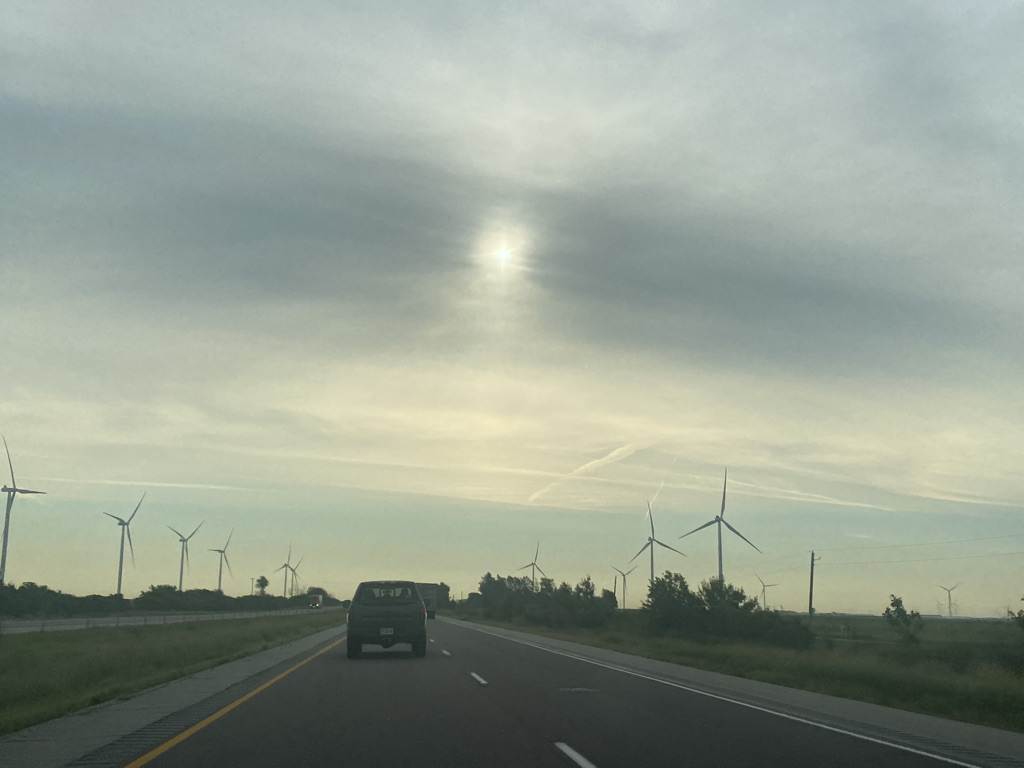
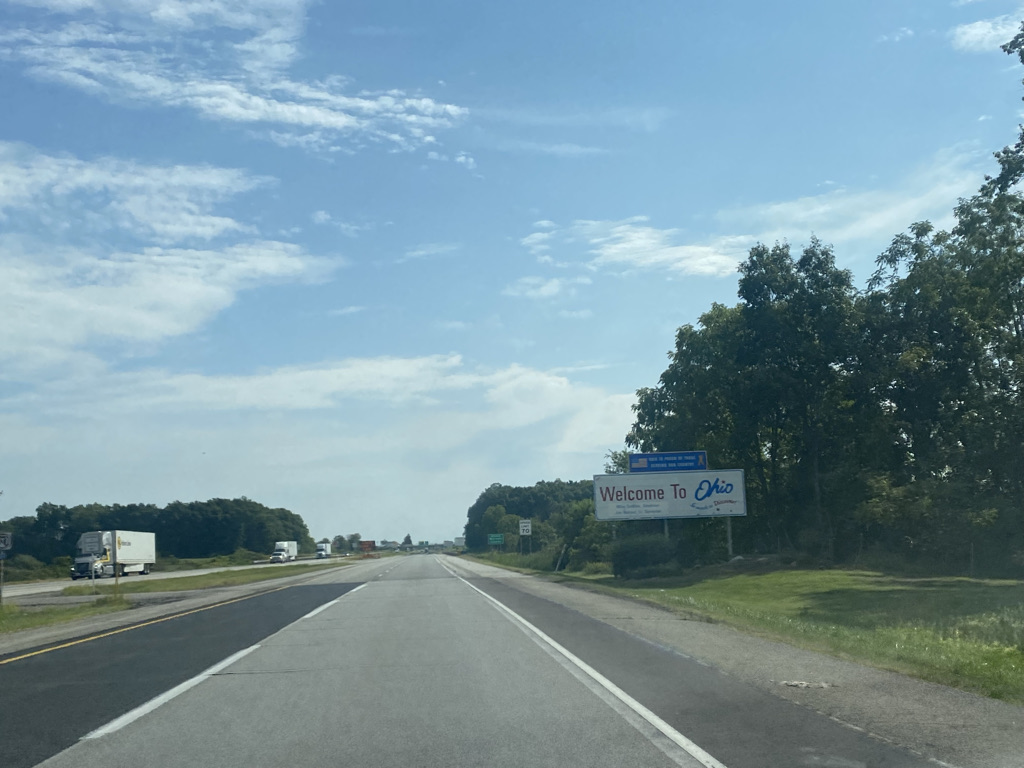
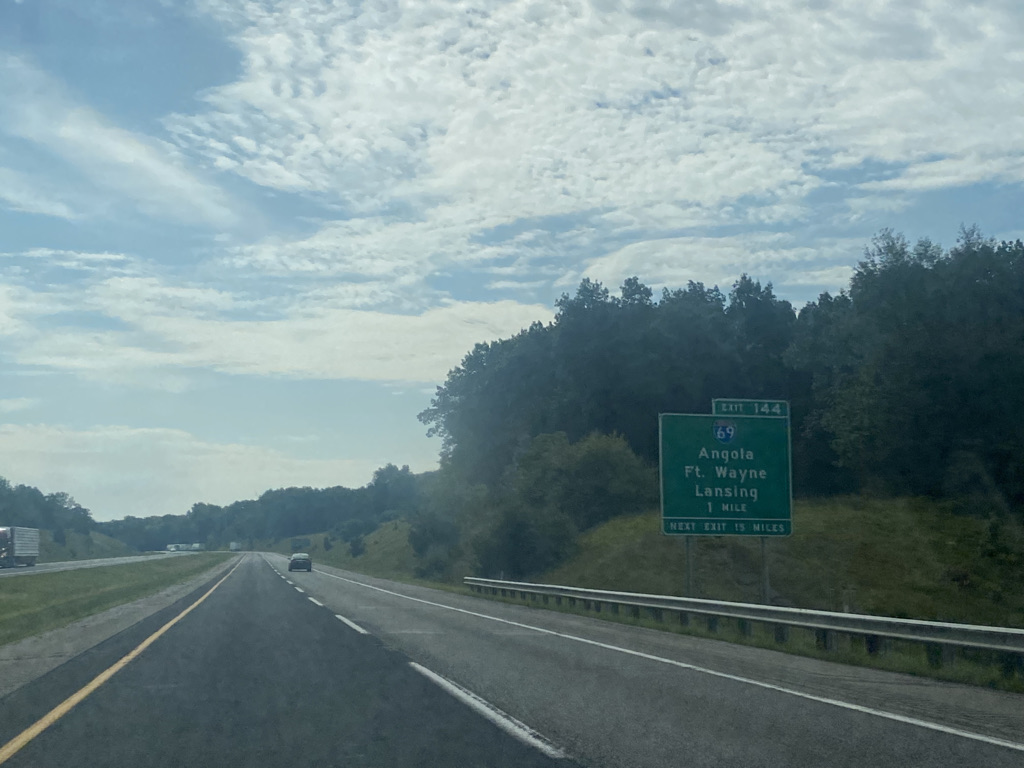
The Indiana Toll Road and Ohio Turnpike are not the most exciting of journeys. Much of the area looks exactly the same. The terrain is quite flat. There is corn and soy everywhere. The road connects a series of medium sized cities, coming close enough to efficiently connect them without actually passing through them. It is a form of transportation that maximizes one thing and one thing only: temporal efficiency.

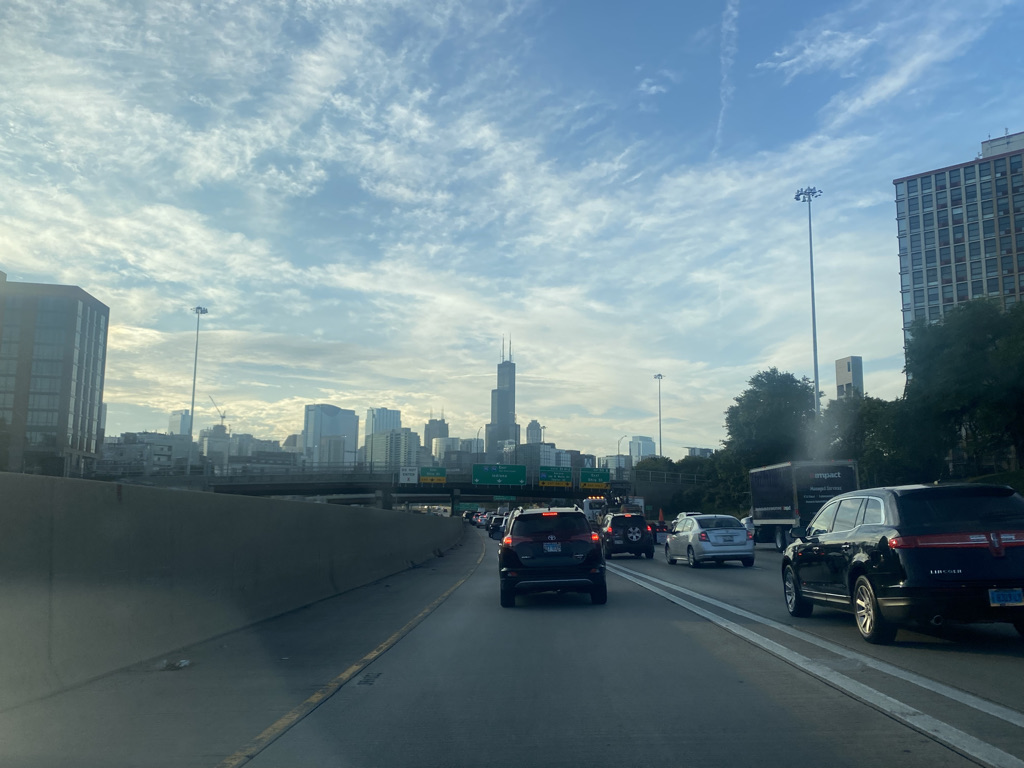
In the Midwest, all roads start and end in Chicago. It took me a while to realize that, while Chicago is right in the middle of the region known as the Midwest, and is its unofficial capital, Chicago is really nothing like the rest of the Midwest. It is a big international city. It moves at a pace that is closer to that of other large cities than the rest of the Midwest.

Once someone leaves the greater Chicago area, they are likely to encounter a completely different mentality and a completely different way of life.

Chicago also kind of divides the Midwest. There are some subtle differences between what lies to the West of Chicago and what lies to the East. These subtle difference are probably only commonly thought of by those of us who have lived in the Midwest and those of us who have driven across the entire region and had time to observe it.

While there are farms everywhere in the region, the Western part of the region, West of Chicago seems to be built more around farmland. They have leveled enough trees to increase surface wind speeds (dense forests tend to reduce surface wind speeds) enough to make it a good place to build wind farms. The economies of many of the medium sized cities in this region are centered around farming equipment,

East of Chicago, trees are more plentiful. Medium sized cities here are a bit more frequent and they have more of a “rust belt” feel.

Cities here tend to have nicknames around what product are manufactured here…

  • Gary the Steel City
  • South Bend the Wagon City
  • Elkhart the RV Capitol of the World
  • Toledo the Glass City
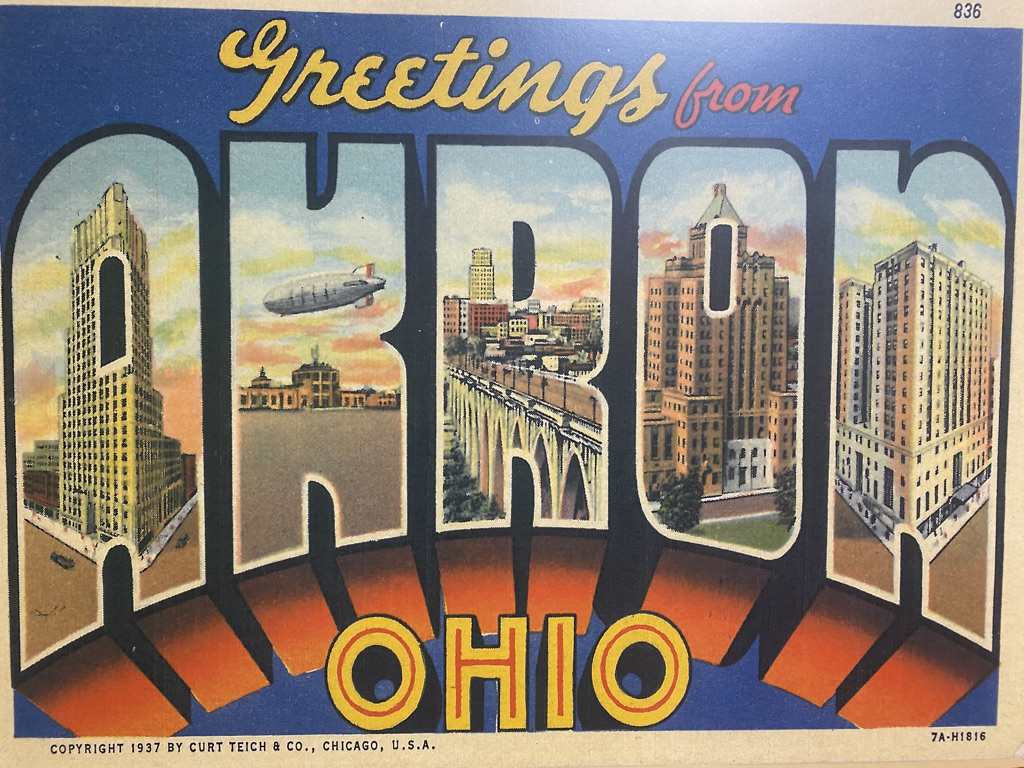
  • Akron the Rubber City

As is the case with the subtle but noticeable difference between the region to the West and the region to the East of Chicago, there is also a subtle but noticeable difference between driving on turnpikes and driving on other highways.

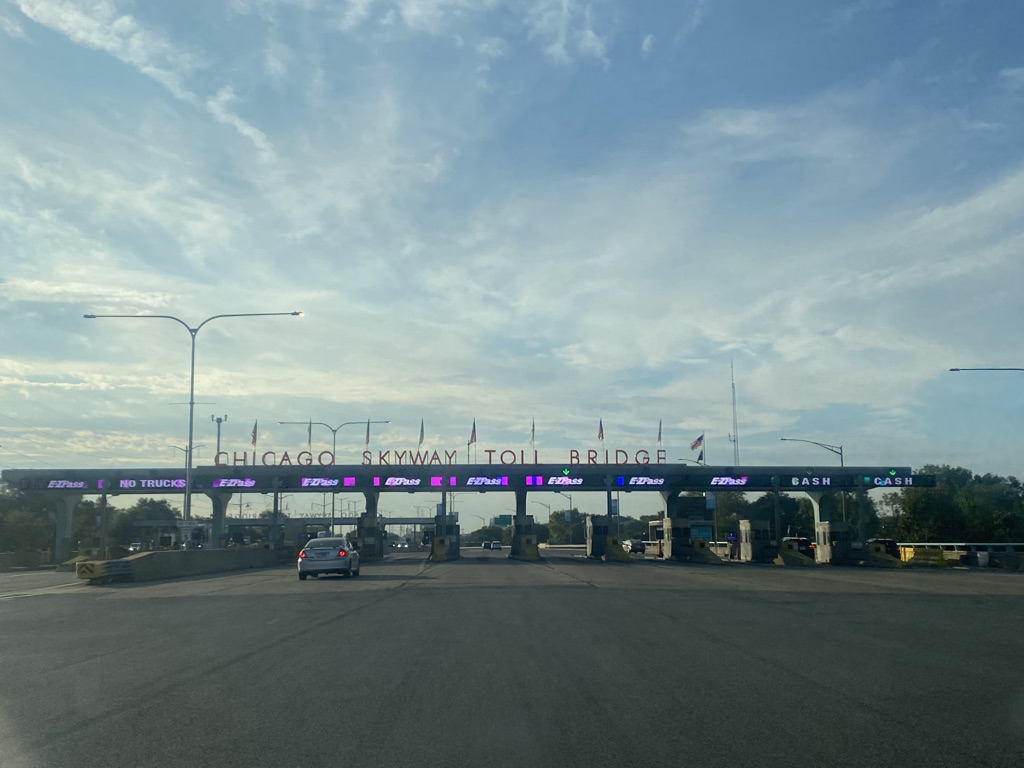
Turnpikes tend to have elaborate exit ramps to facilitate toll collection. As a result, exits are often quite far apart.

Two things happen. First, rather than pulling off at an exit to stop for gas, restrooms and food, it ends up being more common to stop at rest areas.

As homogenized as standard highway driving is compared with traveling on roads that go through the center of town, turnpike driving is even more homogenous. All of the rest areas on the Ohio Turnpike look exactly the same and many of them have the exact same food options.

Also, with the exits fewer and father between, it becomes far less likely that drivers will follow the most direct path from their origin to their destination. Getting to a location is more about finding the nearest exit than the series of roads that provide the most direct path.

Turnpike driving maximizes temporal efficiency, but it is not my favorite method of transportation.

When traveling from place to place, sometimes there are things more important than getting to a destination as quick as possible. There are places to experience along the way. The experience of traveling along the Indiana Toll Road and Ohio Turnpike is a reminder of what we lose out on when we focus on one metric and one metric only, in this case temporal efficiency. While South Bend, Elkhart, Toledo and Sandusky will not top anyone’s list of top vacation destinations, whizzing by them from 10-20 miles away on a homogenous turnpike still feels like missing out on something that has the potential to be a worthwhile experience.

Reflection on Iowa

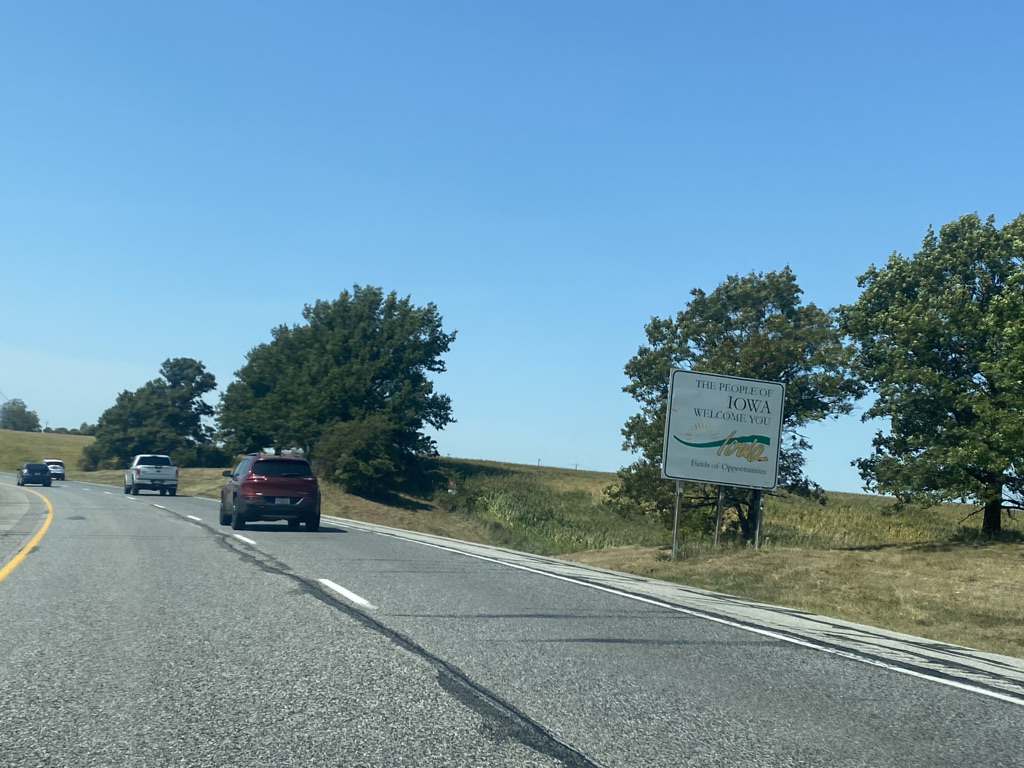
After yet another drive across the State

In my younger years, my experiences with the State of Iowa were not always positive. One time, I was at a conference in downtown Des Moines and found it surprisingly challenging to find a suitable place to eat. When I was 21, I visited Ames. I recall taking a series of shots, one green, followed by a yellow one and then a red one. I believe the tradition is called the “stoplight.” Energized by these shots along with my then usual rum and coke I was ready to let loose. I asked “what are we doing”. The response was “sitt’n and drinking.” The 21 year old version of me, always looking for more activities, found this absolutely ludicrous.

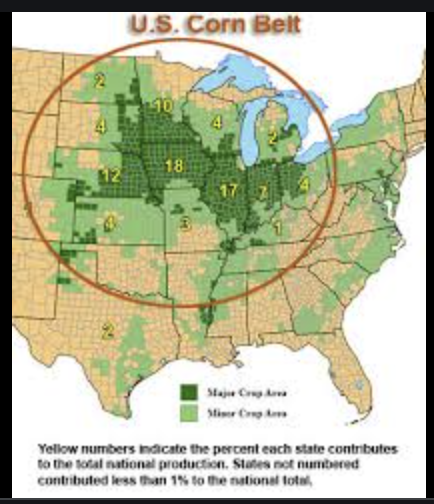
Iowa is primarily known for corn. It’s the top producer of corn and the only state that lies completely within what is known as the “corn belt”. The fact that those who drive across the state see nothing but corn was even the subject of a funny song that barely lasts half a minute.

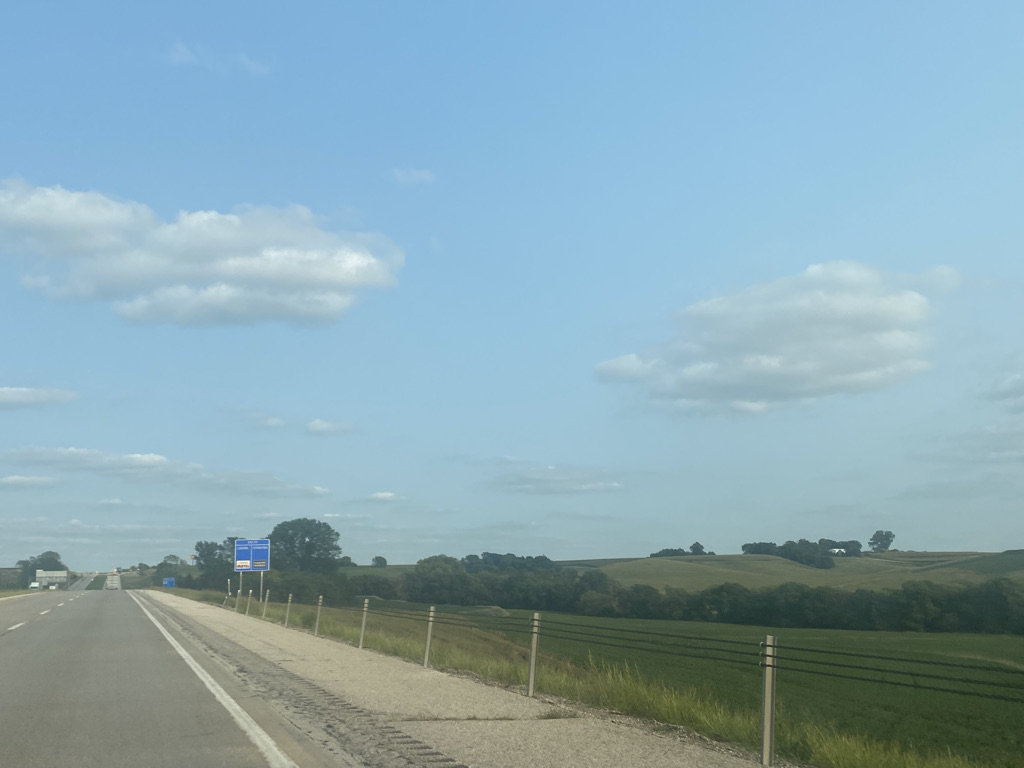
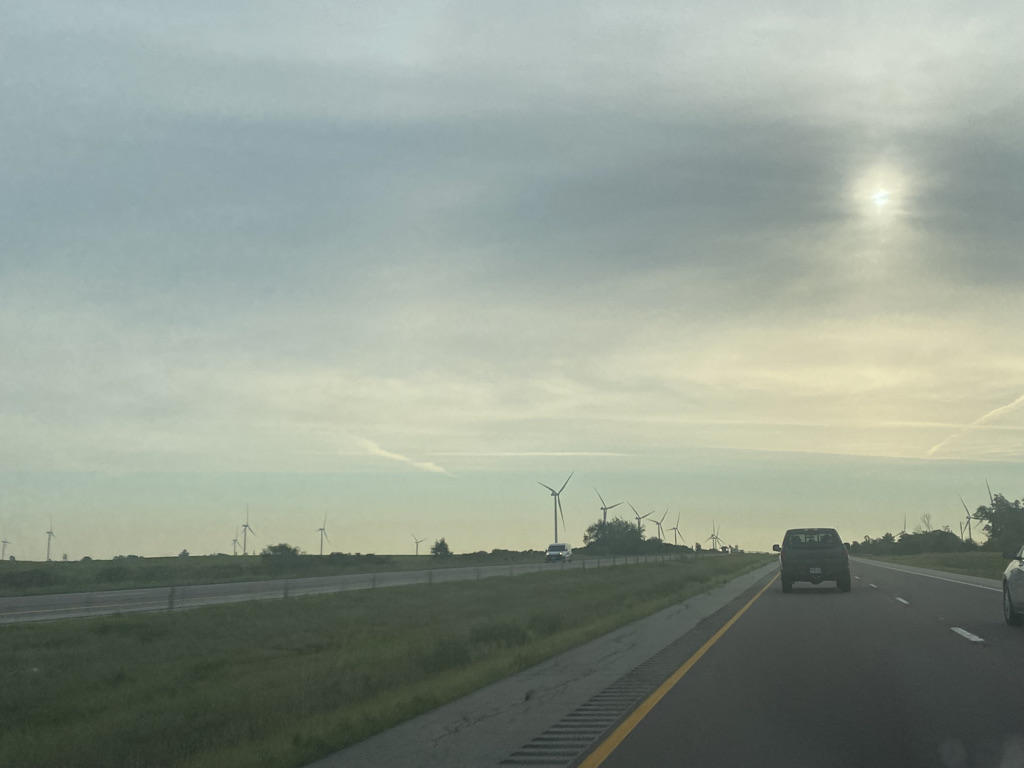
The drive across the state can be pretty monotonous, especially considering that Interstate 80, the highway most people use to cross the state, does not even go through the center of the towns it connects.

It is all pretty much the same thing, gentle rolling hills, farms, small towns, and, yes, tons and tons of corn fields. After a while I start to imagine what life is like here. What do people do on a day-to-day basis? What are the interesting and exciting activities? What worries them?

Was I only demanding these perfect restaurants in downtown Des Moines because I have become so accustomed to having so many options where I am from? Why is “sitting and drinking” not good enough for me? What am I chasing and is it making me happy?

It is easy to imagine life in Iowa being a kind of beautiful simplicity.

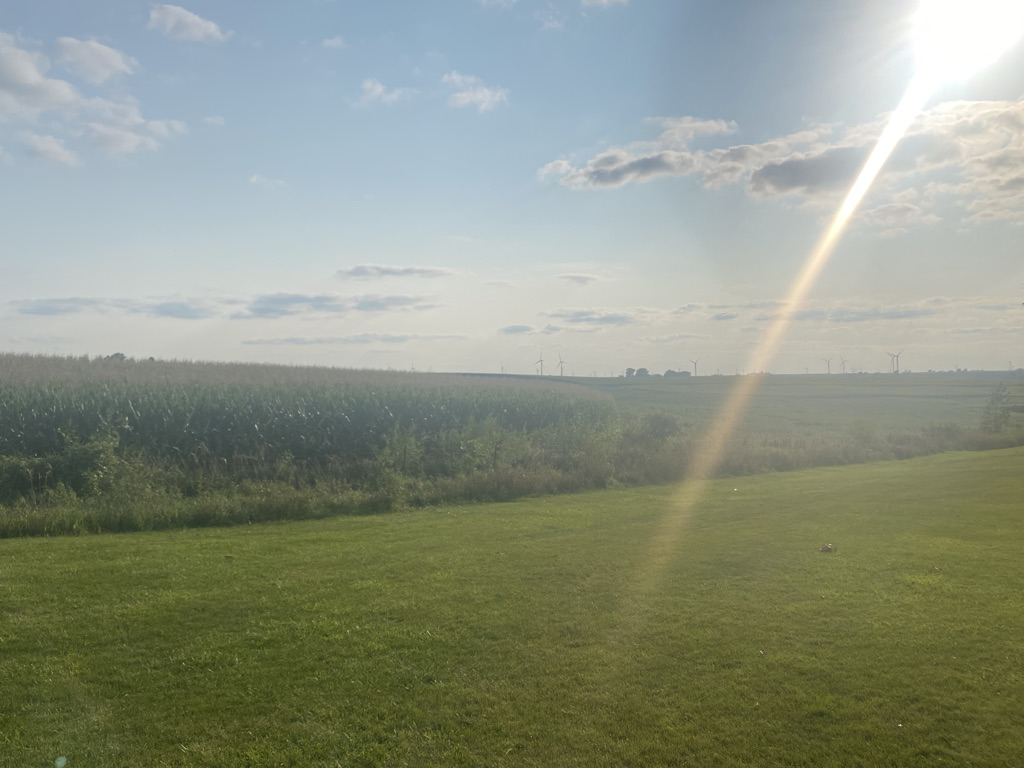
There are certainly uglier things to look at than corn fields kissed by the sun in the early evening hours on a late summer’s day.

Maybe what I dismiss as boring is a life that is actually satisfying to millions of people. Maybe the farmers across the state feel a sense of pride in growing the corn that feeds the nation’s cows that feed the nation’s people. Maybe people here love their communities. Maybe they love seeing people they know, deeply and personally, every time they go to their local grocery store or their local restaurants. Maybe they go over to each other’s houses and just play games. They could even enjoy just feeling the fresh air and watching the corn stalks sway in the wind.

Maybe that experience provides a deeper sense of satisfaction than having all the fancy items in the grocery store and five star restaurants with exotic food. Could it be that we are chasing the wrong things? I think to my own life and how happy all the expensive things we are all working so hard to be able to afford are really making us. Is it worth the stress?

While I still don’t imagine myself being happy living in Iowa, the realization that there are people happy here does make me re-evaluate my own life. There is a part of me that is always striving for more. The world, of course, needs people like this, to consistently move humanity forward. However, there is also a part of me that gets excited over some of life’s more simple pleasures.

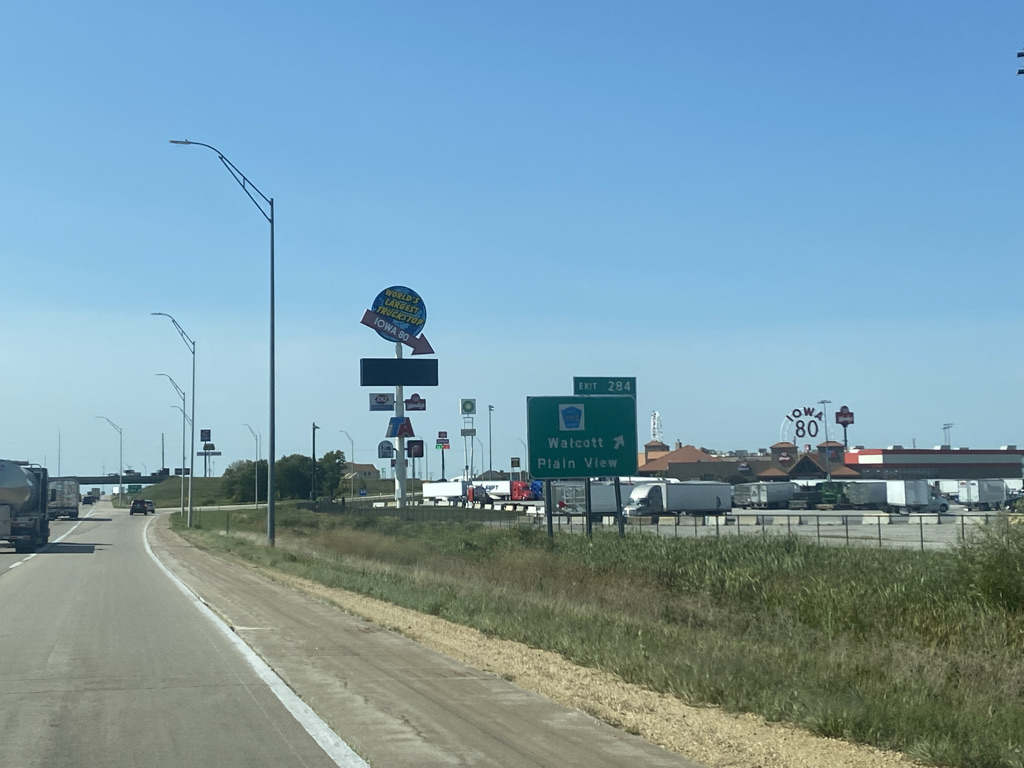
The world’s largest truckstop, in Iowa

Crossing Iowa, looking upon all the small towns and farms and imagining people who are perfectly content here inspires me to be present, pay attention and notice these small goofy things that make me happy. Sometimes in life that is all we have.

Columbine Lake- Grand County, Colorado

Many of Colorado’s outdoor activities involve putting the body through some kind of major challenge. There are no 14er climbs with less than 2,000 feet in vertical gain. Most 14er routes exceed 4,00 feet! Rock climbing, whitewater rafting and pretty much all of the State’s most talked about bike rides are quite physically challenging. There is a reason Colorado has the lowest obesity rate in the country.

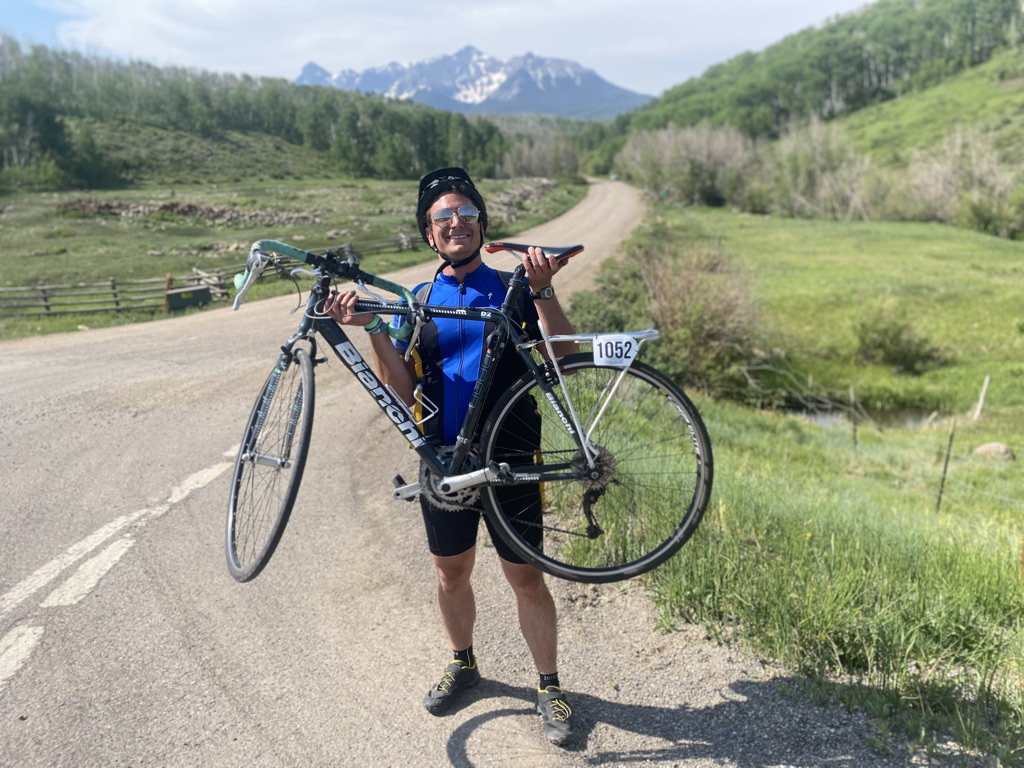
While these experiences improve physical health, there are spiritual benefits to being in nature and taking it at a slower pace. At a slower pace, one can fully observe, reflect, immerse and use that space to reduce stress and process thoughts. It’s a different kind of experience. After the extreme physical challenge that was Ride the Rockies, it was the kind of experience I was craving.

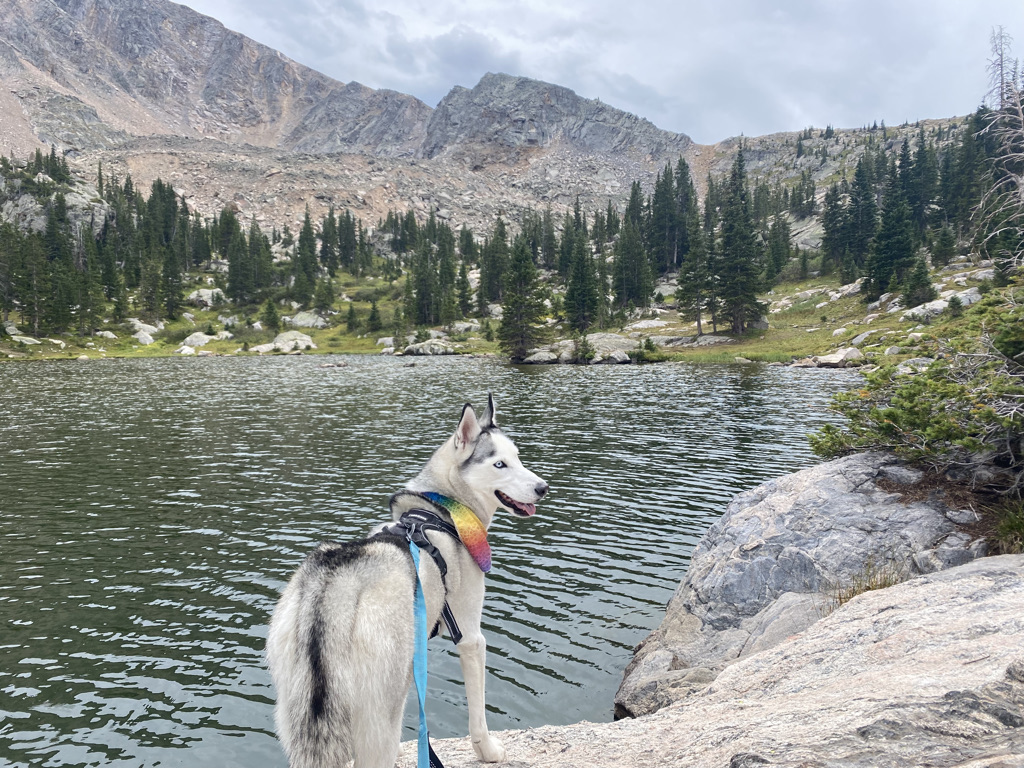
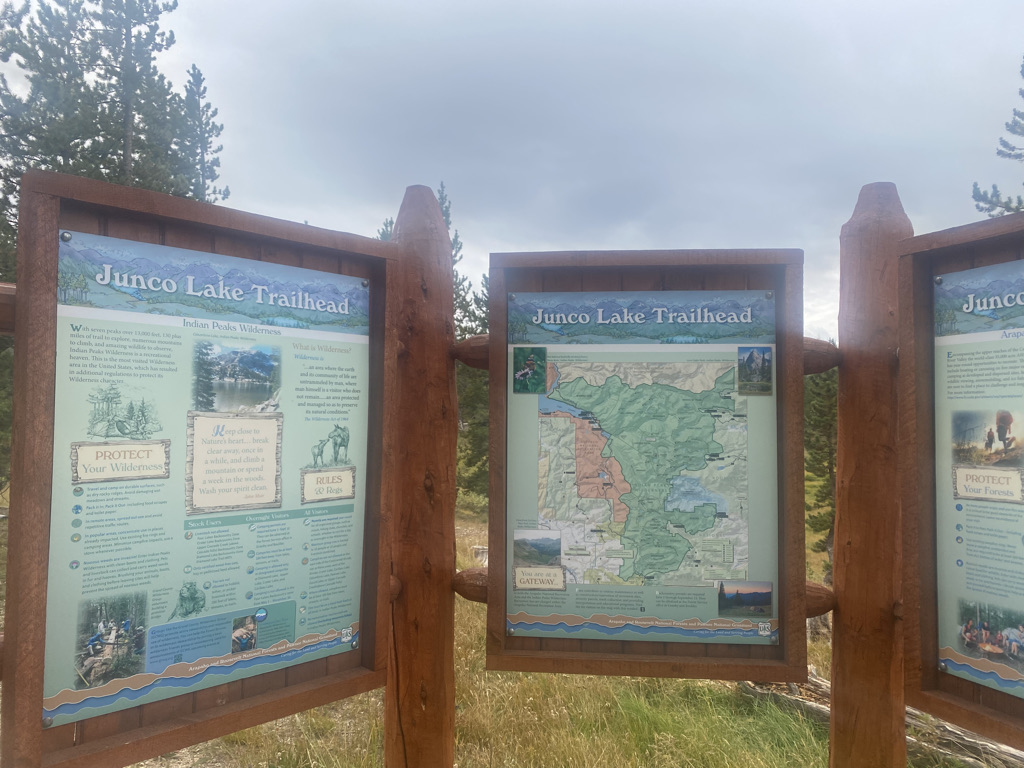
It may be challenging to develop the patience to just sit or walk slowly, especially after such a personal accomplishment. So, I found something in between the two extremes. I found a hike that would most certainly still be considered exercise, but not intense enough to distract from the experience of being in nature. That is Grand County’s Columbine Lake (there are two lakes in the state with this name so the distinction is necessary) via the Junco Lake Trail.

In addition to being a truly moderate trail, this particular hike is also both quiet and scenic. The catch is, getting there can be a little tough.

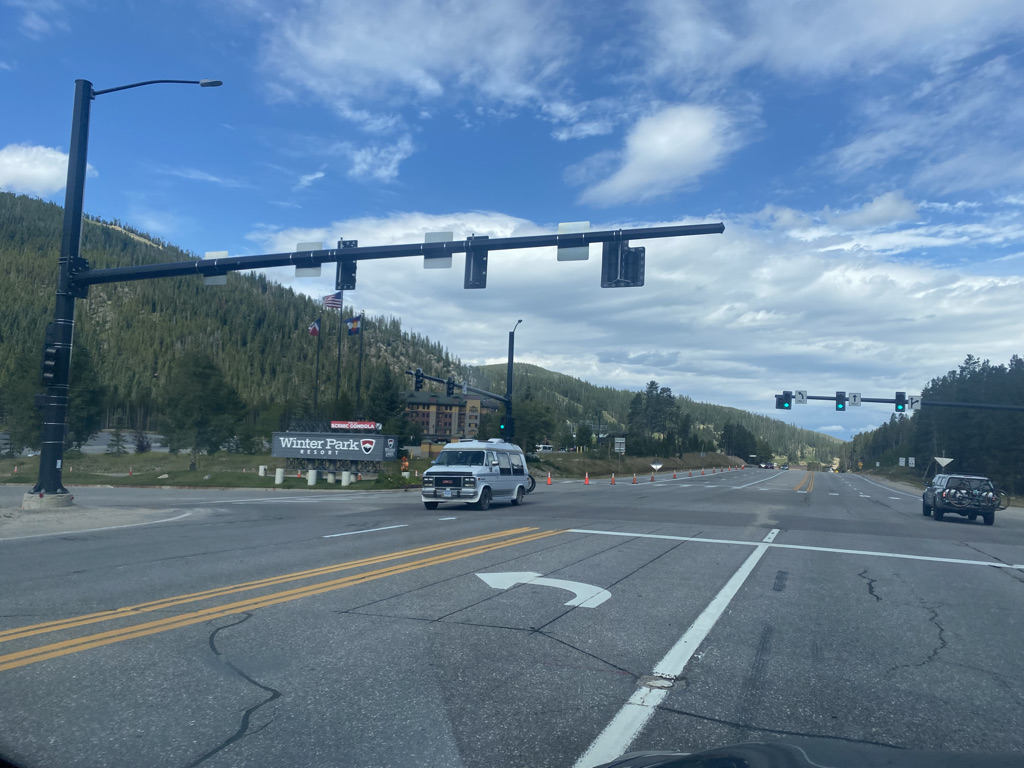
After driving through Winter Park along highway 40…

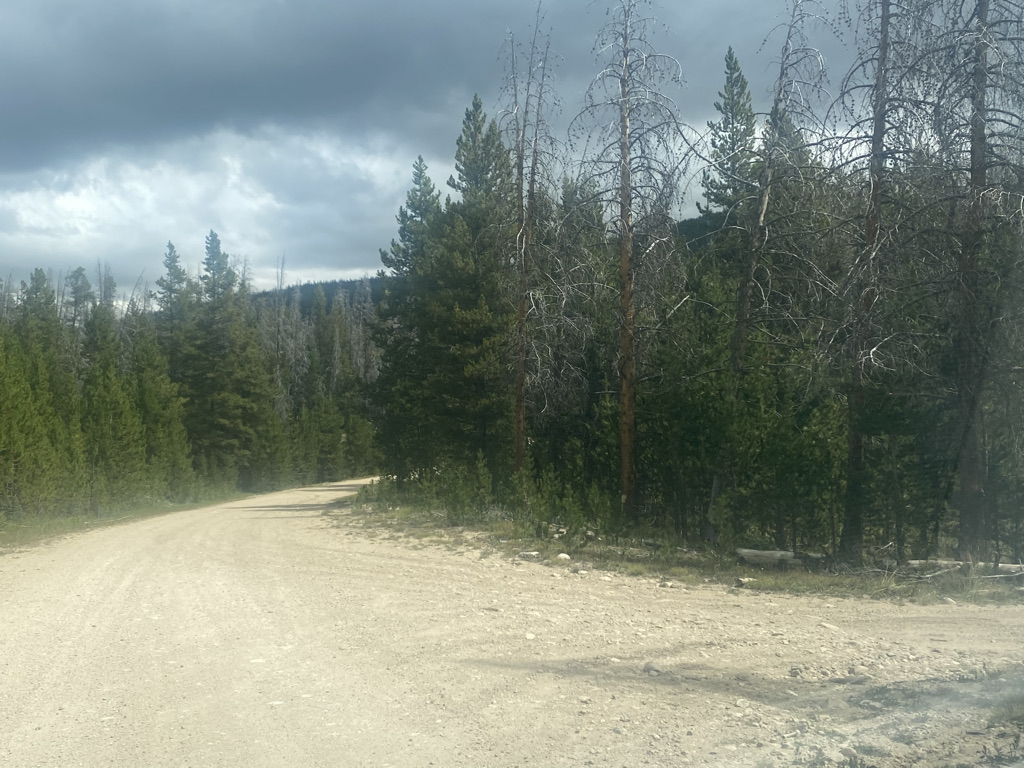
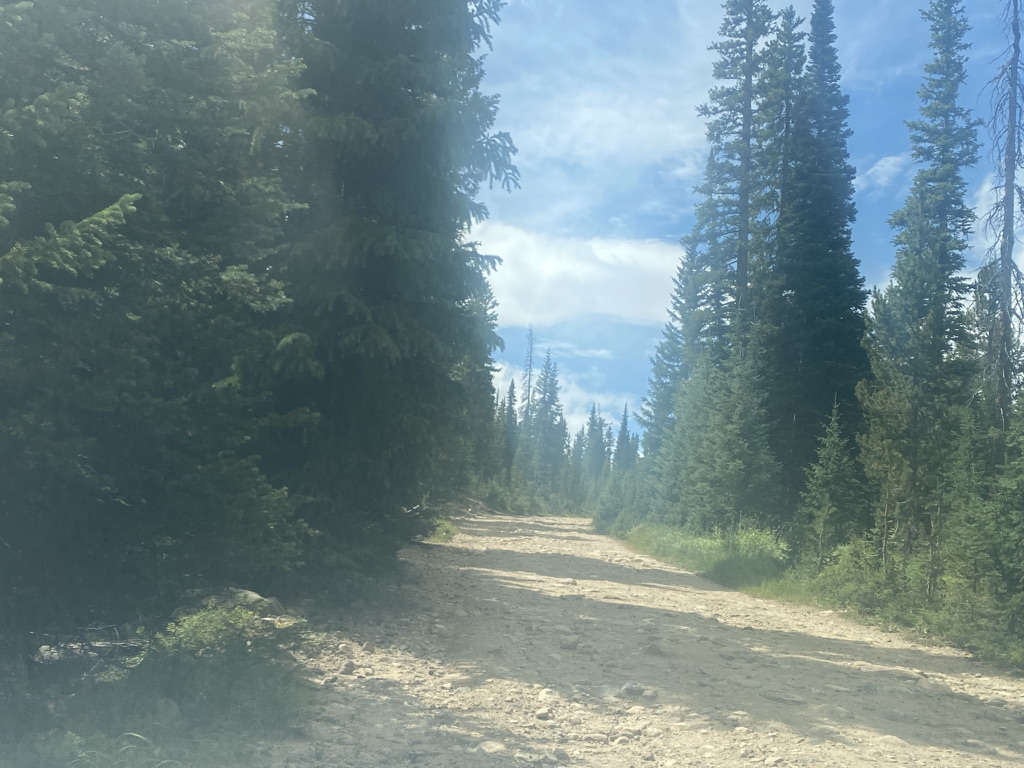
Getting there involves following an unpaved county road for about 12 miles, the final three of which can be quite rough.

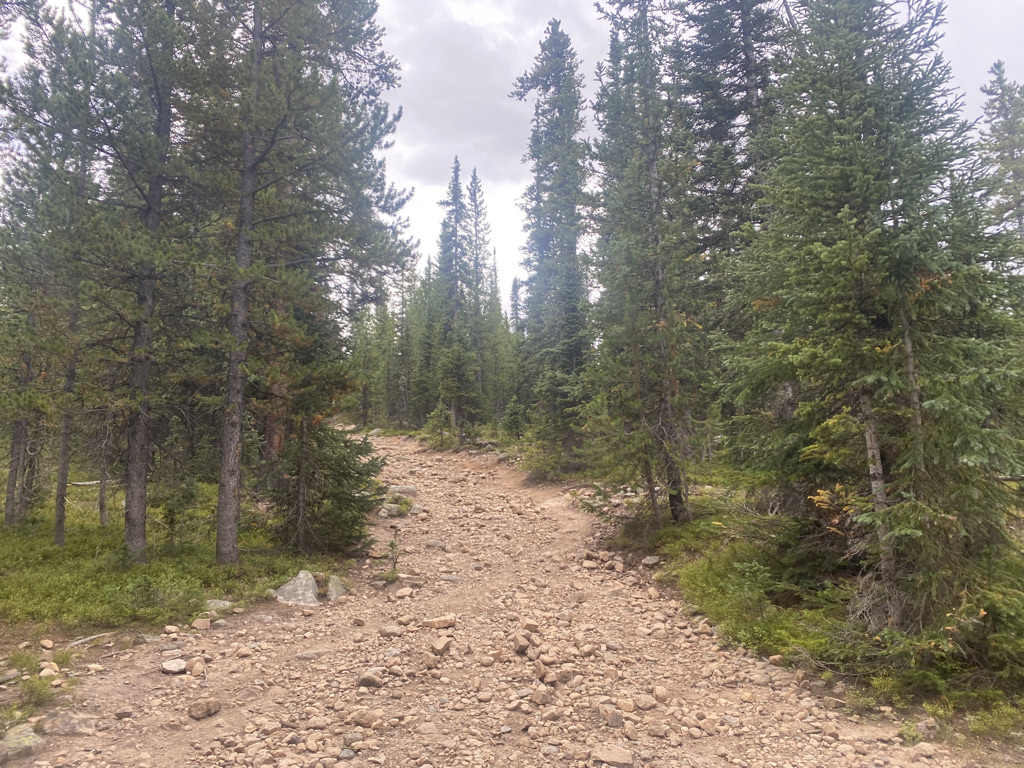
The trail also starts out rocky, in a manner that almost felt indistinguishable from the final few miles of driving to get to the trailhead.

This part was also pretty intense. At least it was intense enough to feel a lot more like a challenging hike than some kind of a walk in nature.

After this initial section, it felt exactly like the balance between active exercise and the spiritual experience I was looking for.

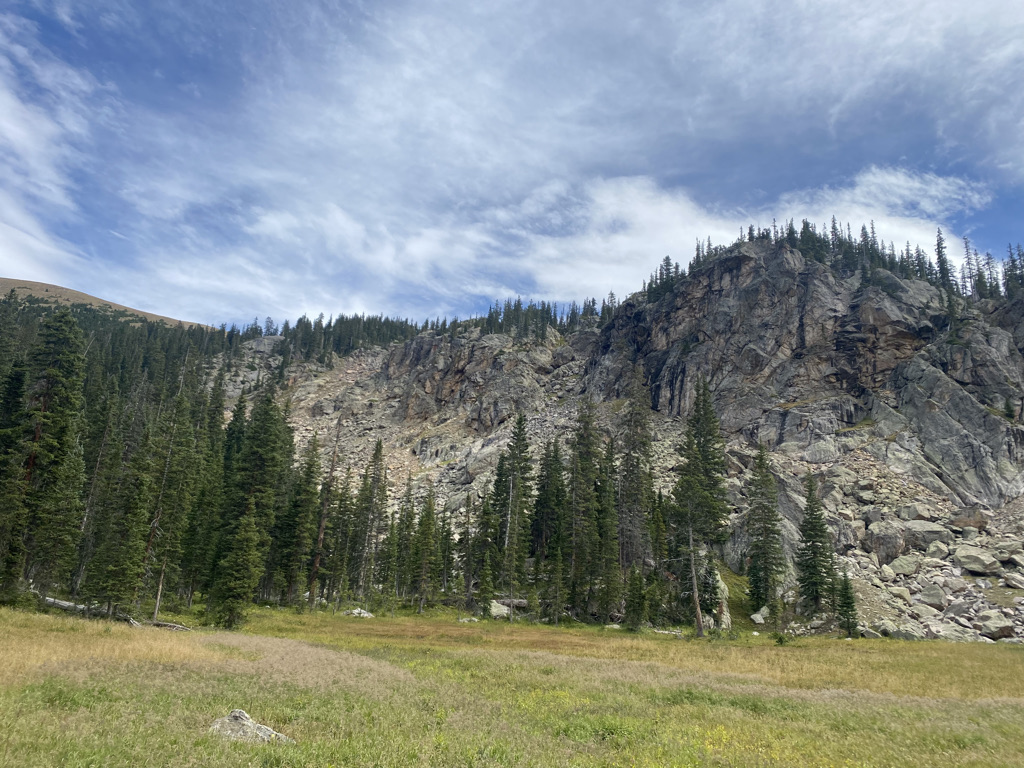
The trail also kind of switches back and forth between sections of dense pine forests and open meadows .

Finally, it follows a narrow creek with periodic mini waterfalls.

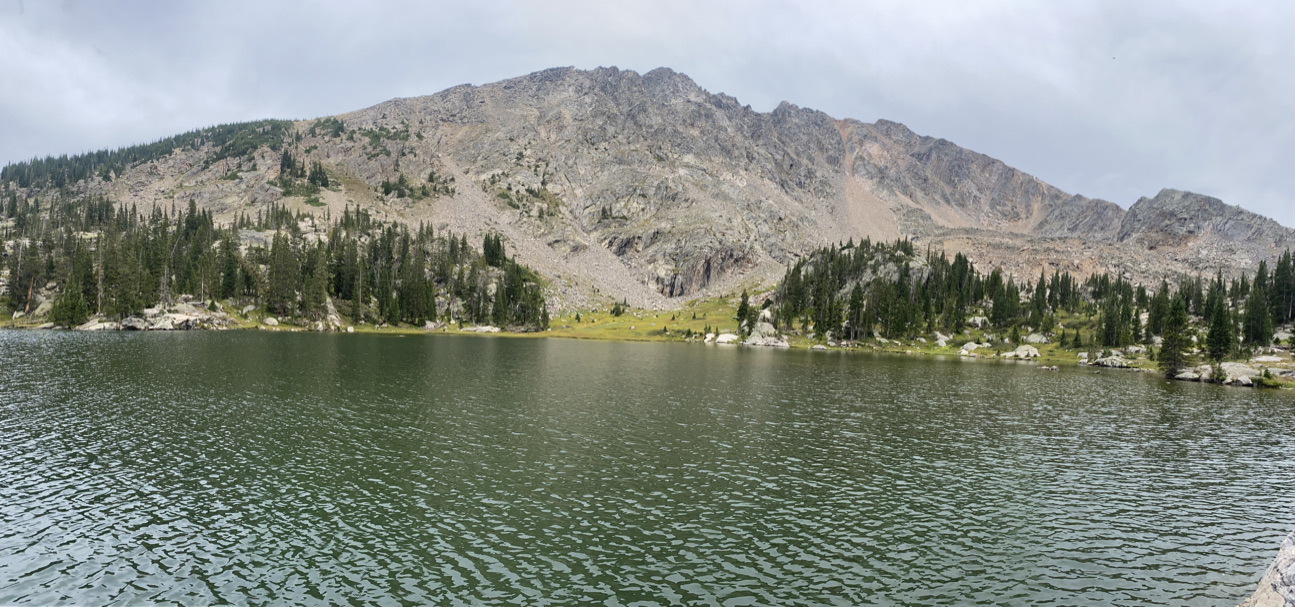
As it approaches the lake.

With open meadows and few other people, taken slowly enough, much of this hike could be the ideal setting for a spiritual experience. However, it requires some effort. It is almost reminiscent of Yoga, where the clearing of the mind comes only after pushing the body a little bit.

People are often searching for balance in life. This is frequently interpreted as finding some middle ground between two extremes. Could true balance also require a balance between moderation and that which is radical, extreme or intense? Likely, we all need some aspect of both in our lives. It ebbs and flows with different experiences taking a more prominent role in different seasons. In the end, it becomes all about getting the experiences we need to be complete human beings.

Peak to Peak Highway: The Perfect June Colorado Bike Ride

I started this ride just after 8 A.M. in Estes Park, Colorado, a town that has become so overrun with tourists due to Rocky Mountain National Park that they are now having visitors park at the visitor center and take a shuttle bus into town.

The town itself is surrounded by mountains still snow packed in the early part of June. Perhaps this residual snow at the highest peaks in the area is the reason this entire area would be less crowded than I had feared, and less crowded than it gets in July and August.

The first 8 miles of this 60 mile ride climb about 1700 feet (520 m), skirting by the Eastern and Southeastern edges of Rocky Mountain National Park.
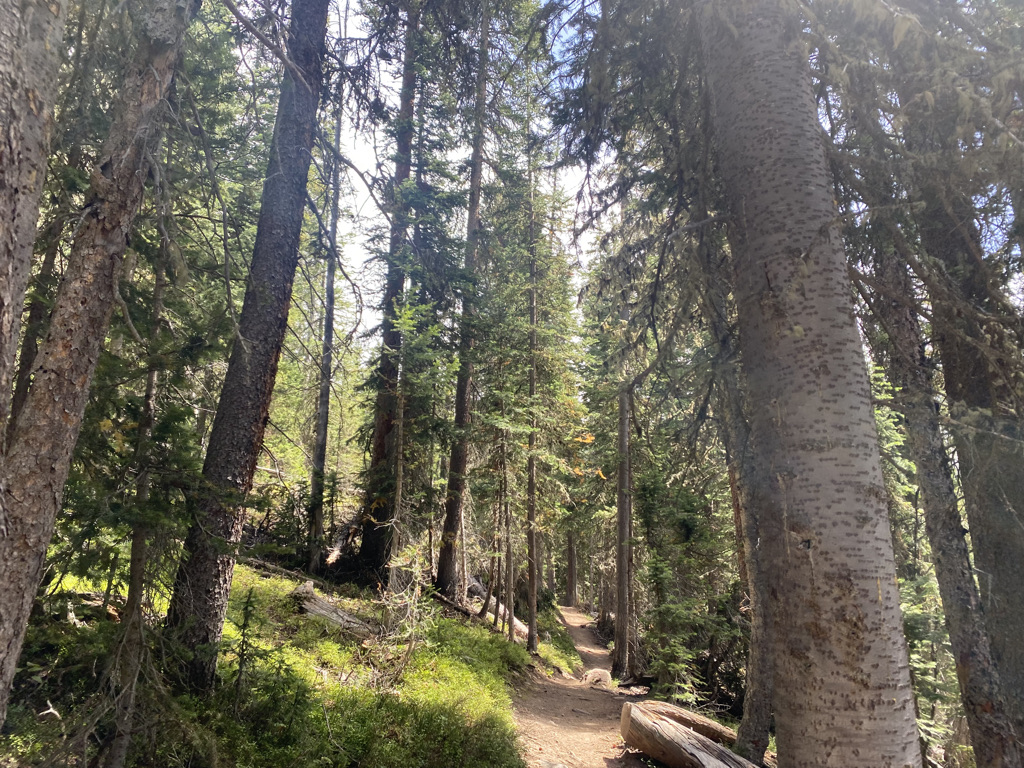
There are even a couple entrance points to the park along the highway!

I liked the initial climb as a way to acclimate myself to the challenging ride and pace myself properly.

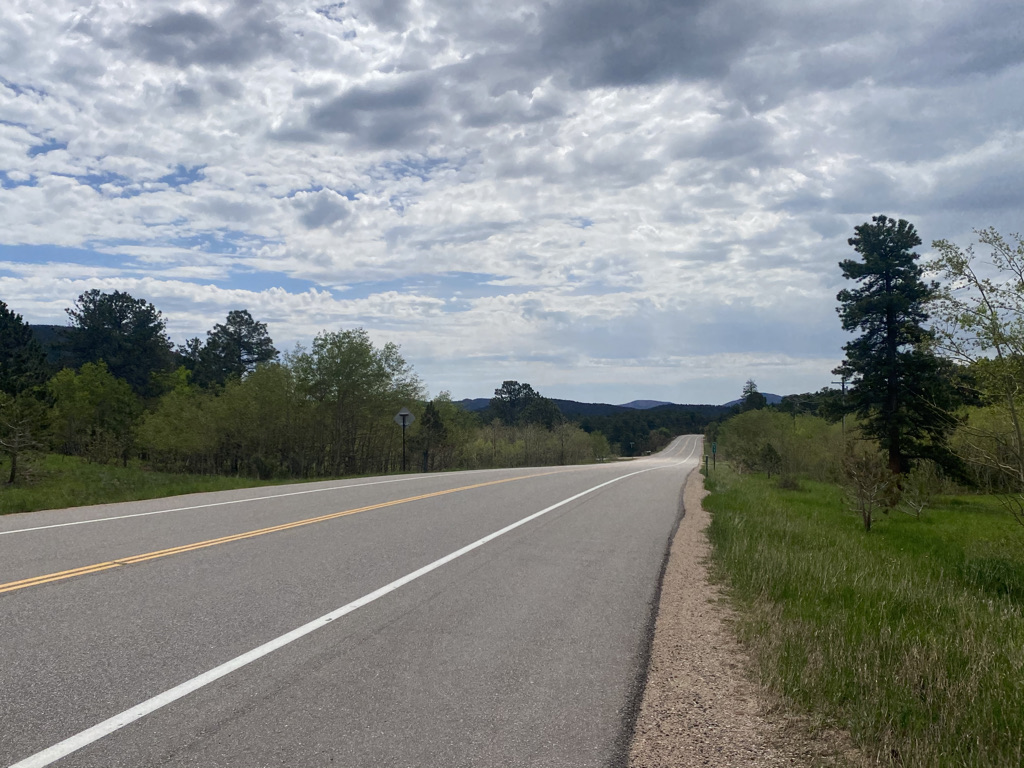
The ride as a whole does not have any flat sections. Some climbs and descents are long and others are short, but it’s always either up or down hill. The next part was mostly downhill, rolling through Allenspark and by one of the fastest sections of the highway (where I’d hit my top speed).

One of the things that makes this ride so close to perfect is the bicycle accommodations. With the exception of the first 8 mile climb out of Estes Park and another section of about 5 miles after Nederland, most of the highway has a shoulder so wide cyclists do not need to worry too much about interacting with traffic.

It is almost impossible to overstate how much this added to my enjoyment of this ride.

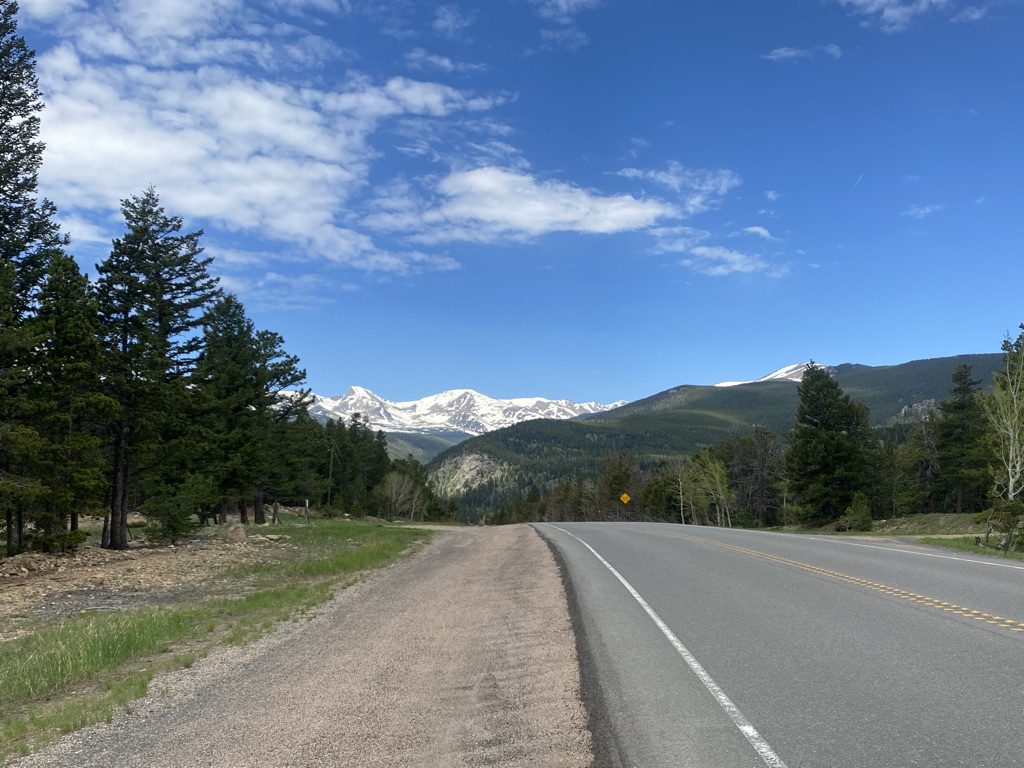
The entire ride is scenic in all directions. However, there are times when it is important to take a look back. The ride can be completed in either direction, from Estes to Blackhawk as I did or from Blackhawk to Estes. I decided to ride southbound, from Estes Park to Blackhawk to avoid afternoon crowds in Estes.

However, taking the ride in this direction did cause me to almost miss out on what turned out to be the best scenic overlook of the ride. Luckily, I stopped at the top of one of the many hills on the ride, this one about 20 miles in.

And decided to look back in the other direction, where those traveling in the northbound direction would be starting their approach towards Estes Park.

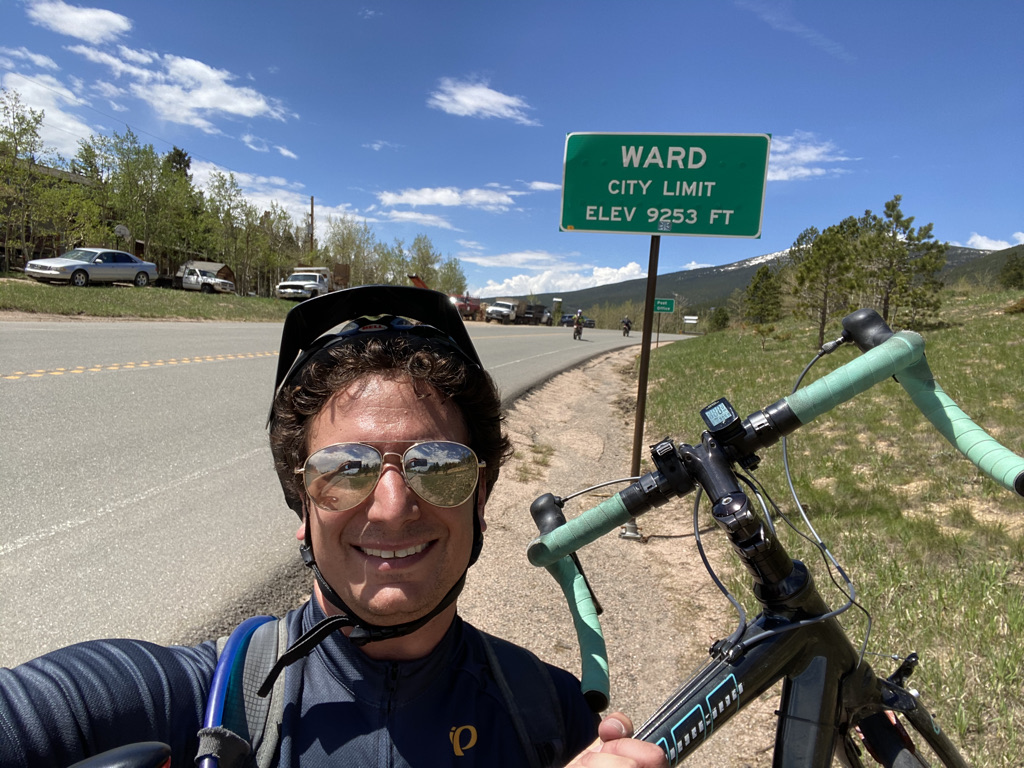
About 10 miles later and after another big hill climb, I would arrive at a tiny town called Ward.

It reminded me of a phrase I used to hear about smaller towns on road trips growing up, “You blink and you’ll miss it.” I remember sometimes being intrigued enough by such towns that I would follow along on the map and anticipate looking out the window at towns like these to avoid missing out on the momentary opportunity to see them. When traveling by bicycle, there is no danger of missing towns because I was reading, looking at my phone, or drifting off in thought.

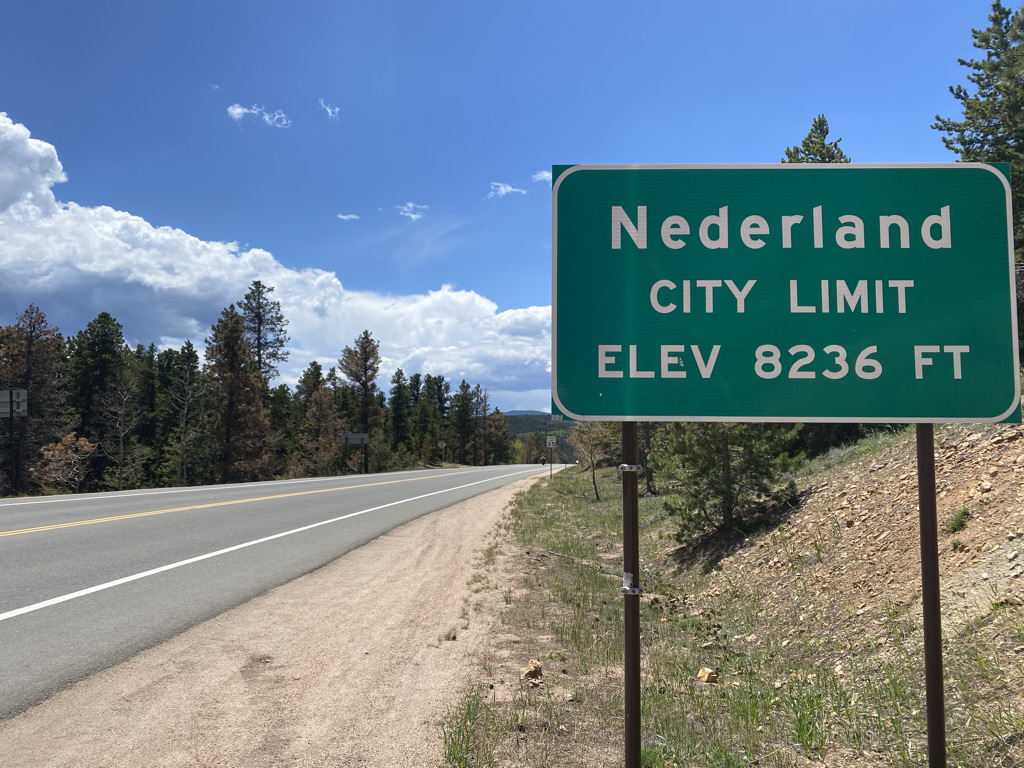
The next ten miles would be a series of rapid descents into the town of Nederland.

Having been to Nederland before, I expected to find crowds. There were people out and about, but perhaps because some of the trails were not yet opened up due to snowpack, it was significantly less crowded than I had expected. One other advantage to riding this highway from North to South is that I arrived in Nederland, the best place to take a break for lunch, a little bit after noon with 2/3 of the ride behind me.

Then would come the next most challenging climb (after the first 8 miles) and the only other section of road without a shoulder.

The open road returned alongside a series of hill climbs interrupted by short descents.

Throughout the ride I was hardly thinking of anything else besides what was in front of me. It reminded me of the state of flow so many people have been talking about during these somewhat psychologically challenging times. Most people enter this state of flow when they understand the task at hand, are sufficiently challenged, have sufficient autonomy and avoid distractions. Flow is said to accelerate both progress and satisfaction and the quest to reach the state of flow is an important component in many coaching services.

There I was, rolling up more hills until I finally reached the top of my final ascent.

Before I knew it I was flying down the final five miles into Blackhawk completing the ride.

After everything annoying about the past year or so, I have been working hard to clear as much negativity from my mind as possible. Apparently, I am not alone, as studies show 80 percent of all thought are negative. Even on a couple of my more recent bike rides, I struggled to avoid negative thoughts. I found my mind drifting towards conflicts with people, frustrations with recent events and the state of the world and such. It amazed me that on this day none of these thoughts entered my mind. I was present. I did not even come out of this ride with some sort of lesson. Those realizations would come days later. Maybe this turned into some kind of five hour long meditation session in nature. Either way I wish to have more experiences like this one.

The Last Week of the Off-Season in Summit County, Colorado

Keystone Village Ice Rink three days before Memorial Day Weekend 2021

Somewhere along the line, a holiday set aside to remember those who had died serving in the U.S. military became the “unofficial start of summer”. This year the holiday also happens to coincide with many places lifting restrictions related to COVID-19, as a significant proportion of Americans have been vaccinated and case numbers have declined. In 2021, the contrast between Spring and Summer promises to be far greater than in any other year. It is a contrast between a “socially distanced” offseason and a fully re-open summer that unofficially began Memorial Day Weekend. The week before Memorial Day literally felt like the calm before the storm.

I spent most of the week riding my bike around the area. It felt like the last time in quite a while that these trails (the Summit County’s bike trail system) would be so quiet.

The weather was quite nice, although a bit chilly in the mornings. Yet, since it was still technically off-season, the crowds had not yet arrived.

Downtown Frisco Tuesday May 25th

Each season in the mountains is unique and as Spring transitions into summer, the sun is bright, but mountain tops still have a lot of snow on top of them. The middle part of a sunny day in May or Early June may be the brightest the area ever feels.

There are so many places of natural beauty and so many stretches of trail, throughout the county, where one can just be alone with their thoughts.

It’s hard not to feel spiritually refreshed after several days of cycling around the area.

The way the world is currently set up, cycling is by far the best way for me to process my thoughts. Almost anywhere else I find myself, there is the temptation to look at my phone or engage with some other distraction. Cycling, I need to have both hands on my handlebars. Therefore, there is a lot of value in riding long distances. It is on these rides that I process through life developments and often come up with ideas.

Wednesday was quite possibly the most significant day of this trip. The day started with the Super Flower Blood Moon, a lunar eclipse visible just after 5 A.M. It was visible for a while but then the moon slid behind the clouds as the sky started to brighten up. From a spiritual standpoint, I was told that lunar eclipses are a time for us to release things. So, at the time when the eclipse had peaked, although behind the clouds, I set the intention of letting go of a couple of things that were no longer serving me in life.

Later in the day I rode my bike from Keystone to Breckenridge, a 16 mile (25 km) ride (each way) with a moderate hill climb. When I arrived in Breckenridge, I randomly encountered a parade they were throwing for this year’s high school graduates, on Main Street.

Summit High School Class of ’21 celebrating on Main St. May 26, 2021

It warmed my heart. This year’s graduates in particular got a raw deal from the pandemic. It impacted both their Junior and Senior years. I was glad to hear them all happy, with many of them looking forward to the life they have in front of them. Written on many cars was the college the students were about to attend.

One of my favorite things about bike travel is randomly encountering events like this. They are much harder to miss riding a bicycle than driving on a highway. I even encountered the parade being staged, in the parking lot for the ski resort, which is empty because it’s off-season.

In a few weeks, this place will once again be active, with summer activities. Visiting the week before Memorial Day may have been the best of both worlds, nice weather but still not crowded. However, it is important to recognize it as a transition week, a time when one season ends and another begins. Many people fly from one activity to another, one endeavor to the next, not taking any time to slow down, process what happened and take in the lessons learned. The super blood moon was a time to let go of what isn’t serving us well. Hopefully, the entire week, as was the case for the graduates marching down Main Street preparing for College, was a time to reflect and prepare for what is to come. A time to close one chapter and enter the next.